
School of Pharmacy, G H Raisoni University, Saikheda, Dist.-Pandhurna, Madhya Pradesh, India-480337
A twinning herb of the Asclepiadaceae family, the plant Pergularia daemia Linn. is found throughout tropical Asia and Africa and has important ethnomedical uses. It has long been used in Ayurveda, Siddha, and medical traditions to treat conditions related to the reproductive system, skin, arthritis, asthma, and diarrhea. Its varied pharmacological actions are attributed to a rich profile of bioactive compounds, including alkaloids, flavonoids, the saponins, terpenoids, tannins, and cardenolides, as revealed by phytochemical studies. Its antibacterial, anti-inflammatory, hepatic protective , antidiabetic, antioxidant, and anticonvulsant effect have all been confirmed by preclinical investigations. Topical treatments made from P. daemia have potential applications in healing wounds and dermatology, while its insecticide and anthelmintic qualities encourage its use in veterinary and agricultural industries. Despite the potential for medicine, standardization, mechanism clarification and medical translation remain challenging. This review combines pharmacological, phytochemical, and medicinal plant data to point out P. daemia as a promising candidate for new therapeutic development. Future research should focus on formulation optimization, including integrated pharmacology and green nanotechnology, pharmacokinetics and molecular characterization
Pergularia daemia is a climbing herb from the Asclepiadaceae family. It grows widely in tropical areas like India, South Asia, and South Africa. This plant has traditional names such as Veliparuthi in Tamil and Uttaravaruni in Sanskrit. It has long been valued in indigenous medicine for its various healing benefits [1]. India has a rich variety of over 45,000 plant species, with nearly 6,000 actively used in herbal medicine. While many have formal recognition in clinical practice, many others are still used in traditional remedies that have been passed down through generations [2]. Medicinal plants like P. daemia contain both primary metabolites, like sugars, proteins, and chlorophyll, and secondary metabolites, such as alkaloids, glycosides, steroids, and phenolics. These compounds contribute to their health effects [3]. One major global health challenge is diabetes mellitus. This chronic metabolic disorder causes persistent high blood sugar and disrupts the metabolism of carbohydrates, fats, and proteins. Its prevalence is expected to reach 4.4% by 2030, with India, China, and the United States being among the most affected countries [4]. Traditionally, P. daemia has been used to treat a variety of illnesses, including infant diarrhea, malaria, asthma, anemia, convulsions, bronchitis, leprosy, rheumatic issues, and reproductive disorders. It can be used both internally and topically, acting as an emetic, expectorant, fever reducer, laxative, and abortifacient [5]. Ethnomedical reports show its use in treating parasitic infections, using leaf decoctions and juices as natural treatments [6]. India has greatly contributed to traditional medicine systems like Ayurveda, Siddha, Unani, and Tibetan medicine. P. daemia is included in several of these formulations [7]. In modern herbal therapy, topical herbal creams are now effective ways to deliver treatment. These semisolid preparations can be oil-in-water or water-in-oil emulsions and include plant extracts to provide antibacterial, antifungal, and anti-allergy effects [8]. Parasitic worm infections still affect over two billion people worldwide, with developing areas facing the greatest challenges. By 2025, nearly 57% of the population in these regions is expected to be impacted. Given the drawbacks and side effects of synthetic anthelmintics, P. daemia presents a promising natural alternative. Its aerial parts have shown benefits like liver protection, contraceptive effects, diabetes management, pain relief, fever reduction, and anti-inflammatory properties [9]. This review seeksto present a detailed and integrative account of Pergularia daemia Linn, fastening on its botanical features, chemical constituents, and remedial parcels,the plant ethnopharmacological connection and emphasize its implicit asa candidate for future drug discovery and development [10]. The World Health Organization estimates that over two billion people are afflicted by parasitic worm diseases (Mulla et al., 2010). By 2025, it is estimated that 57% of people in developing countries will be impacted (Clewes and Shaw, 2000). Most anthelmintics currently on the market have side effects, including diarrhea, headaches, nausea, vomiting, diarrhea, and abdominal pain (Devi et al., 2009) [11]. The leaves of the plant have long been used to treat chronic diseases like leprosy, or arthritis, or anemia,or asthma, and bronchitis, while the latex is applied topically to treat problems with the skin like wounds and ulcers (Yoganarasimhan, 2000) [12].
2. BOTINICAL DESCRIPTION
This twining perennial herb Pergularia daemia is characterized by its strong, disagreeable odor and unique milky sap. In tropical and subtropical areas, particularly in India, this plant, despite its unassuming appearance, is important to traditional medicine. Its leaves are thin, heart-shaped to broadly ovate, with soft hairs below and delicately ciliate borders. The stems, which can grow up to 4 meters or more, are soft-haired and die back during dry months. Around August, flowering starts, and it lasts until January. They might be creamy white, greenish-yellow, or occasionally purple-tinged. The plant starts to produce fruit in October, which are paired, spiny follicles that are roughly 5 cm long. They break open when fully grown, releasing a flurry of seeds, each capped with silky white hairs that catch the breeze and spread the seeds. P.daemia thrives up to 1000 meters in the Himalayas and 900 meters in southern India, where it is typically found in hedgerows and open scrublands. Traditionally, the entire plant is collected for its therapeutic qualities, which serve as the foundation for a variety of herbal treatments. Some feature are discussed below as show in table 1 [13][5].
Explanations:
Table 1. Botinical description of pergularia daemia linn.
|
Feature |
Description |
|
Habit: |
This perennial climber is slender, hispid, and foul-smelling. |
|
Leaves |
Opposite, membrane-like, 3–9 cm long and roughly the same width; broadly ovate, orbicular, or deeply cordate; pubescent underneath; acute or short-acuminate apex; petioles 2–9 cm long. |
|
Flowers |
carried in axillary, long-peduncled, drooping clusters; greenish-yellow or dull white with a hint of purple. |
|
Fruits |
Lanceolate and dehiscent, having silky hairs and seeds; long-pointed (~5 cm); covered in delicate spines. |
|
Seeds |
Pubescent, widely oval, and endowed with smooth hairs for windy dispersion. |
|
Flowering Period |
India's center between August and January |
|
FruitingPeriod |
October through February
|
|
Seasonal Behavior |
With the start of the monsoon, stems reappear after dying down in February. |
|
Ethnomedicinal Use |
In indigenous medical systems, every part of the plant is traditionally harvested and put to use. |
2.1 Taxonomic Description
Table 2. Taxonomic classification of Pergularia daemia linn [5].
|
Kingdom |
Plantae |
|
Subkingdom |
Tracheobionta |
|
Super division |
Spermatofitas |
|
Division |
Magnoliophyta |
|
Class |
Magnoliophyta |
|
Subclass |
Asteridae |
|
Order |
Gentianales |
|
Family |
Asclepiadáceas |
|
Tribe |
Asclepiadeas |
|
Subtribe |
Asclepiadaceae |
|
Genus |
Pergularia |
|
Species |
Daemia |
2.2 Vernacular Name
Table 3. Vernacular names of the plant Pergularia daemia linn [5]
|
Tamil |
Seendhal Kodi, Uttamani,Veliparuthi |
|
English |
Hariknot plant |
|
Sanskrit |
Visamika, Karutakah, Kakajangha |
|
Hindi |
Utaran, Sagovam, Aakasan |
|
Bengali |
Ajashringi, Chagalbati, |
|
Gujarathi |
Chamardudhi |
|
Oriya |
Utrali, Uturdi |
|
Marathi |
Utarn |
|
Telugu |
Gurtichettu,Dustapuchettu Jittupaku |
|
Kannada |
Halokoratige Juttuve, Tlavaranaballi |
|
Malayalam |
Veliparatti |
|
Punjab |
Trotu, Silai, Karial, |
2.3 Features of Morphology
The following are the plant main traits as a climbing perennial: Oval, hairy and set in opposition are the leaves. Flowers: groups of tiny, light-green flowers. Fruits are structures resembling capsules that hold many silky-haired seeds [11].
2.4 Geographical distribution
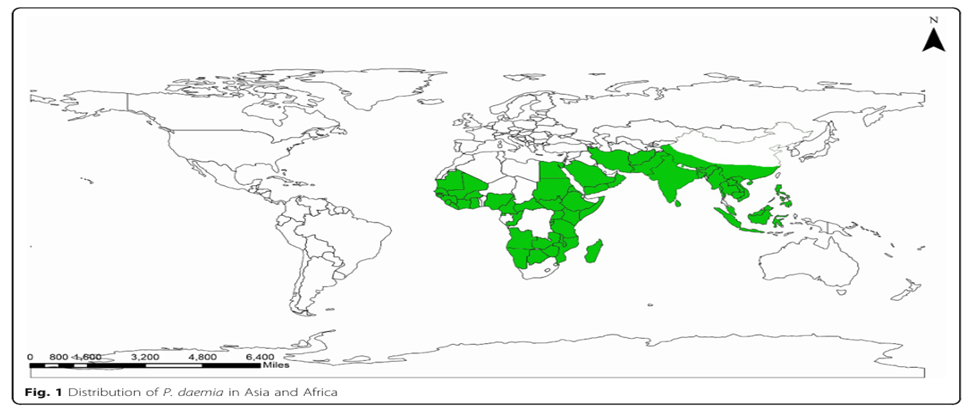
Fig.1. Pergularia daemia linn Distribution in Asia and Africa [13].
2.5 Habitat
In India's tropical and subtropical regions, this plant is abundantly found. It is frequently found in hedges over the majority of the nation, at elevations of roughly 900 meters in southern India and 1000 meters in the Himalayas. It is found throughout tropical Africa and even Arabia [5].
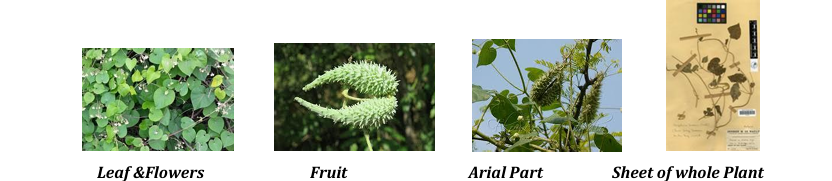
Fig.2 Various parts of Pergularia Daemia Linn [8].
3. Traditional & Ethnomedicinal
Since ancient times, Pergularia daemia has been utilized as a medicinal plant. Snake bite, expectorant, emetic, anthelminthic and leucodermal dysentery, fever, catarrhal infection, infantile diarrhea, rheumatism, and uterine and menstrual diseases are all treated with the entire plant. Catarrhal is treated with leaves. infection and diarrhea in infants Leprosy, hemorrhoids, tetanus, and stomachaches. Nasobronchial illness alopecia, cough, chest pain, and stomach pain (antihelmetic and expectorant headache). Venereal illnesses, arthritis, and muscle aches are all treated with the root decoction. both rheumatism and asthma. The plant's latex can be used as fish poison and is used to cure rheumatism, venereal disease, arthritis, muscle aches, and snake bites. You can use it to cure toothaches as well. The leaves' milky sap is applied to treat Rheumatism and kidney pain, oedema, or sore eyes. The roots are used to treat respiratory issues and gonorrhea ulcers. The stem's bark can be used to treat fever, diarrhea, and colds in babies. The fruits have thermogenic and digestive properties. Plant extract helps with parturition and helps with menstruation and uterine problems [5]. Throughout its distribution range, all portions of the plant have been claimed to have a variety of medical purposes. Externally, the fallen leaves or occasionally the young fruits that have been crushed are used to treat eczema, subcutaneous worm infections, wounds, and abscess formation. Infusions and decoctions made from floral twigs are used extensively as an emetic, emmenagogue, expectorant, anthelmintic, and to treat things like diarrhea, dysentery, colic rheumatism, painful joints and limbs, leg cramps, malaria, appendicitis, and amenorrhea. The latex is applied to rheumatism, asthma, snake bites, sore eyes, hurting teeth, and to get rid of thorns from the skin. To help with childbirth, a mixture of crushed leaves and capsicum peppers is used as an enema in Ghana. As an abortifacient, root Cough is treated with infusion, colic, and stomachaches. It has been used to treat malaria with stem bark. Fish poison made from fresh leaves [10].
3.1 Ayurveda and Siddha
3.1.1 Therapeutic Uses
The bio-energetic concepts of doshas (Vata, Pitta, Kapha) and mukkutram (Vatham, Pitham, Kabam) are used in the Ayurvedic and Siddha systems to categorize illnesses. Herbal remedies are designed to cure particular conditions and bring the body back into equilibrium.Withania somnifera (Ashwagandha): Has anti-inflammatory and adaptogenic qualities.
Kamalai Kiyazham (Siddha): Has antiviral and hepatoprotective properties; used to treat jaundice.
3.1.2 Pharmacological Correlation
Adhatoda vasica (Vasaka): an ACE inhibitor and bronchodilator
Curcuma longa (turmeric): Curcumin has antioxidant and anti-inflammatory properties.
3.2 Folkk medicine application
3.2.1 Ethnobotinical Survey
More than 50 plant species are utilized to treat conditions ranging from fever to skin infections, according to surveys conducted in the Western Ghats and Kumaun Himalayan region.
Asteraceae, Lamiaceae, and Fabaceae are common families.
3.2.2 Common Remedies
Depending on the patient's age, season, and constitution, these treatments are frequently tailored.
3.2.3 Preparation Techniques
Boils in earthen pots for decoctions.
Infusions soaked overnight for minor illnesses; poultices prepared from crushed leaves.
3.2.4 Field Observation
Seasonal cues, habitat knowledge, and oral transmission are all important to healers.
Most of the time, remedies are made fresh and given right away.
3.3 Cultural Significance
3.3.1 Symbolic Role
In Hindu homes, tulsi (Ocimum sanctum) is a symbol of protection and purity.
Bael (Aegle marmelos): Used in religious offerings, this animal is revered by Lord Shiva.
3.3.2 Ritualistic Use
Sandalwood paste is applied at festivals and rites of passage, and neem branches are employed in cleansing ceremonies.
3.3.3 Habitat Association
Sacred groves are frequently connected to local deities and serve as repositories of medicinal biodiversity.
3.3.4 Oral Traditions
Stories, proverbs, and songs are ways that people transmit their knowledge of medicinal plants. Custodians include shamans and elders.
3.3.5 Socio-Ecological Importance
Traditional medicine maintains cultural identity, encourages biodiversity protection, and helps rural livelihoods.
4. Phytochemistry
The therapeutic and pharmacological potential of the specific plants is primarily due to secondary metabolites that are isolated from the medicinal and aromatic plant extract. Crude extracts of medicinal plants are occasionally used as a therapy for a variety of illnesses. However, it is crucial to isolate and identify the bioactive molecules, as well as to extract, purify, and determine the mechanism of action of the refined product [13]. In general, a plant's phytochemical and other chemical components determine its therapeutic qualities. Numerous research on phytochemicals have shown that various kinds of chemical substances are present. Our goal in this review is to provide an overview of the key elements that have been linked to the pharmacological actions of the crude medication, rather than to discuss all of the numerous compounds that have been described for pergularia daemia. The phytochemicals that are most frequently identified in Pergularia daemia leaves are alkaloids, terpenoids, tannins, steroids, and carbohydrates. The existence of cardenolides, alkaloids, terpenoids, saponins, and steroids has been demonstrated by phytochemical investigations. Among the cardenolides found in Pergularia daemia seeds are uzarigenin, coroglaucigenin, calaction, calotropin, and a bitter resin called Pergularin, which has a cardiotoxic effect. It has been proposed that progesterone does not prevent the action of plant seeds on the uterus, which is comparable to pituitrin [10].
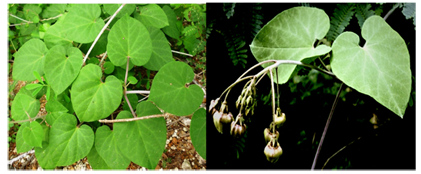
Fig.3 Pergularia daemia linn [13].
4.1 Major classes of phytoconstituents
Profile of Phytochemicals
Both primary and secondary metabolites are present in the plant, according to phytochemical analyses.
Primary Metabolites
Proteins and carbohydrates are fundamental macromolecules that underpin the structure and metabolism of cells [11].
Secondary Metabolites
Flavonoids: These include quercetin glycosides and luteolin, which have potent anti-inflammatory and antioxidant qualities.
Saponins: These have antibacterial properties and improve membrane permeability.
The plant's strong antibacterial and antioxidant properties are attributed to tannins and phenolic compounds.
Alkaloids: Act as organic antibacterial and neuroprotective substances[11].
4.2 Constituents are present of Methanolic Extraction [1].
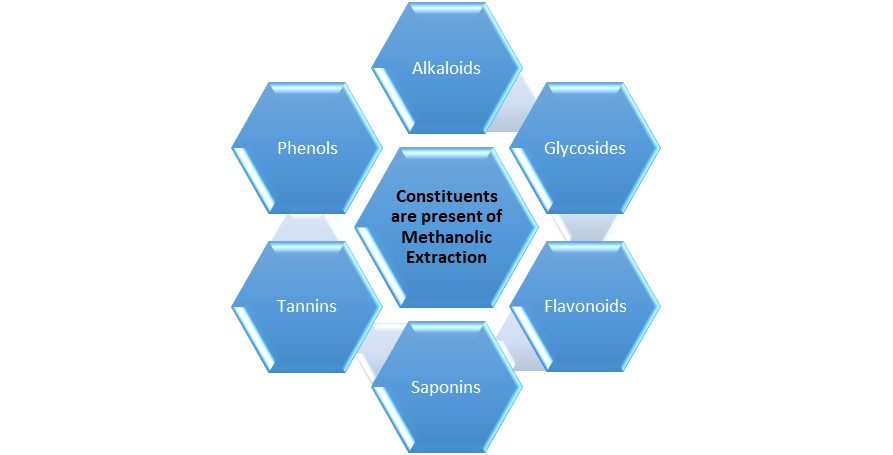
Alkaloids -Using TLC profiling and preliminary screening, known for their analgesic, CNS depressive, and antimicrobial qualities were found in alcoholic extracts [1][11].
Flavonoids-The hepatoprotective, anti-inflammatory, and antioxidant properties of flavonoids are demonstrated. Both methanolic and ethanolic extracts include it; TLC spots and UV fluorescence confirm this[1][11].
Saponins-The anti-diabetic,immunomodulatory, and expectorant properties are facilitated by. Both alcoholic and aqueous fractions include it [10].
Steroids-The fourth is, which have anti-inflammatory and anti-ulcer properties. Found in water-based extracts and verified by screening with phytochemicals [10].
Terpenoids- Associated with antimicrobial, anticancer, and hepatoprotective properties. GC-MS and TLC techniques were used to detect it in whole plant extracts [1][11].
Tannins-The astringent, antibacterial, and wound-healingmqualities of tannins are well-known. Aqueous preparations include it, and routine phytochemical assays confirm this [1][11].
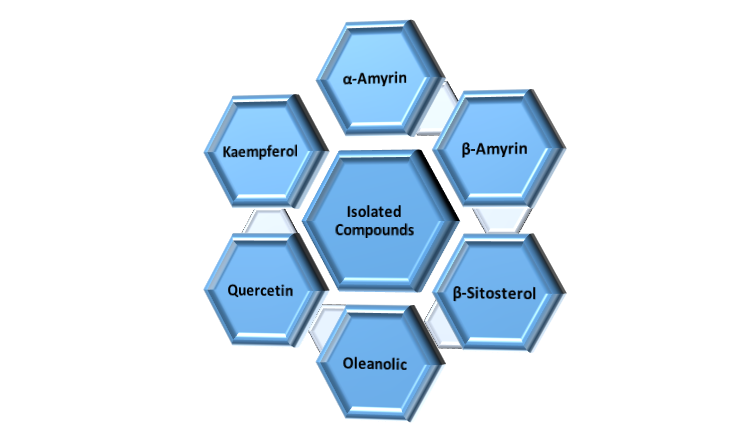
4.3 Isolated bioactive compounds [8].
4.4 Phytochemical profile
The whole plant and root are said to contain phytochemicals like β-sitosterol, β-amyrin and its acetate, α, lupeol, and lupeol acetate.
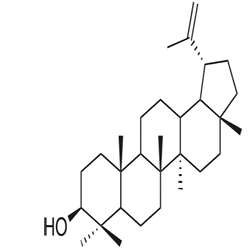
extracted oleanolic acid lupeol-3-beta trans crotonate and acetate from the whole dried plant [8].
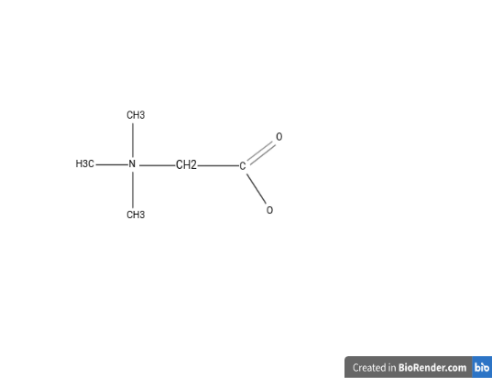
Hentriacontane
Daemia extensa polypeptide, magnesium and potassium carbonate, betaine, hentriacontane, and pentacosanoic acid from the entire plant, as well as calcium, magnesium, and potassium oxalate, have been implicated [8].
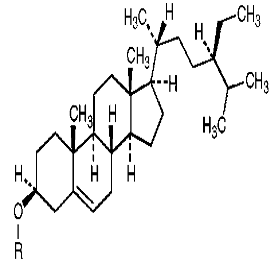
Oleanolic acid
5. Pharmacological Activities
Due in great part to its rich phytochemical composition, P.daemia has been the subject of substantial research on its many pharmacological characteristics. Different plant extracts from various sections have shown notable bioactivities, such as anti-inflammatory, anti-cancer, analgesic, anti-arthritic, and antioxidant properties, among many others. The plant's medicinal potential has been highlighted by the validation of these activities using both in vitro and in vivo experimental models. The main discoveries, experimental models used, important pharmacological actions, likely bioactive components [12].
5.1 The antimicrobial action
Pergularia daemia has been shown to have inhibitory effects on bacterial strains such as S. aureus and E.coli. By breaking down microbial cell walls, the plant's alkaloids and flavonoids provide a natural substitute for artificial antimicrobials.
5.2 Inflammatory-Reduction Qualities
According to preclinical research, P. daemia extracts reduce inflammation by modifying indicators like TNF-α and COX-2, indicating that they may be used to treat inflammatory diseases.
5.3 Histoprotective Impacts
Plant extracts have demonstrated promise in preventing oxidative and chemical damage to liver cells. It has been suggested that P. daemia canprevent liver diseases by lowering enzyme indicators such as ALT and AST.
5.4 Anti-Epileptic Properties
Plant extracts high in flavonoids have shown anticonvulsant properties in lab models, which are ascribed to their function in modifying GABAergic pathways.
5.5 The action of antioxidants
P. daemia's strong antioxidant activity is attributed to its phenolic and tannin constituents, which efficiently scavenge free radicals and shield cells from oxidative damage [11].
6. Toxicity and safety profile
6.1 Acute poisoning
PDME and PDEAE at concentrations of 100, 200, 400, and 800 mg/kg-treated hamsters showed no toxic symptoms or abnormalities of the central nervous system (CNS).
6.2 Subacute research
Experimental animals administered 100, 200, and 300 mg/kg of either PDEAE or PDME had serum levels of hepatic and renal indicators. A single orbital sinus was used to collect blood samples, and each animal had 0.8 ml (10% of the 7.2 ml total volume) of blood extracted. Following that, the blood sample was centrifuged for 15 minutes at 2,000 rpm. To be analyzed, the supernatant was removed. The serum alkaline phosphatase (ALP) activity was measured using the Kind and King method. Rosalki and Rau's (1972) method was used to measure the serum gamma-glutamyl transferase (GGT) [14].
6.3 Safe dosage range
|
Formulation |
Range of dosage |
Context |
Reference |
|
The entire plant methanolic extract. |
200–400 milligrams per kilogram. |
CNS and anti-inflammatory rodent models |
[8] |
|
Water-based extract |
100–300 milligrams per kilogram. |
Hepatoprotective research using rodent models |
[10] |
|
Crude powder for conventional purposes |
1 to 3 grams per day (adult human) |
Reports used in ethnomedicine |
[1] |
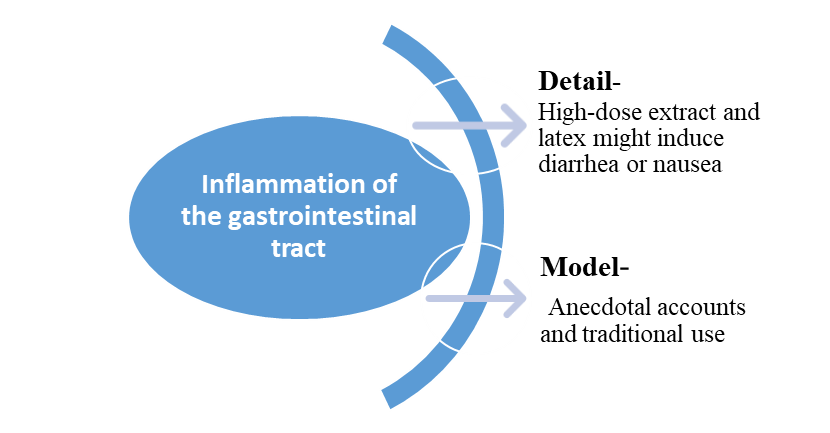
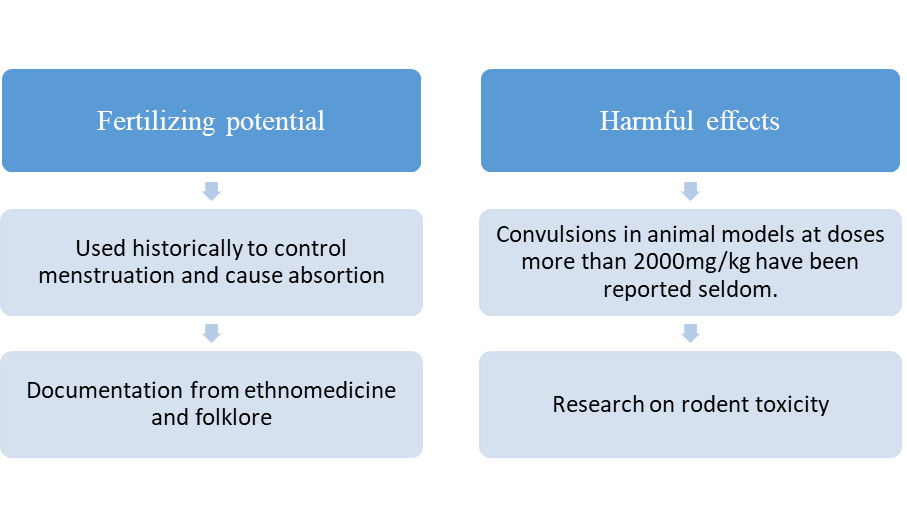
6.4 Reported side effects [1].
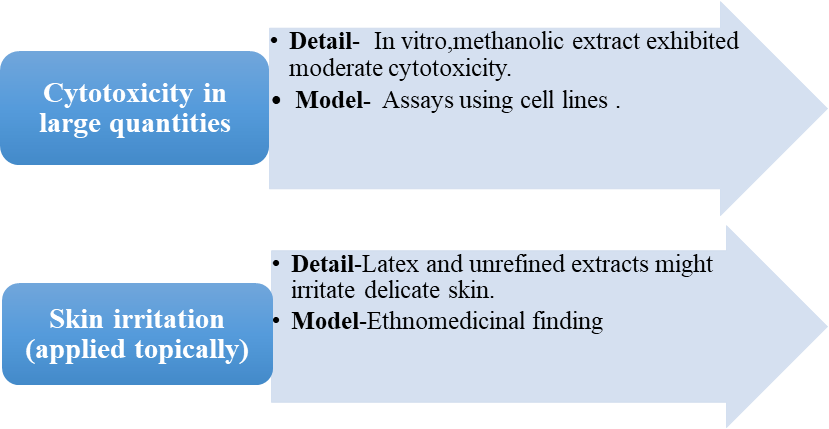
[15][9].
7. Application
One of the medicinally significant herbs in India is Pergularia daemia linn [1].
Many studies have been conducted on the solvent extract in P. daemia at various doses. Diabetic rats were used to test P. daemia callus preparations in chloroform, ethanol, and aqueous and ethanol. Significant hypoglycemic effects were demonstrated by them [2].
7.1 Pharmaceutical application
Antimicrobial Activity: Shows notable antifungal and antibacterial qualities. efficient against microbes that cause wounds, digestive problems, and skin infections.
It is utilized in herbal topical preparations due to its calming and protective qualities [9].Antidiabetic Potential: Chloroform, ethanol, aqueous, and callus extracts exhibit significant hypoglycemic effects in diabetic rat models. reduces blood glucose levels and improves insulin sensitivity [2].Analgesic and anti-inflammatory qualities
It has long been used to treat fever, swelling, and joint pain because it contains terpenes and flavonoids that inhibit inflammatory mediators [10].
7.2 Nutraceutical & herbal formulations
7.2.1 Overview of Pergularia daemia Linn
Traditional uses: anthelmintic, laxative, antipyretic, expectorant,
hepatoprotective, and anti-infertility agent.
Botanical family: Asclepiadaceae.
Alkaloids, flavonoids, saponins, tannins, terpenes, steroids, and glycosides are examples of phytochemicals [10].
7.2.2 Phytochemical and pharmacognostic insights
Extract types : Soxhlet and cold maceration-prepared methanolic and aqueous extracts.
Important components : Methanolic extract: flavonoids, alkaloids, and carbohydrates.
Aqueous extract: tannins and steroids.
Multiple phytoconstituent spots were revealed by TLC profiling, which helped with standardization [1].
7.2.3 Example of a Herbal Formulation: OintmentPergularia daemia leaf extract is used in the formulation of this herbal ointment.Its therapeutic properties include: Increased wound contraction and epithelization; strong antibacterial activity. Alkaloids, tannins, and flavonoids are the phytochemicals involved.Potential: Additional clinical trials are advised for this natural topical wound treatment option [16].
7.3 Agricultural & veterinary use
7.3.1 Natural Insect Repellent and Pesticide
P. daemia latex and leaf extracts contain alkaloids and terpenoids that have insecticidal and repellent properties.
Crops have historically been protected from insects and nematodes that eat leaves.
Its unpleasant smell and disagreeable taste deter grazing and infection [10].
7.3.2 Use of Anthelmintics in Livestock
Decoctions and leaf powder are used for treating intestinal worms in goats and cattle.
serves as a natural vermifuge, reducing the need for synthetic dewormers [9].
7.3.3 Skin Care and the Healing of Veterinary Wounds
Animals with small wounds, burns, and skin illnesses are treated topically with the latex and leaf paste.
Its antifungal and antibacterial qualities aid in healing and guard against recurrent infections [1].
8. The Challenges and Opportunities.
8.1 Research limitations
Inadequate molecular research: The majority of studies are restricted to simple pharmacological tests and first phytochemical screening.
Lack of mechanistic understanding: The molecular mechanisms and receptor-level interactions of its bioactive substances are not well studied.
Lack of utilization in drug research: P.daemia is still underrepresented in contemporary pharmacognosy pipelines despite having a rich ethnomedical heritage [13].
8.2 Problems with Standards
Variation in the composition of the extracts is caused by variations in season, location, and extraction techniques.
absence of approved indicators for composition quality control.
Pharmacopeial parameters that are incompatible: There are no consistent guidelines for biological activity, purity, or dosage among research [1].
8.3 Requirements for Clinical Research
Human studies have not yet followed preclinical promise in the anti-inflammatory, antidiabetic, and antibacterial domains.
Validation of traditional cures faces ethical and regulatory challenges.
Standardized extracts do not have pharmacokinetic or toxicological characteristics [12].
8.4 Prospective Research Topics
Green nanotechnology: P. daemia extracts are used to make nanoparticles that kill infections and cancer cells.
Topical herbal formulations: making lotions and gels to treat wounds, reduce inflammation, and fight skin infections.
Bioprospecting for new chemicals includes the identification and characterization of novel phytoconstituents like taxifolin, calactin, and corotoxigenin.
Integrative pharmacology is the application of both traditional knowledge and modern drug screening tools, such as omics and AI-based docking [17].
CONCULSION
Pergularia daemia Linn. climbs its way across fences and fields, but honestly, its real strength is what’s inside. This perennial belongs to the Asclepiadaceae family, and people have used it for all sorts of things—medicine, farming, and even keeping animals healthy. The plant’s got a lot going on chemically: alkaloids, flavonoids, saponins, terpenoids, tannins, cardenolides—you name it. Thanks to this mix, it helps fight inflammation, bacteria, liver problems, diabetes, and even seizures. It’s packed with antioxidants, too.Ayurveda and Siddha healers have trusted this herb for ages. Now, modern research is starting to back up those old remedies, showing real results at the right doses. You’ll see Pergularia daemia in everything from wound creams to skincare, and it’s even used as a natural insecticide and dewormer. With all that, it fits right in with integrated medicine and the shift toward eco-friendly nanotechnology.
REFERENCES


Shivam Randive, Divya Bhoyar, Abhilasha Yadav, A Review of Pergularia daemia linn and its application, Int. J. of Pharm. Sci., 2026, Vol 4, Issue 2, 2960-2973. https://doi.org/10.5281/zenodo.18691658
 10.5281/zenodo.18691658
