View Article

Abstract

The public's awareness of the negative effects of synthetic ingredients, coupled with a growing demand for natural alternatives, has led to a significant increase in the use of herbal cosmetics. Herbal soaps, in particular, have gained popularity due to their non-toxic, biodegradable, and skin-friendly properties. This study focuses on creating and characterizing herbal soap using native medicinal plants such as tulsi (Ocimum sanctum), aloe vera, turmeric (Curcuma longa), and neem (Azadirachta indica). These herbs are ideal for skincare formulations because of their well-documented antibacterial, anti-inflammatory, antioxidant, and wound-healing properties. The herbal soap was produced using the traditional cold saponification method, employing coconut, castor, and palm oils as the lipid base and sodium hydroxide as the saponifying agent. Different concentrations of the selected plant extracts were incorporated into the mixture. Various important factors, including pH, foam height, foam retention, hardness, total fatty matter (TFM), moisture content, and microbiological load, were assessed in the final product. The results indicated that there was no microbiological contamination, and the herbal soap formulation exhibited favorable physicochemical properties. The addition of medicinal plant extracts enhanced antibacterial activity, making it suitable for a variety of skin types, including sensitive and acne-prone skin. There is potential for scaling the product for commercial production. This study not only highlights the medicinal benefits of native plants but also promotes the sustainable use of locally available resources in the personal care industry. The formulation aligns with the principles of natural product-based cosmeceuticals and green chemistry.

Keywords

Herbal soap, Indigenous medicinal plants, Neem, Aloe vera, Saponification, Antimicrobial activity

Introduction

One of the most popular cosmetic items for personal hygiene is soap. Traditionally, soap was made using natural fats and alkali, but with advancements in industrial processes, synthetic detergents and additives have become widespread. However, these artificial ingredients can pose risks to the environment and may lead to allergic reactions, dryness, and skin irritation. In contrast, herbal soaps are mild on the skin, eco-friendly, and biodegradable. As people become  increasingly aware of the negative effects of chemical-laden cosmetics, the popularity of herbal cosmetics has surged. Herbal products offer numerous therapeutic benefits, including antibacterial, antifungal, antioxidant, and anti-inflammatory properties, which help maintain the skin's natural balance and nourishment. India, with its rich history of medicinal plants, provides a diverse range of herbs suitable for soap formulations. Herbal soaps are gaining immense popularity as natural alternatives to chemical-laden cleansing products. Made from plant-based extracts and essential oils, they provide gentle care for the skin without causing irritation or dryness. Herbal soaps are created by blending natural oils, such as coconut, olive, and castor oil, with herbal powders and extracts like neem, tulsi, turmeric, and aloe vera.

These ingredients have traditionally been used for skin healing, nourishment, and purification. The origin of herbal soap can be traced back to ancient Ayurvedic practices, where natural ingredients were used in paste or oil form for cleansing and therapeutic purposes. In modern times, incorporating these traditional herbs into soap form provides a convenient and effective method for everyday skincare. The cold and hot process methods are commonly used for their preparation. During saponification, oils react with lye to form soap, and herbs are added either during or after this stage, depending on their heat sensitivity. Neem is well-known for its strong antibacterial properties, making it effective for treating acne and other skin infections. Tulsi serves as a detoxifying agent and helps improve skin tone. Aloe vera is a superb natural moisturizer that soothes irritation and redness. Turmeric, rich in curcumin, is highly regarded for its anti-inflammatory and antioxidant properties; it aids in brightening the skin and reducing blemishes. Together, these ingredients offer holistic skin treatment. The appeal of herbal soaps lies not only in their therapeutic value but also in their compatibility with various skin types. They are free from synthetic dyes, artificial fragrances, and parabens, making them ideal for individuals with sensitive skin. Regular use of herbal soap can help maintain a balanced skin pH and reduce the incidence of dryness and flaking. They also support the skin's natural healing process and enhance its appearance over time. Incorporating herbal soaps into daily skincare routines can improve overall skin texture. Their gentle exfoliating action helps remove dead skin cells and unclog pores. Some formulations include crushed herbs or oatmeal to provide a mild scrubbing effect, enhancing blood circulation and leaving a fresh, rejuvenated feeling after bathing. These soaps are particularly beneficial for those with acne-prone or oily skin. Additionally, herbal soaps are known for their unique and natural fragrances, derived from essential oils like lavender, tea tree, lemongrass, and eucalyptus. These fragrances not only give the soap a pleasant aroma but also offer aromatherapeutic benefits. For example, lavender calms the mind and aids in sleep, while eucalyptus provides decongestion and respiratory relief.

The increasing demand for sustainable and eco-friendly personal care products has prompted the herbal soap industry to prioritize biodegradable packaging and cruelty-free testing methods. Herbal soaps are free from synthetic foaming agents, allowing them to break down easily in the environment without polluting water bodies. As a result, they have become a popular choice among environmentally conscious consumers. However, formulating herbal soaps presents several challenges. Achieving uniform distribution of herbs, preserving natural colors and scents, and maintaining shelf life without artificial preservatives require scientific expertise and precise formulation. Additionally, the potency of herbal components can vary depending on their source and harvest season, which may impact production consistency. Implementing proper quality control measures is essential to ensure safety and efficacy. Each batch of herbal soap must be tested for pH balance, microbial contamination, and stability under various storage conditions. A neutral to mildly acidic pH (6—7.5) is generally ideal for skin contact. Manufacturers must also comply with regional cosmetic regulations and ensure that labels provide accurate and complete ingredient information. The benefits of herbal soaps go beyond basic hygiene. They are often recommended for treating various skin conditions such as eczema, psoriasis, and dermatitis due to their soothing and anti-inflammatory properties. Many dermatologists suggest herbal soaps as a complementary product in natural skincare regimens. The potential of herbal soaps in cosmetic dermatology is being explored further. As consumer awareness grows, brands are investing in research and development to innovate with ingredients like saffron, sandalwood, Manjistha, and licorice for skin lightening, anti-aging, and scar reduction. Some herbal soaps are now enriched with vitamins A, C, and E to enhance their skincare benefits. Herbal soaps have carved out a niche in the organic beauty market. Their appeal is supported by strong consumer trust in herbal ingredients, minimal side effects, and a growing shift toward natural living. Artisanal and handmade herbal soaps are particularly popular in gift markets and luxury skincare segments due to their unique textures and designs. In rural and tribal communities, the production of herbal soaps has become a source of income. Many NGOs and women's cooperatives are promoting small-scale manufacturing units that utilize locally available medicinal plants. This not only encourages traditional knowledge systems but also supports sustainable livelihoods. With the rise of skin allergies and intolerance to chemical ingredients, more dermatologists and skincare specialists are recommending herbal soaps. Clinical studies and user feedback consistently indicate improved skin conditions after switching to natural soaps, especially among individuals with chronic skin disorders. Innovation in this segment has also led to the introduction of herbal body washes and liquid soaps. These convenient alternatives offer similar benefits and cater to evolving consumer preferences.

Herbal foaming face cleansers and baby soaps are gaining popularity for their mess-free packaging. The role of herbal soaps in holistic health goes beyond external application. The therapeutic effects of herbs during bathing contribute to mental relaxation and emotional well-being. Herbs like lemongrass and chamomile are known for their calming properties, making herbal bathing a form of aromatherapy. Globally, the herbal soap industry is expected to grow steadily. Consumer education campaigns, increased awareness, and growing concerns over chemical cosmetics are major driving forces behind this trend. Multinational companies are investing in green chemistry and plant-based formulations to meet the rising demand. Research continues to identify new botanicals with skin-enhancing properties. Extracts from Moringa, calendula, Gotu kola, and ashwagandha are being explored for future formulations. These developments promise to expand the applications and therapeutic benefits of herbal soaps even further. In conclusion, herbal soaps represent a safe, effective, and environmentally responsible choice in personal care. They blend ancient wisdom with modern science to offer skin benefits without the drawbacks of synthetic alternatives. Continued innovation, regulation, and consumer trust will ensure the sustained growth of herbal soaps as a mainstream skincare solution.

Herbal soap is a type of soap made using natural ingredients derived from various herbs and plants. Herbs such as lavender, mint, rosemary, and chamomile are commonly used in making herbal soap. These herbs are rich in essential oils, vitamins, and mineralsthat have various therapeutic benefits for the skin. Herbal soap is known for its soothing, rejuvenating, and healing properties, making a popular choice for people with sensitive or dry skin. Currently, a significant number of cosmetic products are adulterated, and numerous other beauty preparations available in the market are of inferior quality, posing potential risks of side effects such as skin rashes, allergic reactions, and even the development of skin diseases. Herbal soaps basically consist of plant parts such as seeds, rhizomes, and roots. It has antibacterial, anti-aging, antioxidant, and antiseptic effects. Herbal soap contains none of the synthetic dyes, flavors, fluorides, or other additives typically found in commercial soap. The majority of individuals lack awareness regarding the extended ramifications of using commercial soaps. According to Aiello., et al. (2007), commercial products contain certain substances that are deemed unhealthy and have the potential to cause harm to the body over time.

Skin Types and Basic Skin Care:

The requirements for the basic skin care

  1. Cleansing agent, which remove the dust, dead cells and dirt that chokes the pores on the skin. Some of the common cleansers include vegetable oils like coconut, sesame and palm oil.
  2. Use of Toners: The toners help to tighten the skin and keep it from being exposed to many of the toxins that are floating in the air or other environmental pollutants. Some of the herbs used as toners are witch hazel, geranium, sage, lemon, ivy burdock and essential oils.
  3. Moisturizing: The moisturizing helps the skin to become soft and supple. Moisturizing shows a healthy glow and are less prone to aging. Some of the herbal moisturizers include vegetable glycerin, sorbitol, rose water, jojoba oil, aloe vera and iris.

Most common skin disease

Most common skin diseases are Eczema, Acne, Rashes, Psoriasis, Allergy, dry skin, urticaria etc.

The herbal remedies used for special skin problems are given in Special skin problem and Herbal remedies

Composition of herbal soap:

  • Base oils:

Herbal soaps are typically made with a blend of different base oils, such as olive oil, coconut oil, palm oil, or castor oil. These oils provide moisturizing properties and help to create a rich lather.

  • Essential oils:

Essential oils are derived from various plants and are used in herbal soaps to provide fragrance and therapeutic benefits. Examples include lavender oil for relaxation, tea tree oil for its antibacterial properties, or eucalyptus oil for its soothing effects.

  • Herbs or botanicals:

Dried herbs or botanicals are often added to herbal soaps for their healing or exfoliating properties. Examples include chamomile flowers for soothing, calendula petals for their anti- inflammatory properties, or oatmeal for gentle exfoliation.

  • Natural colorants:

Some herbal soaps may use natural colorants derived from plants or minerals, such as turmeric powder for a yellow color, spirulina powder for green, or activated charcoal for black.

  • Additional ingredients:

Depending on the desired properties, other ingredients may be added to herbal soaps, such as shea butter for extra moisture, aloe vera gel for soothing, or honey for its antibacterial and moisturizing properties.

Preparation of Herbal Soap

  • Collection of the necessary ingredients:

A high-quality soap base, such as goat milk or shea butter is needed. The herbal ingredients, such as essential oils, dried herbs, and botanical powders are collected.

  • Melt the soap base:

Cut the soap base into small pieces and melt it in a double boiler or microwave. Stir the soap base until it has melted to a smooth consistency.

  • Addition of the herbs:

After melting the soap base, take it off the heat and incorporate the herbal ingredients by stirring them in. Dried herbs, essential oils, or powders are used. Add the herbs slowly and stir continuously to ensure they are evenly distributed throughout the soap.

  • Pour into Moulds:

Once the herbs are added, pour the soap mixture into moulds. Silicone melds or plastic containers coated with cooking spray are used. Let it cool and harden for hours or overnight.

  • Cut and store the soap:

Once the soap is fully cooled and hardened, remove it from the melds and cut it into desired shapes and sizes. Store the soap in a cool, dry place until ready to use.

  • Cleansing:

Herbal soap serves as a potent cleanser, proficiently eliminating dirt, oil, and impurities from the skin. It aids in unclogging pores and mitigating the risk of breakouts.

  • Nourishing:

Herbal soap is enriched with natural oils and moisturizing components that effectively hydrate and nourish the skin. It can help prevent dryness and keep the skin soft and smooth.

  • Exfoliation:

Some herbal soaps contain natural exfoliants, such as oatmeal or ground herbs, that can help remove dead skin cells and promote cell renewal.

  • Aromatherapy:

Herbal soap frequently incorporates natural essential oils, offering a diverse array of aromatherapy advantages. For example, lavender oil can help promote relaxation, while peppermint oil can help energize and refresh the mind and body.

  • Skin conditioning:

Herbal soap is infused with natural ingredients that possess the ability to soothe and condition the skin. Chamomile, for instance, aids in calming irritated skin, while aloe vera provides relief for sunburned skin. In summary, herbal soap stands as a versatile and natural product, offering a diverse range of benefits for the skin.

Varieties of herbs used in the making herbal soap

Varieties of herbs are used in the making of herbal soap.

  • Lavender:

Lavender renowned for its calming and soothing properties, is a favored herb commonly used in herbal soap formulations.

  • Chamomile:

Chamomile is a frequent inclusion in herbal soap due to its anti-inflammatory properties, effectively soothing and calming irritated skin.

  • Peppermint:

This refreshing and invigorating herb is known for its ability to stimulate circulation and encourage the wellbeing of the skin.

  • Eucalyptus:

Eucalyptus is a natural antiseptic and antimicrobial agent that can help soothe and heal skin conditions like acne and eczema. Eucalyptus oil is collected by steam distillation

  • Tea tree:

Herbal soap frequently incorporates tea tree oil for its potent antibacterial and antifungal properties, making it effective in both preventing and treating skin infections. It helps in reducing acne.

  • Rosemary:

With its natural astringent properties, rosemary plays a vital role in tightening and toning the skin. Additionally, its rich antioxidant content aids in safeguarding the skin from potential free Radical Damage.

  • Calendula:

It is renowned for its natural anti-inflammatory and antiseptic qualities; calendula serves as an effective herb for soothing and healing irritated skin.

  • Oatmeal:

Oatmeal is often used in herbal soap for its moisturizing and soothing properties, providing relief for dry or itchy skin.

  • Aloe vera:

Aloe extract is rich in anthraquinone glycosides and moisturizing and hydrating polysaccharides. It has shown excellent performance on skin diseases, wrinkles, marks and pigmentations. Aloe vera gel contains two hormones, macro and micronutrients, along with anthraquinones, which contribute to its wound healing and anti-inflammatory properties, making it effective in healing acne. Aloe Vera contains saponins, which are natural soapy substances known for their cleansing  abilities and antiseptic properties. Additionally, its moisturizing and soothing properties offer a cooling effect to the skin. It possess moisturizing property .

  • Clove:

It is an antiseptic and anti-inflammatory herb, clove proves beneficial for individuals with acne-prone skin.

  • Neem:

Neem leaf extract mainly yields quercetin and betsitosterol as well as number of limonoids and many antimicrobial constituents. Neem oil with its natural anti-bacterial properties helps to deep cleanse the skin. Neem possesses antibacterial and antifungal properties, rendering it a highly effective herb for addressing skin infections.

  • Turmeric:

Turmeric’s anti-inflammatory and antibacterial properties make it an excellent choice for individuals with acne-prone or inflamed skin. Turmeric’s bioactive component is curcumin which is an excellent antiseptic agent .

  • Sage:

Sage has antimicrobial properties, making it helpful for oily or acne-prone skin.

  • Yarrow:

Yarrow is valuable for sensitive or irritated skin due to its anti-inflammatory and antiseptic properties.

  • Comfrey:

Comfrey contains allantoin, making it an excellent herb for soothing and promoting skin healing.

  • Vanilla bean:

It contains a bio active compound called vanillin. It moisturizes the skin and has calming effect.

  • Orange peel:

It has refreshing aroma and have antioxidant properties.

  • Sandalwood:

It has anti-inflammatory properties and calming effect.

  • Germanium:

It has calming effect and balances oil productionof skin.

  • Thyme:

It consists of anti-bacterial properties and reduces acne.

  • Basil:

It soothes the skin and has anti-inflammatory property. It posses anti-bacterial properties

Benefits

Crafted with natural ingredients and plant extracts, herbal soaps provide a diverse array of advantages for both skin health and overall well-being. Benefits of herbal soaps

  • Gentle and mild:

Herbal soaps are typically gentle and mildon the skin, making them suitable for individuals with sensitive skin. Herbal soaps present a healthier alternative to conventional soaps, as they are devoid of harsh chemicals, artifcial fragrances, and synthetic additives that may lead to skin irritation.

  • Natural ingredients:

Formulated using natural ingredients like herbs, botanical extracts, essential oils, and plant-based oils, herbal soaps offer a wholesome approach to skincare. These ingredients are often chosen for their nourishing, soothing, and healing properties. They provide the skin with beneficial nutrients, vitamins, and antioxidants.

  • Moisturizing:

Many herbal soaps contain natural oils, such as olive oil, coconut oil, shea butter, or cocoa butter, which help moisturize and hydrate the skin. These oils helps in forming a protective barrier preventing dryness. It makes the skin soft,supple, and smooth.

  • Soothing and calming:

Herbal soaps frequently include herbs and botanical extracts renowned for their soothing and calming attributes. Ingredients like chamomile, lavender, calendula, and aloe vera can help alleviate skin irritation, redness, and inflammation, providing relief for conditions like eczema, psoriasis, or sunburn.

  • Anti-aging effects:

Numerous herbal soaps incorporate antioxidant-rich ingredients like green tea, rosemary, or turmeric, which effectively combat free radicals and diminish the signs

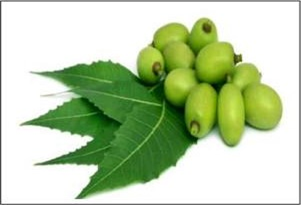
NEEM (Azadirachta indica):

Known for its antibacterial, antifungal, and antiviral effects. It aids in the treatment of acne and skin infections.

  • Botanical Name: Azadirachta indica
  • Common Name: Neem, Indian Lilac
  • Family: Meliaceae
  • Parts Used: Leaves, bark, seeds, oil
  • Active Constituents: Nimbin, Nimbidin, Azadirachtin, Quercetin, Gedunin
  • Medicinal Properties: Antibacterial, Antifungal, Anti-inflammatory, Antiseptic, Antioxidant,

Benefits in Soap:

  • Fights acne-causing bacteria
  • Reduces inflammation and redness
  • Clears pimples and skin infections
  • Helps in skin detoxification
  • Soothes itching and irritation
  • Suitable for oily and acne-prone skin

Fig.l: Neem

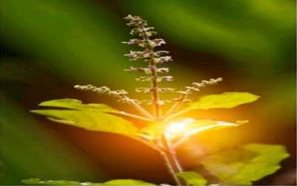
TULSI :

The plant Tulsi (Ocimum sanctum) has antibacterial and detoxifying properties. It revitalizes and cleanses the skin.

  • Botanical Name: Ocimum sanctum / Ocimum tenuiflorum
  • Common Name: Holy Basil, Tulsi
  • Family: Lamiaceae
  • Parts Used:  Leaves, seeds, essential oil
  • Active Constituents: Eugenol, Ursolic acid, Carvacrol, Linalool, Methyl chavicol
  • Medicinal Properties: Antibacterial, Antiviral, Antioxidant, Adaptogenic, Anti-inflammatory

Benefits in Soap:

  • Protects the skin from infections,
  • Reduces blackheads and skin blemishes,
  • Enhances blood circulation,
  • provides a natural glow, Acts as a skin purifier,
  • Fights oxidative Stress on the skin

Fig.2: Tulsi

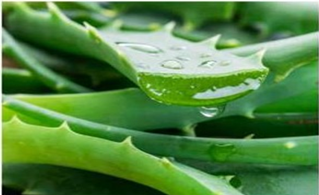
Aloe vera :

Offers anti-inflammatory, healing, and moisturizing properties. Perfect for skin that is inflamed and dry.

  • Botanical Name: Aloe barbadensis miller
  • Common Name: Aloe Vera, Ghritkumari
  • Family: Asphodelaceae
  • Parts Used: Leaves (gel inside the leaf)
  • Active Constituents: Aloin, Barbaloin, Emodin, Polysaccharides
  • Medicinal Properties: Moisturizing, Anti-inflammatory, Antioxidant, Wound healing, Soothing agent

Benefits in Soap

  • Hydrates and nourishes dry skin
  • Soothes sunburn and rashes
  • Heals minor cuts and wounds
  • Reduces dark spots and scars
  • Gentle on sensitive skin
  • Provides a cooling effect

Fig.3:Aloe-vera

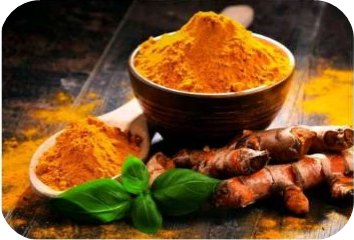
Curcumin:

A strong antioxidant and anti-inflammatory substance, is found in turmeric (Curcuma longa). Aids in skin brightness and scar reduction.

  • Botanical Name: Curcuma longa
  • Common Name: Turmeric, Haldi
  • Family: Zingiberaceae
  • Parts Used: Rhizomes (dried and ground into powder)
  • Active Constituents: Curcumin (primary active compound), Turmerone, Zingiberene,    Betasesquiphellandrene
  • Medicinal Properties: Antibacterial, Antiseptic, Antioxidant, Anti-inflammatory, Skin lightening agent

Benefits in Soap:

  • Reduces pigmentation and dark spots
  • Improves skin complexion
  • Fights acne and scars
  • Prevents microbial skin infections
  • Provides anti-aging benefits
  • Promotes natural glow

Fig.4: Turmeric

SUMMARY & CONCLUSION:

The development and evaluation of herbal soap formulated with native medicinal plants—Ocimum sanctum (tulsi), aloe vera, Curcuma longa (turmeric), and Azadirachta indica (neem)—demonstrate the potential of plant-based ingredients to produce safe, effective, and eco-friendly personal care products. The soap exhibited favorable physicochemical characteristics, including suitable pH, foamability, hardness, and total fatty matter, while showing no microbiological contamination. The incorporation of herbal extracts enhanced antibacterial activity, suggesting suitability for various skin types, particularly sensitive and acne-prone skin. Overall, the study supports the use of locally available medicinal plants in sustainable cosmetic formulations and highlights the feasibility of scaling the product for commercial production.

REFERENCES

  1. Ahmad, N., Fazal, H., Abbasi, B. H., Farooq, S., Ali, M., & Khan, M. A. (2011). Biological role of Piper nigrum L. (Black pepper): A review. Asian Pacific Journal of Tropical Biomedicine, 1(3), 194-200.
  2. Ahmed, A. B. A. , Rao, A. S. , Rao, M. V. , & Rao, B. V. (2010). Phytochemical analysis and antimicrobial activity of Ocimum sanctum L (Tulsi). Journal ofPharmacy Research, 3(4), 775-777.
  3. Alzohairy, M. A. (2016). Therapeutics role of Azadirachta indica (Neem) and their active  constituents in diseases prevention and treatment. Evidence-Based Complementary and Alternative Medicine, 2016.
  4. Arunkumar, S., & Muthuselvam, M. (2009). Analysis of phytochemical constituents and antimicrobial activities of Aloe vera L. against clinical pathogens. World Journal of Agricultural Sciences, 5(5), 572-576.
  5. Bhowmik, D., Yadav, A. , Tripathi, K. K., & Sampath Kumar, K. P. (2012). Herbal products: A new trend in cosmetics. The Pharma Innovation, I (8), 24—29.
  6. Bhatia, S. C. (2001). Perfumes, Soaps, Detergents & Cosmetics. CBS Publishers.
  7. 7, Chattopadhyay, 1., Biswas, K., Bandyopadhyay, U., & Banerjee, R. K. (2004). Turmeric and curcumin: Biological actions and medicinal applications. Current Science, 87(1), It'l  53.
  8. Choudhury, D., & Pal, N. (2016). Formulation and evaluation Of herbal soap using neem and tulsi. International Journal ofScience and Research, 5(5), 1982—1984.
  9. Cowan, M. M. (1999). Plant products as antimicrobial agents. Clinical Microbiology Reviews, 12(4), 564—582.
  10. Dahake, P. (2015). Herbal soap and its standards. International Journal ofPharmacy and Life Sciences, 6(1), 4113—4115.
  11. Daley-Yates, P. T., & Richards, D. H. (2011). Cosmetic science: Theory and practice. Cosmetic Science Technology, 30, 31—50.
  12. Dhiman, R. K., & Aggarwal, N. (2021). Herbal cosmetics: Trends and market analysis. Journal of Herbal Medicine and Toxicology, 15(1), 1—6.
  13. Dureja, H., Kaushik, & Gupta, M. (2005). Cosmeceuticals: An emerging concept. Indian Journal of Pharmacology, 37(3), 155.
  14. Ghosh, A. , & Das, A. (2017). Formulation and characterization ofherbal soap using natural ingredients. World Journal ofPharmaceutical Research, 6(12), 913—924.
  15. Goyal, B. R. , Goyal, R. K, Mehta, A. A., & Ramesh, D. (2010). Phytopharmacology of Aloe vera: A review. Pharmacognosy Reviews, 4(7), 85_95.
  16. Gupta, A., & Tiwari, R. (2020). Comparative analysis of neem and turmeric soap. Asian Journal ofPharmaceutical and Clinical Research, 13(6), 198—201.
  17. Harborne, J. B. (1998). Phytochemical methods: A guide to modern techniques of plant analysis. Springer Science & Business Media.
  18. Harish, G. , & Swathi, S. (2021). Herbal formulations and their importance in skincare. Research Journal ofPharmacy and Technology, 14(3), 1739—1743.
  19. Jain, A., & Jain, C. P. (2010). Herbal cosmetics: Trends in modern world. International  Journal of Research in Cosmetic Science, 1(1), 1—6.
  20. Joshi, A., & Jain, V. (2012). Herbal cosmetics and cosmeceuticals: An overview.  International Journal ofPharmaceutical Sciences and Research, 3(1), 141—148.
  21. Kapoor, V. P. (2005). Herbal cosmetics for skin and hair care. Natural Product Radiance, 4(4), 306-314.
  22. Kaur, G., & Kaur, M. (2019). Herbal soap using Azadirachta indica and Curcuma longa. International Journal of Pharmaceutical Research, I I (3), 115—118.
  23. Khan, S. A. , & Arif, M. (2016). Standardization and quality control of herbal cosmetics. World Journal of Pharmacy and Pharmaceutical Sciences, 5(5), 1978—1984.
  24. Kokate, C. K. (1999). Practical pharmacognosy. Vallabh Prakashan.
  25. Kumar, D., & Kumar, R. (2014). Herbal cosmetics: Used for skin and hair care. World  Journal of Pharmaceutical Research, 3(4), 434447.
  26. Kumar, M., & Sharma, S. (2013). Evaluation of herbal soap formulations, International Journal ofPharmacy and Technology, 4(1), 2494—2504.
  27. Kumari, R., & Kotecha, M. (2016). A review on formulation and evaluation of herbal soap. Asian Journal of Pharmaceutical Research and Development, 4(6), 21—28.
  28. Mahmood, T. , Akhtar, N., & Khan, B. A. (2011). The morphology, characteristics, and medicinal properties of Aloe vera. Pakistan Journal of Pharmaceutical Sciences, 24(4), 405—410.
  29. Mathur, R., & Sharma, S. (2020). Medicinal plants in personal care products. International Journal of Research in Ayurveda and Pharmacy, I I (5), 35—42.
  30. Mehta, R. M. (2016). Pharmaceutics I (4th ed.). Vallabh Prakashan.
  31. Mittal, X, & Gupta, V. (2013). Herbal cosmetics: A safe approach. International Journal of Pharmaceutical Sciences and Research, 4(5), 1674_1680.
  32. Mishra, A., & Sharma, A. K. (2014). Herbal cosmeceuticals: A new approach in beauty and therapy. International JOurnal of Pharmacy and Pharmaceutical Sciences, 6(2), I I— 16.
  33. Momin, A., & Kadam, V. (2011). Herbal cosmetics: Use of medicinal plants in cosmetics. Natural Product Radiance, 1(1), 4—11.
  34. Nema, R. K., & Maity, N. (2008), Evaluation of physicochemical and microbial parameters of herbal soaps. Journal of Young Pharmacists, I (1), 31—33.
  35. Nilesh, J. , & Joshi, A. (2016). Herbal ingredients for formulation of soap. International Journal ofPharmacy, 6(3), 155—160.
  36. Nirmal, S. A., & Malvankar, D. D. (2011). Herbal soap: A novel approach in cosmetics. Research Journal of Pharmacognosy and Phytochemistry, 3(1), 36—39.
  37. Panda, H. (2008). Herbal cosmetics: Handbook. Asia Pacific Business Press.
  38. Pandey, A., & Tripathi, S. (2014). Concept of standardization, extraction, and prephysicochemical studies in herbal drugs. International Journal of Pharmaceutical Sciences and Research, 5(3), 25—30.
  39. Patel, R. M., & Patel, M. J. (2010). Formulation and evaluation of herbal antimicrobial soap. International Journal of Pharmacy and Pharmaceutical Sciences, 2(4), 114—118.
  40. Prajapati, R., Kalariya, M., & Parmar, S. (2013). Evaluation of antimicrobial activity of some herbal soap formulations. International Journal of Pharmacy and Pharmaceutical Sciences, 5(3),
  41. Pundir, R. K. , Jain, D. C., Sharma, & Wadhwani, K. (2010). Antimicrobial activity of herbal preparations. Indian Journal ofPharmaceutical Sciences, 72(5), 567—570,
  42. Qazi, M. Khan, R. A., & Rizvi, M. (2018). Aloe vera: A review of its cosmetic and therapeutic applications. Pharmacognosy Reviews, 12(24), 125—132.
  43. Rajeswari, R., Umadevi, M., Sharmila Rahale, C., Pushpa, R. , Selvavenkadesh, S.,  Sampath Kumar, K. P., & Bhowmik, D. (2012). Aloe vera: The miracle plant. Journal of Pharmacognosy and Phytochemistry, I (4), 118—124.
  44. Ramya, R., & Rajeswari, N. (2015). Evaluation of antimicrobial activity ofherbal soap and  hand wash. International Journal of Pharmaceutical Sciences Review and Research, 31 (2), 210-214.
  45. Rao, B. G., & Rajkumar, B. (2015). Antimicrobial studies on Ocimum sanctum and Curcuma longa. International Journal of Pharmaceutical Sciences, 6(4), 80—85.
  46. Rathi, P., & Dhamija, H. (2016). Review on herbal soap. International Journal of Pharmaceutical Sciences and Research, 7(2), 300—304.
  47. Rele, A. S., & Mohile, R. B. (2003). Effect of mineral oil, sunflower oil, and coconut oil on prevention of hair damage. Journal of Cosmetic Science, 54(2), 175—192.
  48. Saluja, A. K., & Prajapati, S. (2014). Herbal products and cosmetics in India. Journal of Chemical and Pharmaceutical Research, 6(5), 608—611.
  49. Sharma, R. , & Thakur, G. S. (2010). Herbal cosmetics: The next generation of beauty products. Journal of Herbal Medicine and Toxicology, 4(2), 47—52.
  50. Shetty, B. V., & Harini, A. (2017). Formulation and evaluation of turmeric-based herbal soap. Asian Journal of Pharmaceutical Research, 7(1), 15—18.
  51. Shinde, P. B., & Jadhav, S, A. (2013). Herbal soap for skin disorders. International Journal of Green Pharmacy, 7(1), 30—33.
  52. Singh, R. P., & Arora, R. (2013). Herbal cosmetics: Challenges and opportunities. Pharmacognosy Reviews, 7(13), 38—43.
  53. Soni, S., & Jain, P. (2016). Standardization and evaluation of herbal soap. International Journal of Pharmaceutical Research and Applications, 2(1), 93—98.
  54. Srivastava, R., & Srivastava, A. (2012). Herbal drugs used in treatment of skin disorders. Indian Journal of Research in Pharmacy and Biotechnology, 1(2), 123—130.
  55. Subramanian, M., & Maruthupandiyan, P. (2014). Antibacterial activity of some medicinal plants. Journal ofPharmacy Research, 8(5), 633—636.
  56. Swarnkar, S., & Jain, A. (2017). Herbal soap using neem and aloe vera. Journal of Drug Delivery and Therapeutics, 7(6), 137—140.
  57. Thakur, R., & Rajput, M. S. (2011). Herbal cosmetics: Use of natural ingredients. Asian Journal of Pharmaceutical and Clinical Research, 4(3), 3—6.
  58. Tiwari, S., & Singh, B. (2011). Herbal medicines and cosmetics: Use in daily life. Journal  of Chemical and Pharmaceutical Research, 3(4), 91—95.
  59. Usha, R. , & Arumugam, M. (2013). Studies on soap formulation with natural ingredients. International Journal of Advanced Research in Chemical Science, I (6), 26—29.
  60. Yadav, N. , & Jain, R. (2017). Preparation and evaluation of herbal soap using neem and tulsi. International Journal of Research in Ayurveda and Pharmacy, 8(2), 85—88.
  61. Akuaden NJ., et al. “Formulation, Physicochemical and Antifungi Evaluation of Herbal Soaps of Azadiracta Indica and Ziziphus Mauritiana”. IOSR Journal of Applied Chemistry (IOSR JAC) 12.8 (2019): 26-34.
  62. Aiello AE., et al. “Consumer Antibacterial Soap. Effective or just risky?” Clinical Infectious Diseases 45.2 (2007): 137-147.
  63. Dr. Neeraj Jain. “Survival and Scope of Herbal Products”. International Journal of Scientific Research and Modern Education 4.1 (2019): 32-37.
  64. Santwani S. “Medical use of Tulsi Plant and its Importance for Huma Beings”. International Journal for Research in Applied Science and Engineering Technology (IJRASET) 11.3 (2023).
  65. Gerstell E., et al. “How COVID-19 is changing the world of beauty”.
  66. Gyawali R and Paudel PN. “Herbal Remedies in Cosmeceuticals
  67. Formulation: A Review on Nepalese Perspectives”. Annapurna  Journal of Health Sciences 2.1 (2022).
  68. Narayanaswamy R and Ismail IS. “Cosmetic potential of Southeast Asian herbs: an overview”. Phytochemistry Reviews 14 (2015): 419-428.
  69. Chandrasekar R. “A Comprehensive Review on Herbal Cosmet ics in the Management of Skin Diseases”. Research Journal of Tropical and Cosmetic Sciences; Raipur 11.1 (2020): 32-44.
  70. Arun SK. “Formulation and Evaluation of Herbal Soap”. World Journal of Pharmaceutical Research 12.9 (2023): 2136-2147.
  71. Jyothsna CK., et al. “Aloe Vera-Nature’s Power”. Journal of Ayurveda and Integrated Medical Sciences 2 (2016): 43-49.
  72. Bassett IB., et al. “A comparative study of tea-tree oil versus benzoyl peroxide in the treatment of acne”. Medical Journal of Australia 153.8 (1990): 455-458.  

Reference

  1. Ahmad, N., Fazal, H., Abbasi, B. H., Farooq, S., Ali, M., & Khan, M. A. (2011). Biological role of Piper nigrum L. (Black pepper): A review. Asian Pacific Journal of Tropical Biomedicine, 1(3), 194-200.
  2. Ahmed, A. B. A. , Rao, A. S. , Rao, M. V. , & Rao, B. V. (2010). Phytochemical analysis and antimicrobial activity of Ocimum sanctum L (Tulsi). Journal ofPharmacy Research, 3(4), 775-777.
  3. Alzohairy, M. A. (2016). Therapeutics role of Azadirachta indica (Neem) and their active  constituents in diseases prevention and treatment. Evidence-Based Complementary and Alternative Medicine, 2016.
  4. Arunkumar, S., & Muthuselvam, M. (2009). Analysis of phytochemical constituents and antimicrobial activities of Aloe vera L. against clinical pathogens. World Journal of Agricultural Sciences, 5(5), 572-576.
  5. Bhowmik, D., Yadav, A. , Tripathi, K. K., & Sampath Kumar, K. P. (2012). Herbal products: A new trend in cosmetics. The Pharma Innovation, I (8), 24—29.
  6. Bhatia, S. C. (2001). Perfumes, Soaps, Detergents & Cosmetics. CBS Publishers.
  7. 7, Chattopadhyay, 1., Biswas, K., Bandyopadhyay, U., & Banerjee, R. K. (2004). Turmeric and curcumin: Biological actions and medicinal applications. Current Science, 87(1), It'l  53.
  8. Choudhury, D., & Pal, N. (2016). Formulation and evaluation Of herbal soap using neem and tulsi. International Journal ofScience and Research, 5(5), 1982—1984.
  9. Cowan, M. M. (1999). Plant products as antimicrobial agents. Clinical Microbiology Reviews, 12(4), 564—582.
  10. Dahake, P. (2015). Herbal soap and its standards. International Journal ofPharmacy and Life Sciences, 6(1), 4113—4115.
  11. Daley-Yates, P. T., & Richards, D. H. (2011). Cosmetic science: Theory and practice. Cosmetic Science Technology, 30, 31—50.
  12. Dhiman, R. K., & Aggarwal, N. (2021). Herbal cosmetics: Trends and market analysis. Journal of Herbal Medicine and Toxicology, 15(1), 1—6.
  13. Dureja, H., Kaushik, & Gupta, M. (2005). Cosmeceuticals: An emerging concept. Indian Journal of Pharmacology, 37(3), 155.
  14. Ghosh, A. , & Das, A. (2017). Formulation and characterization ofherbal soap using natural ingredients. World Journal ofPharmaceutical Research, 6(12), 913—924.
  15. Goyal, B. R. , Goyal, R. K, Mehta, A. A., & Ramesh, D. (2010). Phytopharmacology of Aloe vera: A review. Pharmacognosy Reviews, 4(7), 85_95.
  16. Gupta, A., & Tiwari, R. (2020). Comparative analysis of neem and turmeric soap. Asian Journal ofPharmaceutical and Clinical Research, 13(6), 198—201.
  17. Harborne, J. B. (1998). Phytochemical methods: A guide to modern techniques of plant analysis. Springer Science & Business Media.
  18. Harish, G. , & Swathi, S. (2021). Herbal formulations and their importance in skincare. Research Journal ofPharmacy and Technology, 14(3), 1739—1743.
  19. Jain, A., & Jain, C. P. (2010). Herbal cosmetics: Trends in modern world. International  Journal of Research in Cosmetic Science, 1(1), 1—6.
  20. Joshi, A., & Jain, V. (2012). Herbal cosmetics and cosmeceuticals: An overview.  International Journal ofPharmaceutical Sciences and Research, 3(1), 141—148.
  21. Kapoor, V. P. (2005). Herbal cosmetics for skin and hair care. Natural Product Radiance, 4(4), 306-314.
  22. Kaur, G., & Kaur, M. (2019). Herbal soap using Azadirachta indica and Curcuma longa. International Journal of Pharmaceutical Research, I I (3), 115—118.
  23. Khan, S. A. , & Arif, M. (2016). Standardization and quality control of herbal cosmetics. World Journal of Pharmacy and Pharmaceutical Sciences, 5(5), 1978—1984.
  24. Kokate, C. K. (1999). Practical pharmacognosy. Vallabh Prakashan.
  25. Kumar, D., & Kumar, R. (2014). Herbal cosmetics: Used for skin and hair care. World  Journal of Pharmaceutical Research, 3(4), 434447.
  26. Kumar, M., & Sharma, S. (2013). Evaluation of herbal soap formulations, International Journal ofPharmacy and Technology, 4(1), 2494—2504.
  27. Kumari, R., & Kotecha, M. (2016). A review on formulation and evaluation of herbal soap. Asian Journal of Pharmaceutical Research and Development, 4(6), 21—28.
  28. Mahmood, T. , Akhtar, N., & Khan, B. A. (2011). The morphology, characteristics, and medicinal properties of Aloe vera. Pakistan Journal of Pharmaceutical Sciences, 24(4), 405—410.
  29. Mathur, R., & Sharma, S. (2020). Medicinal plants in personal care products. International Journal of Research in Ayurveda and Pharmacy, I I (5), 35—42.
  30. Mehta, R. M. (2016). Pharmaceutics I (4th ed.). Vallabh Prakashan.
  31. Mittal, X, & Gupta, V. (2013). Herbal cosmetics: A safe approach. International Journal of Pharmaceutical Sciences and Research, 4(5), 1674_1680.
  32. Mishra, A., & Sharma, A. K. (2014). Herbal cosmeceuticals: A new approach in beauty and therapy. International JOurnal of Pharmacy and Pharmaceutical Sciences, 6(2), I I— 16.
  33. Momin, A., & Kadam, V. (2011). Herbal cosmetics: Use of medicinal plants in cosmetics. Natural Product Radiance, 1(1), 4—11.
  34. Nema, R. K., & Maity, N. (2008), Evaluation of physicochemical and microbial parameters of herbal soaps. Journal of Young Pharmacists, I (1), 31—33.
  35. Nilesh, J. , & Joshi, A. (2016). Herbal ingredients for formulation of soap. International Journal ofPharmacy, 6(3), 155—160.
  36. Nirmal, S. A., & Malvankar, D. D. (2011). Herbal soap: A novel approach in cosmetics. Research Journal of Pharmacognosy and Phytochemistry, 3(1), 36—39.
  37. Panda, H. (2008). Herbal cosmetics: Handbook. Asia Pacific Business Press.
  38. Pandey, A., & Tripathi, S. (2014). Concept of standardization, extraction, and prephysicochemical studies in herbal drugs. International Journal of Pharmaceutical Sciences and Research, 5(3), 25—30.
  39. Patel, R. M., & Patel, M. J. (2010). Formulation and evaluation of herbal antimicrobial soap. International Journal of Pharmacy and Pharmaceutical Sciences, 2(4), 114—118.
  40. Prajapati, R., Kalariya, M., & Parmar, S. (2013). Evaluation of antimicrobial activity of some herbal soap formulations. International Journal of Pharmacy and Pharmaceutical Sciences, 5(3),
  41. Pundir, R. K. , Jain, D. C., Sharma, & Wadhwani, K. (2010). Antimicrobial activity of herbal preparations. Indian Journal ofPharmaceutical Sciences, 72(5), 567—570,
  42. Qazi, M. Khan, R. A., & Rizvi, M. (2018). Aloe vera: A review of its cosmetic and therapeutic applications. Pharmacognosy Reviews, 12(24), 125—132.
  43. Rajeswari, R., Umadevi, M., Sharmila Rahale, C., Pushpa, R. , Selvavenkadesh, S.,  Sampath Kumar, K. P., & Bhowmik, D. (2012). Aloe vera: The miracle plant. Journal of Pharmacognosy and Phytochemistry, I (4), 118—124.
  44. Ramya, R., & Rajeswari, N. (2015). Evaluation of antimicrobial activity ofherbal soap and  hand wash. International Journal of Pharmaceutical Sciences Review and Research, 31 (2), 210-214.
  45. Rao, B. G., & Rajkumar, B. (2015). Antimicrobial studies on Ocimum sanctum and Curcuma longa. International Journal of Pharmaceutical Sciences, 6(4), 80—85.
  46. Rathi, P., & Dhamija, H. (2016). Review on herbal soap. International Journal of Pharmaceutical Sciences and Research, 7(2), 300—304.
  47. Rele, A. S., & Mohile, R. B. (2003). Effect of mineral oil, sunflower oil, and coconut oil on prevention of hair damage. Journal of Cosmetic Science, 54(2), 175—192.
  48. Saluja, A. K., & Prajapati, S. (2014). Herbal products and cosmetics in India. Journal of Chemical and Pharmaceutical Research, 6(5), 608—611.
  49. Sharma, R. , & Thakur, G. S. (2010). Herbal cosmetics: The next generation of beauty products. Journal of Herbal Medicine and Toxicology, 4(2), 47—52.
  50. Shetty, B. V., & Harini, A. (2017). Formulation and evaluation of turmeric-based herbal soap. Asian Journal of Pharmaceutical Research, 7(1), 15—18.
  51. Shinde, P. B., & Jadhav, S, A. (2013). Herbal soap for skin disorders. International Journal of Green Pharmacy, 7(1), 30—33.
  52. Singh, R. P., & Arora, R. (2013). Herbal cosmetics: Challenges and opportunities. Pharmacognosy Reviews, 7(13), 38—43.
  53. Soni, S., & Jain, P. (2016). Standardization and evaluation of herbal soap. International Journal of Pharmaceutical Research and Applications, 2(1), 93—98.
  54. Srivastava, R., & Srivastava, A. (2012). Herbal drugs used in treatment of skin disorders. Indian Journal of Research in Pharmacy and Biotechnology, 1(2), 123—130.
  55. Subramanian, M., & Maruthupandiyan, P. (2014). Antibacterial activity of some medicinal plants. Journal ofPharmacy Research, 8(5), 633—636.
  56. Swarnkar, S., & Jain, A. (2017). Herbal soap using neem and aloe vera. Journal of Drug Delivery and Therapeutics, 7(6), 137—140.
  57. Thakur, R., & Rajput, M. S. (2011). Herbal cosmetics: Use of natural ingredients. Asian Journal of Pharmaceutical and Clinical Research, 4(3), 3—6.
  58. Tiwari, S., & Singh, B. (2011). Herbal medicines and cosmetics: Use in daily life. Journal  of Chemical and Pharmaceutical Research, 3(4), 91—95.
  59. Usha, R. , & Arumugam, M. (2013). Studies on soap formulation with natural ingredients. International Journal of Advanced Research in Chemical Science, I (6), 26—29.
  60. Yadav, N. , & Jain, R. (2017). Preparation and evaluation of herbal soap using neem and tulsi. International Journal of Research in Ayurveda and Pharmacy, 8(2), 85—88.
  61. Akuaden NJ., et al. “Formulation, Physicochemical and Antifungi Evaluation of Herbal Soaps of Azadiracta Indica and Ziziphus Mauritiana”. IOSR Journal of Applied Chemistry (IOSR JAC) 12.8 (2019): 26-34.
  62. Aiello AE., et al. “Consumer Antibacterial Soap. Effective or just risky?” Clinical Infectious Diseases 45.2 (2007): 137-147.
  63. Dr. Neeraj Jain. “Survival and Scope of Herbal Products”. International Journal of Scientific Research and Modern Education 4.1 (2019): 32-37.
  64. Santwani S. “Medical use of Tulsi Plant and its Importance for Huma Beings”. International Journal for Research in Applied Science and Engineering Technology (IJRASET) 11.3 (2023).
  65. Gerstell E., et al. “How COVID-19 is changing the world of beauty”.
  66. Gyawali R and Paudel PN. “Herbal Remedies in Cosmeceuticals
  67. Formulation: A Review on Nepalese Perspectives”. Annapurna  Journal of Health Sciences 2.1 (2022).
  68. Narayanaswamy R and Ismail IS. “Cosmetic potential of Southeast Asian herbs: an overview”. Phytochemistry Reviews 14 (2015): 419-428.
  69. Chandrasekar R. “A Comprehensive Review on Herbal Cosmet ics in the Management of Skin Diseases”. Research Journal of Tropical and Cosmetic Sciences; Raipur 11.1 (2020): 32-44.
  70. Arun SK. “Formulation and Evaluation of Herbal Soap”. World Journal of Pharmaceutical Research 12.9 (2023): 2136-2147.
  71. Jyothsna CK., et al. “Aloe Vera-Nature’s Power”. Journal of Ayurveda and Integrated Medical Sciences 2 (2016): 43-49.
  72. Bassett IB., et al. “A comparative study of tea-tree oil versus benzoyl peroxide in the treatment of acne”. Medical Journal of Australia 153.8 (1990): 455-458.  

Photo
Rohini Sapate
Corresponding author

Valmik Naik College of Pharmacy, Telwadi Kannad.

Photo
Ajinath Andhale
Co-author

Valmik Naik College of Pharmacy, Telwadi Kannad.

Photo
Shyam Rathod
Co-author

Valmik Naik College of Pharmacy, Telwadi Kannad.

Rohini Sapate, Ajinath Andhale, Shyam Rathod, A Review on Development & Characterization of Herbal Soap Using Indigenous Medicinal Plant, Int. J. of Pharm. Sci., 2025, Vol 3, Issue 12, 2823-2835. https://doi.org/10.5281/zenodo.17977359

More related articles
Microneedles: A Smart Approach for Advanced Drug D...
Sakshi Ghorpade, Aparna Sawant, Shruti Gosavi, Hrutuja Chavan, Am...
Formulation, Evaluation and Validation of Herbal A...
Krishnendu Ghosh, Soumyajit Roy, Debayan Bag, ...
Rediscovering the Therapeutic Potential of Rhus Sp...
U. Brundha, P. Jaganatha, K. Aparna, Arnab Maiti, T. Bhumika, ...
A Review on Herbal Hair Spa Gel...
Manish Patil, Punam Nikam, Ankush Rathod, Vinayak Gaikwad, ...
A Review on Epidemiology of Liver Diseases and Current Treatment Modalities for ...
Amit Chaudhari, Bhagyashri Bhoye, Shital Shinde, Ritu Sanap, Pranali Rautmale, Akanksha Jadhav, ...
Related Articles
A Review on Anti-Inflammatory Agents obtained from Natural Sources...
Falguni Kulthi, Sneha Kanase, Suruchi Bedmutha, Archana Garudkar, Gayatri Gadve, Shambhuraje Raut, ...
Comprehensive Review: Bempedoic Acid and Ezetimibe Fixed-Dose Combination in Hyp...
Mahima Bijewar, Dinesh Kawade, Chetna Kapgate, Achal Gadhwale, Aditi Tayde, Neha Sharnagate, ...
Peptic Ulcer Disease and Screening Approaches: A Comprehensive Review...
Rynu Tom Thykkaden, Fatiima Mehrin, Avani Santhosh, Vrinda R, ...
A Review on Herbal Face Pack...
Neha Rathod, Sabafarin Hasin Shaikh, Rahul Rathod, Samadhan Chavan, Mohammad Sufiyan, Sushmita Chava...
Microneedles: A Smart Approach for Advanced Drug Delivery – A Review...
Sakshi Ghorpade, Aparna Sawant, Shruti Gosavi, Hrutuja Chavan, Amrita Singh, ...
More related articles
Microneedles: A Smart Approach for Advanced Drug Delivery – A Review...
Sakshi Ghorpade, Aparna Sawant, Shruti Gosavi, Hrutuja Chavan, Amrita Singh, ...
Rediscovering the Therapeutic Potential of Rhus Species - A Review...
U. Brundha, P. Jaganatha, K. Aparna, Arnab Maiti, T. Bhumika, ...
Microneedles: A Smart Approach for Advanced Drug Delivery – A Review...
Sakshi Ghorpade, Aparna Sawant, Shruti Gosavi, Hrutuja Chavan, Amrita Singh, ...
Rediscovering the Therapeutic Potential of Rhus Species - A Review...
U. Brundha, P. Jaganatha, K. Aparna, Arnab Maiti, T. Bhumika, ...