
Matoshri Miratai Aher College of pharmacy Krjule Harya
Horse gram, or Macrotyloma uniflorum (Lam.) Verdc., is a significant leguminous plant that is used as a food source in tropical and subtropical areas as well as in traditional medicine. It has important medicinal, pharmacological, and nutritional qualities. Proteins, carbohydrates, vital amino acids, and bioactive substances, including flavonoids, phenols, and tannins, are all abundant in the seeds. Its anti-inflammatory, anti-diabetic, nephroprotective, antioxidant, and anti-obesity properties have all been shown in pharmacological research. M. uniflorum has long been used to treat fever, piles, asthma, and kidney stones. It is a useful crop for sustainable agriculture and herbal formulations because of its great medicinal potential and capacity to adapt to adverse environmental conditions. Its medicinal uses in contemporary medicine might be improved by more investigation into its bioactive components and formulation redevelopment.
Horse gramme, or Macrotyloma uniflorum [1] (Lam.) Verdc., is a significant leguminous plant that is used as a food source in tropical and subtropical areas as well as in traditional medicine. It has important medicinal, pharmacological, and nutritional qualities. Proteins, carbohydrates, vital amino acids, and bioactive substances, including flavonoids, phenols, and tannins, are all abundant in the seeds. Its anti-inflammatory, anti-diabetic, nephroprotective, antioxidant, and anti-obesity properties have all been shown in pharmacological research [2]. M. uniflorum has long been used to treat fever, piles, asthma, and kidney stones. It is a useful crop for sustainable agriculture and herbal formulations because of its great medicinal potential and capacity to adapt to adverse environmental conditions. Its medicinal uses in contemporary medicine might be improved by more investigation into its bioactive components and formulation development. [3]
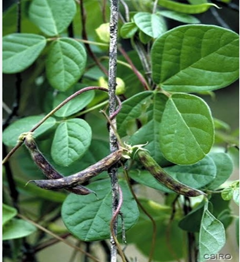

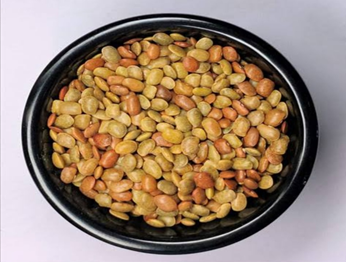
Synonyms: -Horse Gras, Horse grain
Family: - Fabaceae
Biological source: - The horse gras plant is a flowering herb in the legume. That is native to tropical southern Asia. It is cultivated as a pulse or seed in India and other parts of Asia, African, and Australia & also used for fodder.
Chemical Composition
Macronutrients/ proximate composition (seeds, dry basis).
|
Component |
Approximate value per 100g seed(dry). |
|
Energy (calories) |
~321 kcal |
|
Protein |
~22-23g |
|
Carbohydrate (total) |
~57-60g |
|
Dietary fiber |
~5-6g(total) |
|
Fat(lipids) |
~0.5-2.0g generally low. |
|
Ash |
~2-4% depending on seed part (whole seed. Seed coat). |
|
Moisture |
~5-9% depending on part of seed (whole, seeds coat). |
Minerals & Micronutrients
|
Mineral/Vitamin |
Approximate content per 100g dry seed |
|
Calcium (Ca) |
~260-290mg |
|
Iron (Fe) |
~6.5-8.8mg |
|
Phosphorus (p) |
~300-320mg |
|
Magnesium (mg) |
~130-170mg |
|
Potassium (k) |
~180-1300mg(varies) |
|
Zinc(zn), copper (cu), manganese |
~present in small but significant amt. zn~ 2-3mg Cu,Mn smaller. |
|
Vitamin (some B- vita) |
Thiamine~0.3-0.4mg, [4] Niacin ~1.3-1.8mg |
Phytochemical /Bioactive compounds [5]
-Major identified.
-Other identified small compounds.
-Phenolic acids. - Flavonoids.
-Anti-nutritional enzyme inhibitor factors.
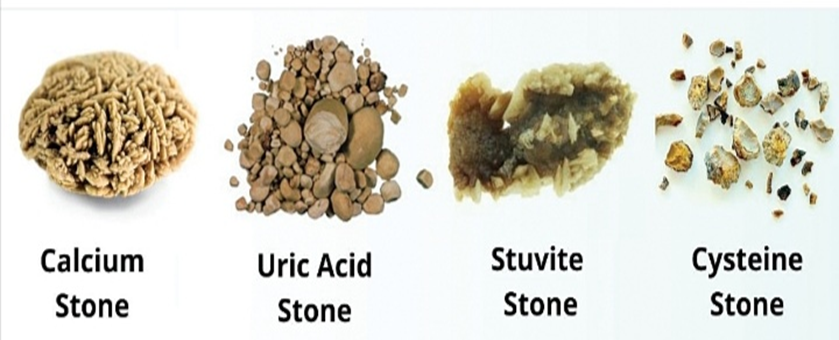
Structure of Kidney Stone

Types of Human Kidney Stones
Calcium stones: - Often Calcium oxalate or calcium phosphate. Colure: -Dark brown or black.
Uric acid stones: - formed when urine is too acidic. Colure: - smooth & yellowish brown.
Struvite stones: - Formed ofter urinary tract infections.
Cystine stones: - caused by a genetic disorder.
Pharmacological Action
1. Anti-kidney stone (anti-urolithiatic) activity: It aids in the removal of kidney stones and stops them from coming back. By encouraging diuresis, or increased urine production, the seed extract or decoction aids in the removal of tiny calculi.
2. The diuretic Activity: - increases the flow of urine, which helps the body rid itself of pollutants and extra salt. beneficial for the treatment of renal problems, edoema, and urinary infections.
3. Anti-inflammatory activity: -Inhibition of inflammation reduces edoema and discomfort in inflammatory tissues, demonstrating strong anti-inflammatory actions. beneficial for diseases like rheumatism, gout, and arthritis.
4. Activity of antioxidants: - abundant in proteins that scavenge free radicals, flavonoids, and phenolic substances.
5. Activity against microorganisms: - M. uniflorum extracts have both antifungal and antibacterial qualities.
6. Hypolipidemic (Cholesterol-lowering) activity: Reduces serum cholesterol, triglycerides, and LDL levels. Promotes cardiovascular health. [6]
7. Hepatoprotective activity: - Protects the liver from toxic damage due to chemicals or drugs. Supports detoxification and liver regeneration.
8. Anti-obesity activity: -The high fiber and protein content promote fat metabolism and reduce body fat accumulation. Helps in weight management and reduces lipid absorption.
9. Anti-diabetic (anti-hyperglycemic) activity: - improves insulin sensitivity, which lowers blood glucose levels. beneficial for the treatment of Type II diabetes. [7]
10. Antipyretic and Analgesic activity: - Helps reduce fever and relieve pain naturally.
Confirmatory Test
1.Macroscopic Identification (Morphological test)
Seeds: Small, hard, lens-shaped or oval, brown to dark reddish-brown.
Odor: Characteristic, mild.
Taste: Slightly bitter or bland.
Size: 3–6 mm in diameter.
Confirmatory feature: Presence of a hilum (white spot) on one side of the seed.
2. Microscopic Identification (Anatomical test)
Seed coat: Shows palisade cells and parenchymatous cells.
Cotyledons: Rich in starch grains and protein bodies.
Testa: Composed of thick-walled epidermal cells with a distinct cuticle.
This confirms the plant part as leguminous seed of Macrotyloma uniflorum. [8]
3. Physicochemical Tests
Used for standardization and quality control.
Parameter Standard Value (Approx.) Significance
Total Ash 3–5% Indicates purity
Acid Insoluble Ash <1% Detects impurities like silica
Water Soluble Ash 2–3% Indicates water-soluble minerals
Loss on Drying <10% Measures moisture content
Extractive Values Alcohol – 10–15%, Water – 18–22% Confirms presence of soluble phytochemicals
4. Phytochemical Screening (Confirmatory chemical tests)
Performed on extracts (ethanol, methanol, aqueous) to confirm the presence of bioactive compounds. [9]
Phytochemical Group Test Name Observation Inference
Proteins Biuret / Ninhydrin test Violet / purple color Protein present
Carbohydrates Molisch’s / Benedict’s test Violet ring / Red ppt Carbohydrates present
Phenols & Tannins Ferric chloride test Blue-black / green color Phenolic compounds present
Flavonoids Shinoda test Red / pink color Flavonoids confirmed
Saponins Froth test Stable foam Saponins present
Alkaloids Dragendorff’s / Mayer’s test Orange / cream ppt Alkaloids present
Glycosides Keller–Killiani test Reddish-brown layer Glycosides present
Steroids Liebermann–Burchard test Green coloration Steroids confirmed
5. TLC (Thin Layer Chromatography) / HPTLC Fingerprinting
Used to confirm the chemical profile of the extract. Specific Rf values of phenolic and flavonoid compounds act as a chemical fingerprint for Macrotyloma uniflorum [10].
6. Fluorescence Analysis
Powder of the seed observed under UV and visible light after treatment with reagents.
Each reagent (NaOH, HCl, H?SO?, iodine) gives a specific color, confirming identity.
Reagent Visible Light UV Light Observation
Powder + NaOH Light brown Yellowish green Confirmatory color reaction
Powder + HCl Brown Reddish
Powder + Iodine Blue Dark blue Indicates starch presence
7. Botanical Authentication
Confirmed by taxonomical features, herbarium comparison, and microscopic structure with reference standards (e.g., from NISCAIR or pharmacopoeia).
Medicinal Uses In kidney stones
1. Kidney Stone (Nephrolithiasis): - Because M. uniflorum seeds have lithotriptic and diuretic qualities, they can dissolve and wash away kidney stones when prepared as a soup or decoction.
2. Diabetes Management: - By enhancing insulin sensitivity and lowering oxidative stress, the seed extract lowers blood glucose levels.
3. Obesity and Weight Management: - By improving lipid metabolism, horse gramme lowers body fat formation and aids in the management of obesity.
4. Anti-inflammatory Action: In diseases like arthritis and joint discomfort, its flavonoid and phenolic concentration helps to reduce inflammation.
5. Antioxidant Activity: Packed with polyphenols, the plant offers protection against oxidative damage by scavenging free radicals.
6. Asthma and Respiratory Disorders: by removing phlegm and enhancing breathing, this remedy has long been used to treat cough, cold, and asthma symptoms.
7. Common Cold and Fever: Horse gramme infusion is used in traditional medicine to cure infections and lower fever.
8. Digestive Health: - Prevents constipation and enhances gut health by acting as a natural digestive aid.
9. Urinary Tract Infections (UTI): - Promotes urine flow and aids in urinary system cleansing because of its diuretic action.
10. Skin Conditions: - The seeds' paste is occasionally administered topically to relieve inflammation, skin rashes, and boils.
Advantages
Medicinal Advantages
1. Kidney Stone Treatment: -Helps dissolve and prevent kidney stones due to its anti-urolithiatic and diuretic effects.
2. Anti-inflammatory: -Reduces swelling and joint pain in conditions like arthritis and gout.
3. Diuretic Action: -Increases urine output, helping remove toxins and excess salts from the body.
4. Antioxidant Property: -Rich in polyphenols and flavonoids that protect cells from oxidative stress and aging.
5. Antimicrobial: -Fights bacteria and fungi causing urinary tract and skin infections.
6. Anti-diabetic: -Controls blood glucose by improving insulin sensitivity.
7. Cholesterol Control: -Lowers LDL and total cholesterol, maintaining heart health.
8. Liver Protection: -Protects liver cells from chemical or toxin-induced damage.
Nutritional Advantages
1. High Protein Content: -Contains 22–25% protein — excellent for vegetarians.
2. Rich in Minerals: -Provides iron, calcium, phosphorus, and molybdenum, helping strengthen bones and improve blood health.
3. High Dietary Fiber: -Improves digestion and prevents constipation.
4. Low in Fat: -Suitable for weight management and cardiac patients.
5. Good Energy Source: -Provides long-lasting energy and is beneficial for athletes and laborers.
Agricultural and Environmental Advantages
1. Drought-Resistant Crop: -Grows well in dry regions with minimal water — ideal for semi-arid areas.
2. Soil Enrichment: -Being a legume, it fixes atmospheric nitrogen and improves soil fertility.
3. Low Input Crop: -Requires minimal fertilizer and pesticide use — eco-friendly.
Therapeutic and Traditional Uses
1. Used in Ayurveda and Siddha medicine for treating kidney stones, cough, fever, asthma, piles, and obesity.
2. Acts as a natural detoxifier and immunity booster.
3. Decoction or powder form used in herbal formulations for urinary and digestive disorders.
5. General Health Advantages
Disadvantages
1. Restricted Commercial Accessibility.
2.Better Astringent Taste.
3.Hard texture of seed.
MATERIALS & METHODS
Plant material
Two plant of material of vigna radiata and Microtyloma uniflorum were selected. The seeds were Purchased fresh from a local store of shivamogga, Karnataka [11].
Extraction
Preparation of extract the stem, root, seed, and seed coat of a) two types (black and brown) of Macrotyloma uniflorum were harvested in late October from nearby wild or field-grown plants. They were then washed, dried in the shade at room temperature, and ground into a powder. In order to prepare extracts, seed coats from seeds that had been soaked in water for one day were harvested, shade dried, and then ground into a powder. Then, using a Soxhlet apparatus, a variety of extracts were made from powdered material by following the various extraction-influencing parameters, such as the number of extraction cycles (4–14 cycles), the type of solvent (acetone, ethyl acetate, butanol, ethanol, methanol, or water), the solvent concentration (20–100%), and the extraction temperature (50–100ºC).The so obtained solvent extracts were allowed to evaporate the solvent and the remaining powdered (concentrated) form was stored at 4°C for further use. Optimal extraction was checked by antibacterial assay.
Antibacterial assay
Differences in the antibacterial potential of the Horse gram extracts of various parts of the plant were analyzed through the agar well diffusion method against bacteria of both Gram-positive and Gram-negative nature (Bacillus subtilis, Bacillus cereus, Staphylococcus aureus, Escherichia coli, Pseudomonas aeruginosa) [12]. A stock solution of crude plant extracts in DMSO that retained their natural pH and had a concentration of 100 mg/ml was prepared. The bacterial strains used were cultured overnight on Muller Hinton Agar medium. The cultures, which had been grown overnight, were swabbed uniformly on the individual plates with sterile cotton swabs. Then 5 wells of 6 mm diameter were made on each plate. Different solutions of extracts were dispensed to each well in equal amounts on all plates swabbed with different bacterial strains. A commercial antibacterial drug cefotaxime (5 mg/ml) was used as a positive control, and the dissolving solvent was used as a negative control. The plates were put at 37°C for 24 h and then the different zones of inhibition formed around the well were measured. The values that were measured represented the average of the experiments done in triplicate. The minimum inhibitory concentration (MIC) of the seed coat extract of the black variety was determined by an agar dilution method. The Petri dishes with LB medium and different concentrations (0.5-10 mg/ml) of the extract were prepared and inoculated with different active bacterial strains. Cotton swab was used to swab the petri dishes, and after that, they were incubated at 37ºC for 24 hours. In order to determine MIC against each bacterium, the plates with no visible bacterial growth were examined visually. The test was carried out in triplet with DMSO as a negative control.
Antioxidant assays
The Microtyloma uniflorum is antioxidant potential of various extracts prepared from the black variety was determined by the protocols of four different methods, namely, Ferric reducing antioxidant power (FRAP) assay, H2O2 scavenging assay, DPPH free radical scavenging activity and DMPD (N, N-Dimethyl-p-phenylene diamine dihydrochloride) method respectively [13].
Phytochemical screening
Phytochemical screening of seed coat extracts of the both the varieties was performed to ascertain the presence of different metabolites such as alkaloids, glycosides, flavonoids, tannins, saponins, sugars, proteins, steroids and phenols, by following the standard protocols of preliminary qualitative and quantitative phytochemical screening. [14]
Anticancer activity
The horse gram Extracts of black variety were tested for their anticancer activities against the Human Renal cell Adenocarcinoma cell line 786-O at Advanced Centre for Treatment, Research and Education in Cancer (ACTREC), Mumbai, by employing the SRB assay [15]. Different extracts with concentrations 20, 40, 60 & 80 µg/ml were taken into 96 well microtiter plates containing cells for the experiment. Cell population was measured at the time of drug addition (Tz) by in-situ fixing the cells with TCA (trichloro acetic acid) after 24 h. The experiment was performed thrice with positive control, the anticancer drug, Adriamycin (Doxorubicin). In this assay, Sulforhodomine B solution was used for staining and absorbance was recorded on an Elisa Plate Reader at 540 nm wavelength. Percent growth was calculated and expressed as the ratio of average absorbance of test well to that of control wells *100. Percentage growth inhibition was calculated as: [(Ti-Tz)/(C-Tz)] x 100, where Ti is test growth; Tz is growth at time zero; C is control growth. Linear regression method was used for checking cell viability against drug concentration of tested samples.
Test for Alkaloids: -
Dragendroffs test: - Adding 1ml of Dragendorff's reagent to 2ml of extract, an orange red precipitate was formed, indicating the presence of alkaloids.
Mayers test: - 2ml test solution and add into 0.1 ml mayers reagent. Formation of yellow precipitate is observed which indicate presense of alkaloids.
Hagers test: - 3ml of test solution and add in it 0.1 ml hagers reagent. formation of yellow ppt which indicate the presense of alkaloids.
Test for flavonoids: - Lead acetate: - Few ml of test solution add lead acetate solution and observed for colour ppt.
Test for Glycosides: -
Borntrager test: - 3ml extract + dilute H2SO4. boiled and filtrate to cold filtrate, added equal volume benzene or choloform shake well separate the organic solvent add ammonia, ammonical layered turned red.
Test for Carbohydrate: -
Molish test: - Aqueous test solution alcoholic alpha napthol + concentrated H2SO4. No purple violet ring at junction. Which indicate the absent of carbohydrate.
Fehlings test: - Test solution, equal volume of fehlings A and fehlings B Reagent boil, formation of brick red ppt.
Bendicts test: - Few ml of test solution add few ml of Bendicts reagent formation of green colour ppt.
Test for Saponin
Foam Test: - To 2ml of extract was treated with 8ml of water in test tube. The mixture was shaken vigorously and observed for the formation of persistant foam for 5min that confirms the presence of saponin.
In vitro experiments: -
Evaluation for anti-urolithiatic activity: -
Step1: - Preparation of experimental kidney stones (calcium oxalate stones) by homogeneous precipitation: Exactly 1.47 g of calcium chloride dihydrate was dissolved in 100 ml distilled water and 1.34 g of Uric acid crystal was dissolved in 100 ml of 2 N sulfuric acid. Equimolar prepared solutions of calcium chloride dihydrate and sodium oxalate were allowed to react in a beaker to precipitate out calcium oxalate with stirring. The resultant calcium oxalate precipitate was freed from traces of sulfuric acid by ammonia solutions, washed with distilled water, and dried at 60°c for 2 hours.
Step2: - Preparation of semipermeable membrane from farm eggs; The semi permeable membrane of eggs lies in between the outer calcified shell & the inner contents like albumin & yolk, shell was removed chemically by placing the eggs in 2M HCL for an overnight, which caused complete decalcification further, washed with distilled water, carefully with a sharp pointer a hole is made on the top & the contents squeezed out completely from the decalcified egg. Then egg membrane washed thoroughly with distilled water, and placed it in ammonia solution, in the moistened conditioned for a while & rinsed it with distilled water. Stored in refrigerator at a pH of 7-7.4.
Step 3: - Estimation of calcium oxalate by titrimetric: Weighed accurately 1 mg of the calcium oxalate and 10 mg of the extract/compound/ and packed it together in semi permeable membrane by suturing. This was allowed to suspend in a conical flask containing 100 ml 0.1 M TRIS buffer one group served as negative control (contained only 1 mg of calcium oxalate) place the conical flask of all groups in an incubator, preheated to 37°c for 2
Analytical Determination of Bioactive Compounds
UV-Visible Infrared Spectroscopy
UV-visible infrared (IR) spectroscopy is qualitative and an analytical screening approach together with chemometric pattern recognition for the identification of bioactive components from the plants and plant products. Naturally found compounds and phenolic compounds such as tannins, phlobatannins, dyes, anthocyanins, and phenols form complexes with iron which can be easily detected. Typically, ultraviolet (UV) region range extends from wavelength 190 to 350 nm, visible range is 350 to 800 nm, and infrared range is from 800 to 2500 nm. UV visible spectroscopy mostly preferably used for the quantitative analysis of aromatic molecules, as they have strengthened chromophores in the range of UV. This technique is cost-effective and not time consuming compared to other techniques for the determination of bioactive compounds. Antinutritional factor especially phytic acid is present in horse gram sprouts; IR and MS are used to characterize the bioactive compounds in the sprout extract
Thin Layer Chromatography
Thin layer chromatography (TLC) is an adsorption chromatography, which is mostly used to separate compounds with lower molecular weight. The separation of a compound occurs based on the interaction between adsorbent layers on the plate. Using silica gel G254 the plate is transferred to an oven at 110 °C for 20 min for the activation. The extract dissolved in the respective solvent system is filtered and its aliquots (2 µl) are then applied on the activated silica gel plate with a standard sample. The plate is then placed in a developing chamber with the desired solvent system and allows running until reaching a height of approximately 10 cm from the point of application. The spots were detected using a spraying agent such as vanillin sulphuric acid or panisaldehyde reagent. Plates are then kept in an oven at 110 °C for 5-10 minutes for the color development and finally the Rf values were calculated [16]. TLC method is used for the isolation and purification of bioactive compounds that are responsible for bioactivity.
RESULT
The result expected from the experimental work suggests that this investigation would provide encouragement for further exploration into new drugs for the prevention and treatment of urolithiasis. The In-vitro evaluation of the selected plant extract against calcium oxalate crystal formation demonstrated promising inhibitory effects. The study successfully isolated and characterized key bioactive compounds from the plant, which showed significant reduction in the aggregation of calcium oxalate crystal. Overall, this study provides a strong scientific foundation for the potential use of the plant extract as a natural therapeutic agent for the prevention and management of calcium oxalate kidney stones.
REFERENCES






Shinde Gitanjali, Nichit Sakashi*, Sabale Vaishnavi, Modhave Anuja, Kharat Roshni, Nangare Rutuja, Nimse Pratiksha, A Review on Microtyloma Uniflorum is the Small Stones Relief (Kidney Stones), Int. J. of Pharm. Sci., 2025, Vol 3, Issue 12, 1032-1041. https://doi.org/10.5281/zenodo.17836423
 10.5281/zenodo.17836423
