Aloe Vera is globally recognized for its therapeutic properties, primarily attributed to its succulent leaves; however, its flowers remain an underexplored botanical resource with remarkable pharmacological potential. Recent scientific attention has shifted toward these vibrant inflorescences, revealing a diverse phytochemical profile including flavonoids, phenolic acids, Anthraquinones, alkaloids, terpenoids, sterols, and essential glycosides. These compounds collectively contribute to potent antioxidant, anti-inflammatory, antimicrobial, Immunomodulatory, and wound-healing activities, positioning Aloe Vera flowers as a promising natural candidate for future medicinal, cosmetic, and nutraceutical innovations. Their strong free-radical scavenging abilities demonstrate significant potential in mitigating oxidative stress—an underlying cause of chronic conditions such as cancer, neurodegenerative disorders, diabetes, and cardiovascular diseases. Moreover, emerging studies highlight the flowers’ capacity to enhance cellular defense pathways, inhibit lipid peroxidation, and modulate immune responses, offering new avenues in preventive and therapeutic strategies. The presence of bioactive pigments, including carotenoids and anthocyanins, further supports their use in skincare formulations due to photo protective and anti-aging mechanisms. Despite these promising findings, research remains limited compared to Aloe Vera leaves, underscoring the need for comprehensive pharmacological, toxicological, and clinical investigations. This review compiles and analyzes current evidence on the phoytochemistry, biological activities, extraction methods, and potential industrial applications of Aloe Vera flowers. It also highlights research gaps, future prospects, and formulation challenges, aiming to encourage scientific exploration and commercial utilization. Unlocking the hidden potential of Aloe Vera flowers could inspire novel therapeutic discoveries, promote sustainable plant use, and widen global phytopharmaceutical resources.
Aloe Vera is known by the nickname “Gwarpatta” (1). The Arabic term Alloeh, which means “shining bitter substances,” is the source of the aloe’s name (2). Aloe Vera is a succulent, drought-resistant, perennial plant without stems that has purportedly been used medicinally from ancient times (3).Aloe Vera (Aloe Barbadensis Miller) is a succulent perennial plant of family Aloeaceae and Has been used for centuries for its medicinal properties. Of the plant parts of the Aloe Vera, Gel is being widely were investigated for their biological activity. We found that the Aloe Vera Gel, leaf and flowers exhibited strong anti-oxidant activity.(4)
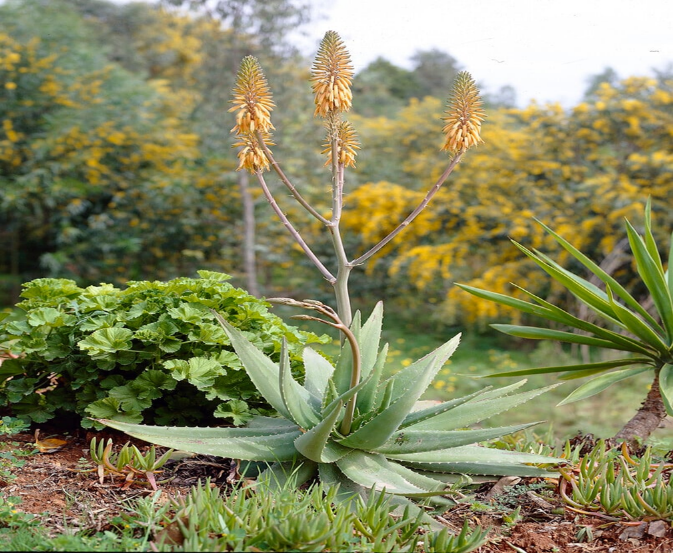
Fig No.1 Aloe vera flower(17)
All Aloe species possess the added allure of year-round mass flower production. The Flower, however, among all the parts of the Aloe, has rarely been investigated and the biological constituents are largely uncharacterized. Diurnal and tubular nectar-rich brightly Colored flowers are produced by most Aloe species, often red or yellow (5).The consumption of edible flowers has become more common, as found in European and Asian foods, with a variety of natural antioxidants. An antioxidant-rich diet can lower the risk of cardiovascular and chronic diseases, and cancer (6). There is adequate evidence for the protective effect of vitamin E against cardiovascular diseases, free radical-induced DNA damage and oxidation, and skin diseases.(7)
Artificial medications used for antioxidant purposes often include rutin, butylated hydroxyl Toluene, and butylated hydroxyl anisole. Nevertheless, these medications have harmful Side effects include toxicity, cell damage, inflammation, and atherosclerosis in mammals . (8)As a result of these issues, there is a growing global trend toward the use of natural .Therapeutic antioxidant compounds found in medicinal plants and herbs. Researchers have recently discovered that several plant ingredients, including terpenes, flavonoids, and Polyphenols, have antioxidant properties .(9) Researchers are more likely to discover natural Antioxidants with high activity and low cytotoxicity based on these components’ Antioxidant role .(10)
Aloesin, aloeemodin, acemannan, aloeride, methylchromones, flavonoids, Saponins, amino Acids, vitamins, and minerals from the inner gel of leaves are among the more than 75 Active constituents in aloe vera. It is a miracle cure for heart attacks, strokes, leukaemia, Anaemia, hypertension, AIDS, radiation burns, digestive disorders, and more because of its Anti-inflammatory, antioxidant, antibacterial, anticancer, antidiabetic, immune-boosting, And hypoglycemic qualities.(11)
For thousands of years, people have utilized aloe vera for its therapeutic qualities to heal a variety of human illnesses and ailments (12). Numerous investigations have Identified various bioactive substances in aloe vera leaves and gel, including Minerals, vitamins A, B, C, and E, enzymes, carbohydrates, polyphenols, amino acids, and anthraquinones .(13,14,15,16) Some of the health benefits that these bioactive Compounds offer include anti-ulcer, anti-hypercholesterolemic, antioxidant, antibacterial, antiviral, antifungal, anti-acne, nutraceutical, humectant, skin Protection against UV-A and UV-B, wound healing, preventing type II diabetes and Cancer, cardiovascular diseases, and antibody production .(16,18) The use of aloe vera has recently spread to the food industry with the creation of beverages and food Supplements made from aloe vera.(19,20)
Among the more than 300 species in the genus Aloe, Aloe vera (Barbadensis Miller) is the most well-known worldwide. This tropical plant is a member of the Asphodelaceae family. The use of aloe flowers and aloe vera gel dates to 1500 B.C., and it is further corroborated by the discovery of ancient Mesopotamian tablets expressing how aloe was being used for medical purposes. Through both human activity and natural processes, aloe barbadensis expanded throughout the world from its initial habitat in Africa.(21)
This medicinal plant is currently grown all over the world and may be found in warm-climate regions of America, Asia, and Europe because of its healing properties. Aloe vera is mainly produced in South America.
Aloe flower has nutritional value and possible applications in the food, pharmaceutical, and cosmetic industries. Aloe barbadensis Mill is known as Kumari in Ayurveda. Kaumarya, which means “princess” in Sanskrit, is where the word Kumari originates.(22)
Morphological characteristics:
Aloe vera is a plant with short or no stems that can reach heights of 60 to 100 cm. In the second year of the winter season, it produces upright, unbranched blooming stalks that grow 90-150 cm tall. The blooms are grouped in supplementary spikes and are vivid yellow and orange. (23)During the summer, aloe plants grow spikes up to 90 cm tall with pendulous blooms that have tubular yellow corollas. The number of aloe flowers within the raceme ranged from 20 to 64, and in another report, there were 20 to 94 flowers per raceme in aloe(24).
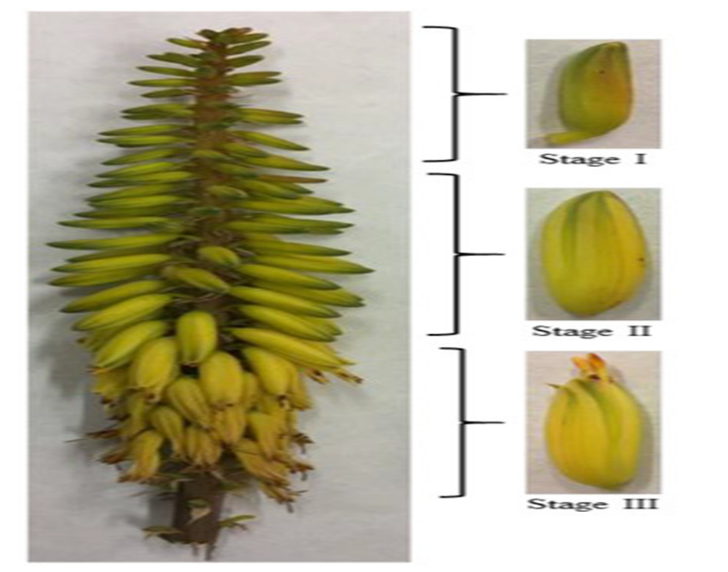
Fig No:2 Classification of Aloe vera flowers according their development stages (125)
The flowers were categorized based on length at three distinct developmental stages:
Stage I, which consisted of young flowers measuring 2 cm;
Stage II, which included mature flowers with closed flower buds measuring between 2 and 4 cm;
Stage III, which included mature flowers with opening flower buds measuring 4 cm(25).
These yellow-colored tubular blooms are gradually maturing from the bottom to the top, suggesting both quantitative and qualitative variations in the bioactive substances the flowers contain. Its rosette of thick, meaty leaves gives it a unique look. On the top and bottom stem surfaces of certain varieties, there are white specks. While the leaves range in color from Green to gray-green. The leaf’s edge features tiny white teeth and is serrated. (26)
Bioactive compounds:
Bioactive Substances Natural antioxidants can be found in aloe flower. Compared to the aloe vera leaf gel, the antioxidant activity in the flower is four to eight times higher. According to a 2018 study, the eleven constituents are coumarin, gallic acid, caffeic acid, D-catechin, vanillic acid, nariqenin, resveratrol, cinnamic acid, thymol, quercetin, and naringin. Vanillic acid had the highest content of any phenolic component examined here, which may be related to its potent antioxidant properties. Another study conducted in 2013 found that the most common phenolic compounds found in the blossoms were quercetin, epicatechin, and gentisic acid. (27)
Phytochemicals constituent:
Table No 2 phytochemicals constituent (30)
Compounds
Pharmacological activities
Anthraquinone
Anti-inflammatory
Antibacterial
Wound healing
Antioxidant
Laxative
Immunomodulatory
Anti-diabetic
Skin protective
Anti-Hyperlipidemic
Gastroprotective
Antifungal
Anticancer
Antiviral
Polysaccharides
Immune-modulating
Anti-inflammatory
Phytosterol
Cholesterol-lowering
Anti-inflammatory
Saponins
Antimicrobial
Anti-inflammatory
Flavonoids
Antioxidant
Anti-inflammatory
Anticancer
Enzymes
Anti-inflammatory
Vitamins
Nutritional support
Vitamin: The antioxidant vitamins A, C, and E are among the many vitamins found in the plant. There are also thiamine, niacin, riboflavin, vitamin B12, choline, and folic acid .Antioxidants neutralize free radicals.(28)
Enzyme: To help with digestion, enzymes such as amylases, lipases, alkaline phosphatases, celluloses, catalases, and peroxidases break down sugars and fats. Bradykinases and carboxypeptidases decrease inflammation by deactivating bradykinins. Lectins exhibit anti-tumor properties (29)
Minerals: Numerous minerals, such as sodium, potassium, calcium, magnesium, selenium, manganese, copper, zinc, chromium, and iron, are found in aloe plants. The correct functioning of enzymes involved in various metabolic pathways depends on these minerals. Numerous of these possess antioxidant qualities (30)
Sugers: The mucilaginous layer of the plant, which lies beneath the leaf rind, contains sugars. It has both monosaccharides (glucomannose and polymannose) and polysaccharides (fructose and glucose). The immune system is modulated by the polysaccharides. Glutamannan is used in cosmetics and is a great moisturizer.(31)
Anthraquinones: The bitter reddish yellow exudates that are located behind the outer green rind contain anthraquinones and their derivatives, including barbaloin, aloeemodin-9-anthrone, lsobarbaloin, anthrone-C-glycosides, and chromones. These are phenolic compounds, which have been utilized as laxatives for a long time. These substances have a strong purgative effect when present in high concentrations, but they also seem to improve gastrointestinal absorption, function as strong antibacterial agents, and produce strong analgesic effects when present in lower concentrations. (28)
Sterols: Examples of sterols include campesterol, cholesterol, sitosterol, and luteol. Numerous of them have anti-inflammatory properties, and lupeol also has analgesic and antibacterial properties (32).
Hormone: Auxins and gibberellins have anti-inflammatory and wound-healing effects.
Salicylic acid: Salicylic acid is a chemical with antibacterial and anti-inflammatory qualities that is comparable to aspirin.
Amino acid: Aloe vera gel provides the amino acids required for growth and healing. Twenty of the twenty-two non-essential amino acids and seven of the eight essential amino acids are present in it (29)
Lignin: When added to topical treatments, lignin, an inert chemical, improves the other compounds’ skin penetration (30).
Saponins : Saponins are substances that resemble soap and have antiseptic and cleaning qualities(30).
Antioxidant Mechanisms :-
Table No :3 Types of Antioxidants and their mechanisms (33)
Types of Antioxidants
Example
Function
Free Radical scavengers
Synthetic antioxidants:
BHA (Butylated hydroxyanisole)
BHT (Butylated hydroxytoluene)
TBHQ (tert-Butylhydroquinone)
Propyl gallate
Natural antioxidants:
Tocopherols
Aromatic amines
Phenolic antioxidants (extracts from aloe, spices and herbs)
Block of the radicals by reducing a hydrogen atom
Oxygen scavengers and
Reducing agents
Ascorbic acid
Erythorbic acid
Ascorbates
Sulphites, bisulphites
Ascorbic palmitate
Amino acids
React with oxygen
Cheating Agents
Citric acid
EDTA (Ethylene diamine tetra acetic acid)
Phosphates
Chelate metal ions in their structure in the form of stable complexes to reduce the catalytic oxidation activity
Free radical-scavenging: the flower/leaf extracts donate electrons/hydrogen atoms to neutralize reactive oxygen species (ROS) and nitrogen-centered radicals such as ABTS•? and DPPH.(34)
Metal-ion chelation: Some flavonoids and phenolic in Aloe vera bind transition metal ions (e.g., Fe²?/Fe³?) thus inhibiting Fenton-type reactions that generate hydroxyl radicals.(36)
Enhancement of endogenous antioxidant enzymes: The extracts up-regulate or preserve activity of enzyme systems like superoxide dismutase (SOD), catalase, glutathione peroxidase (GPx) and increase levels of reduced glutathione (GSH). For example, in diabetic rats treated with Aloe vera leaf gel extract showed improved SOD, catalase, GPx in the pancreas.(35)
Reduction of lipid peroxidation: The extracts reduce formation of lipid peroxidation products like malondialdehyde (MDA) indicating less oxidative damage to lipids in biological systems.(34)
Synergistic actions: Polysaccharides, phenolic, flavonoids, vitamins (C & E) operate together. Aloe vera polysaccharides may help regeneration of other antioxidants and stimulate enzyme activity.
Pharmacological potential:-
Antioxidant property
Aloe Vera flower extract exhibited antioxidant properties.[37,38] Additionally, it demonstrates the protective effect against gentamicin-induced nephrotoxicity.(39) It lessens the carcinogenic effect that inhaling cigarette smoke causes in pulmonary tissue.[40] Additionally, it lessens oxidative stress brought on by diabetes.[41] A. vera (A. barbadensis) gel demonstrated antioxidant properties both in vitro and in vivo.[42,43] Aloe saponaria demonstrated antioxidant activity in sunburns caused by UVB rays.[44] A. vera gel shields the liver from harm brought on by oxidative stress.[45] A. Vera’s polysaccharides and phenolic components both exhibited antimycoplasmic and antioxidant properties.[46] Both folate and barbaloin demonstrated pharmacological potential.[47] In rowers, extract from A. arborescens Mill. Stimulates cytokine synthesis and prooxidant–antioxidant balance.[48] irritable bowel syndrome is less likely when A. vera and Matricaria recutita are combined because of their antioxidant and spasmolytic properties.[49,50]
Anti-Cancer property
Aloe emodin, which has antitumor properties, is found in A. vera. [51] Aloe emodin also prevents high metastatic breast cancer MDA-MB-231 cells from invading and spreading. [52] Solid lipid nanoparticles loaded with aloe emodin demonstrated potent chemotherapeutic anticancer activity in vitro. [53, 54] In vitro, A. vera gel demonstrated a protective effect on the permeability transition pore in the rat liver mitochondria’s inner membrane. [55] Products from A. vera slow the spread of cancer, lower inflammation, and repair other signal pathways. [56,57] It has broader clinical uses as well. [53] Components of A. vera that inhibit tyrosinase exhibited antiviral properties. [58] In B6C3F1 mice and F344/N rats, a non-colorized whole leaf extract of A. barbadensis Miller (A. vera) was found to be effective [59]. Mice given a high-fat diet supplemented with A. vera gel extract demonstrated a decrease in the development of intestinal polyps. [60]
Antiparasitic Property
Aloe vera natural products, like aloe-emodin, have antitumor properties. [61] Both in vitro and in vivo, it may prevent angiogenesis and the growth of human colorectal cancer. [62]. On the other hand, rats exposed to Aloe barbadensis miller leaf extract exhibit carcinogenic activity. [63] The antiplasmodial potential of decolorized low anthraquinones whole leaf Aloe vera was lower than that of crude extracts. [64] Aloe pulcherrima leaf latex contains chemical constituents that exhibit antiplasmodial properties. [65]
Antidiabetic Property
In animal models, A. vera exhibits nutritional and metabolic effects. [66] Because local healers use its extract to treat diabetes mellitus, it has significant ethnomedical value. [67,6i] Among the natural treatments for diabetes and its complications, it works well. [69] Aloe is well-known for being used in herbal self-care treatments for people with type 2 diabetes and obese people who are at risk for the disease. [70,71] In streptozotocin-induced diabetic rats, its fibroin/aloe gel film was found to be effective in wound healing. It can also be used as a dietary supplement to help diabetic wounds heal. [72] It is an effective nutraceutical for naturally managing diabetes. [73] In rats with type 2 diabetes induced by streptozotocin, extracts from A. barbadensis Miller demonstrated antidiabetic effects. [74]
Antimicrobial Property
Traditional medicinal soft soaps contain antimicrobial agents made from A. vera gel, which exhibits antimicrobial qualities [75]. [76] The plant is used to make eye drops that contain neomycin sulfate and aloe. [77] A. vera is also used to check for primary microbiological infections in a variety of root canal filling materials. [78] In comparison to fungal strains, the extracts exhibit superior antimicrobial activity against bacterial strains. [79] A. arborescens Mill. crude extract was found to be effective against Salmonella enteric server Typhimurium, an enter pathogen that causes diarrhea. [80] Lupeol, salicylic acid, urea nitrogen, cinnamic acid, phenols, and sulfur are the six antiseptic agents found in A. vera. All of them have the ability to inhibit viruses, bacteria, and fungi.
Immunomodulatory Property
Impact on Immunomodulation A. vera exhibits immunomodulatory qualities, and its fractions influence macrophages’ reaction to Candida albicans. [81] Gel made from A. vera exhibits both immunostimulatory and immunomodulatory qualities. [82] A. barbadensis Mill. Extract (AVH200®) has the ability to lower healthy human blood T-cell activation, proliferation, and cytokine secretion. In vitro, AVH200® suppresses human blood T cells. [82] Components of A. vera function as immunostimulants or antioxidants and demonstrated dose-dependent immunomodulatory effects on leukocytes stimulated by phorbol myristate acetate (P ≤ 0.05). [83] In a mouse model, probiotic lassi supplemented with A. vera (A. barbadensis Miller) stops Shigella from penetrating the epithelial barrier and entering the systemic blood flow. [84]
Wounds Healing Property
Healing of Wounds Collagenase activity and corneal wound closure are impacted by A. vera. [85] Its nutritional supplements aid in the healing of diabetic wounds. [86] Burn wounds are treated topically with polymeric films containing vitamin E and vitamin A. vera. [87,88] Aloe vera polysaccharides stimulate the expression of the MMP-3 and TIMP-2 genes in rats undergoing skin wound healing. [89] During wound healing, A. vera gel is also used as a decontaminating agent. [90,91] A. vera affects alginate hydrogel film enzymatic breakdown and water absorption. A. vera exhibits pharmacological properties and effectively cleanses pressure ulcer wounds. [92] They are applied as hydrating creams to shield the skin while receiving radiation treatment for breast cancer. [93]
Burn Property
In Ayurveda, A. vera crude gel is a well-known burn treatment. Burn wounds are treated topically with polymeric films containing vitamin E and vitamin A. vera. [94] Second-degree burn wounds were found to respond well to A. vera gel. [95,96,97] It keeps burn injuries from getting infected. [98,99] It promotes wound healing and lessens the effects of inflammation brought on by heat damage [100]. [101] Both acute and chronic wounds can be treated with A. vera. [102] Additionally, it promotes better burn skin healing and prevents the growth of infectious microorganisms on injury sites [103]. [104] A. vera gel protects the skin from radiation damage. [105,106]
Psoriasis treatment Property
Topical treatment of psoriasis involves the use of A. vera leaf extract. [107] Better skin care is demonstrated by the bioactive natural ingredients it contains. [108] The plant extract of A. vera is very good for skin and skin conditions. [109] It can be applied to alternative treatments for common skin conditions. [109] Plaque psoriasis is treated topically with A. vera and 0.1% triamcinolone acetonide. [110,111] Its mineralized cream protected human skin from UVB-induced stress. [112] For dermatological use, A. vera gel is a good topical herbal product that is safe and clinically effective. It contains anthraquinone, a naturally occurring substance with laxative properties. [113]
Constipation treatment Property
In rats with constipation, aqueous leaf extract of A. ferox Mill improves intestinal motility, increases fecal volume, and returns body weight to normal. [114] It lowers the risk of colorectal cancer. [115] It has been discovered that A. vera gel is effective against strains of H. pylori. [116] Latex contains anthraquinones, which have strong laxative properties. It raises intestinal peristalsis, mucus secretion, and intestinal water content. [116]
Ulcerative colitis therapy
Herbal therapy for inflammatory bowel disease uses A. vera as a complementary and alternative medicine [117–118]. [119] Another herbal remedy for ulcerative colitis is A. vera gel. [120,121] In vitro, A. vera gel also demonstrated anti-inflammatory properties in human colorectal mucosa. [122] In a rat model of colitis, dietary aloin, aloesin, or aloe-gel exhibit anti-inflammatory properties. [122] A. vera gel taken orally has been shown to be effective in ulcerative colitis. [123] Additionally, it demonstrates the healing and protective effects against ulcerative colitis in rats induced by dextran sulfate. [124]
CONCLUSION
Aloe vera flowers represent a valuable but largely overlooked component of a widely celebrated medicinal plant. Their diverse bioactive constituents demonstrate promising antioxidant, anti-inflammatory, antimicrobial, and dermatoprotective properties, offering new opportunities for pharmaceutical, cosmetic, and nutraceutical development. However, limited scientific inquiry restricts their clinical validation and commercial utilization. Future studies focusing on standardized extraction, molecular mechanisms, and human trials are essential to fully harness their therapeutic benefits. Exploring Aloe vera flowers not only enhances botanical drug discovery but also supports sustainable resource utilization—truly extending Aloe Vera’s legacy beyond the leaf.
REFERENCES
Jain, A. K., Sharma, B. K. and Bhat, A. A. 2013. “Flowering phenology And floral visitors of some medicinal plants of Gwalior, Madhy Pradesh, India”. The International J. Plant Reproductive Biology. 5(1):81-84.
Ahlawat, K. S. and Khatkar, B. S. 2011. “Processing, food applications And safety of Aloe vera products: A Review”. J. Food Science and Technology. 48(5):525-533.
Klein, A. D. and Penneys, N. S. 1988. “Aloe vera”. J. the American Academy of Dermatology. 18:714-720.
Babu, S. N., Govindarajan, S., Vijayalakshmi, M. A., & Noor, A. (2019). Evaluation of in vitro antidiabetic and anti-oxidant activities and preliminary phytochemical screening of gel, epidermis And flower extract of Aloe vera. Research journal of pharmacy and technology, 12(4), 1761-1768.
Sánchez-Machado, D. I., López-Cervantes, J., Lopez-Hernandez, J., & Paseiro-Losada, P. (2004). Fatty acids, total lipid, protein and ash contents of processed edible seaweeds. Food chemistry, 85(3), 439-444.
Kanama, S. K., Viljoen, A. M., Kamatou, G. P., Chen, W., Sandasi, M., Adhami, H. R., & Van Wyk, B. E. (2015). Simultaneous quantification of anthrones and chromones in Aloe ferox (“Cape aloes”) using UHPLC–MS. Phytochemistry Letters, 13, 85-90.
López-Cervantes, J., Sánchez-Machado, D. I., Cruz-Flores, P., Mariscal-Domínguez, M. F., de la Mora-López, G. S., & Campas-Baypoli, O. N. (2018). Antioxidant capacity, proximate Composition, and lipid constituents of Aloe vera flowers. Journal of Applied Research on Medicinal And Aromatic Plants, 10, 93-98.
Robak J, Marcinkiewicz E. Scavenging of reactive oxygen species as the mechanism of drug action. Polish journal of pharmacology 1994; 47(2): 89-98.
Siahpoosh A, Yazdanparast R, JaberKhalafian A, Alikazemi S. Phenolic Compounds and Hydroxyl Radical Scavenging Activities of Aqueous and Methanolic Extracts of Phoenix Dactylifera L Cultivar Dayri Fruits 2012.
Ng T, Liu F, Wang Z. Antioxidative activity of natural products from plants. Life sciences 2000; 66(8): 709-23.
Khyade, B. V and Shendage, N. A. 2012. “Influence of Aloe vera (l.)Herbal formulation on the larval characters and economic paramateres Of silkworm (Bombyx mori l.) (Race: PM x CSR2)”. The Ecoscan: Special Issue. 1:32 1-326.
Kumar, R.; Singh, A.K.; Gupta, A.; Bishayee, A.; Pandey, A.K. Therapeutic potential of Aloe vera—A miracle gift of nature. Phytomedicine 2019, 60, 152996.
Hirata, T.; Suga, T. Biologically active constituents of leaves and roots of Aloe arborescens var. natalensis. Z. Nat. C Biosci. 1977, 32, 731–744.
Quispe, C.; Villalobos, M.; Bórquez, J.; Simirgiotis, M. Chemical Composition and Antioxidant Activity of Aloe vera from the Pica Oasis (Tarapacá, Chile) by UHPLC-Q/Orbitrap/MS/MS. J. Chem. 2018, 1–12
Bozzi, A.; Perrin, C.; Austin, S.; Arce Vera, F. Quality and authenticity of commercial Aloe vera gel powders. Food Chem. 2007, 103, 22–30.
Khajeeyana, R.; Salehia, A.; Movahhedi Dehnavia, M.; Farajee, H.; Amin Kohanmoob, M. Physiological and yield responses of Aloe vera plant to biofertilizers under different irrigation regimes. Agric. Water Manag. 2019, 225, 105768.
https://share.google/images/mQMwkMqCVXaSt8R4M
Chacón, O.; Forno, N.; Lapierre, L.; Muñoz, R.; Fresno, M.; San Martín, B. Effect of Aloe barbadensis Miller (Aloe vera) associated with beta-lactam antibiotics on the occurrence of resistance in strains of Staphylococcus aureus and Streptococcus uberis. Eur. J. Integr. Med. 2019, 32, 100996.
Minjares-fuentes, R.; Femenia, A.; Vera, A.; Barbadensis, A. Aloe vera. Nonvitamin and Nonmineral Nutritional Supplements; Elsevier Inc.: Philadelphia, PA, USA, 2019
Sánchez-Machado, D.; López-Cervantes, J.; Sendón, R.; Sánchez-Silva, A. Aloe vera: Ancient knowledge with new frontiers. Trends Food Sci. Tech. 2017, 61, 94–102
Debnath, T., Ghosh, M., Lee, Y. M., Nath, N. C. D., Lee, K. G., & Lim, B. O. (2017). Identification of phenolic constituents and antioxidant activity of Aloe barbadensis flower extracts. Food and Agricultural Immunology, 29(1), 27–38.
Parmar Vilas, R., & Jasrai Yogesh, T. Micropropagation of an Important Medicinal Plant Aloe barbadensis Mill (Aloe vera L) for Field Plantation.
Añibarro-Ortega M., Pinela J., Barros L., ?iri? A., Silva S.P., Coelho E., Mocan A., Calhelha R.C., Sokovic M., Coimbra M.A., et al. Compositional Features and Bioactive Properties of Aloe vera Leaf (Fillet, Mucilage, and Rind) and Flower. Antioxidants.
H?? M., Dziedzic K., Górecka D., J?drusek-Goli?ska A., Gujska E. Aloe vera (L.) Webb.: Natural Sources of Antioxidants—A Review. Plant Foods Hum. Nutr. 2019;74:255–265. Doi: 10.1007/s11130-019-00747-5.
López A., de Tangil M., Vega-Orellana O., Ramírez A., Rico M. Phenolic constituents, antioxidant and preliminary antimycoplasmic activities of leaf skin and flowers of Aloe vera (L.) Burm. F. (syn. A. barbadensis Mill.) from the Canary Islands (Spain) Molecules. 2013;18:4942–4954. Doi: 10.3390/molecules18054942
Moreno A., López M.Y., Jiménez L. In: Aloe vera (Sábila): Cultivo y Utilización. MundiPrensa, editor. Ediciones Paraninfo; Madrid, Spain: 2016. P. 127.
Singh A and Singh AK: Optimization of processing Variables for the preparation of herbal bread using Aloe Vera gel. J. Food Sci. Technol. 2009; 46: 335-338.
Coats BC, The Silent Healer, A Modern Study of Aloe vera,Texas, Garland, 1979.
Joseph B, Raj SJ, Pharmacognostic and Phytochemical properties of Aloe vera lin an overview, International Journal of Pharmaceutical Sciences Review and Research, 4(2), 2010, 106-110.
Surjushe A, Vasani R, Saple DG, Aloe Vera: A short review, Indian Journal of Dermatology, 53(4), 2008, 163-166.
Kumar KPS, Bhowmik D, Chiranjib and Biswajit, Aloe vera: A Potential Herb Its Medicinal Importance, Journal of Chemistry and Pharmaceutical Research2(1), 2010, 21-29
.Embuscado ME. Spices and herbs: natural sources of antioxidants – a mini review. J Funct Foods. 2015;18:811–819. Doi: 10.1016/j.jff.2015.03.005.
Thorat I. Antioxidants, their properties, uses in food products and their legal implications. Int J Food Stud. 2013;2:81–104. Doi: 10.7455/ijfs/2.1.2013.a7.
Ozsoy N, Candoken E, Akev N. Implications for degenerative disorders: antioxidative activity, total phenols, flavonoids, ascorbic acid, beta-carotene and beta-tocopherol in Aloe vera. Oxid Med Cell Longev. 2009 Apr-Jun;2(2):99-106. Doi: 10.4161/oxim.2.2.8493. PMID: 20357932; PMCID: PMC2763252.
Rajasekaran, S., Sivagnanam, K., & Subramanian, S. (2005). Modulatory effects of Aloe vera leaf gel extract on oxidative stress in rats treated with streptozotocin. Journal of pharmacy and pharmacology, 57(2), 241-246.
Keyhanian, S., & Stahl-Biskup, E. (2007). Phenolic constituents in dried flowers of Aloe vera (Aloe barbadensis) and their in vitro antioxidative capacity. Planta medica, 73(06), 599-602.
Nejatzadeh-Barandozi F. Antibacterial activities and antioxidant capacity of Aloe vera. Org Med Chem Lett 2013;3:5.
Baradaran A, Nasri H, Nematbakhsh M, Rafieian-Kopaei M. Antioxidant activity and preventive effect of aqueous leaf extract of Aloe vera on gentamicin-induced nephrotoxicity in male wistar rats. Clin Ter 2014;165:7-11.
Koul A, Bala S, Yasmeen, Arora N. Aloe vera affects changes induced in pulmonary tissue of mice caused by cigarette smoke inhal in vivo antioxidant potential of polysaccharides from Aloe vera (Aloe barbadensis miller) gel. Drug Chem Toxicol 2014;37:135-43.
Rahimifard M, Navaei-Nigjeh M, Mahroui N, Mirzaei S, Siahpoosh Z, D P, et al. Improvement in the function of isolated rat pancreatic islets through reduction of oxidative stress using traditional Iranian medicine. Cell J 2014;16:147-6.
Kang MC, Kim SY, Kim YT, Kim EA, Lee SH, Ko SC, et al. In vitro and in vivo antioxidant activities of polysaccharide purified from Aloe vera (Aloe barbadensis) gel. Carbohydr Polym 2014;99:365-71
Kaithwas G, Singh P, Bhatia D. Evaluation of in vitro and in vivo antioxidant potential of polysaccharides from Aloe vera (Aloe barbadensis miller) gel. Drug Chem Toxicol 2014;37:135-43.
López A, de Tangil MS, Vega-Orellana O, Ramírez AS,Rico M. Phenolic constituents, antioxidant and preliminary antimycoplasmic activities of leaf skin and flowers of Aloe vera (L.) burm. F. (syn. A. Barbadensis mill.) from the canary islands (Spain). Molecules 2013;18:4942-54.
Silva SS, Caridade SG, Mano JF, Reis RL. Effect of crosslinking in chitosan/Aloe vera-based membranes for biomedical applications. Carbohydr Polym 2013;98:581-8.
Nahar T, Uddin B, Hossain S, Sikder AM, Ahmed S. Aloe damage in experimental rat model. J Complement Integr Med 2013;10.
vera gel protects liver from oxidative stress-indudamage in experimental rat model. J Complement Integr Med2013;10.
Patel DK, Patel K, Tahilyani V. Barbaloin: A concise report of its pharmacological and analytical aspects. Asian Pac J Trop Biomed 2012;2:835-8.
Jiménez-Encarnación E, Ríos G, Muñoz-Mirabal A, Vilá LM. Euforia-induced acute hepatitis in a patient with scleroderma. BMJ Case Rep 2012;2012.
Basta P, Pilaczy?ska-Szcz??niak ?, Woitas-?lubowska D, Skarpa?ska-Stejnborn A. Influence of Aloe arborescens mill. Extract on selected parameters of pro-oxidant-antioxidant equilibrium and cytokine synthesis in rowers. Int J Sport Nutr Exerc Metab 2013;23:388-98.
Gao SH, Zhao GX, Yang XD, Xu LL. Preparation and antimicrobial effect of aromatic, natural and bacteriostatic foot wash with skin care. Zhongguo Zhong Yao Za Zhi 2013;38:2023-6
He ZH, Huang YQ, Weng SF, Tan YR, He TP, Qin YM, et al. Effect of aloe emodin on invasion and metastasis of high metastatic breast cancer MDA-MB-231 cells. Zhong Yao Cai 2013;36:1481-5.192.
Mulakayala C, Banaganapalli B, Mulakayala N, Pulaganti M, C M A, Chitta SK, et al. Design and evaluation of new chemotherapeutics of aloe-emodin (AE) against the deadly cancer disease: An in silico study. J Chem Biol 2013;6:141-53.
Akomolafe SF, Olanlokun JO, Adesina AJ, Olorunsogo OO. Protective effect of Aloe vera gel on the permeability transition pore in the inner membrane of rat liver mitochondria in vitro. Drug Chem Toxicol 2014;37:415-9.
Ochwang’i DO, Kimwele CN, Oduma JA, Gathumbi PK, Mbaria JM, Kiama SG, et al. Medicinal plants used in treatment and management of cancer in Kakamega county, Kenya. J Ethnopharmacol 2014;151:1040-55.
Khuda-Bukhsh AR, Das S, Saha SK. Molecular approaches toward targeted cancer prevention with some food plants and their products: Inflammatory and other signal pathways. Nutr Cancer 2014;66:194-205.
Capasso R, Laudato M, Borrelli F. Meeting report: First national meeting on aloe, april 20-21, 2013, Isernia, Italy. New perspectives in aloe research: From basic science to clinical application. Nat Prod Commun 2013;8:1333-4.
Chihara T, Shimpo K, Beppu H, Tomatsu A, Kaneko T, Tanaka M, et al. Reduction of intestinal polyp formation in min mice fed a high-fat diet with Aloe vera gel extract. Asian Pac J Cancer Prev 2013;14:4435-40.
Boudreau MD, Beland FA, Nichols JA, Pogribna M. Toxicology and carcinogenesis studies of a nondecolorized [corrected] whole leaf extract of Aloe barbadensis miller (Aloe vera) in F344/N rats and B6C3F1 mice (drinking water study). Natl Toxicol Program Tech Rep Ser 2013;577:1-266.
Haddad P, Amouzgar-Hashemi F, Samsami S, Chinichian S, Oghabian MA. Aloe vera for prevention of radiation-induced dermatitis: A self-controlled clinical trial. Curr Oncol 2013;20:e345-8.
Mwale M, Masika PJ. In vivo anthelmintic efficacy of Aloe ferox, Agave sisalana, and Gunnera perpensa in village chickens naturally infected with Heterakis gallinarum. Trop Anim Health Prod 2015;47:131-8.
Basyoni MM, El-Sabaa AA. Therapeutic potential of myrrh and ivermectin against experimental Trichinella spiralis infection in mice. Korean J Parasitol 2013;51:297-304.
Ahmed M, Laing MD, Nsahlai IV. In vitro anthelmintic activity of crude extracts of selected medicinal plants against Haemonchus contortus from sheep. J Helminthol 2013;87:174-9.
Maphosa V, Masika PJ, Bizimenyera ES, Eloff JN. In-vitro anthelminthic activity of crude aqueous extracts of Aloe ferox, Leonotis leonurus and Elephantorrhiza elephantina against Haemonchus contortus. Trop Anim Health Prod 2010;42:301-7.
Ajmera N, Chatterjee A, Goyal V. Aloe vera: It’s effect on gingivitis. J Indian Soc Periodontol 2013;17:435-8.
Semenya S, Potgieter M, Erasmus L. Ethnobotanical survey of medicinal plants used by bapedi healers to treat diabetes mellitus in the limpopo province, South Africa. J Ethnopharmacol 2012;141:440-5.
Rashidi AA, Mirhashemi SM, Taghizadeh M, Sarkhail P. Iranian medicinal plants for diabetes mellitus: A systematic review. Pak J Biol Sci 2013;16:401-11.
Mootoosamy A, Fawzi Mahomoodally M.Ethnomedicinal application of native remedies used against diabetes and related complications in Mauritius.J Ethnopharmacol 2014;151:413-44.
Amirehsani KA, Wallace DC. Tes, licuados, and capsulas: Herbal self-care remedies of latino/Hispanic immigrants for Type 2 diabetes. Diabetes Educ 2013;39:828-40.
Inpanya P, Faikrua A, Ounaroon A, Sittichokechaiwut A, Viyoch J. Effects of the blended fibroin/aloe gel film on wound healing in streptozotocin-induced diabetic rats. Biomed Mater 2012;7:035008.
Choi HC, Kim SJ, Son KY, Oh BJ, Cho BL. Metaboliceffects of Aloe vera gel complex in obese prediabetes and early non-treated diabetic patients: Randomized controlled trial. Nutrition 2013;29:1110-4.
Maier HM, Ilich JZ, Kim JS, Spicer MT. Nutrition supplementation for diabetic wound healing: A systematic review of current literature. Skinmed 2013;11:217-24.
Moniruzzaman M, Rokeya B, Ahmed S, Bhowmik A, Khalil MI, Gan SH, et al. In vitro antioxidant effects of Aloe barbadensis miller extracts and the potential role of these extracts as antidiabetic and antilipidemic agents on streptozotocin-induced Type 2 diabetic model rats. Molecules 2012;17:12851-67.
Shin S, Kim S, Oh HE, Kong H, Shin E, Do SG, et al. Dietary aloe QDM complex reduces obesity-induced insulin resistance and adipogenesis in obese mice fed a high-fat diet. Immune Netw 2012;12:96-103.
Moody JO, Adebiyi OA, Adeniyi BA. Do Aloe vera and ageratum conyzoides enhance the anti-microbial activity of traditional medicinal soft soaps (Osedudu)? J Ethnopharmacol 2004;92:57-60.
Kodym A, Bujak T. Physicochemical and microbiological properties as well as stability of ointments containing aloe extract (Aloe arborescens mill.) or aloe extract associated to neomycin sulphate. Pharmazie 2002;57:834-7.
Muller MJ, Hollyoak MA, Moaveni Z, Brown TL, Herndon DN, Heggers JP, et al. Retardation of wound healing by silver sulfadiazine is reversed by Aloe vera and nystatin. Burns 2003;29:834-6.
Gupta B, Agarwal R, Sarwar Alam M. Antimicrobial and release study of drug loaded PVA/PEO/CMC wound dressings. J Mater Sci Mater Med 2014;25:1613-22.
Bisi-Johnson MA, Obi CL, Samuel BB, Eloff JN,Okoh AI. Antibacterial activity of crude extracts of some South African medicinal plants against multidrug resistant etiological agents of diarrhoea. BMC Complement Altern Med 2017;17:321.
Abeje F, Bisrat D, Hailu A, Asres K. Phytochemistry and antileishmanial activity of the leaf latex of Aloe calidophila reynolds. Phytother Res 2014;28:1801-5.
Farahnejad Z, Ghazanfari T, Yaraee R. Immunomodulatory effects of Aloe vera and its fractions on response of macrophages against Candida albicans. Immunopharmacol Immunotoxicol 2011;33:676-81
Ahluwalia SK, Peng RD, Breysse PN, Diette GB, Curtin-Brosnan J, Aloe C, et al. Mouse allergen is the major allergen of public health relevance in Baltimore city. J Allergy Clin Immunol 2013;132:830-50.
Bulfon C, Galeotti M, Volpatti D. Medicinal plantextracts modulate respiratory burst and proliferation activity of rainbow trout (Oncorhynchus mykiss) leukocytes. Fish Physiol Biochem 2018;44:109-17.
Hussain SA, Patil GR, Reddi S, Yadav V, Pothuraju R, Singh RRB, et al. Aloe vera (Aloe barbadensis miller) supplemented probiotic lassi prevents Shigella infiltration from epithelial barrier into systemic blood flow in mice model. Microb Pathog 2017;102:143-7.
Curto EM, Labelle A, Chandler HL. Aloe vera: An in vitro study of effects on corneal wound closure and collagenase activity. Vet Ophthalmol 2014;17:403-10.
Pereira RF, Carvalho A, Gil MH, Mendes A, Bártolo PJ. Influence of Aloe vera on water absorption and enzymatic in vitro degradation of alginate hydrogel films. Carbohydr Polym 2013;98:311-20.
Amoo SO, Aremu AO, Van Staden J. Unraveling the medicinal potential of South African aloe species. J Ethnopharmacol 2014;153:19-41.
Tabandeh MR, Oryan A, Mohammadalipour A. Polysaccharides of Aloe vera induce MMP-3 and TIMP-2 gene expression during the skin wound repair of rat. Int J Biol Macromol 2014;65:424-30.
Lomash V, Pant SC. A novel decontaminant and wound healant formulation of N,N’-dichloro-bis[2,4,6-trichlorophenyl]urea against sulfur mustard-induced skin injury. Wound Repair Regen 2014;22:85-95.
Khan AW, Kotta S, Ansari SH, Sharma RK, Kumar A, Ali J, et al. Formulation development, optimizationand evaluation of Aloe vera gel for wound healing. Pharmacogn Mag 2013;9:S6-10.
Di Franco R, Sammarco E, Calvanese MG, De Natale F, Falivene S, Di Lecce A, et al. Preventing the acute skin side effects in patients treated with radiotherapy for breast cancer: The use of corneometry in order to evaluate the protective effect of moisturizing creams. Radiat Oncol 2013;8:57.
Chithra P, Sajithlal GB, Chandrakasan G. Influence of Aloe vera on collagen characteristics in healing dermal wounds in rats. Mol Cell Biochem 1998;181:71-6
Maier HM, Ilich JZ, Kim JS, Spicer MT. Nutrition supplementation for diabetic wound healing: A systematic review of current literature. Skinmed 2013;11:217-24.42. Khuda-Bukhsh AR, Das.
Pereira GG, Guterres SS, Balducci AG, Colombo P, Sonvico F. Polymeric films loaded wwounds. Biomed Res Int 2014;2014:641590.
Moore ZE, Cowman S. Wound cleansing for pressure ulcers. Cochrane Database Syst Rev 2013;3:CD004983.
Hosseinimehr SJ, Khorasani G, Azadbakht M, Zamani P, Ghasemi M, Ahmadi A, et al. Effect of aloe cream versus silver sulfadiazine for healing burn wounds in rats. Acta Dermatovenerol Croat 2010;18:2-7.
Pereira GG, Santos-Oliveira R, Albernaz MS, Canema D, Weismüller G, Barros EB, et al. Microparticles ofAloe vera/vitamin E/chitosan: Microscopic, a nuclear imaging and an in vivo test analysis for burn treatment. Eur J Pharm Biopharm 2014;86:292-300.
Pe?anac M, Janji? Z, Komarcevi? A, Paji? M, Dobanovacki D, Miskovi? SS, et al. Burns treatment in ancient times. Med Pregl 2013;66:263-7.
Silva MA, Trevisan G, Klafke JZ, Rossato MF, Walker CI, Oliveira SM, et al. Antinociceptive and anti-inflammatory effects of Aloe saponaria haw on thermal injury in rats. J Ethnopharmacol 2013;146:393-401.
Hajhashemi V, Ghannadi A, Heidari AH. Anti-inflammatory and wound healing activities of Aloe littoralis in rats. Res Pharm Sci 2012;7:73-8.
Kumari S, Harjai K, Chhibber S. Topical treatment of Klebsiella pneumoniae B5055 induced burn wound infection in mice using natural products. J Infect Dev Ctries 2010;4:367-77.
Roberts DB, Travis EL. Acemannan-containing wound dressing gel reduces radiation-induced skin reactions in C3H mice. Int J Radiat Oncol Biol Phys 1995;32:1047-52.
Sato Y, Ohta S, Shinoda M. Studies on chemical protectors against radiation. XXXI. Protection effects of Aloe arborescens on skin injury induced by X-irradiation. Yakugaku Zasshi 1990;110:876-84.
Byeon SW, Pelley RP, Ullrich SE, Waller TA, Bucana CD, Strickland FM, et al. Aloe barbadensis extracts reduce the production of interleukin-10 after exposure to ultraviolet radiation. J Invest Dermatol 1998;110:811-7.
Dat AD, Poon F, Pham KB, Doust J. Aloe vera for treating acute and chronic wounds. Cochrane Database Syst Rev 2012;2:CD008762.
Feily A, Namazi MR. Aloe vera in dermatology: A brief review. G Ital Dermatol Venereol 2009;144:85-91.
Vogler BK, Ernst E. Aloe vera: A systematic review of its clinical effectiveness. Br J Gen Pract 1999;49:823-8.
Fowler JF Jr., Woolery-Lloyd H, Waldorf H, Saini R. Innovations in natural ingredients and their use in skin care. J Drugs Dermatol 2010;9:S72-81.
Mantle D, Gok MA, Lennard TW. Adverse and beneficial effects of plant extracts on skin and skin disorders. Adverse Drug React Toxicol Rev 2001;20:89-103.
Morelli V, Calmet E, Jhingade V. Alternative therapies for common dermatologic disorders, Part 2. Prim Care 2010;37:285-96.
Choonhakarn C, Busaracome P, Sripanidkulchai B, Sarakarn P. A prospective, randomized clinical trial comparing topical Aloe vera with 0.1% triamcinolone acetonide in mild to moderate plaque psoriasis. J EurAcad Dermatol Venereol 2010;24:168-72.
Syed TA, Ahmad SA, Holt AH, Ahmad SA, Ahmad SH, Afzal M, et al. Management of psoriasis with Aloe vera extract in a hydrophilic cream: A placebo-controlled, double-blind study. Trop Med Int Health 1996;1:505-9.
Portugal-Cohen M, Soroka Y, Ma’or Z, Oron M, Zioni T, Brégégère FM, et al. Protective effects of a cream containing dead sea minerals against UVB-induced stress in human skin. Exp Dermatol 2009;18:781-8.
Anton R, Haag-Berrurier M. Therapeutic use of natural anthraquinone for other than laxative actions. Pharmacology 1980;20 Suppl 1:104-12.
Ren QQ, Yuan XJ, Huang XR, Wen W, Zhao YD, Chen W, et al. In vivo monitoring of oxidative burst on aloe under salinity stress using hemoglobin and single-walled carbon nanotubes modified carbon fiber ultramicroelectrode. Biosens Bioelectron 2013;50:318-24.
Lee EJ, Warden S. A qualitative study of quality of life and the experience of complementary and alternative medicine in Korean women with constipation. Gastroenterol Nurs 2011;34:118-27.
Cellini L, Di Bartolomeo S, Di Campli E, Genovese S, Locatelli M, Di Giulio M, et al. In vitro activity of Aloe vera inner gel against helicobacter pylori strains. Lett Appl Microbiol 2014;59:43-8.
Wintola OA, Sunmonu TO, Afolayan AJ. The effect of Aloe ferox mill. In the treatment of loperamide-induced constipation in wistar rats. BMC Gastroenterol 2010;10:95.
Ishii Y, Tanizawa H, Takino Y. Studies of Aloe. V. Mechanism of cathartic effect. (4). Biol Pharm Bull 1994;17:651-3.
Robinson M. Medical therapy of inflammatory bowel disease for the 21st century. Eur J Surg Suppl 1998;582:90-8.
Langmead L, Rampton DS. Review article: Complementary and alternative therapies for inflammatory bowel disease. Aliment Pharmacol Ther 2006;23:341-9.
Alam S, Ali I, Giri KY, Gokkulakrishnan S, Natu SS, Faisal M, et al. Efficacy of Aloe vera gel as an adjuvant treatment of oral submucous fibrosis. Oral Surg Oral Med Oral Pathol Oral Radiol 2013;116:717-24.
Langmead L, Feakins RM, Goldthorpe S, Holt H, Tsironi E, De Silva A, et al. Randomized, double-blind, placebo-controlled trial of oral Aloe vera gel for active ulcerative colitis. Aliment Pharmacol Ther 2004;19:739-47.
Banu A, Sathyanarayana B, Chattannavar G. Efficacy of fresh Aloe vera gel against multi-drug resistant bacteria in infected leg ulcers. Australas Med J 2012;5:305-9.
Korkina L, Suprun M, Petrova A, Mikhal’chik E, Luci A, De Luca C, et al. The protective and healing effects of a natural antioxidant formulation based on ubiquinol and Aloe vera against dextran sulfate-induced ulcerative colitis in rats. Biofactors 2003;18:255-64.
Aloe vera Flowers, a Byproduct with Great Potential and Wide Application, Depending on Maturity Stage - Scientific Figure on ResearchGate. Available from: https://www.researchgate.net/figure/Inflorescence-of-aloe-plant-and-classification-of-Aloe-vera-flowers-according-to-their_fig1_346416722
Reference
Jain, A. K., Sharma, B. K. and Bhat, A. A. 2013. “Flowering phenology And floral visitors of some medicinal plants of Gwalior, Madhy Pradesh, India”. The International J. Plant Reproductive Biology. 5(1):81-84.
Ahlawat, K. S. and Khatkar, B. S. 2011. “Processing, food applications And safety of Aloe vera products: A Review”. J. Food Science and Technology. 48(5):525-533.
Klein, A. D. and Penneys, N. S. 1988. “Aloe vera”. J. the American Academy of Dermatology. 18:714-720.
Babu, S. N., Govindarajan, S., Vijayalakshmi, M. A., & Noor, A. (2019). Evaluation of in vitro antidiabetic and anti-oxidant activities and preliminary phytochemical screening of gel, epidermis And flower extract of Aloe vera. Research journal of pharmacy and technology, 12(4), 1761-1768.
Sánchez-Machado, D. I., López-Cervantes, J., Lopez-Hernandez, J., & Paseiro-Losada, P. (2004). Fatty acids, total lipid, protein and ash contents of processed edible seaweeds. Food chemistry, 85(3), 439-444.
Kanama, S. K., Viljoen, A. M., Kamatou, G. P., Chen, W., Sandasi, M., Adhami, H. R., & Van Wyk, B. E. (2015). Simultaneous quantification of anthrones and chromones in Aloe ferox (“Cape aloes”) using UHPLC–MS. Phytochemistry Letters, 13, 85-90.
López-Cervantes, J., Sánchez-Machado, D. I., Cruz-Flores, P., Mariscal-Domínguez, M. F., de la Mora-López, G. S., & Campas-Baypoli, O. N. (2018). Antioxidant capacity, proximate Composition, and lipid constituents of Aloe vera flowers. Journal of Applied Research on Medicinal And Aromatic Plants, 10, 93-98.
Robak J, Marcinkiewicz E. Scavenging of reactive oxygen species as the mechanism of drug action. Polish journal of pharmacology 1994; 47(2): 89-98.
Siahpoosh A, Yazdanparast R, JaberKhalafian A, Alikazemi S. Phenolic Compounds and Hydroxyl Radical Scavenging Activities of Aqueous and Methanolic Extracts of Phoenix Dactylifera L Cultivar Dayri Fruits 2012.
Ng T, Liu F, Wang Z. Antioxidative activity of natural products from plants. Life sciences 2000; 66(8): 709-23.
Khyade, B. V and Shendage, N. A. 2012. “Influence of Aloe vera (l.)Herbal formulation on the larval characters and economic paramateres Of silkworm (Bombyx mori l.) (Race: PM x CSR2)”. The Ecoscan: Special Issue. 1:32 1-326.
Kumar, R.; Singh, A.K.; Gupta, A.; Bishayee, A.; Pandey, A.K. Therapeutic potential of Aloe vera—A miracle gift of nature. Phytomedicine 2019, 60, 152996.
Hirata, T.; Suga, T. Biologically active constituents of leaves and roots of Aloe arborescens var. natalensis. Z. Nat. C Biosci. 1977, 32, 731–744.
Quispe, C.; Villalobos, M.; Bórquez, J.; Simirgiotis, M. Chemical Composition and Antioxidant Activity of Aloe vera from the Pica Oasis (Tarapacá, Chile) by UHPLC-Q/Orbitrap/MS/MS. J. Chem. 2018, 1–12
Bozzi, A.; Perrin, C.; Austin, S.; Arce Vera, F. Quality and authenticity of commercial Aloe vera gel powders. Food Chem. 2007, 103, 22–30.
Khajeeyana, R.; Salehia, A.; Movahhedi Dehnavia, M.; Farajee, H.; Amin Kohanmoob, M. Physiological and yield responses of Aloe vera plant to biofertilizers under different irrigation regimes. Agric. Water Manag. 2019, 225, 105768.
https://share.google/images/mQMwkMqCVXaSt8R4M
Chacón, O.; Forno, N.; Lapierre, L.; Muñoz, R.; Fresno, M.; San Martín, B. Effect of Aloe barbadensis Miller (Aloe vera) associated with beta-lactam antibiotics on the occurrence of resistance in strains of Staphylococcus aureus and Streptococcus uberis. Eur. J. Integr. Med. 2019, 32, 100996.
Minjares-fuentes, R.; Femenia, A.; Vera, A.; Barbadensis, A. Aloe vera. Nonvitamin and Nonmineral Nutritional Supplements; Elsevier Inc.: Philadelphia, PA, USA, 2019
Sánchez-Machado, D.; López-Cervantes, J.; Sendón, R.; Sánchez-Silva, A. Aloe vera: Ancient knowledge with new frontiers. Trends Food Sci. Tech. 2017, 61, 94–102
Debnath, T., Ghosh, M., Lee, Y. M., Nath, N. C. D., Lee, K. G., & Lim, B. O. (2017). Identification of phenolic constituents and antioxidant activity of Aloe barbadensis flower extracts. Food and Agricultural Immunology, 29(1), 27–38.
Parmar Vilas, R., & Jasrai Yogesh, T. Micropropagation of an Important Medicinal Plant Aloe barbadensis Mill (Aloe vera L) for Field Plantation.
Añibarro-Ortega M., Pinela J., Barros L., ?iri? A., Silva S.P., Coelho E., Mocan A., Calhelha R.C., Sokovic M., Coimbra M.A., et al. Compositional Features and Bioactive Properties of Aloe vera Leaf (Fillet, Mucilage, and Rind) and Flower. Antioxidants.
H?? M., Dziedzic K., Górecka D., J?drusek-Goli?ska A., Gujska E. Aloe vera (L.) Webb.: Natural Sources of Antioxidants—A Review. Plant Foods Hum. Nutr. 2019;74:255–265. Doi: 10.1007/s11130-019-00747-5.
López A., de Tangil M., Vega-Orellana O., Ramírez A., Rico M. Phenolic constituents, antioxidant and preliminary antimycoplasmic activities of leaf skin and flowers of Aloe vera (L.) Burm. F. (syn. A. barbadensis Mill.) from the Canary Islands (Spain) Molecules. 2013;18:4942–4954. Doi: 10.3390/molecules18054942
Moreno A., López M.Y., Jiménez L. In: Aloe vera (Sábila): Cultivo y Utilización. MundiPrensa, editor. Ediciones Paraninfo; Madrid, Spain: 2016. P. 127.
Singh A and Singh AK: Optimization of processing Variables for the preparation of herbal bread using Aloe Vera gel. J. Food Sci. Technol. 2009; 46: 335-338.
Coats BC, The Silent Healer, A Modern Study of Aloe vera,Texas, Garland, 1979.
Joseph B, Raj SJ, Pharmacognostic and Phytochemical properties of Aloe vera lin an overview, International Journal of Pharmaceutical Sciences Review and Research, 4(2), 2010, 106-110.
Surjushe A, Vasani R, Saple DG, Aloe Vera: A short review, Indian Journal of Dermatology, 53(4), 2008, 163-166.
Kumar KPS, Bhowmik D, Chiranjib and Biswajit, Aloe vera: A Potential Herb Its Medicinal Importance, Journal of Chemistry and Pharmaceutical Research2(1), 2010, 21-29
.Embuscado ME. Spices and herbs: natural sources of antioxidants – a mini review. J Funct Foods. 2015;18:811–819. Doi: 10.1016/j.jff.2015.03.005.
Thorat I. Antioxidants, their properties, uses in food products and their legal implications. Int J Food Stud. 2013;2:81–104. Doi: 10.7455/ijfs/2.1.2013.a7.
Ozsoy N, Candoken E, Akev N. Implications for degenerative disorders: antioxidative activity, total phenols, flavonoids, ascorbic acid, beta-carotene and beta-tocopherol in Aloe vera. Oxid Med Cell Longev. 2009 Apr-Jun;2(2):99-106. Doi: 10.4161/oxim.2.2.8493. PMID: 20357932; PMCID: PMC2763252.
Rajasekaran, S., Sivagnanam, K., & Subramanian, S. (2005). Modulatory effects of Aloe vera leaf gel extract on oxidative stress in rats treated with streptozotocin. Journal of pharmacy and pharmacology, 57(2), 241-246.
Keyhanian, S., & Stahl-Biskup, E. (2007). Phenolic constituents in dried flowers of Aloe vera (Aloe barbadensis) and their in vitro antioxidative capacity. Planta medica, 73(06), 599-602.
Nejatzadeh-Barandozi F. Antibacterial activities and antioxidant capacity of Aloe vera. Org Med Chem Lett 2013;3:5.
Baradaran A, Nasri H, Nematbakhsh M, Rafieian-Kopaei M. Antioxidant activity and preventive effect of aqueous leaf extract of Aloe vera on gentamicin-induced nephrotoxicity in male wistar rats. Clin Ter 2014;165:7-11.
Koul A, Bala S, Yasmeen, Arora N. Aloe vera affects changes induced in pulmonary tissue of mice caused by cigarette smoke inhal in vivo antioxidant potential of polysaccharides from Aloe vera (Aloe barbadensis miller) gel. Drug Chem Toxicol 2014;37:135-43.
Rahimifard M, Navaei-Nigjeh M, Mahroui N, Mirzaei S, Siahpoosh Z, D P, et al. Improvement in the function of isolated rat pancreatic islets through reduction of oxidative stress using traditional Iranian medicine. Cell J 2014;16:147-6.
Kang MC, Kim SY, Kim YT, Kim EA, Lee SH, Ko SC, et al. In vitro and in vivo antioxidant activities of polysaccharide purified from Aloe vera (Aloe barbadensis) gel. Carbohydr Polym 2014;99:365-71
Kaithwas G, Singh P, Bhatia D. Evaluation of in vitro and in vivo antioxidant potential of polysaccharides from Aloe vera (Aloe barbadensis miller) gel. Drug Chem Toxicol 2014;37:135-43.
López A, de Tangil MS, Vega-Orellana O, Ramírez AS,Rico M. Phenolic constituents, antioxidant and preliminary antimycoplasmic activities of leaf skin and flowers of Aloe vera (L.) burm. F. (syn. A. Barbadensis mill.) from the canary islands (Spain). Molecules 2013;18:4942-54.
Silva SS, Caridade SG, Mano JF, Reis RL. Effect of crosslinking in chitosan/Aloe vera-based membranes for biomedical applications. Carbohydr Polym 2013;98:581-8.
Nahar T, Uddin B, Hossain S, Sikder AM, Ahmed S. Aloe damage in experimental rat model. J Complement Integr Med 2013;10.
vera gel protects liver from oxidative stress-indudamage in experimental rat model. J Complement Integr Med2013;10.
Patel DK, Patel K, Tahilyani V. Barbaloin: A concise report of its pharmacological and analytical aspects. Asian Pac J Trop Biomed 2012;2:835-8.
Jiménez-Encarnación E, Ríos G, Muñoz-Mirabal A, Vilá LM. Euforia-induced acute hepatitis in a patient with scleroderma. BMJ Case Rep 2012;2012.
Basta P, Pilaczy?ska-Szcz??niak ?, Woitas-?lubowska D, Skarpa?ska-Stejnborn A. Influence of Aloe arborescens mill. Extract on selected parameters of pro-oxidant-antioxidant equilibrium and cytokine synthesis in rowers. Int J Sport Nutr Exerc Metab 2013;23:388-98.
Gao SH, Zhao GX, Yang XD, Xu LL. Preparation and antimicrobial effect of aromatic, natural and bacteriostatic foot wash with skin care. Zhongguo Zhong Yao Za Zhi 2013;38:2023-6
He ZH, Huang YQ, Weng SF, Tan YR, He TP, Qin YM, et al. Effect of aloe emodin on invasion and metastasis of high metastatic breast cancer MDA-MB-231 cells. Zhong Yao Cai 2013;36:1481-5.192.
Mulakayala C, Banaganapalli B, Mulakayala N, Pulaganti M, C M A, Chitta SK, et al. Design and evaluation of new chemotherapeutics of aloe-emodin (AE) against the deadly cancer disease: An in silico study. J Chem Biol 2013;6:141-53.
Akomolafe SF, Olanlokun JO, Adesina AJ, Olorunsogo OO. Protective effect of Aloe vera gel on the permeability transition pore in the inner membrane of rat liver mitochondria in vitro. Drug Chem Toxicol 2014;37:415-9.
Ochwang’i DO, Kimwele CN, Oduma JA, Gathumbi PK, Mbaria JM, Kiama SG, et al. Medicinal plants used in treatment and management of cancer in Kakamega county, Kenya. J Ethnopharmacol 2014;151:1040-55.
Khuda-Bukhsh AR, Das S, Saha SK. Molecular approaches toward targeted cancer prevention with some food plants and their products: Inflammatory and other signal pathways. Nutr Cancer 2014;66:194-205.
Capasso R, Laudato M, Borrelli F. Meeting report: First national meeting on aloe, april 20-21, 2013, Isernia, Italy. New perspectives in aloe research: From basic science to clinical application. Nat Prod Commun 2013;8:1333-4.
Chihara T, Shimpo K, Beppu H, Tomatsu A, Kaneko T, Tanaka M, et al. Reduction of intestinal polyp formation in min mice fed a high-fat diet with Aloe vera gel extract. Asian Pac J Cancer Prev 2013;14:4435-40.
Boudreau MD, Beland FA, Nichols JA, Pogribna M. Toxicology and carcinogenesis studies of a nondecolorized [corrected] whole leaf extract of Aloe barbadensis miller (Aloe vera) in F344/N rats and B6C3F1 mice (drinking water study). Natl Toxicol Program Tech Rep Ser 2013;577:1-266.
Haddad P, Amouzgar-Hashemi F, Samsami S, Chinichian S, Oghabian MA. Aloe vera for prevention of radiation-induced dermatitis: A self-controlled clinical trial. Curr Oncol 2013;20:e345-8.
Mwale M, Masika PJ. In vivo anthelmintic efficacy of Aloe ferox, Agave sisalana, and Gunnera perpensa in village chickens naturally infected with Heterakis gallinarum. Trop Anim Health Prod 2015;47:131-8.
Basyoni MM, El-Sabaa AA. Therapeutic potential of myrrh and ivermectin against experimental Trichinella spiralis infection in mice. Korean J Parasitol 2013;51:297-304.
Ahmed M, Laing MD, Nsahlai IV. In vitro anthelmintic activity of crude extracts of selected medicinal plants against Haemonchus contortus from sheep. J Helminthol 2013;87:174-9.
Maphosa V, Masika PJ, Bizimenyera ES, Eloff JN. In-vitro anthelminthic activity of crude aqueous extracts of Aloe ferox, Leonotis leonurus and Elephantorrhiza elephantina against Haemonchus contortus. Trop Anim Health Prod 2010;42:301-7.
Ajmera N, Chatterjee A, Goyal V. Aloe vera: It’s effect on gingivitis. J Indian Soc Periodontol 2013;17:435-8.
Semenya S, Potgieter M, Erasmus L. Ethnobotanical survey of medicinal plants used by bapedi healers to treat diabetes mellitus in the limpopo province, South Africa. J Ethnopharmacol 2012;141:440-5.
Rashidi AA, Mirhashemi SM, Taghizadeh M, Sarkhail P. Iranian medicinal plants for diabetes mellitus: A systematic review. Pak J Biol Sci 2013;16:401-11.
Mootoosamy A, Fawzi Mahomoodally M.Ethnomedicinal application of native remedies used against diabetes and related complications in Mauritius.J Ethnopharmacol 2014;151:413-44.
Amirehsani KA, Wallace DC. Tes, licuados, and capsulas: Herbal self-care remedies of latino/Hispanic immigrants for Type 2 diabetes. Diabetes Educ 2013;39:828-40.
Inpanya P, Faikrua A, Ounaroon A, Sittichokechaiwut A, Viyoch J. Effects of the blended fibroin/aloe gel film on wound healing in streptozotocin-induced diabetic rats. Biomed Mater 2012;7:035008.
Choi HC, Kim SJ, Son KY, Oh BJ, Cho BL. Metaboliceffects of Aloe vera gel complex in obese prediabetes and early non-treated diabetic patients: Randomized controlled trial. Nutrition 2013;29:1110-4.
Maier HM, Ilich JZ, Kim JS, Spicer MT. Nutrition supplementation for diabetic wound healing: A systematic review of current literature. Skinmed 2013;11:217-24.
Moniruzzaman M, Rokeya B, Ahmed S, Bhowmik A, Khalil MI, Gan SH, et al. In vitro antioxidant effects of Aloe barbadensis miller extracts and the potential role of these extracts as antidiabetic and antilipidemic agents on streptozotocin-induced Type 2 diabetic model rats. Molecules 2012;17:12851-67.
Shin S, Kim S, Oh HE, Kong H, Shin E, Do SG, et al. Dietary aloe QDM complex reduces obesity-induced insulin resistance and adipogenesis in obese mice fed a high-fat diet. Immune Netw 2012;12:96-103.
Moody JO, Adebiyi OA, Adeniyi BA. Do Aloe vera and ageratum conyzoides enhance the anti-microbial activity of traditional medicinal soft soaps (Osedudu)? J Ethnopharmacol 2004;92:57-60.
Kodym A, Bujak T. Physicochemical and microbiological properties as well as stability of ointments containing aloe extract (Aloe arborescens mill.) or aloe extract associated to neomycin sulphate. Pharmazie 2002;57:834-7.
Muller MJ, Hollyoak MA, Moaveni Z, Brown TL, Herndon DN, Heggers JP, et al. Retardation of wound healing by silver sulfadiazine is reversed by Aloe vera and nystatin. Burns 2003;29:834-6.
Gupta B, Agarwal R, Sarwar Alam M. Antimicrobial and release study of drug loaded PVA/PEO/CMC wound dressings. J Mater Sci Mater Med 2014;25:1613-22.
Bisi-Johnson MA, Obi CL, Samuel BB, Eloff JN,Okoh AI. Antibacterial activity of crude extracts of some South African medicinal plants against multidrug resistant etiological agents of diarrhoea. BMC Complement Altern Med 2017;17:321.
Abeje F, Bisrat D, Hailu A, Asres K. Phytochemistry and antileishmanial activity of the leaf latex of Aloe calidophila reynolds. Phytother Res 2014;28:1801-5.
Farahnejad Z, Ghazanfari T, Yaraee R. Immunomodulatory effects of Aloe vera and its fractions on response of macrophages against Candida albicans. Immunopharmacol Immunotoxicol 2011;33:676-81
Ahluwalia SK, Peng RD, Breysse PN, Diette GB, Curtin-Brosnan J, Aloe C, et al. Mouse allergen is the major allergen of public health relevance in Baltimore city. J Allergy Clin Immunol 2013;132:830-50.
Bulfon C, Galeotti M, Volpatti D. Medicinal plantextracts modulate respiratory burst and proliferation activity of rainbow trout (Oncorhynchus mykiss) leukocytes. Fish Physiol Biochem 2018;44:109-17.
Hussain SA, Patil GR, Reddi S, Yadav V, Pothuraju R, Singh RRB, et al. Aloe vera (Aloe barbadensis miller) supplemented probiotic lassi prevents Shigella infiltration from epithelial barrier into systemic blood flow in mice model. Microb Pathog 2017;102:143-7.
Curto EM, Labelle A, Chandler HL. Aloe vera: An in vitro study of effects on corneal wound closure and collagenase activity. Vet Ophthalmol 2014;17:403-10.
Pereira RF, Carvalho A, Gil MH, Mendes A, Bártolo PJ. Influence of Aloe vera on water absorption and enzymatic in vitro degradation of alginate hydrogel films. Carbohydr Polym 2013;98:311-20.
Amoo SO, Aremu AO, Van Staden J. Unraveling the medicinal potential of South African aloe species. J Ethnopharmacol 2014;153:19-41.
Tabandeh MR, Oryan A, Mohammadalipour A. Polysaccharides of Aloe vera induce MMP-3 and TIMP-2 gene expression during the skin wound repair of rat. Int J Biol Macromol 2014;65:424-30.
Lomash V, Pant SC. A novel decontaminant and wound healant formulation of N,N’-dichloro-bis[2,4,6-trichlorophenyl]urea against sulfur mustard-induced skin injury. Wound Repair Regen 2014;22:85-95.
Khan AW, Kotta S, Ansari SH, Sharma RK, Kumar A, Ali J, et al. Formulation development, optimizationand evaluation of Aloe vera gel for wound healing. Pharmacogn Mag 2013;9:S6-10.
Di Franco R, Sammarco E, Calvanese MG, De Natale F, Falivene S, Di Lecce A, et al. Preventing the acute skin side effects in patients treated with radiotherapy for breast cancer: The use of corneometry in order to evaluate the protective effect of moisturizing creams. Radiat Oncol 2013;8:57.
Chithra P, Sajithlal GB, Chandrakasan G. Influence of Aloe vera on collagen characteristics in healing dermal wounds in rats. Mol Cell Biochem 1998;181:71-6
Maier HM, Ilich JZ, Kim JS, Spicer MT. Nutrition supplementation for diabetic wound healing: A systematic review of current literature. Skinmed 2013;11:217-24.42. Khuda-Bukhsh AR, Das.
Pereira GG, Guterres SS, Balducci AG, Colombo P, Sonvico F. Polymeric films loaded wwounds. Biomed Res Int 2014;2014:641590.
Moore ZE, Cowman S. Wound cleansing for pressure ulcers. Cochrane Database Syst Rev 2013;3:CD004983.
Hosseinimehr SJ, Khorasani G, Azadbakht M, Zamani P, Ghasemi M, Ahmadi A, et al. Effect of aloe cream versus silver sulfadiazine for healing burn wounds in rats. Acta Dermatovenerol Croat 2010;18:2-7.
Pereira GG, Santos-Oliveira R, Albernaz MS, Canema D, Weismüller G, Barros EB, et al. Microparticles ofAloe vera/vitamin E/chitosan: Microscopic, a nuclear imaging and an in vivo test analysis for burn treatment. Eur J Pharm Biopharm 2014;86:292-300.
Pe?anac M, Janji? Z, Komarcevi? A, Paji? M, Dobanovacki D, Miskovi? SS, et al. Burns treatment in ancient times. Med Pregl 2013;66:263-7.
Silva MA, Trevisan G, Klafke JZ, Rossato MF, Walker CI, Oliveira SM, et al. Antinociceptive and anti-inflammatory effects of Aloe saponaria haw on thermal injury in rats. J Ethnopharmacol 2013;146:393-401.
Hajhashemi V, Ghannadi A, Heidari AH. Anti-inflammatory and wound healing activities of Aloe littoralis in rats. Res Pharm Sci 2012;7:73-8.
Kumari S, Harjai K, Chhibber S. Topical treatment of Klebsiella pneumoniae B5055 induced burn wound infection in mice using natural products. J Infect Dev Ctries 2010;4:367-77.
Roberts DB, Travis EL. Acemannan-containing wound dressing gel reduces radiation-induced skin reactions in C3H mice. Int J Radiat Oncol Biol Phys 1995;32:1047-52.
Sato Y, Ohta S, Shinoda M. Studies on chemical protectors against radiation. XXXI. Protection effects of Aloe arborescens on skin injury induced by X-irradiation. Yakugaku Zasshi 1990;110:876-84.
Byeon SW, Pelley RP, Ullrich SE, Waller TA, Bucana CD, Strickland FM, et al. Aloe barbadensis extracts reduce the production of interleukin-10 after exposure to ultraviolet radiation. J Invest Dermatol 1998;110:811-7.
Dat AD, Poon F, Pham KB, Doust J. Aloe vera for treating acute and chronic wounds. Cochrane Database Syst Rev 2012;2:CD008762.
Feily A, Namazi MR. Aloe vera in dermatology: A brief review. G Ital Dermatol Venereol 2009;144:85-91.
Vogler BK, Ernst E. Aloe vera: A systematic review of its clinical effectiveness. Br J Gen Pract 1999;49:823-8.
Fowler JF Jr., Woolery-Lloyd H, Waldorf H, Saini R. Innovations in natural ingredients and their use in skin care. J Drugs Dermatol 2010;9:S72-81.
Mantle D, Gok MA, Lennard TW. Adverse and beneficial effects of plant extracts on skin and skin disorders. Adverse Drug React Toxicol Rev 2001;20:89-103.
Morelli V, Calmet E, Jhingade V. Alternative therapies for common dermatologic disorders, Part 2. Prim Care 2010;37:285-96.
Choonhakarn C, Busaracome P, Sripanidkulchai B, Sarakarn P. A prospective, randomized clinical trial comparing topical Aloe vera with 0.1% triamcinolone acetonide in mild to moderate plaque psoriasis. J EurAcad Dermatol Venereol 2010;24:168-72.
Syed TA, Ahmad SA, Holt AH, Ahmad SA, Ahmad SH, Afzal M, et al. Management of psoriasis with Aloe vera extract in a hydrophilic cream: A placebo-controlled, double-blind study. Trop Med Int Health 1996;1:505-9.
Portugal-Cohen M, Soroka Y, Ma’or Z, Oron M, Zioni T, Brégégère FM, et al. Protective effects of a cream containing dead sea minerals against UVB-induced stress in human skin. Exp Dermatol 2009;18:781-8.
Anton R, Haag-Berrurier M. Therapeutic use of natural anthraquinone for other than laxative actions. Pharmacology 1980;20 Suppl 1:104-12.
Ren QQ, Yuan XJ, Huang XR, Wen W, Zhao YD, Chen W, et al. In vivo monitoring of oxidative burst on aloe under salinity stress using hemoglobin and single-walled carbon nanotubes modified carbon fiber ultramicroelectrode. Biosens Bioelectron 2013;50:318-24.
Lee EJ, Warden S. A qualitative study of quality of life and the experience of complementary and alternative medicine in Korean women with constipation. Gastroenterol Nurs 2011;34:118-27.
Cellini L, Di Bartolomeo S, Di Campli E, Genovese S, Locatelli M, Di Giulio M, et al. In vitro activity of Aloe vera inner gel against helicobacter pylori strains. Lett Appl Microbiol 2014;59:43-8.
Wintola OA, Sunmonu TO, Afolayan AJ. The effect of Aloe ferox mill. In the treatment of loperamide-induced constipation in wistar rats. BMC Gastroenterol 2010;10:95.
Ishii Y, Tanizawa H, Takino Y. Studies of Aloe. V. Mechanism of cathartic effect. (4). Biol Pharm Bull 1994;17:651-3.
Robinson M. Medical therapy of inflammatory bowel disease for the 21st century. Eur J Surg Suppl 1998;582:90-8.
Langmead L, Rampton DS. Review article: Complementary and alternative therapies for inflammatory bowel disease. Aliment Pharmacol Ther 2006;23:341-9.
Alam S, Ali I, Giri KY, Gokkulakrishnan S, Natu SS, Faisal M, et al. Efficacy of Aloe vera gel as an adjuvant treatment of oral submucous fibrosis. Oral Surg Oral Med Oral Pathol Oral Radiol 2013;116:717-24.
Langmead L, Feakins RM, Goldthorpe S, Holt H, Tsironi E, De Silva A, et al. Randomized, double-blind, placebo-controlled trial of oral Aloe vera gel for active ulcerative colitis. Aliment Pharmacol Ther 2004;19:739-47.
Banu A, Sathyanarayana B, Chattannavar G. Efficacy of fresh Aloe vera gel against multi-drug resistant bacteria in infected leg ulcers. Australas Med J 2012;5:305-9.
Korkina L, Suprun M, Petrova A, Mikhal’chik E, Luci A, De Luca C, et al. The protective and healing effects of a natural antioxidant formulation based on ubiquinol and Aloe vera against dextran sulfate-induced ulcerative colitis in rats. Biofactors 2003;18:255-64.
Aloe vera Flowers, a Byproduct with Great Potential and Wide Application, Depending on Maturity Stage - Scientific Figure on ResearchGate. Available from: https://www.researchgate.net/figure/Inflorescence-of-aloe-plant-and-classification-of-Aloe-vera-flowers-according-to-their_fig1_346416722
Purva Salunke
Corresponding author
Ideal Institute of Pharmacy, Posheri, Wada, Palghar, Maharashtra, India.
Ideal Institute of Pharmacy, Posheri, Wada, Palghar, Maharashtra, India.
Purva Salunke, Abhishek Yadav, Sonali Uppalwar, Beyond the Leaf: Unlocking the Hidden Power of Aloe vera Flowers, Int. J. of Pharm. Sci., 2025, Vol 3, Issue 12, 2522-2537. https://doi.org/10.5281/zenodo.17942641




 10.5281/zenodo.17942641