
1,2,3,4,5 Adichunchanagiri College of Nursing, Adichunchanagiri University, B G Nagara, Nagamangala Taluk, Mandya District, Karnataka, India 571448
6 Sri Adichunchanagiri College of Pharmacy, Adichunchanagiri University, B.G. Nagara, Mandya, Karnataka, India - 571448
Cardiovascular diseases (CVDs) remain one of the foremost causes of illness and death across the globe. The significant strain they place on public health and healthcare systems highlights the need for effective prevention and treatment approaches. Although advances in medical care have led to better outcomes for individuals with CVD. The importance of lifestyle changes should not be overlooked. These modifications include adjustments in diet, regular exercise, quitting smoking, managing stress, and maintaining a healthy weight. Such behavioural changes have proven to be essential not only in preventing the development of CVD but also in aiding the management of existing heart conditions. This article examines the crucial role that lifestyle interventions play in both preventing and treating cardiovascular diseases.
Adopting a healthy lifestyle can greatly decrease the likelihood of developing cardiovascular diseases. Making dietary changes, such as consuming a well-balanced diet that includes plenty of fruits, vegetables, whole grains, and lean protein sources, can help reduce blood pressure, cholesterol, and body weight (Figure 1). Engaging in regular physical activity supports heart health by enhancing blood flow, lowering inflammation, and strengthening heart function. Furthermore, steering clear of harmful habits like smoking and excessive alcohol intake can markedly reduce the risk of CVD. Public health efforts that raise awareness and improve access to healthy choices play a vital role in encouraging people to embrace these beneficial lifestyle changes.1

Cardiovascular diseases consist of various conditions that affect the heart and blood vessels. These disorders may involve one or several parts of the cardiovascular system. A person might exhibit symptoms (showing physical signs of the disease) or be asymptomatic (experiencing no noticeable symptoms), such as:
Lifestyle changes are important for preventing cardiovascular diseases (CVDs). Many of the risk factors that lead to CVDs can be controlled through healthy habits. Eating a balanced diet, exercising regularly, quitting smoking, managing stress, and keeping a healthy weight all help lower these risks. By making these changes, people can greatly reduce their chances of developing heart problems.
Lifestyle changes are a well-rounded way to prevent CVDs. Unlike medicines that work on one specific issue, healthy habits can improve many risk factors at once. Starting these habits early and keeping them over time leads to long-term heart health and fewer complications (Figure 2).
For those already living with CVD, lifestyle changes are just as important. They can work together with medicines to improve their effects or even reduce the need for certain drugs. Overall, these habits help manage the disease better and enhance quality of life.3
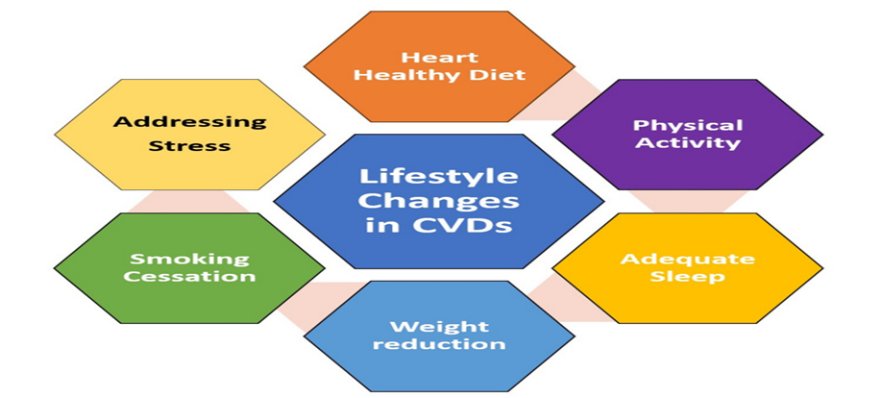
Even though there is strong evidence showing that healthy lifestyle choices benefit heart health, it has been challenging to help people adopt these changes in their everyday lives. Lifestyle improvements have been a major reason for the decline in cardiovascular diseases (CVD) over the last two decades. For instance, between 1980 and 2000, deaths from coronary heart disease in the United States dropped by over 40%. However, CVD is still the leading cause of death worldwide, accounting for more than 37% of deaths each year in the U.S.
Nearly half of the decline in CVD during that period has been linked to better lifestyle habits like quitting smoking, increasing physical activity, and controlling cholesterol and blood pressure. Yet, rising rates of obesity and diabetes are working against these positive changes and could undo the progress made unless efforts are made to address them.
Despite the clear impact of lifestyle on both short- and long-term health, helping patient adopt healthier behaviors remains difficult. When the American Heart Association (AHA) released its Strategic Plan for 2020, it found that only 5% of people achieved “ideal cardiovascular health.” This standard includes healthy habits such as regular exercise, good nutrition, weight control, and avoiding tobacco, along with managing cholesterol, blood pressure, and blood sugar levels. These findings highlight the challenges that still lie ahead.4
Risk factors for cardiovascular disease include specific habits, behaviors, conditions, or circumstances that raise the likelihood of developing the condition. These may include physical inactivity, poor diet, smoking, diabetes, advancing age, and a family history of heart disease.
Cardiovascular disease risk factors can be split into two categories: modifiable and non-modifiable
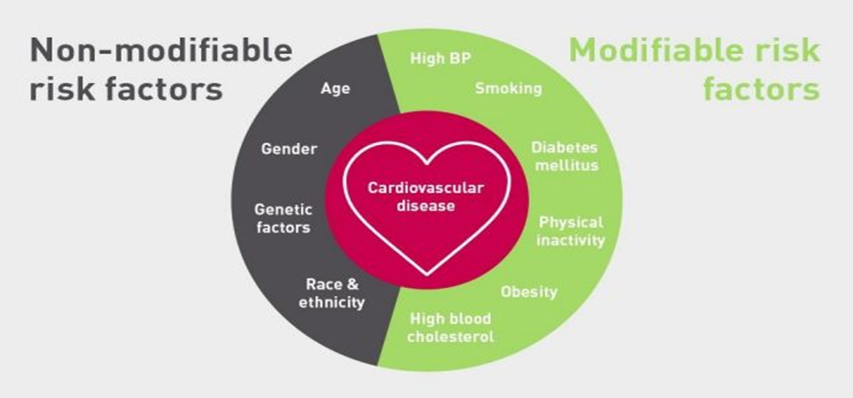
People diet, stress management, physical activity, and sleep patterns can either support a healthy heart or increase the risk of cardiovascular problems (Figure 4). Consistently choosing nutritious foods, engaging in regular exercise, effectively handling stress, and ensuring sufficient sleep can strengthen the heart, improve circulation, and lower blood pressure. On the other hand, poor eating habits, lack of physical activity, chronic stress, and sleep deprivation can lead to high cholesterol, obesity, hypertension, and other conditions that contribute to heart disease.
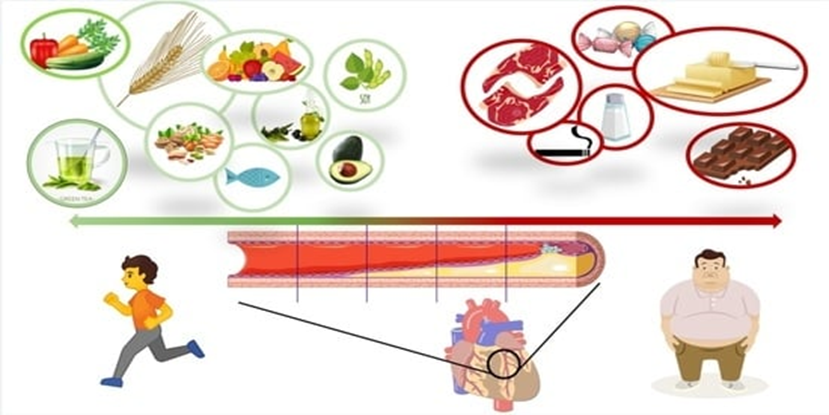
A healthy diet is one of the most important ways to prevent heart disease. The foods people eat affect the cholesterol levels, blood pressure, and how well the heart works. Diets that are high in unhealthy fats, added sugars, and refined carbohydrates can lead to plaque buildup in the arteries, which increases the risk of heart problems.
Making positive changes to the diet doesn’t mean person have to completely overhaul their meals. Small, consistent adjustments can have a big impact. Eating more fruits, vegetables, whole grains, and lean proteins provides important nutrients like fiber, vitamins, and minerals that help lower cholesterol and keep blood vessels healthy.
Adding fiber-rich foods, such as oats, beans, and vegetables, is a great way to improve heart health. Fiber helps reduce “bad” Low-density lipoproteins cholesterol by binding to it and removing it from the body before it can cause harm.
Including healthy fats is also essential. Choose unsaturated fats from sources like olive oil, avocados, and fatty fish such as salmon, rather than butter, lard, or processed oils. These fats help lower inflammation, decrease cholesterol, and support the heart. Omega-3 fatty acids, found in certain fish and seeds, are especially good for reducing blood pressure and preventing heart rhythm problems.
At the same time, it’s important to avoid unhealthy fats like trans fats and saturated fats, which are commonly found in fast food, snacks, and baked goods. These fats increase “bad” cholesterol and contribute to plaque buildup.
Finally, cutting back on sodium is key, as too much salt can lead to high blood pressure a major risk factor for heart disease. Many processed and restaurant foods contain excessive salt. Choosing fresh foods and using herbs and spices for flavour can help lower salt intake and support heart health.
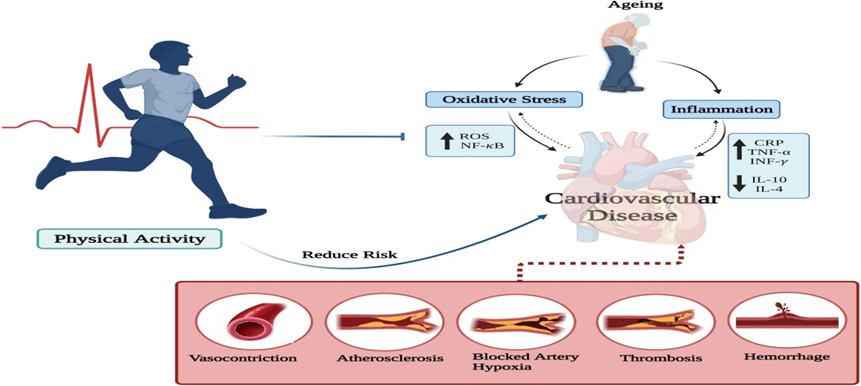
Exercise is essential for preventing heart disease. Regular physical activity helps strengthen the heart, improve blood flow, and control blood pressure and cholesterol. People don’t need to do intense workouts adding more movement to the daily routine is what matters.
The American Heart Association recommends at least 150 minutes of moderate exercise or 75 minutes of vigorous exercise each week. Activities like brisk walking, swimming, cycling, or dancing are great choices. It’s also important to include strength training exercises twice a week to improve muscle strength and overall health (Figure 5).
Exercise helps not only the heart but also with weight control. Being overweight can lead to high cholesterol, high blood pressure, and insulin resistance, all of which increase the risk of heart disease.
Even small changes can add up. Take the stairs instead of the elevator, park farther from your destination, or walk to nearby places. The goal is to stay active throughout the day
Stress is a silent but harmful factor in heart health. When stressed, the body releases hormones like adrenaline and cortisol, which increase heart rate, blood pressure, and inflammation. Over time, this can damage arteries and lead to heart disease. Stress can also lead to unhealthy habits like overeating or smoking.
Managing stress is important for heart health. While stress cannot be completely avoided, practicing relaxation techniques can help. Meditation, deep breathing, yoga, and Tai Chi can calm the mind, lower blood pressure, and reduce physical tension (Figure 6).
Doing things people enjoy, such as spending time outdoors, reading, or pursuing hobbies, can also help people relax. Having strong relationships and social support from friends, family, or community groups can reduce stress and promote emotional well-being.
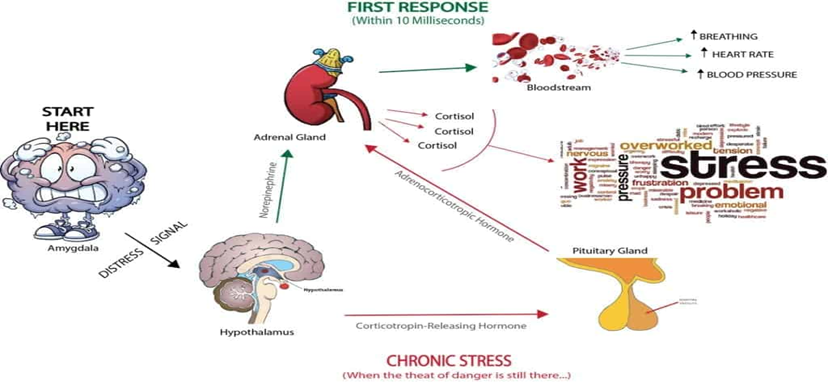
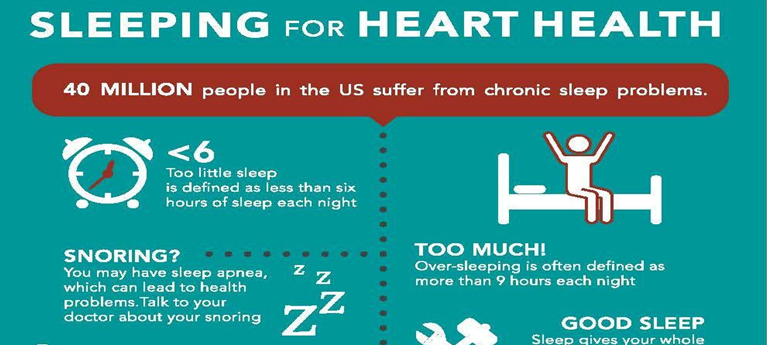
Many people sacrifice sleep when life gets busy, but poor sleep is a serious risk factor for heart disease. Sleep helps the body repair itself, balance hormones, and restore energy. Without enough sleep, blood pressure can rise, inflammation can increase, and weight gain becomes more likely—all of which are bad for the heart (Figure 7).
Adults should aim for 7 to 9 hours of sleep every night. Keeping patient bedroom dark, cool, and quiet helps improve sleep. A calming bedtime routine, like reading or taking a warm bath, signals the body that it’s time to rest.
It’s also helpful to avoid stimulants like caffeine and alcohol before bedtime. Caffeine can make it hard to fall asleep, while alcohol can disturb sleep cycles and reduce the quality of rest.
Smoking is one of the biggest causes of heart disease. The chemicals in tobacco harm blood vessels, build plaque, and lower oxygen in the blood, increasing the chances of heart attacks and strokes. Quitting smoking is one of the most powerful ways to protect your heart.
Drinking too much alcohol can also harm the heart. It can raise blood pressure, cause irregular heartbeats, and lead to heart failure. While moderate drinking may offer some benefits, heavy drinking is dangerous. It’s recommended that women limit themselves to one drink per day and men to two drinks per day.
Preventive care helps spot heart problems before they become serious. Regular check-ups, including blood pressure and cholesterol tests, can catch issues early (Figure 8).
Healthcare providers can offer advice on improving your lifestyle and may suggest medications if needed. They might also recommend tests like an echocardiogram to check how well your heart is working and detect any problems.6
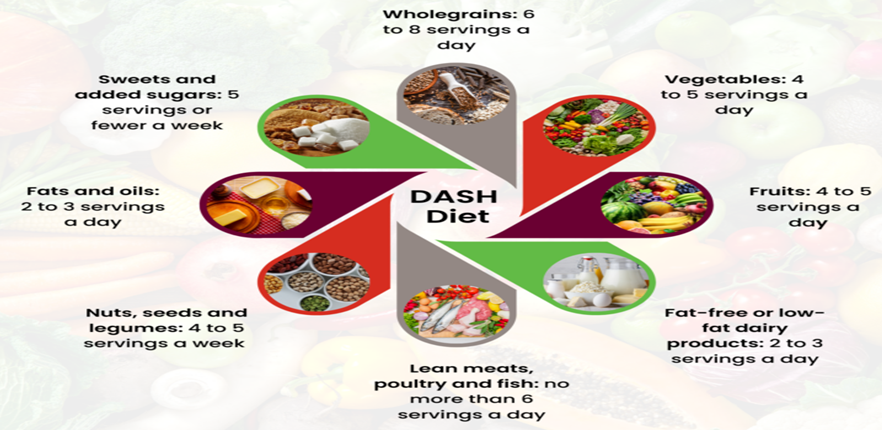
The DASH Diet: A Heart-Healthy Eating Plan
The DASH diet is a proven way of eating that helps lower blood pressure and support heart health. It’s especially helpful for people with cardiovascular disease.
What is the DASH Diet?
DASH stands for Dietary Approaches to Stop Hypertension. It’s a flexible and balanced diet that focuses on healthy foods to prevent and manage high blood pressure, one of the main causes of heart disease. The diet encourages foods rich in potassium, calcium, and magnesium, which are good for the heart, while reducing salt, unhealthy fats, and added sugars.
Main Parts of the DASH Diet
How the DASH Diet Helps Heart Health
Sodium Guidelines
The regular DASH diet limits salt to 2,300 mg per day, but for greater benefits, a version with only 1,500 mg per day is recommended. It’s best to talk to the healthcare provider to find the right amount for people.7
Cardiac Rehabilitation :-
Cardiac Rehabilitation: Helping the Heart Heal
Cardiac rehabilitation (cardiac rehab) is a personalized program designed to help patients recover from heart problems, manage symptoms, and improve quality of life. Patient may be referred to cardiac rehab if patient have had a heart attack, heart surgery, chronic heart disease, or other related conditions (Figure 9). The program includes exercise guidance, stress management, education on heart-healthy living, nutrition advice and help with quitting smoking. Early recovery and lifestyle changes help patients regain independence and return to normal life9.
People with the following conditions often benefit:
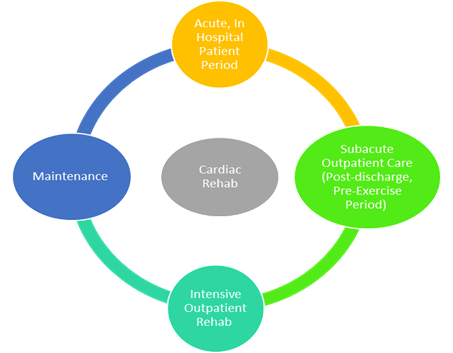
Phase 1: Acute Phase (In Hospital)
Phase 2: Outpatient Care (3–6 Weeks Post-Discharge)
Phase 3: Comprehensive Cardiac Rehabilitation
Phase 4: Maintenance
Cardiac rehab helps patients in the short and long term by:
Key Components of Cardiac Rehabilitation
Cardiac rehab may be challenging at first, but it has a major impact on the heart, body, mood, and lifestyle, helping patient regain control of the health.
What to Expect
During cardiac rehab, patient will learn skills and strategies to improve the heart health and maintain them for the long term.
Patient will follow a supervised, personalized exercise program designed to improve fitness safely. This may include:
The goal is to help patient exercise safely, monitor heart rate and blood pressure, and gradually build strength and mobility. By the end of rehab, patient should feel confident exercising on own10.
The healthcare team will teach patient how to take your medications correctly and use any necessary medical devices, like walkers or oxygen. By the end of rehab, patient should be able to manage condition with minimal supervision.
Managing stress is an important part of cardiac rehab. Stress and anxiety can worsen heart conditions, so patient will learn techniques to reduce stress, such as:
Cardiac rehab also focuses on long-term lifestyle improvements. patient will learn how to:
A nutritionist will guide patient in creating a diet plan to:
CONCLUSION:
Lifestyle modifications play a critical role in preventing and managing cardiovascular diseases. Simple but consistent changes in diet, physical activity, stress management, sleep, smoking, and alcohol consumption can significantly reduce risk factors such as high blood pressure, high cholesterol, obesity, and diabetes. Programs like cardiac rehabilitation and structured education on healthy habits further support patients in adopting and maintaining these changes. By integrating heart-healthy behaviors into daily life, individuals can improve their overall quality of life, enhance heart function, and reduce the likelihood of future cardiovascular events. Ultimately, lifestyle modifications are a powerful and sustainable approach to supporting long-term cardiovascular health.
REFERENCES






Shashikala Krishnamurthy, Shobha Kadabahalli Rajanna, Asha Bananahalli Siddabhovi, Rachana Saparagiriyajar Giriswamy, Sreelakshmi Veerendra, Pavan Kumar Chikkavalli Muddanna, Cardiovascular Diseases – Lifestyle Modifications for Patients with Cardiovascular Diseases, Int. J. of Pharm. Sci., 2026, Vol 4, Issue 1, 590-600. https://doi.org/10.5281/zenodo.18173026
 10.5281/zenodo.18173026
