

We use cookies to ensure our website works properly and to personalise your experience. Cookies policy
1,2,3,4,5 Adichunchanagiri College of Nursing, Adichunchanagiri University, B G Nagara, Nagamangala Taluk, Mandya District, Karnataka, India 571448
6 Sri Adichunchanagiri College of Pharmacy, Adichunchanagiri University, B.G. Nagara, Mandya, Karnataka, India - 571448
Cardiovascular diseases (CVD) refer to a group of disorders that affect the heart and blood vessels, posing serious health risks and representing the leading cause of death worldwide. It includes conditions such as coronary artery disease, heart failure, arrhythmias, and stroke. CVD is responsible for an estimated 17.9 million deaths annually, accounting for about 32% of all deaths globally. Conducting a cardiovascular disease risk assessment among the general population involves identifying and evaluating the various factors that increase an individual's likelihood of developing conditions like heart attacks, strokes, heart failure, and peripheral artery disease. This assessment is essential for early detection, implementing preventive measures, and reducing the overall risk of cardiovascular complications.
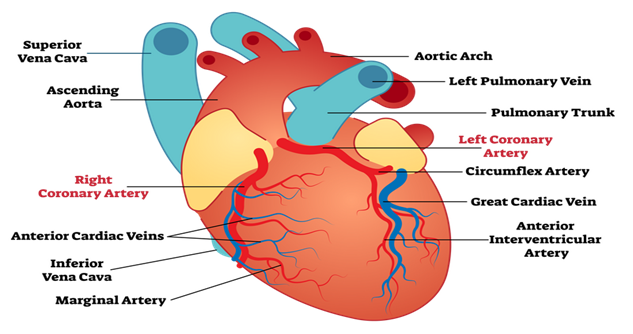
Cardiovascular diseases (CVDs) are among the leading causes of death and illness globally, placing a heavy burden on public health. Cardiovascular risk assessment is a vital tool for the early identification of individuals at high risk of developing heart conditions, making it a key component of prevention efforts (Figure 1). This article explores the essential role of risk assessment in preventive care, focusing on its contribution to early diagnosis, individualized treatment approaches, lifestyle improvements, efficient use of healthcare resources, cost reduction, population health management, continuous health monitoring, and increased patient involvement.1
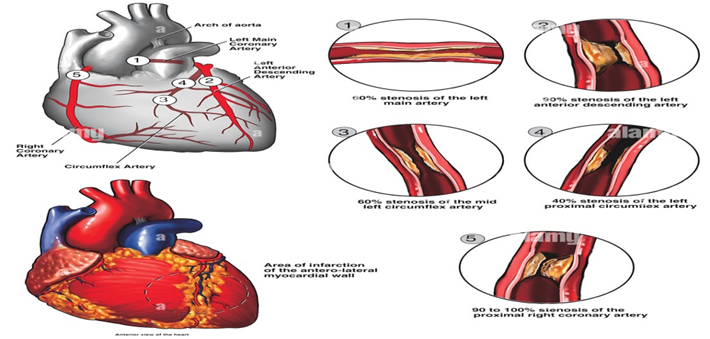
2. What is cardiovascular disease?
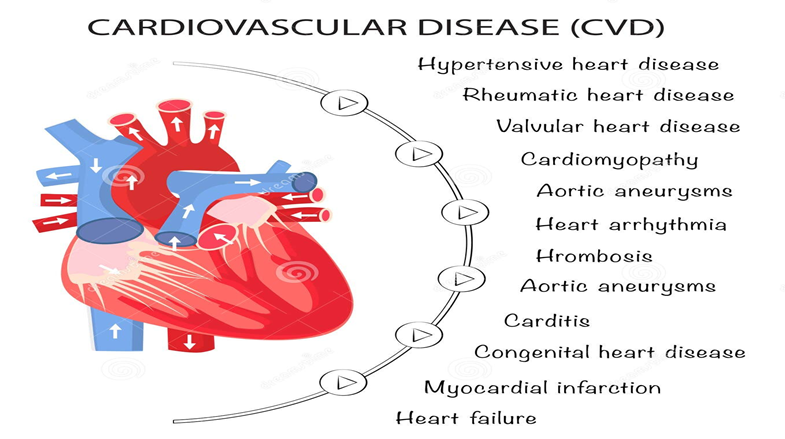
Cardiovascular diseases consist of various conditions that affect the heart and blood vessels. These disorders may involve one or several parts of the cardiovascular system (Figure 2). A person might exhibit symptoms (showing physical signs of the disease) or be asymptomatic (experiencing no noticeable symptoms), such as:
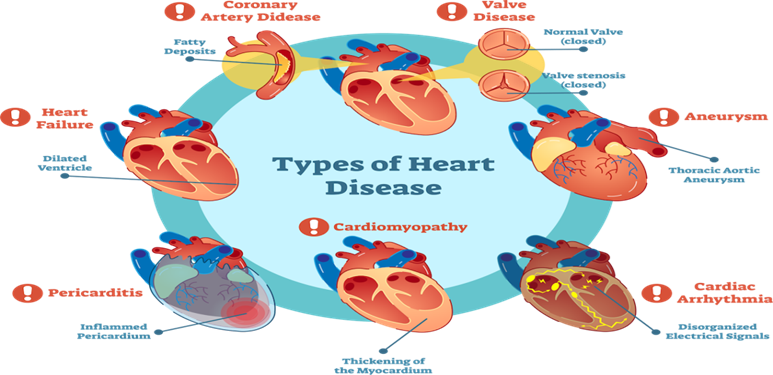
The term cardiovascular disease (CVD) refers to all the diseases of the cardiovascular system, which consists of the heart and all the blood vessels in the body (Figure 3). Heart and cardiovascular conditions can be life-changing. Understand the impact of these common conditions, like;
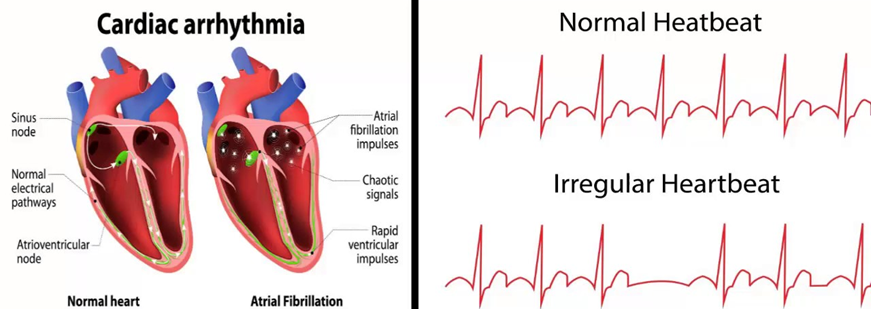
An arrhythmia refers to an abnormal heart rhythm, where the heartbeat may be uneven, feel like it’s skipping, beating too fast or too slow, or fluttering unexpectedly.
There are various types of arrhythmias, each differing in terms of seriousness. Atrial fibrillation is the most frequently diagnosed type. Arrhythmias are often grouped based on whether the heart rate is unusually fast or slow. Normally, a resting heart beats steadily at a rate between 60 and 100 beats per minute.
These rhythm disturbances occur when the electrical impulses that regulate the heart’s contractions are disrupted (Figure 4). Such disruptions can be triggered by other heart conditions (like a heart attack or damage from a previous one), structural changes in the heart, thyroid problems, or the effects of certain medications and supplements.
Coronary heart disease (CHD), also known as coronary artery disease, is a common health condition in which the coronary arteries the main vessels that supply blood to the heart become narrowed or blocked. This restriction reduces the flow of oxygen-rich blood to the heart muscle.
The leading cause of CHD is atherosclerosis, a condition where cholesterol, fat, and other substances build up on the artery walls, forming plaque. When this buildup occurs in the coronary arteries, it can lead to the formation of a blood clot (thrombosis), which may partially or completely obstruct blood flow to the heart. A reduced oxygen supply can impair heart function and cause chest pain (angina). If a clot fully blocks a coronary artery, it can result in a heart attack.
CHD usually develops gradually over many years. Fatty deposits may start accumulating in the arteries early in life and continue to thicken as a person gets older (Figure 5). This disease specifically affects the coronary arteries that provide essential blood flow to the heart muscle.
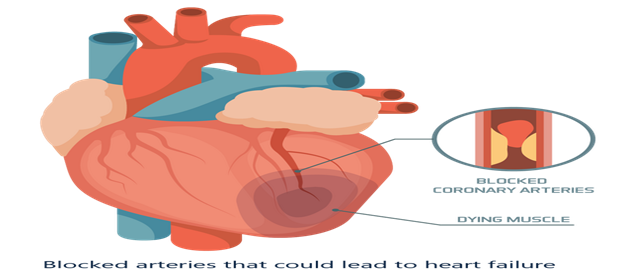
Heart failure, also referred to as congestive heart failure, occurs when the heart is unable to pump blood and oxygen efficiently throughout the body. This can lead to organ damage and cause excess fluid buildup in the body.
The condition arises when the heart muscle becomes too weak to effectively circulate blood. Heart failure is usually a chronic condition that develops gradually and worsens over time, though it can sometimes develop suddenly (Figure 6). It often follows other health problems that have weakened or damaged the heart, such as coronary heart disease, heart attacks, or high blood pressure. In this condition, the heart muscle may become weakened and unable to supply enough blood to the body.
The most common form of heart failure is called heart failure with preserved ejection fraction (HFpEF), characterized by a “stiff” heart that cannot relax properly.3
Heart valve disease occurs when one or more of the heart’s valves do not function correctly. The heart has four valves that ensure blood flows in the right direction through the heart. If a valve does
not fully open or close, it can disrupt the normal flow of blood to the rest of the body.
Treatment for heart valve disease varies depending on which valve is affected, as well as the type and severity of the condition. In some cases, surgery may be necessary to repair or replace the damaged valve. Each valve contains flaps, known as leaflets or cusps, which open and close with every heartbeat. When these flaps do not open or close properly, it reduces the amount of blood that is pumped from the heart to the body.
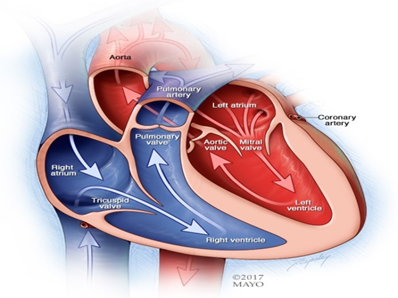
Four valves in the heart keep blood flowing in the right direction (Figure 7). These valves are:
Chambers and valves of the heart
A typical heart has two upper and two lower chambers. The upper chambers, the right and left atria, receive incoming blood. The lower chambers, the more muscular right and left ventricles, pump blood out of the heart (Figure 8). The heart valves help keep blood flowing in the right direction.
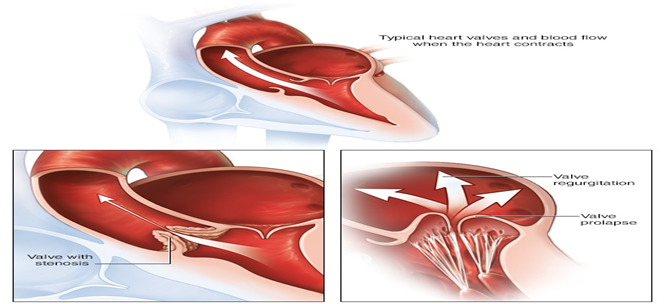
Heart valve disease may include a narrowed valve, called valve stenosis. Sometimes, blood moves backward through a valve. This is called valve regurgitation. If the valve flaps bulge backward, the condition is called valve prolapse.4
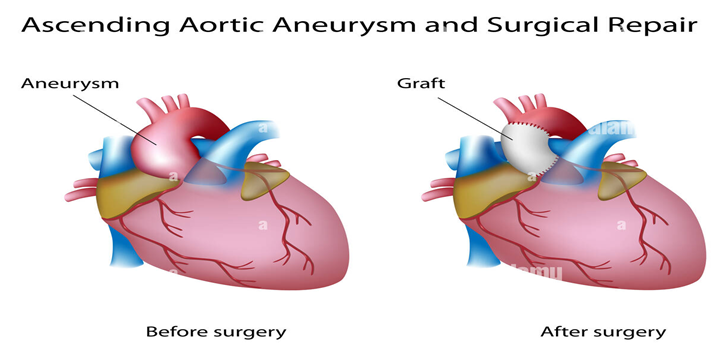
A heart aneurysm is a balloon-like bulge that develops in the wall of the heart, typically as a result of damage from a heart attack. This condition occurs when the heart muscle becomes weakened, especially in the left ventricle the heart's main pumping chamber causing the affected area to stretch and form a bulge. It is also known as a ventricular aneurysm.
Although heart aneurysms are less common than those in the brain or aorta, they can still pose serious and potentially life-threatening risks if not properly monitored or treated. Most heart aneurysms develop after a heart attack, which leaves part of the heart muscle scarred and weakened. Over time, the continuous pressure from blood pumping through the heart causes the damaged area to expand outward.
In some cases, individuals with a heart aneurysm may not experience any noticeable symptoms in the early stages (Figure 9). However, as the condition progresses, signs may appear indicating that the heart is not functioning as it should.5
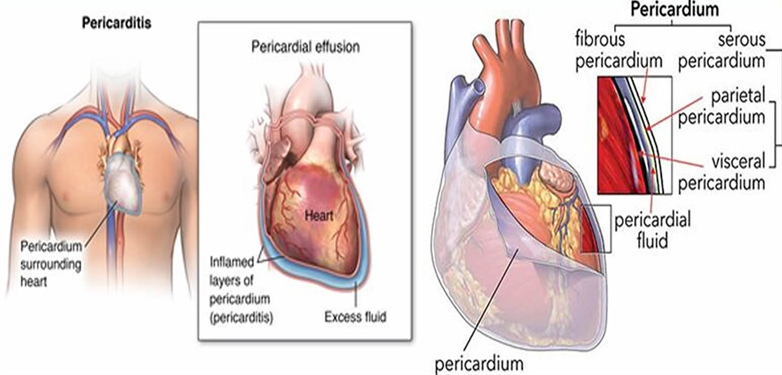
Pericarditis is the inflammation of the pericardium, the thin membrane surrounding the heart. This condition can cause chest pain and is most often linked to viral infections. In many cases, it responds well to rest and anti-inflammatory medications, although more serious or recurring cases may require additional medical intervention.
The pericardium plays a crucial role in heart function. It holds the heart in place within the chest, provides lubrication to reduce friction during heartbeats, and protects the heart from infections and injury. Normally, a small amount of fluid exists between the two layers of the pericardium to allow smooth movement. When inflammation occurs, these layers can rub against each other, leading to sharp chest pain.
In many cases, the exact cause of pericarditis is unknown, a condition known as idiopathic pericarditis. However, viral infections are considered a common cause in most of these cases. Although anyone can develop pericarditis, research indicates that it may occur slightly more frequently in the African American population. It's important to distinguish pericarditis from myocarditis, which involves inflammation of the heart muscle rather than its lining (Figure 10).
Understanding the types, causes, symptoms, and treatment options for pericarditis is essential for effective management and prevention of complications.6
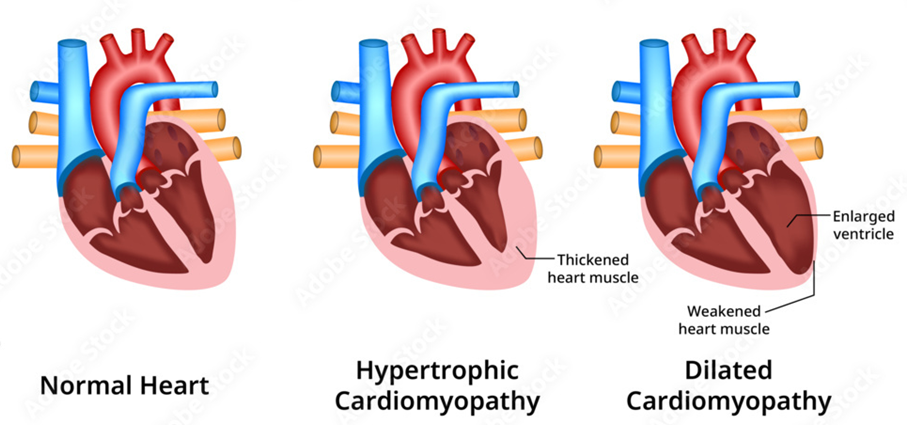
Cardiomyopathy is a chronic disease that affects the heart muscle, progressively weakening it and making it harder for the heart to pump blood effectively. Over time, this condition can become life-threatening.
It may be inherited through genetic factors or develop due to other health conditions such as heart disease, an overactive thyroid (hyperthyroidism), or long-term alcohol use.
Symptoms often include fatigue, dizziness, shortness of breath, high blood pressure, and fluid buildup in the body (edema). Cardiomyopathy primarily affects the myocardium—the muscular layer of the heart. As the condition progresses, the heart's ability to deliver blood to the rest of the body declines.
There are several types of cardiomyopathy, each with different causes, including coronary artery disease, certain medications, or toxins (Figure 11). If not properly managed, the condition can lead to complications like irregular heart rhythms, heart failure, or other serious heart issues.
Treatment options include lifestyle changes, medication, and in some cases, surgical procedures. Regular medical care and monitoring are essential to slow the progression of the disease and reduce the risk of heart failure or permanent damage.7
Risk factors for cardiovascular disease include specific habits, behaviors, conditions, or circumstances that raise the likelihood of developing the condition. These may include physical inactivity, poor diet, smoking, diabetes, advancing age, and a family history of heart disease.
Cardiovascular disease risk factors can be split into two categories: modifiable and non-modifiable
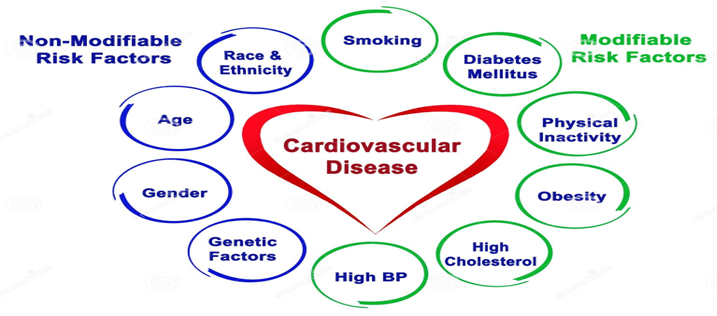
Modifiable Risk Factors
Non-Modifiable Risk Factors
A heart disease risk assessment, also known as a cardiovascular disease (CVD) risk assessment, is a screening method used to evaluate an individual’s likelihood of developing heart disease or other cardiovascular conditions. While heart disease and CVD are closely related, they are not identical. CVD is a broader term that includes all conditions affecting the heart and blood vessels.
A cardiovascular health risk assessment accurately predicts the chance of developing cardiovascular conditions like angina, heart attack, stroke, or peripheral arterial disease within the next decade. This assessment also allows you to take steps to reduce the risk.
If a person has already been diagnosed with cardiovascular disease or diabetes, a risk assessment is not needed because they are considered to be at high risk.
Who Should Have a Cardiovascular Health Risk Assessment?
All adults aged 40 and above are advised to undergo a cardiovascular disease (CVD) risk assessment every five years, except for those already classified as high-risk. This includes individuals who:
What Does a Cardiovascular Risk Assessment Involve?
During the assessment, a healthcare professional will ask about lifestyle-related risk factors such as:
A blood test will be performed to measure cholesterol and blood glucose levels, and the blood pressure will also be checked.
Based on these results, along with the age and sex, a risk score is calculated. Adjustments may be made for additional risk factors, such as a strong family history of CVD or specific ethnic backgrounds.
In England and Wales, the QRISK®3 calculator is commonly used to estimate cardiovascular risk. While it's accurate for most individuals, it may underestimate risk in certain cases, including people who:
The assessment is typically repeated every five years, but it may be done sooner if there are significant changes in health or lifestyle that could affect the risk level.
Commonly Used Risk Assessment Tools
|
Tool |
Description |
|
Framingham Risk Score |
Estimates 10-year risk of coronary heart disease. Widely used in the US. |
|
QRISK3 (UK) |
Incorporates additional risk factors like ethnicity, mental illness, etc. |
|
ASCVD Risk Estimator (US) |
For estimating risk of atherosclerotic CVD; includes race and diabetes. |
|
SCORE 2 (Europe) |
Estimates 10-year risk of fatal and non-fatal CVD based on European cohorts. |
Prevention and Management Strategies
Lifestyle Modifications
Medical Management
Public Health Perspective
CONCLUSION
Cardiovascular disease risk assessment is a critical preventive health strategy. Early identification of at-risk individuals enables targeted interventions that can drastically reduce disease burden and improve quality of life. It should be an ongoing process, especially as risk factors change over time.
REFERENCES






Shashikala Krishnamurthy, Shobha Kadabahalli Rajanna, Asha Bananahalli Siddabhovi, Rachana Saparagiriyajar Giriswamy, Sreelakshmi Veerendra, Pavan Kumar Chikkavalli Muddanna, Cardiovascular Diseases – Risk Assessment of Cardiovascular Diseases Among the General Population, Int. J. of Pharm. Sci., 2026, Vol 4, Issue 1, 601-611. https://doi.org/10.5281/zenodo.18173226
 10.5281/zenodo.18173226