

We use cookies to ensure our website works properly and to personalise your experience. Cookies policy
Rashtriya College of Pharmacy, Hathnoor.
Cranberry is a well-known natural occurring product that has been used for centuries in traditional medicine to promote urinary tract health. Besides That, Cranberry has shown promising biomedicinal activity in the prevention and treatment of many human disorders. The presence of polyphenolic Entities such as proanthocyanidins, anthocyanins, flavanols, and other chemo-constituents is commonly linked to the positive effects of this natural Product on human health. Cranberry and its extract were developed and marketed as nutraceutical supplements, and their antioxidant, antibacterial, Anti-inflammatory, and anticancer properties allow them to be used for managing a variety of ailments, including microbial infections, metabolic Syndrome elements, and cancer. The focus of this paper is on some of the recent studies which explore the potential pharmacological activities of Cranberry extract. Ultimately, this study concluded that cranberry extract can offer a feasible and prospective phytochemical option for treating many Disorders affecting human health.
Cranberries are healthy fruit that contribute color, flavor, Nutritional value, and functionality. They are one of the onlyThree native Northern American fruits. The NorthAmericanCranberry (Vaccinium macrocarpon) is recognized by theUSDepartment of Agriculture, USDA, as the standard for fresh Cranberries and cranberry juice cocktail. The European variety, Grown in parts of central Europe, Finland, and Germany, is Known as Vaccinium oxycoccus. This is a smaller fruit with Anthocyanins and acid profiles slightly different to that of theNature, predominately through plants, has always been an inexhaustible Source of bioactive compounds. In many different cultures, phytotherapy Has had a well-known effect on the treatment and prevention of various Diseases [1]. According to the World Health Organization (WHO), about Eighty percent of the world’s population, primarily in developing countries, Relies on conventional plant-derived medicines for primary health care, While plant products continue to play a significant, albeit indirect role in The health care systems of the developed countries [2]. Better compatibility With the human body and relatively fewer side effects of botanical-based Medicine, in comparison with synthetic compounds, may shift the global Trend of synthetic drugs, in the past few decades, to herbal medicines, that Intimates a return to nature to treat different ailments [3-5]. North American Cranberry (Vaccinium macrocarpon), which belongs to The Ericaceae family is a woody, low-growing, vining perennial plant native To northeastern North America, extending from eastern Canada to North Carolina in the United States. This edible red fruit is one of the economically Significant North American fruits [6], while Vaccinium oxycoccus is the European variety, which is grown in portions of central Europe, Germany, And Finland. Vaccinium oxycoccus is a smaller fruit with slightly different Acid profiles and anthocyanin than the North American variant [7]. Native Americans employed the Vaccinium macrocarpon as a food source and Natural deterrent against bladder and kidney disorders. Furthermore, during Ocean trips, American sailors used Cranberries as an antiscorbutic agent [6,8].
Cranberries (Vaccinium macrocarpon and Vaccinium oxycoccos) are native to North America and parts of Europe, thriving in unique ecosystems and climates that shape their nutritional profile and phytochemical richness. They possess a tart flavor and vibrant color, which are linked to their high levels of organic acids and anthocyanins. As both food and traditional remedy, cranberries have been celebrated for centuries and remain a popular ingredient in juices, snacks, and pharmaceutical extracts.Understanding the phytochemical composition of cranberries—including their major and minor bioactive constituents—is critical for harnessing their health benefits. The distribution, maturity, growing region, and cultivar uniquely influence these
Chemical profiles, with the U.S. recognized as the largest producer. Recent research consistently highlights the role of cranberry polyphenols, triterpenoids, vitamins, minerals, and organic acids in contributing to the fruit’s exceptional antioxidant and anti-inflammatory activities.Cranberries are increasingly valued as functional foods due to mounting evidence linking their phytochemical complexity to potent antioxidant effects and a variety of positive health outcomes.
Botanical and taxonomical information:
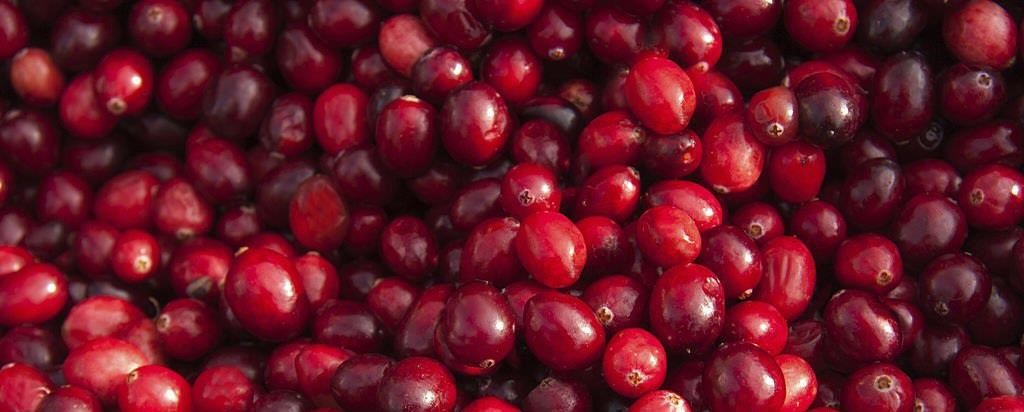
Cranberry, scientifically known as Vaccinium macrocarpon, belongs to the family Ericaceae and the genus Vaccinium, subgenus Oxycoccus. It is commonly referred to as the American cranberry or large cranberry.Botanically, Vaccinium macrocarpon is a perennial, low-growing shrub or vine that typically creeps along the ground but curves upward over some distance. Its leaves are small (1-2 cm long), elliptic to narrowly elliptic, green on the upper surface, and glaucous (bluish-green) underneath. The plant produces white to pink flowers with four petals, which have a distinctive stamen shaped like a crane’s beak—this feature is believed to be the origin of the common name “cranberry.”The shrub produces sour-tasting red or pink berries that are 9–14 mm in diameter. Vaccinium macrocarpon thrives in acidic, boggy, and wetland environments, native to central and eastern Canada and the northeastern and north-central United
States, particularly in areas such as the Northeast, Great Lakes region, and Appalachian Mountains. It prefers moist, organically rich, well-drained acidic soils with pH around 4.0-5.2 and grows best in full sunlight.The plant’s habitat often includes bogs, swamps, and wet shorelines, and it is also naturalized in some parts of Europe and western North America. The leaves remain green through the winter, giving the plant an evergreen characteristic. The fruits are a key food source for birds and some small mammals.
phytochemical and nutritional composition:
Cranberries (Vaccinium spp.) have a complex phytochemical and nutritional composition characterized by a rich diversity of bioactive compounds. Key phytochemicals include polyphenols such as phenolic acids, flavonoids (including anthocyanins and flavonols), proanthocyanidins, and triterpenoids. Nutritional components also include dietary fiber, vitamin C, and minerals.
Phytochemical Composition:
Antioxidant Activity:
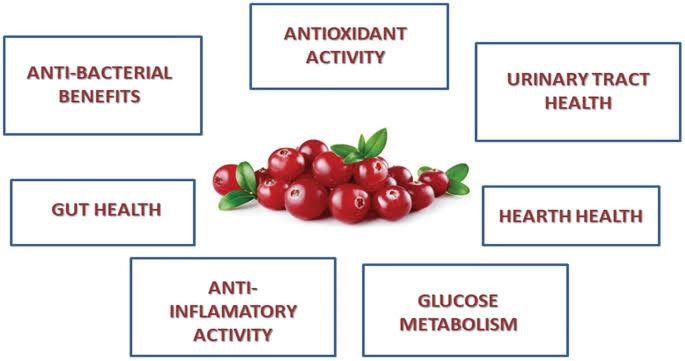
Antioxidant activity in cranberries varies depending on cultivar, genotype, growing conditions, ripeness, and processing. Studies using various assays (DPPH, ABTS, FRAP) show that antioxidants in cranberries strongly correlate with total polyphenol content, anthocyanins, flavonols, and triterpenoids like ursolic acid. The antioxidant activity increases with fruit ripening and differs among cranberry varieties, with wild cranberries generally showing higher antioxidant capacity than some cultivated varieties.The antioxidant compounds in cranberries work by neutralizing free radicals and reactive oxygen species, reducing oxidative stress and damage to cells. This antioxidant effect is thought to contribute to the health benefits of cranberries such as preventing urinary tract infections, reducing inflammation, protecting cardiovascular health, slowing cancer development, and improving metabolic disorders. Cranberry antioxidants may also modulate nitric oxide levels for cardiovascular benefits and exhibit neuroprotective and anti-inflammatory effects.
Cranberry fruits, as a major source of antioxidants, are rich in chemical componentsSuch as proanthocyanidins, anthocyanins, phenolic acids, ascorbic acid and triterpenoids.Which exhibit significant antioxidant activity in cranberries. These chemical component Exert their powerful antioxidant effects by scavenging excess free radicals in the body,Such as hydroxyl radicals and superoxide anion radicals [66]. Free radicals, as unstable Molecules produced during the body’s metabolism, and their excessive presence can attack Intracellular lipids, proteins, and DNA, leading to cellular senescence and apoptosis [67].When the body is in a pathological state such as inflammation, ischemia–reperfusion, or Hyperlipidemia, No production becomes abnormal. Flavonoids (anthocyanins, etc.) in Cranberries may positively affect human health by inhibiting oxidative stress, modulating NO levels, and exhibiting significant cardioprotective and neuroprotective effects [68].Studies have revealed that components such as delphinidin and cornflower pigments Extracted from cranberries have antioxidant properties that reduce intracellular ROS levels
Source of cranberry:
Botanical source:
Cranberry comes from the berries of the plant Vaccinium macrocarpon (American cranberry) and Vaccinium oxycoccos (European cranberry).
Family: Ericaceae
Plant type:
Small, evergreen shrub that produces bright red berries.
Geographical source:
Mainly grown in North America (USA – Wisconsin, Massachusetts), Canada, and parts of Northern/Europe.
Also cultivated in Chile, and limited cultivation in India (Himachal Pradesh, Kashmir) through cold-climate farming.
Pharmacological and biological activity:
pharmacology:
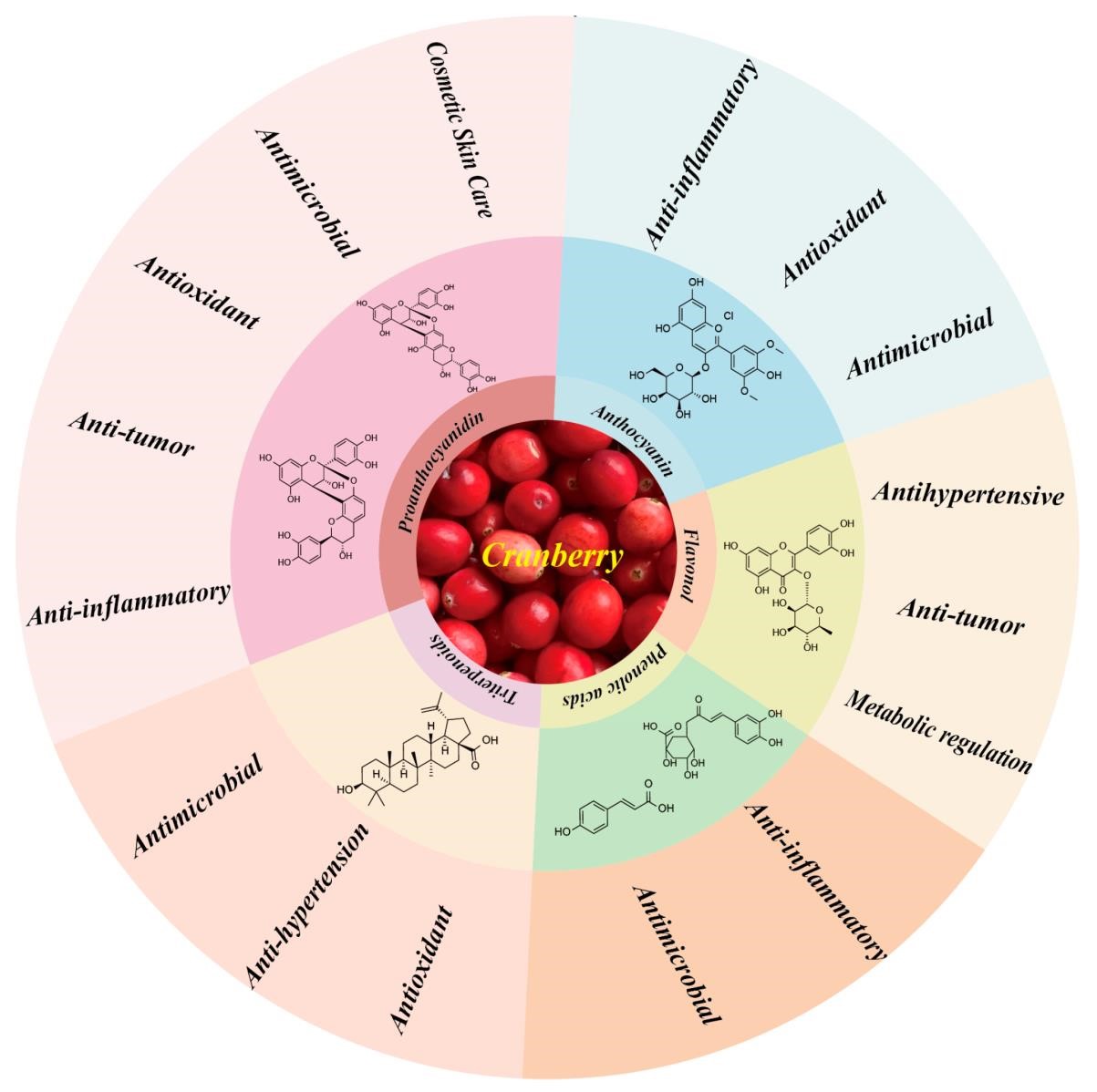
Cranberry, an herb belonging to the genus Vaccinium in the family Ericaceae, is rich in Anthocyanins, proanthocyanidins, flavonols, and other bioactive substances. These compo -Nents have shown remarkable efficacy in pharmacological effects such as anti inflammatory, Antioxidant, antibacterial, and antitumor effects, and have demonstrated potential app li -Cations in research areas such as metabolic regulation and skin health .
To date, A large number of studies have focused on the analysis of the chemical composition of Cranberry, thus validating its pharmacological effects . However, the current explo Ration of the pharmacological effects of cranberry is still shallow, and further in-depth Studies on its pharmacological effects and its mechanism of action are urgently needed.
The article provides a summary of the principal chemical constituents of cranberries and Their corresponding pharmacological effects, as depicted in Figurefurther in-depth Studies on its pharmacological effects and its mechanism of action are urgently needed.
The article provides a summary of the principal chemical constituents of cranberries and Their corresponding pharmacological effects, as depicted in Figure
In Addition to these pharmacological effects, cranberries have demonstrated other
Potential pharmacological activities. Cranberry has also shown positive effects in the Treatment of cardiovascular health and neurodegenerative diseases.
Injections of cran-Berry extract into a rat model of cardiac injury have been shown to significantly improve Serum markers associated with cardiac injury, promote low-density lipoprotein (LDL) oxi -Dation, and enhance high-density lipoprotein (HDL) function, thereby reducing the risk of Atherosclerosis . In addition, the anti-inflammatory and antioxidant properties of cran -Berries help to alleviate oxidative stress and inflammatory damage in the brain and have Preventive and ameliorative effects on neurodegenerative diseases such as Alzheimer’s Disease and Parkinson’s syndrome
Furthermore, cranberries support metabolic balance by improving insulin sensitivity and regulating lipid metabolism. They also show promising results in enhancing gut health due to their prebiotic properties. Cranberry extracts promote skin protection by reducing UV-induced oxidative stress and improving collagen stability. Ongoing studies suggest their potential role in immune modulation, helping the body respond better to infections. Despite extensive research, more clinical studies are needed to determine the optimal dosage, bioavailability, and long-term therapeutic safety of cranberry constituents.
Impacts On Human Health:
Prevention of recurrent urinary tract infections(UTIs) — strongest, most consistent evidence
Mechanism: cranberry A-type PACs inhibit adhesion of uropathogenic E. Coli to uroepithelial cells, reducing colonization and recurrence.
Clinical evidence: multiple RCTs and recent meta-analyses indicate a preventive effect, especially when products contain higher PAC doses or when used by women with recurrent UTI. Results vary by formulation (juice vs capsule) and PAC standardization. Recent systematic reviews/meta-analyses specifically find benefit when PAC content is high.
Vascular / cardiometabolic markers — moderate evidence for short-term improvement in biomarkers
Findings: some RCTs report improved endothelial function (flow-mediated dilation), reduced
LDL oxidation, and modest reductions in systolic blood pressure or BMI in certain populations after cranberry supplementation. These are mostly surrogate endpoints (biomarkers), with mixed results on long-term clinical events.
Cranberry polyphenols are metabolized by gut microbes and can change microbiome composition (bifidogenic effects reported). Microbiome modulation may mediate systemic anti-inflammatory and metabolic effects. Human trials of short-term supplementation show microbiome shifts but the clinical significance needs larger studies.
Antioxidant and anti-inflammatory effects — consistent in vitro/in vivo; human biomarker support exists
Cranberry polyphenols scavenge ROS and can upregulate antioxidant defenses; clinical studies often report lowered oxidative stress markers and reduced inflammatory cytokines after cranberry intake. These effects may underlie vascular and other health benefits.
Potential anticancer and neuroprotective actions — preclinical promise, limited human data
Mechanisms observed in cell/animal models include apoptosis induction, cell-cycle arrest and anti-angiogenesis. Human evidence is sparse and largely observational or small trials — insufficient to claim clinical benefit.
Clinical studies and evidence:
One key challenge highlighted in review papers is the inconsistency of results across clinical trials. This is often due to variations in:
To maximize the likely benefits, experts often recommend cranberry products that standardize the dose of A-Type Proanthocyanidins (PACs).
Would you like me to focus on the clinical trial evidence for UTIs specifically, or search for a specific review paper on one of the other health areas (e.g., cardiovascular health)?
Industrial and commercial application:
Food Industry: Functional Foods & Beverages: Cranberries are widely used in juices, sauces, jams, and dried fruit snacks due to their rich flavor and high antioxidant content.
Example: Cranberry juice and blends are marketed for urinary tract health. Used as a natural preservative because of their phenolic compounds that inhibit microbial growth. Natural Colorants & Flavoring Agents: Anthocyanins in cranberries give a deep red color, used as natural food coloring agents in bakery products, dairy items, and confectionery.
Pharmaceutical & Nutraceutical Industry: Medicinal Formulations: Cranberry extracts are incorporated in capsules, tablets, and syrups for preventing urinary tract infections (UTIs), kidney disorders, and improving gut health. Their proanthocyanidins (PACs) inhibit bacterial adhesion, especially E. Coli, to the urinary tract walls. Antioxidant Supplements: Cranberry-derived products are sold as antioxidant supplements to protect against oxidative stress, cardiovascular diseases, and inflammation.
Cosmetic Industry: Skin Care & Anti-Aging Products: Cranberry seed oil is rich in omega-3, 6, and 9 fatty acids and antioxidants (vitamin E, polyphenols).Used in creams, lotions, and serums for hydration, anti-aging, and UV protection. Helps reduce skin redness and improves elasticity.
Biotechnology & Natural Preservative
Use: Natural Antimicrobial
Agents: Cranberry extracts are used in food preservation and packaging films due to antibacterial and antifungal properties.Helps extend the shelf life of meat and dairy products.
Beverage & Wine Production: Fermented Products:
Used: in the production of cranberry wines, ciders, and liqueurs, valued for their unique taste and antioxidant profile.
Economic & Commercial Value: Export and Trade: Cranberries (especially from the U.S., Canada, and parts of Europe) are major export commodities with growing markets in Asia and Europe. Dried cranberries and juices contribute significantly to the food processing economy. Cranberries are not just fruits — they have multifunctional industrial value: Food & beverages: flavor, color, preservation Pharma: UTI prevention, antioxidant therapy Cosmetics: skincare and anti-aging Biotech: natural preservative and antimicrobial Commercial: high-value export product
Future perspectives and research gaps :
Although cranberries (Vaccinium spp.) are well studied for their rich phytochemistry and antioxidant potential, major gaps remain that limit translation of preclinical promise into clear clinical benefit and safe, standardized products. The following section outlines priority research areas, methodological improvements, and practical steps to accelerate highquality, translational research on cranberry chemical components, antioxidant activity, and human health effects
1.Standardization of materials and reporting
Define and report active markers. Future studies must use and report standardized cranberry materials with quantified markers (e.g., total proanthocyanidin [PAC] content by validated method, anthocyanin profile, organic acid/oxalate content).
Batch and cultivar information. Report cultivar, harvest year, processing (fresh, concentrate, dried), and extraction solvent to allow reproducibility and meta-analysis.
Harmonize units. Use consistent dose units (mg PAC/day, mg extract/kg body weight) and clearly separate food-equivalent doses from concentrated supplement doses.
2.Bioavailability, metabolism, and pharmacokinetics
Human PK studies. Well-designed pharmacokinetic studies in humans to quantify absorption, metabolism, plasma/tissue concentrations, urinary excretion, and interindividual variability of key cranberry polyphenols and metabolites (including gut-derived metabolites).
Role of the microbiome. Investigate how gut microbiota composition affects conversion of cranberry PACs into bioactive metabolites and how cranberry intake, in turn, alters microbial ecology. Identify microbial biomarkers that predict response.
3.Mechanistic human studies at physiologic exposures
Target engagement biomarkers. Develop and validate biomarkers for antioxidant and antiadhesion activity (e.g., urinary anti-adhesion assays for uropathogens, oxidative stress markers, transporter activity assays) that can be measured in clinical trials.
Transporter and enzyme modulation in vivo. Conduct controlled studies to determine whether typical cranberry consumption alters clinically relevant drug-metabolizing enzymes or transporters (CYPs, BCRP, P-gp) in vivo.
4.Rigorous clinical trials with clinical endpoints
Standardized interventions. Randomized controlled trials (RCTs) using well-characterized cranberry products with predefined PAC content and dose-ranging arms.
Appropriate endpoints. Move beyond surrogate biomarkers to patient-centered outcomes: UTI incidence and recurrence (with microbiological confirmation), validated cardiovascular endpoints (blood pressure, endothelial function), and metabolic/inflammatory markers in populations at risk.
Population targeting. Stratify trials by age, sex, baseline risk (e.g., recurrent UTI patients, those with metabolic syndrome), renal stone history, and microbiome profiles to identify responders and non-responders.
5.Long-term safety and toxicology
Chronic exposure studies. Systematic long-term safety studies of high-dose standardized extracts, focusing on renal stone risk (oxalate handling), hepatic safety, and endocrine or reproductive endpoints.
Special populations. Safety data for pregnancy, lactation, pediatric use, and people on narrow-therapeutic-window drugs (e.g., warfarin) are insufficient—dedicated observational cohorts or controlled studies are needed.
6.Drug–herb interaction characterization
Clinical interaction trials. Prospective clinical interaction studies for drugs with narrow therapeutic windows (warfarin, immunosuppressants, certain antiepileptics) to quantify magnitude and mechanism of interaction (PK/PD).
Mechanistic panels. Use probe-drug panels and transporter assays in early-phase human studies to detect clinically
7.Formulation science and delivery
Improve bioefficacy. Research on formulations (microencapsulation, co-administration with bioenhancers) that increase bioavailability of PACs or direct metabolites to relevant tissues (urine, bladder epithelium).
Dose–response and minimal effective dose. Define minimal effective doses for different indications and optimal treatment durations.
8.Translational and implementation research
Cost-effectiveness and health economics. Evaluate the economic value of cranberry-based prevention (e.g., recurrent UTI reduction) compared with standard care.
Regulatory and labeling harmonization. Work with regulatory agencies to standardize claims, labeling (PAC content), and safety reporting requirements across jurisdictions.
9.Methodological and analytical advances
Analytical standard methods. Develop consensus analytical protocols for PAC quantification and metabolite identification (LC–MS/MS standards, reference materials). Data sharing and meta-repositories. Create open databases of cranberry intervention trials including phytochemical profiles, PK data, and outcomes to support pooled analyses and model-based meta-research
10.Prioritized short-term studies (next 3–5 years)
Human PK and metabolomics of standardized PAC preparations in healthy volunteers.
A multicentre, randomized, placebo-controlled trial of a well-characterized cranberry product for prevention of recurrent UTIs with microbiological and symptom endpoints.
A prospective cohort study examining cranberry supplement use and incidence of nephrolithiasis, with urinary oxalate and citrate monitoring.
A clinical drug–interaction study with warfarin and a standardized cranberry extract to definitively quantify any effect on INR
CONCLUSION:
Although it has a wide range of biological active substances, the European cranberry(Vaccinium oxycoccos), a lesser known type of fruit, is still underutilized. In the same way as the Large cranberry, the European cranberry also represents an excellent source of bioactive compounds, Especially polyphenolic compounds (i.e., flavonoids, anthocyanins, and phenolic acids). On the other Hand, the geographical distribution of European cranberry is wider (in natural bogs of Europe, Asia, And North America) and it is less demanding in comparison with large cranberry. The consumption Of European cranberry fruits and their products such as juice drinks, jams, jellies, and sauces is Beneficial especially due to its antioxidant properties. European cranberry represents important Natural preservatives against bacterial and fungal growth. Also, their anti–inflammatory properties Can be helpful in the prevention and treatment of cardiovascular problems and several types of cancer Diseases. Taking into account various beneficial effects of small cranberries on human health, also in Folk medicine, the consumption of these fruits and their products is widely recommended.
Cranberry (Vaccinium macrocarpon) is a rich natural source of bioactive compounds such as flavonoids, phenolic acids, anthocyanins, and proanthocyanidins, which are primarily responsible for its strong antioxidant and antimicrobial properties.
These phytochemicals contribute significantly to human health by neutralizing free radicals, reducing oxidative stress, and preventing various chronic diseases such as cardiovascular disorders, diabetes, and certain cancers. Several studies have confirmed the beneficial role of cranberry in maintaining urinary tract health, largely due to its unique proanthocyanidins that inhibit bacterial adhesion to the urinary tract lining. Moreover, cranberry consumption has been associated with improved lipid metabolism, anti-inflammatory effects, and enhanced immune function. Its applications in the food, pharmaceutical, and cosmetic industries highlight its growing commercial and therapeutic value. However, despite these promising health effects, some limitations remain. Variability in cranberry composition, differences in extraction methods, and inconsistent dosages across studies make it difficult to establish standardized health recommendations. Potential side effects such as gastrointestinal discomfort, increased urinary oxalate levels, and drug interactions (especially with warfarin) also require careful consideration. Future research should focus on standardizing cranberry products, clarifying mechanisms of action at the molecular level, and conducting large-scale clinical trials to confirm long-term safety and efficacy. In conclusion, cranberries represent a valuable functional food and natural therapeutic source with significant antioxidant and health-promoting potential. With further scientific validation and safety evaluation, cranberry-based formulations may become an important component of preventive and therapeutic nutrition in modern healthcare.
REFERENCES


Pratiksha Nimrot*, Sayyad J. H., Cranberry: Chemical Composition, Antioxidant Activity and Impact on Human Health, Int. J. of Pharm. Sci., 2025, Vol 3, Issue 12, 2688-2701 https://doi.org/10.5281/zenodo.17959754
 10.5281/zenodo.17959754