

We use cookies to ensure our website works properly and to personalise your experience. Cookies policy
KBIPER, Talegaon Dabhade.
The growing health and environmental concerns associated with conventional sanitary napkins, which often contain synthetic materials, superabsorbent polymers (SAP), and chemical additives, have spurred significant research into developing safer, eco-friendly alternatives. This research domain focuses on the formulation, preparation, and evaluation of herbal sanitary pads that leverage the therapeutic properties of natural ingredients. These innovative pads are designed to be biodegradable, skin-friendly, and functionally superior by integrating antimicrobial, anti-inflammatory, and deodorizing herbal agents directly into their structure.
Menstruation Management of menstrual hygiene is a critical problem for all women and girls as the sanitary pads are expensive. Since menstruation is directly linked to the human reproductive process, it is important for women and girls to manage menstruation appropriately. Girls and women have shyness and less knowledge about reproductive tract infections due to the usage of certain synthetic sanitary napkins. So, there is a need to educate and make women aware about the health hazards and environmental pollution associated with them . Menstruation is a process in which woman discharge blood and other material from the lining of the uterus at an interval of about28 to 35 days from puberty until menopause. Previously, women experienced menstruation approximately 40 times owing to pregnancy and lactation amenorrhea, whereas in developed economies today, women can expect up to 400 menses in their lifetime. Menstrual blood is partly blood and partly tissue from the inside of uterus which flows from uterus through cervix and out of body through vagina. The menstrual cycle is a term to describe the sequence of events that occur in body as it prepares for the possibility of pregnancy each month. Menstrual cycle is the time from the first day of menstrual period until the first day of next menstrual period.
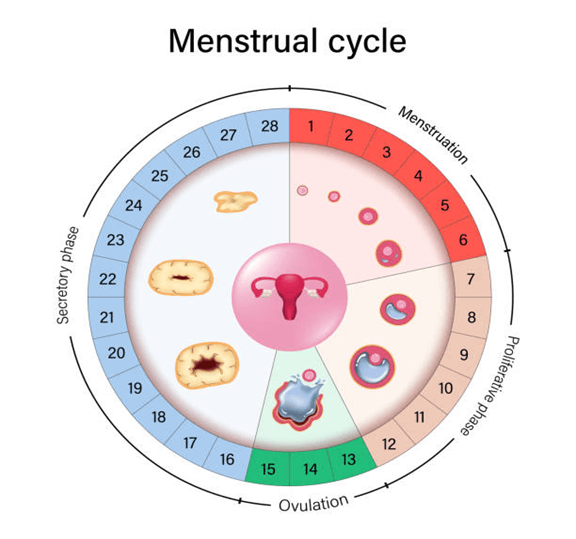
Hormonal Regulation of the Menstrual Cycle
The menstrual cycle is governed by a complex interplay of hormones, including:
a. Follicle-Stimulating Hormone (FSH): Stimulates follicular growth and maturation within the ovaries.
b. Oestrogen: Promotes proliferation and thickening of the uterine lining.[7]
c. Progesterone: Prepares the uterine lining for implantation of a fertilized ovum
Every person’s cycle is slightly different, but the process is the same . It causes serious problems to the women if not managed properly. This menstrual discharge can be absorbed by some absorbent material. The functional requirement of a feminine hygiene product is to absorb and retain the menstrual fluid so that back tracking of fluid does not happen and at the same time it should be odour free.
2.1Sanitory napkins:
The increasing awareness of health and environmental impacts of conventional sanitary napkins has led to a growing interest in eco-friendly and health-conscious alternatives. In addition, the material (especially sanitary napkin core forming materials) used in commercial sanitary napkins is synthetic and may lead to accelerated growth of bacteria and germs by long-term use of the pad which leads to many Urinary Tract Infections and other harmful diseases in women. The increasing demand for safer, more effective feminine hygiene products has driven research towards innovative solutions that prioritize both health benefits and environmental sustainability. A Sanitary Napkin is also known as a Sanitary Pad or Menstrual pad, is an absorbent item worn by individuals who menstruate to manage menstrual flow. It is typically made of layers of absorbent material and is worn inside panty to absorb menstrual blood flow from uterus during menstruation. Sanitary napkins come in various sizes, shapes and absorbency levels to accommodate different needs. It is related to health or the conditions affecting health, especially with reference to cleanliness, precautions against disease, etc. It is unpolluted, antiseptic, germfree & clean .
2.2 Advantages
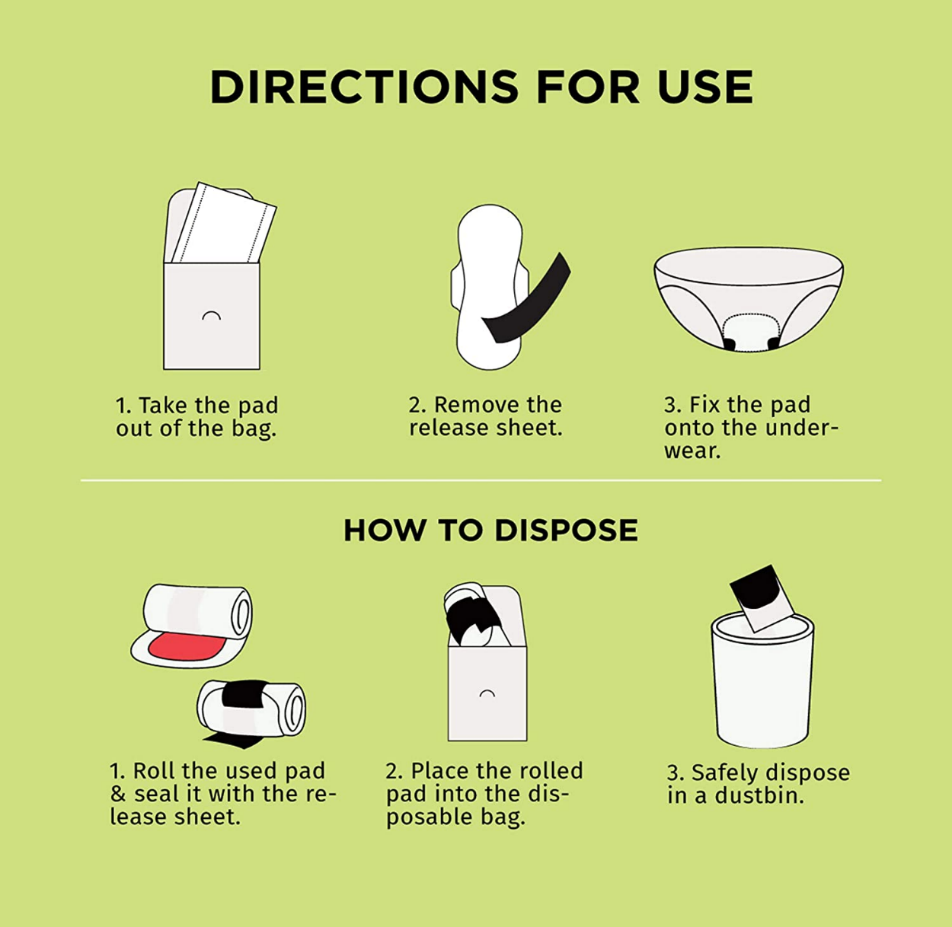
1.Beginner-friendly: Easy to use, as you just stick them to your underwear and go.
2.External Use: No insertion required, which is preferred by many women and ideal for first-time users.
3.Variety: Available in various sizes and absorbencies to suit different flows.
4.Flow Monitoring: You can easily monitor the amount of blood.
5.Low risk of TSS: The risk of Toxic Shock Syndrome is significantly lower compared to tampons.
6.Comfort for Chilling: Good for relaxing at home on a hot water bath or watching Netflix.
2.3 Disadvantages
1.Environmental waste: Disposable pads are a significant source of non-biodegradable waste that ends up in landfills.
2.Skin irritation: Can cause rashes, irritation, or allergic reactions from the friction, chemicals, or trapped moisture.
3.Chemical exposure: Many pads contain chemicals like fragrances, dioxins, phthalates, and other compounds linked to potential health issues.
4.Discomfort and bulkiness: Can feel bulky, shift out of place, and be uncomfortable during physical activities like running or yoga.
5.Cost: The recurring cost of purchasing pads can add up over time.
6.Hygiene concerns: Failure to change pads regularly can lead to the accumulation of bacteria, increasing the risk of infections.
2.4 Herbal Resources:
Organic cotton is used as top sheet which is one the commonly advised raw material for sanitary napkin because of its non-irritant, skin friendly and superior liquid retention properties. It is soft and breathable which gives comfort and dryness. Cotton wicks away moisture and keeps skin dry. Organic cotton is cultivated from non-treated Genetically Modified (GMO) seeds and is grown using method and materials having low impact on environment that is without any use of synthetic agricultural chemicals such as fertilizers and pesticides. The cotton should be biodegradable in nature. The ideal moisture management of this cellulosic fibre is responsible for the reduced bacterial growth. Sanitary pads can also be developed from banana (Musaparadisiaca) fibre to make affordable, quality, eco-friendly sanitary napkins and available in recent years to girls and women in developing country. Banana is a natural absorbent fibre; the key reason is its natural porosity [11]. Banana fibre is an eco-friendly fibre like jute fibre (Corchorus olitorius). It is biodegradable and has no negative effect on environment.

Apart from all these, natural antibacterial agents such as extracts of neem (Azardirachta indica), turmeric (Curcuma longa), Aloes (Aloe barbadensis) and other natural antibacterial agents and natural fragrances are also used in manufature of sanitary napkins .
2.5 Ideal properties of Herbal Sanitary Napkins:
1. The major factor for the pad is to absorb the blood flow without any back-flow or leakage.
2. It should produce NO odour.
3. It should be comfortable.
4. It should have NO negative effects on the environment.
5. It should have good antimicrobial activity.
6.It shouldn’t cause irritation.
7.It should have High level of hygiene.
2.6 Benefits of Herbal sanitary napkins:
3.Method of preparation

Materials Needed:
Absorbent core material: This is typically cotton or bamboo fibers, but can also include other organic fibers.
Natural herb infusions: Examples include:
Aloe vera: Soothing and moisturizing.
Turmeric : anti-inflammatory , amtifungal ,antibacterial .
Lavender: Antibacterial and soothing.
Neem: Antifungal and antibacterial properties.
Tea tree oil: Antiseptic and antimicrobial.
Non-woven fabric: Used as a top layer.
Steps to Make Herbal Sanitary Pads:
1.Preparation of Herbs:
Start by preparing an herbal infusion or extract. You can soak herbs like chamomile, lavender, or neem in hot water for about 10-15 minutes, or prepare essential oil blends for a more concentrated effect. For oil infusions, you can use carrier oils such as coconut oil or olive oil.
If you are using dry herbs, grind them into a fine powder or chop them into smaller pieces, depending on the desired texture.
2.Preparing the Absorbent Core:
Use natural materials like cotton or bamboo fibers to create the absorbent layer. You can either purchase pre-made absorbent cores or make your own by compressing and layering the fibers together. Optionally, you can infuse these fibers with herbal extracts or essential oils by gently spraying or soaking them before layering them into the core. The herbs will offer antimicrobial properties as well as a fresh scent. Make sure the absorbent core is thick enough to handle liquid absorption, yet flexible for comfort.
3.Infusing the Herbs:
Top Layer: The top layer of the pad is typically made from a soft, non-woven fabric (like cotton or bamboo). Soak this fabric in your herbal infusion or lightly spray it with essential oils like lavender or chamomile. The herbal-infused top layer can help soothe irritation or inflammation.
Middle Layer (Absorbent Core): Once the absorbent core is prepared, you can either spray or mix some herbal extract directly into the fibers to infuse the herbal properties.
Back Layer (Biodegradable Backsheet): This layer is essential for preventing leakage. The back layer is made from biodegradable materials that are breathable yet leakproof. It’s typically not infused with herbs but can be scented lightly with essential oils.
4.Assembly:
Layer the infused absorbent core between the top non-woven fabric layer and the backsheet. If desired, you can add a thin layer of herbal powder (like chamomile or tea tree powder) in between the layers for added absorption and antimicrobial properties.
5.Sealing and Shaping:
The edges of the pad are sealed to prevent leakage and to keep all materials in place. The sealing can be done using natural adhesives or ultrasonic welding, which doesn't require adhesives.
Shape the pads according to standard sanitary pad sizing or customize them to your preference (daytime, nighttime, or pantyliner sizes).
The pads are often folded or packaged in an individually wrapped form to maintain hygiene and freshness.
Optional: Add Essential Oils:
If you want a fragrance or additional therapeutic properties, you can lightly spray or rub essential oils like lavender, eucalyptus, or tea tree oil onto the pad. Essential oils are known for their antibacterial and soothing qualities.
6.Drying:
If you’ve infused the materials with any liquids, allow them to dry before final packaging. Ensure that the pads are completely dry to avoid mold growth.
7.Packaging:
Once dried, fold the pads and package them in biodegradable wrappers. You can also individually wrap them to maintain hygiene and prevent contamination.
Final Product:The result is a sanitary pad that is soft, comfortable, and infused with herbs that provide benefits like soothing, reducing irritation, and offering antibacterial properties. The herbal ingredients also help in reducing the risk of infections or rashes often caused by synthetic pads.
4.Evaluation test :
1. Absorbency Test: The weight of the dry sample was recorded, then blood substitute was added slowly, drop by drop, till the point of leakage by using a burette. After this process, the final weight of the sample was measured with a weighing scale.
Formula: (final weight-initial weight)/initial weight *100
2. Leakage Test: This test was conducted to measure the amount of blood substitute that leaked out of the sanitary pad after placing 1 kg of weight.
Formula: (final weight of blotting paper-initial weight of blotting paper)
3. Retention Test: This test is used to calculate the ability of a sanitary napkin to hold the maximum amount of absorbed blood after the removal of 1 kg of weight for 1 min.
Formula: (final weight-initial weight)/initial weight*100
4. Liquid Strike Through Test: This test was conducted to measure the time taken by the blood substitute to penetrate inside the dry sanitary pad. The sample was placed on the glass plate to note the change easily. One drop of blood substitute was poured on the sample.
5. Wet back strike through test: The test was conducted to measure time taken by the blood substitute to penetrate inside the wet sanitary pad. 10 ml of blood substitute is poured at the center of the sanitary pad to wet the sample there after one drop of blood substitute was dropped on the wet sample. The time was noted in seconds before and after the penetration of the blood substitute in the wet sample.
6. Antimicrobial Screening: Antimicrobial test is carried out using Agar Diffusion test against gram positive bacteria(Staphylococcus aureus)and gram negative bacteria (Escherichia coli). The treated samples are to be placed on the incubated agar plate Development of Herbal finished Sanitary Napkin with test bacteria for 24 hours at 37degree celsisus. After incubation the samples assessed visually the area of inhibition measured for antimicrobial efficiency.
5.CONCLUSION
Menstrual hygiene should be enhanced through the introduction of herbal sanitary napkins during menstruation and menstrual hygiene management. These napkins can address essential requirements by providing an affordable, hygienic, biodegradable, and sustainable alternative for managing menstrual periods, thereby contributing to the overall health and well-being of women throughout their menstruating years.
REFERENCES







Vaishnavi Rakshe*, Manasi Deshmukh, Payal Shelke, Siddhi Bengude, Renuka Khandare, Samrudhi Andre, Priyanka Panmand, Development of Herbal Sanitory Pads, Int. J. of Pharm. Sci., 2025, Vol 3, Issue 10, 2989-2997 https://doi.org/10.5281/zenodo.17464212
 10.5281/zenodo.17464212