

We use cookies to ensure our website works properly and to personalise your experience. Cookies policy
Crescent college of pharmaceutical sciences, Kannur, Kerala, India
This study explores how digital transformation is reshaping pharmaceutical marketing, with a focus on digital marketing tools, artificial intelligence, and data analytics. Using primary data from 103 healthcare and industry professionals, the study finds strong awareness and acceptance of digital approaches, particularly for improving access to drug information and patient engagement. Social media and company websites emerged as the most effective platforms, while AI and big data were identified as key future drivers. Despite these benefits, challenges related to data privacy, trust, digital literacy, and regulatory clarity remain. The study concludes that digital transformation has become a strategic necessity in pharmaceutical marketing, offering greater efficiency and reach than traditional methods, while requiring ethical and well-governed implementation.
Pharmaceutical marketing is a specialized branch of marketing that focuses on the promotion, positioning, and commercialization of pharmaceutical products such as prescription drugs, biotechnology products, over-the-counter (OTC) medicines, nutraceuticals, and medical devices. It is also known as pharma marketing or medico-marketing. The primary goal of pharmaceutical marketing is to communicate scientifically accurate information about drugs, create awareness among healthcare professionals and patients, and influence prescription and purchasing decisions while strictly adhering to regulatory standards.
Unlike general marketing, pharmaceutical marketing operates in a highly regulated environment governed by national and international authorities such as the Food and Drug Administration (FDA), European Medicines Agency (EMA), and other local regulatory bodies. These regulations ensure ethical promotion, patient safety, and transparency. Pharmaceutical marketing emphasizes trust, credibility, and evidence-based communication, as incorrect or misleading information can directly affect public health. With increasing competition and innovation in the pharmaceutical sector, companies continuously seek new ways to improve marketing effectiveness while maintaining compliance. The aim of this study is to assess the impact of digital transformation on pharmaceutical marketing, with a focus on improving communication, patient engagement, and healthcare outcomes within a regulated environment. The objectives are to evaluate the use of digital tools in pharmaceutical marketing, examine their role in enhancing patient awareness and adherence, analyse digital communication with healthcare professionals, and identify key challenges associated with digital pharmaceutical marketing.
TRADITIONAL PHARMACEUTICAL MARKETING
Traditional pharmaceutical marketing refers to the conventional methods used by pharmaceutical companies to promote their products before the widespread adoption of digital technologies. These methods mainly relied on face-to-face interactions, print media, and mass communication channels. The core strength of traditional pharmaceutical marketing lies in its personal approach and direct engagement with healthcare professionals.
One of the most common traditional methods is the use of medical representatives (MRs), who visit doctors, hospitals, and clinics to explain drug benefits, provide scientific literature, and distribute free samples. Conferences, seminars, and Continuing Medical Education (CME) programs sponsored by pharmaceutical companies are also widely used to educate doctors about new therapies and innovations. Print advertisements in medical journals, brochures, posters, and leaflets play an important role in reinforcing brand awareness. For OTC products, companies often use television, radio, and newspaper advertisements to reach the general public.
The main objectives of traditional pharmaceutical marketing are to increase brand awareness, influence prescribing behaviour, build long-term relationships with healthcare professionals, and improve sales and market share. However, these methods are costly, have limited reach, and make it difficult to measure campaign effectiveness accurately. Despite these limitations, traditional pharmaceutical marketing remains important for building trust and credibility within the healthcare ecosystem.
INFLUENCE OF AI IN DIGITAL TRANSFORMATION OF PHARMACEUTICAL MARKETING
Artificial Intelligence (AI) has become a key driver of digital transformation in pharmaceutical marketing. AI refers to the use of advanced algorithms and machine learning models that analyse large volumes of data, identify patterns, and support intelligent decision-making. In pharmaceutical marketing, AI has shifted strategies from intuition-based planning to data-driven and predictive approaches.
AI enables personalized marketing by analysing prescribing behaviour, physician preferences, and patient engagement data. Technologies such as predictive analytics, natural language processing, chatbots, and recommendation engines help companies deliver the right message to the right audience at the right time. AI-powered tools also assist in sentiment analysis, allowing firms to understand public perception of drugs and brands across digital platforms.
Moreover, AI supports compliance monitoring by reviewing promotional content and ensuring adherence to regulatory guidelines. Automation of repetitive marketing tasks improves efficiency and allows marketers to focus on strategic planning and creativity. Overall, AI enhances marketing effectiveness, reduces costs, improves customer engagement, and supports ethical and compliant promotion.
INFLUENCE OF DIGITAL MARKETING IN THE DIGITAL TRANSFORMATION OF PHARMACEUTICAL MARKETING
Digital marketing has significantly transformed how pharmaceutical companies communicate with healthcare professionals and patients. Digital marketing includes the use of websites, social media platforms, email campaigns, search engine optimization (SEO), webinars, mobile applications, and online educational content. These tools enable multichannel engagement, providing consistent and personalized communication across various touchpoints.
The shift toward digital marketing was accelerated by changing consumer behaviour and events such as the COVID-19 pandemic, which limited face-to-face interactions. Digital platforms allow pharmaceutical companies to measure campaign performance in real time, optimize strategies, and improve return on investment (ROI). Analytics and automation tools help marketers track engagement, ensure transparency, and maintain regulatory compliance.
Digital marketing also supports patient-centric approaches by improving access to medical information, enhancing health awareness, and encouraging treatment adherence. By fostering two-way communication, digital marketing builds stronger relationships, improves brand reputation, and aligns marketing efforts with broader healthcare outcomes.
BIG DATA IN PHARMACEUTICAL MARKETING
Big data plays a crucial role in the digital transformation of pharmaceutical marketing by enabling advanced analysis of large and complex datasets. These datasets include prescription data, patient records, online search behaviour, social media interactions, and market trends. Big data analytics helps pharmaceutical companies make informed decisions, optimize marketing strategies, and predict future demand.
Big data enables pharmaceutical companies to make better marketing decisions. It helps forecast sales, identify key markets, and optimize marketing budgets. By analysing customer behaviour, companies can create personalized marketing strategies that improve engagement and brand loyalty. Big data also supports patient education and adherence programs, ultimately enhancing patient outcomes and providing a competitive advantage.
MATERIALS AND METHODS
Research Design
This study used a mixed-method approach. A cross-sectional survey was conducted using a structured questionnaire. Most questions were closed-ended for easy analysis.
Source of Data
Primary data were collected directly from healthcare professionals and pharmaceutical industry workers through the questionnaire.
Questionnaire Design
The questionnaire had two sections: the first collected demographic information, and the second asked about digital marketing use, communication, patient engagement, and challenges.
Sample Size
The study included 103 respondents, selected randomly, from four age groups: below 25, 25–35, 35–44, and above 45 years.
Inclusion Criteria
Participants included males and females working as medical representatives, pharmacists, physicians, nurses, or other pharmaceutical industry workers. They were selected because they use digital platforms for marketing and communication.
RESULT AND DISCUSSION
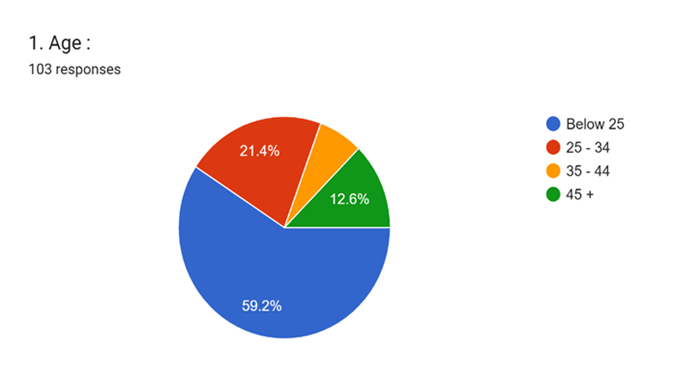
Figure 1: Age wise distribution
The study participants were categorized into four age groups: below 25, 25–34, 35–44, and above 45 years. The majority of respondents were under 25 years59.2%, indicating a predominance of young adults. This was followed by 25–34 years 21.4% and above 45 years 12.6%, while the smallest group was 35–44 years. The age-wise distribution of participants is presented in Figure 1.
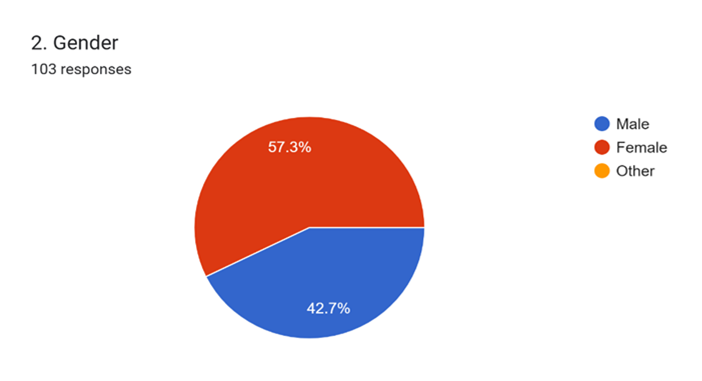
Figure 2: Gender wise distribution
Among 103 study participants 59(57.3%) were females and 44(42.7%) were males. The frequency of gender wise details is summarised in table 2 and figure 2.
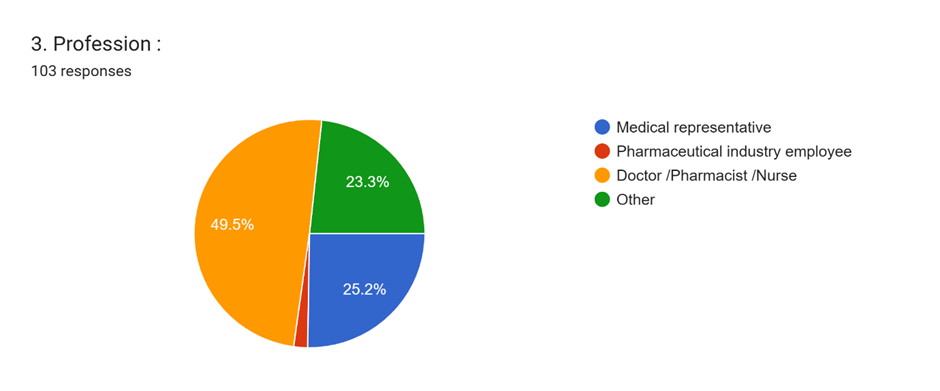
Figure 3: Profession Wise Distribution
The respondents were grouped into four professional categories: Medical Representatives, Pharmaceutical Industry Employees, Doctors/Pharmacists/Nurses, and Others. Most respondents were Doctors, Pharmacists, or Nurses49.5%, followed by Medical Representatives and Others 23.3% each. Only a small proportion of respondents were Pharmaceutical Industry Employees 1.9%.
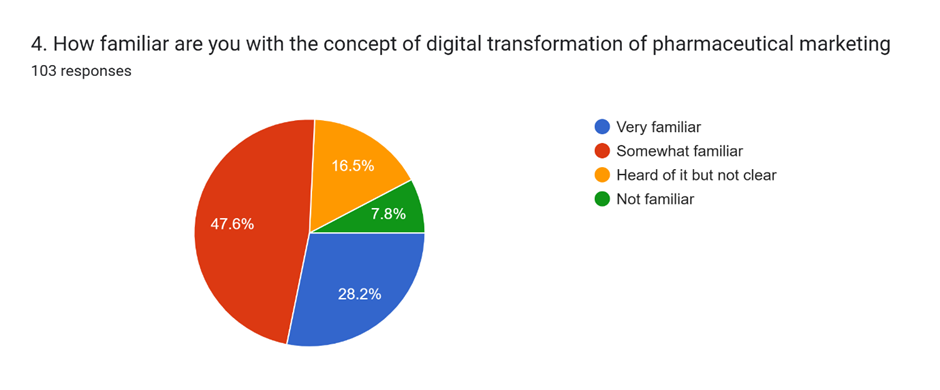
Figure 4: Level of Familiarity with Digital Transformation in Pharmaceutical Marketing
Most respondents were somewhat familiar with digital pharmaceutical marketing 47.6%, followed by those who were very familiar 28.2%. A smaller group had heard of it but were not clear 16.6%, and only 7.8% were not familiar at all.
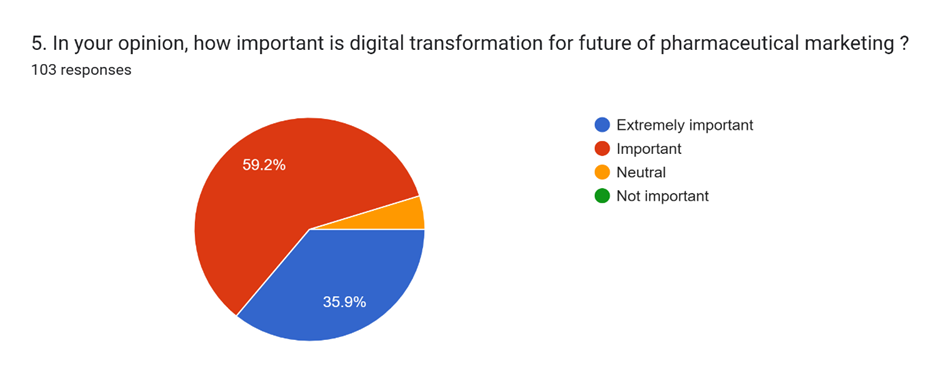
Figure5:Importance of Digital Transformation in Pharma Marketing
Most respondents perceived digital pharmaceutical marketing as important 59.2%, while 35.9% considered it extremely important. A few were neutral 4.9%, and none were unfamiliar.
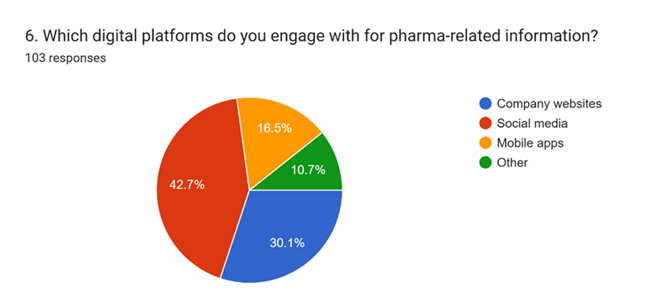
Figure 6: Digital Platforms Used for Pharma-Related Information
The digital platforms used for pharmaceutical marketing were categorized into Company Website, social media, Mobile Application, and Others. Most respondents preferred social media 42.7%, followed by Company Websites 30.1%. Mobile Applications were used by 16.5% of respondents, while 10.7% used other platforms.
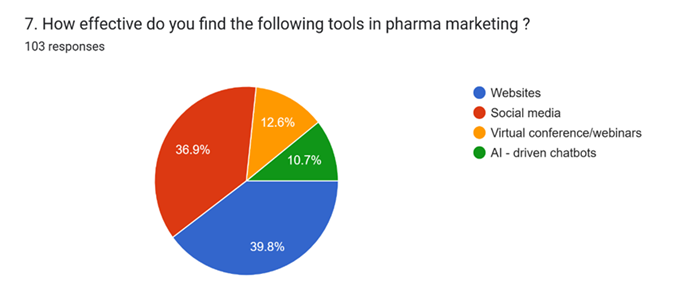
Figure 7: Effectiveness of Tools in Pharma Marketing
In pharmaceutical marketing, company websites are the most used digital tool, with 38.9% of respondents using them. Social media is next, used by 36.9% of respondents. Virtual conferences or webinars are used by 12.6%, and AI-driven chatbots by 10.7%. This shows that websites and social media are the main tools for digital marketing in the pharmaceutical industry.
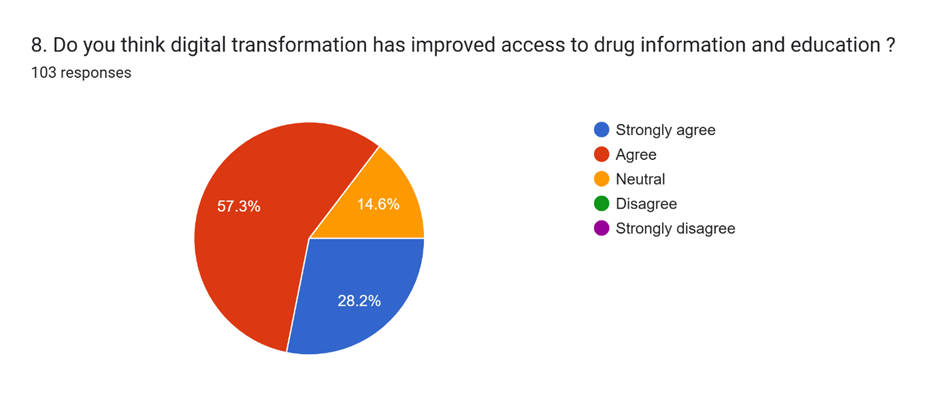
Figure 8: Impact of Digital Transformation on Access to Drug Information & Education
Most respondents felt that there are barriers to effective digital pharmaceutical marketing. Over half 57.3%agreed, and 28.2% strongly agreed, while 14.6% were neutral. No one disagreed, which shows that people generally see challenges in this area.
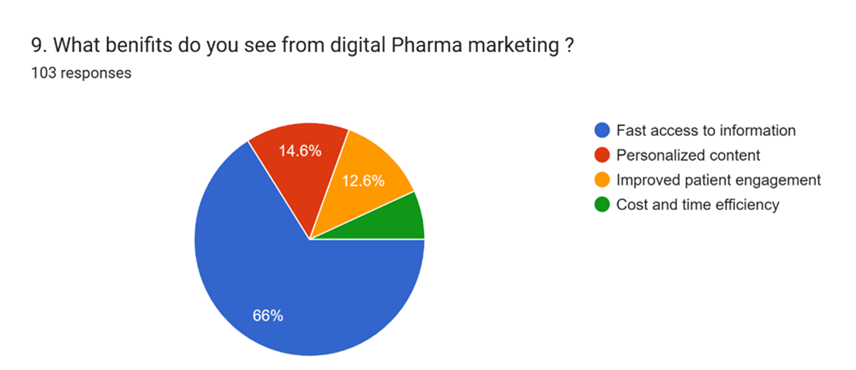
Figure 9: Benefits of Digital Pharma Marketing
Most respondents 66% saw fast access to information as the main benefit of digital pharma marketing, followed by personalized information 14.6%, improved patient engagement 12.6%, and cost and time efficiency 6.8%.
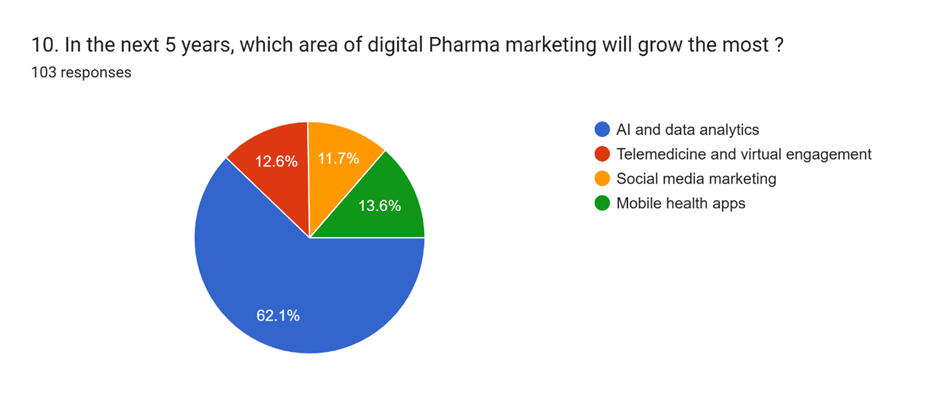
Figure 10:Digital Pharma Marketing Areas Likely to Grow Most in the Next 5 Years
The major trends in digital pharma marketing are AI and Data Analytics, Mobile Health Applications, Telemedicine and Virtual Engagement, and Social Media Marketing. Most respondents 62.1% said AI and Data Analytics is the most important trend because it helps with technology-based decisions and personalized marketing. Mobile Health Applications were chosen by 13.6%, Telemedicine by 12.6%, and Social Media Marketing by 11.7%.
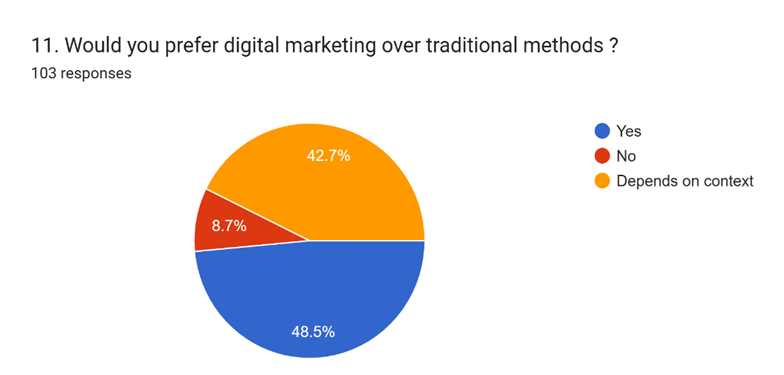
Figure 11:Preference Digital vs. Traditional Pharma Marketing
Most respondents 48.5% consider digital pharma marketing effective, 42.7% believe its effectiveness depends on the situation, and only 8.7% view it as ineffective.
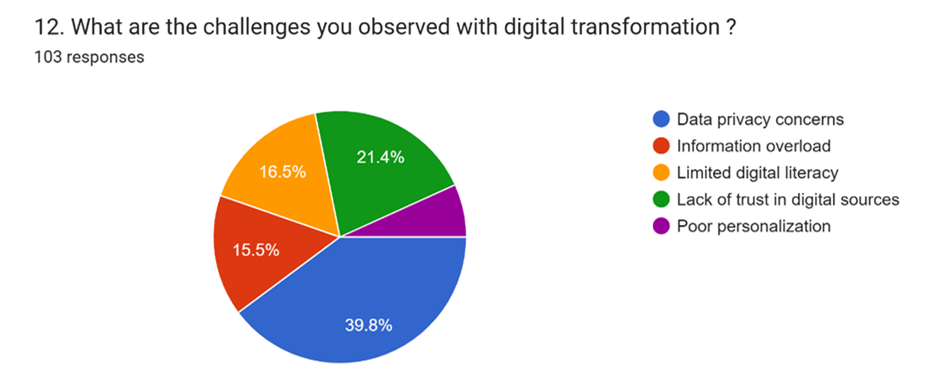
Figure 12: Challenges Observed in Digital Pharma Transformation
The main barriers to effective digital pharma marketing are data privacy concerns, lack oftrust in digital sources, limited digital skills, information overload, and poor personalization. Most respondents 39.8% said data privacy is the biggest concern, while others pointed to trust issues 21.4%, limited digital literacy 16.5%, too much information 15.5%, or poor personalization 6.8%.
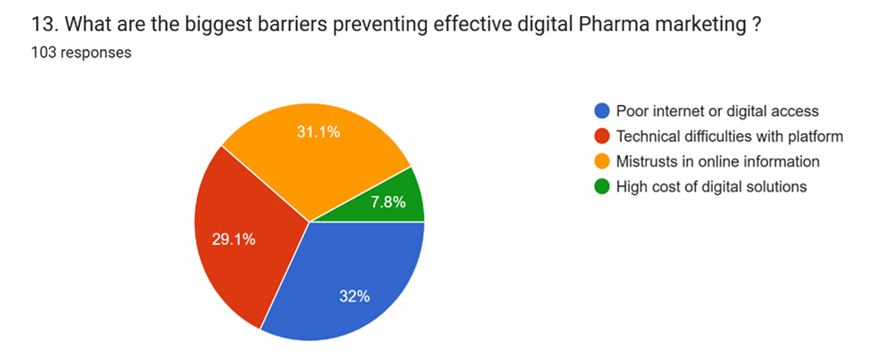
Figure 13: barriers to effective digital pharma marketing
The greatest barrier identified was poor internet or digital access 32%, followed by mistrust in online information31.1% and technical difficulties with platforms 29.1%. Only 7.8% of participants felt that the high cost of digital solutions was a major obstacle. This shows that problems related to accessibility and trust are more significant than financial concerns.
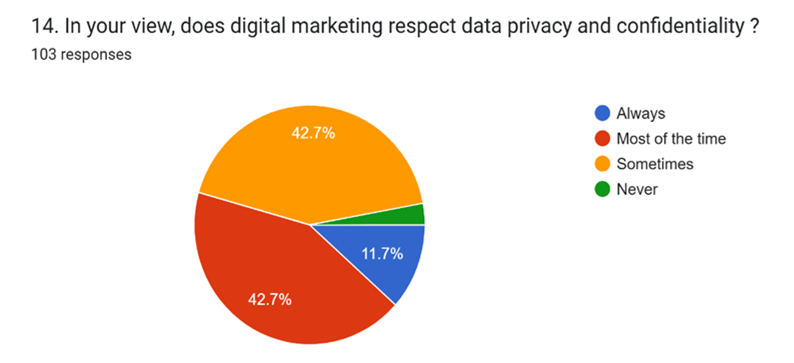
Figure 14: Respect for data privacy and confidentiality
Regarding data privacy and confidentiality, most participants were uncertain. 42.7% believed that privacy is respected only sometimes, and another 42.7% felt it is respected most of the time. A smaller group, 11.7%, felt that privacy is always protected, while 2.9% believed it is never protected. This indicates a need to improve transparency and data security in digital marketing practices.
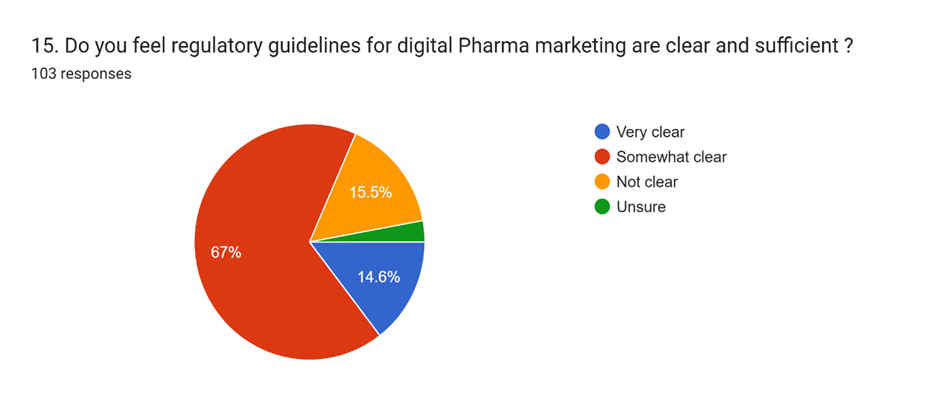
Figure 15: Clarity of regulatory guidelines
In terms of regulatory guidelines, 67% of respondents stated that the guidelines are only somewhat clear, while 15.5% said they are not clear, and 14.6% felt they are very clear. The remaining 2.9% were unsure. This suggests that existing regulations require clearer communication and stronger implementation.
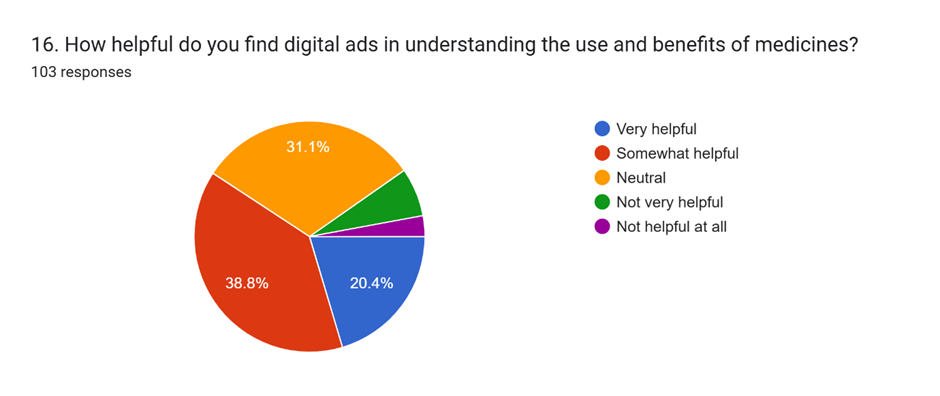
Figure 16: Helpfulness of digital pharmaceutical advertisements
38.8% of respondents found digital ads somewhat helpful, and 20.4% considered them very helpful. Meanwhile, 31.1% were neutral, 6.8% felt they were not very helpful, and 2.9% thought they were not helpful at all.This implies that while many consumers benefit from digital ads, there is still to improve clarity and usefulness.
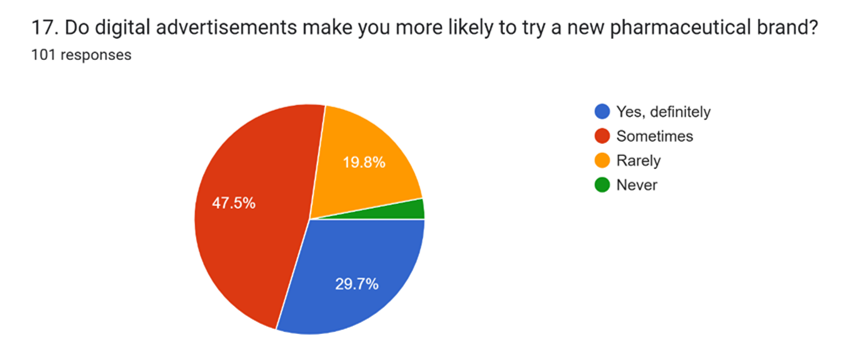
Figure 17: Influence on trying new pharmaceutical brands
The influence of digital ads on trying new pharmaceutical brands was moderate. 47.5% said they sometimes try new products, 29.7% definitely do, 19.8% do so rarely, and 3% never do. This shows that digital advertising has a positive but not strong influence on consumer behavior.
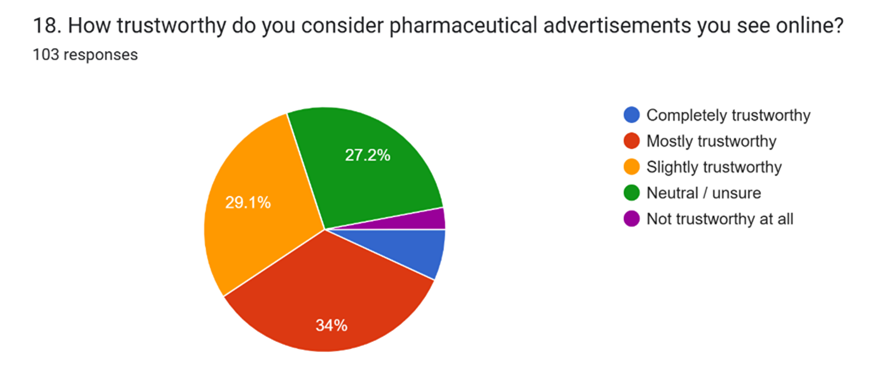
Figure 18: Trust in online pharmaceutical advertisements
When asked about trust in online pharmaceutical advertisements, 34% considered them mostly trustworthy, 29.1% slightly trustworthy, 27.2% were neutral, and 6.8% felt they were completely trustworthy. Only 2.9% considered them not trustworthy at all. This reflects limitedtrust overall.
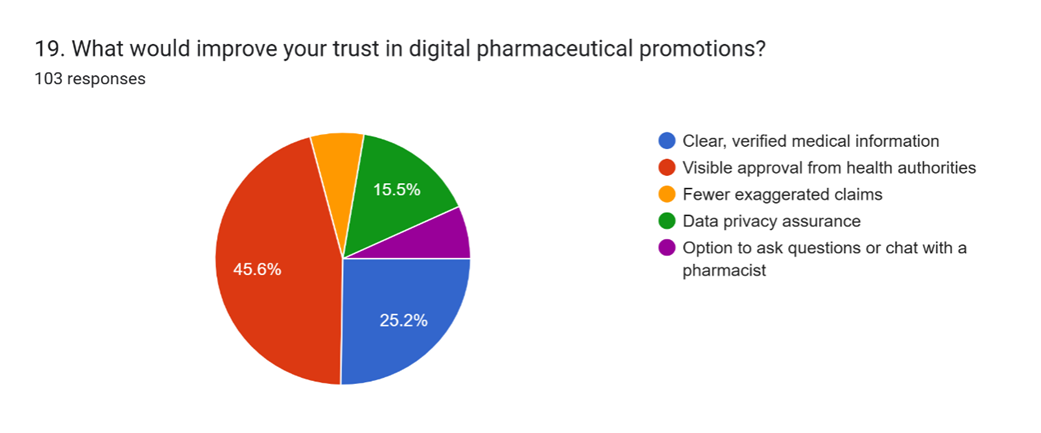
Figure 19:Improve trust
The factor that would most improve trust is visible approval from health authorities 45.6%, followed by clear verified medical information 25.2%, data privacy assurance 15.5%, fewer exaggerated claims 6.8%, and the option to ask questions or chat with a pharmacist 6.8%. This highlights the importance of credibility and transparency.
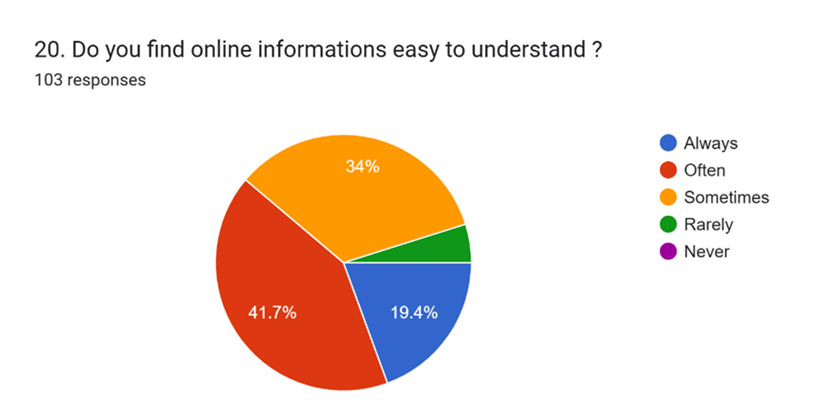
Figure 20: Easy of understanding digital health information
Finally, 41.7% of respondents said that digital information is often easy to understand, 34% said sometimes, and 19.4% always find it easy. Only 5% reported rarely and never 0%. This suggests the overall clarity of online information is adequate but still requires improvement.
CONCLUSION
Digital transformation and AI are changing the way pharmaceutical marketing works. Traditional methods like face-to-face meetings and medical representatives are no longer enough on their own. Today, digital tools allow faster, more personalized, and measurable engagement with both healthcare professionals and patients, making information easier to access and helping improve health literacy and treatment adherence. At the same time, challenges like data privacy, mistrust in online sources, limited digital skills, and unclear regulations continue to affect how these tools are used. Overall, the study shows that digital platforms and AI-driven strategies are now central to influencing prescribing decisions and patient choices, making digital transformation a key part of the future of pharmaceutical marketing.
LIMITATION
Despite offering valuable insights into digital pharmaceutical marketing, this study has certain limitations. The relatively small sample size and focus on a specific geographical area may limit the generalizability of the findings. The study also relied on self-reported data, which may be affected by response bias. Additionally, the fast-changing nature of digital technologies and regulations may reduce the long-term relevance of the results. Since the study was cross-sectional, it captures perceptions at a single point in time and does not reflect changes over time.
REFERENCES


Dr. Ambili M V, Anudeep K, Shada P, Subin Surendran, Abdul Ashad K, Adwaith T, Digital Transformation of Pharmaceutical Marketing, Int. J. of Pharm. Sci., 2026, Vol 4, Issue 1, 2064-2075. https://doi.org/10.5281/zenodo.18318391
 10.5281/zenodo.18318391