
Department of Pharmaceutics, NRI College of Pharmacy, Pothavarappadu,Vijayawda 521212
Acne vulgaris is a common dermatological disorder caused by excessive sebum production, microbial infection, follicular blockage, and inflammation. Conventional synthetic anti-acne products often produce adverse effects such as irritation, dryness, and hypersensitivity reactions. Therefore, herbal alternatives with improved safety and efficacy are gaining increasing importance in cosmetic and pharmaceutical industries. The present study aimed to formulate and evaluate a herbal anti-acne soap incorporating wood apple (Limonia acidissima) extract as an active ingredient. Wood apple possesses antimicrobial, antioxidant, and anti-inflammatory phytoconstituents including flavonoids, tannins, phenolic compounds, and alkaloids. The extract was prepared 'using solvent extraction techniques and incorporated into soap using a controlled saponification process. The formulation was evaluated for physicochemical parameters such as pH, foam height, hardness, moisture content, antimicrobial activity, skin irritation potential, and stability studies. The prepared soap showed acceptable organoleptic characteristics, suitable pH range, good foam stability, and significant antimicrobial activity against acne-causing microorganisms. Stability studies confirmed formulation integrity under different storage conditions. The study concludes that wood apple extract can serve as an effective natural ingredient in anti-acne soap formulations offering improved safety, affordability, and therapeutic potential.
Skin acts as a protective barrier between the body and external environment and plays an essential role in thermoregulation, sensation, and immune defense.
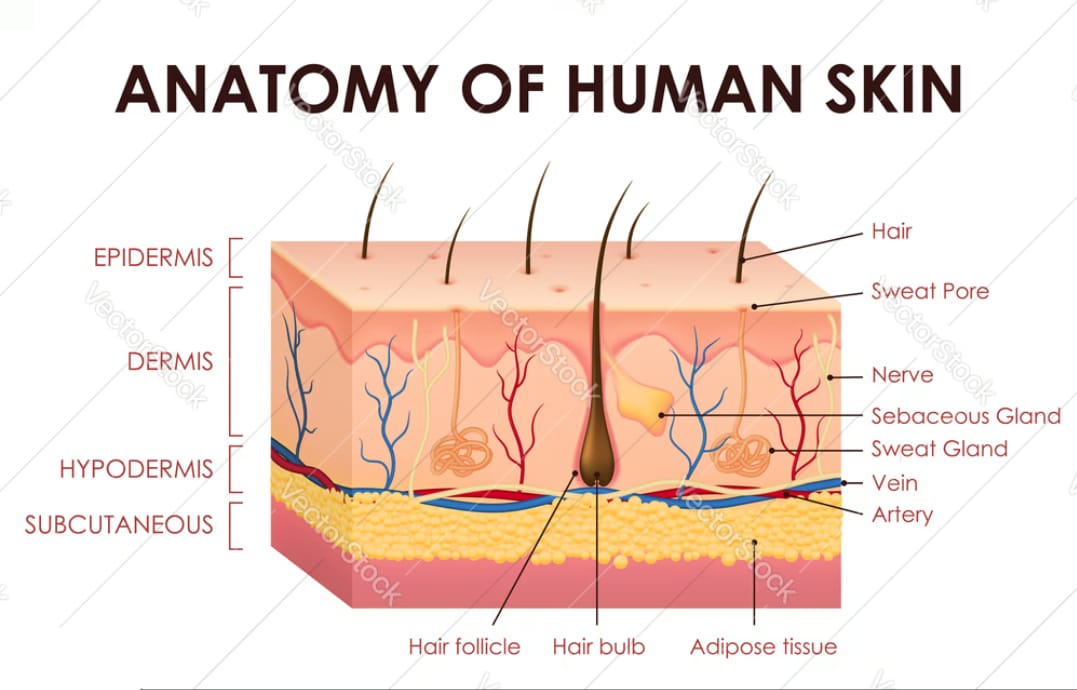
Figure1
Acne vulgaris is one of the most prevalent dermatological disorders affecting adolescents and adults worldwide. The condition is mainly associated with increased sebum production, bacterial colonization particularly Cutibacterium acnes, follicular hyperkeratinization, and inflammatory responses. Synthetic anti-acne products containing benzoyl peroxide and antibiotics are widely available but often produce adverse reactions such as dryness, irritation, redness, and antibiotic resistance. Increasing consumer awareness regarding natural skincare products has encouraged research into herbal alternatives. Wood apple (Limonia acidissima), belonging to family Rutaceae, is traditionally used in Ayurveda for treatment of inflammatory and microbial disorders. The fruit contains bioactive phytochemicals such as flavonoids, phenolics, alkaloids, and antioxidants that possess antimicrobial and anti-inflammatory activity.
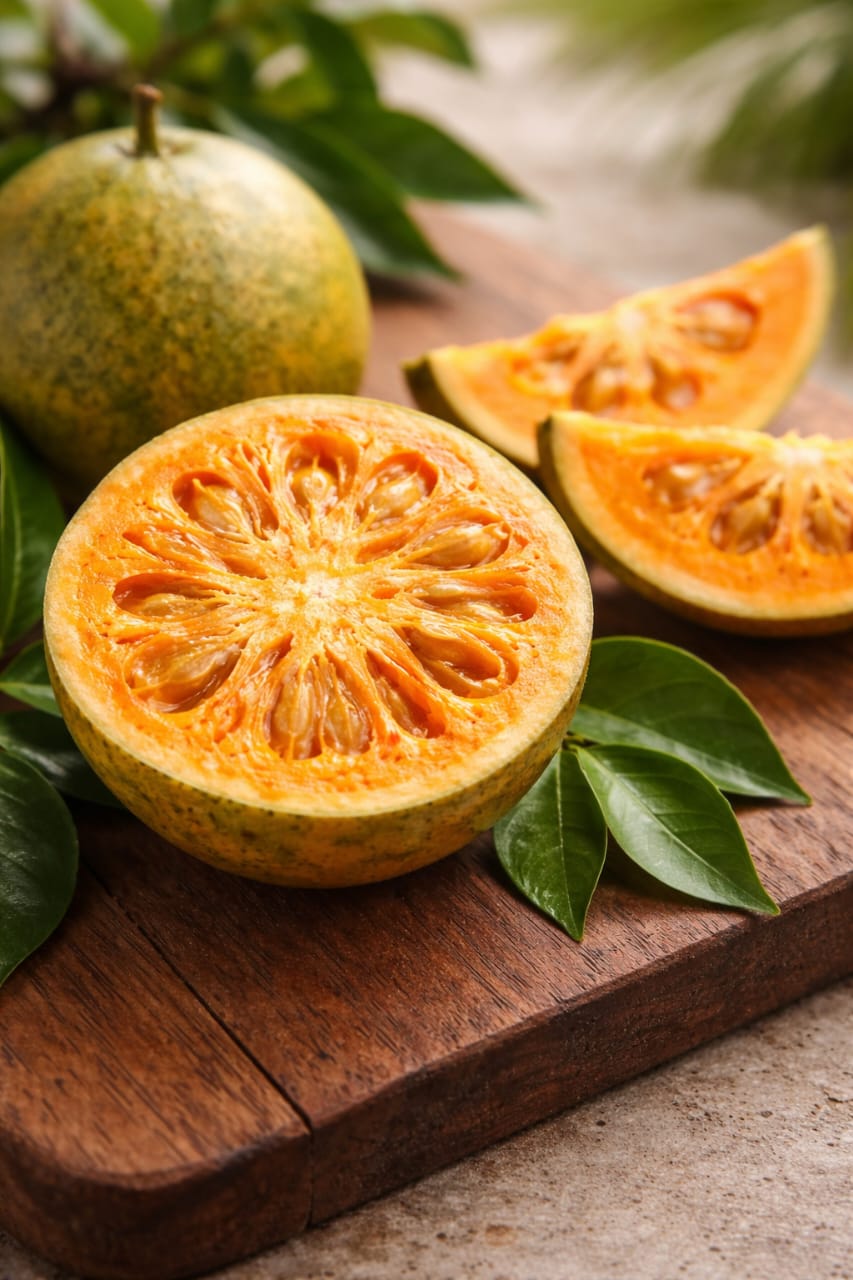
Figure 2
Therefore, the present study was undertaken to formulate and evaluate a herbal anti-acne soap incorporating wood apple extract as a natural active ingredient.
MATERIALS AND METHODS
Materials
Fresh wood apple (Limonia acidissima) fruits were procured from the local market of Andhra Pradesh and authenticated by a pharmacognosy expert. Coconut oil, palm oil, sodium hydroxide, glycerin, essential oils, and other excipients used for soap formulation were obtained from laboratory-grade suppliers.
Preparation of Wood Apple Extract
The collected wood apple fruits were washed thoroughly with distilled water to remove dust and impurities. The pulp was separated manually and shade dried for 7–10 days at room temperature to prevent degradation of heat-sensitive phytoconstituents. The dried material was powdered using a mechanical grinder.
Approximately 100 g of powdered material was subjected to extraction using ethanol by maceration method for 72 hours with intermittent shaking.The filtrate was concentrated using a water bath at controlled temperature until a semi-solid mass was obtained. The concentrated extract was stored in airtight containers at 4°C until further use.
Phytochemical Screening
Preliminary phytochemical screening of the extract was performed to identify major bioactive constituents using standard qualitative tests.
The extract was evaluated for:
Alkaloids (Mayer’s and Wagner’s tests)
Flavonoids (Alkaline reagent test)
Tannins (Ferric chloride test)
Phenolic compounds
Saponins (Foam test)
Glycosides
The presence of these phytoconstituents confirmed antimicrobial and antioxidant potential suitable for anti-acne application.
Formulation of Herbal Anti-Acne Soap
The herbal soap was prepared by cold saponification method.
Procedure
Measured quantities of coconut oil and palm oil were taken in a stainless steel container and heated gently until uniform melting was achieved. Sodium hydroxide solution was prepared separately by dissolving NaOH pellets in distilled water under continuous stirring and allowed to cool. The alkali solution was slowly added to the oil phase under constant stirring to initiate the saponification reaction. Stirring was continued until trace formation was achieved. Wood apple extract and glycerin were incorporated into the mixture followed by addition of essential oils for fragrance. The mixture was poured into molds and allowed to solidify at room temperature for 24–48 hours. The soap bars were removed from molds and cured for approximately 3–4 weeks to ensure completion of saponification and hardness development.
Evaluation of Herbal Soap
The formulated soap was evaluated using different physicochemical and biological parameters.
Organoleptic Evaluation
The soap bars were visually examined for colour, odour, texture, appearance, and uniformity.
Determination of pH
One gram of soap was dissolved in 10 mL distilled water to prepare a 10% soap solution. The pH was measured using a calibrated digital pH meter.
Foam Height and Foam Stability
Soap solution was prepared by dissolving 1 g soap in 50 mL distilled water. The solution was shaken vigorously in a measuring cylinder for one minute.
Foam height was measured immediately and stability was recorded after 5 minutes.
Moisture Content
Soap samples were weighed and dried in a hot air oven at 105°C until constant weight was achieved.
Moisture content (%) was calculated.
Hardness Test:
Soap hardness was determined manually by applying pressure and observing resistance to deformation.
Skin Irritation Test:
Skin irritation studies were conducted on human volunteers after obtaining consent. Soap solution was applied on a small skin area and observed for redness, itching, or irritation after 24 hours.
Antimicrobial Activity:
Antimicrobial activity was evaluated using agar well diffusion method against acne-causing microorganisms.
Extract incorporated soap samples were tested for inhibition zone diameter and compared with standard formulations.
Stability Studies
Prepared soap bars were stored under different temperature conditions such as room temperature and accelerated conditions.
Samples were periodically evaluated for colour, odour, texture, and pH changes over time.
RESULTS AND DISCUSSION
The formulated herbal anti-acne soap containing wood apple extract was evaluated for phytochemical constituents, physicochemical parameters, antimicrobial activity, safety profile, and stability characteristics. The obtained results confirmed successful incorporation of herbal extract without affecting soap quality.
Phytochemical Screening Results
Preliminary phytochemical screening confirmed the presence of major secondary metabolites responsible for antimicrobial and antioxidant activity.
Table 1: Phytochemical Screening of Wood Apple Extract
|
S.No
|
Phytoconstituent
|
Test Performed
|
Observation
|
Result
|
|
1 |
Alkaloids
|
Mayer’s Test
|
Cream precipitate
|
Present |
|
2 |
Flavonoids
|
Alkaline Test
|
Yellow colour
|
Present |
|
3 |
Tannins
|
Ferric Chloride
|
Blue-green colour
|
Present |
|
4 |
Phenols
|
Ferric Chloride
|
Dark coloration
|
Present |
|
5 |
Saponins
|
Foam Test
|
Stable foam
|
Present |
|
6 |
Glycosides
|
Keller Killiani
|
Brown ring
|
Present
|
The presence of flavonoids and phenolic compounds contributes to antioxidant activity, while tannins and alkaloids exhibit antimicrobial properties. These phytochemicals play a significant role in reducing bacterial growth responsible for acne development.
Organoleptic Evaluation
Table 2: Organoleptic Properties
|
Parameter
|
Observation
|
|
Colour
|
Light brown
|
|
Odour
|
Pleasant herbal fragrance
|
|
Texture
|
Smooth
|
|
Appearance
|
Uniform and glossy
|
|
Consistency
|
Hard solid bar.
|
The prepared soap showed uniform colour distribution and smooth texture indicating proper mixing and curing. Essential oils improved fragrance acceptability.
Physicochemical Evaluation
Table 3: Physicochemical Parameters
|
Parameter
|
Result
|
Standard Range
|
|
pH
|
8.5 ±0.2
|
8-10
|
|
Foam Height
|
6.8 cm
|
Good
|
|
Foam Stability
|
Stable after 5 min
|
Acceptable
|
|
Moisture Content
|
11.2%
|
<15%
|
|
Hardness
|
Good
|
Acceptable
|
The pH of the soap was within acceptable alkaline range suitable for cleansing without excessive irritation.
Foam height indicated adequate cleansing ability.
Lower moisture content enhances shelf life and prevents microbial contamination.
Antimicrobial Activity
Table 4: Antimicrobial Activity of Herbal Soap
|
Microorganism
|
Zone of Inhibition (mm) |
|
Staphylococcus aureus 18 mm
|
18 mm
|
|
Cutibacterium acnes
|
20 mm
|
|
Escherichia coli
|
15 mm
|
Significant inhibition zones were observed against acne-causing microorganisms. Wood apple extract demonstrated strong antibacterial activity due to phenolics and tannins.
These results support its suitability as an anti-acne cleansing formulation.
Skin Irritation Test
No redness, itching, or inflammation was observed after application on volunteers.
Discussion
Absence of irritation confirmed the formulation was safe for topical application and suitable for sensitive skin types.
Stability Study Results
Table 5: Stability Study Observation
|
Storage condition |
Colour
|
Odour
|
pH
|
Texture
|
|
Room Temperature
|
No Change
|
No Change
|
Stable
|
Normal
|
|
Accelerated Condition
|
Slight Darkening
|
No Change
|
Slight Variation
|
Acceptable
|
DISCUSSION
Minor changes observed under accelerated conditions were within acceptable limits. Stability studies confirmed long-term product stability.
Overall Discussion:
The developed herbal soap demonstrated satisfactory physicochemical properties along with effective antimicrobial activity. Herbal incorporation did not interfere with soap hardness or foam quality.
Wood apple extract provided dual benefits including antibacterial action and antioxidant protection. Compared with synthetic anti-acne soaps, herbal formulation offers improved safety and reduced side effects.
CONCLUSION
The present study successfully formulated and evaluated a herbal anti-acne soap incorporating wood apple (Limonia acidissima) extract as a natural active ingredient. Preliminary phytochemical screening confirmed the presence of bioactive constituents such as flavonoids, tannins, alkaloids, phenolic compounds, and saponins which are known for antimicrobial and antioxidant activities The prepared soap exhibited acceptable physicochemical characteristics including suitable pH, good foam stability, adequate hardness, and low moisture content, indicating desirable cleansing and storage properties. Antimicrobial studies demonstrated effective inhibition against acne-causing microorganisms, confirming the therapeutic potential of the formulation. Skin irritation studies indicated that the formulation was safe and well tolerated without producing redness or irritation. Stability studies further confirmed that the soap maintained its organoleptic properties and physicochemical parameters under different storage conditions.
Overall, the herbal anti-acne soap prepared using wood apple extract can serve as a safe, economical, and effective alternative to synthetic anti-acne cleansing products. Further clinical evaluation and large-scale production studies may enhance its commercial applicability.
REFERENCES
Singh A. Natural anti-acne agents review. Int J Cosmet Sci. 2016
Singh A. Natural anti-acne agents review. Int Cosmet Sci. 2016






Dr. Tummala Harika, Md. Abzalunnisa, P. Prameelasya, S. Chaitanya Sree, T. Sandhya sree, Dr. Y. Ankamma Chowdary, Formulation And Evaluation of Herbal Anti-Acne Soap Using Wood Apple (Limonia Acidissima), Int. J. of Pharm. Sci., 2026, Vol 4, Issue 3, 267-273. https://doi.org/10.5281/zenodo.18861856
 10.5281/zenodo.18861856
