

We use cookies to ensure our website works properly and to personalise your experience. Cookies policy
Dr. D. Y. Patil College of Pharmacy, Akurdi, Pune, Dr. D.Y. Patil Educational Complex, Sector No. 29, Pradhikaran, Akurdi, Pune, Maharashtra, India 411044.
Acne vulgaris is one of the most common skin problems seen across the world, especially among teenagers and young adults. Due to the growing issue of antibiotic resistance and the side effects of chemical-based acne treatment, there is an increasing interest in using natural, plant- based remedies. This research focuses on the development and formulation of multi-herbal anti acne gel made from natural extracts of neem, Tulsi, green tea, liquorice and amla. The formulation combines scientific pharmaceutical principles with traditional ayurvedic wisdom to create an effective and safe skincare product. Each herbal ingredient has been carefully studied for its role in controlling bacterial growth, inflammation, oxidative damage and excess sebum production the main causes of acne. At the same time, the gel helps keep the skin moisturized, smooth and irritation free. Overall, this study provides a scientific approach to developing a natural, evidence- based alternative for managing acne without harmful side effects.
Acne vulgaris is one of the most common skin problems seen mostly teenagers and young adults. It occurs due to the blockage and inflammation of the oil glands and hair follicles, leading to blackheads, whiteheads, pimples and cysts (1). The main factors that cause acne include excessive sebum (oil) production, accumulation of dead skin cells, bacterial infection mainly by cutibacterium acnes and inflammation of the surrounding skin tissue (2)(3). Conventional medicines such as antibiotics, benzoyl peroxide and retinoids are widely used to control acne, but they often cause unwanted effects like skin dryness, irritation, photosensitivity and even antibiotic resistance with long- term use (4)(5). Because of these limitations, people have started looking for safer and more natural options. Herbal or plant- based formulation are gaining popularity because they are mild, effective and act on multiple causes of acne at the same time (6). Plants like neem, Tulsi, liquorice, green tea, amla and aloe vera are rich in natural compounds such as flavonoids, tannins and alkaloids, which show antibacterial, anti- inflammatory and antioxidant action. These herbs help in reducing acne- causing bacteria, soothing inflammation, controlling excess oil, and healing the skin naturally without harsh side effects (7). Using ayurvedic knowledge together with modern formulation techniques, an herbal anti- acne gel can be prepared using this ingredient along with safe excipients like glycerine, Xanthum gum, and vitamin E to ensure proper texture, stability and hydration. This herbal- based approach provides a gentle, effective and eco- friendly alterative for managing acne while maintaining healthy and balanced skin (8).
MATERIAL & METHOD
Neem (Azadirachta indica)
Neem is well known in ayurvedic medicine for its broad-spectrum antimicrobial activity. The leaves contain active constituent like nimbin, nimbidin, nimbinene and quercetin(27). Which show potent antibacterial action against acne causing pathogens such as staphylococcus aureus and cutibacterium acnes (9). Neem also possesses anti- inflammatory properties, reducing inflammation and swelling of acne lesions (10).
Tulsi (Ocimum sanctum)
Basil or Tulsi has very strong antibacterial, antifungal and anti- inflammatory actions due to the presence of compounds such as eugenol, ursolic acid and rosmarinic acid (11). It cleanses the skin, reduces excess production of sebum and prevent acne flare- ups while soothing the inflamed skin. (12)
Green tea (camellia sinensis)
Green tea has a high number of polyphenolic compounds, among which EGCG is predominantly possessing effective antioxidant and anti- inflammatory properties(27)(13). Various studies have reported that green tea extracts decrease sebum production, inhibit bacterial growth and reduce oxidative stress in acne-prone skin (14).
Amla (Phyllanthus emblica)
Amla is very rich in vitamin C, containing tannins, flavonoids and phenolic compounds. It works as a natural blood purifier, help in the synthesis of collagen, improves skin healing and offer antioxidant protection. (15) (27)
Liquorice (glycyrrhiza glabra)
The liquorice root contains compounds such as glabridin and glycyrrhizin, which exert anti- inflammatory, antioxidant and skin brightening effects. It is effective in reducing post- inflammatory pigmentation related to acne scars and has mild antimicrobial action (16) (27).
FORMULATION INGREDIENTS
Xanthum gum
Xanthum gum is natural polysaccharide made from sugar through fermentation by the bacteria Xanthomonas campestris. A gelling agent widely used in cosmetic formulations for its excellent thickening, stabilizing and emulsifying properties (17). It forms a stable, homogenous gel that spreads easily on the skin and gets absorbed well. Xanthum gum stays stable even when the pH or temperature changes, which makes it very suitable for herbal formulations. It works effectively in small amounts (0.5-2%) which keeps the product stable and cost-effective (18).
Glycerine
Glycerine acts as humectant that retains the moisture, maintain skin hydration and preventing dryness. It improves the smoothness and sreadability of the gel while providing a soft, cooling sensation (19).
Aloe vera gel
Aloe vera gel is rich in vitamins and minerals which exert local antibacterial, anti- inflammatory, moisturizing and wound healing effects. It also keeps the skin soft and moisturized. Aloe vera works as a gentle gel base that cools and soothes acne- affected skin. It helps unclog pores, reduce redness and fade acne marks, making the skin look healthy and fresh (20)(21).
Lavender oil
Lavender oil serves as a natural fragrance and antiseptic. It imparts a pleasant aroma to the formulation while adding mild antibacterial and anti- inflammatory effects. It also calms irritated skin and enhances the overall sensory experience (22).
Vitamins E
Vitamin E (Tocopherol) acts as an antioxidant that protects skin cells from oxidative stress and supports skin repair. It also enhances the gels stability by preventing oxidation of the herbal components and essential oils (23).
Sodium benzoate
Sodium benzoate is a preservative used to protect the gel from microbial contamination during storage. It is non- toxic and compatible with natural ingredients, ensuring product safety and extended shelf life (24).
Sodium bicarbonate
Sodium bicarbonate helps maintain the Ph of the gel around 6.5 which is the suitable for the skin and neutralizes excessive acidity that cause irritation. It also provides mild cleansing properties and helps to reduce acne- causing bacteria (25).
Distilled water
Distilled water acts as a solvent for dissolving and blending all ingredients. It is free from minerals and impurities that could destabilize the formulation, ensure product clarity and safety and avoid contamination (26).
|
Ingredient |
Quantity |
Function |
|
Neem extract |
2ml |
Antibacterial, anti- inflammatory |
|
Tulsi extract |
2ml |
Antibacterial, antioxidant, sebum control |
|
Green tea extract |
2ml |
Antioxidant, anti-inflammatory, sebum regulation |
|
Amla extract |
2ml |
Antioxidant, skin brightening, collagen synthesis |
|
Liquorice extract |
2ml |
Anti-inflammatory, depigmentation, skin soothing |
|
Xanthum gum |
1g |
Gelling agent, stabilizer, viscosity enhancer |
|
Glycerin |
2.5ml |
Humectant, moisturizer, co-solvent |
|
Aloe vera gel |
50g |
Soothing, antibacterial, moisturizing base |
|
Lavender oil |
1 drop |
Antibacterial, anti-inflammatory, fragrance |
|
Vitamin E |
1ml |
Antioxidant, skin protectant, stabilizer |
|
Sodium benzoate |
0.2g |
Preservative, antimicrobial agent |
|
Sodium bicarbonate |
0.5g |
pH adjuster, buffer system |
|
Distilled water |
q.s to 100 |
Vehicle, dispersion medium |
FORMULATION:
EVALUATION PARAMETER:
The formulated herbal anti- acne gel was evaluated for:
Color and appearance: the prepared herbal anti- acne gel was light yellowish- white in color and semi- transparent in nature.
pH: the pH of the gel was found to be between 6.5-7, which is close to the natural skin pH, making it safe and non- irritant for regular use.
Viscosity and sreadability: the gel showed good viscosity, ensuring smooth spreadbility and consistency texture during application.
Batches:
|
Formulation Batch |
Colour |
Appearance |
Consistency |
Viscosity |
pH |
Spreadbility |
|
F1 |
Greenish |
homogeneous |
moderate |
low |
7 |
Moderate |
|
F2 |
yellowish- white |
Smooth gel |
High |
High |
6.5-7 |
High |
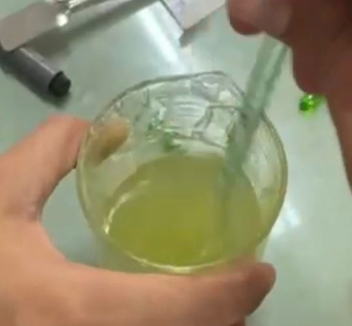
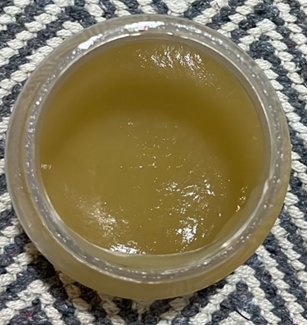
F1 F2
CONCLUSION:
The herbal anti- acne gel prepared using Neem, Tulsi, green tea, amla and liquorice and aloe vera showed good physical and functional properties. The gel was smooth, light yellowish-white, semi- transparent and had skin-friendly pH between 6.5-7. It spread easily and absorbed well without causing irritation.
All the selected herbal ingredients provided natural antibacterial, anti-inflammatory, antioxidant and healing effects, which help reduce acne, control excess oil, and soothe the skin. The use of Xanthum gum, glycerine and aloe vera gave a gel a stable, moisturing base, while vitamin E, sodium benzoate and lavender oil improved product stability, protection and fragrance.
Overall, the study shows that the developed herbal gel is safe, effective and gentle for acne- prone skin. It can serve as a natural alternative to chemical- based acne treatments, offering both therapeutic and cosmetic benefits with minimal side effects.
REFERENCES

Prerna Shreaya, Sahil Hire, Kalyani Chande, Formulation and Evaluation of Herbal Anti-acne gel, Int. J. of Pharm. Sci., 2026, Vol 4, Issue 1, 10-15. https://doi.org/10.5281/zenodo.18115467
 10.5281/zenodo.18115467