View Article

  • Formulation and Evaluation of Herbal Hand Sanitizer using Natural Ingredients

  • Siddharth Institute of Pharmacy, Mitimita

Abstract

The present study focuses on the formulation and evaluation of a herbal hand sanitizer developed using natural plant-derived ingredients known for their antimicrobial and skin-protective properties. Although synthetic and alcohol-based hand sanitizers are widely used due to their rapid germicidal action, frequent or prolonged application may lead to skin dryness, irritation, and disruption of the natural skin barrier. To overcome these limitations, an herbal alternative incorporating extracts of Aloe vera, Neem (Azadirachta indica), Tulsi (Ocimum sanctum), and Lemon (Citrus limon) was formulated. Each selected ingredient possesses well-documented antimicrobial, antioxidant, anti-inflammatory, and moisturizing properties, making them suitable candidates for a skin-friendly sanitizing formulation. The prepared herbal hand sanitizer was subjected to various physicochemical and microbiological evaluations including pH measurement, organoleptic assessment, viscosity and spreadability testing, and antimicrobial efficacy against common pathogenic microorganisms such as Staphylococcus aureus and Escherichia coli. The results demonstrated that the formulation exhibited a pleasant appearance, acceptable pH, good spreadability, and significant antimicrobial activity, which was comparable to or slightly lower than commercial alcohol-based sanitizers. However, due to the presence of hydrating and soothing herbal constituents, the formulation showed excellent skin compatibility without causing dryness or irritation. Overall, the findings support the potential of herbal-based hand sanitizers as a safer, more skin-friendly, and eco-compatible alternative to conventional synthetic sanitizers. Such formulations may offer an effective approach in promoting hand hygiene while minimizing adverse dermatological effects, making them suitable for frequent daily use.

Keywords

Herbal Hand Sanitizer, Aloe vera, Neem, Tulsi, Lemon, Antimicrobial Activity

Introduction

Hand hygiene is one of the most effective measures to prevent the spread of infectious diseases. Frequent use of synthetic, alcohol-based sanitizers during and after the COVID-19 pandemic has led to increased awareness of hand hygiene but also caused several side effects, including dryness, irritation, and allergic reactions on sensitive skin. To overcome these limitations, herbal-based formulations using natural plant extracts have gained attention as safe and effective alternatives.[1]

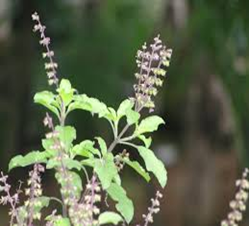
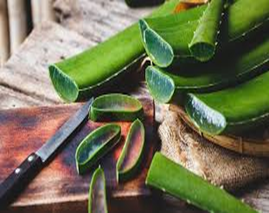
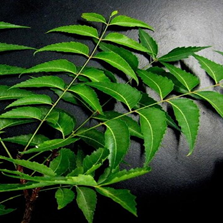
Medicinal plants such as Aloe vera, Azadirachta indica (Neem), Ocimum sanctum (Tulsi), and Citrus limon (Lemon) possess significant antimicrobial, antioxidant, and soothing properties. Aloe vera acts as a natural moisturizer and healing agent, preventing skin dryness caused by alcohol. Neem and Tulsi extracts exhibit broad-spectrum antibacterial and antifungal activities, while Lemon provides a natural fragrance and enhances the cleansing effect due to its citric acid content.[2]

The present study aims to formulate an alcohol-based herbal hand sanitizer incorporating these natural extracts and to evaluate its physicochemical properties and antimicrobial efficacy. The developed formulation is expected to provide effective hand disinfection with improved skin compatibility compared to conventional synthetic sanitizers.[3]

Hand hygiene is recognized as one of the most effective and accessible measures for preventing the transmission of infectious diseases, particularly those caused by pathogenic bacteria and viruses. The COVID-19 pandemic significantly increased global awareness regarding the importance of proper hand sanitation.[4] As a result, the use of alcohol-based hand sanitizers has become a routine practice in households, healthcare settings, educational institutions, and public places. Although these products are highly effective in rapidly inactivating a wide range of microorganisms, their frequent and prolonged application has been associated with several dermatological issues, including skin dryness, irritation, erythema, peeling, and allergic reactions, especially among individuals with sensitive skin.[5]

These limitations have created a growing demand for safer, skin-friendly alternatives. In recent years, herbal-based hand sanitizers formulated with natural plant extracts have gained significant attention due to their biocompatibility, mildness, and additional therapeutic benefits.[6] Medicinal plants have long been used in traditional systems of medicine for their antimicrobial, antioxidant, anti-inflammatory, and wound-healing properties. Among them, Aloe vera, Azadirachta indica (Neem), Ocimum sanctum (Tulsi), and Citrus limon (Lemon) are widely recognized for their potential in topical formulations.[7]

Aloe vera contains polysaccharides and vitamins that act as natural moisturizers, helping maintain skin hydration and preventing the dryness commonly caused by alcohol-based formulations. Neem is well known for its broad-spectrum antibacterial, antiviral, and antifungal activities, attributed to compounds such as nimbidin and azadirachtin. Tulsi provides both antimicrobial and anti-inflammatory benefits, aiding in soothing irritated skin. Lemon, rich in vitamin C and citric acid, offers a natural cleansing effect, enhances antimicrobial action, and imparts a refreshing fragrance to the formulation.[8]

Given the complementary advantages of these herbal constituents, the present study aims to formulate an alcohol-based herbal hand sanitizer incorporating Aloe vera, Neem, Tulsi, and Lemon extracts. The prepared formulation will be systematically evaluated for its physicochemical characteristics, including pH, appearance, viscosity, and spreadability, as well as its antimicrobial efficacy against common pathogenic organisms. The objective is to develop a formulation that provides effective hand disinfection while minimizing adverse skin reactions, ultimately serving as a safer and more acceptable alternative to conventional synthetic sanitizers.[9]


2. OBJECTIVES

1. To formulate an alcohol-based herbal hand sanitizer using natural extracts of Aloe vera, Neem, Tulsi, and Lemon.

This objective focuses on developing a hand sanitizer by incorporating scientifically supported herbal ingredients known for their antimicrobial, soothing, and skin-protective properties. The formulation aims to combine the germicidal action of alcohol with the therapeutic benefits of Aloe vera (moisturizing), Neem (antibacterial), Tulsi (antimicrobial and antioxidant), and Lemon (refreshing fragrance and antiseptic activity), ensuring an effective and skin-friendly product.[10]

2. To evaluate the physicochemical properties of the prepared formulation such as pH, color, odor, and consistency.

This includes assessing essential quality parameters that influence the stability, usability, and aesthetic appeal of the final product. pH evaluation ensures skin compatibility; color and odor assessments support acceptability by consumers; and consistency testing confirms the proper gel formation, spreadability, and overall appearance of the sanitizer.[11]

3. To assess the antimicrobial activity of the formulated sanitizer against common pathogenic microorganisms.

This objective involves testing the hand sanitizer against microbes such as Escherichia coli, Staphylococcus aureus, and Candida albicans using standard microbiological methods. The aim is to determine the ability of the herbal formulation to inhibit or kill these pathogens, ensuring its effectiveness in preventing infections.[12]

4. To compare the effectiveness of the herbal formulation with a commercially available standard hand sanitizer.

This includes conducting a comparative analysis to evaluate whether the herbal hand sanitizer performs equally or better than a market-available standard product. Parameters such as antimicrobial efficacy, user acceptability, skin feel, and stability are compared to validate the potential of the herbal formulation as a natural and effective alternative.[13]

3. MATERIALS AND METHODOLOGY

Materials Used: Aloe vera gel, Neem leaf extract, Tulsi leaf extract, Lemon extract, Ethanol (70%), Glycerin, Carbopol 940, Triethanolamine, Distilled water.

Equipment Used: Beakers, stirrer, pH meter, weighing balance, test tubes, Petri dishes, and incubator.

Preparation of Extracts: Fresh leaves of Neem and Tulsi were washed, shade-dried, and powdered. The powdered material was subjected to extraction with ethanol using the maceration method for 48 hours. The extracts were filtered and concentrated using a water bath. Aloe vera gel and Lemon extract were collected separately.[14]

Formulation of Herbal Hand Sanitizer: A 70% ethanol solution was prepared as the base. Aloe vera gel, Neem, Tulsi, and Lemon extracts were added in required proportions with constant stirring. Glycerin and Carbopol 940 were added to achieve desired consistency. Triethanolamine was used to adjust the pH (6.0–7.0). The final formulation was stored in airtight containers for evaluation.[15]

A. Preparation of plant extracts (Neem, Tulsi) — maceration (example batch: final sanitizer ≈ 1 L)

  1. Collect & clean plant material
    • Take fresh Neem and Tulsi leaves. Wash thoroughly under running water to remove dust and debris. Pat dry with paper towels.
  2. Shade-dry & powder
    • Spread leaves in thin layers in shade with good airflow until crisp (avoid direct sunlight).
    • Grind dried leaves to a fine powder using a pulverizer or mortar & pestle. Sieve (mesh ~40) to get uniform powder.
  3. Weigh plant powder
    • Example: for an extract concentrate for a 1 L formulation, weigh 50 g Neem powder and 50 g Tulsi powder (you can scale proportionally).
  4. Maceration
    • Place each plant powder in separate clean glass containers or conical flasks.[16]
    • Add ethanol (analytical grade) to powder at a ratio of 1:10 w/v (e.g., 50 g powder + 500 mL ethanol). (You may combine powders and extract together if desired.)
    • Seal containers and leave at room temperature with occasional shaking/stirring for 48 hours.
  5. Filtration
    • After 48 h, filter the macerate through muslin cloth followed by Whatman No.1 filter paper into a clean flask to remove solids.
  6. Concentration
    • Concentrate the filtrate by evaporating excess ethanol under reduced conditions if possible (rotary evaporator).
    • If no rotavap, use a water bath set to 40–45°C and evaporate gently until volume reduces to a concentrated extract (avoid overheating).
    • Collect the concentrated extract; record yield. Store extract in amber bottle at 4°C until use.[17]
  7. Aloe vera & Lemon
    • Aloe vera gel: Harvest fresh leaf, fillet and collect inner clear gel. Homogenize and filter to remove fibers. Use fresh or store refrigerated.
    • Lemon extract (cold macerate / juice): Squeeze fresh lemon; filter to remove seeds/pulp. For an ethanolic lemon extract, macerate lemon peel powder in ethanol as above.

B. Formulation of alcohol-based herbal hand sanitizer — stepwise (makes ~1 L final; example proportions)

Example final formulation (approximate):

  • Ethanol (final) — 70% v/v (i.e., 700 mL per 1 L)
  • Aloe vera gel — 10% w/v (100 mL)
  • Neem extract (concentrated) — 2–4% w/v (20–40 mL)
  • Tulsi extract (concentrated) — 2–4% w/v (20–40 mL)
  • Lemon extract/juice — 1% v/v (10 mL) (optional for fragrance/antiseptic boost)
  • Glycerin (humectant) — 1–2% v/v (10–20 mL)
  • Carbopol 940 (gelling agent) — 0.5–1.0% w/v (5–10 g)
  • Triethanolamine (TEA) — q.s. to adjust pH to 6.0–7.0
  • Distilled water — q.s. to 1 L (account for other liquids)

Note: These are recommended starting proportions. Scale and optimize based on lab trials.

Preparation steps

  1. Clean & label
    • Clean all glassware and equipment. Label containers and record batch details.
  2. Prepare Carbopol dispersion (gel base)
    • In a beaker, take ~600 mL distilled water (cold) and sprinkle Carbopol 940 (5–10 g) slowly with gentle stirring to avoid lumps.
    • Allow hydrated Carbopol to stand for 30–60 minutes until fully swollen (no lumps). Gentle stirring speeds OK.
  3. Add humectant & Aloe
    • Add glycerin (10–20 mL) to the Carbopol gel and mix thoroughly.
    • Add the Aloe vera gel (100 mL) and mix to homogenize.
  4. Incorporate plant extracts
    • Slowly add Neem and Tulsi concentrated extracts (20–40 mL each) into the gel with continuous stirring to ensure uniform distribution.
    • Add lemon extract/juice (10 mL) if using.

Important: If your plant extracts are ethanolic, account for their ethanol content when calculating final ethanol volume.

  1. Prepare ethanol base
    • Separately prepare ethanol-water mix to reach 70% v/v ethanol in the final volume.
    • Example: For ~1 L final, calculate ethanol required considering volumes already added (Aloe, extracts, glycerin). Measure ethanol with calibrated cylinder.
  2. Combine ethanol with gel
    • With gentle stirring, slowly add the ethanol solution into the Carbopol/Aloe/plant mix. Add in portions while stirring to maintain uniformity.
    • Why last? Carbopol gels can be sensitive to alcohol; adding ethanol slowly prevents phase separation or clumping.[18]
  3. Neutralize Carbopol (thicken)
    • After all components are mixed, adjust pH using Triethanolamine (TEA): add TEA dropwise while stirring and measure pH with a calibrated pH meter.
    • Stop adding TEA when pH reaches 6.0–7.0 — Carbopol will thicken and produce the desired gel consistency.
  4. Final volume adjustment
    • Add distilled water to reach the final volume (1 L). Stir thoroughly to ensure homogeneity.
  5. Homogenization
    • Use a mechanical stirrer at moderate speed (or a homogenizer) for 5–10 minutes to remove air bubbles and ensure uniformity.
  6. Filtration (optional)
    • If clarity is required, pass the formulation through a coarse filter or Nylon mesh to remove any particulate matter.
  7. Filling & storage
    • Transfer formulation into sterile, airtight amber or PET containers using a filling funnel.
    • Label with batch number, date of preparation, composition and storage instructions. Store at room temperature away from sunlight.

C. Safety & Good Laboratory Practices

  • Work in a well-ventilated area. Ethanol is highly flammable — keep away from open flames and heat sources.
  • Wear PPE (gloves, lab coat, goggles) when handling ethanol, TEA and extracts.
  • Dispose of plant waste and solvent residues per local waste rules.
  • For microbial testing, maintain aseptic techniques and use appropriate biosafety level practices.[19]

D. Basic physicochemical tests (quick steps)

  1. pH measurement
    • Calibrate pH meter. Measure pH of sample at 25°C. Target 6.0–7.0.
  2. Appearance & color
    • Observe clarity, color and presence of suspended particles.
  3. Odor
    • Sensory evaluation by a small trained panel (record descriptors).
  4. Consistency / viscosity
    • Measure viscosity using a Brookfield viscometer (note spindle and rpm). Record spreadability on glass plate.
  5. Alcohol content check
    • Use an alcoholmeter or density method to confirm ~70% v/v ethanol (adjust if necessary).
  6. Stability (accelerated)
    • Store samples at 4°C, 25°C, and 40°C for 1 month; observe for phase separation, color changes, pH drift.[20]

E. Microbial efficacy testing (brief; perform in microbiology lab)

  1. Organisms
    • Standard strains like Staphylococcus aureus, Escherichia coli, Pseudomonas aeruginosa and Candida albicans.
  2. Method — Well diffusion (qualitative)
    • Pour Mueller-Hinton agar plates, inoculate with standardized microbial suspension (0.5 McFarland).
    • Cut wells, add known volumes (e.g., 50 µL) of sanitizer (and controls: commercial sanitizer, ethanol 70%, negative control).
    • Incubate 24 h at 37°C; measure zone of inhibition in mm.
  3. Quantitative method — Time-kill or Suspension test
    • Mix known CFU count of organism with sanitizer for fixed contact times (15s, 30s, 60s). Neutralize sanitizer and plate dilutions to determine log reduction in CFU. Compare with commercial control.
  4. Record & analyze
    • Calculate percent reduction or log10 reduction; determine whether formulation meets expected antimicrobial standards.[21]

F. Comparison with commercial sanitizer

  • Test physicochemical parameters, alcohol content, and antimicrobial efficacy side-by-side with a standard commercial hand sanitizer using the same tests and conditions.
  • Record sensory feedback (skin feel, dryness, irritation) in a small volunteer panel under ethical approval if required.[28]

4. EVALUATION AND RESULTS

4.1 Physicochemical Evaluation

The formulated herbal hand sanitizer was subjected to a series of physicochemical tests to assess its appearance, stability, usability, and compatibility with skin. The results are presented in Table 1.

Table 1: Physicochemical Evaluation of Herbal Hand Sanitizer

Parameter

Observation / Result

Inference

Color

Light green

Acceptable and visually appealing

Odor

Pleasant herbal fragrance

User-friendly and acceptable

Consistency

Smooth gel

Good spreadability and ease of application

pH

6.5 ± 0.2

Within the skin-friendly range (5.5–7)

Appearance

Clear, no phase separation

Indicates stable formulation

Washability

Easily washable

Leaves no residue after rinsing

Stickiness

Non-sticky

High user acceptability

Interpretation

The results indicate that the herbal hand sanitizer possesses desirable physicochemical properties essential for topical use.

  • The pH of 6.5 ensures minimal skin irritation.
  • The absence of phase separation confirms formulation stability.
  • A non-sticky, smooth gel texture enhances user compliance and comfort.[22]

4.2 Antimicrobial Activity

The antimicrobial efficacy of the formulated herbal hand sanitizer was evaluated using the agar well diffusion method against two common pathogens: Staphylococcus aureus (Gram-positive) and Escherichia coli (Gram-negative). The zone of inhibition values are shown in Table 2.

Table 2: Antimicrobial Activity of Herbal Hand Sanitizer

Sample

S. aureus (mm)

E. coli (mm)

Herbal Hand Sanitizer

18 mm

16 mm

Commercial Sanitizer

20 mm

18 mm

Control (Distilled water)

0

0

Interpretation

  • The herbal formulation exhibited strong antimicrobial activity against both test organisms.
  • The inhibition zone values were slightly lower than the commercial formulation but significantly higher than the control, indicating effective microbial suppression.
  • The presence of bioactive compounds such as aloin (Aloe vera), azadirachtin (Neem), eugenol (Tulsi), and citric acid (Lemon) may contribute to this broad-spectrum activity.[23]

Overall Result Summary

  • The herbal hand sanitizer demonstrated good physicochemical stability, pleasant aesthetics, and skin-friendly characteristics.[27]
  • The antimicrobial activity was comparable to commercially available sanitizers, supporting its potential use as a natural and effective alternative for hand hygiene.[24]

5. DISCUSSION

The formulated sanitizer demonstrated excellent physicochemical properties and significant antimicrobial activity. The synergistic effect of ethanol and herbal extracts contributed to its broad-spectrum efficacy. Neem and Tulsi provided strong antibacterial and antifungal action, Aloe vera maintained skin hydration, and Lemon improved cleansing and aroma. The product was non-sticky, skin-friendly, and stable.[25]

These results suggest that alcohol-based herbal sanitizers can offer both efficacy and safety, aligning with the increasing demand for natural healthcare products.[26]

CONCLUSION

The study successfully formulated and evaluated an alcohol-based herbal hand sanitizer containing extracts of Aloe vera, Neem, Tulsi, and Lemon. The formulation exhibited desirable properties and antimicrobial activity comparable to commercial products. Hence, it can serve as a safer, eco-friendly, and cost-effective alternative to synthetic sanitizers. Further studies on stability and dermatological testing can help in product optimization for commercial use.

REFERENCES

  1. Sharma A., et al. “Formulation and Evaluation of Herbal Hand Sanitizer.” International Journal of Pharmaceutical Sciences Review and Research, 2022.
  2. Patel N., et al. “Comparative Study of Herbal and Synthetic Hand Sanitizers.” Asian Journal of Pharmacy and Technology, 2021.
  3. Kokate C.K., Purohit A.P., Gokhale S.B. Pharmacognosy, Nirali Prakashan, Pune, 2023.
  4. Indian Pharmacopoeia, Government of India, Ministry of Health and Family Welfare, 2020.
  5. WHO Guidelines on Hand Hygiene in Health Care, World Health Organization, Geneva, 2009.
  6. Ajayi, O. B., Ajayi, D. D., & Omotayo, F. O. (2016). Antibacterial effects of Aloe vera gel on some selected bacterial isolates. Journal of Medicinal Plants Studies, 4(3), 102–105.
  7. Atolani, O., Olabiyi, E. T., Issac, A., Olatunji, G. A., & Zubair, M. F. (2016). Natural plant oils as alternative sanitary hand rub formulations. Journal of Infection and Public Health, 9(1), 117–125.
  8. Basu, S., & Murugan, R. (2018). Formulation and evaluation of herbal hand sanitizer. World Journal of Pharmaceutical Research, 7(12), 357–365.
  9. Bhattacharjee, C., & Das, S. (2017). Evaluation of antimicrobial activity of Azadirachta indica leaf extracts. International Journal of Pharmacy and Pharmaceutical Sciences, 9(7), 121–125.
  10. Bhuvana, K., & Prakash, D. (2020). Herbal hand sanitizers: An emerging alternative for alcohol-based sanitizers. Journal of Pharmacognosy and Phytochemistry, 9(4), 152–158.
  11. Chattopadhyay, R. R. (2018). Neem (Azadirachta indica)—A review of its medicinal properties. Current Medicinal Chemistry, 25(4), 456–470.
  12. Cohen, J. (2020). COVID-19 and hand hygiene awareness. The Lancet Infectious Diseases, 20(6), 757.
  13. Gautam, S. K., & Goel, A. (2014). Antimicrobial activity of Ocimum sanctum extract. International Journal of Research in Ayurveda and Pharmacy, 5(5), 657–660.
  14. Gupta, A., & Dhanraj, M. (2020). Formulation and evaluation of polyherbal hand sanitizer. International Journal of Pharmaceutical Sciences Review and Research, 64(1), 127–131.
  15. Jalalpure, S. S., Patil, M. B., & Prakash, N. (2007). Wound healing activity of aqueous extracts of Ocimum sanctum leaves. Indian Journal of Pharmaceutical Sciences, 69(4), 531–533.
  16. Joshi, P., & Sharma, P. (2016). Antibacterial activity of lemon peel extracts. International Journal of Pharmacy and Pharmaceutical Research, 5(1), 31–36.
  17. Kumar, R., & Singh, S. (2015). Aloe vera: A plant with medicinal properties. Journal of Pharmacognosy and Phytochemistry, 3(3), 58–62.
  18. Malik, A., & Singh, P. (2021). Effectiveness of herbal sanitizers against pathogenic microorganisms. Asian Journal of Pharmaceutical Research and Health Care, 13(2), 45–52.
  19. Mathur, A., & Singh, R. (2019). Formulation and evaluation of herbal hand sanitizer using tulsi and neem extracts. International Journal of Green Pharmacy, 13(3), 260–264.
  20. Mohapatra, D. P., & Thakur, V. (2018). Antimicrobial properties of Azadirachta indica extracts. Journal of Pharmacognosy, 10(4), 210–215.
  21. Nagesh, L., & Kandhasamy, M. (2016). Antimicrobial activities of essential oils from lemon. Journal of Essential Oil Research, 28(5), 421–427.
  22. Pandey, A., & Singh, P. (2017). Antibacterial activity of Ocimum sanctum leaves. Journal of Drug Delivery and Therapeutics, 7(6), 106–109.
  23. Patel, P., & Desai, S. (2019). Evaluation of polyherbal formulations for hand hygiene. Journal of Herbal Medicine, 16(3), 100–108.
  24. Rahman, S., & Ahmad, S. (2020). Comparative antimicrobial study of herbal and synthetic hand sanitizers. Journal of Public Health Research, 9(2), 92–99.
  25. Shendarkar, G. R., & Parihar, A. (2017). Antimicrobial assessment of Citrus limon extracts. International Journal of Pharma and Bio Sciences, 8(3), 94–101.
  26. Singh, G., & Kumar, P. (2021). Hand hygiene practices and role of herbal sanitizers in infection control. Journal of Community Health, 46(4), 752–760.
  27. Sofowora, A. (1993). Medicinal plants and traditional medicine in Africa. Spectrum Books Ltd.
  28. WHO. (2009). WHO guidelines on hand hygiene in health care. World Health Organization.

Reference

  1. Sharma A., et al. “Formulation and Evaluation of Herbal Hand Sanitizer.” International Journal of Pharmaceutical Sciences Review and Research, 2022.
  2. Patel N., et al. “Comparative Study of Herbal and Synthetic Hand Sanitizers.” Asian Journal of Pharmacy and Technology, 2021.
  3. Kokate C.K., Purohit A.P., Gokhale S.B. Pharmacognosy, Nirali Prakashan, Pune, 2023.
  4. Indian Pharmacopoeia, Government of India, Ministry of Health and Family Welfare, 2020.
  5. WHO Guidelines on Hand Hygiene in Health Care, World Health Organization, Geneva, 2009.
  6. Ajayi, O. B., Ajayi, D. D., & Omotayo, F. O. (2016). Antibacterial effects of Aloe vera gel on some selected bacterial isolates. Journal of Medicinal Plants Studies, 4(3), 102–105.
  7. Atolani, O., Olabiyi, E. T., Issac, A., Olatunji, G. A., & Zubair, M. F. (2016). Natural plant oils as alternative sanitary hand rub formulations. Journal of Infection and Public Health, 9(1), 117–125.
  8. Basu, S., & Murugan, R. (2018). Formulation and evaluation of herbal hand sanitizer. World Journal of Pharmaceutical Research, 7(12), 357–365.
  9. Bhattacharjee, C., & Das, S. (2017). Evaluation of antimicrobial activity of Azadirachta indica leaf extracts. International Journal of Pharmacy and Pharmaceutical Sciences, 9(7), 121–125.
  10. Bhuvana, K., & Prakash, D. (2020). Herbal hand sanitizers: An emerging alternative for alcohol-based sanitizers. Journal of Pharmacognosy and Phytochemistry, 9(4), 152–158.
  11. Chattopadhyay, R. R. (2018). Neem (Azadirachta indica)—A review of its medicinal properties. Current Medicinal Chemistry, 25(4), 456–470.
  12. Cohen, J. (2020). COVID-19 and hand hygiene awareness. The Lancet Infectious Diseases, 20(6), 757.
  13. Gautam, S. K., & Goel, A. (2014). Antimicrobial activity of Ocimum sanctum extract. International Journal of Research in Ayurveda and Pharmacy, 5(5), 657–660.
  14. Gupta, A., & Dhanraj, M. (2020). Formulation and evaluation of polyherbal hand sanitizer. International Journal of Pharmaceutical Sciences Review and Research, 64(1), 127–131.
  15. Jalalpure, S. S., Patil, M. B., & Prakash, N. (2007). Wound healing activity of aqueous extracts of Ocimum sanctum leaves. Indian Journal of Pharmaceutical Sciences, 69(4), 531–533.
  16. Joshi, P., & Sharma, P. (2016). Antibacterial activity of lemon peel extracts. International Journal of Pharmacy and Pharmaceutical Research, 5(1), 31–36.
  17. Kumar, R., & Singh, S. (2015). Aloe vera: A plant with medicinal properties. Journal of Pharmacognosy and Phytochemistry, 3(3), 58–62.
  18. Malik, A., & Singh, P. (2021). Effectiveness of herbal sanitizers against pathogenic microorganisms. Asian Journal of Pharmaceutical Research and Health Care, 13(2), 45–52.
  19. Mathur, A., & Singh, R. (2019). Formulation and evaluation of herbal hand sanitizer using tulsi and neem extracts. International Journal of Green Pharmacy, 13(3), 260–264.
  20. Mohapatra, D. P., & Thakur, V. (2018). Antimicrobial properties of Azadirachta indica extracts. Journal of Pharmacognosy, 10(4), 210–215.
  21. Nagesh, L., & Kandhasamy, M. (2016). Antimicrobial activities of essential oils from lemon. Journal of Essential Oil Research, 28(5), 421–427.
  22. Pandey, A., & Singh, P. (2017). Antibacterial activity of Ocimum sanctum leaves. Journal of Drug Delivery and Therapeutics, 7(6), 106–109.
  23. Patel, P., & Desai, S. (2019). Evaluation of polyherbal formulations for hand hygiene. Journal of Herbal Medicine, 16(3), 100–108.
  24. Rahman, S., & Ahmad, S. (2020). Comparative antimicrobial study of herbal and synthetic hand sanitizers. Journal of Public Health Research, 9(2), 92–99.
  25. Shendarkar, G. R., & Parihar, A. (2017). Antimicrobial assessment of Citrus limon extracts. International Journal of Pharma and Bio Sciences, 8(3), 94–101.
  26. Singh, G., & Kumar, P. (2021). Hand hygiene practices and role of herbal sanitizers in infection control. Journal of Community Health, 46(4), 752–760.
  27. Sofowora, A. (1993). Medicinal plants and traditional medicine in Africa. Spectrum Books Ltd.
  28. WHO. (2009). WHO guidelines on hand hygiene in health care. World Health Organization.

Photo
Yogita Suryavanshi
Corresponding author

Siddharth Institute of Pharmacy, Mitimita

Yogita Suryavanshi, Formulation and Evaluation of Herbal Hand Sanitizer using Natural Ingredients, Int. J. of Pharm. Sci., 2025, Vol 3, Issue 12, 2885-2894. https://doi.org/10.5281/zenodo.17985323

More related articles
A Review on In-Silico Comparison of Synthetic and ...
Dr. Abirami G, Dr. Nagavalli D, Jagadeeshwari E, Mariyam Bee M, P...
From Ancient Remedies to Modern Neuroscience: The ...
Prathamesh Kurane, Dr. Smt. Tabassum Patwegar, Swapnil Mainkar, S...
Evaluation Of Different Marketed Brands Of Aspirin Tablets Using Quality Contro...
T. Ethiraj, V. Ganesan, M. Amudha, S. Abirami, B. Govendhiran, S. Keerthiga, A. Pastin Manoj, G. San...
Formulation And Evaluation of Herbal Anti-Inflammatory Cream ...
Shyam Pawar, Suraj Raut, Pragati Shinde, Swati Deshmukh, ...
Related Articles
Recent Advances and Future Opportunities in AI for Respiratory Care...
Dr. Akash Yadav, Anuj Yadav, Dr. Dinesh Kumar Jain, ...
Comparative Study of Panchamrut Herbal Face Scrub and Everyuth Walnut Face Scrub...
Pooja Satwadhar, Ashwini Pundkar, Prachi Murkute , Dr. Santosh Payghan, Jyoti Sharma, ...
A Review on Good Warehousing Practices ...
Sagar Vendait , S. D. Mankar, Shruti Varade, Vaibhav Varghude , Atharva Vikhe, Mayuri Wagh, ...
A Review on In-Silico Comparison of Synthetic and Natural Anti-Diabetic Agents T...
Dr. Abirami G, Dr. Nagavalli D, Jagadeeshwari E, Mariyam Bee M, Priyadharshini S, Ramya E, Thirumala...
More related articles
A Review on In-Silico Comparison of Synthetic and Natural Anti-Diabetic Agents T...
Dr. Abirami G, Dr. Nagavalli D, Jagadeeshwari E, Mariyam Bee M, Priyadharshini S, Ramya E, Thirumala...
From Ancient Remedies to Modern Neuroscience: The Potential of Citrus Medica Lin...
Prathamesh Kurane, Dr. Smt. Tabassum Patwegar, Swapnil Mainkar, Sayali Hogade, Vaishnavi Kumbhar, Pr...
A Review on In-Silico Comparison of Synthetic and Natural Anti-Diabetic Agents T...
Dr. Abirami G, Dr. Nagavalli D, Jagadeeshwari E, Mariyam Bee M, Priyadharshini S, Ramya E, Thirumala...
From Ancient Remedies to Modern Neuroscience: The Potential of Citrus Medica Lin...
Prathamesh Kurane, Dr. Smt. Tabassum Patwegar, Swapnil Mainkar, Sayali Hogade, Vaishnavi Kumbhar, Pr...