

We use cookies to ensure our website works properly and to personalise your experience. Cookies policy
Dattakala College of Pharmacy, Swami Chincholi, Bhigwan, Daund, Pune, Maharashtra, 413130
Due to their unit optical properties, micro-emulsions macroscopically isotropic blends of at least of an associated hydrophilic, hydrophobic, and an amphiphilic half. These are more stable than other units. Clear emulsion forms, typically combined with a co the diameter of the surfactant falls within the range of 10-140 µm. The micro-emulsion is now Formulations are universally recognized as Transmit the hydrophilic, but due to the lipophilic Drugs as drug transporters, so they require Numerous other fantastic drug-solving Capacity, extended duration, improved bioavailability, the Ease of preparation and extremely low surface tension and vast amounts of surface area. Micro- emulsions are one of the most agreeable candidates for the new medication Delivery mechanism because of their extended shelf life, sophisticated drug solubilization without any issues Administration and preparation. Micro- emulsions are Water and oil solutions that are thermodynamically stable As well as amphiphile. They have become new. Vehicles for the transportation of drugs that permit Sustained or regulated release for the eyes, Parenteral, transdermal, topical, and percutaneous Medication administration. Micro-emulsions Is readily discernible from common emulsions. Due to their transparency, low viscosity, and more precisely their stability in thermodynamics.
Micro-emulsions are a unique type of “dispersion” that may be transparent or Translucent in nature. Theywere initially Found by Schulman and Hoar (1943) in their Investigation of long-chain fatty acid titration experimentally Combining medium- or short-chain alcohols with acids [1] (soapy milky emulsions) to create translucent or transparent an emulsion system. The creation and Creation of an innovative medication delivery system with the process of enhancing the efficacy of Drug availability is a continuous process in Research on pharmaceuticals. Given that there are many Types of medication delivery methods that have been evolved. Micro-emulsions represent a distinct class of “dispersion” that may be transparent or Transparent by nature. At first, they were Discovered by Hoar and Schulman [2] (1943) in their Experimental study of long-chain fatty acid titration Creating translucent or transparent emulsions by mixing medium- or short-chain alcohols with acids (soapy milky emulsions). An emulsion system. The development and Development of a cutting-edge drug delivery system with the procedure for increasing the effectiveness of the availability of drugs is a constant process in pharmaceutical research. Considering that there are numerous Kinds of drug delivery techniques that have been changed. These systems’ alternate names are frequently utilized, including enlarged micelles, transparent Micellar solution, emulsion, and solubilized oil. Micro-emulsions are systems that are bi-continuous and May be primarily made up of bulk phases of Oil and water are separated using a Rich interfacial region of surfactants and co-surfactants [3] These systems are superior to traditional the ability of emulsions to be thermodynamically Stable liquid systems that form ontheir own [4]
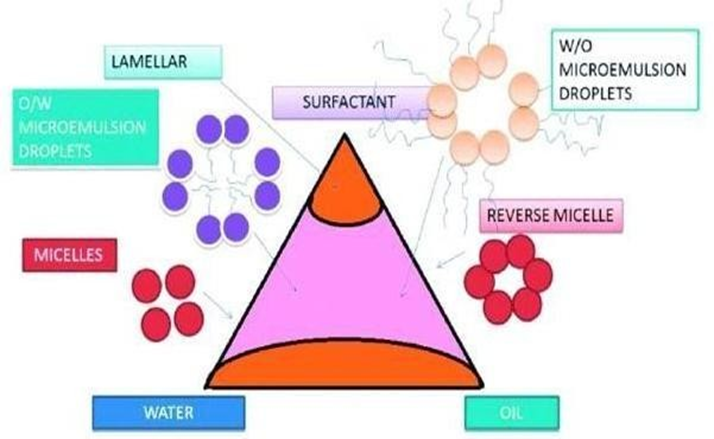
Fig. 1. Phase Diagram of Micro-Emulsion System
Difference Between Emulsion and Micro -Emulsion
The primary distinction between emulsions and micro-emulsions is found in their form and Dimensions of the components that spread throughout the in general, these are a demand for a constant phase. Significantly shorter in the context of Micro- emulsions (10-200 nm) as opposed to the individual Common emulsions; 1–20 µm. One additional primary their presence is fascinating due to the difference; Micro- emulsions can be transparent or shiny. Emulsions, on the other hand, are hazy. In Accumulation, there are differences in their preparation techniques, [5] because emulsions require an excessive amount of energy Micro-emulsions, however, don’t.
Advantages of Micro-emulsion system [6-11]
Disadvantages of Micro-emulsion system
Limitation of Micro-emulsion system [15-17]
There are some factors that restrict its use of the medicinal micro-emulsion systems in Submissions:
Types of micro -emulsion [15-18]
Micro-emulsions are thermodynamically stable but are only found under carefully some conditions. According to Winsor, there are 4 types of Micro-emulsion phases that exist in equilibrium, these phases are also referred to as Winsor phases.
Winsor I, or oil in water Micro-Emulsion
In Micro-emulsions of the oil-in-water type a layer of surfactant surrounds the oil droplets. That creates the water-dispersed internal phase, which is the phase that is continuous.
The interaction volume of a Micro-emulsion is greater than the Micro-emulsions of water and oil.
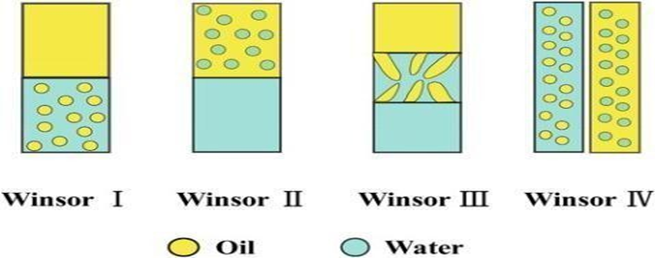
Fig .2. Winsor Classification of Micro-Emulsion
Winsor II orwater-in -oil Micro-emulsion
In the Water-in-oil type of Micro-emulsions Droplets of water are surrounded by a continuous Oil phase. These are known as “reverse micelles”, where the polar head groups of the surfactant are Facing the droplets of water, with the fatty acid tails Facing into the oil phase. A water-in-oil Micro- emulsion used orally or parentally may be De- stabilized bythe aqueous biological system.
Winsor III or bio continuous Micro-emulsion
In a system of bi-continuous Micro-emulsions the quantity of oil and water present is comparable, in In this instance, oil and water are in a constant Stage. A crooked water and oil channel is Blended, and resembles a “sponge phase.” Changes from oil-in- water to water-in-water this allows Micro- emulsions to flow through hit. State that is bi- continuous. Micro-emulsion that is bi-continuous.
May exhibit plasticity and non-Newtonian flow.
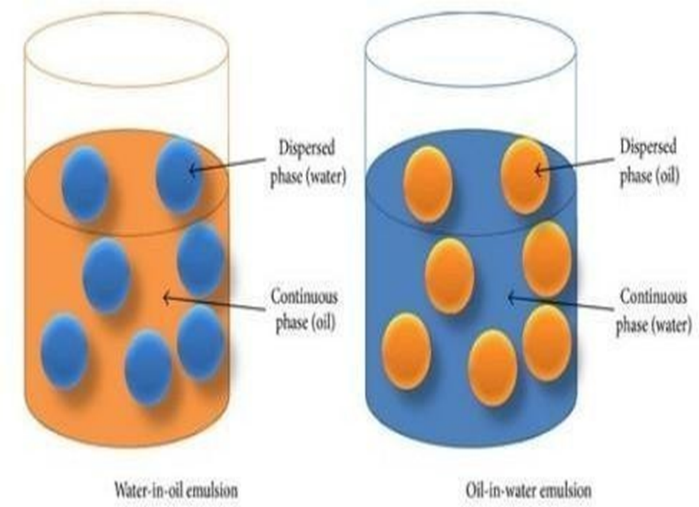
Fig. 3. Emulsion Unity Between Polar Opposites
Component of Micro-emulsion [ 18-20]
Numerous elements are utilized in the Micro-emulsion creation and formulation. Oil and surfactants are primarily utilized in Micro-emulsions ought to be clinically acceptable, non-toxic, and biocompatible. The Micro-emulsion’s primary constituents are
1. Phase of Oil [ 21]
Oil is one of the most important units of Micro-emulsion because it can solubilize the required dose of the lipophilic drug and it increases the amount of lipophilic drug transported by the Intestinal lymphatic system. Oil is described as any Liquid having low polarity and low miscibility with Water. The e.g., of such phases, are cyclohexane, Mineral oil, toluene, C vegetable oil, etc.
2. Phase of Water
The aqueous phase typically contains Hydrophilic preservatives and active ingredients. Buffer solutions are occasionally utilized as an aqueous Stage.
3. The surfactant [ 22]
A substance is referred to as a surfactant. Which displays some interfacial or superficial activity. C employed to reduce interface or surface tension. It Possesses a preference for both polar and nonpolar solvents. The molecules known as surfactants have a polar head. A polar tail and a group. Many inter- and intra- molecular factors cause surfactant molecules to self-associate. Forces in addition to entropy factors. For instance, when oil and a surfactant are combined, Water, they gather at the interface between water and oil, Due to its favorable thermodynamics. The Surfactant molecules can arrange themselves in a Different shapes. They are able to form spheres. Micelles, lamellar (sheet), and a hexagonal phase Phases, micelles in the form of rods, reverse micelles, or Reverse micelles that are hexagonal. In small amounts of the dispersed phase, isolated, spherical droplets are Found within the Micro-emulsions. The different kinds of surfactants that support the Development of Micro-emulsion systems over time.
1. cationic surfactant
Cationic Surfactants when come in contact With water they come into amphiphilic cation and Anion form, most often of halogen type. A very large quantity of this class corresponds to nitrogen Compounds such as quaternary ammoniums and Fatty amine salts, with one or several long chain of the alkyl type, often coming from natural fatty Acids. The most well-known examples from the Cationic surfactant class are hexadecyl Trimethylammonium bromide and didodecyl Ammonium bromide. These surfactants are in General more expensive than anionics.
2. Anionic surfactant
The dissociation of anionic surfactants In water as action and an amphiphilic anion, which typically has an alkaline composition (Na, K) or a Quaternary ammonium. These are the most commonly used surfactants. The charge that is anionic in the ionized carboxyl is the source of these surfactants. Group. Approximately 50% are anionic surfactants. of global output. Additionally, alkali alkanoates referred to as soaps, are the most prevalent anionic Surfactants. This is the most popular kind of Surfactant in terms of their structure and Function. The three most significant groups of anionic these surfactants all contain carboxylate and sulfonate. And groups of sulphate.
3. Non-ionic surfactant
Stabilizing non-ionic surfactant is accomplished by Interactions between hydrogen bonds and dipoles with the Water forms a hydration layer on its hydrophilic surface. In aqueous solution, they don’t ionize because they have a non- dissociable hydrophilic group. Like amide, alcohol, phenol, or ester. A big the percentage of these non-ionic surfactants that are manufactured Hydrophilic when polyethylene is present Chain of glycol.
4. Zwitterionic surfactant
Both are present in zwitterionic surfactants. Groups and forms that are both positively and negatively charged Micro-emulsions through co-surfactant addition. Lecithin and other phospholipids that are naturally from eggs or soybeans are typical zwitterionic Surfactants. In contrast to alternative ionic surfactants, which Lecithin, which contains diacyl, is partly toxic. The primary component, phosphatidylcholine, exhibits Outstanding biocompatibility. Another significant category of Betaines is zwitterionic surfactants, including both heterocyclic and alkyl betaines.
5. Co-solvent [23]
One observation is that single-chain the o/w interfacial can’t be decreased by surfactants. Enough tension to create a Micro-emulsion. The Co-surfactant addition enables the interfacial film the ability to adapt to various curvatures Necessary to create a Micro-emulsion across a broad range of excipients. If you only want one surfactant film, the surfactant’s lipophilic chains ought to be Adequately brief, or have fluidizing groups (such as Unsaturated bonds). Short-chain alcohols, which convert ethanol to butanol, glycols, like Medium-chain alcohols, amines, and propylene glycol or acids. Co-surfactant is used to eliminate Gel or liquid cry
LITERATURE REVIEW
1. Chaudhary et al. (2018). A review on microemulsion a promising optimizing technique used as a completely unique drug delivery system. International Research Journal of Pharmacy, 9(7), 47-52. https://doi.org/10.7897/2230-8407.097124
Purpose: Diltiazem, a factor IV cellular influx inhibitor is understood for its limited and variable bioavailability. This study is meant to explore the advantages of microemulsion formulation as oral drug delivery system for immediate release to enhance the bioavailability and efficacy of Diltiazem. Methods: Oil in water microemulsion was prepared using the straightforward water titration method. The optimized formulation was evaluated for physicochemical parameters like viscosity, pH, conductivity and accelerated stability studies. In vitro release, in vivo pharmacokinetics and in vivo efficacy of the optimized diltiazem microemulsion was investigated. Results: The optimized diltiazem microemulsion consisted of 60% water, 5% expressed almond oil, 35% mixture of surfactant (Tween 80) and cosurfactant (Polyethene glycol 400) (1:8). The existence of microemulsion region was investigated using pseudo ternary phase diagrams. the typical particle size by dynamic light scattering technique was found to be 13.8 nm with polydispersity index of 0.474. The optimized microemulsion was found to be thermodynamically stable with in vitro release of 91.82% compared thereupon of suspension at 55.2%. the height exposure of diltiazem was 1.23-fold higher and therefore the extent of exposure was found to be 1.24 to 1.29-fold greater for microemulsion compared to the reference tablet formulation when tested in rabbits. The novel formulation was found to possess greater efficacy compared to standard tablet formulation in reducing systolic vital sign in rats. Conclusion: The diltiazem microemulsion greatly improves the pharmacokinetic parameters and thus improves therapeutic efficacy of diltiazem and will be a possible alternative oral dosage form in therapeutic management of hypertension. Preparation & Evaluation of a Novel Oral Microemulsion Drug Delivery System for Enhancing the Bioavailability of Diltiazem Maulana Abul Kalam Azad University of Technology.
2. Liu et al. Formulation and evaluation of Microemulsion based topical Hydrogel containing Lornoxicam. (2014). Journal of Applied Pharmaceutical Science. https://doi.org/10.7324/japs.2014.41214
Valsartan is an orally administered ACE inhibitor for the treatment of hypertension and cardiac failure, but its solubility and oral bioavailability are poor. the target of investigation is to formulate a microemulsion drug delivery system of valsartan using minimum surfactant concentration that would improve its solubility and oral bioavailability. Valsartan microemulsion were prepared by Phase-titration method. The composition of optimized formulation contains Capmul MCM(Oil), Tween 20 (Surfactant), PEG 400 (Co-Surfactant) and it contains 40 mg of Valsartan. Pseudo- ternary phase diagrams were plotted to see for the micro emulsification range. Prepared microemulsion formulations were tested for micro emulsifying properties and therefore the resultant microemulsion were evaluated for robustness to dilution, viscosity, drug content, thermodynamic stability studies and in-vitro dissolution. The optimized microemulsion formulation further evaluated for thermodynamic stability studies, particle size distribution, and zeta potential to verify the steadiness of the formed Microemulsion. Resultant microemulsion optimized formulation (F2) shows drug release (99.71%), droplet size (36 nm), viscosity (0. 8872 cP), Zetapotential (-38.8 mV) and infinite dilution capability. The formulation was found to point out a big improvement in terms of the drug release with complete release of drug within 80 minutes. Thus, micro emulsifying formulation of valsartan was successfully developed with sustained release. Preparation & Evaluation of a Novel Oral Microemulsion Drug Delivery System for Enhancing the Bioavailability of Diltiazem Maulana Abul Kalam Azad University of Technology.
3. Yang et al. (2010). Preparation and evaluation of ibuprofen-loaded microemulsion for improvement of oral bioavailability. Drug Delivery, 18(1), 90-95. https://doi.org/10.3109/10717544.2010.522613
The purpose of study was to develop a microemulsion drug delivery system to reinforce the bioavailability of Efavirenz. The microemulsion was prepared using efavirenz(drug), Caproyl 90(oil), Tween 20 Cremophor EL(surfactant) and Transductal HP (co-surfactant) water. The optimized formula for microemulsion decided us phase diagrams which were constructed before the formulation. physical evaluation like globule size, zeta potential, pH, conduct an drug content, stability etc. were performed alongside in vitro and vivo studies. The pharmacokinetics studies were also performed on male albino rat. The optimized formulation of efavirenz microemulsion had globule size zeta potential of was found to be 15.8±0.71nm and - 12.6±0.23mv respectively. The optimization formulation showed higher drug release in in vitro and ex vivo studies as compared to p drug suspension. Efavirenz microemulsion shows 1.88 folds increase in peak concentration as compared to pure drug suspension and AUC was found to extend 2fold as compared to pure drug suspension. the dimensions reduction by microemulsion improve the bioavailability of the drug in vivo after oral administration.
4. Kamath et al. (2017). Enhanced systemic exposure and efficacy of Diltiazem from novel Microemulsion formulation: Characterization, in vitro release, in vivo pharmacokinetic and efficacy evaluation. Journal of Young Pharmacists, 9(3), 422-428. https://doi.org/10.5530/jyp.2017.9.83
Microemulsion systems composed of monounsaturated fatty acid, isopropyl myristate as oils; tween 80, span 20 and Cremophor EL as surfactants; propanediol, isopropanol as cosurfactants Preparation & Evaluation of a Novel Oral Microemulsion Drug Delivery System for Enhancing the Bioavailability of Diltiazem Maulana Abul Kalam Azad University of Technology 18 | P a g e were investigated as potential drug delivery vehicle for delivery for glipizide. Pseudo-ternary phase diagram of the investigated system at constant surfactant concentration and ranging oil/water or oil/cosurfactant ratios was constructed at temperature by titration method. This allowed studying structural inversion from oil-in-water to water-in–oil microemulsion. Furthermore, electrical conductivity, in vitro dissolution studies, pH, centrifugation, % transmittance, viscosity, particle size, polydispersity index, zeta potential, DSC and accelerated stability studies were conducted
5. Chakrapani et al. (2012). Preparation and evaluation of Vancomycin Microemulsion for ocular drug delivery. Drug Delivery Letterset, 2(1), 26-34. https://doi.org/10.2174/2210303111202010026
The objective of this study was to develop an oral microemulsion formulation of the antitumor diterpenoid agent, ent-11α-hydroxy-15-oxo-kaur-16-en-19-oic-acid (henceforth mentioned as 5F), to reinforce its bioavailability and evaluate its hepatotoxicity. Pseudo ternary phase diagrams showed that the optimal microemulsion formulation contained 45% water, 10% purgative because the oil phase, 15% Cremophor EL because the surfactant, and 30% as a cosurfactant mixture of 1,2- propanediol and polyethylene glycol (PEG)-400 (2:1, w/w). The microemulsion preparation was characterized and its droplet diameter was within 50 nm. Release of 5F in vitro from the microemulsion was slightly increased compared with a suspension containing an equivalent amount of active drug. Pharmacokinetic parameters in vivo indicated that bioavailability was markedly improved, with the relative bioavailability being 616.15% higher for the microemulsion than for the suspension. Toxicity tests showed that the microemulsion had no hepatotoxicity in mice. These results suggest the potential for5F microemulsion to be administered by the oral route. Preparation & Evaluation of a Novel Oral Microemulsion Drug Delivery System for Enhancing the Bioavailability of Diltiazem Maulana Abul Kalam Azad University of Technology 19 | P a g e 2.6 Suzuki et al. (2010). Evaluation of dosing time-related anti-hypertensive efficacy of Valsartan in patients with type 2 diabetes. Micro-emulsions are unit optically and macroscopically isotropous mixtures of a minimum of a hydrophilic associated, a hydrophobic and an amphiphilic half. These are unit stable than different emulsion forms, clear, usually conjoint with a co surfactant their diameter is within the parameter of 10-140µm. lately, the micro-emulsion formulations are unit accepted everywhere to deliver the hydrophilic yet because the lipophilic medications as drug carriers as a result they have many additional wonderful drug solubilizing abilities, while period, better bioavailability, the comfort of preparations, ultra-low physical phenomenon and massive surface space. During this review, the numerous benefits, disadvantages, limitations, of micro-emulsions within the prescribed drugs, ways of preparation, sorts of micro-emulsion, analysis parameters and thus the totally different analysis works on the micro-emulsion’s squares measure represented. Stalline structures that are available in Location of a phase of Micro-emulsion.
NEED OF WORK
Why Microemulsions Are Needed
Microemulsions are used in many fields because they solve several key problems found in conventional emulsions and formulations.
Example: Cyclosporine microemulsion (Sand immune®) improves absorption compared to its oil-based form.
Method of Formulations [24-25]
The creation of Micro-emulsions occurs when the oil-in-water’s interfacial tension is maintained at a Extremely low level. The interfacial layer is maintained at a low incredibly adaptable and the fluid concentration of the amount of surfactants should be sufficient to provide Molecules of surfactants to stabilize the incredibly low interfacial Micro-emulsion Tension There are two primary approaches described for the formulation these are the Micro-emulsion's
1. The phase Inversion Technique [26]
Phase of the phase inversion method Micro-emulsions are inverted by the addition of the dispersed phase in excess. While Phase inversion causes rapid physical changes. Including variations in particle size that may have an impact on both in vitro and in vivo drug release. Regarding non-ionic surfactants; to accomplish this, alter the temperature, causing the oil to turn into water. Low- temperature Micro-emulsion of water in oil higher-temperature Micro-emulsion (transitional inversion of phase). While cooling, the system surpasses the zero spontaneous curvature point and low surface tension, encouraging the development of oil droplets scattered finely Additionally, this approach is Referred to as the PIT (phase inversion temperature). Approach. In addition to temperature, other factors Such as the concentration of salt or the pH value may be thought of more successfully in place of the Just the temperature. Furthermore, a change in the One can determine the spontaneous radius of curvature by altering the volume fraction of water. By gradually incorporating water into oil, starting with water in a continuous oil phase, droplets form. By Increasing the percentage of water volume alters the surfactant’s spontaneous curvature from Making a w/o Micro- emulsion initially stable to an o/w Micro-emulsion at the point of inversion When too much of the scattered phase is added, micro-emulsion phase inversion occurs. A result of temperature. Phase inversion causes notable physical changes. Add variations. In particle size that may influence drug release in vivo and in vitro. These methods make use of a point of zero spontaneous curvature and minimal surface is crossed when the surfactant system is altered. Tension, encouraging the development of oil droplets that are finely distributed this approach is known as phase PIT method, or inversion temperature. In place of temperature, other factors like salt by altering the water, one can determine the concentration or pH value, which can be thought of as the curvature. Fraction of volume. When water is gradually added to oil, water droplets are first created in a Continuous phase of oil. The water volume fraction is rising. Alters the surfactant's spontaneous curvature. This is achievable.by changing the system's temperature, necessitating a shift from low temperatures for non- ionic surfactants.in an o/w micro emulsion at high temperatures to a lack of micro-emulsion (inversion of the period of transition). The Micro-emulsion phase inversion occurs as it cools due to the addition of too much of the scattered phase or substantial physical changes that happen as a function of temperature during reverse phase. Incorporate differences in particle size that may affect drug release in vitro and in vivo these methods make use of changing the spontaneous curvature of the surfactant.
This may be achieved for non-ionic surfactants by adjusting the temperature of the system, necessitating a modification from low conditions in an o/w Micro-emulsion at high temperatures to the lack of micro-emulsion at high temperatures (the transitional phase inverted).
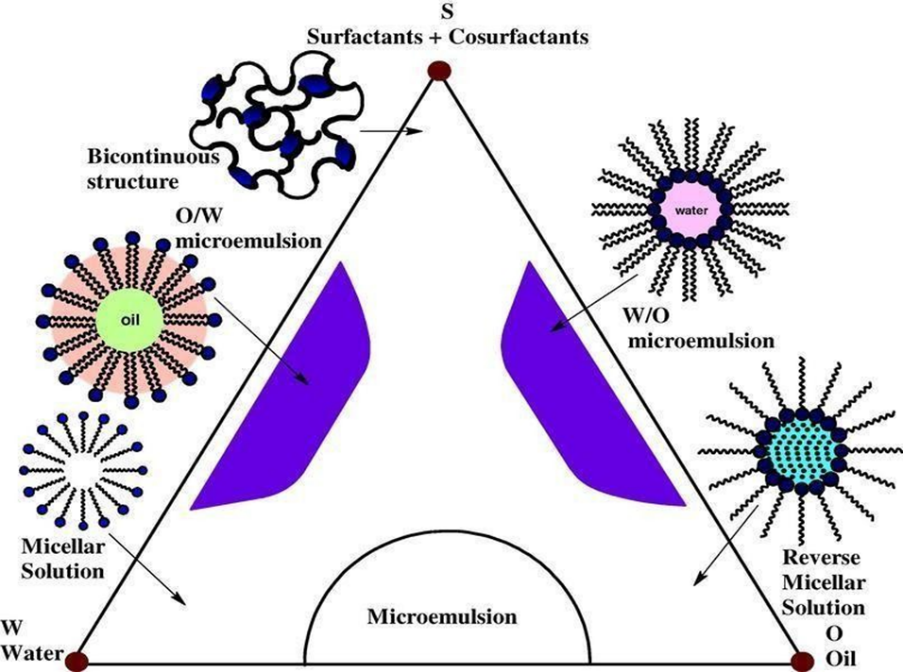
Fig. 4. Phase Inversion Technique System
2. The Method of phase Titration [ 27]
The creation of Micro-emulsions is done by the Phase titration using the spontaneous emulsification method approach) and can be demonstrated using phase schematics. Fatty acid and oil are combined and added.to creates a Micro- emulsion in a caustic solution, then following a co-surfactant titration, an alcohol until the system became transparent. Micro- emulsions are created in conjunction with different structures of association (such as emulsion, micelles, lamellar, cubic, hexagonal, and other oily dispersion and gels) based on the chemical makeup and levels of each part. It is discovered that as the length of the chain of the amount of surfactant, Micro-emulsions with major transmittances through the visible spectrum can be created using oils with longer chains. It is also discovered that various alcohols have an impact on the various methods of Micro-emulsion formation. The best outcomes, as measured by the highest percentage transmittance in conjunction with the broadest oil concentration of (dispersed in water), are acquired from alcohols that are short or branched.
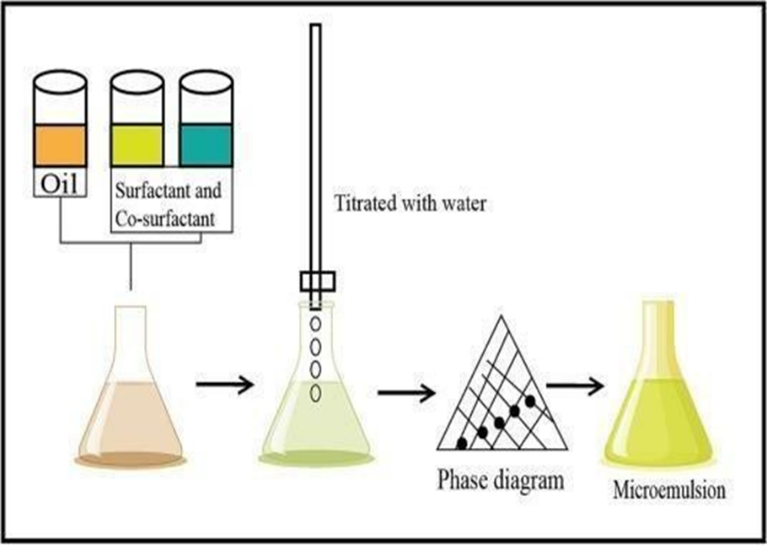
Fig. 5. Phase Titration Method Techniques
3. The Agitation Techniques
The lipophilic portion dissolves the medication. of the oil and water phases of the Micro- emulsion is compatible with co-surfactants and surfactants. is then gradually added while being stirred until The system is open and honest. The quantity of surfactant and the percentage of oil, as well as the co-surfactant to be added Phases that can be included will be identified. using the pseudo-ternary phase diagram as a guide. Finally, an ultrasonicator can be used to accomplish the ideal range of sizes for scattered globules.
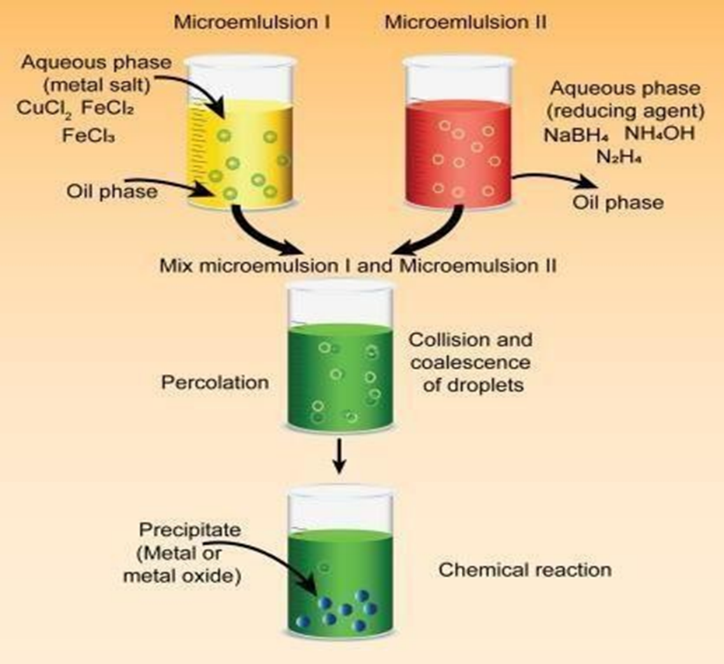
Fig. 6. Agitation Techniques System
1. Theory of Thermodynamics [29]
Creation and stability of a Micro-emulsion can be described using a streamlined thermodynamic process. The liberated the energy required to form Micro-emulsions can be based on how much the surfactant decreases the oil-water interface's surface tension and the system's change in entropy, so
DG f= γ DA - T DS
where DG f is the formation's free energy, γ = Oil-Water Interface Surface Tension, DA= Modification of the micro interfacial area, DS stands for Change in Entropy of the Micro- emulsification system that is the dispersion entropy in practice, and T stands for temperature. Research reveals that when a DA is transformed into a large Micro-emulsion.
Extent as a result of the numerous tiny Droplets started to form. It is essential to understand that while the value of γ is always positive, extremely tiny, and counteracted by the entropic element. The prevailing the very large favorable entropic contribution dispersion entropy that results from combining one phase in the other, which takes the shape of numerous tiny droplets. Nevertheless, advantageous entropic other dynamic sources also contribute. Procedures like surfactant monomer-micelle exchange and surfactant diffusion in the interfacial layer. When significant surface tension decreases are discovered by notable favorable entropic change, as it achieves a negative free energy of formation. In that instance, micro-emulsification occurs naturally and the dispersion that results is thermodynamically Steady.
2. The Theory of Solubilization
Oil is used to form the Micro-emulsion. Micelles' soluble phase and water phase or Micellar reverse micelles progressively transform into larger and swell to a specific range of sizes.
3. The theory of Interfacial [ 30]
The mixed-film interface theory, or the theory of negative interfacial tension, as per According to this theory, the micro-emulsion has the ability to form instantly and naturally produce a surfactant and co-surfactant are working together with negative interfacial tension. The movie, which could include both co-surfactant and surfactant. Is regarded as a liquid "two-dimensional" third phase that is in balance with both water and oil. A duplex could be such a monolayer. Film that is, imparting distinct qualities to the water side and the oil side.
The movie, which could include both co-surfactant and surfactant. is regarded as a liquid "two-dimensional" third phase that is in balance with both water and oil. A duplex could be such a monolayer. film, that is, imparting distinct qualities to the water side and the oil side. The duplex film claims that the interfacial tension γT, which is determined by the expression that follows
γT = γ(O/W) --- π Where,
Interfacial Tension (γ (O/W) a) is decreased by the the alcohol's presence). The difference between γ (O/W) a and γ(O/W) in the lack of alcohol.
EVALUATION PARAMETERS OF MICRO-EMULSION SYSTEM
1. Physical Appearance
Micro-emulsion can be used to improve physical appearance. Visually check for consistency, fluidity, and Clarity of vision.
2. Scattering Techniques [31]
Methods of scattering like small-angle neutron scattering, light, and small-angle X-ray scattering has been used in research on Micro-emulsion structure, especially when it comes to monodisperse spheres that are diluted, when polydisperse or concentrated systems, like those commonly observed within Micro-emulsions.
3. Limpidity Test (percent Transmittance) [32]
The Micro-emulsion's limpidity can be spectrophotometrically examined with a spectrophotometer.
4. Drug stability [33]
Ideal Micro-emulsion is maintained at a low temperature. Temperature range (4– 8°C), at room temperature, and at Elevated (50 ± 2 °C) temperature. Following each of the two Months, it is possible to analyze the Micro-emulsion for ideal Micro- emulsion is maintained at a low temperature. Globule, phase separation, and transmittance percentage size and assay percentage.
5. Globule size and zeta potential measurement [37]
The zeta potential and globule size of the Micro-emulsion can be identified by dynamic light utilizing a Zeta sizer HAS 3000 for scattering
6. Assessment of Rheological properties (viscosity measurement) [38]
The properties of rheology have a significant contribution to stability. It can be ascertained by Digital viscometer by Brookfield. Modifications to the Rheological properties aid in determining the Micro-emulsion area and how it differs from another area. Micro-emulsions that are bi- continuous are dynamic structures that fluctuate continuously happening in the space between the two continuous structures, both swollen micelles and swollen reverse micelles.
7. Electrical conductivity [39]
Drop by drop, the water phase is added to a blend of co-surfactant, surfactant, and oil, as well as the ability of prepared samples to conduct electricity be found using a conductometer at room temperature. temperature and at a steady 1 Hz frequency.
8. Drug solubility [40]
The medication was added excessively to the enhanced Micro-emulsion composition in addition to each distinct component of the formulation. Following 24 hours of constant stirring at Samples were taken out at room temperature and centrifuged for 10 minutes at 6000 rpm. The quantity of drug that is soluble in the ideal formulation as well since every component of the formulation is determined by taking out the medication that's in the sediment from the entire dosage of medication. The drug's solubility in the Micro- emulsion was in contrast to its component parts.
9. In-vitro drug release [41,43]
I is possible to conduct the diffusion study on a It is possible to conduct the diffusion study on a Franz diffusion cell that has been modified, inside the 20 milliliters. The receptor compartment was occupied by buffer. The donor chamber is secured using a membrane of cellophane, which contains the plain medication and the Micro-emulsion formulation solution, independently. At a specified time periodically, samples were taken out of the receptor compartment and drug analysis utilizing a UV spectrophotometer at a particular wavelength.
Table: 1 Marketed Preparation
|
Drug |
Products Name |
Company |
Therapeutic Area |
|
CYCLOSPORINE |
Sandimmune oral |
Norvatis |
Immunosuppressant |
|
CYCLOSPORINE |
Neoral |
Norvatis |
Immunosuppressant |
|
Calcitrol |
Rocaltrol |
Roche |
Calcium regulator |
|
Clofazimine |
Lamprene |
Geigy |
Leprosy |
|
Doxercalciferol |
Hectoral |
Bone care |
Calcium regulator |
|
Dronabionol |
Marinol |
Roxane |
Anoxeria |
|
Dutasteride |
Avodart |
GSK |
Benign Prostatic Hyperplasia (BPH) |
|
Isotretionoin |
Accutane |
Roche |
Acne |
|
Ritonavir |
Norvir |
Abboat |
AIDS |
CONCLUSION:
Micro-emulsions play a crucial role in both in the industrial setting and the drug delivery system procedure. They can be employed to maximize medication focusing without a corresponding rise in systemic absorption. Micro-emulsion's function in offering fresh approaches to solve the issues because of the highly lipophilic drug's poor aqueous solubility compounds and offer superior, more reliable, and consistent bioavailability. Micro-emulsions have the ability to be utilized to target drugs as well, but There are still difficulties, mostly due to the layers of obstacles that these systems must get past in order to the objective. Micro-emulsion has demonstrated itself to be able to regulate drug release, safeguard labile drugs, and lessen the variability of patients. Additionally, it has demonstrated that it is feasible to create formulations appropriate for most administrative routes. In the modern world It is acknowledged that Micro- emulsion has a lot of potential for innovative methods for delivering drugs. Current studies is centered on creating secure, effective, and components of a Micro- emulsion that are more compatible with will increase the usefulness of these new automobiles.
REFERENCES



Devika Thengal, Amruta Wable, Anuja Wayase, Priyanka Yadav, Formulation and Evaluation of Microemulsion, Int. J. of Pharm. Sci., 2026, Vol 4, Issue 1, 3688-3703. https://doi.org/10.5281/zenodo.18443003
 10.5281/zenodo.18443003