

We use cookies to ensure our website works properly and to personalise your experience. Cookies policy
Yashwantrao Bhonsale College of Pharmacy, Sawantwadi, Sindhudurg440033
Migraine is a long-lasting neurological condition, characterized by headaches that can be of moderate to very severe intensity. Migraine headaches often occurrence of nausea, vomiting, and increased sensitivity to light and sound. Although triptans and non-steroidal anti-inflammatory drugs (NSAIDs) are commonly used to treat migraines, their effectiveness is limited by side effects and patients not following their prescribed treatments. Therefore, alternative therapeutic strategies that emphasize both safety and patient adherence are urgently required. Tanacetum parthenium, a plant rich in parthenolide, presents a potential solution by alleviating migraine symptoms through the suppression of prostaglandin and serotonin production. This study aimed to create a chewable tablet formulation using a standardized extract of Tanacetum parthenium, employing the direct compression method. This technique was selected due to its simplicity and its capacity to preserve thermolabile constituents. To ensure the tablets' compressibility, palatability, cohesiveness, and mechanical integrity, a combination of excipients was utilized, including microcrystalline cellulose (MCC), lactose, starch, and polyvinylpyrrolidone K30 (PVP K30). Furthermore, aerosil, magnesium stearate, and talc were incorporated to enhance flow properties and prevent adhesion. The resulting chewable tablets, produced via this method, offer a more convenient administration route for patients. They're more palatable, and they're also more readily accepted by children, seniors, and those prone to migraines.
Migraine is a very common neurovascular disease that affects about 12–15% of the world's population. Women are much more likely than men to get it. It is marked by repeated episodes of unilateral or bilateral throbbing headaches that last from 4 to 72 hours and are often accompanied by nausea, vomiting, photophobia, and phonophobia. The pathophysiology encompasses neuronal hyperexcitability, vascular dysregulation, neurogenic inflammation, and modified serotonin neurotransmission, resulting in trigeminovascular activation. Pain relievers, NSAIDs, triptans, β-blockers, calcium channel blockers, and ergot alkaloids are some of the most common drug treatments. These treatments work, but they can also cause problems like stomach irritation, dizziness, fatigue, heart problems, and rebound headaches. Complicated dosing schedules and patients not following them make treatment outcomes even worse, which means that safer options are needed.
People are paying more attention to herbal remedies because they work on many different problems and are generally safe. Tanacetum parthenium (feverfew), a perennial herb of the Asteraceae family, has been historically utilized for the prophylaxis of migraines. Parthenolide, its main bioactive component, has anti-inflammatory, antioxidant, and vasomodulatory effects by stopping NF-κB from being activated, lowering prostaglandin production, stopping platelets from clumping together, and stopping serotonin from being released. However, traditional dosage forms like capsules and teas don't have consistent doses and taste good. So, chewable tablets are a good option, especially for kids, seniors, or people who have trouble swallowing. Chewable tablets are easier to take, taste better, break down faster, and may even help the body absorb more of the medicine. The current study sought to develop chewable tablets incorporating standardized Tanacetum parthenium extract via the direct compression method to enhance adherence, convenience, and therapeutic efficacy.
2. MATERIALS AND METHODS:
The active pharmaceutical ingredient, dried leaf extract of Tanacetum parthenium (source of parthenolide), was procured from Kshipra Biotech (Indore, India). Lactose monohydrate was used as a diluent, microcrystalline cellulose (MCC PH 101) as a binder and filler, polyvinylpyrrolidone (PVP K30) as a binder, and maize starch as a binder–disintegrant. Aerosil (colloidal silicon dioxide) acted as a glidant, stevia powder as a natural sweetener, magnesium stearate as a lubricant, and talc as an anti-adherent. All reagents were of analytical grade. Chewable tablets were prepared by the direct compression method. Accurately weighed ingredients were passed through a 60-mesh sieve, blended by geometric dilution, and lubricated with aerosil, magnesium stearate, and talc for 2–3 minutes. The blend was compressed into 500 mg tablets using a rotary tablet press with 10 mm flat-faced punches, then de-dusted and stored in airtight containers at 25 ± 2 °C in a dry, light-protected environment until further evaluation.
Table No. 1: Formulations prepared by direct compression method
|
B1 (in mg) |
B2 (in mg) |
B3 (in mg) |
B4 (in mg) |
B5 (in mg) |
B6 (in mg) |
|
|
Tanacetum parthenium extract |
50 |
50 |
50 |
50 |
50 |
50 |
|
Lactose monohydrate |
185 |
190 |
190 |
190 |
175 |
180 |
|
MCC |
150 |
152 |
157 |
152 |
145 |
148 |
|
PVP K30 |
38 |
34.2 |
32.8 |
32.8 |
36.6 |
38.5 |
|
Maize starch |
170 |
190 |
185 |
173 |
194 |
184 |
|
Stevia powder |
47.5 |
47.5 |
47.5 |
47.5 |
47.5 |
47.5 |
|
Aerosil |
68 |
57 |
66.5 |
56.5 |
60.5 |
66.5 |
|
Magnesium stearate |
12.6 |
9.5 |
11.4 |
9.5 |
11.3 |
13.3 |
|
Talc |
14.4 |
13.5 |
13.3 |
15.2 |
13.5 |
15.2 |
|
Menthol |
q.s |
q.s |
q.s |
q.s |
q.s |
q.s |
3. EVALUATION STUDIES:
3.1. Preformulation studies
3.1.1. Melting point determination
The melting point of Feverfew extract was determined by the capillary method using a Thiele tube.
3.1.2. UV- Spectroscopy
The UV–Visible spectrum of the feverfew extract was recorded using a UV spectrophotometer in the wavelength range of 200–400 nm. The solvent used for extraction served as the blank.
3.1.3. FTIR
A small amount of feverfew extract was mixed with potassium bromide (KBr) and compressed to form a thin pellet. The pellet was scanned using an FTIR spectrophotometer in the range of 4000–400 cm?¹. The resulting spectrum was analyzed to identify characteristic functional groups present in the extract.
3.2. Precompression studies
3.2.1. Angle of repose
A stand held the funnel up so that its lower tip was 4 cm above a flat surface.
The funnel let the granules flow freely, making a cone-shaped pile on the surface. To find out how well the granules flowed, we measured the cone's height and radius. The way granules flow from the hopper into the die cavity has a direct impact on the uniformity of the tablets. If the flow is bad, the weight and size of the tablets can change. Surface tension, cohesive and van der Waals forces, electrostatic interactions, mechanical interlocking, and frictional resistance between particles are all things that can change how a material flows.
Tan θ = h/r
Where: θ – angle of repose,
h – height of pile,
r – radius of pile
Table No. 2: Standard values of angle of repose
|
Angle of repose (degree) |
Type of flow |
|
25-30 |
Excellent |
|
31-35 |
Good |
|
36-40 |
Fair |
|
41-45 |
Passable |
|
46-55 |
Poor |
|
56-65 |
Very poor |
|
More than 66 |
Very very poor |
3.2.2. Bulk density
By moving a known weight of powder mixture into a measuring cylinder, the bulk density was ascertained. The cylinder was tapped four times at intervals of two seconds at a height of one inch. Following the recording of the bulk volume, the following formula was used to determine the bulk density:
BD = M/Vo
where: BD = Bulk density,
M = Mass of the blend, Vo = Untapped Volume.
3.2.3. Tapped density
The tapped density is the ratio of the mass of the powder mixture to the volume that the same mass takes up after standard tapping. A measured amount of the powder mixture was put into a measuring cylinder and tapped 100 times from a height of 1 inch, with 2-second breaks between each tap. We wrote down the tapped volume and used the following formula to figure out the tapped density:
TD = MV
where: TD = Tapped density,
M = Mass of the granules and V = Final tapped volume.
3.2.4. Compressibility index
It directly affects the size, cohesiveness, and flow rate of the powder. This is a quick, easy, and common way to test how powders flow. The bulk density measurements give us useful information about these traits.
% compressibility index = Tapped density – bulk density/ tapped density × 100
Or
1 = (1 - V/Vo) × 100
where: I – % compressibility index,
V – volume occupied by powder/ granules after tapping,
Vo – volume of powder/granules before tapping
Table No. 3: Compressibility index
|
Compressibility index % |
Type of flow |
|
Less than 10 |
Excellent |
|
11-15 |
Good |
|
16-20 |
Fair |
|
21-25 |
Passable |
|
26-41 |
Poor |
|
42-47 |
Very poor |
|
More than 48 |
Very very poor |
3.2.5. Hausner’s ratio
It can be used to predict how powders will flow because it has to do with inter-particulate friction. Powders with low particle friction, like coarse spherical particles, usually have a Hausner's ratio of about 1.2. On the other hand, powders with higher cohesiveness, like flakes, have a Hausner's ratio of more than 1.
Hausner’s ratio = Tapped density/Bulk density
Table No. 4: Hausner’s ratio
|
Hausner’s ratio |
Type of Flow |
|
1.00-1.11 |
Excellent |
|
1.12-1.18 |
Good |
|
1.19-1.25 |
Fair |
|
1.26-1.34 |
Passable |
|
1.34-1.45 |
Poor |
|
1.46-1.59 |
Very poor |
|
More than 1.60 |
Very very poor |
3.3. Post-compression Test
3.3.1. Colour and appearances:
The compressed tablets were examined for the colour and appearance.
3.3.2. Thickness: The dimensions of the tablets are measured using a calibrated Vernier caliper. Five tablets are randomly selected from the sample formulation, and their thickness is measured individually. The average thickness is then calculated.
3.3.3. Weight variation:
The weight variation test involves weighing 20 individual tablets, calculating their average weight, and then comparing the weight of each tablet to this average. This method is considered effective for assessing the uniformity of drug content in tablets.
3.3.4. Hardness:
Hardness, also known as tablet crushing strength, was assessed using a Monsanto hardness tester. The tablet was positioned lengthwise between upper and lower plungers, and a threaded bolt was turned to apply force until the tablet fractured. The tablet's hardness was then measured in Kg/cm2.
3.3.5. Disintegration Time:
Disintegration time refers to the duration required for a tablet to break down into small grains or pieces. This test is conducted using a device equipped with a basket rack assembly containing six glass tubes, each measuring 7.75 cm long and 2.15 mm in diameter, fitted with a 10-mesh sieve at the bottom. The assembly moves up and down 28 to 32 times per minute in 900 cc of medium maintained at a constant 37 °C. Each tube accommodates six tablets, and the disintegration time is determined by measuring how long it takes for all tablet fragments to completely pass through the sieve.
3.3.6. Friability:
The friability of tablets is assessed using a Roche friabilator, where tablets are placed in a rotating plastic chamber at 25 rpm. Tablets are dropped from a specified height for 100 revolutions. After dusting and reweighing pre-measured tablets, the friability is evaluated, aiming to meet the standard limit of less than 1%.
% Friability = (Initial weight – Final weight) / Initial weight X 100
3.3.7. In-Vitro Dissolution Study
Dissolution studies were performed using a USP Type II (Paddle) dissolution apparatus containing 900 mL phosphate buffer (pH 6.8) maintained at 37 ± 0.5°C with a paddle speed of 50 rpm. Samples were withdrawn at predetermined intervals and analyzed using a UV–Visible spectrophotometer at 210 nm.
4. RESULTS:
This section presents the results of the pre-formulation and pre-compression studies for the prepared batches (B1–B6) of Feverfew extract chewable tablets. The results confirm that the powder mixtures possessed satisfactory flow and compressibility characteristics suitable for direct compression.
4.1. Preformulation studies
4.1.1. Melting point determination
The average melting point was found to be 132 ± 1°C, indicating purity and uniformity of the extract.
4.1.2. UV- Spectroscopy
The UV–Visible spectrum of feverfew extract showed a prominent absorption peak in the ultraviolet region with decreasing absorbance toward the visible region.
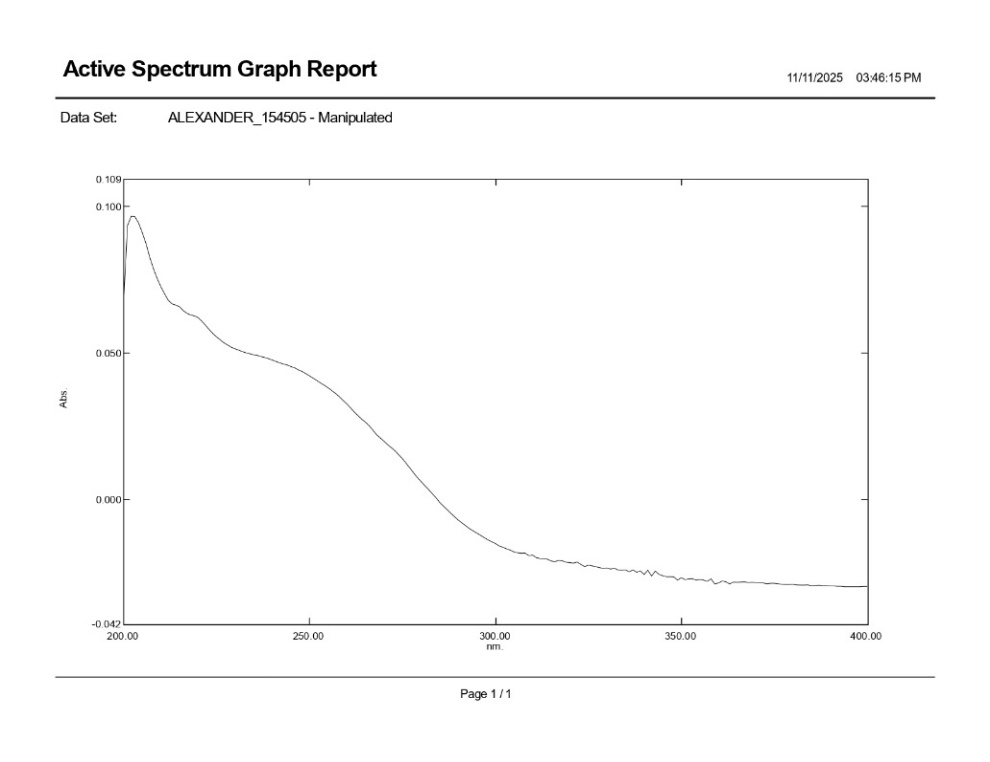
Fig 1: UV–Visible spectrum of feverfew extract
Table No. 5: Analysis of UV–Visible spectrum of feverfew extract
|
Wavelength Region (nm) |
Absorbance Trend |
Interpretation |
|
200–210 |
Strong absorption |
Aromatic π→π* transition |
|
210–240 |
Gradual decrease |
Phenolic compounds |
|
240–280 |
Moderate absorption |
Flavonoids |
|
280–320 |
Low absorption |
Conjugated organic molecules |
|
320–400 |
Minimal absorption |
Few chromophoric groups |
The maximum absorbance was observed around 200 nm, which indicates the presence of aromatic and conjugated organic compounds
4.1.3. FTIR Analysis of Plant Extract and Extract–Excipient Formulation
Fourier Transform Infrared (FTIR) spectroscopy was used to analyze the functional groups present in the plant extract and its formulation with excipients. The spectra were recorded in the range 4000–400 cm?¹ using a spectrometer manufactured by Shimadzu 1900.
FTIR Peak Interpretation
1. FTIR Analysis of Feverfew Extract (Sample 1)
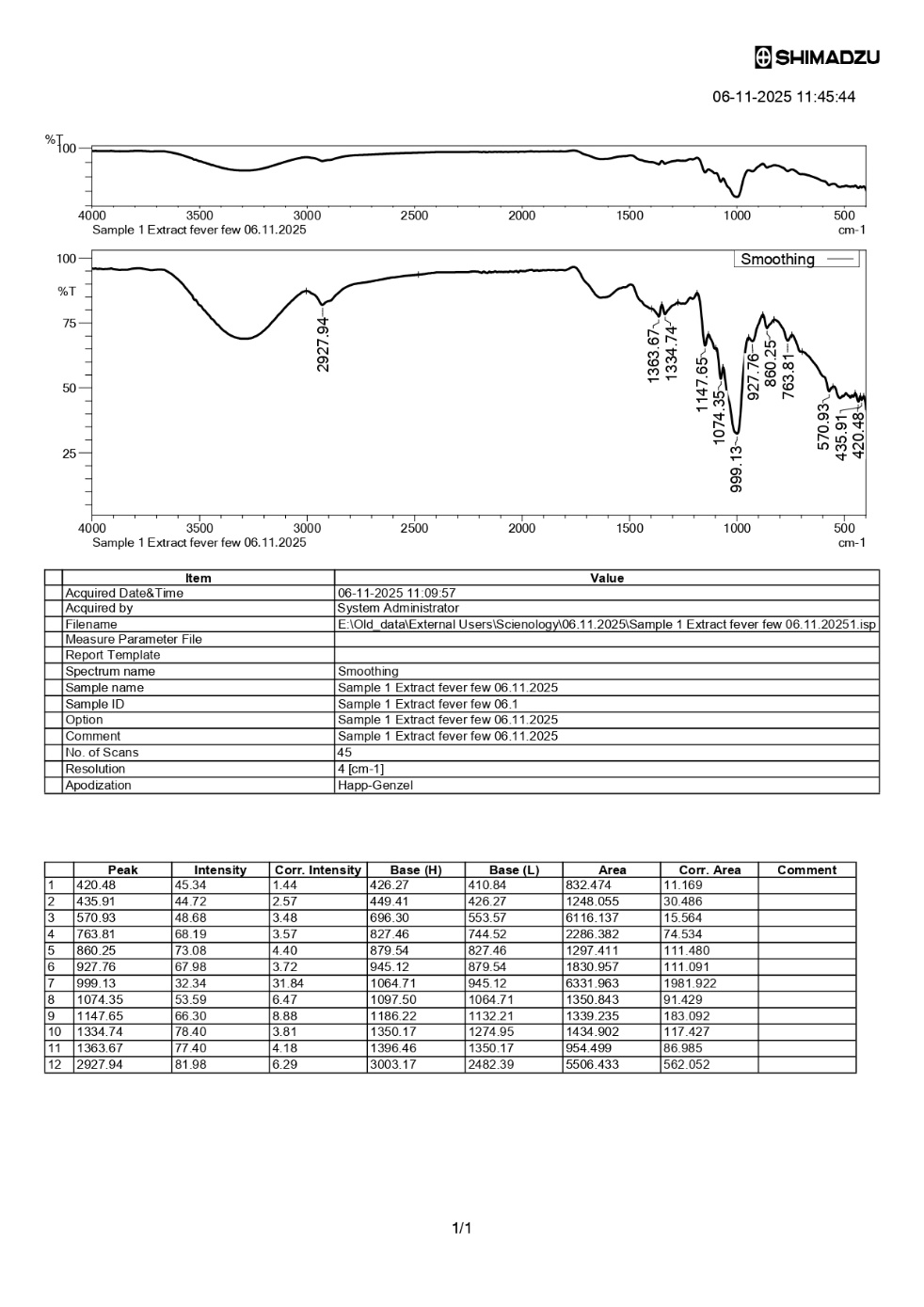
Fig 2: FTIR Analysis of Feverfew Extract (Sample 1)
Table No. 6: FTIR Analysis of Feverfew Extract
|
Wavenumber (cm?¹) |
Functional Group |
Possible Compound Class |
|
2927 |
C–H stretching |
Alkanes / lipids |
|
1363 |
C–H bending |
Methyl groups |
|
1334 |
C–N stretching |
Amines / alkaloids |
|
1147 |
C–O stretching |
Alcohols / phenols |
|
1074 |
C–O stretching |
Polysaccharides |
|
999 |
C–O or =C–H bending |
Carbohydrates |
|
927 |
O–H bending |
Phenolics |
|
860 |
Aromatic C–H |
Aromatic compounds |
|
763 |
Aromatic ring vibration |
Phenolic structures |
|
570 |
C–Cl stretching |
Halogen compounds |
|
435–420 |
Fingerprint region |
Complex organic structures |
Key Interpretation
The FTIR spectrum indicates the presence of:
These groups are typical for bioactive phytochemicals responsible for therapeutic activity.
2. FTIR Analysis of Feverfew Extract + Excipients (Sample 2)
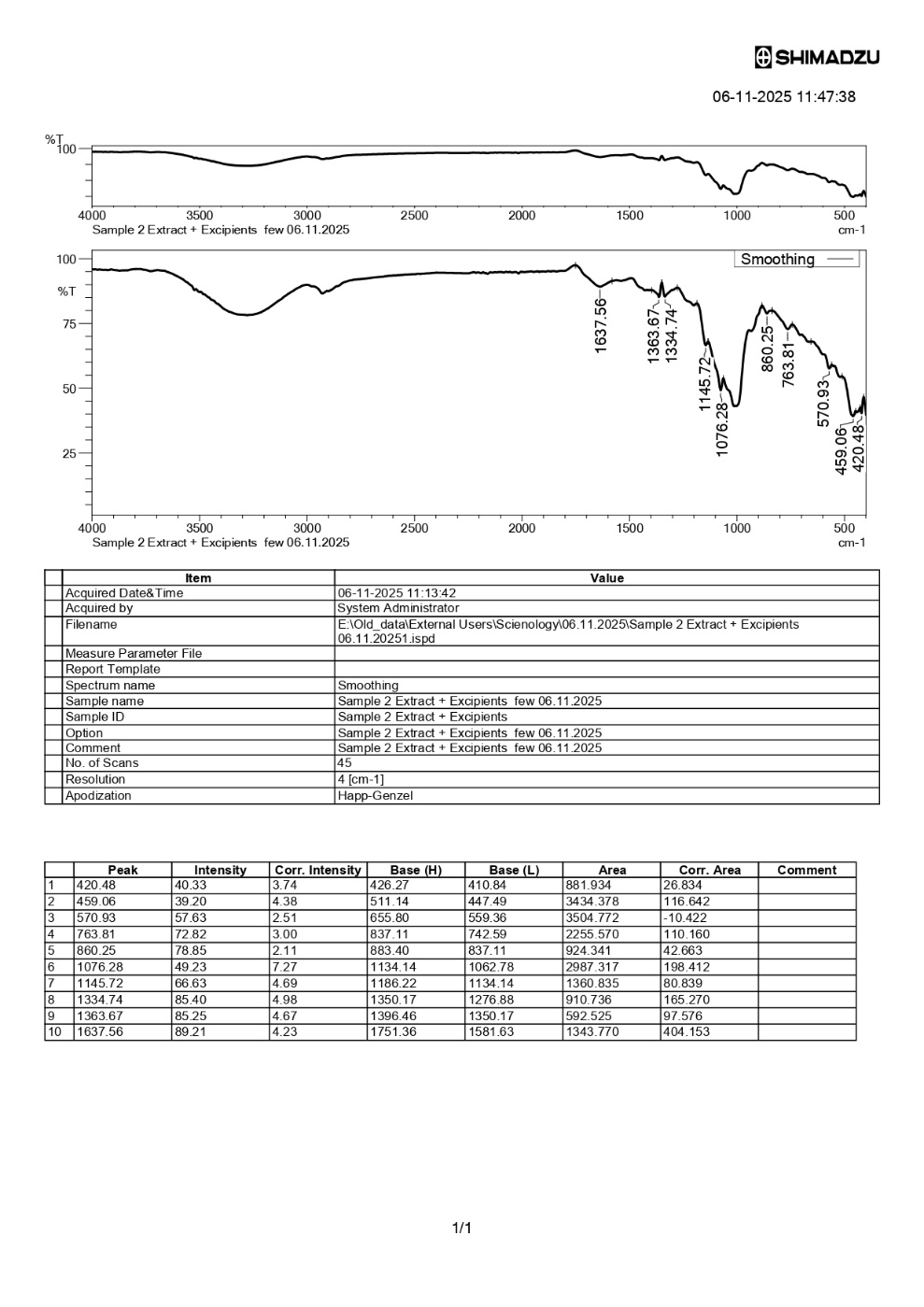
Fig 3: FTIR Analysis of Feverfew Extract + Excipients (Sample 2)
Table No. 7: FTIR Analysis of Feverfew Extract + Excipients
|
Wavenumber (cm?¹) |
Functional Group |
Interpretation |
|
1637 |
C=C stretching |
Aromatic / conjugated systems |
|
1363 |
C–H bending |
Alkyl groups |
|
1334 |
C–N stretching |
Amines |
|
1145 |
C–O stretching |
Alcohols |
|
1076 |
C–O stretching |
Polysaccharides |
|
860 |
Aromatic C–H |
Phenolic compounds |
|
763 |
Aromatic ring vibration |
Aromatic compounds |
|
570 |
C–Cl |
Halogen groups |
|
459–420 |
Fingerprint region |
Structural vibrations |
Key Observation
The major peaks from the extract are retained in the formulation.
This suggests:
3. Comparative FTIR Analysis
Table No. 8: Comparative FTIR Analysis
|
Functional Group |
Extract |
Extract + Excipients |
|
Alkane (C–H) |
? |
? |
|
Phenols / Alcohols |
? |
? |
|
Aromatic compounds |
? |
? |
|
Amines / Alkaloids |
? |
? |
|
Polysaccharides |
? |
? |
The FTIR spectra of the plant extract revealed the presence of phenolic, aromatic, alkane, and carbohydrate functional groups, indicating a complex mixture of phytoconstituents. When the extract was combined with excipients, the characteristic peaks remained largely unchanged. Therefore, the excipients used in the formulation are suitable for developing a stable dosage form containing the plant extract.
4.2. Pre-compression Parameters
Table No. 9: Pre-compression evaluation of Powder Mixtures (B1–B6)
|
Parameter |
B1 |
B2 |
B3 |
B4 |
B5 |
B6 |
|
Angle of Repose (°) |
30.2 |
31.1 |
29.8 |
32.0 |
30.5 |
29.5 |
|
Bulk Density (g/cm³) |
0.45 |
0.44 |
0.46 |
0.43 |
0.44 |
0.45 |
|
Tapped Density (g/cm³) |
0.58 |
0.57 |
0.60 |
0.56 |
0.57 |
0.59 |
|
Carr’s Index (%) |
22.4 |
22.8 |
23.3 |
23.2 |
22.8 |
23.7 |
|
Hausner’s Ratio |
1.28 |
1.29 |
1.30 |
1.30 |
1.29 |
1.31 |
4.3. Post-compression Parameters
4.3.1 Colour and Appearance
The compressed tablets were visually inspected for colour, surface texture, and overall appearance. The tablets were observed to be off-white in colour with a uniform and smooth surface. They were free from cracks, chips, and other visible defects, indicating acceptable physical appearance and uniformity
4.3.2. Thickness:
Table No. 10: Thickness test results
|
Batch |
Thickness (mm) |
|
B1 |
5.5 ± 0.15 |
|
B2 |
5.6 ± 0.12 |
|
B3 |
5.4 ± 0.14 |
|
B4 |
5.5 ± 0.11 |
|
B5 |
5.6 ± 0.13 |
|
B6 |
5.7 ± 0.16 |
4.3.3. Weight variation:
Table No. 11: Weight variation test results
|
Batch |
Average Weight (mg) |
Range (mg) |
Pharmacopeial Limit (±5%) |
Result |
|
B1 |
738 |
730–746 |
701–775 |
Pass |
|
B2 |
740 |
732–748 |
703–777 |
Pass |
|
B3 |
742 |
734–750 |
705–779 |
Pass |
|
B4 |
739 |
731–747 |
702–776 |
Pass |
|
B5 |
741 |
733–749 |
704–778 |
Pass |
|
B6 |
743 |
735–751 |
706–780 |
Pass |
4.3.4. Hardness:
Table No. 12: Hardness test results
|
Batch |
Hardness (kg/cm²) |
Ideal Range |
Result |
|
B1 |
4.9 ± 0.2 |
4–8 |
Pass |
|
B2 |
5.4 ± 0.3 |
4–8 |
Pass |
|
B3 |
5.1 ± 0.2 |
4–8 |
Pass |
|
B4 |
5.0 ± 0.3 |
4–8 |
Pass |
|
B5 |
5.3 ± 0.2 |
4–8 |
Pass |
|
B6 |
5.6 ± 0.3 |
4–8 |
Pass |
4.3.5. Disintegration Time:
Table No. 13: Disintegration test results
|
Batch |
Disintegration Time |
|
B1 |
3 min 18 sec |
|
B2 |
2 min 46 sec |
|
B3 |
3 min 05 sec |
|
B4 |
3 min 44 sec |
|
B5 |
2 min 55 sec |
|
B6 |
3 min 12 sec |
4.3.6. Friability:
Table No. 14: Friability test results
|
Batch |
Initial Weight (g) |
Final Weight (g) |
Friability (%) |
Result |
|
B1 |
14.75 |
14.66 |
0.61 |
Pass |
|
B2 |
14.80 |
14.71 |
0.62 |
Pass |
|
B3 |
14.78 |
14.68 |
0.67 |
Pass |
|
B4 |
14.76 |
14.67 |
0.60 |
Pass |
|
B5 |
14.79 |
14.70 |
0.61 |
Pass |
|
B6 |
14.82 |
14.72 |
0.67 |
Pass |
4.3.7. In-Vitro Dissolution Study
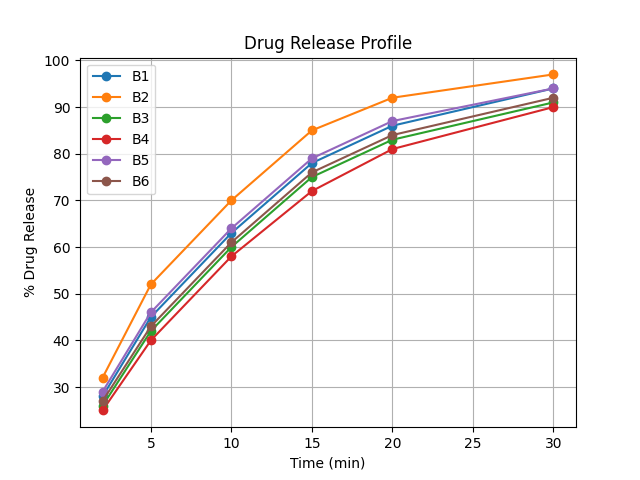
Fig 4: Drug Release Profile of Batches (B1-B6)
Table No. 15: In-Vitro Drug Release Profile of Batches (B1–B6)
|
Time (min) |
B1 (%Drug release) |
B2 (%Drug release) |
B3 (%Drug release) |
B4 (%Drug release) |
B5 (%Drug release) |
B6 (%Drug release) |
|
2 |
28 |
32 |
26 |
25 |
29 |
27 |
|
5 |
45 |
52 |
42 |
40 |
46 |
43 |
|
10 |
63 |
70 |
60 |
58 |
64 |
61 |
|
15 |
78 |
85 |
75 |
72 |
79 |
76 |
|
20 |
86 |
92 |
83 |
81 |
87 |
84 |
|
30 |
94 |
97 |
91 |
90 |
94 |
92 |
DISCUSSION
The present study focused on the formulation and evaluation of chewable tablets containing extract of Tanacetum parthenium intended for rapid drug release and potential buccal absorption. Prior to formulation, the extract was characterized using physicochemical and spectroscopic techniques to confirm its identity and purity. The melting point of the extract was found to be 132 ± 1°C, which corresponds well with reported values for the principal bioactive constituent Parthenolide, a sesquiterpene lactone present in feverfew. This result indicates the stability and purity of the extract used in the formulation.
Further confirmation of phytochemical constituents was obtained through UV–Visible spectroscopic analysis, which showed a prominent absorption peak in the ultraviolet region around 200–210 nm. This absorption band is typically associated with π→π* electronic transitions occurring in aromatic rings and conjugated systems. Such spectral characteristics suggest the presence of phenolic compounds, flavonoids, and other aromatic phytochemicals that contribute to the biological activity of feverfew.
FTIR spectroscopic analysis further supported the presence of important functional groups in the extract. Characteristic peaks observed around 2927 cm?¹ correspond to C–H stretching vibrations of alkanes, while peaks near 1363 cm?¹ and 1334 cm?¹ indicate C–H bending and C–N stretching vibrations. The strong peaks around 1147 cm?¹ and 1074 cm?¹ are attributed to C–O stretching vibrations typical of alcohols and phenolic compounds. Additionally, peaks near 860 cm?¹ and 763 cm?¹ represent aromatic C–H bending vibrations. These findings confirm the presence of functional groups associated with phenolics, flavonoids, and sesquiterpene lactones in the extract.
The pre-compression parameters, including bulk density, tapped density, Carr’s index, Hausner’s ratio, and angle of repose, were evaluated to determine the flow and compressibility characteristics of the powder blend. The obtained values indicated good to acceptable flow properties, which are essential for uniform die filling during tablet compression. Carr’s index and Hausner’s ratio values suggested satisfactory compressibility, while the angle of repose demonstrated adequate flow behaviour. These findings confirm that the powder blend was suitable for the direct compression method used in the preparation of chewable tablets.
Post-compression evaluation was carried out to assess the physical quality and mechanical strength of the prepared tablets. The compressed tablets were visually inspected for colour, surface texture, and overall appearance. The tablets were observed to be off-white in colour with a uniform and smooth surface. They were free from cracks, chips, and other visible defects, indicating acceptable physical appearance and uniformity. All formulations exhibited uniform colour and smooth surface, indicating successful tablet formation.
The average tablet weight was approximately 740 mg, and the weight variation test confirmed compliance with pharmacopeial limits (±5%), indicating uniformity of dosage units. The thickness of the tablets ranged from approximately 5.4 to 5.7 mm, suggesting consistent die filling and compression conditions. The hardness values ranged between 4.9 and 5.6 kg/cm², which is considered suitable for chewable tablets as it ensures adequate mechanical strength while maintaining chewability. Friability values were below 1% for all batches, indicating good resistance to mechanical stress during handling, transportation, and packaging.
The disintegration time of the tablets ranged from 2 minutes 46 seconds to 3 minutes 44 seconds, which falls well within pharmacopeial limits for uncoated tablets. Among the tested formulations, Batch B2 exhibited the shortest disintegration time, suggesting rapid breakdown of the tablet matrix and faster release of the active constituents.
The in-vitro dissolution studies further demonstrated efficient drug release from all formulations. More than 90% drug release was observed within 30 minutes, indicating rapid dissolution of the extract from the tablet matrix. The optimized formulation B2 exhibited the highest drug release, approximately 97% within 30 minutes, demonstrating superior dissolution characteristics compared to the other batches.
Since chewable tablets are designed to disintegrate in the oral cavity, the rapid disintegration and dissolution behavior observed in the optimized formulation may facilitate buccal absorption of the active constituents, potentially leading to faster onset of therapeutic action.
CONCLUSION
The present study successfully formulated and evaluated chewable tablets containing extract of Tanacetum parthenium for potential use in migraine management. The extract was characterized using melting point determination, UV–Visible spectroscopy, and FTIR analysis. The melting point of 132 ± 1°C confirmed the purity and identity of the extract, while UV and FTIR analyses verified the presence of aromatic phytochemicals and functional groups characteristic of phenolics, flavonoids, and sesquiterpene lactones.
Evaluation of pre-compression parameters demonstrated good flow and compressibility properties of the powder blend, confirming its suitability for the direct compression technique used in tablet formulation. Post-compression studies showed that all prepared tablets met pharmacopeial standards for weight variation, thickness, hardness, friability, and disintegration time. Additionally, the tablets exhibited acceptable visual characteristics, being off-white in colour with a smooth surface and free from defects, indicating good physical quality and uniformity.
The dissolution studies revealed rapid drug release from all formulations, with more than 90% release within 30 minutes. Among the six formulations prepared, Batch B2 showed the most desirable characteristics, including optimal hardness, lowest disintegration time, and highest percentage drug release.
Based on the overall evaluation of physicochemical characterization, tablet properties, and dissolution performance, Batch B2 was identified as the optimized formulation. The rapid disintegration and dissolution profile of the chewable tablets suggests their potential suitability for fast drug release and possible buccal absorption, which may contribute to improved therapeutic efficacy in migraine management.
REFERENCES
systematic review. Pharmacogn Rev. 2011 Jan;5(9):103-10. doi: 10.4103/0973-7847.79105.
PMID: 22096324; PMCID: PMC3210009.
Considerations. Pharmaceutical Technology.
Evaluation of Chewable Tablets of Loratadine by Direct Compression Method. The Pharma
Innovation Journal 2015; 4(5): 97-99
of Montelukast. Indian journal of Research in Pharmacy and Biotechnology. 1(1):29-34
Investigators. The efficacy and safety of Tanacetum parthenium (feverfew) in migraine
prophylaxis--a double-blind, multicentre, randomized placebo-controlled dose-response
study. Cephalalgia. 2002;22(7):523–32. [PubMed: 12230594]
treatment of migraine. Br Med J (Clin Res Ed). 1985;291(6495):569–73. [PubMed:
3929876]
mg) Chewable Tablet by Direct Compression. Journal of Women’s Health & Safety
Research, 5(1), 207-211.
3rd edition. Bombay: Varghese publishing house; 2007.pp-296 300.
2, 2006, 461 – 464.
EMA/HMPC/48716/2017
systematic review. Pharmacogn Rev. 2011 Jan;5(9):103-10. doi: 10.4103/0973-7847.79105.
PMID: 22096324; PMCID: PMC3210009.
Considerations. Pharmaceutical Technology.
Evaluation of Chewable Tablets of Loratadine by Direct Compression Method. The Pharma
Innovation Journal 2015; 4(5): 97-99
of Montelukast. Indian journal of Research in Pharmacy and Biotechnology. 1(1):29-34
Investigators. The efficacy and safety of Tanacetum parthenium (feverfew) in migraine
prophylaxis--a double-blind, multicentre, randomized placebo-controlled dose-response
study. Cephalalgia. 2002;22(7):523–32. [PubMed: 12230594]
treatment of migraine. Br Med J (Clin Res Ed). 1985;291(6495):569–73. [PubMed:
3929876]
mg) Chewable Tablet by Direct Compression. Journal of Women’s Health & Safety
Research, 5(1), 207-211.
3rd edition. Bombay: Varghese publishing house; 2007.pp-296 300.
2, 2006, 461 – 464.
EMA/HMPC/48716/2017

Atharva Sawant, Sahil Ghube, Vasant Parab, Amey Sawant, Gautami Rawool, Rahul Desai, Abhay Hajare, Ankita Nevgi, Dr. Vijay Jagtap, Formulation and Evaluation of Tanacetum parthenium Chewable Tablets for Anti-Migraine Activity, Int. J. of Pharm. Sci., 2026, Vol 4, Issue 3, 3334-3347, https://doi.org/10.5281/zenodo.19230545
 10.5281/zenodo.19230545