

We use cookies to ensure our website works properly and to personalise your experience. Cookies policy
Mahavir Institute of Pharmacy, Nashik, India.
Green chemistry, also known as sustainable chemistry, represents a modern approach to chemical science that emphasizes the design of products and processes that reduce or eliminate hazardous substances (Anastas & Warner, 1998). Built on the foundation of the Twelve Principles of Green Chemistry, this field promotes atom economy, safer solvents and auxiliaries, renewable feedstocks, and the use of catalytic over stoichiometric reagents, all of which contribute to safer and more efficient chemical practices (Anastas & Zimmerman, 2018). In recent years, advances such as heterogeneous and enzymatic catalysis, solvent-free reactions, microwave-assisted synthesis, ionic liquids, and supercritical fluids have offered environmentally responsible alternatives to traditional chemical methods, improving both efficiency and sustainability (Poli, 2020; Clark et al., 2021). Additionally, sustainability assessment tools including life-cycle assessment (LCA), E-factor, and process mass intensity (PMI) have strengthened the evaluation of environmental impact in chemical industries (Sheldon, 2017). This review compiles recent developments, industrial applications, and emerging technologies in green chemistry, emphasizing its essential role in pollution prevention, waste minimization, and the transition toward a circular and sustainable chemical economy.Overall, green chemistry continues to serve as a key scientific and industrial framework for achieving long-term environmental and economic sustainability.
The aim of this review is to highlight sustainable approaches in Green Chemistry and summarize recent advancements in environmentally friendly chemical processes. Green chemistry has emerged as a vital approach for addressing the environmental challenges associated with conventional chemical manufacturing. For many years, the chemical industry has contributed to global progress in areas such as pharmaceuticals, agriculture, materials, and energy. However, it has also produced large amounts of hazardous waste, consumed finite resources, and generated environmental and health risks (Clark & Macquarrie, 2002). These issues led to a growing global demand for cleaner and safer chemical practices.
The concept of green chemistry was formally established in the 1990s by Paul Anastas and John Warner, who introduced the idea of designing chemical products and processes that reduce or eliminate hazardous substances at the molecular level (Anastas & Warner, 1998).Unlike traditional pollution-control strategies that focus on treatment after waste is generated, green chemistry emphasizes prevention at the source. This proactive approach marked a significant shift in industrial and academic thinking toward sustainability.
At the core of green chemistry lie the Twelve Principles, which provide a scientific and practical framework for designing safer chemical processes. These principles emphasize atom economy, safer solvents, reduced toxicity, renewable feedstocks, energy efficiency, and the design of biodegradable products (Anastas & Zimmerman, 2018). Over time, these principles have inspired researchers to develop cleaner reaction pathways and innovative technologies.
Major technological advancements have played an essential role in expanding the scope of green chemistry. Developments in heterogeneous catalysis, biocatalysis, photocatalysis, and organo-catalysis have improved reaction selectivity while reducing waste (Poli, 2020). Greener reaction media such as ionic liquids, deep eutectic solvents, water-based systems, and supercritical fluids have provided safer alternatives to hazardous organic solvents (Welton, 2018). Furthermore, emerging techniques like microwave-assisted synthesis and ultrasonic irradiation have reduced reaction times and energy consumption (Kappe, 2013).
The influence of green chemistry can now be seen in multiple sectors. In pharmaceuticals, green chemistry principles have helped decrease solvent waste and improve process efficiency (Ros hangar et al., 2017). In materials science, sustainable polymers and biodegradable materials are being developed using renewable feedstocks (Meier et al., 2007). Industrial manufacturing also uses green metrics such as E-factor, process mass intensity (PMI), and life-cycle assessment (LCA)—to evaluate environmental impact more accurately (Sheldon, 2017).
Despite its progress, adopting green chemistry still presents challenges. Some industries face high initial costs, technological limitations, or resistance to changing established processes. Additionally, designing universally sustainable reactions can be complex due to variations in raw materials, energy sources, and geographic conditions (Clark et al., 2021). Nevertheless, continued research, government policies, and increased environmental awareness are driving the wider adoption of green chemistry.
Overall, green chemistry serves as a foundational strategy for sustainable development. It integrates scientific innovation with environmental responsibility, ensuring that chemical progress supports both human well-being and ecological balance. This review explores the principles, innovations, applications, challenges, and future directions of green chemistry in the modern world. The objective of this review is to provide a comprehensive overview of Green Chemistry techniques, identify key challenges, and suggest potential areas for future research.
HISTORY AND EVOLUTION OF GREEN CHEMISTRY
The development of green chemistry is closely linked to the growing awareness of environmental issues that emerged in the late 20th century. Before the idea of green chemistry was formally introduced, industries around the world were producing increasing amounts of chemical waste, air pollution, and hazardous by-products. Several environmental incidents such as the release of toxic chemicals, large-scale industrial accidents, and widespread contamination of water bodies highlighted the urgent need for safer chemical practices (Carson, 1962). These events marked the beginning of a global shift toward environmental responsibility.
During the 1960s and 1970s, governments began implementing environmental regulations to control pollution. The establishment of the U.S. Environmental Protection Agency (EPA) in 1970 and the introduction of acts such as the Clean Air Act and Clean Water Act signal a new era of environmental protection (EPA, 1970). However, these regulations mainly focused on treating waste after it had been created, which often required costly and energy-intensive technologies. While these laws successfully reduced pollution, they did not address the root cause hazardous chemical design itself.
The true foundation of modern green chemistry began in the 1990s. Paul Anastas, working at the U.S. EPA, introduced the concept of “pollution prevention at the molecular level,” proposing that chemists should design chemical products and processes in a way that avoids the creation of hazardous substances altogether (Anastas & Warner, 1998). This idea marked a significant transformation in chemical thinking because it shifted the focus from managing waste to preventing it.
In 1998, Anastas and John Warner published “Green Chemistry: Theory and Practice”, where they presented the Twelve Principles of Green Chemistry, a clear and practical framework for achieving safer and more sustainable chemistry. These principles emphasized atom economy, safer solvents, renewable feedstocks, reduced toxicity, and improved energy efficiency. Their work became the foundation for the global development of green chemistry as both a scientific discipline and an industrial practice.
Throughout the early 2000s, green chemistry began receiving international attention. Research efforts expanded into areas such as catalysis, renewable materials, and biodegradable polymers. At the same time, many industries realized that green chemistry could reduce costs, improve efficiency, and help them meet environmental regulations. Organizations such as the Royal Society of Chemistry and the American Chemical Society launched dedicated green chemistry networks, awards, and journals, further promoting the spread of sustainable chemical practices (RSC, 2001).
By the 2010s, green chemistry had evolved from a niche concept to a global movement. Break throughs in greener solvents, such as ionic liquids and deep eutectic solvents, as well as alternative energy sources like microwaves and ultrasound, demonstrated how environmentally friendly methods could also offer better performance (Welton, 2018; Kappe, 2013). At the same time, industries began adopting green chemistry metrics such as atom economy, E-factor, process mass intensity (PMI), and life-cycle assessment (LCA to quantitatively measure sustainability (Sheldon, 2017).
Today, green chemistry is viewed as a key component of sustainable development. It aligns with global environmental goals, including the United Nations Sustainable Development Goals (UN SDGs), which emphasize responsible production, climate action, and environmental protection (UN, 2015). Modern research continues to expand the field through innovations such as bio-based materials, CO? utilization, photocatalysis, and environmentally friendly nanotechnology.
From its early roots in environmental regulation to its current role as a driving force for sustainable innovation, the evolution of green chemistry reflects a growing global commitment to creating a cleaner and safer future. Its progress demonstrates that scientific advancement and environmental responsibility can go hand in hand, shaping a new era of chemical research and industrial practice.
PRINCIPLES OF GREEN CHEMISTRY
The foundation of green chemistry is built on the Twelve Principles introduced by Anastas and Warner (1998). These principles act like a roadmap for designing chemical processes that are safer, cleaner, and more efficient. They provide practical guidance for researchers, industries, and policymakers who want to reduce environmental impact without compromising scientific progress. Over the years, these principles have been widely adopted and expanded upon, forming the core of sustainable chemical innovation. Below is a explanation of each principle.
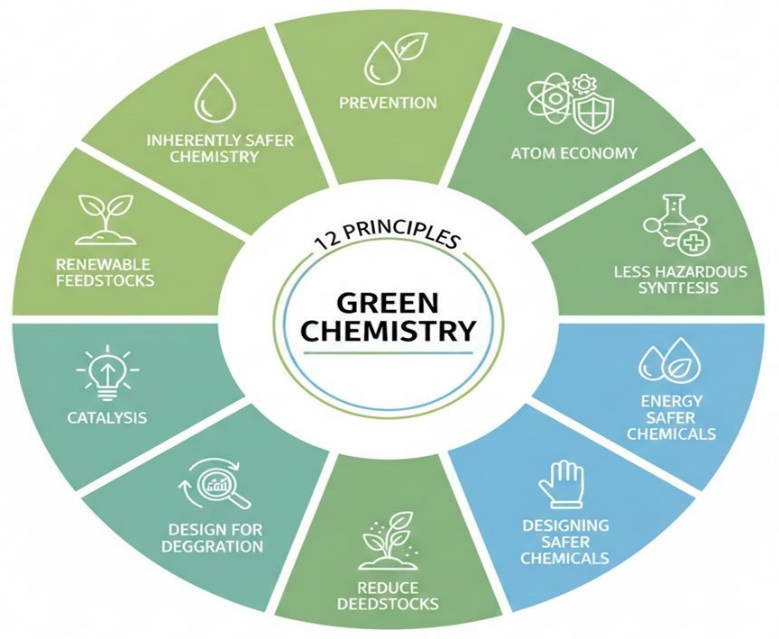
Figure 1: Twelve Principles of green chemistry
Instead of dealing with waste after it is created, this principle encourages avoiding waste from the beginning. This shift from “treating waste” to “preventing waste” has been shown to significantly reduce environmental pollution and operational costs (Sheldon, 2007). The idea is simple if waste is not produced, it cannot cause harm.
Proposed by Trost (1991), atom economy focuses on incorporating the maximum number of atoms from starting materials into the final product. Reactions with higher atom economy naturally produce less waste. This approach has influenced modern synthetic design, especially in pharmaceutical and polymer chemistry.
Chemical reactions should be designed in a way that minimizes the use or production of toxic substances. Research shows that replacing hazardous reagents with safer alternatives can significantly reduce health risks for workers and the environment (Anastas & Eghbali, 2010).
This principle encourages creating chemical products that function effectively while posing minimal toxicity. Modern computational tools and mechanistic studies help chemists predict and reduce potential hazards early in the design process (Geiser, 2015).
Solvents often contribute the most to waste and hazard in chemical manufacturing. Studies highlight the use of greener options like water, supercritical CO?, ionic liquids, and deep eutectic solvents as safer alternatives (Wasserscheid & Welton, 2008; Abbott et al., 2014). Many industries have shifted to solvent-free reactions for the same reason.
Chemical reactions should ideally take place at ambient temperature and pressure. Techniques like microwave-assisted synthesis and ultrasound methods have been widely studied for reducing energy consumption while improving yields (Kappe, 2013; Mason, 2016).
Instead of relying on fossil fuels, this principle promotes using renewable materials such as biomass. Research by Clark et al. (2009) highlights how agricultural waste, lignocellulosic materials, and plant-based chemicals can replace conventional petroleum-based inputs.
Unnecessary steps like protection, deprotection, and temporary modification waste reagents and generate byproducts. Simplifying reaction pathways not only saves time but also reduces chemical waste (Trost & Sheldon, 2007).
Catalysts enhance reaction efficiency, reduce energy demand, and minimize side products. Heterogeneous catalysts, enzyme-based systems, and nanoparticle catalysts have been extensively studied for their role in improving sustainability (Corma, 2009; Astruc, 2017).
Chemical products should break down into harmless substances once their purpose is fulfilled. This principle is especially relevant for polymers and pesticides, where poor degradation leads to long-term environmental accumulation (Tullo, 2019).
Modern analytical tools help monitor reactions as they happen. Real-time monitoring reduces accidents, improves safety, and prevents the formation of unwanted Byproducts (Clark & Macquarrie, 2002).
This principle focuses on minimizing the risk of explosions, fires, and chemical leaks by choosing safer substances and reaction conditions. Reports suggest that inherently safer design reduces industrial accidents and improves worker safety (OECD, 2021). Taken together, these principles guide chemists to think beyond yield and efficiency. They encourage designing processes that protect human health, use resources wisely, and reduce environmental impact. Over the years, these principles have shaped new research directions and pushed industries to adopt cleaner technologies. They remain one of the most influential frameworks in modern chemical science.
RESULT AND DISCUSSION:
Applications of Green Chemistry
Green chemistry is now widely used across many industries to reduce pollution, improve efficiency, and create safer chemical products. Its applications show how the Twelve Principles can be translated into practical, real-world solutions.
Green chemistry has transformed drug manufacturing by reducing toxic solvents,waste, and reaction steps. Catalytic reactions, greener solvents like water and ethanol, and continuous flow systems have improved both efficiency and safety (ACS GCI PR, 2020; Wasserscheid & Welton, 2008). These approaches help pharmaceutical companies reduce environmental impact while lowering production costs.
In agriculture, green chemistry supports the creation of biodegradable pesticides,safer fertilizers, and bio-based agrochemicals. These products break down more easily in the environment and reduce contamination of soil and water (Geiser, 2015; Ragauskas et al., 2014). This helps protect ecosystems while maintaining crop productivity.
Green chemistry plays a key role in producing biodegradable plastics, eco-friendly coatings, and recyclable materials. Bio-based polymers like PLA are becoming common alternatives to petroleum-based plastics, helping reduce long-term pollution (Tullo, 2019; Clark et al., 2009).
Sustainable fuels such as bioethanol and biodiesel are prepared using renewable biomass. Green chemistry also promotes energy-efficient reaction technologies like microwaves and ultrasound, which cut down energy consumption while improving yields (Kappe, 2013; Mason, 2016).
Green solvents, nano-catalysts, and enzyme-based cleanup methods are used to remove pollutants from water and soil. These approaches offer safer and more cost- effective alternatives to traditional remediation techniques (Abbott et al., 2014; Astruc, 2017).
Everyday items such as detergents, cosmetics, and textile now use biodegradable ingredients, natural dyes, and fewer toxic chemicals. This shift improves consumer safety and reduces environmental contamination (OECD, 2021).
Industries use catalysts, safer intermediates, and real-time monitoring to reduce waste and prevent accidents. These practices support cleaner production while ensuring compliance with environmental regulations (Corma, 2009; Clark & Macquarrie, 2002). Overall, green chemistry offers practical solutions across pharmaceuticals, agriculture, energy, materials, and consumer goods. These applications show how sustainable chemical practices can protect the environment while supporting industry growth.
Environmental and Economic Benefits of Green Chemistry
Green chemistry offers significant advantages for both the environment and the economy. By adopting sustainable practices, industries and researchers can reduce pollution, conserve resources, and improve efficiency while also benefiting financially.
Environmental Benefits
These environmental benefits collectively contribute to the global goals of sustainability and climate protection.
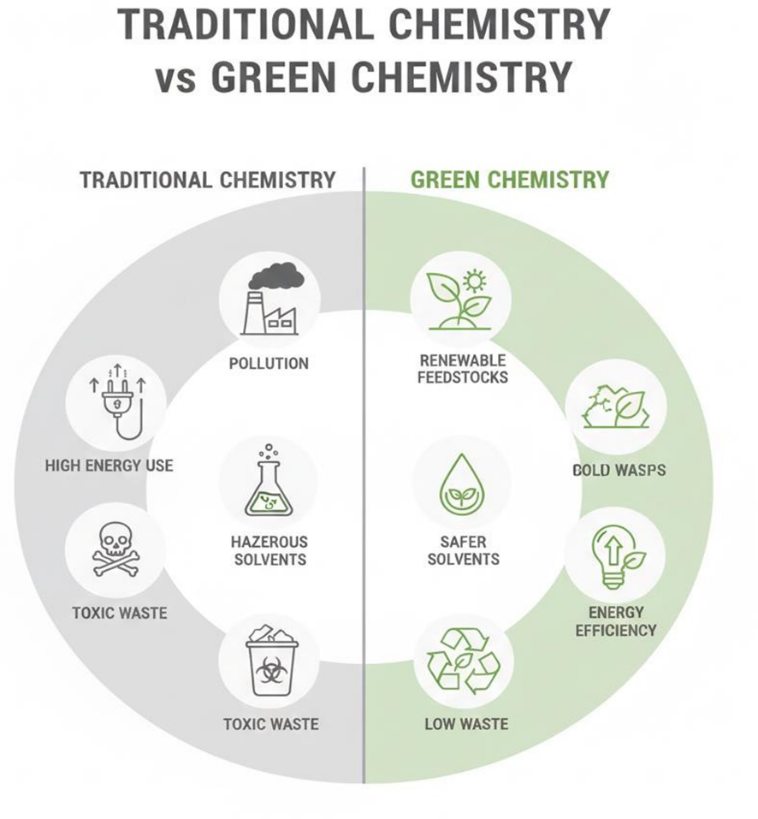
Fig. 2: Comparison between traditional and green chemistry
Economic Benefits
Challenges and Future Scope of Green Chemistry
While green chemistry has made significant advances, several challenges remain that must be addressed to fully realize its potential. At the same time, emerging trends and technologies present exciting opportunities for the future.
Challenges
FUTURE SCOPE
Although challenges such as high costs, technical limitations, and feedstock availability remain, the future of green chemistry is promising. With advances in catalysis, greener solvents, renewable feedstocks, and energy-efficient technologies, it is set to play a pivotal role in sustainable industrial growth and environmental protection.
Green Chemistry Technologies
Green chemistry relies on innovative technologies that make chemical processes safer, cleaner, and more efficient. These technologies reduce waste, save energy, and improve overall sustainability. The most widely studied and applied methods include catalysis, microwave-assisted synthesis, ultrasound, and greener solvents.
Catalysis
Catalysis is one of the most powerful tools in green chemistry. Catalysts accelerate chemical reactions, reduce energy consumption, and improve selectivity, minimizing unwanted byproducts.
Catalysis is widely used in pharmaceuticals, fine chemicals, and materials synthesis for cleaner, faster, and more efficient processes.
Microwave-Assisted Synthesis
Microwave heating accelerates chemical reactions by directly transferring energy to molecules rather than heating the entire system.
Ultrasound (Sonochemistry)
Ultrasound uses high-frequency sound waves to enhance chemical reactions, a field known as sonochemistry.
Greener Solvents
Solvent choice has a significant impact on sustainability. Green chemistry promotes safer, renewable, and recyclable solvents.
These technologies collectively make chemical synthesis safer, more efficient, and environmentally friendly.
CONCLUSION
Green chemistry has become one of the most important approaches for building a cleaner, safer, and more sustainable future. By focusing on reducing waste, minimizing toxicity, conserving energy, and using renewable materials, green chemistry shifts the chemical industry away from traditional practices that often harm the environment. The literature clearly shows that the 12 Principles of Green Chemistry continue to guide researchers and industries in designing processes that are both economically viable and environmentally responsible.
Over the past two decades, significant progress has been made in areas such as green solvents, catalysis, renewable feedstocks, microwave and ultrasonic technologies, and biodegradable materials. These advancements not only lower environmental pollution but also reduce production costs, improve efficiency, and open new pathways for innovation. Many industries including pharmaceuticals, polymers, agriculture, and energy are now adopting green chemistry solutions because they offer long-term sustainability without compromising performance.
Despite these achievements, green chemistry still faces challenges such as high initial costs, limited awareness, and technological constraints in some regions. However, ongoing research, supportive government policies, and increasing global concern for environmental protection is helping accelerate its adoption. As the world moves toward a circular and low- carbon economy, green chemistry will continue to play a central role in shaping safer products, cleaner processes, and more responsible scientific practices.
Overall, the review highlights that green chemistry is not just a scientific concept but a necessary pathway toward sustainable development. Continued investment, innovation, and education in this field will ensure that future generations benefit from a healthier environment and more efficient chemical technologies.
ACKNOWLEDGEMENT:
The authors would like to express their sincere gratitude to the faculty and staff of the Department of Pharmacy, Mahavir Institute of Pharmacy, Nashik, for their guidance and support in the preparation of this review. The authors also thank all the researchers whose studies and publications contributed valuable insights to this work.
AUTHORSHIP:
All authors have significantly contributed to the conception and design of this review, performed the literature search and critical analysis, and participated in drafting and revising the manuscript. All authors have read and approved the final version of the manuscript and agree to be accountable for all aspects of the work, ensuring that questions related to the accuracy or integrity of any part of the paper are appropriately investigated and resolved.
REFERENCES




Vaishnavi Chauthe, Mahevish Shaikh, Dr. Anil Jadhav, Kajol Echale, Green Chemistry: A Sustainable Approach, Int. J. of Pharm. Sci., 2026, Vol 4, Issue 1, 719-731. https://doi.org/10.5281/zenodo.18186449
 10.5281/zenodo.18186449