
Oriental college of Pharmacy, Navi Mumbai
Heart failure with preserved ejection fraction (HFpEF) is the cause of over fifty percent of all cases of heart failure, given its rising prevalence, particularly in old age, with numerous comorbidities. In modern studies, the concept of HFpEF has been broadened to encompass numerous symptoms associated with inflammation, microvascular and endothelial dysfunction, myocardial rigidity, and decreased cardiovascular reserve, as opposed to its historic emphasis on the phenomenon of diastolic dysfunction. The necessity to enhance the imaging, exercise testing, and the biomarker-based assessment is supported by the statement that the currently existing diagnostic algorithms demonstrate low levels of accuracy when applied to diverse groups of patients. New phenotyping and precision medicine approaches are also attempting to sub-categorize patients with distinct biological characteristics and subsequently match them with a specific treatment in order to address HFpEF heterogeneity. Recent transformations in the treatment landscape in the form of sodium-glucose cotransporter-2 inhibitors and novel metabolic, anti-fibrotic, anti-inflammatory, and device-based treatment have introduced a new approach to HFpEF care based on phenotype.
The frequency of heart failure with preserved ejection fraction (HFpEF), a complicated and multifaceted clinical condition, is rising, especially in older persons with several comorbidities. Numerous comorbid conditions, including hypertension, obesity, atrial fibrillation, diabetes mellitus, chronic kidney disease, and metabolic syndrome, are closely associated with the pathophysiology of HFpEF. These conditions together cause endothelial dysfunction, systemic inflammation, and decreased nitric oxide bioavailability. These mechanisms lead to disordered cardiac and extracardiac organ functions, including reduced diastolic function, increased ventricular stiffness, and skeletal muscle abnormalities, providing a comorbidity-driven biology for HFpEF. (1)
Heart Failure (HF) with preserved Ejection Fraction (EF) (HFpEF) currently takes into considerations over 50% every instance of heart failure and its prevalence relative to HF with reduced Ejection Fraction (HFrEF) continues to rise at an alarming rate of 1% per year.(2)In studies investigating angiotensin converting enzyme inhibitors (ACEIs), angiotensin II receptor blockers (ARBs) or mineralocorticoid receptor antagonists (MRA) a minor favourable trend was occasionally detected but mainly for secondary outcomes or retrospectively defined subgroups.(3,4,5 )
Burden of Comorbidities in HFpEF
1) Ischaemic heart disease
Patients with HFpEF often have epicardial CAD, which is associated with an unfavourable prognosis. Results improved after revascularisation of diseased arteries in several observational studies.35,36 But randomised controlled trials are required to find out how well revascularisation works for HFpEF patients. It is common for HFpEF to be accompanied with coronary microvascular dysfunction (CMD). Reduced coronary flow reserve and endothelial dysfunction, both of which may contribute to the onset of cardiac remodelling, are symptoms of coronary microvascular dysfunction.37; 38 A poorer prognosis, lower diastolic function, a more enlarged left atrium, and greater filling pressures are all symptoms of coronary microvascular dysfunction.39 Beta blockers, calcium channel blockers, ranolazine, and other traditional CMD medications may affect the prognosis of patients who also suffer with HFpEF, however this is still up for debate.(6)
2)Valvular heart disease
Secondary valve heart disease, including functional mitral regurgitation (FMR) and secondary tricuspid regurgitation (STR), may develop as a result of the unfavourable cardiac remodelling caused by HFpEF. Left atrial remodelling, often known as "atrial" FMR, causes HFpEF by causing the left atrium to enlarge and the pressure there to rise. Because of the dilated and flattened annulus, these changes cause leaflet malcoaptation.Transcatheter mitral valve edge-to-edge repair has been shown in recent observational studies to successfully cure atrial FMR and reduce HF-related symptoms.
In individuals with HFpEF, secondary tricuspid regurgitation significantly affects prognosis.47 New evidence shows that tricuspid transcatheter edge-to-edge repair is safe and helpful in improving quality of life for patients with severe tricuspid regurgitation; however, further research is required, particularly in the setting of HFpEF.(6)
3)Pulmonary Hypertension
A notable subphenotype of heart failure with preserved ejection fraction (HFpEF), pulmonary hypertension (PH) is caused by remodelling of the pulmonary venous and precapillary systems that is associated with left atrial hypertension. A new mPAP criterion of >20 mm Hg is now used to define PH in left heart disease, since recent studies in the US have shown a wider range of clinical risks linked to mPAP, particularly in relation to hospitalisation and death rates. The previous criteria of ≥25 mm Hg was used. Still unanswered are crucial concerns, such as whether a mPAP between 20 and 24 mm Hg may reliably foretell major clinical events in HFpEF and if the correlation between mPAPs over 20 mm Hg and unfavourable outcomes holds true for HFpEF populations worldwide. This study by Nishihara et al. delves into these questions by looking at HFpEF patients admitted to a Japanese hospital for heart failure. An increased likelihood of further heart failure hospitalisations is associated with a mPAP of 20 mm Hg or higher, and this association persists even when mPAP is 15 mm Hg or below, after normal HFpEF therapy. Increasing mPAP is substantially associated with negative clinical outcomes in numerous multivariate analyses, with a receiver operating characteristic analysis threshold of 17.5 mm Hg serving as the minimum value for correcting variables.(7)
4) Renal Dysfunction
A growing number of people are being diagnosed with both chronic kidney disease (CKD) and heart failure with preserved ejection fraction (HFpEF), two conditions that often occur together. cardiac fibrosis and systemic inflammation are two of the many ways in which chronic kidney disease (CKD) contributes to the development of cardiac HFpEF, and the two illnesses share many risk factors. Patients with HFpEF with CKD tend to be older and at a more advanced stage of the illness. In HFpEF, CKD is not a good predictor of outcome, and research on how HFpEF affects CKD prognosis is lacking. Acute decompensated HFpEF is associated with a high rate of acute kidney damage (AKI) at admission; however, the short- and long-term consequences of this condition remain uncertain. When combined with chronic kidney disease (CKD), the few pharmacological choices for treating HFpEF become even more restricted; hyperkalaemia is one of the most common side effects seen in clinical practice.(8)
5) Chronotropic Incompetence
One of the most common forms of heart failure now is heart failure with preserved ejection fraction, or HFpEF. Exercise intolerance is a common symptom that patients face and has a detrimental effect on their well-being and health results. An intricate cascade of changes in cardiovascular function—including elevations in venous return, biventricular systolic function, myocardial relaxation, vasodilation of systemic and pulmonary arteries, peripheral oxygen absorption, and heart rate response—is required for effective exercise. During maximum activity, the heart rate of healthy persons rises by around 2.5 times in order to improve cardiac output and oxygen supply. Nevertheless, chronotropic incompetence, defined as an inadequate rise in heart rate during exercise, is seen in around 60% of HFpEF patients. Possible causes of this phenomena are not yet known, although they may include malfunction of the sinus nodes, problems with the autonomic nerve, down-regulation and desensitisation of the β-adrenergic receptor, or early stopping of exercise because of tiredness or shortness of breath. Chronotropic incompetence severely restricts exercise ability in HFpEF patients, regardless of underlying causes. (9)
6)coronary artery disease
One disease mechanism and potential target for therapy in some individuals with heart failure with preserved ejection fraction (HFpEF) is myocardial ischaemia caused by epicardial coronary artery disease (CAD), coronary microvascular dysfunction (CMD), or both.Noninvasive investigations, an autopsy series, and small invasive trials all lend credence to the idea that inflammation-associated chronic myocardial dysfunction (CMD) contributes to the pathophysiologic features of HFpEF, which include left-ventricular (LV) diastolic and systolic dysfunction, both of which are prevalent in HFpEF. (10)
7)Atrial Fibrillation
There are a number of ways in which atrial fibrillation (AF) and heart failure (HF) may develop or worsen one another; they include rate-related left ventricular incompetency and cardiac
remodelling . Patients with heart failure with preserved ejection fraction (HFpEF, or left ventricular ejection fraction [LVEF] ≥ 50%) are at an increased risk of atrial fibrillation (AF), with a prevalence of 40-60% [4, 5]. Due to their interrelationships with test findings for echocardiography and natriuretic peptides, diagnostic uncertainty may arise for the diagnosis of HFpEF, and symptoms of AF and HFpEF may be comparable . The prognosis for heart failure patients with atrial fibrillation (AF) is worse than for patients with sinus rhythm. What's more, individuals with HFpEF are more likely to be at risk due to AF than those with HF with a decreased ejection fraction (HFrEF, defined as LVEF≤ 40%). (11)
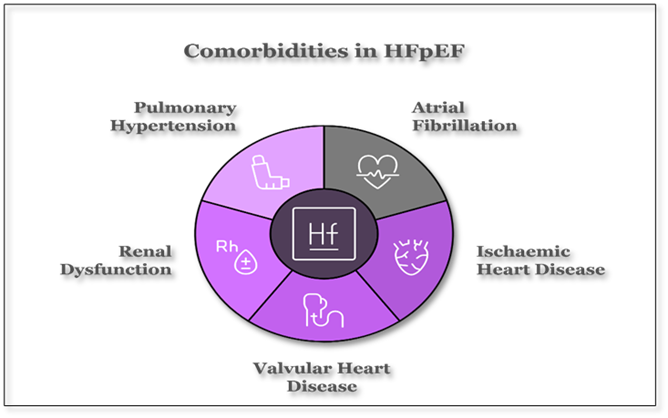
Figure 1: Comorbidities in Heart Failure with Preserved Ejection Fraction (HFpEF)
Pathophysiology Of HFpEF
Most occurrences of heart failure are HFpEF, which stands for heart failure with preserved ejection fraction. This kind of heart failure is associated with anaemia, metabolic syndrome, hypertension, and diabetes, and it mostly affects older women. The main symptom of this complicated and multifaceted disease is diastolic dysfunction caused by enlarged heart muscles. Left ventricular hypertrophy, along with other cellular problems such impaired angiogenesis, oxidative stress, cardiac fibrosis, and improper calcium management, is a key characteristic. Reduced ventricular compliance is one of the pathogenic processes that myocardial interstitial fibrosis contributes to, among others. There has been a lack of direct research on live cardiac cells from HFpEF patients, however it is possible that abnormalities in myocardial excitation-contraction coupling contribute to diastolic dysfunction in HFpEF. Evidence from studies with frozen cardiomyocytes points to protein hypophosphorylation as a mechanism by which decreased PKG (protein kinase G) activity can compromise ventricular compliance. The signalling pathways associated with PKG are now the subject of investigation as possible therapeutic targets. In addition, HFpEF development has been linked to nitrosative-oxidative stress, inflammation, microvascular insufficiency, and metabolic abnormalities. (12)
Diagnostic Frameworks and Their Limitations
Stroke patients with preserved ejection fraction (HFpEF) might be difficult to diagnose with certainty. The "HFA-PEFF diagnostic algorithm" is a novel sequential method that has been suggested. An ambulatory pre-test evaluation concentrating on demographics, symptoms, and basic testing is the first phase. If the left ventricular ejection fraction is normal and the usual risk factors are present, HFpEF may be considered. The diagnosis may be supported by elevated natriuretic peptides, although normal levels do not rule it out. In the second stage, thorough echocardiography and natriuretic peptide scoring are performed. A score of 5 or more implies probable HFpEF, whereas a score of 1 or below indicates a low likelihood. Functional testing is required for intermediate scores, and determining the exact aetiology of HFpEF or other alternatives is the goal of the last phase. Improved categorisation of HFpEF requires more investigation.(13)Echocardiographic and natriuretic peptide data are used to produce the European Society of Cardiology HFA-PEFF score, which ranges from 0 to 6. Probabilities of heart failure with preserved ejection fraction (HFpEF) range from 0 to 1, indicating a low likelihood and leading to a rule-out scenario, to 5 to 6, indicating a high likelihood and leading to rule-in findings. values between 0 and 1 indicate a low likelihood of HFpEF (less than 25%), whereas values between 6 and 9 indicate a high likelihood (more than 90%). In contrast, the H2FPEF score takes into account both echocardiographic and clinical factors, and it ranges from this range. Further exercise testing is necessary for patients who achieve intermediate ratings on both measures in order to make a definitive diagnosis. (14)Heart failure with preserved ejection fraction (HFpEF) is notoriously difficult to diagnose and treat, as shown by the inconsistencies between the HFA-PEFF and H2FPEF grading systems. For an accurate diagnosis, clinicians should be familiar with the benefits and drawbacks of both scoring systems and use them in conjunction with other relevant clinical and laboratory information. Finding more diagnostic features, improving diagnostic algorithms, and investigating other diagnostic or stratification procedures that are based on different clinical patient characteristics should be the main goals of future research.(15)
Phenotyping and Precision Medicine in HFpEF
Phenotyping also called phenomapping uses unsupervised machine learning, such as clustering, to clinical data, lab data, imaging data, and biomarker data to define HFpEF subgroups. Typical inputs are demographics, BNP, echocardiography (e.g. LV mass, PASP) and comorbidities; 3-6 phenogroups have frequently been found in the literature with external cohort validation. The major discriminators include age, obesity, CKD, AF, and BNP that show trends such as vascular aging in old age or the metabolic profile. (15-16)Precision medicine makes targeted therapies with phenotypes since HFpEF cannot be treated by one-size-fits-all. Examples: metabolic subtypes SGLT2 inhibitors, low-NP potentially ARNi, trials such as TOPCAT phenotype-specific spironolactone. Future studies will use phenomapping to enrich responders and combine omics and exercisedata. (15,16,17)The phenotypes are overlapping and cohort/method-dependent, so they cannot be used on a regular basis without a uniform validation. Trials could be improved with more data (omics, invasives) and longitudinal tracking.(18,16)
Therapeutic Landscape
1) Foundational Therapies
By reducing hospitalisations, metabolic modulation, and natriuresis, SGLT2 inhibitors such as dapagliflozin and empagliflozin enhance outcomes in HFpEF and HFmrEF and decrease all-cause mortality by 25% in HFrEF (EF < 40%). By stabilising pressure-volume loops, blood pressure and volume optimisation by GDMT, which includes ACEi/ARNI, beta-blockers, and diuretics, mitigate afterload sensitivity in HFrEF.(19,20,21)
2)Metabolic Therapies
Regardless of diabetes, GLP-1 receptor agonists (such as semaglutide) improve heart function, decrease the risk of worsening HF episodes, and encourage weight reduction in obese individuals with HF. Endothelial function, metabolic indices, and effort tolerance are all enhanced by this weight-mediated change. (20, 22,23)
3)Anti-Fibrotic Targets
Mineralocortisoid receptor antagonists (MRAs) finerenone, which inhibit inflammation, fibrosis, and salt retention across EF ranges, reduce cardiovascular events (CVEs) in HFmrEF/HFpEF. The emerging non-steroidal MRAs can be more effective than the traditional medicines against fibrosis. (24,25)
4)Inflammation Targets
cytokine pathways, including IL-6 and TNF- have been found to promote Inflammation in the heart. HFpEF subtypes are blocked by Ziltivekimab and other related drugs. Colchicine improves outcomes in HFpEF induced by hypertension and MCC950 (inflammasome NLRP3) reduces pyroptosis, fibrosis, and dysfunction in preclinical HF models. (26)
5)Pulmonary/RV Therapies
Phenotype-specific angiogenic and anti-fibrotic effects of phenotype-specific pulmonary vasodilators, including prostacyclin analogues, enhance RV performance during PAH-associated failure. RV targeting interventions are to restore coupling, which reduces afterload. (27)
6)Atrial/Rhythm Approaches
The reduction of all-cause mortality with Rhythm control is better than rate control in AF-related HFpEF. Rotary pumps or interatrial shunts can be used to unload the left atrium in order to reduce pressures in HFpEF. (28,29)
7)Device Therapies
Interatrial shunt devices (IASD) decrease left atrial pressure, decrease symptoms, and decrease PCWP in HFpEF without significantly impairment of RV functioning. Remote haemodynamic monitoring systems such as CardioMEMS are aimed at preventing decompensation through monitoring PA pressures. (30,31)
FUTURE DIRECTIONS
1)Precision-guided clinical trial design
Interatrial shunt devices (IASD) decrease left atrial pressure, decrease symptoms, and decrease PCWP in HFpEF without significantly impairment of RV functioning. Remote haemodynamic monitoring systems such as CardioMEMS are aimed at preventing decompensation through monitoring PA pressures. (32 )
2)Enrichment Strategies
In order to minimize heterogeneity, enrichment processes rely on prognostic or predictive biomarkers to select more high-risk individuals who are more likely to respond or suffer an endpoint. Mechanism-matched trials are enabled in HFpEF by biomarker-matched enrolment, i.e., high IL-6 to inflammation or collagen to fibrosis, as revealed by requests of endotype-enriched platform studies. This approach surmounts the challenges of large-scale treatment methods by reducing the populations of patients with microvascular dysfunction or metabolic issues. (33,34,35)
3)Endpoint Selection
Including digital measures, multi-organ results, and phenotype-specific proxies in subsequent HFpEF investigations will put targets after hospitalisations first. With high-risk criteria, prognostic enriches events and adaptive designs can have endpoint changes based on interim data made in real-time. Personalised outcomes are related to endophenotypes, e.g. fibrosis indicators to anti-fibrotics. (36,)
4)Personalized Pathways
To stratify patients into endotypes to administer personalised therapy, e.g. SGLT2i in cardiometabolic cases, there should be an implementation that involves multidisciplinary teams, AI-multi-omics, and biomarker-driven therapy. To be scalable in delivery, ACC routes will focus on referrals, checklists and remote monitoring. Despite the fact that federated learning and biobanks facilitate scalability, other issues like cohort standardisation still persist. (37,38)
CONCLUSION
The comorbidity is an important aspect of the pathophysiology of HFpEF; the disease is complex and combines a number of systems. The development of phenotyping and precision medicine has identified new directions of focus therapy and increased our understanding of how disease processes take place. The integration of pathophysiologic knowledge with phenotype-targeted therapy strategies is crucial to enhance the outcomes and avoid the failure of the previous trials. The creation of precision-based care as the foundation of HFpEF treatment, future developments will be based on the enhanced diagnostic frameworks, the optimization of clinical trial-based investigations, and the patient-centered goals.
REFERENCES

Vishal Pednekar, Vikas Gupta, Sayali Jadhav, Nameerah Rakhe, HFpEF at a Turning Point: From Limited Therapies to Precision-Based Management, Int. J. of Pharm. Sci., 2026, Vol 4, Issue 2, 3641-3649. https://doi.org/10.5281/zenodo.18738063
 10.5281/zenodo.18738063
