We use cookies to make sure that our website works properly, as well as some ‘optional’ cookies to personalise content and advertising, provide social media features and analyse how people use our site. Further information can be found in our Cookies policy
Oral health plays a vital role in overall public health and well-being globally. To preserve good oral health, it is important to take a proactive, interdisciplinary approach for prevention/early-treatment of common illnesses. Owing to public safety and efficacy in preventing dental caries and other dental diseases, the whole population is prone to natural components as it currently being more acceptable than synthetic formulations based on chemicals. There are few traditional folk procedures that have demonstrated greater effectiveness in maintaining dental hygiene, such as chewable sticks, oil pulling method and wood ash. Considering that there were no chemicals involved in traditional procedures, and with an immense literature survey the authors found it as safer alternative of the modernized chemical based oral care. To achieve some possible improvements in the public health with better oral care, this review disseminates the revamping of modern oral care method by incorporating traditional touch to achieve the better oral health as in future aspects with natural ingredients.
Keywords
Public health, Natural ingredients, Public Safety, Traditional folk techniques, Oral Health, Dental hygiene.
Introduction
In upcoming five years, elderly population of India will be approximate 196 million. With the world ageing at a rapid rate, it is estimated that by 2030 there will be over 20% population above 65 years, as shown in Fig.01[1]. As the population ages, so the burden of chronic disease also increases. Whereas, the chronic diseases of oral cavity are among the most common diseases affecting elder adults including dental infections (e.g. caries, periodontitis), tooth loss, mucosal lesions and oral cancer.
Figure 01:Systemic impact of poor oral health in the elderly population
These conditions can adversely affect nutrition, self-esteem, quality of life, and general health[2]. According to World Health Organization "Health" is defined as "the condition of total physical, mental, and interpersonal well-being, irrespective of a lack of illness or infirmity"[3]. Similarly, poor oral health leads to altered oro-facial form and function i.e. difficulty in speaking or mastication etc. As a result, a person's social wellbeing or quality of life is negatively impacted, either directly or indirectly[4]. Conversely, dental health has a significant impact on systemic health; in fact one should have proper oral health to achieve better health. Few reports indicate a direct correlation between cardiovascular diseases and periodontitis with other oral infections. Oral infections may exacerbate cardiovascular diseases through a number of possible mechanisms, including the development of atheroma in the endothelium as a direct result of microorganisms, indirect host-mediated reactions, or a genetic predisposition for the pathogenesis. Individuals with poor dental health are at higher risk for infective endocarditis, heart attacks, bacterial pneumonia, premature birth, and digestive problems in the elderly persons. Even though patients who have received organ transplants or rheumatic fever are susceptible to develop infective endocarditis and other systemic issues if they come into contact with oral bacteria[5]. Similar to heart conditions, a mother's dental health has a big impact on the health of her unborn child. The development of preeclampsia, premature birth, and the delivery of a tiny for-gestational-age infant have all been linked to periodontal disease during pregnancy. Additionally, it has been discovered that a mother's higher cariogenic flora predisposes her infant to developing caries and that the mother's oral flora is passed to her newborn[6]. It's been claimed that the mouth is the window to overall health, and that oral signs and symptoms can be used to diagnose a variety of illnesses, including diabetes, HIV, osteoporosis, and several endocrine issues.
Our everyday well-being and quality of life are significantly impacted by poor dental health. There is a significant correlation between dental issues in children and a decrease in both parental work days and school attendance[7], whereas a child's well-being is impacted in terms of its social, psychological, and functional aspects. Children who suffer from oral pain suffer from terrible consequences such as poor learning, poor growth, behavioral issues, and lack of sleep; additionally impacted the vital developmental processes like socialization, communication, and self-esteem. On the other hand, periodontal disease, tooth loss, and dental cavities are more being more common in the elderly population. The overall health-related quality of life of older persons is negatively impacted by a number of issues, including eating and food choices caused by edentulousness, xerostomia, soft tissue lesions, or poorly fitting dentures[8].
In India, almost 74% of people reside in rural areas[9]. There are differences in the ways that various civilizations and tribes maintain dental hygiene and clean their teeth using natural or alternative ways is still common, in spite of using toothbrushes and toothpaste. Apart from Asia, certain regions of Africa and the Middle East also follow this tradition. Among the materials used are chewing sticks fashioned from local plant species' twigs, roots, or stems. The applications can be credited to their simplicity of availability and inexpensive cost. It has been noted that the mechanical action and increased salivation of chewing sticks make them effective at removing tooth plaque. Certain components with antimicrobials activity have been found by some investigators[10]. In some cultures, brushing teeth with table salt and charcoal is a common custom, particularly for the elderly. Nonetheless, it is well known that these have a high abrasive content[11]. Additionally, ash, mud, and brick powder are used to clean teeth in some rural areas of India. Few civilizations use the bark of the walnut tree to rub their teeth whiter. Areca nuts and betel quid are used as dental cleaners in various regions. The literature also documents the rudimentary practice of using bones and feathers as teeth picks. In order to conceal halitosis, Masahiro Yoneda et al. described a case of severe tooth wear and hypersensitivity brought on by overindulging in lemon and vinegar[12].
Another old ritual called "oil pulling" involves swishing sesame, coconut, olive, or sunflower oil in the mouth in an attempt to remove poisons and microorganisms. When combined with appropriate dental care, it may be advantageous[13]. For optimal dental hygiene, extracts of cranberries, ginger, guava, holy basil (tulsi), and Indian gooseberry (amla) are still used. Originated in the country's northeast part, the gums are kept healthy and teeth are cleaned by the neem twigs/sticks also known as the Margosa/Persian lilac; it is well known to have antimicrobial qualities. For teeth whitening, one of the plants used is turmeric, which has antibacterial and anti-inflammatory properties. As an anti-plaque agent, triphala is a most commonly used potent natural remedy. In addition to being high in antioxidants, aloevera (Aloe barbadensis) possesses antibacterial and anti-inflammatory qualities. Hence, it is widely used to keep gingival health and whiten teeth. The inclusion of herbal extracts in commercially accessible over-the-counter dental products, such as mouthwashes, toothpastes, and toothbrushes, has increased in recent years. But the only way to encourage improved oral hygiene is to highlight the judicious combination of using new and traditional tooth cleaning tools under supervision, as well as patient education and incentive. Some fascinating facts and discoveries can be obtained by going back to the conventional techniques and supporting them with high-caliber randomized controlled clinical studies that provide scientific proof[14]. In different places of the world, different plants are utilized as chewing sticks due to their antibacterial properties against oral germs which have been the subject of numerous investigations. Comparing the antibacterial properties of seven distinct varieties of chewing sticks that are available in Pakistan and other Asian nations was the main objective of a study held by Almas K., where the antibacterial activity of seven Asian chewing sticks was tested using the ditch plate method. It was discovered that 50% concentrations of Arak (Salvadora persica) from Saudi Arabia and Kikar (Acacia arabica) from Pakistan had an antibacterial impact on Streptococcus fecalis[15]. Utilizing plants to enhance dental health and encourage good oral hygiene has a long and illustrious history. The plant is rich in phytochemicals with strong defensive and therapeutic properties including tannins, alkaloids, flavonoids and essential oils. People from many communities and cultures inhabit the large nation of India. Indians have long employed a wide range of species of medicinal plants from different families to treat and prevent a wide range of severe dental conditions. It might be possible to encourage more dental science research by properly documenting traditional knowledge[16]. In order to investigate the traditional knowledge of the residents of the Almora district in the Indian state of Uttarakhand, an ethno-medical study was carried out in 2007–2008. The findings show that the locals have traditionally used 17 kinds of medicinal plants from 15 families to treat and prevent a wide range of tooth conditions. In order to encourage more dental science research, traditional knowledge should be well documented[17].
MAIN TEXT
Basic Principles behind the Oral Care and Overall Health
Since, WHO says that "health" is the condition of full mental, social, and physical well-being rather than merely being free of illness or disability, eventually every person, including patients and healthcare professionals, understands that there is a link between the systemic health and oral health issues. Within the conceptual model, some of these interactions may be considered to be contributing to handicaps, while others may directly cause or worsen actual diseases[18]. Among other: A range of direct and indirect impacts, including structural, functional, cognitive, emotional, and social ones, contribute to these effects and their interactions. There are numerous psychological and pathophysiological mechanisms at play. Even though they have nothing to do with HIV/AIDS specifically[19], provide persuasive instances of how poor oral health conditions impact systemic health, quality of life, and economic productivity, all of which have an impact on daily living. A counterproductive example is xerostomia. Affected individuals frequently experience it due to several reasons, including medicine side effects and illnesses like Diffuse Infiltrative Lymphocytic Syndrome. Inosculation (particularly kissing), halitosis, swallowing, speech, mastication, taste, and aesthetics are among the many areas it may impact[20]. In the broadest sense, localized oropharyngeal infections cause leukocytosis, cytokinemias, leucopenias, and other leukodyscrasias which in turn cause and worsen systemic inflammation and malaise[21]. Immunosuppressed patients are susceptible to disease-causing microorganisms such as bacteria, viruses, and yeasts that can grow and proliferate in the mouth. The migration of pathogenic bacteria in the mouth and their toxic effects to other organs and tissues can occur both directly, as in the instance of necrotizing gingivitis and periodontitis, which can lead to a certain degree of restricted destruction of connective tissue (necrotizing stomatitis)[22], and subsequently, through lymph nodes and circulatory systems, potentially reaching the central nervous system. Hippocrates claimed that extracting teeth might cure arthritis. William Hunter (1901) and W.D. Miller (1890) questioned modern "conservative dentistry" techniques, believing that oral infections were the root cause of many systemic disorders[23][24]. Throughout the 20th century, debates about periodontal illnesses and their links to ischemic heart disease, stroke, preterm low birth weight, and other conditions appeared and passed[25][26]. In the past ten years, these debates have returned. There is no doubt that biological legitimacy exists[27]
The Most Common Pathological Oral Conditions
Among senior patients, the most prevalent oral diseases are caries, periodontal disease, xerostomia, edentulism, and oral cancer. These problems are linked to malnourishment, reduced life expectancy, higher risk of developing diseases, worse outcomes for diabetes, cardiovascular disease, and other systemic conditions common in senior citizens. Health practitioners might overlook opportunities to enhance oral health because they may not recognize the significance of dental health for general well-being and quality of life. The most common oral conditions/diseases found during literature survey are mentioned in Fig. 02.
Figure 02: Common Oral Health Conditions among Elderly Population (60+ Age Group) in India
Applied Material and Methods of Ancient Dentistry
Oil Pulling Methodology:
According to Ayurveda, there are connections between the tongue and the kidneys, heart, lungs, small intestine, spine, and other organs[64]. It is thought that oil pulling aids in the salivary excretion of harmful heavy metals[65]. Oil pulling triggers the activation of salivary enzymes, which draw toxins from the blood such as chemical, bacterial, and environmental toxins and eliminate them via the tongue[66,67]. As a result, oil pulling cleanses and detoxifies the entire body. On the other hand, some contend that because the mouth mucosa is not a semi-permeable membrane, bodily poisons drawn from the blood cannot cross it. Organic oils that are cold pressed like coconut, sesame and sunflower oils are beneficial for oil pulling; whereas refined oil can also be used to "pull" germs, viruses, and protozoa out of the mouth cavity. Cold pressed oils are suitable for oil pulling since they don't contain trans fats, unlike commercial oils that are extracted using potent petroleum-based solvents[68]. When it comes to oil pulling, sesame oil has historically been recommended[69]. It is also known to use olive oil, milk and extracts from mangoes and gooseberries for oil pulling[70]. Gingivitis caused by plaque has been reported to be lessened by sesame and sunflower oils[51]. Presence of chloro-sesamone in sesame (Sesamum indicum) roots, makes it an antifungal compound[71]. Additionally, the polyunsaturated fatty acids in sesame oil lessen oral cavity damage by free radicals. Antioxidants produced by oil pulling harm and ultimately destroy bacterial cell walls[72]. These oils will attract lipids found in bacterial cell membranes, which will then stick to them which causes the oil to become more emulsified and increases its surface area. The oil emulsification process begins after five minutes of extracting the oil[73]. This oil prevents the growth of plaque and bacterial co-aggregation by coating the teeth and gingiva regeneration. As a result, the oral cavity is free of the plaque-forming bacteria that cause gum disease, periodontitis, dental cavities, and foul breath. The issue of bleeding gums is resolved, and gums get pink and healthy. The symptoms of chapped lips and dry mouth/throat can also be relieved by oil pulling. Along with teeth that are whiter, breath that is fresher, and stronger jaws and muscles in the oral cavity results good oral hygiene[74]. In addition to reducing tooth discomfort, oil pulling helps to accomplish rigorous oral cleanliness, avoid dental caries, gingivitis, oral candidiasis, and periodontitis[75][76]. It is stated that regular oil pulling nourishes, revitalizes, and enhances the senses. It can help with anorexia, hazy vision, sore throat, dry cheeks, and loss of taste, as coconut oil has the high saponification index. Its lauric acid content reacts with salivary alkalis such sodium hydroxide and bicarbonates to produce sodium laureate, a soap-like material that has a cleansing effect and lowers plaque adhesion and accumulation[77]. Lauric acid is good for oral health, reduces dental cavities, and has antibacterial and anti-inflammatory qualities. In addition to all of this it also tastes good[78]. In an in vitro biofilm model, coconut oil exhibits antibacterial action and is efficacious against Streptococcus mutans and Candida albicans. In addition to its antiseptic qualities, coconut oil is safe to use as a moisturizer and emollient. The negative effects of chlorhexidine, such as brown stains and changed flavor perception, are not present in coconut oil. Monounsaturated fatty acids make up 70% of olive oil, with oleic acid being the main component. In addition, it has phytosterols, squalen, vitamin A, E, and K, and plant phenolic compounds. These ingredients contain antibacterial, immune-suppressive, and antioxidant properties. It is said that using olive oil for oil pulling can stop bad breath[79]. While mouthwashes based on olive oil are thought to decrease plaque production and inhibition, mouth rinses using almond oil are thought to produce low gingival scores. Sesame oil has detoxifying, antioxidant, and antibacterial properties since it include sesamin, sesamolin, and sesaminol. Furthermore, it stops lipid peroxidation. Sesame oil is also five to six times less expensive than chlorhexidine. Staining results by using mouthwashes with phenols and stannous fluoride over an extended period of time. Additionally, zinc and stannous salts have an organoleptic issue. Microorganisms like Staphylococcus aureus, Candida spp., Helicobacter pylori, Escherichia vulneris and Enterobacter spp. can be effectively inhibited by the monolaurin found in coconut oil. A theory suggests that monolaurin kills bacteria by changing their cell walls, breaking down their cell membranes, and preventing the action of enzymes involved in the transfer of nutrients and energy. In addition to its virucidal properties, monolaurin dissolves lipids and phospholipids in the viral outer shell, causing the virus to disintegrate[80]. Coconut lauric acid works well to prevent mouth sores. Because S. mutans reduces glycolysis and sucrose oxidation, coconut sucrose monolaurate possesses anti-caries effects that help to prevent dental plaque forming[81]. It is important to remember that oil pulling cannot cure pre-existing dental cavities, thus routine dental checkups are still necessary.
Traditional Abrasives (Ashes and Charcoal Dentifrices)
Charcoal dentifrices are the growing trend in dental hygiene products designed for brushing teeth, removing external stains, and "tooth whitening"[389]. The purpose of abrasive substances is to provide teeth a smooth and glossy surface by effectively removing soft deposits and external stains. An ideal level of abrasiveness is necessary for toothpaste. The agent will not be able to remove the soft deposits or stains if its abrasive capacity is extremely low. Conversely, abrasion of the teeth occurs if it is extremely high. Dentifrices should have a enough abrasive component to remove stains without causing damage to the tooth structure[390][391]. The most frequent abrasives added to dentifrices are silicas, carbonates, and phosphates. Ash and charcoal were popularly employed as all-natural dental cleaners. These materials' abrasive qualities made it easier to effectively clean teeth, get rid of stains, and encourage good oral care[392].
In traditional Chinese and Indian medicine, various oral care therapies are mentioned, although mouthwashes are one of them. Primarily it was preferred as a treatment for periodontal disease instead of a plaque reduction strategy. Conventional Ayurvedic medicine does not advocate the use of chemotherapeutic drugs, such as mouthwashes, for the purpose of controlling plaque. But because of disparities in sociocultural customs, Indians have always eaten with their hands rather than silverware. An estimated 50% of Indians rinse their mouths after meals in addition to washing their hands as part of their customary post-meal ritual[393]. Occasionally it is combined with finger brushing as practice among the elderly and those who experienced less exposure to Western civilization and its conventions. Even in spite of any chemotherapy treatment, the simple act of cleansing the mouth with water may help prevent food buildup within the oral cavity[394]. The Charaka Samhita recounts two forms of mouthwashes, gan doosha and kavalagra, that were used for various reasons. Kavalagra was made out of diluted herbal concoctions in the form of a paste or bolus. The kavalagra was then inserted into the mouth and held there unless nasal discharge or lacrimation happened. Conversely, Gan doosha was typically filled with liquids, primarily essential oils. After using this type of mouthwash to the fullest capacity, the mouth was forcefully rinsed. Plants including triphala, dasamoola, guggulu, pippali, and sarshapashunti were among the often utilized gan dooshas. For mouthwash, these were both pulverized and then combined with hot water to gargle, or they were combined with honey or cow's milk. The treatment of periodontal disease also involved the use of mouthwashes with major oil content, such as sahacharadi taila and irimedadi taila. In rural India, people still use sesame oil for oil pulling, which is the oral hygiene technique of holding oil in the mouth for a few minutes before spitting it out without washing it out. Studies have shown that it is useful as an antibacterial agent[395] and in enhancing gingival parameters[396].
Herbs as Potent Dental Protective in Periodontal Diseases
Meaning: Keeping a view on the condition of his body, the individual should pass urine and faeces, clean teeth with any of the twigs of following herbs – Arka (Calotropis procera),Vata (Ficus benghalensis), Khadira (Acacia catechu), Karanja (Pongamia pinnata), Kakubha (Terminalia arjuna),etc.To use the twig as tooth brush, the thickness of the twig should be approximately equal to the tip of one's little finger. It should be 12 Angula lengths. The tip of the twig should be chewed a little to make it as brush. The twig should be of astringent, pungent and bitter in taste.
Other herbs/trees/plants with oral health care properties: Table 01, summarizes the collection of various researches and review literatures in management of oral health care with natural ingredients, herbs and their activities against different oral conditions and the clinical case studies held by the researchers.
Table 01: Medicinal properties of various herbs including Oral Care
Sr. No.
Herbs
Common Name in India
Literature Survey on Research Work Done on Medicinal Properties of Following Herbs
Acacia arabica
Babul
Preserves dental hygiene[83], antibacterial and antiprotease properties[84][85], efficient at treating gingivitis, preventing plaque, and reducing bacterial counts without causing any of the negative effects associated with CHX[86,87].
Acacia nilotica
Garad
A. nilotica leaves and bark include tannin[88], gallic acid, catechin, epigallocatechin-7-gallate, catechin derivatives[89][90], ellagic acid, kaempferol, and quercetin[91]. It has a wide range of pharmacological properties, including anti-HIV-1 protease[92], antibacterial[93], antioxidant, anti-carcinogenic[94], and anti-inflammatory properties[95]. The bark of A. nilotica possesses inhibitory and antibacterial properties, it can also be used to treat periodontal disease treatments in the future and as an adjuvant antioxidant in mouthwashes[96].
Allium sativum
Garlic
Antiviral, antibacterial, and antifungal qualities when used as medication[97][98]. Infection, diabetes, and heart disease are among the traditional uses of Allium sativum[99]. The compounds found in garlic extract (GE), such as sodium acetate, methiin, and alliin, are beneficial to health[100]. Allicin, an antibacterial substance with potential for treating periodontal disease, dental caries, and oral cancer, is produced when garlic alliin is converted by alliinase[101]. With the discovery of new concepts like aged garlic extract (AGE), which has been used as medicine since 3000 BC, innovative ideas have been developed and researchers found that AGE reduced patients' levels of periodontitis[102]. The anti-inflammatory, anti-viral, anti-fungal, and anti-mutagenesis properties of garlic are well established[103][104]. There have been reports of several new garlic-based products that are consumer-friendly and reasonably priced ways to improve oral health, including gels, gums, toothpaste, and medicinal strips[105].
Aloe barbadensis Miller
Aloe Vera
Aloe vera gel possesses pharmacokinetic activities that include anti-inflammatory, antibacterial, antioxidant, immune-stimulating, and hypoglycemic effects[106][107]. On Streptococcus pyogenes and Enterococcus faecalis, it has antimicrobial effects[108][109]. Isorabaichromone, feruoylaloesin, p-coumarylaloesin and three aloesin derivatives have demonstrated the potential to scavenge radicals and superoxide anions[110][111]. It is perfect for treating gingivitis and periodontitis[112][113]. Its antifungal qualities also aid in the treatment of angular cheilitis, aphthous ulcers, and denture stomatitis, gingival tissue irritation, bleeding, and edema are lessened[114], after extractions using it can be a powerful healer[115], it has been utilized as a sedative dressing and file lubricant in root canal treatments[116]. Numerous investigations have been conducted to find out if aloe vera can truly treat gingivitis. In a double-blind study, 120 participants were asked to forgo brushing their teeth for two weeks with Aloe vera. Aloe vera mouthwash was found to be effective in reducing plaque and gingivitis[117]. Another study looked at the effect of toothpaste containing a lot of aloe vera on the resolution of gingivitis and plaque[118]. A study conducted by Geetha et al. highlighted the use of Aloe vera as a treatment in periodontal pockets[119].
Amphipterygium adstringens
Cuachalalate
Amphipterygium adstringens is a Mexican indigenous plant of the Julianaceae family[120].According to recent studies, the main component in charge of the plant's powers is Anacardic acid[121], which contains antibacterial[122], antiulcer, anti-inflammatory[123], anticancer and antioxidant properties[124].
Azadirachta indica
Neem
Extracts from different parts of the neem tree have been shown to contain a range of polyphenols, including flavonoids, lignins, and tannins, which are powerful anti-inflammatory, antibacterial, antioxidants, and immuno-modulators[126][127][128][129]. Neem aqueous formulations have demonstrated antibacterial effects by preventing the growth of some bacteria, breaking down their cell membranes, and lowering their surface adherence[130][131][132][133]. Following oral neem extract therapy, there was a significant reduction in both plaque accumulation and bacterial counts[134]. A neem extract's antioxidant qualities may help lower the oxidative stress linked to periodontal disease and may also have anti-inflammatory effects. By inhibiting prostaglandin-E and 5-hydroxytryptamine (5-HT), neem might possess anti-inflammatory qualities[135].
Berberis vulgaris
Ambarbaris
The main active element of Berberis vulgaris (Berberidaceae family) root extracts, berberine has antibacterial activity against periodontal bacteria. Berberine has been demonstrated by researchers to prevent the growth of P. gingivalis and A. a.[136][137][138]. Berberine's bacteriostatic qualities prevent P. intermedia, Actinomyces naeslundii, and Prevotella nigrescens from growing[139]. Dental gel that contained extract from barberry root was tested for microbiological activity. The growth of P. gingivalis was inhibited at 0.015 mg/g, which can be explained by the synergistic antibacterial activity of the protoberberine alkaloid a study evaluating the effectiveness of a dental gel, the plaque index (PI) was shown to have dropped. The plaque index (PI) was found to have decreased in a trial of the efficacy of a dental gel[140].
Camellia sinensis
Green Tea
The polyphenolic components of green tea or catechins are responsible for its health benefits[141]. Green tea has higher polyphenol content (30–40% vs. 3–10%) than black tea, and it has potent anti-inflammatory, antibacterial, antiviral, antimutagenic, and anti-aging properties[142][143][144]. It also has a beneficial effect on inflammation and periodontitis. Therefore, studies back up green tea's potential as a periodontal disease treatment and preventive[145].
Cinnamomum zeylanicum
Ceylon Cinnamon
Studies on cinnamon have been conducted on diabetic control[146] and gynecological disorders[147]. Its properties include anti-inflammatory, antibacterial, anti oxidative, cardio protective, and anti-inflammatory properties[148]. A group of over 250 evergreen trees in the Lauraceae family are collectively referred to as cinnamon[149]. Numerous species have been investigated, particularly those connected to oral health care. Two of the most researched varieties of cinnamon are Cinnamomum verum and Cinnamomum zeylanicum[150]. Cinnamaldehyde and CBEO present in cinnamon have antifungal, antibacterial, anti-inflammatory, and anticancer effects[151][152][153]. Wang et al. claim that P. gingivalis is inhibited by the cinnamaldehyde in C. zeylanicum bark EO[154].
Citrus sinensis
Oranges
It combats bacterial and viral infections in addition to preventing and treating vitamin deficiencies, colds, the flu, and scurvy[155]. Antibacterial properties have also been reported for orange peel[156]. Dubey et al. demonstrated the robust antibacterial properties of orange peel extracts against different bacteria using the disk diffusion method[157]. The effectiveness of orange peel extract against Klebsiella pneumoniae has been demonstrated by Jabuk et al.[158]. Numerous studies have revealed that Citrus sinensis can also treat periodontal disease[159].
Coffea canephora
Coffee
The major phenolic acid in coffee, chlorogenic acid, has a variety of health benefits, including antioxidant, anti-inflammatory, and antibacterial characteristics[160][161][162][163][164][165]. In a clinical trial, the amount of oral bacteria S. mutans was reported to be decreased by the chlorogenic acid in green coffee extract[166]. Coffee extract has been shown to be antibacterial and to block the action of proteases made by periodontitis-causing bacteria such P. gingivalis[167].
Copaifera pubiflora
Copaiba
For defense against bacteria, fungus, and animals; during their secondary metabolism a by-product is generated[168][169]. Research has indicated that Copaifera may have antibacterial properties against the microorganisms that cause dental cavities and endodontic infections[170][171][172]. However, Abrao et al. investigated the antibacterial and antivirulence activities against P. gingivalis and Aggregatibacter actinomycetemcomitans (A. a) Against periodontal infections, these substances worked well as antimicrobials[173].
Coptidis rhizoma
Canker root
A research suggests that the main active component of CR extract is a substance known as berberine (BBR). Different antibacterial, anti-inflammatory, antifungal, ant diarrheic, and other properties are possessed by CR and BBR[174][175]. BBR treatment reduces inflammation and the damage that periodontitis causes to periodontal tissue by blocking MMP-2 and MMP-9 activation[176]. BBR has the potential to decrease leucocyte infiltration into the periodontium by inhibiting the production of monocyte chemo attractant protein-1 from impacted PDL cells[177]. Similarly a case study shown that oral BBR therapy dramatically reduced alveolar bone loss in a seven-week period in a rat periodontitis model[178]. In a rat model of periodontitis, BBR successfully decreased both local and systemic inflammation by reducing the generation of TNF-α and IL-17 as well as the quantity of IL-17A+ cells in the alveolar bone[179]. BBR inhibits the inflammatory process that leads to the loss of alveolar bone in rats with ligation-induced periodontitis, according to an in vivo study by Gu and colleagues[180].
Curcuma longa
Turmeric
Curcumin is a well-known anti-inflammatory constituent with its ability to block human LOX and COX activities[181][182]. Curcumin has its anti-inflammatory properties through modulating inflammatory pathways and stimulating transcription factors including MAP Kinase, activator protein-1, and NF-κB of stimulated B-cells[183][184]. Furthermore, research indicates that curcumin effectively inhibits the induction of inflammatory mediators, which has a therapeutic effect on gingival inflammation and periodontal diseases[185]. When curcumin is contrasted with ornidazole gel, the periodontal parameters are also improved[186][187][188]. There were no discernible differences observed among CHX and curcumin gels in the plaque or GI treatments, according to Kandwal et al.[189]. Researchers are looking into a potential treatment for periodontitis because curcumin inhibits the actions of Toll-like receptors[190]. The chemical compositions of the several forms of curcumin are meta-analyzed to investigate curcumin's impact on alveolar bone loss; similarly in case of bone volume fraction, the chemically modified curcumin produced the best outcomes in terms of millimetres[191].
Cymbopogon citratus
Lemongrass
Various studies have indicated that flavonoids and phenol present in lemongrass have antioxidant, anti-inflammatory, and antimutagenic properties[192]. Additionally, bacteria can be inhibited by lemongrass essential oil (EO) at concentrations lower than 2%[193]. Hong khun thian et al. found that it also had antibacterial properties against periodontal germs that had previously developed a resistance to tetracycline[194][195]. Mouthwash with lemongrass essential oil is a useful non-surgical supplement to gingivitis treatment[196][197]. In the deep periodontal pocket area, which is challenging for conventional mouthwashes to reach, muco-adhesive polymer-based semi-solid formulations have been proposed to enhance contact quality and prolong the dosage form's durability[198]. These essential oils may have antioxidant properties, which could account for their anti-clastogenic effects[199].
Eucalyptus globulus
Blue gum
Essential oils (EO) derived from eucalyptus are being used globally, regarded as non-toxic, safe and authorized for use as food flavoring ingredients[200]. The presence of flavonoids, tannins, and essential oils (EO) in eucalyptus leaves are thought to be the source of their fumigant, anthelmintic, larvicidal, and antioxidant characteristics[201]. Antibacterial ethanol extracts derived from E. globulus leaves target oral bacteria that frequently include oral pathogens like streptococci[202]. Furthermore, the extracts prevent these bacteria's extracellular glucosyltransferase from generating insoluble glucan[203]. Periodontal bacteria like P. gingivalis and P. intermedia were also susceptible to the antibacterial effects of ethanol extracts of E. globulus leaves[204].
Garcinia mangostana
Mangosteen
This plant has pericarps that are rich in tannins, fructose, sucrose, garcinone, sesquiterpenoids, gartanin, and other healthy compounds[205]. Aside from aromatase inhibition, mangostana's other benefits include antibacterial, antioxidant, anticancer, antiproliferative, and pro-apoptotic actions[206][207]. A polyphenol compound with important biological characteristics- xanthones, is abundant in mangosteen, flavonoids and anthocyanins[208][209]. Frequent consumption of mangostana may also help prevent a variety of degenerative conditions brought on by inflammation and oxidative stress[210]. In an investigation, Mangostana pericarp gel extracted with 80% ethanol at a minimum inhibitory concentration (MIC) of 3.91 g/mL was found to inhibit P. gingivalis growth[211]. The generation of IL-6, IL-8 and PGE2 in immortalized human cells treated with P. gingivalis lipopolysaccharides was shown to be greatly reduced by mixing mangosteen and propolis extract, as per a recent study[212].
Glycyrrhiza glabra and
Glycyrrhiza uralensis
Chinese Licorice
Glycyrrhiza is native to Europe and Asia which has been extensively utilized in Chinese and Ayurvedic medicine for years[213]. The main isoflavans from Chinese licorice (Glycyrrhiza uralensis), licorisoflavan A and licicidin, suppressed P. gingivalis proliferation, the production of sulphur-based volatile compounds and the protease activity that causes halitosis[214]. It can help maintain dental health and stave against gingivitis. Witttschier et al. observed that pre-treatment of P. gingivalis with licorice root polysaccharides may limit bacterial binding from host cells. Inhibiting bacterial adhesion, the study found that G. glabra polysaccharides[215]. Licorice extract exhibits potent anti-inflammatory properties by decreasing the periodontopathogen-induced IL-1β, IL-6, IL-8, and TNF-α responses when macrophages are activated with A. a and P. gingivalis[216]. Licorice extract exhibits potent anti-inflammatory properties by decreasing the periodontopathogen-induced IL-1β, IL-6, IL-8, and TNF-α responses when macrophages are activated with A. a and P. gingivalis[217]. Licochalcone A inhibits P. gingivalis's ability to produce biofilms and the host immune response[218]. It has recently been determined that licorice extract effectively prevents host cells from producing MMP in individuals with chronic periodontitis[219].
Hibiscus sabdariffa
Gakhro/Lal Ambari
It thrives in regions that are tropical or subtropical[220][221]. The calyx of the roselle contains a variety of secondary metabolites, including hibiscetin, flavonoids, alkaloids, and saponins[222][223]. Additionally, delphinidin-3-sambubioside, which reduces the synthesis of inflammatory mediators, suppresses osteoclastogenesis in roselle. Owing to its antibacterial and anti-inflammatory characteristics, alveolar bone loss may be treated with it[224][225][226][227]. The antibacterial properties of roselle may aid in delaying the formation of plaque and so halting additional bone deterioration[228][229][230][231]. Past studies on its extract have also demonstrated its anti-inflammatory qualities[232][233][234].
Inula viscosa
False Yellowhead
Ditrichia viscosa is a member of the Asteraceae family and is primarily found in the region of the Mediterranean[235]. It is still unknown whether I. viscosa's antibacterial action will affect early oral biofilms in situ. It is used as a folk medicine plant to treat scabies and skin irritations like eczema[236][237]. It has been shown that I. viscosa extract possesses anticancer, antioxidant, antifungal, antibacterial, and hypoglycemic activities[238]. Furthermore, I. viscosa tea reduced the adhering bacteria in the main in-vivo oral biofilm without impairing the salivary pellicle's acid-resistance[239]. According to a research, particularly when each of its components comes in touch with the oral mucosa, I. viscosa has a great deal of potential to protect oral health. Kurz et al. investigated the antibacterial activity of Inula viscosa extract by using it to prevent microbial adherence in the oral cavity[240].
Juglans regia
Akrot
The walnut tree, derum, dandasa and sewak or Juglans regia is one of the most useful medicinal plants in both the cosmetic and therapeutic fields[241]. Among other things, Juglans regia's shells, kernels, seeds, and bark have all been the subject of numerous research[242]. In the cosmetics business, Juglans regia bark is utilized as a teeth-cleaning agent and as a lip colorant[243]. Juglans regia bark is a fibrous, resinous, and aromatic portion that can take on a variety of shapes and dimensions[244] which possesses anti-inflammatory, blood-purifying, anticancer, depurative, diuretic, and antioxidant qualities that make it useful in treating a wide range of conditions[245]. It has been demonstrated that its antifungal and antibacterial qualities have an inhibiting effect[246]. The plant Juglans regia is utilized in oral hygiene products because it includes terpenoids, alkaloids, steroids, phenols, and flavonoids[247]. The bioactive component of Juglans regia, juglone, has been shown to suppress the growth of P. gingivalis and its antibiofilm effect, specifically against S. sobrinus, A. viscosus, and S. mutans Leaf and septa extracts showed only a small amount of toxicity in rats and mice. Because Juglans regia has antiplaque activity, it is a wonderful substance for improving oral and dental health[248][159].
Lippia sidoides
Jalapippali
A medicinal Verbenaceae shrub with aromatic properties found in northeastern Brazil namely "Pepper-Rosmarin or Lippia sidoides"[249][250] yield EOs and other extracts that contain monoterpenes with antibacterial characteristics, like thymol and carvacrol[251][252]. Extracts from L. sidoides are used as a topical antiseptic in traditional Brazilian medicine to treat diseases of the skin and mucous membranes[253][254]. This plant has apparently shown good outcomes when used in dentistry, especially when it comes to controlling supragingival biofilm and having antiplaque and antigingivitis properties on humans[255][252][256][257] as well as studies using animals. By lowering pro-inflammatory cytokines including TNF-α and IL-1β, as well as myeloperoxidase activity, researchers were able to decrease gingival neutrophil infiltration and regulate periodontal inflammation[258][259][260].
Mangifera indica
Mango
A member of the Anacardiaceae family, Mangifera indica (mango) contains 10% mangiferin. This tropical and subtropical tree has been used for a variety of medical applications[261]. The fact that mangiferin is a glycosylated xanthone with anti-inflammatory and immunomodulatory qualities is one of the processes at work[262][263]. In lumbar vertebrae, an experiment revealed bone anti-resorption actions[264]. Additionally, this plant works well against some periodontal bacteria[265].
Manuka honey
Manuka honey
Honey has been used to heal infections and other illnesses since the dawn of time[266]. Because honey has antibacterial qualities, especially against wound infections and germs resistant to antibiotics, researchers are now again interested in this substance[267][268]. This resulted in the approval of Manuka honey for the treatment of burns, ulcers, and bacterial infections[269][270][271]. The antibacterial components of honey include methylglyoxal, flavonoids, hydrogen peroxide, bee defensin-1, numerous protein-rich compounds, the hyperosmolarity effect, an acidic pH and phenolic compounds[272][273]. Among the majority of honey varieties, hydrogen peroxide exhibits the strongest antibacterial properties[274]. Manuka honey has antibacterial properties against both planktonic and biofilm microorganisms[275][276][277]. Planktonic bacteria when cultivated[278][279], Although P. gingivalis[280] and A. a.[281] are susceptible to manuka honey, P. gingivalis is significantly more resistant when it forms a biofilm[282]. Manuka honey strips have been discovered by English et al. to minimize gingival bleeding and plaque growth[283].
Matricaria aurea and
Matricaria chamomilla
Babuna & Chamomilla
Its oil and flower extracts are used to cure a wide range of illnesses[284]. It has a high concentration of active ingredients including terpenoids, flavonoids, coumarins, and spiroether[285][286]. MTC extract contains anti-inflammatory components such as spigenin, chamazulene, and bisabolol, which block the production of NO, TNF-α, hyaluronidase, collagenase, cyclooxygenase, prostaglandin E2, and interleukins (1β, 6, 12)[287][288]. Plaque accumulation, gingival irritation, and recurrent stomatitis have all been demonstrated to be alleviated by utilizing MTC mouth rinse[289][290][291][292][288]. The Saudi Arabian native plant Matricaria aurea (M. aurea), which is a member of the genus Matricaria, has drawn attention recently due to its potential as a rich source of antioxidants and antimicrobials as well as its therapeutic uses[293][294]. This species and Matricaria chamomilla have numerous chemical traits in common[295]. According to recent research by Ahmad et al., this extract may contain a variety of compounds that could aid in the creation of the next generation of medications used to treat chronic periodontitis[296].
Morus alba
Mulberry
Historically, Morus alba has been used to treat fevers, improve vision, fortify joints, and lower blood pressure[297]. Mulberry fruit is additionally utilized to treat anemia, weakness, weariness, early hair graying, renal support, and blood replenishment. Mulberry root bark is anti-inflammatory, hypoglycemic, and antibacterial. It also shows anti-inflammatory properties[298]. The ethanolic extract from the stems of mulberry tree has the highest concentration of oxyresveratrol (2,30,4,50-tetrahydroxystilbene), while the leaf extract has the lowest concentration[299]. Oxyresveratrol from M. alba possesses anti-oxidant and radical-scavenging properties. Prenylated flavonoids, among other ingredients, may have anti-inflammatory properties by inhibiting the production of nitric oxide (NO). M. alba has been shown to be effective in treating periodontitis in a number of studies[300].
Myristica fragrans
Nutmeg
It consists of four parts: mace, seeds, flesh, and skin[301]. Numerous derivatives of alkyl benzene are present in Myristica fragrans[302][303]. The chemical components of Myristica fragrans have been studied by scientists from a variety of sectors for its antioxidant, antibacterial, hypolipidemic, and hypocholesterolemic properties, among others. In contrast to the mace's anti-inflammatory[304], anti-carcinogenic[305], and anti-papillomagenic effects, the seed kernel has antithrombotic, antiplatelet, and antifungal qualities and more. The compound trimyristin, which is extracted from Myristica fragrans seeds, has demonstrated antibacterial properties against both Gram-positive and Gram-negative bacteria[306]. Zaleha Shafiei et al. observed lower bacterial concentrations in preparations of the extracts made with mace, seeds, and meat of Myristica fragrans[307].
Ocimum sanctum
Tulsi
Aromatic plants of the Labiatae family include holy basil, also known as Tulsi or Ocimum sanctum are utilized in various areas as it can prevent radiation poisoning and cataract formation, and because of its COX2 inhibitory properties, it possesses antioxidant properties as well[308][309][310]. It has been shown to possess antimicrobial, antioxidant, and antigingivitis because of compounds like apigenin, eugenol, civsilineol, civsimavatine, isothymonin and rosavinic acid, as well as antiseptic properties by inhibiting COX through the method of scavenging free radicals through phenolic compounds like eugenol, rosmarinic acid, and eugenol[311].
Pinus pinaster
Pine
It contains constituents such as catechins, epicatechins phenolics, glycosides, cinnamic acids, and polyphenolic monomers[312]. Several research has indicated that the extract and some fractions may possess antioxidant qualities in perfused organs, cultured cells, and in vivo settings[313][314]. The PYC compound has been shown in human trials to have anti-inflammatory properties[315][316]. According to a study, chewing PYC gum can stop gingival bleeding and plaque from forming[317].
Piper marginatum and
Ilex guayusa
Piper and
Guayusa
This plant is also known as "small cord" and "tooth healer" in Colombia. P. marginatum leaf extracts have demonstrated antibacterial, antimycotic, and antiviral properties against illnesses in humans, animals, and plants[318][319]. The Aquifoliaceae plant "Ilex guayusa," which grows in tropical and subtropical regions, is commonly referred to as "guayusa." Its leaves are used to make infusions that stimulate muscles and nerves and heal gastrointestinal issues, respiratory issues, and colds[320]. According to Gamboa et al., the plant leaves' extract has antibacterial qualities that can combat germs that cause periodontal disorders[321].
Pistacia lentiscus
Mastic Gum
The antibacterial, anti-inflammatory, and analgesic qualities of Pistacia lentiscus plants and their processed products have long been valuable[322][323]. Pistacia lentiscus is used in numerous applications due to its antibacterial and antifungal characteristics[324]. Mastic gum of the plant contains limonene, β-pinene, β-myrcene, and β-caryophyllene, among other volatile substances[325], also contains high bactericidal capabilities, particularly against H. pylori, and its main active ingredient is triterpenic acids[326]. Recently a study showed that anaerobic oral infections such P. gingivalis, F. nucleatum, and P. intermedia can be successfully treated with mastic gum[327]. Similarly, Pistacia lentiscus resin is utilized to create dental powder, which is used to clean teeth and get rid of foul breath[328].
Psidium guajava
Guava
Guava has wound-healing, antiplaque, anti-inflammatory, and antioxidant properties. Oral hygiene is usually improved using a paste formed from fragile guava leaves. In ancient days chewing sticks of guava stems and fresh leaves were used by amongst the population to clean the oral cavity, it is believed that anti-inflammatory and wound healing properties of P. guajava seems to be helpful in treatment of bleeding gum and painful tooth[329].
Punica granatum
Pomegranate
Pomegranate, a member of the Punicaceae family, is scientifically known as Punica granatum[330]. Pomegranates are known as "a pharmacy unto themselves" because of their advantages. Numerous potential health benefits of pomegranates include treating bacterial, fungal, viral, immunological, vermifuge, stimulant, refrigerant, stomachic, styptic, diuretic, and helminthic illnesses[331].
Rosmarinus officinalis
Rosemary
The plant's properties are influenced by a number of leaf constituents such as phenols, flavonoids, terpenoids, and essential oils[332][333][334][335]. Santoyo et al.'s study identified the EOs that have the antibacterial effect after analyzing the data, they found that verbenone, camphor and borneol had the greatest antibacterial activity[336]. In bone cells, rosmarinic acid was investigated by Lee et al. Its ability to greatly increase alkaline phosphatase activity and improve osteoblast mineralization raises the possibility that it could be utilized to stop the deterioration of bone[337].
Salvadora persica
Miswak
In the Muslim world, this chewing stick is referred to as the Miracle Twig or Brush tree; other names for it include Miswak, Arak, Meswak or the Toothbrush Tree[338]. According to WHO guidelines, the antibacterial characteristics of Salvadora persica has fibrous branches which make them suitable for use in oral hygiene. This plants belong to family Salvadoraceae[339][340]. The plant is primarily found in the Middle East, the Indian subcontinent, and the dry and subtropical parts of Africa[341]. Throughout pre-Islamic and Islamic times, Arab and Islamic communities employed Salvadora Persica (SP), an ancestor of toothbrushes, to clean their teeth and maintain better oral health[342]. The pharmacologically active components and mechanical action of SP when brushed contribute to its favorable effects on oral and dental health. Tannins are a group, one of its chemically active substances; they inhibit the glucosyltransferase enzyme to lessen periodontal disease and plaque[343]. There is currently not much knowledge about the physiologically active substances that give S. persica miswak its purportedly positive effects on oral health. According to certain in-vitro research, S. persica extracts slowed the growth of C. albicans and other oral aerobic and anaerobe bacteria. Such extracts have also been shown to inhibit the growth, plaque formation and acid generation of several cariogenic bacteria in vitro[344][345][346]. A recent study by Almas & Al-Bagieh revealed that S. persica bark, pulp, and the entire part of miswak tree, were all effective against a variety of bacteria, including S. mutans, although there were some differences in the antibacterial activity of the bark and pulp extracts[347]. As an efficient and different dental hygiene tool, the World Health Organization[348] has supported and advocated using these sticks. The core tenets of the Primary Health Care Approach, which emphasize community involvement, prevention, and the use of suitable technology, are also supported by this proposal[345].
Satureja hortensis
Summer Savory
Referred to as summer savory (Satureja hortensis), this annual herbaceous crop species belongs to the Lamiaceae family and features linear leaves with heavy branching. Serine compounds, pyrocatechols, mucilage, tannins, flavonoids, steroids, volatile oils, acids, and gums are among the main bio-molecules found in S. hortensis extracts and EO. These compounds have a range of antioxidant, antibacterial, and anti-inflammatory properties that make them useful in the treatment of some systemic illnesses[349]. The study by Gursoy et al. found that S. hortensis EO had a mediocre anti-biofilm impact at sub-inhibitory levels when applied at a dose that was safe for keratinocytes. However, it stopped the growth of periodontal bacteria[350].
Syzygium aromaticum
Clove
Clove is a spice made from the dried blossom buds of the Syzygium aromaticum (Myrtaceae) clove tree[351]. Clove has a high sensitivity to numerous germs and pathogens that cause periodontal disorders and tooth damage[352]. Furthermore, studies have demonstrated the antifungal, anti-carcinogenic, antiallergic, and antimutagenic qualities of Syzygium aromaticum[353][354]. Eugenol is one of the primary ingredients in clove oil and has anti-inflammatory and antioxidant properties[355]. Clove possesses antibacterial properties against two Gram-negative anaerobic periodontal pocket infections, P. gingivalis and P. intermedia. It may inhibit TNF-α, COX-2, and IL-6 and alter the NF-?B signaling pathway, potentially lowering periodontal inflammation[356][357][358][359]. Cloves possess antioxidant qualities in addition to their anti-inflammatory ones[360][361]. Its antioxidant activity may help to lessen the joint oxidative stress associated with periodontal disorders[362]. Additionally, Karmarkar et al. discovered that dried clove buds have a high eugenol content as well as that its derivatives can stop bone loss, which makes them beneficial for treating periodontal illnesses[363].
Terminalia chebula
Harad/Harra
It has been suggested that the plant Terminalia chebula (Combretaceae family) possesses antibacterial and anti-cariogenic properties in addition to anti-inflammatory and antioxidant properties. It has been demonstrated that mouth rinses containing this substance have antibacterial qualities against oral pathogens. The fruit of this plant has been used to prevent and treat dental caries, gingivitis, and stomatitis[364]. These beneficial benefits seem to be caused by a variety of phytochemical substances, including polyphenols, terpenes, anthocyanins, flavonoids, alkaloids, and glycosides[365]. A crucial element of Ayurvedic therapy is the composition known as "Triphala" made with Haritaki : Bibhitaki : Amlaki[366]. The liquid extract, pills, or bulk powder of triphala is used to treat dental and oral conditions[367].
Vicia faba
Bakala
These plants are not so much used as food for humans as they are as cow fodder and soil nitrogen boosters in the Mediterranean and Far East.[368] Based on the size of the seeds, Vicia faba is classified into three varieties: minor, quina and major[369]. Broad fava beans have antioxidants, fiber, and vitamins that help decrease cholesterol and triglycerides[370][371]. Flavan-3-ols, which include epicatechin and catechin, flavonols, and flavones, are the main constituents of Vicia faba and are responsible for the plant's anti-inflammatory and antioxidant properties[372]. Numerous articles offer information regarding periodontal problems, considering the preliminary study outcomes[373].
Vitis vinifera
Grape
The metabolites of Vitis vinifera are rich in naturally occurring antioxidants. Bioactive compounds found in winery residues have been found to have cytoprotective, antioxidant, and anti-inflammatory qualities[374][375]. Considered the most important active ingredients, phenolic compounds are responsible for the majority of the health benefits associated with vine extracts. Inhibiting virulence factors or acting directly against oral infections, phenolic compounds have been shown in numerous investigations to possess antibacterial, antifungal, and antiviral properties[376][377]. It has also been shown that V. vinifera extracts can regulate the oxidative stress imbalance and bacterially generated inflammatory response in periodontal disorders[378].
Zanthoxylum armatum
Winged prickly ash
Zanthoxylum armatum belongs to the family Rutaceae. It is possible to enhance dental health by using various Zanthoxylum species[379][380][381]. The plant components of Zanthoxylum species are rich in lignins, terpenoids, phenolic acids, sterols, and alkaloids. When combined with honey, Zanthoxylum armatum bark powder stops gingival bleeding, sometimes the tree referred to as the toothache tree, also used to relieve inflammatory tooth pain[382]. All of the bacterial strains investigated till now were susceptible to the effects of EOs extracted from Zanthoxylum armatum leaves[383]. Zanthoxylum armatum EOs may possess antibacterial qualities because of their terpenoids[384].
Zingiber officinale
Ginger
Ginger or Zingiber officinale, is a plant of the Zingiberaceae family that is used medicinally in many countries[385]. The active chemicals found in ginger, such as β-bisabolene, shogaol, gingerol, and paradol possess the ability to regulate blood sugar levels, reduce inflammation, fight cancer, and prevent obesity[386][387]. Recent research by Mahyari et al. examined the efficacy of herbal mouthwash consisting of hydroalcoholic extracts of Z. officinale, Rosmarinus officinalis, and Calendula officinalis and compared it to CHX. Comparable to CHX, the polyherbal mouthwash was as effective[388].
CONCLUSION
By 1900, a paste made of hydrogen peroxide and baking soda was recommended for use with toothbrushes. Premixed toothpastes were first marketed in the 19th century, but did not surpass the popularity of tooth-powder until World War-I. In 20th Century, various type of dentifrices has undergone considerable changes such as liquids/solutions have been sharply differentiated into those intended to whiten the teeth and into the antiseptic mouthwashes. Fluoride toothpastes became the standard during the late 1950’s and 1960’s. And from 1980’s to the present day have seen all kind of additions – gels, whitening agents, toothpaste for sensitive teeth and so on. The most recent advances in toothpastes have included the development of whitening toothpastes and toothpaste containing Triclosan. Whereas, according to recent researches Triclosan impairs thyroid homeostasis, neurodevelopment impairment, metabolic disorders, cardio toxicity and the increased cancer risk. In few researches, the cytotoxicity reports has shown that the ingredients of commonly used toothpastes such as sodium lauryl sulphate, cocamidopropyl betaine, zinc lactate, paraben, sodium fluoride (other fluorides) can be carcinogenic. These ingredients can also cause embriotoxicity, reproductive toxicity, cardio toxicity, hepatotoxicity, genotoxicity, neurotoxicity and inhibition of melanogenesis too. Several oral conditions such as hypersensitivity at the cementoenamel junction can be alleviated by products containing potassium, strontium or sodium salts. In that case, consumption of oral aids made with such harmful chemicals can increase the risk of medical disaster. Oral cancer accounts for approximately 5% of all cancers globally, while in India it is about 40% of all types of cancer. It is estimated, that in India nearly 50,000 new cases of oral cancer are reported annually. Oral cancer mortality increased by 11.18% nationally from 1990 to 2021. Similar to tobacco and alcohol consumption, oral dentifrices with such harmful ingredients can also lead to oral cancer. Production of modern dentifrices with natural ingredients instead of chemicals could result into a great revolution amongst the world. After all, “A clean mouth will lead to clean body, and a safe oral care will lead to safe world”.
Oral care system has improved dramatically in recent decades, a trend that oral care companies in a multibillion dollar business have sought to exploit. A society that once survived using neither toothpaste nor mouth rinse now has a bewildering array of pastes and tastes from which to choose, including those with whiteners and fluorides, products for tartar control and sensitive teeth and all combinations thereof. Due to lack of evidences about the traditional dental care, slowly the historical dentifrices got replaced with advanced dental technologies. While looking forward for a safer lifestyle and a healthy life, these modern dentifrices composed of hazardous chemicals need to be replaced with natural ingredients. However, in past few years, Natural/Herbal approach for overall health care is being in trends amongst the researchers. Many of the researchers have already worked on the herbal medications to prove the claims of traditional health care systems, and oral care is one amongst it. In the dynamic field of medicines, new technologies and modern methodologies are transforming the dental practices on next level across the industry for consumers and providers with significant advancements, making dental care more accessible, efficient, and comfortable. While keeping aside the pros, this modernized innovation possesses more cons like incorporation of different type of chemicals and hazardous ingredients such as triclosan, sodium lauryl sulfate, and artificial sweeteners which are responsible for several oral health problems. Due to this, there is a growing need for natural oral care products that put human health and environmental safety first.
The efficacy of Ayurvedic treatment is a historic Indian medical system predicated more on strengthening the body's defense mechanisms than on getting rid of external infections. However, over the last few years, there has been an increase in the use of herbal extracts in over-the-counter dental products that are sold in stores, such as mouthwashes, toothbrushes, and toothpaste. Pure phytochemicals, essential oils, and plant extracts offer a wealth of evidence to support the possibility of developing drugs that might be used to treat or prevent periodontitis, gingivitis and many of the oral disorders. Though many clinical trials for these products are encouraging, more research on the safety and effectiveness of these products is needed to determine whether they have medicinal value, either by themselves or in combination with traditional treatment options, which can help minimize the overall economic impact of oral diseases globally. Nevertheless, the only way to encourage better oral hygiene is to highlight the judicious combination and usage of modern and traditional teeth cleaning tools under patient education and motivational monitoring. There may be some fascinating information to be discovered by going back to the conventional approaches and supporting them with high-caliber randomized controlled clinical studies. Reviewing the data that is accessible on the effects of ancient dentifrices including herbal medications and rural alternatives like ashes, implemented as supplements or therapies for periodontal diseases and oral health care was the purpose of writing this article. This narrative review sought to review and synthesize the literature into a cohesive summary of the traditional knowledge related to oral hygiene and modern research studies to claim the traditional benefits of oral health care in older adults as well as overall population to increase awareness of its importance and addressing gaps between modern population and traditional health care.
ABBREVIATIONS
HIV: Human Immunodeficiency Virus
WHO: World Health Organization
OC: Oral Cancer
DAI: Dental Aesthetics Index
S. mutans: Streptococcus mutans
spp.: Species
CHX: Chlorhexidine
AGE: Aged Garlic Extract
COX: Cyclooxygenase
PGE2: Prostaglandin E2
P. gingivalis: Porphyromonas gingivalis
A. a.: Aggregatibacter actinomycetemcomitans
CBEO: Essential Oil of Cinnamon Bark
EO: Essential Oil
CR: Coptidis rhizoma
BBR: Berberine
MMP: Matrix Metalloproteinase
PDL: Periodontal Ligament
IL: Interleukin
TNF: Tumor Necrosis Factor
LOX: Lipoxygenase
MAP kinase: Mitogen-Activated Protein kinase
NF-κB: Nuclear Factor kappa B
SRP: Scaling and Root Planing
GI: Gastrointestinal
S. sobrinus: Streptococcus sobrinus
A. viscosus: Actinomyces viscosus
NO: Nitric Oxide
PYC: Pycnogenol
DECLARATIONS
Ethics approval and consent to participate
Not applicable
Consent for publication
Not applicable
Availability of data and material
Not applicable
Competing interests
The authors declare that they have no competing interests
Conflict of interest
Funding
Not applicable
Author’s information
Authors and affiliations
Bio-processing and Herbal Division, Mahatma Gandhi Institute for Rural Industrialization Wardha – 442 001 Maharashtra, (INDIA)
Jaykishor A. Chhangani, Soumya Gulab Katre and Adarsh Kumar Agnihotri
Author’s Contribution
Katre SG is major contributor behind the basic concept, literature survey, review, creation of manuscript content and referencing of the manuscript; Chhangani JA and Agnihotri AK contributed in examination, correction and editing of the manuscript. All authors read and approved the final manuscript.
Corresponding author
Correspondence to Jaykishor A. Chhangani
Acknowledgements
The Authors are grateful to Mahatma Gandhi Institute for Rural Industrialization, Wardha, Maharashtra and Ministry of MSME, Government of India, New Delhi for constant support and providing research facilities.
REFERENCES
NCP, Population Projections for India and States 2011 - 2036-Report of The Technical Group On Population Projections, July,2020, Natl. Comm. Popul. Minist. Heal. Fam. Welfare, New Delhi (2020) 26–32. https://main.mohfw.gov.in/sites/default/files/Population Projection Report 2011-2036 - upload_compressed_0.pdf.
M. Glick, D.M. Williams, D. V. Kleinman, M. Vujicic, R.G. Watt, R.J. Weyant, A new definition for oral health developed by the FDI World Dental Federation opens the door to a universal definition of oral health, Br. Dent. J. 221 (2016) 792–793. https://doi.org/10.1038/sj.bdj.2016.953.
N.W. Johnson, M. Glick, T. Focal, I. Hypothesis, ( A 2 ) O r a l H e a l t h a n d G e n e r a l H e a l t h, (2006) 2004–2007.
P. Batra, P. Saini, V. Yadav, Oral health concerns in India, J. Oral Biol. Craniofacial Res. 10 (2020) 171–174. https://doi.org/10.1016/j.jobcr.2020.04.011.
J.M. Jurkowski, T.P. Johnson, and C Ardiovascular D Isease S Creening P Ractices a Mong, 15 (2000) 411–417.
K.A. Boggess, B.L. Edelstein, Oral health in women during preconception and pregnancy: Implications for birth outcomes and infant oral health, Matern. Child Health J. 10 (2006) 169–174. https://doi.org/10.1007/s10995-006-0095-x.
A. Rowan-Legg, C.P. Society, C.P. Committee, Oral health care for children – a call for action, Paediatr. Child Health 18 (2013) 37–43. https://doi.org/10.1093/pch/18.1.37.
J.A. Gil-Montoya, A.L.F. de Mello, R. Barrios, M.A. Gonzalez-Moles, M. Bravo, Oral health in the elderly patient and its impact on general well-being: A nonsystematic review, Clin. Interv. Aging 10 (2015) 461–467. https://doi.org/10.2147/CIA.S54630.
T. V Sekher, Rural Demography of India, in: L.J. Kulcsár, K.J. Curtis (Eds.), Int. Handb. Rural Demogr., Springer Netherlands, Dordrecht, 2012: pp. 169–189. https://doi.org/10.1007/978-94-007-1842-5_13.
C.D. Wu, I.A. Darout, N. Skaug, Chewing sticks: Timeless natural toothbrushes for oral cleansing, J. Periodontal Res. 36 (2001) 275–284. https://doi.org/10.1034/j.1600-0765.2001.360502.x.
L.H. Greenwall, J. Greenwall-Cohen, N.H.F. Wilson, Charcoal-containing dentifrices, Br. Dent. J. 226 (2019) 697–700. https://doi.org/10.1038/s41415-019-0232-8.
M. Yoneda, H. Uchida, N. Suzuki, M. Mine, T. Iwamoto, Y. Masuo, T. Naito, Y. Hatano, T. Hirofuji, A Case Report of Tooth Wear Associated with a Patient’s Inappropriate Efforts to Reduce Oral Malodor Caused by Endodontic Lesion, Int. J. Dent. 2009 (2009) 1–5. https://doi.org/10.1155/2009/727481.
V.K.L. Shanbhag, Oil pulling for maintaining oral hygiene – A review, J. Tradit. Complement. Med. 7 (2017) 106–109. https://doi.org/10.1016/j.jtcme.2016.05.004.
D. B. S., A. Kaur, T.P. Devi, The Tooth Cleaning Habits of Rural India: Traditional Vs Contemporary, J. Pierre Fauchard Acad. (India Sect. 35 (2021) 28–29. https://doi.org/10.18311/jpfa/2021/26716.
K. Almas, The antimicrobial effects of seven different types of Asian chewing sticks., Odontostomatol. Trop. 24 (2001) 17–20.
A. Bhardwaj, S. V Bhardwaj, Ethno-Dentistry: Popular Medicinal Plants used for Dental Diseases in India, J. Intercult. Ethnopharmacol. 1 (2012) 62–65. https://doi.org/10.5455/jice.20120322035152.
V. Sharma, B.D. Joshi, Traditional medicines used for dental health care amongst the local people of Almora district of Central Himalaya in India, Asian J Tradit Med 5 (2009).
D. Locker, Measuring oral health: a conceptual framework., Community Dent. Health 5 (1988) 3–18.
M.C. Hollister, J.A. Weintraub, The association of oral status with systemic health, quality of life, and economic productivity., J. Dent. Educ. 57 (1993) 901–912.
M.S. Chambers, A.S. Garden, M.S. Kies, J.W. Martin, Radiation-induced xerostomia in patients with head and neck cancer: Pathogenesis, impact on quality of life, and management, Head Neck 26 (2004) 796–807. https://doi.org/10.1002/hed.20045.
W. Nittayananta, N. Chanowanna, N. Pruphetkaew, B. Nauntofte, Relationship between xerostomia and salivary flow rates in HIV-infected individuals., J. Investig. Clin. Dent. 4 (2013) 164–171. https://doi.org/10.1111/jicd.12052.
S.N. Ibeziako, C.E. Nwolisa, O. Nwaiwu, Cancrum oris and acute necrotising gingivitis complicating HIV infection in children., Ann. Trop. Paediatr. 23 (2003) 225–226.
W.D. Miller, THE MICROÖRGANISMS OF THE HUMAN MOUTH, Am. J. Med. Sci. 101 (1891) 159. https://api.semanticscholar.org/CorpusID:72312677.
oralsepsisascaus00huntiala.pdf, (n.d.).
G.C. Armitage, Periodontal infections and cardiovascular disease--how strong is the association?, Oral Dis. 6 (2000) 335–350. https://doi.org/10.1111/j.1601-0825.2000.tb00126.x.
S.C. Gordon, A. Barasch, W.C. Foong, A.K. Elgeneidy, M.M. Safford, Does dental disease hurt your heart?, J. Can. Dent. Assoc. 71 (2005) 93–95.
N. Buduneli, H. Baylas, E. Buduneli, O. Türko?lu, T. Köse, G. Dahlen, Periodontal infections and pre-term low birth weight: a case-control study., J. Clin. Periodontol. 32 (2005) 174–181. https://doi.org/10.1111/j.1600-051X.2005.00670.x.
M. Hung, M.W. Voss, M.N. Rosales, W. Li, W. Su, J. Xu, J. Bounsanga, B. Ruiz-Negrón, E. Lauren, F.W. Licari, Application of machine learning for diagnostic prediction of root caries., Gerodontology 36 (2019) 395–404. https://doi.org/10.1111/ger.12432.
J.D.B. Featherstone, Dental caries: a dynamic disease process., Aust. Dent. J. 53 (2008) 286–291. https://doi.org/10.1111/j.1834-7819.2008.00064.x.
M. Janto, R. Iurcov, C.M. Daina, D.C. Neculoiu, A.C. Venter, D. Badau, A. Cotovanu, M. Negrau, C.L. Suteu, M. Sabau, L.G. Daina, Oral Health among Elderly, Impact on Life Quality, Access of Elderly Patients to Oral Health Services and Methods to Improve Oral Health: A Narrative Review., J. Pers. Med. 12 (2022). https://doi.org/10.3390/jpm12030372.
W.M. Thomson, S.M. Williams, J.M. Broadbent, R. Poulton, D. Locker, Long-term dental visiting patterns and adult oral health., J. Dent. Res. 89 (2010) 307–311. https://doi.org/10.1177/0022034509356779.
P.E. Petersen, T. Yamamoto, Improving the oral health of older people: the approach of the WHO Global Oral Health Programme., Community Dent. Oral Epidemiol. 33 (2005) 81–92. https://doi.org/10.1111/j.1600-0528.2004.00219.x.
S.R. Porter, C. Scully, A.M. Hegarty, An update of the etiology and management of xerostomia., Oral Surg. Oral Med. Oral Pathol. Oral Radiol. Endod. 97 (2004) 28–46. https://doi.org/10.1016/j.tripleo.2003.07.010.
H. Sjo, J w. e, 48 (2008) 85–91.
C.X. Do, T. Nguyenphu, A Case of Drug - Induced Xerostomia and a Literature Review of the Management Options, 7 (2017) 1–3. https://doi.org/10.4172/2161-1122.1000443.
M.A. Polyakova, M.G. Arakelyan, K.S. Babina, E.G. Margaryan, I.A. Sokhova, V.Y. Doroshina, N.E. Novozhilova, Qualitative and Quantitative Assessment of Remineralizing Effect of Prophylactic Toothpaste Promoting Brushite Formation: A Randomized Clinical Trial., J. Int. Soc. Prev. Community Dent. 10 (2020) 359–367. https://doi.org/10.4103/jispcd.JISPCD_493_19.
M. Navazesh, How can oral health care providers determine if patients have dry mouth?, J. Am. Dent. Assoc. 134 (2003) 613–20; quiz 633. https://doi.org/10.14219/jada.archive.2003.0229.
A. Adolfsson, F. Lenér, B. Marklund, K. Mossberg, H. Çevik-Aras, Prevalence of dry mouth in adult patients in primary health care., Acta Odontol. Scand. 80 (2022) 605–610. https://doi.org/10.1080/00016357.2022.2069282.
W.M. Thomson, Dry mouth and older people., Aust. Dent. J. 60 Suppl 1 (2015) 54–63. https://doi.org/10.1111/adj.12284.
M.A. Al-Rafee, The epidemiology of edentulism and the associated factors: A literature Review., J. Fam. Med. Prim. Care 9 (2020) 1841–1843. https://doi.org/10.4103/jfmpc.jfmpc_1181_19.
I. Polzer, C. Schwahn, H. Völzke, T. Mundt, R. Biffar, The association of tooth loss with all-cause and circulatory mortality. Is there a benefit of replaced teeth? A systematic review and meta-analysis., Clin. Oral Investig. 16 (2012) 333–351. https://doi.org/10.1007/s00784-011-0625-9.
(CDC) Centers for disease control and prevention, Trends in Dental Caries and Sealants, Tooth Retention, and Edentulism, United States, Centers Dis. Control Prev. (2019) 50–51. www.cdc.gov/oralhealth.
D. Locker, M. Clarke, B. Payne, Self-perceived oral health status, psychological well-being, and life satisfaction in an older adult population., J. Dent. Res. 79 (2000) 970–975. https://doi.org/10.1177/00220345000790041301.
R.A. Bagramian, F. Garcia-Godoy, A.R. Volpe, The global increase in dental caries. A pending public health crisis., Am. J. Dent. 22 (2009) 3–8.
S. Listl, J. Galloway, P.A. Mossey, W. Marcenes, Global Economic Impact of Dental Diseases., J. Dent. Res. 94 (2015) 1355–1361. https://doi.org/10.1177/0022034515602879.
F. Schwendicke, C.E. Dörfer, P. Schlattmann, L. Foster Page, W.M. Thomson, S. Paris, Socioeconomic inequality and caries: a systematic review and meta-analysis., J. Dent. Res. 94 (2015) 10–18. https://doi.org/10.1177/0022034514557546.
A. Sheiham, J.G. Steele, W. Marcenes, S. Finch, A.W. Walls, The impact of oral health on stated ability to eat certain foods; findings from the National Diet and Nutrition Survey of Older People in Great Britain., Gerodontology 16 (1999) 11–20. https://doi.org/10.1111/j.1741-2358.1999.00011.x.
H.W. Elani, S. Harper, P.J. Allison, C. Bedos, J.S. Kaufman, Socio-economic Inequalities and Oral Health in Canada and the United States, (2012) 865–870. https://doi.org/10.1177/0022034512455062.
J. Cunha-Cruz, P.P. Hujoel, P. Nadanovsky, Secular trends in socio-economic disparities in edentulism: USA, 1972-2001., J. Dent. Res. 86 (2007) 131–136. https://doi.org/10.1177/154405910708600205.
N.J. Kassebaum, E. Bernabé, M. Dahiya, B. Bhandari, C.J.L. Murray, W. Marcenes, Global burden of severe periodontitis in 1990-2010: a systematic review and meta-regression., J. Dent. Res. 93 (2014) 1045–1053. https://doi.org/10.1177/0022034514552491.
H. LOE, E. THEILADE, S.B. JENSEN, EXPERIMENTAL GINGIVITIS IN MAN., J. Periodontol. 36 (1965) 177–187. https://doi.org/10.1902/jop.1965.36.3.177.
A. Zini, S. Mazor, H. Timm, M.L. Barker, J.M. Grender, R.W. Gerlach, A.R. Biesbrock, Effects of an oral hygiene regimen on progression of gingivitis/early periodontitis: A randomized controlled trial., Can. J. Dent. Hyg. CJDH = J. Can. l’hygiene Dent. JCHD 55 (2021) 85–94.
I. Edition, Chemie, (n.d.). https://doi.org/10.1002/anie.201710070.
A. Lertpimonchai, S. Rattanasiri, S. Arj-Ong Vallibhakara, J. Attia, A. Thakkinstian, The association between oral hygiene and periodontitis: a systematic review and meta-analysis., Int. Dent. J. 67 (2017) 332–343. https://doi.org/10.1111/idj.12317.
R. López, P.C. Smith, G. Göstemeyer, F. Schwendicke, Ageing, dental caries and periodontal diseases., J. Clin. Periodontol. 44 Suppl 1 (2017) S145–S152. https://doi.org/10.1111/jcpe.12683.
C. Janakiram, A. Mehta, R. Venkitachalam, Prevalence of periodontal disease among adults in India: A systematic review and meta-analysis., J. Oral Biol. Craniofacial Res. 10 (2020) 800–806. https://doi.org/10.1016/j.jobcr.2020.10.016.
W.J. Teeuw, V.E.A. Gerdes, B.G. Loos, Effect of periodontal treatment on glycemic control of diabetic patients: a systematic review and meta-analysis., Diabetes Care 33 (2010) 421–427. https://doi.org/10.2337/dc09-1378.
W. Are, O. Cavity, O. Cancers, O. Cancers, About Oral Cavity and Oropharyngeal Cancer What Are Oral Cavity and Oropharyngeal Cancers??, (n.d.) 1–14.
S. Warnakulasuriya, Living with oral cancer: epidemiology with particular reference to prevalence and life-style changes that influence survival., Oral Oncol. 46 (2010) 407–410. https://doi.org/10.1016/j.oraloncology.2010.02.015.
S. Irani, Distant metastasis from oral cancer: A review and molecular biologic aspects., J. Int. Soc. Prev. Community Dent. 6 (2016) 265–271. https://doi.org/10.4103/2231-0762.186805.
M. Hashibe, P. Brennan, S. Benhamou, X. Castellsague, C. Chen, M.P. Curado, L. Dal Maso, A.W. Daudt, E. Fabianova, L. Fernandez, V. Wünsch-Filho, S. Franceschi, R.B. Hayes, R. Herrero, S. Koifman, C. La Vecchia, P. Lazarus, F. Levi, D. Mates, E. Matos, A. Menezes, J. Muscat, J. Eluf-Neto, A.F. Olshan, P. Rudnai, S.M. Schwartz, E. Smith, E.M. Sturgis, N. Szeszenia-Dabrowska, R. Talamini, Q. Wei, D.M. Winn, D. Zaridze, W. Zatonski, Z.-F. Zhang, J. Berthiller, P. Boffetta, Alcohol drinking in never users of tobacco, cigarette smoking in never drinkers, and the risk of head and neck cancer: pooled analysis in the International Head and Neck Cancer Epidemiology Consortium., J. Natl. Cancer Inst. 99 (2007) 777–789. https://doi.org/10.1093/jnci/djk179.
A. Singh, B. Purohit, Tooth brushing, oil pulling and tissue regeneration: A review of holistic approaches to oral health., J. Ayurveda Integr. Med. 2 (2011) 64–68. https://doi.org/10.4103/0975-9476.82525.
A. Kensche, M. Reich, K. Kümmerer, M. Hannig, C. Hannig, Lipids in preventive dentistry., Clin. Oral Investig. 17 (2013) 669–685. https://doi.org/10.1007/s00784-012-0835-9.
V. Ballal, Oil therapy., Br. Dent. J. 207 (2009) 193. https://doi.org/10.1038/sj.bdj.2009.772.
F.J. Bandelin, Compressed Tablets by Wet Granulation, 1989.
P.I. Eke, B.A. Dye, L. Wei, G.O. Thornton-Evans, R.J. Genco, Prevalence of periodontitis in adults in the United States: 2009 and 2010., J. Dent. Res. 91 (2012) 914–920. https://doi.org/10.1177/0022034512457373.
R.P. Darveau, Periodontitis: a polymicrobial disruption of host homeostasis., Nat. Rev. Microbiol. 8 (2010) 481–490. https://doi.org/10.1038/nrmicro2337.
B. Spellberg, J.G. Bartlett, D.N. Gilbert, The future of antibiotics and resistance., N. Engl. J. Med. 368 (2013) 299–302. https://doi.org/10.1056/NEJMp1215093.
J. Slots, Subgingival microflora and periodontal disease., J. Clin. Periodontol. 6 (1979) 351–382. https://doi.org/10.1111/j.1600-051x.1979.tb01935.x.
S.A. Saquib, N.A. AlQahtani, I. Ahmad, M.A. Kader, S.S. Al Shahrani, E.A. Asiri, Evaluation and Comparison of Antibacterial Efficacy of Herbal Extracts in Combination with Antibiotics on Periodontal pathobionts: An in vitro Microbiological Study., Antibiot. (Basel, Switzerland) 8 (2019). https://doi.org/10.3390/antibiotics8030089.
H.A. Eid Abdelmagyd, D.S. Ram Shetty, D.M. Musa Musleh Al-Ahmari, Herbal medicine as adjunct in periodontal therapies- A review of clinical trials in past decade., J. Oral Biol. Craniofacial Res. 9 (2019) 212–217. https://doi.org/10.1016/j.jobcr.2019.05.001.
R.G. Fischer, R. Lira Junior, B. Retamal-Valdes, L.C. de Figueiredo, Z. Malheiros, B. Stewart, M. Feres, Periodontal disease and its impact on general health in Latin America. Section V: Treatment of periodontitis., Braz. Oral Res. 34 (2020) e026. https://doi.org/10.1590/1807-3107bor-2020.vol34.0026.
B. Olsvik, F.C. Tenover, Tetracycline resistance in periodontal pathogens., Clin. Infect. Dis. an Off. Publ. Infect. Dis. Soc. Am. 16 Suppl 4 (1993) S310-3. https://doi.org/10.1093/clinids/16.supplement_4.s310.
P. Klokkevold, Carranza’s Clinical Periodontology, 12th edition, 2015.
N. Wara-aswapati, W. Pitiphat, L. Chanchaimongkon, S. Taweechaisupapong, J.A. Boch, I. Ishikawa, Red bacterial complex is associated with the severity of chronic periodontitis in a Thai population., Oral Dis. 15 (2009) 354–359. https://doi.org/10.1111/j.1601-0825.2009.01562.x.
R. Pajukanta, In vitro antimicrobial susceptibility of Porphyromonas gingivalis to azithromycin, a novel macrolide., Oral Microbiol. Immunol. 8 (1993) 325–326. https://doi.org/10.1111/j.1399-302x.1993.tb00583.x.
T. Kwon, I.B. Lamster, L. Levin, Current Concepts in the Management of Periodontitis., Int. Dent. J. 71 (2021) 462–476. https://doi.org/10.1111/idj.12630.
J.L. Dzink, S.S. Socransky, A.D. Haffajee, The predominant cultivable microbiota of active and inactive lesions of destructive periodontal diseases, J. Clin. Periodontol. 15 (1988) 316–323. https://doi.org/10.1111/j.1600-051X.1988.tb01590.x.
J. Slots, Selection of antimicrobial agents in periodontal therapy., J. Periodontal Res. 37 (2002) 389–398. https://doi.org/10.1034/j.1600-0765.2002.00004.x.
R. Singhal, V. Agarwal, P. Rastogi, R. Khanna, S. Tripathi, Efficacy of Acacia arabica gum as an adjunct to scaling and root planing in the treatment of chronic periodontitis: A randomized controlled clinical trial., Saudi Dent. J. 30 (2018) 53–62. https://doi.org/10.1016/j.sdentj.2017.10.006
B. Kirtikar, K.; Basu, Indian medicinal plant, 2nd ed., Allahabad, India, 1984. https://dn790000.ca.archive.org/0/items/in.gov.ignca.2048/2048.pdf.
D.T. Clark, M.I. Gazi, S.W. Cox, B.M. Eley, G.F. Tinsley, The effects of Acacia arabica gum on the in vitro growth and protease activities of periodontopathic bacteria, J. Clin. Periodontol. 20 (1993) 238–243. https://doi.org/10.1111/j.1600-051X.1993.tb00351.x.
A.R. Pradeep, E. Agarwal, P. Bajaj, S.B. Naik, N. Shanbhag, S.R. Uma, Clinical and microbiologic effects of commercially available gel and powder containing Acacia arabica on gingivitis., Aust. Dent. J. 57 (2012) 312–318. https://doi.org/10.1111/j.1834-7819.2012.01714.x.
A.R. Pradeep, D. Happy, G. Garg, Short-term clinical effects of commercially available gel containing Acacia arabica: a randomized controlled clinical trial., Aust. Dent. J. 55 (2010) 65–69. https://doi.org/10.1111/j.1834-7819.2009.01180.x.
C.M. Mnisi, V. Mlambo, Influence of harvesting site on chemical composition and potential protein value of Acacia erioloba, A. nilotica and Ziziphus mucronata leaves for ruminants., J. Anim. Physiol. Anim. Nutr. (Berl). 101 (2017) 994–1003. https://doi.org/10.1111/jpn.12535.
K. Kaur, H. Michael, S. Arora, P. Härkönen, S. Kumar, In vitro bioactivity-guided fractionation and characterization of polyphenolic inhibitory fractions from Acacia nilotica (L.) Willd. ex Del., J. Ethnopharmacol. 99 (2005) 353–360. https://doi.org/10.1016/j.jep.2005.01.040.
R. Singh, B. Singh, S. Singh, N. Kumar, S. Kumar, S. Arora, Anti-free radical activities of kaempferol isolated from Acacia nilotica (L.) Willd. Ex. Del., Toxicol. Vitr. an Int. J. Publ. Assoc. with BIBRA 22 (2008) 1965–1970. https://doi.org/10.1016/j.tiv.2008.08.007.
M.Y. Al-Nour, M.M. Ibrahim, T. Elsaman, Ellagic Acid, Kaempferol, and Quercetin from Acacia nilotica: Promising Combined Drug With Multiple Mechanisms of Action., Curr. Pharmacol. Reports 5 (2019) 255–280. https://doi.org/10.1007/s40495-019-00181-w.
A.S.K. Hussain, D.K. Devaraj, M.J. Michael, M. Murugesan, P. Vishnudas, Pattern of Tooth Mortality in Patients Attending a Tertiary Dental Care Center: A Descriptive Study, J Dent Res Rev 9 (2022) 143–7. https://doi.org/10.4103/jdrr.jdrr.
O.M. Abd el Nabi, E.C. Reisinger, F.F. Reinthaler, F. Still, U. Eibel, G.J. Krejs, Antimicrobial activity of Acacia nilotica (L.) Willd. ex Del. var. nilotica (Mimosaceae)., J. Ethnopharmacol. 37 (1992) 77–79. https://doi.org/10.1016/0378-8741(92)90006-d.
M. Maldini, P. Montoro, A.I. Hamed, U.A. Mahalel, W. Oleszek, A. Stochmal, S. Piacente, Strong antioxidant phenolics from Acacia nilotica: profiling by ESI-MS and qualitative-quantitative determination by LC-ESI-MS., J. Pharm. Biomed. Anal. 56 (2011) 228–239. https://doi.org/10.1016/j.jpba.2011.05.019.
A.A. Dafallah, Z. al-Mustafa, Investigation of the anti-inflammatory activity of Acacia nilotica and Hibiscus sabdariffa., Am. J. Chin. Med. 24 (1996) 263–269. https://doi.org/10.1142/S0192415X96000323.
A.M. Muddathir, E.A.M. Mohieldin, T. Mitsunaga, In vitro activities of Acacia nilotica (L.) Delile bark fractions against Oral Bacteria, Glucosyltransferase and as antioxidant., BMC Complement. Med. Ther. 20 (2020) 360. https://doi.org/10.1186/s12906-020-03147-4.
E. Block, The chemistry of garlic and onions., Sci. Am. 252 (1985) 114–119. https://doi.org/10.1038/scientificamerican0385-114.
S. Ankri, D. Mirelman, Antimicrobial properties of allicin from garlic., Microbes Infect. 1 (1999) 125–129. https://doi.org/10.1016/s1286-4579(99)80003-3.
C. Ceccanti, G. Rocchetti, L. Lucini, G. Giuberti, M. Landi, S. Biagiotti, L. Guidi, Comparative phytochemical profile of the elephant garlic (Allium ampeloprasum var. holmense) and the common garlic (Allium sativum) from the Val di Chiana area (Tuscany, Italy) before and after in vitro gastrointestinal digestion., Food Chem. 338 (2021) 128011. https://doi.org/10.1016/j.foodchem.2020.128011.
H. K., S. Babu, V. Ajila, S. Hegde, Garlic: It’S Role in Oral and Systemic Health, J. Heal. Allied Sci. NU 03 (2013) 017–022. https://doi.org/10.1055/s-0040-1703696.
G.R. Fenwick, A.B. Hanley, The genus Allium--Part 1., Crit. Rev. Food Sci. Nutr. 22 (1985) 199–271. https://doi.org/10.1080/10408398509527415.
J. Mann, Y. Bernstein, M. Findler, Periodontal disease and its prevention, by traditional and new avenues., Exp. Ther. Med. 19 (2020) 1504–1506. https://doi.org/10.3892/etm.2019.8381.
C.-W. Tsai, H.-W. Chen, L.-Y. Sheen, C.-K. Lii, Garlic: Health benefits and actions, BioMedicine 2 (2012) 17–29. https://doi.org/https://doi.org/10.1016/j.biomed.2011.12.002.
T.A. Ahmad, L.H. El-Sayed, M. Haroun, A.A. Hussein, E.S.H. El Ashry, Development of immunization trials against Klebsiella pneumoniae., Vaccine 30 (2012) 2411–2420. https://doi.org/10.1016/j.vaccine.2011.11.027.
M. Sasi, S. Kumar, M. Kumar, S. Thapa, U. Prajapati, Y. Tak, S. Changan, V. Saurabh, S. Kumari, A. Kumar, M. Hasan, D. Chandran, Radha, S.P. Bangar, S. Dhumal, M. Senapathy, A. Thiyagarajan, A. Alhariri, A. Dey, S. Singh, S. Prakash, R. Pandiselvam, M. Mekhemar, Garlic (Allium sativum L.) Bioactives and Its Role in Alleviating Oral Pathologies., Antioxidants (Basel, Switzerland) 10 (2021). https://doi.org/10.3390/antiox10111847.
The Merck Index: An Encyclopedia of Chemicals, Drugs, and Biologicals, 14th ed. Edited by Maryadele J. O’Neil (Editor), Patricia E. Heckelman (Senior Associate Editor), Cherie B. Koch (Associate Editor), and Kristin J. Roman (Assistant Editor). Merck and, J. Am. Chem. Soc. 129 (2007) 2197. https://doi.org/10.1021/ja069838y.
B.K. Vogler, E. Ernst, Aloe vera: a systematic review of its clinical effectiveness., Br. J. Gen. Pract. J. R. Coll. Gen. Pract. 49 (1999) 823–828.
G.R.P. and M.C.R. J. P. Heggers, Dermaide Aloe/Aloe vera Gel: Comparison of the Antimicrobial Effects, Am. J. Med. Technol. 41 (1979) 293–294.
D. Grindlay, T. Reynolds, The Aloe vera phenomenon: a review of the properties and modern uses of the leaf parenchyma gel., J. Ethnopharmacol. 16 (1986) 117–151. https://doi.org/10.1016/0378-8741(86)90085-1.
K. Saoo, H. Miki, M. Ohmori, W.D. Winters, Antiviral Activity of Aloe Extracts against Cytomegalovirus, Phyther. Res. 10 (1996). https://api.semanticscholar.org/CorpusID:84220792.
K. Ito, S.; Teradaira, R.; Beppu, H.; Obata, M.; Nagatsu, T.; Fujita, Properties and pharmacological activity of carboxypeptidase in Aloe arborescens Mill var. natalensis Berger., Phytother. Res. (1993) S26–S29.
J.A. Hutter, M. Salman, W.B. Stavinoha, N. Satsangi, R.F. Williams, R.T. Streeper, S.T. Weintraub, Antiinflammatory C-glucosyl chromone from Aloe barbadensis., J. Nat. Prod. 59 (1996) 541–543. https://doi.org/10.1021/np9601519.
C.G. Tello, P. Ford, A.M. Iacopino, In vitro evaluation of complex carbohydrate denture adhesive formulations., Quintessence Int. 29 (1998) 585–593.
M.R. Poor, J.E. Hall, A.S. Poor, Reduction in the incidence of alveolar osteitis in patients treated with the SaliCept patch, containing Acemannan hydrogel., J. Oral Maxillofac. Surg. Off. J. Am. Assoc. Oral Maxillofac. Surg. 60 (2002) 374–9; discussion 379. https://doi.org/10.1053/joms.2002.31222.
G. Sujatha, G.S. Kumar, J. Muruganandan, T.S. Prasad, Aloe vera in dentistry., J. Clin. Diagn. Res. 8 (2014) ZI01-2. https://doi.org/10.7860/JCDR/2014/8382.4983.
B. Chandrahas, A. Jayakumar, A. Naveen, K. Butchibabu, P.K. Reddy, T. Muralikrishna, A randomized, double-blind clinical study to assess the antiplaque and antigingivitis efficacy of Aloe vera mouth rinse., J. Indian Soc. Periodontol. 16 (2012) 543–548. https://doi.org/10.4103/0972-124X.106905.
H. Namiranian, G. Serino, The effect of a toothpaste containing aloe vera on established gingivitis., Swed. Dent. J. 36 (2012) 179–185.
G. Bhat, P. Kudva, V. Dodwad, Aloe vera: Nature’s soothing healer to periodontal disease., J. Indian Soc. Periodontol. 15 (2011) 205–209. https://doi.org/10.4103/0972-124X.85661.
W.R. Anderson, An Integrated System of Classification of Flowering Plants, Brittonia 34 (1982) 268. https://doi.org/10.2307/1217667.
J.F. Rivero-Cruz, M. Zhu, A.D. Kinghorn, C.D. Wu, Antimicrobial constituents of Thompson seedless raisins (Vitis vinifera) against selected oral pathogens, Phytochem. Lett. 1 (2008) 151–154. https://api.semanticscholar.org/CorpusID:51996255.
R.E. Robles-Zepeda, C.A. Velázquez-Contreras, A. Garibay-Escobar, J.C. Gálvez-Ruiz, E. Ruiz-Bustos, Antimicrobial activity of Northwestern Mexican plants against Helicobacter pylori., J. Med. Food 14 (2011) 1280–1283. https://doi.org/10.1089/jmf.2010.0263.
B. Sung, M.K. Pandey, K.S. Ahn, T. Yi, M.M. Chaturvedi, M. Liu, B.B. Aggarwal, Anacardic acid (6-nonadecyl salicylic acid), an inhibitor of histone acetyltransferase, suppresses expression of nuclear factor-kappaB-regulated gene products involved in cell survival, proliferation, invasion, and inflammation through inhibition of the , Blood 111 (2008) 4880–4891. https://doi.org/10.1182/blood-2007-10-117994.
C.X. Zhao, J.N. Liu, B.Q. Li, D. Ren, X. Chen, J. Yu, Q. Zhang, Multiscale Construction of Bifunctional Electrocatalysts for Long-Lifespan Rechargeable Zinc–Air Batteries, Adv. Funct. Mater. 30 (2020) 1–9. https://doi.org/10.1002/adfm.202003619.
A. Mandal, B. Manohar, N. Shetty, A. Mathur, B. Makhijani, N. Sen, A Comparative Evaluation of Anti-Inflammatory and Antiplaque Efficacy of Citrus Sinesis Mouthwash and Chlorhexidine Mouthwash, J. Nepal. Soc. Periodontol. Oral Implantol. 2 (2018) 9–13. https://doi.org/10.3126/jnspoi.v2i1.23602.
G. Brahmachari, Neem--an omnipotent plant: a retrospection., Chembiochem 5 (2004) 408–421. https://doi.org/10.1002/cbic.200300749.
D. Prakash, S. Suri, G. Upadhyay, B.N. Singh, Total phenol, antioxidant and free radical scavenging activities of some medicinal plants., Int. J. Food Sci. Nutr. 58 (2007) 18–28. https://doi.org/10.1080/09637480601093269.
H. Sakagami, T. Oi, K. Satoh, Prevention of oral diseases by polyphenols (review)., In Vivo 13 (1999) 155–171.
N.S. Alzoreky, K. Nakahara, Antibacterial activity of extracts from some edible plants commonly consumed in Asia., Int. J. Food Microbiol. 80 (2003) 223–230. https://doi.org/10.1016/s0168-1605(02)00169-1.
L.E. Wolinsky, S. Mania, S. Nachnani, S. Ling, The inhibiting effect of aqueous Azadirachta indica (Neem) extract upon bacterial properties influencing in vitro plaque formation., J. Dent. Res. 75 (1996) 816–822. https://doi.org/10.1177/00220345960750021301.
A. Vanka, S. Tandon, S.R. Rao, N. Udupa, P. Ramkumar, The effect of indigenous Neem Azadirachta indica [correction of (Adirachta indica)] mouth wash on Streptococcus mutans and lactobacilli growth., Indian J. Dent. Res. Off. Publ. Indian Soc. Dent. Res. 12 (2001) 133–144.
G.M. Prashant, G.N. Chandu, K.S. Murulikrishna, M.D. Shafiulla, The effect of mango and neem extract on four organisms causing dental caries: Streptococcus mutans, Streptococcus salivavius, Streptococcus mitis, and Streptococcus sanguis: an in vitro study., Indian J. Dent. Res. Off. Publ. Indian Soc. Dent. Res. 18 (2007) 148–151. https://doi.org/10.4103/0970-9290.35822.
W. Herz, The Organic Constituents of Higher Plants, Their Chemistry and Interrelationships., J. Am. Chem. Soc. 85 (1963) 2876. https://doi.org/10.1021/ja00901a064.
M.R. Pai, L.D. Acharya, N. Udupa, Evaluation of antiplaque activity of Azadirachta indica leaf extract gel--a 6-week clinical study., J. Ethnopharmacol. 90 (2004) 99–103. https://doi.org/10.1016/j.jep.2003.09.035.
M. Schumacher, C. Cerella, S. Reuter, M. Dicato, M. Diederich, Anti-inflammatory, pro-apoptotic, and anti-proliferative effects of a methanolic neem (Azadirachta indica) leaf extract are mediated via modulation of the nuclear factor-κB pathway., Genes Nutr. 6 (2011) 149–160. https://doi.org/10.1007/s12263-010-0194-6.
J.P. Hu, N. Takahashi, T. Yamada, Coptidis rhizoma inhibits growth and proteases of oral bacteria., Oral Dis. 6 (2000) 297–302. https://doi.org/10.1111/j.1601-0825.2000.tb00142.x.
R.J. Lamont, H.F. Jenkinson, Life below the gum line: pathogenic mechanisms of Porphyromonas gingivalis., Microbiol. Mol. Biol. Rev. 62 (1998) 1244–1263. https://doi.org/10.1128/MMBR.62.4.1244-1263.1998.
P. Tikoo, S. Gugnani, N. Pandit, R. Changela, D. Bali, Porphyromonas gingivalis?: Its virulence and vaccine, J. Int. Clin. Dent. Res. Organ. 7 (2015). https://doi.org/10.4103/2231-0754.153496.
A. Moeintaghavi, M. Shabzendedar, I. Parissay, A. Makarem, H. Orafaei, M. Hosseinnezhad, Berberine Gel in Periodontal Inflammation: Clinical and Histological Effects., J. Periodontol. Implant Dent. 4 (2012) 7–11. https://doi.org/10.5681/jpid.2012.003.
A. Strusovskaya, S. Poroysky, A. Smirnov, I. Firsova, V. Sirotenko, L. Kirichenko, O. Strusovskaya, A study of the influence of barbaris root (Berberis vulgaris L., Berberidaceae) extract dental gel on the dynamics of the inflammatory process in periodontal tissues of rats on the model of induced gingivitis, AIP Conf. Proc. 2280 (2020). https://doi.org/10.1063/5.0019185.
V.F. Passos, M.A.S. de Melo, J.P.M. Lima, F.F. Marçal, C.A.G. de A. Costa, L.K.A. Rodrigues, S.L. Santiago, Active compounds and derivatives of camellia sinensis responding to erosive attacks on dentin., Braz. Oral Res. 32 (2018) e40. https://doi.org/10.1590/1807-3107bor-2018.vol32.0040.
R. Ide, Y. Fujino, Y. Hoshiyama, T. Mizoue, T. Kubo, T.-M. Pham, K. Shirane, N. Tokui, K. Sakata, A. Tamakoshi, T. Yoshimura, A Prospective Study of Green Tea Consumption and Oral Cancer Incidence in Japan, Ann. Epidemiol. 17 (2007) 821–826. https://doi.org/https://doi.org/10.1016/j.annepidem.2007.04.003.
Y. Koyama, S. Kuriyama, J. Aida, T. Sone, N. Nakaya, K. Ohmori-Matsuda, A. Hozawa, I. Tsuji, Association between green tea consumption and tooth loss: cross-sectional results from the Ohsaki Cohort 2006 Study., Prev. Med. (Baltim). 50 (2010) 173–179. https://doi.org/10.1016/j.ypmed.2010.01.010.
M. Kushiyama, Y. Shimazaki, M. Murakami, Y. Yamashita, Relationship between intake of green tea and periodontal disease., J. Periodontol. 80 (2009) 372–377. https://doi.org/10.1902/jop.2009.080510.
M. Mazur, A. Ndokaj, M. Jedlinski, R. Ardan, S. Bietolini, L. Ottolenghi, Impact of Green Tea (Camellia Sinensis) on periodontitis and caries. Systematic review and meta-analysis., Jpn. Dent. Sci. Rev. 57 (2021) 1–11. https://doi.org/10.1016/j.jdsr.2020.11.003.
M. Wazaify, F.U. Afifi, M. El-Khateeb, K. Ajlouni, Complementary and alternative medicine use among Jordanian patients with diabetes., Complement. Ther. Clin. Pract. 17 (2011) 71–75. https://doi.org/10.1016/j.ctcp.2011.02.002.
S. Yanakiev, Effects of Cinnamon (Cinnamomum spp.) in Dentistry: A Review., Molecules 25 (2020). https://doi.org/10.3390/molecules25184184.
P. Kawatra, R. Rajagopalan, Cinnamon: Mystic powers of a minute ingredient., Pharmacognosy Res. 7 (2015) S1-6. https://doi.org/10.4103/0974-8490.157990.
P. Chen, J. Sun, P. Ford, Differentiation of the four major species of cinnamons (C. burmannii, C. verum, C. cassia, and C. loureiroi) using a flow injection mass spectrometric (FIMS) fingerprinting method., J. Agric. Food Chem. 62 (2014) 2516–2521. https://doi.org/10.1021/jf405580c.
C.L. Fischer, K.S. Walters, D.R. Drake, D. V Dawson, D.R. Blanchette, K.A. Brogden, P.W. Wertz, Oral mucosal lipids are antibacterial against Porphyromonas gingivalis, induce ultrastructural damage, and alter bacterial lipid and protein compositions., Int. J. Oral Sci. 5 (2013) 130–140. https://doi.org/10.1038/ijos.2013.28.
S.J.F. Mendes, F.I.A.B. Sousa, D.M.S. Pereira, T.A.F. Ferro, I.C.P. Pereira, B.L.R. Silva, A.J.M.C.R. Pinheiro, A.Q.S. Mouchrek, V. Monteiro-Neto, S.K.P. Costa, J.L.M. Nascimento, M.A.G. Grisotto, R. da Costa, E.S. Fernandes, Cinnamaldehyde modulates LPS-induced systemic inflammatory response syndrome through TRPA1-dependent and independent mechanisms., Int. Immunopharmacol. 34 (2016) 60–70. https://doi.org/10.1016/j.intimp.2016.02.012.
X.-Q. Yang, H. Zheng, Q. Ye, R.-Y. Li, Y. Chen, Essential oil of Cinnamon exerts anti-cancer activity against head and neck squamous cell carcinoma via attenuating epidermal growth factor receptor - tyrosine kinase., J. BUON. 20 (2015) 1518–1525.
Y. Wang, Y. Zhang, Y.-Q. Shi, X.-H. Pan, Y.-H. Lu, P. Cao, Antibacterial effects of cinnamon (Cinnamomum zeylanicum) bark essential oil on Porphyromonas gingivalis., Microb. Pathog. 116 (2018) 26–32. https://doi.org/10.1016/j.micpath.2018.01.009.
K.A. Hussain, B. Tarakji, B.P.P. Kandy, J. John, J. Mathews, V. Ramphul, D.D. Divakar, Antimicrobial effects of citrus sinensis peel extracts against periodontopathic bacteria: an in vitro study., Rocz. Panstw. Zakl. Hig. 66 2 (2015) 173–178. https://api.semanticscholar.org/CorpusID:14405821.
D. Lawal, J.A. Bala, S.Y. Aliyu, M.A. Huguma, Phytochemical Screening and In Vitro Anti-Bacterial Studies of the Ethanolic Extract of Citrus Senensis (Linn.) Peel against some Clinical Bacterial Isolates, Int. J. Innov. Appl. Stud. 2 (2013) 138–145.
D. Dubey, B. K, R.C. Agrawal, R. Verma, R. Jain, Evalution of antibacterial and antioxidant activity of methanolic and hydromethanolic extract of sweet orange peels, Rec Res Sci Technol 3 (2011) 22–25.
S.I.A. Chabuck, N.A.G. Chabuck, IN VITRO AND IN VIVO EFFECT OF THREE AQUEOUS PLANT EXTRACT ON PATHOGENICITY OF KLEBSIELLA PNEUMONIA ISOLATED FROM PATIENT WITH URINARY TRACT INFECTION, in: 2014. https://api.semanticscholar.org/CorpusID:212596223.
D.H. Carrol, F. Chassagne, M. Dettweiler, C.L. Quave, Antibacterial activity of plant species used for oral health against Porphyromonas gingivalis., PLoS One 15 (2020) e0239316. https://doi.org/10.1371/journal.pone.0239316.
J. Bouayed, H. Rammal, A. Dicko, C. Younos, R. Soulimani, Chlorogenic acid, a polyphenol from Prunus domestica (Mirabelle), with coupled anxiolytic and antioxidant effects., J. Neurol. Sci. 262 (2007) 77–84. https://doi.org/10.1016/j.jns.2007.06.028.
C. Bogdan, A. Pop, S.M. Iurian, D. Benedec, M.L. Moldovan, Research Advances in the Use of Bioactive Compounds from Vitis vinifera By-Products in Oral Care., Antioxidants (Basel, Switzerland) 9 (2020). https://doi.org/10.3390/antiox9060502.
M. Naveed, V. Hejazi, M. Abbas, A.A. Kamboh, G.J. Khan, M. Shumzaid, F. Ahmad, D. Babazadeh, X. FangFang, F. Modarresi-Ghazani, L. WenHua, Z. XiaoHui, Chlorogenic acid (CGA): A pharmacological review and call for further research., Biomed. Pharmacother. 97 (2018) 67–74. https://doi.org/10.1016/j.biopha.2017.10.064.
J. V Higdon, B. Frei, Coffee and health: a review of recent human research., Crit. Rev. Food Sci. Nutr. 46 (2006) 101–123. https://doi.org/10.1080/10408390500400009.
T. Joët, J. Salmona, A. Laffargue, F. Descroix, S. Dussert, Use of the growing environment as a source of variation to identify the quantitative trait transcripts and modules of co-expressed genes that determine chlorogenic acid accumulation., Plant. Cell Environ. 33 (2010) 1220–1233. https://doi.org/10.1111/j.1365-3040.2010.02141.x.
S. Chaube, C.A. Swinyard, Teratological and toxicological studies of alkaloidal and phenolic compounds from Solanum tuberosum L., Toxicol. Appl. Pharmacol. 36 (1976) 227–237. https://doi.org/10.1016/0041-008x(76)90002-8.
M. Yadav, M. Kaushik, R. Roshni, P. Reddy, N. Mehra, V. Jain, R. Rana, Effect of Green Coffee Bean Extract on Streptococcus mutans Count: A Randomised Control Trial., J. Clin. Diagn. Res. 11 (2017) ZC68–ZC71. https://doi.org/10.7860/JCDR/2017/25743.9898.
S.-H. Tsou, S.-W. Hu, J.-J. Yang, M. Yan, Y.-Y. Lin, Potential Oral Health Care Agent from Coffee Against Virulence Factor of Periodontitis., Nutrients 11 (2019). https://doi.org/10.3390/nu11092235.
C. Arruda, J.A. Aldana Mejía, V.P. Ribeiro, C.H. Gambeta Borges, C.H.G. Martins, R.C. Sola Veneziani, S.R. Ambrósio, J.K. Bastos, Occurrence, chemical composition, biological activities and analytical methods on Copaifera genus-A review., Biomed. Pharmacother. 109 (2019) 1–20. https://doi.org/10.1016/j.biopha.2018.10.030.
D.K.R. Bardají, J.J.M. da Silva, T.C. Bianchi, D. de Souza Eugênio, P.F. de Oliveira, L.F. Leandro, H.L.G. Rogez, R.C.S. Venezianni, S.R. Ambrosio, D.C. Tavares, J.K. Bastos, C.H.G. Martins, Copaifera reticulata oleoresin: Chemical characterization and antibacterial properties against oral pathogens., Anaerobe 40 (2016) 18–27. https://doi.org/10.1016/j.anaerobe.2016.04.017.
F. Abrão, L.D. de Araújo Costa, J.M. Alves, J.M. Senedese, P.T. de Castro, S.R. Ambrósio, R.C.S. Veneziani, J.K. Bastos, D.C. Tavares, C.H.G. Martins, Copaifera langsdorffii oleoresin and its isolated compounds: antibacterial effect and antiproliferative activity in cancer cell lines., BMC Complement. Altern. Med. 15 (2015) 443. https://doi.org/10.1186/s12906-015-0961-4.
T. Moraes, L. Lima, R. Veneziani, S. Ambrosio, R.A. Santos, J. Silva, G. Ribeiro, C.H. Martins, In vitro Antibacterial Potential of the Oleoresin, Leaf Crude Hydroalcoholic Extracts and Isolated Compounds of the Copaifera spp. Against Helicobacter pylori, J. Biol. Act. Prod. from Nat. 11 (2021) 183–189. https://doi.org/10.1080/22311866.2021.1914730.
F. Abrão, J.A. Alves, G. Andrade, P.F. de Oliveira, S.R. Ambrósio, R.C.S. Veneziani, D.C. Tavares, J.K. Bastos, C.H.G. Martins, Antibacterial effect of Copaifera duckei Dwyer oleoresin and its main diterpenes against oral pathogens and their cytotoxic effect, Front. Microbiol. 9 (2018) 1–11. https://doi.org/10.3389/fmicb.2018.00201.
F. Abrão, T.S. Silva, C.L. Moura, S.R. Ambrósio, R.C.S. Veneziani, R.E.F. de Paiva, J.K. Bastos, C.H.G. Martins, Oleoresins and naturally occurring compounds of Copaifera genus as antibacterial and antivirulence agents against periodontal pathogens, Sci. Rep. 11 (2021) 4953. https://doi.org/10.1038/s41598-021-84480-7.
N. Ivanovska, S. Philipov, Study on the anti-inflammatory action of Berberis vulgaris root extract, alkaloid fractions and pure alkaloids., Int. J. Immunopharmacol. 18 (1996) 553–561. https://doi.org/10.1016/s0192-0561(96)00047-1.
K. Nakamoto, S. Sadamori, T. Hamada, Effects of crude drugs and berberine hydrochloride on the activities of fungi., J. Prosthet. Dent. 64 (1990) 691–694. https://doi.org/10.1016/0022-3913(90)90298-q.
H.-P. Tu, M.M.J. Fu, P.-J. Kuo, Y.-T. Chin, C.-Y. Chiang, C.-L. Chung, E. Fu, Berberine’s effect on periodontal tissue degradation by matrix metalloproteinases: an in vitro and in vivo experiment., Phytomedicine 20 (2013) 1203–1210. https://doi.org/10.1016/j.phymed.2013.06.001.
F. Zhang, Z. Yu, [Effect of berberine hydrochloride on the secretion of monocyte chemoattractant protein-1 from human periodontal ligament cells in vitro]., Zhonghua kou qiang yi xue za zhi = Zhonghua kouqiang yixue zazhi = Chinese J. Stomatol. 47 (2012) 610–613. https://doi.org/10.3760/cma.j.issn.1002-0098.2012.10.008.
T. Yucel-Lindberg, T. Båge, Inflammatory mediators in the pathogenesis of periodontitis., Expert Rev. Mol. Med. 15 (2013) e7. https://doi.org/10.1017/erm.2013.8.
X. Jia, L. Jia, L. Mo, S. Yuan, X. Zheng, J. He, V. Chen, Q. Guo, L. Zheng, Q. Yuan, X. Xu, X. Zhou, Berberine Ameliorates Periodontal Bone Loss by Regulating Gut Microbiota., J. Dent. Res. 98 (2019) 107–116. https://doi.org/10.1177/0022034518797275.
L. Gu, Y. Ke, J. Gan, X. Li, Berberine suppresses bone loss and inflammation in ligature-induced periodontitis through promotion of the G protein-coupled estrogen receptor-mediated inactivation of the p38MAPK/NF-κB pathway., Arch. Oral Biol. 122 (2021) 104992. https://doi.org/10.1016/j.archoralbio.2020.104992.
A. Suhag, J. Dixit, P. Dhan, Role of curcumin as a subgingival irrigant: a pilot study, in: 2007. https://api.semanticscholar.org/CorpusID:38350490.
K. K, A. J, M. Ansari, R. Z, Education Forum-Curcumin: A natural antiinflammatory agent, Indian J. Pharmacol. (ISSN 0253-7613) Vol 37 Num 3 37 (2005). https://doi.org/10.4103/0253-7613.16209.
H.N. Farjana, S.C. Chandrasekaran, B. Gita, Effect of oral curcuma gel in gingivitis management - a pilot study., J. Clin. Diagn. Res. 8 (2014) ZC08-10. https://doi.org/10.7860/JCDR/2014/8784.5235.
M.R. Guimarães, L.S. Coimbra, S.G. de Aquino, L.C. Spolidorio, K.L. Kirkwood, C.J. Rossa, Potent anti-inflammatory effects of systemically administered curcumin modulate periodontal disease in vivo., J. Periodontal Res. 46 (2011) 269–279. https://doi.org/10.1111/j.1600-0765.2010.01342.x.
M.R. Guimaraes-Stabili, S.G. de Aquino, F. de Almeida Curylofo, C.O. Tasso, F.R.G. Rocha, M.C. de Medeiros, J.P.J. de Pizzol, P.S. Cerri, G.A. Romito, C.J. Rossa, Systemic administration of curcumin or piperine enhances the periodontal repair: a preliminary study in rats., Clin. Oral Investig. 23 (2019) 3297–3306. https://doi.org/10.1007/s00784-018-2755-9.
B.R. Anuradha, Y.D. Bai, S. Sailaja, J. Sudhakar, M. Priyanka, V. Deepika, Evaluation of Anti-Inflammatory Effects of Curcumin Gel as an Adjunct to Scaling and Root Planing: A Clinical Study., J. Int. Oral Heal. JIOH 7 (2015) 90–93.
[M. Nagasri, M. Madhulatha, S.V.V.S. Musalaiah, P.A. Kumar, C.H.M. Krishna, P.M. Kumar, Efficacy of curcumin as an adjunct to scaling and root planning in chronic periodontitis patients: A clinical and microbiological study., J. Pharm. Bioallied Sci. 7 (2015) S554-8. https://doi.org/10.4103/0975-7406.163537.
S.S. Hugar, S. Patil, R. Metgud, B. Nanjwade, S.M. Hugar, Influence of application of chlorhexidine gel and curcumin gel as an adjunct to scaling and root planing: A interventional study., J. Nat. Sci. Biol. Med. 7 (2016) 149–154. https://doi.org/10.4103/0976-9668.184701.
A. Kandwal, R.K. Mamgain, P. Mamgain, Comparative evaluation of turmeric gel with 2% chlorhexidine gluconate gel for treatment of plaque induced gingivitis: A randomized controlled clinical trial., Ayu 36 (2015) 145–150. https://doi.org/10.4103/0974-8520.175537.
J. PS, N. S, S. OS, Use of Curcumin in Periodontal Inflammation, Interdiscip. J. Microinflammation 01 (2014) 1–5. https://doi.org/10.4172/ijm.1000114.
J.S. Borges, L.R. Paranhos, G.L. de Souza, F. de Souza Matos, Í. de Macedo Bernardino, C.C.G. Moura, P.B.F. Soares, Does systemic oral administration of curcumin effectively reduce alveolar bone loss associated with periodontal disease? A systematic review and meta-analysis of preclinical in vivo studies, J. Funct. Foods 75 (2020) 104226. https://doi.org/https://doi.org/10.1016/j.jff.2020.104226.
G. Shah, R. Shri, V. Panchal, N. Sharma, B. Singh, A.S. Mann, Scientific basis for the therapeutic use of Cymbopogon citratus, stapf (Lemon grass)., J. Adv. Pharm. Technol. Res. 2 (2011) 3–8. https://doi.org/10.4103/2231-4040.79796.
M. Crawford, S.W. Hanson, M.E.S. Koker, The structure of cymbopogone, a novel triterpenoid from lemongrass, Tetrahedron Lett. 16 (1975) 3099–3102. https://doi.org/https://doi.org/10.1016/S0040-4039(00)75085-4.
K.A. Hammer, C.F. Carson, T. V Riley, Antimicrobial activity of essential oils and other plant extracts., J. Appl. Microbiol. 86 (1999) 985–990. https://doi.org/10.1046/j.1365-2672.1999.00780.x.
S. Khongkhunthian, S. Sookkhee, S. Okonogi, Antimicrobial Activities against Periodontopathogens of Essential Oil from Lemon Grass (Cymbopogon citratus (DC.) Stapf.), J Nat Sci 8 (2008).
P.V. Susanto SA, Oktavianti TA, Wijaya Y, Wira V, Increased glutathione level in saliva of moderate gingivitis patients after lemongrass (cymbopogon citratus) essential oil gargling., Asia Pac Dent Stud J. 1 (2010) 45–52.
B. Anand, Herbal Therapy in Periodontics: A Review, Quest Journals J. Res. Pharm. Sci. 3 (2017) 2347–2995. www.questjournals.org.
M.L. Bruschi, D.S. Jones, H. Panzeri, M.P.D. Gremião, O. de Freitas, E.H.G. Lara, Semisolid systems containing propolis for the treatment of periodontal disease: in vitro release kinetics, syringeability, rheological, textural, and mucoadhesive properties., J. Pharm. Sci. 96 (2007) 2074–2089. https://doi.org/10.1002/jps.20843.
S.I. Rabbani, K. Devi, S. Khanam, N. Zahra, Citral, a component of lemongrass oil inhibits the clastogenic effect of nickel chloride in mouse micronucleus test system., Pak. J. Pharm. Sci. 19 (2006) 108–113.
D.R. Batish, H.P. Singh, R.K. Kohli, S. Kaur, Eucalyptus essential oil as a natural pesticide, For. Ecol. Manage. 256 (2008) 2166–2174. https://doi.org/https://doi.org/10.1016/j.foreco.2008.08.008.
M. Topiar, M. Sajfrtova, R. Pavela, Z. Machalova, Comparison of fractionation techniques of CO2 extracts from Eucalyptus globulus – Composition and insecticidal activity, J. Supercrit. Fluids 97 (2015) 202–210. https://doi.org/https://doi.org/10.1016/j.supflu.2014.12.002.
H. Nagata, Y. Inagaki, Y. Yamamoto, K. Maeda, K. Kataoka, K. Osawa, S. Shizukuishi, Inhibitory effects of macrocarpals on the biological activity of Porphyromonas gingivalis and other periodontopathic bacteria., Oral Microbiol. Immunol. 21 (2006) 159–163. https://doi.org/10.1111/j.1399-302X.2006.00269.x.
K. Osawa, H. Yasuda, H. Morita, K. Takeya, H. Itokawa, Macrocarpals H, I, and J from the Leaves of Eucalyptus globulus., J. Nat. Prod. 59 (1996) 823–827. https://doi.org/10.1021/np9604994.
H. Nagata, Y. Inagaki, M. Tanaka, M. Ojima, K. Kataoka, M. Kuboniwa, N. Nishida, K. Shimizu, K. Osawa, S. Shizukuishi, Effect of eucalyptus extract chewing gum on periodontal health: a double-masked, randomized trial., J. Periodontol. 79 (2008) 1378–1385. https://doi.org/10.1902/jop.2008.070622.
J. Mahendra, L. Mahendra, P. Svedha, S. Cherukuri, G.E. Romanos, Clinical and microbiological efficacy of 4% Garcinia mangostana L. pericarp gel as local drug delivery in the treatment of chronic periodontitis: A randomized, controlled clinical trial., J. Investig. Clin. Dent. 8 (2017). https://doi.org/10.1111/jicd.12262.
J. Yang, R.H. Liu, L. Halim, Antioxidant and antiproliferative activities of common edible nut seeds, LWT - Food Sci. Technol. 42 (2009) 1–8. https://doi.org/https://doi.org/10.1016/j.lwt.2008.07.007.
K.A. Steinmetz, J.D. Potter, Vegetables, fruit, and cancer prevention: a review., J. Am. Diet. Assoc. 96 (1996) 1027–1039. https://doi.org/10.1016/S0002-8223(96)00273-8.
W. Suttirak, S. Manurakchinakorn, In vitro antioxidant properties of mangosteen peel extract., J. Food Sci. Technol. 51 (2014) 3546–3558. https://doi.org/10.1007/s13197-012-0887-5.
D. Obolskiy, I. Pischel, N. Siriwatanametanon, M. Heinrich, Garcinia mangostana L.: a phytochemical and pharmacological review., Phytother. Res. 23 (2009) 1047–1065. https://doi.org/10.1002/ptr.2730.
T. Shan, Q. Ma, K. Guo, J. Liu, W. Li, F. Wang, E. Wu, Xanthones from mangosteen extracts as natural chemopreventive agents: potential anticancer drugs., Curr. Mol. Med. 11 (2011) 666–677. https://doi.org/10.2174/156652411797536679.
D. Shankaranarayan, C. Gopalakrishnan, L. Kameswaran, Pharmacological profile of mangostin and its derivatives., Arch. Int. Pharmacodyn. Ther. 239 (1979) 257–269.
Y.K. Lim, S.Y. Yoo, Y.Y. Jang, B.C. Lee, D.S. Lee, J.-K. Kook, Anti-inflammatory and in vitro bone formation effects of Garcinia mangostana L. and propolis extracts., Food Sci. Biotechnol. 29 (2020) 539–548. https://doi.org/10.1007/s10068-019-00697-3.
C. Messier, F. Epifano, S. Genovese, D. Grenier, Licorice and its potential beneficial effects in common oro-dental diseases., Oral Dis. 18 (2012) 32–39. https://doi.org/10.1111/j.1601-0825.2011.01842.x.
S. Tanabe, J. Desjardins, C. Bergeron, S. Gafner, J.R. Villinski, D. Grenier, Reduction of bacterial volatile sulfur compound production by licoricidin and licorisoflavan A from licorice., J. Breath Res. 6 (2012) 16006. https://doi.org/10.1088/1752-7155/6/1/016006.
N. Wittschier, G. Faller, T. Beikler, U. Stratmann, A. Hensel, Polysaccharides from Glycyrrhiza glabra L. exert significant anti-adhesive effects against Helicobacter pylori and Porphyromonas gingivalis, Planta Med. 72 (2006). https://doi.org/10.1055/s-2006-950038.
C. Bodet, V.D. La, S. Gafner, C. Bergeron, D. Grenier, A licorice extract reduces lipopolysaccharide-induced proinflammatory cytokine secretion by macrophages and whole blood., J. Periodontol. 79 (2008) 1752–1761. https://doi.org/10.1902/jop.2008.080052.
V.D. La, S. Tanabe, C. Bergeron, S. Gafner, D. Grenier, Modulation of matrix metalloproteinase and cytokine production by licorice isolates licoricidin and licorisoflavan A: potential therapeutic approach for periodontitis., J. Periodontol. 82 (2011) 122–128. https://doi.org/10.1902/jop.2010.100342.
M. Feldman, D. Grenier, Cranberry proanthocyanidins act in synergy with licochalcone A to reduce Porphyromonas gingivalis growth and virulence properties, and to suppress cytokine secretion by macrophages., J. Appl. Microbiol. 113 (2012) 438–447. https://doi.org/10.1111/j.1365-2672.2012.05329.x.
S.Z. Farhad, A. Aminzadeh, M. Mafi, M. Barekatain, M. Naghney, M.R. Ghafari, The effect of adjunctive low-dose doxycycline and licorice therapy on gingival crevicular fluid matrix metalloproteinase-8 levels in chronic periodontitis., Dent. Res. J. (Isfahan). 10 (2013) 624–629.
A. Segura-Carretero, M.A. Puertas-Mejía, S. Cortacero-Ramírez, R. Beltrán, C. Alonso-Villaverde, J. Joven, G. Dinelli, A. Fernández-Gutiérrez, Selective extraction, separation, and identification of anthocyanins from Hibiscus sabdariffa L. using solid phase extraction-capillary electrophoresis-mass spectrometry (time-of-flight /ion trap)., Electrophoresis 29 (2008) 2852–2861. https://doi.org/10.1002/elps.200700819.
I.C. Rodríguez-Medina, R. Beltrán-Debón, V.M. Molina, C. Alonso-Villaverde, J. Joven, J.A. Menéndez, A. Segura-Carretero, A. Fernández-Gutiérrez, Direct characterization of aqueous extract of Hibiscus sabdariffa using HPLC with diode array detection coupled to ESI and ion trap MS., J. Sep. Sci. 32 (2009) 3441–3448. https://doi.org/10.1002/jssc.200900298.
V. Hirunpanich, A. Utaipat, N.P. Morales, N. Bunyapraphatsara, H. Sato, A. Herunsalee, C. Suthisisang, Antioxidant effects of aqueous extracts from dried calyx of Hibiscus sabdariffa Linn. (Roselle) in vitro using rat low-density lipoprotein (LDL)., Biol. Pharm. Bull. 28 (2005) 481–484. https://doi.org/10.1248/bpb.28.481.
M.T. Olaleye, Cytotoxicity and antibacterial activity of methanolic extract of Hibiscus sabdariffa, J. Med. Plants Res. 1 (2007) 9–013. http://www.academicjournals.org/JMPR.
I. Da-Costa-Rocha, B. Bonnlaender, H. Sievers, I. Pischel, M. Heinrich, Hibiscus sabdariffa L. - a phytochemical and pharmacological review., Food Chem. 165 (2014) 424–443. https://doi.org/10.1016/j.foodchem.2014.05.002.
E. Jung, Y. Kim, N. Joo, Physicochemical properties and antimicrobial activity of Roselle (Hibiscus sabdariffa L.)., J. Sci. Food Agric. 93 (2013) 3769–3776. https://doi.org/10.1002/jsfa.6256.
B.R. Chandra Shekar, R. Nagarajappa, S. Suma, R. Thakur, Herbal extracts in oral health care - A review of the current scenario and its future needs., Pharmacogn. Rev. 9 (2015) 87–92. https://doi.org/10.4103/0973-7847.162101.
L.A. Portillo-Torres, A. Bernardino-Nicanor, C.A. Gómez-Aldapa, S. González-Montiel, E. Rangel-Vargas, J.R. Villagómez-Ibarra, L. González-Cruz, H. Cortés-López, J. Castro-Rosas, Hibiscus Acid and Chromatographic Fractions from Hibiscus Sabdariffa Calyces: Antimicrobial Activity against Multidrug-Resistant Pathogenic Bacteria., Antibiot. (Basel, Switzerland) 8 (2019). https://doi.org/10.3390/antibiotics8040218.
E.S. Baena-Santillán, J. Piloni-Martini, E.M. Santos-López, C.A. Gómez-Aldapa, E. Rangel-Vargas, J. Castro-Rosas, Comparison of the Antimicrobial Activity of Hibiscus sabdariffa Calyx Extracts, Six Commercial Types of Mouthwashes, and Chlorhexidine on Oral Pathogenic Bacteria, and the Effect of Hibiscus sabdariffa Extracts and Chlorhexidine on Permeability of the Bac, J. Med. Food 24 (2021) 67–76. https://doi.org/10.1089/jmf.2019.0273.
P. Subhaswaraj, M. Sowmya, V. Bhavana, M. Dyavaiah, B. Siddhardha, Determination of antioxidant activity of Hibiscus sabdariffa and Croton caudatus in Saccharomyces cerevisiae model system., J. Food Sci. Technol. 54 (2017) 2728–2736. https://doi.org/10.1007/s13197-017-2709-2.
G. Riaz, R. Chopra, A review on phytochemistry and therapeutic uses of Hibiscus sabdariffa L., Biomed. Pharmacother. 102 (2018) 575–586. https://doi.org/10.1016/j.biopha.2018.03.023.
D.E. Djeussi, J.A.K. Noumedem, J.A. Seukep, A.G. Fankam, I.K. Voukeng, S.B. Tankeo, A.H.L. Nkuete, V. Kuete, Antibacterial activities of selected edible plants extracts against multidrug-resistant Gram-negative bacteria., BMC Complement. Altern. Med. 13 (2013) 164. https://doi.org/10.1186/1472-6882-13-164.
C.-Y. Shen, T.-T. Zhang, W.-L. Zhang, J.-G. Jiang, Anti-inflammatory activities of essential oil isolated from the calyx of Hibiscus sabdariffa L., Food Funct. 7 (2016) 4451–4459. https://doi.org/10.1039/C6FO00795C.
S.T.S. Hassan, K. Berchová, M. Majerová, M. Pokorná, E. Švajdlenka, In vitro synergistic effect of Hibiscus sabdariffa aqueous extract in combination with standard antibiotics against Helicobacter pylori clinical isolates., Pharm. Biol. 54 (2016) 1736–1740. https://doi.org/10.3109/13880209.2015.1126618.
P.F. Builders, B. Kabele-Toge, M. Builders, B.A. Chindo, P.A. Anwunobi, Y.C. Isimi, Wound healing potential of formulated extract from hibiscus sabdariffa calyx., Indian J. Pharm. Sci. 75 (2013) 45–52. https://doi.org/10.4103/0250-474X.113549.
Faten Omezzine, In vitro assessment of Inula spp. organic extracts for their antifungal activity against some pathogenic and antagonistic fungi, African J. Microbiol. Res. 5 (2011) 3527–3531. https://doi.org/10.5897/ajmr11.711.
O. Danino, H.E. Gottlieb, S. Grossman, M. Bergman, Antioxidant activity of 1,3-dicaffeoylquinic acid isolated from Inula viscosa, Food Res. Int. 42 (2009) 1273–1280. https://doi.org/https://doi.org/10.1016/j.foodres.2009.03.023.
V. Hernández, M.C. Recio, S. Máñez, R.M. Giner, J.-L. Ríos, Effects of naturally occurring dihydroflavonols from Inula viscosa on inflammation and enzymes involved in the arachidonic acid metabolism, Life Sci. 81 (2007) 480–488. https://doi.org/https://doi.org/10.1016/j.lfs.2007.06.006.
A. Andolfi, N. Zermane, A. Cimmino, F. Avolio, A. Boari, M. Vurro, A. Evidente, Inuloxins A-D, phytotoxic bi-and tri-cyclic sesquiterpene lactones produced by Inula viscosa: potential for broomrapes and field dodder management., Phytochemistry 86 (2013) 112–120. https://doi.org/10.1016/j.phytochem.2012.10.003.
S. Hertel, L. Graffy, S. Pötschke, S. Basche, A. Al-Ahmad, W. Hoth-Hannig, M. Hannig, C. Hannig, Effect of Inula viscosa on the pellicle’s protective properties and initial bioadhesion in-situ, Arch. Oral Biol. 71 (2016) 87–96. https://doi.org/https://doi.org/10.1016/j.archoralbio.2016.07.006.
P.N. Papapanou, M. Sanz, N. Buduneli, T. Dietrich, M. Feres, D.H. Fine, T.F. Flemmig, R. Garcia, W. V Giannobile, F. Graziani, H. Greenwell, D. Herrera, R.T. Kao, M. Kebschull, D.F. Kinane, K.L. Kirkwood, T. Kocher, K.S. Kornman, P.S. Kumar, B.G. Loos, E. Machtei, H. Meng, A. Mombelli, I. Needleman, S. Offenbacher, G.J. Seymour, R. Teles, M.S. Tonetti, Periodontitis: Consensus report of workgroup 2 of the 2017 World Workshop on the Classification of Periodontal and Peri-Implant Diseases and Conditions., J. Clin. Periodontol. 45 Suppl 2 (2018) S162–S170. https://doi.org/10.1111/jcpe.12946.
H.I. Oguz, O. Gökdogan, M.F. Baran, I. Oguz, Potential of walnut (Juglans regia L.) nursery production and its economic importance in Turkey, Acta Hortic. 1258 (2019) 149–153. https://doi.org/10.17660/ActaHortic.2019.1258.21.
A.S. Ribeiro, M. Estanqueiro, M.B. Oliveira, J. Manuel, S. Lobo, Main Benefits and Applicability of Plant Extracts in Skin Care Products, (2015) 48–65. https://doi.org/10.3390/cosmetics2020048.
S. Av, L. Di, L. An, K. Rm, B. Nv, L. YuB, K. En, Study of Quality Medicinal Plants Bark Walnuts and Extract from it, Polym. J. 12 (2020) 282–286. https://api.semanticscholar.org/CorpusID:216248472.
A. Croitoru, D. Ficai, L. Craciun, A. Ficai, E. Andronescu, Evaluation and Exploitation of Bioactive Compounds of Walnut, Juglans regia., Curr. Pharm. Des. 25 (2019) 119–131. https://doi.org/10.2174/1381612825666190329150825.
A. Jahanban-Esfahlan, A. Ostadrahimi, M. Tabibiazar, R. Amarowicz, A Comprehensive Review on the Chemical Constituents and Functional Uses of Walnut (Juglans spp.) Husk., Int. J. Mol. Sci. 20 (2019). https://doi.org/10.3390/ijms20163920.
A.M. Alkhawajah, Studies on the antimicrobial activity of juglans regia., Am. J. Chin. Med. 25 (1997) 175–180. https://doi.org/10.1142/S0192415X97000202.
F. Zakavi, L. Golpasand Hagh, A. Daraeighadikolaei, A. Farajzadeh Sheikh, A. Daraeighadikolaei, Z. Leilavi Shooshtari, Antibacterial Effect of Juglans Regia Bark against Oral Pathologic Bacteria., Int. J. Dent. 2013 (2013) 854765. https://doi.org/10.1155/2013/854765.
P. Nancy, M. Manasi, A. Varghese, Antiplaque Activity of Juglans Regia L. and Characterization of Juglone from Juglans Regia L., Am. J. Biochem. Biotechnol. 7 (2011). https://doi.org/10.3844/ajbbsp.2011.29.31.
C.S. Funari, F.P. Gullo, A. Napolitano, R.L. Carneiro, M.J.S. Mendes-Giannini, A.M. Fusco-Almeida, S. Piacente, C. Pizza, D.H.S. Silva, Chemical and antifungal investigations of six Lippia species (Verbenaceae) from Brazil., Food Chem. 135 (2012) 2086–2094. https://doi.org/10.1016/j.foodchem.2012.06.077.
C.D.P. Pinto, V.D. Rodrigues, F.D.P. Pinto, R.D.P. Pinto, A.P.T. Uetanabaro, C.S.R. Pinheiro, S.F.M. Gadea, T.R.D.S. Silva, A.M. Lucchese, Antimicrobial activity of Lippia species from the Brazilian semiarid region traditionally used as antiseptic and anti-infective agents, Evidence-Based Complement. Altern. Med. 2013 (2013). https://doi.org/10.1155/2013/614501.
R.O.S. Fontenelle, S.M. Morais, E.H.S. Brito, M.R. Kerntopf, R.S.N. Brilhante, R.A. Cordeiro, A.R. Tomé, M.G.R. Queiroz, N.R.F. Nascimento, J.J.C. Sidrim, M.F.G. Rocha, Chemical composition, toxicological aspects and antifungal activity of essential oil from Lippia sidoides Cham., J. Antimicrob. Chemother. 59 (2007) 934–940. https://doi.org/10.1093/jac/dkm066.
R.A. dos S. Marco Antonio Botelho1, 2*, J.G. Martins3, C.O. Carvalho1, M.C. Paz2, C. Azenha4, D.B. Ruela4, Ronaldo SousaQueiroz5, W.S. Ruela4, G.M. and F.I. Ruela6, Comparative Effect of an Essential Oil Mouthrinse on Plaque, Gingivitis and Salivary Streptococcus mutans Levels: A Double Blind Randomized Study, Phyther. Res. 23 (2009) 1214–1219. https://doi.org/10.1002/ptr.2489.
M.E. Pascual, K. Slowing, E. Carretero, D. Sánchez Mata, A. Villar, Lippia: traditional uses, chemistry and pharmacology: a review., J. Ethnopharmacol. 76 (2001) 201–214. https://doi.org/10.1016/s0378-8741(01)00234-3.
G.A. Gomes, C.M. de O. Monteiro, T. de O.S. Senra, V. Zeringota, F. Calmon, R. da S. Matos, E. Daemon, R.W. da S. Gois, G.M.P. Santiago, M.G. de Carvalho, Chemical composition and acaricidal activity of essential oil from Lippia sidoides on larvae of Dermacentor nitens (Acari: Ixodidae) and larvae and engorged females of Rhipicephalus microplus (Acari: Ixodidae), Parasitol. Res. 111 (2012) 2423–2430. https://doi.org/10.1007/s00436-012-3101-9.
M. Perelli, R. Abundo, M. Semenza, M. Centracchio, S. Di Chiara, A. Monaco, P.G. Arduino, Preliminary Evaluation of a NitrAdine-Based Brushing Solution for Patients Suffering from Gingivitis: A Prospective Clinical Case-Control Study., Eur. J. Dent. 16 (2022) 612–618. https://doi.org/10.1055/s-0041-1741120.
I.S.C. Rodrigues, V.N. Tavares, S.L. da S. Pereira, F.N. da Costa, Antiplaque and antigingivitis effect of Lippia Sidoides: a double-blind clinical study in humans., J. Appl. Oral Sci. 17 (2009) 404–407. https://doi.org/10.1590/s1678-77572009000500010.
M.A. Botelho, J.G. Bezerra Filho, L.L. Correa, S.G.D.C. Fonseca, D. Montenegro, R. Gapski, G.A.C. Brito, J. Heukelbach, Effect of a novel essential oil mouthrinse without alcohol on gingivitis: A double-blinded randomized controlled trial, J. Appl. Oral Sci. 15 (2007) 175–180. https://doi.org/10.1590/S1678-77572007000300005.
M.A. Botelho, V.S. Rao, C.B.M. Carvalho, J.G. Bezerra-Filho, S.G.C. Fonseca, M.L. Vale, D. Montenegro, F. Cunha, R.A. Ribeiro, G.A. Brito, Lippia sidoides and Myracrodruon urundeuva gel prevents alveolar bone resorption in experimental periodontitis in rats., J. Ethnopharmacol. 113 (2007) 471–478. https://doi.org/10.1016/j.jep.2007.07.010.
M.G. de Alencar-Araripe, D.C.S. Nunes-Pinheiro, B.O. Costa, L.S. Batista, M.S. Feitosa, G.K.G. de Almeida, A.R. Tomé, V.C.C. Girão, A clinical trial and oral wound treated by essential oil of Lippia sidoides mouthrinse in horses, Acta Sci. Vet. 42 (2014) 1–8. https://api.semanticscholar.org/CorpusID:38169406.
V.C.C. Girão, D.C.S. Nunes-Pinheiro, S.M. Morais, J.L. Sequeira, M.A. Gioso, A clinical trial of the effect of a mouth-rinse prepared with Lippia sidoides Cham essential oil in dogs with mild gingival disease., Prev. Vet. Med. 59 1–2 (2003) 95–102. https://api.semanticscholar.org/CorpusID:30497547.
F.G. Coe, G.J. Anderson, Screening of medicinal plants used by the Garífuna of eastern Nicaragua for bioactive compounds., J. Ethnopharmacol. 53 (1996) 29–50. https://doi.org/10.1016/0378-8741(96)01424-9.
G.P. Andreu, R. Delgado, J.A. Velho, C. Curti, A.E. Vercesi, Iron complexing activity of mangiferin, a naturally occurring glucosylxanthone, inhibits mitochondrial lipid peroxidation induced by Fe2+-citrate., Eur. J. Pharmacol. 513 (2005) 47–55. https://doi.org/10.1016/j.ejphar.2005.03.007
J.M. Leiro, E. Alvarez, J.A. Arranz, I.G. Siso, F. Orallo, In vitro effects of mangiferin on superoxide concentrations and expression of the inducible nitric oxide synthase, tumour necrosis factor-alpha and transforming growth factor-beta genes., Biochem. Pharmacol. 65 (2003) 1361–1371. https://doi.org/10.1016/s0006-2952(03)00041-8.
K.S. H, Li., Miyahara T., Tezuka Y., Namba T., Suzuki T., Dowaki R., Watanabe M., Nemoto N., Tonami S., Seto H., The effect of kampo formulae on bone resorption in vitro and in vivo. II. Detailed study of berberine., Chem. Pharm. Bull. 22 (1999) 391–396.
I. Bairy, S. Reeja, Siddharth, P.S. Rao, M. Bhat, P.G. Shivananda, Evaluation of antibacterial activity of Mangifera indica on anaerobic dental microglora based on in vivo studies., Indian J. Pathol. Microbiol. 45 (2002) 307–310.
Z.H. Israili, Antimicrobial properties of honey., Am. J. Ther. 21 (2014) 304–323. https://doi.org/10.1097/MJT.0b013e318293b09b.
M. Schneider, S. Coyle, M. Warnock, I. Gow, L. Fyfe, Anti-microbial activity and composition of manuka and portobello honey., Phytother. Res. 27 (2013) 1162–1168. https://doi.org/10.1002/ptr.4844.
N. Al-Waili, K. Salom, A.A. Al-Ghamdi, Honey for wound healing, ulcers, and burns; data supporting its use in clinical practice., ScientificWorldJournal. 11 (2011) 766–787. https://doi.org/10.1100/tsw.2011.78.
M. Charalambous, V. Raftopoulos, E. Lambrinou, A. Charalambous, The effectiveness of honey for the management of radiotherapy-induced oral mucositis in head and neck cancer patients: A systematic review of clinical trials, Eur. J. Integr. Med. 5 (2013) 217–225. https://doi.org/https://doi.org/10.1016/j.eujim.2013.01.003.
A.B. Jull, N. Cullum, J.C. Dumville, M.J. Westby, S. Deshpande, N. Walker, Honey as a topical treatment for wounds., Cochrane Database Syst. Rev. 2015 (2015) CD005083. https://doi.org/10.1002/14651858.CD005083.pub4.
N. Al-Waili, A.A. Al Ghamdi, M.J. Ansari, Y. Al-Attal, A.H. Al-Mubarak, K. Salom, Differences in composition of honey samples and their impact on the antimicrobial activities against drug multiresistant bacteria and pathogenic fungi., Arch. Med. Res. 44 4 (2013) 307–316. https://api.semanticscholar.org/CorpusID:20893159.
P.C. Molan, The Antibacterial Activity of Honey, Bee World 73 (1992) 5–28. https://doi.org/10.1080/0005772X.1992.11099109.
J.M. Alvarez-Suarez, M. Gasparrini, T.Y. Forbes-Hernández, L. Mazzoni, F. Giampieri, The Composition and Biological Activity of Honey: A Focus on Manuka Honey., Foods (Basel, Switzerland) 3 (2014) 420–432. https://doi.org/10.3390/foods3030420.
K.L. Allen, P.C. Molan, G.M. Reid, A survey of the antibacterial activity of some New Zealand honeys., J. Pharm. Pharmacol. 43 (1991) 817–822. https://doi.org/10.1111/j.2042-7158.1991.tb03186.x.
R.A. Cooper, P.C. Molan, K.G. Harding, The sensitivity to honey of Gram-positive cocci of clinical significance isolated from wounds., J. Appl. Microbiol. 93 (2002) 857–863. https://doi.org/10.1046/j.1365-2672.2002.01761.x.
S.E. Maddocks, M.S. Lopez, R.S. Rowlands, R.A. Cooper, Manuka honey inhibits the development of Streptococcus pyogenes biofilms and causes reduced expression of two fibronectin binding proteins., Microbiology 158 (2012) 781–790. https://doi.org/10.1099/mic.0.053959-0.
E.N. Hammond, E.S. Donkor, C.A. Brown, Biofilm formation of Clostridium difficile and susceptibility to Manuka honey., BMC Complement. Altern. Med. 14 (2014) 329. https://doi.org/10.1186/1472-6882-14-329.
P.R. Schmidlin, H. English, W. Duncan, G.N. Belibasakis, T. Thurnheer, Antibacterial potential of Manuka honey against three oral bacteria in vitro., Swiss Dent. J. 124 (2014) 922–924. https://doi.org/10.61872/sdj-2014-09-01.
C. Badet, F. Quero, The in vitro effect of manuka honeys on growth and adherence of oral bacteria., Anaerobe 17 (2011) 19–22. https://doi.org/10.1016/j.anaerobe.2010.12.007.
A.D. Haffajee, S.S. Socransky, Microbial etiological agents of destructive periodontal diseases., Periodontol. 2000 5 (1994) 78–111. https://doi.org/10.1111/j.1600-0757.1994.tb00020.x.
J. Slots, H.S. Reynolds, R.J. Genco, Actinobacillus actinomycetemcomitans in human periodontal disease: a cross-sectional microbiological investigation., Infect. Immun. 29 (1980) 1013–1020. https://doi.org/10.1128/iai.29.3.1013-1020.1980.
S. Eick, G. Schäfer, J. Kwieci?ski, J. Atrott, T. Henle, W. Pfister, Honey - a potential agent against Porphyromonas gingivalis: an in vitro study., BMC Oral Health 14 (2014) 24. https://doi.org/10.1186/1472-6831-14-24.
H.K.P. English, A.R.C. Pack, P.C. Molan, The effects of manuka honey on plaque and gingivitis: a pilot study., J. Int. Acad. Periodontol. 6 (2004) 63–67.
J.K. Srivastava, E. Shankar, S. Gupta, Chamomile: A herbal medicine of the past with bright future., Mol. Med. Rep. 3 (2010) 895–901. https://doi.org/10.3892/mmr.2010.377.
R. Avallone, P. Zanoli, G. Puia, M. Kleinschnitz, P. Schreier, M. Baraldi, Pharmacological profile of apigenin, a flavonoid isolated from Matricaria chamomilla., Biochem. Pharmacol. 59 (2000) 1387–1394. https://doi.org/10.1016/s0006-2952(00)00264-1.
D.L. McKay, J.B. Blumberg, A review of the bioactivity and potential health benefits of chamomile tea (Matricaria recutita L.)., Phytother. Res. 20 (2006) 519–530. https://doi.org/10.1002/ptr.1900.
J.K. Srivastava, M. Pandey, S. Gupta, Chamomile, a novel and selective COX-2 inhibitor with anti-inflammatory activity., Life Sci. 85 (2009) 663–669. https://doi.org/10.1016/j.lfs.2009.09.007.
M.D. Martins, M.M. Marques, S.K. Bussadori, M.A.T. Martins, V.C.S. Pavesi, R.A. Mesquita-Ferrari, K.P.S. Fernandes, Comparative analysis between Chamomilla recutita and corticosteroids on wound healing. An in vitro and in vivo study., Phytother. Res. 23 (2009) 274–278. https://doi.org/10.1002/ptr.2612.
P. Tiemann, M. Toelg, M.H. Ramos F, Administration of Ratanhia-based herbal oral care products for the prophylaxis of oral mucositis in cancer chemotherapy patients: a clinical trial., Evid. Based. Complement. Alternat. Med. 4 (2007) 361–366. https://doi.org/10.1093/ecam/nel070.
R. Pourabbas, A. Delazar, M.T. Chitsaz, The Effect of German Chamomile Mouthwash on Dental Plaque and Gingival Inflammation, Iran. J. Pharm. Res. 4 (2005) 105–109. https://api.semanticscholar.org/CorpusID:57300164.
B. Willershausen, A. Kasaj, A. Sculean, H. Wehrbein, Influence of an Herbal Mouthwash on Inflammatory Changes of the Gingiva in Patients with Fixed Orthodontic Appliance, (n.d.).
A.L.A. Batista, R.D.A.U. Lins, R. de Souza Coelho, D. do Nascimento Barbosa, N. Moura Belém, F.J. Alves Celestino, Clinical efficacy analysis of the mouth rinsing with pomegranate and chamomile plant extracts in the gingival bleeding reduction., Complement. Ther. Clin. Pract. 20 (2014) 93–98. https://doi.org/10.1016/j.ctcp.2013.08.002.
N. Siddiqui, CHEMICAL CONSTITUENTS OF ESSENTIAL OIL FROM FLOWERS OF MATRICARIA AUREA GROWN IN SAUDI ARABIA, Indian J. Drugs 2 (2014) 164–168.
A.H. Al-Mustafa, O.Y. Al-Thunibat, Antioxidant activity of some Jordanian medicinal plants used traditionally for treatment of diabetes., Pakistan J. Biol. Sci. PJBS 11 (2008) 351–358. https://doi.org/10.3923/pjbs.2008.351.358.
O. Singh, Z. Khanam, N. Misra, M.K. Srivastava, Chamomile (Matricaria chamomilla L.): An overview., Pharmacogn. Rev. 5 (2011) 82–95. https://doi.org/10.4103/0973-7847.79103.
I. Ahmad, S. Wahab, N. Nisar, A.A. Dera, M.Y. Alshahrani, S.S. Abullias, S. Irfan, M.M. Alam, S. Srivastava, Evaluation of antibacterial properties of Matricaria aurea on clinical isolates of periodontitis patients with special reference to red complex bacteria., Saudi Pharm. J. SPJ Off. Publ. Saudi Pharm. Soc. 28 (2020) 1203–1209. https://doi.org/10.1016/j.jsps.2020.08.010.
E.W.-C. Chan, P.-Y. Lye, S.-K. Wong, Phytochemistry, pharmacology, and clinical trials of Morus alba., Chin. J. Nat. Med. 14 (2016) 17–30. https://doi.org/10.3724/SP.J.1009.2016.00017.
S. Gunjal, A. V Ankola, K. Bhat, In vitro antibacterial activity of ethanolic extract of Morus alba leaf against periodontal pathogens., Indian J. Dent. Res. Off. Publ. Indian Soc. Dent. Res. 26 (2015) 533–536. https://doi.org/10.4103/0970-9290.172082.
N. Soonthornsit, C. Pitaksutheepong, W. Hemstapat, P. Utaisincharoen, T. Pitaksuteepong, In Vitro Anti-Inflammatory Activity of Morus alba L. Stem Extract in LPS-Stimulated RAW 264.7 Cells., Evid. Based. Complement. Alternat. Med. 2017 (2017) 3928956. https://doi.org/10.1155/2017/3928956.
Z.-G. Yang, K. Matsuzaki, S. Takamatsu, S. Kitanaka, Inhibitory effects of constituents from Morus alba var. multicaulis on differentiation of 3T3-L1 cells and nitric oxide production in RAW264.7 cells., Molecules 16 (2011) 6010–6022. https://doi.org/10.3390/molecules16076010.
P. Jaiswal, P. Kumar, V. Singh, D. Singh, Biological Effects of Myristica fragrans, Annu. Rev. Biomed. Sci. 11 (2009). https://doi.org/10.5016/1806-8774.2009v11p21.
J.Y. Chung, J.H. Choo, M.H. Lee, J.K. Hwang, Anticariogenic activity of macelignan isolated from Myristica fragrans (nutmeg) against Streptococcus mutans., Phytomedicine 13 (2006) 261–266. https://doi.org/10.1016/j.phymed.2004.04.007.
Y. Ozaki, S. Soedigdo, Y.R. Wattimena, A.G. Suganda, Antiinflammatory effect of mace, aril of Myristica fragrans Houtt., and its active principles., Jpn. J. Pharmacol. 49 (1989) 155–163. https://doi.org/10.1254/jjp.49.155.
S.P. Hussain, A.R. Rao, Chemopreventive action of mace (Myristica fragrans, Houtt) on methylcholanthrene-induced carcinogenesis in the uterine cervix in mice., Cancer Lett. 56 (1991) 231–234. https://doi.org/10.1016/0304-3835(91)90007-5.
B. Narasimhan, A.S. Dhake, Antibacterial principles from Myristica fragrans seeds., J. Med. Food 9 (2006) 395–399. https://doi.org/10.1089/jmf.2006.9.395.
Z. Shafiei, N.N. Shuhairi, N. Md Fazly Shah Yap, C.-A. Harry Sibungkil, J. Latip, Antibacterial Activity of Myristica fragrans against Oral Pathogens., Evid. Based. Complement. Alternat. Med. 2012 (2012) 825362. https://doi.org/10.1155/2012/825362.
J. Sethi, S. Sood, S. Seth, A. Talwar, Evaluation of hypoglycemic and antioxidant effect of Ocimum sanctum., Indian J. Clin. Biochem. 19 (2004) 152–155. https://doi.org/10.1007/BF02894276.
P.U. Devi, A. Ganasoundari, Modulation of glutathione and antioxidant enzymes by Ocimum sanctum and its role in protection against radiation injury., Indian J. Exp. Biol. 37 (1999) 262–268.
P. Sharma, S. Kulshreshtha, A.K. Sharma, ANTI-CATARACT ACTIVITY OF OCIMUM SANCTUM ON EXPERIMENTAL CATARACT, Indian J. Pharmacol. 30 (1998) 16–20. https://api.semanticscholar.org/CorpusID:68613781.
P. Agarwal, L. Nagesh, Evaluation of the antimicrobial activity of various concentrations of Tulsi (Ocimum sanctum) extract against Streptococcus mutans: an in vitro study., Indian J. Dent. Res. Off. Publ. Indian Soc. Dent. Res. 21 (2010) 357–359. https://doi.org/10.4103/0970-9290.70800.
P. Rohdewald, A review of the French maritime pine bark extract (Pycnogenol), a herbal medication with a diverse clinical pharmacology., Int. J. Clin. Pharmacol. Ther. 40 (2002) 158–168. https://doi.org/10.5414/cpp40158.
L. Packer, G. Rimbach, F. Virgili, Antioxidant activity and biologic properties of a procyanidin-rich extract from pine (Pinus maritima) bark, pycnogenol., Free Radic. Biol. Med. 27 (1999) 704–724. https://doi.org/10.1016/s0891-5849(99)00090-8.
K.J. Cho, C.H. Yun, L. Packer, A.S. Chung, Inhibition mechanisms of bioflavonoids extracted from the bark of Pinus maritima on the expression of proinflammatory cytokines., Ann. N. Y. Acad. Sci. 928 (2001) 141–156. https://doi.org/10.1111/j.1749-6632.2001.tb05644.x.
S. Hosseini, S. Pishnamazi, S.M.H. Sadrzadeh, F. Farid, R. Farid, R.R. Watson, Pycnogenol((R)) in the Management of Asthma., J. Med. Food 4 (2001) 201–209. https://doi.org/10.1089/10966200152744472.
B.H.S. Lau, S.K. Riesen, K.P. Truong, E.W. Lau, P. Rohdewald, R.A. Barreta, Pycnogenol as an adjunct in the management of childhood asthma., J. Asthma Off. J. Assoc. Care Asthma 41 (2004) 825–832. https://doi.org/10.1081/jas-200038433.
C. Kimbrough, M. Chun, G. dela Roca, B.H.S. Lau, PYCNOGENOL chewing gum minimizes gingival bleeding and plaque formation., Phytomedicine 9 (2002) 410–413. https://doi.org/10.1078/09447110260571643.
L. Sequeda-Castañeda, C. Celis, S. Gutierrez, F. Gamboa, Piper marginatum Jacq. (Piperaceae): Phytochemical, therapeutic, botanical insecticidal and phytosanitary uses, Pharmacologyonline 3 (2015) 136–145.
G.E. Delgado-Paredes, M.J. Kato, N. Vásquez-Dueñas, J.E. Minchala-Patiño, C. Rojas-Idrogo, Cultivo de tejidos de Piper sp. (Piperaceae): Propagación, organogénesis y conservación de germoplasma in vitro, in: 2012. https://api.semanticscholar.org/CorpusID:86593269.
J.F. Dueñas, C. Jarrett, I. Cummins, E. Logan–Hines, Amazonian Guayusa (Ilex guayusa Loes.): A Historical and Ethnobotanical Overview, Econ. Bot. 70 (2016) 85–91. https://doi.org/10.1007/s12231-016-9334-2.
F. Gamboa, C.-C. Muñoz, G. Numpaque, L.G. Sequeda-Castañeda, S.J. Gutierrez, N. Tellez, Antimicrobial Activity of Piper marginatum Jacq and Ilex guayusa Loes on Microorganisms Associated with Periodontal Disease., Int. J. Microbiol. 2018 (2018) 4147383. https://doi.org/10.1155/2018/4147383.
A. Barra, V. Coroneo, S. Dessi, P. Cabras, A. Angioni, Characterization of the volatile constituents in the essential oil of Pistacia lentiscus L. from different origins and its antifungal and antioxidant activity., J. Agric. Food Chem. 55 (2007) 7093–7098. https://doi.org/10.1021/jf071129w.
D. Rosa, Herbs and medicinal plants in Sardinia: a complete work in 8 volumes, Italy, La Nuova Sassari (2018). https://www.lanuovasardegna.it/regione/2024/07/20/news/qualita-dell-assistenza-sanitaria-sardegna-fra-le-regioni-maglia-nera-1.100556174.
H. Sakagami, K. Kishino, M. Kobayashi, K. Hashimoto, S. Iida, A. Shimetani, Y. Nakamura, K. Takahashi, T. Ikarashi, H. Fukamachi, K. Satoh, H. Nakashima, T. Shimizu, K. Takeda, S. Watanabe, W. Nakamura, Selective antibacterial and apoptosis-modulating activities of mastic., In Vivo 23 (2009) 215–223.
S. Paraschos, S. Mitakou, A.-L. Skaltsounis, Chios gum mastic: A review of its biological activities., Curr. Med. Chem. 19 (2012) 2292–2302. https://doi.org/10.2174/092986712800229014.
S. Paraschos, P. Magiatis, S. Mitakou, K. Petraki, A. Kalliaropoulos, P. Maragkoudakis, A. Mentis, D. Sgouras, A.-L. Skaltsounis, In vitro and in vivo activities of Chios mastic gum extracts and constituents against Helicobacter pylori., Antimicrob. Agents Chemother. 51 (2007) 551–559. https://doi.org/10.1128/AAC.00642-06.
L. Karygianni, M. Cecere, A.L. Skaltsounis, A. Argyropoulou, E. Hellwig, N. Aligiannis, A. Wittmer, A. Al-Ahmad, High-level antimicrobial efficacy of representative Mediterranean natural plant extracts against oral microorganisms., Biomed Res. Int. 2014 (2014) 839019. https://doi.org/10.1155/2014/839019.
R. Chandki, P. Banthia, R. Banthia, Biofilms: A microbial home., J. Indian Soc. Periodontol. 15 (2011) 111–114. https://doi.org/10.4103/0972-124X.84377.
G. Prabu, A. Gnanamani, S. Sadulla, Guaijaverin – a plant flavonoid as potential antiplaque agent against Streptococcus mutans, J. Appl. Microbiol. 101 (2006). https://api.semanticscholar.org/CorpusID:11574034.
P. Mittal, V. Gupta, Phytochemistry and pharmacological activities of psidium guajava: a review, … J Phar Sci Res 1 (2010) 9–19. http://journals.indexcopernicus.com/abstracted.php?level=5&icid=918827.
J.S. Jurenka, Therapeutic applications of pomegranate (Punica granatum L.): a review., Altern. Med. Rev. 13 (2008) 128–144.
E.A. Palombo, Traditional Medicinal Plant Extracts and Natural Products with Activity against Oral Bacteria: Potential Application in the Prevention and Treatment of Oral Diseases., Evid. Based. Complement. Alternat. Med. 2011 (2011) 680354. https://doi.org/10.1093/ecam/nep067.
A. Begum, S. Sandhya, S. Shaffath Ali, K.R. Vinod, S. Reddy, D. Banji, An in-depth review on the medicinal flora Rosmarinus officinalis (Lamiaceae)., Acta Sci. Pol. Technol. Aliment. 12 (2013) 61–73.
P. Satyal, T.H. Jones, E.M. Lopez, R.L. McFeeters, N.A.A. Ali, I. Mansi, A.G. Al-Kaf, W.N. Setzer, Chemotypic Characterization and Biological Activity of Rosmarinus officinalis., Foods (Basel, Switzerland) 6 (2017). https://doi.org/10.3390/foods6030020.
S. Santoyo, S. Cavero, L. Jaime, E. Ibañez, F.J. Señoráns, G. Reglero, Chemical Composition and Antimicrobial Activity of Rosmarinus officinalis L. Essential Oil Obtained via Supercritical Fluid Extraction, J. Food Prot. 68 (2005) 790–795. https://doi.org/https://doi.org/10.4315/0362-028X-68.4.790.
J.W. Lee, M. Asai, S.K. Jeon, T. Iimura, T. Yonezawa, B.Y. Cha, J.T. Woo, A. Yamaguchi, Rosmarinic acid exerts an antiosteoporotic effect in the RANKL-induced mouse model of bone loss by promotion of osteoblastic differentiation and inhibition of osteoclastic differentiation, Mol. Nutr. Food Res. 59 (2015) 386–400. https://doi.org/10.1002/mnfr.201400164.
H.J. Sabbagh, K.S. AlGhamdi, H.T. Mujalled, S.M. Bagher, The effect of brushing with Salvadora persica (miswak) sticks on salivary Streptococcus mutans and plaque levels in children: a clinical trial., BMC Complement. Med. Ther. 20 (2020) 53. https://doi.org/10.1186/s12906-020-2847-3.
R.G. Amir Alireza, R. Afsaneh, M.S. Seied Hosein, Y. Siamak, K. Afshin, K. Zeinab, M.J. Mahvash, R. Amir Reza, Inhibitory activity of Salvadora persica extracts against oral bacterial strains associated with periodontitis: An in-vitro study., J. Oral Biol. Craniofacial Res. 4 (2014) 19–23. https://doi.org/10.1016/j.jobcr.2014.01.001.
M. Khatak, D. Khatak, A. Siddqui, N. Vasudeva, A. Aggarwal, P. Aggarwal, Salvadora persica, Pharmacogn. Rev. 4 (2010) 209–214. https://doi.org/10.4103/0973-7847.70920.
H. Mansour, H. Alsamadany, Z.M. Al-Hasawi, Genetic diversity and genetic structure of Salvadora persica L., rare plant species in Rabigh province, Saudi Arabia: implications for conservation, J. Taibah Univ. Sci. 14 (2020) 881–888. https://api.semanticscholar.org/CorpusID:225545152.
M.M. Haque, S.A. Alsareii, A review of the therapeutic effects of using miswak (Salvadora Persica) on oral health., Saudi Med. J. 36 (2015) 530–543. https://doi.org/10.15537/smj.2015.5.10785.
M. Albratty, H. Makeen, H. Alhazmi, S. Syame, A. Abdalla, H. Homeida, S. Sultana, W. Ahsan, A. Khalid, Phytochemical, Cytotoxic, and Antimicrobial Evaluation of the Fruits of Miswak Plant, Salvadora persica L., J. Chem. 2020 (2020) 1–11. https://doi.org/10.1155/2020/4521951.
N.H. al-Bagieh, A. Idowu, N.O. Salako, Effect of aqueous extract of miswak on the in vitro growth of Candida albicans., Microbios 80 (1994) 107–113.
T. Al lafi, H. Ababneh, The effect of the extract of the miswak (chewing sticks) used in Jordan and the Middle East on oral bacteria., Int. Dent. J. 45 (1995) 218–222.
R. Al-Sadhan, K. Almas, Miswak (chewing stick): A cultural and scientific heritage, Saudi Dent J 11 (1999) 80–87.
K. Almas, N.H. Al-bagieh, THE ANTIMICROBIAL EFFECTS OF BARK AND PULP EXTRACTS OF MISWAK, SALVADORA PERSICA, Biomed. Lett. 60 (1999) 71–75. https://api.semanticscholar.org/CorpusID:89342828.
Prevention of oral diseases. World Health Organization., WHO Offset Publ. (1987) 1–83.
R. Hamidpour, S. Hamidpour, M. Hamidpour, M. Shahlari, M. Sohraby, Summer Savory: From the Selection of Traditional Applications to the Novel Effect in Relief, Prevention, and Treatment of a Number of Serious Illnesses such as Diabetes, Cardiovascular Disease, Alzheimer’s Disease, and Cancer., J. Tradit. Complement. Med. 4 (2014) 140–144. https://doi.org/10.4103/2225-4110.136540.
U.K. Gursoy, M. Gursoy, O.V. Gursoy, L. Cakmakci, E. Könönen, V.-J. Uitto, Anti-biofilm properties of Satureja hortensis L. essential oil against periodontal pathogens., Anaerobe 15 (2009) 164–167. https://doi.org/10.1016/j.anaerobe.2009.02.004.
G.Q. Zheng, P.M.J. Kenney, L.K.T. Lam, Sesquiterpenes from clove (Eugenia caryophyllata) as potential anticarcinogenic agents., J. Nat. Prod. 55 7 (1992) 999–1003. https://api.semanticscholar.org/CorpusID:1832881.
L. Cai, C.D. Wu, Compounds from Syzygium aromaticum possessing growth inhibitory activity against oral pathogens., J. Nat. Prod. 59 (1996) 987–990. https://doi.org/10.1021/np960451q.
K. Chaieb, H. Hajlaoui, T. Zmantar, A. Ben Kahla-Nakbi, M. Rouabhia, K. Mahdouani, A. Bakhrouf, The chemical composition and biological activity of clove essential oil, Eugenia caryophyllata (Syzigium aromaticum L. Myrtaceae): a short review., Phytother. Res. 21 (2007) 501–506. https://doi.org/10.1002/ptr.2124.
G.P. Kamatou, I. Vermaak, A.M. Viljoen, Eugenol--from the remote Maluku Islands to the international market place: a review of a remarkable and versatile molecule., Molecules 17 (2012) 6953–6981. https://doi.org/10.3390/molecules17066953.
K. Pramod, S.H. Ansari, J. Ali, Eugenol: A Natural Compound with Versatile Pharmacological Actions, Nat. Prod. Commun. 5 (2010) 1934578X1000501236. https://doi.org/10.1177/1934578X1000501236.
Y.-Y. Lee, S.-L. Hung, S.-F. Pai, Y.-H. Lee, S.-F. Yang, Eugenol suppressed the expression of lipopolysaccharide-induced proinflammatory mediators in human macrophages., J. Endod. 33 (2007) 698–702. https://doi.org/10.1016/j.joen.2007.02.010.
T.F. Bachiega, J.P.B. de Sousa, J.K. Bastos, J.M. Sforcin, Clove and eugenol in noncytotoxic concentrations exert immunomodulatory/anti-inflammatory action on cytokine production by murine macrophages., J. Pharm. Pharmacol. 64 (2012) 610–616. https://doi.org/10.1111/j.2042-7158.2011.01440.x.
D. Thompson, T. Eling, Mechanism of inhibition of prostaglandin H synthase by eugenol and other phenolic peroxidase substrates., Mol. Pharmacol. 36 (1989) 809–817.
H. Raghavenra, B.T. Diwakr, B.R. Lokesh, K.A. Naidu, Eugenol--the active principle from cloves inhibits 5-lipoxygenase activity and leukotriene-C4 in human PMNL cells., Prostaglandins. Leukot. Essent. Fatty Acids 74 (2006) 23–27. https://doi.org/10.1016/j.plefa.2005.08.006.
A.S. Yadav, D. Bhatnagar, Free radical scavenging activity, metal chelation and antioxidant power of some of the Indian spices., Biofactors 31 (2007) 219–227. https://doi.org/10.1002/biof.5520310309.
L. Jirovetz, G. Buchbauer, I. Stoilova, A. Stoyanova, A. Krastanov, E. Schmidt, Chemical composition and antioxidant properties of clove leaf essential oil., J. Agric. Food Chem. 54 (2006) 6303–6307. https://doi.org/10.1021/jf060608c.
M. Yoshimura, H. Ito, K. Miyashita, T. Hatano, S. Taniguchi, Y. Amakura, T. Yoshida, Flavonol glucuronides and C-glucosidic ellagitannins from Melaleuca squarrosa., Phytochemistry 69 (2008) 3062–3069. https://doi.org/10.1016/j.phytochem.2008.04.004.
S. Karmakar, M. Choudhury, A.S. Das, A. Maiti, S. Majumdar, C. Mitra, Clove (Syzygium aromaticum Linn) extract rich in eugenol and eugenol derivatives shows bone-preserving efficacy., Nat. Prod. Res. 26 (2012) 500–509. https://doi.org/10.1080/14786419.2010.511216.
A.G. Jagtap, S.G. Karkera, Potential of the aqueous extract of Terminalia chebula as an anticaries agent., J. Ethnopharmacol. 68 (1999) 299–306. https://doi.org/10.1016/s0378-8741(99)00058-6.
R. Rathinamoorthy, G. Thilagavathi, Terminalia chebula - Review on pharmacological and biochemical studies, Int. J. PharmTech Res. 6 (2014) 97–116.
N. Bajaj, S. Tandon, The effect of Triphala and Chlorhexidine mouthwash on dental plaque, gingival inflammation, and microbial growth., Int. J. Ayurveda Res. 2 (2011) 29–36. https://doi.org/10.4103/0974-7788.83188.
M.S. Baliga, S. Meera, B. Mathai, M.P. Rai, V. Pawar, P.L. Palatty, Scientific validation of the ethnomedicinal properties of the Ayurvedic drug Triphala: a review., Chin. J. Integr. Med. 18 (2012) 946–954. https://doi.org/10.1007/s11655-012-1299-x.
I. Otegui, A. Fernández-Quintela, A. De Diego, C. Cid, M.T. Macarulla, M.A. Partearroyo, Properties of spray-dried and freeze-dried faba bean protein concentrates, Int. J. Food Sci. Technol. 32 (1997) 439–443. https://doi.org/10.1111/j.1365-2621.1997.tb02118.x.
C. Baginsky, Á. Peña-Neira, A. Cáceres, T. Hernández, I. Estrella, H. Morales, R. Pertuzé, Phenolic compound composition in immature seeds of fava bean (Vicia faba L.) varieties cultivated in Chile, J. Food Compos. Anal. 31 (2013) 1–6. https://doi.org/https://doi.org/10.1016/j.jfca.2013.02.003.
Y. Liu, X. Wu, W. Hou, P. Li, W. Sha, Y. Tian, Structure and function of seed storage proteins in faba bean (Vicia faba L.)., 3 Biotech 7 (2017) 74. https://doi.org/10.1007/s13205-017-0691-z.
A.O. Warsame, D.M. O’Sullivan, P. Tosi, Seed Storage Proteins of Faba Bean ( Vicia faba L): Current Status and Prospects for Genetic Improvement., J. Agric. Food Chem. 66 (2018) 12617–12626. https://doi.org/10.1021/acs.jafc.8b04992.
F. Mejri, S. Selmi, A. Martins, H. Benkhoud, T. Baati, H. Chaabane, L. Njim, M.L.M. Serralheiro, A.P. Rauter, K. Hosni, Broad bean (Vicia faba L.) pods: a rich source of bioactive ingredients with antimicrobial, antioxidant, enzyme inhibitory, anti-diabetic and health-promoting properties., Food Funct. 9 (2018) 2051–2069. https://doi.org/10.1039/c8fo00055g.
M.P.F.E.-L. Walter H. Lewis, 12. Oral Hygiene, Medical Botany: Plants Affecting Human Health, 2nd ed., A Wiley Interscience Publication, New York, 2003. https://www.wiley.com/en-sg/Medical+Botany%3A+Plants+Affecting+Human+Health%2C+2nd+Edition-p-9780471628828.
E.-Q. Xia, G.-F. Deng, Y.-J. Guo, H.-B. Li, Biological activities of polyphenols from grapes., Int. J. Mol. Sci. 11 (2010) 622–646. https://doi.org/10.3390/ijms11020622.
H. Zhang, R. Tsao, Dietary polyphenols, oxidative stress and antioxidant and anti-inflammatory effects, Curr. Opin. Food Sci. 8 (2016). https://doi.org/10.1016/j.cofs.2016.02.002.
M. Daglia, Polyphenols as antimicrobial agents., Curr. Opin. Biotechnol. 23 (2012) 174–181. https://doi.org/10.1016/j.copbio.2011.08.007.
A. Esteban-Fernández, I. Zorraquín-Peña, D. González de Llano, B. Bartolomé, M.V. Moreno-Arribas, The role of wine and food polyphenols in oral health, Trends Food Sci. Technol. 69 (2017) 118–130. https://doi.org/https://doi.org/10.1016/j.tifs.2017.09.008.
J.E.P.M.T.M.H. Joiner-Bey, The Clinician’s Handbook of Natural Medicine, 3rd ed., Churchill Livingstone (US), 2016.
M.B. Gewali, Aspects of Traditional Medicine in Nepal. Institute of Natural Medicine, Univ. Toyama, 2630 Sugitani, Toyama 930-0194, Japan (2008) 1–2.
O. Patino, J. Prieto Rodríguez, S. Cuca, Zanthoxylum Genus as Potential Source of Bioactive Compounds, in: 2012. https://doi.org/10.5772/26037.
F. Ocheng, F. Bwanga, M. Joloba, A.-K. Borg-Karlson, A. Gustafsson, C. Obua, Antibacterial activities of extracts from Ugandan medicinal plants used for oral care., J. Ethnopharmacol. 155 (2014) 852–855. https://doi.org/10.1016/j.jep.2014.06.027.
M. Kumar, S. Prakash, Radha, N. Kumari, A. Pundir, S. Punia, V. Saurabh, P. Choudhary, S. Changan, S. Dhumal, P.C. Pradhan, O. Alajil, S. Singh, N. Sharma, T. Ilakiya, S. Singh, M. Mekhemar, Beneficial Role of Antioxidant Secondary Metabolites from Medicinal Plants in Maintaining Oral Health., Antioxidants (Basel, Switzerland) 10 (2021). https://doi.org/10.3390/antiox10071061.
H.M. Mukhtar, V. Kalsi, A review on medicinal properties of Zanthoxylum armatum DC, Res. J. Pharm. Technol. 11 (2018) 2131–2138. https://api.semanticscholar.org/CorpusID:91475226.
J.S. Negi, V. Bisht, A.K. Bhandari, R. Bisht, S. Negi, Major Constituents, Antioxidant and Antibacterial Activities of Zanthoxylum armatum DC. Essential Oil, Iran. J. Pharmacol. Ther. 11 (2012). https://api.semanticscholar.org/CorpusID:55714966.
C.I. Abuajah, A.C. Ogbonna, C.M. Osuji, Functional components and medicinal properties of food: a review., J. Food Sci. Technol. 52 (2015) 2522–2529. https://doi.org/10.1007/s13197-014-1396-5.
F. Shidfar, A. Rajab, T. Rahideh, N. Khandouzi, S. Hosseini, S. Shidfar, The effect of ginger (Zingiber officinale) on glycemic markers in patients with type 2 diabetes., J. Complement. Integr. Med. 12 (2015) 165–170. https://doi.org/10.1515/jcim-2014-0021.
K. Srinivasan, Ginger rhizomes (Zingiber officinale): A spice with multiple health beneficial potentials, PharmaNutrition 5 (2017) 18–28. https://doi.org/https://doi.org/10.1016/j.phanu.2017.01.001.
S. Mahyari, B. Mahyari, S.A. Emami, B. Malaekeh-Nikouei, S.P. Jahanbakhsh, A. Sahebkar, A.H. Mohammadpour, Evaluation of the efficacy of a polyherbal mouthwash containing Zingiber officinale, Rosmarinus officinalis and Calendula officinalis extracts in patients with gingivitis: A randomized double-blind placebo-controlled trial., Complement. Ther. Clin. Pract. 22 (2016) 93–98. https://doi.org/10.1016/j.ctcp.2015.12.001.
J.K. Brooks, N. Bashirelahi, M.A. Reynolds, Charcoal and charcoal-based dentifrices: A literature review., J. Am. Dent. Assoc. 148 (2017) 661–670. https://doi.org/10.1016/j.adaj.2017.05.001.
A.R. Tembhurkar, S. Dongre, Studies on fluoride removal using adsorption process., J. Environ. Sci. Eng. 48 (2006) 151–156.
C. Janardhana, G. Nageswara Rao, S. Ramamurthy, P. Kumar, V. Kumar, V. Miriyala, Study on Defluoridation of Drinking Water Using Zirconium Ion Impregnated Activated Charcoals, Indian J. Chem. Technol. 14 (2007) 350–354.
D.C. of India, National Oral Health Survey and Fluoride Mapping, IHME, Glob. Heal. Data Exch. (n.d.).
V. Boloor, R. Hosadurga, A. Rao, H. Jenifer, S. Pratap, Unconventional dentistry in India - An insight into the traditional methods, J. Tradit. Complement. Med. 4 (2014) 153–158. https://doi.org/10.4103/2225-4110.130951.
S. Asokan, J. Rathan, M.S. Muthu, P. V Rathna, P. Emmadi, Effect of oil pulling on Streptococcus mutans count in plaque and saliva using Dentocult SM Strip mutans test: a randomized, controlled, triple-blind study., J. Indian Soc. Pedod. Prev. Dent. 26 (2008) 12–17. https://doi.org/10.4103/0970-4388.40315.
S. Asokan, P. Emmadi, R. Chamundeswari, Effect of oil pulling on plaque induced gingivitis: a randomized, controlled, triple-blind study., Indian J. Dent. Res. Off. Publ. Indian Soc. Dent. Res. 20 (2009) 47–51. https://doi.org/10.4103/0970-9290.49067.
Reference
NCP, Population Projections for India and States 2011 - 2036-Report of The Technical Group On Population Projections, July,2020, Natl. Comm. Popul. Minist. Heal. Fam. Welfare, New Delhi (2020) 26–32. https://main.mohfw.gov.in/sites/default/files/Population Projection Report 2011-2036 - upload_compressed_0.pdf.
M. Glick, D.M. Williams, D. V. Kleinman, M. Vujicic, R.G. Watt, R.J. Weyant, A new definition for oral health developed by the FDI World Dental Federation opens the door to a universal definition of oral health, Br. Dent. J. 221 (2016) 792–793. https://doi.org/10.1038/sj.bdj.2016.953.
N.W. Johnson, M. Glick, T. Focal, I. Hypothesis, ( A 2 ) O r a l H e a l t h a n d G e n e r a l H e a l t h, (2006) 2004–2007.
P. Batra, P. Saini, V. Yadav, Oral health concerns in India, J. Oral Biol. Craniofacial Res. 10 (2020) 171–174. https://doi.org/10.1016/j.jobcr.2020.04.011.
J.M. Jurkowski, T.P. Johnson, and C Ardiovascular D Isease S Creening P Ractices a Mong, 15 (2000) 411–417.
K.A. Boggess, B.L. Edelstein, Oral health in women during preconception and pregnancy: Implications for birth outcomes and infant oral health, Matern. Child Health J. 10 (2006) 169–174. https://doi.org/10.1007/s10995-006-0095-x.
A. Rowan-Legg, C.P. Society, C.P. Committee, Oral health care for children – a call for action, Paediatr. Child Health 18 (2013) 37–43. https://doi.org/10.1093/pch/18.1.37.
J.A. Gil-Montoya, A.L.F. de Mello, R. Barrios, M.A. Gonzalez-Moles, M. Bravo, Oral health in the elderly patient and its impact on general well-being: A nonsystematic review, Clin. Interv. Aging 10 (2015) 461–467. https://doi.org/10.2147/CIA.S54630.
T. V Sekher, Rural Demography of India, in: L.J. Kulcsár, K.J. Curtis (Eds.), Int. Handb. Rural Demogr., Springer Netherlands, Dordrecht, 2012: pp. 169–189. https://doi.org/10.1007/978-94-007-1842-5_13.
C.D. Wu, I.A. Darout, N. Skaug, Chewing sticks: Timeless natural toothbrushes for oral cleansing, J. Periodontal Res. 36 (2001) 275–284. https://doi.org/10.1034/j.1600-0765.2001.360502.x.
L.H. Greenwall, J. Greenwall-Cohen, N.H.F. Wilson, Charcoal-containing dentifrices, Br. Dent. J. 226 (2019) 697–700. https://doi.org/10.1038/s41415-019-0232-8.
M. Yoneda, H. Uchida, N. Suzuki, M. Mine, T. Iwamoto, Y. Masuo, T. Naito, Y. Hatano, T. Hirofuji, A Case Report of Tooth Wear Associated with a Patient’s Inappropriate Efforts to Reduce Oral Malodor Caused by Endodontic Lesion, Int. J. Dent. 2009 (2009) 1–5. https://doi.org/10.1155/2009/727481.
V.K.L. Shanbhag, Oil pulling for maintaining oral hygiene – A review, J. Tradit. Complement. Med. 7 (2017) 106–109. https://doi.org/10.1016/j.jtcme.2016.05.004.
D. B. S., A. Kaur, T.P. Devi, The Tooth Cleaning Habits of Rural India: Traditional Vs Contemporary, J. Pierre Fauchard Acad. (India Sect. 35 (2021) 28–29. https://doi.org/10.18311/jpfa/2021/26716.
K. Almas, The antimicrobial effects of seven different types of Asian chewing sticks., Odontostomatol. Trop. 24 (2001) 17–20.
A. Bhardwaj, S. V Bhardwaj, Ethno-Dentistry: Popular Medicinal Plants used for Dental Diseases in India, J. Intercult. Ethnopharmacol. 1 (2012) 62–65. https://doi.org/10.5455/jice.20120322035152.
V. Sharma, B.D. Joshi, Traditional medicines used for dental health care amongst the local people of Almora district of Central Himalaya in India, Asian J Tradit Med 5 (2009).
D. Locker, Measuring oral health: a conceptual framework., Community Dent. Health 5 (1988) 3–18.
M.C. Hollister, J.A. Weintraub, The association of oral status with systemic health, quality of life, and economic productivity., J. Dent. Educ. 57 (1993) 901–912.
M.S. Chambers, A.S. Garden, M.S. Kies, J.W. Martin, Radiation-induced xerostomia in patients with head and neck cancer: Pathogenesis, impact on quality of life, and management, Head Neck 26 (2004) 796–807. https://doi.org/10.1002/hed.20045.
W. Nittayananta, N. Chanowanna, N. Pruphetkaew, B. Nauntofte, Relationship between xerostomia and salivary flow rates in HIV-infected individuals., J. Investig. Clin. Dent. 4 (2013) 164–171. https://doi.org/10.1111/jicd.12052.
S.N. Ibeziako, C.E. Nwolisa, O. Nwaiwu, Cancrum oris and acute necrotising gingivitis complicating HIV infection in children., Ann. Trop. Paediatr. 23 (2003) 225–226.
W.D. Miller, THE MICROÖRGANISMS OF THE HUMAN MOUTH, Am. J. Med. Sci. 101 (1891) 159. https://api.semanticscholar.org/CorpusID:72312677.
oralsepsisascaus00huntiala.pdf, (n.d.).
G.C. Armitage, Periodontal infections and cardiovascular disease--how strong is the association?, Oral Dis. 6 (2000) 335–350. https://doi.org/10.1111/j.1601-0825.2000.tb00126.x.
S.C. Gordon, A. Barasch, W.C. Foong, A.K. Elgeneidy, M.M. Safford, Does dental disease hurt your heart?, J. Can. Dent. Assoc. 71 (2005) 93–95.
N. Buduneli, H. Baylas, E. Buduneli, O. Türko?lu, T. Köse, G. Dahlen, Periodontal infections and pre-term low birth weight: a case-control study., J. Clin. Periodontol. 32 (2005) 174–181. https://doi.org/10.1111/j.1600-051X.2005.00670.x.
M. Hung, M.W. Voss, M.N. Rosales, W. Li, W. Su, J. Xu, J. Bounsanga, B. Ruiz-Negrón, E. Lauren, F.W. Licari, Application of machine learning for diagnostic prediction of root caries., Gerodontology 36 (2019) 395–404. https://doi.org/10.1111/ger.12432.
J.D.B. Featherstone, Dental caries: a dynamic disease process., Aust. Dent. J. 53 (2008) 286–291. https://doi.org/10.1111/j.1834-7819.2008.00064.x.
M. Janto, R. Iurcov, C.M. Daina, D.C. Neculoiu, A.C. Venter, D. Badau, A. Cotovanu, M. Negrau, C.L. Suteu, M. Sabau, L.G. Daina, Oral Health among Elderly, Impact on Life Quality, Access of Elderly Patients to Oral Health Services and Methods to Improve Oral Health: A Narrative Review., J. Pers. Med. 12 (2022). https://doi.org/10.3390/jpm12030372.
W.M. Thomson, S.M. Williams, J.M. Broadbent, R. Poulton, D. Locker, Long-term dental visiting patterns and adult oral health., J. Dent. Res. 89 (2010) 307–311. https://doi.org/10.1177/0022034509356779.
P.E. Petersen, T. Yamamoto, Improving the oral health of older people: the approach of the WHO Global Oral Health Programme., Community Dent. Oral Epidemiol. 33 (2005) 81–92. https://doi.org/10.1111/j.1600-0528.2004.00219.x.
S.R. Porter, C. Scully, A.M. Hegarty, An update of the etiology and management of xerostomia., Oral Surg. Oral Med. Oral Pathol. Oral Radiol. Endod. 97 (2004) 28–46. https://doi.org/10.1016/j.tripleo.2003.07.010.
H. Sjo, J w. e, 48 (2008) 85–91.
C.X. Do, T. Nguyenphu, A Case of Drug - Induced Xerostomia and a Literature Review of the Management Options, 7 (2017) 1–3. https://doi.org/10.4172/2161-1122.1000443.
M.A. Polyakova, M.G. Arakelyan, K.S. Babina, E.G. Margaryan, I.A. Sokhova, V.Y. Doroshina, N.E. Novozhilova, Qualitative and Quantitative Assessment of Remineralizing Effect of Prophylactic Toothpaste Promoting Brushite Formation: A Randomized Clinical Trial., J. Int. Soc. Prev. Community Dent. 10 (2020) 359–367. https://doi.org/10.4103/jispcd.JISPCD_493_19.
M. Navazesh, How can oral health care providers determine if patients have dry mouth?, J. Am. Dent. Assoc. 134 (2003) 613–20; quiz 633. https://doi.org/10.14219/jada.archive.2003.0229.
A. Adolfsson, F. Lenér, B. Marklund, K. Mossberg, H. Çevik-Aras, Prevalence of dry mouth in adult patients in primary health care., Acta Odontol. Scand. 80 (2022) 605–610. https://doi.org/10.1080/00016357.2022.2069282.
W.M. Thomson, Dry mouth and older people., Aust. Dent. J. 60 Suppl 1 (2015) 54–63. https://doi.org/10.1111/adj.12284.
M.A. Al-Rafee, The epidemiology of edentulism and the associated factors: A literature Review., J. Fam. Med. Prim. Care 9 (2020) 1841–1843. https://doi.org/10.4103/jfmpc.jfmpc_1181_19.
I. Polzer, C. Schwahn, H. Völzke, T. Mundt, R. Biffar, The association of tooth loss with all-cause and circulatory mortality. Is there a benefit of replaced teeth? A systematic review and meta-analysis., Clin. Oral Investig. 16 (2012) 333–351. https://doi.org/10.1007/s00784-011-0625-9.
(CDC) Centers for disease control and prevention, Trends in Dental Caries and Sealants, Tooth Retention, and Edentulism, United States, Centers Dis. Control Prev. (2019) 50–51. www.cdc.gov/oralhealth.
D. Locker, M. Clarke, B. Payne, Self-perceived oral health status, psychological well-being, and life satisfaction in an older adult population., J. Dent. Res. 79 (2000) 970–975. https://doi.org/10.1177/00220345000790041301.
R.A. Bagramian, F. Garcia-Godoy, A.R. Volpe, The global increase in dental caries. A pending public health crisis., Am. J. Dent. 22 (2009) 3–8.
S. Listl, J. Galloway, P.A. Mossey, W. Marcenes, Global Economic Impact of Dental Diseases., J. Dent. Res. 94 (2015) 1355–1361. https://doi.org/10.1177/0022034515602879.
F. Schwendicke, C.E. Dörfer, P. Schlattmann, L. Foster Page, W.M. Thomson, S. Paris, Socioeconomic inequality and caries: a systematic review and meta-analysis., J. Dent. Res. 94 (2015) 10–18. https://doi.org/10.1177/0022034514557546.
A. Sheiham, J.G. Steele, W. Marcenes, S. Finch, A.W. Walls, The impact of oral health on stated ability to eat certain foods; findings from the National Diet and Nutrition Survey of Older People in Great Britain., Gerodontology 16 (1999) 11–20. https://doi.org/10.1111/j.1741-2358.1999.00011.x.
H.W. Elani, S. Harper, P.J. Allison, C. Bedos, J.S. Kaufman, Socio-economic Inequalities and Oral Health in Canada and the United States, (2012) 865–870. https://doi.org/10.1177/0022034512455062.
J. Cunha-Cruz, P.P. Hujoel, P. Nadanovsky, Secular trends in socio-economic disparities in edentulism: USA, 1972-2001., J. Dent. Res. 86 (2007) 131–136. https://doi.org/10.1177/154405910708600205.
N.J. Kassebaum, E. Bernabé, M. Dahiya, B. Bhandari, C.J.L. Murray, W. Marcenes, Global burden of severe periodontitis in 1990-2010: a systematic review and meta-regression., J. Dent. Res. 93 (2014) 1045–1053. https://doi.org/10.1177/0022034514552491.
H. LOE, E. THEILADE, S.B. JENSEN, EXPERIMENTAL GINGIVITIS IN MAN., J. Periodontol. 36 (1965) 177–187. https://doi.org/10.1902/jop.1965.36.3.177.
A. Zini, S. Mazor, H. Timm, M.L. Barker, J.M. Grender, R.W. Gerlach, A.R. Biesbrock, Effects of an oral hygiene regimen on progression of gingivitis/early periodontitis: A randomized controlled trial., Can. J. Dent. Hyg. CJDH = J. Can. l’hygiene Dent. JCHD 55 (2021) 85–94.
I. Edition, Chemie, (n.d.). https://doi.org/10.1002/anie.201710070.
A. Lertpimonchai, S. Rattanasiri, S. Arj-Ong Vallibhakara, J. Attia, A. Thakkinstian, The association between oral hygiene and periodontitis: a systematic review and meta-analysis., Int. Dent. J. 67 (2017) 332–343. https://doi.org/10.1111/idj.12317.
R. López, P.C. Smith, G. Göstemeyer, F. Schwendicke, Ageing, dental caries and periodontal diseases., J. Clin. Periodontol. 44 Suppl 1 (2017) S145–S152. https://doi.org/10.1111/jcpe.12683.
C. Janakiram, A. Mehta, R. Venkitachalam, Prevalence of periodontal disease among adults in India: A systematic review and meta-analysis., J. Oral Biol. Craniofacial Res. 10 (2020) 800–806. https://doi.org/10.1016/j.jobcr.2020.10.016.
W.J. Teeuw, V.E.A. Gerdes, B.G. Loos, Effect of periodontal treatment on glycemic control of diabetic patients: a systematic review and meta-analysis., Diabetes Care 33 (2010) 421–427. https://doi.org/10.2337/dc09-1378.
W. Are, O. Cavity, O. Cancers, O. Cancers, About Oral Cavity and Oropharyngeal Cancer What Are Oral Cavity and Oropharyngeal Cancers??, (n.d.) 1–14.
S. Warnakulasuriya, Living with oral cancer: epidemiology with particular reference to prevalence and life-style changes that influence survival., Oral Oncol. 46 (2010) 407–410. https://doi.org/10.1016/j.oraloncology.2010.02.015.
S. Irani, Distant metastasis from oral cancer: A review and molecular biologic aspects., J. Int. Soc. Prev. Community Dent. 6 (2016) 265–271. https://doi.org/10.4103/2231-0762.186805.
M. Hashibe, P. Brennan, S. Benhamou, X. Castellsague, C. Chen, M.P. Curado, L. Dal Maso, A.W. Daudt, E. Fabianova, L. Fernandez, V. Wünsch-Filho, S. Franceschi, R.B. Hayes, R. Herrero, S. Koifman, C. La Vecchia, P. Lazarus, F. Levi, D. Mates, E. Matos, A. Menezes, J. Muscat, J. Eluf-Neto, A.F. Olshan, P. Rudnai, S.M. Schwartz, E. Smith, E.M. Sturgis, N. Szeszenia-Dabrowska, R. Talamini, Q. Wei, D.M. Winn, D. Zaridze, W. Zatonski, Z.-F. Zhang, J. Berthiller, P. Boffetta, Alcohol drinking in never users of tobacco, cigarette smoking in never drinkers, and the risk of head and neck cancer: pooled analysis in the International Head and Neck Cancer Epidemiology Consortium., J. Natl. Cancer Inst. 99 (2007) 777–789. https://doi.org/10.1093/jnci/djk179.
A. Singh, B. Purohit, Tooth brushing, oil pulling and tissue regeneration: A review of holistic approaches to oral health., J. Ayurveda Integr. Med. 2 (2011) 64–68. https://doi.org/10.4103/0975-9476.82525.
A. Kensche, M. Reich, K. Kümmerer, M. Hannig, C. Hannig, Lipids in preventive dentistry., Clin. Oral Investig. 17 (2013) 669–685. https://doi.org/10.1007/s00784-012-0835-9.
V. Ballal, Oil therapy., Br. Dent. J. 207 (2009) 193. https://doi.org/10.1038/sj.bdj.2009.772.
F.J. Bandelin, Compressed Tablets by Wet Granulation, 1989.
P.I. Eke, B.A. Dye, L. Wei, G.O. Thornton-Evans, R.J. Genco, Prevalence of periodontitis in adults in the United States: 2009 and 2010., J. Dent. Res. 91 (2012) 914–920. https://doi.org/10.1177/0022034512457373.
R.P. Darveau, Periodontitis: a polymicrobial disruption of host homeostasis., Nat. Rev. Microbiol. 8 (2010) 481–490. https://doi.org/10.1038/nrmicro2337.
B. Spellberg, J.G. Bartlett, D.N. Gilbert, The future of antibiotics and resistance., N. Engl. J. Med. 368 (2013) 299–302. https://doi.org/10.1056/NEJMp1215093.
J. Slots, Subgingival microflora and periodontal disease., J. Clin. Periodontol. 6 (1979) 351–382. https://doi.org/10.1111/j.1600-051x.1979.tb01935.x.
S.A. Saquib, N.A. AlQahtani, I. Ahmad, M.A. Kader, S.S. Al Shahrani, E.A. Asiri, Evaluation and Comparison of Antibacterial Efficacy of Herbal Extracts in Combination with Antibiotics on Periodontal pathobionts: An in vitro Microbiological Study., Antibiot. (Basel, Switzerland) 8 (2019). https://doi.org/10.3390/antibiotics8030089.
H.A. Eid Abdelmagyd, D.S. Ram Shetty, D.M. Musa Musleh Al-Ahmari, Herbal medicine as adjunct in periodontal therapies- A review of clinical trials in past decade., J. Oral Biol. Craniofacial Res. 9 (2019) 212–217. https://doi.org/10.1016/j.jobcr.2019.05.001.
R.G. Fischer, R. Lira Junior, B. Retamal-Valdes, L.C. de Figueiredo, Z. Malheiros, B. Stewart, M. Feres, Periodontal disease and its impact on general health in Latin America. Section V: Treatment of periodontitis., Braz. Oral Res. 34 (2020) e026. https://doi.org/10.1590/1807-3107bor-2020.vol34.0026.
B. Olsvik, F.C. Tenover, Tetracycline resistance in periodontal pathogens., Clin. Infect. Dis. an Off. Publ. Infect. Dis. Soc. Am. 16 Suppl 4 (1993) S310-3. https://doi.org/10.1093/clinids/16.supplement_4.s310.
P. Klokkevold, Carranza’s Clinical Periodontology, 12th edition, 2015.
N. Wara-aswapati, W. Pitiphat, L. Chanchaimongkon, S. Taweechaisupapong, J.A. Boch, I. Ishikawa, Red bacterial complex is associated with the severity of chronic periodontitis in a Thai population., Oral Dis. 15 (2009) 354–359. https://doi.org/10.1111/j.1601-0825.2009.01562.x.
R. Pajukanta, In vitro antimicrobial susceptibility of Porphyromonas gingivalis to azithromycin, a novel macrolide., Oral Microbiol. Immunol. 8 (1993) 325–326. https://doi.org/10.1111/j.1399-302x.1993.tb00583.x.
T. Kwon, I.B. Lamster, L. Levin, Current Concepts in the Management of Periodontitis., Int. Dent. J. 71 (2021) 462–476. https://doi.org/10.1111/idj.12630.
J.L. Dzink, S.S. Socransky, A.D. Haffajee, The predominant cultivable microbiota of active and inactive lesions of destructive periodontal diseases, J. Clin. Periodontol. 15 (1988) 316–323. https://doi.org/10.1111/j.1600-051X.1988.tb01590.x.
J. Slots, Selection of antimicrobial agents in periodontal therapy., J. Periodontal Res. 37 (2002) 389–398. https://doi.org/10.1034/j.1600-0765.2002.00004.x.
R. Singhal, V. Agarwal, P. Rastogi, R. Khanna, S. Tripathi, Efficacy of Acacia arabica gum as an adjunct to scaling and root planing in the treatment of chronic periodontitis: A randomized controlled clinical trial., Saudi Dent. J. 30 (2018) 53–62. https://doi.org/10.1016/j.sdentj.2017.10.006
B. Kirtikar, K.; Basu, Indian medicinal plant, 2nd ed., Allahabad, India, 1984. https://dn790000.ca.archive.org/0/items/in.gov.ignca.2048/2048.pdf.
D.T. Clark, M.I. Gazi, S.W. Cox, B.M. Eley, G.F. Tinsley, The effects of Acacia arabica gum on the in vitro growth and protease activities of periodontopathic bacteria, J. Clin. Periodontol. 20 (1993) 238–243. https://doi.org/10.1111/j.1600-051X.1993.tb00351.x.
A.R. Pradeep, E. Agarwal, P. Bajaj, S.B. Naik, N. Shanbhag, S.R. Uma, Clinical and microbiologic effects of commercially available gel and powder containing Acacia arabica on gingivitis., Aust. Dent. J. 57 (2012) 312–318. https://doi.org/10.1111/j.1834-7819.2012.01714.x.
A.R. Pradeep, D. Happy, G. Garg, Short-term clinical effects of commercially available gel containing Acacia arabica: a randomized controlled clinical trial., Aust. Dent. J. 55 (2010) 65–69. https://doi.org/10.1111/j.1834-7819.2009.01180.x.
C.M. Mnisi, V. Mlambo, Influence of harvesting site on chemical composition and potential protein value of Acacia erioloba, A. nilotica and Ziziphus mucronata leaves for ruminants., J. Anim. Physiol. Anim. Nutr. (Berl). 101 (2017) 994–1003. https://doi.org/10.1111/jpn.12535.
K. Kaur, H. Michael, S. Arora, P. Härkönen, S. Kumar, In vitro bioactivity-guided fractionation and characterization of polyphenolic inhibitory fractions from Acacia nilotica (L.) Willd. ex Del., J. Ethnopharmacol. 99 (2005) 353–360. https://doi.org/10.1016/j.jep.2005.01.040.
R. Singh, B. Singh, S. Singh, N. Kumar, S. Kumar, S. Arora, Anti-free radical activities of kaempferol isolated from Acacia nilotica (L.) Willd. Ex. Del., Toxicol. Vitr. an Int. J. Publ. Assoc. with BIBRA 22 (2008) 1965–1970. https://doi.org/10.1016/j.tiv.2008.08.007.
M.Y. Al-Nour, M.M. Ibrahim, T. Elsaman, Ellagic Acid, Kaempferol, and Quercetin from Acacia nilotica: Promising Combined Drug With Multiple Mechanisms of Action., Curr. Pharmacol. Reports 5 (2019) 255–280. https://doi.org/10.1007/s40495-019-00181-w.
A.S.K. Hussain, D.K. Devaraj, M.J. Michael, M. Murugesan, P. Vishnudas, Pattern of Tooth Mortality in Patients Attending a Tertiary Dental Care Center: A Descriptive Study, J Dent Res Rev 9 (2022) 143–7. https://doi.org/10.4103/jdrr.jdrr.
O.M. Abd el Nabi, E.C. Reisinger, F.F. Reinthaler, F. Still, U. Eibel, G.J. Krejs, Antimicrobial activity of Acacia nilotica (L.) Willd. ex Del. var. nilotica (Mimosaceae)., J. Ethnopharmacol. 37 (1992) 77–79. https://doi.org/10.1016/0378-8741(92)90006-d.
M. Maldini, P. Montoro, A.I. Hamed, U.A. Mahalel, W. Oleszek, A. Stochmal, S. Piacente, Strong antioxidant phenolics from Acacia nilotica: profiling by ESI-MS and qualitative-quantitative determination by LC-ESI-MS., J. Pharm. Biomed. Anal. 56 (2011) 228–239. https://doi.org/10.1016/j.jpba.2011.05.019.
A.A. Dafallah, Z. al-Mustafa, Investigation of the anti-inflammatory activity of Acacia nilotica and Hibiscus sabdariffa., Am. J. Chin. Med. 24 (1996) 263–269. https://doi.org/10.1142/S0192415X96000323.
A.M. Muddathir, E.A.M. Mohieldin, T. Mitsunaga, In vitro activities of Acacia nilotica (L.) Delile bark fractions against Oral Bacteria, Glucosyltransferase and as antioxidant., BMC Complement. Med. Ther. 20 (2020) 360. https://doi.org/10.1186/s12906-020-03147-4.
E. Block, The chemistry of garlic and onions., Sci. Am. 252 (1985) 114–119. https://doi.org/10.1038/scientificamerican0385-114.
S. Ankri, D. Mirelman, Antimicrobial properties of allicin from garlic., Microbes Infect. 1 (1999) 125–129. https://doi.org/10.1016/s1286-4579(99)80003-3.
C. Ceccanti, G. Rocchetti, L. Lucini, G. Giuberti, M. Landi, S. Biagiotti, L. Guidi, Comparative phytochemical profile of the elephant garlic (Allium ampeloprasum var. holmense) and the common garlic (Allium sativum) from the Val di Chiana area (Tuscany, Italy) before and after in vitro gastrointestinal digestion., Food Chem. 338 (2021) 128011. https://doi.org/10.1016/j.foodchem.2020.128011.
H. K., S. Babu, V. Ajila, S. Hegde, Garlic: It’S Role in Oral and Systemic Health, J. Heal. Allied Sci. NU 03 (2013) 017–022. https://doi.org/10.1055/s-0040-1703696.
G.R. Fenwick, A.B. Hanley, The genus Allium--Part 1., Crit. Rev. Food Sci. Nutr. 22 (1985) 199–271. https://doi.org/10.1080/10408398509527415.
J. Mann, Y. Bernstein, M. Findler, Periodontal disease and its prevention, by traditional and new avenues., Exp. Ther. Med. 19 (2020) 1504–1506. https://doi.org/10.3892/etm.2019.8381.
C.-W. Tsai, H.-W. Chen, L.-Y. Sheen, C.-K. Lii, Garlic: Health benefits and actions, BioMedicine 2 (2012) 17–29. https://doi.org/https://doi.org/10.1016/j.biomed.2011.12.002.
T.A. Ahmad, L.H. El-Sayed, M. Haroun, A.A. Hussein, E.S.H. El Ashry, Development of immunization trials against Klebsiella pneumoniae., Vaccine 30 (2012) 2411–2420. https://doi.org/10.1016/j.vaccine.2011.11.027.
M. Sasi, S. Kumar, M. Kumar, S. Thapa, U. Prajapati, Y. Tak, S. Changan, V. Saurabh, S. Kumari, A. Kumar, M. Hasan, D. Chandran, Radha, S.P. Bangar, S. Dhumal, M. Senapathy, A. Thiyagarajan, A. Alhariri, A. Dey, S. Singh, S. Prakash, R. Pandiselvam, M. Mekhemar, Garlic (Allium sativum L.) Bioactives and Its Role in Alleviating Oral Pathologies., Antioxidants (Basel, Switzerland) 10 (2021). https://doi.org/10.3390/antiox10111847.
The Merck Index: An Encyclopedia of Chemicals, Drugs, and Biologicals, 14th ed. Edited by Maryadele J. O’Neil (Editor), Patricia E. Heckelman (Senior Associate Editor), Cherie B. Koch (Associate Editor), and Kristin J. Roman (Assistant Editor). Merck and, J. Am. Chem. Soc. 129 (2007) 2197. https://doi.org/10.1021/ja069838y.
B.K. Vogler, E. Ernst, Aloe vera: a systematic review of its clinical effectiveness., Br. J. Gen. Pract. J. R. Coll. Gen. Pract. 49 (1999) 823–828.
G.R.P. and M.C.R. J. P. Heggers, Dermaide Aloe/Aloe vera Gel: Comparison of the Antimicrobial Effects, Am. J. Med. Technol. 41 (1979) 293–294.
D. Grindlay, T. Reynolds, The Aloe vera phenomenon: a review of the properties and modern uses of the leaf parenchyma gel., J. Ethnopharmacol. 16 (1986) 117–151. https://doi.org/10.1016/0378-8741(86)90085-1.
K. Saoo, H. Miki, M. Ohmori, W.D. Winters, Antiviral Activity of Aloe Extracts against Cytomegalovirus, Phyther. Res. 10 (1996). https://api.semanticscholar.org/CorpusID:84220792.
K. Ito, S.; Teradaira, R.; Beppu, H.; Obata, M.; Nagatsu, T.; Fujita, Properties and pharmacological activity of carboxypeptidase in Aloe arborescens Mill var. natalensis Berger., Phytother. Res. (1993) S26–S29.
J.A. Hutter, M. Salman, W.B. Stavinoha, N. Satsangi, R.F. Williams, R.T. Streeper, S.T. Weintraub, Antiinflammatory C-glucosyl chromone from Aloe barbadensis., J. Nat. Prod. 59 (1996) 541–543. https://doi.org/10.1021/np9601519.
C.G. Tello, P. Ford, A.M. Iacopino, In vitro evaluation of complex carbohydrate denture adhesive formulations., Quintessence Int. 29 (1998) 585–593.
M.R. Poor, J.E. Hall, A.S. Poor, Reduction in the incidence of alveolar osteitis in patients treated with the SaliCept patch, containing Acemannan hydrogel., J. Oral Maxillofac. Surg. Off. J. Am. Assoc. Oral Maxillofac. Surg. 60 (2002) 374–9; discussion 379. https://doi.org/10.1053/joms.2002.31222.
G. Sujatha, G.S. Kumar, J. Muruganandan, T.S. Prasad, Aloe vera in dentistry., J. Clin. Diagn. Res. 8 (2014) ZI01-2. https://doi.org/10.7860/JCDR/2014/8382.4983.
B. Chandrahas, A. Jayakumar, A. Naveen, K. Butchibabu, P.K. Reddy, T. Muralikrishna, A randomized, double-blind clinical study to assess the antiplaque and antigingivitis efficacy of Aloe vera mouth rinse., J. Indian Soc. Periodontol. 16 (2012) 543–548. https://doi.org/10.4103/0972-124X.106905.
H. Namiranian, G. Serino, The effect of a toothpaste containing aloe vera on established gingivitis., Swed. Dent. J. 36 (2012) 179–185.
G. Bhat, P. Kudva, V. Dodwad, Aloe vera: Nature’s soothing healer to periodontal disease., J. Indian Soc. Periodontol. 15 (2011) 205–209. https://doi.org/10.4103/0972-124X.85661.
W.R. Anderson, An Integrated System of Classification of Flowering Plants, Brittonia 34 (1982) 268. https://doi.org/10.2307/1217667.
J.F. Rivero-Cruz, M. Zhu, A.D. Kinghorn, C.D. Wu, Antimicrobial constituents of Thompson seedless raisins (Vitis vinifera) against selected oral pathogens, Phytochem. Lett. 1 (2008) 151–154. https://api.semanticscholar.org/CorpusID:51996255.
R.E. Robles-Zepeda, C.A. Velázquez-Contreras, A. Garibay-Escobar, J.C. Gálvez-Ruiz, E. Ruiz-Bustos, Antimicrobial activity of Northwestern Mexican plants against Helicobacter pylori., J. Med. Food 14 (2011) 1280–1283. https://doi.org/10.1089/jmf.2010.0263.
B. Sung, M.K. Pandey, K.S. Ahn, T. Yi, M.M. Chaturvedi, M. Liu, B.B. Aggarwal, Anacardic acid (6-nonadecyl salicylic acid), an inhibitor of histone acetyltransferase, suppresses expression of nuclear factor-kappaB-regulated gene products involved in cell survival, proliferation, invasion, and inflammation through inhibition of the , Blood 111 (2008) 4880–4891. https://doi.org/10.1182/blood-2007-10-117994.
C.X. Zhao, J.N. Liu, B.Q. Li, D. Ren, X. Chen, J. Yu, Q. Zhang, Multiscale Construction of Bifunctional Electrocatalysts for Long-Lifespan Rechargeable Zinc–Air Batteries, Adv. Funct. Mater. 30 (2020) 1–9. https://doi.org/10.1002/adfm.202003619.
A. Mandal, B. Manohar, N. Shetty, A. Mathur, B. Makhijani, N. Sen, A Comparative Evaluation of Anti-Inflammatory and Antiplaque Efficacy of Citrus Sinesis Mouthwash and Chlorhexidine Mouthwash, J. Nepal. Soc. Periodontol. Oral Implantol. 2 (2018) 9–13. https://doi.org/10.3126/jnspoi.v2i1.23602.
G. Brahmachari, Neem--an omnipotent plant: a retrospection., Chembiochem 5 (2004) 408–421. https://doi.org/10.1002/cbic.200300749.
D. Prakash, S. Suri, G. Upadhyay, B.N. Singh, Total phenol, antioxidant and free radical scavenging activities of some medicinal plants., Int. J. Food Sci. Nutr. 58 (2007) 18–28. https://doi.org/10.1080/09637480601093269.
H. Sakagami, T. Oi, K. Satoh, Prevention of oral diseases by polyphenols (review)., In Vivo 13 (1999) 155–171.
N.S. Alzoreky, K. Nakahara, Antibacterial activity of extracts from some edible plants commonly consumed in Asia., Int. J. Food Microbiol. 80 (2003) 223–230. https://doi.org/10.1016/s0168-1605(02)00169-1.
L.E. Wolinsky, S. Mania, S. Nachnani, S. Ling, The inhibiting effect of aqueous Azadirachta indica (Neem) extract upon bacterial properties influencing in vitro plaque formation., J. Dent. Res. 75 (1996) 816–822. https://doi.org/10.1177/00220345960750021301.
A. Vanka, S. Tandon, S.R. Rao, N. Udupa, P. Ramkumar, The effect of indigenous Neem Azadirachta indica [correction of (Adirachta indica)] mouth wash on Streptococcus mutans and lactobacilli growth., Indian J. Dent. Res. Off. Publ. Indian Soc. Dent. Res. 12 (2001) 133–144.
G.M. Prashant, G.N. Chandu, K.S. Murulikrishna, M.D. Shafiulla, The effect of mango and neem extract on four organisms causing dental caries: Streptococcus mutans, Streptococcus salivavius, Streptococcus mitis, and Streptococcus sanguis: an in vitro study., Indian J. Dent. Res. Off. Publ. Indian Soc. Dent. Res. 18 (2007) 148–151. https://doi.org/10.4103/0970-9290.35822.
W. Herz, The Organic Constituents of Higher Plants, Their Chemistry and Interrelationships., J. Am. Chem. Soc. 85 (1963) 2876. https://doi.org/10.1021/ja00901a064.
M.R. Pai, L.D. Acharya, N. Udupa, Evaluation of antiplaque activity of Azadirachta indica leaf extract gel--a 6-week clinical study., J. Ethnopharmacol. 90 (2004) 99–103. https://doi.org/10.1016/j.jep.2003.09.035.
M. Schumacher, C. Cerella, S. Reuter, M. Dicato, M. Diederich, Anti-inflammatory, pro-apoptotic, and anti-proliferative effects of a methanolic neem (Azadirachta indica) leaf extract are mediated via modulation of the nuclear factor-κB pathway., Genes Nutr. 6 (2011) 149–160. https://doi.org/10.1007/s12263-010-0194-6.
J.P. Hu, N. Takahashi, T. Yamada, Coptidis rhizoma inhibits growth and proteases of oral bacteria., Oral Dis. 6 (2000) 297–302. https://doi.org/10.1111/j.1601-0825.2000.tb00142.x.
R.J. Lamont, H.F. Jenkinson, Life below the gum line: pathogenic mechanisms of Porphyromonas gingivalis., Microbiol. Mol. Biol. Rev. 62 (1998) 1244–1263. https://doi.org/10.1128/MMBR.62.4.1244-1263.1998.
P. Tikoo, S. Gugnani, N. Pandit, R. Changela, D. Bali, Porphyromonas gingivalis?: Its virulence and vaccine, J. Int. Clin. Dent. Res. Organ. 7 (2015). https://doi.org/10.4103/2231-0754.153496.
A. Moeintaghavi, M. Shabzendedar, I. Parissay, A. Makarem, H. Orafaei, M. Hosseinnezhad, Berberine Gel in Periodontal Inflammation: Clinical and Histological Effects., J. Periodontol. Implant Dent. 4 (2012) 7–11. https://doi.org/10.5681/jpid.2012.003.
A. Strusovskaya, S. Poroysky, A. Smirnov, I. Firsova, V. Sirotenko, L. Kirichenko, O. Strusovskaya, A study of the influence of barbaris root (Berberis vulgaris L., Berberidaceae) extract dental gel on the dynamics of the inflammatory process in periodontal tissues of rats on the model of induced gingivitis, AIP Conf. Proc. 2280 (2020). https://doi.org/10.1063/5.0019185.
V.F. Passos, M.A.S. de Melo, J.P.M. Lima, F.F. Marçal, C.A.G. de A. Costa, L.K.A. Rodrigues, S.L. Santiago, Active compounds and derivatives of camellia sinensis responding to erosive attacks on dentin., Braz. Oral Res. 32 (2018) e40. https://doi.org/10.1590/1807-3107bor-2018.vol32.0040.
R. Ide, Y. Fujino, Y. Hoshiyama, T. Mizoue, T. Kubo, T.-M. Pham, K. Shirane, N. Tokui, K. Sakata, A. Tamakoshi, T. Yoshimura, A Prospective Study of Green Tea Consumption and Oral Cancer Incidence in Japan, Ann. Epidemiol. 17 (2007) 821–826. https://doi.org/https://doi.org/10.1016/j.annepidem.2007.04.003.
Y. Koyama, S. Kuriyama, J. Aida, T. Sone, N. Nakaya, K. Ohmori-Matsuda, A. Hozawa, I. Tsuji, Association between green tea consumption and tooth loss: cross-sectional results from the Ohsaki Cohort 2006 Study., Prev. Med. (Baltim). 50 (2010) 173–179. https://doi.org/10.1016/j.ypmed.2010.01.010.
M. Kushiyama, Y. Shimazaki, M. Murakami, Y. Yamashita, Relationship between intake of green tea and periodontal disease., J. Periodontol. 80 (2009) 372–377. https://doi.org/10.1902/jop.2009.080510.
M. Mazur, A. Ndokaj, M. Jedlinski, R. Ardan, S. Bietolini, L. Ottolenghi, Impact of Green Tea (Camellia Sinensis) on periodontitis and caries. Systematic review and meta-analysis., Jpn. Dent. Sci. Rev. 57 (2021) 1–11. https://doi.org/10.1016/j.jdsr.2020.11.003.
M. Wazaify, F.U. Afifi, M. El-Khateeb, K. Ajlouni, Complementary and alternative medicine use among Jordanian patients with diabetes., Complement. Ther. Clin. Pract. 17 (2011) 71–75. https://doi.org/10.1016/j.ctcp.2011.02.002.
S. Yanakiev, Effects of Cinnamon (Cinnamomum spp.) in Dentistry: A Review., Molecules 25 (2020). https://doi.org/10.3390/molecules25184184.
P. Kawatra, R. Rajagopalan, Cinnamon: Mystic powers of a minute ingredient., Pharmacognosy Res. 7 (2015) S1-6. https://doi.org/10.4103/0974-8490.157990.
P. Chen, J. Sun, P. Ford, Differentiation of the four major species of cinnamons (C. burmannii, C. verum, C. cassia, and C. loureiroi) using a flow injection mass spectrometric (FIMS) fingerprinting method., J. Agric. Food Chem. 62 (2014) 2516–2521. https://doi.org/10.1021/jf405580c.
C.L. Fischer, K.S. Walters, D.R. Drake, D. V Dawson, D.R. Blanchette, K.A. Brogden, P.W. Wertz, Oral mucosal lipids are antibacterial against Porphyromonas gingivalis, induce ultrastructural damage, and alter bacterial lipid and protein compositions., Int. J. Oral Sci. 5 (2013) 130–140. https://doi.org/10.1038/ijos.2013.28.
S.J.F. Mendes, F.I.A.B. Sousa, D.M.S. Pereira, T.A.F. Ferro, I.C.P. Pereira, B.L.R. Silva, A.J.M.C.R. Pinheiro, A.Q.S. Mouchrek, V. Monteiro-Neto, S.K.P. Costa, J.L.M. Nascimento, M.A.G. Grisotto, R. da Costa, E.S. Fernandes, Cinnamaldehyde modulates LPS-induced systemic inflammatory response syndrome through TRPA1-dependent and independent mechanisms., Int. Immunopharmacol. 34 (2016) 60–70. https://doi.org/10.1016/j.intimp.2016.02.012.
X.-Q. Yang, H. Zheng, Q. Ye, R.-Y. Li, Y. Chen, Essential oil of Cinnamon exerts anti-cancer activity against head and neck squamous cell carcinoma via attenuating epidermal growth factor receptor - tyrosine kinase., J. BUON. 20 (2015) 1518–1525.
Y. Wang, Y. Zhang, Y.-Q. Shi, X.-H. Pan, Y.-H. Lu, P. Cao, Antibacterial effects of cinnamon (Cinnamomum zeylanicum) bark essential oil on Porphyromonas gingivalis., Microb. Pathog. 116 (2018) 26–32. https://doi.org/10.1016/j.micpath.2018.01.009.
K.A. Hussain, B. Tarakji, B.P.P. Kandy, J. John, J. Mathews, V. Ramphul, D.D. Divakar, Antimicrobial effects of citrus sinensis peel extracts against periodontopathic bacteria: an in vitro study., Rocz. Panstw. Zakl. Hig. 66 2 (2015) 173–178. https://api.semanticscholar.org/CorpusID:14405821.
D. Lawal, J.A. Bala, S.Y. Aliyu, M.A. Huguma, Phytochemical Screening and In Vitro Anti-Bacterial Studies of the Ethanolic Extract of Citrus Senensis (Linn.) Peel against some Clinical Bacterial Isolates, Int. J. Innov. Appl. Stud. 2 (2013) 138–145.
D. Dubey, B. K, R.C. Agrawal, R. Verma, R. Jain, Evalution of antibacterial and antioxidant activity of methanolic and hydromethanolic extract of sweet orange peels, Rec Res Sci Technol 3 (2011) 22–25.
S.I.A. Chabuck, N.A.G. Chabuck, IN VITRO AND IN VIVO EFFECT OF THREE AQUEOUS PLANT EXTRACT ON PATHOGENICITY OF KLEBSIELLA PNEUMONIA ISOLATED FROM PATIENT WITH URINARY TRACT INFECTION, in: 2014. https://api.semanticscholar.org/CorpusID:212596223.
D.H. Carrol, F. Chassagne, M. Dettweiler, C.L. Quave, Antibacterial activity of plant species used for oral health against Porphyromonas gingivalis., PLoS One 15 (2020) e0239316. https://doi.org/10.1371/journal.pone.0239316.
J. Bouayed, H. Rammal, A. Dicko, C. Younos, R. Soulimani, Chlorogenic acid, a polyphenol from Prunus domestica (Mirabelle), with coupled anxiolytic and antioxidant effects., J. Neurol. Sci. 262 (2007) 77–84. https://doi.org/10.1016/j.jns.2007.06.028.
C. Bogdan, A. Pop, S.M. Iurian, D. Benedec, M.L. Moldovan, Research Advances in the Use of Bioactive Compounds from Vitis vinifera By-Products in Oral Care., Antioxidants (Basel, Switzerland) 9 (2020). https://doi.org/10.3390/antiox9060502.
M. Naveed, V. Hejazi, M. Abbas, A.A. Kamboh, G.J. Khan, M. Shumzaid, F. Ahmad, D. Babazadeh, X. FangFang, F. Modarresi-Ghazani, L. WenHua, Z. XiaoHui, Chlorogenic acid (CGA): A pharmacological review and call for further research., Biomed. Pharmacother. 97 (2018) 67–74. https://doi.org/10.1016/j.biopha.2017.10.064.
J. V Higdon, B. Frei, Coffee and health: a review of recent human research., Crit. Rev. Food Sci. Nutr. 46 (2006) 101–123. https://doi.org/10.1080/10408390500400009.
T. Joët, J. Salmona, A. Laffargue, F. Descroix, S. Dussert, Use of the growing environment as a source of variation to identify the quantitative trait transcripts and modules of co-expressed genes that determine chlorogenic acid accumulation., Plant. Cell Environ. 33 (2010) 1220–1233. https://doi.org/10.1111/j.1365-3040.2010.02141.x.
S. Chaube, C.A. Swinyard, Teratological and toxicological studies of alkaloidal and phenolic compounds from Solanum tuberosum L., Toxicol. Appl. Pharmacol. 36 (1976) 227–237. https://doi.org/10.1016/0041-008x(76)90002-8.
M. Yadav, M. Kaushik, R. Roshni, P. Reddy, N. Mehra, V. Jain, R. Rana, Effect of Green Coffee Bean Extract on Streptococcus mutans Count: A Randomised Control Trial., J. Clin. Diagn. Res. 11 (2017) ZC68–ZC71. https://doi.org/10.7860/JCDR/2017/25743.9898.
S.-H. Tsou, S.-W. Hu, J.-J. Yang, M. Yan, Y.-Y. Lin, Potential Oral Health Care Agent from Coffee Against Virulence Factor of Periodontitis., Nutrients 11 (2019). https://doi.org/10.3390/nu11092235.
C. Arruda, J.A. Aldana Mejía, V.P. Ribeiro, C.H. Gambeta Borges, C.H.G. Martins, R.C. Sola Veneziani, S.R. Ambrósio, J.K. Bastos, Occurrence, chemical composition, biological activities and analytical methods on Copaifera genus-A review., Biomed. Pharmacother. 109 (2019) 1–20. https://doi.org/10.1016/j.biopha.2018.10.030.
D.K.R. Bardají, J.J.M. da Silva, T.C. Bianchi, D. de Souza Eugênio, P.F. de Oliveira, L.F. Leandro, H.L.G. Rogez, R.C.S. Venezianni, S.R. Ambrosio, D.C. Tavares, J.K. Bastos, C.H.G. Martins, Copaifera reticulata oleoresin: Chemical characterization and antibacterial properties against oral pathogens., Anaerobe 40 (2016) 18–27. https://doi.org/10.1016/j.anaerobe.2016.04.017.
F. Abrão, L.D. de Araújo Costa, J.M. Alves, J.M. Senedese, P.T. de Castro, S.R. Ambrósio, R.C.S. Veneziani, J.K. Bastos, D.C. Tavares, C.H.G. Martins, Copaifera langsdorffii oleoresin and its isolated compounds: antibacterial effect and antiproliferative activity in cancer cell lines., BMC Complement. Altern. Med. 15 (2015) 443. https://doi.org/10.1186/s12906-015-0961-4.
T. Moraes, L. Lima, R. Veneziani, S. Ambrosio, R.A. Santos, J. Silva, G. Ribeiro, C.H. Martins, In vitro Antibacterial Potential of the Oleoresin, Leaf Crude Hydroalcoholic Extracts and Isolated Compounds of the Copaifera spp. Against Helicobacter pylori, J. Biol. Act. Prod. from Nat. 11 (2021) 183–189. https://doi.org/10.1080/22311866.2021.1914730.
F. Abrão, J.A. Alves, G. Andrade, P.F. de Oliveira, S.R. Ambrósio, R.C.S. Veneziani, D.C. Tavares, J.K. Bastos, C.H.G. Martins, Antibacterial effect of Copaifera duckei Dwyer oleoresin and its main diterpenes against oral pathogens and their cytotoxic effect, Front. Microbiol. 9 (2018) 1–11. https://doi.org/10.3389/fmicb.2018.00201.
F. Abrão, T.S. Silva, C.L. Moura, S.R. Ambrósio, R.C.S. Veneziani, R.E.F. de Paiva, J.K. Bastos, C.H.G. Martins, Oleoresins and naturally occurring compounds of Copaifera genus as antibacterial and antivirulence agents against periodontal pathogens, Sci. Rep. 11 (2021) 4953. https://doi.org/10.1038/s41598-021-84480-7.
N. Ivanovska, S. Philipov, Study on the anti-inflammatory action of Berberis vulgaris root extract, alkaloid fractions and pure alkaloids., Int. J. Immunopharmacol. 18 (1996) 553–561. https://doi.org/10.1016/s0192-0561(96)00047-1.
K. Nakamoto, S. Sadamori, T. Hamada, Effects of crude drugs and berberine hydrochloride on the activities of fungi., J. Prosthet. Dent. 64 (1990) 691–694. https://doi.org/10.1016/0022-3913(90)90298-q.
H.-P. Tu, M.M.J. Fu, P.-J. Kuo, Y.-T. Chin, C.-Y. Chiang, C.-L. Chung, E. Fu, Berberine’s effect on periodontal tissue degradation by matrix metalloproteinases: an in vitro and in vivo experiment., Phytomedicine 20 (2013) 1203–1210. https://doi.org/10.1016/j.phymed.2013.06.001.
F. Zhang, Z. Yu, [Effect of berberine hydrochloride on the secretion of monocyte chemoattractant protein-1 from human periodontal ligament cells in vitro]., Zhonghua kou qiang yi xue za zhi = Zhonghua kouqiang yixue zazhi = Chinese J. Stomatol. 47 (2012) 610–613. https://doi.org/10.3760/cma.j.issn.1002-0098.2012.10.008.
T. Yucel-Lindberg, T. Båge, Inflammatory mediators in the pathogenesis of periodontitis., Expert Rev. Mol. Med. 15 (2013) e7. https://doi.org/10.1017/erm.2013.8.
X. Jia, L. Jia, L. Mo, S. Yuan, X. Zheng, J. He, V. Chen, Q. Guo, L. Zheng, Q. Yuan, X. Xu, X. Zhou, Berberine Ameliorates Periodontal Bone Loss by Regulating Gut Microbiota., J. Dent. Res. 98 (2019) 107–116. https://doi.org/10.1177/0022034518797275.
L. Gu, Y. Ke, J. Gan, X. Li, Berberine suppresses bone loss and inflammation in ligature-induced periodontitis through promotion of the G protein-coupled estrogen receptor-mediated inactivation of the p38MAPK/NF-κB pathway., Arch. Oral Biol. 122 (2021) 104992. https://doi.org/10.1016/j.archoralbio.2020.104992.
A. Suhag, J. Dixit, P. Dhan, Role of curcumin as a subgingival irrigant: a pilot study, in: 2007. https://api.semanticscholar.org/CorpusID:38350490.
K. K, A. J, M. Ansari, R. Z, Education Forum-Curcumin: A natural antiinflammatory agent, Indian J. Pharmacol. (ISSN 0253-7613) Vol 37 Num 3 37 (2005). https://doi.org/10.4103/0253-7613.16209.
H.N. Farjana, S.C. Chandrasekaran, B. Gita, Effect of oral curcuma gel in gingivitis management - a pilot study., J. Clin. Diagn. Res. 8 (2014) ZC08-10. https://doi.org/10.7860/JCDR/2014/8784.5235.
M.R. Guimarães, L.S. Coimbra, S.G. de Aquino, L.C. Spolidorio, K.L. Kirkwood, C.J. Rossa, Potent anti-inflammatory effects of systemically administered curcumin modulate periodontal disease in vivo., J. Periodontal Res. 46 (2011) 269–279. https://doi.org/10.1111/j.1600-0765.2010.01342.x.
M.R. Guimaraes-Stabili, S.G. de Aquino, F. de Almeida Curylofo, C.O. Tasso, F.R.G. Rocha, M.C. de Medeiros, J.P.J. de Pizzol, P.S. Cerri, G.A. Romito, C.J. Rossa, Systemic administration of curcumin or piperine enhances the periodontal repair: a preliminary study in rats., Clin. Oral Investig. 23 (2019) 3297–3306. https://doi.org/10.1007/s00784-018-2755-9.
B.R. Anuradha, Y.D. Bai, S. Sailaja, J. Sudhakar, M. Priyanka, V. Deepika, Evaluation of Anti-Inflammatory Effects of Curcumin Gel as an Adjunct to Scaling and Root Planing: A Clinical Study., J. Int. Oral Heal. JIOH 7 (2015) 90–93.
[M. Nagasri, M. Madhulatha, S.V.V.S. Musalaiah, P.A. Kumar, C.H.M. Krishna, P.M. Kumar, Efficacy of curcumin as an adjunct to scaling and root planning in chronic periodontitis patients: A clinical and microbiological study., J. Pharm. Bioallied Sci. 7 (2015) S554-8. https://doi.org/10.4103/0975-7406.163537.
S.S. Hugar, S. Patil, R. Metgud, B. Nanjwade, S.M. Hugar, Influence of application of chlorhexidine gel and curcumin gel as an adjunct to scaling and root planing: A interventional study., J. Nat. Sci. Biol. Med. 7 (2016) 149–154. https://doi.org/10.4103/0976-9668.184701.
A. Kandwal, R.K. Mamgain, P. Mamgain, Comparative evaluation of turmeric gel with 2% chlorhexidine gluconate gel for treatment of plaque induced gingivitis: A randomized controlled clinical trial., Ayu 36 (2015) 145–150. https://doi.org/10.4103/0974-8520.175537.
J. PS, N. S, S. OS, Use of Curcumin in Periodontal Inflammation, Interdiscip. J. Microinflammation 01 (2014) 1–5. https://doi.org/10.4172/ijm.1000114.
J.S. Borges, L.R. Paranhos, G.L. de Souza, F. de Souza Matos, Í. de Macedo Bernardino, C.C.G. Moura, P.B.F. Soares, Does systemic oral administration of curcumin effectively reduce alveolar bone loss associated with periodontal disease? A systematic review and meta-analysis of preclinical in vivo studies, J. Funct. Foods 75 (2020) 104226. https://doi.org/https://doi.org/10.1016/j.jff.2020.104226.
G. Shah, R. Shri, V. Panchal, N. Sharma, B. Singh, A.S. Mann, Scientific basis for the therapeutic use of Cymbopogon citratus, stapf (Lemon grass)., J. Adv. Pharm. Technol. Res. 2 (2011) 3–8. https://doi.org/10.4103/2231-4040.79796.
M. Crawford, S.W. Hanson, M.E.S. Koker, The structure of cymbopogone, a novel triterpenoid from lemongrass, Tetrahedron Lett. 16 (1975) 3099–3102. https://doi.org/https://doi.org/10.1016/S0040-4039(00)75085-4.
K.A. Hammer, C.F. Carson, T. V Riley, Antimicrobial activity of essential oils and other plant extracts., J. Appl. Microbiol. 86 (1999) 985–990. https://doi.org/10.1046/j.1365-2672.1999.00780.x.
S. Khongkhunthian, S. Sookkhee, S. Okonogi, Antimicrobial Activities against Periodontopathogens of Essential Oil from Lemon Grass (Cymbopogon citratus (DC.) Stapf.), J Nat Sci 8 (2008).
P.V. Susanto SA, Oktavianti TA, Wijaya Y, Wira V, Increased glutathione level in saliva of moderate gingivitis patients after lemongrass (cymbopogon citratus) essential oil gargling., Asia Pac Dent Stud J. 1 (2010) 45–52.
B. Anand, Herbal Therapy in Periodontics: A Review, Quest Journals J. Res. Pharm. Sci. 3 (2017) 2347–2995. www.questjournals.org.
M.L. Bruschi, D.S. Jones, H. Panzeri, M.P.D. Gremião, O. de Freitas, E.H.G. Lara, Semisolid systems containing propolis for the treatment of periodontal disease: in vitro release kinetics, syringeability, rheological, textural, and mucoadhesive properties., J. Pharm. Sci. 96 (2007) 2074–2089. https://doi.org/10.1002/jps.20843.
S.I. Rabbani, K. Devi, S. Khanam, N. Zahra, Citral, a component of lemongrass oil inhibits the clastogenic effect of nickel chloride in mouse micronucleus test system., Pak. J. Pharm. Sci. 19 (2006) 108–113.
D.R. Batish, H.P. Singh, R.K. Kohli, S. Kaur, Eucalyptus essential oil as a natural pesticide, For. Ecol. Manage. 256 (2008) 2166–2174. https://doi.org/https://doi.org/10.1016/j.foreco.2008.08.008.
M. Topiar, M. Sajfrtova, R. Pavela, Z. Machalova, Comparison of fractionation techniques of CO2 extracts from Eucalyptus globulus – Composition and insecticidal activity, J. Supercrit. Fluids 97 (2015) 202–210. https://doi.org/https://doi.org/10.1016/j.supflu.2014.12.002.
H. Nagata, Y. Inagaki, Y. Yamamoto, K. Maeda, K. Kataoka, K. Osawa, S. Shizukuishi, Inhibitory effects of macrocarpals on the biological activity of Porphyromonas gingivalis and other periodontopathic bacteria., Oral Microbiol. Immunol. 21 (2006) 159–163. https://doi.org/10.1111/j.1399-302X.2006.00269.x.
K. Osawa, H. Yasuda, H. Morita, K. Takeya, H. Itokawa, Macrocarpals H, I, and J from the Leaves of Eucalyptus globulus., J. Nat. Prod. 59 (1996) 823–827. https://doi.org/10.1021/np9604994.
H. Nagata, Y. Inagaki, M. Tanaka, M. Ojima, K. Kataoka, M. Kuboniwa, N. Nishida, K. Shimizu, K. Osawa, S. Shizukuishi, Effect of eucalyptus extract chewing gum on periodontal health: a double-masked, randomized trial., J. Periodontol. 79 (2008) 1378–1385. https://doi.org/10.1902/jop.2008.070622.
J. Mahendra, L. Mahendra, P. Svedha, S. Cherukuri, G.E. Romanos, Clinical and microbiological efficacy of 4% Garcinia mangostana L. pericarp gel as local drug delivery in the treatment of chronic periodontitis: A randomized, controlled clinical trial., J. Investig. Clin. Dent. 8 (2017). https://doi.org/10.1111/jicd.12262.
J. Yang, R.H. Liu, L. Halim, Antioxidant and antiproliferative activities of common edible nut seeds, LWT - Food Sci. Technol. 42 (2009) 1–8. https://doi.org/https://doi.org/10.1016/j.lwt.2008.07.007.
K.A. Steinmetz, J.D. Potter, Vegetables, fruit, and cancer prevention: a review., J. Am. Diet. Assoc. 96 (1996) 1027–1039. https://doi.org/10.1016/S0002-8223(96)00273-8.
W. Suttirak, S. Manurakchinakorn, In vitro antioxidant properties of mangosteen peel extract., J. Food Sci. Technol. 51 (2014) 3546–3558. https://doi.org/10.1007/s13197-012-0887-5.
D. Obolskiy, I. Pischel, N. Siriwatanametanon, M. Heinrich, Garcinia mangostana L.: a phytochemical and pharmacological review., Phytother. Res. 23 (2009) 1047–1065. https://doi.org/10.1002/ptr.2730.
T. Shan, Q. Ma, K. Guo, J. Liu, W. Li, F. Wang, E. Wu, Xanthones from mangosteen extracts as natural chemopreventive agents: potential anticancer drugs., Curr. Mol. Med. 11 (2011) 666–677. https://doi.org/10.2174/156652411797536679.
D. Shankaranarayan, C. Gopalakrishnan, L. Kameswaran, Pharmacological profile of mangostin and its derivatives., Arch. Int. Pharmacodyn. Ther. 239 (1979) 257–269.
Y.K. Lim, S.Y. Yoo, Y.Y. Jang, B.C. Lee, D.S. Lee, J.-K. Kook, Anti-inflammatory and in vitro bone formation effects of Garcinia mangostana L. and propolis extracts., Food Sci. Biotechnol. 29 (2020) 539–548. https://doi.org/10.1007/s10068-019-00697-3.
C. Messier, F. Epifano, S. Genovese, D. Grenier, Licorice and its potential beneficial effects in common oro-dental diseases., Oral Dis. 18 (2012) 32–39. https://doi.org/10.1111/j.1601-0825.2011.01842.x.
S. Tanabe, J. Desjardins, C. Bergeron, S. Gafner, J.R. Villinski, D. Grenier, Reduction of bacterial volatile sulfur compound production by licoricidin and licorisoflavan A from licorice., J. Breath Res. 6 (2012) 16006. https://doi.org/10.1088/1752-7155/6/1/016006.
N. Wittschier, G. Faller, T. Beikler, U. Stratmann, A. Hensel, Polysaccharides from Glycyrrhiza glabra L. exert significant anti-adhesive effects against Helicobacter pylori and Porphyromonas gingivalis, Planta Med. 72 (2006). https://doi.org/10.1055/s-2006-950038.
C. Bodet, V.D. La, S. Gafner, C. Bergeron, D. Grenier, A licorice extract reduces lipopolysaccharide-induced proinflammatory cytokine secretion by macrophages and whole blood., J. Periodontol. 79 (2008) 1752–1761. https://doi.org/10.1902/jop.2008.080052.
V.D. La, S. Tanabe, C. Bergeron, S. Gafner, D. Grenier, Modulation of matrix metalloproteinase and cytokine production by licorice isolates licoricidin and licorisoflavan A: potential therapeutic approach for periodontitis., J. Periodontol. 82 (2011) 122–128. https://doi.org/10.1902/jop.2010.100342.
M. Feldman, D. Grenier, Cranberry proanthocyanidins act in synergy with licochalcone A to reduce Porphyromonas gingivalis growth and virulence properties, and to suppress cytokine secretion by macrophages., J. Appl. Microbiol. 113 (2012) 438–447. https://doi.org/10.1111/j.1365-2672.2012.05329.x.
S.Z. Farhad, A. Aminzadeh, M. Mafi, M. Barekatain, M. Naghney, M.R. Ghafari, The effect of adjunctive low-dose doxycycline and licorice therapy on gingival crevicular fluid matrix metalloproteinase-8 levels in chronic periodontitis., Dent. Res. J. (Isfahan). 10 (2013) 624–629.
A. Segura-Carretero, M.A. Puertas-Mejía, S. Cortacero-Ramírez, R. Beltrán, C. Alonso-Villaverde, J. Joven, G. Dinelli, A. Fernández-Gutiérrez, Selective extraction, separation, and identification of anthocyanins from Hibiscus sabdariffa L. using solid phase extraction-capillary electrophoresis-mass spectrometry (time-of-flight /ion trap)., Electrophoresis 29 (2008) 2852–2861. https://doi.org/10.1002/elps.200700819.
I.C. Rodríguez-Medina, R. Beltrán-Debón, V.M. Molina, C. Alonso-Villaverde, J. Joven, J.A. Menéndez, A. Segura-Carretero, A. Fernández-Gutiérrez, Direct characterization of aqueous extract of Hibiscus sabdariffa using HPLC with diode array detection coupled to ESI and ion trap MS., J. Sep. Sci. 32 (2009) 3441–3448. https://doi.org/10.1002/jssc.200900298.
V. Hirunpanich, A. Utaipat, N.P. Morales, N. Bunyapraphatsara, H. Sato, A. Herunsalee, C. Suthisisang, Antioxidant effects of aqueous extracts from dried calyx of Hibiscus sabdariffa Linn. (Roselle) in vitro using rat low-density lipoprotein (LDL)., Biol. Pharm. Bull. 28 (2005) 481–484. https://doi.org/10.1248/bpb.28.481.
M.T. Olaleye, Cytotoxicity and antibacterial activity of methanolic extract of Hibiscus sabdariffa, J. Med. Plants Res. 1 (2007) 9–013. http://www.academicjournals.org/JMPR.
I. Da-Costa-Rocha, B. Bonnlaender, H. Sievers, I. Pischel, M. Heinrich, Hibiscus sabdariffa L. - a phytochemical and pharmacological review., Food Chem. 165 (2014) 424–443. https://doi.org/10.1016/j.foodchem.2014.05.002.
E. Jung, Y. Kim, N. Joo, Physicochemical properties and antimicrobial activity of Roselle (Hibiscus sabdariffa L.)., J. Sci. Food Agric. 93 (2013) 3769–3776. https://doi.org/10.1002/jsfa.6256.
B.R. Chandra Shekar, R. Nagarajappa, S. Suma, R. Thakur, Herbal extracts in oral health care - A review of the current scenario and its future needs., Pharmacogn. Rev. 9 (2015) 87–92. https://doi.org/10.4103/0973-7847.162101.
L.A. Portillo-Torres, A. Bernardino-Nicanor, C.A. Gómez-Aldapa, S. González-Montiel, E. Rangel-Vargas, J.R. Villagómez-Ibarra, L. González-Cruz, H. Cortés-López, J. Castro-Rosas, Hibiscus Acid and Chromatographic Fractions from Hibiscus Sabdariffa Calyces: Antimicrobial Activity against Multidrug-Resistant Pathogenic Bacteria., Antibiot. (Basel, Switzerland) 8 (2019). https://doi.org/10.3390/antibiotics8040218.
E.S. Baena-Santillán, J. Piloni-Martini, E.M. Santos-López, C.A. Gómez-Aldapa, E. Rangel-Vargas, J. Castro-Rosas, Comparison of the Antimicrobial Activity of Hibiscus sabdariffa Calyx Extracts, Six Commercial Types of Mouthwashes, and Chlorhexidine on Oral Pathogenic Bacteria, and the Effect of Hibiscus sabdariffa Extracts and Chlorhexidine on Permeability of the Bac, J. Med. Food 24 (2021) 67–76. https://doi.org/10.1089/jmf.2019.0273.
P. Subhaswaraj, M. Sowmya, V. Bhavana, M. Dyavaiah, B. Siddhardha, Determination of antioxidant activity of Hibiscus sabdariffa and Croton caudatus in Saccharomyces cerevisiae model system., J. Food Sci. Technol. 54 (2017) 2728–2736. https://doi.org/10.1007/s13197-017-2709-2.
G. Riaz, R. Chopra, A review on phytochemistry and therapeutic uses of Hibiscus sabdariffa L., Biomed. Pharmacother. 102 (2018) 575–586. https://doi.org/10.1016/j.biopha.2018.03.023.
D.E. Djeussi, J.A.K. Noumedem, J.A. Seukep, A.G. Fankam, I.K. Voukeng, S.B. Tankeo, A.H.L. Nkuete, V. Kuete, Antibacterial activities of selected edible plants extracts against multidrug-resistant Gram-negative bacteria., BMC Complement. Altern. Med. 13 (2013) 164. https://doi.org/10.1186/1472-6882-13-164.
C.-Y. Shen, T.-T. Zhang, W.-L. Zhang, J.-G. Jiang, Anti-inflammatory activities of essential oil isolated from the calyx of Hibiscus sabdariffa L., Food Funct. 7 (2016) 4451–4459. https://doi.org/10.1039/C6FO00795C.
S.T.S. Hassan, K. Berchová, M. Majerová, M. Pokorná, E. Švajdlenka, In vitro synergistic effect of Hibiscus sabdariffa aqueous extract in combination with standard antibiotics against Helicobacter pylori clinical isolates., Pharm. Biol. 54 (2016) 1736–1740. https://doi.org/10.3109/13880209.2015.1126618.
P.F. Builders, B. Kabele-Toge, M. Builders, B.A. Chindo, P.A. Anwunobi, Y.C. Isimi, Wound healing potential of formulated extract from hibiscus sabdariffa calyx., Indian J. Pharm. Sci. 75 (2013) 45–52. https://doi.org/10.4103/0250-474X.113549.
Faten Omezzine, In vitro assessment of Inula spp. organic extracts for their antifungal activity against some pathogenic and antagonistic fungi, African J. Microbiol. Res. 5 (2011) 3527–3531. https://doi.org/10.5897/ajmr11.711.
O. Danino, H.E. Gottlieb, S. Grossman, M. Bergman, Antioxidant activity of 1,3-dicaffeoylquinic acid isolated from Inula viscosa, Food Res. Int. 42 (2009) 1273–1280. https://doi.org/https://doi.org/10.1016/j.foodres.2009.03.023.
V. Hernández, M.C. Recio, S. Máñez, R.M. Giner, J.-L. Ríos, Effects of naturally occurring dihydroflavonols from Inula viscosa on inflammation and enzymes involved in the arachidonic acid metabolism, Life Sci. 81 (2007) 480–488. https://doi.org/https://doi.org/10.1016/j.lfs.2007.06.006.
A. Andolfi, N. Zermane, A. Cimmino, F. Avolio, A. Boari, M. Vurro, A. Evidente, Inuloxins A-D, phytotoxic bi-and tri-cyclic sesquiterpene lactones produced by Inula viscosa: potential for broomrapes and field dodder management., Phytochemistry 86 (2013) 112–120. https://doi.org/10.1016/j.phytochem.2012.10.003.
S. Hertel, L. Graffy, S. Pötschke, S. Basche, A. Al-Ahmad, W. Hoth-Hannig, M. Hannig, C. Hannig, Effect of Inula viscosa on the pellicle’s protective properties and initial bioadhesion in-situ, Arch. Oral Biol. 71 (2016) 87–96. https://doi.org/https://doi.org/10.1016/j.archoralbio.2016.07.006.
P.N. Papapanou, M. Sanz, N. Buduneli, T. Dietrich, M. Feres, D.H. Fine, T.F. Flemmig, R. Garcia, W. V Giannobile, F. Graziani, H. Greenwell, D. Herrera, R.T. Kao, M. Kebschull, D.F. Kinane, K.L. Kirkwood, T. Kocher, K.S. Kornman, P.S. Kumar, B.G. Loos, E. Machtei, H. Meng, A. Mombelli, I. Needleman, S. Offenbacher, G.J. Seymour, R. Teles, M.S. Tonetti, Periodontitis: Consensus report of workgroup 2 of the 2017 World Workshop on the Classification of Periodontal and Peri-Implant Diseases and Conditions., J. Clin. Periodontol. 45 Suppl 2 (2018) S162–S170. https://doi.org/10.1111/jcpe.12946.
H.I. Oguz, O. Gökdogan, M.F. Baran, I. Oguz, Potential of walnut (Juglans regia L.) nursery production and its economic importance in Turkey, Acta Hortic. 1258 (2019) 149–153. https://doi.org/10.17660/ActaHortic.2019.1258.21.
A.S. Ribeiro, M. Estanqueiro, M.B. Oliveira, J. Manuel, S. Lobo, Main Benefits and Applicability of Plant Extracts in Skin Care Products, (2015) 48–65. https://doi.org/10.3390/cosmetics2020048.
S. Av, L. Di, L. An, K. Rm, B. Nv, L. YuB, K. En, Study of Quality Medicinal Plants Bark Walnuts and Extract from it, Polym. J. 12 (2020) 282–286. https://api.semanticscholar.org/CorpusID:216248472.
A. Croitoru, D. Ficai, L. Craciun, A. Ficai, E. Andronescu, Evaluation and Exploitation of Bioactive Compounds of Walnut, Juglans regia., Curr. Pharm. Des. 25 (2019) 119–131. https://doi.org/10.2174/1381612825666190329150825.
A. Jahanban-Esfahlan, A. Ostadrahimi, M. Tabibiazar, R. Amarowicz, A Comprehensive Review on the Chemical Constituents and Functional Uses of Walnut (Juglans spp.) Husk., Int. J. Mol. Sci. 20 (2019). https://doi.org/10.3390/ijms20163920.
A.M. Alkhawajah, Studies on the antimicrobial activity of juglans regia., Am. J. Chin. Med. 25 (1997) 175–180. https://doi.org/10.1142/S0192415X97000202.
F. Zakavi, L. Golpasand Hagh, A. Daraeighadikolaei, A. Farajzadeh Sheikh, A. Daraeighadikolaei, Z. Leilavi Shooshtari, Antibacterial Effect of Juglans Regia Bark against Oral Pathologic Bacteria., Int. J. Dent. 2013 (2013) 854765. https://doi.org/10.1155/2013/854765.
P. Nancy, M. Manasi, A. Varghese, Antiplaque Activity of Juglans Regia L. and Characterization of Juglone from Juglans Regia L., Am. J. Biochem. Biotechnol. 7 (2011). https://doi.org/10.3844/ajbbsp.2011.29.31.
C.S. Funari, F.P. Gullo, A. Napolitano, R.L. Carneiro, M.J.S. Mendes-Giannini, A.M. Fusco-Almeida, S. Piacente, C. Pizza, D.H.S. Silva, Chemical and antifungal investigations of six Lippia species (Verbenaceae) from Brazil., Food Chem. 135 (2012) 2086–2094. https://doi.org/10.1016/j.foodchem.2012.06.077.
C.D.P. Pinto, V.D. Rodrigues, F.D.P. Pinto, R.D.P. Pinto, A.P.T. Uetanabaro, C.S.R. Pinheiro, S.F.M. Gadea, T.R.D.S. Silva, A.M. Lucchese, Antimicrobial activity of Lippia species from the Brazilian semiarid region traditionally used as antiseptic and anti-infective agents, Evidence-Based Complement. Altern. Med. 2013 (2013). https://doi.org/10.1155/2013/614501.
R.O.S. Fontenelle, S.M. Morais, E.H.S. Brito, M.R. Kerntopf, R.S.N. Brilhante, R.A. Cordeiro, A.R. Tomé, M.G.R. Queiroz, N.R.F. Nascimento, J.J.C. Sidrim, M.F.G. Rocha, Chemical composition, toxicological aspects and antifungal activity of essential oil from Lippia sidoides Cham., J. Antimicrob. Chemother. 59 (2007) 934–940. https://doi.org/10.1093/jac/dkm066.
R.A. dos S. Marco Antonio Botelho1, 2*, J.G. Martins3, C.O. Carvalho1, M.C. Paz2, C. Azenha4, D.B. Ruela4, Ronaldo SousaQueiroz5, W.S. Ruela4, G.M. and F.I. Ruela6, Comparative Effect of an Essential Oil Mouthrinse on Plaque, Gingivitis and Salivary Streptococcus mutans Levels: A Double Blind Randomized Study, Phyther. Res. 23 (2009) 1214–1219. https://doi.org/10.1002/ptr.2489.
M.E. Pascual, K. Slowing, E. Carretero, D. Sánchez Mata, A. Villar, Lippia: traditional uses, chemistry and pharmacology: a review., J. Ethnopharmacol. 76 (2001) 201–214. https://doi.org/10.1016/s0378-8741(01)00234-3.
G.A. Gomes, C.M. de O. Monteiro, T. de O.S. Senra, V. Zeringota, F. Calmon, R. da S. Matos, E. Daemon, R.W. da S. Gois, G.M.P. Santiago, M.G. de Carvalho, Chemical composition and acaricidal activity of essential oil from Lippia sidoides on larvae of Dermacentor nitens (Acari: Ixodidae) and larvae and engorged females of Rhipicephalus microplus (Acari: Ixodidae), Parasitol. Res. 111 (2012) 2423–2430. https://doi.org/10.1007/s00436-012-3101-9.
M. Perelli, R. Abundo, M. Semenza, M. Centracchio, S. Di Chiara, A. Monaco, P.G. Arduino, Preliminary Evaluation of a NitrAdine-Based Brushing Solution for Patients Suffering from Gingivitis: A Prospective Clinical Case-Control Study., Eur. J. Dent. 16 (2022) 612–618. https://doi.org/10.1055/s-0041-1741120.
I.S.C. Rodrigues, V.N. Tavares, S.L. da S. Pereira, F.N. da Costa, Antiplaque and antigingivitis effect of Lippia Sidoides: a double-blind clinical study in humans., J. Appl. Oral Sci. 17 (2009) 404–407. https://doi.org/10.1590/s1678-77572009000500010.
M.A. Botelho, J.G. Bezerra Filho, L.L. Correa, S.G.D.C. Fonseca, D. Montenegro, R. Gapski, G.A.C. Brito, J. Heukelbach, Effect of a novel essential oil mouthrinse without alcohol on gingivitis: A double-blinded randomized controlled trial, J. Appl. Oral Sci. 15 (2007) 175–180. https://doi.org/10.1590/S1678-77572007000300005.
M.A. Botelho, V.S. Rao, C.B.M. Carvalho, J.G. Bezerra-Filho, S.G.C. Fonseca, M.L. Vale, D. Montenegro, F. Cunha, R.A. Ribeiro, G.A. Brito, Lippia sidoides and Myracrodruon urundeuva gel prevents alveolar bone resorption in experimental periodontitis in rats., J. Ethnopharmacol. 113 (2007) 471–478. https://doi.org/10.1016/j.jep.2007.07.010.
M.G. de Alencar-Araripe, D.C.S. Nunes-Pinheiro, B.O. Costa, L.S. Batista, M.S. Feitosa, G.K.G. de Almeida, A.R. Tomé, V.C.C. Girão, A clinical trial and oral wound treated by essential oil of Lippia sidoides mouthrinse in horses, Acta Sci. Vet. 42 (2014) 1–8. https://api.semanticscholar.org/CorpusID:38169406.
V.C.C. Girão, D.C.S. Nunes-Pinheiro, S.M. Morais, J.L. Sequeira, M.A. Gioso, A clinical trial of the effect of a mouth-rinse prepared with Lippia sidoides Cham essential oil in dogs with mild gingival disease., Prev. Vet. Med. 59 1–2 (2003) 95–102. https://api.semanticscholar.org/CorpusID:30497547.
F.G. Coe, G.J. Anderson, Screening of medicinal plants used by the Garífuna of eastern Nicaragua for bioactive compounds., J. Ethnopharmacol. 53 (1996) 29–50. https://doi.org/10.1016/0378-8741(96)01424-9.
G.P. Andreu, R. Delgado, J.A. Velho, C. Curti, A.E. Vercesi, Iron complexing activity of mangiferin, a naturally occurring glucosylxanthone, inhibits mitochondrial lipid peroxidation induced by Fe2+-citrate., Eur. J. Pharmacol. 513 (2005) 47–55. https://doi.org/10.1016/j.ejphar.2005.03.007
J.M. Leiro, E. Alvarez, J.A. Arranz, I.G. Siso, F. Orallo, In vitro effects of mangiferin on superoxide concentrations and expression of the inducible nitric oxide synthase, tumour necrosis factor-alpha and transforming growth factor-beta genes., Biochem. Pharmacol. 65 (2003) 1361–1371. https://doi.org/10.1016/s0006-2952(03)00041-8.
K.S. H, Li., Miyahara T., Tezuka Y., Namba T., Suzuki T., Dowaki R., Watanabe M., Nemoto N., Tonami S., Seto H., The effect of kampo formulae on bone resorption in vitro and in vivo. II. Detailed study of berberine., Chem. Pharm. Bull. 22 (1999) 391–396.
I. Bairy, S. Reeja, Siddharth, P.S. Rao, M. Bhat, P.G. Shivananda, Evaluation of antibacterial activity of Mangifera indica on anaerobic dental microglora based on in vivo studies., Indian J. Pathol. Microbiol. 45 (2002) 307–310.
Z.H. Israili, Antimicrobial properties of honey., Am. J. Ther. 21 (2014) 304–323. https://doi.org/10.1097/MJT.0b013e318293b09b.
M. Schneider, S. Coyle, M. Warnock, I. Gow, L. Fyfe, Anti-microbial activity and composition of manuka and portobello honey., Phytother. Res. 27 (2013) 1162–1168. https://doi.org/10.1002/ptr.4844.
N. Al-Waili, K. Salom, A.A. Al-Ghamdi, Honey for wound healing, ulcers, and burns; data supporting its use in clinical practice., ScientificWorldJournal. 11 (2011) 766–787. https://doi.org/10.1100/tsw.2011.78.
M. Charalambous, V. Raftopoulos, E. Lambrinou, A. Charalambous, The effectiveness of honey for the management of radiotherapy-induced oral mucositis in head and neck cancer patients: A systematic review of clinical trials, Eur. J. Integr. Med. 5 (2013) 217–225. https://doi.org/https://doi.org/10.1016/j.eujim.2013.01.003.
A.B. Jull, N. Cullum, J.C. Dumville, M.J. Westby, S. Deshpande, N. Walker, Honey as a topical treatment for wounds., Cochrane Database Syst. Rev. 2015 (2015) CD005083. https://doi.org/10.1002/14651858.CD005083.pub4.
N. Al-Waili, A.A. Al Ghamdi, M.J. Ansari, Y. Al-Attal, A.H. Al-Mubarak, K. Salom, Differences in composition of honey samples and their impact on the antimicrobial activities against drug multiresistant bacteria and pathogenic fungi., Arch. Med. Res. 44 4 (2013) 307–316. https://api.semanticscholar.org/CorpusID:20893159.
P.C. Molan, The Antibacterial Activity of Honey, Bee World 73 (1992) 5–28. https://doi.org/10.1080/0005772X.1992.11099109.
J.M. Alvarez-Suarez, M. Gasparrini, T.Y. Forbes-Hernández, L. Mazzoni, F. Giampieri, The Composition and Biological Activity of Honey: A Focus on Manuka Honey., Foods (Basel, Switzerland) 3 (2014) 420–432. https://doi.org/10.3390/foods3030420.
K.L. Allen, P.C. Molan, G.M. Reid, A survey of the antibacterial activity of some New Zealand honeys., J. Pharm. Pharmacol. 43 (1991) 817–822. https://doi.org/10.1111/j.2042-7158.1991.tb03186.x.
R.A. Cooper, P.C. Molan, K.G. Harding, The sensitivity to honey of Gram-positive cocci of clinical significance isolated from wounds., J. Appl. Microbiol. 93 (2002) 857–863. https://doi.org/10.1046/j.1365-2672.2002.01761.x.
S.E. Maddocks, M.S. Lopez, R.S. Rowlands, R.A. Cooper, Manuka honey inhibits the development of Streptococcus pyogenes biofilms and causes reduced expression of two fibronectin binding proteins., Microbiology 158 (2012) 781–790. https://doi.org/10.1099/mic.0.053959-0.
E.N. Hammond, E.S. Donkor, C.A. Brown, Biofilm formation of Clostridium difficile and susceptibility to Manuka honey., BMC Complement. Altern. Med. 14 (2014) 329. https://doi.org/10.1186/1472-6882-14-329.
P.R. Schmidlin, H. English, W. Duncan, G.N. Belibasakis, T. Thurnheer, Antibacterial potential of Manuka honey against three oral bacteria in vitro., Swiss Dent. J. 124 (2014) 922–924. https://doi.org/10.61872/sdj-2014-09-01.
C. Badet, F. Quero, The in vitro effect of manuka honeys on growth and adherence of oral bacteria., Anaerobe 17 (2011) 19–22. https://doi.org/10.1016/j.anaerobe.2010.12.007.
A.D. Haffajee, S.S. Socransky, Microbial etiological agents of destructive periodontal diseases., Periodontol. 2000 5 (1994) 78–111. https://doi.org/10.1111/j.1600-0757.1994.tb00020.x.
J. Slots, H.S. Reynolds, R.J. Genco, Actinobacillus actinomycetemcomitans in human periodontal disease: a cross-sectional microbiological investigation., Infect. Immun. 29 (1980) 1013–1020. https://doi.org/10.1128/iai.29.3.1013-1020.1980.
S. Eick, G. Schäfer, J. Kwieci?ski, J. Atrott, T. Henle, W. Pfister, Honey - a potential agent against Porphyromonas gingivalis: an in vitro study., BMC Oral Health 14 (2014) 24. https://doi.org/10.1186/1472-6831-14-24.
H.K.P. English, A.R.C. Pack, P.C. Molan, The effects of manuka honey on plaque and gingivitis: a pilot study., J. Int. Acad. Periodontol. 6 (2004) 63–67.
J.K. Srivastava, E. Shankar, S. Gupta, Chamomile: A herbal medicine of the past with bright future., Mol. Med. Rep. 3 (2010) 895–901. https://doi.org/10.3892/mmr.2010.377.
R. Avallone, P. Zanoli, G. Puia, M. Kleinschnitz, P. Schreier, M. Baraldi, Pharmacological profile of apigenin, a flavonoid isolated from Matricaria chamomilla., Biochem. Pharmacol. 59 (2000) 1387–1394. https://doi.org/10.1016/s0006-2952(00)00264-1.
D.L. McKay, J.B. Blumberg, A review of the bioactivity and potential health benefits of chamomile tea (Matricaria recutita L.)., Phytother. Res. 20 (2006) 519–530. https://doi.org/10.1002/ptr.1900.
J.K. Srivastava, M. Pandey, S. Gupta, Chamomile, a novel and selective COX-2 inhibitor with anti-inflammatory activity., Life Sci. 85 (2009) 663–669. https://doi.org/10.1016/j.lfs.2009.09.007.
M.D. Martins, M.M. Marques, S.K. Bussadori, M.A.T. Martins, V.C.S. Pavesi, R.A. Mesquita-Ferrari, K.P.S. Fernandes, Comparative analysis between Chamomilla recutita and corticosteroids on wound healing. An in vitro and in vivo study., Phytother. Res. 23 (2009) 274–278. https://doi.org/10.1002/ptr.2612.
P. Tiemann, M. Toelg, M.H. Ramos F, Administration of Ratanhia-based herbal oral care products for the prophylaxis of oral mucositis in cancer chemotherapy patients: a clinical trial., Evid. Based. Complement. Alternat. Med. 4 (2007) 361–366. https://doi.org/10.1093/ecam/nel070.
R. Pourabbas, A. Delazar, M.T. Chitsaz, The Effect of German Chamomile Mouthwash on Dental Plaque and Gingival Inflammation, Iran. J. Pharm. Res. 4 (2005) 105–109. https://api.semanticscholar.org/CorpusID:57300164.
B. Willershausen, A. Kasaj, A. Sculean, H. Wehrbein, Influence of an Herbal Mouthwash on Inflammatory Changes of the Gingiva in Patients with Fixed Orthodontic Appliance, (n.d.).
A.L.A. Batista, R.D.A.U. Lins, R. de Souza Coelho, D. do Nascimento Barbosa, N. Moura Belém, F.J. Alves Celestino, Clinical efficacy analysis of the mouth rinsing with pomegranate and chamomile plant extracts in the gingival bleeding reduction., Complement. Ther. Clin. Pract. 20 (2014) 93–98. https://doi.org/10.1016/j.ctcp.2013.08.002.
N. Siddiqui, CHEMICAL CONSTITUENTS OF ESSENTIAL OIL FROM FLOWERS OF MATRICARIA AUREA GROWN IN SAUDI ARABIA, Indian J. Drugs 2 (2014) 164–168.
A.H. Al-Mustafa, O.Y. Al-Thunibat, Antioxidant activity of some Jordanian medicinal plants used traditionally for treatment of diabetes., Pakistan J. Biol. Sci. PJBS 11 (2008) 351–358. https://doi.org/10.3923/pjbs.2008.351.358.
O. Singh, Z. Khanam, N. Misra, M.K. Srivastava, Chamomile (Matricaria chamomilla L.): An overview., Pharmacogn. Rev. 5 (2011) 82–95. https://doi.org/10.4103/0973-7847.79103.
I. Ahmad, S. Wahab, N. Nisar, A.A. Dera, M.Y. Alshahrani, S.S. Abullias, S. Irfan, M.M. Alam, S. Srivastava, Evaluation of antibacterial properties of Matricaria aurea on clinical isolates of periodontitis patients with special reference to red complex bacteria., Saudi Pharm. J. SPJ Off. Publ. Saudi Pharm. Soc. 28 (2020) 1203–1209. https://doi.org/10.1016/j.jsps.2020.08.010.
E.W.-C. Chan, P.-Y. Lye, S.-K. Wong, Phytochemistry, pharmacology, and clinical trials of Morus alba., Chin. J. Nat. Med. 14 (2016) 17–30. https://doi.org/10.3724/SP.J.1009.2016.00017.
S. Gunjal, A. V Ankola, K. Bhat, In vitro antibacterial activity of ethanolic extract of Morus alba leaf against periodontal pathogens., Indian J. Dent. Res. Off. Publ. Indian Soc. Dent. Res. 26 (2015) 533–536. https://doi.org/10.4103/0970-9290.172082.
N. Soonthornsit, C. Pitaksutheepong, W. Hemstapat, P. Utaisincharoen, T. Pitaksuteepong, In Vitro Anti-Inflammatory Activity of Morus alba L. Stem Extract in LPS-Stimulated RAW 264.7 Cells., Evid. Based. Complement. Alternat. Med. 2017 (2017) 3928956. https://doi.org/10.1155/2017/3928956.
Z.-G. Yang, K. Matsuzaki, S. Takamatsu, S. Kitanaka, Inhibitory effects of constituents from Morus alba var. multicaulis on differentiation of 3T3-L1 cells and nitric oxide production in RAW264.7 cells., Molecules 16 (2011) 6010–6022. https://doi.org/10.3390/molecules16076010.
P. Jaiswal, P. Kumar, V. Singh, D. Singh, Biological Effects of Myristica fragrans, Annu. Rev. Biomed. Sci. 11 (2009). https://doi.org/10.5016/1806-8774.2009v11p21.
J.Y. Chung, J.H. Choo, M.H. Lee, J.K. Hwang, Anticariogenic activity of macelignan isolated from Myristica fragrans (nutmeg) against Streptococcus mutans., Phytomedicine 13 (2006) 261–266. https://doi.org/10.1016/j.phymed.2004.04.007.
Y. Ozaki, S. Soedigdo, Y.R. Wattimena, A.G. Suganda, Antiinflammatory effect of mace, aril of Myristica fragrans Houtt., and its active principles., Jpn. J. Pharmacol. 49 (1989) 155–163. https://doi.org/10.1254/jjp.49.155.
S.P. Hussain, A.R. Rao, Chemopreventive action of mace (Myristica fragrans, Houtt) on methylcholanthrene-induced carcinogenesis in the uterine cervix in mice., Cancer Lett. 56 (1991) 231–234. https://doi.org/10.1016/0304-3835(91)90007-5.
B. Narasimhan, A.S. Dhake, Antibacterial principles from Myristica fragrans seeds., J. Med. Food 9 (2006) 395–399. https://doi.org/10.1089/jmf.2006.9.395.
Z. Shafiei, N.N. Shuhairi, N. Md Fazly Shah Yap, C.-A. Harry Sibungkil, J. Latip, Antibacterial Activity of Myristica fragrans against Oral Pathogens., Evid. Based. Complement. Alternat. Med. 2012 (2012) 825362. https://doi.org/10.1155/2012/825362.
J. Sethi, S. Sood, S. Seth, A. Talwar, Evaluation of hypoglycemic and antioxidant effect of Ocimum sanctum., Indian J. Clin. Biochem. 19 (2004) 152–155. https://doi.org/10.1007/BF02894276.
P.U. Devi, A. Ganasoundari, Modulation of glutathione and antioxidant enzymes by Ocimum sanctum and its role in protection against radiation injury., Indian J. Exp. Biol. 37 (1999) 262–268.
P. Sharma, S. Kulshreshtha, A.K. Sharma, ANTI-CATARACT ACTIVITY OF OCIMUM SANCTUM ON EXPERIMENTAL CATARACT, Indian J. Pharmacol. 30 (1998) 16–20. https://api.semanticscholar.org/CorpusID:68613781.
P. Agarwal, L. Nagesh, Evaluation of the antimicrobial activity of various concentrations of Tulsi (Ocimum sanctum) extract against Streptococcus mutans: an in vitro study., Indian J. Dent. Res. Off. Publ. Indian Soc. Dent. Res. 21 (2010) 357–359. https://doi.org/10.4103/0970-9290.70800.
P. Rohdewald, A review of the French maritime pine bark extract (Pycnogenol), a herbal medication with a diverse clinical pharmacology., Int. J. Clin. Pharmacol. Ther. 40 (2002) 158–168. https://doi.org/10.5414/cpp40158.
L. Packer, G. Rimbach, F. Virgili, Antioxidant activity and biologic properties of a procyanidin-rich extract from pine (Pinus maritima) bark, pycnogenol., Free Radic. Biol. Med. 27 (1999) 704–724. https://doi.org/10.1016/s0891-5849(99)00090-8.
K.J. Cho, C.H. Yun, L. Packer, A.S. Chung, Inhibition mechanisms of bioflavonoids extracted from the bark of Pinus maritima on the expression of proinflammatory cytokines., Ann. N. Y. Acad. Sci. 928 (2001) 141–156. https://doi.org/10.1111/j.1749-6632.2001.tb05644.x.
S. Hosseini, S. Pishnamazi, S.M.H. Sadrzadeh, F. Farid, R. Farid, R.R. Watson, Pycnogenol((R)) in the Management of Asthma., J. Med. Food 4 (2001) 201–209. https://doi.org/10.1089/10966200152744472.
B.H.S. Lau, S.K. Riesen, K.P. Truong, E.W. Lau, P. Rohdewald, R.A. Barreta, Pycnogenol as an adjunct in the management of childhood asthma., J. Asthma Off. J. Assoc. Care Asthma 41 (2004) 825–832. https://doi.org/10.1081/jas-200038433.
C. Kimbrough, M. Chun, G. dela Roca, B.H.S. Lau, PYCNOGENOL chewing gum minimizes gingival bleeding and plaque formation., Phytomedicine 9 (2002) 410–413. https://doi.org/10.1078/09447110260571643.
L. Sequeda-Castañeda, C. Celis, S. Gutierrez, F. Gamboa, Piper marginatum Jacq. (Piperaceae): Phytochemical, therapeutic, botanical insecticidal and phytosanitary uses, Pharmacologyonline 3 (2015) 136–145.
G.E. Delgado-Paredes, M.J. Kato, N. Vásquez-Dueñas, J.E. Minchala-Patiño, C. Rojas-Idrogo, Cultivo de tejidos de Piper sp. (Piperaceae): Propagación, organogénesis y conservación de germoplasma in vitro, in: 2012. https://api.semanticscholar.org/CorpusID:86593269.
J.F. Dueñas, C. Jarrett, I. Cummins, E. Logan–Hines, Amazonian Guayusa (Ilex guayusa Loes.): A Historical and Ethnobotanical Overview, Econ. Bot. 70 (2016) 85–91. https://doi.org/10.1007/s12231-016-9334-2.
F. Gamboa, C.-C. Muñoz, G. Numpaque, L.G. Sequeda-Castañeda, S.J. Gutierrez, N. Tellez, Antimicrobial Activity of Piper marginatum Jacq and Ilex guayusa Loes on Microorganisms Associated with Periodontal Disease., Int. J. Microbiol. 2018 (2018) 4147383. https://doi.org/10.1155/2018/4147383.
A. Barra, V. Coroneo, S. Dessi, P. Cabras, A. Angioni, Characterization of the volatile constituents in the essential oil of Pistacia lentiscus L. from different origins and its antifungal and antioxidant activity., J. Agric. Food Chem. 55 (2007) 7093–7098. https://doi.org/10.1021/jf071129w.
D. Rosa, Herbs and medicinal plants in Sardinia: a complete work in 8 volumes, Italy, La Nuova Sassari (2018). https://www.lanuovasardegna.it/regione/2024/07/20/news/qualita-dell-assistenza-sanitaria-sardegna-fra-le-regioni-maglia-nera-1.100556174.
H. Sakagami, K. Kishino, M. Kobayashi, K. Hashimoto, S. Iida, A. Shimetani, Y. Nakamura, K. Takahashi, T. Ikarashi, H. Fukamachi, K. Satoh, H. Nakashima, T. Shimizu, K. Takeda, S. Watanabe, W. Nakamura, Selective antibacterial and apoptosis-modulating activities of mastic., In Vivo 23 (2009) 215–223.
S. Paraschos, S. Mitakou, A.-L. Skaltsounis, Chios gum mastic: A review of its biological activities., Curr. Med. Chem. 19 (2012) 2292–2302. https://doi.org/10.2174/092986712800229014.
S. Paraschos, P. Magiatis, S. Mitakou, K. Petraki, A. Kalliaropoulos, P. Maragkoudakis, A. Mentis, D. Sgouras, A.-L. Skaltsounis, In vitro and in vivo activities of Chios mastic gum extracts and constituents against Helicobacter pylori., Antimicrob. Agents Chemother. 51 (2007) 551–559. https://doi.org/10.1128/AAC.00642-06.
L. Karygianni, M. Cecere, A.L. Skaltsounis, A. Argyropoulou, E. Hellwig, N. Aligiannis, A. Wittmer, A. Al-Ahmad, High-level antimicrobial efficacy of representative Mediterranean natural plant extracts against oral microorganisms., Biomed Res. Int. 2014 (2014) 839019. https://doi.org/10.1155/2014/839019.
R. Chandki, P. Banthia, R. Banthia, Biofilms: A microbial home., J. Indian Soc. Periodontol. 15 (2011) 111–114. https://doi.org/10.4103/0972-124X.84377.
G. Prabu, A. Gnanamani, S. Sadulla, Guaijaverin – a plant flavonoid as potential antiplaque agent against Streptococcus mutans, J. Appl. Microbiol. 101 (2006). https://api.semanticscholar.org/CorpusID:11574034.
P. Mittal, V. Gupta, Phytochemistry and pharmacological activities of psidium guajava: a review, … J Phar Sci Res 1 (2010) 9–19. http://journals.indexcopernicus.com/abstracted.php?level=5&icid=918827.
J.S. Jurenka, Therapeutic applications of pomegranate (Punica granatum L.): a review., Altern. Med. Rev. 13 (2008) 128–144.
E.A. Palombo, Traditional Medicinal Plant Extracts and Natural Products with Activity against Oral Bacteria: Potential Application in the Prevention and Treatment of Oral Diseases., Evid. Based. Complement. Alternat. Med. 2011 (2011) 680354. https://doi.org/10.1093/ecam/nep067.
A. Begum, S. Sandhya, S. Shaffath Ali, K.R. Vinod, S. Reddy, D. Banji, An in-depth review on the medicinal flora Rosmarinus officinalis (Lamiaceae)., Acta Sci. Pol. Technol. Aliment. 12 (2013) 61–73.
P. Satyal, T.H. Jones, E.M. Lopez, R.L. McFeeters, N.A.A. Ali, I. Mansi, A.G. Al-Kaf, W.N. Setzer, Chemotypic Characterization and Biological Activity of Rosmarinus officinalis., Foods (Basel, Switzerland) 6 (2017). https://doi.org/10.3390/foods6030020.
S. Santoyo, S. Cavero, L. Jaime, E. Ibañez, F.J. Señoráns, G. Reglero, Chemical Composition and Antimicrobial Activity of Rosmarinus officinalis L. Essential Oil Obtained via Supercritical Fluid Extraction, J. Food Prot. 68 (2005) 790–795. https://doi.org/https://doi.org/10.4315/0362-028X-68.4.790.
J.W. Lee, M. Asai, S.K. Jeon, T. Iimura, T. Yonezawa, B.Y. Cha, J.T. Woo, A. Yamaguchi, Rosmarinic acid exerts an antiosteoporotic effect in the RANKL-induced mouse model of bone loss by promotion of osteoblastic differentiation and inhibition of osteoclastic differentiation, Mol. Nutr. Food Res. 59 (2015) 386–400. https://doi.org/10.1002/mnfr.201400164.
H.J. Sabbagh, K.S. AlGhamdi, H.T. Mujalled, S.M. Bagher, The effect of brushing with Salvadora persica (miswak) sticks on salivary Streptococcus mutans and plaque levels in children: a clinical trial., BMC Complement. Med. Ther. 20 (2020) 53. https://doi.org/10.1186/s12906-020-2847-3.
R.G. Amir Alireza, R. Afsaneh, M.S. Seied Hosein, Y. Siamak, K. Afshin, K. Zeinab, M.J. Mahvash, R. Amir Reza, Inhibitory activity of Salvadora persica extracts against oral bacterial strains associated with periodontitis: An in-vitro study., J. Oral Biol. Craniofacial Res. 4 (2014) 19–23. https://doi.org/10.1016/j.jobcr.2014.01.001.
M. Khatak, D. Khatak, A. Siddqui, N. Vasudeva, A. Aggarwal, P. Aggarwal, Salvadora persica, Pharmacogn. Rev. 4 (2010) 209–214. https://doi.org/10.4103/0973-7847.70920.
H. Mansour, H. Alsamadany, Z.M. Al-Hasawi, Genetic diversity and genetic structure of Salvadora persica L., rare plant species in Rabigh province, Saudi Arabia: implications for conservation, J. Taibah Univ. Sci. 14 (2020) 881–888. https://api.semanticscholar.org/CorpusID:225545152.
M.M. Haque, S.A. Alsareii, A review of the therapeutic effects of using miswak (Salvadora Persica) on oral health., Saudi Med. J. 36 (2015) 530–543. https://doi.org/10.15537/smj.2015.5.10785.
M. Albratty, H. Makeen, H. Alhazmi, S. Syame, A. Abdalla, H. Homeida, S. Sultana, W. Ahsan, A. Khalid, Phytochemical, Cytotoxic, and Antimicrobial Evaluation of the Fruits of Miswak Plant, Salvadora persica L., J. Chem. 2020 (2020) 1–11. https://doi.org/10.1155/2020/4521951.
N.H. al-Bagieh, A. Idowu, N.O. Salako, Effect of aqueous extract of miswak on the in vitro growth of Candida albicans., Microbios 80 (1994) 107–113.
T. Al lafi, H. Ababneh, The effect of the extract of the miswak (chewing sticks) used in Jordan and the Middle East on oral bacteria., Int. Dent. J. 45 (1995) 218–222.
R. Al-Sadhan, K. Almas, Miswak (chewing stick): A cultural and scientific heritage, Saudi Dent J 11 (1999) 80–87.
K. Almas, N.H. Al-bagieh, THE ANTIMICROBIAL EFFECTS OF BARK AND PULP EXTRACTS OF MISWAK, SALVADORA PERSICA, Biomed. Lett. 60 (1999) 71–75. https://api.semanticscholar.org/CorpusID:89342828.
Prevention of oral diseases. World Health Organization., WHO Offset Publ. (1987) 1–83.
R. Hamidpour, S. Hamidpour, M. Hamidpour, M. Shahlari, M. Sohraby, Summer Savory: From the Selection of Traditional Applications to the Novel Effect in Relief, Prevention, and Treatment of a Number of Serious Illnesses such as Diabetes, Cardiovascular Disease, Alzheimer’s Disease, and Cancer., J. Tradit. Complement. Med. 4 (2014) 140–144. https://doi.org/10.4103/2225-4110.136540.
U.K. Gursoy, M. Gursoy, O.V. Gursoy, L. Cakmakci, E. Könönen, V.-J. Uitto, Anti-biofilm properties of Satureja hortensis L. essential oil against periodontal pathogens., Anaerobe 15 (2009) 164–167. https://doi.org/10.1016/j.anaerobe.2009.02.004.
G.Q. Zheng, P.M.J. Kenney, L.K.T. Lam, Sesquiterpenes from clove (Eugenia caryophyllata) as potential anticarcinogenic agents., J. Nat. Prod. 55 7 (1992) 999–1003. https://api.semanticscholar.org/CorpusID:1832881.
L. Cai, C.D. Wu, Compounds from Syzygium aromaticum possessing growth inhibitory activity against oral pathogens., J. Nat. Prod. 59 (1996) 987–990. https://doi.org/10.1021/np960451q.
K. Chaieb, H. Hajlaoui, T. Zmantar, A. Ben Kahla-Nakbi, M. Rouabhia, K. Mahdouani, A. Bakhrouf, The chemical composition and biological activity of clove essential oil, Eugenia caryophyllata (Syzigium aromaticum L. Myrtaceae): a short review., Phytother. Res. 21 (2007) 501–506. https://doi.org/10.1002/ptr.2124.
G.P. Kamatou, I. Vermaak, A.M. Viljoen, Eugenol--from the remote Maluku Islands to the international market place: a review of a remarkable and versatile molecule., Molecules 17 (2012) 6953–6981. https://doi.org/10.3390/molecules17066953.
K. Pramod, S.H. Ansari, J. Ali, Eugenol: A Natural Compound with Versatile Pharmacological Actions, Nat. Prod. Commun. 5 (2010) 1934578X1000501236. https://doi.org/10.1177/1934578X1000501236.
Y.-Y. Lee, S.-L. Hung, S.-F. Pai, Y.-H. Lee, S.-F. Yang, Eugenol suppressed the expression of lipopolysaccharide-induced proinflammatory mediators in human macrophages., J. Endod. 33 (2007) 698–702. https://doi.org/10.1016/j.joen.2007.02.010.
T.F. Bachiega, J.P.B. de Sousa, J.K. Bastos, J.M. Sforcin, Clove and eugenol in noncytotoxic concentrations exert immunomodulatory/anti-inflammatory action on cytokine production by murine macrophages., J. Pharm. Pharmacol. 64 (2012) 610–616. https://doi.org/10.1111/j.2042-7158.2011.01440.x.
D. Thompson, T. Eling, Mechanism of inhibition of prostaglandin H synthase by eugenol and other phenolic peroxidase substrates., Mol. Pharmacol. 36 (1989) 809–817.
H. Raghavenra, B.T. Diwakr, B.R. Lokesh, K.A. Naidu, Eugenol--the active principle from cloves inhibits 5-lipoxygenase activity and leukotriene-C4 in human PMNL cells., Prostaglandins. Leukot. Essent. Fatty Acids 74 (2006) 23–27. https://doi.org/10.1016/j.plefa.2005.08.006.
A.S. Yadav, D. Bhatnagar, Free radical scavenging activity, metal chelation and antioxidant power of some of the Indian spices., Biofactors 31 (2007) 219–227. https://doi.org/10.1002/biof.5520310309.
L. Jirovetz, G. Buchbauer, I. Stoilova, A. Stoyanova, A. Krastanov, E. Schmidt, Chemical composition and antioxidant properties of clove leaf essential oil., J. Agric. Food Chem. 54 (2006) 6303–6307. https://doi.org/10.1021/jf060608c.
M. Yoshimura, H. Ito, K. Miyashita, T. Hatano, S. Taniguchi, Y. Amakura, T. Yoshida, Flavonol glucuronides and C-glucosidic ellagitannins from Melaleuca squarrosa., Phytochemistry 69 (2008) 3062–3069. https://doi.org/10.1016/j.phytochem.2008.04.004.
S. Karmakar, M. Choudhury, A.S. Das, A. Maiti, S. Majumdar, C. Mitra, Clove (Syzygium aromaticum Linn) extract rich in eugenol and eugenol derivatives shows bone-preserving efficacy., Nat. Prod. Res. 26 (2012) 500–509. https://doi.org/10.1080/14786419.2010.511216.
A.G. Jagtap, S.G. Karkera, Potential of the aqueous extract of Terminalia chebula as an anticaries agent., J. Ethnopharmacol. 68 (1999) 299–306. https://doi.org/10.1016/s0378-8741(99)00058-6.
R. Rathinamoorthy, G. Thilagavathi, Terminalia chebula - Review on pharmacological and biochemical studies, Int. J. PharmTech Res. 6 (2014) 97–116.
N. Bajaj, S. Tandon, The effect of Triphala and Chlorhexidine mouthwash on dental plaque, gingival inflammation, and microbial growth., Int. J. Ayurveda Res. 2 (2011) 29–36. https://doi.org/10.4103/0974-7788.83188.
M.S. Baliga, S. Meera, B. Mathai, M.P. Rai, V. Pawar, P.L. Palatty, Scientific validation of the ethnomedicinal properties of the Ayurvedic drug Triphala: a review., Chin. J. Integr. Med. 18 (2012) 946–954. https://doi.org/10.1007/s11655-012-1299-x.
I. Otegui, A. Fernández-Quintela, A. De Diego, C. Cid, M.T. Macarulla, M.A. Partearroyo, Properties of spray-dried and freeze-dried faba bean protein concentrates, Int. J. Food Sci. Technol. 32 (1997) 439–443. https://doi.org/10.1111/j.1365-2621.1997.tb02118.x.
C. Baginsky, Á. Peña-Neira, A. Cáceres, T. Hernández, I. Estrella, H. Morales, R. Pertuzé, Phenolic compound composition in immature seeds of fava bean (Vicia faba L.) varieties cultivated in Chile, J. Food Compos. Anal. 31 (2013) 1–6. https://doi.org/https://doi.org/10.1016/j.jfca.2013.02.003.
Y. Liu, X. Wu, W. Hou, P. Li, W. Sha, Y. Tian, Structure and function of seed storage proteins in faba bean (Vicia faba L.)., 3 Biotech 7 (2017) 74. https://doi.org/10.1007/s13205-017-0691-z.
A.O. Warsame, D.M. O’Sullivan, P. Tosi, Seed Storage Proteins of Faba Bean ( Vicia faba L): Current Status and Prospects for Genetic Improvement., J. Agric. Food Chem. 66 (2018) 12617–12626. https://doi.org/10.1021/acs.jafc.8b04992.
F. Mejri, S. Selmi, A. Martins, H. Benkhoud, T. Baati, H. Chaabane, L. Njim, M.L.M. Serralheiro, A.P. Rauter, K. Hosni, Broad bean (Vicia faba L.) pods: a rich source of bioactive ingredients with antimicrobial, antioxidant, enzyme inhibitory, anti-diabetic and health-promoting properties., Food Funct. 9 (2018) 2051–2069. https://doi.org/10.1039/c8fo00055g.
M.P.F.E.-L. Walter H. Lewis, 12. Oral Hygiene, Medical Botany: Plants Affecting Human Health, 2nd ed., A Wiley Interscience Publication, New York, 2003. https://www.wiley.com/en-sg/Medical+Botany%3A+Plants+Affecting+Human+Health%2C+2nd+Edition-p-9780471628828.
E.-Q. Xia, G.-F. Deng, Y.-J. Guo, H.-B. Li, Biological activities of polyphenols from grapes., Int. J. Mol. Sci. 11 (2010) 622–646. https://doi.org/10.3390/ijms11020622.
H. Zhang, R. Tsao, Dietary polyphenols, oxidative stress and antioxidant and anti-inflammatory effects, Curr. Opin. Food Sci. 8 (2016). https://doi.org/10.1016/j.cofs.2016.02.002.
M. Daglia, Polyphenols as antimicrobial agents., Curr. Opin. Biotechnol. 23 (2012) 174–181. https://doi.org/10.1016/j.copbio.2011.08.007.
A. Esteban-Fernández, I. Zorraquín-Peña, D. González de Llano, B. Bartolomé, M.V. Moreno-Arribas, The role of wine and food polyphenols in oral health, Trends Food Sci. Technol. 69 (2017) 118–130. https://doi.org/https://doi.org/10.1016/j.tifs.2017.09.008.
J.E.P.M.T.M.H. Joiner-Bey, The Clinician’s Handbook of Natural Medicine, 3rd ed., Churchill Livingstone (US), 2016.
M.B. Gewali, Aspects of Traditional Medicine in Nepal. Institute of Natural Medicine, Univ. Toyama, 2630 Sugitani, Toyama 930-0194, Japan (2008) 1–2.
O. Patino, J. Prieto Rodríguez, S. Cuca, Zanthoxylum Genus as Potential Source of Bioactive Compounds, in: 2012. https://doi.org/10.5772/26037.
F. Ocheng, F. Bwanga, M. Joloba, A.-K. Borg-Karlson, A. Gustafsson, C. Obua, Antibacterial activities of extracts from Ugandan medicinal plants used for oral care., J. Ethnopharmacol. 155 (2014) 852–855. https://doi.org/10.1016/j.jep.2014.06.027.
M. Kumar, S. Prakash, Radha, N. Kumari, A. Pundir, S. Punia, V. Saurabh, P. Choudhary, S. Changan, S. Dhumal, P.C. Pradhan, O. Alajil, S. Singh, N. Sharma, T. Ilakiya, S. Singh, M. Mekhemar, Beneficial Role of Antioxidant Secondary Metabolites from Medicinal Plants in Maintaining Oral Health., Antioxidants (Basel, Switzerland) 10 (2021). https://doi.org/10.3390/antiox10071061.
H.M. Mukhtar, V. Kalsi, A review on medicinal properties of Zanthoxylum armatum DC, Res. J. Pharm. Technol. 11 (2018) 2131–2138. https://api.semanticscholar.org/CorpusID:91475226.
J.S. Negi, V. Bisht, A.K. Bhandari, R. Bisht, S. Negi, Major Constituents, Antioxidant and Antibacterial Activities of Zanthoxylum armatum DC. Essential Oil, Iran. J. Pharmacol. Ther. 11 (2012). https://api.semanticscholar.org/CorpusID:55714966.
C.I. Abuajah, A.C. Ogbonna, C.M. Osuji, Functional components and medicinal properties of food: a review., J. Food Sci. Technol. 52 (2015) 2522–2529. https://doi.org/10.1007/s13197-014-1396-5.
F. Shidfar, A. Rajab, T. Rahideh, N. Khandouzi, S. Hosseini, S. Shidfar, The effect of ginger (Zingiber officinale) on glycemic markers in patients with type 2 diabetes., J. Complement. Integr. Med. 12 (2015) 165–170. https://doi.org/10.1515/jcim-2014-0021.
K. Srinivasan, Ginger rhizomes (Zingiber officinale): A spice with multiple health beneficial potentials, PharmaNutrition 5 (2017) 18–28. https://doi.org/https://doi.org/10.1016/j.phanu.2017.01.001.
S. Mahyari, B. Mahyari, S.A. Emami, B. Malaekeh-Nikouei, S.P. Jahanbakhsh, A. Sahebkar, A.H. Mohammadpour, Evaluation of the efficacy of a polyherbal mouthwash containing Zingiber officinale, Rosmarinus officinalis and Calendula officinalis extracts in patients with gingivitis: A randomized double-blind placebo-controlled trial., Complement. Ther. Clin. Pract. 22 (2016) 93–98. https://doi.org/10.1016/j.ctcp.2015.12.001.
J.K. Brooks, N. Bashirelahi, M.A. Reynolds, Charcoal and charcoal-based dentifrices: A literature review., J. Am. Dent. Assoc. 148 (2017) 661–670. https://doi.org/10.1016/j.adaj.2017.05.001.
A.R. Tembhurkar, S. Dongre, Studies on fluoride removal using adsorption process., J. Environ. Sci. Eng. 48 (2006) 151–156.
C. Janardhana, G. Nageswara Rao, S. Ramamurthy, P. Kumar, V. Kumar, V. Miriyala, Study on Defluoridation of Drinking Water Using Zirconium Ion Impregnated Activated Charcoals, Indian J. Chem. Technol. 14 (2007) 350–354.
D.C. of India, National Oral Health Survey and Fluoride Mapping, IHME, Glob. Heal. Data Exch. (n.d.).
V. Boloor, R. Hosadurga, A. Rao, H. Jenifer, S. Pratap, Unconventional dentistry in India - An insight into the traditional methods, J. Tradit. Complement. Med. 4 (2014) 153–158. https://doi.org/10.4103/2225-4110.130951.
S. Asokan, J. Rathan, M.S. Muthu, P. V Rathna, P. Emmadi, Effect of oil pulling on Streptococcus mutans count in plaque and saliva using Dentocult SM Strip mutans test: a randomized, controlled, triple-blind study., J. Indian Soc. Pedod. Prev. Dent. 26 (2008) 12–17. https://doi.org/10.4103/0970-4388.40315.
S. Asokan, P. Emmadi, R. Chamundeswari, Effect of oil pulling on plaque induced gingivitis: a randomized, controlled, triple-blind study., Indian J. Dent. Res. Off. Publ. Indian Soc. Dent. Res. 20 (2009) 47–51. https://doi.org/10.4103/0970-9290.49067.
Jaykishor Chhangani
Corresponding author
Bio-processing and Herbal Division, Mahatma Gandhi Institute for Rural Industrialization, Maganwadi, Wardha-442 001, Maharashtra, India
Jaykishor Chhangani*, Soumya Katre, Adarsh Kumar Agnihotri, Harnessing Natural Ingredients for Oral Health: A Review of Traditional Dental Practices in India, Int. J. of Pharm. Sci., 2025, Vol 3, Issue 6, 3670-3720. https://doi.org/10.5281/zenodo.15723542

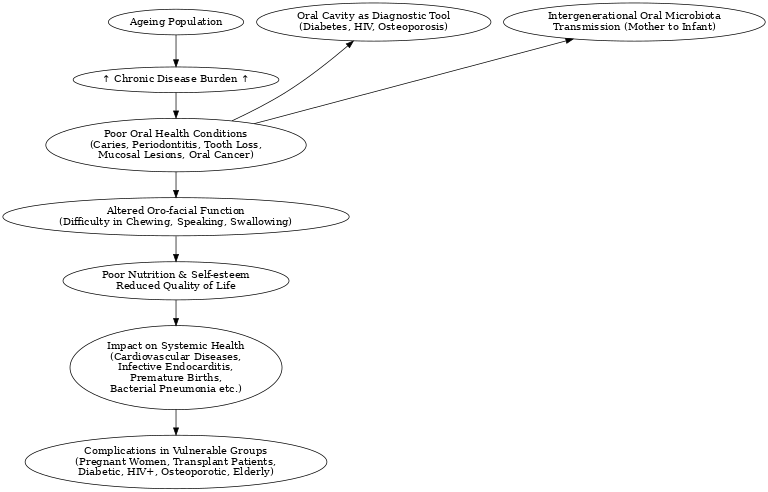
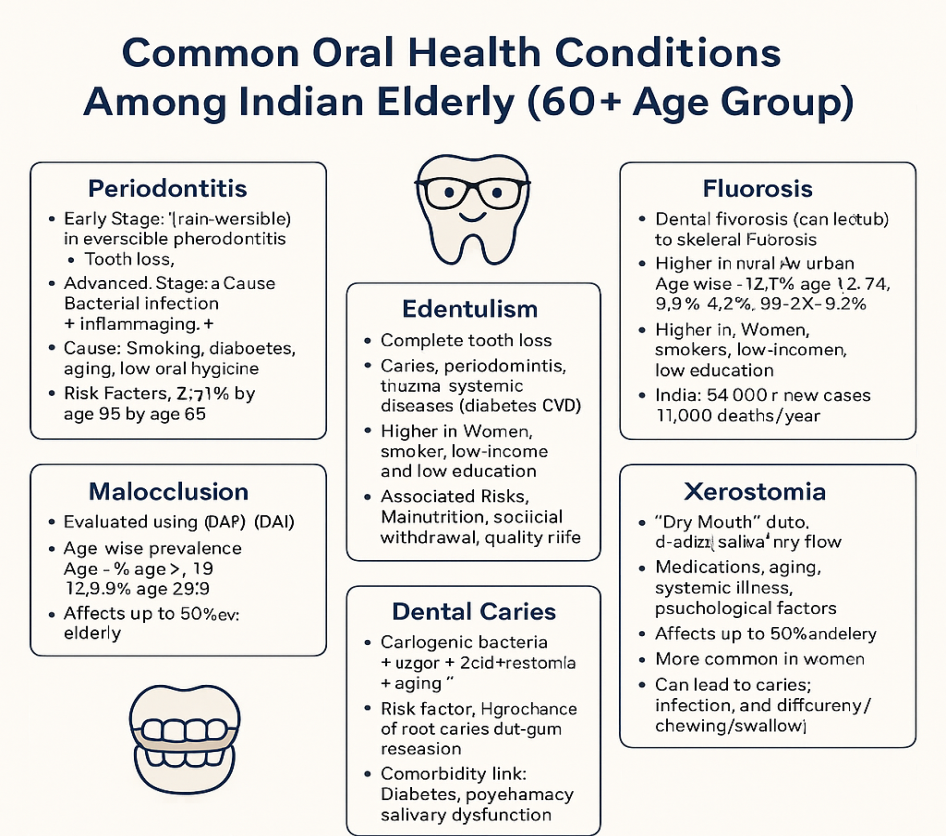


 10.5281/zenodo.15723542
