We use cookies to make sure that our website works properly, as well as some ‘optional’ cookies to personalise content and advertising, provide social media features and analyse how people use our site. Further information can be found in our Cookies policy
Lip balm is one of the most frequently used cosmetic items. Its primary purpose is to hydrate, so and protect them from drying out. It is widely used and comes in a variety of forms; nonetheless, it has significant drawbacks. Chemical-based lip balm, for example, has adverse effects and has a short-term hydrating effect. As a result, we develop a novel lip balm concept that not only contains herbal elements to decrease negative effects, but also maintains the moisturising effect throughout time. The concept behind our product is a long-lasting moisturising herbal lip balm containing honey, hyaluronic acid, and SPF.
Organic words are an indication of safety as to human health. Cosmetics with physiologically active ingredients, sometimes known as "cosmeceuticals," are supposed to provide therapeutic or drug-like benefits. These chemicals have healing properties that show up as beneficial topical effects and provide protection from worsening skin problems. The goal of the current research was to develop an organic lipstick with fewer negative consequences. Lip balms are products that are used to moisturize lips rather than to accentuate them. They create an oily layer that is pliable, sticky, and moisture-resistant. Typically, they don't contain dye.. Herbal Lip Balm is a natural cosmetic product made from plant-based ingredients that help moisturize, nourish, and protect the lips from dryness, cracking, and environmental damage. A herbal lip balm is a formulation prepared using herbal or natural ingredients such as plant oils, waxes, and extracts, without synthetic chemicals. It provides hydration and healing to the lips while being safe and gentle for daily use [1].
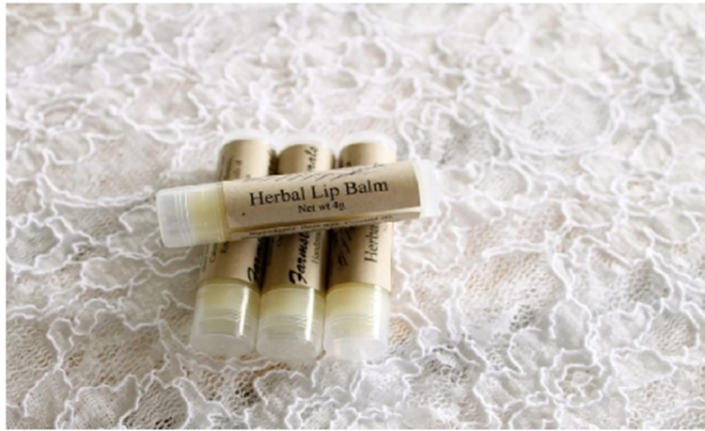
Fig.1. Lip Balm
DIFFERENT TYPES OF LIP BALM:
There are 6 kinds of lip balms to choose from
Tinted Lip Balm
A type of lip balm used to hydrate and colorize the lips called tinted. If the user doesn't want to wear a heavy coat of lipstick, tinted lip balms are a perfect alternative. Users use tinted lip balm to moisturize their lips as well as to give them a brilliant wash of color. Just apply the colored lip balm directly to the lips to use it[2].
Medicated Lip Balm
Medicated lip balms are most likely to be the least soothing and irritating lip balms amongest the others. This lip balm is usually prescribed by dermatologists in medication for chapped lips and other conditions regarding the lips[3].
Flavoured Lip Balm
The flavoured lip balm is a kind of lip balm which has flavourings. Flavoured lip balms are lip balms that are added with flavour such as vanilla, mint, mango and many more fruity flavours. This lip balm is made for moisturizing and is also added with special flavours in order to entice the taste buds and smell of the users[4].
Organic Lip Balm
The organic lip balm is a kind of lip balm which have organic or natural ingredients. While there are other lip balms which has chemical ingredients that may harm the lips and skin, the organic lip balm is usually made from organic ingredients such as avocado oils, jojoba oils, beeswax, vitamin E, hemp, and cocoa butter. The organic lip balm still functions like any other lip balms, which provides moisture and protection from dry and chapped lips[5].
SPF Lip Balm
The SPF lip balm are a kind of lip balm which contains ingredients that protect the lips from the harmful effects of the Sun rays. The SPF lip balm functions like a sunscreen to protect the lips from sun damage, burning, and even skin cancer[6].
IDEAL PROPERTIES OF HERBAL LIP BALM [7]:
Smooth and non-greasy texture
Easy to apply and spread evenly
Provides long-lasting moisturization
Contains natural, non-toxic ingredients
Has pleasant natural flavor and aroma
Stable and non-irritant to lips
Offers sun protection (SPF)
Free from synthetic colors, fragrances, and preservatives
Good shelf life and aesthetic appeal.
APPLICATIONS OF HERBAL LIP BALMS[8]:
1. Moisturization: Herbal lip balms often contain ingredients like shea butter, coconut oil, and beeswax, which provide deep hydration and prevent dryness.
2. Protection: Ingredients such as natural oils (e.g., jojoba oil, olive oil) form a barrier against environmental factors like wind and sun.
3. Healing: Herbal lip balms with calendula, chamomile, or vitamin E promote healing of chapped or cracked lips.
4. Anti-inflammatory Properties: Ingredients like aloe vera and green tea extract help reduce inflammation and soothe irritated lips.
5. Antioxidant Effects: Herbal lip balms often include botanical extracts rich in antioxidants, which protect the lips from oxidative stress.
6. Natural Fragrance and Flavour: Essential oils like peppermint or lavender are often added for their pleasant aroma an experience.
7. Skin Repair: Herbal formulations may support skin regeneration, helping to restore the natural barrier of the lips.
RAW MATERIAL
Bees wax[9]:
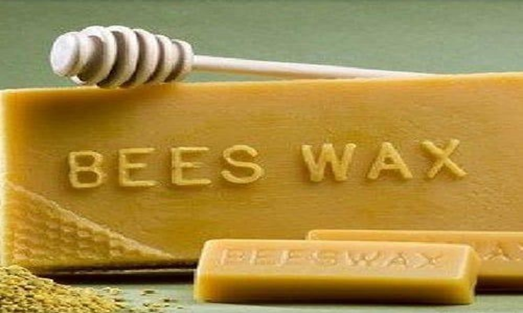
Fig.2 Bees Wax
Synonym: Yellow wax, Cera Alba
Biological Source: It is obtained from the honey comb of bees Apis Mellifera and other species of Apis.
Chemical Constituent: The main chemical constituents are carbon (73.3%), hydrogen (13.2%) and oxygen (7.5%)
Family: Apidae
Use:
It is used in preparation of ointment, plasters and polishes.
It is used in cosmetics for preparation of face cream and lipsticks.
SHEA BUTTER [10]
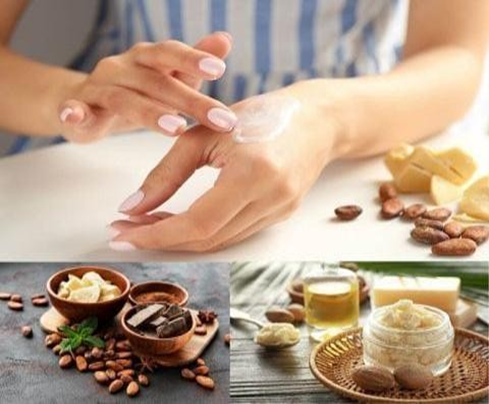
Fig.3 Shea Butter
Synonym: African butter, Vitellaria butter.
Biological Source: Shea butter is a fat obtained from the kernels of the nuts of Vitellaria paradoxa.
Uses: Cosmetic use: Moisturizer for skin and hair, Base for creams, lotions, and lip balms, Helps reduce dandruff and dryness.
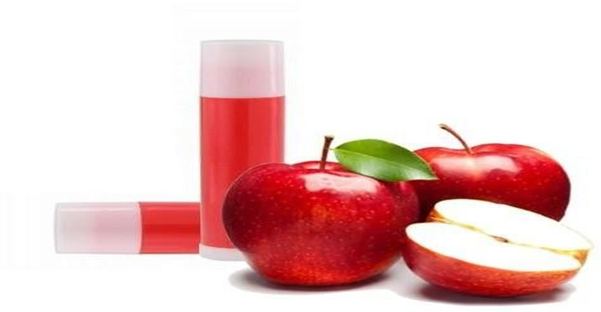
APPLE [15]
Fig.8 Apple
Synonym: Malus domestica, Common apple
Biological Source: The fruit of Malus domestica Borkh., a deciduous tree belonging to the Rosaceae family. Cultivated widely in temperate regions worldwide (e.g., India, USA,).
Chemical Constituent: Apples contain a wide range of nutrients and phytochemicals, including;
Used in skin care and hair care formulations (lotions, creams, lip balms). Acts as an emollient, moisturizer, and softening agent.
Helps reduce dark circles and dryness.
PREPARATION OF LIP BALM [17]
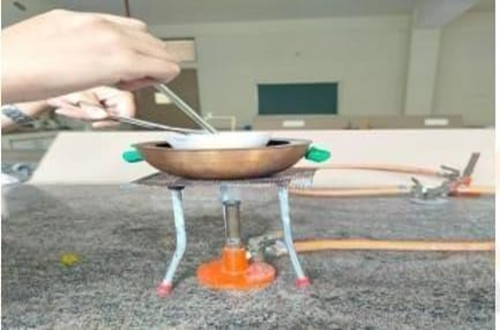
Fig.10. Preparation
A water bath is kept on the burner and is filled with water for boiling.
Bees wax filled in china dish is kept on the boiling water.
The beeswax is heated till it melts properly.
To the molten beeswax, cocoa/shea butter and honey/vitamin E are added and is made homogeneous with
slow stirring with glass rod.
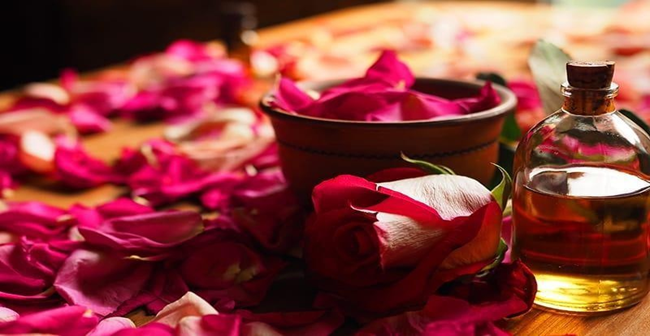
In the mixture rose infused oil is added and mixed properly.
After homogeneous mixture is obtained, colouring agent and perfume is added.
The mixture is poured in the container.
Then the mixture is cooled in the ice bath or dried in the sunlight.
Table 1. INGEDIENTS USED IN HERBAL LIP BALM [18]
SR. NO.
COMMON NAME
ROLE
1
Bees Wax
Thickening Agent
2
Shea Butter
Moisture and protects
3
Rose Oil
Hydrates, Nourishes
4
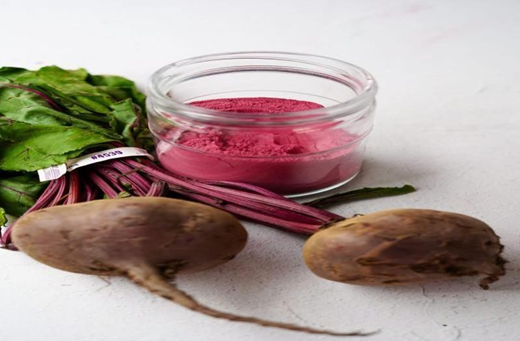
Beetroot Powder
Colouring Agent
5
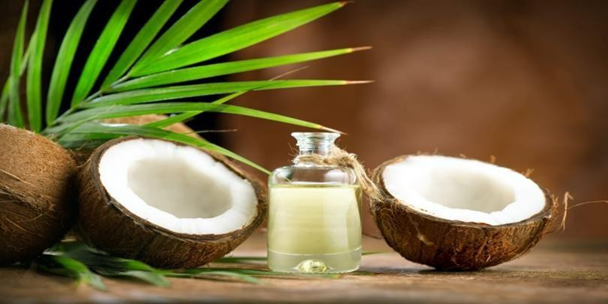
Coconut Oil
Soothing dry, Hydrating Agent
6
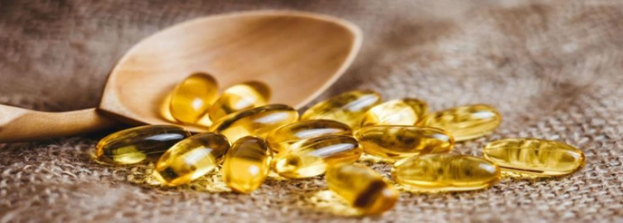
Vitamin E
Powerful Antioxidant
7
Apple
Flavouring Agent
8
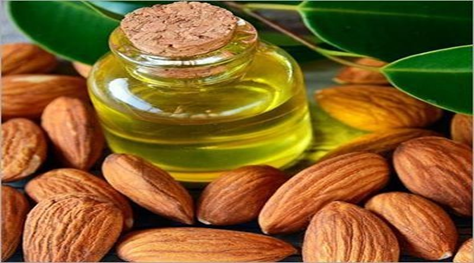
Almond Oil
Deep Hydration, Anti- inflammatory
EVALUATION OF LIPBALM:
Melting Point:
For melting point, the sample of lip balm was taken in a glass capillary whose one end was sealed by flame [19]. The capillary containing drug was dipped in liquid paraffin inside the melting point apparatus which was equipped with magnetic stirring facility. Melting was determined visually, and melting point was reported [20].
Organoleptic Properties:
The lip balm was studied for the basic organoleptic characters such as colour, odour, taste and appearance [21].
Test of spreadability:
The product was applied (at room temperature) repeatedly onto a glass slide to visually observe the uniformity in the formation of the protective layer and whether the stick fragmented, deformed or broke during application [22].
pH measurement:
The pH study was carried out by dissolving 1 gm of sample into 100 ml water [23]. The pH measurement was done using pH paper [24].
Stability studies:
Prepared lip balm was placed for accelerated stability studies at room temperature (25.0 ± 3.0 ºC), refrigeration (4± 2.0 ºC) and oven temperature (40.0 ± 2.0 ºC) for 30 days[25]. After 30 days, it was again characterized for organoleptic properties, melting point, spreadability and pH [26].
CONCLUSION:
Whether the formulation was kept at ambient temperature or in a refrigerator, it demonstrated the same stability behavior. It was determined that the spreadability was "good" and that the organoleptic characteristics were stable. Storage under these conditions was deemed sufficient because the product's functionality was maintained. With a sufficient melting temperature (mean of 63°C), the lip balm made from natural ingredients passed the stability test. It was found that natural ingredients are safe to use in lip balm and are a superior alternative for the composition of lip balm. Excipients can be altered or combined in unusual ways to produce a brand- new formulation with superior quality. The current research indicates that the formulation will not change.
REFERENCE
Mr. Shrenik Uday Porwal, Ms. Shelke A.P Review on Cosmetics Science International Journal of Research Publication and Reviews Vol 4, no 3, pp 4766-4769 March 2023
S. Bom a, J. Jorge, H.M. Ribeiro b, J. Marto A step forward on sustainability in the cosmetics industry Journal of Cleaner Production Volume 225, 10 July 2019, Pages 270-290
M.Surya*, S. Gunasekaran.A Review on Recent Scenario of Cosmetics International Journal of Pharmaceutical Sciences Review and Research Pages: 190-197 Heyam Saad Ali*Cosmetics and Beauty Products ReviewActa Scientific Pharmaceutical Sciences (ISSN: 2581-5423) Volume 4 Issue 7 July 2020 Page no.25 and 26.
Kallur, S., Suryawanshi, A., Utarade, A., Kandalkar, P., Morde, R., Bhagwat, A. and Doke, R., 2023. Oxidative stress and neurodegenerative diseases: Exploring natural antioxidants for therapeutic potential. Int. J. Compr. Adv. Pharmacol, 8, pp.149-158.
Sarika Bhabad, Ajay Bhagwat, Swapnil Auti, Nikita Galande, Monika Bhosale.3d printing of pharmaceuticals: customized dosage forms and future prospects. World Journal of Pharmaceutical. World. 2025;4(5).
Mr. Chavhan Shankar Parmeshwar. Mr. Awargand Karan Pandurang. Mr. Dhole Nilesh Vijaykumar, Mr. Kokane Amol KREVIEW ON COSMETIC SCIENCE PREPARATION AND EVALUATION OF LIPBALM International Journal of Creative Research Thoughts (IJCRT) Volume 10, Issue 2 February 2022, Page no.775
Sandeep D.S. Dr. R. Narayana Charyulu Shabana S.A Text Book of PHARMACEUTICAJURISPRUDENCE Published by Nirali Prakashan, First Edition: August 2019, Page no.1.1 to 1.2
Gandhi, B., Bhagwat, A., Matkar, S., Kuchik, A., Wale, T., Kokane, O. and Rode, N., 2025. Formulation and Evaluation of Bilayer Tablets of Atenolol and Amlodipine for the Treatment of Hypertension. Research Journal of Pharmacy and Technology, 18[5],pp.2037-2042.
Dr. Rajat Kumar Kar Dr. T. Purushoth. Kunal N. Patel A Book of PHARMACEUTICAL JURISPRUDENCE Published by THAKUR PUBLICATION PVT. LTD., LUCKNOW Edition 2019 Page no.24,25,26.
Badhe, N., Maniyar, S., Kadale, P., Kale, R., Bhagwat, A. and Doke, R.R., Advancements in nanotechnology for glaucoma detection and treatment: A focus on biosensors, IOP monitoring, and nano-drug delivery systems.
Dr. A. V. Yadav, Dr. R.J.Dias, V.D.Havaldar, K.K.Mali, A Book of Pharmaceutical Jurisprudence, Published by TRINITY PUBLISHING HOUSE, Page no.45,46,47
Trupti Mate, Ajay Bhagwat, Vaishnavi Auti, Sakshi Pawar, Pravin Ambhore Pathophysiology of Malaria and Its Implications for Drug Resistance and Future Therapies, Int. J. of Pharm. Sci., 2025, Vol 3, Issue 10, 1628-1640.
Umesh D. Laddha, Moreshwar P. Patil, Sanjay J. Kshirsagar. A handbook of pharmaceutical jurisprdence,published by pharma career,first edition: November 2019, page.no 4-6
Bhagwat A, Lokhande A, Pingat M, Doke R, Ghule S. Strategies and Mechanisms for Enhancing Drug Bioavailability through Co-Amorphous Mixtures-A Comprehensive Review. Research Journal of Pharmacy and Technology. 2025;18[ 1]:409-14.
Bandara BR., et al. An antifungal constituent from the stem bark of Butea monosperma?. Journal of Ethnopharmacology, 1989; 25.1: 73-75.
Jyoti Bhagat, Ajay Bhagwat, Pranav Waghmode, Pratiksha Temkar, Sahil Gunjal*, Akanksha Walunj, Pranjal Shinde, Ashlesha Nikam, Sarita Kawad, Centella Asiatica In the Modern Therapeutic Landscape, Int. J. of Pharm. Sci., 2025, Vol 3, Issue 10, 1973-1982
Bhatwadekar AD., et al. Antistress activity of Butea monosperma flowers?. Indian Journal of Pharmacology, 1999; 31.2: 153.
Bhagwat A, Tambe P, Vare P, More S, Nagare S, Shinde A, Doke R. Advances in neurotransmitter detection and modulation: Implications for neurological disorders. IP Int J Comprehensive Adv Pharmacol. 2024;9[ 4]:236-47.
Butea Monosperma: Phytochemistry and Pharmacology Volume 3 Issue 4 April 2019 All rights are reserved by Prashant Tiwari., et al.
BHAGWAT, Ajay, et al. Development of Nanoparticles for the Novel Anticancer Therapeutic Agents for Acute Myeloid Leukemia. Int J Pharm Sci Nanotechnol, 2023, 16.4: 6894-906.
Yadava RN and Tiwari L. New antifungal flavone glycoside from Butea monosperma O. Kuntze?. Journal of Enzye Inhibition and Medicinal Chemistry, 2007; 22.4: 497-500
Thorat R., et al. ?Antidiabetic activity of HF on alloxan induced diabetic rats?. Pharmacologyonline, 2010; 4.2: 1089- 1099.
Prajakta Shingote, Ajay Bhagwat, Aarti Malkapure, Prasad Jadhav, Akshada Thorat, Cervical Cancer: Current Perspective on Pathophysiology, Diagnosis, Prevention, and Therapeutic Advances, Int. J. of Pharm. Sci., 2025, Vol 3, Issue 10, 2393-2408.
Wagner H, Geyer B, Fiebig M, Kiso Y and Hikino H (1986). Isoputrin and Butrin, the Antihepatotoxic Principles of Butea monosperma Flowers. Planta medica, 1986; 52(2): 77-79
Kadale Priyanka, Ajay Bhagwat, Bhangare Sayali, Choudhari Rutuja, Borkar Sahil., Ficus Racemosa: A Comprehensive Review of its Phytochemistry and Pharmacological Potential, Int. J. of Pharm. Sci., 2025, Vol 3, Issue 10, 1710-1723.
Reference
Mr. Shrenik Uday Porwal, Ms. Shelke A.P Review on Cosmetics Science International Journal of Research Publication and Reviews Vol 4, no 3, pp 4766-4769 March 2023
S. Bom a, J. Jorge, H.M. Ribeiro b, J. Marto A step forward on sustainability in the cosmetics industry Journal of Cleaner Production Volume 225, 10 July 2019, Pages 270-290
M.Surya*, S. Gunasekaran.A Review on Recent Scenario of Cosmetics International Journal of Pharmaceutical Sciences Review and Research Pages: 190-197 Heyam Saad Ali*Cosmetics and Beauty Products ReviewActa Scientific Pharmaceutical Sciences (ISSN: 2581-5423) Volume 4 Issue 7 July 2020 Page no.25 and 26.
Kallur, S., Suryawanshi, A., Utarade, A., Kandalkar, P., Morde, R., Bhagwat, A. and Doke, R., 2023. Oxidative stress and neurodegenerative diseases: Exploring natural antioxidants for therapeutic potential. Int. J. Compr. Adv. Pharmacol, 8, pp.149-158.
Sarika Bhabad, Ajay Bhagwat, Swapnil Auti, Nikita Galande, Monika Bhosale.3d printing of pharmaceuticals: customized dosage forms and future prospects. World Journal of Pharmaceutical. World. 2025;4(5).
Mr. Chavhan Shankar Parmeshwar. Mr. Awargand Karan Pandurang. Mr. Dhole Nilesh Vijaykumar, Mr. Kokane Amol KREVIEW ON COSMETIC SCIENCE PREPARATION AND EVALUATION OF LIPBALM International Journal of Creative Research Thoughts (IJCRT) Volume 10, Issue 2 February 2022, Page no.775
Sandeep D.S. Dr. R. Narayana Charyulu Shabana S.A Text Book of PHARMACEUTICAJURISPRUDENCE Published by Nirali Prakashan, First Edition: August 2019, Page no.1.1 to 1.2
Gandhi, B., Bhagwat, A., Matkar, S., Kuchik, A., Wale, T., Kokane, O. and Rode, N., 2025. Formulation and Evaluation of Bilayer Tablets of Atenolol and Amlodipine for the Treatment of Hypertension. Research Journal of Pharmacy and Technology, 18[5],pp.2037-2042.
Dr. Rajat Kumar Kar Dr. T. Purushoth. Kunal N. Patel A Book of PHARMACEUTICAL JURISPRUDENCE Published by THAKUR PUBLICATION PVT. LTD., LUCKNOW Edition 2019 Page no.24,25,26.
Badhe, N., Maniyar, S., Kadale, P., Kale, R., Bhagwat, A. and Doke, R.R., Advancements in nanotechnology for glaucoma detection and treatment: A focus on biosensors, IOP monitoring, and nano-drug delivery systems.
Dr. A. V. Yadav, Dr. R.J.Dias, V.D.Havaldar, K.K.Mali, A Book of Pharmaceutical Jurisprudence, Published by TRINITY PUBLISHING HOUSE, Page no.45,46,47
Trupti Mate, Ajay Bhagwat, Vaishnavi Auti, Sakshi Pawar, Pravin Ambhore Pathophysiology of Malaria and Its Implications for Drug Resistance and Future Therapies, Int. J. of Pharm. Sci., 2025, Vol 3, Issue 10, 1628-1640.
Umesh D. Laddha, Moreshwar P. Patil, Sanjay J. Kshirsagar. A handbook of pharmaceutical jurisprdence,published by pharma career,first edition: November 2019, page.no 4-6
Bhagwat A, Lokhande A, Pingat M, Doke R, Ghule S. Strategies and Mechanisms for Enhancing Drug Bioavailability through Co-Amorphous Mixtures-A Comprehensive Review. Research Journal of Pharmacy and Technology. 2025;18[ 1]:409-14.
Bandara BR., et al. An antifungal constituent from the stem bark of Butea monosperma?. Journal of Ethnopharmacology, 1989; 25.1: 73-75.
Jyoti Bhagat, Ajay Bhagwat, Pranav Waghmode, Pratiksha Temkar, Sahil Gunjal*, Akanksha Walunj, Pranjal Shinde, Ashlesha Nikam, Sarita Kawad, Centella Asiatica In the Modern Therapeutic Landscape, Int. J. of Pharm. Sci., 2025, Vol 3, Issue 10, 1973-1982
Bhatwadekar AD., et al. Antistress activity of Butea monosperma flowers?. Indian Journal of Pharmacology, 1999; 31.2: 153.
Bhagwat A, Tambe P, Vare P, More S, Nagare S, Shinde A, Doke R. Advances in neurotransmitter detection and modulation: Implications for neurological disorders. IP Int J Comprehensive Adv Pharmacol. 2024;9[ 4]:236-47.
Butea Monosperma: Phytochemistry and Pharmacology Volume 3 Issue 4 April 2019 All rights are reserved by Prashant Tiwari., et al.
BHAGWAT, Ajay, et al. Development of Nanoparticles for the Novel Anticancer Therapeutic Agents for Acute Myeloid Leukemia. Int J Pharm Sci Nanotechnol, 2023, 16.4: 6894-906.
Yadava RN and Tiwari L. New antifungal flavone glycoside from Butea monosperma O. Kuntze?. Journal of Enzye Inhibition and Medicinal Chemistry, 2007; 22.4: 497-500
Thorat R., et al. ?Antidiabetic activity of HF on alloxan induced diabetic rats?. Pharmacologyonline, 2010; 4.2: 1089- 1099.
Prajakta Shingote, Ajay Bhagwat, Aarti Malkapure, Prasad Jadhav, Akshada Thorat, Cervical Cancer: Current Perspective on Pathophysiology, Diagnosis, Prevention, and Therapeutic Advances, Int. J. of Pharm. Sci., 2025, Vol 3, Issue 10, 2393-2408.
Wagner H, Geyer B, Fiebig M, Kiso Y and Hikino H (1986). Isoputrin and Butrin, the Antihepatotoxic Principles of Butea monosperma Flowers. Planta medica, 1986; 52(2): 77-79
Kadale Priyanka, Ajay Bhagwat, Bhangare Sayali, Choudhari Rutuja, Borkar Sahil., Ficus Racemosa: A Comprehensive Review of its Phytochemistry and Pharmacological Potential, Int. J. of Pharm. Sci., 2025, Vol 3, Issue 10, 1710-1723.
Saroja Jadhav
Corresponding author
Shri Sari College of Pharmacy, Khandala, Vaijapur.




 10.5281/zenodo.17751211
