
Department of Pharmacology, Faculty of Pharmacy, Uttar Pradesh University of Medical Sciences, Saifai, Etawah 206130, Uttar Pradesh, India
Millets have attracted significant scientific attention due to their rich bioactive components and recognition as nutritional powerhouses. Commonly referred to as Nutricereals, these grains are abundant in minerals and vitamins. Varieties such as sorghum, barnyard, Kodo, pearl millet, foxtail millet, and finger millet are not only drought-resistant but also confer notable health benefits. Their seeds, grains, and bran are replete with essential nutrients, including minerals, beneficial phytochemicals, complex carbohydrates, and dietary fibers. Millets are particularly rich in crucial micronutrients such as iron, zinc, and vitamins, providing sustained nutrition while thriving in poor soils with minimal inputs, thereby supporting sustainable agricultural practices. Their antioxidant content, featuring flavonoids like luteolin and tricin, along with phenolics such as ferulic acid, offers robust protection against free radicals and oxidative stress. Beyond their nutritional benefits, millets exhibit promising anti-inflammatory and antirheumatic effects, as evidenced in barnyard millet extracts, with sorghum starch serving as an optimized binder (8-12% w/w) for pharmaceutical formulations of drugs with low solubility. Their demonstrated antimicrobial potential further enhances their medical applications, rendering millet-derived excipients and bioactive compounds viable natural alternatives to synthetic ones. Given these remarkable attributes, including excellent tabletting properties and ethnomedicinal uses, extensive research is imperative to fully elucidate the bioactive potential of millets and their health benefits. This review underscores the phytochemistry, nutritional superiority, and pharmacological versatility of millets, while exploring their applications in the pharmaceutical, nutraceutical, and sustainable agriculture sectors as innovative solutions to challenges such as obesity, inflammation, cancer, heart disease, and global food security.
Millets represent some of the world's most ancient, cultivated cereals, first domesticated around 7,000 years ago in key regions including China (foxtail and proso varieties) and the Indus Valley Civilization. These hardy grains subsequently spread as dietary staples across India, Africa—particularly pearl millet in the Sahel region by 2500 BCE—and the Middle East. Thriving in arid environments, millets facilitated the vital transition from hunter-gatherer societies to settled agriculture, serving as essential sustenance for early civilizations (1). The term "millet" derives from the French word mille (meaning "thousand"), aptly describing these grains' characteristic abundance of thousands of minuscule seeds even in modest quantities. Global food systems today hinge on a limited set of key cereals like rice, wheat, and maize that offer substantially fewer essential macro- and micronutrients relative to more varied grains. (3).
Millets are small-grained cereals from the Poaceae family, are gaining renewed global attention as climate-resilient, nutrient-dense “bioactive grains” with significant implications for health and food security (4). In 2021, global millet production (excluding teff) reached 92.11 million tons, securing sixth place among major cereals per FAOSTAT (2023). Africa dominates with 42.39% of output, trailed by Asia (27.88%), the Americas (26%), and Europe (1.88%). Increasingly hailed as cost-effective, accessible "nutri-cereals," millets deliver superior nutrition through high levels of proteins, dietary fiber, vitamins, minerals, bioactive compounds, and phytochemicals that support health and combat disease. Among the various millet types cultivated worldwide, the most prominent include Job’s tears, teff, fonio, little millet, Kodo millet, pearl millet, barnyard millet, brown top millet, proso millet, finger millet, foxtail millet, and sorghum (5). Both major millets (such as sorghum, pearl millet, and finger millet) and minor millets (including foxtail, little, Kodo, proso, barnyard, brown top, fonio, and teff) are incorporated into traditional foods like porridges, flatbreads, fermented beverages, and snack products, particularly among tribal and rural populations(6). Millets offer more than just culinary value, demonstrating anti-diabetic, anti-obesity, cardioprotective, anti-inflammatory, anti-cancer, and antioxidant effects linked to their phenolics, flavonoids, and dietary fiber content. These attributes establish them as valuable functional foods and key components in commercial health products (7). This review synthesizes current evidence on the phytochemistry, nutritional composition, and pharmacological attributes of millets, highlighting their emerging role as functional foods and promising candidates for nutraceutical and therapeutic applications.
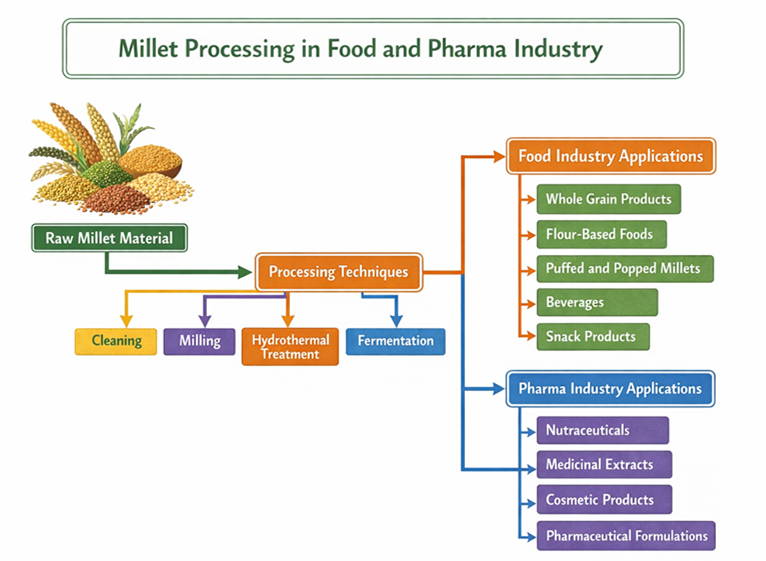
Fig. 1. Millet processing in the Food and Pharma industry.
2. Nutritional Profile of Millets
A person's health and metabolic functions hinge on the nutritional quality of their diet. Nutrition profoundly influences the expression and realization of human genetic potential. Millets, packed with proteins, carbohydrates, dietary fiber, minerals, vitamins, and phytochemicals, match the nutritional merits of staple cereals such as rice, wheat, and maize. Delivering 320–370 kcal per 100 grams, millets have surged in popularity as nutrient-dense superfoods amid growing awareness of their benefits. They supply an array of essential macronutrients, micronutrients, and bioactive compounds, with minimal anti-nutritional factors readily reduced by processing (8). These small-grained cereals from the Poaceae family are exceptionally rich in phytochemicals (phenolic acids, flavonoids, tannins) (9), vitamins (B-complex like thiamine, riboflavin, niacin; vitamin E), anti-oxidative agents, and major/minor minerals crucial for human health, including iron, calcium, magnesium, phosphorus, zinc, potassium, and copper. Their moderate calorie density and high dietary fiber content confer anti-obesity benefits, support digestive health(10), and aid in managing metabolic disorders like diabetes(11); for instance, finger millet (ragi) boasts up to 7-12% protein, pearl millet around 11-19% protein, and varieties like foxtail millet provide 12% protein alongside 6-8% fiber (12). Amino acid profiles vary by millet type, with essential amino acids such as lysine, methionine, tryptophan, leucine, isoleucine, valine, and threonine present at levels often superior to rice or wheat, particularly in proso and barnyard millets; fatty acid composition includes balanced omega-6 (linoleic acid) and omega-3 (alpha-linolenic acid) in seeds and bran layers (13). Table 1 illustrates the nutritional composition of major and minor millets, highlighting nutritive components, vitamins, and minerals. Nutritional quality fluctuates with climate, soil conditions, and cultivation practices, yet millets consistently outperform refined cereals in iron (up to 8 mg/100g in little millet), calcium (344 mg/100g in finger millet), and antioxidants like ferulic acid and quercetin (14).
Table 1. Nutrition Composition of Major and Minor Millets (per 100g)
|
Millet Type |
Protein(g) |
Fiber (g) |
Iron (mg) |
Zinc (mg) |
Calcium (mg) |
Magnesium (mg) |
|
Finger Millet |
7.3 ± 1.5 |
3.6 ± 1.2 |
12.21 ± 13.69 |
2.5 ± 1.2 |
331.29 ± 10 |
137 ± 20 |
|
Pearl Millet |
11.0 ± 2.0 |
8.5 ± 2.1 |
8.0 ± 3.5 |
8.73 ± 11.55 |
42 ± 15 |
137 ± 25 ? |
|
Sorghum |
10.4 ± 1.8 |
6.3 ± 1.5 |
4.4 ± 2.0 |
2.0 ± 0.8 |
25 ± 10 |
147 ± 18 |
|
Foxtail Millet |
12.3 ± 1.5 |
6.7 ± 1.8 |
2.8 ± 1.2 |
2.4 ± 0.9 |
31 ± 12 |
81 ± 15 |
|
Proso Millet |
12.42 ± 1.99 |
5.0 ± 1.5 |
3.5 ± 1.8 |
2.8 ± 1.0 |
14 ± 8 |
120 ± 22 ? |
|
Barnyard Millet |
12.05 ± 1.77 |
10.5 ± 2.5 |
15.2 ± 8.0 (2.28-22.98) |
3.2 ± 2.0 (0.44-5.92) |
20 ± 10 (5.81-36.13) |
85 ± 20 |
|
Kodo Millet |
8.00-8.92 |
10.1 ± 2.0 |
0.5 ± 0.3 |
1.5 ± 0.7 |
35 ± 12 |
147 ± 20 |
|
Little Millet |
7.7 ± 1.2 |
7.6 ± 1.8 |
9.3 ± 3.0 |
1.8 ± 0.6 |
17 ± 8 |
133 ± 18 |
|
Teff |
11.0 ± 1.5 |
8.0 ± 2.0 |
11.09 ± 8.35 |
3.5 ± 1.5 |
183.41 ± 29 |
180 ± 25 ? |
Phenolic compounds, lignans, saponins, alkaloids, and phytosterols represent the primary phytochemicals in millets, complemented by polyphenols and trypsin inhibitors that confer anti-cancer effects. Anti-nutritional factors such as phytic acid, tannins, and oxalates are present but can be diminished through germination, fermentation, or cooking to improve nutrient bioavailability. Carotenoids (including beta-carotene, a vitamin A precursor) and tocopherols deliver antioxidant benefits, while the low glycemic index (45–70) and gluten-free nature position millets as ideal choices for obesity management, glycemic regulation, celiac disease, and broader nutrition security as versatile "nutricereals." (16).
Millets contain phenolic acids (ferulic, p-coumaric, caffeic), flavonoids (quercetin, luteolin, kaempferol), α-tocopherol, beta-carotene, β-sitosterol, anthocyanins, tannins, saponins, lignans, phytosterols, and unique phytochemicals like benzoxazinoids and C-glycosylflavones (Table 2). Millet grains contain 3–7% crude fat, primarily polyunsaturated fatty acids like linoleic acid (omega-6), along with significant alpha-linolenic acid (omega-3) in certain varieties such as finger millet. Millet bran extracts exhibit potent antioxidant activity and may inhibit pathogens; phytochemicals such as ferulic acid and polyphenols from pearl millet show promise as natural biopesticides against stored grain pests. Table 3 shows the phytoconstituents and biological activity of millets(17).
Table 2: Major Phytoconstituents and Lipid Profile in Millets.
|
Component/ Category |
Specific Compounds/Details |
Primary Sources/ Notes |
|
Phenolic acids |
Ferulic, p-coumaric, caffeic acids |
Pearl millet, sorghum bran |
|
Flavonoids |
Quercetin, luteolin, kaempferol |
Foxtail, proso millet |
|
Vitamins/Antioxidants |
α-tocopherol, beta-carotene |
Little, barnyard, finger millet |
|
Sterols |
β-sitosterol, phytosterols |
All millets (bran layers) |
|
Pigments |
Anthocyanins |
Colored finger millet varieties |
|
Tannins & Saponins |
Condensed tannins, triterpenoid saponins |
Sorghum, kodo millet |
|
Lignans |
Lignans |
Pearl, minor millets |
|
Unique phytochemicals |
Benzoxazinoids C-glycosylflavones |
Foxtail, proso millet |
|
Lipid content |
3-7% crude fat; mainly PUFA (linoleic acid ω-6) |
All grains; α-linolenic acid (ω-3) in finger millet |
Table 3: Phytoconstituents and Biological Activity of Millets
|
Millet Type |
Major Phytoconstituents |
Class of Compound |
Representative Active Constituent |
Reported Biological Activities |
References |
|
Finger millet (Eleusine coracana) |
Ferulic acid, catechin, quercetin |
Phenolic acids, flavonoids |
Ferulic acid |
Antioxidant, anti-diabetic, anti-inflammatory, cardioprotective |
(21) |
|
Proso millet (Panicum miliaceum) |
Phytic acid, flavonoids |
Inositol phosphates |
Phytic acid |
Antioxidant, anti-diabetic, mineral chelation |
(22) |
|
Pearl millet (Pennisetum glaucum) |
Caffeic acid, p-coumaric acid |
Phenolic acids |
Caffeic acid |
Antioxidant, anti-obesity, anti-cancer |
(22,23) |
|
Sorghum (Sorghum bicolor) |
3-deoxyanthocyanidins, tannins |
Anthocyanins, polyphenols |
Luteolinidin |
Antioxidant, anti-inflammatory, anti-cancer |
(24,25) |
|
Foxtail millet (Setaria italica) |
Apigenin, luteolin |
Flavonoids |
Apigenin |
Anti-diabetic, neuroprotective, anti-inflammatory |
(26,27) |
|
Little millet (Panicum sumatrense) |
Quercetin, kaempferol |
Flavonols |
Quercetin |
Anti-diabetic anti-cancer anti-inflammatory |
(26,27) |
|
Barnyard millet (Echinochloa frumentacea) |
Gallic acid, protocatechuic acid |
Phenolic acids |
Gallic acid |
Antioxidant, hepatoprotective, anti-obesity |
(28) |
|
Kodo millet (Paspalum scrobiculatum) |
Vanillic acid, syringic acid |
Phenolic acids |
Vanillic acid |
Antioxidant, antimicrobial |
(28) |
Millets, revered as "nutricereals," offer therapeutic potential against over 100 lifestyle-related disorders, traditionally utilized in Indian and African herbal systems for their nutrient density and bioactive richness. Their efficacy stems from diverse phytochemicals that combat chronic diseases effectively. Known as climate-resilient supergrains, millets possess multifaceted bioactive compounds driving their medicinal prowess through multiple mechanisms(29). Primarily, abundant antioxidants like ferulic acid, quercetin, flavonoids, and polyphenols neutralize oxidative stress, scavenging free radicals and mitigating inflammation. Millets also exhibit strong anti-inflammatory activity by inhibiting pro-inflammatory cytokines such as TNF-α and IL-6, as well as enzymes like COX-2, thereby easing arthritis and metabolic inflammation (30). They exhibit strong antimicrobial action against bacteria (E. coli, S. aureus), viruses, and fungi via tannins and saponins, disrupting microbial membranes(31). Anticancer properties arise from polyphenols, which induce apoptosis in tumour cells and inhibit angiogenesis(32). Hepatoprotective and cardioprotective benefits, facilitated by fiber, phytosterols, and policosanols, reduce liver enzymes, lower LDL cholesterol, and prevent atherosclerosis(33). Millets' integrated antioxidant, anti-inflammatory, antimicrobial, anticancer, hepatoprotective, and cardioprotective benefits mark them as effective functional foods in preventing diabetes, obesity, and non-communicable diseases.
Diabetes has emerged as a global epidemic, marked by elevated blood glucose levels stemming from either inadequate insulin function or its total absence. Diabetes leads to complications like nephropathy, retinopathy, neuropathy, and cardiovascular disease. Millets are highly recommended for diabetes management, with numerous studies detailing the processes involved. Millets' hypoglycemic effects primarily arise from their elevated levels of slowly digestible starch fractions (34), augmented by phenolic compounds that potently inhibit carbohydrate digestion (35), alongside their capacity to neutralize reactive oxygen species (ROS), promote probiotic bacteria growth, modulate enzyme activation or inhibition, and regulate key signaling pathways (36). Research shows that millet extracts inhibit diabetes in streptozotocin (STZ)-induced diabetic rats (37). Millets' phenolic compounds protect the pancreatic β-cells by regulating oxidative stress in cells. β-Glucan extracted from finger millet and sorghum effectively inhibits starch-digesting enzymes such as salivary α-amylase and α-glucosidase, thereby lowering postprandial blood glucose levels and exhibiting antidiabetic potential (38,39). Polyphenol-enriched pearl millet (Pennisetum glaucum) extract inhibits key enzymes α-amylase and α-glucosidase, which contribute to postprandial hyperglycemia, while also regulating hepatic glucose uptake (35). Antiglycation properties are imparted by phenolic chemicals, which also stop advanced glycation end (AGE) products from forming. Barnyard millet is rich in p-coumaric and chlorogenic acids, which significantly reduce advanced glycation end products and shield proteins from conformational alterations brought on by glycoxidation (40).
Hegde P et al. (2005) demonstrated the antidiabetic effects of Kodo and finger millet-based diets in mouse and rat models, attributed to decreased lipid peroxidation and inhibition of tail collagen glycation (41). Additionally, extracts from sorghum and foxtail millet have demonstrated hypoglycemic effects by inhibiting hepatic gluconeogenesis, akin to the action of anti-diabetic medications(42). The consumption of millet-based diets is associated with a lowered glycemic response, which is attributed to the presence of dietary fiber, peptides, and starch. Components of foxtail millet have been shown to enhance glucose metabolism and lipid profiles in diabetic rats(43). Furthermore, protein from Japanese barnyard millet has shown beneficial effects in diabetic mice, while a bran-based diet from this millet effectively reduced polyuria, water intake, and HbA1c levels (44).
Cancer is the second leading cause of death worldwide. Millets present a natural, dependable, and safe anticancer potential at therapeutic levels, acting as effective anti-proliferative agents due to their antioxidant characteristics. Research indicates that millet extracts can inhibit cancer cell growth through various mechanisms. Protease inhibitors from finger millet (RBI) and peroxidase from foxtail millet bran (FMBP) exhibit chemotherapeutic properties, managing tumor growth in leukemia (K562), colon (HT-29), and breast cancer cell lines(45). The phenolic extract from kodo millet, rich in ferulic and p-coumaric acids, exhibits antiproliferative activity against HT-29 cells (a human colorectal adenocarcinoma line) (46). Bound polyphenols from foxtail millet bran (BPIS)—notably ferulic acid (FA) and p-coumaric acid (p-CA)—trigger autophagy-mediated cytotoxicity in breast cancer cells by upregulating choline-phosphate cytidylyltransferase A (PCYT1A), a key glycerophospholipid synthesis enzyme. This leads to lipid buildup, extensive lipophagy (lipid degradation via autophagy), and autophagic cell death in MCF-7 and MDA-MB-231 breast cancer lines (47). BPIS triggers ROS production in HCT-116 cells, initiating ROS-mediated apoptosis. Additionally, a peroxidase enzyme from foxtail millet bran suppresses cell migration in human colon cancer cells by blocking epithelial-mesenchymal transition (EMT) through STAT3 signaling pathways (48).
Millet phytochemicals such as ferulic acid, p-coumaric acid, polyphenols, trypsin inhibitors, and quercetin—counteract oxidative DNA damage in cancer and degenerative diseases. Phenolics from pearl millet bran trigger G2/M cell cycle arrest and apoptosis via DNA fragmentation in breast cancer cells, while foxtail millet extracts suppress HT-29 colon cancer cell proliferation (49). These compounds induce cytotoxicity through apoptosis, caspase activation, and NF-KB inhibition. Fermented finger millet hydro-alcoholic extracts significantly reduce cell viability (p<0.001) against A549 lung cancer cells. In vivo studies confirm that millet fractions suppress tumour growth in rats, thereby enhancing chemotherapy efficacy(50). This compound displayed robust antiproliferative effects across multiple human cancer cell lines, matching the potency of quercetin, a leading antioxidant compound.
Cardiovascular disease continues as a primary global cause of death, with dyslipidemia playing a major role in its progression. Millets effectively curb cholesterol synthesis, largely owing to their abundance of sterols and pinacosanols. In animal studies, hamsters fed sorghum showed lowered non-HDL cholesterol levels, linked to high dietary fiber that binds bile acids in the small intestine—reducing cholesterol absorption, blocking bile acid entry into circulation, and helping prevent conditions like atherosclerosis and stroke (51). Millets further lower very-low-density lipoprotein (VLDL) and LDL cholesterol while boosting HDL, markedly reducing atherosclerotic plaque buildup. Rat studies on high-fat diets revealed millet-fed animals had 20–30% less serum total cholesterol and 25% fewer triglycerides (52),chiefly from β-sitosterol and policosanols that hinder intestinal cholesterol uptake (53). Numerous clinical studies have demonstrated that millet consumption can decrease triglycerides by 20-28% and improve cholesterol markers, thereby enhancing cardiovascular health through polyphenols, flavonoids, and saponins that regulate lipid metabolism. These compounds also provide antioxidant defense against oxidative stress and vascular inflammation(54). Millet bran extracts exhibit potent lipid-lowering effects by increasing liver LDL receptor activity, promoting bile acid excretion, and influencing HMG-CoA reductase function(55). In five-week studies on hyperlipidemic rats fed whole grains of foxtail and proso millets, serum triglycerides along with total, HDL, and LDL cholesterol levels were significantly reduced. The foxtail millet group demonstrated significantly lower C-reactive protein levels compared to the white rice, sorghum, and proso millet groups, suggesting that these millets may help prevent cardiovascular disease by lowering plasma triglycerides. Further human studies are necessary to determine optimal dosages and confirm long-term effectiveness, but incorporating millets into a balanced diet offers notable cardiovascular benefits(56).
Antioxidants from plants, including phenolics and flavonoids, are known for their biological activities. These compounds prevent lipid peroxidation, linked to cancer progression and aging (Namiki, 1990). They form stable radical intermediates, protecting fatty acids against oxidative damage (57). Millet grains, especially their bran fractions, abound in bioactive compounds valuable for managing tumors, diabetes, cardiovascular disease, and hypertension. Polyphenols within millet seeds serve as reducing agents, free radical scavengers, metal chelators, and singlet oxygen quenchers (58). They function as anticancer agents, antioxidants, and antibacterials, decomposing peroxides and scavenging oxygen (59). Millet varieties show distinct antioxidant profiles essential for anti-ageing benefits, influenced by ecological factors and soil micronutrients; synergistic combinations effectively combat cellular damage through cascading effects (60). Flavonoids, saponins, tannins, glycosides, and ferulic acid exhibit notable therapeutic effects. Millets' antioxidant capabilities help mitigate inflammation and address chronic conditions such as diabetes, cardiovascular disease, and select cancers (61). South Korean millet varieties display robust antioxidant and antiglycation effects, potentially alleviating diabetes mellitus impacts. Finger Italian millet boasts the highest phenolic and flavonoid levels, enhancing its value for antioxidant and antidiabetic applications (62). Coloured finger millet types from Northern Malawi outperform white varieties in antioxidant capacity, while defatted foxtail millet exhibits potent radical scavenging ability (63).
Finger millet stands out for its exceptional total flavonoid content in defatted flour, surpassing kodo and foxtail millets. Research on natural antioxidants in small millet flours underscores ferulic acid's outstanding free radical scavenging, anti-inflammatory, and antioxidant capabilities. In diabetes, millet phenolics safeguard pancreatic β-cells from oxidative stress, bolster insulin signaling, and promote better glycemic control. Overall, millets deliver broad antioxidant advantages—including free radical neutralization, lowered inflammation and oxidative stress, enhanced liver function and immunity, anti-aging benefits, and diabetes regulation—affirming their role as key nutraceuticals for holistic health (57). Watanabe (1999) isolated luteolin and tricin—two powerful flavones with antioxidant effects—from Japanese barnyard millet. Luteolin and its glycosides offer broad health benefits, encompassing antioxidant action, anti-inflammatory effects, cancer prevention via apoptosis induction, and antiarrhythmic protection for cardiovascular health (58). Tricin similarly demonstrates antitumor and antimetastatic capabilities (59).
Numerous studies have thoroughly investigated the pharmacological importance of finger millet. Studies on early diabetic rats revealed that finger millet supplementation markedly enhanced skin antioxidant status, boosted nerve growth factor production, and sped up wound healing metrics (60). Ajiboye (2017) assessed the antioxidant capacity and free radical scavenging potential of whole-grain finger millet, with its ethanolic extract demonstrating strong activity against hydrogen peroxide (H?O?), nitric oxide (NO), and DPPH radicals (61). Studies suggest that millet administration significantly reduces reactive oxygen species levels, offering potential protection against age-related health conditions. Although the molecular mechanisms underlying millets' anti-ageing effects are not yet fully understood, preliminary evidence aligns with established theories of ageing, including oxidative stress, telomere attrition, and inflammatory pathways and further study is needed.
Millet phytochemicals effectively neutralize free radicals, inhibit lipid peroxidation, and modulate hepatic signaling pathways to protect liver cells from oxidative damage. Millet grains and extracts provide substantial hepatoprotection, particularly their ethanolic fractions rich in polyphenols and fiber, which protect hepatocytes against toxins and high-fat diets. Key bioactive compounds like ferulic acid and bound phenolics from foxtail millet deliver notable benefits, particularly by lowering serum aspartate aminotransferase (AST), alanine aminotransferase (ALT), and alkaline phosphatase (ALP) levels in high-fat diet (HFD)-induced non-alcoholic fatty liver disease (NAFLD) models, alongside restoring typical liver structure (62). Extensive in vitro and in vivo research confirms these hepatoprotective effects, with select millet varieties proving effective against chemically induced liver damage and enhanced liver function indicators (63). Millet supplementation reduces hepatic lipid accumulation, including cholesterol and triglycerides, by 20-40%, comparable to standard treatments in rats and mice with induced liver damage. In NAFLD-afflicted guinea pigs and rodents, finger millet and pearl millet extracts ameliorate renal impairment alongside hepatotoxicity, reducing plasma creatinine and inflammatory markers(64). These effects are attributed to millets' capacity to inhibit lipid peroxidation, upregulate detoxification enzymes, and prevent the progression of steatosis to Non-Alcoholic Steatohepatitis (NASH), with germinated forms showing near normalization of liver enzymes and growth performance.
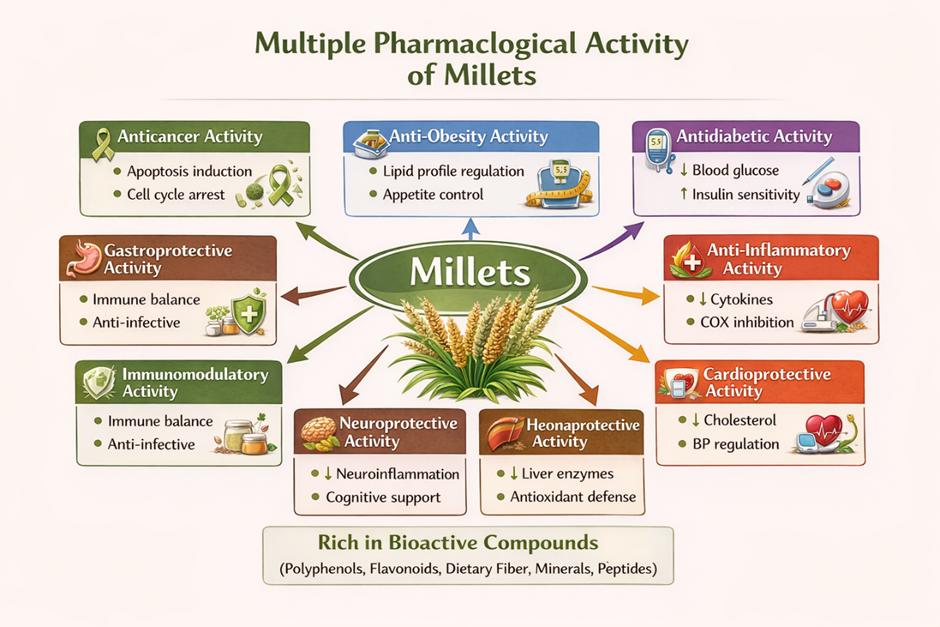
Fig. 2. Pharmacological activity of millets
Hypertension a major risk factor for stroke, heart failure, and coronary artery disease can be effectively controlled by incorporating millets into the diet. These grains' antihypertensive benefits stem mainly from their abundant dietary fiber, potassium, magnesium, and antioxidants. Magnesium functions as a natural calcium channel blocker, facilitating the relaxation of vascular smooth muscles and reducing peripheral resistance, while potassium mitigates sodium-induced vasoconstriction by enhancing Na?/K?-ATPase activity. Additionally, soluble fibers such as β-glucans and arabinoxylans contribute to cholesterol reduction by promoting bile acid excretion and decreasing intestinal absorption(65). A 12-week intervention using pearl millet (100 g/day) significantly lowered systolic blood pressure by 8 mmHg in hypertensive individuals via combined nutritional mechanisms. Millet bran peptides serve as effective ACE inhibitors, rendering them suitable for cardiovascular health applications(66). Finger millet ethanol extract (FE) demonstrates antihypertensive effects in spontaneously hypertensive rats (SHRs) by regulating the renin-angiotensin system (67). Four-week supplementation with raw and extruded foxtail millet peptide samples (200 mg peptides/kg body weight) significantly lowered serum ACE activity, angiotensin II levels, and blood pressure in SHRs (68). , with comparable results from finger millet ethanolic extract (FE) (69). Additionally, AABA a free amino acid in barnyard millet, helps reduce elevated blood pressure (69). Sorghum grain extracts demonstrate antihypertensive effects through ACE inhibition and antioxidant mechanisms in SHR models(70). Finger millet extracts achieve a 20-21% reduction in systolic blood pressure in SHR rats, comparable to captopril, through modulation of the renin-angiotensin system(71). These diverse effects position millet peptides as promising nutraceuticals for the management of primary hypertension(72).
Bone-related ailments such as osteoporosis, arthritis, and osteoarthritis are characterized by a decline in bone density, influenced by genetic, hormonal, and dietary factors. Millets, with finger millet (ragi) being particularly noteworthy, are abundant in nutrients that bolster bone health. They provide 344 mg of calcium per 100g, the highest among cereals, along with magnesium (137 mg/100g), phosphorus (283 mg/100g), and vitamin K, which is vital for osteoblast function and bone mineralization. Dried finger millet contains an impressive 3440 mg of calcium per kg, surpassing the calcium levels found in milk powder. Pearl millet is a source of bioavailable β-carotene and vitamin C, both essential for the formation of the collagen matrix (73). Although pearl millet naturally contains only trace amounts of β-carotene (<0.3% RDA/100g) and minimal vitamin C (<1 mg/100g), processing techniques such as malting and fermentation can elevate ascorbic acid content to 5-8 mg/100g and improve provitamin A bioavailability (74). Diets enriched with finger millet have shown a calcium retention rate of 68-88% in rats, outperforming rice, with children's absolute retention being 4.4 times higher. The bioavailability of serum calcium from finger millet is superior to that of commercial supplements. Finger millet supports bone health through a combination of magnesium and vitamin D, optimal calcium-to-phosphorus ratios, and enhanced bioavailability, with a 25-40% increase in mineral absorption due to processing. Additionally, polyphenols in finger millet inhibit osteoclastogenesis, while reducing phytate levels optimises calcium utilisation (75).
Asthma, a chronic inflammatory disorder of the airways characterised by increased bronchial sensitivity to various stimuli, exhibits favourable responses to bioactive compounds present in millet. The methanol extract derived from finger millet bran (50 mg/kg) effectively alleviates ovalbumin-induced asthma in mice by reducing airway inflammation, inflammatory cell infiltration, and lung fibrosis through the inhibition of pro-inflammatory enzymes PLA? and 5-LOX. This extract exhibits potent antioxidant properties attributed to phenolic compounds such as ferulic acid and p-coumaric acid derivatives, which decrease collagen accumulation and inflammatory cells in bronchoalveolar lavage fluid while promoting airway expansion. Histological analysis reveals reduced peri bronchial thickening and fibrosis, indicating that phenolics from finger millet bran may serve as natural alternatives for asthma management. This observation highlights millets' therapeutic value in combating airway oxidative stress and inflammation key drivers in asthma development (76). Moreover, the potent antioxidant and anti-inflammatory actions of millet phenolics, such as ferulic and p-coumaric acids, help alleviate airway inflammation and oxidative damage central to asthma pathology (77).
Extensive research has illuminated the bioactive and nutritional attributes of millet grains and their derivatives. However, a deeper understanding of bio accessibility and bioavailability is more vital than merely analyzing their composition. Bio accessibility refers to the fraction of millet polyphenols, such as luteolin, tricin, and ferulic acid, that are liberated from the grain matrix during gastrointestinal digestion, making them available for absorption. In contrast, bioavailability involves their systemic metabolism and utilization (78). Simulated digestion models have confirmed the bioaccessibility of phenolics in millet, with the gastric and gastrointestinal phases facilitating the release of bound ferulic acid through acid hydrolysis and esterase activity in finger millet(79). In finger millet foods, the bioaccessible phenolics increase during these phases, primarily due to pancreatic esterases breaking down ferulic acid from arabinoxylan walls(80). Pearl millet is notable for its high phytic acid content (0.71-1.02 g/100g), primarily found in the bran, which restricts iron bioavailability to 9.8% due to phytate:iron complexation. Processing methods have shown significant effectiveness: germination reduces phytic acid by 22-90%, fermentation by 77-82%, and a combination of germination and fermentation achieves an 88.3% reduction(81). Chandrasekara et al. (2011) reported that gastric phase digestion released 2–5 times more total phenolics from millets than aqueous extracts alone. Post-gastric total phenolic content (TPC) ranged from 10.2–26.9 μmol FAE/g cooked grain (dw), with total flavonoid content (TFC) at 0.64–2.74 μmol CE/g cooked grain (dw); both TPC and TFC rose significantly (p ≤ 0.05) after full gastrointestinal digestion. Gastric TFC from kodo, pearl, and foxtail millets exceeded aqueous extracts by 2–3 times, with TPC increasing across all millet varieties during digestion (82). A study found that the soluble TPC of cooked millet grains with aqueous acetone ranged from 1.95 to 17.7 μmol FAE/g defatted meal(83). Finger millet's insoluble residue under alkaline hydrolysis showed the lowest phenolics content, confirming low bound phenolics(84). Treating pearl millet flour with phytases improved iron and zinc bio accessibility by breaking down phytic acid(85). Phenolic acids form complexes with dietary fiber, limiting absorption (86). Research should focus on developing methods to enhance phenolic release (87). These results emphasize the need to refine millet processing techniques to harness their pharmacological benefits for nutraceutical development. In vitro and in vivo investigations remain essential to elucidate polyphenol metabolic pathways and bioavailability in millets.
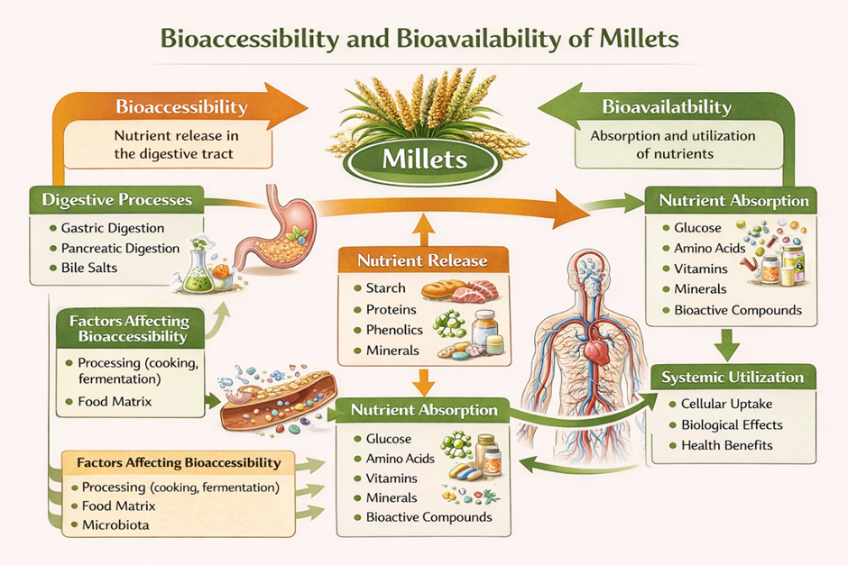
Fig. 3. Pharmacological activity of millets
The growing emphasis on functional foods for chronic disease prevention has highlighted millets as a promising choice to satisfy the increasing consumer interest in health-enhancing properties. Finger millet stands out for its remarkable vitamin profile, delivering 344 mg calcium per 100 g along with β-carotene levels that exceed those in most vegetables. Pearl millet serves as an excellent source of dietary fiber (15–20%), essential for optimal glycemic control (89). Incorporating 10-15% millet flour into wheat or maize porridges can lead to a 25-40% increase in protein content, a twelvefold enhancement in vitamin A levels, and improved iron bioavailability, facilitated by the activation of natural phytase during fermentation. Gluten-free bakery items like bread and cookies enriched with millet achieve greater loaf volumes and shelf stability up to 18 months, thanks to arabinoxylans from foxtail millet (90). Sorghum and millet are viable alternatives to maize in poultry diets, offering comparable growth performance when appropriately formulated. Optimal results necessitate careful tannin management and a balanced amino acid profile(91). Kodo millet, with its low glycemic index, is particularly well-suited for diabetic-friendly extruded snacks and functional foods. The commercial processing of millet includes ready-to-eat cereals and fermented products, demonstrating its scalability across various nutrition sectors(92).
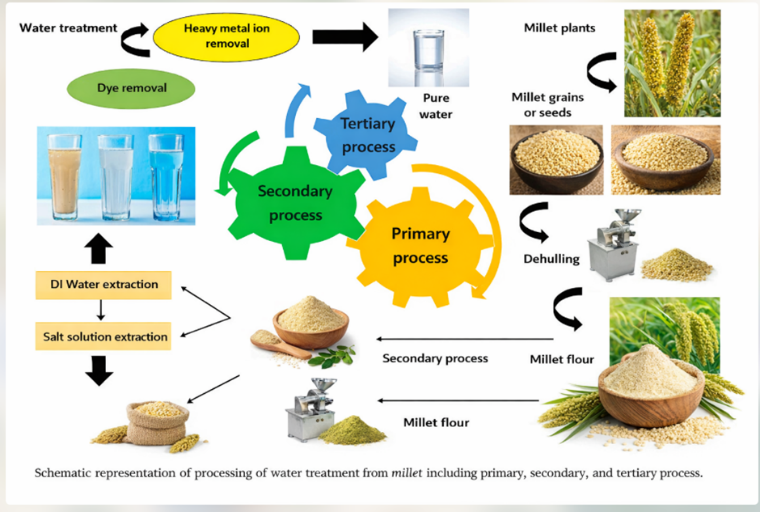
Fig. 5. Schematic representation of the processing of millets in food industries.
Millets have historically played a central role in traditional healing systems across Asia, Africa, and indigenous communities, treating gastrointestinal, respiratory, inflammatory, and metabolic ailments. Finger millet is valued for combating anemia (thanks to 3.9–8.3 mg iron/100 g), diabetes (low GI of 50–68), constipation (high fiber at 15–20%), and joint pain. Pearl millet is used to address diarrhea, dysentery, and urinary issues as a diuretic tonic (93,94). Sorghum (Sorghum bicolor) starch has shown considerable promise as a pharmaceutical excipient, with performance comparable to established natural polymers like maize starch and gum arabic. Studies have validated its effectiveness as a tablet binder (optimal 8-12% w/w), disintegrant, and compressible matrix for drugs with low solubility, such as magnesium sulphate, calcium carbonate, and sulphadimidine formulations. In vitro assessments indicate that sorghum starch tablets disintegrate rapidly (5-8 minutes) and facilitate 85-95% drug release within 30-60 minutes across different pH levels, a result of its amylose (25-28%) and amylopectin swelling properties(95). Millet starches derived from barnyard, pearl, finger, and sorghum varieties are utilized as sustainable multifunctional excipients in pharmaceutical production, offering performance on par with conventional maize and potato starches. Barnyard millet starch is noted for its superior tableting properties, providing enhanced crushing strength and controlled disintegration for direct compression tablets, while sorghum starch is particularly effective as a binder (8-12% w/w) in the wet granulation of poorly soluble drugs like paracetamol and sulphadimidine(96). Pearl millet starch offers a cost-effective local resource for high-volume generic formulations, and its carboxymethyl modifications enable the creation of sustained-release matrices that comply with pharmacopoeial standards. The millet starch market is projected to grow at a compound annual growth rate (CAGR) of 6.2% until 2035, positioning these hypoallergenic, clean-label alternatives as strategic raw materials for Indian pharmaceutical companies focusing on nutritional supplements, antacids, and anti-obesity formulations(97). Barnyard millet flavonoids, including luteolin and tricin, have been validated for their anti-rheumatic properties, while millet phenolics are recognized for their antioxidant, anti-inflammatory, and antidiabetic activities, making these extracts viable pharmaceutical alternatives(98).
Preserving bioactive compounds like flavonoids (luteolin, tricin) and phenolics (ferulic acid) in millet processing, and incorporating them into pharmaceutical excipients and nutraceutical products, is an emerging focus for tackling nutritional deficiencies and metabolic disorders. Nutritional profiling underscores the potential of millets as nutraceuticals, with particular emphasis on sorghum starch (8-12% w/w binders) and barnyard millet's superior tableting properties for direct compression. Investigations into millet polysaccharides, protein hydrolysates, and flavonoid complexes have unveiled novel delivery systems exhibiting anti-obesity, antidiabetic, anti-inflammatory, and antirheumatic effects, as validated through ethnomedicine and preliminary pharmacological studies.
Millets offer economical, eco-friendly options that grow well on poor soils, meeting the rising demand for plant-based drugs, functional foods, and dietary supplements. However, many millet-based formulations lack comprehensive pharmacopeial standardization and long-term clinical validation, despite their established traditional uses. This review provides a scientific rationale for their therapeutic applications across multiple systems.
Millets emerge as exceptional sources of macronutrients (complex carbohydrates, fibers) and micronutrients (iron, zinc, B-vitamins), warranting advanced investigation for developing evidence-based supplements targeting obesity, diabetes, and inflammation to enhance quality of life. Contemporary research explores gluten-free, nutrient-dense products by formulating millet-based tablets, suspensions, and fortified foods leveraging optimized excipients. Current trends position millets as versatile platforms for disease management, delivering bioactive-rich formulations that bridge traditional knowledge with modern pharmacotherapy while enhancing the nutritional profiles of sustainable health products.
Research on millet presents significant untapped potential for transforming the pharmaceutical and nutraceutical sectors. These climate-resilient grains—barnyard, foxtail, kodo, pearl, finger, and sorghum—possess comprehensive nutritional profiles, abundant in proteins, fibers, resistant starch, flavonoids (such as luteolin and tricin), phenolics (including ferulic acid), and polysaccharides, which exhibit antidiabetic, anti-obesity, anti-inflammatory, and hypolipidemic properties. Scientific validation has established millet starches as superior pharmaceutical excipients, demonstrating optimal binding (8-12% w/w), disintegration (5-8 minutes), and tableting characteristics comparable to commercial maize starch, while also offering additional nutraceutical benefits.
All millet varieties serve as sustainable sources of multifunctional excipients for tablets, suspensions, sustained-release matrices, and mucoadhesive delivery systems, positioning them as clean-label alternatives to synthetic polymers. Their hypoallergenic profiles, cost-effective local sourcing, and GRAS status render millets particularly valuable for high-volume generic manufacturing and nutritional supplements in resource-limited settings. Phosphorylated barnyard millet starch exemplifies industrial scalability with enhanced compactibility and controlled drug release, suitable for direct compression formulations.
Further phytochemical standardization, clinical trials, and process optimization could unlock millet-derived APIs for metabolic disorders and oncology, while generating economic opportunities for millet-producing regions. These ancient grains represent India's opportunity to lead global innovation in functional foods and pharmaceutical excipients, bridging traditional wisdom with modern therapeutic applications.
REFERENCES

Pooja Kushwah, Vikash Chandra, Dr. Yogesh Chand Yadav, Millets as Bioactive Grains: A Review of Their Phytochemistry, Nutritional, and Pharmacological Attributes, Int. J. of Pharm. Sci., 2026, Vol 4, Issue 2, 711-730. https://doi.org/10.5281/zenodo.18492189
 10.5281/zenodo.18492189
