

We use cookies to ensure our website works properly and to personalise your experience. Cookies policy
Valimik Naik College of Pharmacy Telwadi Kannad.
Mosquito-borne diseases such as malaria, dengue, chikungunya, and Zika virus remain major public health challenges worldwide. Chemical repellents like DEET and picaridin have long been effective; however, their toxicity, skin irritation, and environmental concerns have driven the demand for herbal alternatives. Herbal mosquito repellents derived from essential oils such as citronella, lemongrass, eucalyptus, neem, and peppermint provide safer and eco-friendly solutions. This review summarizes the sources, mechanisms, formulations, evaluation parameters, and recent advancements in herbal mosquito repellent research. Control of mosquitoes is something of utmost importance in the present day with rising number of mosquito borne illnesses. Deforestation and industrialized farming are also two of the factors causing an alarming increase in the range of mosquitoes. Specialty products like mosquito repellent used to combat mosquitoes are required. Each of the products used for mosquito control have varying degrees of effectiveness. Carbon dioxide and lactic acid present in sweat in warm- blooded animals act as an attractive substance for mosquitoes. The perception of the odor is through chemo receptors present in the antennae of mosquitoes. Insect repellents work by masking human scent; a number of natural and chemical mosquito repellents were studied in this review that work to repel mosquitoes. Chemical mosquito repellents has a remarkable safety profile , but they are toxicity against the skin & nervous system like rashes, swelling, eye irritation, and worse problems, though unusual -- including brain swelling in children, anaphylactic shock, and low blood pressure. Hence it was concluded that natural mosquito repellents were preferred over chemical mosquito repellents.
Mosquitoes are vectors for numerous diseases that impact millions of people globally. Control strategies involve chemical sprays, insecticidal nets, and topical repellents. Among these, topical repellents are widely accepted for personal protection. However, conventional repellents such as DEET, though effective, have raised safety and environmental concerns. Consequently, attention has shifted toward herbal-based repellents that are biodegradable, non-toxic, and sustainable.
DEET (N,N-diethyl-meta-toluamide): Highly effective but associated with dermal irritation and neurotoxicity in rare cases.
Picaridin: Less odorous and more skin-friendly alternative to DEET.
Permethrin: Used for clothing treatment; repels and kills mosquitoes on contact.
1] Herbal Repellents:
2] Types of Mosquito Repellents:
Synthetic Repellent :
Mosquito repellents act by interfering with the insect’s olfactory system. Active compounds mask human odors (such as carbon dioxide and lactic acid) or activate mosquito avoidance behaviors. In herbal repellents, terpenes and phenolic compounds bind to odorant receptors, leading to sensory confusion and repellence.
Formulation Approaches
Mosquito repellents act by interfering with the insect’s olfactory system. Active compounds mask human odors (such as carbon dioxide and lactic acid) or activate mosquito avoidance behaviors. In herbal repellents, terpenes and phenolic compounds bind to odorant receptors, leading to sensory confusion and repellence.
4. Formulation Approaches
Base materials like beeswax, glycerin, or emulsifiers are used for stability. Encapsulation techniques such as microencapsulation and nanoemulsion improve the longevity of volatile essential oils.
5]Evaluation Parameters:
6. Advantages of Herbal Repellents:
Biodegradable and non-toxic
Eco-friendly and renewable
Minimal side effects
Pleasant fragrance and skin benefits
7. Limitations:
Short duration of protection due to volatility
Variation in essential oil composition by source and season
Need for frequent reapplication
Limited commercial standardization
8Recent Advances:
Nanoformulations for controlled release
Synergistic combinations of oils (e.g., citronella + neem + eucalyptus)
Bioassay-guided isolation of active phytochemicals
Biopolymer-based carriers (e.g., chitosan gels, alginate beads)
9. Future Prospects
Research should emphasize:
Standardization of herbal extracts
Clinical safety studies
Sustainable sourcing of plant materials
Integration with wearable technologies (repellent patches or fabrics)
control Mosquito-borne diseases affect millions of people worldwide each year. The bite of a mosquito can result in anything from a skin irritation to contracting malaria. Clearly, mosquitoes are not just a nuisance, but also potentially harmful. By taking measures such as wearing long pants in wooded areas or disposing of standing water, you can minimize the chances of attracting mosquitoes. These measures, however, are often not enough, and specialty products like mosquito repellent used to combat mosquitoes are required. Each of the products used for mosquito control have varying degrees of effectiveness, and it is important to know that some may be better than others2. Definition of mosquito repellent A mosquito repellent is a substance applied to skin, clothing, or other surfaces which discourages insects (and arthropods in general) from landing or climbing on that surface. There is also mosquito repellent products available based on sound production, particularly ultrasound (inaudibly high frequency sounds)3.
|
A |
Chemical methods |
|
|
Synthetic repellents e.g. DEET, Permethrin |
|
|
Natural repellents e.g. Neem oil, citronella oil, |
|
|
Non-chemical methods |
|
|
Physical method |
|
|
Medicated Net |
|
B |
Non-Medicated Net |
|
|
c Mosquito Traps |
|
|
Electric mosquito zapper |
|
|
Mosquito Magnet |
|
C |
Biological method: by growing some fish species that feeds on mosquito larvae in the water bodies |
Mosquito repellents Carbon dioxide, excretory products and lactic acid present in sweat in warm- blooded animals act as an attractive substance for female mosquitoes. The perception of the odour is through chemo receptors present in the antennae of mosquitoes. The repellents block the lactic acid receptors thus destroying upwind flight and as a result the mosquitoes loses its contact with the host [2, 3] Usually insect repellents work by masking human scent, or by using a scent which insects naturally avoid. Permethrin is different in that it is actually a contact insecticide.
1] Chemical methods:
There are a number of natural and chemical mosquito repellents that work to repel mosquitoes. The synthetic chemical repellent, DEET, is the most effective. It is essentially a poison that masks the natural odor and carbon monoxide that is released from the human body.
2] Synthetic repellents:
More effective and longer lasting than "natural" repellents in comparative studies, IR3535 (3-[N-Butyl-N-acetyl] aminopropionic acid, ethyl ester) was as effective as DEET in protection against mosquitoes. However, some plant-based repellents may provide effective relief as well. Essential oil repellents can be short lived in their effectiveness, since essential oils can evaporate completely DEET exposure were more likely to have insomnia, mood disturbances and impaired cognitive function Examples are
· DEET (N,N-diethyl-m-toluamide)
· Icaridin, also known as picaridin, Bayrepel, and KBR 3023
· Nepetalactone, also known as "catnip oil"
· Permethrin
· Bog Myrtle
· IR3535 (3-[N-Butyl-N-acetyl]- aminopropionic acid, ethyl ester)
· Synthetic repellents containing DEET or picaridin are more effective than repellents with "natural" active ingredients
· All the synthetics gave almost100 % repellency for the first 2 hours, where the natural repellent products were most effective for the first 30 to 60 minutes, and required reapplication to be effective over several hours.
· Disadvantages of Synthetic repellents
· cause rashes, swelling, eye irritation, and worse problems, though they're unusual including brain swelling in children, anaphylactic shock, low blood pressure, and one report of death.
· DEET must be used with caution, especially with children.
· It has been known to cause dizziness and can severely irritate the skin. DEET may even cause cancer and defect in child birth For these reasons, many people choose to use a natural mosquito repellent like a citronella spray. Citronella has active ingredients that repel mosquitoes and for some, the lemon smell is very appealing. It is fine to use a natural repellent which can make you unattractive in the eyes of mosquitoes. Dermatologist advice some plant oils such as Citronella Oil, Eucalyptus Oil, and Lavendula which can fluently repel the mosquitoes3. B) Natural repellents Many repellents are nowadays available which can easily fend off the mosquitoes but are not good for the health as it contain a harmful chemical called DEET. It is fine to use a natural repellent which can make you unattractive in the mosquitoes. Mosquito-repellent eyes of candles containing citronella oil are sold widely in the U.S.
· non-sticky; non-toxic and environmentally friendly; safer on sensitive skins and some can be used on children as young as 3 months; reduced irritation; harmless to most plastics and fabrics
· more expensive:
may need more frequent re-application to maintain full protection
· Essential oil repellents can be short-lived in their effectiveness, since essential oils can evaporate completely may need more frequent re-application to maintain full protection
· Cannot apply directly on the skin, if applied can cause rashes on skin Insect repellents from natural sources There are many preparations from naturally occurring sources that are repellent to certain insects. Some of these act as insecticides while others are only
Basil Ocimum basilicum, Castor oil (Ricinus communis),Catnip oil (Nepeta species) (nepetalactone against mosquitos) ,Cedar oil (mosquitos, moths) ,Celery extract (Apium graveolens) ,Cinnamon oil (leaf oil kills mosquito larvae) ,Citronella oil (repels mosquitos) ,Clove oil (mosquitos) (NB: a dose similar to the one as a food ingredient should be used for the time being.) ,Eucalyptus oil (70%+ eucalyptol), (cineol is a synonym), (mosquitos,) ,Fennel oil (Foeniculum vulgare) (mosquitos) ,Garlic (Allium sativum) (rice weevil, wheat flour beetle) (NB: a dose similar to the one as a food ingredient should be used for the time being) ,Geranium oil (also known as Pelargonium graveolens Lavender (repels insects) ,Lemon eucalyptus (Corymbia citriodora) essential oil and its active ingredient p-menthane-3,8-diol (PMD) ,Lemongrass oil (Cymbopogon species) (mosquitos) ,Neem oil (Azadirachta indica) (Repels or kills mosquitos, their larvae and a plethora of other insects including those in agriculture) ,Peppermint oil (Mentha x piperita) (mosquitos) (Rosmarinus officinalis) ,Rosemary (mosquitos) ,Solanum villosum berry juice (against Stegomyia aegypti( mosquitoes), Nepetalactone, also known as "catnip oil"3,6. Preparations of repellent compounds Besides being used in their natural state or 'straight', repellents have been very commonly embodied in lotions, creams, pastes or other preparations, either to facilitate their application or to ensure a more lasting effect. The following are the chief forms such preparations take.
Mixtures containing the repellent dissolved in or diluted with alcohol or other thin fluid, or thickened with castor oil or arachis oil. Creams (ointment type) Admixtures of the repellent with some solid greasybase such as hard and soft paraffin, petroleum jelly, cetyl alcohol, lanolin, magnesium stearate with or without modifying materials. Early repellent creams were mostly of this type. Creams (vanishing cream type) Essentially oil in water emulsions which 'disappear' on application seeming to be absorbed by the skin, largely due to evaporation of the watery phase during manipulation. The chief requirements are an oily or greasy base, an emulsifier such as triethanolamine, triton X, etc. and water. Creams (waxy base type) Mixtures of the repellent with wax and such solvent (which may be the repellent itself) as is necessary to give a correct consistence.
preparations Various creams or pastes of gum tragacanth have been employed as vehicles more especially for pyrethrum. They dry leaving a thin adherent film which is not dislodged by sweating. Such preparations would be unsuitable for repellents of these preparations creams of the ointment type have frequently been noted as greasy and unpleasant in a hot climate though some, e.g. the stearate cream given as an example under this head, are cosmetically excellent. The use of paraffin as a base as has been common in citronella preparations appears to have a reducing effect on repellency. Vanishing creams have not generally been found satisfactory. Owing to their 'disappearing' property, unless used in large amount, they are apt to give patchy distribution of the repellent. A waxy cream would seem to be the most effective in prolonging repellent effect and if of suitable consistence such creams spread extremely
Mixtures of the repellent with wax and such solvent (which may be the repellent itself) as is necessary to give a correct consistence. d are
2] Non-chemical methods A) Physical method Emptying the stagnant water in rain gutters, old tires, buckets, plastic covers, etc. you must regularly change the water in bird baths, fountains, pools, rain barrels etc at least once in a week. Protecting yourself with full sleeved clothing is also highly essential particularly during the dawn and dusk times. Repair your windows or door screens to prevent mosquito entry.
a) Medicated Net Existing mosquito nets could be medicated by using K-O (25% deltamethrin) tablets. Vasanth of Sumangala Agro Supplies reported that one tablet should be mixed in one liter of water. The net should be soaked in this solution for 10 minutes, and dried on the ground in a cool area. The effect of the medicine lasts for about six months. The tablet contains 25 per cent deltamethrin and keeps mosquitoes away. Window meshes could also be medicated in a similar fashion. Medicated nets were safer than coils and liquidators, and had been approved by the World Health Organization. "K-O tablets are not harmful as the residue of chemicals remains only on the net and the user does not inhale it. Inhalation of chemicals from coils and liquidators causes respiratory tract infections, headaches and aggravates asthma," K-O tablets might cause skin irritation in some people [4], as shown in Figure 1.
b) Non Medicated Net Mosquito netting is a protective covering that prevents mosquitoes and other insects from biting you. There are different shapes and sizes of mosquito netting, and they also come in different materials such as cotton,
II) Mosquito Traps Mosquito traps lure and capture female mosquitoes. The trap mimics the different mosquito attractants such as exhaled carbon dioxide, human scents and body heat. Attracted by these chemicals, the insect approaches and an impeller fan draws it in. It then adheres to a sticky surface on the device and is eventually electrocuted. Mosquito traps are powered by electricity or propane and are a safe, chemical free method of mosquito control6.
B) Mechanical methods It is also found that yellow light attracts mosquitoes less than white lights.
a) Electric mosquito zapper An electric zapper works by using ultraviolet light to lure in bugs and then kills them upon contact with its lethal dose of electrical charge7 as shown in Figure 2.
b) Mosquito Magnet The Mosquito Magnet mimics mammals by giving off carbon dioxide, heat and moisture. Once the mosquito gets too close to the magnet, it is sucked in and eventually dies of dehydration these are combined with an attractant called octenol which is a natural plant pheromone. As an advantage, the Mosquito Magnet not only captures mosquitoes, but will also kill biting midges, black flies, and sand flies. It vacuums the insects into a net where they dehydrate and die. The mosquito magnet works by releasing a carbon dioxide spray, heat and moisture7. Insect repellents help prevent and control the outbreak of insect-borne diseases such as malaria, Lyme disease, Dengue fever, bubonic plague, and West Nile fever. Pest
· Children may be at greater risk for adverse reactions to repellents, in part, because their exposure may be greater.
· Keep repellents out of the reach of children
· Do not allow children to apply repellents to themselves
· Use only small amounts of repellent on children
· Do not apply repellents to the hands of young children because this may result in accidental eye contact or ingestion.
· Try to reduce the use of repellents by dressing children in long sleeves and long pants tucked into boots or socks whenever possible. Use netting over strollers, playpens, etc. As with chemical exposures in general, pregnant women should take care to avoid exposures to repellents when practical, as the fetus may be vulnerable.
· Small electrical mats,
· Alternative is incense coils, which you burn -- they fill the air with smoke containing insecticides.
· Mosquito repellent vapor,
· DEET-impregnated wrist bands,
· Mosquito coils containing a form of the chemical allethrin
· In India, a homemade mosquito repellent is proving particularly effective against the Anopheles mosquito which spreads malaria. It's made from low-cost neem oil from the amazing neem tree (Azadirachta indica, the "Village Pharmacy") mixed with coconut oiin concentrations of 1-2%.Neem is also proving effective against malaria itself, not just the mosquito that carries the parasite. One active component of the plant, gedunin, is said to be as effective as quinine on malaria infected cell cultures9
· Other oils showing good repellent qualities are eucalyptus, cinnamon, castor, rosemary, cedar, and peppermint. It is always a good idea to test them on a small portion of skin to ensure you don't react to them11.
· Garlic is a very good repellent. You can ingest it and it will eventually work its way into your system, thus the mosquitoes stay away. Or you can plant garlic all around your property, giving you the herb in the fall as it keeps the bugs away during the summer. Lastly, you can purchase concentrated garlic oil, which is designed to be sprayed around your yard17.
· A small amount of citronella oil on your pulse points is helpful.
· Yarrow tea can be brewed put into a mister and sprayed onto you. This is particularly effective for kids18.
· Natural vanilla oil repels mosquitoes. Not the synthetic, it will draw them, but good pure vanilla put on your pulse points (wrist, neck, and temples).
· Cloves are another excellent repellent. Again, use the oil and dab it on your pulse points, just be careful as it can cause skin irritation.
· Lavender is a fantastic repellent. You can either use the flowers and rub them on your skin, or use the oil and place it on your pulse points19.
· There is a tremendous amount of research being done on fennel, thyme, celery extract, and neem (a tropical tree) in combinations and alone.
· Place marigolds near your patio area. Not only are they an eye-catching plant, but they keep away mosquitoes.
· Geranium plant and oil will repel mosquitoes if there are not a lot of them. A good technique is to use both geranium and marigolds to create a border around your outside sitting area20.
· Lemon grass (Cymbopogon citratus) grown into a composite clump about 15" across. We cut the tops every couple of weeks because it shaded out the other
herbs in the herb bed (lots of green stuff for the compost), but it quickly grew back. And we found it keeps the mosquitoes away. It contains something very similar to citronella oil, it's a safe and natural insect repellent that's just as effective as the commercial chemical products, especially when it's fresh. In fact lemon grass is more effective than true citronella. Rubbing the long, grassy leaves on the skin worked well, but the stalk worked even better. Take one stalk of fresh lemon grass (grip it near the ground and give it a sharp sideways tug to break it off from the clump), peel off the outer leaves, snap off the grass blades behind the swollen stem at the base. Bend the stem between your fingers, loosening it, then rub it vigorously between your palms so that it fractures into a kind of fibrous juicy mass, and rub this mess over all exposed skin, covering thoroughly at least once. Pleasant on the skin and effective: 98% protection at the Beach House at sundown, 100% any other time, and the effect lasts about 4-5 hours. In most places, where the mosquitoes are less fanatical, use less and it'll last longer21.
This method of controlling mosquitoes, flies and other such pests is temporary but is indeed necessary in many instances, including health threats from severe bug populations and to prepare for an outdoor activity where these pests are unwanted. A thermal fogger (as opposed to a cold fogger) produces a pesticide fog or smoke by heating the fogging solution with a coil inside of the unit. Once this coil warms up, it will produce a nice insect fog that is directed to areas where you would like to kill mosquitoes, ready-to-use fogging solution, each gallon contains 0.5% Pyrethrins and 5.0% Piperonyl Butoxide Mosquito Patch™,-The patch a 2×2-in body patch that uses a revolutionary trans dermal technology to deliver a natural mosquito repellent nutrient directly into the blood stream for a complete 24-hour mosquito protection. The only ingredient in the patch is Vitamin B1 or Thiamine. Thiamine is known to be the most effective natural mosquito repellent discovered to date. It was discovered that female mosquitoes are repulsive to the scent of Thiamine. So, the patch works by inducing a controlled amount of Vitamin B1 or Thiamine into the blood stream. The infusion of excess Thiamine into the blood makes the body respond by excreting the excess nutrient through sweat; and a human body has about 26 million sweat glands spread throughout the entire body – that’s 26 million Thiamine excretion spots

Fig. 1: Medicated net:
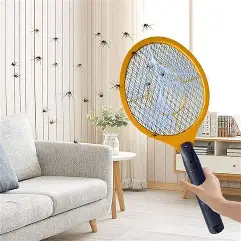
Fig. 2: Electric mosquito zapper:
MECHANISM OF ACTION BY INSECT REPELLENTS:
According to Acree et al.(1968), Aedes aegypti is Attracted to lactic acid which is a component of human Sweat. Studies done by others on the behaviour of Mosquitoes indicated that lactic acid was only slightly Attractive alone. This therefore proves its synergistic Effect with carbon dioxide and other unidentified Components of human odour that may be essential. Compounds such as steroids, phenols, carboxylic acids, Indoles that exude from animals attracts mosquitoes Physiological sensory
PLAN OF WORK:
1. Selection of plant
2. Collection of plant
3. Successive solvent extraction
? Ethanol extraction
? Water extraction
4. Evaluation
DRUG PROFILE:
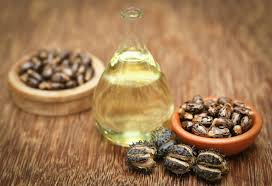
1] CASTOR OIL:
2]ALOE VERA:

Synonym:- Musabbar, Lolesara.
? Biological source:- Dried leaves of aloe barbadensis Miller (Asphodelaceae)
? Family:- xanthorrhoeaceae
? Chemical constitutents:- Vitamin A, minerals, lignin, saponins
? Uses ;
? Strong purgative
? Prevent skin ulceration
? Irritation and malignancy
3. LEMONGRASS OIL:
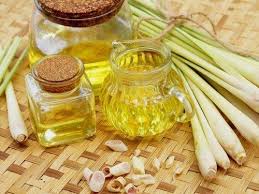
? Synonyms: East Indian lemon grass oil
? Biological source: Cymbopogon flexuousus
? Family: Graminae
? Use: Antibacterial
4. CLOVE OIL:
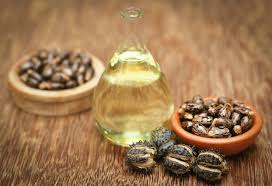
? Synonyms: Caryophyllum, lavang
? Biological source: Eugenia Caryophyllus
? Family: Myrtaceae
? Use: Anti Microbial
5. LAVENDER OIL:

? Biological source: Lavendula latifolia
? Family: Mint
? Use: Essence
? Lavender oil does double duty for insect bites. It acts as an insect repellent, and it can relieve itching after a bite occurs. Many commercial mosquito repellents contain lavender oil. Both candles and sprays can be used to repel mosquitos and other bugs.
6. MARIGOLD:

? Synonyms: Genda
? Biological source: Calendula Officinalis
? Family: Daisy
? Use: Essence The researchers intend to use marigold plant (Tagetes erecta) parts assuitable components of the mosquito candle,coil/ incense stick to beproduced. It does not contain harmful chemical which are present insome commercial products it repels mosquitoes without destroying theenvironment. It contain a particular smell that many insects findupappetizing. The smell is caused by a chemical known as “a-terthienyl”. Which lends a natural insecticidal property in marigold. Other toxic compounds available in all the ingredients are alkaloid, papain, terpenes and cyanogenic glycosides that are objectionable to human health.
6. ROSE OIL:

· Synonyms: Gulab
· Biological source: Rosa
· Family: Rosaceae
· Use: Flavouring Agent
USES OF NEEM AND ITS LEVES:
Neem has been the most preferred tree, in different cultures it is Referred to as miracle tree in the region of Sahel because it Responds to so many needs of the people in the following ways. People take rest under the beautiful canopy of neem tree due to Its large cover. It also serves as wind- breaks to protect food Crops and buildings from winds from the desert. The flower Attracts bees that at the end produce a very delightful and Delicious honey. Neem kernels produce oil, which is used in the production of Soap and other toiletries, fuels for lighting lamps and heating Whereas the left over from the kernels after extraction of the oil Could be used as fertilizer. These were commonly known and Used by indigenes in India and the tree was planted all over Every community. Moreover, the proteinaceous residue from the Kernel was also used to feed poultry as well. This indicates that Every part of the seed and the whole plant remains useful to Humans and animals. Since ancient times in India, various parts of neem tree have Been used traditionally as medicine that heals the whole body. Also, the roots, bark, leaf and fruits of neem are considered the Major constituents in medicine, ailments such as leprosy, Intestinal infestation by worms, constipation, cough and Respiratory problems were treated with neem oil and leaf extract. Eczema and many other skin infections were also controlled by The oil in addition to the treatment of rheumatism, chronic sores From syphilis and ulcers.
Herbal mosquito repellents provide a promising, eco-friendly alternative to synthetic agents. With advancements in formulation science and natural product chemistry, these repellents can achieve comparable efficacy and extended duration of action, ensuring safe and sustainable protection against vector-borne diseases. CONCLUSION From above study on review of mosquito repellent methods it is concluded that the natural mosquito repellents are the best methods to repelled mosquito as compare to synthetic methods, but the disadvantage of natural mosquito repellents that it can evaporate completely may need more frequent re-application to maintain full protection and can be overcome by formulating different dosage forms of volatile oil like creams, ointments, lotions using various water removable bases.
Keywords:
Mosquito repellent, Herbal formulation, Essential oils, DEET alternatives, Vector control, Natural product, Nanoemulsion.
REFERENCES

Renuka Sagane, Ratik Sontakke*, Sambhaji Bhise, Mosquito Repellents — A Comprehensive Review on Herbal and Synthetic Approaches, Int. J. of Pharm. Sci., 2025, Vol 3, Issue 12, 1042-1055 https://doi.org/10.5281/zenodo.17836962
 10.5281/zenodo.17836962