View Article

Abstract

Varicose veins are a prevalent condition characterized by venous insufficiency, inflammation, and oxidative stress. This study investigates the efficacy of a novel topical gel formulation containing a synergistic blend of flavonoids, namely Diosmin, Quercetin, Hesperidin, and Troxerutin, in alleviating varicose vein symptoms. Chronic venous insufficiency (CVI) is a common health problem that causes leg pain, swelling, and varicose veins, especially in later stages. Even though it affects many people, there are limited treatment options. One main cause of CVI is long-term pressure on the vein walls, which can lead to varicose veins. Flavonoids are natural substances found in plants that help improve blood flow and support the health of blood vessels. Two well-known flavonoids, troxerutin and diosmin, have been shown to protect the veins and improve circulation. Hesperidin and diosmin, which come from citrus fruits, are safe, affordable, and commonly used in dietary supplements to treat vein problems. Today, scientists are also using nanotechnology to create smaller, more effective versions of these flavonoids, so they can be better absorbed and work more precisely in the body.This study looked at how flavonoid products help manage symptoms of CVI. It focused on their effects on small blood vessels, swelling, and other symptoms. The results showed positive effects, and no safety issues were reported.

Keywords

Flavonoids, Diosmin, Hesperidin, Quercetin, and Troxerutin, Nano formulation, chronic venous Insufficiency, venous disease, varicose veins, venoactive Compounds, edema, nano gel, carbopol, varicose veins, Pharmaceutical formulations

Introduction

Chronic venous insufficiency (CVI) is a common condition in developed countries that affects the veins in the legs. It happens when blood doesn’t flow properly back to the heart, leading to high pressure in the leg veins. This can cause fluid to leak into nearby tissues. People with CVI may have symptoms like leg pain, swelling (edema), varicose veins, skin changes, and even ulcers.

The main reasons behind CVI include poor blood flow (venous stasis), damaged vein walls, inflammation, and low oxygen in the tissues. It is often linked to problems in the great saphenous vein, but other leg veins can be involved too.

Natural compounds called flavonoids—found in citrus fruits, green tea, berries, and cocoa—have shown promise in treating CVI. Two important flavonoids, Diosmin and Hesperidin, are commonly used together in a supplement called Daflon. They help improve vein strength, reduce swelling, and protect blood vessels.

New research is looking into using nanoparticles to deliver these flavonoids more effectively. This advanced method can help the body absorb the drugs better and target the affected areas more precisely, leading to better results. The following sections detail their effectiveness, mechanisms of action, and clinical outcomes.

Effectiveness of Flavonoids

  • Clinical Studies: Research indicates that micronized purified flavonoid fraction (MPFF) significantly reduces symptoms of chronic venous insufficiency and improves quality of life in patients with varicose veins(Krivoshchekov et al., 2024)(Gavrilov et al., 2012).
  • Symptom Relief: In a study involving patients with superficial vein thrombophlebitis, 77.3% of those treated with a combination of diosmin and hesperidin reported symptom relief compared to 57.9% in the control group(Krivoshchekov et al., 2024).

Mechanisms of Action

  • Inflammation Modulation: Flavonoids inhibit the activation of NF-kappa B and reduce the expression of pro-inflammatory cytokines, which are pivotal in the pathophysiology of varicose veins(???????? & ??????, 2024).
  • Improvement in Venous Hemodynamics: MPFF has been shown to enhance venous hemodynamics, leading to a decrease in pain and other symptoms associated with pelvic varicose veins(Tsukanov et al., 2015)(Gavrilov et al., 2012).

What are Flavonoids?

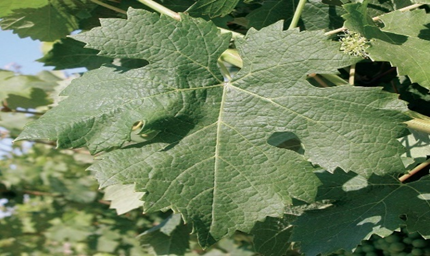
Flavonoids are phytochemical substances found in many fruits and vegetables. Some common flavonoid-rich food includes tea, grapes, onion, strawberry, banana, and red wine. They are polyphenolic water-soluble molecules containing 15 carbon atoms and two benzene rings joined together by a three-carbon chain. 

Polyphenols have been widely used in Ayurvedic medicine, as well as in Chinese medicine, and are associated with antioxidant benefits, skin protection, brain function, and blood pressure regulation. 

Pharmaceutical Properties of Flavonoids

Research heavily attests to the benefits of flavonoids in many physiological aspects. Below are some of the pharmaceutical properties of flavonoids that are beneficial to the body:

  • Antibacterial: Several types of flavonoids serve as bactericidal agents by destroying the cytoplasmic membrane and inhibiting nucleic synthesis and energy metabolism of pathogenic bacteria.
  • Antifungal: Flavonoid-rich leaves such as aquilaria are often used as alternatives for antifungal drugs that have side effects and are affected by the development of resistance.
  • Antiviral: Many drugs are currently synthesized from medicinal plants with flavonoids that are effective against influenza, herpes simplex-1, and human immunodeficiency-1 viruses.
  • Anti-inflammatory: Many flavonoid-rich plant species are found to be effective in inhibiting several enzymes that are involved in inflammatory pathways.
  • Antioxidant: The natural molecular structure of flavonoids enables them to be effective antioxidants. Flavonoids serve as antioxidants by forming less reactive oxygen species to prevent cellular membrane damage caused by reactive oxygen species’ interaction with lipids, nucleic acids, and proteins.
  1. DIOSMIN-

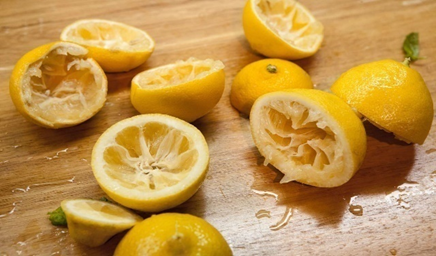
Diosmin is a natural substance found in citrus fruits like oranges and lemons. It belongs to a group of plant chemicals called flavonoids, which help protect your body from inflammation and damage caused by harmful molecules called free radicals.

Diosmin Used For?

People use diosmin to treat problems with blood vessels, such as:

  • Hemorrhoids (swollen veins near the anus)
  • Chronic venous insufficiency (CVI) (poor blood flow in the legs)
  • Varicose veins
  • Blood clots
  • Bleeding in the eye (retinal hemorrhage)
  • Leg ulcers caused by poor blood flow
  • Slow blood flow in the legs (venous stasis)

Diosmin Side effects-

But in rare cases, some people may have side effects, such as:

  • Stomach pain
  • Diarrhea
  • Headaches
  • Dizziness
  • Skin rash or hives
  • Muscle pain
  1. Hesperidin

Hesperidin is a natural substance found in citrus fruits like oranges and lemons. It belongs to a group of plant compounds called bioflavonoids.

People often use hesperidin as a natural remedy, especially to help with problems related to blood vessels. These include conditions like hemorrhoids, varicose veins, and poor blood flow in the legs. Sometimes, it's used together with other similar substances, like diosmin, for better results.

Side Effects-

Hesperidin is generally well-tolerated, especially at dietary levels. However, at higher doses (e.g., in supplements), some side effects can occur:

  • Gastrointestinal discomfort (e.g., bloating, nausea, diarrhea)
  • Headaches
  • Allergic reactions (rare, mostly in those with citrus allergies)
  • Dizziness or fatigue (occasionally reported)
  1. Quercetin-

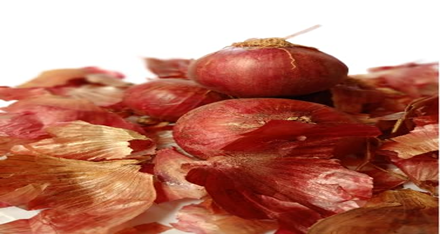
Quercetin, a type of flavonoid found in many fruits and vegetables (especially onions, apples, and berries), has been studied for its potential vascular health benefits, including for varicose veins. Here's a summary of what’s currently known:

Potential Benefits of Quercetin for Varicose Veins:

  1. Anti-inflammatory Properties: Quercetin helps reduce inflammation in blood vessels, which may improve vein health and reduce symptoms like swelling and pain.
  2. Antioxidant Effects: It combats oxidative stress, which contributes to vein damage and chronic venous insufficiency.
  3. Improved Circulation: Quercetin may help strengthen capillaries and improve microcirculation, potentially alleviating some of the burden on varicose veins.
  4. Vascular Protection: Some animal and lab studies suggest quercetin can inhibit the degradation of elastin and collagen in veins, maintaining structural integrity.

Side Effects-

  • Quercetin is generally well tolerated, but high doses may cause headaches or digestive upset.
  • It can interact with certain medications (especially antibiotics or blood thinners), so check with your healthcare provider before starting.
  1. Troxerutin-

Troxerutin is a semisynthetic derivative of the natural flavonoid rutin, typically sourced from Sophora japonica (Japanese pagoda tree), buckwheat, or other flavonoid-rich plants.

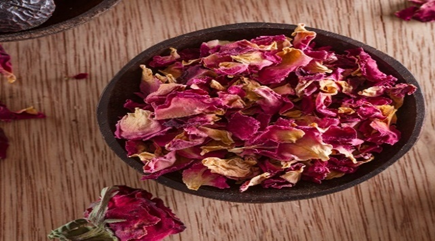
It is not derived from rose petals, and rose petals are not a known source of troxerutin or its precursor rutin in clinically meaningful amounts.

Benefits of Troxerutin for Varicose Veins:

  1. Improves Venous Tone and Capillary Resistance
    • Strengthens vein walls and improves elasticity, helping to reduce pooling of blood in varicose veins.
  2. Reduces Capillary Permeability
    • Helps prevent fluid leakage, which reduces leg swelling (edema) and heaviness.
  3. Anti-inflammatory and Antioxidant Effects
    • Reduces inflammation in the vein walls and scavenges free radicals, which can contribute to vein damage.
  4. Improves Microcirculation
    • Enhances blood flow in small vessels, potentially relieving symptoms like pain, tingling, and cramping in the legs.

Side Effects & Precautions:

  • Generally well tolerated.
  • Mild side effects: stomach upset, rash, or headache in rare cases.
  • Not recommended in pregnancy unless advised by a doctor.


Varicose vein:

Varicose vein is a dilated and twisted condition of the veins caused by structural changes in the walls or valves of the vessels.

Etiology and risk factors:

      1. Pregnancy
      2. Age
      3. Gender
  1. Heridity
  2. Venous obstruction
  3. Obesity
  4. Prolonged standing
  5. Prior surgery

Pathophysiology:

Due to various ethiology and risk factors

Enlargement of vein in the leg

Streching of valves and it become incompetent

Back flow of blood

Increase back pressure calf muscle pump fails

Venous distention and edema

Types:

1. Primary: Originate in superficial system. It is caused by the congental weakness of veins

2. Secondary: It may occur in the esophagial varices, anorectal area, AV fistulas.

Clinical Manifestations :

      1. Aching, heavy legs
      2. Appearance of spider veins
      3. Ankle swelling
      4. Redness, dryness and itchiness
      5. A brownish- blue shiny skin discoloration near the affected veins.

MATERIAL AND METHODS:

Table No. 1. Material used

Sr. No.

Materials

Functions

1

Nanoparticles of herbal extract

AIP, anti-inflammatory activity

2

Carbomer 940

Gelling agent

3

triethanolamine


4

Glycerine

Drug solubilizer

5

Propylene glycol

Cosolvent

6

Methyl paraben

Preservative

7

Purified water

Vehicle

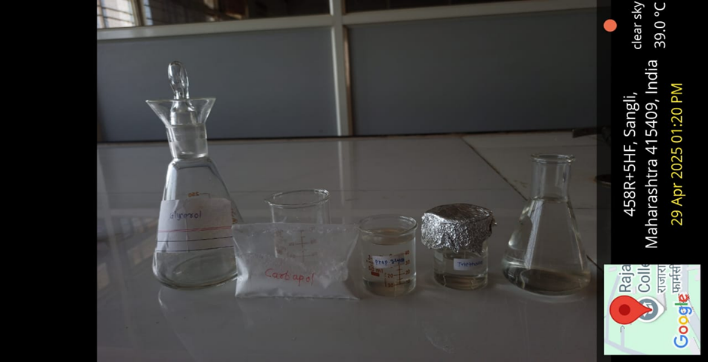
1. Copper sulphate nano-particles of herbal extract:

  • Anti-inflammatory activity.
  • Used in the treatment of varicose veins.

2. Carbopol:

  • These are also known as carbomers. Carbomers are high molecular mass polymers of acrylic acid cross-linked with polyalkenyl ethers of sugars or polyalcohols.
  • Carbomers contain not less than 56.0 percent and not more than 68.0 percent of carboxylic acid (-COOH) groups, calculated on a dried basis.

Description:

  • It is a white, fluffy powder.
  • It is hygroscopic.
  • It is used as a gelling agent.

3. Polyethylene glycol:

Polyethylene glycolis a synthetic resin made by polymerizing ethylene glycol, in particular series of water-soluble oligomers.

Description:

  • It is a clear, colourless or viscous liquid.
  • Works as a cosolvent.

4. Glycerine: Glycerol

Molecular formula: C3H8O3.

  • Glycerine is propane-1,2,3-triol.
  • Glycerine contains not less than 98.0 percent and not more than 101.0 percent ofC3H8O3, calculated on an anhydrous basis.

Description:

  • Glycerine is a clear, colourless, syrupy liquid.
  • It is very hygroscopic in nature.
  • It is used as a drug solubilizer.

5. Methylparaben: Methyl hydroxybenzoate

Molecular formula:C8H8O3.

  • Methylparaben is methyl 4-hydroxybenzoate.
  • Methylparaben contains not less than 99.0 percent and not more than 101.0 percent of C8H8O3.

Description:

  • It is colourless or white crystalline powder.
  • It is used as a preservative.

6. Triethanolamine:

  • It helps to stabilize the consistency, improves the texture.
  • It makes the products easier to spread.
  • Act as a buffer, ensuring that the cosmetic formulation maintains the desired pH level.

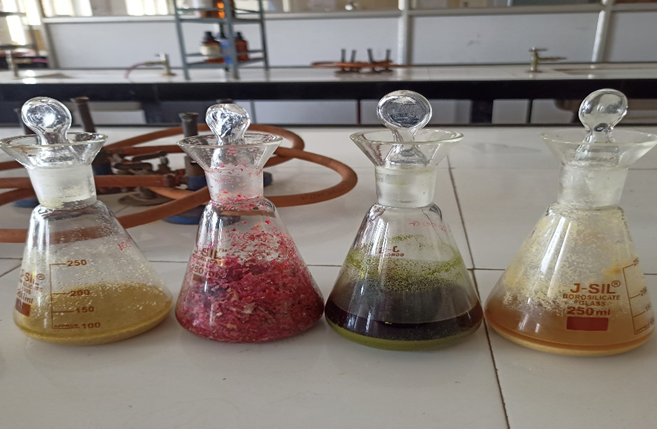
Maceration Process for Herbal Extraction:

Maceration is a traditional and widely used method for extracting active compounds from herbs using a solvent. It is simple, cost-effective, and suitable for both small-scale and industrial applications.

Maceration Process

1. Preparation of Plant Material

  • Drying: The plant material (leaves, roots, flowers, etc.) is usually dried to reduce moisture content.
  • Grinding/ Shredding: The material is crushed or ground to increase surface area for better extraction.

2. Selection of Solvent

  • Common solvents: Water, ethanol, methanol, glycerin, or mixtures (e.g., hydroalcoholic solutions).
  • Solvent choice depends on the type of compounds targeted (e.g., polar or non-polar).

3. Soaking (Maceration)

  • The plant material is soaked in the solvent in a closed container.
  • Duration: Typically 3 to 7 days at room temperature.
  • Agitation: Occasional shaking or stirring helps improve extraction efficiency.

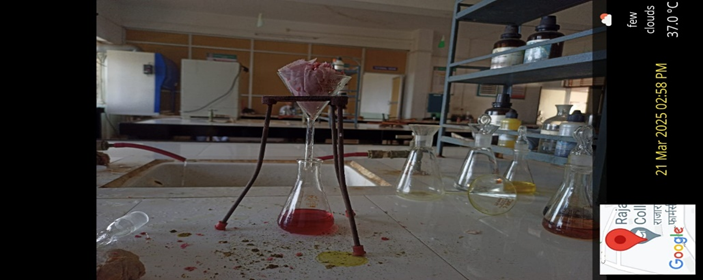
4. Filtration

  • After soaking, the mixture is filtered to separate the liquid extract (menstruum) from the solid plant residues (marc).

5. Concentration (optional)

  • The extract may be concentrated by evaporating the solvent under reduced pressure (especially when using alcohol or other volatile solvents).

Advantages of Maceration

  • Simple and inexpensive.
  • No specialized equipment needed.
  • Suitable for heat-sensitive compounds.

Disadvantages

  • Time-consuming.
  • Less efficient than other methods (e.g., percolation or Soxhlet).
  • Risk of microbial growth if not handled properly.

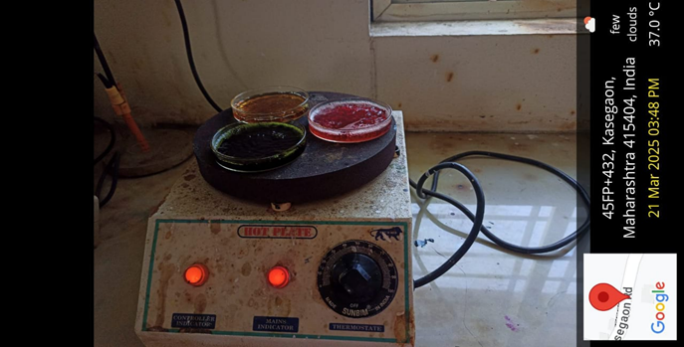
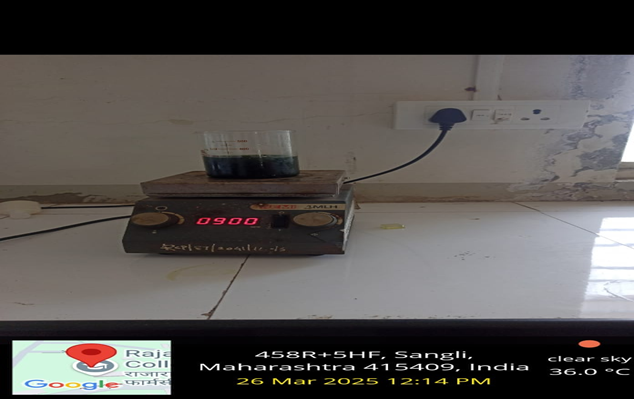
6. Concentration Using Hot Plate

a. Setup

  • Transfer the filtered liquid to a clean evaporating dish.
  • Place it on a hot plate.

b. Heating

  • Set the hot plate to low to moderate temperature (40–60°C) to avoid degradation of phytochemicals.
  • Allow the solvent to evaporate slowly while stirring occasionally to prevent burning or sticking.

c. Concentration

  • Continue heating until most of the solvent has evaporated and a thick, viscous mass or dry powder remains.

6. Drying and Storage

  • For final drying, allow the extract to air-dry or place it in a desiccator overnight.
  • Once completely dry, scrape and store the extract in an airtight container, preferably in a cool, dry place or a refrigerator.

Synthesis of copper sulfate (CuSO?) nanoparticles using herbal extract:

The synthesis of copper sulfate (CuSO?) nanoparticles using herbal extract falls under the category of green synthesis, which is an eco-friendly, cost-effective, and sustainable approach. Below is a general procedure that can be adapted based on the specific plant/herbal extract used.

Materials Required

  1. Copper sulfate pentahydrate (CuSO?·5H?O)
  2. Herbal extract (e.g., neem, tulsi, green tea, etc.)
  3. Distilled water
  4. Magnetic stirrer or hot plate
  5. Beakers, measuring cylinders, glass rod
  6. Centrifuge
  7. Drying oven or desiccator
  8. Whatman filter paper
  9. UV-Vis spectrophotometer, FTIR, XRD, SEM (for characterization)

Step-by-Step Procedure

1. Preparation of Copper Sulfate Solution
  • Dissolve 0.01 M to 0.1 M CuSO?·5H?O in distilled water.
  • Stir well to ensure complete dissolution.

2. Green Synthesis Reaction

  • Mix the herbal extract and CuSO? solution in a 1:1 or 1:2 ratio.
  • Stir the mixture continuously at room temperature or slightly heated (around 60–70°C) for 1–4 hours.
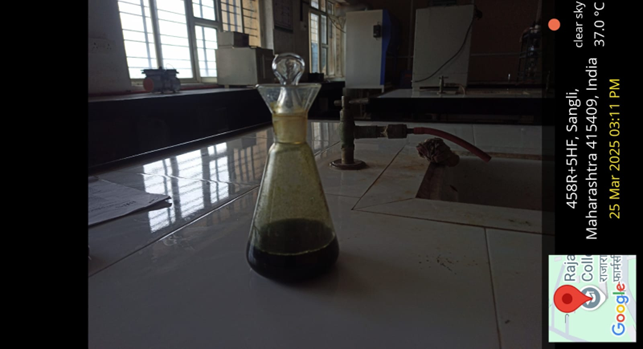
  • A color change (typically to green or brown) indicates nanoparticle formation due to reduction of Cu²?.

3. Collection of Nanoparticles

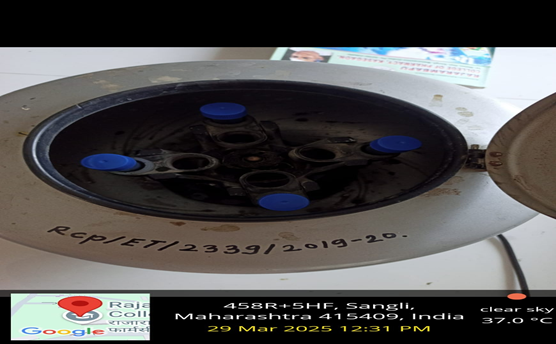
  • After synthesis, cool the solution and centrifuge at 10,000–12,000 rpm for 15–20minutes.
  • Wash the pellet with distilled water and ethanol to remove unreacted residues.
  • Dry the nanoparticles in a hot air oven at 60–80°C or in a desiccator.
  1. Procedure for preparation of gel
      1. Carbopol was soaked in water for 24 hours.
      2. A weighed amount of 0.2 gm methyl paraben and propyl paraben were dissolved in 10 ml distilled water.
      3. Paraben solution added into carbopol base.
      4. 10 ml propylene glycol added into above solution with glycerine.
      5. 0.3 gm Nanoparticles of herbal Extract was added.
      6. Then 0.5 ml of triethanol amine added.
      7. Stirring is done until a homogenous product is formed.

Composition of gel formulation

Table No.2. composition of gel

Ingredient

F1

F2

F3

Nanoparticles of Herbal Extract

0.3gm

0.3gm

0.3gm

Carbopol 940

0.1gm

0.2gm

0.3gm

Triethanolamine

0.7ml

0.6ml

0.5ml

Glycerin

5ml

7.5ml

10ml

Methyl Paraben

0.2gm

0.2gm

0.2gm

Propylene Glycol

1ml

0.75ml

0.5ml

Methyl Paraben

0.2gm

0.2gm

0.2gm

Purified water

30ml

40ml

50ml

Evaluation Tests for Anti-inflammatory Gel

1. Physical Appearance-

  • Consistency-

The consistency was checked by applying on skin.
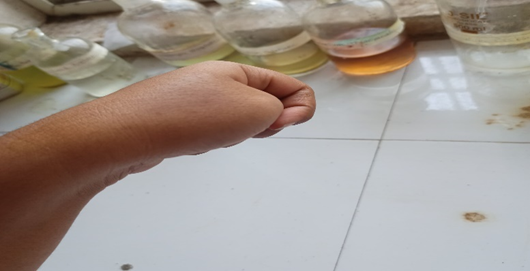
  • Greasiness -

The greasiness was assisted by application on the skin.

  • Appearance-

All the formulations of Nanoparticle Herbal gel were bluish green in colour

  • Odour -

The odour of gel was checked by mixing the gel in water and taking the smell.

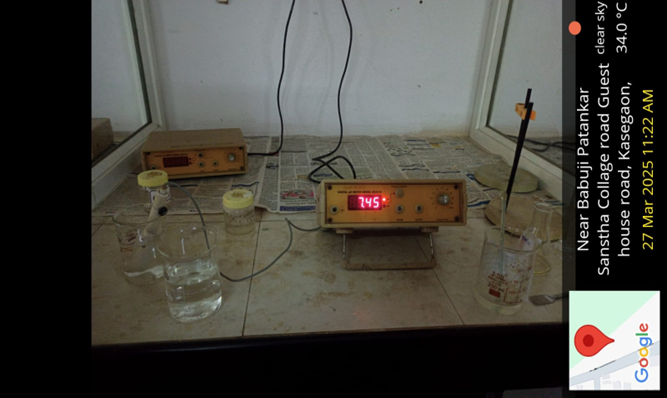
2. Determination of PH-

The pH of gel was determined using digital pH meter by dipping the glass electrode completely into gel system.
3. Determination of spreadability-

Spreadability was determined by glass slide apparatus. 2gm of gel was placed on the slide and another slide is placed on the slide, the gel was then sandwiched between the slides. Slides were pulled in opposite directions. Measure the spreading of gel after some time. Note the values of at least three readings. Spreadabilty was calculated using the following formula:

S = M x L/T

 S = spreadability

M = mass of upper slide

 L = length of moved glass slide

 T = time in seconds..

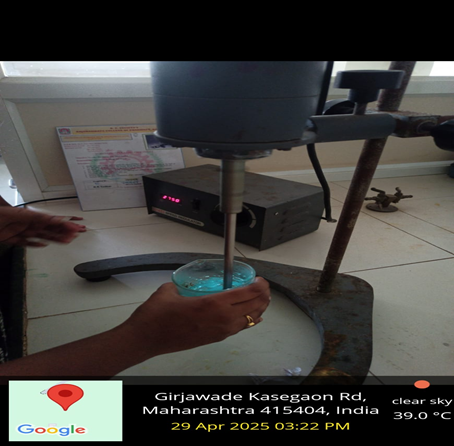
4. Determination of homogeneity-

All the developed gels were tested for homogeneity by visual inspection after the gel have been set in the container(16-17). They were tested for their appearance and the presence of any aggregates.
8. Skin Irritation Test

  • a small amount of gel is applied on the skin (or a patch test) and  no any redness or itching occurs.

9. Stability Test

  • Gel stored  at room temperature and observed no any changes in color, smell, or texture over 1–2 weeks.
  1. Viscosity Test
  • Take 50–100 g of gel in a clean beaker.
  • Place spindle (e.g., #64) of Brookfield Viscometer into the center of the gel.
  • Set temperature to 25°C and speed to 10–20 RPM.
  • Turn on the viscometer and allow it to stabilize (about 1–2 minutes).
  • Record viscosity in centipoise (cP).
  • Repeat 3 times and take the average.

RESULT:

Table No.3. Physical appearance of gel

Sr. no.

Parameters

Observations

1

Colour

Bluish green

2

Odour

Mild herbal

3

Consistency

Homogeneous

4

Skin irritation test

No any irritation

Table no.4. Evaluation of gel formulation

Formulation

Appearance

pH

Homogeneity

Spreadability (gcm/sec)

Viscosity

F1

Bluish green

7.0

Good

15.05

40,000cP

F2

Bluish green

7.2

Good

16.16

46,000cP

F3

Bluish green

7.4

Very good

18.35

50,000cP

      • Screening of in-vitro anti-inflammatory activity:

Anti-inflammatory activity of Copper Sulfate anti inflammatory gel  was assessed using the protein denaturation method as defined in Mizushima et al. The standard used was Diclofenac, a powerful non-steroidal anti-inflammatory drug.

Procedure-

        1. The reaction mixture (10) mL) formed of 0.4 mL of egg albumin (from fresh hen's egg), 5.6 mL of phosphate buffered saline (PBS, pH 6.4) and 4 mL of varying test sample concentration to 50 µg/ml and 100 µg/ml.
        2. Similar double-distilled water volume performed as control The mixtures were incubated in an incubator at (37±2) C for 15 min and then heated at 70" C for 5 min.
        3. Using the vehicle as blank, their absorbance was measured at 660 nm (Shimadzu, UV 1800).

No.

Sample Name

Absorbance

Sample 1

Flavonid Gel

(Combined)

1.Diosmin

2.Hespiridin

3.Quercetin

4.Txorutin

0.951 Abs

Sample 2

Blank

0.886 Abs

Sample 3

Phosphate Buffer

0.766 Abs

Sample 4

Diclofenac

0.590 Abs

Graphical Representation in-vitro anti-inflammatory activity:

      • Measurement Type : Zeta Potential

Zeta Potential (Mean) :-12.3mV

Electrophoretic Mobility Mean :-0.000095cm2/Vs

      • Measurement Type : Particle Size

Cumulant Operations Z-Average : 321.3nm

PI : 0.749

CONCLUSION

This research successfully synthesized copper sulfate nanoparticles using the natural flavonoids diosmin, hesperidin, quercetin, and troxerutin through a green synthesis approach. These bioactive compounds acted as both reducing and capping agents, resulting in stable, well-characterized nanoparticles. The formulated nanoparticles demonstrated enhanced antioxidant and anti-inflammatory properties, which are crucial in managing chronic venous insufficiency and varicose veins. The four flavonoids, showed superior nanoparticle stability and biological activity. The results suggest that these flavonoid-based copper sulfate nanoparticles hold significant potential as a novel therapeutic approach for improving venous tone, reducing inflammation, and promoting vascular health in patients with varicose veins. Further pharmacological and clinical studies are warranted to validate their efficacy and safety for future therapeutic use.

REFERENCES

  1. R. Staffa, Chronic venous insufficiency--epidemiology, Bratisl Lek Listy 103(4-5) (2002) 166-8.
  2. A. Mansilha, J. Sousa, Pathophysiological Mechanisms of Chronic Venous Disease and Implications for Venoactive Drug Therapy, Int J Mol Sci 19(6) (2018).
  3. M. Spiridon, D. Corduneanu, Chronic Venous Insufficiency: a Frequently Underdiagnosed and Undertreated Pathology, Maedica (Buchar) 12(1) (2017) 59-61
  4. Petrovska, B., 2012. Historical review of medicinal plants usage. Phcog Rev, 6(11), pp.15-17.
  5. Marin, F., Ortuño, A., Benavente-Garcia, O., Del Rio, J.A., 1998. Distribution of Flavone Glycoside Diosmin in Hyssopus fficinalis Plants: Changes During Growth. Planta Med, 64(2), pp.181-182.
  6. Abdel-Reheim, M. A., Messiha, B. A. S., & Abo-Saif, A. A. (2017). Hepatoprotective effect of diosmin on iron-induced liver damage. International Journal of Pharmacology, 13, 529–540.
  7. Ali, F. E. M., Azouz, A. A., Bakr, A. G., Abo-youssef, A. M., & Hemeida, R. A. M. (2018). Hepatoprotective effects of diosmin and/or sildenafil against cholestatic liver cirrhosis: The role of Keap-1/Nrf-2 and P38-MAPK/NF-κB/iNOS signaling pathway. Food and Chemical Toxicology, 120, 294–304.
  8. Christopoulos D, Tachtsi M, Pitoulias G, Belcaro G, Papadimitriou D. Hemodynamic follow-up of iliofemoral venous thrombosis. Int Angiol 2009;28(5):394–399
  9. Chan S, Belcaro G, Nicolaides AN. Chronic venous insufficiency. In:Haimovici H, ed. Haimovici’s Vascular Surgery. Cambridge, Mass:Blackwell Sciences; 1242–1258
  10. Varicose veins: overview. In: InformedHealth.org [Internet]. Institute for Quality and Efficiency in Health Care (IQWiG); 2019 [cited 2023 Aug 5]. Available from:https://www.ncbi.nlm.nih.gov/books/NBK279247/
  11. Jacobs BN, Andraska EA, Obi AT, Wakefield TW. Pathophysiology of varicose veins. J Vasc Surg Venous Lymphat Disord. 2017;5(3):460–7. doi:https://doi.org/10.1016/j.jvsv.2016.12.014
  12. British Pharmaceutical Codex, Council of the PharmaceuticalSociety of Great Britain, The Pharmaceutical Press, London, 1959.
  13. V.E. Tyler, R.L. Brady, J.E. Robbers, Pharmacognosy, 9th, Lea and Febiger, Philadelphia, PA, 1988, p. 464.

Reference

  1. R. Staffa, Chronic venous insufficiency--epidemiology, Bratisl Lek Listy 103(4-5) (2002) 166-8.
  2. A. Mansilha, J. Sousa, Pathophysiological Mechanisms of Chronic Venous Disease and Implications for Venoactive Drug Therapy, Int J Mol Sci 19(6) (2018).
  3. M. Spiridon, D. Corduneanu, Chronic Venous Insufficiency: a Frequently Underdiagnosed and Undertreated Pathology, Maedica (Buchar) 12(1) (2017) 59-61
  4. Petrovska, B., 2012. Historical review of medicinal plants usage. Phcog Rev, 6(11), pp.15-17.
  5. Marin, F., Ortuño, A., Benavente-Garcia, O., Del Rio, J.A., 1998. Distribution of Flavone Glycoside Diosmin in Hyssopus fficinalis Plants: Changes During Growth. Planta Med, 64(2), pp.181-182.
  6. Abdel-Reheim, M. A., Messiha, B. A. S., & Abo-Saif, A. A. (2017). Hepatoprotective effect of diosmin on iron-induced liver damage. International Journal of Pharmacology, 13, 529–540.
  7. Ali, F. E. M., Azouz, A. A., Bakr, A. G., Abo-youssef, A. M., & Hemeida, R. A. M. (2018). Hepatoprotective effects of diosmin and/or sildenafil against cholestatic liver cirrhosis: The role of Keap-1/Nrf-2 and P38-MAPK/NF-κB/iNOS signaling pathway. Food and Chemical Toxicology, 120, 294–304.
  8. Christopoulos D, Tachtsi M, Pitoulias G, Belcaro G, Papadimitriou D. Hemodynamic follow-up of iliofemoral venous thrombosis. Int Angiol 2009;28(5):394–399
  9. Chan S, Belcaro G, Nicolaides AN. Chronic venous insufficiency. In:Haimovici H, ed. Haimovici’s Vascular Surgery. Cambridge, Mass:Blackwell Sciences; 1242–1258
  10. Varicose veins: overview. In: InformedHealth.org [Internet]. Institute for Quality and Efficiency in Health Care (IQWiG); 2019 [cited 2023 Aug 5]. Available from:https://www.ncbi.nlm.nih.gov/books/NBK279247/
  11. Jacobs BN, Andraska EA, Obi AT, Wakefield TW. Pathophysiology of varicose veins. J Vasc Surg Venous Lymphat Disord. 2017;5(3):460–7. doi:https://doi.org/10.1016/j.jvsv.2016.12.014
  12. British Pharmaceutical Codex, Council of the PharmaceuticalSociety of Great Britain, The Pharmaceutical Press, London, 1959.
  13. V.E. Tyler, R.L. Brady, J.E. Robbers, Pharmacognosy, 9th, Lea and Febiger, Philadelphia, PA, 1988, p. 464.

Photo
Yogita Sawant
Corresponding author

Department of Pharmaceutical chemistry, Rajarambapu College of Pharmacy, Walwa, Sangli, Maharashtra, India 415404

Photo
Pratiksha Mahajan
Co-author

Department of Pharmaceutical chemistry, Rajarambapu College of Pharmacy, Walwa, Sangli, Maharashtra, India 415404

Photo
Sachin Todkar
Co-author

Department of Pharmaceutical chemistry, Rajarambapu College of Pharmacy, Walwa, Sangli, Maharashtra, India 415404

Photo
Vyankatesh Dharanguttikar
Co-author

Department of Pharmaceutical chemistry, Rajarambapu College of Pharmacy, Walwa, Sangli, Maharashtra, India 415404

Photo
Manisha Murgude
Co-author

Department of Pharmaceutical chemistry, Rajarambapu College of Pharmacy, Walwa, Sangli, Maharashtra, India 415404

Yogita Sawant, Pratiksha Mahajan, Sachin Todkar, Vyankatesh Dharanguttikar, Manisha Murgude, Nano-Enhanced Anti-Inflammatory Gel, Int. J. of Pharm. Sci., 2026, Vol 4, Issue 3, 1483-1495. https://doi.org/10.5281/zenodo.19013039

More related articles
Formulation and Evaluation of Floating Microsphere...
Muggu Sankara bhavani, K. ChandraSekhar Gupta, A. Brahma Reddy, G...
Evaluating the Efficacy of Polyherbal Formulat...
Aditya Teli, S. U. Shinde, Nilesh B. Chougule , ...
Formulation and Evaluation of Chewable Lozenges Co...
Sakshi Waghire, Prachi Murkute , Ashwini Pundkar, Dr.Santosh Payg...
A Review on Self Assembling Cyclodextrin Hydrogels...
Sk. Arshiya Sulthana, M. Sunitha Reddy, K. Anie Vijetha, ...
Preparation and Evaluation of Ant Repellent Herbal Gel Containing the Extract of...
Dr. Sanchari Bhattacharya, Sudipta Santra, Ritam Chatterjee, ...
A Comprehensive Review on Herbal Gel for the Management of Mouth Ulcer...
Viddya Pattiwale, Snehal Chaudhari, Sanket Patil, ...
Related Articles
Innovative Polyherbal Cookies for Dietary Management of Diabetes...
B. Aasritha, G. Naga Deepika, K. Shanmukhi, D. Cherishma Sri, M. Nandini, Dr. I. V. Rama Rao, Dr. Y....
Development Of Bidens Pilosa Extract Based Emulsion Using Carbopol 950 For Its A...
Akshaya A., Jones Felix C. K. , Prabhahar B. , Kumaravel S., Ramesh M., Jesteena Johney, Ragunathan ...
A Review on In Situ Gelling System ...
Akash Shendge , Vikas B. Wamane, Jayshree R. Shejul, ...
A Comprehensive Review Of Gestational Diabetes Mellitus...
Kaula, Vineetha K, Ramakrishna Shabaraya A, ...
Formulation and Evaluation of Floating Microspheres Containing Non-Steroidal Ant...
Muggu Sankara bhavani, K. ChandraSekhar Gupta, A. Brahma Reddy, G. Venkata Vasu, ...
More related articles
Formulation and Evaluation of Floating Microspheres Containing Non-Steroidal Ant...
Muggu Sankara bhavani, K. ChandraSekhar Gupta, A. Brahma Reddy, G. Venkata Vasu, ...
Formulation and Evaluation of Chewable Lozenges Containing Guava Leaves Extract ...
Sakshi Waghire, Prachi Murkute , Ashwini Pundkar, Dr.Santosh Payghan, Gayatri Vajir, ...
Formulation and Evaluation of Floating Microspheres Containing Non-Steroidal Ant...
Muggu Sankara bhavani, K. ChandraSekhar Gupta, A. Brahma Reddy, G. Venkata Vasu, ...
Formulation and Evaluation of Chewable Lozenges Containing Guava Leaves Extract ...
Sakshi Waghire, Prachi Murkute , Ashwini Pundkar, Dr.Santosh Payghan, Gayatri Vajir, ...