
Chemists College of Pharmaceutical Sciences and Research, Varikoli, Ernakulam, Kerala, India
Epilepsy, a prevalent neurological disorder, necessitates continuous innovation in antiepileptic drug (AED) discovery, particularly for drug-resistant cases and specific genetic etiologies. This review comprehensively examines modern AED screening methodologies, emphasizing the synergistic integration of in vitro, in vivo, and in silico approaches. Advances in laboratory testing models have enabled the conduct of swift and pertinent drug testing for seizure disorders using technologies like induced pluripotent stem cell-derived neurons in microelectrode arrays, 2D and 3D neuronal clusters, and "brain-on-a-chip" systems. In contrast, animal models like kindling, chemically-induced seizures, and sophisticated genetic models (e.g., mice with a Scn1a mutation, zebrafish) are still essential for evaluating treatment effectiveness, seizure development, and disease modification. Improved animal testing methods, including video-EEG monitoring and behavioral assessments, provide comprehensive analysis of disease characteristics. Furthermore, in silico methodologies are indispensable for cost-effective and rapid chemical space exploration. Recent breakthroughs, particularly in AI and machine learning integration, have revolutionized drug repurposing and de novo design, notably through frameworks such as "NeuroCADR" which combine deep learning with molecular docking and molecular dynamics. This streamlined approach, alongside a focus on novel and multi-target strategies, optimizes the drug discovery pipeline for highly efficacious and personalized AEDs.
Epilepsy, as defined by the International League Against Epilepsy (ILAE), is a disorder of the brain characterized by an enduring predisposition to generate epileptic seizures, and by the neurobiologic, cognitive, psychological, and social consequences of this condition.[1] Affecting millions worldwide, epilepsy significantly diminishes quality of life, and despite the availability of numerous antiepileptic drugs (AEDs), a considerable proportion of patients remain refractory to current therapies. This unmet clinical need underscores an urgent imperative for novel therapeutic strategies with enhanced efficacy and tolerability. Earlier AED development largely relied on broad-spectrum seizure models, often leading to drugs with variable efficacy and significant side effects. However, the landscape of AED development is undergoing a profound transformation. Advances in the understanding of epilepsy’s molecular, cellular, and circuit-level underpinnings, together with the emergence of cutting-edge methodologies, have fostered a more targeted and mechanistically informed approach. This review critically examines the integration of contemporary in vivo, in vitro, and in silico platforms that are redefining AED discovery. We highlight the deployment of advanced animal models that replicate distinct epilepsy phenotypes, the utilization of high-throughput and mechanistically rich in vitro systems, and the application of in silico tools for rational drug design and predictive modeling. [2] These interdisciplinary methodologies collectively hold promise for speeding up the development of AEDs that are not only more effective and safer but also capable of altering disease progression. Through the lens of these technological advancements, we explore emerging therapeutic targets, strategies for precision medicine, and their potential to benefit individuals living with epilepsy.
Advances In In Vivo Approaches
In vivo animal models have undergone significant refinement between 2022 and 2025, enhancing their relevance in modeling chronic, drug-resistant epilepsy and advancing the identification of disease-modifying antiepileptic drugs (AEDs). A major achievement has been the incorporation of syndrome- and genotype-specific models, particularly mice with SCN1A mutations that represent Dravet syndrome, which are now a key part of pipelines for translational screening.[3] Kindling models, using repeated subconvulsive electrical stimulation or low-dose pentylenetetrazole administration, gradually increase seizure susceptibility and often result in spontaneous, recurrent seizures with reduced responsiveness to conventional antiepileptic drugs (AEDs). These paradigms are instrumental in assessing anti-epileptogenic agents—examining both prevention of kindling onset and reversal of established kindled states. [4] These advancements collectively indicate a paradigm shift toward precision-aligned in vivo methodologies that not only screen for seizure suppression but also assess anti-epileptogenic and disease-modifying potential in treatment-resistant epilepsy.
Models of Chronic Epilepsy (Disease Modification & Drug-Resistant Epilepsy)
Their purpose is to model the chronic, recurrent, and frequently drug-resistant nature of human epilepsy. They are critical for discovering AEDs that will prevent the development of epilepsy (epileptogenesis) or that will combat difficult-to-control seizures.
Kindling Models (Electrical and Chemical):
These models involve the repeated application of subconvulsive electrical stimulation or the administration of low doses of pentylenetetrazole. This technique increases the brain's susceptibility to seizures, leading to spontaneous and recurrent seizure activity. These models are significant for investigating the development of epilepsy and for identifying treatments that may alter its course. They are also commonly employed to study drug-resistant epilepsy, as kindled subjects typically show reduced responses to standard antiepileptic drugs. Recent research has aimed to determine if certain medications can not only halt acute seizures but also inhibit the initiation of kindling(anti-epileptogenic effects) or reverse established kindling(disease-modifying effects). [5]
Chemical-Induced Status Epilepticus (SE) Models (Pilocarpine and Kainic Acid):
These models represent sustained seizures induced mainly by muscarinic acetylcholine or kainate receptors with either a single high dose of pilocarpine or kainic acid, respectively. Such acute insult is followed by spontaneous recurrent seizures days to weeks later, mimicking human TLE with hippocampal sclerosis. These models are of very high relevance to secondary epilepsy, such as TLE. They’re employed to assess new compounds for their ability to halt SE (acute treatment), test drugs for their anti-epileptogenic effects (preventing chronic epilepsy development), and screen drugs that are effective for spontaneous recurrent seizures in chronic animals, including intractable cases. Advanced surveillance, such as video-EEG telemetry permits long-term monitoring of spontaneous seizures and in-depth behavioral scoring. More recent studies also assess neuropathological alterations (e.g. neuron loss or mossy-fiber sprouting) including the degree of seizure reduction providing additional information on the drug's potential for altering the disease process. [6,7,8]
2. Genetic Animal Models
These models have gained importance for studying specific genetic epilepsies and for identifying targeted therapies because of progress in genetic engineering.
SCN1a Mutant Models (e.g., Dravet Syndrome Mouse Models):
These mice carry mutations in the Scn1a gene, which encodes NaV1. 1 sodium channel. This imitates Dravet syndrome, an extreme epilepsy of early childhood. Those mutations lead to faulty function of inhibitory interneurons, resulting in hyperexcitability and spontaneous seizures, which are often provoked by fever.These models are critically important in screening drugs for SCN1A-related epilepsies and also Dravet syndrome . They help identify compounds for restoring NaV1.1 function or making up its deficiency, paving the way for a precision medicine approach. [9]
Other Genetic Models:
There are various other genetically modified mouse as well as rat lines that can model specific channelopathies such as KCNQ2 or KCNT1 mutations affecting potassium channels or syndromic epilepsies such as Tuberous Sclerosis Complex,TSCmodels. [10]
Zebrafish models
These are becoming more widely used for high-throughput in vivo screening of genetic epilepsies due to their transparent embryos, rapid development, and the simplicity of genetic manipulation. These characteristics make them suitable for testing extensive libraries of compounds linked to genes found in human epilepsy cases. The incorporation of optogenetics enhances their effectiveness by enabling precise control of neurons and the induction of seizures. [11]
3. Modern In Vivo Techniques
Advanced assessment techniques in modern in vivo studies facilitate the collection of detailed and accurate data regarding the efficacy and overall effects of antiepileptic drugs (AEDs).
Video-EEG telemetry:
Now a standard method in chronic in vivo research, it involves the implantation of electrodes for continuous, long-term monitoring of brain electrical activity (EEG) in conjunction with video recordings of animal behavior. This approach yields precise information on seizure frequency, duration, severity, and associated behaviors, which is essential for assessing AED effectiveness over extended periods. [12]
Neuroimaging techniques:
While not typically employed for routine high-throughput screening, neuroimaging techniques are increasingly utilized in certain chronic models. Methods such as Magnetic Resonance Imaging (MRI) and Positron Emission Tomography (PET) enable researchers to observe structural alterations (e.g., hippocampal atrophy), inflammation, or neurotransmitter activity, offering deeper understanding of drug mechanisms and disease progression. [13]
Advances In In Vitro Approaches
Recent years (2022–2025) have witnessed pivotal advancements in in vitro platforms for antiepileptic drug (AED) screening, with human induced pluripotent stem cell (hiPSC)–based technologies emerging at the forefront of translational research. [13] Voltage-sensitive dye (VSD) imaging applied to mouse hippocampal slices has gained prominence as an automated, multi-layer optical method for early seizure-liability assessment, filling a critical gap in non-clinical toxicology by identifying seizurogenic compounds at early stages of drug development. [14] These refined in vitro methodologies are shaping a more efficient, predictive, and ethical pipeline for early-stage AED discovery and safety profiling.
1. hiPSC-Derived Neurons on Microelectrode Array (MEA) Platforms
Integrated iPSC–Animal Pipelines
Recent progress in the development of antiepileptic drugs (AEDs) has increasingly utilized human induced pluripotent stem cell (hiPSC)-derived neuronal models. An example is the study by Pan et al. (2023), shown in Figure 1, which introduced a high-throughput microelectrode array (MEA) assay using hiPSC-derived neurons. This effective in vitro platform allowed for the screening of 14 natural compounds to assess their ability to mitigate 4-aminopyridine (4-AP)–induced epileptiform activity. Eight of these compounds, including piperine, magnolol, -asarone, and osthole, exhibited notable anti-seizure effects in vitro and were later validated in zebrafish and mouse models, confirming their translational reliability. The consistent effectiveness demonstrated in both in vitro and in vivo models highlights the potential of hiPSC-derived neurons in identifying promising natural AED candidates. This integrated approach not only improves the precision of drug screening but also addresses ethical issues by potentially minimizing the need for extensive animal testing, thus facilitating future clinical studies of natural compounds for epilepsy treatment. [14]
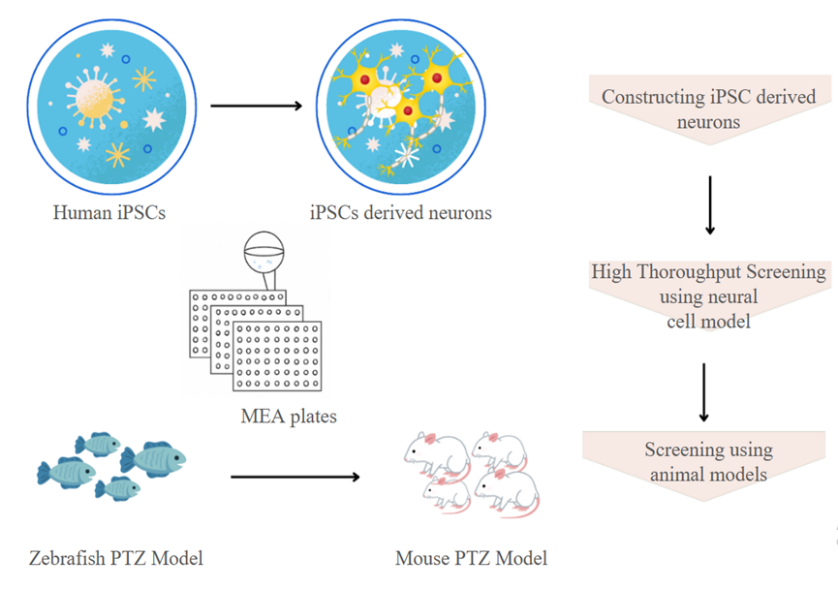
Figure.1: Integrated pipeline for anti-seizure drug discovery utilizing human iPSC-derived neurons and in vivo animal models. (Adapted from Pan, S. et al. Establishment of a High-Throughput Drug Screening Model based on Human iPSC-Derived Neurons and Microelectrode Array. International Journal of Pharmaceutical Sciences, 2023. Article ID: S2090123223003612.)
Precision Drug Screening for SCN2A Mutation
A study on pediatric patients with an SCN2A (R1629L) mutation, which is resistant to standard sodium channel blockers, illustrates the use of precision medicine in epilepsy treatment. Genomic DNA sequencing identified this mutation, enabling the creation of patient-specific induced pluripotent stem cells (iPSCs). These iPSCs were differentiated into neuronal networks, providing a relevant in vitro model that mimicked the pathological seizure activity. The research employed a high-throughput computational drug screening method, assessing 1.6 million compounds. This extensive process uncovered five compounds with strong binding affinity to the mutated SCN2A protein, favorable toxicity profiles, and good blood-brain barrier permeability. Further pharmacological tests using the iPSC seizure model showed that two of these compounds effectively modulated the abnormal electrophysiological patterns, exhibiting a potency about 100 times greater than phenytoin. This study underscores the potential of combining patient-derived models with advanced computational screening to develop personalized and effective antiepileptic drugs. [15]
Toxicology and Seizure Liability in hiPSCs
Seizure liability is a significant challenge in pharmaceutical development, often resulting in the loss of potentially effective drug candidates. Recent advancements in stem cell research and a deeper understanding of ion channel dysregulation related to seizures present new opportunities for enhancing drug screening processes. A study assessed the effects of 15 known pro-seizurogenic compounds, including various CNS therapeutics and GABA receptor antagonists, based on their links to seizure activity identified in genetic and pharmacological research. Researchers utilized automated electrophysiology to analyze the compounds' interactions with a set of 14 ion channels associated with seizures. The study found that 14 compounds interacted with the seizure panel, with 11 inhibiting multiple ion channels. Additionally, these effects were validated using hiPSC-derived neurons on MEA platforms, showcasing an integrated in vitro approach. The findings highlight the effectiveness of combining hiPSC neurons and MEA technology for the early and precise prediction of seizure-liability in the drug development process. [16]
2. Brain Slice & Voltage-Sensitive Dye (VSD) Imaging
Optical Seizure-Likelihood Assays
Optical seizure-likelihood assays play a vital role in evaluating drug-induced seizure risk in non-clinical toxicology. Conventional electrophysiological techniques frequently fail to identify early seizure potential, leading to delays in drug development. A notable improvement in this field is the use of voltage-sensitive dye (VSD) imaging to assess seizure activity in mouse hippocampal slices. This method serves as a useful alternative to traditional electrophysiology, allowing for real-time optical recording of neuronal activity in specific hippocampal layers, such as the stratum radiatum and stratum pyramidale, during seizure onset. VSD technology facilitates the distinction of spatial and temporal dynamics of neuronal excitability influenced by different compounds. This optical method improves the understanding of how certain drugs affect seizure risk, thereby contributing to the development of safer and more effective pharmaceuticals. [17]
3. 2D vs. 3D Cultures & Organs-on-Chips
3D Neuronal Spheroids
Hamed Salmanzadeh-Dozdabi's dissertation examined the use of Human Stem Cell-Derived Neurons (hSC neurons) in two-dimensional (2D) and three-dimensional (3D) cultures for neurodevelopmental research, epilepsy modeling, and drug discovery. The findings indicated that differentiated hSC neurons display complex electrochemical signaling and can reproduce epileptiform activity when exposed to proconvulsant substances like 4-aminopyridine (4-AP). Additionally, the research confirmed that several anti-seizure medications effectively suppress 4-AP-induced epileptiform activity in these models. Furthermore, studies on the impact of various drugs on neural differentiation and function revealed potential neurotoxicity associated with common antiepileptic medications such as topiramate and gabapentin, underscoring the significant potential of hSC neuron models in drug screening and safety evaluations. [18]
Brain-on-a-Chip Systems
"Brain-on-a-chip" (BoC) systems are emerging as next-generation tools for epilepsy research and personalized medicine. By integrating patient-derived cells into microfluidic circuits, BoC models allow for the simulation of complex physiological environments, including hypoxia and ischemia, and enable the evaluation of patient-specific responses to antiepileptic compounds. These models represent a significant advancement in neuroscience research, providing novel in vitro platforms for studying complex neurological disorders such as neurodegenerative diseases, epilepsy, and stroke. These microfluidic systems are designed to closely mimic the brain's physiological microenvironment, which enhances research into disease mechanisms and drug effectiveness. BoC models allow for the simulation of essential physiological conditions, such as oxygen and glucose deprivation, crucial for investigating ischemic stroke and its aftermath, often linked to neurodegenerative diseases like Alzheimer's and Parkinson's. A major benefit of BoC technology is its application in personalized medicine, using patient-specific cells to create tailored therapeutic approaches for neurodegenerative disorders. This technology enhances the understanding of complex neural networks and inter-cellular interactions, addressing the intricacies of brain diseases that conventional in vivo models often fail to capture. [19]
4. Mechanistic Insights via Ion-Channel & Network Profiling
Seizure liability poses a significant challenge in drug discovery, contributing to the high failure rates of new therapeutic agents. Recent advancements in stem cell biology and a better understanding of ion channel roles in seizure generation offer new opportunities to improve screening methods. A study evaluated the effects of 15 compounds known to have pro-seizurogenic properties, based on their associations with seizures found in previous genetic and pharmacological research. Using an automated electrophysiology platform, the study examined how these compounds interacted with a panel of 14 important ion channels. The results showed that 14 compounds influenced the seizure-related ion channel panel, with 11 of them having inhibitory effects on two or more channels. Additionally, the study evaluated the effects of these compounds on electrical signaling in human induced pluripotent stem cell (hiPSC) neurons using microelectrode arrays (MEAs), offering detailed mechanistic insights into their pro-seizurogenic potential. [16]
Advances In In Silico Approaches
In silico approaches have become indispensable in the discovery and screening of antiepileptic drugs (AEDs), offering significant advantages in terms of cost-effectiveness, rapidity, and the capacity to explore vast chemical spaces. The field of in silico drug discovery for AEDs has experienced rapid advancements in recent years (approximately 2022-2025), primarily propelled by the increasing sophistication of Artificial Intelligence (AI) and Machine Learning (ML) techniques, coupled with enhanced computational power for simulations. (Figure 2) [20]
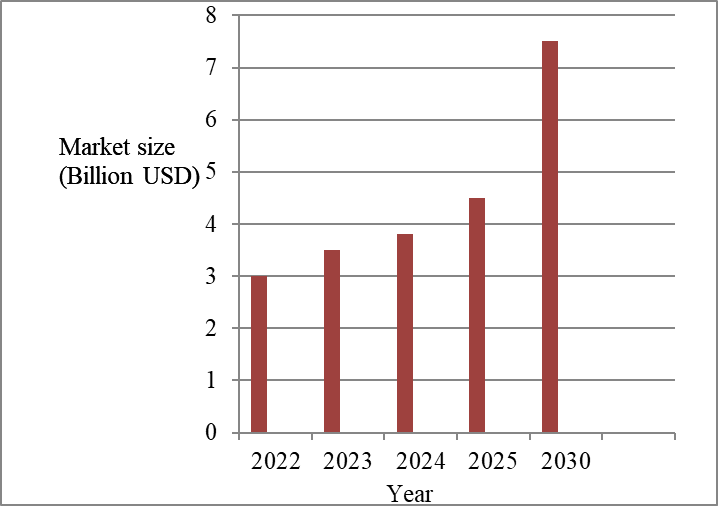
Figure.2: Graphical representation of the projected growth in the market size of in silico approaches over the years 2022-2030 for antiepileptic drug (AED) screening
Key advancements and trends from this period, building upon previous general overviews include:
1. Enhanced AI/ML Integration for Drug Repurposing and De Novo Design
Deep Learning for Target Identification and Drug Repurposing:
Recent advancements in artificial intelligence and machine learning (AI/ML), particularly transformer-based models and graph neural networks (GNNs), are revolutionizing drug discovery. Integrated pipelines that combine deep learning algorithms with conventional structure-based methods are emerging as a powerful strategy. A notable example includes a recent bioRxiv preprint that outlines an in silico drug repurposing pipeline for epilepsy, incorporating transformer-based deep learning (e.g., Ligand former for blood-brain barrier (BBB) permeability prediction) to pre-filter compounds, followed by molecular docking and molecular dynamics (MD) simulations for validation. [21]
Identification of Novel Indications:
AI-based models are increasingly employed to mine large-scale datasets—including clinical trials, genomic and proteomic data, and molecular interaction networks—for the identification of novel therapeutic indications of existing drugs. This approach holds particular promise in epilepsy, where traditional de novo drug discovery remains challenging. For instance, AI tools have facilitated the identification of antidepressants with potential efficacy in rare epileptic syndromes and suggested the repurposing of the cholesterol-lowering drug lomitapide for epilepsy, with subsequent validation via MD simulations. [22]
Multi-Omics Data Integration:
Advanced AI frameworks are now capable of integrating multi-omics datasets—such as genomics, proteomics, phenomics, and patient clinical data—to construct heterogeneous knowledge graphs. These models offer a comprehensive view of drug-disease interactions, supporting the development of polypharmacological approaches and moving beyond the conventional single-target paradigm. [23]
Generative AI for Novel Molecule Design:
While still emerging in clinical AED development, generative adversarial networks (GANs) and reinforcement learning strategies are being explored for the de novo design of novel chemical entities. These generative models optimize key pharmacokinetic and pharmacodynamic properties, including binding affinity, metabolic stability, and bioavailability, enabling the rational design of therapeutically relevant compounds. [24]
Predictive Models for Clinical Outcomes:
Contemporary AI systems—such as multimodal transformer-based architectures—are being trained on preclinical datasets to predict human pharmacokinetics and other clinical parameters with increased accuracy. This facilitates early-stage, in silico prioritization of candidate molecules, significantly enhancing the efficiency of drug discovery pipelines. [25]
2. Advanced Molecular Simulations
Longer and More Complex MD Simulations:
With substantial improvements in computational resources, MD simulations have expanded to longer timescales, often exceeding 100 nanoseconds. A recent study on phenytoin-target interactions exemplifies this trend, providing deeper insights into the dynamic stability of protein-ligand complexes. In addition, advanced sampling methodologies—including metadynamics, steered MD, and umbrella sampling—are increasingly applied to probe conformational changes and calculate binding free energies with greater precision. [26]
Integration with AlphaFold and Related Tools:
Revolutionary breakthroughs in protein structure prediction, especially with AlphaFold and its latest iteration AlphaFold three, are significantly advancing structure-based drug design (SBDD). These tools yield highly accurate models of protein complexes—including protein-ligand, protein-nucleic acid, and protein-ion systems—even in the absence of crystallographic data. Their integration with docking and MD simulations greatly enhances predictive accuracy in drug discovery. [27]
AI-Accelerated MD Simulations:
New computational paradigms such as AI²BMD, which synergize generative molecular design with physics-based absolute binding free energy MD simulations, exemplify the next frontier in AI-accelerated drug discovery. These approaches enable efficient exploration of chemical space while maintaining the rigor of biophysical modeling, thus reducing computational costs and timelines in ligand optimization. [28]
3. Focus on Novel and Multi-Target Approaches
Novel Targets Beyond Traditional Ion Channels:
While voltage-gated sodium channels, particularly NaV1.2, continue to be validated targets for AEDs (e.g., studies involving Ficus religiosa), current research is progressively exploring alternative and more complex targets implicated in epileptogenesis. These include: Inflammatory pathways, focusing on pro-inflammatory cytokines and signaling mechanisms such as NF-κB and TLR4; Neuroprotection and plasticity, emphasizing the modulation of neuronal survival, apoptosis, and neurogenesis; and Epigenetic mechanisms, which—though less prominently featured in recent in silico studies—remain of interest in the context of neuropharmacological research. Moreover, a recent bioRxiv investigation has targeted proteins encoded by 24 gain-of-function (GOF) genes associated with epileptogenesis, supporting the utility of in silico repurposing for genetically influenced epilepsy. [29,30]
Network Pharmacology and Polypharmacology:
Network pharmacology approaches, bolstered by in silico methodologies, are increasingly applied to understand multi-target drug actions. These strategies are particularly relevant for treating epilepsy, a disorder characterized by multifactorial pathophysiology. For example, constituents of Papaver somniferum have been explored for their multi-target profiles, potentially offering therapeutic advantages and minimizing adverse effects. [31]
4. Improved ADMET and Toxicity Prediction
More Accurate and Comprehensive ADMET Models:
Contemporary AI/ML models have substantially improved in predicting absorption, distribution, metabolism, excretion, and toxicity (ADMET) parameters. Key pharmacokinetic filters such as BBB permeability are now routinely predicted at earlier stages of drug development. For instance, the Ligandformer model, featured in a January 2024 bioRxiv study, was used explicitly to evaluate BBB permeability during the virtual screening phase. The early integration of such ADMET evaluations helps eliminate unsuitable compounds, thus improving the success rate in downstream experimental validations. [31]
Integrated Screening Methodologies
Integrated hiPSC and In Vivo Pipeline
A notable advancement in antiepileptic drug (AED) development was the creation of an integrated workflow. The initial in vitro screening involved a high-throughput microelectrode array (MEA) assay, where human iPSC-derived neurons were treated with 4-aminopyridine (4-AP) to induce epileptiform activity, which was then detected through multi-electrode array recordings. A selection of 14 natural compounds (such as piperine, magnolol, asarone, and osthole) was screened, with the top eight showing significant suppression of epileptiform bursts.These eight lead compounds subsequently progressed to in vivo validation in zebrafish larvae and mouse seizure models (e.g., Maximal Electroshock Seizure (MES), Pentylenetetrazol (PTZ)). Notably, four of these compounds—piperine, magnolol, α-asarone, and osthole—exhibited robust seizure protection in vivo. This integrated pipeline demonstrated a strong negative predictive value for the in vitro iPSC model, indicating that compounds identified as ineffective in vitro consistently lacked efficacy in vivo. This outcome substantially reduces the number of compounds necessitating animal testing, thereby enhancing screening throughput and aligning with contemporary ethical considerations. [14]
Integrated In Vivo and In Silico Pipeline
This integrated approach was conspicuously applied in research pertaining to Ficus religiosa extracts. In vivo investigations demonstrated that mice treated with the extract exhibited significant protection in MES tests. Concurrently, in silico studies, employing molecular docking, MM/GBSA analysis, and molecular dynamics simulations against the Nav1.2 channel, successfully identified specific phytochemicals (e.g., pelargonidin-3-rhamnoside, 6-C-glucosyl-8-C-arabinosyl-apigenin). These identified compounds exhibited binding affinities comparable to or exceeding that of phenytoin. The synergistic combination of in vivo efficacy determination and in silico lead identification considerably accelerates drug optimization processes. [29]
Integrated In Silico and In Vitro/ADMET Pipeline
Research in 2023 investigated lipid-drug conjugates of levetiracetam. In silico techniques, including docking to brain fatty-acid binding protein, ADMET modeling, and molecular dynamics simulations, identified compounds such as LVM-palmitic/stearic acid conjugates with improved blood-brain barrier penetration and stability. The results indicated that subsequent in vitro studies should include neuronal uptake assays and electrophysiological validation before moving to in vivo evaluations. This approach highlights the effectiveness of in silico screening in prioritizing candidate compounds, facilitating more focused mechanistic validation in both in vitro and in vivo settings, and thus advancing the development of brain-penetrant AEDs. (Figure 3) [32]
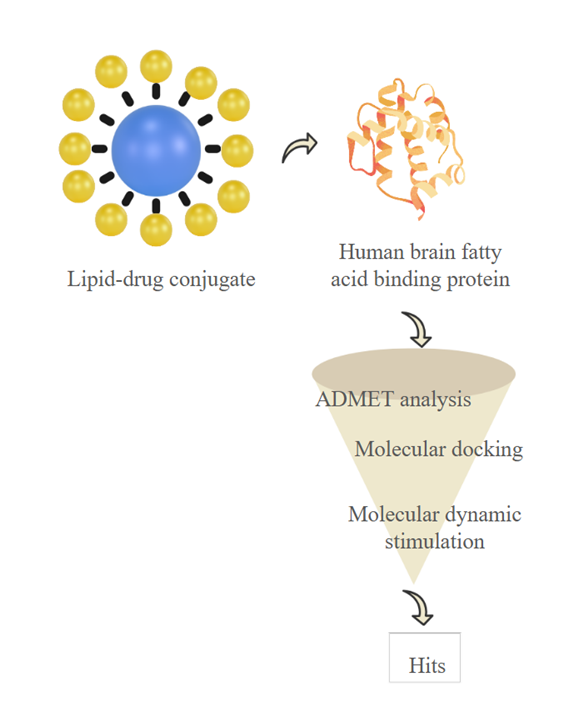
Figure.3: An integrated in silico approach for the design and evaluation of lipid-drug conjugates. (Adapted from Athalye M et al., ChemistrySelect 2023;8(34):e202301701, fig.?2.)
Integrated In Silico Drug Repurposing Pipeline
The "NeuroCADR" framework, created in 2024, combines machine learning and molecular docking to repurpose existing medications for epilepsy. The in silico machine learning phase predicts drugs that may be effective against epilepsy-related targets, while structure-based docking refines the selection of candidates. Lead selection revealed compounds like lomitapide, which exhibited strong multi-target binding to SCN1A, CACNA1G, and MTOR through molecular dynamics validation. This efficient method accelerates the transition of promising candidates to in vitro network assays and in vivo validation, enhancing drug discovery processes. [30]
CONCLUSION
The discovery of antiepileptic drugs (AEDs) has become increasingly integrated and focused. Researchers are enhancing the development of new therapies through the combined use of advanced in vivo, in vitro, and in silico platforms. Sophisticated in vivo models provide valuable insights into drug-resistant and chronic epilepsy. High-throughput in vitro platforms that utilize hiPSC-derived neurons and "brain-on-a-chip" systems facilitate ethical and human-relevant screening. At the same time, in silico methods, supported by artificial intelligence and machine learning, are transforming drug design and repurposing by effectively navigating chemical spaces and predicting essential properties. This integration of methodologies leads to a more streamlined process for developing safer and more effective AEDs for individuals with epilepsy. Future initiatives should focus on harmonising regulations and verifying the translation of AI-generated outcomes in clinical models, thereby facilitating more tailored and effective treatment approaches.
REFERENCES





Naina Sara Sabu, Anjana Anil, Hiba Iqbal Punnilath, Sanumol K. M., Swathi K. S., Next Gen Antiepileptic Development: A Review on Recent In Vivo, In Vitro & In Silico Advances, Int. J. of Pharm. Sci., 2025, Vol 3, Issue 7, 903-916. https://doi.org/10.5281/zenodo.15831142
 10.5281/zenodo.15831142
