View Article

Abstract

Nutraceuticals have emerged as innovative and scientifically validated alternatives to synthetic skincare agents for promoting skin health and radiance. Among various botanicals, Emblica officinalis (Amla) and Punica granatum (Pomegranate) possess remarkable therapeutic potential due to their rich phytochemical composition and multifunctional biological properties. Both plants are abundant in antioxidants such as vitamin C, polyphenols, flavonoids, tannins, and anthocyanins, which act synergistically to combat oxidative stress—the primary factor responsible for premature skin aging, pigmentation, and loss of elasticity. Amla demonstrates potent free radical scavenging activity through emblicanin complexes, which enhance collagen synthesis, fibroblast proliferation, and dermal hydration, thereby improving firmness and overall texture. Pomegranate exhibits strong photoprotective and anti-inflammatory effects owing to bioactive compounds such as punicalagin and ellagic acid. These constituents inhibit matrix metalloproteinases (MMPs), reduce UV-induced oxidative damage, and maintain epidermal integrity. Additionally, both botanicals contribute to systemic antioxidant defense, enhance microcirculation, and promote detoxification, which collectively result in a more radiant and rejuvenated appearance.

Keywords

Nutraceuticals, Amla, Pomegranate, Skin radiance, Antioxidants, Phytochemistry

Introduction

The word 'nutraceutical' comes from the words 'nutrition' and 'pharmaceutical' and was first used by Stephen DeFelice, who was the founder and leader of the Foundation for Innovation in Medicine (DeFelice, 1995). DeFelice explained that a nutraceutical is a type of food or part of food that has health or medical benefits, including helping to prevent or treat diseases. However, the term 'nutraceutical' as it is often used in product advertising does not have a formal legal definition (Kalra, 2003).

One of the fastest-growing parts of the nutraceutical industry is the 'nutricosmetics' market.

Nutricosmetics are nutritional supplements that help support the structure, function, and overall health of the skin. A report from Global Industry Analysts in July 2013 predicted that the global nutricosmetics market would reach $4.24 billion by 2017, with the anti-ageing part of the market expected to grow quickly (Jackson, 2014).

Nutraceuticals and skin benefits

There are several well-known ways in which specific nutrients have been proven to improve both the health and look of the skin.

In addition to nutrients that are naturally important for skin health, like vitamins A, C, E, copper, and zinc, certain nutrients can also help protect the skin from damage, deal with common skin problems, and have anti-ageing effects (Piccardi and Manissier, 2009). In this article, the author will talk about nutrients that have shown anti-inflammatory and antioxidant effects, protect against sun damage, support healthy skin, help create collagen, help skin cells renew, and improve skin hydration.

Skin

The skin is the largest organ in the body and makes up about one sixth of the body's total weight.

Its main job is to act as a barrier, both chemically and physically, to protect the body from harmful external factors such as bacteria, ultraviolet (UV) radiation, harmful chemicals, changes in temperature, and even dehydration [1-3]. The skin has three main layers with different structures: (a) the epidermis, (b) the dermis, and (c) hypodermis or subcutaneous tissue [4]
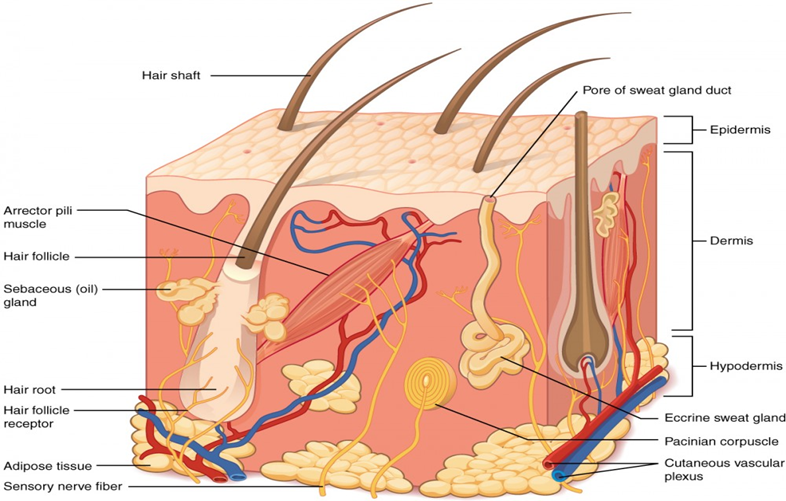
Fig.no. 1 Skin

What is skin radiance

Skin radiance is the way skin looks when it's healthy and even in color, with enough moisture and strong collagen in the deeper layers. These factors are constantly affected by things like sun rays, pollution, and stress from daily life. Regular skin creams may only give short-term results, but nutraceuticals work from inside the body. They help improve skin health by supporting the body's natural defenses, making more collagen, balancing skin oils, and improving how cells communicate.

Nutraceuticals on Amla & Pomegranate

  1. Amla

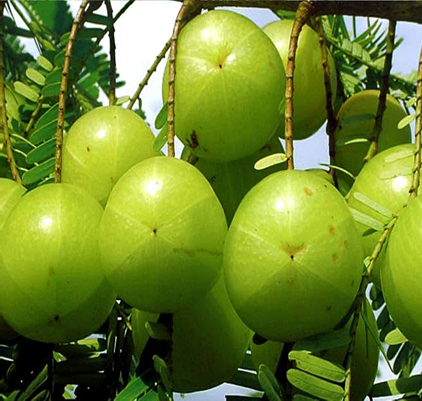
Phyllanthus emblica L. (popular known as amla or Indian gooseberry) is an ephemeral tree belonging to the Euphorbiaceae family. Amla fruits are edible and are mainly found in regions of India, Southeast Asia, China, Iran, and Pakistan [1]. Amla has an important role in the traditional medicine of India to reduce anxiety and burning sensation in skin and eyes, improve anemic condition, favor the health of the male reproductive system and reproduction, facilitate digestion, improve liver health, and also exert a tonic effect in the cardiovascular system

Pharmacognosy of Amla

Synonym: Amlang (Ar.), Amlaki (B.), Ambala (G.). Amalica (H.). Aunla (Or.), Nellikai (Tm.)  

Biological Source: This is consists of dried, as well as fresh fruits pericarp of the plant Emblica officinalis Gaerth Phyllanthus emblica Linn. Belonging to family Euphobiaceae. It contains not less than 1.0% w/w of Gallic acid calculated on dry basis.

Geographical distribution:

  • Asia-Temperate
  • China-Fujian, Guangdong, Jiangxi. Yunnan
  • Eastern Asia-Taiwan
  • Asia-Tropical
  • Indian subcontinent: Bangladesh; Bhutan; India mainly in Andhra Pradesh, Assam, Bihar, Gujarat, Punjab, west-Bengal, Tripura, Karnataka, Tamil Nadu, some other state also; Nepal: Pakistan, Sri Lanka:
  • Indochina: Cambodia, Laos; Thailand; Vietnam; Malesia-Indonesia-Java, Kalimantan, Sumatra; Malaysia

Taxonomical profile:

  • Kingdom: Plantae
  • Clade: Angiosperms
  • Clade: Eudicotr.            
  • Clade: Rosids
  • Order: Malpighiales
  • Family: Euphobiaceae
  • Genus: Phyllanthus
  • Species: Pemblica

Macroscopic character: Fruit

  • Color- The green color changes to light yellow or brick red in maturity.
  • Odor- odorless
  • Taste- sore and astringent
  • Size- average size is between 1.5 to 2.5 in diameter
  • Shape- depressed, globular

Fig.no.2 Amla

Major Phytoconstituents

Compound

Chemical Class

Molecular Formula

Biological Function

Emblicanin A

Hydrolysable tannin

C??H??O??

Potent free radical scavenger; stabilizes dermal collagen

Emblicanin B

Hydrolysable tannin

C??H??O??

Regenerates oxidized vitamin C and E

Gallic acid

Phenolic acid

C?H?O?

Inhibits tyrosinase; prevents hyperpigmentation

Ellagic acid

Polyphenol

C??H?O?

UV-protective; prevents photoaging

Ascorbic acid

Vitamin C

C?H?O?

Essential for collagen hydroxylation

Mucic acid

Organic acid

C?H??O?

Promotes hydration and cellular detoxification

Mechanistic Insights

The combined action of emblicanin A and B with ascorbic acid helps restore reduced glutathione and stops oxidative damage to DNA. This process of transferring electrons helps keep the body's balance of oxidizing and reducing agents in check and also encourages the production of collagen through the prolyl hydroxylase pathway. Ellagic and gallic acids also stop melanogenic enzymes like tyrosinase and TRP-1, and they change how the Wnt/β-catenin signaling pathway works. These effects lead to visible improvements in skin tone and brightness.

A 2022 proteomic study showed that Amla polyphenols increase the production of COL1A1 and TGF-β1 genes in fibroblasts, which supports the structure of the extracellular matrix (ECM). These findings support the idea that Amla acts as a multifunctional adaptogen for the skin.

Uses of Amla

Anti-aging: Amla’s antioxidants and high vitamin C content help fight free radical damage that causes fine lines, wrinkles, and sagging. It also increases collagen production, keeping the skin firm and elastic.

Anti-acne: Amla has antibacterial and anti-inflammatory properties that can help reduce acne and acne scars. It is also known as a natural blood purifier, which can result in clearer skin.

Brightens and evens skin tone: The vitamin C in Amla helps reduce pigmentation and dark spots, leading to a more radiant and even complexion.

Sun damage protection: Amla contains compounds that can help protect skin cells from damage caused by UV radiation.

Removes dead skin cells: Using Amla topically can help renew the skin by removing dead skin cells, revealing a brighter complexion underneath.
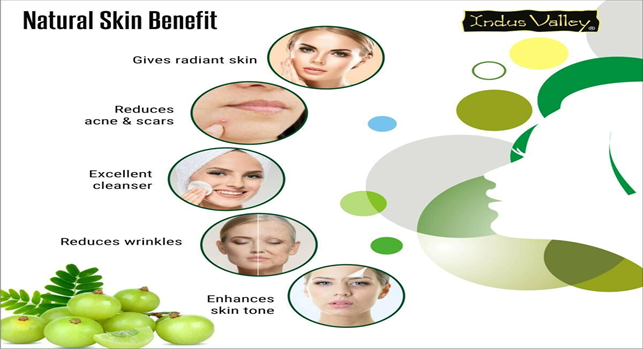
Fig.no 3 Natural skin benefit

2. Pomegranate

Botanical name: Punica granatum

Family: Punicaceae

The pomegranate (Punica granatum L., Punicaceae) is capable of growing in a variety of climate ranging from tropical to temperate and as a result, a large number of diverse forms have been evolved over the years in mature

ORIGIN AND DISTRIBUTION

  • The pomegranate is one of the oldest known edible fruits.
  • The species mentioned in the Bible and the Kuran and is often associated to fertility.
  • It is native to Iran (Persia)
  • The fruit was very popular in Iraq.
  • In ancient Egypt, the pomegranate received the name "Arhumani".

The old Semitic denomination was "Rimmon" from which derived the Hebrew "Ramon" and the Arabic "Rumman" names Punica granatum with 5.5-7.2 pH and salt concentration of 2000-25000 ppm. However, trees can tolerate sandy soils with moderate pH (Aulakh & Sur, 1999),

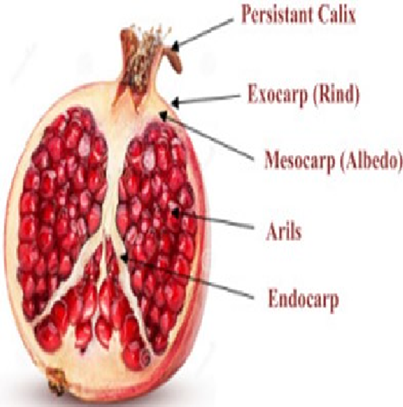


fig.no.4 pomegranates

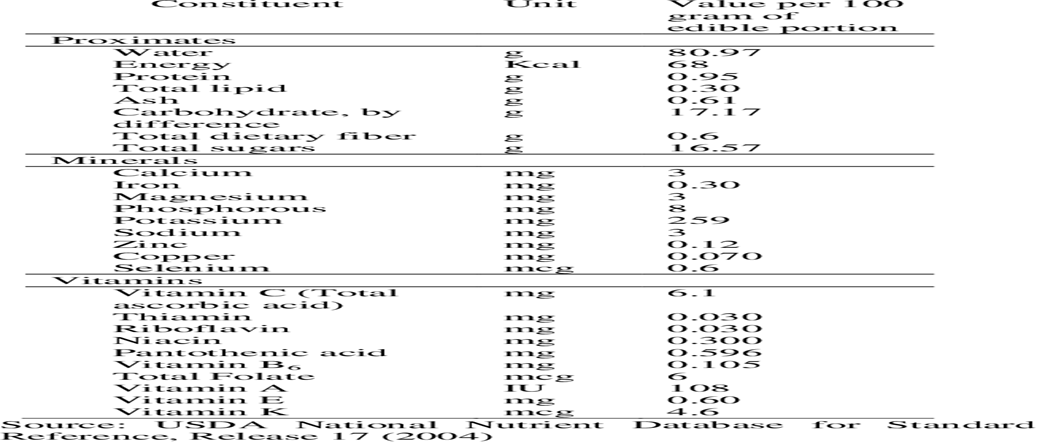
Pomegranates are packed with powerful plant-based compounds that help make your skin look brighter and more radiant. These compounds have antioxidant, anti-inflammatory, and skin-brightening properties. Some of the main ones include punicalagins, ellagic acid, anthocyanins, and flavonoids.

Punicalagins are the most abundant antioxidants in pomegranates and are mainly found in the peel. They help with anti-aging. They fight free radicals, which can damage skin cells caused by things like sun exposure and pollution. This helps protect your skin. Punicalagins also support collagen production, which is important for keeping skin firm and reducing the look of fine lines and wrinkles. Additionally, they have anti-inflammatory effects that can calm irritated skin and reduce redness.

Ellagic acid is another important antioxidant in pomegranates that helps brighten and hydrate the skin. It can help lighten dark spots and even out skin tone by reducing melanin production. It also helps boost collagen and moisture levels, making the skin more supple and youthful. Ellagic acid also has protective qualities that can help the skin from damage caused by the sun.

Anthocyanins are the red and purple pigments found in the seeds of a pomegranate, and they are also powerful antioxidants with anti-inflammatory properties. They help reduce oxidative stress by fighting free radicals that can lead to premature aging and skin damage. These compounds can also help repair skin that's been damaged by the sun, by boosting collagen production and reducing inflammation. They also help the skin renew itself more efficiently, leading to a smoother and more glowing look.

Flavonoids are a group of antioxidants found in different parts of a pomegranate and help protect the skin from damage. They help fight premature aging by trapping free radicals that can cause damage to the skin, leading to sagging and wrinkles. They also contribute to a clearer complexion by helping with blood purification and reducing inflammation.
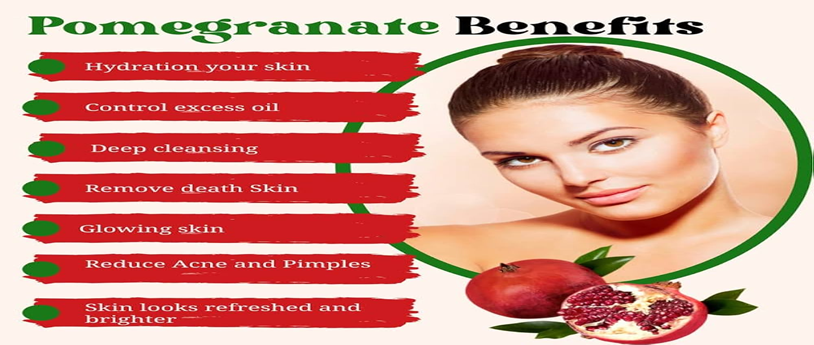
Use of pomegranate

Brightens skin tone: Vitamin C in pomegranate inhibits melanin production, helping to fade dark spots and hyperpigmentation for a more even and brighter complexion.

Improves skin texture: Pomegranate contains natural enzymes that gently exfoliate dead skin cells, revealing smoother, fresher skin.

Boosts collagen: Its antioxidants help increase collagen production, which improves skin elasticity and firmness, reducing the appearance of fine lines and wrinkles.

Hydrates and plumps: Ingredients like ellagic acid help the skin retain moisture, leading to a softer, plumper, and more dewy look.

Reduces inflammation and acne: Pomegranate has anti-inflammatory properties that can calm redness and swelling, while its antimicrobial properties help fight acne-causing bacteria.

Protects against sun damage: Antioxidants in pomegranate help protect skin from UV damage and pollution, which can cause dullness and premature aging.

Promotes cell regeneration: Pomegranate antioxidants and vitamins repair skin damage and promote the regeneration of new skin cells, leading to a healthier, brighter complex.
Comparative Phytochemical Synergy: Amla vs. Pomegranate

The combination of Amla and Pomegranate works together in a way that complements each other's antioxidant effects.

Amla gives quick protection by using vitamin C to help balance the body's redox system, while Pomegranate provides longer lasting protection through its polyphenols, like ellagitannins and anthocyanins. Their combined action creates a two-step antioxidant process—Amla acts quickly as a water-soluble antioxidant, while Pomegranate provides lasting protection as a lipid-soluble antioxidant. This two-step system helps protect skin cells from harmful free radicals in both the outer and inner layers of the skin.

Mechanisms of Action on Skin Radiance

The way Amla and Pomegranate improve skin radiance involves several key processes.

These include boosting the body's natural defenses against free radicals, reducing inflammation, encouraging collagen production, controlling melanin formation, and helping the body remove toxins. Together, these actions help maintain skin brightness, firmness, and even texture.

Antioxidant Defense and Oxidative Stress Reduction

Oxidative stress is a major cause of skin aging and uneven pigmentation.

Free radicals like superoxide, hydroxyl, and hydrogen peroxide can damage skin cells by affecting cell membranes, DNA, and proteins that support the skin's structure.

Amla and Pomegranate both work as antioxidants in different ways.

They can directly neutralize free radicals by donating hydroxyl and carbonyl groups from compounds like emblicanin, gallic acid, punicalagin, and ellagic acid. They also help activate the Nrf2-Keap1 pathway, which increases the production of genes that make enzymes like SOD, CAT, and GSH-Px.

Studies (Kumari et al., 2017; Kaur et al., 2021) show that taking extracts of these plants increases antioxidant enzyme activity, leading to less damage to cell membranes (as seen by lower MDA levels of 35–50%) and better cell survival.

Advantages of Nutraceutical for Skin Radiance

  1. Natural Antioxidant Source: Neutralizes free radicals, prevents premature aging and pigmentation.
  2. Collagen Support: Stimulates fibroblast proliferation and improves skin elasticity.
  3. UV Protection: Minimizes photodamage and oxidative DNA injury.
  4. Non-Toxic and Safe: Unlike synthetic cosmetics, herbal nutraceuticals are biocompatible.
  5. Systemic Benefits: Improves not only skin but also general antioxidant and immune status.
  6. Holistic Synergy: Combines vitamins, polyphenols, and bioflavonoids for total skin wellness.

CONCLUSION

Emblica officinalis (Amla) and Punica granatum (Pomegranate) are potent nutraceuticals that promote skin radiance through antioxidative, anti-inflammatory, and collagen-stimulating mechanisms. Their rich composition of polyphenols, flavonoids, and vitamin C protects against oxidative damage, enhances fibroblast activity, and improves skin elasticity. Amla supports collagen biosynthesis, while Pomegranate provides photoprotection and regulates pigmentation. Together, they offer safe, biocompatible, and multifunctional benefits superior to synthetic cosmetics. Continuous research and clinical evaluation will further validate their therapeutic efficacy and enable their integration into advanced dermatological and cosmeceutical formulations for achieving healthy, radiant, and youthful skin.

CONFLICT OF INTEREST:

Regarding this investigation, the authors have no conflicts of interest.

ACKNOWLEDGMENTS:

For the literature review, the authors are grateful to the Shraddha Institute of Pharmacy, Library in Kondala Zambre, Washim.

REFERENCES

  1. Pérez-Sánchez A, Barrajón-Catalán E, Herranz-López M, Micol V. Nutraceuticals for skin care: A comprehensive review of human clinical studies. Nutrients. 2018;10(4):403.
  2. Sharma J, Maity A. Pomegranate phytochemicals: Nutraceutical and therapeutic values. Fruit Veg Cereal Sci Biotech. 2010;4:56–76.
  3. Banga S, Kumar V, Suri S, Kaushal M, Prasad R, Kaur S. Nutraceutical potential of diet drinks: a critical review on components, health effects, and consumer safety. J Am Coll Nutr. 2020;39(3):272–286.
  4. Polonini H, Dijkers E, Ferreira AO. Beauty from within: a review of the science behind YulivTM collagen drink: an anti-aging nutraceutical. J Cosmet Dermatol Sci Appl. 2021;11(3):263–278.
  5. Caruso A, Barbarossa A, Tassone A, Ceramella J, Carocci A, Catalano A, et al. Pomegranate: Nutraceutical with promising benefits on human health. Appl Sci. 2020;10(19):6915.
  6. Noreen S, Hashmi B, Aja PM, Atoki AV. Phytochemicals and pharmacology of pomegranate (Punica granatum L.): Nutraceutical benefits and industrial applications: A review. Front Nutr. 2025;12:1528897.
  7. Sabastian R, Arun P, Krishna NG, Faris RM. International research journal of modernization in engineering technology and science. Int Res J Mod Eng Technol Sci. 2021;3.
  8. Streker M, Proksch E, Kattenstroth JC, Poeggeler B, Lemmnitz G. Comparative assessment of nutraceuticals for supporting skin health. Nutraceuticals. 2025;5(2):13.
  9. Souyoul SA, Saussy KP, Lupo MP. Nutraceuticals: A review. Dermatol Ther (Heidelb). 2018;8(1):5–16.
  10. Januszewski J, Forma A, Zembala J, Flieger M, Tyczy?ska M, Dring JC, et al. Nutritional supplements for skin health—A review of what should be chosen and why. Medicina (Kaunas). 2023;60(1):68.
  11. Bouwstra JA, Pilgram GSK, Ponex M. Structure of the skin barrier. In: Elias PM, Feingold KR, editors. Skin Barrier. New York (NY): Taylor & Francis; 2006. p. 65–96.
  12. Park K. Role of micronutrients in skin health and function. Biomol Ther. 2015;23:207–217.
  13. Boelsma E, Hendriks HF, Roza L. Nutritional skin care: Health effects of micronutrients and fatty acids. Am J Clin Nutr. 2001;73:853–864.
  14. Dattola A, Silvestri M, Bennardo L, Passante M, Scali E, Patruno C, Nisticò SP. Role of vitamins in skin health: A systematic review. Curr Nutr Rep. 2020;9:226–235.
  15. Harris-Tryon TA, Grice EA. Microbiota and maintenance of skin barrier function. Science. 2022;376:940–945.
  16. Carr AC, Maggini S. Vitamin C and immune function. Nutrients. 2017;9:1211.
  17. Roche FC, Harris-Tryon TA. Illuminating the role of vitamin A in skin innate immunity and the skin microbiome: A narrative review. Nutrients. 2021;13:302.
  18. VanBuren CA, Everts HB. Vitamin A in skin and hair: An update. Nutrients. 2022;14:2952.
  19. Chen W, Zhao S, Zhu W, Wu L, Chen X. Retinoids as an immunity-modulator in dermatology disorders. Arch Immunol Ther Exp (Warsz). 2019;67:355–365.
  20. D?browska AK, Spano F, Derler S, Adlhart C, Spencer ND, Rossi RM. The relationship between skin function, barrier properties, and body-dependent factors. Skin Res Technol. 2018;24:165–174.
  21. Shrivastava S, Kaur J, Mehraj M, Feroz F, Chawla J, Kumari S. Emblica officinalis (Amla): A comprehensive review of the miracle berry. Pharma Innov J. 2022;11:6–16.
  22. Dasaroju S, Gottumukkala KM. Current trends in the research of Emblica officinalis (Amla): A pharmacological perspective. Int J Pharm Sci Rev Res. 2014;24(2):150–9.
  23. Gul M, Liu ZW, Rabail R, Faheem F, Walayat N, Nawaz A, et al. Functional and nutraceutical significance of amla (Phyllanthus emblica L.): A review. Antioxidants. 2022;11(5):816.
  24. Talreja S, Kumari S, Srivastava P, Pandey S. A complete pharmacognostic review on amla. World J Pharm Pharm Sci. 2021;8:622–37.
  25. Priya FF, Islam MS. Phyllanthus emblica Linn. (Amla)—a natural gift to humans: an overview. J Dis Med Plants. 2019;5:1–9.
  26. Boelsma E, Hendriks HFJ, Roza L. Nutritional skin care: health effects of micronutrients and fatty acids. Am J Clin Nutr. 2001;73(5):853–64.
  27. Schagen SK, Zampeli VA, Makrantonaki E, Zouboulis CC. Discovering the link between nutrition and skin aging. Dermatoendocrinol. 2012;4(3):298–307.
  28. Farris PK. Topical and oral antioxidants in dermatology. Dermatol Ther. 2007;20(5):322–37.
  29. Mukherjee PK, Maity N, Nema NK, Sarkar BK. Bioactive compounds from natural resources against skin aging. Phytomedicine. 2011;19(1):64–73.
  30. Draelos ZD. Nutrition and enhancing youthful-appearing skin. Clin Dermatol. 2010;28(4):400–8.
  31. Shrivastava S, Kaur J, Mehraj M, Feroz F, Chawla J, Kumari S. Emblica officinalis (Amla): A comprehensive review of the miracle berry. Pharma Innov J. 2022;11:6–16.
  32. Dasaroju S, Gottumukkala KM. Current trends in the research of Emblica officinalis (Amla): A pharmacological perspective. Int J Pharm Sci Rev Res. 2014;24(2):150–9.
  33. Gul M, Liu ZW, Rabail R, Faheem F, Walayat N, Nawaz A, et al. Functional and nutraceutical significance of amla (Phyllanthus emblica L.): A review. Antioxidants. 2022;11(5):816.
  34. Talreja S, Kumari S, Srivastava P, Pandey S. A complete pharmacognostic review on amla. World J Pharm Pharm Sci. 2021;8:622–37.
  35. Priya FF, Islam MS. Phyllanthus emblica Linn. (Amla)—a natural gift to humans: an overview. J Dis Med Plants. 2019;5:1–9.
  36. Bhadra P. A review on antimicrobial and phytochemical effects of amla in skin care (anti-aging). Indian J Nat Sci. 2020;10(60):20849–53.
  37. Nirala RK, Raj P, Anjana K, Mandal KG. A review on immunomodulatory activity of amla and Aloe vera. J Pharmacogn Phytochem. 2020;9(5):2014–6.
  38. Hassan SM, Mughal SS, Aslam ASMA, Mushtaq MARYAM, Munir MUNEeZA, Pervez SUMAIRA, et al. Emblica officinalis (Amla): A prospective review on distinctive properties and therapeutic applications of Amla. Biomed Nurs. 2020;6:22–30.
  39. Chaikul P, Kanlayavattanakul M, Somkumnerd J, Lourith N. Phyllanthus emblica L. (amla) branch: A safe and effective ingredient against skin aging. J Tradit Complement Med. 2021;11(5):390–403.
  40. Parveen K, Khatkar BS. Physico-chemical properties and nutritional composition of aonla (Emblica officinalis) varieties. Int Food Res J. 2015;22:2358–2363.
  41. Sonkar N, Rajoriya D, Chetana R, Venkatesh Murthy K. Effect of cultivars, pretreatment and drying on physicochemical properties of amla (Emblica officinalis) gratings. J Food Sci Technol. 2020;57:980–992.
  42. Carr AC, Lykkesfeldt J. Discrepancies in global vitamin C recommendations: A review of RDA criteria and underlying health perspectives. Crit Rev Food Sci Nutr. 2021;61:742–755.
  43. Tarwadi K, Agte V. Antioxidant and micronutrient potential of common fruits available in the Indian subcontinent. Int J Food Sci Nutr. 2007;58:341–349.
  44. Jain SK, Khurdiya DS. Vitamin C enrichment of fruit juice based ready-to-serve beverages through blending of Indian gooseberry (Emblica officinalis Gaertn.) juice. Plant Foods Hum Nutr. 2004;59:63–66.
  45. Noreen S, Hashmi B, Aja PM, Atoki AV. Phytochemicals and pharmacology of pomegranate (Punica granatum L.): Nutraceutical benefits and industrial applications: A review. Front Nutr. 2025;12:1528897.
  46. Kandylis P, Kokkinomagoulos E. Food applications and potential health benefits of pomegranate and its derivatives. Foods. 2020;9(2):122.
  47. Benedetti G, Zabini F, Tagliavento L, Meneguzzo F, Calderone V, Testai L. An overview of the health benefits, extraction methods and improving the properties of pomegranate. Antioxidants (Basel). 2023;12(7):1351.
  48. Cheng J, Li J, Xiong RG, Wu SX, Huang SY, Zhou DD, et al. Bioactive compounds and health benefits of pomegranate: An updated narrative review. Food Biosci. 2023;53:102629.
  49. Shrivastava S, Kaur J, Mehraj M, Feroz F, Chawla J, Kumari S. Emblica officinalis (Amla): A comprehensive review of the miracle berry. Pharma Innov J. 2022;11:6–16.
  50. Kumari A, Dora J, Kumar A, Kumar A. Pomegranate (Punica granatum): Overview. Int J Pharm Chem Sci. 2012;1(4):1218–1222.
  51. Kshirsagar KR, Pathak SS, Patil SM. Pomegranate (Punica granatum L): A fruitful fountain of remedial potential. Cureus. 2023;15(9):e—(article number not specified).
  52. Suleymanova SC, Garagurbanly I, Mammadova UF, Askerova A. Pomegranate (Punica granatum L.) in Azerbaijan. Aswan Univ J Environ Stud. 2024;5(4):415–431.
  53. Noreen S, Hashmi B, Aja PM, Atoki AV. Phytochemicals and pharmacology of pomegranate (Punica granatum L.): Nutraceutical benefits and industrial applications: A review. Front Nutr. 2025;12:1528897.
  54. Sabastian R, Arun P, Krishna NG, Faris RM. International research journal of modernization in engineering technology and science. Int Res J Mod Eng Technol Sci. 2021;3.
  55. Streker M, Proksch E, Kattenstroth JC, Poeggeler B, Lemmnitz G. Comparative assessment of nutraceuticals for supporting skin health. Nutraceuticals. 2025;5(2):13.
  56. Souyoul SA, Saussy KP, Lupo MP. Nutraceuticals: A review. Dermatol Ther (Heidelb). 2018;8(1):5–16.
  57. Januszewski J, Forma A, Zembala J, Flieger M, Tyczy?ska M, Dring JC, et al. Nutritional supplements for skin health—A review of what should be chosen and why. Medicina (Kaunas). 2023;60(1):68.

Reference

  1. Pérez-Sánchez A, Barrajón-Catalán E, Herranz-López M, Micol V. Nutraceuticals for skin care: A comprehensive review of human clinical studies. Nutrients. 2018;10(4):403.
  2. Sharma J, Maity A. Pomegranate phytochemicals: Nutraceutical and therapeutic values. Fruit Veg Cereal Sci Biotech. 2010;4:56–76.
  3. Banga S, Kumar V, Suri S, Kaushal M, Prasad R, Kaur S. Nutraceutical potential of diet drinks: a critical review on components, health effects, and consumer safety. J Am Coll Nutr. 2020;39(3):272–286.
  4. Polonini H, Dijkers E, Ferreira AO. Beauty from within: a review of the science behind YulivTM collagen drink: an anti-aging nutraceutical. J Cosmet Dermatol Sci Appl. 2021;11(3):263–278.
  5. Caruso A, Barbarossa A, Tassone A, Ceramella J, Carocci A, Catalano A, et al. Pomegranate: Nutraceutical with promising benefits on human health. Appl Sci. 2020;10(19):6915.
  6. Noreen S, Hashmi B, Aja PM, Atoki AV. Phytochemicals and pharmacology of pomegranate (Punica granatum L.): Nutraceutical benefits and industrial applications: A review. Front Nutr. 2025;12:1528897.
  7. Sabastian R, Arun P, Krishna NG, Faris RM. International research journal of modernization in engineering technology and science. Int Res J Mod Eng Technol Sci. 2021;3.
  8. Streker M, Proksch E, Kattenstroth JC, Poeggeler B, Lemmnitz G. Comparative assessment of nutraceuticals for supporting skin health. Nutraceuticals. 2025;5(2):13.
  9. Souyoul SA, Saussy KP, Lupo MP. Nutraceuticals: A review. Dermatol Ther (Heidelb). 2018;8(1):5–16.
  10. Januszewski J, Forma A, Zembala J, Flieger M, Tyczy?ska M, Dring JC, et al. Nutritional supplements for skin health—A review of what should be chosen and why. Medicina (Kaunas). 2023;60(1):68.
  11. Bouwstra JA, Pilgram GSK, Ponex M. Structure of the skin barrier. In: Elias PM, Feingold KR, editors. Skin Barrier. New York (NY): Taylor & Francis; 2006. p. 65–96.
  12. Park K. Role of micronutrients in skin health and function. Biomol Ther. 2015;23:207–217.
  13. Boelsma E, Hendriks HF, Roza L. Nutritional skin care: Health effects of micronutrients and fatty acids. Am J Clin Nutr. 2001;73:853–864.
  14. Dattola A, Silvestri M, Bennardo L, Passante M, Scali E, Patruno C, Nisticò SP. Role of vitamins in skin health: A systematic review. Curr Nutr Rep. 2020;9:226–235.
  15. Harris-Tryon TA, Grice EA. Microbiota and maintenance of skin barrier function. Science. 2022;376:940–945.
  16. Carr AC, Maggini S. Vitamin C and immune function. Nutrients. 2017;9:1211.
  17. Roche FC, Harris-Tryon TA. Illuminating the role of vitamin A in skin innate immunity and the skin microbiome: A narrative review. Nutrients. 2021;13:302.
  18. VanBuren CA, Everts HB. Vitamin A in skin and hair: An update. Nutrients. 2022;14:2952.
  19. Chen W, Zhao S, Zhu W, Wu L, Chen X. Retinoids as an immunity-modulator in dermatology disorders. Arch Immunol Ther Exp (Warsz). 2019;67:355–365.
  20. D?browska AK, Spano F, Derler S, Adlhart C, Spencer ND, Rossi RM. The relationship between skin function, barrier properties, and body-dependent factors. Skin Res Technol. 2018;24:165–174.
  21. Shrivastava S, Kaur J, Mehraj M, Feroz F, Chawla J, Kumari S. Emblica officinalis (Amla): A comprehensive review of the miracle berry. Pharma Innov J. 2022;11:6–16.
  22. Dasaroju S, Gottumukkala KM. Current trends in the research of Emblica officinalis (Amla): A pharmacological perspective. Int J Pharm Sci Rev Res. 2014;24(2):150–9.
  23. Gul M, Liu ZW, Rabail R, Faheem F, Walayat N, Nawaz A, et al. Functional and nutraceutical significance of amla (Phyllanthus emblica L.): A review. Antioxidants. 2022;11(5):816.
  24. Talreja S, Kumari S, Srivastava P, Pandey S. A complete pharmacognostic review on amla. World J Pharm Pharm Sci. 2021;8:622–37.
  25. Priya FF, Islam MS. Phyllanthus emblica Linn. (Amla)—a natural gift to humans: an overview. J Dis Med Plants. 2019;5:1–9.
  26. Boelsma E, Hendriks HFJ, Roza L. Nutritional skin care: health effects of micronutrients and fatty acids. Am J Clin Nutr. 2001;73(5):853–64.
  27. Schagen SK, Zampeli VA, Makrantonaki E, Zouboulis CC. Discovering the link between nutrition and skin aging. Dermatoendocrinol. 2012;4(3):298–307.
  28. Farris PK. Topical and oral antioxidants in dermatology. Dermatol Ther. 2007;20(5):322–37.
  29. Mukherjee PK, Maity N, Nema NK, Sarkar BK. Bioactive compounds from natural resources against skin aging. Phytomedicine. 2011;19(1):64–73.
  30. Draelos ZD. Nutrition and enhancing youthful-appearing skin. Clin Dermatol. 2010;28(4):400–8.
  31. Shrivastava S, Kaur J, Mehraj M, Feroz F, Chawla J, Kumari S. Emblica officinalis (Amla): A comprehensive review of the miracle berry. Pharma Innov J. 2022;11:6–16.
  32. Dasaroju S, Gottumukkala KM. Current trends in the research of Emblica officinalis (Amla): A pharmacological perspective. Int J Pharm Sci Rev Res. 2014;24(2):150–9.
  33. Gul M, Liu ZW, Rabail R, Faheem F, Walayat N, Nawaz A, et al. Functional and nutraceutical significance of amla (Phyllanthus emblica L.): A review. Antioxidants. 2022;11(5):816.
  34. Talreja S, Kumari S, Srivastava P, Pandey S. A complete pharmacognostic review on amla. World J Pharm Pharm Sci. 2021;8:622–37.
  35. Priya FF, Islam MS. Phyllanthus emblica Linn. (Amla)—a natural gift to humans: an overview. J Dis Med Plants. 2019;5:1–9.
  36. Bhadra P. A review on antimicrobial and phytochemical effects of amla in skin care (anti-aging). Indian J Nat Sci. 2020;10(60):20849–53.
  37. Nirala RK, Raj P, Anjana K, Mandal KG. A review on immunomodulatory activity of amla and Aloe vera. J Pharmacogn Phytochem. 2020;9(5):2014–6.
  38. Hassan SM, Mughal SS, Aslam ASMA, Mushtaq MARYAM, Munir MUNEeZA, Pervez SUMAIRA, et al. Emblica officinalis (Amla): A prospective review on distinctive properties and therapeutic applications of Amla. Biomed Nurs. 2020;6:22–30.
  39. Chaikul P, Kanlayavattanakul M, Somkumnerd J, Lourith N. Phyllanthus emblica L. (amla) branch: A safe and effective ingredient against skin aging. J Tradit Complement Med. 2021;11(5):390–403.
  40. Parveen K, Khatkar BS. Physico-chemical properties and nutritional composition of aonla (Emblica officinalis) varieties. Int Food Res J. 2015;22:2358–2363.
  41. Sonkar N, Rajoriya D, Chetana R, Venkatesh Murthy K. Effect of cultivars, pretreatment and drying on physicochemical properties of amla (Emblica officinalis) gratings. J Food Sci Technol. 2020;57:980–992.
  42. Carr AC, Lykkesfeldt J. Discrepancies in global vitamin C recommendations: A review of RDA criteria and underlying health perspectives. Crit Rev Food Sci Nutr. 2021;61:742–755.
  43. Tarwadi K, Agte V. Antioxidant and micronutrient potential of common fruits available in the Indian subcontinent. Int J Food Sci Nutr. 2007;58:341–349.
  44. Jain SK, Khurdiya DS. Vitamin C enrichment of fruit juice based ready-to-serve beverages through blending of Indian gooseberry (Emblica officinalis Gaertn.) juice. Plant Foods Hum Nutr. 2004;59:63–66.
  45. Noreen S, Hashmi B, Aja PM, Atoki AV. Phytochemicals and pharmacology of pomegranate (Punica granatum L.): Nutraceutical benefits and industrial applications: A review. Front Nutr. 2025;12:1528897.
  46. Kandylis P, Kokkinomagoulos E. Food applications and potential health benefits of pomegranate and its derivatives. Foods. 2020;9(2):122.
  47. Benedetti G, Zabini F, Tagliavento L, Meneguzzo F, Calderone V, Testai L. An overview of the health benefits, extraction methods and improving the properties of pomegranate. Antioxidants (Basel). 2023;12(7):1351.
  48. Cheng J, Li J, Xiong RG, Wu SX, Huang SY, Zhou DD, et al. Bioactive compounds and health benefits of pomegranate: An updated narrative review. Food Biosci. 2023;53:102629.
  49. Shrivastava S, Kaur J, Mehraj M, Feroz F, Chawla J, Kumari S. Emblica officinalis (Amla): A comprehensive review of the miracle berry. Pharma Innov J. 2022;11:6–16.
  50. Kumari A, Dora J, Kumar A, Kumar A. Pomegranate (Punica granatum): Overview. Int J Pharm Chem Sci. 2012;1(4):1218–1222.
  51. Kshirsagar KR, Pathak SS, Patil SM. Pomegranate (Punica granatum L): A fruitful fountain of remedial potential. Cureus. 2023;15(9):e—(article number not specified).
  52. Suleymanova SC, Garagurbanly I, Mammadova UF, Askerova A. Pomegranate (Punica granatum L.) in Azerbaijan. Aswan Univ J Environ Stud. 2024;5(4):415–431.
  53. Noreen S, Hashmi B, Aja PM, Atoki AV. Phytochemicals and pharmacology of pomegranate (Punica granatum L.): Nutraceutical benefits and industrial applications: A review. Front Nutr. 2025;12:1528897.
  54. Sabastian R, Arun P, Krishna NG, Faris RM. International research journal of modernization in engineering technology and science. Int Res J Mod Eng Technol Sci. 2021;3.
  55. Streker M, Proksch E, Kattenstroth JC, Poeggeler B, Lemmnitz G. Comparative assessment of nutraceuticals for supporting skin health. Nutraceuticals. 2025;5(2):13.
  56. Souyoul SA, Saussy KP, Lupo MP. Nutraceuticals: A review. Dermatol Ther (Heidelb). 2018;8(1):5–16.
  57. Januszewski J, Forma A, Zembala J, Flieger M, Tyczy?ska M, Dring JC, et al. Nutritional supplements for skin health—A review of what should be chosen and why. Medicina (Kaunas). 2023;60(1):68.

Photo
Shivraj Sommare
Corresponding author

Shraddha Institute of Pharmacy, Kondala Zambre,Washim

Photo
Rakshada Dhudkekar
Co-author

Department of Pharmaceutical Chemistry, Shraddha Institute of Pharmacy, Kondala Zambre,Washim

Photo
Dr. Swati Deshmukh
Co-author

Deparment of Pharmacology, Shraddha Institute of Pharmacy, Kondala Zambre,Washim

Shivraj Sommare, Rakshada Dhudkekar, Dr. Swati Deshmukh, Nutraceuticals for Skin Radiance: A Comprehensive Review on Amla and Pomegranate, Int. J. of Pharm. Sci., 2025, Vol 3, Issue 10, 3253-3263. https://doi.org/10.5281/zenodo.17486002

More related articles
Evaluation and Comparative Study of Formulated, Br...
Suvarna Kasi, R. Malliswari, Dr. B. Nagamani, K. Bhavana, G. Sai ...
Development and Characterization of A Natural Soli...
Seema Paragannavar, Shreya Umarane, Anjali Chougule, Laxmi sarwad...
Formulation, In Vitro Evaluation of Solid dispersi...
Sumia Farid, Nusaiba Albasheer, Omer Sinada, Mohammed Yousif Ibra...
Network- Based Approach for In-Silico Validation in targeting BRCA1 Gene & LC-MS...
Sougata Mallick, Rituparna Das, Chowdhury Mobaswar Hossain, Dharmajit Pattanayak, Atanu Chatterjee, ...
Beyond the Shadows: Transforming Human Metapneumovirus Management with Next Gene...
Pooja S, Sathish Kumar JD, Hema D, Yoghashri D, Nithya Sri Pandi, Naveen Kumar S, Rakesh B, Praveen ...
Recent Trends in Stability Indicating Analytical Method for Drug Substance...
Tulja Raut , Prajakta Maske , Prem Jadhav , Snehal Kadbhane , Anuradha Aghav , ...
Related Articles
Formulation And In Vitro Evaluation Of Bilayer Tablets Of Sustained Release Glic...
Nusiba Albasheer , Sumia Farid, Dhia Eldin Ehag, Neha Jaiswal, Swarnima Pandey, Abubaker Elamin, ...
AI in Pharmacovigilance: Transforming Drug Safety Through Digital Innovation...
Gauri Chaudhari, Vaishali Rawal, Sakshi Dawange, Vrushali Ghuge, ...
Evaluation and Comparative Study of Formulated, Branded & Generic Linagliptin Ta...
Suvarna Kasi, R. Malliswari, Dr. B. Nagamani, K. Bhavana, G. Sai Lakshmi, R. Lalitha, B. Nikhil Sai,...
More related articles
Evaluation and Comparative Study of Formulated, Branded & Generic Linagliptin Ta...
Suvarna Kasi, R. Malliswari, Dr. B. Nagamani, K. Bhavana, G. Sai Lakshmi, R. Lalitha, B. Nikhil Sai,...
Development and Characterization of A Natural Solid Perfume Containing Essential...
Seema Paragannavar, Shreya Umarane, Anjali Chougule, Laxmi sarwad, Abhishek Malawade, Kumar Talwar, ...
Formulation, In Vitro Evaluation of Solid dispersion Tablets Glibenclamide...
Sumia Farid, Nusaiba Albasheer, Omer Sinada, Mohammed Yousif Ibrahim, Neha Jaiswal, Sundos Suleman I...
Evaluation and Comparative Study of Formulated, Branded & Generic Linagliptin Ta...
Suvarna Kasi, R. Malliswari, Dr. B. Nagamani, K. Bhavana, G. Sai Lakshmi, R. Lalitha, B. Nikhil Sai,...
Development and Characterization of A Natural Solid Perfume Containing Essential...
Seema Paragannavar, Shreya Umarane, Anjali Chougule, Laxmi sarwad, Abhishek Malawade, Kumar Talwar, ...
Formulation, In Vitro Evaluation of Solid dispersion Tablets Glibenclamide...
Sumia Farid, Nusaiba Albasheer, Omer Sinada, Mohammed Yousif Ibrahim, Neha Jaiswal, Sundos Suleman I...