

We use cookies to ensure our website works properly and to personalise your experience. Cookies policy
The Oxford College of Pharmacy. Bengaluru, Karnataka.
Ficus platyphylla and Ricinus communis are two popular medicinal plants used traditionally in African and Asian countries for their diverse therapeutic applications. This review delves into the pharmacological potentials and phytochemical composition of these plants. Phytochemical screening of ethanolic extract of Ficus platyphylla stem bark, which is utilized as a folklore medicine in the treatment of epilepsy, revealed the presence of various secondary metabolites like alkaloids, cardiac glycosides, flavonoids, phenols, saponins, steroids and tannins, that are associated to its anti-inflammatory, antimicrobial, analgesic, and anticonvulsant properties. Similarly, phytochemical screening of Ricinus communis shows the presence of alkaloids, coumarins, flavonoids, phenols, saponins, steroids and tannins which are responsible for its antioxidant, anti-inflammatory, anti-microbial and multiple other properties. Overall, the medicinal potential of F. platyphylla and R. communis is reinforced by a growing body of scientific evidence. However, the review emphasizes the need for more rigorous pharmacokinetic, toxicological, and clinical studies to ensure traditional claims and expedite the development of safe, plant-based therapeutics. This integration of current research underscores the potential of these plants as sources of novel bioactive compounds for future drug discovery.
Ficus platyphylla, belonging to the Ficus genus and the Moraceae family, is commonly found in savannahs, open woods, and semi-arid environments. It is a deciduous plant that thrives in tropical parts of the world, mainly in West Africa notably in Nigeria, Ghana and Cameroon. The tree grows to a height of around 60 feet. [1,2]
Common Names of Ficus platyphylla:
Taxonomical Hierarchy of Ficus platyphylla:
Morphological Characters of Ficus platyphylla:
Leaves: It is known for its wide, ovate to elliptical leaves with pronounced venation and a smooth, leathery feel that assists in water retention. It ranges from 8-15cm in length and 4-7 cm in width. The leaves are usually positioned alternatively along the branches to maximise light absorption. It has high alkaloid, flavonoid and tannin content.
Bark: Its pale grey to light brown bark is tough and grows with age, provides protection against environmental stress. It possesses a high content of alkaloids, flavonoids and tannins as seen in its leaves as well.
Fruit: The tree produces tiny, spherical syconium fruits that ripen from green to reddish-brown and frequently grow in clusters along its branches. They are typically 2-3cm in diameter. The fruit and foliage also provide critical food for birds and other species. [2]
The tree flourishes in well drained soils and is well-adapted to dry circumstances owing to its deep root system. It performs an important ecological function by stabilizing soil and maintaining biodiversity through its large canopy, which offers shade and refuge for species.[2]
Pharmacological Overview of Ficus platyphylla:
The Hausa people in Northern Nigeria have traditionally used Ficus platyphylla for its medicinal properties, which include treating symptoms like psychosis, epilepsy, depression, insomnia, inflammation, diarrhoea, dysentery, respiratory disorders, wounds, and sexually transmitted diseases (STDs). The extensive pharmacological profile of the plant is attributed to the abundance of phytochemicals found in its many parts, particularly the stem bark. These include flavonoids, tannins, saponins, phenols, alkaloids, and terpenoids. Its antiepileptic, antibacterial (including against multidrug-resistant strains like Pseudomonas aeruginosa and Acinetobacter baumannii), anti-inflammatory, wound healing, antioxidant, antidiabetic and antiparasitic qualities have been verified by scientific studies. It also has good potential for use in veterinary and human medicine, including aquaculture. Its phytochemical constituents are primarily responsible for these varied bioactivities, which highlight the value of the plant as a multipurpose medicinal plant in both conventional and contemporary healthcare by regulating inflammation, preventing oxidative stress, improving glycaemic control, encouraging tissue repair, and offering antimicrobial protection. [4,5]
Ricinus communis Linn., a perennial flowering plant that grows to height of approximately 6 metres, can be found on several continents, particularly the Arabian Peninsula. Castor plants have been grown since at least 6000 years ago. Ricinus communis is being utilised as a medicinal agent for over 4000 years, treating a wide range of ailments, problems and infections through herbal therapy. The leaves, roots, bark and other portions of Ricinus communis have all been used medicinally. It is in Greece and Rome as a laxative for over 2500 years. Due to the high amount of oil recovered from its seeds, it has become known as the castor oil plant. [6]
Common Names of Ricinus communis:
Taxonomical Hierarchy of Ricinus communis:
Morphological Characters of Ricinus communis:
Growth Habitat: Ricinus communis is a shrub or small tree that persists for multiple years, typically attaining a height of 1.5 - 5 metres. Under optimal conditions, it can grow as tall as 10 metres. In certain areas, this plant features a woody lower portion with herbaceous upper growth.
Stem: The stem is hollow, shiny and can appear in green, red or purple depending on the surroundings. Young stems are supple and succulent, but adult stems get woody.
Leaves: The leaves are big, palmate and clearly lobed, with 5 - 11 pointed lobes that give them a star-like appearance. Each lobe has serrated edges and is connected to the stem by long petioles (up to 30 cm). Leaf colour varies from green in young plants to reddish-purple or bronze in certain varieties. The surface of the leaves is shiny, and the veins are clearly evident.
Inflorescence and Flowers: The flowers are organised in terminal panicles (spike-like clusters) and are monoecious (producing both male and female flowers). Male flowers are poisoned near the base of the inflorescence and have many creamy white stamens. Female flowers are seen in the top section of the inflorescence, with brilliant red stigmas but no petals. The plant reproduces by wind population.
Fruit: The fruit is a spiny capsule that can be green, red or purple in colour. Each capsule has three lobes and measures around 1-2 cm in diameter. When ripe, the capsule dries and cracks open, releasing seeds.
Seeds: Seeds are round, mottled and patterned in brown, black and grey. They are around 8-18 mm long and feature a caruncle (a tiny protuberance) on one end. The seeds contain ricin, a strong poison, as well as castor oil, which is valuable for medical and industrial purposes.
Root System: The plant has a taproot system with strong lateral roots, allowing it to flourish in a variety of environmental situations. [7]
Pharmacological overview of Ricinus communis:
Numerous phytoconstituents found in Ricinus communis leaves provide a wide range of pharmacological activities, such as antifungal actions by targeting ergosterol and generating reactive oxygen species (ROS) and antibacterial effects through phenols, flavonoids, tannins, saponins, terpenoids and alkaloids that interfere with bacterial cell walls, membranes, metabolic enzymes, and reproduction. It possesses strong antioxidant ability, which neutralizes free radicals and lowers oxidative stress linked to chronic illnesses, is supported by its high phenolic and flavonoid content. [8] By reducing histamine, serotonin, prostaglandins, cytokines, and inhibiting COX-1 / COX-2, the plant additionally shows anti-inflammatory qualities, demonstrating dose-dependent potential as an herbal alternative for NSAIDs in the treatment of chronic inflammatory diseases. [9] Through flavonoids, ricinine, and phenolic chemicals, leaf extracts from Ricinus communis exhibit antiviral action against the Coxsackie B4, Herpes Simplex and Hepatitis A viruses. [10] Animal studies have demonstrated antidiabetic efficacy with root extract (500mg/kg) considerably reducing blood glucose, enhancing lipid profiles and promoting kidney and liver function.[11] Chronic, inflammatory, and neuropathic pain can all be effectively treated with analgesia, which is mediated via opioid receptor interaction, GABA modulation and sodium and calcium channel inhibition.[12] GABAergic increase, glutamatergic suppression , and ion channel regulation are suggested by anticonvulsant characteristics in MES and PTZ seizure models, which are ascribed to flavonoids and fatty acids.[13] Additional therapeutic features associated with certain phytochemicals like ricinine, ricinoleic acid, kaempferol, gallic acid, quercetin, flavonoids, and saponins, include mosquitocidal, anti-malarial, anthelmintic, laxative, uterotonic, anti-ulcer, bone-healing and anti-asthmatic actions.[6]
In the research study conducted by Madinat Hassan et.al., different fractions of Ficus platyphylla stem bark ethanolic extract were subjected to LC-MS and GC-MS Profiling. The phytochemical constituent present were detected through phytochemical screening. The phytoconstituents of Ficus platyphylla stem and bark are represented in the table below [1]:
Table 1: Phytochemical compounds in ethanolic extract of Ficus platyphylla stem bark
|
Phytochemicals |
Present (+) or Absent (-) |
|
Alkaloids |
+ |
|
Cardiac glycosides |
+ |
|
Flavonoids |
+ |
|
Phenols |
+ |
|
Saponins |
+ |
|
Steroids |
+ |
|
Tannins |
+ |
|
Anthraquinones |
- |
|
Terpenoids |
- |
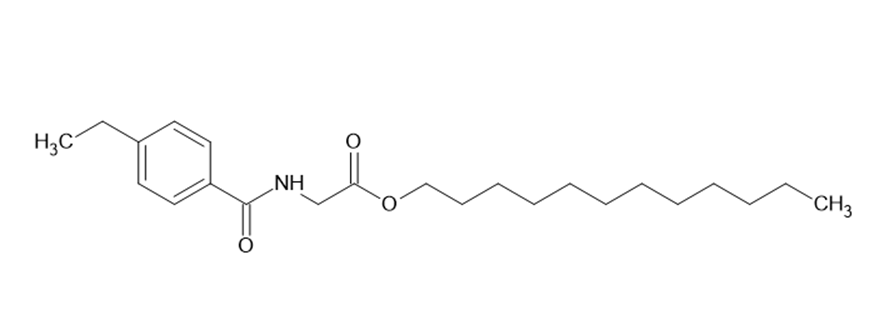
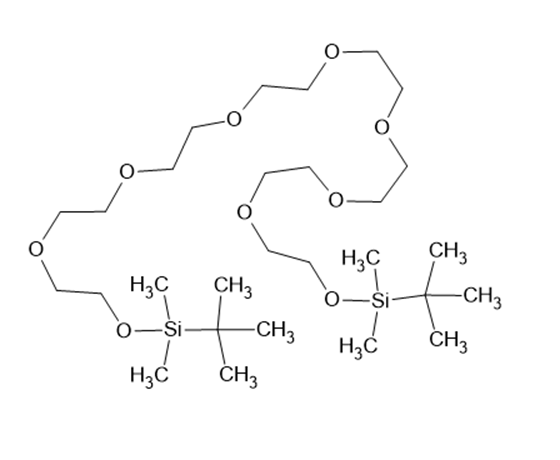
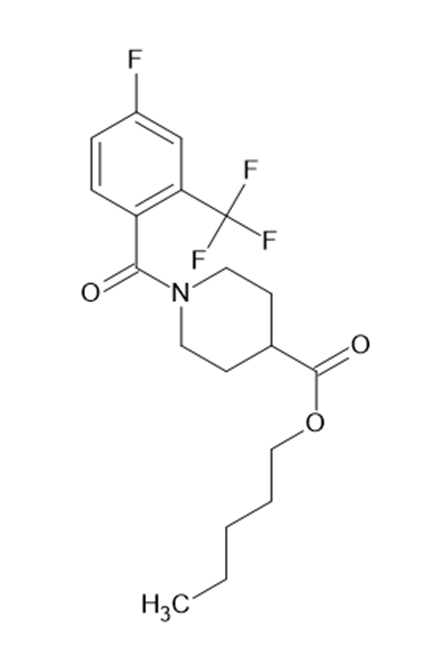
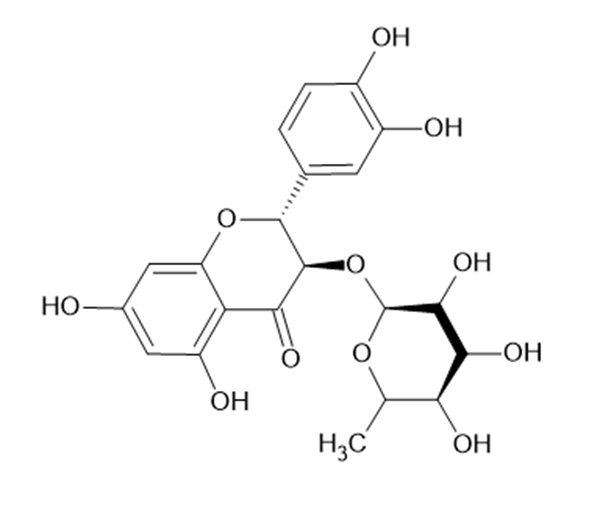
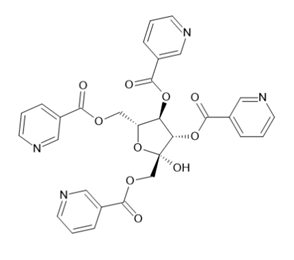
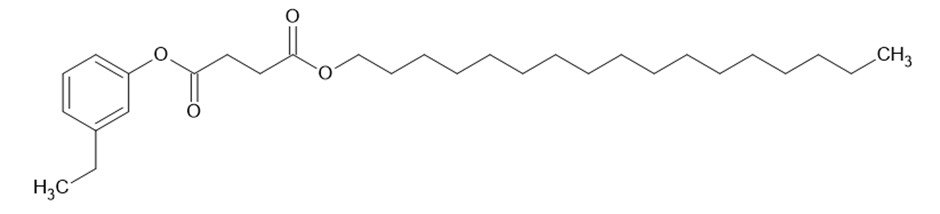
Some of the compounds identified by the LC-MS profiling of the ethanolic extract of Ficus platyphylla stem bark are as shown below:
Table 2: Some phytocompounds present in Ficus platyphylla and their structures
|
Compound name |
Structure |
|
Sarcosine, N-(4-ethylbenzoyl)-dodecyl ester |
|
|
Octaethylene glycol, 2 TBDMS derivative |
|
|
Isonipecotic acid, N-(4-fluoro-2-trifluoromethylbenzoyl)-pentyl ester |
|
|
Astibin |
|
|
Nicofuranose |
|
|
Succinic acid, 3-ethylphenyl heptadecyl ester |
|
2.2. Phytochemistry of Ricinus communis:
In the GC-MS analysis of methanolic extract of Ricinus communis leaves conducted by Dalia Purushothaman et. al., the qualitative analysis of the phytoconstituents in the leaf extract was also conducted. The phytocompounds found in the leaf extract of Ricinus communis is represented in the table below:
Table 3: Phytochemical compounds in methanolic extract of Ricinus communis leaves
|
Phytochemicals |
Present (+) or Absent (-) |
|
Alkaloids |
+ |
|
Coumarins |
+ |
|
Flavonoids |
+ |
|
Glycosides |
- |
|
Phenols |
+ |
|
Phlobatannins |
- |
|
Saponins |
+ |
|
Steroids |
+ |
|
Tannins |
+ |
|
Terpenoids |
- |
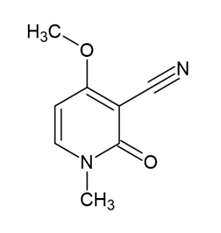
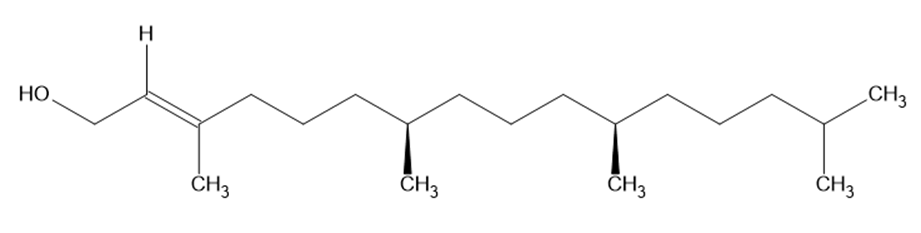
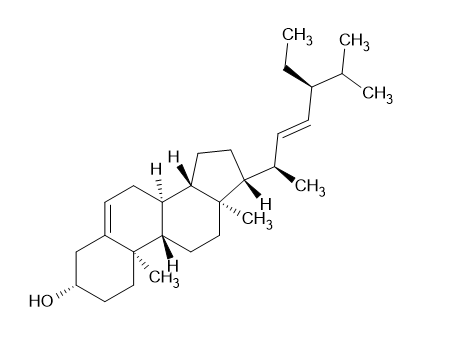
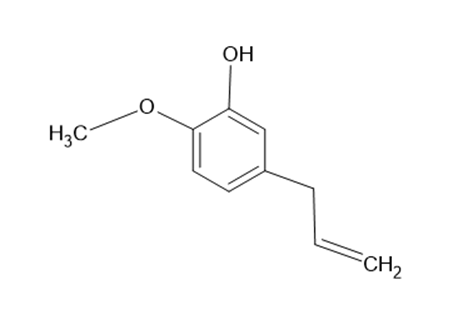
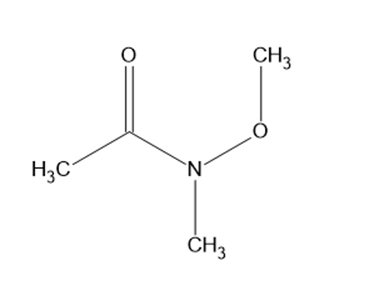
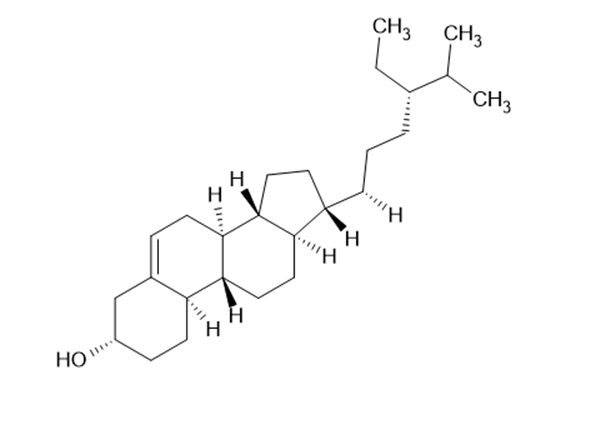
Some of the compounds identified by the GC-MS profiling of the methanolic extract of Ricinus communis leaves are as shown below:
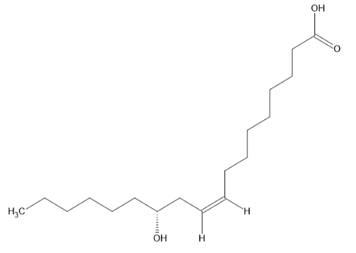
Table 4: Some phytocompounds present in Ricinus communis and their structures.
|
Compound name |
Structure |
|
Ricinine |
|
|
Phytol |
|
|
Stigmasterol |
|
|
3-allyl-6-methoxyphenol |
|
|
N-methoxy-N-methyl acetamide |
|
|
n- hexadecenoic acid |

|
|
γ-sitosterol |
|
|
Ricinoleic acid |
|
The study conducted by Kenneth Onuh et al., investigated the anti-inflammatory properties of ethanolic leaf extracts of Ficus platyphylla using the egg albumin- induced paw oedema test. Five groups of four albino rats, each weighing between 100 and 150g, were made. The dosage that would be given to each group was estimated by the animal’s weight. The vehicle alone (0.1 ml of normal saline intraperitoneally) was administered to control group.
Aspirin 10mg/kg I.P. was administered as a pretreatment to the standard group, while the ethanolic extract of Ficus platyphylla leaves was administered. to the other three test groups at doses of 300mg/kg, 600mg/kg and 1200mg/kg I.P., respectively. A vernier calliper was used to measure the paw size at 60, 120, 180, 240, and 300 minutes following the sub-plantar injection of 0.1 cc of egg white. These measures were taken periodically following the injection of egg albumin in order to evaluate the level of inflammation and the percentage inhibition of oedema.[16]
The methanolic fraction had the maximum scavenging activity against DPPH radicals (84.90 ± 0.05 at 140 µg/mL; IC50 = 58.15 µg/mL) in research by Madinat Hassan et al., although it was less effective than the individual fractions of ascorbic acid (93.85 ± 0.05 at 140 µg/mL; IC50 = 16.93 µg/mL). It also shows substantial nitric oxide scavenging ability (92.42 ± 0.08 at 20 µg/mL) in comparison to other fractions; however, it was not as effective as ascorbic acid (96.48 ± 0.05). The methanol fraction’s noteworthy activity was further validated by reducing power experiment.
DPPH Free Radical Scavenging Assay:
By bleaching a 0.004% purple methanol solution of 2,2-diphenyl-1- picrylhydrazyl (DPPH), the assay assessed hydrogen or electron donation. Absorbance at 517 nm was measured against a blank after 4 mL of DPPH and 1 mL of extract (2.5 – 25 µg/mL) were combined in ethanol and allowed to sit at room temperature for 30 minutes. [1]
The study conducted by Sadiq Ismaila Shaina et al., it is reported that Ficus platyphylla, which has been used in folk medicine for its antibacterial qualities, shows significant efficacy in vitro. The chloroform extract showed notable inhibitory effects against Salmonella typhi, Escherichia coli and Neisseria gonorrhoeae at a dosage of 8000 µg/mL. Alkaloids, reducing sugars, saponins, tannins, and flavonoids were also detected by phytochemical analysis of the ethanol-soluble fraction. Infections of the gastrointestinal, urinary, respiratory and integumentary systems are linked to coliform bacilli, which include Escherichia, Klebsiella, Enterobacter, Serratia, and Citrobacter species. Despite the availability of several methods for evaluating antibiotic activity, comparative analyses to determine the most trustworthy in vitro method are still lacking.
Additionally, there are methodological discrepancies because researcher often use one of three techniques to assess the antibacterial and antifungal activity of chemicals derived from plants: disc diffusion, agar dilution, or broth or microdilution. Furthermore, each of these techniques makes it easier to identify microbial strains that are resistant to particular drugs. The current study examined the cytotoxic and antibacterial properties of Ficus platyphylla Delile stem bark in three different solvent fractions: aqueous, methanol, n-butanol and ethyl acetate. Both Gram- positive and Gram-negative bacteria that are commonly linked to human illness were the focus of the experimental design, which focussed on clinically relevant pathogenic bacteria. [17]
The research held by Kenneth Onuh et al., the ethanolic leaf extract of Ficus platyphylla was shown to have a median fatal dosage of approximately 3800mg/kg i.p. in mice. This implies the extract ‘s (Ficus platyphylla) safety. The hot plate method, as outlined by Turner (1971), is the technique used to assess the extract’s analgesic activity. In the hot plate model, an increase in the pain reaction time (PRT), which measures the degree of analgesic brought on by the extract or reference medication pentazocine 1.5mg/kg i.p., indicates tolerance to pain sitmulus (in this case thermal stimulus). In the hot model employed for this investigation, the ethanolic leaf extract pf Ficus platyphylla showed a high degree of antinociceptive activity. Centrally acting analgesia have been studied using hot plates (Woolfe Macdonald, 1994). Given that centrally acting analgesic medications raise an animal’s pain threshold in response to pressure and heat, the extract’s effect suggests that it may be centrally acting. In the rat paw oedema models created by egg albumin, the ethanolic of Ficus platyphylla leaves was assessed.
As per study conducted, the ethanolic leaf extract of Ficus platyphylla significantly (p<0.01) increased the PRT in hot plate model in the treated groups when it is compared to negative control treated group. All extract treated groups showed an antinociceptive effect at 30minutes, although this effect was less pronounced than that of the reference drug treated group. A clear dose response relationship was noted with an increase in the pain reaction to the control group as the dose of extract administered increased. [16]
The study performed by Subhash Chandra et al., in Swiss albino mice, methanolic leaf extract of Ficus platyphylla was found to be efficacious against convulsions caused by strychnine, picrotoxin, and pentylenetetrazole, as well as phenobarbitone-induced sleeping time and whole-board exploratory behaviour at doses of 200 and 400mg/kg. Phenobarbitone considerably prolonged sleep duration and decreased sleep start in this trail; the effects were dose dependent.
Moreover, exploratory activities were inhibited. It totally stopped seizures brought on by strychnine and picrotoxin at a dose of 400mg/kg. Additionally, there was a considerable prolongation of both tonic and clonic seizures.[18]
The study was performed by Chinenye J Ugwah-Oguejiofor et al., fertility test results comparing the pre-mating treatment group to the distal water control group, there was a significant difference in the percentage post-implantation loss across all treatment groups. The percentage post-implantation loss index reduced most significantly with 400mg/kg (extract Ficus platyphylla) compared to the control. Compared to the control, the lower dosages of 100mg/kg and 200mg/kg maintained the hypothyroid state more. All treatment groups had a substantial decrease in the percentage post-implantation loss index in the continuous treatment group, with the 400mg/kg group exhibiting the largest reduction in comparison to the distil water control group. The group receiving clomiphene had the lowest pregnancy index. There was no implantation site in the clomiphene citrate group.
The pre-mating therapy group’s productive index result revealed no discernible differences between the groups or when compared to the control. However, compared to all other groups, the clomiphene citrate group significantly increased the number of the rat’s pups per litter. When compared to all other groups except the clomiphene treatment group, the 400 mg/kg of the extract demonstrated a substantial increase in the number of pups per litter in the continuous treatment group. The body weight of the same group’s pups was noticeably higher than that of the control groups.[19]
The saponin-rich fraction (SFG) of Ficus platyphylla stem bark demonstrates sedative, antidepressant, and potential neuroleptic effects. Without affecting motor coordination, SFG prolonged pentobarbital induced sleep in mice and drastically lowered spontaneous motor activity, a common measure of central nervous system excitability, in a dose-dependent manner. This suggests that the mechanisms involved are central rather than peripheral. Additionally, by decreasing immobility time in the tail suspension and forced swim tests, SFG demonstrated notable antidepressant-like effects that were comparable to those of the common medication imipramine. These results imply that the psychoactive principles fraction is probably caused by the saponin components. The wide range of activity seen suggests several different mechanisms of action, which supports the possibility that compounds derived from SFG could be developed from SFG could be developed into new antidepressant and antipsychotic drugs.[20]
The methanolic extract of Ficus platyphylla leaf effectively lowers the body weight of Wistar rats, particularly when administered at levels of 100 and 200 mg/kg. It indicates that Ficus platyphylla leaves could potentially be utilized to manage obesity and overweight. Numerous writers have documented the anti-hyperglycemic properties of numerous native medicinal herds. The methanolic extract of Ficus platyphylla leaf substantially reduces blood glucose levels, particularly at doses more than 100mg/kg. This result is in line with the hypoglycemic effects of other Ficus species preparations that have been documented in diabetic mice and linked to their phytochemical constituents. Interestingly, the phytochemical screening of Ficus platyphylla leaf regulated in this study also indicates the presence of flavonoids. Therefore, we may hypothesize that the flavonoids and other phytoconstituents in Ficus platyphylla might be responsible for the blood glucose-lowering impact demonstrated in the study. [3]
Ficus platyphylla leaf methanol extract drastically decreases serum lipid levels in the lipid profile assay, as measured by total cholesterol, triacylglycerides, and low-density lipoprotein. The presence of saponins could possibly be caused due to their observed decrease in LDL cholesterol. The large rise in the animal’s serum HDL cholesterol levels may have been caused by the substantial drop in cholesterol levels. HDL cholesterol typically makes up around 30% of total blood cholesterol. HDL-cholesterol has the ability to extract cholesterol from artery atheroma and return it to the liver for excretion or repurposing. Therefore, a high HDL cholesterol level guards against heart disease. The observed rise in HDL-cholesterol concentration following extract administration indicates that the leaves extract (Ficus platyphylla) has an HDL-cholesterol-boosting effect at varying dosages.
LDL cholesterol helps plaques form by carrying cholesterol to the arteries, where it can be stored in arterial proteoglycans. When LDL-c (bad cholesterol) increases and invades the endothelium, it can oxidize and become more readily deposited in the arteries, increasing the risk of cardiovascular disease. Myocardial infraction, atherosclerosis, heart attacks, strokes, excessive blood pressure, and peripheral vascular disease are all attributed to low-density lipoprotein (LDL) cholesterol.
Since an increase in the blood lipids is positively correlated with a higher risk of cardiovascular diseases, the lipid-lowering action of Ficus platyphylla described in this study indicate that the extract may help prevent or reduce cardiovascular diseases. [3]
The study conducted by Safdar A demonstrates that Ricinus communis fruit has powerful potential for breast cancer treatment. This extract has demonstrated strong effects on aggressive triple-negative breast cancer cells (MDA-MB-231) as well as oestrogen-positive MCF-7 cells. It controls anti-metastatic properties, effectively reducing the expression of metalloproteinases, as well as suppresses adhesion, invasion, and migration in both cell lines. These cells also undergo apoptosis as an outcome of the extract. Breast cancer cell lines were used for this study from the American Type Culture Collection (ATCC). The ATCC recommendations have been followed for cell culture using GIBCO BRL-Life Technologies’ DMEM medium supplemented with 10% heat-inactivated fatal calf serum, 100 units/ml penicillin, and 100 µg /ml streptomycin. Studies demonstrating efficacy against certain cancer cell lines, such as melanoma, MCF7 (breast cancer), HepG2 (liver cancer), PC3 (pancreatic cancer), and cervical cancer, have examined a variety of cancer agents, including 100% ethanol, methanol, and aqueous extracts. The anti-cancer properties of Ricinus communis have been extensively researched and documented in many studies, and several plant chemicals and ricin lectins have been used in both in vitro and in vivo studies to verify these effects.[21]
The research was conducted by Abomughaid. MM shows that DPPH (1,1-diphenyl-2-picrylhydrazyl) has been utilized in lab experiments to demonstrate the antioxidant characteristics of Ricinus communis leaves and methanolic extract. The extract includes rutin, quercetin, gallic acid, epicatechin, and ellagic acid. Ricinus communism's ability to scavenge free radicals on 2,2-diphenyl-1-picrylhydrazyl (DPPH), NO, superoxide, and 2,2-azino-bis3- Ethylbenzthiazoline-6 -sulphonic acid (ABTS) was seen in another investigation that suggested the plant’s antioxidant qualities. Both the butanol and ethyl acetate fractions of Ricinus communis extract demonstrated strong antioxidant activity, most likely due to flavonoids and tannins. Because flavonoids have a protective impact, the methanolic extract of Ricinus communis had an anti-inflammatory effect on rats that had carrageenan-induced paw oedema. [22]
The study conducted by Patel S et al., reported that because of its tendency to stabilize mast cells and have antiallergic properties, the ethanolic root extract of Ricinus communis is useful in the treatment of asthma. Saponins stabilize mast cells, while flavonoids have bronchodilator activity. Flavonoids that replicate luteolin and apigenin have allergic properties in vivo and usually limit the production of neutrophil beta- glucuronidase and basophil histamine. The ethanolic extract of Ricinus communis has anti-asthmatic qualities and lessens milk-induced leucocytosis and eosinophilia because it includes flavonoids or saponins.[23]
This study conducted by Kumar A et al., reports a study on diabetic rats treated with Ricinus communis root extract (RCRE) (500 mg/kg) for 20 days showed improvements in lipid profiles, fasting blood glucose, and organ function. High doses (10 g/kg) caused no significant changes in key liver and kidney markers. RCRE is a potential herbal treatment for diabetes. [24]
The research conducted by Patel S et al., indicates that castor oil, which has antioxidant properties and decreases the lipid peroxidation, Ricinus communis has the ability to heal wounds. It is believed that certain compounds help to preserve collagen fibrils by reinforcing collagen fibres, improving blood flow, minimizing cellular damage, and promoting DNA synthesis. The study demonstrated the castor oil effectively promotes wound healing wound healing by reducing the size of scars and shortening the time required for epithelialization in an excision wound model. The 10%w/w castor oil ointment was found to have superior wound-healing properties when compared to two different concentrations of castor oil. [23]
The study conducted by Dwivedi et al., recognized that some components of Ricinus communis, such as the roots, leaves and stems, contain antifungal compounds. It is discovered that Ricinus communis extract, both methanolic and aqueous, are effective against a wide variety of fungus species. Both methanolic and aqueous extract of Ricinus communis demonstrate effectiveness against a range of fungal species. Research into the antifungal properties of Ricinus communis extract showed that it was most potent against Candida albicans and less effective against Alternaria solani. One of the studies found that the methanolic extract had a strong inhibitory effect on Aspergillus flavus. Another study using an aqueous extract of Ricinus communis leaves identified minimal effectiveness against Aspergillus fumigatus and Aspergillus flavus. These findings support the antifungal capabilities of Ricinus communis extract and suggest it could be a promising candidate for developing new antifungal medications.[25]
The study conducted by Safdar et al., reported that castor oil derived from Ricinus communis seeds demonstrated notable anti-ulcer properties at required doses of 500 mg/kg and 1000 mg/kg, with the higher doses being more effective in treating ulceration in rats induced by ethanol, aspirin, and pylorus ligation. The activity suggests that the anti-ulcer efficacy of Ricinus communis may be attributed to either the drug’s cytoprotective effects or the thickening of the stomach lining, which improves mucosal defences.[21]
In the study conducted by Ghani et al., the anti-inflammatory properties of Ricinus communis leaf extract were documented, while Ilavarasan et al., reported similar effects for the root extracts in rats. Ricinus communis methanol leaf extract at doses of 250 and 500 mg/kg has been shown to have a protective impact against cellular events during the development of oedema and during the whole acute inflammatory process. Flavonoids in the Ricinus communis methanolic extract had anti-inflammatory properties against carrageenan-induced paw oedema in rats. The inflammatory response that might result in gangrene in the injured area has to be controlled to reduce the occurrence of bacterial infections. The anti-inflammatory activity of Ricinus communis is frequently tested using methanolic, ethanolic, or hexane extracts. Because of its many pharmacological actions, including anti-inflammatory, antioxidant, analgesic, antibacterial, antitumoral, and anti-diabetic properties, Ricinus communis is widely used as a medicinal plant to treat a variety of illnesses. Several parts of the plant are used in place of chemical medications to treat various infections.[26]
The study conducted by Patel S et al., shows both steroids and alkaloids have undergone positive preliminary phytochemical testing in the methanol extracts of Ricinus communis seeds. Through both positive and negative feedback mechanisms, the pituitary gland releases gonadotrophins in response to sex hormones. Additionally, because of the combined effects of progesterone and oestrogen during the luteal phase of the menstrual cycle, the pituitary gland inhibits the release of follicle-stimulating hormone (FSH) and luteinizing hormone (LH). Lastly, it aids in suppressing ovulation by inhibiting the ovary’s follicle’s development. Steroids, also known as phytosterols, are the sex hormones, and their presence in the methanol extract of Ricinus communis seed has anti-fertility effects.[23]
The study was conducted by Kumar A et al., Antibiotic-resistant infectious illnesses have become a hazard to human life, requiring the development of novel and variety of natural products treatments. Phytochemicals produced by Ricinus communis have the capacity to destroy a wide variety of bacteria. Staphylococcus aureus, Escherichia coli, streptococcus mutants and staphylococcus aureus resistant to methicillin were identified between the microorganisms that the crude extract of Ricinus communis had antibacterial against. The ethanolic extract indicated the highest activity against staphylococcus at a minimum inhibitory concentration (MIC) of 5mh/ml. The activity of Ricinus communis towards enterococcus faecalis was assessed by testing several aqueous and solvent- based extract. Various extracts of Ricinus communis (butanoic, ethanolic, and aqueous) were tested for antimicrobial activity. A study using E. coli and B. subtilis showed varying effectiveness. The aqueous extract exhibited strong anti-Staphylococcus activity but weak anti-Klebsiella pneumoniae effects. A clinical trial confirmed the oil’s potent bactericidal properties.[24]
In the study conducted by Safdar A et al., researchers found that Ricinus communis leaf extract has pain-relief and seizure-control properties. It exhibited anticonvulsant effects, making it potentially beneficial for epilepsy. In tests, electric shocks induced spasms in animals, highlighting the extract’s impact on seizure activity. When 60mh/kg of a compound developed from Ricinus communis seeds was administered to the rats, the rate of seizure inhibition was almost 80%, compared to 8 % with the conventional medicine. Researchers claim that epilepsy is a neurological condition that is commonly seen in Africa, India, the US, and the UK. Earlier 1940, it was unknown that Ricinus communis might cure displayed that it possesses a number of anticonvulsant properties that can quickly reduce seizure symptoms. Although many people do not consider Ricinus communis anticonvulsant properties to be beneficial, doctor and other medical experts often use this drug to treat a variety of epileptic disorders.[21]
The research conducted by Dwivedi NN et al., substantial mosquitocidal activity of Ricinus communis seed extracts against a number of medically significant mosquito species. With lethal dosages of 7.10 μg/ml for Culex quinquefasciatus, 11.64 μg/ml for Anopheles stephensi, and 16.84 μg/ml for Anopheles albopictus, laboratory bioassays demonstrated high larvicidal action. Anophlese gambiae had the greatest susceptibility, with a lethal concentration 50 (LC??) of 0.18 mg/ml, indicating that this species is especially susceptible to the extract. It is thought that bioactive substances such ricinine and 3-carboxy-4-methoxy-N-methyl-2-pyridine, which disrupt larval development and survival, are responsible for the mosquitocidal action. Additionally, it was discovered that the larvicidal effect increased with exposure duration, resulting in maximal mortality at longer contact periods and effectiveness against Anopheles arabiensis and Culex quinquefasciatus was also noted, indicating broad-spectrum activity. Ricinus communis presents a viable plant-derived substitute for integrated vector management strategies. It is proven to have effectiveness against a variety of vector species emphasises its potential use in ecologically friendly mosquito control initiatives. [25]
In the study conducted by Kumar A et al., is has been reported that ricin uses a variety of substrates to produce its lipolytic activity, including: BAL-TC4 an analogue of triacylglycerol; p-NP esters of aliphatic short to medium chain acids; and monomolecular films of DC10, a pure natural diacylglycerol, in emulsion and in a membrane-like model. The study concluded that ricin from Ricinus communis acts as a lipase, hydrolysing various lipids, including membrane phospholipids. Its maximum lipolytic effect occurs at 0.2M galactose and pH 7.0. Ricin’s impact on membrane phospholipids is linked to its phospholipase A1 activity, a secondary function of lipases.[24]
The study conducted by Kedede B et al., confirms that the alkaloid ricinine in Ricinus communis extract has significant central analgesic effects. It also exhibits neuroleptic properties, enhances memory, reduces hyperactivity, prevents clonic seizures, and acts as a central nervous system stimulant. Ricinine is considered a non- anxiogenic compound, as it does not supress exploratory brain activity. Aqueous extract of Ricinus communis roots and bark was tested at doses of 100 and 200mg/kg, with a positive control. In albino mice, 50mg/kg of diclofenac. The analgesic activity was assessed using the tail immersion and eddy’s hot plate techniques. A methanolic extract of Ricinus communis leaves had a strong analgesic and antinociceptive properties in different studies. when given 150mg/kg, the mice’s analgesic activity against the tail flick experiment was higher (2.900 ± 0.194) than that of the control group (6.30 ± 0.110). [8]
The study conducted by Kumar M et al., shows that methanolic extract of Ricinus communis leaves exhibits significant pain- relieving effects in testes in tests involving mice, including paw licking, tail immersion, and acetic acid- inducing writhing. This analgesic effect is attributed to the presence of certain phytochemicals, including alkaloids, steroids, and saponins.[30]
CONCLUSION:
Ficus platyphylla and Ricinus communis are known to have various phytochemicals responsible for a diverse range of pharmacological activities which includes anti-inflammatory, antioxidant, antimicrobial, antiepileptic effects. The existing literature does confirm many of the traditional claims but critical gaps remain regarding the safety and standardization of the use of these plants and their usage as a therapeutic agent. Further research as well as clinical trials for the safety profile is imperative to establish safety and efficacy of these plants. The plants possess great potential and could serve as sources of novel treatment methods with appropriate and rigorous scientific validation, pharmacological and toxicological studies.
REFERENCES






Chaithra K, Rishika H Menon, Ramya S, S Vidyasree, Sachin G, Ranjith Kumar P, Phytochemical and Pharmacological Insights into Ficus platyphylla and Ricinus communis: A Comprehensive Review, Int. J. of Pharm. Sci., 2025, Vol 3, Issue 9, 2038-2055. https://doi.org/10.5281/zenodo.17153842
 10.5281/zenodo.17153842