
Dattakala College of Pharmacy, Swami Chincholi, Bhigwan, Daund, Pune, Maharashtra, 413130
Herbal drugs are plant derived natural products used for therapeutics purposes. They contain active phytoconstituents such as alkaloids, glycosides, flavonoids, terpenoids and tannins. In modern medicined these herbal drugs are developed into phytopharmaceutical, standardized, purified, and scientifically evaluated. Phytopharmaceutical formulations represent a significant advancement in the modernization of herbal medicine, bridging the gap between traditional herbal therapy and contemporary pharmaceutical science. The growing interest in plant-derived bioactive compounds has led to the development of novel delivery systems aimed at improving their solubility, stability, bioavailability, and therapeutic efficacy. Recent innovations, including nanoparticles, liposomes, phytosomes, solid lipid nanoparticles, and nanoemulsions, have revolutionized the delivery of phytoconstituents by enabling targeted and controlled release. These technologies not only enhance pharmacokinetic profiles but also minimize variability in absorption an dosing inconsistencies commonly associated with crude herbal extracts. Furthermore, regulatory recognition of phytopharmaceuticals has strengthened their position in evidence- based medicine. This review provides an overview of recent advancements in herbal drug delivery systems, their formulation strategies, pharmacological applications, and therapeutic potential in the management of various diseases. Emphasis is placed on the integration of nanotechnology, biopolymer-based carriers, and green extraction techniques in developing safe, effective, and standardized phytopharmaceutical products for future clinical use.
1.1 Importance of Herbal Medicine and Phytopharmaceuticals in Modern Therapeutics
Herbal medicine has long been a cornerstone of traditional healthcare systems and continues to hold immense significance in modern therapeutics. Phytopharmaceuticals—standardized plant-derived formulations containing bioactive phytoconstituents—have gained growing recognition as potential alternatives or complements to synthetic drugs(Wachtel-Galor & Benzie, 2011). Their diverse pharmacological properties, such as antioxidant, anti- inflammatory, antimicrobial, and anticancer effects, make them valuable in preventing and managing various diseases. Moreover, phytopharmaceuticals offer holistic therapeutic action with fewer adverse effects, aligning well with the increasing global preference for natural and sustainable healthcare options(Parham et al., 2020a).
1.2 Historical Background and Resurgence of Interest
The use of medicinal plants dates back thousands of years, forming the foundation of ancient medical systems like Ayurveda, Traditional Chinese Medicine, and Unani. Over time, the advent of synthetic pharmaceuticals led to a decline in herbal use; however, recent decades have witnessed a strong resurgence of interest in plant-based therapeutics. This renewed focus stems from growing awareness of the limitations and side effects of synthetic drugs, coupled with advances in phytochemistry and pharmacognosy that enable the scientific validation of traditional remedies. The global herbal industry has thus evolved from folklore- based practice to a science-driven domain, emphasizing safety, efficacy, and quality control(Parham et al., 2020b).
1.3 Challenges in Herbal Drug Delivery
Despite their therapeutic potential, herbal formulations face several challenges in drug delivery that hinder their clinical effectiveness. Many bioactive phytoconstituents exhibit poor aqueous solubility, low permeability, chemical instability, and limited bioavailability, which restrict their absorption and therapeutic efficiency. Furthermore, factors such as variable phytochemical composition, degradation during processing, and poor pharmacokinetic profiles complicate consistent drug delivery. To address these issues, modern pharmaceutical research focuses on developing advanced herbal delivery systems, including nanoparticles, liposomes, phytosomes, and transdermal patches, aimed at enhancing stability, solubility, and targeted action(Parveen et al., 2015a)
1.4 Scope and Objectives of the Review
The present review aims to explore recent advances in phytopharmaceutical formulations and drug delivery technologies that have revolutionized the therapeutic application of herbal medicines. It highlights the importance of integrating modern formulation science with traditional herbal knowledge to overcome limitations associated with conventional preparations. The key objectives include:
By bridging traditional wisdom with modern scientific innovation, this review underscores the transformative potential of phytopharmaceutical formulations in achieving safe, effective, and standardized herbal therapeutics for global healthcare(Parveen et al., 2015b).
2. Overview of Phytopharmaceuticals
2.1 Definition and Classification of Phytopharmaceuticals
Phytopharmaceuticals are plant-derived medicinal products that contain purified and standardized bioactive compounds obtained from herbal sources. Unlike traditional herbal formulations, which may consist of crude plant parts or unrefined extracts, phytopharmaceuticals undergo scientific processing, standardization, and quality evaluation to ensure consistent therapeutic efficacy.
They are defined under regulatory frameworks (such as those of the Indian Drugs and Cosmetics Act, 1940) as purified fractions with well-defined chemical composition and pharmacological activity derived from medicinal plants.
Phytopharmaceuticals can be classified based on several criteria:
Thus, phytopharmaceuticals represent a bridge between traditional herbal medicine and modern pharmacology, combining natural efficacy with scientific validation(Bhatt, 2016a).
2.2 Commonly Used Herbal Drugs and Their Active Phytoconstituents
Numerous medicinal plants have been extensively studied for their bioactive constituents that exhibit pharmacological effects and form the basis of phytopharmaceutical development.
Some well-known examples include:
These examples highlight how phytopharmaceuticals are derived from nature’s chemical diversity, providing a scientific foundation for developing effective and safer therapeutic agents(Hlatshwayo et al., 2025).
2.3 Regulatory Status and Quality Control Aspects
Phytopharmaceuticals are governed by specific regulatory guidelines that ensure their quality, safety, and efficacy before they reach the market. Different global and national bodies have established frameworks to standardize herbal and plant-based medicines.
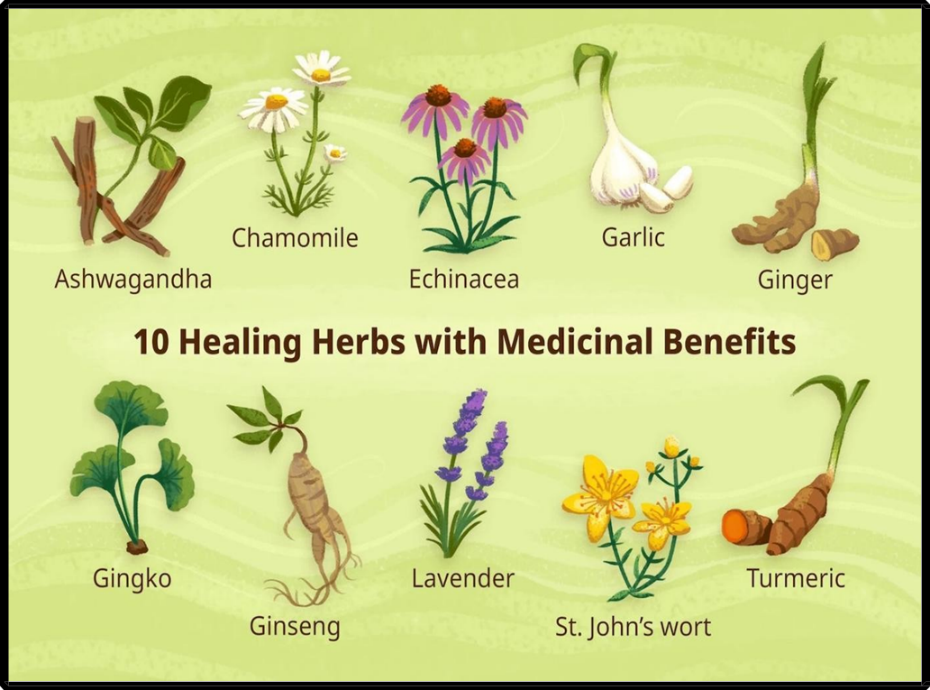
Fig.No.1.Herbs with Medicinal Benefits.
3. Challenges in Herbal Drug Delivery
3.1 Physicochemical Challenges: Solubility, Stability, and Permeability
One of the major limitations in herbal drug delivery arises from the physicochemical properties of phytoconstituents. Many bioactive compounds derived from plants, such as flavonoids, alkaloids, and terpenoids, exhibit poor water solubility, which restricts their dissolution and absorption in the gastrointestinal tract. As a result, their therapeutic efficacy is often reduced despite their proven biological potential.
Additionally, several phytoconstituents face stability issues during formulation and storage. Compounds like curcumin and resveratrol are susceptible to degradation when exposed to heat, light, or oxygen, leading to a loss of potency over time.
Low membrane permeability is another challenge, as many plant-derived compounds have large molecular sizes or polar structures that hinder their passage through biological membranes. Consequently, achieving an optimal concentration of active constituents at the target site becomes difficult, limiting clinical effectiveness(Budiman et al., 2024).
3.2 Pharmacokinetic Issues: Absorption, Metabolism, and Bioavailability
Pharmacokinetic barriers significantly affect the absorption, distribution, metabolism, and excretion (ADME) of herbal drugs. After oral administration, many phytoconstituents undergo extensive first-pass metabolism in the liver and intestines, which drastically reduces their systemic bioavailability. For example, polyphenols and flavonoids are rapidly metabolized, leading to minimal plasma concentrations and short biological half-lives.
Poor intestinal absorption due to low solubility or instability in gastric fluids further contributes to reduced therapeutic efficiency. Moreover, the interaction of multiple phytoconstituents in complex herbal mixtures can alter absorption kinetics and lead to unpredictable pharmacological outcomes.
To address these limitations, researchers are exploring novel delivery systems—such as nanoparticles, liposomes, micelles, and phytosomes—that can enhance absorption, protect bioactives from degradation, and improve controlled release and tissue targeting(Rombolà et al., 2020a).
3.3 Patient Compliance and Formulation Challenges
Another critical challenge in herbal therapeutics is ensuring patient compliance and developing user-friendly formulations. Traditional herbal preparations like decoctions, powders, or crude extracts often have unpleasant taste, odor, or appearance, which can discourage regular use. In addition, the lack of precise dosing and variable potency of active ingredients create uncertainty regarding efficacy and safety.
Formulation challenges also include batch-to-batch variability, incompatibility of ingredients, and difficulties in achieving uniform distribution of bioactive compounds in modern dosage forms. Developing stable and convenient delivery systems such as capsules, tablets, gels, or transdermal patches requires careful consideration of the physicochemical nature of phytoconstituents.
By addressing these formulation and patient-related challenges through advanced drug delivery technologies, herbal medicines can achieve greater acceptance and therapeutic success in modern healthcare(Parveen et al., 2015c).
4. Advances in Herbal Drug Delivery Systems
Herbal medicines have gained renewed scientific and clinical attention in recent years. However, conventional herbal formulations often suffer from limitations such as poor bioavailability, variable efficacy, and low patient compliance. Advances in formulation science, nanotechnology, and material engineering have led to the development of modern and novel delivery systems that enhance the stability, absorption, and targeted delivery of bioactive phytoconstituents. These innovations have transformed the field of phytopharmaceuticals, enabling herbal medicines to achieve greater therapeutic reliability and clinical applicability(Hassen et al., n.d.).
4.1 Conventional Formulations
A. Patient Compliance and Formulation Challenges
Traditional herbal preparations such as powders, decoctions, and tinctures are simple and cost-effective, but they lack dose accuracy and consistency in therapeutic performance. Many of these formulations exhibit poor solubility, low stability, and limited absorption, which reduce their pharmacological potential.
Additionally, unpleasant taste and odor, coupled with large dosage volumes, often discourage regular patient use. The quality of raw materials and lack of standardization contribute to significant batch-to-batch variation, making it difficult to ensure consistent therapeutic outcomes. Thus, conventional herbal formulations, though historically important, face several technological and practical challenges in modern therapy.
B. Tablets, Capsules, Tinctures, and Ointments
1. Tablets and Capsules
These dosage forms allow for accurate dosing and convenient administration; however, they often exhibit low dissolution rates, especially for poorly soluble phytochemicals such as curcumin and resveratrol. Additionally, the high compression forces used in tablet manufacturing and interactions with excipients can lead to a loss of biological activity.
2. Tinctures and Liquid Extracts
Tinctures provide faster absorption due to their liquid form but suffer from stability issues, including oxidation and microbial contamination. The high alcohol content often used in tinctures can also limit their acceptability among patients sensitive to alcohol or with specific medical conditions.
3. Ointments and Creams
These are widely used for topical application, such as aloe vera and neem-based products for wound healing and skin care. However, they typically demonstrate poor skin penetration and short residence time on the application site, leading to reduced therapeutic efficiency.
4. Syrups and Decoctions
Syrups and decoctions are traditional liquid preparations, often used in Ayurvedic and folk medicine. Despite their popularity, they are prone to microbial growth, unstable on storage, and difficult to standardize for industrial-scale production(Wang et al., 2023a).
4.2 Novel Drug Delivery Systems (NDDS)
Modern NDDS technologies have emerged to overcome the shortcomings of conventional herbal formulations. These systems aim to enhance solubility, improve absorption, enable controlled release, and achieve targeted delivery, while maintaining the safety and natural origin of herbal actives.
A. Nanoformulations
Nanotechnology has revolutionized herbal drug delivery by reducing particle size (<200 nm) and increasing surface area, which enhances solubility and permeability.
1. Nanoparticles
Formulated using biodegradable polymers such as PLGA, chitosan, or alginate, nanoparticles offer controlled release and tissue-specific delivery.
Example: Quercetin-loaded nanoparticles exhibit enhanced antioxidant and anticancer activity compared to the free compound.
2. Nanoemulsions
Nanoemulsions are fine oil-in-water or water-in-oil dispersions that enhance solubilization of lipophilic phytoconstituents.
Example: Curcumin nanoemulsions demonstrate improved oral absorption and enhanced anti-inflammatory potential.
3. Liposomes
Liposomes are phospholipid vesicles capable of encapsulating both hydrophilic and lipophilic substances. They improve stability, bioavailability, and targeted delivery.
Example: Liposomal silymarin formulations show enhanced hepatoprotective activity compared to conventional extracts. These systems are designed to maintain therapeutic drug levels for extended periods, reducing dosing frequency and improving patient compliance. By using polymeric coatings, microspheres, or matrix-based systems, the release kinetics of phytoconstituents can be controlled.
Example: Curcumin-loaded polymeric microspheres demonstrate prolonged anti- inflammatory effects with sustained plasma levels.
B. Targeted Delivery Approaches
Targeted delivery systems are developed to transport herbal actives directly to specific tissues or cells, thereby minimizing systemic side effects. This can be achieved using ligand- functionalized nanoparticles, magnetic carriers, or stimuli-responsive systems that release the drug in response to pH or enzymatic activity.
Example: Lactoferrin-coated curcumin nanoparticles have shown targeted brain delivery for potential use in neuroprotective therapies.
C. Use of Biopolymers and Phytocompatible Carriers
Natural polymers such as chitosan, alginate, gelatin, and cellulose derivatives are biocompatible and biodegradable, making them ideal carriers for phytoconstituents. These materials improve mucoadhesion, controlled release, and biocompatibility, while maintaining the natural integrity of plant-based actives.
Example: Chitosan-based nanoparticles of andrographolide enhance intestinal absorption and bioavailability significantly(Chen et al., 2024).
4.3 Emerging Technologies
Recent innovations in herbal drug delivery integrate nanotechnology, lipid science, and precision formulation methods to optimize therapeutic performance.
A. Phytosomes and Herbosomes
Phytosomes are complexes of phospholipids with specific phytoconstituents, improving lipophilicity and membrane permeability.
Example: Silymarin phytosome (Siliphos®) exhibits 4–5 times higher bioavailability than conventional silymarin extracts.
Herbosomes apply the same principle to whole herbal extracts, thereby enhancing stability and absorption of multiple active compounds simultaneously.
B. Microemulsions and Self-Emulsifying Drug Delivery Systems (SEDDS)
Microemulsions are thermodynamically stable, transparent systems that increase solubility and absorption of hydrophobic compounds.
SEDDS are oil–surfactant mixtures that form emulsions upon contact with gastrointestinal fluids, significantly enhancing oral delivery.
Example: Resveratrol SEDDS improve oral bioavailability and antioxidant efficacy compared to free resveratrol.
C. Transdermal and Mucoadhesive Delivery Systems
Transdermal patches allow for sustained release of herbal actives while bypassing hepatic metabolism.
Example: Curcumin and capsaicin patches are used for localized anti-inflammatory effects. Mucoadhesive systems—applied to oral, nasal, or vaginal mucosa—ensure prolonged retention and improved absorption.
Example: Aloe vera-based mucoadhesive gels have been shown to enhance mucosal healing and drug uptake.
D. 3D Printing and Modern Formulation Techniques
3D printing offers precise control over dosage, geometry, and release profiles of herbal drugs, enabling personalized phytopharmaceuticals tailored to patient needs.
Example: 3D-printed tablets containing curcumin and ashwagandha extracts allow customized dosing and controlled drug release.
Other advanced technologies such as microfluidics, spray drying, supercritical fluid extraction, and freeze-drying improve the stability, scalability, and reproducibility of modern phytopharmaceutical formulations(Alharbi et al., 2021).
5. Therapeutic Applications and Case Studies
Phytopharmaceuticals have emerged as an important bridge between traditional herbal medicine and modern drug development. They provide standardized, scientifically validated plant-derived formulations that demonstrate therapeutic efficacy comparable to or complementary with conventional drugs. This section discusses key examples of successful phytopharmaceuticals, their therapeutic applications, comparative efficacy, safety aspects, and the essential design considerations for clinical success(Bhatt, 2016c).
5.1 Notable Examples and Case Studies of Successful Phytopharmaceuticals
Several phytopharmaceuticals have achieved remarkable success in clinical applications, ranging from antimalarial to anticancer therapy. Artemisinin and its derivatives, derived from Artemisia annua, represent one of the most notable examples. These compounds, including artemisinin, artesunate, and artemether, are used as frontline antimalarial agents in artemisinin-based combination therapies (ACTs). This discovery revolutionized malaria treatment globally and remains a landmark in plant-derived drug development.
Paclitaxel (Taxol®), obtained from Taxus species (yew trees), is a classic anticancer agent used to treat breast, ovarian, and other cancers. The development of solvent-free nanoparticle albumin-bound paclitaxel formulations significantly reduced solvent-related toxicity and improved therapeutic delivery, highlighting how formulation innovations can enhance safety and efficacy.Vincristine and Vinblastine, derived from Catharanthus roseus, are well- established chemotherapeutic agents used in the treatment of hematologic and solid tumors. Their discovery emphasized the potential of plant alkaloids in oncology.
Silymarin, extracted from Silybum marianum (milk thistle), serves as a potent hepatoprotective agent. Formulations such as the silymarin phytosome (Siliphos®) improve oral absorption and bioavailability, showcasing how modern formulation technologies can enhance clinical effectiveness of traditional plant extracts.Curcumin phytosome (Meriva®) from Curcuma longa is another example where nanotechnology and phospholipid complexes have enhanced bioavailability. These formulations are used in inflammatory and musculoskeletal disorders, demonstrating improved systemic exposure and therapeutic efficacy compared to crude curcumin.Ginkgo biloba standardized extract (EGb 761) has been clinically validated for cognitive symptoms and peripheral vascular insufficiency. Likewise, Pycnogenol®, derived from Pinus pinaster (maritime pine bark), is used to support vascular health and reduce oxidative stress, supported by multiple clinical studies.
Additionally, combination formulations, such as piperine with curcumin, exemplify how co- administration of natural bioenhancers can improve the absorption and efficacy of poorly bioavailable compounds. Phytosome and liposomal formulations of multiple herbal actives have also shown enhanced absorption and targeted action. Emerging translational successes include plant-based nanoparticles for antimicrobial and anticancer applications, and avocado/soybean unsaponifiables (ASU) used as slow-acting symptomatic agents in osteoarthritis, demonstrating the versatility and innovation within phytopharmaceutical development(Crespo-Ortiz & Wei, 2012a).
5.2 Therapeutic Areas and Representative Phytopharmaceuticals
Phytopharmaceuticals have demonstrated therapeutic potential across a broad range of medical conditions:
These therapeutic areas illustrate the broad clinical relevance of phytopharmaceuticals in both preventive and curative healthcare(Crespo-Ortiz & Wei, 2012b).
5.3 Comparative Efficacy with Conventional Drugs
Comparative evaluations of phytopharmaceuticals and conventional pharmaceuticals reveal several important trends.
Firstly, single-molecule plant drugs, such as paclitaxel and vincristine, are fully integrated into modern medicine, demonstrating efficacy equal to or exceeding that of synthetic drugs in oncology. Secondly, standardized extracts and formulations like curcumin phytosomes and silymarin complexes have shown comparable benefits to synthetic drugs for chronic or supportive therapies such as osteoarthritis and liver disease, often with fewer side effects.
Thirdly, many phytopharmaceuticals serve as adjuncts to conventional therapies, reducing toxicity or enhancing effectiveness. For example, antioxidants such as curcumin and resveratrol are used to mitigate chemotherapy-induced oxidative damage, while piperine improves curcumin bioavailability. However, direct head-to-head comparisons are limited due to variability in formulations, dosages, and study design. Moreover, in acute or severe conditions—like advanced cancer or infections—synthetic drugs remain first-line treatments, while plant-based therapies function primarily as supportive or complementary options.
Overall, while phytopharmaceuticals show great promise, large-scale, standardized clinical trials are needed to confirm equivalence and ensure evidence-based use.
5.4 Safety, Toxicity, and Regulatory Considerations
Despite their natural origin, phytopharmaceuticals are not devoid of safety concerns. Herb– drug interactions are a major issue, as many phytochemicals modulate enzymes like CYP450 or drug transporters such as P-glycoprotein, which can alter the pharmacokinetics of co- administered drugs (e.g., anticoagulants, antiepileptics).
Additionally, dose-dependent toxicity and idiosyncratic reactions have been observed with certain compounds, emphasizing the need for standardization and pharmacovigilance. Contamination with heavy metals, pesticides, or adulterants poses significant safety risks, particularly in poorly regulated markets.
Allergic reactions and reproductive toxicity are other potential concerns requiring preclinical evaluation. Moreover, nanocarrier-based phytopharmaceuticals introduce additional safety considerations such as biodistribution, immunogenicity, and clearance, which must be assessed before clinical approval.
To ensure safety and efficacy, regulatory frameworks emphasize Good Manufacturing Practices (GMP), clinical testing, and post-marketing surveillance. Clear product labeling, patient counseling, and disclosure of contraindications (e.g., pregnancy, hepatic disease) are also vital to minimize risks and ensure responsible use.
5.5 Design Considerations for Clinically Successful Phytopharmaceuticals
Developing effective and safe phytopharmaceuticals requires adherence to several scientific and regulatory principles.
6. Regulatory and Commercial Perspectives
The global rise of phytopharmaceuticals reflects growing consumer preference for natural therapies and increasing scientific validation of plant-derived compounds. However, successful commercialization and regulatory approval of herbal products require stringent quality, safety, and efficacy standards comparable to those of synthetic drugs. This section discusses regulatory frameworks, quality control requirements, and emerging market and industry trends shaping the future of phytopharmaceutical development(Bhatt, 2016d).
6.1 Regulatory Guidelines and Challenges for Phytopharmaceuticals
Regulatory approaches to herbal medicines vary across countries, reflecting differences in historical use, healthcare integration, and drug legislation. Despite growing harmonization efforts, challenges persist in classification, standardization, and demonstration of clinical efficacy(Parveen et al., 2015d).
6.1.1 Global Regulatory Framework
Table No.2.Global Regulatory Frameworks
|
Region / Agency |
Regulatory Category |
Key Features |
|
India (CDSCO / AYUSH) |
Phytopharmaceuticals (defined under Rule 158B, Drugs & Cosmetics Act, 2015) |
Requires standardized extract of plant origin with defined composition, process validation, and preclinical & clinical data similar to NCEs. Distinct from classical Ayurvedic preparations. |
|
United States (FDA) |
Botanical Drug Development Pathway |
Guidance (2016 update): Requires CMC documentation, clinical efficacy evidence, and consistency of active constituents. Successful examples: Veregen® (green tea extract), Fulyzaq® (crofelemer). |
|
European Union (EMA / HMPC) |
Herbal Medicinal Products |
Classified as traditional-use or well- established-use medicines. Quality and safety data required; clinical evidence depends on classification. |
|
China (NMPA) |
Traditional Chinese Medicines (TCMs) and modern botanical drugs |
Encourages modernization of TCM with standardized extracts and evidence-based formulations. |
|
WHO |
Traditional Medicine Strategy 2014–2023 |
Promotes harmonization, quality assurance, and integration of traditional medicine into health systems. |
6.1.2 Key Regulatory Challenges
1. Complex Composition and Variability:
Phytopharmaceuticals are complex mixtures of bioactive molecules, unlike single-compound synthetic drugs. Ensuring batch-to-batch consistency is a major regulatory challenge due to natural variation in plant sources.
2. Identification of Active Constituents:
Many herbal extracts lack clearly defined markers for pharmacological activity, complicating pharmacokinetic and toxicological assessments.
3. Standardization and Reproducibility:
Environmental and processing factors (e.g., geography, harvest season, drying, extraction) affect chemical composition. Reliable standardization demands validated extraction protocols and analytical fingerprinting.
4. Demonstration of Efficacy:
Regulatory approval requires well-designed clinical trials. Limited funding, heterogeneous preparations, and lack of harmonized methodologies make uniform efficacy data difficult to obtain.
5. Safety and Pharmacovigilance:
Systems for reporting adverse reactions and herb-drug interactions remain inadequate. Strengthened pharmacovigilance is essential to ensure patient safety post-marketing.
6. Intellectual Property and Benefit Sharing:
Protecting traditional knowledge while ensuring equitable benefit-sharing and patenting of new formulations presents legal and ethical challenges in phytopharmaceutical innovation.
6.2 Quality Control and Standardization Techniques
The quality of phytopharmaceuticals must be assured throughout the production chain — from plant cultivation to finished formulation. Both chemical and biological standardization are crucial to guarantee consistency, efficacy, and safety.
6.2.1 Raw Material Quality
6.2.2 Phytochemical Standardization
6.2.3 Process Validation and Formulation Control
6.2.4 Packaging, Labeling, and Documentation
Finished products must clearly state the botanical name, extract ratio, marker compounds, dosage, and warnings. Documentation following Good Manufacturing Practices (GMP) ensures full traceability and regulatory compliance.
6.3 Market Trends and Commercial Landscape
6.3.1 Global Market Growth
The global herbal and phytopharmaceutical industry, valued between USD 200–250 billion (2024), continues to expand at a 6–8% annual growth rate. Demand is driven by consumer preference for natural healthcare, preventive medicine, and the rising burden of chronic diseases.
The Asia-Pacific region (notably India, China, and Japan) leads in production and export, while Europe and North America focus on research-based, standardized phytomedicine products.
6.3.2 Leading Market Segments
6.3.3 Commercialization Challenges
6.3.4 Opportunities and Future Prospects
7. Future Directions and Research Opportunities
The growing global acceptance of phytopharmaceuticals as scientifically validated alternatives to synthetic drugs marks a transformative shift in modern therapeutics. Despite notable advances in formulation science, standardization, and clinical evaluation, challenges such as variability, reproducibility, and consistent clinical validation still persist. To overcome these, future research will increasingly rely on artificial intelligence (AI), personalized medicine, green technologies, and evidence-based clinical research. These interdisciplinary approaches will redefine herbal drug discovery and accelerate the transition of phytopharmaceuticals into mainstream healthcare(Nasim et al., 2022).
7.1 Integration of Artificial Intelligence (AI) and Machine Learning (ML) in Formulation Design
Artificial intelligence and machine learning are revolutionizing the design, optimization, and manufacturing of phytopharmaceutical formulations.
For instance, AI-guided optimization of curcumin nanoformulations has demonstrated improved encapsulation efficiency and controlled release compared to traditional trial-and- error approaches, showcasing the practical benefits of AI-driven formulation science(Vora et al., 2023).
7.2 Personalized Herbal Medicine
Personalized or precision herbal medicine represents the next frontier in phytopharmaceutical development, emphasizing individualized treatment strategies based on genetic and biochemical profiles.
A key example includes personalized polyherbal formulations for metabolic disorders such as diabetes or dyslipidemia, designed using genomic and metabolomic profiling to match each patient’s unique biochemical makeup(Thomford et al., 2018).
7.3 Green and Sustainable Formulation Approaches
Sustainability is emerging as a vital component of next-generation phytopharmaceutical development. Green technologies not only minimize environmental impact but also improve process efficiency and resource utilization.
For example, microwave-assisted extraction using ethanol–water mixtures from Ocimum sanctum has been shown to yield high flavonoid content with minimal solvent waste and reduced energy consumption — a model of sustainable phytochemical processing(Chemat et al., 2012).
7.4 Clinical Trials and Evidence-Based Herbal Therapeutics
The credibility and acceptance of phytopharmaceuticals in mainstream medicine depend on robust clinical validation and evidence-based evaluation.
For instance, standardized curcumin and silymarin formulations have already undergone successful clinical trials for anti-inflammatory and hepatoprotective effects, setting strong precedents for future phytopharmaceutical research (Koonrungsesomboon et al., 2024).
7.5 The Road Ahead
The future of phytopharmaceuticals will be shaped by a multidisciplinary, technology-driven, and evidence-based approach. Integrating AI-based formulation design, personalized therapy, sustainable manufacturing, and clinically validated research will elevate herbal therapeutics to the standards of modern pharmaceuticals. Collaborative partnerships among academia, industry, and regulatory bodies will be essential to translate centuries-old traditional wisdom into scientifically proven, globally accepted, and patient-centric phytomedicines. By merging traditional healing knowledge with advanced technologies, the next generation of phytopharmaceuticals can achieve both scientific rigor and sustainability, ushering in a new era of safe, effective, and accessible natural therapeutics(Patil et al., 2025).
8. CONCLUSION
Over the past decade, the field of phytopharmaceutical research has undergone a remarkable transformation—from traditional herbal remedies to scientifically advanced, standardized, and technology-driven formulations. This evolution reflects the growing integration of modern pharmaceutical science with the ancient knowledge of plant-based medicine. One of the most significant advancements has been the development of novel drug delivery systems, including nanoparticles, liposomes, phytosomes, microemulsions, and self-emulsifying formulations. These systems have successfully enhanced the solubility, stability, bioavailability, and therapeutic efficacy of plant-derived bioactive compounds. Traditional herbal formulations often suffered from issues such as poor absorption, inconsistent potency, and lack of reproducibility; modern phytopharmaceutical technologies have effectively addressed these challenges by offering targeted and sustained drug release.
Furthermore, nanotechnology-based and controlled-release formulations have revolutionized herbal drug delivery, enabling site-specific action and prolonged therapeutic effects while minimizing adverse reactions. The use of biopolymer-based and phytocompatible carriers has further improved safety, biocompatibility, and environmental sustainability in phytopharmaceutical development. Successful clinical validation of standardized phytopharmaceuticals—such as curcumin, silymarin, and crofelemer—demonstrates the growing potential of herbal bioactives in evidence-based medicine. In addition to formulation advances, significant progress has been made in regulatory frameworks and quality control measures, which have enhanced the scientific credibility of herbal products. The recognition of phytopharmaceuticals as a distinct regulatory category in India, along with evolving FDA and EMA guidelines for botanical drugs, represents a major paradigm shift toward the global acceptance of herbal medicines within mainstream healthcare. Simultaneously, increasing consumer demand for natural, safe, and effective therapies continues to fuel innovation and commercial growth in this field.
Looking toward the future, the convergence of artificial intelligence (AI), systems biology, and personalized medicine is expected to further transform phytopharmaceutical development. AI-driven formulation design, pharmacogenomic profiling, and eco-friendly green technologies are poised to create the next generation of sustainable, patient-specific herbal therapeutics. However, realizing this vision will require close collaboration among pharmacologists, formulation scientists, biotechnologists, clinicians, and regulatory authorities.
In conclusion, phytopharmaceuticals serve as a bridge between traditional healing wisdom and modern scientific innovation. By emphasizing standardization, technological advancement, and evidence-based validation, they hold immense potential to address unmet medical needs in a safe, effective, and sustainable manner. Continued research, clinical trials, and global collaboration will be crucial to fully unlock their therapeutic and commercial potential, solidifying their place as an integral component of 21st-century healthcare.
REFERENCES

Chaitali Sonawane, Shital Shinde, Vaishnavi Sutar, Dr. Nitin Waghmode, Phytopharmaceutical Formulations: Advances in Herbal Drug Delivery and Therapeutics, Int. J. of Pharm. Sci., 2026, Vol 4, Issue 2, 754-773. https://doi.org/10.5281/zenodo.18492257
 10.5281/zenodo.18492257
