

We use cookies to ensure our website works properly and to personalise your experience. Cookies policy
Vidya Bharti College of Pharmacy, Amravati
Drug resistance and systemic side effects are common issues for people with cancer, infections, and other diseases. These problems are linked to the limitations of traditional chemotherapy, including poor solubility, toxicity, lack of specificity, low therapeutic effectiveness, and difficulty in crossing the worst barriers. To overcome these challenges, nanotechnology-based metallic platinum nanoparticles (PtNPs) have become popular because of their ability to deliver drugs more precisely. These PtNPs are used for targeted drug delivery and sustained release as antimicrobials to fight various illnesses and kill cancer cells. PtNPs-based treatment systems are effective at lower drug concentrations because they have good physical and chemical properties, such as specific shapes, sizes, a high surface area to volume ratio, good stability in the body, and ease of use. They can be easily modified with ligands, peptides, antibodies, or other substances to improve their targeting and controlled release. PtNPs can also be combined with other metals to serve as carriers for different types of treatments like chemotherapy, photothermal, or photoacoustic therapies. Magnetic therapies are also used to treat tumors. This review focuses on how PtNPs are made, how they are modified, how they work, their use in medicine, and their potential toxicity in treating illnesses.
Platinum nanoparticles
Depending on the situation, platinum nanoparticles, which are often described as a suspension or colloidal form of platinum particles, usually range in size from 2 to 100 nanometers.[1,2] A colloid is a stable mixture of particles in a fluid or gas. Platinum nanoparticles can be shaped into different forms, including circles, and their size can vary between 2 to 100 nanometers under certain conditions.[1,2] These nanoparticles are found in a colloidal suspension and show colors like caramel red or dark tones. Different shapes of nanoparticles can be seen, such as tetrahedra, cubes, rods, and circles.[3] Platinum nanoparticles remain stable even at high temperatures, up to 700°C, without changing their structure. Their small size makes them suitable for being taken up by cells [4] Photothermal treatment is a process where platinum nanoparticles can penetrate deeper into tissues or cells because of their low scattering at near-infrared (NIR) wavelengths. They are also useful for targeted drug delivery when triggered by lasers; when exposed to light, they release some of their coating.[5] Platinum nanoparticles have antioxidant properties and are used therapeutically. They help reduce Reactive Oxygen Species (ROS) that are produced during the photothermal treatment of tumor cells.[6]
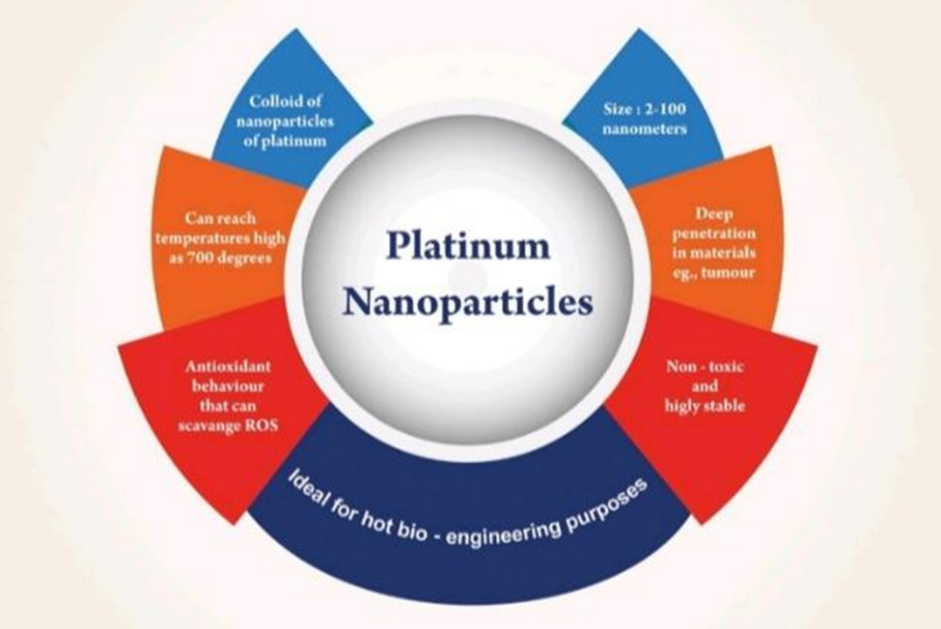
Fig. no 1 : Different Unique Properties of Platinum Nanoparticles.
Exposure to pathogens, poisons, or harmful substances can lead to cancer, infectious diseases, and tumors. The body's antioxidant and immune systems usually work together to fight off these harmful agents. The acquired immune system helps protect the body from the beginning of an illness and through the infection process [7] . When pathogens, infectious and strong disease-causing agents, or harmful substances enter the body, they overcome the body's natural defenses, causing localized infections. These infections can lead to the multiplication of the harmful agents, damage to host cells, genetic changes, or damage to DNA, which can result in the spread of disease, cancer, metastatic cancer, or tumors [8-11] Using high doses or incorrect dosages of traditional chemotherapy can lead to drug resistance and harmful effects on healthy cells, making the patient's condition worse [12] Chemotherapy also has several limitations, such as being hard to dissolve, toxic, not targeting specific cells, poor absorption into the body, facing biological barriers, and having a low therapeutic benefit, all of which can increase patient suffering. Due to their unique shape, size, large surface area, lower toxicity, and ease of use, nanotechnology-based metallic platinum nanoparticles (PtNPs) have become a popular solution for addressing these issues in patients [13] . PtNPs have features like photothermal and photoacoustic effects, resistance to ionization, chemical stability, and resistance to corrosion. They also have the ability to be modified on their surface, and they can act as electro-catalysts for reactions like oxidation, hydrogenation, and dehydrogenation. These properties are related to optical behavior called surface plasmon resonance (SPR), which happens due to the interaction of light with free electrons on the surface of metallic nanoparticles, causing collective oscillations of the electrons in the conducting band [14-21] PtNPs can enter cells, interact with internal components, and release platinum ions that may cause damage to DNA or cells [22,23] . PtNPs have the potential to increase the production of antioxidant enzymes and reduce oxidative stress. They can also act as strong and stable mimics of superoxide dismutase, leading to the death of cancer cells through DNA damage and stopping DNA replication [24-28] . They may also help reduce inflammation and damage caused by oxidative stress by removing reactive oxygen species (ROS) through the action of catalase [29-31] Various surface coating materials, such as polymers like poly-lactide-co-glycolide, poly-lactic acid, poly-ethylene glycol, polyvinyl alcohol, and chitosan, can be used to modify PtNPs along with drugs. This can lead to longer circulation in the body, controlled drug release, and accumulation in tumor areas, showing higher biocompatibility and passive targeting that helps counteract drug resistance [32-40]
Synthesis Of Platinum Nanoparticles
The size, shape, chemical composition, electronic surface structure, and capping agent of PtNPs are all important factors that affect their use in biomedicine and industry. Researchers are eager to explore new synthetic methods to improve these characteristics [41-44]
Platinum nanoparticles are made using two main approaches:
A) Physical and chemical synthesis methods, and
B) Green synthesis techniques.
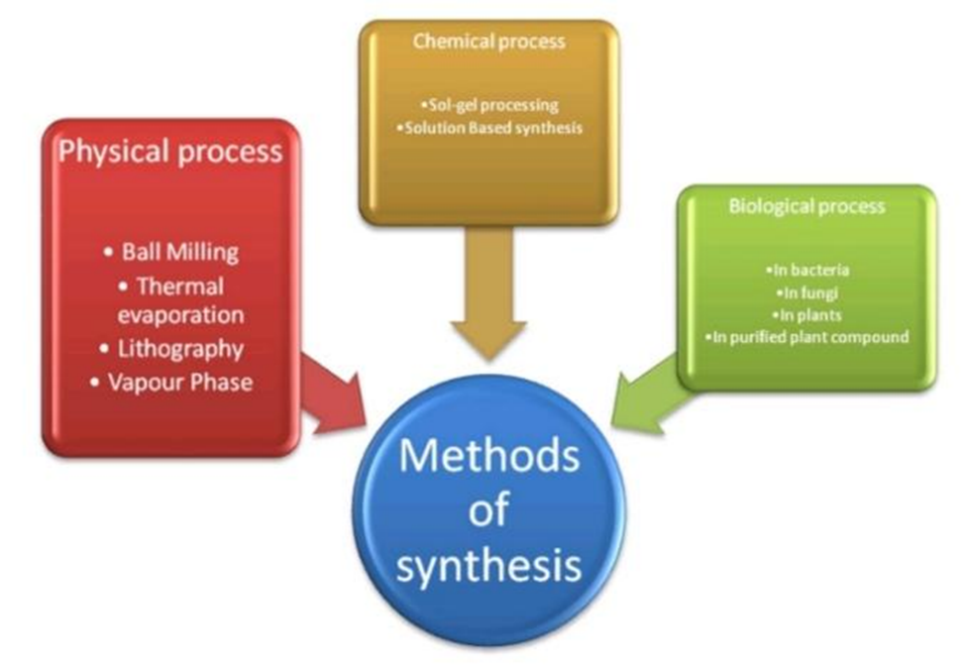
Fig.no 2 : Different Synthesis Methods of Platinum Nanoparticles.
1 . Physical and Chemical Synthesis Methods
Two common ways to make platinum nanoparticles are reducing platinum ion precursors in a solution or adding a capping agent to create new types of colloids. During physical synthesis, platinum nanoparticles are often exposed to different pressures, energies, or types of radiation.
A typical method for making platinum nanoparticles (PtNPs) is using a tube furnace where condensation and evaporation happen at normal atmospheric pressure [45] .
Another method is laser ablation, which involves using a high-power laser to heat and vaporize platinum nanoparticles from a solid material.Laser ablation is the process of turning PtNPs into vapor with a high-power laser beam.[46]Choosing the right reducing agent is important because it helps control the size, shape, and overall properties of the platinum nanoparticles made through chemical methods. Some common reducing agents include sodium borohydride (NaBH4), hydrogen gas (H2), ascorbic acid (vitamin C), and polyols. The size and shape of the PtNPs can be adjusted by changing various factors like the reaction temperature, the concentration of the reducing agent, and other similar parameters. The pH level of the solution and the use of stabilizing agents also influence the final size and shape of the nanoparticles.
Nucleation is a chemical process where nanoparticles form through atomic-level interactions. Other chemical methods used to produce nanoparticles include microemulsion and plasma-enhanced chemical vapor deposition.[47]
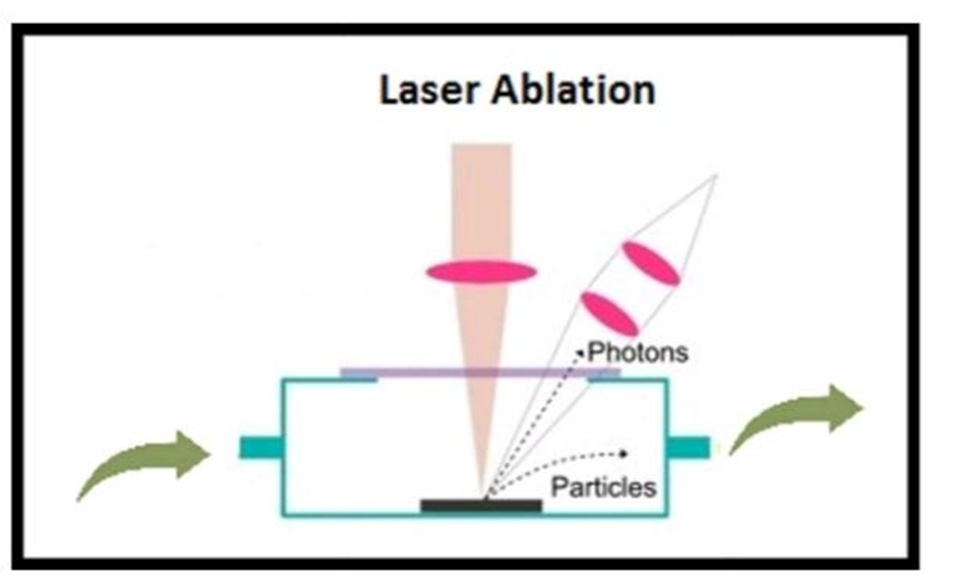
Fig. no 3 : Illustrating the Physical Methods of Platinum Nanoparticles Synthesis
2 . Green Synthesis Technique
From a biological perspective, platinum nanoparticles can be made using green methods that rely on various natural sources like bacteria [48-50], fungi [51-53], and even plants [54-57] . This approach is not only good for the environment but also cost-effective. The platinum nanoparticles made this way are sustainable, safe for living organisms, and dissolve easily because they are formed by reducing platinum ions with mild reducing agents.[42,43]
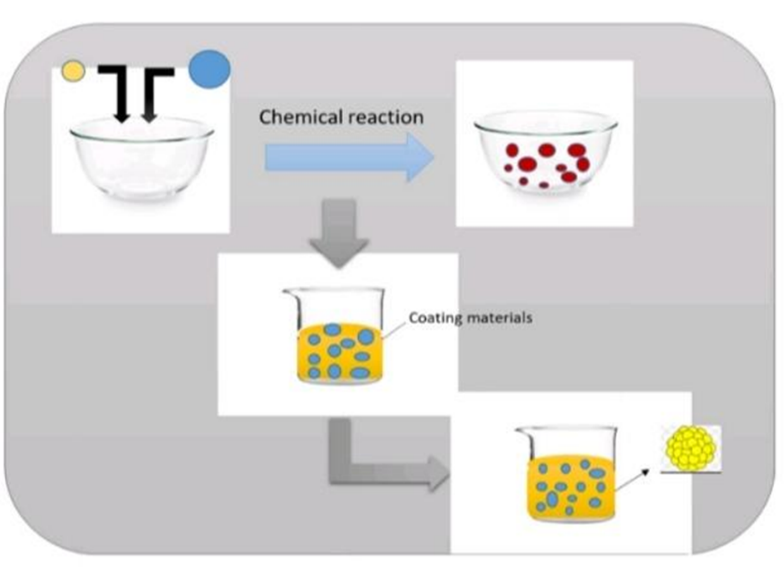
Fig . no 4 : Chemical Method of Platinum Nanoparticles Synthesis.
1. Bacteria
The process of reducing platinum, which is done by certain bacteria often found in various studies [51,52] , can create platinum nanoparticles. Some examples of these bacteria include Acinetobacter calcoaceticus [54] and Desulfovibrio desulfuricans [53] , which are able to produce PtNPs by using bacteria to change platinum (IV) into platinum (0). Typically, this process happens within a day. The best results are seen when the pH is kept below 7.0 and the temperature is below 30°C. Another type of bacteria, Shewanella algae, known for reducing metal ions, produces PtNPs that are about 5 nm in size in its periplasmic space.
2 . Fungi
Using fungi, which are easy to find and can make stable nanoparticles, is a better way to produce platinum nanoparticles biologically [48]. Certain fungal strains, like Fusarium oxysporum, have been found to create slightly spherical, single-crystalline PtNPs with sizes between 20 and 110 nm. The release of high-quality proteins [55] makes the later steps of processing easier, which ultimately leads to a higher yield of nanoparticles [56]
3 . Plant Extract
Plant extracts that have a high amount of phytochemicals such as flavonoids, phenolics, and terpenoids are often used to make nanoparticles. These extracts can help in the synthesis process because they have both reducing and stabilizing properties. To create the extract, plant parts like leaves, stems, or roots are ground or mixed with the right solvent, such as water or ethanol. The platinum precursor is usually a platinum salt, like chloroplatinic acid (H2PtCl6). The plant extract is mixed with this platinum salt. The reducing agents in the extract, like polyphenols, help turn the platinum ions into nanoparticles [57,58] . In one study, diopyros kaki leaf extract was used to treat an aqueous solution of chloroplatinic acid (H2PtCl6.6H2O). Over 90% of the platinum ions were converted into nanoparticles at a temperature of 95°C.
Characterization
Among the techniques used to study platinum nanoparticles, the following are commonly employed:
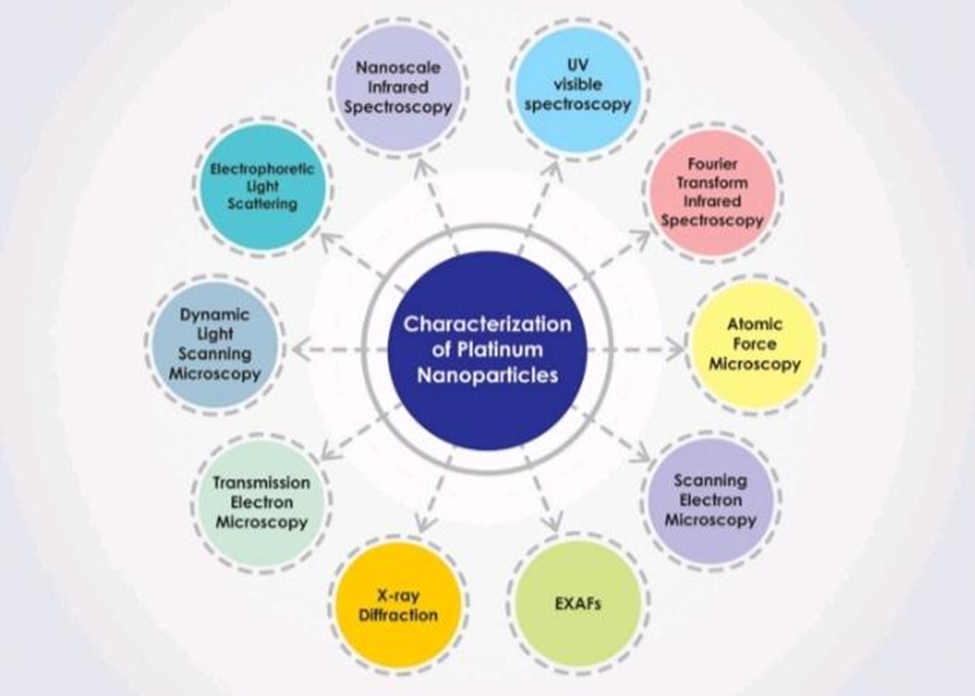
Fig.no 5 : The Different Ways in Which Characterization of Platinum Nanoparticles Can Be Done.
Synthesis Of Platinum Nanoparticles and Their Hybrid Form
PtNPs made through chemical methods can be shaped and sized in different ways based on several factors. These include the temperature of the reaction, the choice of solvent like ethylene glycol, the concentration of the starting material like H2PtCl6, and the type and amount of stabilizer such as polyvinyl pyrrolidone (PVP) and reducing agents like sodium hydroxide [68]
Chemical reduction is the main way to create colloidal nanoparticles.
It involves chemical substances that reduce metallic ions into actual metal nanoparticles. These chemicals can include potassium bitartrate (KC4H5O6), trisodium citrate dehydrate (Na3C6H9O9), ascorbic acid, sodium borohydride (NaBH4), and methoxy polyethylene glycol (CH3O(CH2CH2O)nH). This process can help produce small, spherical PtNPs with diameters of 1-2 nm or 2-3 nm. However, if the concentration of H2PtCl6 is lower, the size and shape might change. As the concentration of H2PtCl6 increases, the size of nanoparticles can grow, and their shapes can become cuboid (5-6 nm), oval (6-8 nm), or flower-shaped (16-18 nm).
The approach described in [69] can be used to make PtNPs.
First, a Brij 58 solution (0.044 M, 1 mL) is mixed with a K2PtCl4 solution (20 mM, 5 mL), and then the mixture is sonicated for 10 minutes. Following that, 5 mL of a 0.04 M solution of L-ascorbic acid is added, and the mixture is sonicated for another 45 minutes. After sonication, the precipitates are collected using three centrifugation steps.
An alternative method [70] involves chemically reducing platinum salt (H2PtCl6·6H2O at 2 mmol/L) with sodium borohydride (NaBH4 at 4 mmol/L) using polyvinyl alcohol as the stabilizer. To ensure a complete reduction, the mixture is stirred continuously for 18 hours, during which time the color becomes a bright yellow, showing that the solution has a colloidal nature.
Using another method [71] , PtNPs can be created by making nanoparticles that show a unique UV-Vis absorption peak at 260 nm. For example, 19.5 mg (5 mM) of H2PtCl6 was treated with 83 mg (43.5 mM) of C6Na2O6 for an hour at 90°C to reduce it.
The same reduction method can also be used to make hybrid Au-Pt NPs.
Starting with ascorbic acid [72] , Na2PtCl6·6H2O is used.
The first step is to create the AuNPs solution. Na2PtCl6·6H2O (1 mM, 0.32 mg) is heated for 10 minutes at 90°C. Then, ascorbic acid (4 mM, 28 mg) is gradually added at 10 and 30-minute intervals. After that, the reaction mixture is heated for another 30 minutes at 90°C. This process considers two stages in the creation of Au-Pt NPs: first, the AuNPs are made and purified using methods described in [73-77] . In
In the second stage, PtNPs are created by adding 18 mL Milli-Q water and 5 mL of the purified AuNPs into a 50 mL round-bottom flask, and keeping the mixture at 100°C for 15 minutes while stirring until it stabilizes. Then, the solution is allowed to homogenize for 10 minutes after adding 1 mL of trisodium citrate dihydrate (68 mM, 0.020 g).
After another addition of the same trisodium citrate solution, the color changes to bluish-purple, indicating a reaction. The reaction is continued for 3 hours, and the final colloidal dispersion has a purple hue. The mixture is then centrifuged at 15,000 rpm for 10 minutes, and the supernatant is taken as the final colloidal solution containing the desired nanoparticles.
A variety of techniques can be used to produce Fe-Pt NPs.
One method involves polyol, as well as using a reaction mixture containing Fe(CO)5, Pt(acac)2, dioctyl ether, 1,2-hexadecanediol, oleic acid, and oleylamine, which is then heated at 290°C with ethanol to extract the FePt NPs. The molar ratio of Pt precursor (Pt(acac)3) and Fe precursor (Fe(acac)3) is the same. Different sizes of Fe-Pt nanoparticles can be made by using precursors such as Pt(acac)2, PtCl2, PtCl4, and H2PtCl6·H2O with the reducing agent 1,2-hexadecanediol and octyl ether. Additionally, the microemulsion method can be used, where an octyl phenyl is used in a water/glycol solution. In an ether/cyclohexane (water-in-oil) microemulsion, FeCl2 as the Fe precursor, H2PtCl6 as the Pt precursor, and NaBH4 as the reducing agent are used.
According to the hypothesized bio/green synthesis [78]
The production of plant extract-mediated PtNPs involves four main steps.
The first step is the bio-reduction of metal ions by plant-based reducing agents to their zero oxidation state.
The second step involves the formation and accumulation of small particles into nanoparticles with enhanced thermal stability.
The third step includes the stabilization and capping of nanoparticles by plant-extracts to achieve a controlled range of shapes and sizes.
The fourth step involves the cleaning and purification of nanoparticles through centrifugation. The reaction time, pH, and temperature can be adjusted to optimize the shape, size, morphology, and crystallinity of the nanoparticles.
Mechanisms of Action of Platinum
Nanoparticles
PtNPs might kill microbes by sticking to their surfaces, getting inside their cell walls, and causing the cells to burst and break apart. This process also leads to the creation of reactive oxygen species such as hydroxyl radicals (.OH) and superoxide (O2.-), which can damage enzymes, DNA, and other parts of the cell [79,80] PtNPs can also kill cancer cells by either passively or actively targeting them inside the cell, leading to breaks in DNA strands. This happens because PtNPs produce ROS, which causes damage to DNA and other important cellular molecules like carbohydrates and proteins. They also interfere with the body's ability to repair DNA and with the process of gene expression, which stops the cell from growing. During apoptosis, free radicals such as hydrogen peroxide (H2O2) and superoxide (O2-) are formed in the cell's cytosol and mitochondria [81-84] . To reduce oxidative stress, the body uses enzymes like catalase (CAT), peroxidase (POD), and superoxide dismutase (SOD). SOD converts superoxide into hydrogen peroxide and oxygen, while POD breaks down hydrogen peroxide. PtNPs have antioxidant properties similar to these enzymes, allowing them to remove ROS and convert hydrogen peroxide into water. Catalase reduces hydrogen peroxide into oxygen and water, helping to reduce oxidative damage without producing harmful hydroxyl radicals through the Fenton reaction.
Application
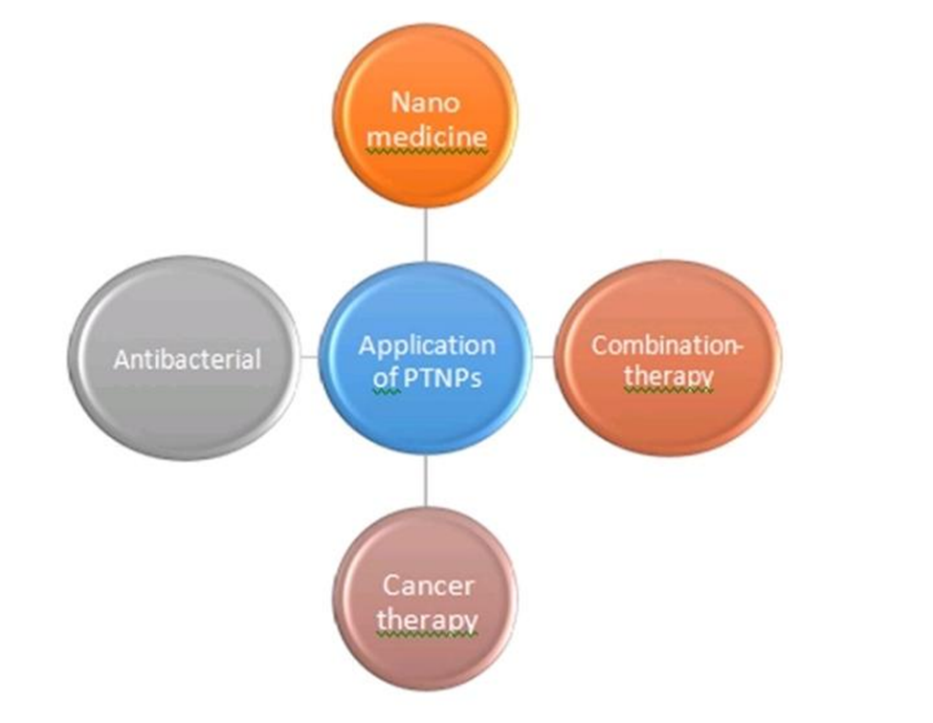
Fig. no 6 : Application of Platinum Nanoparticles.
1 . In Nanomedicine
Because of their ability to treat diseases linked to oxidative stress, like diabetes, atherosclerosis, cancer, and rheumatoid arthritis, platinum nanoparticles have become widely recognized.
Platinum nanoparticles are known for their strong stability and resistance, which makes them suitable for use in human medicine [85]
The enzyme-like properties in nanomedicine
Platinum nanoparticles are important in offering insights into potential treatments for cancer and certain cardiovascular conditions.
For example, PtNPs were placed inside the apoferritin cavity. They demonstrated the ability to neutralize peroxides and superoxides in both cell-free environments and inside cells. They were found to reduce the damage caused by H2O2 in a way that depends on their concentration, helping to prevent apoptosis.
2 . Combination Therapy
Combining platinum nanoparticles (PtNPs) with combination therapy has proven to be helpful in treating complex diseases, especially cancers. Combination treatments increase the effectiveness of therapy and help overcome problems like drug resistance. Using platinum nanoparticles (PtNPs) instead of the platinum-based chemicals currently used in hospitals offers several advantages, such as better biocompatibility, adjustable properties, and a larger surface area, which helps deal with issues related to drug persistence. Using imaging agents with platinum drugs improves how drug-loaded nanoparticles (NPs) spread throughout the tumor and the body. Common drugs used in combination include cyclophosphamide, doxorubicin, paclitaxel, and 5-fluorouracil. Platinum-based drugs create positively charged, reactive molecules that are used in clinical settings [86] These molecules form stable DNA adducts, which cause cancer cells to die [87,88] .Platinum-based drugs are commonly used to treat various cancers, including ovarian cancer, head and neck cancer, and lung cancer. Cisplatin is more effectively delivered into cells using nano-capsules compared to free drugs, leading to a higher concentration of platinum and the formation of cisplatin-DNA adducts in cells like IGROV-1 [89]
3 . In Cancer Therapy
The International Agency for Research on Cancer (IARC) says cancer is still a big cause of death around the world. Each year, there are about 18.1 million new cases and 9.6 million deaths from cancer.[90] This number has been rising over time. Common treatments for cancer include chemotherapy, radiation, hormone therapy, and surgery. Chemotherapy is an important part of cancer treatment, but it can also have some bad side effects. Some of the drugs used in chemotherapy are called platinum-based drugs, like oxaliplatin, cisplatin, and carboplatin. These drugs are made up of platinum(II) complexes that have certain molecules attached to them. On one side, there are two amine groups, and on the other side, there are two chloride groups that are attached to the platinum. The platinum connects to the DNA in cancer cells. Cisplatin is a type of platinum-based drug that works well, with a success rate over 95%. It's used to treat several cancers, including lymphomas, myelomas, colon cancer, skin cancer, ovarian cancer, head and neck cancers, and testicular cancer. Scientists have also used different sizes of nanomaterials to help with treatment. They tested these materials for their effects on human colon cancer cells, called HT29.
4 . In Antibacterial Application
The term "antibacterial" refers to chemicals that either kill bacteria or slow their growth. Antibiotic resistance is a major global concern that threatens health, food safety, and overall progress. Although efforts are being made to address this issue, they are not enough.
There is a growing need for medicines that effectively fight harmful bacteria while being safe for people.
Examples of metallic nanoparticles include silver (Ag), copper (Cu), palladium (Pd), gold (Au), and others. In this context, titanium dioxide (TiO2) and zinc oxide (ZnO) are particularly important.[91] However, the use of these metallic nanoparticles is limited due to their harmful effects when used inside the body.
Factors like shape, size, and surface charge of nanoparticles influence their antibacterial activity.Platinum nanoparticles (PtNPs) have been found to increase the production of ATP, which stops bacterial growth, damages DNA, and leads to bacterial death.
CONCLUSION :
PtNPs demonstrate a specific cytotoxic effect on diseased cell lines compared to healthy ones. However, they show cytotoxicity at higher concentrations and with long-term exposure in in vivo conditions. Therefore, surface-functionalizing PtNPs with polymers or other ligands makes them more suitable for achieving better antimicrobial and anticancer effects, as well as for targeted therapy that reduces systemic toxicity and enables sustained drug release along with antioxidant activity against diseases. In this context, the nanoparticles should be optimized to have more controlled and uniform sizes, which can enhance their biocompatible stability during synthesis, functionalization, and characterization. Also, ensuring consistent batch-to-batch uniformity in the development process before application is essential to achieve better therapeutic outcomes. A detailed investigation into the source of raw materials, production methods, consistent scale-up processes, solubility, biocompatibility, stability, routes of in vivo administration, biodistribution, pharmacokinetics, elimination, accumulation, cell-specific targeting, controlled release, and toxicological concerns for humans with high consistency is necessary before moving towards clinical translation. This is important to consider PtNPs as a drug delivery system and nanomedicine, aiming for maximum biological effectiveness against various diseases.
REFERENCES


Vidya Karhale, Vedant Chimote, Platinum Nanoparticle as Delivery System in Combating Various Diseases, Int. J. of Pharm. Sci., 2025, Vol 3, Issue 12, 2098-2114. https://doi.org/10.5281/zenodo.17909728
 10.5281/zenodo.17909728