

We use cookies to ensure our website works properly and to personalise your experience. Cookies policy
Sigma Institute of Pharmacy, Sigma University, Vadodara
Melatonin is widely used as a sleep aid because of its natural function in controlling the body’s internal circadian rhythm. The present study examines the impact of melatonin supplementation on sleep quality and the duration required to fall asleep across different population groups. It also addresses potential adverse outcomes, including hormonal fluctuations and disruptions in circadian regulation, as well as concerns related to the largely unregulated availability of melatonin in South Korea. To evaluate these aspects, evidence from randomised controlled trials and observational studies was systematically reviewed, with particular attention to variations in dosage and treatment duration in relation to efficacy and safety. Additionally, reports detailing side effects, hormonal changes, and regulatory challenges were analysed. The overall evidence indicates that melatonin supplementation can significantly enhance sleep quality and reduce sleep onset latency, with low doses (approximately 0.5–2 mg) being adequate for most individuals. Increasing the dose does not appear to provide additional sleep benefits and may increase the likelihood of mild side effects such as daytime drowsiness, dizziness, or gastrointestinal discomfort. Although short-term reductions in reproductive hormones such as FSH, LH, and estradiol have been observed, current findings suggest that melatonin use does not result in persistent hormonal disturbances in healthy individuals.
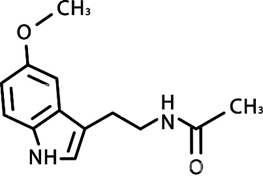
Melatonin, also called N-acetyl-5-methoxytryptamine, is a naturally occurring indoleamine that has been preserved throughout evolution and is mainly produced in the pineal gland of vertebrates. It’s often referred to as the “hormone of darkness” because the body releases higher amounts of it at night and much lower amounts during the day. Although melatonin is best known for helping regulate our body clock and sleep patterns, it also plays many other roles — acting as an antioxidant, supporting the immune system, and even showing potential protective effects against cancer.
At the molecular level, melatonin acts through specific G protein-coupled receptors MT1 and MT2 found throughout the central nervous system and peripheral tissues. These receptors mediate many of melatonin’s chrono biotic effects, such as facilitating sleep onset and adjusting the timing of internal clocks, particularly in conditions like jet lag and shift-work disorder. Melatonin’s actions are not limited to receptor-mediated pathways; it also exerts effects by directly crossing cell membranes due to its amphiphilic nature, interacting with cellular proteins and influencing gene expression patterns related to oxidative stress and inflammation.
Beyond its role in circadian regulation, melatonin is a potent endogenous antioxidant. It directly scavenges a wide array of reactive oxygen and nitrogen species, such as hydroxyl radicals and peroxynitrite, helping to protect DNA, proteins, and lipids from oxidative damage. Additionally, melatonin stimulates antioxidant enzymes, including superoxide dismutase, glutathione peroxidase, and catalase, and supports glutathione production, collectively enhancing cellular defence mechanisms. These antioxidative actions contribute to melatonin’s protective roles in neurodegenerative diseases and other conditions associated with oxidative stress.
In summary, melatonin is more than a simple sleep hormone; it is a versatile regulator with broad implications for circadian biology, antioxidative defence, immune modulation, and potential clinical applications in neurology, oncology, and metabolic health. Continued research is vital to fully elucidate its multifaceted roles and optimise its therapeutic use.
2. BIOSYNTHESIS AND REGULATION
Melatonin is biosynthesised from serotonin primarily in the pineal gland. Its secretion is regulated by the light-dark cycle via the suprachiasmatic nucleus (SCN) of the hypothalamus, the central circadian clock. Light perceived by retinal photoreceptors suppresses melatonin production, while darkness stimulates it.
3. MECHANISM OF ACTION[2-3]
Receptor-Mediated Effects
Melatonin acts mainly through G-protein-coupled receptors MT1 and MT2 expressed in the brain and peripheral tissues. These receptors mediate chronobiotic and neuroendocrine effects, including sleep-wake regulation and modulation of neurotransmission.
Non-Receptor Mechanisms
Melatonin also functions through receptor-independent mechanisms: it readily crosses cell membranes due to its lipophilic nature, interacts with intracellular proteins, and influences gene expression and antioxidant defences directly.
Pathophysiology of Melatonin[4-5]
Melatonin is an endogenous indoleamine hormone that plays a central role in regulating circadian rhythms and maintaining physiological homeostasis. It is primarily synthesised in the pineal gland from the amino acid tryptophan through a multi-step biochemical pathway involving serotonin as an intermediate. The secretion of melatonin is tightly controlled by the light–dark cycle via the suprachiasmatic nucleus (SCN) of the hypothalamus, which acts as the master biological clock. Exposure to darkness stimulates melatonin release, whereas light, particularly blue light, suppresses its synthesis. This rhythmic secretion allows melatonin to act as a biological signal of nighttime to various organs in the body.
melatonin exerts its effects mainly through two G-protein-coupled receptors, MT1 and MT2, which are widely distributed in the brain and peripheral tissues. Activation of MT1 receptors is primarily associated with the inhibition of neuronal firing in the SCN, promoting sleep onset, while MT2 receptors are involved in phase-shifting of circadian rhythms and synchronisation of the sleep–wake cycle. Through these receptor-mediated mechanisms, melatonin modulates sleep architecture, reduces sleep latency, and supports the maintenance of normal circadian timing.
4. DRUG PROFILE OF MELATONIN[6]
Table no.1 drug profile of melatonin
|
Properties |
Melatonin |
|
1.IUPAC name |
n-acetyl-5-methoxptamine |
|
2.drug class |
Hormone -sleep regulator |
|
3.CAS number |
73-31-4 |
|
4.structure |
|
|
5.molecular weight |
232.28g/mol |
|
6.molecular formula |
C13H16N16N2O2 |
|
7.Apperance |
White to yellowish crystalline powder |
|
8.log p |
1.2 |
|
9.Log Pka |
1.15 |
|
10.melting point |
116-118.C |
|
11.uses |
Delayed sleep, Anxiety |
5. PHYSIOLOGICAL ROLES
Circadian and Sleep Regulation
Melatonin synchronises circadian rhythms and has been widely used to treat sleep disturbances, jet lag, and shift-work disorder due to its chronobiotic activity. It influences clock gene expression in the SCN and modulates sleep architecture.
Antioxidant and Anti-Inflammatory Functions
Melatonin is a potent endogenous antioxidant. It directly scavenges reactive oxygen and nitrogen species and upregulates antioxidant enzymes like superoxide dismutase (SOD), catalase, and glutathione peroxidase. It also reduces pro-inflammatory cytokines by modulating pathways such as NF-κB.
Immune Modulation
Melatonin enhances immune responses by affecting cytokine secretion and promoting cellular immunity, potentially contributing to its antitumor effects and resistance to infections.
Metabolic and Endocrine Effects
Melatonin influences energy balance, metabolic regulation, and endocrine hormone secretion. Its dysregulation has been linked to obesity, insulin resistance, and metabolic syndrome.
6. MELATONIN AND DISEASE MODULATION
Cancer
Melatonin exhibits oncostatic properties: inhibiting proliferation, angiogenesis, metastasis, and triggering apoptosis in cancer cells. It interferes with cancer hallmarks and signaling pathways like PI3K/AKT. Its ability to modulate oxidative stress and immune microenvironment contributes to anticancer activity.
Neurodegenerative Disorders
Due to its antioxidant and neuroprotective properties, melatonin is studied in neurodegenerative conditions such as Alzheimer’s and Parkinson’s disease, where oxidative stress and inflammation play key roles.
Cardiovascular Health
Melatonin may influence cardiovascular physiology through mitochondrial dynamics and antioxidant mechanisms. However, emerging clinical evidence indicates potential risks with chronic, high-dose supplementation and associations with heart failure in certain populations.
7. THERAPEUTIC APPLICATIONS
Sleep and Circadian Disorders
Exogenous melatonin is widely used for insomnia and circadian rhythm disturbances due to its favourable safety profile and efficacy in improving sleep onset and quality.
Cancer Adjuvant Therapy
Melatonin is explored as an adjunct in cancer treatments to enhance chemotherapy efficacy, reduce toxicity, and modulate tumour biology.
Other Uses
Research also investigates melatonin in mood disorders, metabolic diseases, and aging due to its pleiotropic effects.
8. SAFETY AND LIMITATIONS
While generally considered safe for short-term use, long-term supplementation may not be risk-free. Some observational data suggest potential cardiovascular risks, emphasizing controlled clinical use and further research.
9. CONCLUSION
Melatonin is a multifunctional hormone with profound impacts on circadian biology, sleep regulation, antioxidant defences, immune modulation, and cancer biology. Its therapeutic applications span sleep medicine, oncology, and metabolic health, although further controlled clinical trials are needed to optimize its use and clarify long-term safety.
REFERENCES


Limbachiya Harsh, Dalwadi Mitali, Patil Priyanka, Patel Sarthik, Bariya Siddhraj, A Comprehensive Review on Melatonin's Biological Functions, Pathophysiology, Mechanisms, and Clinical Importance, Int. J. of Pharm. Sci., 2026, Vol 4, Issue 1, 2690-2694. https://doi.org/10.5281/zenodo.18360622
 10.5281/zenodo.18360622