
View Article

Abstract

Fungal infections represent a significant global health problem, particularly among immunocompromised individuals. Despite the availability of several antifungal agents, such as azoles, polyenes, and echinocandins, their effectiveness is often limited by toxicity, poor bioavailability, and the rapid emergence of drug-resistant fungal strains. This growing resistance crisis has stimulated interest in identifying new, safer, and more effective antifungal alternatives from natural sources. Herbal antifungal agents, rich in diverse bioactive phytochemicals like alkaloids, flavonoids, terpenoids, and phenolics, exhibit broad-spectrum activity against various pathogenic fungi. These compounds act through multiple mechanisms, including disruption of fungal cell membranes, inhibition of ergosterol and chitin synthesis, oxidative stress induction, and interference with biofilm formation. In addition, many plant-derived antifungal compounds demonstrate synergistic effects with conventional drugs, enhancing efficacy and reducing adverse effects. However, challenges such as lack of standardization, variability in phytochemical content, and limited clinical validation restrict their widespread use. Continued research focusing on isolation, characterization, formulation, and clinical evaluation of herbal antifungal compounds could lead to the development of potent, cost-effective, and safer antifungal therapies. Integrating traditional medicinal knowledge with modern pharmacological studies may offer promising avenues for combating fungal infections globally. echinocandins, allylamines, and antimetabolites. These medications primarily target fungal cell membranes or components of the cell wall, such as ergosterol or ?-glucan, in contrast to human cell architecture. Despite these therapeutic options, treating fungal infections is challenging due to drug resistance, limited availability, poor absorption, and expensive treatment costs.Many antifungal drugs have toxicity profiles that limit their long-term usage in addition to resistance. For example, amphotericin B is linked to nephrotoxicity and infusion-related effects while being very effective. Despite being safer, azoles are known to disrupt hepatic enzymes, which may result in drug-drug interactions. The most recent class of antifungal medications, echinocandins, work well against Aspergillus and Candida species but have a narrow range of activity and oral availability. These restrictions draw attention to a crucial gap in the creation of antifungal drugs that are more widely available, less harmful, and more reasonably priced.Natural and herbal sources, which have long been utilized in traditional medical systems, are now the focus of the hunt for novel antifungal chemicals. Many plants, herbs, and their bioactive components, including phenolic acids, alkaloids, terpenes, and flavonoids, have shown encouraging antifungal potential. These phytochemicals work by interfering with fungal enzymes, disrupting fungal membranes, inhibiting ergosterol synthesis, and inducing oxidative stress. Herbal remedies frequently have multi-target activity, which helps lessen the chance of resistance developing, in contrast to traditional antifungal medications. Furthermore, they are appealing substitutes or supplements to synthetic antifungal treatments due to their natural origin, accessibility, and very low toxicity. Although the study of plant-derived antifungal chemicals is not new, interest in this area has recently increased due to developments in molecular biology, phytochemical analysis, and nanotechnology. Hundreds of antifungal chemicals from a variety of botanical sources have been identified and characterized thanks to modern analytical techniques like nuclear magnetic resonance (NMR) spectroscopy, gas chromatography–mass spectrometry (GC–MS), and high-performance liquid chromatography (HPLC). Concurrently, the solubility, stability, and bioavailability of certain phytochemicals have been greatly enhanced by the incorporation of nanotechnology in herbal medicine delivery— through nanoparticles, liposomes, and nanoemulsions. Together, these developments show that herbal antifungal medicines have enormous potential as treatments for systemic and superficial mycoses in the future. Additionally, several studies have demonstrated synergistic benefits when herbal medicines are used with traditional antifungal medications. These combinations can lessen side effects, increase medicinal efficacy, and minimize the necessary dosage. For instance, plant-derived essential oils like those from Thymus vulgaris and Origanum vulgare have been reported to increase the efficacy of traditional antifungal drugs, while combinations of Curcuma longa extract and fluconazole have demonstrated enhanced inhibition against.

Keywords

Herbal antifungals, Phytochemicals, Drug resistance, Antifungal mechanisms, Natural therapeutics

Introduction

Over the past few decades, fungal infections, commonly referred to as mycoses, have grown to be a significant global health concern that affects both immunocompetent and immunocompromised people. Only a few kinds of fungi are harmful to humans, despite the fact that they are an integral element of the ecological system. However, a variety of ailments, from minor skin infections to potentially fatal systemic illnesses, can be brought on by these pathogenic fungi. Advances in medical procedures that decrease host immunity, such as organ transplantation, chemotherapy, long-term corticosteroid therapy, and the use of broad-spectrum antibiotics, have been closely associated with an increase in invasive fungal infections. Aspergillus fumigatus, Fusarium species, Candida albicans, and Cryptococcus neoformans are examples of opportunistic diseases that have become major global sources of sickness and mortality. Because of their complicated biology and the parallels between fungal and human cells, fungal diseases are especially difficult to treat. Fungi, in contrast to bacteria, are eukaryotic creatures with cellular machinery and metabolic pathways that resemble those of human cells. The number of safe and efficient antifungal medication targets is significantly reduced by this biological similarity, which causes problems with toxicity and selectivity in antifungal therapy. Polyenes, azoles, echinocandins, allylamines, and antimetabolites are the main groups of antifungal medications that are currently on the market. In contrast to human cell architecture, these drugs mainly target fungal cell membranes or cell wall components like ergosterol or β- glucan. Drug resistance, limited availability, poor absorption, and high treatment costs make it difficult to treat fungal infections despite these therapeutic choices. Fungal illnesses are particularly challenging to cure due to their complex biochemistry and the similarities between fungal and human cells. Unlike bacteria, fungi are eukaryotic organisms with cellular machinery and metabolic processes similar to human cells. This biological similarity greatly reduces the number of safe and effective targets for antifungal medications, which leads to issues with toxicity and selectivity in antifungal therapy. The primary classes of antifungal drugs currently available on the market are polyenes, azoles, Candida species. These complementary effects show how combining traditional herbal knowledge with contemporary pharmacological research might result in novel and potent antifungal treatments.

In conclusion, the development of novel, safe, and efficient treatment agents is required due to the rising prevalence of fungal infections worldwide, the rise of resistance strains, and the shortcomings of existing antifungal medications. Herbal antifungal compounds are a promising alternative in the development of antifungal drugs because of their wide range of action, potential for many targets, and reduced toxicity. To fully realize the promise of natural antifungal agents, more study into phytochemical processes, pharmacokinetics, formulation improvements, and clinical validation will be necessary. The purpose of this review is to examine the many groups of herbal antifungal drugs, their modes of action, current advancements, and potential uses in the fight against fungal infections.
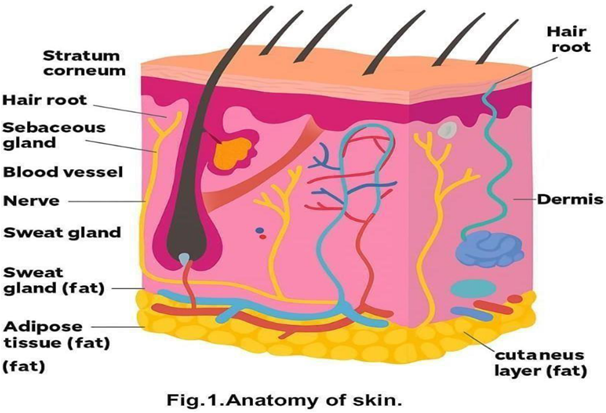
1. Classification of Herbal Antifungal agents.

Most herbal antifungal agents belong to specific phytochemical classes, which are secondary metabolites responsible for the plant’s defense mechanism. Each class contains compounds that act.

Phytochemical Class

Representative Compounds

Mechanism of Antifungal

Alkaloids

Berberine, Piperine, Solasodine

Disrupt fungal cell membrane and inhibit ergosterol synthesis Berberis aristata, Piper nigrum, Solanum nigrum

Flavonoids

Quercetin, Kaempferol, Catechin

Inhibit fungal enzymes and oxidative stress; disrupt hyphal growth Camellia sinensis, Citrus limon, Azadirachta indica

Terpenoids and Essential Oils

Limonene,

Menthol,

Eugenol, Thymol

Damage fungal cell membranes; inhibit  ergosterol  and   β-glucan synthesis Mentha piperita, Thymus vulgaris, Ocimum sanctum

Phenolic Compounds

Cinnamic acid, Gallic acid, Tannins

Denature fungal proteins;  interfere with spore germination Cinnamomum  zeylanicum, Punica granatum, Terminalia chebula

Saponins

Dioscin, Hederagenin

Increase membrane permeability leading to leakage of cell contents Glycyrrhiza glabra, Sapindus mukorossi, Tribulus terrestris

Coumarins

Scopoletin, Umbelliferone

Interfere with fungal respiration and spore germination Angelica archangelica, Citrus aurantium, Ferula asafetida

Tannins

Ellagitannin, Gallotannin

Precipitate fungal proteins  and inhibit  enzymes Acacia  nilotica, Quercus infectoria, Syzygium aromaticum

2. Classification Based on Mechanism of Action

Herbal antifungal agents can also be classified according to their mode of antifungal activity, which determines their potential clinical use:

Mechanism of Action

Example Compounds / Plants Targeted Fungi

Membrane Disruption

Eugenol (Syzygium aromaticum), Thymol (Thymus vulgaris) Candida albicans, Aspergillus niger

Inhibition of Ergosterol Biosynthesis

Terpenoids and alkaloids (Ocimum sanctum, Berberis aristata) Candida tropicalis, Trichophyton rubrum

Inhibition of Fungal Enzymes

Flavonoids (Camellia  sinensis),  Phenolic acids (Cinnamomum verum) Cryptococcus neoformans, Fusarium oxysporum

Inhibition of Spore Germination

Coumarins, Tannins  (Angelica  archangelica, Acacia  nilotica) Penicillium,  Mucor spp.

Coumarins, Tannins (Angelica   archangelica, Acacia nilotica) Penicillium, Mucor spp.

Polyphenols (Curcuma longa, Punica granatum)

Candida spp., Aspergillus fumigatus

3. Based on Plant Classification Source and Traditional Use

Medicinal plants with antifungal properties are also grouped according to their ethnobotanical and geographical origin:

Traditional System

Representative Plants

Common Fungal Targets

Ayurvedic

Curcuma longa, Azadirachta indica, Ocimum sanctum Candida

Aspergillus, Trichophyton

Traditional Chinese Medicine (TCM)

Glycyrrhiza glabra, Cinnamomum cassia, Scutellaria baicalensis

Candida albicans, Cryptococcus neoformans

African Traditional Medicine

Allium sativum, Zingiber Officinale, Aloevera

Microsporum, Fusarium, Candida

Western Herbal Medicine

Thymus Vulgaris, Mentha piperita, Origanum vulgare

Candida, Malassezia, Aspergillus

4. Based on Target Site Classification

Depending on where they act within the fungal cell, herbal antifungal agents may be grouped as:

  1. Cell Membrane-Active Agents: Disrupt fungal plasma membranes by binding to ergosterol or altering lipid composition (e.g., eugenol, thymol).
  2. Cell Wall-Active Agents: Inhibit β-glucan or chitin synthesis (e.g., saponins, terpenoids).
  3. Mitochondrial or Metabolic Inhibitors: Interfere with fungal energy metabolism (e.g., alkaloids, coumarins).
  4. Enzyme Inhibitors: Block fungal enzymes like chitinase, phospholipase, or sterol demethylase (e.g., flavonoids, tannins).
  5. Antioxidant and ROS-Inducing Agents: Alter redox balance in fungal cells leading to apoptosis (e.g.,polyphenols,curcuminoids).

5. Combined and Synergistic Herbal Agents

Several studies have demonstrated that combining different herbal extracts or phytochemicals can produce synergistic antifungal effects.

For instance:

  • Curcuma longa (curcumin) + Azadirachta indica extract showed enhanced inhibition against Candida albicans.
  • Essential oils of Thymus vulgaris and Origanum vulgare increased the efficacy of fluconazole.
  • Allium sativum extract enhanced the activity of amphotericin B against resistant Candida species.

These synergistic effects support the potential for herbal–synthetic combination therapy, offering improved efficacy, reduced toxicity, and lower resistance development. Mechanisms of Action of Herbal Antifungal Agents.
The antifungal efficacy of medicinal plants is attributed to diverse phytochemicals that act on multiple cellular targets within fungal pathogens. Unlike synthetic antifungal drugs, which often act through a single specific pathway (e.g., ergosterol inhibition by azoles), herbal Agents display a multifaceted mechanism of action, thereby reducing the likelihood of resistance development. The major mechanisms of action include cell membrane disruption, inhibition of cell wall synthesis, interference with ergosterol biosynthesis, enzyme inhibition, oxidative stress induction, and inhibition of fungal virulence factors.

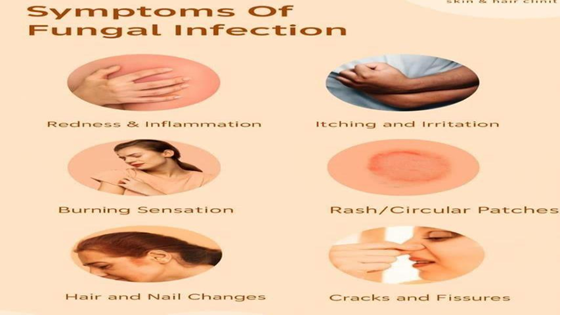
Symptoms of fungal infection

Principal Groups of Phytochemicals with Antifungal Properties:

Numerous secondary metabolites with strong antifungal properties are produced by medicinal plants. The plant uses these phytochemicals as a natural defense against environmental stress and microbial invasion. These substances are very interesting in pharmacognosy and medication development since they target a variety of fungal pathways with little damage to host cells. Alkaloids, flavonoids, terpenoids, phenolic compounds, saponins, tannins, and coumarins are the main phytochemical groups that show antifungal activity.

1. Alkaloids

Source and Definition: Alkaloids are heterocyclic chemicals that include nitrogen and are frequently found in families including the Papaveraceae, Solanaceae, and Berberidaceae. Quinine, piperine, berberine, and solasodine are a few examples.

Action Mechanism: interfere with the production of ergosterol in fungal membranes. Affect DNA replication and repair via inhibiting fungal topoisomerase and protein kinases. Produce reactive oxygen species (ROS) and cause mitochondrial dysfunction.

Activities and Examples: Aspergillus fumigatus and Candida albicans are both strongly inhibited by berberine from Berberis aristata. Fungal cell membrane permeability is disrupted and hyphal development is inhibited by piperine from Piper nigrum.

2. Flavonoids

Source and Definition: Polyphenolic chemicals called flavonoids are found in many fruits, vegetables, and medicinal plants like Azadirachta indica, Citrus limon, and Camellia sinensis. Quercetin, kaempferol, naringenin, and apigenin are examples of common antifungal flavonoids.

Action Mechanism: impede the formation of ergosterol and damage fungal cell membranes. Inhibit important enzymes including α- glucosidase, β-glucan synthase, and chitin synthase. Demonstrate metal-chelating and antioxidant properties that disrupt fungal metabolism.

Activities and Examples: Fungistatic action is demonstrated by quercetin against Aspergillus, Trichophyton, and Candida species. Kaempferol increases susceptibility to antifungal medications by blocking fungal efflux pumps.

  1. Essential Oils and Terpenoids

Source and Definition: Terpenoids, which are made up of isoprene units, are one of the biggest types of natural compounds. Aromatic plants including Thymus vulgaris, Mentha piperita, Ocimum sanctum, and Cymbopogon citratus are rich in them. Eugenol, thymol, menthol, citral, and limonene are important antifungal terpenoids.

Action Mechanism: cause fungal plasma membranes to rupture, allowing ions and cytoplasmic substances to seep out. Prevent the formation of ergosterol by inhibiting its enzymes. Cause oxidative stress and have an impact on mitochondrial respiration.

Activities and Examples: Both thymol (found in thyme oil) and eugenol (found in clove oil) exhibit potent fungicidal activity against Aspergillus niger and Candida albicans. Fungal spore germination and biofilm formation are inhibited by menthol and citral.

  1. Phenolic Substances

Source and Definition: Aromatic compounds with hydroxyl groups attached to a benzene ring are known as phenolics. Plants such as Terminalia chebula, Punica granatum, and Cinnamomum verum contain them. Cinnamic acid, gallic acid, ferulic acid, and caffeic acid are important antifungal phenolics.

Action Mechanism: Disrupt enzyme systems and denature fungal proteins. Modify the permeability of the membrane and prevent spore germination. Chelate the metal ions required for the action of fungal enzymes.

Activities and Examples: Fungal germination and cell wall formation are inhibited by cinnamic acid. By causing damage to fungal mitochondria, gallic acid demonstrates fungicidal properties.

6.Tannins

Definition and Source: Tannins are high-molecular-weight polyphenolic compounds found in Acacia nilotica, Quercus infectoria, and Syzygium aromaticum. They are classified as hydrolysable tannins (e.g., gallotannins, ellagitannins) and condensed tannins (e.g., proanthocyanidins).

Mechanism of Action: Precipitate fungal cell wall proteins, hindering enzyme function. Block nutrient uptake by forming complexes with metal ions. Inhibit fungal enzymes like amylase and cellulase.

Examples and Activity: Tannin-rich extracts from Terminalia chebula inhibit Aspergillus flavus growth. Acacia nilotica tannins exhibit potent inhibition of Candida albicans.

7. Coumarins

Definition and Source: Coumarins are benzopyrone derivatives found in Angelica archangelica, Ferula asafoetida, and Citrus aurantium. Examples include scopoletin, umbelliferone, and esculetin.

Mechanism of Action: Inhibit fungal spore germination and hyphal extension. Interfere with respiratory chain enzymes and energy production. Exhibit antioxidant and metal-chelating properties that disrupt fungal metabolism.

Examples and Activity: Scopoletin from Citrus species suppresses Candida albicans biofilm formation. Umbelliferone inhibits Aspergillus fumigatus by blocking mitochondrial respiration.

Other Phytochemical Classes with Antifungal Potential

Beyond the major classes above, several other phytochemical groups also demonstrate antifungal properties: Quinones (e.g., plumbagin, juglone) — interfere with fungal respiration and generate ROS. Lignans (e.g., podophyllotoxin, matairesinol) — inhibit fungal DNA replication. Steroids and sterols (e.g., β-sitosterol) — modulate membrane permeability and ergosterol function.

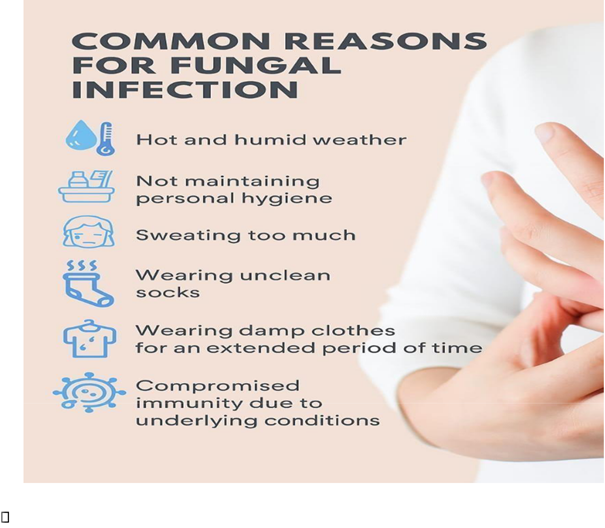
CAUSES
Clinical Application and Efficacy of Herbal Antifungal Agents

Due to rising resistance to traditional antifungal medications, high treatment costs, and drugrelated toxicities, the therapeutic use of herbal antifungal medicines has drawn increasing attention. A wide range of bioactive substances with complex modes of action, less adverse effects, and better patient tolerance are available in herbal medicines. Many Fungal infections of Plant-derived formulations, either alone or in conjunction with conventional antifungal medications, have demonstrated clinical success in treating both superficial and systemic fungal infections.

Herbal antifungal medicines are mostly used to treat oral and vaginal fungal infections, dermatophytosis, candidiasis, onychomycosis, and infrequently systemic mycoses. Creams, gels, ointments, tinctures, oral tablets, decoctions, and preparations based on essential oils are among their formulations.

Dermatophytes: Infections caused by dermatophytes Tinea infections of the skin, nails, and hair are caused by dermatophytes such Trichophyton, Microsporum, and Epidermophyton. Topical preparations for tinea corporis, tinea pedis, and tinea cruris frequently contain extracts from Azadirachta indica (neem), Lawsonia inermis (henna), and Curcuma longa (turmeric). According to clinical research, neem oil (5–10%) cream reduces erythema, scaling, and itching just as well as clotrimazole while having fewer adverse effects. In mild-to-moderate cases, curcuma longa paste used twice a day for two weeks completely cleared dermatophyte lesions.

Candidiasis: One of the most prevalent fungal infections affecting cutaneous and mucosal surfaces is candidiasis. Strong antifungal action against Candida albicans has been shown by garlic (Allium sativum) extract including allicin, especially in instances that are resistant to azole therapy. Formulations including tea tree oil and aloe vera gel have demonstrated clinical improvement in vulvovaginal candidiasis, decreasing discharge and irritation.

Onychomycosis: Trichophyton rubrum and Candida parapsilosis nail infections can be effectively treated using herbal oils high in terpenoids, such as tea tree oil, eucalyptus oil, and oregano oil. In 60–65% of patients with mild onychomycosis, topical treatment of 100% tea tree oil twice daily for six months showed full recovery. Attained a notable improvement as a result of its inherent antifungal components.

The mouth and vagina : Numerous herbal remedies have been investigated for vaginal candidiasis and oral thrush. In a pilot clinical research for oral candidiasis, curcumin mouthwash (0.1%) was found to be just as effective as fluconazole rinse.

Mycoses of the System: Some plant-derived chemicals show promise, although pharmacokinetic issues restrict the use of herbal antifungal medicines for systemic fungal infections: In animal models, berberine (derived from Berberis aristata) inhibits the growth of Cryptococcus neoformans, demonstrating systemic antifungal properties. In preclinical research, curcumin and amphotericin B have demonstrated synergistic effect against invasive Candida infections, decreasing medication toxicity.

Clinical efficacy and corporative studies

In vitro, in vivo, and human investigations have demonstrated the clinical effectiveness of herbal antifungal medicines. However, outcome consistency is impacted by variations in patient population, dosage, and extract standardization. Examples of Herbal Agents, Formulations, Clinical Indications, Results, and Efficacy Azadirachta indica (cream made from neem oil) 80– 90% of tinea infections are cured, and inflammation is decreased. Curcuma longa (paste made from turmeric) Mycoses of the skin Similar to ketoconazole for minor infections Allium sativum (extract from garlic) Oral candidiasis Effective against strains resistant to fluconazole Melaleuca alternifolia, or tea tree oil Onychomycosis: 60– 65% full recovery; decreased recurrence Aloe vera gel Vaginal candidiasis Better repair of the mucosa and less symptoms Extract.

Synergistic Efficacy and Combination Therapy : When combined with conventional antifungal medications, herbal antifungal medicines frequently show synergistic interactions. In Candida albicans, curcumin plus fluconazole increased membrane disruption and decreased ergosterol production. Amphotericin B with thymol: reduced amphotericin-induced nephrotoxicity and increased fungicidal activity. When combined with ketoconazole, garlic extract reduced MIC values against resistant Candida isolates by more than four times. These combination strategies have the potential to reduce therapeutic dosages, enhance clinical efficacy, and reduce drug resistance. Cinnamomum verum Dermal candidiasis increased reaction; synergistic with nystatin.

Toxicological and Safety Considerations

Although the safety profiles of herbal antifungal drugs vary depending on concentration, formulation, and duration of use, they are usually thought to be safe. When applied undiluted, essential oils such as eugenol and thymol can result in contact dermatitis. Patients with liver problems and pregnant women should exercise caution when using Berberine systemically. To guarantee clinical dependability, standardization and toxicity testing are essential. Herbal remedies are generally less harmful than azoles or polyenes, which makes them appealing substitutes, especially for long-term topical treatment.

Limitations and Challenges

Despite promising outcomes, several limitations hinder large-scale clinical acceptance.

  • Variability in phytochemical content due to differences in plant origin and extraction methods.
  • Lack of standardized clinical protocols and regulatory approval in many countries.
  • Limited pharmacokinetic data and dose optimization studies.
  • Potential for herb–drug interactions when used alongside conventional antifungals.

Prospects for the Future

The goal of ongoing clinical research is to improve the effectiveness of herbal antifungals by using synergistic medication combinations, standardized polyherbal formulations, and nanoparticle delivery technologies. Improved skin penetration, bioavailability, and stability have been demonstrated by nano-curcumin, neem oil nanoemulsions, and chitosan-based herbal gels, indicating a bright future for herbal antifungal treatments.

CONCLUSION

With the growing number of immunocompromised individuals from HIV/AIDS, organ transplantation, cancer chemotherapy, and long-term corticosteroid therapy, fungal infections pose a rising threat to global health. Globally, opportunistic fungal diseases such Aspergillus fumigatus, Candida albicans, Cryptococcus neoformans, and Trichophyton species cause a great deal of morbidity and mortality. The therapeutic arsenal is still small, and the advent of multidrugresistant fungus strains has drastically decreased treatment efficacy despite the availability of various antifungal classes, such as polyenes, azoles, echinocandins, and allylamines.

In this regard, there is growing scientific and clinical interest in herbal antifungal medicines. Phytochemicals with strong antifungal properties through various mechanisms, including flavonoids, terpenoids, alkaloids, tannins, saponins, and phenolic acids, are abundant in medicinal plants. Targeting essential fungal structures and metabolic pathways, these substances frequently exhibit broad-spectrum activity with little harm to mammalian cells. Herbal antifungal agents work through polypharmacological mechanisms, such as disruption of cell membrane integrity, inhibition of ergosterol and cell wall biosynthesis, induction of oxidative stress, and suppression of virulence factors like enzyme secretion and biofilm formation, in contrast to conventional drugs that act through single targets.Plant extracts and common antifungal medications like amphotericin B and fluconazole have been shown to interact synergistically in a number of investigations. These combinations can lessen toxicity by increasing membrane permeability, improving drug absorption, and lowering the effective dose of synthetic medications. This interaction creates opportunities for integrated antifungal therapy, which combines conventional and natural medicines to improve patient outcomes. Furthermore, the application of cutting-edge nanotechnology- based delivery systems, like liposomes, nanoparticles, and nanoemulsions, has demonstrated promise in improving the solubility, stability, and bioavailability of antifungal chemicals originating from plants. Despite these promising results, the therapeutic application of herbal antifungal medicines is hampered by a number of issues. The lack of standardization of plant extracts, seasonal and geographic variations in the concentration of active compounds, and the paucity of information on pharmacokinetics, bioavailability, and toxicity are the main obstacles.

Furthermore, there aren’t many carefully planned clinical trials to verify safety and effectiveness in humans, and the majority of research is still limited to in vitro and animal studies. The adoption of herbal antifungal formulations in conventional medicine is further hampered by the lack of global regulatory standards and reliable quality control procedures. Future studies should focus on the structural characterisation and separation of active antifungal components utilizing bioassayguided fractionation in order to solve these problems. Cutting-edge analytical methods like HPLC, GC–MS, and LC–MS/MS can aid in the identification of powerful compounds and make it easier to create standardized formulations. Moreover, systems biology techniques, omics-based research, and molecular docking help clarify the molecular mechanisms behind antifungal action and resistance regulation. To speed up drug discovery from natural sources, interdisciplinary cooperation between pharmacologists, microbiologists, and phytochemists will be crucial.

Randomized, placebo-controlled human studies should be the main focus of clinical development in order to assess the pharmacokinetics, safety profile, and therapeutic efficacy of promising herbal antifungal agents. To guarantee consistency and reproducibility, strict quality assurance procedures and the establishment of worldwide pharmacopoeial standards for herbal medicines are essential. Furthermore, combining contemporary pharmacological validation with traditional knowledge systems like Ayurveda, Unani, and Traditional Chinese Medicine may provide new antifungal leads. The creation of inexpensive and potent herbal antifungal agents could have a revolutionary influence on world health, particularly in low- and middle-income nations where then prevalence of fungal infections is high and access to contemporary antifungal medications is still restricted. Through the use of contemporary scientific advancements and the abundant biodiversity of medicinal plants, safer,economical and sustainable antifungal treatments. In conclusion, the development of resistance, toxicity, and limited efficacy highlight the critical need for innovative, plant-based antifungal methods, even though synthetic antifungal drugs are still essential in clinical practice. Herbal antifungal medicines have enormous potential as both standalone treatments and supplements to current antifungal regimens due to their varied modes of action and biocompatibility. Future work must concentrate on standardization, formulation improvement, mechanistic clarification, and strong clinical validation in order to fully fulfill this potential. In order to combat fungal infections and the growing threat of antifungal resistance, it will be essential to bridge the gap between ancient herbal wisdom and contemporary pharmacological research

REFERENCES

  1. Odds FC. Antifungal agents: mode of action, mechanisms of resistance, and correlation of these mechanisms with bacterial antimicrobial resistance. Clin Microbiol Rev. 2003;16(1):79-88.
  2. Andes D, Safdar N, Marchillo K, Conklin R. Pharmacodynamics of antifungal agents in clinical applications. Antimicrob Agents Chemother. 2000;44(8):2301-2312.
  3. Arendrup MC, Patterson TF. Multidrug-resistant fungal infections: Epidemiology, clinical impact, and treatment options. Drugs. 2017;77(4):343-368.
  4. Walsh TJ, Dixon DM. Overview of antifungal agents. Clin Infect Dis. 2009;48(4):365- 371.
  5. Ghannoum MA, Rice LB. Antifungal agents: mode of action, resistance mechanisms, and correlation with antibacterial resistance. Clin Microbiol Rev. 1999;12(4):501-517.
  6. Silva JN, Santos CG, Oliveira AL, Rodrigues CF. Natural products as antifungal agents against invasive fungi. Front Microbiol. 2023;14:1142701.
  7. Martin KW, Ernst E. Herbal medicines for treatment of fungal infections: a systematic review of controlled clinical trials. Mycoses. 2004;47(5-6):278-288.
  8. Qureshi M, Sultana V, Ara J, Ehteshamul-Haque S. Antifungal activity and mechanism of action of natural products: a review. J Appl Microbiol. 2012;113(2):291-302.
  9. Chakrabarti A, Singh S. Tackling the emerging threat of antifungal resistance to human health. Nat Rev Microbiol. 2022;20(9):521-528.
  10. Thornton CR. Detection of invasive fungal pathogens: current and emerging technologies. Nat Rev Microbiol. 2020;18(9):665-678.
  11. Zida A, Bamba S, Yacouba A, Ouedraogo-Traore R, Guiguemdé RT. Anti-Candida albicans natural products: an update. J Mycol Med. 2017;27(1):1-12.
  12. Cowen LE. The evolution of fungal drug resistance: modulating the trajectory from genotype to phenotype. Nat Rev Microbiol. 2008;6(3):187-198.
  13. Lortholary O, Renaudat C, Sitbon K, Desnos-Ollivier M, Bretagne S, Dromer F. Widespread emergence of azole-resistant Aspergillus fumigatus strains. Clin Infect Dis. 2011;52(8):e198-e201.
  14. Bhatnagar S, Gautam HK. Antifungal activity of plant essential oils and their major constituents against Candida species. Indian J Med Microbiol. 2018;36(3):442-446.
  15. Subramaniam R, Ramalingam R. Herbal approaches for the management of fungal infections: A review. Pharmacogn Rev. 2021;15(29):50-62.
  16. Perlin DS. Mechanisms of echinocandin antifungal drug resistance. Ann N Y Acad Sci. 2015;1354:1-11.
  17. Pappas PG, Lionakis MS, Arendrup MC, Ostrosky-Zeichner L, Kullberg BJ. Invasive candidiasis. Nat Rev Dis Primers. 2018;4:18026.
  18. White TC, Marr KA, Bowden RA. Clinical, cellular, and molecular factors that contribute to antifungal drug resistance. Clin Microbiol Rev. 1998;11(2):382-402.
  19. Kaur R, Dhakad MS, Goyal R. Herbal antifungal agents: current status and future prospects. J Herb Med. 2020;21:100344.
  20. Brown GD, Denning DW, Gow NA, Levitz SM, Netea MG, White TC. Hidden killers: human fungal infections. Sci Transl Med. 2012;4(165):165rv13
  21. Fisher MC, Alastruey-Izquierdo A, Berman J, Bicanic T, Bignell EM, Bowyer P, et al. Tackling the emerging threat of antifungal resistance. Nature Microbiol. 2022;7(3):361-371.
  22. Casadevall A, Kontoyiannis DP, Robert V. On the emergence of Candida auris: climate change, azoles, and antifungal resistance. mBio. 2019;10(4):e01397-19.
  23. Gupta AK, Foley KA. Antifungal treatment for onychomycosis: new and emerging therapies. J Fungi (Basel). 2019;5(3):87.
  24. Denning DW, Bromley MJ. Infectious disease: How to bolster the antifungal pipeline. Science. 2015;347(6229):1414-1416.
  25. Hamzah RU, Egwim EC, Kabiru AY, Muazu MB. Medicinal plants and natural products with antifungal properties: A review. J Herb Med Pharmacol. 2018;7(3):145-155.
  26. Rodrigues CF, Silva S, Henriques M. Candida glabrata: a review of its features and resistance. Eur J Clin Microbiol Infect Dis. 2014;33(5):673-688.
  27. Wiederhold NP. The antifungal arsenal: alternative drugs and future targets. Int J Antimicrob Agents. 2017;50(3):333-339.
  28. Perfect JR. The antifungal pipeline: a reality check. Nat Rev Drug Discov. 2017;16(9):603-616.
  29. Lionakis MS, Netea MG. Candida and host determinants of susceptibility to invasive candidiasis. PLoS Pathog. 2013;9(1):e1003079.
  30. Bongomin F, Gago S, Oladele RO, Denning DW. Global and multi-national prevalence of fungal diseases—estimate precision. J Fungi (Basel). 2017;3(4):57.
  31. Samaranayake LP, Keung Leung W, Jin L. Oral mucosal fungal infections. Periodontol 2000. 2009;49(1):39-59.
  32. Pappas PG. Antifungal drug resistance: a current perspective. Infect Dis Clin North Am. 2016;30(2):509-522.
  33. Lu M, Li T, Wan J, Li X, Yuan L, Sun S. Synergistic antifungal effects of natural products combined with azoles against Candida species. Front Microbiol. 2018;9:1593.
  34. Freires IA, Denny C, Benso B, de Alencar SM, Rosalen PL. Antibacterial and antifungal activity of essential oils: a review. J Dent Res. 2015;94(12):183-191.
  35. Tariq S, Wani S, Rasool W, Shafi K, Bhat MA, Prabhakar A, et al. A comprehensive review of the antibacterial, antifungal and antiviral potential of essential oils and their chemical constituents. Microb Pathog. 2019;134:103580.
  36. Bouyahya A, Bakri Y, Et-Touys A, Talbaoui A, Fellah H, Abrini J, et al. Chemical composition of Rosmarinus officinalis and Thymus zygis essential oils and their antifungal activities. Asian Pac J Trop Biomed. 2017;7(4):405-411.
  37. Dey S, Bishayi B. Role of natural products in combating antifungal drug resistance: a review. Front Pharmacol. 2023;14:1176009.
  38. Shreaz S, Bhatia R, Khan N, Muralidhar S, Manzoor N. Plant-derived compounds as antifungal agents: current status and future perspectives. Phytother Res. 2016;30(6):1005-1021.
  39. Cowen LE, Sanglard D, Howard SJ, Rogers PD, Perlin DS. Mechanisms of antifungal drug resistance. Cold Spring Harb Perspect Med. 2015;5(7):a019752.
  40. Pierard GE, Arrese JE, Pierard-Franchimont C. Itraconazole. Expert Opin Pharmacother. 2001;2(7):1225-1238.
  41. Fuentefria AM, Pippi B, Lana AD, Donato KK. Antifungal biofilm resistance and the potential of natural products to overcome it. Phytomedicine. 2018;56:123-132.
  42. Uppuluri P, Nett J, Heitman J, Andes D. Biofilm formation by Candida albicans and its clinical significance. Future Microbiol. 2009;4(10):1235-1247.
  43. Prasad R, Rawal MK. Efflux pump proteins in antifungal resistance. Front Pharmacol. 2014;5:202.
  44. Lyu X, Zhao C, Yan Z, Hua H. Efficacy of essential oils in treatment of Candida albicans infection: a systematic review. Front Microbiol. 2021;12:713486.
  45. Kamatou GP, Viljoen AM. A review of the application and pharmacological properties of α-bisabolol and α-bisabolol-rich oils. J Am Oil Chem Soc. 2010;87(1):1-7.
  46. Bansod S, Rai M. Antifungal activity of essential oils from Indian medicinal plants against human pathogenic Aspergillus fumigatus and A. niger. World J Med Sci. 2008;3(2):81-88.
  47. Shahi SK, Shukla AC, Bajaj AK. Antifungal activity of medicinal plant extracts against dermatophytes. Mycoses. 2000;43(3-4):77-83.
  48. Pawar P, Narkhede S, Pise A, Jadhav S. Evaluation of antifungal activity of herbal extracts against Candida species. Int J Pharm Sci Res. 2019;10(5):2309-2314.
  49. Nweze EI, Eze EE. Justification for the use of herbal preparations in dermatophytosis: a review. Int J Microbiol. 2009;2009:527-586.
  50. Chanda S, Rakholiya K. Combination therapy: synergism between natural plant extracts and antibiotics against infectious diseases. Sci Against Microb Pathog Commun Curr Res Technol Adv. 2011;2:520-529.
  51. Moges F, Eshetie S, Endris M. In vitro antifungal activity of some selected medicinal plants against Candida albicans. Asian Pac J Trop Biomed. 2014;4(5):389-392.
  52. Hussein RA, El-Anssary AA. Plants secondary metabolites: the key drivers of the pharmacological actions of medicinal plants. Herbal Medicine. IntechOpen; 2018. P.11-30.
  53. Dissanayake AJ, Zhang W, Xu J, Hyde KD. The global impact of fungi. Microbiol Spectr. 2018;6(2):10.
  54. Duraipandiyan V, Ignacimuthu S. Antifungal activity of traditional medicinal plants from Tamil Nadu, India. Asian Pac J Trop Biomed. 2011;1(2):S204–S215.
  55. Anitha R, Jayachitra A. Antifungal potential of selected medicinal plant extracts against Candida species. Asian J Pharm Clin Res. 2012;5(4):120-122.
  56. Kaur G, Athar M, Alam MS. Eugenol precludes cutaneous fungal infection by modulating oxidative stress and inflammation. Fitoterapia. 2010;81(8):1223-1231.
  57. Pandey AK, Kumar P, Singh P, Tripathi NN, Bajpai VK. Essential oils: sources of antimicrobials and food preservatives. Front Microbiol. 2017;7:2161.
  58. Ghosh V, Mukherjee A, Chandrasekaran N. Eugenol-loaded antimicrobial nanoemulsion preserves fruit juice against, microbial spoilage. Colloids Surf B Biointerfaces. 2014;114:392397.
  59. Palaniappan K, Holley RA. Use of natural antimicrobials to increase antibiotic susceptibility of drug resistant bacteria. Int J Food Microbiol. 2010;140(2-3):164-168
  60. Ahmad A, Khan A, Akhtar F, Yousuf S, Xess I, Khan LA, et al. Fungicidal activity of thymol and carvacrol by disrupting ergosterol biosynthesis and membrane integrity against Candida. Eur J Clin Microbiol Infect Dis. 2011;30(1):41-50.
  61. Zore GB, Thakre AD, Jadhav S, Karuppayil SM. Terpenoids inhibit Candida albicans growth by affecting membrane integrity and ergosterol biosynthesis. Phytomedicine. 2011;18(13):1181-1190.
  62. Burt S. Essential oils: their antibacterial properties and potential applications in foods—a review. Int J Food Microbiol. 2004;94(3):223-253.
  63. Khan MS, Ahmad I, Aqil F, Owais M, Shahid M, Musarrat J. Virulence and biofilm development of Candida albicans is inhibited by plant oils. J Med Microbiol. 2010;59(9):10561062.
  64. Radwan FFY, El-Gendy AO, Shalaby EA, El-Sheekh MM. Antifungal activity of some Egyptian plant essential oils against Candida albicans. Egypt J Bot. 2018;58(2):341- 353.
  65. Mishra P, Tripathi S, Pandey AK. Phytochemical screening and antifungal activity of essential oil of Ocimum sanctum L. Asian J Plant Sci Res. 2012;2(5):12-17.
  66. Patil UK, Saraf S, Dixit VK. Hypolipidemic activity of seeds of Psoralea corylifolia in albino rats. Phytother Res. 2004;18(10):859-861.
  67. Chandra S, Khatoon S, Kumar A, Rawat AKS. Antifungal activity of some essential oils against clinical isolates of dermatophytes. Indian J Dermatol Venereol Leprol. 2018;84(2):245-252.
  68. Taghipour S, Rafiei A, Rezaei F, Hassanzadeh M. In vitro antifungal activity of medicinal plants against Aspergillus species. J Mycol Med. 2018;28(2):294-301.
  69. Shahid M, Srivastava M, Singh A, Kumar V. Antifungal potential of medicinal plants against dermatophytic fungi. Int J Pharm Sci Invent. 2013;2(3):34-39.
  70. Gupta SC, Prasad S, Kim JH, Patchva S, Webb LJ, Priyadarsini IK, Aggarwal BB. Multitargeting by curcumin as revealed by molecular interaction studies. Nat Prod Rep. 2011;28(12):1937-1955.
  71. Sharma M, Manoharlal R, Negi AS, Prasad R. Synergistic anticandidal activity of pure polyphenols and plant extracts with azoles and polyenes. J Med Microbiol. 2010;59(4):409-417.
  72. Raut JS, Karuppayil SM. A status review on the medicinal properties of essential oils. Ind Crops Prod. 2014;62:250-264.
  73. Khan M, Ahmad I. In vitro antifungal potential of essential oils against Candida albicans. Mycoses. 2012;55(2):134-143.
  74. Patil PA, Bhavsar SP, Jadhav RN. Antifungal activity of herbal extracts against Aspergillus niger. Int J Pharm Sci Rev Res. 2010;3(2):46-50.
  75. Grover A, Bansal Y, Punia N. Antifungal potential of some plant extracts against Candida species. Int J Pharm Sci Res. 2012;3(9):3421-3424.
  76. Aneja KR, Sharma C, Joshi R. Antimicrobial activity of Terminalia arjuna Wight C Arn: an ethnomedicinal plant against pathogens causing ear infection. Braz J Otorhinolaryngol. 2012;78(1):68-74.
  77. Park MJ, Gwak KS, Yang I, Choi WS, Jo HJ, Chang JW, et al. Antifungal activities of the essential oils from Thymus species and their components against human pathogenic fungi. J Appl Microbiol. 2007;103(6):2334-2346.
  78. Mohan S, Wani ZA, Bhat J, Rather RA. Phytochemical screening and antifungal activity of some selected medicinal plants. Asian Pac J Trop Med. 2010;3(11):921-923.
  79. Muthusamy M, Balakrishnan A, Nandhini S, Hariram M, Thamizh V. Antifungal activity of herbal formulations on Candida species. Int J Pharm Pharm Sci. 2014;6(4):442- 445.
  80. Lima IO, Oliveira RAG, Lima EO, Farias NMP, Souza EL. The effect of essential oils on Candida albicans and Candida tropicalis biofilms. Innov Food Sci Emerg Technol. 2006;7(2):196-200.
  81. Salini P, Sreedevi N, Nair SN. Evaluation of antifungal efficacy of natural products against Candida albicans. Indian J Exp Biol. 2016;54(4):288-293.
  82. Sultana N, Rahman A, Alam MS. Herbal antifungal drug discovery: challenges and prospects. Phytochem Rev. 2020;19(4):987-1010.
  83. Khosravi AR, Shokri H, Minooeianhaghighi MH, Emami S, Naeini AR. In vitro antifungal activity of some Iranian medicinal plant extracts against Candida species. J Med Plants Res. 2008;2(11):336-340.
  84. Sanjeet K, Anshu S, Rajendra P. Herbal approaches to fungal infections: current scenario and future prospects. J Pharm Res. 2021;15(5):284-296.
  85. Pandey R, Usman K, Kumar A, Sagar P, Srivastava M. Nanotechnology-based antifungal drug delivery: a review. J Drug Deliv Sci Technol. 2023;80:104223.
  86. Sardi JCO, Scorzoni L, Bernardi T, Fusco-Almeida AM, Mendes Giannini MJS. Candida species: current epidemiology, pathogenicity, biofilm formation, natural antifungal products and new therapeutic options. J Med Microbiol. 2013;62(Pt 1):10–24.
  87. Arora D, Kaur J. Antifungal potential of medicinal plants and natural products: a review. Asian J Pharm Clin Res. 2019;12(4):20-26.
  88. Sharifi-Rad J, Sureda A, Tenore GC, Daglia M, Sharifi-Rad M, Valussi M, et al. Biological activities of essential oils: from plant chemoecology to traditional healing systems. Molecules. 2017;22(1):70.
  89. Gomes DS, Cavalcante NB, Figueiredo RC, Barros TF. Natural antifungal compounds for combating fungal infections: challenges and future perspectives. Front Microbiol. 2024;15:1360195.
  90. Pereira C, Costa C, Saraiva L, Martins M. Antifungal resistance, biofilms and the development of novel antifungal agents. Pharmaceuticals (Basel). 2020;13(11):309.
  91. Low CY, Rotstein C. Emerging fungal infections in immunocompromised patients. F1000 Med Rep. 2011;3:14.
  92. Singh D, Chaudhuri PK. Structural characteristics, pharmacological properties and antifungal potential of plant-derived flavonoids: an updated review. Fitoterapia. 2018;129:317–330.
  93. Pinto E, Vale-Silva L, Cavaleiro C, Salgueiro L. Antifungal activity of essential oils: an update and future perspectives. Molecules. 2009;14(10):4368–4389.
  94. Gintjee TJ, Donnelley MA, Thompson GR III. Aspiring antifungals: review of current antifungal pipeline. J Fungi (Basel). 2020;6(1):28.
  95. Satish S, Mohana DC, Raghavendra MP, Raveesha KA. Antifungal activity of some plant extracts against important seed borne pathogens of Aspergillus species. J Agric Technol. 2007;3(1):109– 119.
  96. Nazzaro F, Fratianni F, De Martino L, Coppola R, De Feo V. Effect of essential oils on pathogenic bacteria. Pharmaceuticals (Basel). 2013;6(12):1451–1474.
  97. Monroy-Noyola A, Romero-Cerecero O, García M, Martínez-López S, Palacios- Espinosa JF. Medicinal plants with antifungal activity used in Mexican traditional medicine: an overview. Pharmaceuticals (Basel). 2021;14(10):1007.
  98. Hameed S, Fatima Z, Naz SA, Faheem M, Qadri I. Fungal biofilm: a potential target for antifungal therapeutics. Microb Pathog. 2020;144:104188.
  99. Iyer S, Benke K, Prakash R, Rao V. Advances in herbal antifungal formulations: challenges and future opportunities. Curr Pharm Des. 2022;28(18):1461–1473. 

Reference

  1. Odds FC. Antifungal agents: mode of action, mechanisms of resistance, and correlation of these mechanisms with bacterial antimicrobial resistance. Clin Microbiol Rev. 2003;16(1):79-88.
  2. Andes D, Safdar N, Marchillo K, Conklin R. Pharmacodynamics of antifungal agents in clinical applications. Antimicrob Agents Chemother. 2000;44(8):2301-2312.
  3. Arendrup MC, Patterson TF. Multidrug-resistant fungal infections: Epidemiology, clinical impact, and treatment options. Drugs. 2017;77(4):343-368.
  4. Walsh TJ, Dixon DM. Overview of antifungal agents. Clin Infect Dis. 2009;48(4):365- 371.
  5. Ghannoum MA, Rice LB. Antifungal agents: mode of action, resistance mechanisms, and correlation with antibacterial resistance. Clin Microbiol Rev. 1999;12(4):501-517.
  6. Silva JN, Santos CG, Oliveira AL, Rodrigues CF. Natural products as antifungal agents against invasive fungi. Front Microbiol. 2023;14:1142701.
  7. Martin KW, Ernst E. Herbal medicines for treatment of fungal infections: a systematic review of controlled clinical trials. Mycoses. 2004;47(5-6):278-288.
  8. Qureshi M, Sultana V, Ara J, Ehteshamul-Haque S. Antifungal activity and mechanism of action of natural products: a review. J Appl Microbiol. 2012;113(2):291-302.
  9. Chakrabarti A, Singh S. Tackling the emerging threat of antifungal resistance to human health. Nat Rev Microbiol. 2022;20(9):521-528.
  10. Thornton CR. Detection of invasive fungal pathogens: current and emerging technologies. Nat Rev Microbiol. 2020;18(9):665-678.
  11. Zida A, Bamba S, Yacouba A, Ouedraogo-Traore R, Guiguemdé RT. Anti-Candida albicans natural products: an update. J Mycol Med. 2017;27(1):1-12.
  12. Cowen LE. The evolution of fungal drug resistance: modulating the trajectory from genotype to phenotype. Nat Rev Microbiol. 2008;6(3):187-198.
  13. Lortholary O, Renaudat C, Sitbon K, Desnos-Ollivier M, Bretagne S, Dromer F. Widespread emergence of azole-resistant Aspergillus fumigatus strains. Clin Infect Dis. 2011;52(8):e198-e201.
  14. Bhatnagar S, Gautam HK. Antifungal activity of plant essential oils and their major constituents against Candida species. Indian J Med Microbiol. 2018;36(3):442-446.
  15. Subramaniam R, Ramalingam R. Herbal approaches for the management of fungal infections: A review. Pharmacogn Rev. 2021;15(29):50-62.
  16. Perlin DS. Mechanisms of echinocandin antifungal drug resistance. Ann N Y Acad Sci. 2015;1354:1-11.
  17. Pappas PG, Lionakis MS, Arendrup MC, Ostrosky-Zeichner L, Kullberg BJ. Invasive candidiasis. Nat Rev Dis Primers. 2018;4:18026.
  18. White TC, Marr KA, Bowden RA. Clinical, cellular, and molecular factors that contribute to antifungal drug resistance. Clin Microbiol Rev. 1998;11(2):382-402.
  19. Kaur R, Dhakad MS, Goyal R. Herbal antifungal agents: current status and future prospects. J Herb Med. 2020;21:100344.
  20. Brown GD, Denning DW, Gow NA, Levitz SM, Netea MG, White TC. Hidden killers: human fungal infections. Sci Transl Med. 2012;4(165):165rv13
  21. Fisher MC, Alastruey-Izquierdo A, Berman J, Bicanic T, Bignell EM, Bowyer P, et al. Tackling the emerging threat of antifungal resistance. Nature Microbiol. 2022;7(3):361-371.
  22. Casadevall A, Kontoyiannis DP, Robert V. On the emergence of Candida auris: climate change, azoles, and antifungal resistance. mBio. 2019;10(4):e01397-19.
  23. Gupta AK, Foley KA. Antifungal treatment for onychomycosis: new and emerging therapies. J Fungi (Basel). 2019;5(3):87.
  24. Denning DW, Bromley MJ. Infectious disease: How to bolster the antifungal pipeline. Science. 2015;347(6229):1414-1416.
  25. Hamzah RU, Egwim EC, Kabiru AY, Muazu MB. Medicinal plants and natural products with antifungal properties: A review. J Herb Med Pharmacol. 2018;7(3):145-155.
  26. Rodrigues CF, Silva S, Henriques M. Candida glabrata: a review of its features and resistance. Eur J Clin Microbiol Infect Dis. 2014;33(5):673-688.
  27. Wiederhold NP. The antifungal arsenal: alternative drugs and future targets. Int J Antimicrob Agents. 2017;50(3):333-339.
  28. Perfect JR. The antifungal pipeline: a reality check. Nat Rev Drug Discov. 2017;16(9):603-616.
  29. Lionakis MS, Netea MG. Candida and host determinants of susceptibility to invasive candidiasis. PLoS Pathog. 2013;9(1):e1003079.
  30. Bongomin F, Gago S, Oladele RO, Denning DW. Global and multi-national prevalence of fungal diseases—estimate precision. J Fungi (Basel). 2017;3(4):57.
  31. Samaranayake LP, Keung Leung W, Jin L. Oral mucosal fungal infections. Periodontol 2000. 2009;49(1):39-59.
  32. Pappas PG. Antifungal drug resistance: a current perspective. Infect Dis Clin North Am. 2016;30(2):509-522.
  33. Lu M, Li T, Wan J, Li X, Yuan L, Sun S. Synergistic antifungal effects of natural products combined with azoles against Candida species. Front Microbiol. 2018;9:1593.
  34. Freires IA, Denny C, Benso B, de Alencar SM, Rosalen PL. Antibacterial and antifungal activity of essential oils: a review. J Dent Res. 2015;94(12):183-191.
  35. Tariq S, Wani S, Rasool W, Shafi K, Bhat MA, Prabhakar A, et al. A comprehensive review of the antibacterial, antifungal and antiviral potential of essential oils and their chemical constituents. Microb Pathog. 2019;134:103580.
  36. Bouyahya A, Bakri Y, Et-Touys A, Talbaoui A, Fellah H, Abrini J, et al. Chemical composition of Rosmarinus officinalis and Thymus zygis essential oils and their antifungal activities. Asian Pac J Trop Biomed. 2017;7(4):405-411.
  37. Dey S, Bishayi B. Role of natural products in combating antifungal drug resistance: a review. Front Pharmacol. 2023;14:1176009.
  38. Shreaz S, Bhatia R, Khan N, Muralidhar S, Manzoor N. Plant-derived compounds as antifungal agents: current status and future perspectives. Phytother Res. 2016;30(6):1005-1021.
  39. Cowen LE, Sanglard D, Howard SJ, Rogers PD, Perlin DS. Mechanisms of antifungal drug resistance. Cold Spring Harb Perspect Med. 2015;5(7):a019752.
  40. Pierard GE, Arrese JE, Pierard-Franchimont C. Itraconazole. Expert Opin Pharmacother. 2001;2(7):1225-1238.
  41. Fuentefria AM, Pippi B, Lana AD, Donato KK. Antifungal biofilm resistance and the potential of natural products to overcome it. Phytomedicine. 2018;56:123-132.
  42. Uppuluri P, Nett J, Heitman J, Andes D. Biofilm formation by Candida albicans and its clinical significance. Future Microbiol. 2009;4(10):1235-1247.
  43. Prasad R, Rawal MK. Efflux pump proteins in antifungal resistance. Front Pharmacol. 2014;5:202.
  44. Lyu X, Zhao C, Yan Z, Hua H. Efficacy of essential oils in treatment of Candida albicans infection: a systematic review. Front Microbiol. 2021;12:713486.
  45. Kamatou GP, Viljoen AM. A review of the application and pharmacological properties of α-bisabolol and α-bisabolol-rich oils. J Am Oil Chem Soc. 2010;87(1):1-7.
  46. Bansod S, Rai M. Antifungal activity of essential oils from Indian medicinal plants against human pathogenic Aspergillus fumigatus and A. niger. World J Med Sci. 2008;3(2):81-88.
  47. Shahi SK, Shukla AC, Bajaj AK. Antifungal activity of medicinal plant extracts against dermatophytes. Mycoses. 2000;43(3-4):77-83.
  48. Pawar P, Narkhede S, Pise A, Jadhav S. Evaluation of antifungal activity of herbal extracts against Candida species. Int J Pharm Sci Res. 2019;10(5):2309-2314.
  49. Nweze EI, Eze EE. Justification for the use of herbal preparations in dermatophytosis: a review. Int J Microbiol. 2009;2009:527-586.
  50. Chanda S, Rakholiya K. Combination therapy: synergism between natural plant extracts and antibiotics against infectious diseases. Sci Against Microb Pathog Commun Curr Res Technol Adv. 2011;2:520-529.
  51. Moges F, Eshetie S, Endris M. In vitro antifungal activity of some selected medicinal plants against Candida albicans. Asian Pac J Trop Biomed. 2014;4(5):389-392.
  52. Hussein RA, El-Anssary AA. Plants secondary metabolites: the key drivers of the pharmacological actions of medicinal plants. Herbal Medicine. IntechOpen; 2018. P.11-30.
  53. Dissanayake AJ, Zhang W, Xu J, Hyde KD. The global impact of fungi. Microbiol Spectr. 2018;6(2):10.
  54. Duraipandiyan V, Ignacimuthu S. Antifungal activity of traditional medicinal plants from Tamil Nadu, India. Asian Pac J Trop Biomed. 2011;1(2):S204–S215.
  55. Anitha R, Jayachitra A. Antifungal potential of selected medicinal plant extracts against Candida species. Asian J Pharm Clin Res. 2012;5(4):120-122.
  56. Kaur G, Athar M, Alam MS. Eugenol precludes cutaneous fungal infection by modulating oxidative stress and inflammation. Fitoterapia. 2010;81(8):1223-1231.
  57. Pandey AK, Kumar P, Singh P, Tripathi NN, Bajpai VK. Essential oils: sources of antimicrobials and food preservatives. Front Microbiol. 2017;7:2161.
  58. Ghosh V, Mukherjee A, Chandrasekaran N. Eugenol-loaded antimicrobial nanoemulsion preserves fruit juice against, microbial spoilage. Colloids Surf B Biointerfaces. 2014;114:392397.
  59. Palaniappan K, Holley RA. Use of natural antimicrobials to increase antibiotic susceptibility of drug resistant bacteria. Int J Food Microbiol. 2010;140(2-3):164-168
  60. Ahmad A, Khan A, Akhtar F, Yousuf S, Xess I, Khan LA, et al. Fungicidal activity of thymol and carvacrol by disrupting ergosterol biosynthesis and membrane integrity against Candida. Eur J Clin Microbiol Infect Dis. 2011;30(1):41-50.
  61. Zore GB, Thakre AD, Jadhav S, Karuppayil SM. Terpenoids inhibit Candida albicans growth by affecting membrane integrity and ergosterol biosynthesis. Phytomedicine. 2011;18(13):1181-1190.
  62. Burt S. Essential oils: their antibacterial properties and potential applications in foods—a review. Int J Food Microbiol. 2004;94(3):223-253.
  63. Khan MS, Ahmad I, Aqil F, Owais M, Shahid M, Musarrat J. Virulence and biofilm development of Candida albicans is inhibited by plant oils. J Med Microbiol. 2010;59(9):10561062.
  64. Radwan FFY, El-Gendy AO, Shalaby EA, El-Sheekh MM. Antifungal activity of some Egyptian plant essential oils against Candida albicans. Egypt J Bot. 2018;58(2):341- 353.
  65. Mishra P, Tripathi S, Pandey AK. Phytochemical screening and antifungal activity of essential oil of Ocimum sanctum L. Asian J Plant Sci Res. 2012;2(5):12-17.
  66. Patil UK, Saraf S, Dixit VK. Hypolipidemic activity of seeds of Psoralea corylifolia in albino rats. Phytother Res. 2004;18(10):859-861.
  67. Chandra S, Khatoon S, Kumar A, Rawat AKS. Antifungal activity of some essential oils against clinical isolates of dermatophytes. Indian J Dermatol Venereol Leprol. 2018;84(2):245-252.
  68. Taghipour S, Rafiei A, Rezaei F, Hassanzadeh M. In vitro antifungal activity of medicinal plants against Aspergillus species. J Mycol Med. 2018;28(2):294-301.
  69. Shahid M, Srivastava M, Singh A, Kumar V. Antifungal potential of medicinal plants against dermatophytic fungi. Int J Pharm Sci Invent. 2013;2(3):34-39.
  70. Gupta SC, Prasad S, Kim JH, Patchva S, Webb LJ, Priyadarsini IK, Aggarwal BB. Multitargeting by curcumin as revealed by molecular interaction studies. Nat Prod Rep. 2011;28(12):1937-1955.
  71. Sharma M, Manoharlal R, Negi AS, Prasad R. Synergistic anticandidal activity of pure polyphenols and plant extracts with azoles and polyenes. J Med Microbiol. 2010;59(4):409-417.
  72. Raut JS, Karuppayil SM. A status review on the medicinal properties of essential oils. Ind Crops Prod. 2014;62:250-264.
  73. Khan M, Ahmad I. In vitro antifungal potential of essential oils against Candida albicans. Mycoses. 2012;55(2):134-143.
  74. Patil PA, Bhavsar SP, Jadhav RN. Antifungal activity of herbal extracts against Aspergillus niger. Int J Pharm Sci Rev Res. 2010;3(2):46-50.
  75. Grover A, Bansal Y, Punia N. Antifungal potential of some plant extracts against Candida species. Int J Pharm Sci Res. 2012;3(9):3421-3424.
  76. Aneja KR, Sharma C, Joshi R. Antimicrobial activity of Terminalia arjuna Wight C Arn: an ethnomedicinal plant against pathogens causing ear infection. Braz J Otorhinolaryngol. 2012;78(1):68-74.
  77. Park MJ, Gwak KS, Yang I, Choi WS, Jo HJ, Chang JW, et al. Antifungal activities of the essential oils from Thymus species and their components against human pathogenic fungi. J Appl Microbiol. 2007;103(6):2334-2346.
  78. Mohan S, Wani ZA, Bhat J, Rather RA. Phytochemical screening and antifungal activity of some selected medicinal plants. Asian Pac J Trop Med. 2010;3(11):921-923.
  79. Muthusamy M, Balakrishnan A, Nandhini S, Hariram M, Thamizh V. Antifungal activity of herbal formulations on Candida species. Int J Pharm Pharm Sci. 2014;6(4):442- 445.
  80. Lima IO, Oliveira RAG, Lima EO, Farias NMP, Souza EL. The effect of essential oils on Candida albicans and Candida tropicalis biofilms. Innov Food Sci Emerg Technol. 2006;7(2):196-200.
  81. Salini P, Sreedevi N, Nair SN. Evaluation of antifungal efficacy of natural products against Candida albicans. Indian J Exp Biol. 2016;54(4):288-293.
  82. Sultana N, Rahman A, Alam MS. Herbal antifungal drug discovery: challenges and prospects. Phytochem Rev. 2020;19(4):987-1010.
  83. Khosravi AR, Shokri H, Minooeianhaghighi MH, Emami S, Naeini AR. In vitro antifungal activity of some Iranian medicinal plant extracts against Candida species. J Med Plants Res. 2008;2(11):336-340.
  84. Sanjeet K, Anshu S, Rajendra P. Herbal approaches to fungal infections: current scenario and future prospects. J Pharm Res. 2021;15(5):284-296.
  85. Pandey R, Usman K, Kumar A, Sagar P, Srivastava M. Nanotechnology-based antifungal drug delivery: a review. J Drug Deliv Sci Technol. 2023;80:104223.
  86. Sardi JCO, Scorzoni L, Bernardi T, Fusco-Almeida AM, Mendes Giannini MJS. Candida species: current epidemiology, pathogenicity, biofilm formation, natural antifungal products and new therapeutic options. J Med Microbiol. 2013;62(Pt 1):10–24.
  87. Arora D, Kaur J. Antifungal potential of medicinal plants and natural products: a review. Asian J Pharm Clin Res. 2019;12(4):20-26.
  88. Sharifi-Rad J, Sureda A, Tenore GC, Daglia M, Sharifi-Rad M, Valussi M, et al. Biological activities of essential oils: from plant chemoecology to traditional healing systems. Molecules. 2017;22(1):70.
  89. Gomes DS, Cavalcante NB, Figueiredo RC, Barros TF. Natural antifungal compounds for combating fungal infections: challenges and future perspectives. Front Microbiol. 2024;15:1360195.
  90. Pereira C, Costa C, Saraiva L, Martins M. Antifungal resistance, biofilms and the development of novel antifungal agents. Pharmaceuticals (Basel). 2020;13(11):309.
  91. Low CY, Rotstein C. Emerging fungal infections in immunocompromised patients. F1000 Med Rep. 2011;3:14.
  92. Singh D, Chaudhuri PK. Structural characteristics, pharmacological properties and antifungal potential of plant-derived flavonoids: an updated review. Fitoterapia. 2018;129:317–330.
  93. Pinto E, Vale-Silva L, Cavaleiro C, Salgueiro L. Antifungal activity of essential oils: an update and future perspectives. Molecules. 2009;14(10):4368–4389.
  94. Gintjee TJ, Donnelley MA, Thompson GR III. Aspiring antifungals: review of current antifungal pipeline. J Fungi (Basel). 2020;6(1):28.
  95. Satish S, Mohana DC, Raghavendra MP, Raveesha KA. Antifungal activity of some plant extracts against important seed borne pathogens of Aspergillus species. J Agric Technol. 2007;3(1):109– 119.
  96. Nazzaro F, Fratianni F, De Martino L, Coppola R, De Feo V. Effect of essential oils on pathogenic bacteria. Pharmaceuticals (Basel). 2013;6(12):1451–1474.
  97. Monroy-Noyola A, Romero-Cerecero O, García M, Martínez-López S, Palacios- Espinosa JF. Medicinal plants with antifungal activity used in Mexican traditional medicine: an overview. Pharmaceuticals (Basel). 2021;14(10):1007.
  98. Hameed S, Fatima Z, Naz SA, Faheem M, Qadri I. Fungal biofilm: a potential target for antifungal therapeutics. Microb Pathog. 2020;144:104188.
  99. Iyer S, Benke K, Prakash R, Rao V. Advances in herbal antifungal formulations: challenges and future opportunities. Curr Pharm Des. 2022;28(18):1461–1473. 

Photo
Sandesh Aade
Corresponding author

Valmik Naik College of Pharmacy, Telwadi, Kannad

Photo
Rohini Satdive
Co-author

Valmik Naik College of Pharmacy, Telwadi, Kannad

Photo
Ajay Khedkar
Co-author

Valmik Naik College of Pharmacy, Telwadi, Kannad

Photo
Vaishnavi Rokade
Co-author

Valmik Naik College of Pharmacy, Telwadi, Kannad

Sandesh Aade, Ajay khedkar, Vaishnavi Rokade, Rohini Satdive, Polyherbal Antifungal Cream, Int. J. of Pharm. Sci., 2025, Vol 3, Issue 12, 2181-2196. https://doi.org/10.5281/zenodo.17915299

More related articles
Formulation And Evaluation of Polyherbal Foot Crac...
Shamal Watkhede, Pallavi Lakhe, Rutuja Bhange, Prashant Wake, ...
Development and Evaluation of Winter Cream Contain...
Shravya Lakshmi S, Dr. Pallavi NS, Aswinraj R, Muhsina N, Muhamme...
Exploring Potential of Polyherbal Reversing Alopec...
Pooja Wani, Kanak Wani, Ruchika Patil, Dr. Sandhya Godi, ...
Antifungals: From Pharmacokinetics to Clinical Practice...
Shruti Kamble , Supriya Mhamane, Dr. R. R. Bendgude, ...
Formulation and Evaluation of Polyherbal Anti-Diabetic Tablet Dosage Form...
Divya Lagad, Nitin Gawai, Varsha Mallav, Tejas Shendkar, Rushali B, ...
Formulation and Characterization of Herbal Cream Prepared from the Extract of Me...
Swayamprabha Chaudhari, Gauri Zarekar, Tushar Jadhav, Yogesh Dhange, ...
Related Articles
Review on Formulation and Evaluation of Polyherbal Sunscreen...
Jyoti Padole, Navnath More, Geeta Dukare, Dnyaneshwar Sopane, ...
Comprehensive Study on Formulation and Evaluation of Shaving Cream...
Yash Kodilkar, Hitesh Jagtap , Siddhesh Aher, Omkar Bodke , ...
A Review on Curcumin-Based Copper Nanoparticle Loaded Cream...
Nidha V. P., Hani Jaleel V., Shahala Sharin, Shahana Shirin KM., Suhaila N., Nishad KM., Sirajudheen...
Development and Standardization of a Therapeutic Polyherbal Powder (Paachan Pro)...
Neeru Sharma, Mehul Tiwari, Brijpal Singh, Kunwar Chauhan, Shivender Chandel, ...
Formulation And Evaluation of Polyherbal Foot Crack Cream...
Shamal Watkhede, Pallavi Lakhe, Rutuja Bhange, Prashant Wake, ...
More related articles
Formulation And Evaluation of Polyherbal Foot Crack Cream...
Shamal Watkhede, Pallavi Lakhe, Rutuja Bhange, Prashant Wake, ...
Development and Evaluation of Winter Cream Containing Curcumin...
Shravya Lakshmi S, Dr. Pallavi NS, Aswinraj R, Muhsina N, Muhammed Jibran S G, Vishnu Prasad P T, ...
Exploring Potential of Polyherbal Reversing Alopecia...
Pooja Wani, Kanak Wani, Ruchika Patil, Dr. Sandhya Godi, ...
Formulation And Evaluation of Polyherbal Foot Crack Cream...
Shamal Watkhede, Pallavi Lakhe, Rutuja Bhange, Prashant Wake, ...
Development and Evaluation of Winter Cream Containing Curcumin...
Shravya Lakshmi S, Dr. Pallavi NS, Aswinraj R, Muhsina N, Muhammed Jibran S G, Vishnu Prasad P T, ...
Exploring Potential of Polyherbal Reversing Alopecia...
Pooja Wani, Kanak Wani, Ruchika Patil, Dr. Sandhya Godi, ...
