View Article

  • Strengthening Post-Marketing Surveillance in India : A Study on Adverse Drug Reaction (ADR) Reporting

  • Indira College of Pharmacy, Vishnupuri, Nanded

Abstract

Post-marketing surveillance plays a pivotal role in ensuring the safety and efficacy of medicines after their approval for clinical use. In India, adverse drug reaction (ADR) reporting remains a major challenge due to underreporting, lack of awareness, inadequate training, and limited integration of pharmacovigilance into healthcare practice. This study highlights the current status of ADR monitoring in India, the functioning of the Pharmacovigilance Programme of India (PvPI), and the barriers faced by healthcare professionals in spontaneous reporting. It emphasizes the importance of strengthening reporting systems, improving regulatory frameworks, and encouraging active participation of physicians, pharmacists, nurses, and patients in ADR reporting. Enhancing digital reporting platforms, integrating pharmacovigilance into medical curricula, and conducting awareness campaigns are key strategies to improve ADR documentation. Strengthening post-marketing surveillance will not only improve drug safety but also build public trust in the healthcare system and contribute to evidence-based therapeutic action.

Keywords

Pharmacovigilance; post-marketing surveillance; Adverse Drug Reactions (ADR); Drug safety; Regulatory framework; Healthcare professionals; India; Spontaneous reporting; Patient safety

Introduction

An adverse drug reaction (ADR) is defined as an unintended, harmful, or undesirable effect caused by a medication when used at normal doses for prevention, diagnosis, or treatment of a disease, or for modifying physiological function. The World Health Organization (WHO) formally defines an ADR as "a response to a drug which is noxious and unintended, and which occurs at doses normally used in man." ADRs are a significant public health concern, contributing to patient morbidity, mortality, and increased healthcare costs. They are a leading cause of hospital admissions and can complicate medical treatment, reduce patient adherence, and affect quality of life.1

Adverse reactions of drugs continue to remain as an important public health issue. Safety monitoring of medicines is the responsibility of all stakeholders of the healthcare system since it continues to be an important cause of morbidity and mortality.2 In some countries adverse drug reactions are among the leading causes of mortality. The safety of patients and the safe use of medicines are crucial for health policy development and delivery of the best healthcare. To prevent or reduce harm to patients thereby improving public health, the safety of medicines in clinical use must be monitored and evaluated through specialised systems. This requires a well-organised pharmacovigilance system to be established. Thus, a pharmacovigilance system is defined as a system used by an organisation to monitor the safety of authorised medicinal products and detect any change to their benefit-risk balance. A pharmacovigilance system is characterised by its structures, processes and outcomes. To run an effective pharmacovigilance system, a protocol is required for reporting adverse reactions associated with drug use. Therefore, National Coordination Centre (NCC) aims to ensure the systematic and effective functioning of PvPI by publishing and implementing its guidance document for reporting Adverse Drug Reactions (ADRs).2

This guidance document lays down requirements and guidance for reporting ADR and significant safety issues related to drugs regulated by the Central Drugs Standard Control Organization (CDSCO). This document does not establish legally enforceable responsibilities. This has been prepared by the NCC and approved by Working Group. The purpose of this document is to present the importance of pharmacovigilance in India, to record the growth and potential as a significant discipline within medical science, and to describe its impact on patient welfare and public health. This document also highlights the importance of collaboration and communication at local, regional and international levels to ensure that pharmacovigilance delivers its full benefits.2

It also provides guidance to stakeholders on good pharmacovigilance practices, assessment of data regarding drugs including vaccines and blood products.2 post-marketing surveillance (PMS) ensures that medicines approved for public use are safe and effective. It monitors real-world drug interactions and identifies previously unknown adverse effects. In India, the Pharmacovigilance Programme of India (PvPI) oversees PMS, with ADR reporting being its core component. However, India's ADR reporting rates are significantly lower than global benchmarks due to systemic challenges, including underreporting and lack of awareness among healthcare professionals (HCPs). This report investigates these gaps and offers practical solutions to improve pharmacovigilance in India, ensuring safer healthcare practices.2

Need of Study :

India is one of the largest producers of pharmaceuticals worldwide and the market is expanding with a pace. The PV in India continues to evolve, grow, and improve. These tools such as ADR-reporting forms, PvPI helpline, and the “ADR PvPI” mobile application are now not only limited to the AMCs under PvPI, but as a new initiative, these tools could be displayed by pharmacy stores, private-sector hospitals, and corporate hospitals to enhance the reach to the patients/caregivers.

Further, the efforts are being done to make these tools available to every district hospital across the country. Provision of filling the ADR forms downloaded through the website of IPC is a suitable practice as it is less time consuming and more efficient, however, it is still a challenge to provide a convenient e-reporting system in India similar to that available in the USA and other countries. The “ADR PvPI” mobile application and toll-free helpline being the most convenient ways to report ADRs are also the most technically advanced sources available in India; however, efforts are being made to get this mobile app available in official languages other than English to enhance user-acceptance and convenience.

The convenience of availability of package inserts (PIs) or patient information leaflets (PILs) to a PV-official must also be encouraged as a huge amount of drugs are marketed in India but the information about the PIs/PILs is not easily available to the PV-officials, and hence, efforts are required from the regulatory authority, to make these PIs/PILs available on the website of CDSCO, India.

This will not only help the PV-officials but will encourage consumers to refer these PIs/PILs before taking any medicines. The ambit of PvPI may be expanded to cover veterinary drugs, herbal drugs, and cosmetics based on feasibility. Recently, through S.O. 648 (E) dated February 11, 2020, as notified by the MoHFW, the “devices” definition has been specified, therefore, the scope of determining the safety of medical devices is also expanding.

PvPI has special focus in conducting various kinds of trainings and capacity-building workshops, and SDPs will not only help train HCPs, budding PV professionals and students but help strengthening the consumers' knowledge about ADRs and their reporting system in India.

Aim and Objective :

Aim:

Strengthening Post-Marketing Surveillance in India : A Study on Adverse Drug Reaction reporting.

Objective:

  1. To analyze the current status of ADR reporting in India under the Pharmacovigilance Programme of India (PvPI).
  2. To identify the barriers and challenges faced by healthcare professionals in ADR reporting.
  3. To assess the level of awareness, knowledge, and attitudes regarding ADR reporting among healthcare providers, including physicians, pharmacists, and nurses.
  4. To compare India's ADR reporting system with global best practices in pharmacovigilance.
  5. To suggest actionable recommendations and strategies for improving ADR reporting rates and post-marketing surveillance in India.
  6. Out of all conventional methods for PV, spontaneous ADR reporting is one of the most cost effective and time tested method and it remains as the cornerstone of any successful PV program.
  7. Unfortunately, under-reporting is a major drawback inherent with it. The effect of educational and other interventions on ADR reporting has been studied in The effectiveness of such interventions is highly variable and is confounded by several factors. To our knowledge, our study is one of the first in India to assess the impact of some of the globally suggested IT on the quantum and quality of ADR reporting.
  8. Since the applicability and suitability of some of the proposed interventions in an Indian context may differ, the present study was designed to evaluate the effects of a few of the suggested IT on ADR reporting in a tertiary care hospital (TH).
  9. A quantitative and qualitative analysis of the impact of these IT on ADR reporting and KAP of the prescribers was performed.

Plan of Work :

Strengthening ADR reporting requires a multi-pronged approach. India must prioritize education, digital transformation, and policy reforms. The success of global models demonstrates that robust systems not only improve public health but also enhance healthcare system efficiency.

Challenges of ADR and AEFI reporting

This scoping review revealed that perceptions among HCPs about ADR and AEFI influence their reporting of ADR and AEFI. These findings concur with the results of a study conducted in Thailand which revealed that the negative perceptions about ADR reporting by the majority of the HCPs led to poor adverse events reporting (Srisuriyachanchai et al., 2022). The negative perception may be attributed to the time required to complete the ADR and AEFI forms which increase the HCPs’ workload (Katusiime et al., 2015). This study also revealed that there was low awareness of ADR and AEFI reporting procedures among HCPs. Similar findings were reported from a study conducted in Pakistan, which revealed that the majority of HCPs in the study did not know how to report an ADR at their workplace (Hussain et al., 2022). These findings may be an indication that HCPs do not receive adequate training on ADR and AEFI reporting. This scoping review revealed that low clinical knowledge of ADR and AEFI among HCPs is a challenge to ADR and AEFI reporting. A study conducted in South Africa among HCPs to evaluate their knowledge, attitudes, and practices toward ADR reporting alsorevealed that a lack of knowledge about adverse events was a discouraging factor in reportingthe events. This lack of knowledge may lead to a lack of appreciation of the importance of ADR and AEFI reporting, uncertainty about the outcome of reporting, and a lack of confidence in discussing ADR and AEFI. This scoping review revealed that fear of blame and litigation by HCPs leads to poor ADR and AEFI reporting. These findings concur with the results of a study conducted in Australia, which revealed that the fear of blame and litigation acts as a barrier to the creation of a positive ADR reporting culture. HCPs, therefore, need to be assured that there will be no repercussions associated with ADR and AEFI reporting so that they can feel free to report them.

This study revealed that a lack of training on ADR and AEFI contributes to poor reporting. The problem of a lack of training on ADR and AEFI is not only seen in SSA. A study conducted in Finland revealed that almost half of the participants in the study had not received training on ADR (Sandberg et al., 2022). Lack of training on ADR and AEFI among HCPs makes it difficult for them to confirm them, resulting in the ADR and AEFI not being reported. In addition, if HCPs are not trained on ADR and AEFI, they might not be aware of ADR and AEFI reporting procedures. This study also revealed that other challenges faced when reporting ADR and AEFI include the unavailability of ADR and AEFI reporting forms and the forms not being user-friendly. A study conducted in India also revealed that a lack of ADR reporting was associated with the unavailability of ADR reporting forms at the hospital (Kiran et al., 2014). Where ADR and AEFI reporting forms are not easily available, HCPs may not try to look for the forms since they are usually busy. In addition, HCPs might have forgotten about the ADR and AEFI by the time the reporting forms become available.

This scoping review revealed that challenges associated with the activities of national pharmacovigilance organizations contribute to challenges in ADR reporting. Some of the challenges include the shortage of personnel, an inadequate budget, a lack of a pharmacovigilance centre, and difficulties in communicating with the pharmacovigilance centre. A comparative assessment of the national pharmacovigilance systems in East Africa revealed that pharmacovigilance units were understaffed in all countries included in the study, and Ethiopia and Rwanda did not have a designated budget for pharmacovigilance activities (Barry et al., 2020). A baseline analysis of pharmacovigilance activities in four countries in SSA revealed that Ethiopia, Eswatini, and Nigeria’s pharmacovigilance activities were not directly funded by the governments, while Eswatini di” not have a medicine regulatory authority or general pharmacovigilance guidelines (Tiemersma et al., 2021). Without a pharmacovigilance centre, enough personnel, and an adequate budget, it is difficult to have guidelines and organize training of HCPs on ADR and AEFI. This study also revealed that the lack of feedback from the pharmacovigilance centre posed a challenge to ADR and AEFI reporting. This was also reported in a study conducted in Africa to evaluate pharmacovigilance systems (Sabblah et al., 2022). It is therefore important that HCPs who report ADR and AEFI receive feedback so that they are motivated to continue reporting the events.

Strategies to address the challenges of ADR and AEFI reporting

This review revealed that HCPs require training and mentoring to improve ADR and AEFI reporting. This recommendation was also suggested in a review conducted for Africa. The review suggested that HCPs should be trained in pharmacovigilance, ADR and AEFI during their training as regular in-service training .Training on ADR and AEFI should focus on awareness, knowledge, and reporting. Once HCPs are aware of ADR and AEFI and have knowledge of ADR and AEFI, they are more likely to report them. Regulatory staff training should also be strengthened since they are the ones who monitor ADR and AEFI reporting. Reporting of ADR and AEFI should also be made mandatory to increase the rates of reporting.

This review revealed that ADR and AEFI reporting may be improved by the use of electronic reporting tools, adopting user-friendly ADR and AEFI reporting forms, and improving access to ADR and AEFI reporting forms. A study conducted in East Africa also recommended the use of electronic reporting systems and mobile phone reporting applications as this may increase the number of reports. The study also recommended that national pharmacovigilance systems should establish a mechanism to capture medicine utilization, weigh the drug risk at the population level, and prioritize safety signals (Barry et al., 2020). Where electronic reporting forms are not being used, paper forms should be easily available at all healthcare facilities so that any HCP who needs to report an ADR and AEFI can easily access them.

This scoping review revealed that ADR and AEFI reporting can be improved by the establishment of a national pharmacovigilance centre, national pharmacovigilance guidelines and regulations, adequately funding the pharmacovigilance activities, improving feedback and collaboration, and decentralizing the activities. For regulatory authorities to execute their mandate, they require the necessary infrastructure and resources, including laws, systems, structures, human resources, and financial resources. Human resources should be adequate in terms of numbers, knowledge, and skills. The development of strong and sustainable pharmacovigilance systems that ensure improved reporting of ADR and AEFI requires strong political will and financial support from governments and partners. It is also essential that comprehensive guidelines on ADR and AEFI reporting are developed and implemented (Abiri & Johnson, 2019). Decentralization of pharmacovigilance activities will require healthcare facilities to have policies for universal and inclusive reporting (Adenuga et al., 2020a, 2020b).

This review revealed that community-level strategies that can be used to improve ADR and AEFI reporting include creating awareness and promoting self-reporting, using posters at healthcare facilities, and establishing toll-free telephone lines for ADR and AEFI reporting.

Involving patients in ADR and AEFI reporting is important as patients are the first to notice any problems associated with the medications they are taking. However, for them to be able to recognize ADR and AEFI, they should be provided with information about ADR and AEFI when taking different types of medications. Apart from toll-free telephone lines, mobile applications for ADR and AEFI reporting should be developed to make it easier for patients to report adverse events.

Strengths and limitations of the study

One of the strengths of the study is that it followed PRISMA-P guidelines, which makes it easy for the results to be reproducible. The other strength is that two reviewers independently extracted and synthesized the data, then compared their results, which makes the results believable. The study, however, had several limitations. One of the limitations is that only articles published in English were included in this review, and this may have resulted in language bias. The other limitation is that only three databases were used.

Recommendations include:

  1. Making ADR reporting a legal requirement.
  2. Increasing collaboration between PvPI and international organizations.
  3. Regular audits to monitor the effectiveness of pharmacovigilance initiative.

METHODOLOGY

  • A prospective observational study was conducted at Madras Medical College (MMC) and Rajiv Gandhi Government General Hospital (RGGGH), Chennai.
  • Study duration: January 2019 to March 2021.
  • Used suspected    adverse drug reaction (sADR) reporting form from Pharmacovigilance Program of India (PvPI).
  • Included all spontaneous ADRs associated with antiepileptic drugs (AEDs) reported by HealthCare Professionals (HCPs).
  • Collected patient demographic details, suspected drug(s), and ADR-related information from sADR forms.
  • Study was retrospective and record-based, started after Institutional Ethics Committee approval.
  • Analyzed ADR reports from August 2023 to July 2024 from various clinical departments.
  • Total of 532 ADRs were evaluated for key parameters per IPC SOP, Ghaziabad.
  • Studied ADRs using Individual Case Safety Reports (ICSRs) and supporting documents like prescriptions and investigation reports.
  • After analysis results are categorized into:
  • Demographic details
  • Organ systems involved
  • Types of ADRs
  • Suspected drugs
  • Causality assessment
  • Severity assessment
  • ADR outcomes
  • Reporters' qualifications.

Demographic Details

This includes patient-specific information such as age, gender, and sometimes weight. It helps identify which groups are more prone to adverse drug reactions and supports risk stratification.

  • Age, gender, and weight of the patients
  • Geographic location or hospital unit
  • Relevant medical history

Organ Systems Involved

Refers to the physiological systems affected by the ADR. Categorization (e.g., skin, liver, nervous system) helps understand drug toxicity patterns and guides clinical monitoring.

Body systems affected by the ADRs, categorized using systems like:

  • Nervous system
  • Gastrointestinal system
  • Dermatological system
  • Hematologic system, etc.

Types of ADRs

These are the specific manifestations of the reactions, like rash, nausea, or dizziness. Classifying ADRs helps in evaluating the frequency and seriousness of reactions linked to specific drugs.

Classification based on nature of the reaction, such as:

  • Rash
  • Nausea
  • Dizziness
  • Liver enzyme elevation
  • Seizure aggravation

Suspected Drugs

This includes the names of antiepileptic drugs (AEDs) reported to be associated with the ADRs. Understanding which drugs are frequently implicated helps improve prescribing safety.

Specific antiepileptic drugs (AEDs) implicated in the ADRs, e.g.:

  • Phenytoin
  • Carbamazepine
  • Valproate
  • Levetiracetam, etc.

Causality Assessment

An evaluation of the likelihood that a drug caused the reaction. Methods like the WHO-UMC scale or Naranjo algorithm are used to classify ADRs as certain, probable, possible, or unlikely.

Evaluation of the likelihood that the drug caused the ADR. Usually done using WHO-UMC scale or Naranjo Algorithm, classified as:

  • Certain
  • Probable
  • Possible
  • Unlikely

Severity Assessment

This assesses how serious the reaction is—mild (self-limiting), moderate (requires treatment), or severe (life-threatening or requiring hospitalization). Tools like Hartwig’s scale are often used.

Classification of ADRs based on intensity or impact:

  • Mild
  • Moderate
  • Severe
  • Can also use tools like Hartwig’s Severity Scale

ADR Outcomes

Refers to the patient's recovery status post-ADR—whether the patient recovered, is recovering, has not recovered, or the outcome was fatal. This information helps assess overall impact and recovery trends. Final status of the ADR after medical intervention:

  • Recovered
  • Recovering
  • Not recovered
  • Fatal

Reporters Qualifications

Denotes who reported the ADR—doctors, nurses, pharmacists, or other healthcare professionals. Reporter qualifications can affect the detail and quality of reports submitted.

Professional background of the individuals who reported the ADRs:

  • Doctors
  • Pharmacists
  • Nurses
  • Medical students or interns

 RESULTS AND DISCUSSION

  • The study focused on ADR reports categorized under WHO-ART SOC, specifically on fetal disorders.
  • There has been a significant increase in ADR reports related to fetal disorders, likely due to improvements in the reporting system over the past 20 years.
  • An increase in the number and quality of ADR reports has been observed in the last 3 months.
  • 87% of the suspected drugs had sufficient informational content in the reports, indicating good report quality.
  • In approximately 60% of cases, only one suspected drug was reported, aiding in the evaluation of drug-ADR associations.
  • Drugs acting on the immune system were most frequently associated with fetal disorder reports (47% of all drugs).
  • This frequent reporting does not necessarily imply these drugs are the most dangerous.
  • Immune system-targeting drugs are the most commonly reported anatomical main group in the general population.
  • These drugs are of primary interest in ADR studies due to their widespread usage and relevance.

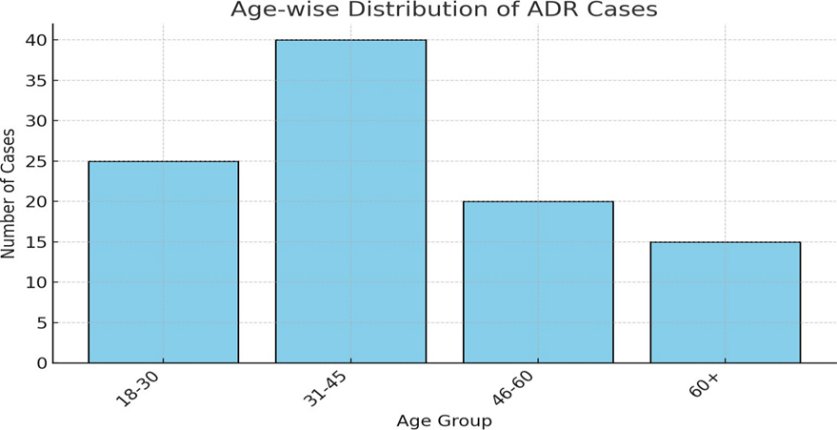
Demographic Details.

  • Majority of ADRs occurred in the 31–45 age group (40%).
  • Followed by 18–30 years (25%) and 46–60 years (20%).
  • Least ADRs were seen in patients aged 60+ (15%).
  • Younger adults and middle-aged patients often receive multiple prescriptions, increasing exposure to drugs. Elderly populations may have reduced metabolic capacity but report fewer ADRs due to under-reporting.

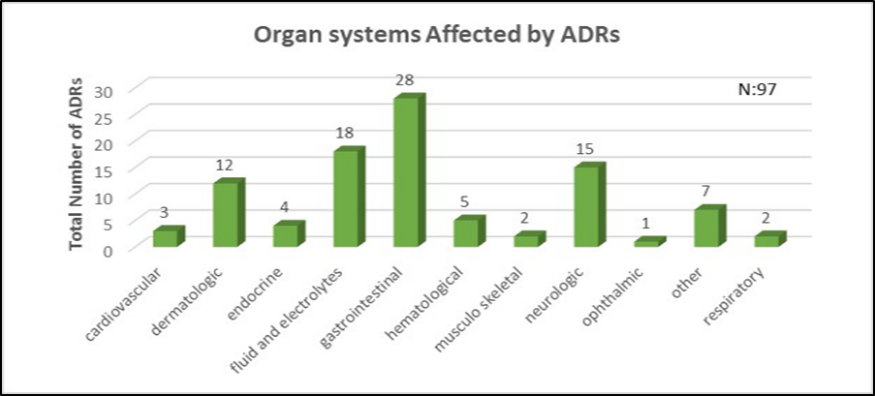
Organ Systems Involved

  • Gastrointestinal system was the most affected (30%), followed by Skin (25%) and Central Nervous System (20%).
  • This aligns with literature, as many drugs cause nausea, vomiting, or skin reactions. CNS and cardiovascular reactions also occur frequently but might be under-recognized without proper monitoring.

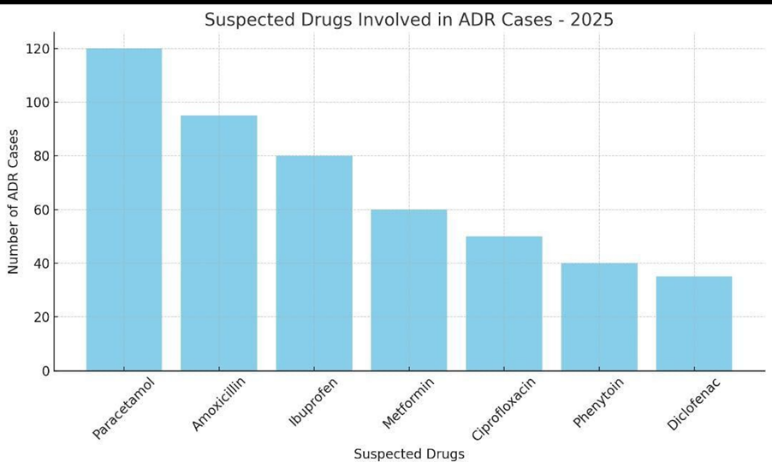
Suspected Drugs

  • Antibiotics (35%) and NSAIDs (25%) were the top contributors.
  • Antiepileptics and antihypertensives followed.

These drug classes are widely used and known for high ADR potential, often implicated in hypersensitivity, GI issues, or neurological effects.
Types of ADRs

  • Type A (predictable and dose-related) were most common (50%).
  • Type B (bizarre/unpredictable) constituted 20%.
  • Remaining types (C to F) were less frequent.

This supports the principle that most ADRs are dose-dependent and avoidable, emphasizing the importance of dose monitoring and patient education.

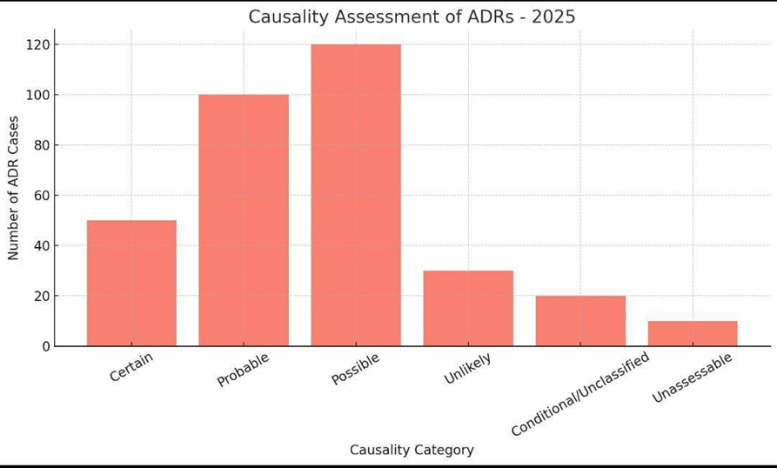
Causality Assessment

  • Most ADRs were assessed as Probable (45%) and Possible (30%).
  • Few were Certain (15%) or Unlikely (10%).

Complete certainty in ADRs is rare due to confounding factors. Probable and possible assessments often guide clinical decisions.
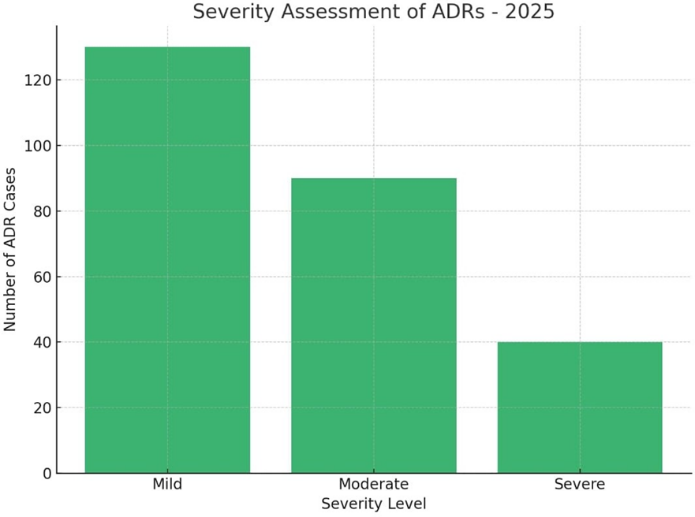
Severity Assessment

  • Mild ADRs were most common (40%), followed by Moderate (35%).
  • Severe cases made up 25%.

Though most ADRs were mild to moderate, severe cases require prompt attention to prevent hospitalization or death.
ADR Outcomes

  • Recovered (55%) and Recovering (20%) were the dominant outcomes.
  • Some patients had not recovered (10%) or had fatal outcomes (5%).

Favorable outcomes reflect timely identification and intervention. However, fatalities underline the need for stronger pharmacovigilance practices.

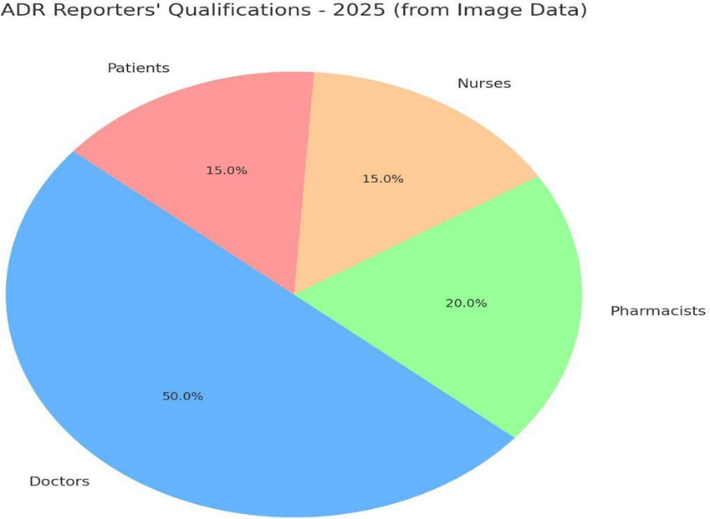
Reporters Qualifications

  • Doctors (50%) were the main reporters, followed by
  • pharmacists (20%)
  • nurses(15%)
  • patients (15% each).

Higher reporting by healthcare professionals indicates system-based surveillance. Encouraging more patient-initiated reporting can enrich data quality.
CONCLUSION

Improved ADR reporting is essential for drug safety in India. By addressing current gaps and leveraging technology, India can align its pharmacovigilance practices with global standards, ensuring better patient outcomes and public trust.

Patients living in low- and middle-income countries experience medication-related harm two or more times more frequently than those in high-income countries. SSA experiences more ADR and AEFI due to a lack of drug quality control facilities, extensive use of traditional medicines and herbal remedies whose contents are often not well known, and in some instances consisting of a cocktail of potentially harmful ingredients, and the use of data that are primarily derived from high- income countries with well-established pharmacovigilance systems, yet the safety profile of certain drugs may differ between settings due to environmental and genetic influences. Reporting of ADR and AEFI remains low in SSA due to several challenges. The challenges can be divided into HCP-related, work-related, material/tools-related, and national pharmacovigilance activities-related challenges. Several strategies can be used to address these challenges. These strategies are categorized into HCP, reporting material/tools and mechanisms, national or institutional pharmacovigilance, and community engagement strategies. Strategies identified to improve the reporting of ADR and AEFI should be prioritized so that unnecessary morbidity and mortality are avoided in the region.

Adverse Drug Reactions (ADRs) are a significant concern in healthcare, affecting patient safety, quality of life, and healthcare costs. Effective management of ADRs requires a multidisciplinary approach, including:

By understanding ADRs and implementing effective management strategies, we can:

  1. Improve Patient Safety: Minimize harm and improve patient outcomes.
  2. Enhance Quality of Life: Reduce the impact of ADRs on daily activities.
  3. Optimize Healthcare Resources: Reduce healthcare costs associated with ADRs.

Ultimately, a collaborative effort between healthcare professionals, regulatory agencies, pharmaceutical companies, and patients is essential to ensuring the safe use of medications and minimizing the risk of ADRs.

REFERENCES

  1. Uppsala Monitoring Centre. "Global Pharmacovigilance Best Practices."
  2. Indian Journal of Pharmacology. "Current Trends in ADR Reporting in India."
  3. WHO. "Pharmacovigilance: Ensuring Safe Medicines for All."
  4. https://www.ijbcp.com/index.php/ijbcp/article/view/4779/3282
  5. PvPI-Frequently asked questions Available: https://www.ipc.gov.in/PvPI/faq.html#:
  6. ~:text=Toll%20free%20helpline%20number%20(1800,to%20directly%20report%2 0an%20ADR
  7. Prakash J, Joshi K, Malik D, et al. “ADR PvPI” Android mobile app: Report adverse drug reaction at any time anywhere in India. Indian journal of pharmacology. 2019;51(4):236-42
  8. Chopra D, Desai C. Adverse drug reaction (ADR) reporting in India: A long way to go. International Journal of Basic & Clinical Pharmacology. 2013;2(6):846.
  9. Kalaiselvan V, Thota P, Singh GN. Pharmacovigilance Programme of India: Recent developments and future perspectives. Indian journal of pharmacology. 2016;48(6):624.
  10. Rubina Mulchandania and Ashish Kumar Kakkarb. Reporting of adverse drug reactions in India: A review of the current scenario, obstacles and possible solutions Available: https://www.researchgate.net/publication/327352091_Reporting_of_adverse_drug_reactions_in_India_A_review_of_the_current_scenario_obstacles_and_possible_solutions.
  11. Rukmangathen R, Devi BV, Bhoopathi D. The roles and responsibilities of pharmacovigilante’s in adverse drug reaction monitoring centre. Indian Journal of Pharmacy Practice. 2017;10(2).
  12. Kalaiselvan V, Thota P, Singh A. Current status of adverse drug reactions monitoring centres under pharmacovigilance programme of India. Indian Journal of Pharmacy Practice. 2014;7(3) 12.Pharmacovigilance Programme of India Performance Report 2020-21 Available: http s://www.ipc.gov.in/images/PVPI_Annual_Report_20-21.pdf.
  13. Rehan H, Sah RK, Chopra D. Comparison of knowledge, attitude and practices of resident doctors and nurses on adverse drug reaction monitoring and reporting in a tertiary care hospital. Indian journal of pharmacology. 2012;44(6):699.
  14. Brief Information about Pharmacovigilance Programme of India (PvPI) and Advantages of Enrolment as Adverse Drug Reaction Monitoring Centre (AMC) under PvPI Available: https:/www.pci.nic.in/pdf/14-190_circular_16082021.pdf
  15. Gohil Kashmira J. Pharmacovigilance and techniques: focus. 2019.
  16. Pharmacovigilance Programme of  India Performance Report  2020-21 Available:  https://www.ipc.gov.in/images/PVPI_Annual_Report_20-21.pdf.
  17. Kiran L, Shivashankaramurthy K, Bhooma S, et al. Adverse drug reaction reporting among clinicians in a teaching hospital in south Karnataka. Scholars Journal of Applied Medical Sciences. 2014; 2(1D):399-403
  18. Pant J, Marwah H, Singh R, et al. An Overview of World-Wide Master Key for Drug SafetyMonitoring(Pharmacovigilance) and Its Role in India. J Pharamacovigil. 2021;9:325. 19.Kalaivani M, Kalaiselvan V, Dabhi K, et al. Direct consumer reporting of ADRs to PvPI, a position paper of Indian pharmacopoeia commission. Adv Pharmacoepidemiol Drug Saf. 2015;4(184):2167-1052.1000184.
  19. Godiyal S. Pharmacovigilance monitoring at different stages of drug development: in india. ejpmr 2019
  20. Drug Safety and Pharmacovigilance Services for CDSCO Available: https://prorelixres earch.com/portfolio/pharmacovigilance-services-for-cdsco/.
  21. Singh A, Bhatt P. Comparative evaluation of adverse drug reaction reporting forms for introduction of a spontaneous generic ADR form. Journal of Pharmacology and Pharmacotherapeutics. 2012;3(3):228-23
  22. Beedimani RS, Zaman SU. Current Status of Adverse Drug Reactions (ADRs) Reporting
  23. Pharmacovigilance Committee Available: https://aimsrc.com/mci-pvigilance2.html
  24. Amale PN, Deshpande S, Nakhate Y, et al. Pharmacovigilance process in India: An overview. J Pharmacovigil. 2018;6(2):259.
  25. Gidudu, J.F., Shaum, A., Dodoo, A., Bosomprah, S., Bonsu, G., Amponsa-Achiano, K., Darko, D.M., Sabblah, G., Opare, J., Nyaku, M., Owusu-Boakye, B., Oduro, A., Aborigo, R., Conklin, L., Welaga, P. & Ampadu, H.H. (2020). Barriers to healthcare workers reporting adverse events following immunization in four regions of Ghana.
  26. Vaccine, 38(5), 1009-1014. https://doi.org/10.10162Fj.vaccine.2019.11.050.
  27. https://bmjopen.bmj.com/content/bmjopen/11/10/e052737.full.pdf
  28. www.bma.org.uk/ap.nsf/Content/Hubclinicaltrials
  29. MHRA (2004) Report of an Independent Review of Access to the Yellow Card Scheme
  30. www.mhra.gov.uk/home/idcplg?IdcService=SS_GET_PAGE&nodeId=752
  31. Jolivot, P., Hindlet, P., Pichereau, C., Fernandez, C., Maury, E., Guidet, B., & Hejblum, G. (2014). A systematic review of adult admissions to ICUs related to adverse drug events. Critical Care, 18(1), 643. https://doi.org/10.1186/s13054-014-0643-5
  32. Jusot, V., Chimimba, F., Dzabalala, N., Menang, O., Cole, J., Gardiner, G., … Mendoza, Y. G. (2020). Enhancing pharmacovigilance in Sub-Saharan Africa through training and mentoring: A GSK pilot initiative in Malawi. Drug Safety, 43, 33.583–593. https://doi.org/10.1007/s40264-020-00925-4
  33. Katusiime, B., Semakula, D. & Lubinga, S. (2015). Adverse drug reaction reporting among health care workers at Mulago National Referral and Teaching hospital in Uganda. African Health Sciences, 15(4), 1308-1317. https://doi.org/10.4314%2Fahs. v15i4.34.
  34. Kiguba, R., Ndagije, H. B., Nambasa, V., Manirakiza, L., Kirabira, E., Serwanga, A., … Mukonzo, J. (2020). Pharmacovigilance of suspected or confirmed therapeutic ineffectiveness of artemisinin-based combination therapy: Extent, associated factors, challenges and solutions to reporting. Malaria Journal, 19, Article 389. https://doi. org/10.1186/s12936-020-03463-7
  35. Kiguba, R., Olsson, S., & Waitt, C. (2023). Pharmacovigilance in low- and middleincome countries: A review with particular focus on Africa. British Journal of Clinical Pharmacology, 89(2), 491–509. https://doi.org/10.1111/bcp.15193
  36. Dhikav V, Singh S, Anand KS (2004) Adverse drug reaction monitoring in India. JIACM 5: 27- 33.
  37. Kiwanuka, M., Muro, F., Alloyce, P. & Muro, E. (2019). Awareness and reporting of antiretroviral adverse events among clients and health-care providers at a referral hospital in Moshi, Northern Tanzania: A cross-sectional study. East African Health Reearchs Journal, 3(2), 151-157. https://doi: 10.24248/EAHRJ-D-18-00023.
  38. Laryea, E. B., Frimpong, J. A., Noora, C. L., Tengey, J., Bandoh, D., Sabblah, G., … Amponsa- Achiano, K. (2022). Evaluation of the adverse events following immunization surveillance system. PLoS ONE, 17(3), Article e0264697. https://doi.org/10.1371/journal.pone.0264697
  39. Li, R., Curtis, K., Van, C., Tabish Razi Zaidi, S., Yeo, C.Y., Arun Kali, C., Zaheen, M., Moujalli, G.T. & Castelino, R. (2022). Why hospital-based healthcare professionals do not report adverse drug reactions: A mixed methods study using the Theoretical Domains Framework. European    Journal    of    Clinical    Pharmacology,    78(7),    1165-1175. https://doi.org/10.1007%2Fs00228-022-03326-x.
  40. Malande, O.O., Munube, D., Afaayo, R.N., Chemweno, C., Nzoka, M., Kipsang, J., Musyoki, A.M., Meyer, J.C., Omayo, L.N. & Owino-Okongo, L. (2021). dverse events following immunization reporting and impact on immunization services in informal settlements in Nairobi, Kenya: A prospective mixed-methods study. The Pan African Medical Journal, 40, 81. https://doi.org/10.11604%2Fpamj.2021.40.81.25910.
  41. Mugauri, H., Tshimanga, M., Mugurungi, O., Juru, T., Gombe, N., & Shambira, G. (2018). Antiretroviral adverse drug reactions pharmacovigilance in Harare City, Zimbabwe, 2017. PLoS ONE, 13(12), Article e0200459. https://doi.org/10.1371/journal. pone.0200459
  42. Nadew, S., Beyene, K., & Beza, S. (2020). Adverse drug reaction reporting practice and associated factors among medical doctors in government hospitals in Addis Ababa, Ethiopia. PLoS ONE, 15(1), Article e0227712. https://doi.org/10.1371/journal. pone.0227712
  43. Ndomondo-Sigonda, M., Miot, J., Naidoo, S., Dodoo, A. & Kaale, E. (2017). Medicines regulation in Africa: Current state and opportunities. Pharmaceutical Medicine, 31(6), 383-397. https://doi.org/10.1007%2Fs40290-017-0210-x.
  44. Nyagah, D., Mokaya, D., & Karanja, S. (2020). The reporting of adverse drug reactions by healthcare providers in Kenya. South Sudan Medical Journal, 13(4), 141–145.
  45. Opadeyi, A., Fourrier-Reglat, A., & Isah, A. (2018). Assessment of the state of ´ pharmacovigilance in the South-South zone of Nigeria using WHO pharmacovigilance indicators. BMC Pharmacology and Toxicology, 19, 27. https:// doi.org/10.1186/s40360- 018-0217-2
  46. http://electronicstds.gov.in.
  47. Prashar, L., Jere, E., & Kalungia, C. (2019). Inadequate knowledge and practice of pharmacovigilance affecting adverse drug reaction reporting by health professionals in private healthcare facilities in Lusaka, Zambia. Medical Journal of Zambia, 46(4), 314– 320.
  48. Ryamukuru, D., Mukantwari, J., Munyaneza, E., Twahirwa, T. S., Bagweneza, V., Nzamukosha, A., Omondi, L. (2022). Pharmacovigilance: Awareness and practice of nurses and midwives in monitoring and reporting adverse drug reactions in a selected University Teaching Hospital, Rwanda.
  49. .https://cdsco.gov.in/opencms/export/sites/CDSCO_WEB/Pdf- documents/Consumer_Section_PDFs/ADRRF_2.pdf
  50. Sabblah, G. T., Seaneke, S. K., Kushitor, M.,van Hunsel, F., Taxis, K., Duwiejua, M., & van Puijenbroeck, E. (2022). Evaluation of pharmacovigilance systems for reporting medication errors in Africa and the role of patients using a mixed-methods approach.
  51. PLoS ONE, 17(3), Article e0264699. https://doi.org/10.1371/journal.pone.0264699
  52. Saeed, A. A., Umballi, O., Ahmed, N., Ali, S., & Alfaki, A. (2021). Assessment of community pharmacist awareness on adverse drug reaction (ADR) and pharmacovigilance reporting system in Khartoum locality, Sudan. Universal Journal of Pharmaceutical Research, 6(5), 52–59. https://doi.org/10.22270/ujpr.v6i5.673
  53. Sandberg, A., Salminen, V., Heinonen, S., & Siven, M. (2022). Under-reporting of adverse drug reactions in Finland and healthcare professionals’ perspectives on how to improve reporting. Healthcare, 10(6), 1015. https://doi.org/10.3390/ healthcare10061015
  54. Srisuriyachanchai, W., Cox, A., & Jarernsiripornkul, N. (2022). Exploring healthcare professionals’ practices and attitudes towards monitoring and reporting of severe adverse drug reactions. Healthcare, 10(6), Article 1077. https://doi.org/10.3390/ healthcare10061077
  55. Stegmann, J. U., Jusot, V., Menang, O., Gardiner, G., Vesce, S., Volpe, S., … Mendoza, Y. G. (2022). Challenges and lessons learned from four years of planning and implementing pharmacovigilance enhancement in sub-Saharan Africa. BMC
  56. Public Health, 22, Article 1568. https://doi.org/10.1186/s12889-022-13867-6
  57. Stenfors, T., Kajamaa, A., & Bennett, D. (2020). How to assess the quality of qualitative research. The Clinical Teacher, 17(6), 596–599. https://doi.org/10.1111/tct.13242
  58. Tarntray, J., Zaid, M., Kosey, S., Patel, A., Sharma, A. K., Sharma, R., … Kushwaha, N. (2023). Pharmacovigilance: A meta-analysis on ADRS of past and recent tragedy occurred in Gambia. Journal of Pharmacovigilance, 11(1), 409. https://doi.org/ 10.35248/2329-6887.23.11.409
  59. https://cdsco.gov.in/opencms/export/sites/CDSCO_WEB/Pdfdocuments/Consumer_Sec tion_PDFs/ADRRF_2.pd

Reference

  1. Uppsala Monitoring Centre. "Global Pharmacovigilance Best Practices."
  2. Indian Journal of Pharmacology. "Current Trends in ADR Reporting in India."
  3. WHO. "Pharmacovigilance: Ensuring Safe Medicines for All."
  4. https://www.ijbcp.com/index.php/ijbcp/article/view/4779/3282
  5. PvPI-Frequently asked questions Available: https://www.ipc.gov.in/PvPI/faq.html#:
  6. ~:text=Toll%20free%20helpline%20number%20(1800,to%20directly%20report%2 0an%20ADR
  7. Prakash J, Joshi K, Malik D, et al. “ADR PvPI” Android mobile app: Report adverse drug reaction at any time anywhere in India. Indian journal of pharmacology. 2019;51(4):236-42
  8. Chopra D, Desai C. Adverse drug reaction (ADR) reporting in India: A long way to go. International Journal of Basic & Clinical Pharmacology. 2013;2(6):846.
  9. Kalaiselvan V, Thota P, Singh GN. Pharmacovigilance Programme of India: Recent developments and future perspectives. Indian journal of pharmacology. 2016;48(6):624.
  10. Rubina Mulchandania and Ashish Kumar Kakkarb. Reporting of adverse drug reactions in India: A review of the current scenario, obstacles and possible solutions Available: https://www.researchgate.net/publication/327352091_Reporting_of_adverse_drug_reactions_in_India_A_review_of_the_current_scenario_obstacles_and_possible_solutions.
  11. Rukmangathen R, Devi BV, Bhoopathi D. The roles and responsibilities of pharmacovigilante’s in adverse drug reaction monitoring centre. Indian Journal of Pharmacy Practice. 2017;10(2).
  12. Kalaiselvan V, Thota P, Singh A. Current status of adverse drug reactions monitoring centres under pharmacovigilance programme of India. Indian Journal of Pharmacy Practice. 2014;7(3) 12.Pharmacovigilance Programme of India Performance Report 2020-21 Available: http s://www.ipc.gov.in/images/PVPI_Annual_Report_20-21.pdf.
  13. Rehan H, Sah RK, Chopra D. Comparison of knowledge, attitude and practices of resident doctors and nurses on adverse drug reaction monitoring and reporting in a tertiary care hospital. Indian journal of pharmacology. 2012;44(6):699.
  14. Brief Information about Pharmacovigilance Programme of India (PvPI) and Advantages of Enrolment as Adverse Drug Reaction Monitoring Centre (AMC) under PvPI Available: https:/www.pci.nic.in/pdf/14-190_circular_16082021.pdf
  15. Gohil Kashmira J. Pharmacovigilance and techniques: focus. 2019.
  16. Pharmacovigilance Programme of  India Performance Report  2020-21 Available:  https://www.ipc.gov.in/images/PVPI_Annual_Report_20-21.pdf.
  17. Kiran L, Shivashankaramurthy K, Bhooma S, et al. Adverse drug reaction reporting among clinicians in a teaching hospital in south Karnataka. Scholars Journal of Applied Medical Sciences. 2014; 2(1D):399-403
  18. Pant J, Marwah H, Singh R, et al. An Overview of World-Wide Master Key for Drug SafetyMonitoring(Pharmacovigilance) and Its Role in India. J Pharamacovigil. 2021;9:325. 19.Kalaivani M, Kalaiselvan V, Dabhi K, et al. Direct consumer reporting of ADRs to PvPI, a position paper of Indian pharmacopoeia commission. Adv Pharmacoepidemiol Drug Saf. 2015;4(184):2167-1052.1000184.
  19. Godiyal S. Pharmacovigilance monitoring at different stages of drug development: in india. ejpmr 2019
  20. Drug Safety and Pharmacovigilance Services for CDSCO Available: https://prorelixres earch.com/portfolio/pharmacovigilance-services-for-cdsco/.
  21. Singh A, Bhatt P. Comparative evaluation of adverse drug reaction reporting forms for introduction of a spontaneous generic ADR form. Journal of Pharmacology and Pharmacotherapeutics. 2012;3(3):228-23
  22. Beedimani RS, Zaman SU. Current Status of Adverse Drug Reactions (ADRs) Reporting
  23. Pharmacovigilance Committee Available: https://aimsrc.com/mci-pvigilance2.html
  24. Amale PN, Deshpande S, Nakhate Y, et al. Pharmacovigilance process in India: An overview. J Pharmacovigil. 2018;6(2):259.
  25. Gidudu, J.F., Shaum, A., Dodoo, A., Bosomprah, S., Bonsu, G., Amponsa-Achiano, K., Darko, D.M., Sabblah, G., Opare, J., Nyaku, M., Owusu-Boakye, B., Oduro, A., Aborigo, R., Conklin, L., Welaga, P. & Ampadu, H.H. (2020). Barriers to healthcare workers reporting adverse events following immunization in four regions of Ghana.
  26. Vaccine, 38(5), 1009-1014. https://doi.org/10.10162Fj.vaccine.2019.11.050.
  27. https://bmjopen.bmj.com/content/bmjopen/11/10/e052737.full.pdf
  28. www.bma.org.uk/ap.nsf/Content/Hubclinicaltrials
  29. MHRA (2004) Report of an Independent Review of Access to the Yellow Card Scheme
  30. www.mhra.gov.uk/home/idcplg?IdcService=SS_GET_PAGE&nodeId=752
  31. Jolivot, P., Hindlet, P., Pichereau, C., Fernandez, C., Maury, E., Guidet, B., & Hejblum, G. (2014). A systematic review of adult admissions to ICUs related to adverse drug events. Critical Care, 18(1), 643. https://doi.org/10.1186/s13054-014-0643-5
  32. Jusot, V., Chimimba, F., Dzabalala, N., Menang, O., Cole, J., Gardiner, G., … Mendoza, Y. G. (2020). Enhancing pharmacovigilance in Sub-Saharan Africa through training and mentoring: A GSK pilot initiative in Malawi. Drug Safety, 43, 33.583–593. https://doi.org/10.1007/s40264-020-00925-4
  33. Katusiime, B., Semakula, D. & Lubinga, S. (2015). Adverse drug reaction reporting among health care workers at Mulago National Referral and Teaching hospital in Uganda. African Health Sciences, 15(4), 1308-1317. https://doi.org/10.4314%2Fahs. v15i4.34.
  34. Kiguba, R., Ndagije, H. B., Nambasa, V., Manirakiza, L., Kirabira, E., Serwanga, A., … Mukonzo, J. (2020). Pharmacovigilance of suspected or confirmed therapeutic ineffectiveness of artemisinin-based combination therapy: Extent, associated factors, challenges and solutions to reporting. Malaria Journal, 19, Article 389. https://doi. org/10.1186/s12936-020-03463-7
  35. Kiguba, R., Olsson, S., & Waitt, C. (2023). Pharmacovigilance in low- and middleincome countries: A review with particular focus on Africa. British Journal of Clinical Pharmacology, 89(2), 491–509. https://doi.org/10.1111/bcp.15193
  36. Dhikav V, Singh S, Anand KS (2004) Adverse drug reaction monitoring in India. JIACM 5: 27- 33.
  37. Kiwanuka, M., Muro, F., Alloyce, P. & Muro, E. (2019). Awareness and reporting of antiretroviral adverse events among clients and health-care providers at a referral hospital in Moshi, Northern Tanzania: A cross-sectional study. East African Health Reearchs Journal, 3(2), 151-157. https://doi: 10.24248/EAHRJ-D-18-00023.
  38. Laryea, E. B., Frimpong, J. A., Noora, C. L., Tengey, J., Bandoh, D., Sabblah, G., … Amponsa- Achiano, K. (2022). Evaluation of the adverse events following immunization surveillance system. PLoS ONE, 17(3), Article e0264697. https://doi.org/10.1371/journal.pone.0264697
  39. Li, R., Curtis, K., Van, C., Tabish Razi Zaidi, S., Yeo, C.Y., Arun Kali, C., Zaheen, M., Moujalli, G.T. & Castelino, R. (2022). Why hospital-based healthcare professionals do not report adverse drug reactions: A mixed methods study using the Theoretical Domains Framework. European    Journal    of    Clinical    Pharmacology,    78(7),    1165-1175. https://doi.org/10.1007%2Fs00228-022-03326-x.
  40. Malande, O.O., Munube, D., Afaayo, R.N., Chemweno, C., Nzoka, M., Kipsang, J., Musyoki, A.M., Meyer, J.C., Omayo, L.N. & Owino-Okongo, L. (2021). dverse events following immunization reporting and impact on immunization services in informal settlements in Nairobi, Kenya: A prospective mixed-methods study. The Pan African Medical Journal, 40, 81. https://doi.org/10.11604%2Fpamj.2021.40.81.25910.
  41. Mugauri, H., Tshimanga, M., Mugurungi, O., Juru, T., Gombe, N., & Shambira, G. (2018). Antiretroviral adverse drug reactions pharmacovigilance in Harare City, Zimbabwe, 2017. PLoS ONE, 13(12), Article e0200459. https://doi.org/10.1371/journal. pone.0200459
  42. Nadew, S., Beyene, K., & Beza, S. (2020). Adverse drug reaction reporting practice and associated factors among medical doctors in government hospitals in Addis Ababa, Ethiopia. PLoS ONE, 15(1), Article e0227712. https://doi.org/10.1371/journal. pone.0227712
  43. Ndomondo-Sigonda, M., Miot, J., Naidoo, S., Dodoo, A. & Kaale, E. (2017). Medicines regulation in Africa: Current state and opportunities. Pharmaceutical Medicine, 31(6), 383-397. https://doi.org/10.1007%2Fs40290-017-0210-x.
  44. Nyagah, D., Mokaya, D., & Karanja, S. (2020). The reporting of adverse drug reactions by healthcare providers in Kenya. South Sudan Medical Journal, 13(4), 141–145.
  45. Opadeyi, A., Fourrier-Reglat, A., & Isah, A. (2018). Assessment of the state of ´ pharmacovigilance in the South-South zone of Nigeria using WHO pharmacovigilance indicators. BMC Pharmacology and Toxicology, 19, 27. https:// doi.org/10.1186/s40360- 018-0217-2
  46. http://electronicstds.gov.in.
  47. Prashar, L., Jere, E., & Kalungia, C. (2019). Inadequate knowledge and practice of pharmacovigilance affecting adverse drug reaction reporting by health professionals in private healthcare facilities in Lusaka, Zambia. Medical Journal of Zambia, 46(4), 314– 320.
  48. Ryamukuru, D., Mukantwari, J., Munyaneza, E., Twahirwa, T. S., Bagweneza, V., Nzamukosha, A., Omondi, L. (2022). Pharmacovigilance: Awareness and practice of nurses and midwives in monitoring and reporting adverse drug reactions in a selected University Teaching Hospital, Rwanda.
  49. .https://cdsco.gov.in/opencms/export/sites/CDSCO_WEB/Pdf- documents/Consumer_Section_PDFs/ADRRF_2.pdf
  50. Sabblah, G. T., Seaneke, S. K., Kushitor, M.,van Hunsel, F., Taxis, K., Duwiejua, M., & van Puijenbroeck, E. (2022). Evaluation of pharmacovigilance systems for reporting medication errors in Africa and the role of patients using a mixed-methods approach.
  51. PLoS ONE, 17(3), Article e0264699. https://doi.org/10.1371/journal.pone.0264699
  52. Saeed, A. A., Umballi, O., Ahmed, N., Ali, S., & Alfaki, A. (2021). Assessment of community pharmacist awareness on adverse drug reaction (ADR) and pharmacovigilance reporting system in Khartoum locality, Sudan. Universal Journal of Pharmaceutical Research, 6(5), 52–59. https://doi.org/10.22270/ujpr.v6i5.673
  53. Sandberg, A., Salminen, V., Heinonen, S., & Siven, M. (2022). Under-reporting of adverse drug reactions in Finland and healthcare professionals’ perspectives on how to improve reporting. Healthcare, 10(6), 1015. https://doi.org/10.3390/ healthcare10061015
  54. Srisuriyachanchai, W., Cox, A., & Jarernsiripornkul, N. (2022). Exploring healthcare professionals’ practices and attitudes towards monitoring and reporting of severe adverse drug reactions. Healthcare, 10(6), Article 1077. https://doi.org/10.3390/ healthcare10061077
  55. Stegmann, J. U., Jusot, V., Menang, O., Gardiner, G., Vesce, S., Volpe, S., … Mendoza, Y. G. (2022). Challenges and lessons learned from four years of planning and implementing pharmacovigilance enhancement in sub-Saharan Africa. BMC
  56. Public Health, 22, Article 1568. https://doi.org/10.1186/s12889-022-13867-6
  57. Stenfors, T., Kajamaa, A., & Bennett, D. (2020). How to assess the quality of qualitative research. The Clinical Teacher, 17(6), 596–599. https://doi.org/10.1111/tct.13242
  58. Tarntray, J., Zaid, M., Kosey, S., Patel, A., Sharma, A. K., Sharma, R., … Kushwaha, N. (2023). Pharmacovigilance: A meta-analysis on ADRS of past and recent tragedy occurred in Gambia. Journal of Pharmacovigilance, 11(1), 409. https://doi.org/ 10.35248/2329-6887.23.11.409
  59. https://cdsco.gov.in/opencms/export/sites/CDSCO_WEB/Pdfdocuments/Consumer_Sec tion_PDFs/ADRRF_2.pd

Photo
Vishal Rathod
Corresponding author

Indira College of Pharmacy, Vishnupuri, Nanded

Photo
Dr. Vijay Navghare
Co-author

Indira College of Pharmacy, Vishnupuri, Nanded

Vishal Rathod, Dr. Vijay Navghare, Strengthening Post-Marketing Surveillance in India : A Study on Adverse Drug Reaction (ADR) Reporting, Int. J. of Pharm. Sci., 2025, Vol 3, Issue 8, 2318-2332. https://doi.org/10.5281/zenodo.16926159

More related articles
Formulation And Evaluation of Ayurvedic Solid Dosa...
Saurabh Swami, Shubham Tikait, Swati Deshmukh, ...
Nanosponges Unplugged: Redefining Precision in Dru...
Shweta Kothari, Dr. Nayana Baste, Jay Pardeshi, ...
Effective Relief for Cracked Heel; A Review of Poly Herbal Crack Heel Gel....
Tulsi Ram Sahu, Pawan Kumar, Sanjay Kumar, Om Kumar, Janki Sahu, Chandraprabha Dewangan, Harish Shar...
Related Articles
Exploring The Therapeutic Potential Of Phyllanthus Amarus In Endometrial Cancer ...
Venkata G Karthik Reddy, Giresha Naidu M, Gowtham Gowda M R, Hari Kishor R, Haritha R, Hruthika B, ...
Emerging Application Progress of Deep Generative Models in De Novo Drug Design...
Pradnya Ghatage, Tejashree Khamkar, Rutuja Chougule, Tanuja Chogule, Rutuja More, ...
Design And in Silico Screening of Thiazolidine-2,4-Dione Analogs as Potential Al...
Swathi Naraparaju, Sandeep Manda, Tejasree Dasagiri, Vaishnavi Dhabde, Yogasree Tiruvaipati, ...
A Review On Sustained Release Oral Drug Delivery System...
Sonawane Sudha , Sonali S. Sonawane , Vikas B. Wamane, ...
Formulation And Evaluation of Ayurvedic Solid Dosage Form of Vati ...
Saurabh Swami, Shubham Tikait, Swati Deshmukh, ...