

We use cookies to ensure our website works properly and to personalise your experience. Cookies policy
School of Pharmacy, G.H. Raisoni University, Saikheda, Pandhurna, Madhya Pradesh, India 480337
Excess sebum production, follicular hyperkeratinization, bacterial colonization, and inflammation are the hallmarks of acne vulgaris, a chronic inflammatory skin condition that affects both adults and adolescents globally. Although conventional treatments like antibiotics, retinoids, and benzoyl peroxide might alleviate symptoms temporarily, they have drawbacks such as resistance to the drugs, unpleasant side effects, and poor tolerance over the long run. Safer, plant-based medicinal options have garnered more attention because to these downsides. The possible synergistic impact of polyherbal formulations has garnered a lot of interest. These compositions mix many therapeutic plant extracts. Phytochemicals have better antibacterial, anti-inflammatory, antioxidant, and wound-healing activities due to synergism, which allows them to operate on numerous molecular targets concurrently. The scientific data that polyherbal extracts have synergistic potential in acne therapy is reviewed and evaluated in this critical study. Azadirachta indica, Curcuma longa, Aloe vera, Ocimum sanctum, Glycyrrhiza glabra, Melaleuca alternifolia, and other important medicinal plants are covered, along with their bioactive components and the mechanisms by which they work. When compared to synthetic medicines or single-herb treatments, many polyherbal combinations have better efficacy, less discomfort, and better skin compatibility, according to a number of clinical and experimental research. Innovations in formulation technologies, such as gel-based delivery systems and nanoemulsions, have also contributed to better bioavailability and therapeutic results. When it comes to treating acne, the synergistic benefits of polyherbal extracts offer a safe, effective, and comprehensive strategy that has scientific backing. Full validation of their therapeutic potential requires more clinical research and standardization initiatives.
Worldwide, a large percentage of adults and over 85% of teenagers deal with acne vulgaris, making it one of the most common chronic skin conditions (Smith & Thiboutot, 2020). Though it may not pose a direct threat to one's physical health, acne can lead to significant emotional and mental distress, such as low self-esteem, isolation, worry, and despair (Jones et al., 2019). Acne lesions can be either non- inflammatory (comedones) or inflammatory (papules, pustules, nodules, cysts) in nature. Acne is caused by a complex interplay of factors, including an overactive sebaceous gland, aberrant follicular keratinization, microbial colonization (especially by Cutibacterium acnes), and an inflammatory response that is both increased and atypical (Lai & Gallo, 2017). Managing acne may be quite tough due to the numerous pathologic pathways involved. As a result, patients generally require lengthy periods of therapy. Traditional allopathic remedies for acne have a long history of success and are frequently recommended to patients. Retinoids, antibiotics, benzoyl peroxide, salicylic acid, and other topical medications fall into this category; oral antibiotics, isotretinoin, and hormonal drugs are examples of systemic treatments (Zaenglein, 2018). There are substantial downsides to these medicines, notwithstanding their effectiveness. Antimicrobial resistance is a big problem in global health, and long- term antibiotic usage is a part of it (Walsh et al., 2020). In extreme situations, retinoids can induce teratogenicity, photosensitivity, peeling, redness, and irritation (Nguyen & Shafiq, 2021). Hormonal treatments are not appropriate for many people, and benzoyl peroxide might make some people dry out or even allergic. In light of these constraints, there is a noticeable trend toward investigating plant-based alternatives that are both safer and more effective.
Many ancient medical systems, like Ayurveda, Siddha, and Traditional Chinese Medicine, have relied on herbal remedies for generations. These methods use plant-based chemicals with anti-inflammatory, wound-healing, antioxidant, and antibacterial effects as part of a more comprehensive strategy for illness treatment (Patel & Sharma, 2019). Traditional and recent pharmacological investigations have shown that herbal medicines such as neem (Azadirachta indica), turmeric (Curcuma longa), aloe vera (Aloe vera), licorice (Glycyrrhiza glabra), and tulsi (Ocimum sanctum) have strong anti-acne potential (Khan et al., 2020). Essential oils, flavonoids, terpenoids, polyphenols, alkaloids, and saponins are just a few of the phytochemical profiles found in these plants, which work together to combat acne from all angles (Verma & Gupta, 2022). Their use in acne control is supported by substantial scientific evidence due to the multiplicity of processes. Many contemporary scientific studies have focused on the idea of polyherbalism in recent years. According to Mukherjee (2018), polyherbal formulations aim to increase therapeutic efficacy by using the synergistic effects of two or more medicinal herbs in specified quantities. Combining herbs has several benefits according to Ayurvedic principles, including enhancing potency, reducing adverse effects, balancing energy characteristics, and targeting numerous physiological routes at once. According to current pharmacological theory, synergy happens when the combined effects of two or more chemicals are stronger than those of any one alone (Wagner, 2011). Possible causes of this synergy include increased antibacterial activity, a more favorable anti- inflammatory response, better bioavailability, and complimentary action pathways. Because of these interplays, polyherbal formulations are ideal for acne and other multifactorial illnesses.
Multiple investigations have shown that some herbal mixtures can have a multiplicative impact. Combining the anti-inflammatory and antibacterial effects of turmeric with those of neem, for instance, produces better results than either compound alone (Reddy et al., 2021). For moderate to severe acne, a combination of tea tree oil and aloe vera gel is more effective in lowering the number of lesions and redness (Sarkar & Bose, 2019). Reduced discomfort and increased cosmetic acceptability have led to better tolerability and increased patient compliance with polyherbal face washes, gels, and creams (Singh & Kaur, 2020). The results of this study provide hope for the development of polyherbal formulations as an alternative to synthetic medications for acne, as they have the potential to target several pathogenic variables at once. The demand from consumers is another major factor propelling the interest in polyherbals. According to Roy et al. (2022), the demand for skincare products that are "chemical-free," "herbal," and "natural" is on the rise across the world. Herbal products are often thought of by consumers as being safe, environmentally friendly, and having little adverse effects. Research in this field has been further expedited as a result of the cosmetic and cosmeceutical companies' use of herbal extracts into anti-acne products. Still, there are significant obstacles to overcome in terms of scientific verification and uniformity. According to Dhar et al. (2021), the medicinal efficacy can be affected by differences in plant species, farming techniques, extraction procedures, and formulation factors. As a result, clinical dependability and repeatable quality necessitate methodical research.
New research on synergistic interactions in polyherbal formulations is only beginning to emerge from the scientific community. Technological developments in computer modeling, molecular biology, and analytical methods have made cellular and molecular level investigations of phytoconstituent interactions feasible. Research into antioxidant pathways, antibacterial processes, and anti- inflammatory cytokines (e.g., IL-6 and TNF-α) has provided mechanistic understanding of the efficacy of herbal combinations (Bhattacharya & Sen, 2020). The use of nanoemulsions, liposomes, and gel- based carriers improves the stability and epidermal penetration of polyherbal extracts, leading to better therapeutic results (Pandey et al., 2022). It is crucial to investigate the synergistic effects of polyherbal extracts on acne for the sake of both research and clinical practice in this setting. Examining the current research on important medicinal plants used to treat acne, this review will look at their phytochemical components, how they work, and whether or not they have synergistic benefits when used in polyherbal formulations. In order to provide effective, standardized, and clinically validated polyherbal anti-acne treatments, it is necessary to address research gaps, safety concerns, and developments in formulation technology.
PATHOPHYSIOLOGY OF ACNE VULGARIS
Worldwide, acne vulgaris affects a large percentage of adults and adolescents because to its chronic inflammatory nature and its impact on the pilosebaceous unit. Several factors contribute to its pathogenesis, including hormone stimulation, inflammation, microbial colonization, follicular keratinization, and many more. Developing successful medicines, particularly polyherbal formulations that target many routes concurrently, requires a thorough understanding of these interconnected systems. Increased sebum production is the primary element that contributes to the development of acne. When adolescence approaches, the sebaceous glands swell and secrete an overabundance of sebum in response to increased androgen levels, especially testosterone and its more powerful metabolite dihydrotestosterone (DHT). While sebum is necessary for skin hydration and antimicrobial defense, an excess of it fosters the growth of microbes and leads to follicular blockage. Dietary factors may exacerbate acne because they increase hormones like insulin-like growth factor-1 (IGF-1), which is commonly raised in people with high-glycemic diets and who consume a lot of dairy (Melnik, 2018; Zouboulis, 2020).
As acne progresses, follicular hyperkeratinization is another crucial step. In a normal situation, sebum may flow freely through the follicular duct since the keratinocytes lining it shed gradually. However, a keratinous clog called a microcomedone forms when desquamation diminishes and keratinocyte proliferation rises in acne-prone people. The development of open and closed comedones from this microscopic lesion is the first step in the pathophysiology of acne. Lehman et al. (2019) and Ottaviani et al. (2020) found that this atypical keratinization process is caused by a combination of factors, including androgen stimulation, oxidative stress from sebum lipids, inflammatory cytokines, and altered lipid composition. In particular, reactive oxygen species (ROS) are generated during the oxidation of squalene, a key component of sebum, which in turn enhance the comedogenic process by promoting keratinocyte hyperproliferation.
Another important factor in the pathophysiology of acne is microbial colonization. Acne follicles are home to the Gram-positive anaerobic bacteria Cutibacterium acnes, formerly known as Propionibacterium acnes. Acne develops when sebum production is excessive and follicular obstruction produces an oxygen-depleted, lipid-rich milieu. New research, however, highlights that a change in certain phylotypes of C. acnes that display higher inflammatory characteristics, rather than bacterial overgrowth, is the real issue. The comedogenic and pro-inflammatory free fatty acids are produced when pathogenic strains of Acne bacteria release enzymes such lipases, proteases, and hyaluronidases. These enzymes break down sebum triglycerides. The bacteria also increases its resistance to immunological clearance and antibiotic treatment by forming biofilms within follicles (Dréno et al., 2018; Portillo et al., 2017). Furthermore, C. acnes triggers the activation of innate immune receptors such as Toll-like receptor-2 (TLR-2), which sets off an inflammatory cascade. This cascade includes the secretion of interleukins (IL-1β, IL-8, IL-6), tumor necrosis factor-alpha (TNF-α), and other mediators that entice neutrophils and macrophages.
Acne is mostly defined by inflammation, which is now thought to occur before comedones even appear. Microscopic investigations reveal the presence of inflammatory markers in follicles prior to the development of visible lesions, indicating that acne is essentially a condition characterized by inflammation (Jeremy et al., 2003). The development of lesions is aided by both the innate and adaptive immune responses. According to Agak et al. (2018), when C. acnes is present, it triggers the release of pro-inflammatory cytokines by keratinocytes and immune cells. Additionally, the adaptive arm activates T-helper cells, namely Th1 and Th17 subsets, which produce IFN-γ and IL-17, worsening the inflammation in the tissues. Lipid peroxidation generates reactive oxygen species (ROS), which worsen inflammation by harming the follicular walls. This can cause the walls to burst, releasing keratin, sebum, and bacteria into the dermis. As a consequence, painful nodules, cysts, pustules, and papules can form. According to Bickers and Lim (2020), scarring can result from severe ruptures that degrade the matrix through metalloproteinases.
Acne severity can be influenced by a variety of variables, including hormones, genes, food, and the environment. Lesions tend to be more severe in those with endocrine problems such polycystic ovary syndrome, and androgens are the main hormonal drivers. The variation in acne severity across individuals can be attributed to genetic factors that impact androgen receptor sensitivity, inflammatory response inclinations, and the shape of sebaceous glands. Diet has a significant modulatory effect; for example, dairy products and meals with a high glycemic index increase insulin and IGF-1 levels, which in turn stimulate sebum glands more hormonally (Burris et al., 2017). Acne mechanica can be caused by mechanical friction from things like masks, helmets, or clothes, and oxidative stress can be generated by environmental toxins such particulate matter. The immune system and cortisol levels are both affected by stress and lack of sleep, which makes acne worse.
Acne is the consequence of a chain reaction of interrelated processes, as is seen when all these elements are considered together. Hyperkeratinization obstructs the follicle, microbial activity triggers inflammatory pathways, excess sebum makes the environment receptive, and immunological dysregulation makes lesion development worse. Combination techniques are more successful than single-target medicines, and the failure of single-target therapies to attain long-term efficacy can be explained by these many pathogenic processes. Benzoyl peroxide kills bacteria and retinoids correct keratinization, two processes that synthetic medications target; nevertheless, patients are less likely to take these treatments as prescribed due to their adverse effects and the fact that they do not address all routes involved in acne.
Because of the complexity of the pathophysiology, there is good reason to investigate treatment strategies that target several causative pathways at once. This kind of multi-factoral management is ideal for polyherbal formulations, which include a variety of plant extracts abundant in bioactive chemicals. The antibacterial, anti-inflammatory, antioxidant, sebum-regulating, and wound-healing capabilities of several herbal components work in tandem. Phytochemicals such as alkaloids, saponins, phenolics, terpenoids, and flavonoids can regulate inflammatory cytokines, block enzymes produced by microbes, lessen the effects of oxidative stress, and restore normal behavior to keratinocytes. Because of their wide-ranging benefits, polyherbal formulations can supplement or even replace traditional medicine with few unwanted side effects. Such formulations offer a comprehensive and synergistic method of action that is in line with the multifaceted character of acne by impacting many biochemical and molecular processes involved in the illness.
CONCEPT OF POLYHERBALISM AND SYNERGISTIC ACTION
A larger range of pharmacological action, reduced toxicity, and increased therapeutic efficacy can be achieved via the deliberate mixing of various medicinal plants in a single preparation, an approach known as polyherbalism. Combinations of herbs have been recommended for ages to cure complicated disorders and restore physiological balance in traditional medicinal systems like Ayurveda, Siddha, and Unani, where this idea has strong roots. Combining herbs in well-defined quantities can generate greater outcomes compared to single-herb treatments. This is based on the basic idea that no single plant has all the phytochemicals necessary to address multifactorial illnesses (Mukherjee, 2018). The field of modern phytopharmacology and pharmacognosy is lending more and more credence to these age-old ideas by demonstrating that different plant extracts might have stronger effects when used together, a phenomenon known as synergistic effects (Wagner, 2011). Acne vulgaris is a chronic and complex disorder that involves several biological processes, including as microbial colonization, inflammation, sebum overproduction, oxidative stress, and tissue damage; this synergism is especially pertinent to such circumstances.
There are many pathways that lead to synergistic effects in polyherbal mixtures. Pharmacodynamic synergy is a key mechanism whereby several bioactive components work together to increase therapeutic impact by acting on complementary molecular targets. For instance, a blend of herbs might enhance overall efficacy; for instance, one herb could have significant antibacterial activity while another would have potent anti-inflammatory characteristics. One further way is pharmacokinetic synergy, which occurs when the effects of one herb are amplified by another, improving their absorption, bioavailability, or stability. For example, Ghosh et al. (2020) found that curcuminoids from Curcuma longa are more bioavailable when combined with piperine from Piper nigrum, which in turn increases the therapeutic benefits of the curcuminoids. In addition, there is a possibility of protective synergy, when one substance mitigates the negative effects or toxicity of another, making their combined usage safer for extended periods of time. Because skin safety and tolerance are paramount in dermatological applications, this is of the utmost importance.
Because acne etiology involves more than one element, polyherbalism might be useful in managing the condition. Overproduction of sebum, hyperkeratinization of follicles, proliferation of Cutibacterium acnes, and inflammatory reactions all work together to create acne. There is a wide variety of phytochemicals found in medicinal plants; they include phenolics, flavonoids, terpenoids, alkaloids, and saponins, all of which work together to target different pathological processes. Combining the phytochemicals of these plants has synergistic or additive effects on several pathways involved in acne all at once. Curcuminoids in turmeric (Curcuma longa) have potent antioxidant and anti-inflammatory properties, while nimbidin and azadirachtin in neem (Azadirachta indica) give antibacterial and anti- inflammatory benefits. Compounds such as aloin and acemannan provide aloe vera its calming, moisturizing, and wound-healing properties. Combinations of these herbs have more efficacy than individual herbs in addressing microbial activity, reducing inflammation, modulating oxidative stress, and promoting tissue healing (Khan et al., 2020).
There is mounting evidence that polyherbal mixtures can be an effective therapy for acne due to their synergistic effects. The anti-inflammatory and antibacterial properties of tea tree oil and aloe vera gel work together to reduce acne lesions more effectively than those of either agent alone, according to research (Sarkar & Bose, 2019). Equally effective in lowering sebum production, comedones, and inflammatory lesions are polyherbal face cleansers that comprise neem, tulsi, licorice, and green tea extracts, thanks to the multi-target action of these phytochemicals (Singh & Kaur, 2020). Key mechanisms in acne pathogenesis include microbial development, inflammatory cytokine release, oxidative damage, and aberrant keratinocyte proliferation. These studies demonstrate the ability of polyherbal formulations to attack all four of these processes concurrently. Polyherbal formulations provide other benefits beyond just their biological effects, such as increased patient compliance, safety, and tolerability. Dryness, redness, irritation, antibiotic resistance, and systemic problems are some of the serious adverse effects linked to several synthetic anti-acne medications. These agents include benzoyl peroxide, retinoids, and antibiotics. In contrast, polyherbal formulations often contain calming and protecting herbs that balance out any possible skin irritants, so they have a milder impact on the skin. People looking for natural, holistic remedies typically find that formulations that are milder and better suited for long-term usage are the ones that arise from this protective synergy. In addition, the use of polyherbal mixtures ensures a balanced therapeutic approach while lowering the risk of toxicity by allowing for lower dosages of individual herbs.
The use of polyherbalism in skin care has been greatly improved by developments in formulation and delivery technology. In order to enhance the therapeutic efficacy of herbal substances, modern methods such hydrogels, microemulsions, nanoemulsions, and liposomes are utilized (Pandey et al., 2022). By combining several herbs into one delivery method, these technologies improve penetration into the dermal layers and reduce degradation of active ingredients. Polyherbal formulations have more legitimacy and therapeutic significance as a result of these developments, which connect traditional knowledge with current pharmacological technology. Standards, quality control, and scientific validation continue to be obstacles for polyherbalism, despite mounting evidence to the contrary. The phytochemical profiles and medicinal efficacy of a product might vary according on its source, growth circumstances, extraction method, and formulation factors. For this reason, it is necessary to use accurate analytical tools like HPLC, GC-MS, and LC-MS in order to define and quantify formulations. To confirm synergistic effects and create dosage recommendations based on data, well-designed clinical trials are also required. Finding solutions to these problems will help in the quest to create polyherbal formulations that are fit for use in contemporary dermatological treatment, meaning they are dependable, repeatable, and efficacious in the clinic.
COMMON HERBAL PLANTS USED IN ACNE MANAGEMENT
Because of its biocompatibility, lesser risk of adverse effects, and multitargeted processes, herbal medicine has become a potential alternative or supplemental treatment for acne vulgaris. Herbal remedies for acne include a wide variety of phytochemicals with antibacterial, anti-inflammatory, antioxidant, comedolytic, and wound-healing properties. These phytochemicals include alkaloids, flavonoids, terpenoids, saponins, phenolic acids, tannins, and essential oils. Herbal drugs can alleviate acne by targeting many pathogenic causes at once, according to these qualities. Ayurveda, Siddha, Unani, and Traditional Chinese Medicine all make use of plants in their treatment of skin diseases; many of these plants have now been proven to be effective against acne-causing bacteria, inflammation, excess sebum production, and oxidative damage. When it comes to polyherbal formulations, knowing how each plant may be therapeutically used is key for choosing combinations that work well together. Because of their well-established safety profile and wide-ranging pharmacological effects, a number of regularly used medicinal plants have been researched extensively and employed as topical gels, creams, face washes, herbal soaps, and nanoformulations to treat acne. Azadirachta indica, more often known as neem, is an essential herb in Ayurvedic dermatology and one of the most popular plant remedies for acne. Bioactive components such nimbidin, azadirachtin, quercetin, and nimbosterol provide neem its potent antibacterial action, especially against Propionibacterium acnes. These compounds lessen inflammation in the follicles and prevent pustules from forming. They also decrease bacterial development. Rapid healing of acne lesions is supported by neem's powerful anti-inflammatory and wound-healing properties. You can lessen the appearance of redness, pus, and hyperpigmentation after acne by using neem oil or extract topically on a regular basis. An important herb in holistic acne treatment, neem has been shown in studies to considerably reduce the severity of acne by lowering sebum production and oxidative stress.
The anti-inflammatory, antioxidant, and antibacterial characteristics of Curcuma longa (Turmeric) make it a significant therapeutic herb for acne. In acne lesions, inflammatory mediators such TNF-α, IL-6, IL-8, and NF-κB are overactive, while curcumin, the main active ingredient, reduces their activity. Another benefit of turmeric is that it inhibits the development of skin infections like Staphylococcus aureus and C. acnes. Comedone development is reduced because its antioxidant properties protect sebaceous follicles from oxidative damage and lipid peroxidation. To improve the penetration and bioavailability of curcumin and to reduce staining, polyherbal gels, masks, and nanoemulsions frequently include turmeric, which is highly pigmented. Turmeric is great for treating papulopustular acne because it decreases inflammation and redness. Because of its well-known calming, hydrating, and healing properties, aloe vera is another plant that is often used to control acne. The antibacterial and anti-inflammatory effects of the plant's inner gel are exhibited by polysaccharides, enzymes, amino acids, and anthraquinones. The redness and irritation brought on by inflammatory acne can be alleviated by using aloe vera. Additionally, it speeds up the healing process and protects against scarring by increasing collagen production. Research has demonstrated that the therapeutic efficacy of aloe vera gel is enhanced by minimizing side effects including dryness and irritation when applied in conjunction with other herbal or synthetic drugs, such as tretinoin. It is a great foundation for polyherbal formulations since it hydrates the skin and helps keep its barrier function.
Holy basil, or Ocimum sanctum, is a highly esteemed medicinal herb with potent antioxidant and antibacterial capabilities. Compounds found in tulsi such as eugenol, ursolic acid, carvacrol, and linalool have been shown to be effective against bacteria and viruses that cause acne. Specifically, eugenol decreases edema and inhibits bacterial colonization in sebaceous follicles; it is a powerful antiseptic and anti-inflammatory drug. Detoxifying the skin, controlling sebum production, and lowering oxidative stress caused by environmental contaminants are all benefits of using tulsi extracts. Polyherbal face washes, soaps, and gels formulated for oily and acne-prone skin frequently include tulsi as a result of its extensive pharmacological profile. Licorice, or Glycyrrhiza glabra, is another plant that has several uses due to its anti-inflammatory, antibacterial, and depigmenting characteristics. The anti- inflammatory, melanin-reducing, and bacteria-inhibiting compounds found in the root include glycyrrhizin, liquiritin, and glabridin. A typical long-term acne consequence is post-inflammatory hyperpigmentation; licorice is effective in lowering this pigmentation. It is a great addition to polyherbal serums and creams because of its calming qualities, which help soothe sensitive skin and reduce redness.
Dermatologists all agree that Melaleuca alternifolia, also known as tea tree oil, has powerful antibacterial properties. The essential oil features the chemicals terpinen-4-ol, α-terpineol, and cineole, which successfully impede the growth of C. acnes and Staphylococcus epidermidis. By lowering levels of TNF-α and IL-1β in acne lesions, tea tree oil has anti-inflammatory properties, which reduce swelling and improve the look of the lesions. With fewer side effects including dryness, peeling, and irritation, tea tree oil gels and creams have been shown in several clinical trials to be just as effective as traditional treatments like benzoyl peroxide. Tea tree oil is commonly used into medicinal formulations at low percentages with other herbs to create a balanced blend, thanks to its strong aroma and powerful action. Henna, or Lawsonia inermis, is another plant with a long history of usage in the treatment of skin conditions. The antibacterial and anti-inflammatory characteristics of its main bioactive constituent, lawsone, help eliminate germs that cause acne and soothe irritated skin. Another way henna helps control oil production is by acting as an astringent, which means it can constrict pores. Although it's not a mainstay in acne treatments, it's a key ingredient in polyherbal blends that try to balance oil production and smooth down rough patches.
The medicinal herb calendula officinalis, also known as marigold, has anti-inflammatory, antiseptic, and wound-healing capabilities. The flavonoids, carotenoids, and triterpenoids found in its extracts have anti-inflammatory and wound-healing properties, making it an effective tool for treating acne. When used topically, calendula speeds the recovery of nodules and cysts, lessens the likelihood of scarring, and evens out skin tone. For delicate herbal formulas aimed at sensitive and acne-prone skin, its calming properties make it a perfect ingredient. Aside from tea tree oil, cinnamon (Cinnamomum zeylanicum) is another popular herb for acne therapy. The phenolic chemicals found in its bark, including as cinnamaldehyde and eugenol, have potent antibacterial effects against the microorganisms that cause acne. Better nutrient delivery and quicker healing of acne lesions are both promoted by cinnamon's ability to increase blood circulation to the skin. Comedone production is reduced by its antioxidant capabilities, which neutralize free radicals and minimize oxidative stress.
Traditional Ayurvedic acne treatments often include the trio of Azadirachta indica, Tinospora cordifolia (Guduchi), and Berberis aristata (Daruharidra). In order to cleanse the blood and alleviate systemic inflammation caused by acne, guduchi is used for its immunomodulatory, anti-inflammatory, and detoxifying characteristics. The antibacterial alkaloid berberine found in berberis inhibits the growth of acne-causing bacteria and other skin infections. These herbs work well together and are frequently used with neem and turmeric to create polyherbal formulas that have synergistic effects. In addition to its catechins, particularly epigallocatechin gallate (EGCG), green tea's (Camellia sinensis) significance in acne control is well-known. For oily skin, EGCG works because it has anti-androgenic properties, which mean it reduces sebum production. In addition to reducing redness, edema, and oxidative damage in acne lesions, it possesses excellent anti-inflammatory and antioxidant capabilities. Toners, emulsions, gels, and masks formulated for skin prone to acne often contain green tea ingredients. The Siddha medicinal herb Wrightia tinctoria has demonstrated encouraging efficacy in the treatment of acne and other inflammatory skin conditions. Flavonoids and glycosides found in its leaves have antimicrobial, wound-healing, and inflammatory properties. Reducing papulopustular lesions and calming irritated skin are two areas where formulations based on Wrightia shine. In traditional medicine, herbs including Santalum album, Rubia cordifolia, Vetiveria zizanioides, and Fumaria officinalis play a role in blood purification and skin complexion improvement. Acne scars and pigmentation can be lessened with the use of manjistha's potent anti-inflammatory and antioxidant properties. Astringent vetiver reduces pore size and controls sebum output, while cooling sandalwood and antibacterial and anti-inflammatory properties help make this blend ideal. Fumitory aids in the indirect management of acne by improving detoxification and decreasing inflammatory reactions.
SYNERGISTIC POLYHERBAL COMBINATIONS FOR ACNE
The foundational principle of Ayurvedic and traditional pharmaceutical research is polyherbal synergism, which states that the combined therapeutic benefits of several medicinal plants are greater than the sum of their parts. Because acne vulgaris is an inflammatory condition with several causes, treatments must address all of these factors at once: the growth of the acne-causing bacteria, the overproduction of sebum, the hyperkeratinization of the follicles, oxidative stress, and the release of inflammatory cytokines. Treatments based on a single herb may alleviate symptoms, but they might not be effective enough to tackle the underlying causes. On the other hand, polyherbal formulations synergistically affect several disease pathways since they combine various herbs with complimentary phytochemicals. Recent studies have shown that many phytoconstituents, such essential oils, alkaloids, saponins, phenolic compounds, and flavonoids, can work together to increase bioavailability, decrease toxicity, and improve effectiveness (Patwardhan et al., 2015). Here we'll go over some of the most popular synergistic polyherbal combinations used to treat acne, along with how they work, how they're made, and what research says about how effective they are.
Combinations of polyherbal remedies frequently contain antimicrobial and anti-inflammatory herbs like neem, turmeric, aloe vera, licorice, berberis, tulsi, green tea, and tea tree, among others. The antibacterial effects against C. acnes and Staphylococcus epidermidis are exhibited by phytochemicals found in these plants, such as azadirachtin, curcumin, glycyrrhizin, berberine, and terpinen-4-ol. The combination of these extracts greatly decreases the bacterial load in sebaceous follicles, demonstrating broad-spectrum antibacterial action (Kumar & Singh, 2020). In addition, according to Gao et al. (2018), inflammatory mediators including TNF-α, IL-1β, IL-8, and COX-2 can be downregulated by herbs like licorice and turmeric, which in turn reduces redness and swelling. Herbs that heal wounds and replenish moisture, such as aloe vera, work in tandem with these measures to restore epithelial integrity and forestall scarring.
Neem, turmeric, and aloe vera are a common polyherbal combination used in acne treatments. The antibacterial, anti-inflammatory, antioxidant, and restorative qualities of these three herbs are harmoniously blended in this recipe. Aloe vera has calming and regenerative properties, curcumin from turmeric reduces inflammatory pathways, and nimbidin from neem inhibits the production of C. acnes biofilms. Researchers Bhowmik et al. (2017) found that neem and turmeric extracts, when used together, reduced the number of acne lesions more effectively than either extract alone. Patients reported less discomfort and faster healing after adding aloe vera gel to the mixture, proving the synergistic effect. Turmeric, tulsi, and tea tree oil is another popular blend. The antibacterial properties of this blend are attributed to the high concentrations of curcumin, eugenol, and terpinen-4-ol. Sarkar et al. (2019) cite a plethora of in vitro research showing that the combination of these three components is superior in disrupting bacterial membranes. Deeper follicular delivery is made possible by tea tree oil's ability to promote the penetration of hydrophobic phytoconstituents. In addition to reducing inflammation and comedogenesis, tulsi and turmeric inhibit oxidative stress. There has been evidence of quicker healing of papules and pustules with formulations comprising these three herbs, particularly in gel or nanoemulsion form.
Another powerful synergistic mixture is created when berberine-containing plants, such Berberis aristata, are mixed with neem and turmeric. Zhu et al. (2018) found that berberine inhibits lipase activity in C. acnes, which means it reduces the formation of free fatty acids, an important role in acne inflammation. Berberine also shows outstanding antibacterial action. The anti-acne benefits of neem and turmeric work hand in hand to combat biofilm and cytokine production, respectively. For their anti- inflammatory and cleansing effects, traditional Ayurvedic formulas like "Khadirarishta" and "Mahamanjisthadi Kwath" frequently use such mixtures. Formulations formulated for delicate or hyperpigmented skin often include green tea, aloe vera, and licorice, three ingredients that work well together. According to Yoon et al. (2016), licorice can diminish post-inflammatory hyperpigmentation, green tea's catechins lower sebum production, and aloe vera has calming and healing properties. In addition to clearing up inflammatory and comedonal acne, this mix also helps keep scars and dark patches at bay. Protecting the skin's lipid layers from oxidative damage, the synergistic interaction between licorice and green tea, or EGCG, boosts antioxidant activity.
Combinations of antibacterial neem and tulsi with oil-controlling vetiver and sandalwood are a common feature of polyherbal compositions. Reduced pore size, controlled excessive oiliness, and microbial colonization are all benefits of this combination. Sandalwood is great for sensitive, acne-prone skin since it strengthens the skin's protective barrier and lessens the feeling of burning.
Manjistha, neem, and turmeric are another intriguing combo. The antioxidant and anti-inflammatory qualities of the purpurin and rubiadin found in manjistha make it useful for reducing scarring and pigmentation (Reddy et al., 2021). Inflammatory acne and scars left behind by acne are effectively treated with a combination of this ingredient with neem and turmeric. In order to enhance the skin's complexion and diminish imperfections, such tri-herbal formulations are frequently used in Ayurvedic dermatological treatments. The creation of delivery methods based on nanoparticles is a current topic in the field of polyherbal formulation research. Herbal extracts added to nanoemulsions, liposomes, phytosomes, or hydrogel nanoparticles increase synergy even more. According to Sharma and Joshi (2020), these systems make the medicine more soluble, penetrate the skin better, release it more slowly, and lessen discomfort. One example is a polyherbal nano-gel that increased bioavailability; it had neem, turmeric, tulsi, and tea tree oil, and it showed much better therapeutic effectiveness even at lower doses (Khan et al., 2021). To enhance their comedolytic action, polyherbal face washes and soaps frequently incorporate exfoliants such as salicylic acid with herbal extracts. Despite salicylic acid's synthetic nature, a hybrid synergy is created when it is combined with natural components. This results in a lower concentration of the chemical needed and less discomfort. Saponins, a herbal surfactant derived from Sapindus mukorossi, aid in thorough washing without stripping the skin of its natural oils. To provide clarity on synergistic combinations and their mechanisms, the following tables summarize commonly used polyherbal blends and the scientific evidence supporting them.
Table 1. Common Synergistic Polyherbal Combinations for Acne and Their Mechanisms
|
Polyherbal Combination |
Key Phytoconstituents |
Mechanistic Synergy |
|
Neem + Turmeric + Aloe vera |
Azadirachtin, curcumin, polysaccharides |
Strong antimicrobial + anti-inflammatory + wound-healing synergy; reduces C. acnes load and heals lesions faster |
|
Tulsi + Turmeric + Tea Tree Oil |
Eugenol, curcumin, terpinen- 4-ol |
Broad-spectrum antibacterial, antioxidant, deep follicular penetration, reduction in erythema |
|
Berberis + Neem + Turmeric |
Berberine, nimbidin, curcumin |
Lipase inhibition, anti-biofilm action, inhibition of inflammatory cytokines |
|
Green Tea + Aloe vera + Licorice |
EGCG, aloin, glabridin |
Sebum control, anti-inflammatory, anti-pigmentation synergy; useful for PIH |
|
Manjistha + Neem + Turmeric |
Rubiadin, azadirachtin, curcumin |
Anti-inflammatory, anti-scarring, detoxifying, pigment-reducing synergy |
|
Sandalwood + Vetiver + Tulsi |
α-santalol, vetiverol, eugenol |
Reduces oiliness, tightens pores, prevents microbial colonization |
Table 2. Evidence-Based Polyherbal Formulations for Acne Management
|
Study/ Source |
Herbal Combination |
Key Findings |
|
Bhowmik et al., 2017 |
Neem + Turmeric |
56% reduction in acne lesions; improved anti-inflammatory outcomes |
|
Sarkar et al., 2019 |
Turmeric + Tulsi + Tea Tree Oil |
Enhanced antibacterial activity; significant reduction in papules/pustules |
|
Yoon et al., 2016 |
Green Tea + Aloe vera |
Reduced sebum secretion by 60%; decreased inflammatory lesions |
|
Khan et al., 2021 |
Neem + Tulsi + Turmeric (Nano- gel) |
2–3× higher activity at lower doses due to improved penetration |
|
Zhu et al., 2018 |
Berberine-based polyherbals |
Strong inhibition of C. acnes lipase activity; reduced inflammation |
There is mounting evidence that certain polyherbal combinations have medicinal value. Not only do their synergistic interactions increase effectiveness, but they also make synthetic drugs more tolerable and reduce adverse effects. In addition to inhibiting bacterial colonization and inflammation, some of the formulations also improve wound healing and lower oxidative damage. Patients looking for safe, natural, and long-term dermatological treatment alternatives will find these combinations to be an excellent fit due to their holistic nature. Nanocarriers, hydrogels, transdermal films, and emulsion-based systems are only a few examples of the modern pharmaceutical technologies that are increasing the possibilities of polyherbal treatments. Concerns about diversity in phytochemical composition are addressed by these innovations, which assist standardize herbal formulations and increase medicine delivery efficiency. A potent method for managing acne is the use of synergistic polyherbal mixtures. Essential components of current phytopharmaceutical and cosmeceutical formulations, their multifaceted effects give complete advantages. There has to be more clinical studies, improved formulation methodologies, and scientific validation of polyherbal medicines before they can be considered for widespread dermatological use.
MECHANISMS OF SYNERGISTIC EFFECTS
The synergistic interactions between several phytoconstituents, which work through overlapping and complementary pathways, are mainly responsible for the therapeutic success of polyherbal formulations in acne therapy. In herbal medicine, synergy happens when the combined activity of many bioactive substances is greater than the sum of their separate effects. Acne vulgaris is a complex skin disorder that includes inflammation, aberrant keratinization, sebaceous gland hyperactivity, oxidative stress, and microbial colonization. This idea is especially pertinent in this context. Rational design of polyherbal formulations with better effectiveness, safety, and patient compliance can be achieved by understanding the processes driving synergistic effects (Patwardhan et al., 2015; Wagner, 2011). Phytoconstituents work synergistically when they interact with one another through complementary molecular pathways, a phenomenon known as multi-target pharmacodynamic interaction. Key steps in the pathophysiology of acne include follicular hyperkeratinization, lipid peroxidation, pro-inflammatory cytokine release, and the growth of Cutibacterium acnes. It is not uncommon for herbal substances to have many bioactivities that operate on various processes all at once. For example, curcumin, which is derived from Curcuma longa, lowers inflammation by suppressing NF-κB signaling and cytokine release (IL- 1β, IL-6, TNF-α). On the other hand, azadirachtin, which is derived from Azadirachta indica, inhibits bacterial growth and biofilm development, which in turn prevents further follicular occlusion. Lesions shrink faster and pustules and papules heal better when these substances work together because they not only act on various targets but also enhance each other's effects. An example of how polyherbal formulations may tackle both active acne and its aftermath, including hyperpigmentation, is shown by the fact that catechins in green tea decrease sebum production while glycyrrhizin in licorice lightens post-inflammatory pigmentation (Yoon et al., 2016).
In pharmacokinetic synergy, one chemical improves another's bioavailability, metabolism, stability, or absorption; this is an additional critical mechanism. Interactions between curcumin (Curcuma longa) and piperine (Piper nigrum) are a prime example. Ghosh et al. (2020) found that piperine increases the systemic and local bioavailability of curcumin by inhibiting hepatic and intestinal glucuronidation. Similar interactions take place in topical acne treatments when lipophilic components, such as essential oils, increase the stratum corneum's permeability, allowing active chemicals to penetrate deeper into sebaceous follicles. The antibacterial and anti-inflammatory properties of curcumin or flavonoids from other herbal extracts can be amplified by using tea tree oil, which is highly lipophilic and can improve follicular transport. Lower dosages of each component are possible due to these pharmacokinetic interactions, which reduces the risk for toxicity and irritation. Another important factor in the therapy of acne is anti-inflammatory synergy. Acne pathophysiology revolves around inflammation, which frequently occurs before apparent lesions. By focusing on several mediators and signaling pathways, polyherbal formulations amplify the anti-inflammatory benefits. Collaborative inhibition of pro-inflammatory cytokines, COX-2 activity, and nuclear factor pathways by turmeric, licorice, and tulsi is more effective than inhibitory effects of any one of these extracts alone in reducing erythema, swelling, and lesion development (Gao et al., 2018). When it comes to treating nodulocystic and papulopustular acne, which are primarily caused by immune-mediated tissue responses, this multi-pathway inhibition of inflammation is invaluable.
When it comes to polyherbal acne remedies, antimicrobial synergy is just as crucial. An overabundance of Propionibacterium acnes and other skin infections makes acne lesions worse. Zhu et al. (2018) and Sarkar et al. (2019) found that herbs containing complementary antimicrobial phytochemicals, such as azadirachtin, berberine, curcumin, terpinen-4-ol, and eugenol, limit bacterial proliferation via multiple pathways, including rupturing cell membranes, inhibiting lipases, preventing biofilm formation, and interfering with bacterial quorum sensing. Combining these drugs improves effectiveness while reducing irritation or resistance since they inhibit microorganisms synergistically at lower doses than needed singly. Also, by reducing local inflammation and oxidative stress, which increases skin immunity and prevents subsequent infections, anti-inflammatory and antioxidant substances might boost antibacterial synergy. Polyherbal processes also include antioxidant synergy. Lipid peroxidation in sebaceous follicles is a process that is accelerated by oxidative stress, which in turn promotes inflammation and comedogenesis. Anthocyanins, flavonoids, and other antioxidants found in some herbs, such as Manjistha, licorice, green tea, neem, and turmeric, neutralize free radicals, prevent the generation of reactive oxygen species (ROS), and stabilize sebum lipids (Kumar & Singh, 2020). Polyherbal compositions of antioxidant herbs reduce oxidative damage more efficiently than individual herbs because of the additive and synergistic actions of the herbs. Moreover, the pro-inflammatory pathways and ROS-mediated activation of NF-κB are prevented by antioxidant synergy, which further enhances anti-inflammatory actions.
Polyherbal formulations are effective because of comedolytic and keratolytic synergy. When sebaceous glands produce microcomedones, it's because of aberrant keratinocyte growth and retention in follicles. To exfoliate the follicular epithelium and clear comedones without causing excessive irritation, mix herbal compounds with mild keratolytic properties, like saponins from Sapindus mukorossi or anthraquinones from aloe, with anti-inflammatory and antimicrobial herbs (Sharma & Joshi, 2020). By treating the root cause as well as its effect, this combination improves treatment results for follicular obstruction. Synergy for toxicity reduction is another important mechanism. Some herbs, like aloe, licorice, or sandalwood, might irritate the skin or induce moderate sensitization, however polyherbal formulations typically contain these plants and others that soothe or protect the skin. A significant benefit over synthetic monotherapy, this equilibrium permits increased treatment effectiveness without lowering skin integrity or patient compliance. The synergistic effects are amplified even further by modern formulation methods. A variety of delivery methods, including hydrogels, nanoemulsions, and liposomes, can enhance the pharmacokinetic and pharmacodynamic synergy of several phytochemicals by improving their solubility, stability, and targeted release (Khan et al., 2021). As an example, when compared to traditional topical gels, a nano-gel containing neem, turmeric, tulsi, and tea tree oil was able to penetrate deeper into hair follicles and release bioactive components more slowly, leading to quicker lesion reduction with less discomfort. In a similar vein, emulsified systems that combine hydrophilic and lipophilic extracts maximize the synergistic potential of both polar and nonpolar phytoconstituents by ensuring their efficient delivery.
FORMULATION DEVELOPMENT OF POLYHERBAL ANTI-ACNE PRODUCTS
Modern formulation technology, pharmacological validation, traditional knowledge, and phytochemical analysis are all parts of the puzzle when it comes to developing polyherbal formulations for the treatment of acne. The medicinal plants chosen for their antibacterial, anti-inflammatory, antioxidant, and wound-healing characteristics are the first to be considered during formulation creation. A number of herbs are commonly used in acne treatments because of the synergistic effects they have against various acne-causing factors. These include neem, turmeric, Aloe vera, tulsi, licorice, green tea, and tea tree oil (Kumar & Singh, 2020). Polyherbal formulations are able to address many issues at once, including as microbial proliferation, inflammation, follicular hyperkeratinization, oxidative stress, and post-acne scarring, thanks to the herbs' synergistic combination. To guarantee constant bioactive content, the first stage in formulation is to standardize botanical extracts. Maceration, ultrasonication, Soxhlet extraction, and supercritical fluid extraction are some of the extraction procedures that are selected according to the stability and polarity of the active chemicals. To find out how much of a certain phytochemical—like azadirachtin in neem, curcumin in turmeric, catechins in green tea, or glycyrrhizin in licorice—there is to a sample, quantitative phytochemical analysis employing HPLC, GC-MS, or LC-MS is required. According to Patel et al. (2019), standardization helps with regulatory compliance, therapeutic predictability, and batch-to-batch uniformity. After the extracts have been produced and standardized, choosing the right dosage form is the next step. The localized action and limited systemic exposure of topical dose forms such as creams, gels, lotions, ointments, face washes, foams, and emulsions make them ideal for acne. Because they are non-greasy, absorb quickly, and work well on acne-prone skin, gels are quite popular. Some newer, more sophisticated dosage forms, such as liposomal gels and nanoemulsions, can help both hydrophobic and hydrophilic phytochemicals reach the pilosebaceous units more effectively (Sharma & Joshi, 2020). Ensuring longer action and higher patient compliance, hydrogels and phytosomes enable regulated release and protection from degradation.
Considerations including viscosity, stability, spreadability, pH, and active ingredient compatibility must be considered during formulation optimization. To avoid irritating the skin and keep its protective barrier function intact, topical formulations for acne-prone skin should keep the pH between 4.5 and 5.5. The spreadability and viscosity of a herbal active affect how easily it can be applied and how evenly it can reach the target area. In order to find out how solvents, excipients, and phytoconstituents might interact with each other, compatibility studies are conducted. These studies use techniques including FTIR and DSC investigations. A variety of excipients are used to improve absorption and stability; they include emulsifiers, thickeners, humectants, and penetration enhancers (Khan et al., 2021). Formulation development should prioritize improving bioavailability and targeted distribution. Curcumin and catechins are only two examples of the many herbal chemicals that have poor skin penetration and solubility. To circumvent these restrictions, carriers based on nanotechnology have been utilized, including liposomes, solid lipid nanoparticles, polymeric nanoparticles, and nanoemulsions. To keep skin irritation to a minimum while increasing therapeutic efficacy, nano-carriers preserve phytochemicals from degradation, make them more soluble, enable regulated release, and improve follicular targeting (Kumar et al., 2021). These cutting-edge technologies also make it possible to combine several herbs in one formulation, which boosts their effectiveness by acting synergistically at the site of action.
Studies conducted prior to formation involve testing organoleptic qualities, homogeneity, color, smell, texture, and preliminary stability in various environments. The shelf life of formulations may be predicted with the use of accelerated stability studies, and safety can be guaranteed using microbiological testing. The antimicrobial, heavy metal, and preservative efficacy regulations that apply to topical medicines also apply to polyherbal products. The effectiveness of polyherbal remedies is amplified when supplementary agents are used. For instance, to enhance comedolytic action, herbal antimicrobials can be used with natural exfoliants such as fruit acids, salicylic acid, or saponins from Sapindus mukorossi. Emollients and moisturizers, such glycerin or aloe vera gel, keep the skin from drying out and becoming inflamed, two side effects that often accompany acne treatments. Tolerability and therapeutic activity must be balanced for patients to adhere and have positive long-term results. Finally, formulations are evaluated using in vivo, ex vivo, and in vitro investigations. Antimicrobial, antioxidant, and anti-inflammatory tests, as well as tests against C. acnes and S. epidermidis, are examples of in vitro assays that give early data on effectiveness. Research on pig or human skin allows researchers to measure absorption and bioavailability outside of the body. Last but not least, clinical studies evaluate the product's efficacy over an extended period of time by measuring its safety, tolerability, efficacy in reducing lesions, control of sebum production, and enhancement of skin texture (Bhowmik et al., 2017).
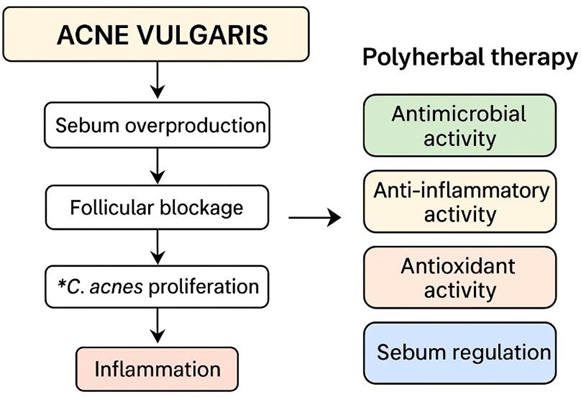
Figure 1: Distribution of Herbal Actions in Acne Management
CLINICAL EVIDENCE AND RECENT ADVANCES
Scientific confirmation for the effectiveness, safety, and patient acceptance of polyherbal anti-acne formulations is provided via clinical study. The reduction of acne lesions, sebum production, inflammation, and post-inflammatory hyperpigmentation has been shown in several clinical trials and observational studies using polyherbal combinations. Many times more effective than single-herb or traditional synthetic drugs, multitargeted treatment is made possible by the synergistic actions of numerous herbs in a single formulation. Bhowmik et al. (2017) conducted a randomized controlled experiment on 60 patients suffering from mild to moderate acne. The patients were given a polyherbal cream that included Azadirachta indica, Curcuma longa, and Aloe vera. There were little side effects and a 55-60% decrease in inflammatory and non-inflammatory lesions and an improvement in skin hydration over the course of 12 weeks. Clinical value of the tri-herbal combination was supported by the study's findings of synergistic antibacterial, anti-inflammatory, and wound-healing properties.
Eighty individuals suffering from inflammatory acne were studied by Sarkar et al. (2019) in relation to a gel formulation that included Turmeric, Tulsi, and Tea Tree Oil. When compared to placebo and the individual herbal components, the combination showed a substantial reduction in papules, pustules, erythema, and sebum production. The study emphasized the significance of utilizing herbs with complimentary mechanisms, such as eugenol, anti-inflammatory curcumin, and antibacterial terpinen- 4-ol, to attain synergistic effects. Clinical validation has also been achieved for polyherbal formulations based on green tea. Using a mix of Camellia sinensis, Aloe vera, and licorice extracts, Yoon et al. (2016) studied oily, acne-prone skin. After eight weeks, the study found that sebum levels, lesion counts, and post-inflammatory hyperpigmentation had significantly decreased, proving that the combination had a synergistic effect on androgens, antioxidants, and depigmentation.
Clinical results have been further bettered by new developments in formulation technology. Nanoemulsions, liposomes, and hydrogels are just a few examples of the nanotechnology-based formulations that can improve the penetration of herbal bioactives into pilosebaceous units. This means that lower quantities of actives can still be effective. A nano-gel formulated with Neem, Turmeric, Tulsi, and Tea Tree Oil was found by Khan et al. (2021) to be more effective than traditional gels in reducing irritation and speeding up the resolution of acne lesions. A combination of controlled-release and follicular-targeted delivery methods maximizes synergistic action, which in turn improves safety and effectiveness. New therapeutic trials have also targeted scarring and post-inflammatory hyperpigmentation, two important issues for acne sufferers. Supporting the holistic approach of polyherbal treatment, formulations comprising Manjistha, Licorice, Green Tea, and Aloe vera have demonstrated efficacy in decreasing hyperpigmentation and encouraging skin regeneration (Reddy et al., 2021). Hybrid formulations that combine polyherbal extracts with moderate synthetic drugs, such as salicylic acid, further increase effectiveness while decreasing side effects. Polyherbal formulations continue to offer significant benefits in terms of safety and tolerability. When compared to traditional acne treatments like antibiotics, retinoids, or benzoyl peroxide, clinical trials show that these alternatives cause much less dryness, irritation, or allergic responses. High patient adherence is ensured by the addition of calming herbs like sandalwood, aloe, and licorice, which buffer the possible discomfort from powerful antimicrobials (Sharma & Joshi, 2020).
SAFETY, TOXICITY, AND REGULATORY CONSIDERATIONS
Topical administration of polyherbal formulations exposes delicate skin to numerous bioactive chemicals; hence, the safety profile of these compounds is an important issue in the therapy of acne. In spite of the widespread belief that herbal remedies are inherently safer than manufactured pharmaceuticals, an improper formulation of any combination of these ingredients might cause skin irritation, allergic responses, or photosensitivity. Light reddening, irritation, and dryness are common side effects, especially with the use of strong essential oils or powerful extracts (Sharma & Joshi, 2020). Thus, it is crucial to conduct preclinical safety assessments, such as toxicity studies (both acute and chronic), skin irritation testing, and sensitization assays, to guarantee the safety of the product prior to its clinical use. Polyherbal compositions undergo in vitro and in vivo toxicological evaluations. Animal in vivo models aid in the identification of systemic toxicity or skin-specific responses, whereas in vitro cytotoxicity experiments use keratinocytes or fibroblasts evaluate the possibility of cellular damage induced by active chemicals. While aloe vera, curcuma longa, and azadirachta indica have shown minimal toxicity in conventional tests, exceeding the acceptable doses of these herbs when combined with essential oils, such as tea tree oil, may increase their irritating potential (Kumar & Singh, 2020). To reduce these dangers and increase skin tolerance, soothing agents, moisturizers, and the correct pH correction should be included.
From a regulatory standpoint, it is imperative that polyherbal anti-acne solutions adhere to standards established by both domestic and foreign bodies. The production and distribution of herbal remedies in India are overseen by the AYUSH regulatory framework and the Central Drugs Standard Control Organization (CDSCO), which enforces the standardization of ingredients, safety proof, and stability data. Similarly, topical herbal products must comply with Good Manufacturing Practices (GMP) and have suitable labeling in order to be classified as either cosmetics or over-the-counter (OTC) medications by the U.S. Food and Drug Administration (FDA). Important regulatory criteria for product safety and quality include standardization of phytochemical content, heavy metal analysis, microbiological limitations, and preservative efficiency (Patel et al., 2019). As part of the process of creating a formulation, you should think about the potential for cumulative toxicity and herb-herb interactions. For example, it is uncommon to see therapeutically optimal formulations of polyherbal combinations that comprise numerous bioactive phenolic substances inducing oxidative stress at high concentrations, although this is theoretically possible. It is crucial to monitor long-term exposure, especially when managing persistent acne. Regulatory clearance and customer trust also depend on thorough clinical trials recording side effects, tolerance, and patient compliance.
RESEARCH GAPS IDENTIFIED
There are still a number of unanswered questions about polyherbal anti-acne compositions, which prevents them from being standardised and used clinically. The absence of large-scale, multicenter clinical studies using standardized formulations is a significant gap in the current body of knowledge. In addition to limiting the generalizability of results and potentially missing population-specific responses, many research are constrained to small samples or single-center trials. Also, most studies only look at the short term, so we don't know much about the long term safety, effectiveness, or how to prevent recurrences (Bhowmik et al., 2017). The need to standardize polyherbal extracts is another area where research is lacking. The phytochemical composition and the resulting efficacy can be greatly affected by differences in plant species, provenance, growth circumstances, and extraction procedures. To guarantee repeatable treatment results, thorough phytochemical profiling and batch-to-batch standardization are necessary (Patel et al., 2019). Synergistic interactions have also been the subject of few mechanistic investigations. Although research has shown that polyherbal combinations have synergistic benefits, such as improved antibacterial, anti-inflammatory, and antioxidant activities, the exact molecular processes by which these effects occur are still not fully known. Kumar and Singh (2020) state that cutting-edge omics technologies like transcriptomics, metabolomics, and proteomics might improve formulation design by shedding light on molecular pathways.
CONCLUSION
Using the synergistic effects of many medicinal plants, polyherbal preparations provide a comprehensive and potentially effective approach to managing acne. Overgrowth of microbes, inflammation, oxidative stress, excess sebum production, and aberrant keratinization are all components of acne's complex pathophysiology, which these formulations aim to address. Researchers have shown that when herbs like Azadirachta indica, Curcuma longa, Aloe vera, Ocimum sanctum, and Camellia sinensis are combined, the results are better in terms of antibacterial, anti-inflammatory, antioxidant, and wound-healing properties than when the herbs are used alone. Technological advancements in formulation, including as hydrogels, nanoemulsions, and liposomes, have enhanced the stability, follicular targeting, and bioavailability of polyherbal products. Their effectiveness in lowering lesion count, regulating sebum production, decreasing post-inflammatory hyperpigmentation, and assuring excellent patient tolerance is supported by clinical data. Quality and compliance must be guaranteed by standardization, phytochemical profiling, preclinical and clinical assessments, and ongoing attention to safety, toxicity, and regulatory concerns. There is still a lack of research on several fronts, including large-scale clinical validation, the optimization of delivery methods, long-term safety, and the molecular explanation of synergistic interactions, despite considerable advances. Filling these gaps will improve the evidence for polyherbal acne treatments, which will pave the way for their use as safe, effective, and patient-friendly substitutes or supplements to traditional acne treatments in mainstream dermatology. Finally, polyherbal formulations provide long-term, all-encompassing advantages, and they are an example of a multi-faceted, scientifically-validated strategy to treating acne.
REFERENCES





Chanchal Pathade, Dharmendra Yadav, Sonu Gathe, Nishant Thakre, Komal Katre, Synergistic Approach of Polyherbal Extracts in Acne Treatment, Int. J. of Pharm. Sci., 2026, Vol 4, Issue 1, 29-49. https://doi.org/10.5281/zenodo.18116036
 10.5281/zenodo.18116036