View Article

Abstract

Nanotechnology is one of the most potent technologies of the twenty-first century. The use of nanotechnology & nanoparticle in cosmetics and dermal preparations has recently increased since it can treat a number of skin conditions in a revolutionary way. It has been shown to be successfully delivering in cosmetic and active pharmaceuticals in a targeted and safe manner. An additional benefit of using a carrier system in nanotechnology is enhanced skin penetration and a depot effect with prolonged release pharmacological action. The most crucial component in this context is the nano emulsion. In gel, lotion, and cream emulsions, they are frequently employed in place of vitamin A and its derivatives to function more efficiently. Compared to other skin care products, inorganic sunscreen ingredients such as metals TiO2 and ZnO2 are superior.

Keywords

Cosmeceutical, Nanotechnology, Nano Emulsion, Skin penetration, Nanoparticle, Nano Dermatology

Introduction

Materials smaller than 100 nm in size and exhibiting a variety of morphologies, such as spheres, rods, dendritic shapes, etc., are referred to as nanoparticles (NPs) [1]. The European Commission (EU) concurs with this concept [2]. Nanotechnology is the fastest-growing field of study devoted to creating scientifically based answers for novel problems, it will be very beneficial to producers of cosmetics and dermal products in the near future. cosmetics and therapies, thereby enhancing well-being[3].  Researchers from ancient Egypt, Greece, and Rome were using nanotechnology to prepare hair color more than 4,000 years ago..  However, the idea of nanotechnology has only recently been implemented since 1959 in a variety of disciplines, including science, biology, physics, and chemistry. And it was introduced into the cosmetics, dermal preparations, and over 40 years ago additional medical supplies that contain moisturizing lotions made with liposomes[4].Nanotechnology's prefix "Nano" is derived from the Greek word "Nanos," which means "little old man or dwarf."[5].

Skin Penetration by Topical Formulations :-  As the skin is one of the body's major organs, it offers nanoparticles plenty of places to act.  Nevertheless, any topical administration system designed to have systemic effects must get through the barrier created by the stratum corneum,

surface lipids, and other layers of the epidermis in order to reach the dermis, which contains blood vessels. Substances use among the three routes that can pass through the epithelial barrier . transcellular permeation, in where substances have to pass via stratum corneum cells and intercellular lipids [6]. It is impossible for particles larger than 500 Daltons to penetrate healthy skin. [7] The entry of such bigger particles into hair follicles is facilitated by their ability to function as micro-channels. [8] particles. Through the release of active ingredients at precise locations, stability, and appropriate contact, nanotechnology facilitates drug penetration. lowering the requirement for chemical complements [9]                                  
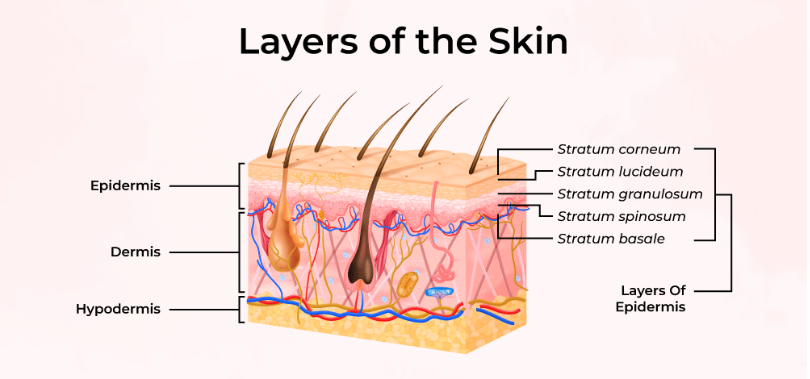
[Fig 1.o Layer 0f Skin Structure and Function of Skin: Skin Layer and Diagram – Geeks for Geeks [10]

Mechanism of nanoparticle penetration in skin:                 
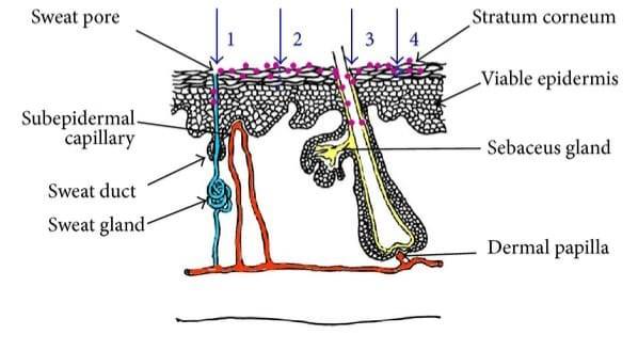
[fig.1 potential Route 0f penetration of Nanoparticles Skin nanoparticle drug delivery takes place in three major sites: stratum corneum surface through intracellular (2) and intercellular (4) penetration, furrows (1), and openings of hair follicles  [11]

Types of Nanoparticles:-

Nanoparticles can be divided into groups based on their dimensions, form, structure, and chemical and physical characteristics.  Known as liposomes, phospholipid-coated spherical nanoparticles or polymeric vesicles referred to as nano capsules [12]. Solid lipid nanoparticles, which are lipid particles in an aqueous base, exhibit photoprotective and moisturizing qualities [13].Lipids and drugs can be conjugated to enhance targeted release and drug loading [14].A nanocrystal is a crystalline configuration of particles ranging in size from 10 to 400 nm that is used to administer medications that are poorly soluble [15].Silver and gold nanoparticles are used because of their potent antibacterial qualities.  Noisome are vesicles of nonionic surfactants with great stability and penetration [16].Virosomes, which are viral proteins in liposomes, are used in vaccinations [17]Microporous beads known as micro sponges have regulated drug release characteristics that react specifically to temperature, moisture, pH, and rubbing [18].  
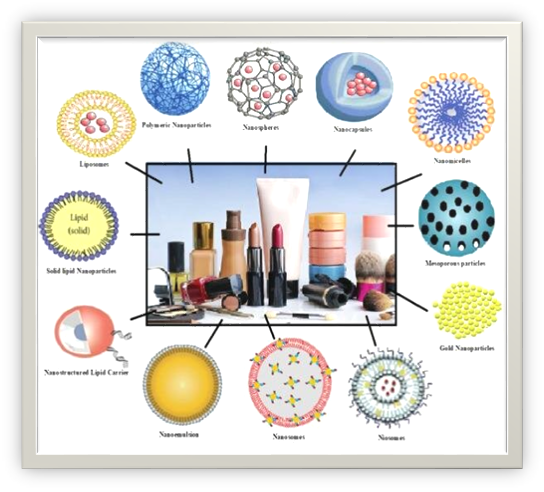
[Fig. 1.2 Type Of Nanoparticle In cosmetic Types of Nanomaterial in Cosmetics [19]

PROPERTIES OF NANOPARTICLE:-

1. They provide as an efficient link between bulk materials and atomic or molecular structures. [20]

2.Physical characteristics of a bulk material should be constant regardless of its sizes, however in the nanoscale, size-dependent characteristics are frequently observed.[21]

3.In materials that are larger than one micrometer (or micron), the percentage of atoms near the surface is insignificant in relation to the total number of atoms in the material.[22]

4.Diffusion is significantly accelerated by the large surface area to volume ratio of nanoparticles, particularly at high temperatures.  Sintering can happen on shorter time scales at lower temperatures than for larger particles[23].

5. The strong surface-solvent interaction, which enables nanoparticle suspensions, overcomes density fluctuations that ordinarily cause a substance to either float or sink in a liquid. [23.1]

6.Due to their small size, which allows them to contain their electrons and create quantum effects, nanoparticles frequently have unexpected optical features.  In solution, for instance, gold nanoparticles appear deep red to black.[23.2]

7.It is crucial to confirm that the photocatalytic activity of the nanoparticles won't cause the composite system to self-destruct before  fixing a polymer matrix and nanoparticle combination.[24]

ADVANTAGES:

1. The use of nanotechnology in cosmetics aims to improve the effectiveness of sunscreens, anti-aging treatments, and fragrances.[25]

2. To optimize a multicomponent system for skin care formulation manufacturing conditions.[25]

3. To keep active substances like vitamins and antioxidants active and to prevent hair from going gray, as well as to prevent and treat hair loss   transparency and lightness.[26]

4. Organic sunscreens such as 2-hydroxy-4-methoxy benzophenone can be combined to improve UV protection while lowering the UV absorber's concentration. [27]

5.Improved stability of volatile or light-sensitive ingredients.[27]

6.Non-greasy, transparent formulations (especially in sunscreens).[28]

DISADVANTAGES: - 

  1. Reactivity, chemical reactivity, and the development of reactive oxygen species are all greater at smaller particles. [25]
  2. It might cause inflammation and oxidative stress, that could harm proteins, membranes, and DNA. [25]
  3. Nanomaterials have been demonstrated to have harmful effects on human tissue and cell cultures, increasing oxidative stress and leading to cell death. [26]
  4. Activated by the sun It has been shown that titanium dioxide nanoparticles through oxidation damage DNA in human fibroblast cultures. [27]
  5. Skin fibroblasts, nucleic acids, and human colon cancerous cells were all poisoned by photo-activated titanium dioxide nanoparticles.[27]
  6. When inhaled ultrafine particles consist of quartz, minerals, dust, coal, silicate, and asbestos, they cause irritation in the lungs. These have the ability to cause lung fibrosis, cytotoxicity, as well as cancer.[28]

Tabel: -

[Table 1.0 Type 0f Nanoparticle with Advantage & Disadvantage]

Type of nanoparticle

Advantage

Disadvantage

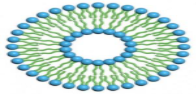
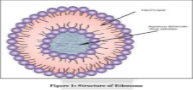
Nano Liposomes


[Fig 1.3 liposome

http://statnano.com/nanomaterials] [29]


Biodegradable, biocompatible ,amphiphilic,& increase skin penetration.[30]

May trigger an

immune response, decrease medication stacking, decrease reproducibility &

chemical flimsiness[30]


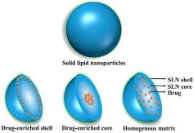
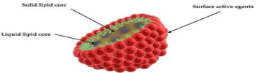
Solid lipid

nanoparticles(SLNs)


[fig 1.7{SLNs} ] [36]

High duration of action, ease of large scale production', high bioavailability &

Biodegradability. [30]

Low shelf life , Decreased drug encapsulation. [30]

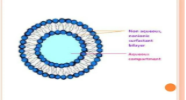
Niosomes


[Fig 1.4 Niosome https://www.slideshare.net/slideshow/niosomes] [31]


Increase efficiency, penetration, bioavailability, & stability of drugs [32]

High cost of production, physical & chemical instability, leakage of the drug, time consuming process[32]

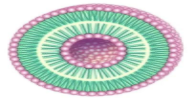
Sphingosomes


[fig 1.6 sphingosomes  [corneotherapy.org/articles/article-1] [35]

Reestablishment of barrier function of skin & repair of dehydrated & damaged skin  [32]

Poor entrapment efficiency and expensive [32]

Ethosomes


[Fig 1.5 Ethosomes  [semanticscholar.org/paper/Ethosomes]  {33}


Increase efficiency, penetration, of cosmetic delivery into the skin [34]

Poor yield problems, low stability,  & possibility of coalescence [34]


Nanostructured lipidcarriers (NLCs)


[fig 1.8 {NLCs}Nanostructured-lipid-carriers-NLC [37].


High shelf life’ ease of large scale production. [30]

Low duration of action & higher drug encapsulation [30]

Inorganic particles (TiO2, ZnO)


[fig 1.9 Inorganic particle

acsmaterial.com/titanium-dioxide-tio2.html] [38]

Hydrophilic , biocompatible, safe & stable [30]

Pulmonary toxicity [30]

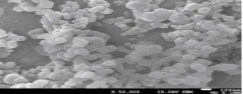
Silica (SiO2)


[fig 1.10 {sio2}nano-silica.html] [39]


Hydrophilic, low manufacturing cost [30]

Pulmonary toxicity

[30]

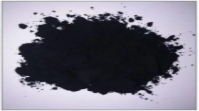
Carbon black


[fig1.11 Carbon black   http://www.mdpi.com/20763417/8/4/62] [40]


Light weight , high chemical & thermal stability & low cost [30]

Cytotoxicity; alters the phagocytic property of macrophage  [30]


Nano-organic (tris-biphenyl triazine)


[fig 1.12 nano organichll-atom-left-and-coarse-grained-right-representation-of-tris-meta-biphenyl-triazine_fig1_363413640] [41]


Powerful &  photostable filter [30]

Hazardous to the aquatic environment [30]


Buckyballs (Buckminster fullerene/C60)



[fig 1.13 Buckyballs  -molecular-model-of-the-spherical-fullerene] [42]


Exhibits antioxidant activity, thermostability, and photostability; prevents many skin problems related to oxidative stress [43]

Pulmonary toxicity; damages brain tissues; highly hydrophobic [43]

FORMULATION: -

FORMULATION OF CREAM: -

Oil and water emulsions that are semi-solid are called creams.   These are topical treatments, which might or might not include medicine. Active pharmaceutical compounds included in medicated creams are frequently utilized as antibacterial and anti-acne agents, among other purposes. Because of their moisturizing and emollient features, they are frequently used.

[Table: -1.1 Ingredient & Quantity of Cream [45]

Components

Quantity

AgNP’s Brown Seaweed Extract

2ml

Emulsifying Wax

9gm

Whit Soft Paraffin Liquid

15gms

Liquid Paraffin

6gm

Chlorocresol

o.1gms

Procedure: -

Cream preparation: - 

Mixed [ 2ml] of AgNp’s Brown Seawood Extract With 0.1 gm of Chlorocresol


Adequate amount of water Are Added and Heat at 70°c


Combine 6 grams of liquid paraffin melted at 70°C, 15 grams of soft paraffin, and 9 grams of   emulsifying wax.


The above Chlorocresol & Extract Was Added At Same 70°c Temperature and stirred until it was cold. [45]
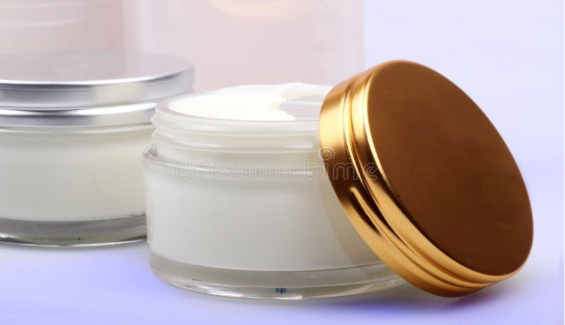
 

[fig 1.14 Nano Cream]

EVALUATION OF NANOCREAM: -

Physical Evaluation: The hand's observe, color, and smell were assessed after the cream was applied.[46]

Washability:  While the tap water was running, the cream was applied to the hand and observed.[46]

pH: Using a standard buffer solution, the pH meter was calibrated.50 milliliters of distilled water were used to dissolve 0.5 grams of cream, and a digital pH meter was used to measure the cream's PH.[46]

Irritation Test: Mark a 1 sq. cm. area on the dorsal surface of the left hand. Time was recorded after the cream was administered to the designated area. Consistently for a maximum of twenty-four hours, any erythema, edema, or irritation was evaluated and reported.[46]

Homogenecity: The visual appearance and test were used to assess homogeneity.[46]

APPLICATION: -   

Sunscreens: To make the sunscreen transparent instead of white, UV filters like zinc oxide and titanium dioxide are employed in nanoscale rather than bulk form.  Additionally, it is asserted that using them in nanoform increases their effectiveness. [47]

Breast cream:- The technique of Nano Dispersion created by Serge Lutens Blusher "produces an exceptionally fine and light powder with extraordinary properties: excellent elasticity, extreme softness, and light diffusion.[47]

Hair care:-The Citrus Mint Shampoo and Conditioner by RBC Life Science's Nanoceuticals brand utilizes Nano Clusters TM, or "nanoclusters to give your hair a healthy shine." [48]

Fullerenes: - Nanotechnology can be used to create new kinds of materials, such carbon fullerene.  These tiny carbon spheres are considered to have anti-aging properties. [48]

Toothpaste: - Using "Nanoparticles hydroxyapatite," "the same substance as our teeth," Sangi's Apagard is the first "remineralizing" toothpaste in the world, boosting oral health by promoting natural healing; Ace Silver Plus Nano silver toothpaste is made It is accessible in Korea.[49]

Moisturizers/anti-wrinkle creams:-L'Oreal Revitalift Double Lifting anti-wrinkle cream is their "first double-action cream that instantly re-tautens the skin and reduces the appearance of wrinkles," while Lancôme Hydra Zen Cream has "nano-encapsulated Triceramide, which contains pro-retinol A nanosomes, renews the healthy appearance of skin. [50]

Make-up:- Serge Lutens Blusher created the Nano Dispersion technique, which "produces an exceptionally fine and light powder with extraordinary properties: excellent elasticity, extreme softness, and light diffusion."[50]

Antiseptics: - Because the medicine releases slowly from the particle's core, chlorhexidine Nano emulsion provides a long-lasting impact . Titanium oxide and Nano silver nanoparticles function as antiseptics by being harmful to the components of cells [50].

FUTURE PRESPECTAIVE:

When it comes to both the physiological and psychological aspects, the skin is crucial. [51].This fact contributed to the cosmetics industry's recent rise.As everyone knows, this market generates a very big amount of revenue.By 2050, it is expected to reach USD 20 trillion .One of the most promising industries on its own is nanotechnology, but when combined with the high-end cosmetics business, it has created a technological revolution with an annual growth rate of 17%. The potential to incorporate cosmetic active substances into novel and enhanced nanocarriers, including cubosomes, niosomes, and liposomes, has led to a notable increase in popularity in how effectively the products work High stability, biocompatibility, controlled drug release, and high drug loading capacity are only a few benefits of incorporating cosmetic bioactive compounds into new and improved carriers. [52]

Undoubtedly, the application of polymeric carriers in the cosmetics sector is crucial, but there are also a number of obstacles to overcome, namely with regard to biosafety and polymer immunogenicity. Careful analysis of the positive outcomes and the uniqueness in this subject is necessary. [53].  There aren't many reports on how these nanoparticles affect metabolic pathways and the kinetics of metabolites. [54]. As a result, extensive research on the long-term impacts is required.

CONCLUSION: -

As the review above shows, nanocarriers have the potential to improve skin-whitening products. Nanotechnology has changed skincare by making products more effective, safer, and better at targeting skin problems. Tiny particles called nanoparticles help ingredients go deeper into the skin, work longer, and cause fewer side effects. They’re used in sunscreens, anti-aging creams, acne treatments, and more. While nanotech offers exciting benefits, scientists are still studying its long-term safety. With careful testing and smart regulations, nanotechnology can keep making skincare better and more personalized for everyone.

REFERENCES

  1. Dowling, A.; Cliff, R.; Grobert, N.; Hutton, D.; Oliver, R.; O’Neill, O.; Pethica, J.; Pidgeon, N.; Porritt, J.; Ryan, J.; et al. Nanoscienceand Nanotechnologies: Opportunities and Uncertainties; The Royal Society & The Royal Academy of Engineering: London, UK, 2004;Volume 44, pp. 7–10. Available online: http://sscottgraham.com/314/redesign4.pdf (accessed on 24 December 2021).
  2. Potocnik, J. Commission recommendation of 18 October 2011 on the definition of nanomaterial (2011/696/EU). Off. J. Eur.Commun. Legis. 2011, L275, 3840. [CrossRef]
  3. Morganti P, Use and potential of nanotechnology in cosmetic dermatology. Clin Cosmet Investig Dermatol 2010;3 5–13 Morganti P, Morganti G, Yuanhong Li Nanostructured products: technology and future. Journal of Applied Cosmetology. 2007; 25(4): 161–178. http://dictionary.reference.com
  4. http://dictionary.reference.com Gautam A., Singh, Vijayaraghavan R, Dermal Exposure of Nanoparticles: An Understanding. Journal of Cell and Tissue Research 2011; 11(1): 2703-2708.
  5. http://www.namo.gov
  6. Lawrence VA (2006) Development and evaluation of chitosan microparticles for the placement of dimethylaminoethanol (DMAE) in skin. Ribeirao Preto (SP): Universidade de Sao Paulo 117.
  7. Bos JD, Meinardi MM (2000) The 500 Dalton rule for the skin penetration of chemical compounds and drugs. Exp Dermatol 9: 165-169.
  8. Toll R, Jacobi U, Richter H, Lademann J, Schaefer H, et al. (2004) Penetration profile of microspheres in follicular targeting of terminal hair follicles. J Invest Dermatol 123: 168-176.
  9. Gupta S, Basal R, Gupta S, Jindal N, Jindal A (2013) Nanocarriers and nanoparticles for skin care and dermatological treatments. Indian Dermatol Online J 4: 267-272
  10. https://www.geeksforgeeks.org/biology/human-skin-structure-function/ 1.0    
  11. https://www.researchgate.net/figure/263515710_fig2_Skin-nanoparticle-drug-delivery-takes-place-in-three-major-sites-stratum-corneum-surface 1.1
  12. Papakostas D, Rancan F, Sterry W, Blume-Peytavi U, Vogt A (2011) Nanoparticles in dermatology. Arch Dermatol Res 303: 533-550.
  13. Pardeike J, Hommoss A, Müller RH (2009) Lipid nanoparticles (SLN, NLC) in cosmetic and pharmaceutical dermal products. Int J Pharm 366: 170-184.
  14. Schwarz C, Mehnert W, Lucks JS, Muller RH (1999) Solid lipid nanoparticles (SLN) for controlled drug delivery: I. Production, characterization and sterilization. J Contro Release 30: 83-96.
  15. Keck CM, Müller RH (2006) Drug nanocrystals of poorly soluble drugs produced by high pressure homogenisation. Eur J Pharm Biopharm 62: 3-16.
  16. Lohani A, Verma A, Joshi H, Yadav N, Karki N (2014) Nanotechnology based cosmeceuticals. ISRN Dermatology 2014: 843687.
  17. Antonio JR, Antônio CR, Cardeal IL, Ballavenuto JM, Oliveira JR (2014) Nanotechnology in dermatology. An Bras Dermatol 89: 126-136
  18. Panwar AS, Yadav CS, Yadav P, Darwhekar GN, Jaina DK, et al. (2011) Microsponge: a novel carrier for cosmetics. Journal of Global Pharma Technology 3: 15-24.
  19. https://www.researchgate.net/figure/Figure-No-2-Types-of-Nanomaterial-in-Cosmetics-15_fig2_367655199 1,2
  20. Dieter Vollath, ”Nanomaterials-An Introduction to Synthesis, Properties and Application” Environmental Engineering and Management Journal November/December 2008, Vol. 7, No.6, 865-870.
  21. Limin Sun, Laurence C. Chow, Stanislav A. Frukhtbeyn” Preparation and Properties of Nanoparticles of Calcium Phosphates With Various Ca/P Ratios” J. Res. Natl. Inst. Stand. Technol., Volume 115, Number 4, July-August 2010; 115, 243-255.
  22. Adrina Zelenakova, Vladimir Zelenak, “The iron-gold magnetic nanoparticles: preparation, characterization and magnetic properties” Advanced Study Center Co. Ltd. Rev.Adv.Mater.Sci. 18 2008; 501.
  23. Juh Tzeng Lue, “Physical Properties of Nanomaterials” Encylopedia of Nanoscience and Nanotechnology.
  24. http://ec.europa.eu/health/ph_risk/committees/04_sccp/docs/sccp_mi_009.pdf
  25. 13.www.europa.eu.int/comm/health/ph_risk/committees/sccp/docshtml/sccp_out135_en.htm.
  26. Salata O “Applications of nanoparticles in biology and medicine”. Journal of Nanobiotechnology 2:3; So ndi I and Salopek-Sondi B 2004. “Silver nanoparticlesas antimicrobial agent: a case study on E. coli as a model for Gram-negativebacteria”. Journal of Colloidal Interface Science 275(1) 2004; 177-182.
  27. Foresight Guidelines on Molecular Nanotechnology.
  28. Sayes C, Fortner J, Guo W, Lyon D, Boyd A, Ausman K, Tao Y, Sitharaman B,Wilson L, Hughes J, West J, Colvin V “The differential cytotoxicity of water soluble fullerenes”. Nanolett. 4, 2004; 1881-1887.
  29. http://statnano.com/nanomaterials
  30. Fytianos, G.; Rahdar, A.; Kyzas, G.Z. Nanomaterials in cosmetics: Recent updates. Nanomaterials 2020, 10, 979. [CrossRef]
  31. https://www.slideshare.net/slideshow/niosomes
  32. KusumaPriya,M.D.; Kumar, V.; Damini, V.K.; Eswar, K.; Reddy, K.R.; Brito Raj, S.; Sucharitha, P. Somes: A review on composition, formulation methods and evaluations of different types of “somes” drug delivery system. Int. J. Appl. Pharm. 2020, 12, 7–18. [CrossRef]
  33. https://www.semanticscholar.org/paper/Ethosomes:-A-Novel-Tool-for-Herbal-Drug-Delivery-Pawar-Kalamkar/a3a6535b37cf0aa863d2d78afa107c94fa90d59b/figure/5
  34. Sudhakar, C.K.; Upadhyay, N.; Jain, S.; Charyulu, R.N. Ethosomes as non-invasive loom for transdermal drug delivery system. In Nanomedicine and Drug Delivery; Apple Academic Press: Point Pleasant, NJ, USA, 2012; ISBN 9781466560079.
  35. https://corneotherapy.org/articles/article-1
  36. https://www.mdpi.com/1999-4923/10/4/191
  37. https://www.researchgate.net/figure/Nanostructured-lipid-carriers-NLC_fig3_350181921
  38. https://www.acsmaterial.com/titanium-dioxide-tio2.html
  39. https://www.choko.asia/nano-silica.html
  40. http://www.mdpi.com/2076-3417/8/4/624
  41. https://www.researchgate.net/figure/All-atom-left-and-coarse-grained-right-representation-of-tris-meta-biphenyl-triazine_fig1_363413640
  42. https://www.alamy.com/buckyball-molecule-c60-molecular-model-of-the-spherical-fullerene-molecule-c60-fullerenes-are-structurally-distinct-forms-allotropes-of-carbon-th-image335274173.html
  43. Metrics, P. Fullerene is effective against wrinkles. J. Am. Acad. Dermatol. 2010, 62, AB22. [CrossRef]
  44. Adeleye, O. A., Badru, A. O., Oyinloye, O. E., Fagbohun, A. B., Bakre, L. G., Bamiro, O. A., ... & Lateef, A. (2020, March). Green synthesized silver nanoparticles for cream formulation: its anti-inflammatory and healing activities. In IOP Conference Series: Materials Science and Engineering (Vol. 805, No. 1, p. 012016). IOP Publishing.
  45. https://jusst.org/wp-content/uploads/2024/10/FORMULATION-AND-EVALUATION-OF-NANO-CREAM-USING.pdf
  46. Rajagopal, G., Manivannan, N., Mahalingam, S., Anand, K., Senthilkumar, S., Mathivanan, N., ... & Ilango, S. (2020). Biogenic Synthesis of Silver Chloride Nanoparticles from Padina gymnospora and their Evaluation of Antimicrobial, Larvicidal, Hemolytic and Anticancer Activities.
  47. Salata O “Applications of nanoparticles in biology and medicine”. Journal of Nanobiotechnology 2:3; So ndi I and Salopek-Sondi B 2004. “Silver nanoparticlesas antimicrobial agent: a case study on E. coli as a model for Gram-negativebacteria”. Journal of Colloidal Interface Science 275(1) 2004; 177-182.
  48. Calero M, Chiappi M, Carrillo AL, Rodríguez MJ, Chichón FJ, et al. (2015) Characterization of interaction of magnetic nanoparticles with breast cancer cells. J Nanobiotechnol 13(1): 16.
  49. Anselmo AC, Mitragotri S (2016) Nanoparticles in the clinic. Bioeng Transl Med 1(1): 10-29.
  50. Juh Tzeng Lue, “Physical Properties of Nanomaterials” Encylopedia of Nanoscience and Nanotechnology. 
  51. Kim, M.-H.; Jeon, Y.-E.; Kang, S.; Lee, J.-Y.; Lee, K.W.; Kim, K.-T.; Kim, D.-D. Lipid Nanoparticles for Enhancing the Physicochemi cal Stability and Topical Skin Delivery of Orobol. Pharmaceutics 2020, 12, 845.
  52. Environmental Protection Authority (EPA). Cosmetic Products Group Standard 2017—HSR002552; Environmental Protection Authority (EPA): Washington, DC, USA. Available online: https://www.epa.govt.nz/assets/Uploads/Documents/Hazardous Substances/2017-Group-Standards/7f18a92020/Cosmetic-Products-Group-Standard-2017-HSR002552.pdf (accessed on 3 Jan uary 2022).
  53. Asia-Pacific Regulatory Guidelines—Cosmetics Bridge. Available online: https://www.cosmeticsbridge.com/asia-pacific regulations-guidelines/ (accessed on 3 January 2022).
  54. European Union Guidance on the Safety Assessment of Nanomaterials in Cosmetics. Available online: https://ec.europa.eu/ health/system/files/2020-10/sccs_o_233_0.pdf (accessed on 3 January 2022).

Reference

  1. Dowling, A.; Cliff, R.; Grobert, N.; Hutton, D.; Oliver, R.; O’Neill, O.; Pethica, J.; Pidgeon, N.; Porritt, J.; Ryan, J.; et al. Nanoscienceand Nanotechnologies: Opportunities and Uncertainties; The Royal Society & The Royal Academy of Engineering: London, UK, 2004;Volume 44, pp. 7–10. Available online: http://sscottgraham.com/314/redesign4.pdf (accessed on 24 December 2021).
  2. Potocnik, J. Commission recommendation of 18 October 2011 on the definition of nanomaterial (2011/696/EU). Off. J. Eur.Commun. Legis. 2011, L275, 3840. [CrossRef]
  3. Morganti P, Use and potential of nanotechnology in cosmetic dermatology. Clin Cosmet Investig Dermatol 2010;3 5–13 Morganti P, Morganti G, Yuanhong Li Nanostructured products: technology and future. Journal of Applied Cosmetology. 2007; 25(4): 161–178. http://dictionary.reference.com
  4. http://dictionary.reference.com Gautam A., Singh, Vijayaraghavan R, Dermal Exposure of Nanoparticles: An Understanding. Journal of Cell and Tissue Research 2011; 11(1): 2703-2708.
  5. http://www.namo.gov
  6. Lawrence VA (2006) Development and evaluation of chitosan microparticles for the placement of dimethylaminoethanol (DMAE) in skin. Ribeirao Preto (SP): Universidade de Sao Paulo 117.
  7. Bos JD, Meinardi MM (2000) The 500 Dalton rule for the skin penetration of chemical compounds and drugs. Exp Dermatol 9: 165-169.
  8. Toll R, Jacobi U, Richter H, Lademann J, Schaefer H, et al. (2004) Penetration profile of microspheres in follicular targeting of terminal hair follicles. J Invest Dermatol 123: 168-176.
  9. Gupta S, Basal R, Gupta S, Jindal N, Jindal A (2013) Nanocarriers and nanoparticles for skin care and dermatological treatments. Indian Dermatol Online J 4: 267-272
  10. https://www.geeksforgeeks.org/biology/human-skin-structure-function/ 1.0    
  11. https://www.researchgate.net/figure/263515710_fig2_Skin-nanoparticle-drug-delivery-takes-place-in-three-major-sites-stratum-corneum-surface 1.1
  12. Papakostas D, Rancan F, Sterry W, Blume-Peytavi U, Vogt A (2011) Nanoparticles in dermatology. Arch Dermatol Res 303: 533-550.
  13. Pardeike J, Hommoss A, Müller RH (2009) Lipid nanoparticles (SLN, NLC) in cosmetic and pharmaceutical dermal products. Int J Pharm 366: 170-184.
  14. Schwarz C, Mehnert W, Lucks JS, Muller RH (1999) Solid lipid nanoparticles (SLN) for controlled drug delivery: I. Production, characterization and sterilization. J Contro Release 30: 83-96.
  15. Keck CM, Müller RH (2006) Drug nanocrystals of poorly soluble drugs produced by high pressure homogenisation. Eur J Pharm Biopharm 62: 3-16.
  16. Lohani A, Verma A, Joshi H, Yadav N, Karki N (2014) Nanotechnology based cosmeceuticals. ISRN Dermatology 2014: 843687.
  17. Antonio JR, Antônio CR, Cardeal IL, Ballavenuto JM, Oliveira JR (2014) Nanotechnology in dermatology. An Bras Dermatol 89: 126-136
  18. Panwar AS, Yadav CS, Yadav P, Darwhekar GN, Jaina DK, et al. (2011) Microsponge: a novel carrier for cosmetics. Journal of Global Pharma Technology 3: 15-24.
  19. https://www.researchgate.net/figure/Figure-No-2-Types-of-Nanomaterial-in-Cosmetics-15_fig2_367655199 1,2
  20. Dieter Vollath, ”Nanomaterials-An Introduction to Synthesis, Properties and Application” Environmental Engineering and Management Journal November/December 2008, Vol. 7, No.6, 865-870.
  21. Limin Sun, Laurence C. Chow, Stanislav A. Frukhtbeyn” Preparation and Properties of Nanoparticles of Calcium Phosphates With Various Ca/P Ratios” J. Res. Natl. Inst. Stand. Technol., Volume 115, Number 4, July-August 2010; 115, 243-255.
  22. Adrina Zelenakova, Vladimir Zelenak, “The iron-gold magnetic nanoparticles: preparation, characterization and magnetic properties” Advanced Study Center Co. Ltd. Rev.Adv.Mater.Sci. 18 2008; 501.
  23. Juh Tzeng Lue, “Physical Properties of Nanomaterials” Encylopedia of Nanoscience and Nanotechnology.
  24. http://ec.europa.eu/health/ph_risk/committees/04_sccp/docs/sccp_mi_009.pdf
  25. 13.www.europa.eu.int/comm/health/ph_risk/committees/sccp/docshtml/sccp_out135_en.htm.
  26. Salata O “Applications of nanoparticles in biology and medicine”. Journal of Nanobiotechnology 2:3; So ndi I and Salopek-Sondi B 2004. “Silver nanoparticlesas antimicrobial agent: a case study on E. coli as a model for Gram-negativebacteria”. Journal of Colloidal Interface Science 275(1) 2004; 177-182.
  27. Foresight Guidelines on Molecular Nanotechnology.
  28. Sayes C, Fortner J, Guo W, Lyon D, Boyd A, Ausman K, Tao Y, Sitharaman B,Wilson L, Hughes J, West J, Colvin V “The differential cytotoxicity of water soluble fullerenes”. Nanolett. 4, 2004; 1881-1887.
  29. http://statnano.com/nanomaterials
  30. Fytianos, G.; Rahdar, A.; Kyzas, G.Z. Nanomaterials in cosmetics: Recent updates. Nanomaterials 2020, 10, 979. [CrossRef]
  31. https://www.slideshare.net/slideshow/niosomes
  32. KusumaPriya,M.D.; Kumar, V.; Damini, V.K.; Eswar, K.; Reddy, K.R.; Brito Raj, S.; Sucharitha, P. Somes: A review on composition, formulation methods and evaluations of different types of “somes” drug delivery system. Int. J. Appl. Pharm. 2020, 12, 7–18. [CrossRef]
  33. https://www.semanticscholar.org/paper/Ethosomes:-A-Novel-Tool-for-Herbal-Drug-Delivery-Pawar-Kalamkar/a3a6535b37cf0aa863d2d78afa107c94fa90d59b/figure/5
  34. Sudhakar, C.K.; Upadhyay, N.; Jain, S.; Charyulu, R.N. Ethosomes as non-invasive loom for transdermal drug delivery system. In Nanomedicine and Drug Delivery; Apple Academic Press: Point Pleasant, NJ, USA, 2012; ISBN 9781466560079.
  35. https://corneotherapy.org/articles/article-1
  36. https://www.mdpi.com/1999-4923/10/4/191
  37. https://www.researchgate.net/figure/Nanostructured-lipid-carriers-NLC_fig3_350181921
  38. https://www.acsmaterial.com/titanium-dioxide-tio2.html
  39. https://www.choko.asia/nano-silica.html
  40. http://www.mdpi.com/2076-3417/8/4/624
  41. https://www.researchgate.net/figure/All-atom-left-and-coarse-grained-right-representation-of-tris-meta-biphenyl-triazine_fig1_363413640
  42. https://www.alamy.com/buckyball-molecule-c60-molecular-model-of-the-spherical-fullerene-molecule-c60-fullerenes-are-structurally-distinct-forms-allotropes-of-carbon-th-image335274173.html
  43. Metrics, P. Fullerene is effective against wrinkles. J. Am. Acad. Dermatol. 2010, 62, AB22. [CrossRef]
  44. Adeleye, O. A., Badru, A. O., Oyinloye, O. E., Fagbohun, A. B., Bakre, L. G., Bamiro, O. A., ... & Lateef, A. (2020, March). Green synthesized silver nanoparticles for cream formulation: its anti-inflammatory and healing activities. In IOP Conference Series: Materials Science and Engineering (Vol. 805, No. 1, p. 012016). IOP Publishing.
  45. https://jusst.org/wp-content/uploads/2024/10/FORMULATION-AND-EVALUATION-OF-NANO-CREAM-USING.pdf
  46. Rajagopal, G., Manivannan, N., Mahalingam, S., Anand, K., Senthilkumar, S., Mathivanan, N., ... & Ilango, S. (2020). Biogenic Synthesis of Silver Chloride Nanoparticles from Padina gymnospora and their Evaluation of Antimicrobial, Larvicidal, Hemolytic and Anticancer Activities.
  47. Salata O “Applications of nanoparticles in biology and medicine”. Journal of Nanobiotechnology 2:3; So ndi I and Salopek-Sondi B 2004. “Silver nanoparticlesas antimicrobial agent: a case study on E. coli as a model for Gram-negativebacteria”. Journal of Colloidal Interface Science 275(1) 2004; 177-182.
  48. Calero M, Chiappi M, Carrillo AL, Rodríguez MJ, Chichón FJ, et al. (2015) Characterization of interaction of magnetic nanoparticles with breast cancer cells. J Nanobiotechnol 13(1): 16.
  49. Anselmo AC, Mitragotri S (2016) Nanoparticles in the clinic. Bioeng Transl Med 1(1): 10-29.
  50. Juh Tzeng Lue, “Physical Properties of Nanomaterials” Encylopedia of Nanoscience and Nanotechnology. 
  51. Kim, M.-H.; Jeon, Y.-E.; Kang, S.; Lee, J.-Y.; Lee, K.W.; Kim, K.-T.; Kim, D.-D. Lipid Nanoparticles for Enhancing the Physicochemi cal Stability and Topical Skin Delivery of Orobol. Pharmaceutics 2020, 12, 845.
  52. Environmental Protection Authority (EPA). Cosmetic Products Group Standard 2017—HSR002552; Environmental Protection Authority (EPA): Washington, DC, USA. Available online: https://www.epa.govt.nz/assets/Uploads/Documents/Hazardous Substances/2017-Group-Standards/7f18a92020/Cosmetic-Products-Group-Standard-2017-HSR002552.pdf (accessed on 3 Jan uary 2022).
  53. Asia-Pacific Regulatory Guidelines—Cosmetics Bridge. Available online: https://www.cosmeticsbridge.com/asia-pacific regulations-guidelines/ (accessed on 3 January 2022).
  54. European Union Guidance on the Safety Assessment of Nanomaterials in Cosmetics. Available online: https://ec.europa.eu/ health/system/files/2020-10/sccs_o_233_0.pdf (accessed on 3 January 2022).

Photo
Nitin Thakur
Corresponding author

Ideal Institute Of Pharmacy Posheri Wada.

Photo
Mrunal Patil
Co-author

Ideal Institute Of Pharmacy Posheri Wada.

Photo
Harshada Dhak
Co-author

Ideal Institute Of Pharmacy Posheri Wada.

Nitin Thakur*, Mrunal Patil, Harshada Dhak, The Nanotech Revolution in Skincare: A Review of Nanoparticles in Cosmetics and Dermatology, Int. J. of Pharm. Sci., 2025, Vol 3, Issue 12, 2038-2049 https://doi.org/10.5281/zenodo.17909225

More related articles
Design, Synthesis and Biological Evaluation for An...
Asawe Tejaswini, Dr. Shoheb Shaikh, ...
Therapeutic Potential of Manilkara hexandra (Roxb....
Murde N. G., Wadulkar R. D., Satpute K. L., Sonkamble M. D., ...
Therapeutic Nutrition in Hypertension: A Systems-Biology Perspective on Diet-Ind...
Asha Siddabhovi, Shobha Rajanna, Sreelakshmi Veerendra, Shashikala Krishnamurthy, Rachana Giriswamy,...
Related Articles
Centella asiatica: A Multifunctional Phytotherapeutic Approach in skin Regenerat...
Pradhan Kartiki, Dr. Aher Nitin, Dahale Pooja, Dahale Neha, ...
Ethnopharmacological Evaluation of Medicinal Plants Used for Diabetes in the Mah...
Ghorpade Nikhil, Kolte Komal, Puja Ghate, Amita Vasave, Ketaki Ingawale, Tarannum Sameer Sati, ...
Estimation of Vitamin C Content in Different Citrus Fruits by the Titration Meth...
Wagh Snehal, Dhanshri Shinde, Pole Deepali, Heramb Indrasing, Mayur Sanjay, ...
Evaluation Of Anthelmintic Efficacy of Poly Herbal Formulation Specifically Tabl...
Dr. Susanta Kumar Rout, GB Alaka Kar, Debashis Mishra, ...