
Department of Pharmacology, Vidhyabharati College of Pharmacy, Amravati.
Rheum emodi Wall. ex Meissn., a perennial herb of the Polygonaceae family native to the Himalayan region, has been extensively utilized in traditional medicine systems for over 5000 years. This comprehensive review consolidates contemporary scientific evidence on the plant's phytochemistry, pharmacological activities, and therapeutic potential. The rhizome contains a diverse array of bioactive compounds including anthraquinones (emodin, aloe-emodin, chrysophanol, rhein, physcion), stilbenes (piceatannol, resveratrol, rhaponticin), flavonoids (quercetin, myricetin), and tannins, among others. Pharmacological investigations have demonstrated significant antioxidant, anti-inflammatory, immunomodulatory, antimicrobial, anticancer, hepatoprotective, nephroprotective, antidiabetic, antiulcer, antiviral, and wound healing activities in both in vitro and in vivo models. Hepatoprotection involves mitochondrial membrane stabilization and prevention of chemically-induced liver injury, whereas antidiabetic effects operate through enhanced glucose utilization and modulation of key glycolytic enzymes. Conservation efforts are critically needed as Rheum emodi is classified as an endangered species due to overharvesting and habitat degradation in its endemic Himalayan distribution. This review underscores the necessity for rigorous human clinical studies, standardization of herbal preparations, sustainable cultivation practices, and integrated conservation strategies to realize the therapeutic potential of this invaluable medicinal plant while ensuring its ecological sustainability
Rheum emodi Wall. ex Meissn., commonly referred to as Himalayan rhubarb or Indian rhubarb, is a perennial medicinal herb belonging to the Polygonaceae family. This plant has been employed in traditional medicine systems across Asia for over 5000 years and continues to attract scientific attention due to its rich phytochemical profile and diverse pharmacological activities[1]. Rheum emodi, also referred to as Indian rhubarb or Himalayan rhubarb, is a medicinally significant herb traditionally employed in both Ayurvedic and Unani systems of medicine. The term “rhubarb” originates from the Latin words rha (river) and barb (barbarian land). Historically, the Romans imported the plant from regions beyond the Rha River, giving rise to the name rhabarbarum. Its earliest documentation appears in the classical Chinese text Shen Nong Ben Cao Jing, one of the foundational works on materia medica. This species has been utilized worldwide for the management of diverse ailments including jaundice, headaches, migraines, paralysis, sciatica, muscular pain, inflammation, swelling, and diarrhoea. The roots and rhizomes of R. emodi are reported to possess a range of pharmacological properties, notably anticancer, antibacterial, antifungal, and anti-ulcer activities. Owing to its therapeutic value, the plant is subject to overexploitation from natural habitats. Additionally, anthropogenic pressures such as uncontrolled grazing, deforestation, selective harvesting, and rapid industrialization have contributed to its population decline. In regions of Northern India, particularly the Garhwal Himalayas, R. emodi is now considered threatened, emphasizing the urgent need for focused conservation strategies and sustainable cultivation practices[2]. Rheum emodi, commonly known as Himalayan rhubarb, is a perennial herb belonging to the family Polygonaceae. It has been widely utilized in traditional systems of medicine for its therapeutic potential, serving as a laxative, tonic, and diuretic, as well as in the management of conditions such as fever, cough, indigestion, and menstrual irregularities since ancient times. Phytochemical investigations have revealed that Rheum emodi is rich in anthraquinone derivatives (including rhein, chrysophanol, aloe-emodin, emodin, physcion, and their glycosides) and stilbene compounds (such as picetannol, resveratrol, and their glycosides). A growing body of research has demonstrated that this plant exhibits a wide spectrum of pharmacological properties, including anticancer, antioxidant, anti-inflammatory, antimicrobial, antifungal, antidyslipidemic, antiplatelet, antidiabetic, antiulcer, hepatoprotective, immunomodulatory, and nephroprotective activities[3].
BOTANICAL IDENTITY AND TAXONOMIC CLASSIFICATION
Taxonomic Classification:
|
Kingdom |
Plantae |
|
Subkingdom |
Tracheobionta |
|
Division |
Magnoliophyta |
|
Class |
Magnoliopsida |
|
Order |
Caryophyllales |
|
Family |
Polygonaceae |
|
Genus |
Rheum |
|
Species |
emodi |
|
Botanical name |
Rheum emodi Wall. ex Meissn[4]. |
Vernacular Names:
|
Language/System |
Name |
|
English name |
Indian rhubarb or Himalayan rhubarb |
|
Hindi name |
Dolu, Revandchini. |
|
Afghanistani name: |
Chukri, Rawash |
|
Arabic name |
Revanch chini, Rawind |
|
Bombay name |
Ladakirevand chini |
|
Marathi name |
Mulkarcvand chini, Revanchini. |
|
Nepalese name |
Padamachal |
|
Persian name |
Bikrewas, Revandchini. |
|
Punjab |
Atsu, Chotial, Chuchi, Pambash, Chutial, Khabium, Lachu, Rewand chini. |
|
Tamil name |
Variyattu, Natturevandchini |
|
Telugu |
Nattupampuch, Nattureval chini |
|
Sanskrit |
Amlaparni, Pitamulika, Grandhika, Gandhini, Swedachini, Revadhika, Hrithdhatri, Kankushta[5]. |
Morphological Characteristics
The plant is a stout, leafy perennial herb reaching heights of 1.5 to 3.0 meters. The root system is robust, with radical leaves that are long-petioles and very large—often measuring up to 60 cm in diameter—orbicular or broadly ovate with a cordate base. Flowers are small (approximately 3 mm diameter), appearing dark purple or pale red in axillary panicles. The fruit is ovoid-oblong, about 13 mm long, purple-coloured with a notched apex and cordate base[6].
?Geographical Distribution
This species is endemic to the temperate Himalayan regions, distributed from Kashmir to Sikkim at elevations ranging from 2000 to 3800 meters. It thrives in alpine zones on rocky soils, moraines, crevices between boulders, and near streams. The plant prefers well-drained, porous, humus-rich soil and can tolerate exposed or partially shaded habitats above 1800 m elevation[7].
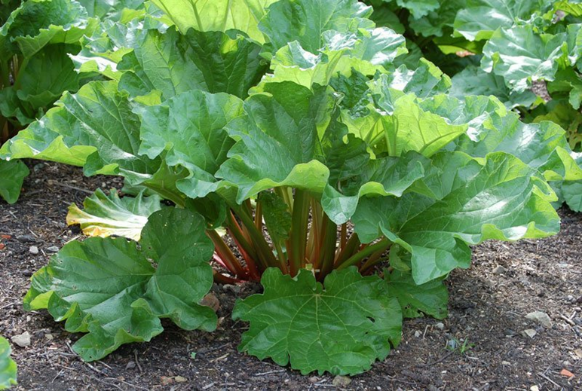
Fig 1. Rheum emodi[8]
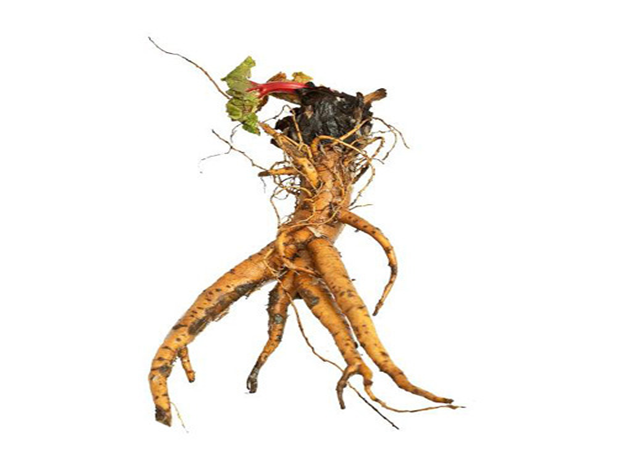
Fig 2. Rheum emodi roots[9]
HISTORICAL BACKGROUND AND ETHNOBOTANICAL SIGNIFICANCE
The medicinal application of rhubarb dates back to approximately 2700 BCE in China, where it was first documented in "The Shen Nong Ben Cao Jing," the earliest known materia medica text. Ancient Greek and Roman physicians, including Dioscorides and Galen, documented its therapeutic properties, and the renowned Persian physician Avicenna (Ibn Sina) described its applications across multiple organ systems. By the 10th century, rhubarb became a major Asian export commodity. Historical records indicate that in 16th-century France, it was sold at ten times the price of cinnamon and four times that of saffron, rivaling even opium in value. This high economic value reflects its long-standing medicinal importance[3].
Traditional Medical Applications:
In various traditional systems including Ayurveda, Unani, and Traditional Chinese Medicine, Rheum emodi has been employed for multiple purposes:
|
Traditional System |
Primary Uses |
|
Ayurveda |
Laxative, liver tonic, digestive disorders, menstrual problems[10]
|
|
Unani |
Constipation, jaundice, dysmenorrhea, skin conditions, muscular pain[3] |
|
Chinese Medicine |
Cancer treatment, liver ailments, blood purification[11]
|
|
Folk Medicine |
Wound healing, dental hygiene, fever, respiratory disorders[3]
|
Specific Ethnomedicinal Applications:
Traditional practitioners have utilized the herb for treating retention of urine (combined with Cucumis melo and Tribulus terrestris seeds), dysmenorrhea with oligomenorrhea, jaundice, diarrhoea, indigestion, hiccough, cough, asthma, hemoptysis, headache, migraine, paralysis, bruises, muscular pain, arthritis, abscesses, sciatica, freckles, and melasma[3].
PHYTOCHEMICAL COMPOSITION
1. Anthraquinones and Derivatives:
The rhizome serves as the primary reservoir for anthraquinones, which represent the most pharmacologically significant chemical group. These compounds exist both in free form and as glycosides[12]:
Anthraquinones with carboxyl groups: Rhein[11]
Anthraquinones without carboxyl groups: Chrysophanol, aloe-emodin, emodin, physcion (emodin monomethylether), chrysophanein, and emodin glycoside[2]
2. Stilbenes: Piceatannol, resveratrol, rhaponticin, and their respective glycosides constitute important stilbene compounds with notable biological activities[13].
3. Anthrone C-Glucosides: These include 10-hydroxycascaroside C, 10-hydroxycascaroside D, 10R-chrysaloin 1-O-β-D-glucopyranoside, cascaroside C, cascaroside D, and cassialoin[14].
4. Oxanthrone Derivatives: Revandchinone-1, revandchinone-2, revandchinone-3 (oxanthrone esters), and revandchinone-4 (oxanthrone ether) have been isolated and characterized[15].
5. Other Constituents: Flavonoids (quercetin, myricetin, rutin, epicatechin), tannins (hydrolysable and condensed types), phenolic compounds, auronols (carpusin, maesopsin), naphthoquinones, lignans, saponins, volatile oils, alkaloids, carbohydrates, and oxalic acid[13].
Novel Compounds
Recent phytochemical investigations have identified additional unique compounds including sulfemodin 8-O-β-D-glucoside (a sulfated anthraquinone glycoside), torachrysone 8-O-β-D-glucoside, rhein 11-O-β-D-glucoside, and β-asarone[16-17].
?Quantitative Phytochemical Analysis
Analytical studies using HPLC, TLC, and spectrophotometric methods have confirmed that rhizomes contain approximately 95 distinct bioactive compounds, including five flavonoids, twelve anthraquinones, and ten stilbenes. Chrysophanol (43.97%) and physcion (3.23%) represent major anthraquinone constituents in rhizome extracts[18].
?PHARMACOLOGICAL ACTIVITIES
Hypoglycaemic activity:
It has hypoglycaemic activity and is prescribed to treat diabetes mellitus. Himalayan Rhubarb Rheum emodi possesses alpha-glucosidase inhibitor ingredients that help in decreasing the absorption of glucose from the intestine. It inhibits gluconeogenesis and promotes peripheral utilization of glucose[19].
Antidyslipidemic activity:
The antidyslipidemic potential of ethanolic extract of Rheum emodi. Emodin 8-O-β-D-glucopyranoside, chrysophanol, chrysophanol 8-O-βD-glucopyranoside, and emodin were active ingredients and have considerable activity in triton-induced rats by decreasing lipid levels in plasma. Emodin indicated considerable hypolipidemic potential in the high-fat diet model[19].
Anti-inflammatory:
The anti-inflammatory activity of the petroleum ether extract of the rhizomes of Rheum emodi has been reported. Chrysophanol was found to be the main constituent responsible for anti-inflammatory activity[19].
Antiulcer activity:
The antiulcer potential of the ethanolic extract of Rheum emodi rhizome was evaluated on ulcers induced by pyloric ligation in rats. It was observed that there was a decrease in ulcer index along with the decrease in total acidity and volume[20].
Nephroprotective activity:
The effects of toxic metals on the kidney have been known for many years. Nephrotoxicity may occur as a result of occupational or therapeutic exposure to these metals. Heavy metals tend to accumulate in kidneys where they may produce a broad spectrum of morphological and functional effects[21]. The nephroprotective activity of both the fractions (water soluble and water-insoluble) of alcoholic extract of R. emodi has been established[22].
Hepatoprotective activity:
This plant has hepatoprotective activity The extract from the rhizomes of Rheum emodi has shown significant hepatoprotective activity against CCl4-induced liver injury both in vitro and in vivo using silymarin as a standard[23].
Antidiabetic activity:
In a study it has been concluded that Rheum emodi rhizome extract exhibited antidiabetic activity by enhancing the peripheral utilization of glucose, by correcting impaired liver and kidney glycolysis and by limiting its gluconeogenic process, similar to insulin[24].
Immuno-enhancing activity:
The ethyl acetate extract of rhizome of R. emodi has been shown to possess immuno-enhancing activity on cell lines. The effect is believed to be because of a dose-dependent increase in the release of nitric oxide and cytokine TNF-a, IL-12 and a decrease in IL-10 by RAW 264.7 in macrophage cell lines in the presence of extract alone [25].
Anticancer activity:
Cancer chemoprevention is de?ned as the use of natural, synthetic or biologic chemical agents to reverse, suppress, or prevent carcinogenic progression. There have been increasing safety concerns over synthetic chemo preventive therapy. Commonly used synthetic antioxidants like butylated hydroxyanisole (BHA) and butylated hydroxytoluene (BHT) have been restricted due to their toxicity and DNA damage induction potential. Instead, ?oral resources have received considerable attention as sources of biologically active substances including antioxidants, anti-mutagens and anti-carcinogens[26].
Antimicrobial activity:
Antimicrobial activity compound of Rheum emodi was investigated by Babu et al. Compounds were tested against gram positive (Bacillus subtilis, Bacillus sphaericus and Staphylococcus aureus) and gram negative (Klebsiella aerogenes, Chromobacterium violaceum and Pseudomonas aeruginosa) bacteria. Revandchinone-1 and 3 had lower degrees of antibacterial activity (inhibition zone diameters of 7–9 mm for the 30 and 100 g/ml test concentrations) than didrevandchinone-4 (inhibition zone diameter of 12–14 mm at both the 30 and 100 g/ml test concentrations)[27]. The phenolic compounds and flavonoids present in Rheum emodi have been found to possess antimicrobial activity, which helps to inhibit the growth of microorganisms and prevent infections[28].
Antibacterial activity:
R. emodi is the most valuable medicinal plant in folk medicine with a wide range of pharmacological properties. The present research aimed to investigate the phytochemical constituents and isolation of antibacterial compounds from R. emodi. The extract showed the presence of phenolic compounds, flavonoids, saponins, and anthraquinones. The antibacterial activity revealed that ethyl acetate extract at 60 mg/ml was effective against S. aureus, A. baumannii, and E. cloacae[29].
Anti-oxidant activity:
Anti-oxidant activity of stilbenoids isolated from Rheum emodi has been reported. The polyphenol content of Himalayan rhubarb, Rheum emodi Wall, was measured, and the antioxidant activity was determined using DPPH and ABTS+ assay, and the oxidative stress was assessed using SOD enzymatic assay[30].
SAFETY PROFILE AND CONTRAINDICATIONS
Adverse Effects
Excessive consumption of Rheum emodi roots may cause increased peristaltic movement leading to diarrhoea and abdominal cramps due to its strong purgative action. When administered internally, the roots impart a characteristic deep tinge to urine[10].
Contraindications
Use is contraindicated in patients with:
Gout and rheumatism
Epilepsy
Uric acid disorders
History of renal or gallbladder stones
Inflammatory or febrile conditions[31]
Oxalate Content Concerns
The rhizome contains oxalic acid, which upon consumption may combine with blood calcium to form insoluble calcium oxalate crystals that can deposit in kidneys or gallbladder. Prolonged or high-dose use should be avoided, particularly in individuals with renal compromise[31,32].
CONCLUSION
Rheum emodi Wall. ex Meissn. stands as a cornerstone of Himalayan ethnomedicine, with its rhizome extracts validated across extensive preclinical studies for antioxidant, anti-inflammatory, antimicrobial, anticancer, hepatoprotective, nephroprotective, antidiabetic, antiulcer and wound-healing properties. The anthraquinones (emodin, rhein, chrysophanol), stilbenes (rhaponticin, piceatannol) and flavonoids underpinning these effects offer promising leads for natural product drug discovery, particularly in oxidative stress-related disorders, microbial resistance and metabolic syndromes.However, despite robust in vitro and animal data, the transition to clinical practice remains constrained by limited human trials, incomplete pharmacokinetic profiles and standardization challenges. Safety considerations—stemming from potent laxative action, oxalate burden and contraindications in renal/gout patients—underscore the need for dose-optimized formulations and therapeutic monitoring. Overexploitation in native habitats has rendered the species threatened, demanding urgent conservation through sustainable cultivation, micropropagation and regulated trade. Future research must prioritize randomized controlled trials, molecular mechanistic elucidation via omics approaches, and biodiversity-preserving strategies to harness this valuable resource responsibly for modern phytotherapy.
REFERENCES


Vishakha Kamble, Vivek Paithankar, A. M. Wankhade, J. V. Vyas, Therapeutic Potential and Clinical Prospects of Rheum emodi: A Comprehensive Review , Int. J. of Pharm. Sci., 2026, Vol 4, Issue 3, 813-821. https://doi.org/10.5281/zenodo.18922898
 10.5281/zenodo.18922898
