

We use cookies to ensure our website works properly and to personalise your experience. Cookies policy
DES Dayanand College of Pharmacy, Latur. Maharashtra, India.
The objective of this study is to analyze a species of plant that is found across the southern and central parts of tropical India and is known to have a variety of therapeutic uses, as well as inflammation, diabetes, infection, and other ailments. Manilkara hexandra (Roxb.) Dubard (Khirini or Rayan) is a species found in southern and central tropical India, Madhya Pradesh, and Maharashtra. It is a long-standing used remedial plant for inflammation, diabetes, infections, neurological disorders, liver, and gastrointestinal disorders. This plant is known to have bioactive phytoconstituents, such as flavonoids, tannins, triterpenoids, alkaloids, glycosides, and several phenolic compounds, which are known for their antioxidants, anti-inflammatory, antimicrobial, hepatoprotective, anti-diabetic, and other properties. Common pharmacological activities of this plant include anxiolytic. Hydroalcoholic extracts of the leaves and bark have provided evidence of such activities. Leaf extract gave a significant reaction, for example, in anti- arthritic activity in rats at 250mg, and a significant increase in glucose metabolism at 300 and 600 mg/kg. Locals use the seeds as a tonic and aphrodisiac. Extracts of the plant have altered the level of pro-inflammatory cytokines as well as inhibited the formation of ?-hematin, involved in the anti-plasmodial activity. Nonetheless, positive findings in different in vivo and in vitro studied activities were noted, and thorough toxicological studies and clinical trials were not done. For M. hexandra, though attention must still be given to mechanisms, safety, and standardization of formulations, the plant is a promising candidate in the management of several chronic metabolic, inflammatory, infectious, and neurological disorders, as the plant should be recognized as a confirmed phytopharmaceutical.
The field of science is receiving attention globally due to an increased interest in evidence-based herbal medicine and safer therapeutic alternatives derived from it. The phytopharmaceuticals and traditional herbal remedies have been used more widely for chronic metabolic, inflammatory, and neurological conditions around the world because of their polyherbal formulation and high safety profile. [1, 2]
Manilkara hexandra (Roxb.) Dubard, Family: Sapotaceae is an evergreen tree widely distributed in India, Sri Lanka, Bangladesh, and Southeast Asia. The local names Khirni, Rayan, and Khirini pertain to the ethnomedicinal practices concerning the fruits, bark, and leaves. [3] Ethnomedicine and taxonomic records suggest its importance in inflammatory and metabolic conditions.
Traditionally, various parts of Manilkara hexandra have been used to manage inflammation, diabetes, liver diseases, ulcers, infections, and abnormalities associated with oxidative stress. [4] The bark and leaves have also been noted in ethnomedicinal reports for their use in the treatment of various neurological conditions like convulsions and weakness of the nerves, which can suggest the positive potential the components have.[5]
Phytochemical?????? investigations reveal that Manilkara hexandra contains various bioactive compounds such as flavonoids, triterpenoids, tannins, phenolics, saponins, alkaloids, and glycosides. [6] Next to that, research has been made isolating new flavonoids and triterpenoids with strong antioxidant, antimicrobial, and enzyme-modulatory activities, which tallies with their considerable potential for drug development.[7]
Furthermore, it is accepted that the pharmacological properties of Manilkara hexandra have antioxidant, antidiabetic, hepatoprotective, antimicrobial, and CNS-linked properties. [8,9] However, despite these positive pieces of evidence, extensive toxicological studies, standardization procedures, and mechanism-oriented studies are missing.
Such a large research gap is reflected in the lack of quality control standards and valid pharmacological endpoints. Existing literature on Manilkara hexandra is scattered across various pharmacological, phytochemical, and ethnobotanical studies. Very few reports talk about its mode of action and safety, despite its huge potential.
Specific to the aims of this review: collection and systematic arrangement of the most updated phytochemical findings; toxicological evaluation; assessment of biological and pharmacological effects; identification of gaps in knowledge; and future research directions for the development of Manilkara hexandra as an evidence-based medicine.
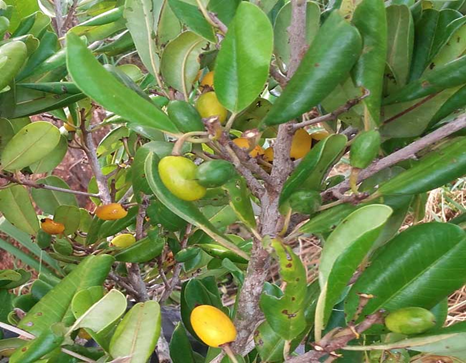
Fig 1: Manilkara hexandra
Manilkara hexandra (Roxb.) Dubard is an evergreen tree that belongs to the Sapotaceae family. It is found in north, south, and central India, as well as the tropical forests of Sri Lanka, Cambodia, Thailand, Myanmar, and Vietnam.
1.1 Taxonomy
Table 1: Scientific Classification [10, 11]
|
Kingdom |
Plantae |
|
Phylum |
Tracheophyta |
|
Sub-phylum |
Euphyllophytina |
|
Class |
Magnoliopsida |
|
Sub-class |
Magnoliidae |
|
Order |
Ericales |
|
Family |
Sapotaceae |
|
Genus |
Manilkara |
|
Species |
Manilkara hexandra |
1.2 Vernacular name
Table 2: Vernacular Names [10,11]
|
Sr.no |
Language |
Plant name |
|
1. |
Hindi |
Khirni, Khirani |
|
2. |
English |
Obtuse-leaved mimusops, Kauki |
|
3. |
Sanskrit |
Raajaadan, Phalaadhyakhsa, Khsirikoo |
|
4. |
Tamil |
Ulakkaippa-lai |
|
5. |
Telugu |
Patla, Pola, Khirni |
|
6. |
Ayurvedic |
Khirni |
|
7. |
Siddha |
Palai |
1.3 Morphology
Manilkara hexandra (Khirni) is a small to medium-sized, slow-growing, and fairly large evergreen tree. It usually reaches a height of 12 to 25 meters and a trunk circumference of 1 to 3 meters. It can be found in both tropical and temperate forests.
The bark has a milky latex and is rough, furrowed, and grayish in color. Simple, alternating, elliptic to obovate, glabrous leaves with an acute base and emarginate apex that have a glossy dark green adaxial surface are usually 4 to10 cm long and 2.5 to 5 cm wide. Small, solitary or clustered, white to pale yellow flowers have multiple stamens that alternate with staminodes and six-lobed sepals and petals. The fruits are ellipsoid to obovoid, yellow to reddish-yellow when ripe, and typically have a hard testa and one or two oily seeds. [11]
Manilkara hexandra (Roxb.) the evergreen, slow-growing dubard tree prefers dry, warm climates on deep, black, lateritic, and well-drained loamy soils. It grows in tropical dry deciduous forests, scrublands, and open woodlands.
Its dense hardwood and coriaceous leaves, which support frugivores with edible fruits that aid in seed dispersal, contribute to the dry forest canopy and demonstrate its high drought tolerance.
Native to southern China, Sri Lanka, Bangladesh, Myanmar, Thailand, Cambodia, Vietnam, and India (Gujarat, Rajasthan, Madhya Pradesh, Maharashtra, Karnataka, Andhra Pradesh, Kerala); grown for fruits, medicine, and lumber. [12]
As Table 3 illustrates, Manilkara hexandra is well known for a broad range of chemical constituents, including tannins, flavonoids, saponins, alkaloids, glycosides, terpenoids, and phenolic compounds. [13]
Tannins, flavonoids (such as quercetin and kaempferol), saponins, alkaloids, glycosides, triterpenoids (particularly taraxerol, α- and β-amyrin, and ursolic acid), steroids related to β-sitosterol and its glucoside, and phenolic acids, especially those associated with derivatives of cinnamic acid, are the main components found.
Taraxerol, hentriacontane, quercitol, ethyl nicotinate, 3,4-dihydroxy benzaldehyde, α-spinasterol, gallic acid, 4-methyl benzaldehyde, and β-D-glucoside of β-sitosterol are among the isolated specific molecules that have been documented. After the plant material was extracted using ethanol and methanol as solvents, it was separated chromatographically and identified using spectroscopic methods.[14]
Table 3: Phytochemical Comparison [12, 14]
|
Plant part |
Major classes |
Representative compounds (examples) |
|
Leaf |
Flavonoids, phenolic acids, sterols, saponins, tannins |
Quercetin, kaempferol, rutin, myricetin, catechin, epicatechin, gallic acid, coumaric acid, ferulic acid, vanillic acid, β-sitosterol, aridanin (saponin), phenolic tannins, phlobatannins |
|
Stem bark |
Triterpenoids, sterols, flavonoids, phenolics, saponins |
Taraxeryl acetate, α?amyrin cinnamate, taraxerol, α?spinasterol, β?sitosterol, ursolic acid, quercetin, kaempferol, gallic acid,7,9?di?tert?butyl?1?oxaspiro? (4.5) ?deca?6,9?diene?2,8?dione (antibacterial) |
|
Seeds |
Fatty oil, saponins, flavonoids, triterpenes, phenolics |
16?% edible oil, ~1?% saponins (protobassic?acid?derived), protobassic acid, 16?α?hydroxy?protobassic acid, quercidal flavonoids (≈5?% flavonoids), quercetin, quercitol, gallic acid, β?sitosterol, taraxerol, α?amyrin, β?amyrin |
|
Fruit (pulp) |
Vitamins, flavonoids, phenolics, Terpenoids |
Vitamin?A, vitamin?C, quercetin, kaempferol, gallic acid, coumaric acid, vanillic acid, catechin, ursolic acid, α- and β-amyrin acetates |
|
Root
|
Triterpenoids, phenolic acids, sterols |
Α and β-amyrin cinnamate, cinnamic acid, taraxerol, gallic acid, coumaric acid, α-spinasterol, β-D-glucoside of β-sitosterol |
Manilkara hexandra, commonly known as Kshirini in Ayurveda, has a rich history of traditional and ethnomedicinal uses across Ayurveda, Siddha, Unani, and folk medicine.
4. Pharmacological Activities of Manilkara hexandra
4.1 Antioxidant activity
The in vitro antioxidant activity of Manilkara hexandra has been established fairly strongly by recent studies involving the DPPH, FRAP, and ABTS tests, as well as hydroxyl radical scavenging assays, which utilized methanolic leaf and bark extracts. It is noteworthy that among those mentioned above, the inhibitory activity of the leaf methanolic extract (EC50 46.62 µg/mL in the DPPH assay) was better than that of the less active bark extracts, probably due to a lesser phenolic and flavonoid content acting as free radical scavengers and electron donors. So far, the major claims made are based on the neutralization of oxidative stress in a dose-dependent manner, with limitations in terms of verification due to in vivo testing protocols or the identification of specific active compounds. [17, 18]
4.2 Anti-inflammatory activity
The leaf as well as seed extracts of Manilkara hexandra caused significantly high inhibition, around 65 to 72% in protein denaturation due to heat, displaying good anti-inflammatory potential in vitro. [19] The extracts prevent proteinase activity and stabilize proteins/cellular membranes, showing anti-inflammatory properties through well-known mechanisms. The methanolic leaf extract showed good antioxidant activity, scavenging approximately 60-80% free radical DPPH and hence eliminating ROS with a potential role in the validation of inflammatory signalling. [20] A new saponin isolated from Manilkara hexandra seeds shows a clear anti-inflammatory activity in biochemical assays, corroborating the activity observed at the compound level. [21]
In vivo anti-inflammatory action occurred with large reductions in inflammatory edema accompanying extract administration in formaldehyde-induced models. [22] The constellated results indicate that flavonoids, tannins, and saponins present in Manilkara hexandra are responsible for its anti-inflammatory activity through antioxidant, membrane-stabilizing, and enzyme-inhibitory pathways.
4.3 Anti-Microbial activity
Manilkara hexandra has revealed significant antimicrobial activity in various studies. One of these studies identified certain flavonoids from Manilkara hexandra, such as quercetin, exhibiting impressive antibacterial and antifungal activities, particularly against gram-positive bacteria and Candida albicans. In this investigation, the authors also validated that such flavonoids make important contributions to the broad-spectrum antimicrobial action of this plant through interference with microbial cell walls and disruption in the growth cycle of the pathogens.[23]
While others evaluated the antimicrobial properties of Manilkara hexandra leaf extracts, which were prepared using Soxhlet extraction with three different solvents. This study examined the antibacterial and antifungal activities against a variety of pathogenic microorganisms. The results showed that the antimicrobial action was concentration-dependent, and methanolic extracts displayed the maximum activity against Streptococcus mutans, Bacillus subtilis, Klebsiella pneumoniae, Proteus mirabilis, Salmonella bongori, and Enterococcus faecalis, along with fungi such as Candida albicans and Candida glabrata.[24]
4.4 Hepatoprotective activity
The research indicated that the extract from the stem bark of Manilkara hexandra demonstrated considerable hepatoprotective properties against liver damage induced by carbon tetrachloride (CCl?) and paracetamol in rodent models. An oral dosage of 400 mg/kg of the ethyl acetate extract significantly reduced elevated levels of liver enzymes AST, ALT, and ALP, suggesting a decrease in liver injury. Histopathological analyses showed notable enhancements in the architecture of liver tissue, with reductions in fatty degeneration, inflammation, and necrosis. Acute toxicity studies demonstrated no mortality up to 4000 mg/kg, suggesting a wide safety margin. [25]
4.5 Antidiabetic activity
The study examined the impact of leaf aqueous extract of Manilkara hexandra (LAEMH) on glucose metabolism in Labeo rohita fingerlings. The experimental groups were provided with a basal diet that included LAEMH at doses of 300 mg/kg and 600 mg/kg body weight over a period of 60 days. The findings indicated a significant decrease in serum glucose levels and digestive amylase activity in a dose-dependent manner. Enzymes associated with carbohydrate metabolism, such as glucose-6-phosphatase and fructose-1,6-bisphosphatase, exhibited reduced activity, suggesting a decline in gluconeogenesis. The study concludes that the observed hypoglycemic effect is attributed to diminished glucose availability resulting from decreased amylase activity, which leads to altered glucose metabolism. [26]
4.6 Antimalarial activity
The leaf extract of Manilkara hexandra demonstrates significant antimalarial properties mainly by inhibiting the formation of β-hematin, which interferes with the malaria parasite's ability to detoxify free heme during its lifecycle within red blood cells. Moreover, the extract influences pro-inflammatory cytokines, thereby diminishing the inflammatory responses linked to malaria infection. These two mechanisms, addressing both the survival of the parasite and the modulation of the host's immune response, highlight the therapeutic promise of M. hexandra as a natural antimalarial agent. The presence of bioactive flavonoids and phenolic compounds is likely responsible for these effects, reinforcing its traditional applications and indicating potential for further advancement into phytopharmaceutical products. [27]
4.7 Antianxiety activity
A study was conducted to examine the anxiolytic properties of Manilkara hexandra leaf extracts, utilizing Swiss albino rats as the experimental model. The extracts were given orally at doses of 150 mg/kg and 300 mg/kg. Behavioral evaluations conducted in the elevated plus maze and light/dark preference tests revealed significant anxiolytic effects. The bioactive components, which include flavonoids, alkaloids, and triterpenoids, are thought to penetrate the blood-brain barrier and influence nerve excitability pathways. These results suggest that Manilkara hexandra has potential applications not only for anxiety but also for various neurological conditions such as epilepsy, aligning with its traditional medicinal uses. [28]
4.8 Antiarthritic activity
Preclinical investigations involving the hydroalcoholic leaf extract of Manilkara hexandra at a dosage of 250 mg/kg revealed considerable anti-arthritic properties in rat models suffering from arthritis. The extract significantly diminished paw swelling, the arthritic index, and various inflammatory parameters, thereby reinforcing its traditional application in treating inflammatory disorders. These beneficial effects are linked to the abundant presence of bioactive compounds, including flavonoids, triterpenoids, and phenolics, which provide anti-inflammatory and antioxidant effects by inhibiting pro-inflammatory mediators and reducing oxidative stress. [29]
4.9 Anti-Tumor Activity
In several studies, the leaf extracts were shown to have cytotoxic effects on cancer cells, as well as antitumor effects in animal models. A methanolic leaf extract has been fractionated, and the fractions have been tested for cytotoxic effect against human breast cancer cells, MCF-7, via SRB and MTT assay. The strongest, dose-dependent killing was shown by the petroleum-ether: ethyl-acetate, PE–EA, fraction with an IC?? ≈ of 55 µg/mL, which reduced cell viability to ~32-33% at 80 µg/mL. GC-MS of that fraction showed a high flavonoid content, notably ~25% quercetin, supporting a link between flavonoids and cytotoxicity. [30]
In another in vivo study on mice bearing Ehrlich ascites carcinoma (EAC), M. hexandra leaf extracts significantly inhibited tumor growth: they reduced the viable tumor cell counts, improved the survival indices, and improved tumor-induced hematological abnormalities compared to the untreated controls. [31]
These findings together suggest that M. hexandra contains bioactive compounds, especially flavonoids, which may inhibit cancer-cell proliferation and tumor growth; further detailed mechanistic, isolation, and safety studies are required.
4.10 Antihyperlipidemic Activity
Antihyperlipidemic activity in the experimental model of hyperlipidemia was observed in extracts of Manilkara hexandra leaf and bark. Administration of ethanolic and aqueous extracts resulted in a significant decrease in serum total cholesterol (↓ 25–40%), LDL (↓ 30–45%), VLDL (↓ 20–35%), and triglycerides (↓ 25–38%), along with an increase in HDL levels by 15–25% as compared to disease control. This lipid-lowering action is supported by its abundance of flavonoids, saponins, and phenolic compounds, which act by enhancing metabolic processing of lipids, inhibiting intestinal lipid absorption, and reducing oxidative lipid peroxidation. [32]
CONCLUSION
Manilkara hexandra is a researched and popularly used plant, and is widely used in medicine due to its extensive phytochemical makeup and its many different and diverse biological functions, such as inflammation, oxidative stress, metabolic disorders, infections, and neurological disorders.
Manilkara hexandra has also proven efficacious and has a valuable therapeutic purpose in many preclinical studies as well. Nonetheless, due to insufficient standardization, a thorough investigation of the pharmacodynamics, and a thorough consideration of the safety aspects, the application of Manilkara hexandra to modern medicine has many obstacles.
Future research should focus on improving extraction and formulation techniques to transform traditional plant knowledge into scientifically validated therapies. Biotechnological tools like nanotechnology and metabolomics can enhance the efficacy and standardization of herbal drugs such as Manilkara hexandra. This approach holds promise for developing safe, effective natural treatments for global health challenge.
REFERENCES


Murde N. G.*, Wadulkar R. D., Satpute K. L., Sonkamble M. D., Therapeutic Potential of Manilkara hexandra (Roxb.): Integrating Ethnopharmacology, Bioactive Compounds, and Preclinical Evidence, Int. J. of Pharm. Sci., 2025, Vol 3, Issue 12, 1961-1970 https://doi.org/10.5281/zenodo.17895746
 10.5281/zenodo.17895746