

We use cookies to ensure our website works properly and to personalise your experience. Cookies policy
P. R. Pote Patil College of Pharmacy, Amravati.
Dragon fruit (Hylocereus spp. And Selenicereus spp.) has received much considerable attention as a valuable functional fruit due to its attractive colour, distinctive flavour, and richness of health-promoting bioactive compounds. The peel, pulp, and seeds contain diverse phytochemicals, including betalains, phenolics, flavonoids, polysaccharides, dietary fiber, and beneficial seed oils, which exhibit antioxidant, anti-inflammatory, antimicrobial, and metabolic activities. This review critically discusses recent advances in the extraction, isolation, purification, and partial characterization of these bioactive compounds from different parts of dragon fruit. Emphasis is placed on the preparation of raw-material, pretreatment, conventional extraction methods, and recent green extraction technologies, including ultrasound-assisted extraction (UAE) and ultrasound-assisted enzyme extraction (UAEE). The influence of important processing parameters, such as solvent composition, extraction time, temperature, solid-to-liquid ratio, ultrasound conditions, and enzyme treatment, on extraction efficiency and recovery of bioactive compounds are also discussed. We reviewed recent analytical and characterization approaches for evaluation of composition, stability, and functional properties of compounds. Potential applications of dragon-fruit bioactive compounds are also reviewed. This review aims at identifying potential of optimized and sustainable extraction technologies to improve the recovery and utilization of high-value bioactive compounds from dragon fruit by overcoming the key limitations and research gaps in the previous studies.
1. Introduction to the Dragon Fruit
Dragon fruit, commonly known as pitaya, is an increasingly important tropical and subtropical fruit derived from climbing cacti belonging mainly to the general Hylocereus and Selenicereus. Its increasing global prominence is attributed not only to its attractive appearance and pleasant sensory characteristics but also to its nutritional and phytochemical composition. The fruit contains antioxidants, vitamins, minerals, essential fatty acids, particularly in the seeds, and a diverse range of bioactive compounds, including betalains, flavonoids, carotenoids, phenolic compounds, and polysaccharides. These constituents contribute to the functional value of dragon fruit and have been associated with antioxidant, anti-inflammatory, antimicrobial, and metabolic activities, making the fruit an emerging functional food with potential health applications. The bioactive constituents of dragon fruit are distributed among different parts of the fruit, including the peel, pulp, and seeds. Among these parts, the peel has attracted considerable scientific interest because it contains valuable phytochemicals and is often generated as an underutilized by-product during fruit processing. The presence of these compounds makes dragon-fruit peel a potentially valuable source of natural ingredients for food, nutraceutical, cosmetic, and other value-added applications. Recent research has therefore focused on the recovery and technological utilization of bioactive compounds from dragon-fruit peel. 1,2,24
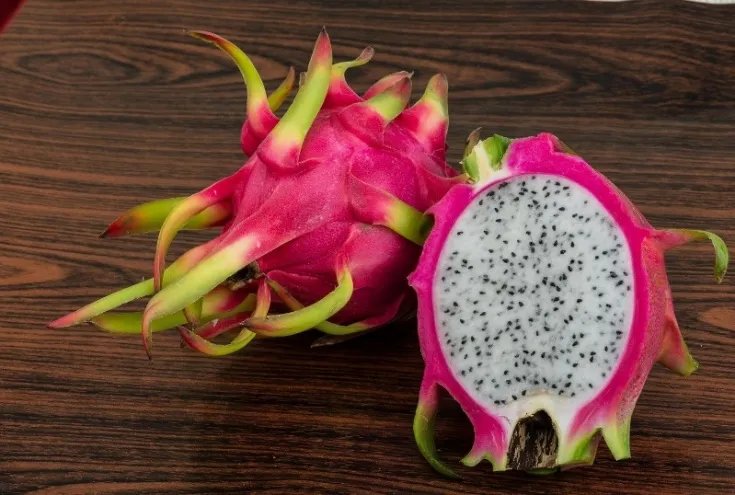
Figure 1.1: Dragon Fruit (Commonly Known as Pitaya). 34
The biological properties of dragon fruit are closely associated with its phytochemical composition. In particular, betalains, phenolic compounds, and flavonoids have attracted attention because of their antioxidant properties and potential biological effects. An experimental study on red pitaya investigated its antioxidant and antiproliferative activities, providing evidence for the biological potential of constituents present in the fruit. The antioxidant potential of dragon fruit is of particular interest because naturally occurring antioxidants may contribute to protection against oxidative processes and increase the functional value of plant-derived food materials. Modern analytical techniques have significantly improved the investigation of dragon-fruit bioactive compounds. Techniques such as high-performance liquid chromatography (HPLC), liquid chromatography–tandem mass spectrometry (LC–MS/MS), Fourier-transform infrared spectroscopy (FTIR), ultraviolet-visible (UV–vis) spectrophotometry, and nuclear magnetic resonance (NMR) spectroscopy can be used for the detection, identification, quantification, and characterization of phytochemical constituents. These analytical approaches provide information about the chemical composition of extracts and isolated fractions and can help researchers investigate structural characteristics that may influence pigment stability, antioxidant activity, and other functional properties. 1,2,13,25
The process of isolation and characterization of bioactive compounds is essential for identifying their chemical nature and therapeutic potential. Various extraction techniques such as solvent extraction, Soxhlet extraction, and maceration are commonly employed to obtain phytoconstituents from plant materials. These extracts are further subjected to chromatographic techniques like thin-layer chromatography (TLC), high-performance liquid chromatography (HPLC), and spectroscopic methods including UV-visible spectroscopy, infrared spectroscopy (IR), and nuclear magnetic resonance (NMR) for partial characterization.1,2,4
Metabolomic and advanced analytical approaches have further expanded the understanding of the chemical diversity of dragon fruit. Such approaches can facilitate the detection of minor or previously uncharacterized metabolites and provide a more comprehensive profile of the phytochemicals present in different dragon-fruit species and fruit parts. This increasing understanding of chemical diversity highlights the need for appropriate extraction and analytical strategies for the efficient recovery and characterization of bioactive constituents. 1,4,26
The recovery of these bioactive constituents requires an appropriate extraction process. Extraction represents one of the most important preliminary steps in phytochemical investigation because the quantity and composition of the recovered compounds can be strongly influenced by the extraction procedure. In dragon-fruit peel, different extraction approaches have been investigated to recover phenolic compounds, flavonoids, pigments, and other valuable constituents. Several parameters can influence extraction efficiency, including the type and concentration of solvent, solvent-to-sample ratio, extraction temperature, extraction time, particle size, pH, and characteristics of the plant material. Appropriate selection and optimization of these parameters are therefore important for obtaining extracts enriched in the desired bioactive compounds while minimizing degradation of sensitive constituents. Conventional extraction procedures have traditionally been used for the recovery of phytochemicals from plant materials. However, recent research has increasingly focused on improved and emerging extraction techniques designed to increase extraction efficiency, reduce processing time and solvent consumption, and improve the recovery of thermolabile or sensitive compounds. Among these techniques, ultrasound-assisted extraction (UAE) has gained attention as an efficient extraction approach. UAE uses ultrasonic waves to produce cavitation within the extraction medium, which can enhance disruption of plant tissues and improve the transfer of bioactive compounds from the plant matrix into the solvent. This technique may reduce extraction time and solvent requirements compared with some conventional extraction procedures and can be useful for recovering phenolic compounds, flavonoids, pigments, and other phytochemicals. 5,6,7,25,26
A further development is ultrasound-assisted enzymatic extraction (UAEE), which combines ultrasonic treatment with enzymatic hydrolysis. In this approach, enzymes can help break down structural components of the plant cell wall, while ultrasound can enhance cell disruption and mass transfer. The combined effect may facilitate the release of bioactive compounds that are difficult to extract using conventional solvent extraction alone. UAEE therefore represents a promising approach for improving the recovery of intracellular and matrix-bound phytochemicals from plant materials. The effectiveness of UAE and UAEE depends on factors such as ultrasound intensity or power, extraction time, temperature, solvent composition, enzyme type and concentration, pH, and the characteristics of the plant material. These parameters require appropriate optimization according to the target compound and plant matrix. The increasing application of UAE and UAEE is particularly relevant to the extraction of bioactive compounds because these approaches can provide improved mass transfer while potentially reducing extraction time and solvent consumption. However, the selection of an extraction technique should be based on the chemical nature and stability of the target compounds. Therefore, comparison of conventional extraction with emerging techniques such as UAE and UAEE is important for identifying suitable conditions for the efficient recovery of dragon-fruit bioactive constituents. Extraction generally produces a complex mixture containing several classes of compounds rather than a single pure constituent. Therefore, when the objective is to obtain an individual compound or an enriched fraction, further isolation and purification steps may be required. The selection of an appropriate purification method depends on the chemical characteristics of the target compounds and the desired degree of purity. 5,10,14,15,26,27
Following isolation, partial characterization is essential for obtaining information about the chemical nature and functional groups of the isolated compound or fraction. Despite the increasing number of studies investigating dragon fruit, differences in species or variety, fruit part, sample preparation, extraction solvent, extraction conditions, and analytical procedures can make comparison among published findings difficult. Furthermore, the increasing use of advanced extraction and analytical technologies creates a need to compare conventional and recent approaches, including UAE and UAEE, and to identify suitable conditions for the efficient recovery of specific classes of bioactive compounds. The utilization of dragon-fruit bioactive compounds has attracted considerable interest because these constituents have potential applications in functional foods, nutraceuticals, cosmetics, active packaging, and biomedical products. The recovery of these compounds from fruit-processing by-products such as peel may also contribute to sustainable utilization of agricultural resources and the development of value-added products. 1,2,4,5,28
Table 1.1: Major Nutritional & Phytochemical Constituents of Dragon Fruit (per 100 G Fresh Pulp).35,36
| Specific compounds / nutrients | Approximate amount / range |
|---|---|
| Water | ~82–87 g |
| Carbohydrates (total) | ~9–16 g |
| Dietary fiber | ~0.8–3.6 g |
| Protein | ~0.68–1.1 g |
| Fat | ~0.1–0.4 g |
| Vitamin c (ascorbic acid) | ~5–20 mg |
| Thiamine (vit b1) | ~0.04–0.05 mg |
| Riboflavin (vit b2) | ~0.03–0.05 mg |
| Niacin (vit b3) | ~0.16–0.36 mg |
| Potassium (K) | ~150–320 mg |
| Calcium (Ca) | ~6–46 mg |
| Phosphorus (P) | ~20–45 mg |
| Iron (Fe) | ~0.7–1.9 mg |
| Magnesium (Mg) | ~30–46 mg |
| Betacyanins (red-violet betalains) | ~16–28 mg |
| Total phenolic content | ~24–55 mg GAE / 100 g |
| Flavonoids (e.g. quercetin, rutin) | ~15–35 mg CE / 100 g |
| Fatty acids (in seeds) | Linoleic acid, α-linolenic acid |
Ancient India possessed a well-developed system of herbal medicine known as ayurveda. The Atharvaveda documents the use of herbs and medicinal plants for the treatment of diseases. The period spanning 800 BCE to 1000 CE is recognized as the golden age of Indian medicine. Two eminent scholars from this era were Charaka, a physician regarded as the father of medicine, and Sushruta, a surgeon acknowledged as the father of surgery. Due to religious restrictions prohibiting the dissection of dead bodies, Hindu physicians had limited knowledge of human anatomy. Instead, Indian physicians relied on all five senses - seeing, hearing, touching, smelling, and occasionally tasting—to diagnose diseases. They possessed knowledge of approximately 700–800 medicinal plants and also utilized animal-derived products as therapeutic agents.2
1.1 Botanical Background:
1.1.1 Plant Profile:
Hylocereus undatus, commonly known as dragon fruit or pitaya, is a climbing, epiphytic cactus belonging to the family Cactaceae. It is widely cultivated in tropical and subtropical regions due to its adaptability, nutritional value, and medicinal importance. 3
1.1.2 Taxonomical Classification:
• Kingdom: Plantae
• Division: Magnoliophyta (Angiosperms)
• Class: Magnoliopsida (Dicotyledons)
• Order: Caryophyllales
• Family: Cactaceae
• Genus: Selenicereus
• Species: Selenicereus Undatus 3
1.1.3 Morphological Characteristics:
• Stem
The plant possesses long, succulent, green, triangular stems with three ribs. These stems are fleshy, photosynthetic, and contain spines along the margins. Aerial roots arise from the stem, helping the plant climb on supporting structures. 31
• Leaves
True leaves are absent; the stem performs the function of photosynthesis, which is a typical adaptation in cacti. 31
• Flowers
The flowers are large, white, fragrant, and nocturnal (blooming at night), often referred to as “queen of the night.” They are hermaphroditic and adapted for pollination by nocturnal organisms such as moths and bats. 26,30
• Fruit
The fruit is an oblong berry with a bright red or pink outer peel covered with green scales. The pulp may be white or red, embedded with numerous small black edible seeds.1,32
• Seeds
Seeds are small, black, glossy, and rich in lipids and essential fatty acids.3,33
1.1.4 Geographical Distribution:
Hylocereus undatus is native to central and south America but is now widely cultivated in countries such as Vietnam, Thailand, Malaysia, Israel, and India. In India, it is cultivated in states like Maharashtra, Gujarat, Karnataka, and Andhra Pradesh due to suitable agro-climatic conditions.29
1.1.5 Phytochemical Constituents:
Dragon fruit contains a wide range of bioactive compounds including betalains (betacyanins and betaxanthins), flavonoids, phenolic acids, vitamin c, and trace alkaloids. These compounds contribute to antioxidant, anti-inflammatory, and therapeutic properties.1,2,13,28,30
1.1.6 Reproductive Biology:
The plant reproduces mainly through vegetative propagation using stem cuttings, which is the most common and efficient method. Sexual reproduction through seeds is less commonly used due to variability and slower growth. 31
1.1.7 Economic and Medicinal Importance:
Dragon fruit is valued as both a nutritional fruit and a functional food. Due to its rich antioxidant profile, it is associated with various health benefits such as reducing oxidative stress, improving digestion, and supporting cardiovascular health. The fruit peel and pulp are also explored for extraction of natural pigments and bioactive compounds for pharmaceutical applications. 1,2,27,28
1.2 Target Bioactive Compounds:
Dragon fruit (Hylocereus and Selenicereus spp.) Contains a diverse array of bioactive compounds that contribute to its therapeutic, nutritional, and industrial value. These compounds are distributed unevenly across the peel, pulp, and seeds, with the peel often exhibiting the highest concentration of pigments and phenolics. The primary target molecules betalains, phenolics, flavonoids, polysaccharides, fatty acids, and dietary fibers are extensively studied due to their antioxidant, anti-inflammatory, metabolic-regulating, and antimicrobial properties. Bioactive compounds in dragon fruit are influenced by species differences, maturity stage, environmental stress, and post-harvest handling. Red-fleshed varieties (H. Polyrhizus) exhibit significantly higher levels of betalains and phenolics than white-fleshed (H. Undatus) and yellow species (S. Megalanthus). Because of this variability, identifying target compounds for nutraceutical or pharmaceutical applications requires detailed profiling, which is often supported by modern analytical tools such as LC-MS/MS, FTIR, and NMR. 1,2,3,4
1.2.1 Betalains:
Betalains are the most prominent pigments in red dragon fruit, classified into:
• Betacyanins (red–violet pigments)
• Betaxanthins (yellow–orange pigments)
They demonstrate high antioxidant capacity, free radical scavenging, metal-ion chelation, and anti-inflammatory effects.17 betanin, phyllocactin, hylocerenin, and their derivatives are key target molecules. Their sensitivity to light, heat, and pH makes the development of optimized extraction and encapsulation systems important for industrial use.17
Table 1.2: 1: Major Betalains Present in Hylocereus Undatus.16,17
| Pigment Class |
Specific compounds | Primary Location |
Bioactivity importance |
|---|---|---|---|
| Betacyanins | Betanin, phyllocactin, hylocerenin, amaranthin | Predominantly pulp & peel of h. Polyrhizus | Strong antioxidants, used as natural redviolet food colorants |
| Betaxanthins | Indicaxanthin, vulgaxanthin | Yellow-fleshed pitaya & trace in red varieties | Antioxidant, anti- inflammatory, enhances oxidative stress. |
1.2.2 Phenolic Compounds:
Phenolic acids are abundant in the peel and include:
• Gallic acid
• Caffeic acid
• Ferulic acid
• p-coumaric acid
• Vanillic acid
Phenolics in dragon fruit contribute to anti-inflammatory, anti-diabetic, anti-carcinogenic, and anti-microbial properties. Total phenolic content (TPC) is significantly higher in peels due to higher metabolic activity and stress-induced pigment formation.18
Table 1.2: 2: Major Phenolic Acids in Hylocereus Undatus.18,19
| Phenolic acid | Biological activity | Source (peel/pulp/seed) |
|---|---|---|
| Gallic acid | Antioxidant, Anti-cancer |
Mostly peel |
| Caffeic acid | Anti-inflammatory, antidiabetic | Peel > pulp |
| Ferulic acid | UV-protective, Anti-aging |
Peel |
| P-coumaric acid | Anti-microbial | Peel & pulp |
| Vanillic acid | Anti-oxidative | Seed & pulp |
1.2.3 Flavonoids:
Flavonoids are secondary metabolites responsible for dragon fruit’s protective effects. Key compounds include:
• Quercetin
• Rutin
• Kaempferol
• Myricetin
• Catechin
Flavonoids play an essential role in modulating inflammation, improving vascular function, reducing oxidative damage, and providing antimicrobial defense. 20
Table 1.2: 3: Major Flavonoids in Hylocereus Undatus.20,21
| Flavonoid | Location | Known biological function |
|---|---|---|
| Quercetin | Peel, pulp | Anti-inflammatory, neuroprotective |
| Rutin | Peel | Vascular strengthening, antioxidant |
| Catechin | Seeds, pulp | Anti-cancer, cardioprotective |
| Kaempferol | Peel | Anti-microbial, anti-diabetic |
| Myricetin | Peel | Anti-inflammatory |
1.2.4 Seed oils & Fatty acids:
Dragon fruit seeds, though tiny, contain 30–35% oil, rich in:
• linoleic acid (omega-6)
• α-linolenic acid (omega-3)
• oleic acid
• palmitic acid
These fatty acids support cardiovascular health, anti-inflammatory pathways, and skin health, making seed oil a valuable target compound for cosmetics and nutraceutical formulations. 22
Table 1.2: 4: Fatty Acid Composition of Hylocereus Undatus Seeds.22,23
| Fatty acid | Approx. Percentage | Function |
|---|---|---|
| Linoleic acid (ω-6) | 45–55% | Heart health, anti-inflammatory |
| Α-linolenic acid (ω-3) | 15–25% | Brain function, metabolic regulation |
| Oleic acid | 10–18% | Supports cell membranes |
| Palmitic acid | 5–8% | Energy metabolism |
MATERIALS AND METHODS
2.1 Study design:
This study is an experimental laboratory-based investigation aimed at the extraction, isolation, and partial characterization of bioactive compounds from dragon fruit. The work involves phytochemical screening, chromatographic separation, and analytical evaluation.
2.2 Raw materials:
Dragon fruit (Hylocereus undatus) was purchased at a market. The peel was separated from the pulp and dried at 45◦c for 72 h in a convection oven. Subsequently, the dried fruit peel was ground and sieved at a size of 40 mesh (0.4 mm) to homogenize the particle size.
2.2.1 Materials required:
➢ Fresh pulp of Selenicereus undatus
➢ Methanol (95%)
➢ Distilled water
➢ Whatman no.1 filter paper
➢ Silica gel TLC plates
➢ Mobile phase solvents (e.g., formic acid, acetic acid, ethyl acetate)
➢ Reagents for phytochemical tests
➢ Glass beakers
➢ Conical flasks
➢ Measuring cylinders
➢ Test tubes
➢ Air-tight glass storage vials
2.2.3 Instruments / Equipments required:
➢ Blender or grinder (for sample preparation)
➢ Analytical weighing balance
➢ Shaking incubator (37 °C)
➢ Filtration setup
➢ Water bath (for solvent evaporation)
➢ Refrigerator (−20 °C storage)
➢ UV–visible spectrophotometer
➢ Thin layer chromatography (TLC) chamber
2.2.4 Collection of plant material:
➢ Fresh dragon fruits (Hylocereus undatus) are collected from a local market.
➢ The plant material (pulp/peel) is washed with distilled water to remove impurities.
2.2.5 Preparation of plant material:
➢ Fresh fruits of Hylocereus undatus were washed with distilled water.
➢ The pulp was carefully separated from the peel using a sterile knife.
➢ The pulp was stored in an airtight container at room temperature for further analysis.
2.2 Extraction methods:
Extraction of bioactive compounds from dragon fruit is a critical step that determines the yield, purity, and functional integrity of target molecules such as betalains, phenolics, flavonoids, and polysaccharides. The selection of extraction technique depends on the chemical nature of the compounds, desired purity, cost, and application in food, nutraceutical, or pharmaceutical industries. Modern extraction methods focus on improving efficiency while minimizing thermal degradation, solvent usage, and processing time. 7
1. Conventional Solvent Extraction (CSE)
2. Ultrasound-Assisted Extraction (UAE)
3. Microwave-Assisted Extraction (MAE)
4. Pressurized Liquid Extraction (PLE)
5. Enzyme-Assisted Extraction (EAE)
6. Pulsed Electric Field Extraction (PEF)
7. Supercritical Fluid Extraction (SFE)
8. Ultrasound-Assisted Enzyme Extraction (UAEE)
2.2.1 Conventional Solvent Extraction (CSE):
Conventional Solvent Extraction is widely used for isolating betalains and phenolics using solvents such as methanol, ethanol, water, and acidified alcohols. Acidification (0.1–1% citric or ascorbic acid) stabilizes betalains and enhances pigment solubility. However, CSE requires long extraction times and may cause degradation of heat-sensitive compounds. Despite limitations, it remains a simple and cost-effective option for preliminary extraction. 7,13
Working mechanism of Conventional Solvent Extraction (CSE)
Conventional Solvent Extraction (CSE) is a commonly used method for extracting bioactive compounds, oils, pigments, and other soluble components from plant or animal materials using an appropriate organic solvent. 7
• Step 1 - Preparation of raw material
The plant material is cleaned, dried, and usually ground into small particles to increase the surface area available for extraction.
• Step 2 - Addition of solvent
The powdered material is mixed with a suitable solvent such as ethanol, methanol, acetone, hexane, or water, depending on the compound being extracted.
• Step 3 - Contact and penetration
The solvent penetrates the solid matrix and comes into contact with the soluble compounds present inside the cells.
• Step 4 - Dissolution of compounds
The target compounds dissolve into the solvent because of their greater affinity for the solvent. Concentration differences between the solid matrix and solvent promote mass transfer (diffusion).
• Step 5 - Extraction
The mixture is maintained for a specified period, sometimes with stirring or heating, to improve the transfer of compounds from the solid material into the solvent.
• Step 6 - Separation
The extract-containing solvent is separated from the solid residue by filtration, centrifugation, or decantation.
• Step 7 - Solvent removal
The solvent is removed, commonly using evaporation or a rotary evaporator, leaving behind the concentrated extract. 7
2.2.2 Ultrasound-Assisted Extraction (UAE):
UAE uses ultrasonic waves (20–40 kHz) to create cavitation bubbles that rupture cell walls, increasing mass transfer and accelerating extraction. 5,6
Key benefits include:
• Short extraction time
• Lower solvent consumption
• Lower operating temperature (protects betalains) studies show that UAE significantly increases betacyanin and total phenolic yields from dragon fruit peel compared to CSE. 6,13
Working mechanism of Ultrasound-Assisted Extraction (UAE)
UAE mainly works through acoustic cavitation. When ultrasound waves pass through the solvent, they produce microscopic bubbles. These bubbles grow and eventually collapse violently, generating localized turbulence, pressure changes, and mechanical forces. These effects disrupt plant cells and enhance the movement of compounds into the solvent. 5
• Step 1 - Preparation of raw material The material is cleaned, dried, and ground into smaller particles to increase the surface area.
• Step 2 - Addition of solvent The powdered material is mixed with a suitable solvent, such as water, ethanol, methanol, or their mixtures.
• Step 3 - Application of ultrasound The mixture is exposed to ultrasonic waves, generally using an ultrasonic bath or ultrasonic probe.
• Step 4 - Cavitation Ultrasound creates alternating high- and low-pressure cycles in the liquid, leading to the formation and collapse of microscopic bubbles.
• Step 5 - Cell disruption The collapse of these bubbles produces microjets, shear forces, and turbulence, which can rupture or weaken plant-cell structures.
• Step 6 - Enhanced mass transfer Cell disruption allows the solvent to penetrate more effectively and facilitates the movement of intracellular compounds into the surrounding solvent.
• Step 7 - Separation After sonication, the solid residue is separated by filtration or centrifugation.
• Step 8 - Solvent removal The solvent may then be removed by evaporation to obtain the concentrated extract.6
2.2.3 Microwave-Assisted Extraction (MAE):
MAE employs microwave heating to rapidly disrupt cell structures, improving solute transfer into the solvent. 8
Advantages:
• Rapid extraction (minutes instead of hours)
• Higher extraction efficiency for phenolics and flavonoids
• Energy-efficient
Working mechanism of Microwave-Assisted Extraction (MAE)
The main limitation is thermal degradation of betalains if temperatures exceed 60–70°c. Optimized MAE conditions (low power, short irradiation) improve extraction yields without compromising pigment stability. Mae is based on the ability of microwaves to cause dielectric heating. Microwave energy interacts with polar molecules and ions in the solvent and plant matrix, causing rapid molecular movement and heat generation. The rapid heating can increase pressure inside plant cells, rupture cellular structures, and facilitate the release of intracellular compounds into the solvent. 8,13
• Step 1 - Preparation of raw material The plant material is cleaned, dried, and ground into small particles.
• Step 2 - Addition of solvent The sample is mixed with a suitable microwave-absorbing solvent, such as water, ethanol, methanol, or their mixtures.
• Step 3 - Microwave irradiation The sample–solvent mixture is exposed to microwave energy in an mae system.
• Step 4 - Dielectric heating Microwaves cause polar molecules and ions to oscillate rapidly, producing volumetric and rapid heating.
• Step 5 - Cell disruption The rapid increase in temperature and internal pressure can weaken or rupture plant-cell walls and membranes.
• Step 6 - Release of target compounds the disruption facilitates the release of intracellular compounds into the surrounding solvent.
• Step 7 - Enhanced mass transfer increased temperature and improved solvent penetration accelerate the diffusion of target compounds from the plant matrix into the solvent.
• Step 8 - Separation and concentration the extract is separated from the solid residue by filtration or centrifugation, followed by solvent removal if required.8
2.2.4 Pressurized Liquid Extraction (PLE):
Also known as accelerated solvent extraction, PLE uses elevated temperatures and pressures to enhance solvent penetration. 9
Benefits:
• Higher extraction efficiency for phenolics
• Reduced oxidation due to limited oxygen exposure
• Suitable for betalains with temperature optimization PLE has been shown to produce high-yield extracts with strong antioxidant activity from tropical fruit matrices. 9
Working mechanism of Pressurized Liquid Extraction (PLE)
Ple works by using elevated temperature and pressure to improve the ability of a liquid solvent to penetrate the sample matrix and dissolve the desired compounds. The pressure keeps the solvent in the liquid state even at temperatures above its normal boiling point. Higher temperature generally improves solubility and mass transfer, while pressure promotes solvent penetration into the sample matrix. 9
• Step 1 - Preparation of raw material The sample is cleaned, dried, and ground into small particles.
• Step 2 - Loading of sample The prepared material is placed inside an extraction cell.
• Step 3 - Addition of solvent A suitable solvent, such as water, ethanol, methanol, or a mixture, is introduced into the extraction cell.
• Step 4 - Application of pressure and temperature The extraction cell is heated and pressurized. The pressure keeps the solvent liquid at the elevated extraction temperature.
• Step 5 - Solvent penetration Under pressure, the solvent penetrates into the pores and cellular structures of the sample more effectively.
• Step 6 - Dissolution of target compounds The elevated temperature can increase the solubility and diffusion rate of the desired compounds.
• Step 7 - Enhanced mass transfer The combination of temperature, pressure, and solvent penetration facilitates movement of the target compounds from the solid matrix into the solvent.
• Step 8 - Collection of extract The solvent containing the extracted compounds is flushed out of the extraction cell and collected.
• Step 9 - Concentration If necessary, the solvent is removed or concentrated to obtain the final extract.9
2.2.5 Enzyme-Assisted Extraction (EAE):
EAE uses cell-wall degrading enzymes such as pectinase, cellulase, and hemicellulase to break down structural polysaccharides, releasing entrapped bioactive compounds. 10,15
Benefits:
• Improved release of phenolics and flavonoids
• Enhanced extraction of polysaccharides from pulp
• Mild processing conditions EAE is especially effective for extracting dietary fibres and soluble polysaccharides from dragon fruit pulp due to enzymatic breaking of pectin networks.16
Working mechanism of Enzyme-Assisted Extraction (EAE)
EAE is based on the ability of enzymes to hydrolyze cell-wall components such as cellulose, hemicellulose, pectin, and proteins. Commonly used enzymes include cellulase, pectinase, hemicellulase, protease, and α-amylase. Breaking down the cell wall increases its permeability and makes the target compounds more accessible to the extraction solvent. 10,15
• Step 1 - Preparation of raw material The material is cleaned, dried if required, and ground to increase the surface area.
• Step 2 - Addition of solvent and enzymes The sample is mixed with a suitable solvent or buffer along with the selected enzyme preparation.
• Step 3 - Enzyme–substrate interaction Under suitable pH and temperature conditions, the enzymes act on specific components of the cell wall.
• Step 4 - Cell-wall degradation Enzymes hydrolyze structural polymers such as cellulose, pectin, and hemicellulose, weakening the cellular matrix.
• Step 5 - Cell disruption and increased permeability the degradation of the cell wall allows the solvent to penetrate more easily and facilitates the release of intracellular compounds.
• Step 7 - Enhanced mass transfer Target compounds such as phenolics, flavonoids, pigments, proteins, oils, and other bioactive compounds move more readily from the disrupted matrix into the solvent.
• Step 8 - Enzyme inactivation After the desired extraction period, enzymes may be inactivated by controlling the temperature or other appropriate conditions.
• Step 9 - Separation The liquid extract is separated from the remaining solid material by filtration or centrifugation.
• Step 10 - Concentration The extract can be concentrated by removing some or all of the solvent.15
2.2.6 Emerging Techniques: Pulsed Electric Field Extraction (PEF):
PEF applies short bursts of high voltage to permeabilize cell membranes, significantly enhancing extraction without heat. 11
Advantages:
• Excellent for heat-sensitive compounds (betalains, vitamin c)
• Low energy input PEF is gaining attention for industrial scale pigment extraction from dragon fruit peel. 11
Working mechanism of Pulsed Electric Field Extraction (PEF)
The main principle is electroporation; the formation of temporary or permanent pores in cell membranes when a sufficiently strong electric field is applied. 11
• Step 1 - Preparation of raw material The plant material is washed, cut/crushed if necessary, and mixed with a suitable extraction solvent or placed in the PEF treatment chamber.
• Step 2 - Application of electric pulses The material is placed between two electrodes. A high-voltage generator delivers very short pulses, typically in the microsecond-to-millisecond range.
• Step 3 - Electric field formation The electric field is established across the cells. When the transmembrane potential becomes sufficiently high, the cell membrane becomes destabilized.
• Step 4 - Electroporation of cell membranes Small pores form in the cell membrane. Depending on the electric-field strength and treatment conditions, these pores can be:
Reversible — membrane recovers after treatment.
Irreversible — membrane damage remains, increasing permeability.
• Step 5 - Release of intracellular compounds Because the membrane is more permeable, compounds such as phenolics, flavonoids, pigments, proteins, sugars, enzymes, and other bioactive compounds can move out of the cells more easily.
• Step 6 - Solvent-Assisted Extraction the extraction solvent can penetrate the disrupted cells more effectively and dissolve the target compounds.
• Step 7 - Separation and collection after PEF treatment, the solid and liquid phases are separated, commonly by filtration, pressing, centrifugation, or other solid–liquid separation methods.11
2.2.7 Supercritical Fluid Extraction (SFE):
SFE, particularly supercritical co₂ extraction, is used to isolate non-polar compounds such as seed oils containing linoleic and α-linolenic acids. 4,12
Advantages:
• Solvent-free extracts
• High purity and selectivity α-linolenic acids.
• Low temperature (prevents oxidation of fatty acids) co solvents like ethanol may be added to improve extraction of moderately polar compounds.
• SFE is considered ideal for nutraceutical-grade dragon fruit seed oil. 4,12
Working mechanism of Supercritical Fluid Extraction (SFE)
A substance becomes supercritical when it is maintained above its critical temperature and critical pressure. In this state, it has properties between those of a liquid and a gas: 12
• Gas-like diffusivity → penetrates the material easily.
• Liquid-like density/solvent power → can dissolve and extract target compounds.
For CO₂ (carbon dioxide):
• Critical temperature ≈ 31.1°c
• Critical pressure ≈ 7.38 mPa (73.8 bar)
• Step 1 - Preparation of raw material The material is dried and usually ground into small particles to increase the surface area.
• Step 2 - Pressurization of CO₂ CO₂ is compressed using a pump and heated above its critical temperature, producing supercritical CO₂.
• Step 3 - Contact with the sample Supercritical co₂ enters the extraction vessel containing the raw material.
• Step 4 - Penetration and dissolution Because of its high diffusivity, supercritical co₂ penetrates the material. It dissolves compounds that have suitable solubility in the supercritical fluid, particularly non-polar and moderately polar compounds.
• Step 5 - Extraction The dissolved compounds are carried out of the extraction vessel along with the flowing supercritical co₂.
• Step 6 - Separation of extract the pressure and/or temperature is reduced in a separator. The solvent power of co₂ decreases, causing the extracted compounds to precipitate and be collected.
• Step 7 - CO₂ recovery CO₂ can be recompressed and recycled, making the process relatively environmentally friendly. 12
2.2.8 Ultrasound-Assisted Enzyme Extraction (UAEE):
Ultrasound-assisted enzyme extraction (UAEE) is an advanced extraction technique that combines ultrasound waves and enzymes to improve the recovery of bioactive compounds from plant materials. Ultrasound produces cavitation, which helps disrupt plant cells, while enzymes such as cellulase and pectinase break down the plant cell wall. This combined action enhances the release of bioactive compounds into the extraction medium. UAEE is a promising technique for extracting compounds such as betalains and polyphenols from dragon-fruit peel, with potential applications in pharmaceutical, nutraceutical, and food industries. 14,15
Advantages:
• Shorter extraction time compared with conventional extraction.
• Mild operating conditions can help protect heat-sensitive compounds such as betalains. 13,14
• Improved recovery of bioactive compounds such as polyphenols and betalains. 14,15
• Lower solvent requirement may be possible.
• Suitable for optimization by controlling temperature, time, enzyme concentration, and ultrasound conditions.
• Environmentally friendly approach when water or other safer solvents are used.
Working mechanism of Ultrasound-Assisted Enzyme Extraction (UAEE)
The working mechanism of UAEE involves the combined action of enzymes and ultrasound waves to release bioactive compounds from plant material. 14,15
• Step 1 - Preparation of plant material
Dragon-fruit peel is dried, powdered, and mixed with the selected extraction medium.
• Step 2 - Enzymatic action
Enzymes such as cellulase and pectinase act on the plant cell wall and break down structural components such as cellulose and pectin. This weakens the plant matrix and makes the bioactive compounds easier to release. 14,15
• Step 3 - Ultrasound treatment
Ultrasound waves produce acoustic cavitation, resulting in the formation and collapse of microscopic bubbles in the extraction medium. This creates localized mechanical effects that help disrupt plant cells. 5,14,15
• Step 4 - Enhanced release and mass transfer
The combined action of enzymes and ultrasound increases cell-wall disruption and improves the movement of bioactive compounds from the plant material into the extraction medium. 15,16
• Step 5 - recovery of bioactive compounds
Compounds such as betalains and polyphenols are released into the extraction medium. The extract is then separated from the solid residue by filtration or centrifugation and can be further concentrated or characterized. 14,15
RESULTS AND DISCUSSIONS
| Technique | Compounds | Advantages | Limitations |
|---|---|---|---|
| CSE | Betalains, phenolics | Simple, low cost | Long time, heat degradation.37 |
| UAE | Betalains, phenolics, flavonoids | Fast, low-temp, high yield | Requires ultrasonic equipment.38 |
| MAE | Phenolics, flavonoids | Energy-efficient, rapid | Heat-sensitive compounds may degrade.39 |
| EAE | Polysaccharide fiber, phenolics | Mild conditions, high efficiency | Enzymes costly.40 |
| SFE | Seed oils, fatty acids | Solvent-free, high purity | High equipment cost.41 |
| PLE | Phenolics, betalains | Fast, efficient | Temperature control critical.39 |
| PEF | Heat-sensitive pigments | Excellent retention of bioactives | Limited industrial adoption.40 |
| UAEE | Polysaccharidephenolics, flavonoid, betalains | Enhanced extraction efficiency, improved bioactive compound recovery, reduced extraction time and solvent consumption | Enzyme cost, optimization of enzyme conditions required, and possible degradation of heat or pH-sensitive compounds.14 |
Table 3.1 comparison of techniques used for extraction.14,37,38,39,40,41
Conventional solvent extraction (CSE) is a simple, low-cost technique used to extract betalains and phenolic compounds from dragon fruit. Ultrasound-assisted extraction (UAE) is suitable for betalains, phenolics, and flavonoids, offering rapid extraction, high yield, and low-temperature processing, although it requires ultrasonic equipment. Microwave-assisted extraction (MAE) is effective for phenolics and flavonoids and provides rapid, energy-efficient extraction; however, heat-sensitive compounds may degrade under unsuitable conditions. Enzymatic-assisted extraction (EAE) is used to extract polysaccharides, dietary fiber, and phenolic compounds under mild conditions with high efficiency, but it may involve considerable enzyme or fermentation-related costs. Supercritical fluid extraction (SFE) is suitable for seed oils and fatty acids and provides solvent-free extraction with high product purity, although the equipment is expensive. Pressurized liquid extraction (PLE) is effective for phenolics and betalains, offering rapid and efficient extraction, but precise temperature control is critical. Pulsed electric field (PEF) treatment is suitable for heat-sensitive pigments and helps preserve bioactive compounds. Ultrasound-assisted enzyme extraction (UAEE) and ultrasound-assisted extraction (UAE) are efficient extraction techniques suitable for recovering bioactive compounds such as polysaccharides, phenolics, flavonoids, and betalains from dragon fruit. It combines enzymatic breakdown of plant cell walls with ultrasonic treatment to enhance the release and recovery of bioactive compounds. The major advantages of UAEE and UAE include improved extraction efficiency, reduced extraction time, and lower solvent consumption. However, its limitations include the cost of enzymes, the need to optimize enzyme concentration, pH, temperature, and extraction time, and the potential degradation of heat or pH-sensitive compounds under unsuitable conditions
SUMMARY
The article reviews the bioactive compounds present in dragon fruit (Hylocereus spp. And Selenicereus spp.) And discusses the methods used for their extraction, isolation, purification, and partial characterization. Dragon fruit is considered a functional fruit because it contains several valuable phytochemicals, including betalains, phenolic compounds, flavonoids, polysaccharides, dietary fiber, and essential fatty acids. These compounds are associated with antioxidant, anti-inflammatory, antimicrobial, and metabolic activities, making dragon fruit a potential source of natural ingredients for food, pharmaceutical, nutraceutical, and cosmetic applications. The peel is particularly important because it contains valuable bioactive compounds and is often discarded as a processing by-product.
The article discusses conventional solvent extraction and advanced extraction techniques, including ultrasound-assisted extraction (UAE), microwave-assisted extraction (MAE), pressurized liquid extraction (PLE), enzyme-assisted extraction (EAE), pulsed electric field extraction (PEF), supercritical fluid extraction (SFE), and ultrasound-assisted enzyme extraction (UAEE). Among these methods, UAE and UAEE are highlighted for their potential to improve extraction efficiency, reduce processing time and solvent consumption, and enhance the recovery of sensitive compounds. The article also emphasizes the importance of optimizing extraction parameters such as solvent composition, temperature, extraction time, particle size, pH, solid-to-liquid ratio, enzyme concentration, and ultrasound conditions.
Finally, the review discusses analytical techniques such as high-performance liquid chromatography (HPLC), liquid chromatography–tandem mass spectrometry (LC–MS/MS), Fourier-transform infrared spectroscopy (FTIR), UV–visible spectrophotometry, and nuclear magnetic resonance (NMR) for identifying and characterizing bioactive compounds. It highlights the need for standardized methods, improved extraction technologies, and further research to support the effective utilization of dragon-fruit bioactive compounds.
CONCLUSION
Dragon fruit (Hylocereus spp. And Selenicereus spp.) Is a promising source of bioactive compounds, including betalains, phenolics, flavonoids, polysaccharides, dietary fiber, and seed oils. These compounds possess potential antioxidant, anti-inflammatory, antimicrobial, and metabolic health benefits, making dragon fruit valuable for food, nutraceutical, pharmaceutical, and cosmetic applications. The peel, often discarded as waste, is particularly important for the recovery of useful bioactive constituents.
Conventional extraction methods have limitations in efficiency, selectivity, and environmental sustainability. Advanced techniques such as ultrasound-assisted extraction (UAE), microwave-assisted extraction (MAE), enzyme-assisted extraction (EAE), pressurized liquid extraction (PLE), pulsed electric field (PEF), and supercritical fluid extraction (SFE) may improve extraction efficiency and compound recovery. Among these, ultrasound-assisted extraction (UAE) and ultrasound-assisted enzyme extraction (UAEE) offer promising approaches when their operating parameters are carefully optimized.
Techniques such as HPLC, LC-MS/MS, FTIR, UV–visible spectroscopy, and NMR help identify and partially characterize the extracted compounds. However, further research is required to optimize extraction conditions, confirm compound structures, evaluate stability, safety, bioavailability, and biological activity, and establish standardized procedures. Overall, sustainable extraction and reliable characterization can support the effective utilization of dragon fruit and its by-products, promoting their potential development into value-added products.
REFERENCES

Bhavesh Thakare, Prathmesh Pathak, Ram Ghotkar, A Review on Isolation and Partial Characterization of Bioactive Compounds from Dragon Fruit, Int. J. of Pharm. Sci., 2026, Vol 4, Issue 11, 5559-5574. https://doi.org/10.5281/zenodo.24581261
 10.5281/zenodo.24581261