

We use cookies to ensure our website works properly and to personalise your experience. Cookies policy
1Research Scholar , JES SND institute of pharmacy Babhulgaon Yeola Nashik -423401.
2Assistant professor , JES SND institute of pharmacy Babhulgaon Yeola Nashik -423401.
Madagascar periwinkle, or Catharanthus roseus (L.) G.Don, is an evergreen member of the Apocynaceae family that is used as traditional medicine in many nations and grown as an ornamental in tropical regions. It is the commercial source of the anticancer bisindole alkaloids vinblastine and vincristine and contains over 130 additional terpenoid indole alkaloids along with phenolics and flavonoids. This review collates its botanical identity, phytochemistry, pharmacological activity, therapeutic relevance and safety profile from published reviews and original research publications. Crude extracts and isolated alkaloids have exhibited antidiabetic, hypolipidemic, antibacterial, antioxidant, wound-healing, antidiarrheal and cytotoxic properties in preclinical trials. Catharanthus roseus (L.) G.Don, sometimes known as Madagascar periwinkle, is an evergreen member of the Apocynaceae family that is planted as an ornamental in tropical areas and utilised as traditional medicine in many countries. Along with more than 130 other terpenoid indole alkaloids, phenolics, and flavonoids, it is the commercial source of the anticancer bisindole alkaloids vinblastine and vincristine. This review compiles information from published reviews and original research publications regarding its botanical identity, phytochemistry, pharmacological activity, therapeutic value, and safety profile. Preclinical studies have shown that crude extracts and isolated alkaloids have antidiabetic, hypolipidemic, antibacterial, antioxidant, wound-healing, antidiarrheal, and cytotoxic qualities.
The Apocynaceae family of plants includes the perennial Madagascar periwinkle (Catharanthus roseus (L.) G.Don). Originally from Madagascar, it is currently grown across the tropics and subtropics as a decorative and therapeutic plant [1,2]. Because of the variety of chemicals it produces and the biological actions ascribed to them, including as antioxidant, antibacterial, antifungal, antidiabetic, and anticancer properties, medicinal plant reviews characterise it as one of the most thoroughly researched species [1].
An unsuccessful attempt to find a medication to treat diabetes led to the plant's current significance. Vinblastine and vincristine, two complex indole alkaloids that are currently employed in cancer chemotherapy, were isolated as a result of attempts to verify the folk medicine claim that leaf extracts reduce blood sugar [3]. The Canadian scientists Robert Noble and Charles Beer are credited with their discovery in the 1950s [4]. The vinca alkaloids are considered the second most popular class of cancer medications, along with the semisynthetic derivatives vinorelbine, vindesine, and vinflunine [4]. About 130 terpenoid indole alkaloids are produced by the genus in
Numerous reviews have addressed various aspects of this topic, including taxonomy and ethnobotany [8], pharmacological activity [9,10], phytochemistry [7], cancer treatment [6], and vinca-alkaloid-based cancer therapy [11]. Because the plant is both a dangerous species and a life-saving source of chemotherapeutic drugs, this article weaves both threads together for a pharmacy readership and contains a section on safety, including drug interactions.
Taxonomic monographs and a drug-safety reference are added to the published review articles and original researchpapers from peer-reviewed publications.
Scope and methodology: A number of reviews have addressed various aspects of this topic, including taxonomy and ethnobotany [8], pharmacological activity [9,10], phytochemistry [7], cancer treatment [6], and vinca-alkaloid-based cancer therapy [11]. Because the plant is both a
dangerous species and a life-saving source of chemotherapeutic drugs, this article weaves both threads together for a pharmacy readership and contains a section on safety, including drug interactions.
Taxonomic monographs and a drug-safety reference are added to the published review articles and original research papers from peer-reviewed publications. There are no dosing guidelines for crude plant material, and preclinical results (in vitro and animal research) are indicated as such.
1.1 Discovery and early pharmacognosy
Folklore claims that extracts from periwinkle leaves will lower blood sugar were the beginning of the study tale. Rather, attempts to confirm this resulted in the identification of vincristine and vinblastine, which were discovered to be effective against tumours [3]. Noble and Beer are credited with their discovery in the 1950s [4]. The botanical, phytochemical, analytical, and biosynthetic information of Catharanthus alkaloids was compiled in a thorough review published in 2004, and the plant was suggested as a model system for biotechnological investigations of plant secondary metabolism [5]. [13, 14]Taxonomic monographs of the genus and cultivars have established the terminology.
1.2 Experimental studies
The majority of non-cancer experiments are antidiabetic. Early research revealed that extracts and juice reduced glucose in diabetic rats and rabbits [39, 40]. A study using leaf powder in STZ rats also revealed normalised lipids [18]. Subsequent research focused on mechanisms: vindoline enhanced insulin secretion in vitro [24], while alkaloids increased glucose absorption and inhibited PTP-1B in cell models [22]. Other research documented the antibacterial and wound-healing properties of floral extract [48] and the lipid-lowering properties of leaf juice [46]. Breast cancer cell lines have been used to test crude leaf extracts for cancer [35, 36], and novel in vitro cytotoxic dimeric alkaloids
1.3 Safety literature
The vinca medicines, specifically vincristine neuropathy and the mechanisms underlying it [59,61] and the interaction between vincristine and azole antifungals [65,66], dominate the toxicological literature. There are only a few reports on the crude plant, which include animal poisonings and a human case report [63,64].
1.4 Gaps identified in the literature
The vinca medicines, specifically vincristine neuropathy and the mechanisms underlying it [59,61] and the interaction between vincristine and azole antifungals [65,66], dominate the toxicological literature. There are only a few reports on the crude plant, which include animal poisonings and a human case report [63,64]. 2. Botanical profile
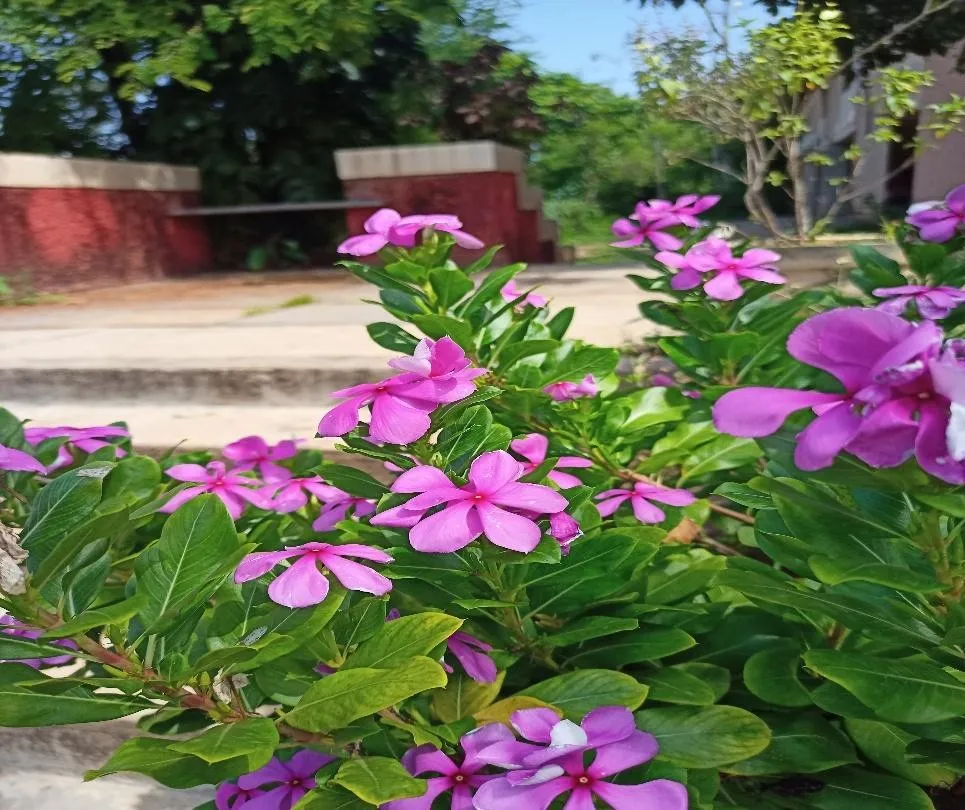
Figure 1: Image of Catharanthus roseus
2.1 Taxonomy and nomenclature
There are eight species in the genus Catharanthus. One, C. pusillus, is only found in India and Sri Lanka, whereas the other seven are native to Madagascar [12]. Catharanthus roseus (L.) G.Don is the recognised name for the Madagascar periwinkle, which was initially described in General History of the Dichlamydeous Plants (1837) [13,17].
Lochnera rosea and Vinca rosea are still used interchangeably in older literature because Linnaeus had identified the plant as Vinca rosea, Don moved it to the new genus Catharanthus, and Endlicher verified the name Lochnera a little later [8,13]. According to reports, the chromosomal number is 2n = 16 [12]. For those who require complete taxonomic information, there is a monograph of the genus and a survey of cultivars [13,14].
Table 1: Taxonomic Position of C. Roseus
| Rank | Name |
|---|---|
| Kingdom | Plantae |
| Order | Gentianales |
| Family | Apocynaceae |
| Genus | Catharanthus |
| Species | Catharanthus roseus (L.) G.Don |
| Common synonyms | Vinca rosea L.; Lochnera rosea (L.) Rchb. |
2.2 Vernacular names
The plant is referred to as Madagascar periwinkle, Vinca, or Periwinkle in the English-speaking world and Sadabahar, Nayantara, Sadaphul, Nityakalyani (Tamil), and Billaganneru (Kannada) in India [8,15].
2.3Morphology
C. roseus is a subshrub or herb that is evergreen and somewhat woody. According to descriptions, the stems are branching and coarsely hairy, reaching a height of approximately 0.3 to 1 m [8,16]. The opposite, glossy, dark green leaves with a light midrib [2]. The corolla, a thin tube with oblique lobes that is 2.5 3 cm long and has hues ranging from pink to white, frequently with a darker center, bears flowers on the leaf axils [16]. Two thin, cylindrical follicles that are two to three centimetres long and contain tiny, wrinkled seeds make up the fruit [16]. Numerous cultivars have been chosen for decorative purposes [14].
2.4 Distribution, habitat and cultivation
The species is native to eastern and southern Madagascar, where it thrives in tropical forest that is seasonally dry [17]. Since then, it has been brought to and naturalised across the tropics and subtropics, and some varieties are sold as pot plants in temperate areas [14]. The commercial supply of vinblastine and vincristine rely on large-scale cultivation and extraction due to their extremely low concentrations in leaves, which has sparked interest in metabolic engineering and cell culture (Section 5.4) [5,21].
2.5 Traditional and ethnomedicinal uses
According to one analysis, the plant has been used medicinally since approximately 2600 BCE in Mesopotamian tradition [2]. Ayurveda and Chinese medicine also use many plant components [15], and Pham et al.'s review [1] compiles a comprehensive list of usage by nation.
Table 2: Selected Traditional Uses of C. Roseus. These Are Folk Claims, Not Clinically Validated Indications.
| Sr. no | Reported traditional use | Part / preparation | Source |
|---|---|---|---|
| 1. | Diabetes mellitus | Leaf infusion or decoction; flower juice | [18] |
| 2. | Skin diseases, hypertension, rheumatism, menstrual disorders, indigestion |
Whole plant or leaf preparations | [19] |
| 3. | Inflammation, skin conditions, respiratory symptoms, high blood sugar | Chinese traditional medicine | [6] |
| 4. | Various diseases, including cancer (Ayurveda and Chinese medicine) |
Dried roots, leaves, flowers and stalks | [15] |
3. Phytochemistry
3.1 Major compound classes and alkaloids
Alkaloids, phenolic acids, flavonoids, and terpenoids are all present in C. roseus [1]. The defining group is alkaloids. About 130 terpenoid indole alkaloids (TIAs) make up the Catharanthus (vinca) alkaloids [5], however some narrative studies report higher totals of over 150 alkaloids [15]. The discrepancy primarily stems from the method used to count components. The plant also yields serpentine, which has sedative properties, and ajmalicine, an antihypertensive drug, in addition to the dimeric antitumor alkaloids vinblastine and vincristine [21]. The leaves are the primary source of vincristine and vinblastine, both of which are present in trace amounts [23].
Table 3: Principal Alkaloids of C. Roseus.
| Sr.no | Compound | Type | Notes | Ref. |
|---|---|---|---|---|
| 1 | Vinblastine | Dimeric (bisindole) |
Antitumour; formed by coupling catharanthine and vindoline | [20,21] |
| 2 | Vincristine | Dimeric (bisindole) |
Antitumour; derived from vinblastine in the pathway |
[20,21] |
| 3 | Catharanthine | Monomeric | Coupling partner in dimer formation |
[20] |
| 4 | Vindoline | Monomeric | Coupling partner; in vitro antidiabetic and antioxidant effects | [20,22, 24] |
| 5 | Vindolidine, vindolicine, vindolinine |
Monomeric | Raised glucose uptake in cell models and inhibited PTP-1B in vitro | [22] |
| 6 | Ajmalicine | Monomeric | Antihypertensive | [21] |
| 7 | Serpentine | Monomeric | Sedative | [21] |
| 8 | Catharoseumine and related dimers (e.g. 17deacetoxyvinamidine) |
Newly isolated |
Inhibited human cancer cell lines in vitro | [1] |
3.2 Biosynthesis
Vinca alkaloids have a lengthy and strictly regulated biosynthesis. The building blocks are supplied by two early pathways: secologanin from the terpenoid (iridoid) route and tryptamine from the shikimate/tryptophan route [20,28,30]. These condense to form strictosidine, and t-D-glucosidase (SGD) removes its glucose to produce an unstable intermediate that is converted into the monomeric alkaloids vindoline and catharanthine [20]. When catharanthine t t t lt -4 lκ -anhydrovinblastine is produced. Vinblastine is then transformed to vincristine; at the time of the cited review, the enzyme responsible for this conversion had not been identified [20]. The process, which is dispersed among several cell types and subcellular compartments, consists of at least thirty coordinated enzymatic steps and thirty-five recognised intermediates [21]. Alkaloid content varies greatly among plants, tissues, and growing conditions because accumulation is influenced by light, plant hormones, signalling molecules, and precursor supplies [20,29]
o vinca alkaloid biosynthesis · 7 steps
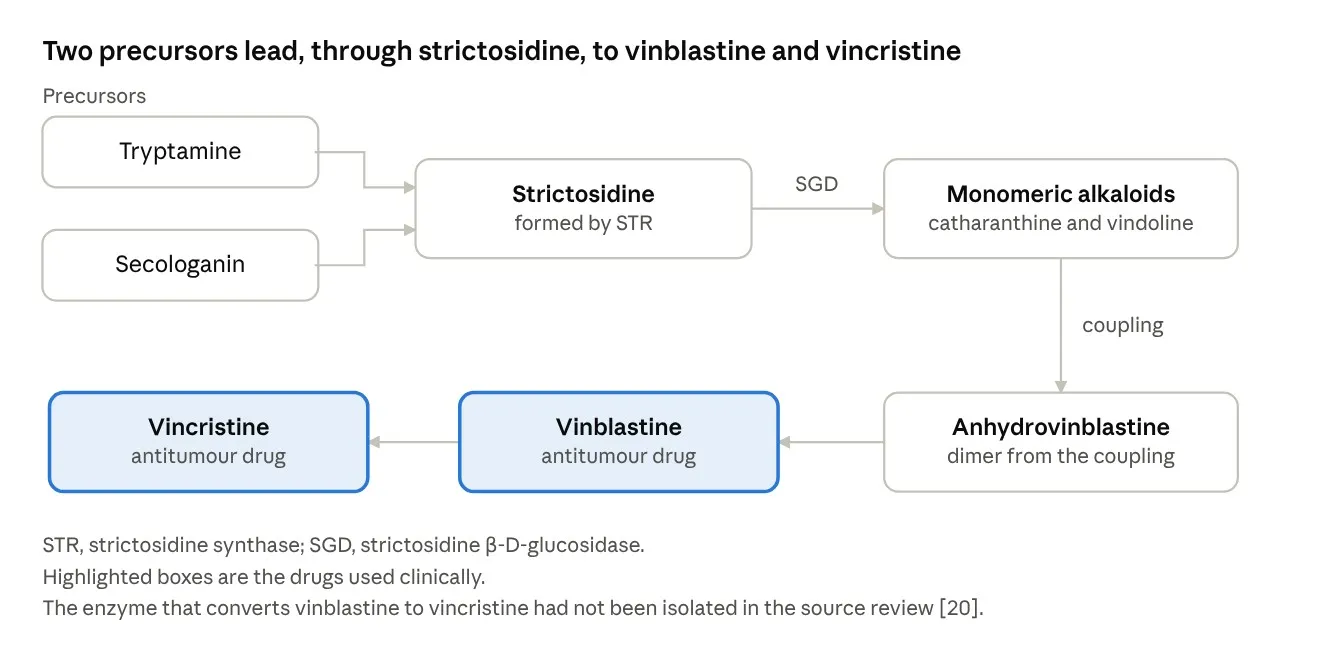
Figure 2: Simplified Biosynthetic Route to Vinblastine and Vincristine, Adapted from the Pathway Described In [20,21,28].
vinca alkaloid biosynthesis · 7 steps
3.3 Phenolics, flavonoids and other constituents
Additionally, phenolic chemicals that support antioxidant action are present in extracts. When four crude extracts were compared, the methanolic extract had the highest concentrations of quercetin (approximately 2 µg/g), coumaric acid (about 29 µg/g), rutin (about 86 µg/g), and chlorogenic acid (about 225 µg/g) [24]. Ferreres and associates identified other phenolic compounds [25], and the leaves were found to contain a dihydrochalcone with antibacterial action [26]. A specific review provides an overview of the plant's components [27].
3.4 Extraction, analysis and alternative production
Techniques for C. roseus extraction, isolation, and preparation of dried material have been thoroughly examined [1]. The typical analytical technique for alkaloids is high-performance liquid chromatography [31], which was also used to measure phenolics and vindoline in extracts of varying polarity; in that study, the aqueous extract had the least amount of vindoline (about 7 µg/g) [24]
Extraction from field-grown plants is expensive since the dimeric alkaloids are present at very low concentrations. Alternatives have included the manufacture of alkaloids or their precursors in yeast, genetic alteration of the process, and in vitro cell culture [5,7]. Higher yields have proven difficult to attain because genetic alterations in the system frequently result in complex impacts on both primary and secondary metabolism [21]. Almagro et al. evaluate bioproduction techniques [32].
4.Pharmacological activities
The following activities are arranged according to therapeutic areas. The results from in vitro and animal studies using crude extracts or isolated chemicals should be interpreted as leads rather than therapy data; only the vinca alkaloids have proven clinical value.
4.1Anticancer activity
Microtubules are affected by the vinca alkaloids. They stop polymerisation and inhibit microtubule dynamics by binding tubulin, which stops cells in mitosis and triggers apoptosis [11,33]. Reviews also include effects on signalling pathways such NF- Tt tPI3K/Akt/mTOR
[11], and it has been demonstrated that the NF- T,L Tt t t -induced
apoptosis in human cancer cells [34]. Malignant angiogenesis can be inhibited in vitro by vinca alkaloids and other microtubule-disrupting drugs [4], and Goswami et al. [6] explain the microRNA and nuclear signalling pathways that are pertinent to their activity. Low natural abundance, toxicity, and multidrug resistance restrict their therapeutic application [11].
o vinca alkaloid mechanism · 2 branches
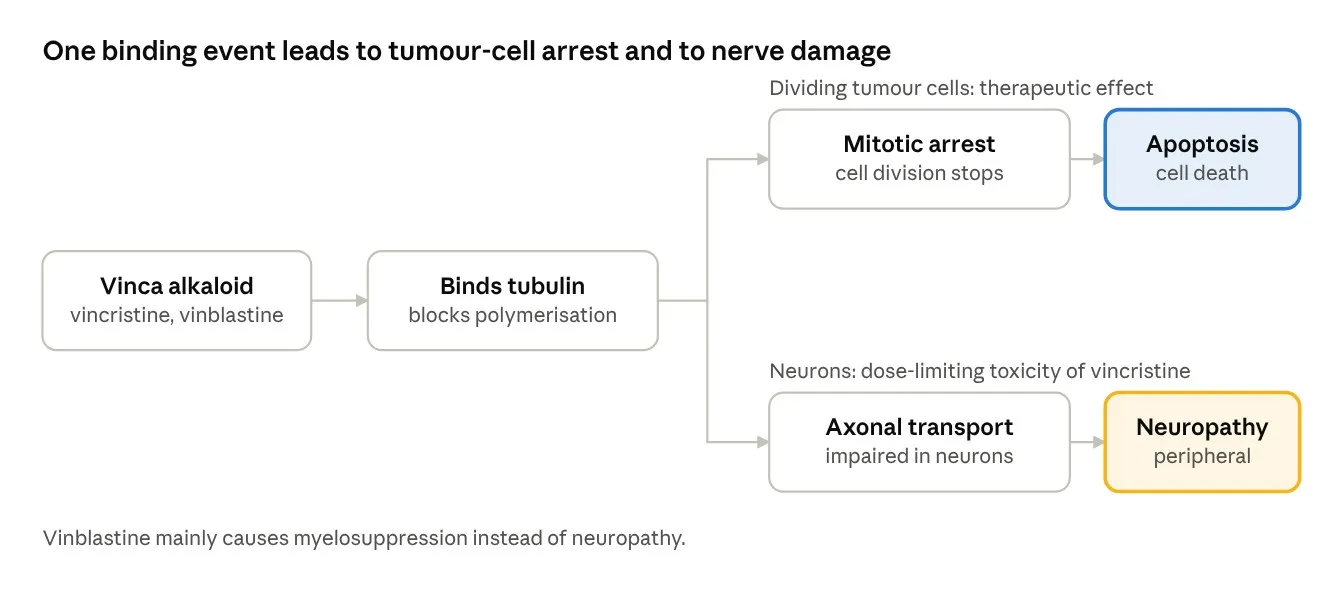
Figure 3: Mechanism of Action of the Vinca Alkaloids and the Origin of Vincristine Neurotoxicity, Based On [11,33,59,61].
Breast cancer cell lines have been the primary test subject for crude extracts. Using vinblastine as the reference medication, a methanolic leaf extract demonstrated antibacterial, cytotoxic, and apoptosis-inducing action against MDA-MB-231 cells [35]. In another investigation, a leaf extract considerably decreased the invasiveness of MDA-MB-231 cells and the activity of matrix metalloproteinases MMP-2 and MMP-9, but it was only marginally cytotoxic to MDA-MB-231 and MCF-7 cells (IC50 > 200 µg/mL) [36]. Sayeed et al. have also documented the antitumor activity of leaf extracts [37], and cytotoxic dimeric indole alkaloids other than vincristine and vinblastine have been identified [1,38].
4.2 Antidiabetic activity
The most researched non-cancer function of the plant is its ability to reduce blood glucose, which is also its oldest purported use. Leaf powder administered at 100 mg/kg/day for 60 days provided antihyperglycemic and hypolipidemic effects and normalised the increased atherogenic index in streptozotocin (STZ)-diabetic rats [18]. Fresh leaf juice reduced blood glucose in both normal and alloxan-diabetic rabbits [40], while an antidiabetic extract changed the activity of important enzymes in STZ rats [39]. Compared to metformin, fractions of an ethanolic leaf extract (petroleum ether, ethyl acetate, and chloroform) reduced glucose and triglycerides in STZ rats
4.3 Hypolipidemic activity
Using atorvastatin as a comparator, the authors found that leaf juice (0.5 and 1 mL/kg) showed lipid-lowering and anti-atherosclerotic activity in guinea pigs fed a high-fat diet, which reduced LDL cholesterol and the ratio of total cholesterol to HDL cholesterol [46]. An earlier study looked at how leaf juice affected lipoproteins, triglycerides, and cholesterol in healthy rats [47]. The aforementioned diabetic-rat investigations [18, 44] suggest the same thing.
4.4 Antimicrobial activity
Pseudomonas aeruginosa and Staphylococcus aureus were effectively combated by a floral extract [48]. The antibacterial activity of leaf and other extracts has been studied in other work [49,51], and most of these investigations are accompanied by standard qualitative tests for alkaloids, flavonoids, saponins, and tannins [50]. All six studied species (Bacillus subtilis, S. aureus, P. aeruginosa, Escherichia coli, Aspergillus niger, and Candida albicans) were susceptible to the effects of a dihydrochalcone that was extracted from the leaves [26].
4.5 Antioxidant and anti-inflammatory activity
Of the four alkaloids examined, vindolicine demonstrated the greatest antioxidant capacity in
ORAC and DPPH experiments, and all four decreased oxidative stress caused by hydrogen t t -TC6 cells [22]. Vindoline outperformed ascorbic acid in ORAC and matched it in DPPH and FRAP tests [24]. Antioxidant activity has also been demonstrated by fractionated leaf extracts [52], and phenolic content is typically found to be correlated with antioxidant activity in this plant [22]. The actions of C. roseus alkaloids include anti-inflammatory effects [6], but there is less direct experimental evidence for these effects than for the other activities.
4.6 Wound-healing activity
In rat excision, incision, and dead-space wound models, an ethanol extract of the flowers (100 mg/kg/day) enhanced wound contraction, shortened epithelialisation, and increased tensile strength, granulation-tissue weight, and hydroxyproline content [48]. Leaf and stem extracts at 250 and 500 mg produced mean healing durations of roughly 16 21 days in a different excision model, compared to 14.6 days for the positive control and 22.9 days for the untreated group [53]. In mice, silver nanoparticles derived from leaf extract demonstrated antibacterial, antioxidant, and woundhealing properties [54].
4.7 Other activities
In Wistar rats, an ethanolic leaf extract shown antidiarrheal action [55]. In a 2024 mouse study, an extract (200 and 400 mg/kg) evaluated anti-diabetic, analgesic, and anti-diarrheal activities; the greater dose produced substantial central analgesic and anti-diarrheal effects [56]. The anthelmintic activity of an extract has also been assessed in vitro [57]. Catharanthine functions as a non-competitive antagonist at muscle-type nicotinic acetylcholine receptors [58], while ajmalicine is an antihypertensive drug [21].
Table 4: Summary of Reported Activities (Preclinical Unless Stated).
| Sr.no | Activity | Preparation compound | / | Model | Main finding | Ref. | |
|---|---|---|---|---|---|---|---|
| 1. | Antimitotic anticancer | / | Vinblastine, vincristine | Cells; clinical use | Microtubule inhibition, mitotic arrest, apoptosis | [11, 33] |
|
| 2. | Cytotoxic | Methanolic extract | leaf | MDA-MB- 231 cells |
Cytotoxic and apoptotic |
[35] | |
| 3. | Anti-invasive | Leaf extract | MDA-MB- 231, MCF-7 cells |
Weak cytotoxicity; reduced invasion and MMP-2/9 |
[36] | ||
| 4. | Antidiabetic | Leaf powder, 100 mg/kg/day, 60 days |
STZ rats | Lower glucose; lipids normalised | [18] | ||
| Sr.no | Activity | Preparation / compound |
Model | Main finding | Ref. | ||
| 5. | Antidiabetic | Fresh leaf juice | Normal and alloxan rabbits |
Lower blood glucose | [40] | ||
| 6. | Antidiabetic (mechanism) |
Ethanolic extract, 100 200 mg/kg |
STZ rats | Higher GLUT-2/4 mRNA in liver | [43] | ||
| 7. | Antidiabetic (mechanism) |
Four leaf alkaloids | -TC6, C2C12 cells |
Glucose uptake; PTP-1B inhibition |
[22] | ||
| 8. | Hypolipidemic | Leaf juice, 0.5 1 mL/kg | High-fat-diet guinea pigs | Lower LDL-C and TC/HDL ratio |
[46] | ||
| 9. | Antimicrobial | Flower extract | In vitro | Active against P. aeruginosa, S. aureus | [48] | ||
| 10. | Antioxidant | Vindoline; alkaloids | ORAC, DPPH, FRAP |
Activity comparable to or above ascorbic acid | [22, 24] |
||
| 11. | Wound healing | Flower extract, 100 mg/kg/day | Rat wound models |
Faster closure; more hydroxyproline | [48] | ||
| 12. | Antidiarrhoeal | Ethanolic leaf extract | Wistar rats | Reduced diarrhoea | [55] | ||
5. Therapeutic importance
5.1 Vinca alkaloids in clinical oncology
Vinblastine, vincristine, vinorelbine, and vindesine are the four vinca alkaloids that are widely used in medicine. The synthetic derivative vinflunine, the first fluorinated microtubule inhibitor of the family, has been approved in Europe for second-line treatment of transitional cell carcinoma of the urothelium, while vincristine, vinblastine, and vinorelbine are approved in the United States [4]. They are classified as first-generation natural alkaloids (vinblastine, vincristine), secondgeneration semisynthetic derivatives (vindesine, vinorelbine), and third-generation vinflunine (derived from vinorelbine) [59].
Vincristine and vinblastine are used to treat lymphomas and leukaemias, while vinblastine was the first alkaloid discovered and initially used to treat Hodgkin's disease [6,19]. Since its US approval in the 1960s, vincristine has been a mainstay of cancer treatment [61]. These medications are typically administered as part of multidrug regimens, such as CVP (cyclophosphamide, vincristine, and prednisone) [59].
Table 5: Vinca Alkaloids Used in Cancer Therapy.
| Sr.no | Drug | Origin | Generation | Clinical notes | Ref. | |
|---|---|---|---|---|---|---|
| 1. | Vinblastin e | Natural, from roseus | C. | First | First vinca alkaloid used clinically (Hodgkin's disease); US-approved |
[4,19] |
| 2. | Vincristin e | Natural, from roseus | C. | First | Leukaemia and lymphoma regimens; US-approved |
[4,6,59] |
| 3. | Vinorelbin e | Semisynthetic | Second | US-approved | [4,59] | |
| 4. | Vindesine | Semisynthetic | Second | Not US-approved | [4,59] | |
| 5. | Vinflunine | Synthetic (from vinorelbine) |
Third | Bladder cancer after platinum failure; approved in Europe | [4,59] | |
Vinca alkaloids, both natural and artificial, have been thoroughly examined [60]. Drug-delivery techniques for C. roseus alkaloids are also discussed by Goswami et al. [6], and delivery systems and combination regimens for vinca alkaloids are an important study topic [62].
5.2 Other pharmacologically active alkaloids
Serpentine is categorised as a sedative and ajmalicine as an antihypertensive [21]. One plant can produce multiple unrelated medicinal medicines, as seen by these monoterpenoid indole alkaloids. 5.3 Traditional and non-cancer uses
Section 6's antidiabetic, hypolipidemic, antibacterial, and wound-healing properties offer a pharmacological justification for a number of conventional applications. However, the experiments discussed here are based solely on preclinical evidence, making them research leads rather than proven cures.
5.4 Supply and sustainability
Supply is dependent on cultivation and extraction because vinblastine and vincristine are lowabundance products of a single plant [21]. Thus, research on cell culture, metabolic engineering, and microbial production is ongoing [5,32].
6. Safety considerations
C. roseus serves as an example of the delicate distinction between poison and treatment. The crude plant has been connected to severe toxicity in both humans and animals, and the same antimitotic mechanism that destroys cancer cells also harms normal proliferating cells and neurones.
6.1 Toxicity of the vinca drugs
While vinblastine primarily causes myelosuppression, particularly leukopenia, neurotoxicity is the most often described side effect of the vinca alkaloids and the dose-limiting toxicity of vincristine [12,59]. Both effects are produced by vindesine; the two sources consulted cannot agree on whether vindesine's neurotoxicity is less severe than vincristine's [12,59]. The most common side effects of vinflunine in a pivotal study were anaemia, neutropenic fever, weariness, and constipation [59]. Vinorelbine also produces transitory granulocytopenia with less evident neurological symptoms [12].
Vincristine neuropathy usually spreads from distal to proximal and has a glove-and-stocking distribution. Its incidence is reported to be between 35 and 45 percent; areflexia is frequently the initial symptom, followed by paraesthesia and painful sensory symptoms, and in more severe cases, motor and autonomic involvement [59]. Microtubule disruption with poor axonal transport, abnormal calcium handling, mitochondrial dysfunction, and neuroinflammation are among the processes that have been reported [61]. Single dosages of around 2 6 mg can cause sensory problems, and a cap of 2 mg per dose has been advised [59].
Black patients are more likely to get neuropathy, and higher doses and decreased CYP3A4/CYP3A5 expression increase the risk [59]. Alopecia, exhaustion, ototoxicity [61], constipation, mouth ulcers, amenorrhoea, and azoospermia [12] are other side effects. Alkaloids are irritants, and tissue necrosis may result from extravasation, or leakage from a vein [12]. The most common cause of acute overdose reports is vincristine, which can result from incorrect dosage, incorrect administration, confusion between vincristine and vinblastine, or different vial strengths [59].
Table 6: Toxicity Profile of the Vinca Drugs and of the Crude Plant.
| Sr. | Agent | Main or dose-limiting toxicities | Ref. |
|---|---|---|---|
| 1. | Vincristine | Peripheral neuropathy (35 45%), autonomic effects, constipation, alopecia; tissue necrosis if extravasated | [12,59,61] |
| 2. | Vinblastine | Myelosuppression (leukopenia); gastrointestinal effects; alopecia | [12,59] |
| 3. | Vindesine | Myelosuppression and neurotoxicity; sources differ on relative severity | [12,59] |
| 4. | Vinorelbine | Transient granulocytopenia; less neurotoxicity | [12] |
| 5. | Vinflunine | Anaemia, neutropenic fever, fatigue, constipation | [59] |
| 6. | Crude C. roseus (juice, whole plant) | Cholestatic liver injury, gastric ulcers and paraesthesia (case report); liver and kidney necrosis (sheep) |
[63,64] |
6.2 Toxicity of crude preparations
Acute cholangitis, fever, hepatotoxicity with cholestatic jaundice, gastric ulcers, and lower-leg numbness suggesting neurotoxicity were all symptoms of C. roseus juice poisoning, according to a case report; the authors speculate that this may be the first instance of plant poisoning ever documented [63]. Bone-marrow suppression, gastrointestinal toxicity, paraesthesia, stomatitis, fever, and, in the worst situations, multi-organ failure are all examples of toxicity [63]. A postmortem investigation revealed liver necrosis with bleeding and significant tubular necrosis in the kidneys in a flock of forty sheep that had been unintentionally poisoned by the plant [64]. There have also been reports of liver injury in rabbits [64].
and reports of liver injury in rabbits have also been made [64]. There is no known safe dosage of crude plant material, and human data are restricted to case reports.
6.3 Drug interactions
Inhibitors of hepatic CYP3A enzymes and the efflux pump P-glycoprotein can increase exposure to and toxicity from vincristine. The best known examples are azole antifungals (itraconazole, voriconazole, fluconazole, posaconazole, and ketoconazole). Approximately 81% of patients recovered from the combination, and no deaths were linked to the interaction, according to a review of published cases that indicated severe neurotoxicity with the combination and suggested other antifungals when feasible [65]. Since then, European regulators have suggested that vincristine product labelling include a caution stating that azoles should only be used in patients who have no other antifungal options [66].
Extracts from the herbal material have been shown to reduce blood glucose in animals [18, 40], and their co-administration with glibenclamide and metformin has been investigated in rats [42]. Therefore, even though there is a dearth of clinical data, additive hypoglycemia with antidiabetic medications is conceivable and should be taken into consideration.
6.4 Practical points
Under expert supervision, the purified vinca medications are administered intravenously with dose caps, route checks, and blood count and neuropathy monitoring [59].
It is not recommended to self-medicate with C. roseus leaf, flower, or juice because the amount of active alkaloids varies greatly and there is no set dosage [20,21,63].
Azole antifungals and other CYP3A4/P-glycoprotein inhibitors should be examined in patients receiving vincristine [65,66].
Because the plant includes cytotoxic alkaloids, studies of crude extracts in animals should include toxicity endpoints (liver, kidney, blood) [63,64].
CONCLUSION AND FUTURE PERSPECTIVES
There are two reasons why C. roseus is significant to pharmacy. It is the source of vinblastine and vincristine, which paved the way for the entire vinca class of cancer medications. It is also a rich source of various phenolics and indole alkaloids that have been shown to have antidiabetic, hypolipidemic, antibacterial, antioxidant, and wound-healing properties. The refined alkaloids have the strongest evidence, while the crude extracts have largely been shown to be hazardous to the liver, gastrointestinal tract, and nervous system when consumed by rodents and cell lines. According to recent evaluations, its disadvantages include toxicity, limited natural abundance of the main alkaloids, and Future work should focus on:
Standardisation. Chemically standardised extracts with specified phenolic and alkaloid concentration allow for the comparison and replication of animal results [20,24].
safety and clinical information. Herb-drug interactions with antidiabetic medications are among the controlled research and toxicity testing of crude formulations [42,63,64].
sustainable supply. To lessen reliance on field-grown plants, cell culture, metabolic engineering, and microbial production are used [5,21,32].
improved combinations and delivery. Combination regimens and delivery methods that raise the vinca alkaloids' therapeutic index [6,62].
similar species. Other Apocynaceae genera, such Vinca, are likewise high in indole alkaloids and could provide new information [67].
REFERENCES

Prajkta Gaikwad, Paresh Chaudhari, Catharanthus Roseus: Botanical Profile, Phytochemistry, Pharmacology, Therapeutic Importance and Safety, Int. J. of Pharm. Sci., 2026, Vol 4, Issue 11, 5501-5514. https://doi.org/10.5281/zenodo.24580828
 10.5281/zenodo.24580828