

We use cookies to ensure our website works properly and to personalise your experience. Cookies policy
Department of Pharmaceutics, M.A.B.D Institute of Pharmaceutical Education and Research, Babhulgaon, Yeola.
One of the most prevalent skin conditions, especially in teenagers and young adults, is acne. It is mostly brought on by bacterial development, irritation, clogged pores, and excessive sebum production. Skin irritation, dryness, and redness are possible side effects of traditional anti-acne therapies. As a result, herbal remedies are becoming more and more well-liked as a natural way to treat acne. In this study, neem (Azadirachta indica), aloe vera (Aloe barbadensis), and turmeric (Curcuma longa) are used to formulate and assess a polyherbal anti-acne gel. These herbal components have antibacterial, anti-inflammatory, antioxidant, and skin-calming qualities. Glycerin is utilised as a humectant, triethanolamine as a pH adjuster, sodium benzoate as a preservative, and carbopol 940 as a gelling agent. A number of physicochemical characteristics of the prepared gel are assessed, such as colour, odour, appearance, pH, homogeneity, consistency, spreadability, and stability. Combining these herbal components may aid in lowering inflammation associated with acne and managing microbes that cause acne. It is anticipated that the created polyherbal gel will offer a straightforward, affordable, and skin-friendly composition for the treatment of minor acne. To determine its efficacy and safety, more clinical and antimicrobial research is needed.
Acne is one of the most common dermatological disorders, affecting a significant portion of the global population, particularly adolescents and young adults. It is a chronic inflammatory condition of the pilosebaceous unit, which includes the hair follicle and sebaceous gland. The condition is primarily characterized by the formation of lesions such as comedones (blackheads and whiteheads), papules, pustules, nodules, and cysts. Acne usually appears on areas of the body with a high density of sebaceous glands, such as the face, chest, shoulders, and back. Although it is not a life-threatening condition, acne can lead to permanent scarring and significantly impact an individual’s psychological well-being, often resulting in low self-esteem, social withdrawal, anxiety, and depression.
Conventional treatment options for acne include both topical and systemic therapies. Commonly used medications include antibiotics, retinoids, benzoyl peroxide, and hormonal treatments. These therapies aim to reduce sebum production, inhibit bacterial growth, and control inflammation. While these treatments can be effective, they are often associated with various side effects such as skin irritation, dryness, peeling, redness, and increased sensitivity to sunlight. Long-term use of antibiotics may also lead to the development of antibiotic-resistant bacterial strains, which poses a significant challenge in acne management. Moreover, some synthetic drugs may cause systemic side effects, limiting their prolonged use and making them less desirable for many individuals.1
• Pathogenesis of Acne:
The pilosebaceous unit, consisting of hair follicles and sebaceous glands, plays a crucial role in acne development. The condition progresses through various stages, including:
1. Whiteheads (closed comedones)
2. Blackheads (open comedones)
3. Papules (inflammatory lesions)
4. Pustules (inflammatory lesions with pus)
• Classification of Acne:
Acne can be classified into four grades:
1. Grade 1: Non-inflammatory symptoms
2. Grade 2: Papules, pustules, and comedones
3. Grade 3: Papules and pustules on the trunk
4. Grade 4: Painful cystic acne.2
In recent years, there has been a growing interest in the use of herbal and natural remedies for the treatment of acne. Herbal formulations are derived from plant-based sources and have been used for centuries in traditional systems of medicine such as Ayurveda, Unani, and Chinese medicine. These natural remedies are gaining popularity due to their safety, affordability, and minimal side effects. Many medicinal plants possess a wide range of therapeutic properties, including antimicrobial, anti inflammatory, antioxidant, and wound-healing activities, which are highly beneficial in managing acne. Herbal ingredients such as neem, turmeric, aloe vera, tea tree oil, and sandalwood are widely recognized for their effectiveness in treating acne and improving overall skin health.
• Advantages:-
1.One major advantage of this topic is the use of natural plant-based ingredients such as neem, aloe vera, and turmeric, which are generally safer and have fewer side effects compared to synthetic anti acne agents.
2.Another important benefit is the synergistic effect of combining multiple herbs, where the overall effectiveness is enhanced compared to using a single ingredient alone.
3.This topic also has strong relevance in the current market, as there is increasing demand for herbal and chemical-free cosmetic products.
4.It also supports the development of eco-friendly and sustainable skincare solutions.
• Disadvantages:-
1. Variation in active constituents due to natural sources
2. Stability issues (color, odor, degradation)
3. Shorter shelf life
4. Risk of microbial contamination
5. Difficult to standardize formulation.
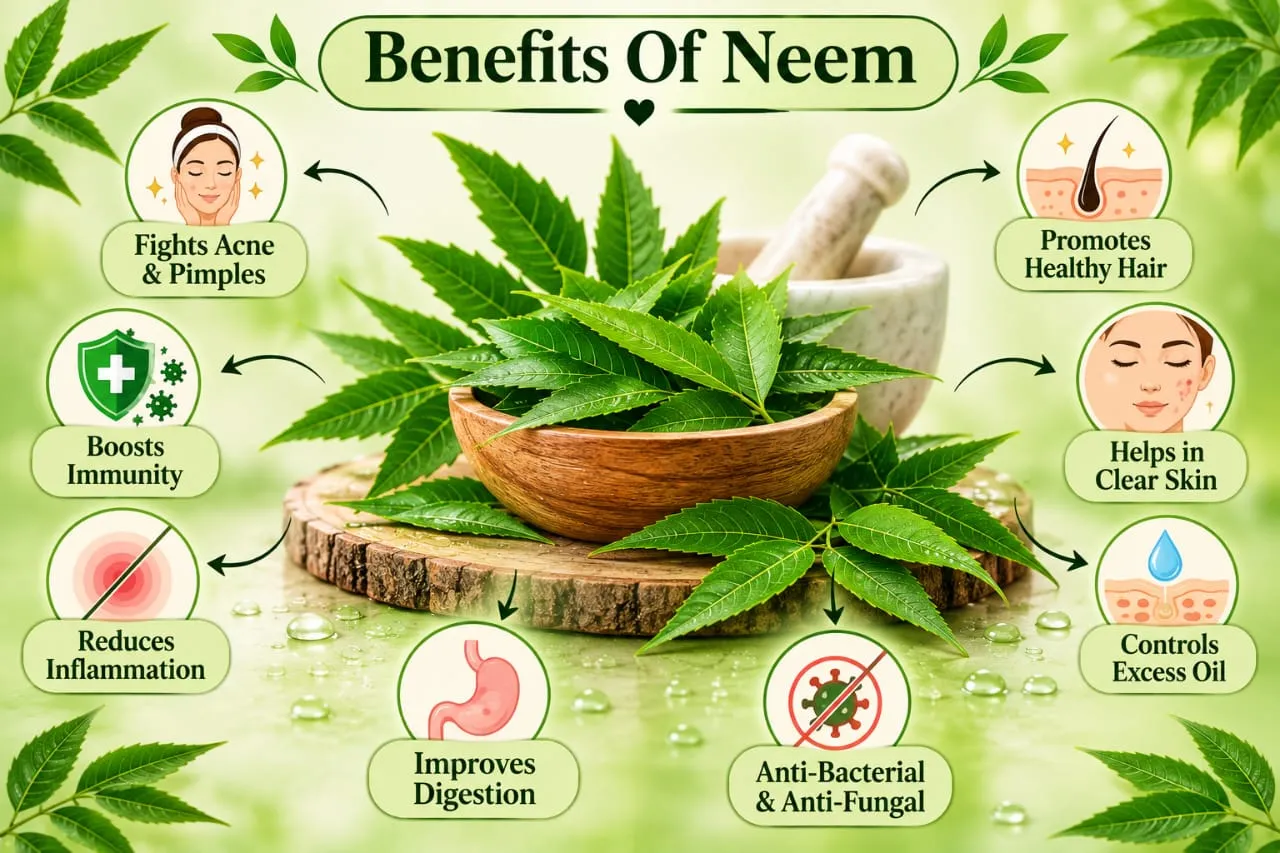
• Neem:
• Medicinal Effects of Neem:
1. Antibacterial activity
2. Anti-inflammatory activity
3. Antioxidant activity
4. Antimicrobial activity
5. Helps in acne and pimple management.
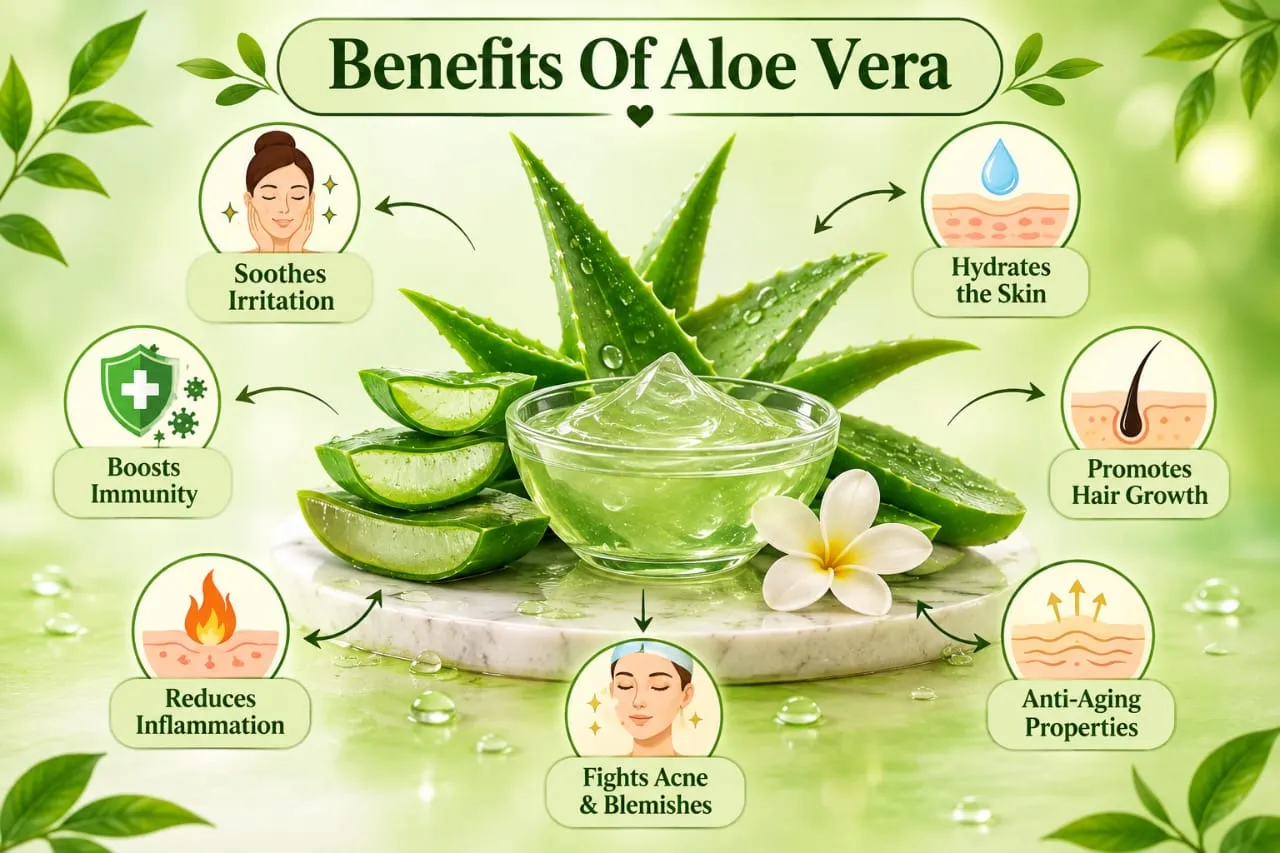
• Aloe Vera:
• Medicinal Effects of Aloe Vera:
1. Anti-inflammatory activity
2. Wound healing activity
3. Skin soothing activity
4. Laxative activity
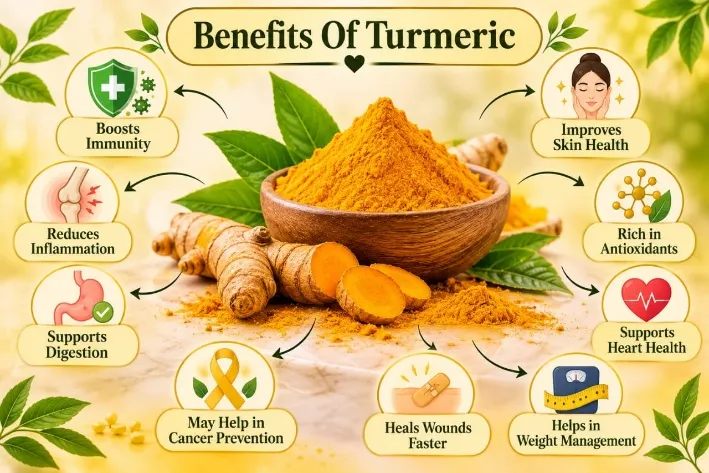
• Turmeric:
• Medicinal Effects of Turmeric:
1. Antioxidant activity
2. Anti-inflammatory activity
3. Anticancer activity
4. Skin-protective activity
5. Skin-lightening activity
2.Literature review:-
1.Yogita M.at.al.(2024)
The present project has been undertaken with the aim to formulate and evaluate of polyherbal gel containing Neem (Azadirachta indica A.Juss, Meliaceae), Turmeric (Curcuma longa L., Zingeberaceae), Aloe (Aloe vera (L.) Burm.f., Asphodelaceae),) and Lemon extract (Citrus limon (L.) Osbeck., Rutaceae) as a cleansing agent, anti-acne and skin nourishing. Natural remedies are more acceptable in the belief that they are suffer with fewer side effects than the synthetic ones. Herbal formulation has growing demand in the world market. The plant has been reported in literature having good antimicrobial, anti-inflammatory, refreshing activity, cleansing agent and anti-oxidant. formulations are prepared by using varied concentration of extract prepared formulation where evaluated for various parameters like color, appearance, consistency, wash ability, pH and Spreadability, Extrudabilty, skin irritation and compared with marketed formulation. It has wide spectrum of antioxidant activity against acne prone skin. The prepare gel is formulated by using carbopol- 934 as gelling agent, herbal extracts are the medicinal agents in formulation. Polyethylene glycol used as a co-solvent, propyl- paraben as a preservative and required quantity of distilled water as a vehicle. On the basis of the results obtained in the present study we conclude that the gel formulation of polyherbal contents showed good activities towards the declared evaluations.
2.Dipak N. at,al (2026)
Acne was a common dermatological disorder affecting a large population, especially adolescents, due to excessive sebum production, microbial infection, and inflammation. Herbal formulations are preferred over synthetic products because they have fewer side effects and provide additional healing benefits. The study aimed to formulate and evaluate a polyherbal anti-acne gel using neem extract, aloe vera, and turmeric extract with minimal side effects and good therapeutic efficacy. A herbal gel was prepared using aloe vera gel as the base and gelling agent, neem extract, turmeric extract as active ingredients, and glycerin as a humectant. Sodium benzoate was optionally added as a preservative. The ingredients were mixed thoroughly to obtain a homogeneous gel. The prepared gel was evaluated for physicochemical parameters including appearance, pH, viscosity, spreadability, and stability. Antimicrobial activity was assessed against acne-causing microorganisms. The gel exhibited good homogeneity, consistency, and spreadability . The pH was found to be within the acceptable range for skin (6–7). Antimicrobial activity studies showed effective inhibition against acne-causing microorganisms, confirming the gel’s therapeutic potential. The formulated polyherbal anti-acne gel was safe, effective, and suitable for topical application. This study highlighted the potential of herbal gels as a natural alternative to synthetic anti-acne products with fewer side effects.
3.Girjesh V.at.al (2026)
Acne vulgaris is a common inflammatory skin disorder associated with excessive sebum production, follicular blockage, microbial colonization, and inflammation. Conventional therapies may cause irritation and antimicrobial resistance, creating a need for safer and more effective alternatives. Polyherbal topical systems offer a promising approach due to their antimicrobial, antioxidant, and anti-inflammatory properties. Objective: The present study aimed to develop and optimize a polyherbal anti-acne emulgel containing Aloe vera, tea tree oil, rosemary oil, and turmeric oil using a Quality by Design (QbD) approach to improve topical delivery and therapeutic efficacy against acne. The emulgel was prepared using an emulsion-incorporation technique and optimized through Response Surface Methodology. Formulations were evaluated for physicochemical characteristics, drug content, pH, viscosity, spreadability, extrudability, particle size, in-vitro drug release, antioxidant activity, and antimicrobial efficacy against Cutibacterium acnes. Compatibility studies were performed using FTIR and DSC analyses. Compatibility studies confirmed the absence of significant interactions between herbal actives and excipients. The optimized formulation (F5) exhibited satisfactory physicochemical properties, including pH (5.81 ± 0.04), viscosity (5018 ± 60 cP), spreadability (18.03 ± 0.29 g·cm/s), and extrudability (146.07 ± 1.76 g/cm²). Particle size analysis showed a Z-average size of 616.0 nm with acceptable dispersion characteristics. The formulation demonstrated sustained drug release (86.5 ± 2.3% at 300 min), significant antioxidant activity, and pronounced antimicrobial activity against Cutibacterium acnes, producing a zone of inhibition of 17.8 ± 0.35 mm, corresponding to 90.8% activity relative to marketed clindamycin gel. Statistical optimization showed strong model predictability (R² = 0.958). Conclusion: The QbD-optimized polyherbal emulgel demonstrated favorable pharmaceutical characteristics, sustained release behavior, and significant anti-acne potential. The synergistic action of Aloe vera, tea tree oil, rosemary oil, and turmeric oil suggests that the developed formulation may serve as a promising alternative or adjunct to conventional acne therapies.
4.Sachin G.at.al (2026)
Associate professor, Indira college of pharmacy INTRODUCTION Herbal Medicine and Folklore Practices Herbal medicine has been used for centuries to cure various communicable diseases. Folklore medicine, which utilizes plant-based remedies, has been an essential part of traditional practices for treating skin diseases and other health conditions. Despite the challenges associated with herbal medicines, such as poor bioavailability due to high molecular size and low lipid solubility, they continue to be an important part of healthcare systems around the world. • History and Evolution of Herbal Medicine ABSTRACT Acne vulgaris and other skin disorders are highly common dermatological problems that arise due to a combination of factors such as bacterial infection, inflammation of the skin, and excessive secretion of sebum. Although conventional treatment options like topical antibiotics and retinoids are widely used, their long-term application is often associated with several drawbacks, including skin irritation, development of bacterial resistance, and reduced patient adherence to therapy. Because of these limitations, there has been growing interest in the use of herbal medicines, which are generally considered safer and exhibit multiple therapeutic actions. Nevertheless, the effectiveness of herbal formulations is frequently compromised by poor solubility, inadequate penetration through the skin barrier, and instability of their active constituents. The objective of the present research is to design and evaluate a novel herbal formulation using nanotechnology for the efficient treatment of acne and related inflammatory skin conditions. The formulation is intended to exhibit anti-acne, anti-inflammatory, and antibacterial activities. Medicinal plant extracts containing biologically active compounds such as flavonoids, phenolic substances, and terpenoids were selected and incorporated into a nanocarrier system, including nanoemulsions or herbal nanoparticles. This approach was adopted to enhance skin permeation, improve stability, and increase the bioavailability of the herbal actives. The prepared nanoformulation was systematically characterized for parameters such as particle size, zeta potential, drug entrapment efficiency, surface morphology, and physicochemical stability. The antibacterial efficacy of the formulation was assessed through in vitro studies against microorganisms commonly implicated in acne. Its anti-inflammatory activity was evaluated using established biochemical and cell-based experimental models. Additionally, the anti-acne potential was examined by studying sebum inhibition, antioxidant capacity, and in vitro skin permeation behavior. Safety and tolerability of the formulation were confirmed through skin irritation and compatibility studies. Overall, the developed herbal nanoformulation exhibited improved antibacterial activity, marked anti-inflammatory effects, enhanced skin penetration, and better stability when compared with conventional herbal formulations. These findings suggest that nanotechnology-based herbal delivery systems offer a promising, safe, and effective therapeutic strategy for managing acne and inflammatory skin disorders, and may serve as a viable alternative to conventional synthetic treatments.
5.Rahul Tekale at.al (2026)
Acne vulgaris is a common chronic inflammatory skin disorder that affects adolescents and young adults worldwide, often causing physical and psychological discomfort. Conventional treatments such as antibiotics, retinoids, and benzoyl peroxide may produce side effects including irritation, dryness, and antibiotic resistance, creating a need for safer herbal alternatives. The present study aimed to formulate and evaluate a polyherbal anti-acne gel containing extracts of green tea (Camellia sinensis), neem (Azadirachta indica), turmeric (Curcuma longa), aloe vera (Aloe barbadensis Miller), and licorice (Glycyrrhiza glabra), selected for their antibacterial, anti-inflammatory, antioxidant, and skin-healing properties. The herbal extracts were prepared using aqueous and hydroalcoholic extraction methods and incorporated into a Carbopol 940 gel base. The formulated gel was evaluated for physicochemical parameters such as appearance, pH, viscosity, spreadability, homogeneity, and stability. The findings revealed that the gel exhibited a smooth texture, satisfactory spreadability, acceptable viscosity, a skin-compatible pH of 5.55, and good stability without any significant changes during storage. Therefore, the developed polyherbal anti-acne gel may be considered a safe, stable, and effective herbal option for the management of acne.
MATERIALS AND METHOD:
Table 01: Plant Used for Anti Acne Gel
| Sr.no | Plant | Botanical Name | Part Used | Active chemical constituent |
|---|---|---|---|---|
| 1. | Neem | Azadirachta indica | Leaves | Nimbidin Azadirrachtin Nimbin |
| 2. | Aloe Vera | Aloe barbadensis | Leaves | Aloin , Aloe-emodin |
| 3. | Turmeric | Curcuma Longa | Root | Curcumin |
Table 02: List of Ingredients for Anti - Acne Gel Formulation
| Sr. No. | Ingredient | Role |
|---|---|---|
| 1 | Neem | Antibacterial, Anti-inflammatory |
| 2 | Aloe Vera | Soothing, Moisturizing, Healing |
| 3 | Turmeric | Anti-inflammatory, Antimicrobial |
| 4 | Carbopol 940 | Gelling Agent |
| 5 | Triethanolamine (TEA) | pH Adjuster, Neutralizing Agent |
| 6 | Glycerin | Humectant |
| 7 | Sodium Benzoate | Preservative |
METHOD:
Method of Preparation of Herbal Anti-Acne Gel
1. Fresh neem leaves, aloe vera leaves and turmeric powder were collected.
2. Neem leaves were washed properly with clean water to remove dust and impurities.
3.The neem leaves were crushed using a mortar and pestle with a small quantity of water. The extract was filtered using a filter cloth.
4.Aloe vera leaves were washed properly and the outer green layer was removed using a clean knife.
5.The inner transparent aloe vera gel was collected and blended to obtain a smooth consistency.
6. Turmeric powder was taken and mixed with a small quantity of water to avoid lumps.
7. The prepared neem extract, aloe vera gel and turmeric mixture were mixed together in a clean bowl.
8.Glycerin was added to the mixture as a moisturizing agent.
9. All ingredients were stirred properly until a smooth and homogeneous gel was formed.
10.The prepared herbal anti-acne gel was transferred into a clean, airtight container and stored under suitable conditions.
RESULTS:
The polyherbal anti-acne gel containing Neem, Aloe Vera and Turmeric was successfully prepared. The prepared gel was evaluated for various physical and physicochemical parameters.
The results showed that the formulation had a smooth and uniform appearance with a light greenish-yellow colour and mild herbal odour. It showed a soft, non-greasy texture and good spreadability.
No redness or skin irritation was observed during the basic irritation test. The formulation also showed no major changes in its physical appearance during short-term stability observation.
Overall, the prepared herbal gel showed satisfactory physical characteristics and may be useful for topical application in the management of mild acne.
DISCUSSION:
The present study focuses on the formulation and evaluation of a polyherbal anti-acne gel using neem, aloe vera, and turmeric. These three herbal ingredients possess different beneficial properties that help in the management of acne.
Neem has antibacterial properties that help to control acne-causing microorganisms. Aloe vera acts as a soothing and moisturizing agent and helps to reduce skin irritation and redness. Turmeric contains curcumin, which provides anti-inflammatory and antioxidant properties.
The prepared herbal gel showed good physical characteristics such as smooth appearance, uniform texture, mild herbal odour, and easy spreadability. The formulation was non-greasy and comfortable for topical application.
The evaluation results indicated that the gel had good homogeneity, acceptable consistency, and no visible signs of skin irritation during basic testing. The formulation also showed no major changes in appearance, colour, odour, and texture during short-term stability observation.
Thus, the combination of neem, aloe vera, and turmeric may provide a useful herbal approach for acne management. Further scientific studies are required to confirm its antimicrobial activity, long-term stability, and clinical effectiveness.
• Future Scope:
The prepared polyherbal anti-acne gel has good potential for further development.
1. The formulation can be improved by using standardized herbal extracts to increase its effectiveness against acne-causing bacteria.
2. Further studies can be carried out to evaluate its antibacterial, antifungal, and anti-inflammatory activities.
3. The shelf life and stability of the gel can be improved by using suitable preservatives and proper packaging.
4. Clinical studies can be performed on a larger group of people to check its safety and effectiveness on different skin types.
5. The gel can be further developed into other cosmetic forms such as cream, face wash, and serum.
6. This herbal formulation may have good potential in the herbal skincare and cosmetic industry as a natural alternative to chemical-based anti-acne products.
CONCLUSION :
From the preparation and evaluation, it can be concluded that a polyherbal anti-acne gel can be successfully formulated using Neem, Aloe Vera and Turmeric. Neem provides antibacterial properties, Aloe Vera helps to soothe and moisturize the skin, while Turmeric provides anti-inflammatory and antioxidant effects.
The prepared gel showed smooth texture, good spreadability, uniform appearance and suitable skin compatibility. It was found to be non-greasy and easy to apply.
Overall, this herbal formulation can be a simple, cost-effective and natural alternative for supporting the management of mild acne with minimal side effects.
• Acknowledgment:
I would like to express my sincere gratitude to everyone who supported and guided me throughout the completion of my B. Pharmacy Review Project entitled “Formulation And Evaluation Of Herbal Anti - Acne Gel Using Neem ,Aloe Vera and Turmeric”
First and foremost, I express my heartfelt gratitude to our respected Principal, Dr. Vivekanand Ankush Kashid, for providing the necessary facilities, encouragement, and institutional support to complete this review work successfully.
I am deeply thankful to my respected Guide, Ms Kuche . B . P, for his valuable guidance, continuous support, encouragement, and suggestions throughout the preparation of this review paper.
I also extend my sincere thanks to my Co-Guide, Ms Ghuge P W, for his valuable assistance, cooperation, and support.
I am also thankful to my parents and friends for their constant encouragement and support throughout this work.
REFERENCES


Akshada Gangurde, Bharti Kuche, Shweta Satalkar, Formulation and Evaluation of Herbal Anti - Acne Gel Using Neem , Aloe Vera And, Int. J. of Pharm. Sci., 2026, Vol 4, Issue 11, 5515-5523. https://doi.org/10.5281/zenodo.24580938
 10.5281/zenodo.24580938