

We use cookies to ensure our website works properly and to personalise your experience. Cookies policy
Department of Pharmacology, Bapuji Pharmacy College, S S layout, Davangere-577004, Karnataka, India.
Spirulina, scientifically classified as Arthrospira platensis, is a filamentous cyanobacterium widely recognized for its exceptional nutritional value and diverse biological properties. It is a rich source of proteins, essential amino acids, polyunsaturated fatty acids, vitamins, minerals, carotenoids, phenolic compounds, polysaccharides, and phycobiliproteins, particularly C-phycocyanin. The present review provides a comprehensive overview of the taxonomy, morphology, geographical distribution, cultivation systems, phytochemical composition, nutritional properties, pharmacological activities, and potential applications of Spirulina. Several bioactive constituents of Spirulina contribute to its antioxidant, anti-inflammatory, immunomodulatory, anticancer, antiviral, antimicrobial, antidiabetic, hypolipidemic, anti-obesity, hepatoprotective, nephroprotective, neuroprotective, and radioprotective activities. C-phycocyanin and phycocyanobilin play important roles in scavenging reactive oxygen species and modulating oxidative and inflammatory pathways, while other bioactive compounds contribute to metabolic regulation and cellular protection. Evidence from preclinical and clinical studies indicates the potential of Spirulina as a nutraceutical and functional food for supporting human health and preventing various chronic disorders. In addition, its high protein content and digestibility make it a promising alternative protein source in aquaculture, where it can partially replace fishmeal and improve growth, feed utilization, and disease resistance. Spirulina also has emerging applications in food technology, environmental bioremediation, bioplastics, biofuels, and other biotechnological fields. Overall, the diverse nutritional, pharmacological, environmental, and industrial properties of Arthrospira platensis highlight its potential as a multifunctional natural resource with promising applications in health, food, feed, and biotechnology.
Currently, world public health suffers from serious issues emerging due to extensive environmental pollution, various types of stress, unhealthy lifestyle, quick urbanization, and dietary changes. These complex risk factors have increased the development of non-infectious lifestyle diseases (NCDs), such as heart diseases, type 2 diabetes, metabolic syndrome, obesity, and cancer diseases. Additionally, neurodegenerative and neurological disorders, primarily consisting of Alzheimer’s disease (AD), Parkinson’s disease (PD), and Multiple Sclerosis (MS), grow very quickly and cause serious motor and cognitive impairments of the elderly people all over the world [1,2,3].
To scope with these growing threats to health, current modern pharmacology, biotechnology, and preventive medicine pay much attention to non-toxic natural products, nutraceuticals, and microalgae-based medicines. Out of various agents used for preventive purposes, photosynthesizing microalgae and cyanobacteria can be regarded as unique products because of their highly nutritious content and rich secondary metabolites. Particularly, Spirulina (genus Arthrospira) has become one of the most cultivated microalgae in the world, making about 30% of the entire amount of commercial microalgae biomass produced in the world [4,5].
Officially recognized as a “Superfood” and called “the ideal food for humanity” by the FDA and FAO of the United States, Spirulina is extensively used as a compact and highly nutritious supplement by international agencies such as NASA during long-term space missions [6].
Taxonomy, Scientific Classification, and Historical Nomenclature
Taxonomically, the classification of Spirulina has seen numerous advancements since it was first isolated in 1827. For instance, in 1844, the spirally arranged, septate, and blue-green algae was given the name Spirulina jenneri f. platensis. The genus Arthrospira was created by Stizenberger in 1852 based on the visible multicellular septa and the spiral trichome formation. On the other hand, in 1892, Gomont reclassified the two genera under Spirulina. It was only in 1989 that modern microbiology criteria separated the organisms into two genera, namely Spirulina and Arthrospira. Nonetheless, despite the separation, the term “Spirulina” is still widely used in commerce, medicine, and science [7,8].
Based on taxonomic classification, the commercial Spirulina falls under the domains Bacteria and Kingdom Eubacteria, Phylum Cyanobacteria, Class Cyanophyceae, Subclass Oscillatoriophycideae, Order Oscillatoriales, Family Oscillatoriaceae (Microcoleaceae), and Genus Arthrospira. Arthrospira platensis and Arthrospira maxima are the two major economically and clinically important species [9].
SCIENTIFIC CLASSIFICATION:
Arthrospira maxima/Arthrospira plantensis [10]
SCIENTIFIC SYNONYMS & TAXA
Taxonomically, the major commercial and research species belong to the genus Arthrospira, though they are universally referred to by the historical genus name Spirulina in commercial and mainstream scientific literature11,12]
| Accepted Botanical Taxonomy | Major Scientific Synonym(s) |
|---|---|
| Arthrospira maxima | Spirulina maxima |
| Arthrospira platensis | Spirulina platensis |
| Arthrospira fusiformis | Spirulina fusiformis |
| Limnospira platensis | Arthrospira platensis / Spirulina platensis |
VERNACULAR & CULTURAL NAMES
Spirulina is recognized across various regions, cultures, and commercial sectors under several historical and contemporary designations;
MORPHOLOGICAL CHARACTERISTICS
Spirulina (Arthrospira) belongs to the kingdom Cyanobacteria, order Oscillatoriales, and family Oscillatoriaceae. It is a multicellular oxygenic photosynthesizing organism. As concerns its morphology, Spirulina is known to have regular, spiral-shaped, cylindrical, unbranched filaments called trichomes, about 0.5 mm in length. It is the spiral structure of the filaments that makes up the name of the genus. Conventional methods for the identification of species of Spirulina are mainly based on the spiralization characteristics (tightness and configuration of spirals, as well as trichome width) [14].
During laboratory or industrial mass cultivation, Spirulina demonstrates structural flexibility and sometimes develops morphologically abnormal strains, including irregularly coiled or fully straight, non-spiral trichomes. The blue-green pigmentation of Spirulina cells is provided by a unique two-layer pigment composition including green chlorophyll-and blue phycobiliproteins, especially C-phycocyanin and allophycocyanin. It should be noted that in contrast to typical eukaryotic microalgae like Chlorella, Spirulina does not possess a firm cellulose cell wall. Its cell membrane is composed of soft peptidoglycan complex with mucopolysaccharides and that is what makes it extremely digestible in animal and human organisms without any thermal or chemical treatment of the cells [13,14].
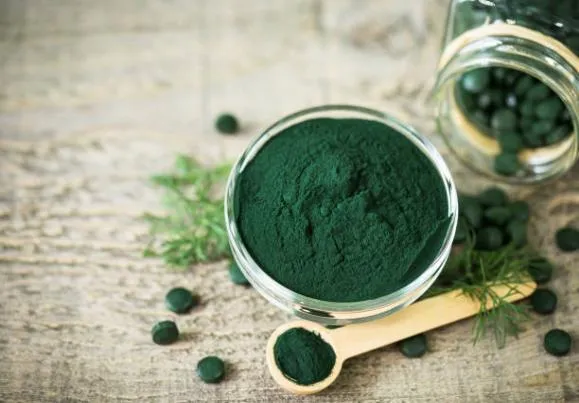
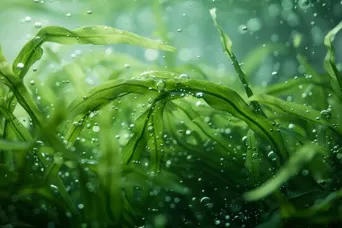
Spirulina plant Spirulina powder
Morphological and Microscopic Differentiation Between Arthrospira maxima and Arthrospira platensis [15]
| Microscopic /Morphological feature | Arthrospira maxima | Arthrospira platensis |
|---|---|---|
| Trichome Constriction | Not or slightly constricted at cross walls | Clearly constricted at cross-walls. |
| Trichome Diameter | Wider trichome diameter | Narrower trichome diameter. |
| Terminal Cells | Attenuated (6–7 cells); terminal cell capitate/calyptrate | Less attenuated; terminal cell less specialized. |
| Coil Diameter | Slight attenuation toward apices | Constant coil diameter throughout. |
| Gas Vacuoles & Granulation | Densely granulated with regular gas vacuole distribution | Densely granulated but less regular distribution. |
| Cell Wall / Sheath (SEM) | Thicker sheath; deep surface ribs | Thinner sheath; shallow, anastomosed ribs. |
| Trichome Length / Coils | Longer trichomes with multiple spiral coils | Shorter trichomes (typically 5–7 coils). |
| Gliding Motility | Higher gliding motility in liquid media | Lower gliding motility. |
GEOGRAPHICAL CHARATERISTICS
Spirulina normally exists in highly alkaline aquatic ecosystems, having higher pH values (pH 9 – 11), very high carbonate/bicarbonate ions concentration, and hot tropical/subtropical conditions. Natural blooms of Spirulina have been reported in highly alkaline lakes of volcanic origin, such as the Great Rift Valley lakes of East Africa (Lake Nakuru, Lake Bogoria), Lake Chad in Central Africa, and Lake Texcoco in Mexico.The other natural ecosystems where Spirulina grows are hot marine and tropical freshwater ecosystems of the Pacific region in Hawaii and Japan.
Because of its high socio-economic importance, Spirulina mass culture is practiced all over the world in North America, South America, Europe, Asia (China, India), and Africa. For commercial purposes, Spirulina cultivation involves two major types of cultures:
After biomass reaches an exponential level, mature trichomes are collected using fine cloth filters and vibrating sieves, washed and dried by solar/spray drying into fine, shelf-stable dark green powder [16].
Natural Habitat, Ecological Adaptation, and Ultrastructure
The Spirulina species are characterized by a remarkable ability to survive in a variety of aquatic and terrestrial ecosystems, including freshwater, brackish water, and seawater, marshes, tropic soils, and hot springs. By nature, Spirulina inhabits hypersaline, highly alkaline soda lakes in tropical and subtropical zones with pH 8.5-11.0 and salt content over 30 g/L [17].
Some natural habitats for Spirulina are Lake Texcoco in Mexico (cultivated as Tecuitlatl by the Aztecs) and the alkaline lakes of Rift Valley in East Africa (Lake Chad, cultivated as Dihe). The dominance of Spirulina in such extreme environments is related to its ability to tolerate high cytoplasmic pH (4.2-8.5) and utilize bicarbonate and ammonia as carbon and nitrogen sources in carbonate-alkaline environments when competing microflora is inhibited [18].
Transmission electron microscopy revealed ultrastructure of Arthrospira species with typical prokaryotic cell structure without membrane-enclosed nucleus and chloroplasts. Cell wall includes four layers (L-I, L-II, L-III, L-IV) and has a thick electron dense layer [19].
The peripheral cytoplasm of the cells contains numerous parallel arrays of thylakoid membranes with electron opaque phycobilisomes, main photosynthetic protein complexes. The cytoplasm also has polyglucan granules, gas vacuoles which provide buoyancy of the cells, protein fibrils and lipid bodies [20,21].
Cultivation Systems, Bioprocess Engineering, and Processing
The industrial-scale production of Spirulina biomass takes place using either the open raceway ponds or the closed photobioreactor (PBR) approach. The open raceway ponds are cheap and easy-to-maintain structures stirred by paddlewheel mixers and can be run under alkaline conditions where there is no contamination.
On the other hand, closed photobioreactors have the advantage of accurate climate control, increased volumetric light utilization, optimal CO2 dissolution, and sterility, which results in increased biomass density and improved metabolite formation.
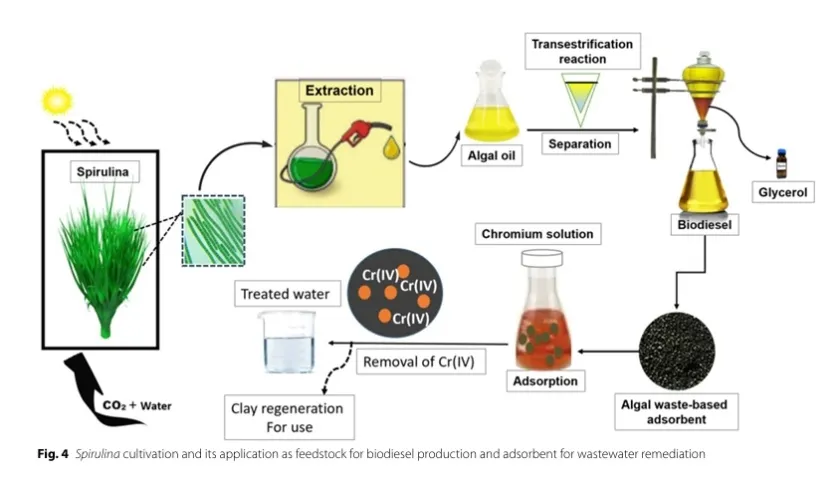
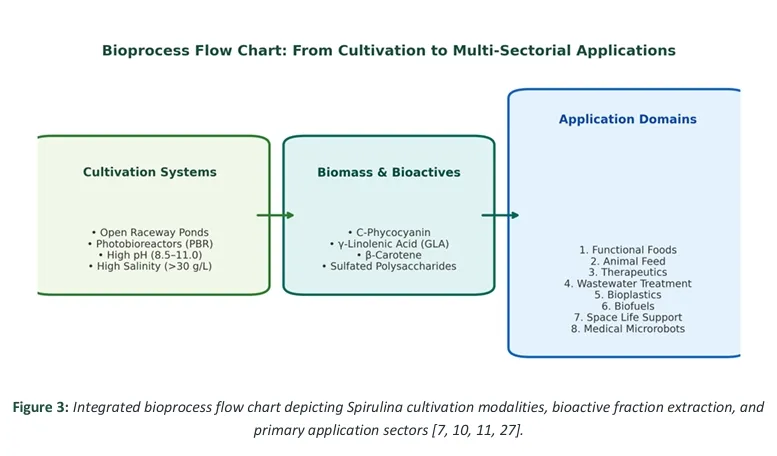
Production is controlled by eight environmental parameters, including: irradiance, temperature, inoculum density, stirring rate, total dissolved solids, pH, water quality and macro/micro-nutrient ratios. Harvest includes filtration, washing to remove the extra sodium salts, cell dehydration, drying and powdered preparation [22].
Molecular Pathways of Antioxidant, Anti-Inflammatory, and Immunomodulatory Activity
The cellular basis of dysfunction and inflammation involves an imbalance in the production of ROS and RNS, relative to endogenous antioxidant defenses. Excess ROS (H2O2, O2•−, HO•) triggers lipid peroxidation, alterations to membrane integrity, and degradation of nucleic acids. This oxidative chain reaction stimulates the phosphorylation and degradation of the nuclear factor kappa B (NF-κB) inhibitor protein IκB, allowing for the translocation of NF-κB transcription factors into the nucleus NF-κB transactivation increases the expression of pro-inflammatory cytokines, such as TNF-α, IL-6, inducible nitric oxide synthase (iNOS), and COX-2 [23,24].
Spirulina-derived compounds, such as C-PC, phycocyanobilin, GLA, and beta-carotene, disrupt this pathophysiological chain at various molecular checkpoints. The antioxidant C-PC serves as an inhibitor of NADPH oxidase, thus inhibiting ROS formation [25].
In addition, clinical meta-analysis of Spirulina supplementation shows that it increases serum IL-2 levels (SMD = 2.69 pg/mL, p = 0.03), resulting in increased cytotoxic effects of NK cells and T-cells, as well as decreased levels of IL-6 and TBARS in non-obese patients (BMI < 25 kg/m²). Furthermore, Spirulina increases the activity of endogenous antioxidant enzyme systems, SOD, CAT, and GPx [26].
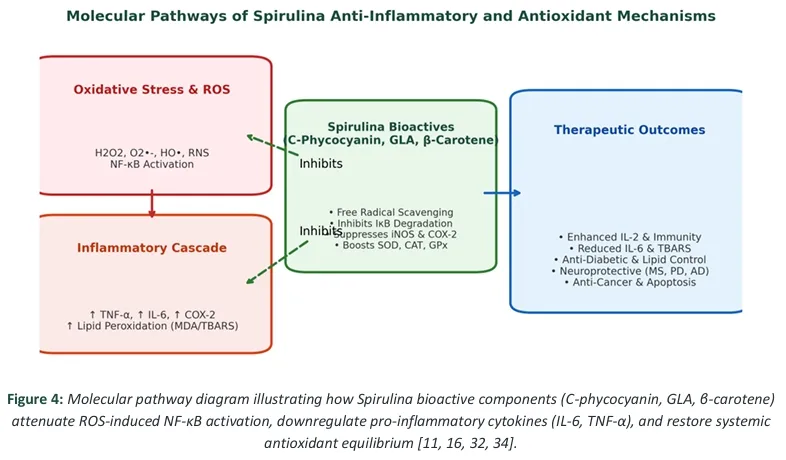
Multi-Sectorial Therapeutic, Environmental, and Biotechnological Applications
1. Neuroprotective Potential: In MS, C-PC induces remyelination, gliogenesis, and increases the expression of axon-glia repair gene and down-regulates the markers of demyelination (CD44, PPAR) . In PD, Spirulina polysaccharides maintain tyrosine hydroxylase and DAT mRNA expression, whereas it inhibits MAOB. In AD, C-PC decreases Aβ aggregation and hyperphosphorylation of tau protein.
2. Metabolic & Cardiovascular Function: From clinical studies, it is evident that Spirulina decreases serum fasting blood glucose level, HbA1c, total cholesterol, and LDL-C, a decrease of 4.5% in total serum cholesterol has been reported.
3. Antiviral and Antimicrobial Potential: The Ca-SP inhibits viral attachment and penetration against enveloped viruses such as HIV-1, HSV-1, Influenza A, Mumps, and Measles.
4. Industrial Applications & Environmental & Engineering: Spirulina is used in the synthesis of bioplastics by blending it with polyethylene to increase its tensile strength. It is used in bioremediation of wastewater space closed-loop life support systems. Its use is increasing in biohybrid magnetic microrobots for targeted [27].
PHYTOCHEMICAL CONSTITUENTS AND TRADITIONAL USE OF SPIRULINA:
BIOACTIVE PROPERTIES OF SPIRULINA:
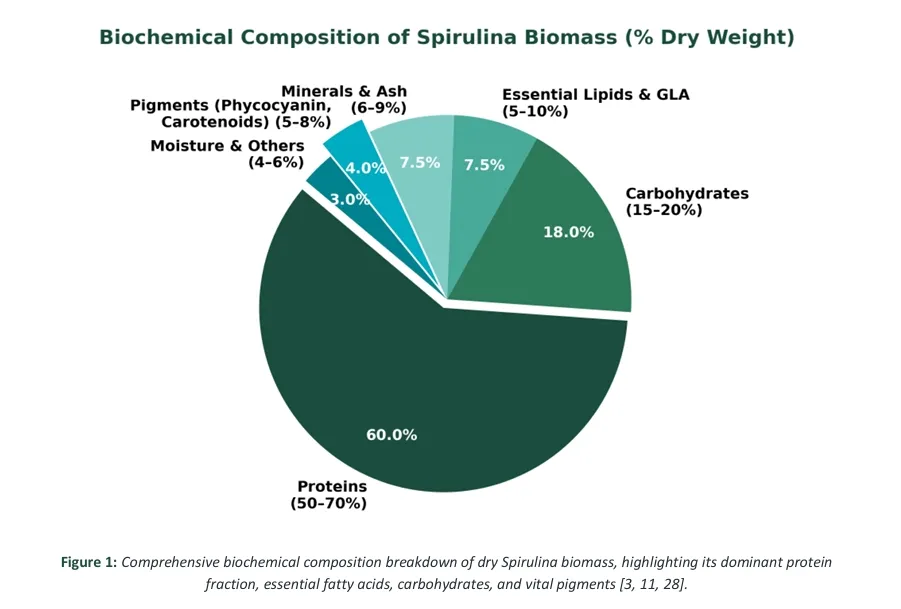
Amir Ali Anvar et.al have conducted a study on the bioactive properties of Spirulina which have the chemical constituents such as 70-55% of proteins, 20-25% of carbohydrates, 18% of essential fatty acids, vitamins, minerals, and pigments such as carotene, chlorophyll A and phycocyanin.
Spirulina consists of some of the essential anti-oxidants such as santos, Freitas, Moreira, zanfonato, and costa. It consists of some of the essential; fatty acids such as linoleic acid, linolenic acid, phycobiliproteins and also consists of phycocyanin, allophycocyanin and consists of some essential amino acids such as leucine (10.9% of total amino acids), valine isoleucine and minerals like iron.
Spirulina consists of immunological properties such as anti-cancer, probiotic property, neuroprotective property, hypoglycaemic, hypolipidemic, antinephrotoxicity, anti-genotoxicity, anti-viral activity, anti-inflammatory and antiobesity activities [28].
SPIRULINA PLATENSIS- FOOD FOR FUTURE:
Saranraj. P et.al have a conducted the study on active constituents of Spirulina. Spirulina consists of some active constituents such as rhamnose, ribose, mannose, fructose, galactose, xylose, glucose, glucuronic acid, galacturonic acid and calcium sulphate.
Spirulina is active against viruses such as HIV, Herpes Simplex Virus, Human Cytomegalovirus, Influenza A Virus, Mumps Virus and Measles Virus. Cell extract of Spirulina maxima has shown antimicrobial activity against Bacillus Subtilis, Streptococcus aureus, Saccharomyces cerevisiae and Candida albicans. Spirulina reduces hepatic damage due to drug abuse and heavy metal exposure, inflammatory response, cell degradation, anaphylactic reaction. Spirulina contains vitamin A, important in preventing eye diseases, iron and vitamin B12, useful in treating hypoferric anaemia and pernicious anaemia, respectively γ- linolenic acid, appropriate in treatment of atopic child eczema therapy, to alleviate premenstrual syndrome, and immune stimulation [29].
SPIRULINA IN CLINICAL PRACTICE, EVIDENCE-BASED HUMAN APPLICATIONS:
P.D. Karkos, S.C. Leong et.al have conducted a study on Spirulina in clinical practice. The study suggested that Spirulina consists of high content that is 70% of protein, vitamins especially vitamin-B12, provitamins like β- carotenes and minerals like iron. Spirulina is also rich in phenolic acids, tocopherols and γ- linolenic acid. Spirulina is active against Herpes simplex type1, human cytomegalovirus, measles and mumps virus, influenza A virus and human immune-deficiency virus-1 (HIV-1). It is used for the treatment of cancer and chronic arsenic poisoning. It also acts as an anti-oxidant [30].
CHEMICAL COMPOSITION, BIOACTIVITIES and APPLICATIONS
OF SPIRULINA (LIMNOSPIRA PLATENSIS) IN FOOD, FEED AND MEDICINE:
Maria P Spinola, Ana R Mendes et.al have conducted a study on the chemical constituents, bioactivities and applications of Spirulina in food, feed and medicine. The study suggested that Spirulina is rich in proteins, essential fatty acids, vitamins, minerals and bioactive compounds such as phycocyanin pigment, polysaccharides and carotenoids. The Spirulina exhibit some of the biological activities such as anti-oxidant, anti-inflammatory, immunomodulatory, antiviral, anticancer and lipid lowering effects.
Spirulina have potential effect in reducing the oxidative stress, enhancing immune function, inhibits tumour growth and also prevents chronic diseases. It also consists of some of the phytoconstituents such as phenolic compounds, flavonoids and phycocyanin which helps in preventing some of the chronic diseases such as cancer and diabetes [31].
FUNCTIONAL PROPERTIES OF BIOACTIVE COMPOUNDS FROM SPIRULINA SPP: CURRENT STATUS AND FUTURE TRENDS:
D.G. Bortolini, G.S. Maciel et.al have conducted a study to evaluate the functional properties of Spirulina. Functional foods non-toxic biocompounds that offer health benefits beyond their nutritional value and beneficially modulate one or more target functions in the body. It also contains macronutrients such as carbohydrates, lipids, proteins, vitamins and minerals.
It also contains some of the essential amino acids, unsaturated fatty acids, carotenoids and phenolic compounds. It also contains saturated fatty acids, mono-unsaturated fatty acids, poly-unsaturated fatty acids. It also contains essential amino acids such as tryptophan, threonine, leucine, lysine, methionine, phenylalanine, histidine and valine which are not normally produced in the human body [32].
SPIRULINA: A SPOTLIGT ON ITS NUTRACEUTICAL / PROPERTIES AND FOOD PROCESSING APPLICATIONS:
S. Priyanka, R. Varsha et.al have conducted a study on the nutraceutical properties of Spirulina. They found to know that Spirulina is a blue-green algae which is now world-wide used as a dietary supplement which consists of 5060% of proteins, anti-oxidants, essential fatty acids etc which are important for the body immunological functions.
It consist of 373kcal, sugar (1.30g), lactose (<0.10g), dietary fibre (7.70g), carbohydrate (17.80g), protein (63g), total fat (5.60g), vitamins (A, C, E, K, B1, B2, B3, B6, B12, biotin and folic acid), minerals (calcium, iron, phosphorous, magnesium, sodium, potassium, iodine, zinc, copper, manganese, boron, chromium, molybdenum, selenium) [33].
EXPLORING THE NUTRITIONAL AND MEDICINAL POTENTIAL OF SPIRULINA.
Khushboo Gaur, Ankita Wal et.al have conducted a study on the nutritional value and medicinal potential of Spirulina. Spirulina, a polyphyletic group of algae, is known for its economically significant products and is widely used as a dietary supplement. It is rich in essential compounds, including proteins, antioxidants, vitamins and minerals.
It consists of proteins (60-90%), carbohydrates (16-20%), lipids (5-7%), minerals (6-9%), moisture content (2.56.0%). It also consists of vitamins like vit-B1 (0.15-0.30mg), vit-B2 (4.07.0mg), vit-B3 (10.0-25.0mg), vit-B6 (0.5-1.5mg), vit-B12 (0.1-0.3mg), folic acid (0.05-0.30mg), inositol (70-90mg), vit-K (0.90-1.05). it also contains some of the minerals such as iron (0.55-1.5g/kg), calcium (1.2-15g/kg), phosphorous (6.5-9.2g/kg), potassium (6.8-15.7g/kg) [34].
BENEFICIAL EFFECTS OF SPIRULINA CONSUMPTION ON BRAIN HEALTH:
Teresa Trotta, Chiara Porro et.al have conducted a study on Spirulina to know the beneficial effects of Spirulina consumption on brain health. Spirulina consists of high levels of functional compounds such as phycocyanin, phenols and polysaccharides with anti-inflammatory, antioxidant, immunomodulatory effects. It has some positive effects in various pathologies such as cardiovascular diseases, hypercholesterolemia, hyperglycaemia, obesity, hypertension, tumours and inflammatory diseases. It helps in prevention and progression of neurodegenerative diseases such as Parkinson’s disease, Alzheimer’s disease and multiple sclerosis [35].
SPIRULINA AS A SUSTAINABLE FUNCTIONAL INGREDIENT: NUTRIENT DENSITY, BIOACTIVES, AND FOOD APPLICATIONS:
Marwa Ezz El-Din Ibrahim, Selinay Demirel et.al have conducted a study on Spirulina to assess its functional ingredients, nutrient density, bioactives. Spirulina is characterized by a rich content of protein, complex carbohydrates, polyunsaturated fatty acids, vitamins and minerals, while compounds such as C- phycocyanin, chlorophyll, β-carotene and phenolic compounds. Spirulina consists of 15%-25% of carbohydrates and 5-8% of lipids. It consists of essential fatty acids such as palmitic acid, palmitoleic acid, stearic acid, oleic acid, linoleic acid, alpha-linoleic acid, gamma-linoleic acid and arachidic acid. It also consists of vitamins such as vitamin-B1, vitamin-B2, vitamin-B3, vitamin-B6, vitamin-B12, folic acid, vitamin-A, vitamin-E, vitamin-C and vitamin-K. It includes some of the essential minerals that are important for the human body, such as calcium (Ca), potassium (K), magnesium (Mg), phosphorous (P), sodium (Na), chromium (Cr), iron (Fe), copper (Cu), selenium (Se), zinc (Zn), boron (B) and manganese (Mn) [36].
ANTICANCER PROPERTIES OF BLUE GREEN ALGAE SPIRULINA PLATENSIS:
Ranjani Ramakrishnan et.al have conducted a study on the anticancer properties of blue green algae Spirulina platensis. Spirulina is helpful in curing and prevention of some of the most dreadful diseases like tuberculosis, diabetes, many viral infections, heart diseases and cancer are causing human deaths worldwide. Cancer is a complex, multistep process and multi-factorial in origin. Cancer causing agents called carcinogens transform a normal cell to tumour or cancerous cell. Life style, food habits, job factors, environmental factors and hereditary mutations play major role in carcinogenesis.
Consumption of Tobacco products, chewing of betel nut, Alcohol, high dietary fat, red meat, imbalanced diet, canned and preserved food, deep fried and junk food, Cigar smoking, exposure to smoke contents of cigarette, radiation for a longer period, lack of adequate physical activity, are main causes of tumorigenesis and increase in rate of cancer incidence. It consists of approximately 65% of proteins, 20% of carbohydrates, 7% of minerals, 5% of lipids and 3% of moisture. It consists of some of the active biomolecules such as glycolipids, polysaccharides, pigment proteins and amino acids [37].
PHARMACOLOGICAL ACTIVITY
The extensive range of preclinical and clinical studies reveal that Spirulina contains a wide range of biological activity and therapeutic effects due to the presence of biologically active phytochemicals in it, including C-phycocyanin, beta-carotene, gamma-linolenic acid (GLA), Ca-spirula, and phenolic fractions [38].
Antioxidant Activity and ROS Scavenging
Spirulina is effective as a ROS scavenger and oxidative damage protector. The major antioxidant effect of Spirulina is exerted through C-phycocyanin, a pigment-protein complex that includes phycocyanobilin (PCB) pigment. PCB acts as an effective inhibitor of NADPH oxidase, which is an important enzyme responsible for oxidative stress under pathological conditions in mammalian cells. C-phycocyanin is capable of scavenging hydroxyl, alkoxyl, peroxyl, and superoxide free radicals, thus preventing lipid peroxidation and DNA degradation. In addition, Spirulina supplementation leads to strong activation of intracellular antioxidant enzymes in terms of SOD, CAT, GPx, and glutathione reductase activities [39].
Immunomodulatory and Anti-Inflammatory Effects
Spirulina has pronounced immunomodulatory activity in both the innate and adaptive immune system. Its oral or dietary intake induces bone marrow hematopoiesis, thymus and spleen enlargement, and accelerated synthesis of white blood cells, antibodies (IgA, IgM), and cytokines (interleukin-1, IL-1; interferon). It potentiates the activity of macrophages for their ability to phagocytose particles and destroy tumor cells, and also NK cell cytotoxicity.
Regarding its anti-inflammatory activity, C-phycocyanin inhibits histamine liberation by mast cells, thus counteracting allergic reactions such as rhinitis. Moreover, sulfated polysaccharides like Calcium Spirulina (Ca-SP) inhibit inflammation 39].
Anti-Cancer and Antitumor Properties
Various scientific investigations have proven the anti-neoplastic and chemopreventive potential of Spirulina. These active constituents such as Se-SE (Selenium enriched Spirulina extract), C-Phycocyanin, and Canthaxanthin have the ability to induce mitochondrial cell apoptosis (caspase-induced cell death) in various types of cancer cells. G1 cell cycle arrest is attained through up regulation of tumor suppressor genes like p53, p21, p57 and pro-apoptotic proteins Bax, while down regulating anti-apoptotic proteins Bcl-2 and Bcl-xl. In human trials conducted in Kerala, India, oral consumption of Spirulina fusiformis for 12 months led to complete regression of oral leukoplakia lesions in 45% patients who were chronic tobacco chewers in comparison to 7% placebo patients. Moreover, Ca-SP blocks cell adhesion and migration to laminin basement membranes and thus reduces lung metastasis of melanoma cells [39,40].
Metabolic Regulation: Hypolipidemic, Antidiabetic, and Anti-Obesity Effects
Spirulina supplementation significantly improves metabolic parameters in cardiovascular and endocrine disorders [41]:
Hepatoprotection, Nephroprotection, and Radiation Protection
The extracts of Spirulina efficiently neutralize the toxicity caused due to the effects of heavy metals such as lead, cadmium, and arsenic, chemotherapeutic drugs such as doxorubicin, and hepatotoxicants such as galactosamine.
The protection of hepatic cells, regulation of serum enzyme balance, and reduction in nephrotoxicity are some of its functions. Moreover, Spirulina phytopigments and polysaccharides provide protection against radiations [42].
Aquaculture Applications: Fishmeal Replacement and Growth Promotion
For present-day aquaculture farms, feeding represents about 50% of operational variable costs, mainly because of increasing prices of fish-meals from the sea. Spirulina meal is now recognized as one of the best, yet unusual, sources of proteins used for finfish and shellfish farming [33].
Nutrient Profile and digestibility
Spirulina provides from 41% up to 63% of crude proteins on dry matter, having an excellent composition of essential amino acids, similar to that in high-quality brown fishmeal. Because there is no cellulosic membrane, Spirulina protein and fat fractions have very high levels of digestibility, especially in omnivorous and herbivorous species like Nile tilapia (Oreochromis niloticus), because of low stomach pH [43].
Nutrient Profile Comparison between Spirulina platensis and Fishmeal
| Nutrient Component | Spirulina platensis (% Dry Weight) | Brown Fishmeal (% Dry Weight) |
|---|---|---|
| Crude Protein | 41.2% - 61.3% | 67.4% |
| Crude Lipid / Fat | 5.5% - 13.7% | 10.5% |
| Carbohydrates | 18.9% - 23.1% | N/A |
| Ash Content | 6.9% - 9.9% | 12.8% |
| Crude Fiber | 3.0% | 1.5% |
Inclusion Levels and Growth Performance
From an extensive review of the literature on aquaculture, it has been established that low to moderate inclusion of Spirulina meal (0.5% to 15–20%) ensures maximum growth performance higher FCRs, higher PERs, and increased resistance to diseases caused by pathogens like Aeromonas hydrophila [43].
CONCLUSION
The microalgae Spirulina (Arthrospira platensis) constitutes a very versatile, eco-resilient algae with superior structural, nutritional, and pharmacological features. It is due to its distinctive helical shape, readily digestible non-cellulosic peptidoglycan cell wall and ability to grow in high pH, alkaline conditions that make these algae highly feasible as a biological crop. Pharmacologically, the therapeutic efficacy of Spirulina is rather impressive, as it is demonstrated by its effective ROS scavenging action, immunomodulatory, anti-tumor activity via inducing apoptosis in tumor cell lines, lipid lowering and anti-diabetic actions and organ protective effects from various toxins and radiation. In agriculture, Spirulina works well as a partial substitute for costly fish meal and the addition of just 1% to 20% of this algae results in increased productivity, improved feed conversion, enhanced immune reactions and better carcass quality of cultured fishes.
REFERENCES


Prabha Hullatti, Abhishek Ramapur, Aftab Makandar, Mallinath Patil, Manikanta N., Varshitha M. S., Arthrospira Platensis: A Comprehensive Review on Recent Advances in the Biological Activities of Spirulina, Int. J. of Pharm. Sci., 2026, Vol 4, Issue 10, 2401-2414. https://doi.org/10.5281/zenodo.23393700
 10.5281/zenodo.23393700