

We use cookies to ensure our website works properly and to personalise your experience. Cookies policy
P.S.G.V.P. Mandal’s College of Pharmacy, Shahada, Maharashtra, India.,.
Hydrogel-based drug delivery systems are three-dimensional networks of hydrophilic polymers capable of absorbing substantial amounts of water while maintaining structural integrity. Their tunable composition, swelling capacity, porosity, and cross-linking density make them promising carriers for controlled, sustained, and localized drug delivery. This review discusses the materials used in hydrogel formulation, including natural, synthetic, and hybrid polymers, together with preparation methods, cross-linking approaches, and mechanisms of drug incorporation. It describes important characterization parameters such as swelling behavior, gel fraction, porosity, morphology, chemical structure, thermal properties, mechanical strength, and drug-loading efficiency. The principal drug-release mechanisms—diffusion, swelling, degradation, and stimulus-responsive release—are also examined. Different delivery platforms, including injectable hydrogels, nanoparticles, in situ-forming systems, films, membranes, beads, and microspheres, are outlined. Recent advances in smart and biodegradable hydrogels offer opportunities for site-specific therapy. Formulation complexity, stability, reproducibility, and scale-up remain important challenges. The review also considers their pharmaceutical applications and future research directions.
Hydrogels are three-dimensional networks of hydrophilic polymers that can absorb and hold large volumes of water without losing their structural integrity. Hydrogels are useful materials for pharmaceutical and biological applications because of their physicochemical characteristics, which include high water content, swelling capacity, programmable network structure, and biocompatibility. Hydrogels can function as carriers in drug delivery, incorporating therapeutic chemicals into their polymeric network and controlling their release based on the hydrogel's properties and the biological environment [1-4].Because hydrogels' network structure may be designed to regulate drug diffusion and release, their use in pharmaceutical formulations has advanced significantly. Polymer composition, cross-linking density, swelling behavior, drug–polymer interactions, molecular size of the integrated drug, and environmental variables are some of the elements that affect drug release from hydrogel systems [5,8]. As a result, hydrogels can be made to transport drugs in a controlled and sustained manner, possibly lowering the frequency of doses and preserving drug concentrations for a longer amount of time [1, 2,5].Natural, synthetic, or hybrid polymers can be used to create hydrogels, and various formulations and cross-linking techniques can change their characteristics. Important properties like porosity, mechanical strength, swelling, degradation, drug loading, and release behavior are significantly impacted by the choice of polymer and fabrication technique [4,6]. Because injectable and biodegradable hydrogels can be delivered minimally invasively and then form or dissolve under physiological conditions, offering prospects for regulated and localized drug administration, they have garnered special attention [10].The adaptability of hydrogel-based drug delivery systems to environmental changes is a significant benefit. In reaction to variables like pH, temperature, ionic strength, or other physiological stimuli, environment-sensitive hydrogels may experience changes in swelling, network structure, or drug permeability. These characteristics offer possibilities for creating medication delivery systems that are more regulated and site-specific [9]. Because of their tiny size and large surface area, hydrogel nanoparticles have also been studied as potential drug carriers [7]. A hydrogel drug delivery system's performance is influenced by its physicochemical and structural properties in addition to its formulation. In order to characterize hydrogels, factors like swelling behavior, gel fraction, shape, porosity, mechanical properties, degradation, drug-loading efficiency, and drug-release characteristics are typically evaluated [3,4,6,13]. It is crucial to comprehend these characteristics in order to optimize formulations for particular therapeutic applications and to develop connections between hydrogel structure and drug-release effectiveness. Recent developments in hydrogel technology have extended their possibilities beyond traditional controlled-release systems to include intelligent and multipurpose delivery platforms. Advanced hydrogel systems that are injectable, biodegradable, environmentally sensitive, and more are being researched for use in tissue engineering, regenerative medicine, and drug delivery [2,9,10,12]. The capacity to modify these systems' composition, architecture, deterioration, and responsiveness in accordance with the intended therapeutic use is what gives them their adaptability [2,10].Hydrogel-based drug delivery systems still face difficulties with formulation optimization, mechanical stability, repeatability, drug-loading capacity, degradation behavior, and obtaining predictable drug-release patterns, despite their great potential [1,2,4]. Therefore, the logical creation of efficient hydrogel-based drug delivery systems requires a thorough understanding of hydrogel formulation, characterisation, drug-release processes, and contemporary technical advancements. The concepts of hydrogel formulation, characterisation methods, drug release mechanisms, and recent developments in hydrogel-based drug delivery are all covered in this study.
When creating hydrogel-based drug delivery systems, the choice of materials is crucial because the type and characteristics of the polymer determine key features like swelling, mechanical strength, degradation, drug loading, biocompatibility, and drug-release behavior [1-4]. In order to create a three-dimensional network that can absorb and hold onto huge amounts of water or biological fluids, hydrophilic polymers are often cross-linked to make hydrogels [3–5].
Natural Polymers :-
Because of their typically advantageous biocompatibility and biological characteristics, natural polymers are frequently utilized for the manufacture of hydrogels. Polysaccharides and proteins are examples of natural hydrogel-forming substances. While starch, alginate, and agarose are often utilized polysaccharides, collagen and gelatin are significant protein-based components [4]. These materials are appealing for pharmacological and biomedical applications because they can offer a hydrated environment that resembles biological tissues [3,4].To enhance their mechanical and physicochemical qualities, natural polymers can also be chemically altered or mixed with synthetic elements. For instance, to create hydrogel networks with better performance, natural polymers with appropriate functional groups can be functionalized with polymerizable groups or mixed with synthetic polymers [4]. Some of the drawbacks of natural polymers, such as their comparatively low mechanical strength and quick breakdown, can be addressed by these methods [4].
Synthetic Polymers :-
Another important class of materials used in the creation of hydrogels is synthetic polymers. Synthetic polymers offer more control over chemical composition, mechanical characteristics, swelling behavior, degradation, and network organization than many natural polymers [2,4]. For pharmaceutical applications, synthetic hydrogels have been thoroughly studied, especially for controlled administration of proteins, peptides, and medications [5].Poly (ethylene glycol) (PEG), poly (ethylene oxide) (PEO), poly (propylene oxide) (PPO), poly (acrylic acid), polyacrylamide, and related acrylic polymers are common synthetic materials used for hydrogel production [1,4]. Among the ingredients frequently employed in the creation of synthetic hydrogel systems are acrylamide, acrylic acid, and its salts [4]. The hydrogel network can be tailored to the intended drug-delivery application thanks to the usage of synthetic polymers.
Semi-Synthetic and Hybrid Polymer Systems
Combining natural and synthetic polymers offers a way to combine the controlled physicochemical features of synthetic polymers with the biological benefits of natural materials. These systems can be made by graft copolymerization or by adding synthetic polymer chains to natural polymer substrates [4]. Therefore, it is possible to construct hybrid and composite hydrogel systems to enhance characteristics including stability, mechanical strength, swelling behavior, and drug-release control.
Monomers and Polymerizable Components
For many hydrogel compositions, hydrophilic monomers are essential building blocks. Hydrophilic monomers can be polymerized separately or in combination with other monomers to create copolymeric networks, depending on the desired features [4,5]. Synthetic hydrogel synthesis often involves the use of acrylamide, acrylic acid, and its derivatives. The resulting hydrogel's chemical structure, hydrophilicity, swelling capacity, and responsiveness are all influenced by the choice and ratio of monomers [4].
Cross-Linking Agents
To transform polymer chains into a stable three-dimensional hydrogel network, cross-linking is necessary. Chemical processes, physical interactions, and other cross-linking mechanisms can all result in the formation of cross-links [4,5]. While physical cross-linking can entail hydrogen bonding, crystallite formation, polymer-chain entanglements, or electrostatic interactions, chemical cross-linking creates permanent connections within the polymer network [5].Because it affects the mesh size, swelling behavior, mechanical characteristics, and drug molecule transport via the hydrogel network, the degree of cross-linking is very significant [1,5]. Increasing network density can affect medication diffusion and water intake, but it also often results in a more structurally stable system.
Initiators and Other Formulation Components
Initiators are needed to start polymerization reactions for hydrogels made via polymerization, especially in free-radical polymerization systems. Thus, a monomer, initiator, and cross-linker may be present in the generic formulation [4]. Water or another aqueous media may be employed as a diluent to regulate the polymerization process and affect the final hydrogel characteristics, depending on the preparation technique [4].Hydrogel systems may need to be washed after preparation in order to get rid of initiators, cross-linking agents, unreacted monomers, and other unwanted reaction products [4]. In order to generate a hydrogel appropriate for pharmaceutical and biological applications, this purification phase is crucial.
Selection of Materials for Drug Delivery
The intended route of administration, drug kind, desired release profile, biodegradability, mechanical qualities, and biological compatibility should all be taken into consideration when choosing hydrogel-forming materials. Drug transport, swelling, degradation, and release behavior are all directly impacted by the polymer network and its physicochemical properties [1,2,and 5]. Therefore, creating hydrogel systems that can distribute drugs in a controlled and repeatable manner requires careful selection and combination of polymers, monomers, cross-linking agents, and other formulation components.
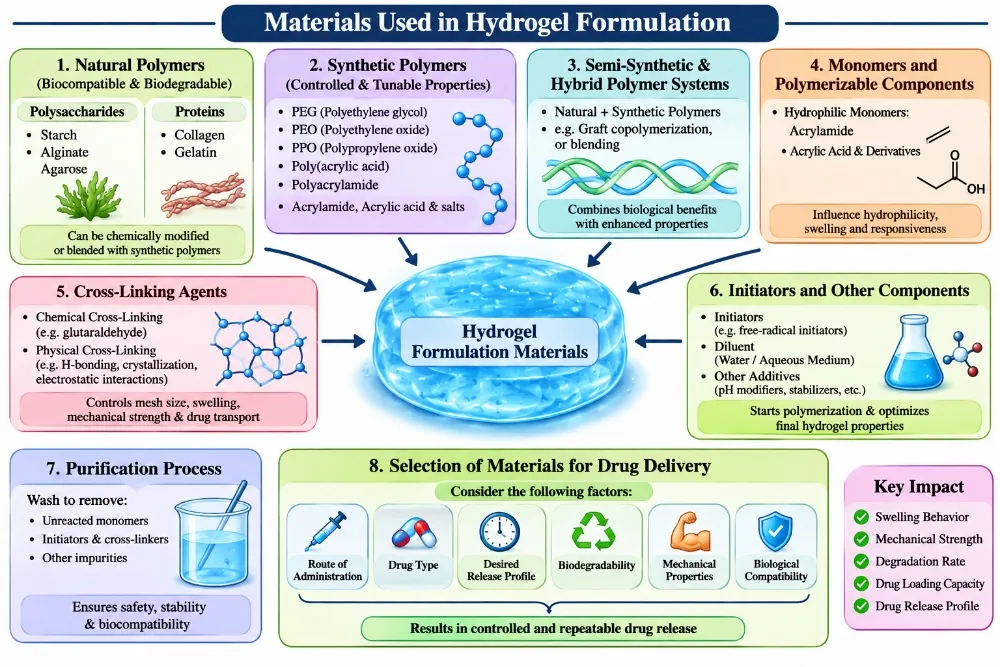
Figure 1: Materials and Components Used in Hydrogel Formulation
• Formulation and Preparation of Hydrogel-Based Drug Delivery Systems:
In order to create a three-dimensional polymeric network with the required physicochemical and drug-release characteristics, the formulation and manufacture of hydrogel-based drug delivery systems require the selection of appropriate polymers, drug molecules, cross-linking techniques, and processing conditions. The hydrogel's swelling behavior, mechanical strength, porosity, degradation, drug-loading capacity, and release characteristics are all directly impacted by the production process [1-4].
Selection of Polymer and Drug
Choosing the right polymer for the intended therapeutic use and administration method is the first stage in hydrogel formulation. Hydrogel networks can be produced using natural, synthetic, or hybrid polymers. In order to achieve the intended drug-release profile, the polymer must have sufficient biocompatibility, stability, swelling capacity, and mechanical qualities [2–4].Formulation design is also influenced by the drug's characteristics. Drug incorporation and subsequent release from the hydrogel can be influenced by a number of factors, including molecular size, solubility, charge, stability, and interaction with the polymer network [1,5]. Therefore, while developing a formulation, polymer-drug compatibility is crucial.
Polymer Network Formation
Polymer chains are transformed into a three-dimensional cross-linked network to create hydrogels. Cross-linking can happen via chemical or physical processes [4,5]. Chemical cross-linking creates more permanent linkages between polymer chains, whereas physical cross-linking involves reversible interactions like hydrogen bonding, ionic interactions, polymer-chain entanglement, and crystallite formation [5].Because it establishes the mesh size and influences water absorption, mechanical strength, drug diffusion, and release rate, the degree of cross-linking is a crucial formulation parameter. While a less densely cross-linked network may allow for more swelling and faster diffusion, a strongly cross-linked network often has smaller mesh dimensions and may limit the mobility of drug molecules [1,5].
Physical Cross-Linking Methods
It is possible to do physical cross-linking without creating long-lasting covalent connections. Hydrogen bonding, hydrophobic interactions, ionic interactions, crystallization, and molecular entanglement are some of the ways that polymer chains can interact [4,5]. When gentle preparation conditions are needed, these techniques may be beneficial. Depending on the kind of interaction, physically cross-linked hydrogels may have reversible or stimuli-sensitive characteristics. However, the type and intensity of the physical interactions within the network have a significant impact on their structural integrity and mechanical stability [4,5].
Chemical Cross-Linking Methods
By creating covalent links between polymer chains, chemical cross-linking creates a stable three-dimensional network. More control over hydrogel structure and mechanical stability may be possible with this method [4,5]. The hydrogel network can be created by polymerizing synthetic monomers and polymers in the presence of appropriate cross-linking agents. One method for creating synthetic hydrogels is free-radical polymerization. Under suitable reaction conditions, polymerizable monomers are mixed with an initiator and cross-linking agent in such systems [4]. The final properties of the hydrogel can be affected by the concentration of initiator, cross-linker, and monomer as well as the polymerization circumstances.
Preparation of Injectable and In Situ Forming Hydrogels
Because injectable hydrogels can be supplied by minimally invasive methods and later build a hydrogel network at the desired place, they have drawn a lot of attention [10]. These technologies are advantageous for localized drug administration because they can be made to gel under physiological conditions. Depending on the polymer system and formulation conditions, either physical or chemical mechanisms can be used to achieve in situ hydrogel production. In order to enable administration and create a stable network upon application, the gelation process must be appropriately managed [2,10].
Incorporation of Drug into the Hydrogel
The medicine can be added to a hydrogel either before or after the polymeric network is formed. Drug incorporation can occur by interactions between the drug and polymer chains, diffusion into a prepared hydrogel, or physical trapping within the network [1,5]. The physicochemical properties of the medication and polymer determine the chosen approach. Polymer composition, network structure, swelling capacity, drug solubility, and drug–polymer interactions are some of the parameters that affect drug loading [1,5]. Therefore, to attain sufficient drug loading while preserving the intended release characteristics, appropriate formulation conditions are required.
Washing and Purification
Purification is frequently required after hydrogel manufacture in order to eliminate unreacted monomers, initiators, cross-linking agents, and other leftover materials. Before the system is put through additional characterisation or drug-delivery investigations, these undesirable components can be reduced by washing the produced hydrogel with the proper medium [4].
Because leftover formulation components may compromise the final hydrogel system's stability, safety, and biological compatibility, purification is especially crucial for pharmaceutical and biomedical applications [3, 4].
Factors Affecting Hydrogel Preparation
Several formulation and processing variables can influence the properties of the final hydrogel. Important parameters include:
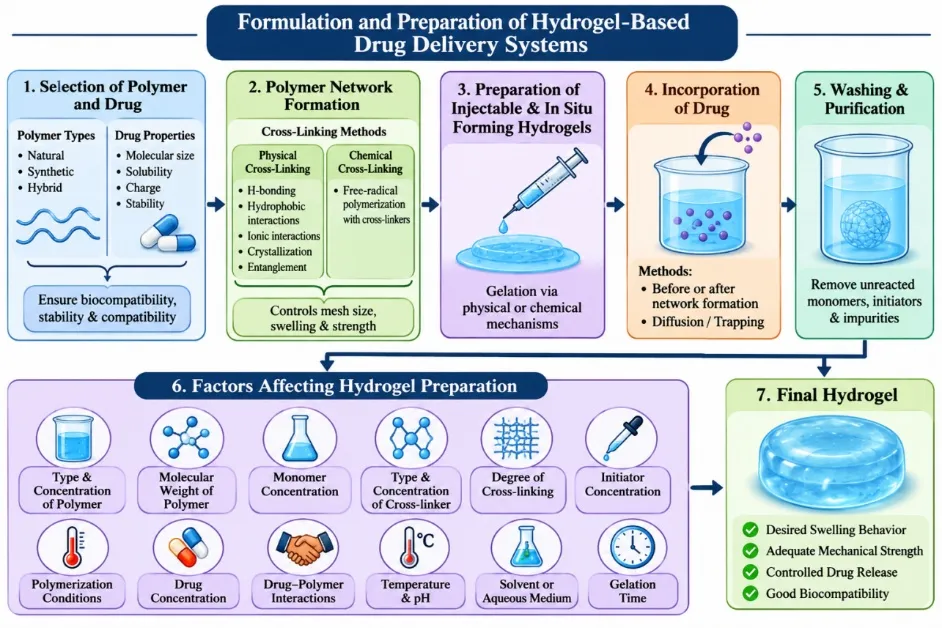
Figure 2: Formulation and Preparation of Hydrogel-Based Drug Delivery Systems
• Mechanisms of Drug Incorporation and Loading:
Because they establish the maximum amount of medication that can be integrated into the hydrogel and have a significant impact on its later release behavior, drug incorporation and loading are crucial stages in the development of hydrogel-based drug delivery systems. The medication can be added to a preformed hydrogel via swelling and diffusion, or it can be integrated into the hydrogel network during hydrogel production. The planned drug-release profile, hydrogel structure, polymer properties, and physicochemical properties of the drug all influence the loading technique choice [1,2,and 5].
Physical Entrapment
One of the most popular methods for adding medications to hydrogel networks is physical entrapment. Using this technique, drug molecules are dispersed either during or after hydrogel synthesis within the three-dimensional polymeric network. Without necessarily creating covalent connections with the polymer, the medication stays physically contained within the hydrated polymer matrix [1,5].A number of variables, including polymer concentration, cross-linking density, mesh size, drug solubility, molecular size, and interactions between the drug and polymer, affect how effective physical entrapment is. While a loosely cross-linked network may offer more room for drug incorporation and diffusion, a strongly cross-linked network may limit the mobility of drug molecules [1,5].
Swelling and Diffusion-Based Loading
When a prefabricated hydrogel is submerged in a drug-containing solution, the hydrogel swells and diffuses the drug. Water or the drug solution penetrates the polymer network during this phase, expanding the hydrogel's volume and enabling drug molecules to reach the open network gaps [4,5].The hydrogel's swelling capacity, polymer composition, cross-linking density, drug concentration, exposure duration, and drug–polymer interactions all affect how much drug is absorbed [1,4,5]. Although excessive swelling can alter the system's mechanical and structural characteristics, hydrogels with a higher swelling capacity might offer more room for medication absorption.
Drug–Polymer Interactions
Interactions between drug molecules and polymer chains can potentially have an impact on drug incorporation. Hydrogen bonding, electrostatic interactions, hydrophobic contacts, and other non-covalent interactions are examples of these interactions [1,5]. These interactions may affect the rate at which the drug is delivered, but they can also enhance drug retention inside the hydrogel network. Therefore, the drug's and the polymer's chemical properties are crucial. For instance, the drug's charge and ionizable groups in the polymer network might alter the drug's affinity for the hydrogel, which in turn affects loading and release behavior [1,5].
Chemical Incorporation
Therapeutic compounds may be chemically attached to the polymer network in some hydrogel systems. When compared to straightforward physical trapping, this method may result in more drug retention. Drug release can then happen as a result of hydrolysis and breakdown of the polymer network or cleavage or degradation of the chemical bond [1,2].When regulated release or extended retention are needed, chemical inclusion may be helpful. To preserve the drug's therapeutic efficacy and stability, the chemical alteration procedure must be carefully planned.
Encapsulation within Hydrogel-Based Nanocarriers
Another method for incorporating drugs is the use of hydrogel-based nanoparticles. The formulation can combine the drug-loading features of hydrogels with the characteristics of nanoscale delivery systems by entrapping drugs within nanoscale hydrogel networks .Because their network structure can be designed to manage drug diffusion and interaction with the environment, hydrogel nanoparticles can offer options for controlled drug delivery. Particle size, polymer composition, cross-linking density, swelling behavior, and drug–polymer interactions all affect how well they work.[7]
Factors Affecting Drug Loading Efficiency
Several factors influence the amount of drug incorporated into a hydrogel system. Important factors include:
Polymer type and concentration
Cross-linking density
Hydrogel mesh size
Swelling capacity
Drug molecular size
Drug solubility
Drug charge
Drug–polymer interactions
Drug concentration in the loading medium
Loading time
pH and environmental conditions [1,4,5]
The relationship between these factors should be considered during formulation development because changes in the hydrogel network can simultaneously affect drug loading, mechanical properties, swelling, and drug-release behavior [1,2].
Drug Loading and Subsequent Release
Drug release and drug incorporation are closely associated processes. Diffusion, swelling of the polymer network, polymer breakdown, or a combination of these mechanisms may be used to release a medication after it has been integrated into the hydrogel [1,5]. How easily the drug transitions from the hydrogel into the surrounding media depends on the density of the hydrogel network and the strength of the drug–polymer interactions. As a result, a successful hydrogel formulation should strike a suitable balance between controlled drug release and drug loading capacity. To achieve repeatable therapeutic administration, polymer composition, network structure, and loading conditions must be optimized [1,2,5].
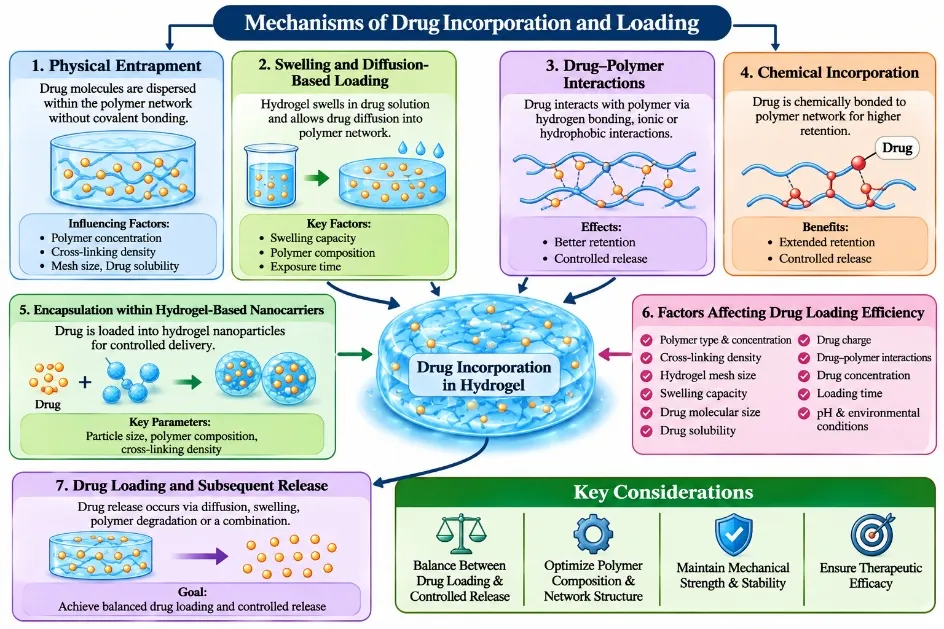
Figure 3: Mechanisms of Drug Incorporation and Loading in Hydrogel Systems
• Characterization of Hydrogel Systems:
Determining the physicochemical, structural, mechanical, and drug-delivery characteristics of hydrogel systems requires characterization. Polymer composition, cross-linking density, preparation technique, and environmental factors all have a significant impact on a hydrogel's properties. The link between hydrogel structure and critical performance metrics such swelling, drug loading, degradation, mechanical strength, and drug release can be established through systematic characterization [1-4].
Physical Appearance and Morphology
A hydrogel's homogeneity, transparency, color, surface properties, and structural integrity can all be inferred from its outward appearance. Additional details about the hydrogel's internal structure, pore distribution, and network architecture can be found through morphological characterisation [3, 4]. The surface and porous structure of hydrogel systems can be examined using microscopic techniques, and the effects of formulation variables on the final network can be assessed.Because they can affect drug incorporation, water penetration, swelling, and diffusion via the hydrogel matrix, the morphology and pore structure are especially significant [1,4].
Swelling Studies
Because a hydrogel's capacity to absorb water is closely correlated with its three-dimensional polymeric network, swelling behavior is one of the most crucial features of hydrogel systems [1,4]. Hydrophilic groups in the polymer network interact with water in an aqueous environment, causing the hydrogel to expand.Polymer composition, cross-linking density, concentration, temperature, ionic strength, and ambient pH all have an impact on the swelling capacity [1,4,5]. While a lower degree of cross-linking can lead to increased water intake, a strongly cross-linked network often limits expansion and results in less swelling [1,5].Because water uptake can increase drug molecules' mobility within the polymer network and hence affect drug-release behavior, swelling studies are especially pertinent to drug delivery [1,5].
Gel Fraction and Sol Content
The amount of polymer incorporated into the insoluble cross-linked network can be ascertained via gel fraction analysis. Polymer chains or components that have not yet joined the permanent network are represented by the residual soluble fraction, often known as the sol fraction [4].The efficiency of cross-linking and network building is shown by this measure. Greater conversion of polymer chains into the cross-linked structure is often indicated by a higher gel fraction [4].
Porosity and Pore Size
Two crucial structural features of hydrogel systems are porosity and pore size. Water penetration and drug molecule transport through the hydrogel are made possible by the porous network [3, 4]. Polymer composition, concentration, cross-linking density, and preparation circumstances all affect the size and distribution of pores.While a denser network may limit molecular mobility and cause delayed drug release, a hydrogel with a more open network may allow for more water uptake and faster diffusion [1,5].
Chemical Characterization
To establish the creation of the desired polymeric structure and to identify the functional groups and chemical interactions present in the hydrogel network, chemical characterisation is carried out [4]. Characteristic functional groups and alterations related to polymerization, cross-linking, or drug-polymer interactions are frequently examined using Fourier-transform infrared spectroscopy (FTIR).When assessing drug–polymer interactions and determining if the preparation procedure has changed the formulation's chemical structure, chemical characterisation is especially helpful [4].
Thermal Characterization
Information regarding the temperature stability and transitions of hydrogel components can be obtained through thermal analysis. Thermal behavior and stability can be assessed using methods like thermogravimetric analysis (TGA) and differential scanning calorimetry (DSC) [4].Additionally, thermal characterisation can reveal details about how the drug integrated into the hydrogel interacts with its constituent parts. Variations in thermal transitions could be a sign of interactions, physical modifications, or changes in the polymeric system's structure.
Crystallinity and Structural Analysis
The crystalline or amorphous properties of hydrogel components can be examined using X-ray diffraction (XRD) [4]. Drug stability, loading, and release behavior can be influenced by the structural arrangement of polymers and integrated drug molecules.Diffraction pattern changes after hydrogel formation or drug insertion can reveal changes in the components' physical states [4].
Mechanical Properties
In order to assess hydrogel systems' strength, elasticity, flexibility, and structural stability, mechanical characterisation is crucial. Cross-linking density, molecular weight, network topology, and polymer composition are some of the variables that affect mechanical properties [1-3].For pharmaceutical or biomedical applications, a hydrogel should have enough mechanical stability to keep its integrity during handling and application while maintaining the required swelling and drug-release characteristics [2, 3]. Although excessive cross-linking may decrease swelling and limit drug distribution, increasing the degree of cross-linking can typically boost network stability and mechanical strength [1,5].
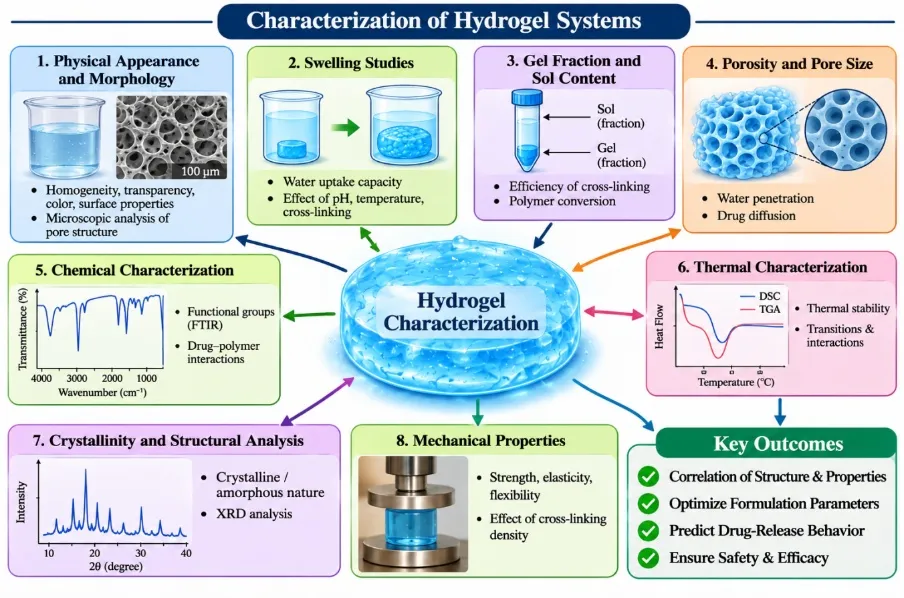
Figure 4: Characterization Parameters and Evaluation of Hydrogel Systems
• Drug Release from Hydrogel Systems:
Drug features, swelling behavior, degree of cross-linking, and the structure and physicochemical properties of the polymeric network all influence drug release from hydrogel systems. By controlling the flow of drug molecules through their three-dimensional network, hydrogels can deliver controlled and prolonged drug release [1,2].
Diffusion-Controlled Release
One of the main ways that drugs are released from hydrogels is through diffusion. Drug molecules migrate toward the surrounding release media from areas of the hydrogel with higher concentrations. Mesh size, cross-linking density, drug molecular size, and drug–polymer interactions all affect the rate of diffusion [1,5].
Swelling-Controlled Release
When a hydrogel absorbs water, the polymer network expands and provides increased space for drug diffusion. Greater swelling can increase drug mobility and consequently influence the release rate. Swelling behavior is affected by polymer composition, cross-linking density, pH, temperature, and ionic strength [1,4,5].
Degradation-Controlled Release
Degradation or erosion of the polymer network may potentially result in drug release. Trapped drug molecules may be released into the environment as the hydrogel progressively breaks down. The hydrogel's chemical content and structure determine the degradation process and rate [2,10].
Stimuli-Responsive Release
In reaction to external stimuli, stimuli-responsive hydrogels can alter their permeability, network structure, or swelling. Drug release can therefore be controlled by variations in pH, temperature, ionic strength, or other physiological cues [2,9].
Factors Affecting Drug Release
The major factors affecting drug release include:
Polymer type and concentration
Cross-linking density
Mesh size and porosity
Swelling capacity
Drug molecular size and solubility
Drug–polymer interactions
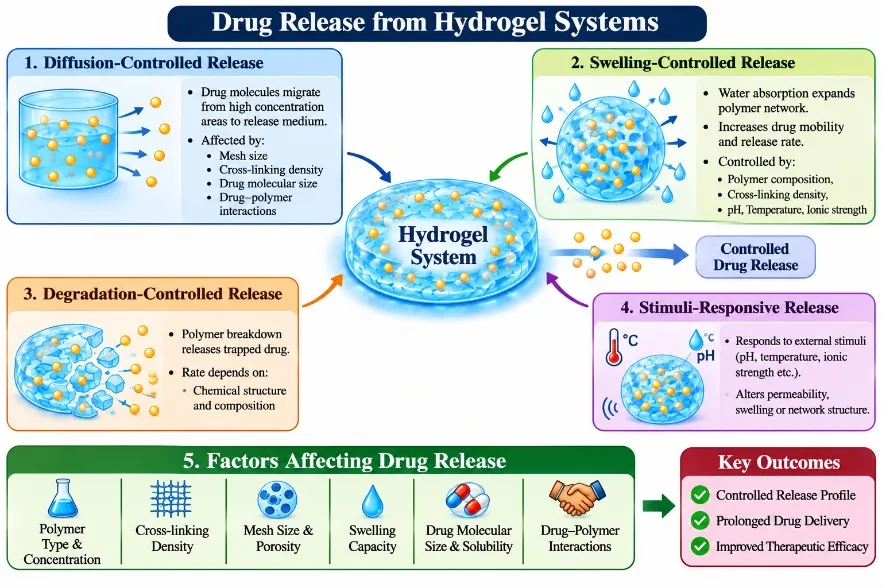
Figure 5: Mechanisms of Drug Release from Hydrogel Systems
• Stimuli-Responsive and Smart Hydrogels:
Advanced hydrogel systems that may alter their swelling, structure, permeability, or drug-release behavior in response to particular environmental stimuli are known as stimulus-responsive hydrogels. Drug distribution that is both regulated and site-specific is made possible by these technologies [2,9].
PH-Responsive Hydrogels
pH-responsive hydrogels respond to variations in the pH of their surroundings by changing how they swell and release drugs. When pH variations can be used to control medication release at particular locations, they are especially helpful [2,9].
Temperature-Responsive Hydrogels
When the temperature changes, temperature-responsive hydrogels experience structural or swelling changes. Injectable formulations and regulated medication release can benefit from this feature [2, 9, and 10].
Ionic-Strength Responsive Hydrogels
Swelling and drug transport can fluctuate as a result of interactions within the polymer network being impacted by variations in ionic strength. Under certain physiological circumstances, this characteristic can be utilized to control drug release [9].
Multi-Stimuli-Responsive Hydrogels
Additionally, hydrogels can be made to react to several stimuli, including temperature and pH. These technologies may enable more accurate modulation of drug release and offer more control over hydrogel behavior [2, 9].
Advantages of Smart Hydrogels
The major advantages include:
Controlled and sustained drug release
Stimulus-triggered drug delivery
Improved site-specific delivery
Reduced dosing frequency
Adaptable release behavior
Potential for localized therapy [2,9,10]
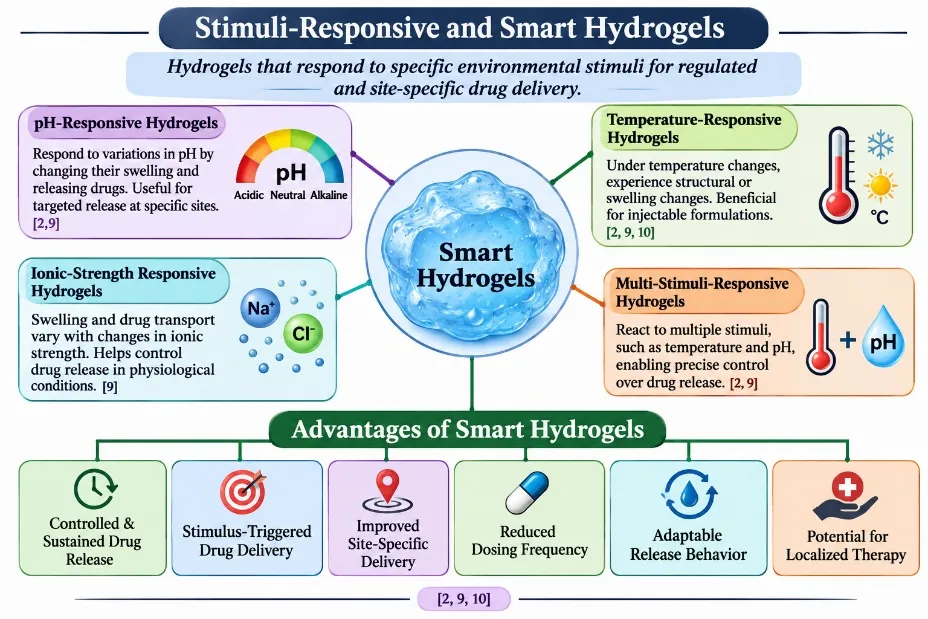
Figure 6: Types and Mechanisms of Stimuli-Responsive and Smart Hydrogels
• Types of Hydrogel-Based Drug Delivery Systems:
Injectable Hydrogels
The structure, formulation, administration route, and drug delivery technique of hydrogel-based drug delivery systems can all be used to categorize them. For regulated, sustained, and localized drug administration, several hydrogel forms offer various benefits [1–5].
Hydrogel Nanoparticles
A minimally invasive approach can be used to administer injectable hydrogels, which produce a gel at the intended location. They are helpful for regulated and targeted medication delivery [10].
In Situ Forming Hydrogels
Therapeutic compounds can be included into hydrogel nanoparticles, which are nanoscale polymeric networks. Controlled medication delivery is made possible by their small size and adjustable network structure [7]. Hydrogels Forming In Situable Under suitable physiological or environmental conditions, these systems undergo gel formation after being delivered as a liquid or precursor formulation. They have the ability to deliver drugs locally [2,9,10].
Hydrogel Films and Membranes
Drug-loaded matrices for regulated distribution can be made from hydrogel films or membranes. While keeping contact with the application site, their hydrated structure can promote drug diffusion [1, 3].
Hydrogel Beads and Microspheres
Drugs can be trapped in a cross-linked polymeric network by hydrogel beads or microspheres, which then allow for regulated release via diffusion, swelling, or degradation [1,5].
Smart and Stimuli-Responsive Hydrogels
These hydrogels can control drug release by altering their swelling or permeability in response to environmental stimuli including pH, temperature, or ionic conditions [2,9].
Summary Table:
| Type | Main Feature | Drug Delivery Application |
|---|---|---|
| Injectable hydrogels | Gel formation after administration | Localized and controlled delivery |
| Hydrogel nanoparticles | Nanoscale polymer network | Controlled drug delivery |
| In situ hydrogels | Form gel at the target site | Site-specific delivery |
| Hydrogel films/membranes | Thin hydrated polymer matrix | Local/transdermal delivery |
| Hydrogel beads/microspheres | Drug entrapped in polymer network | Sustained release |
| Smart hydrogels | Respond to environmental stimuli | Stimulus-controlled release |
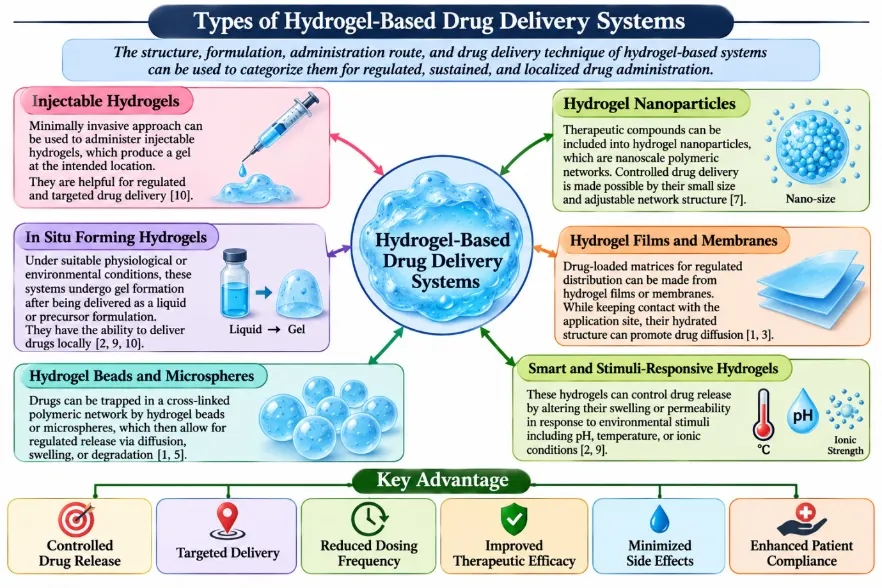
Figure 7: Classification of Hydrogel-Based Drug Delivery Systems
• Advantages and Limitations of Hydrogel-Based Drug Delivery Systems:
Hydrogel-based drug delivery systems offer several advantages because their hydrated, three-dimensional polymer networks can be designed to control drug loading, swelling, diffusion, and release. However, limitations related to mechanical stability, formulation complexity, and reproducibility must also be considered [1–5].
Advantages:
Controlled and sustained drug release – Regulates drug diffusion and can prolong drug availability [1,2].
High water content – Provides a hydrated environment suitable for drug delivery and biomedical applications [3,4].
Adjustable drug-release behavior – Release can be modified by changing polymer composition and cross-linking density [1,5].
Stimuli responsiveness – Smart hydrogels can respond to pH, temperature, ionic strength, and other environmental conditions [2,9].
Biocompatibility – Many hydrogel materials can be designed with favorable biological compatibility [3,4].
Localized delivery – Injectable and in situ-forming hydrogels can deliver drugs at specific sites [2,10].
Versatile formulation – Natural, synthetic, and hybrid polymers can be used to obtain desired properties [4,6].
Limitations:
Low mechanical strength – Some hydrogel networks may have inadequate mechanical stability [3,4].
Complex formulation – Optimization of polymer concentration, cross-linking, and processing conditions can be challenging [1,4].
Variable drug loading – Drug loading depends strongly on drug–polymer interactions and network structure [1,5].
Unpredictable release – Changes in swelling, degradation, or environmental conditions may affect release behavior [1,5].
Stability issues – Hydrogels may undergo changes in structure or properties during storage and use [3,4].
Scale-up challenges – Reproducible manufacturing of complex hydrogel systems can be difficult [2,4].
Potential toxicity of formulation components – Residual monomers or cross-linking agents must be carefully controlled [4].
| Advantages | Limitations |
|---|---|
| Controlled and sustained release | Low mechanical strength |
| High water content | Complex formulation |
| Adjustable release profile | Variable drug loading |
| Stimuli-responsive delivery | Unpredictable release |
| Good potential biocompatibility | Stability concerns |
| Localized drug delivery | Scale-up difficulties |
| Versatile polymer selection | Residual component/toxicity concerns |
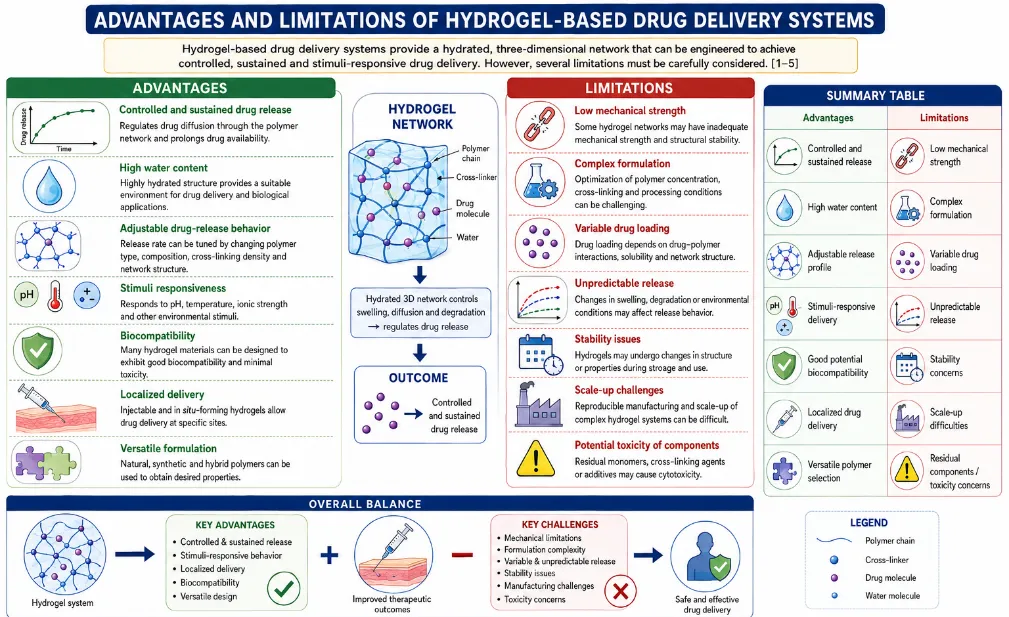
Figure 8: Advantages and Limitations of Hydrogel-Based Drug Delivery Systems
• Regulatory and Translational Considerations:
Prior to clinical translation, the safety, biocompatibility, repeatability, stability, and manufacturing quality of hydrogel-based drug delivery systems must be carefully assessed. Consistent drug loading and release between batches may be difficult due to the intricacy of hydrogel composition and network topology [1-4]. Additionally, hydrogels have been created for a number of commercial and biological uses, such as medication delivery, tissue engineering, contact lenses, and wound dressings. However, issues with product development, manufacturing costs, and commercial translation may prevent them from being used more widely [11].
Key considerations include:
Safety and biocompatibility: Materials, degradation products, and residual cross-linking agents should be evaluated for biological compatibility [3,4].
Quality and reproducibility: Polymer composition, cross-linking density, swelling, drug loading, and release characteristics should be consistently controlled [1,2].
Stability: The physical and chemical stability of both the hydrogel and incorporated drug must be maintained during storage and use [3,4].
Manufacturing and scale-up: Preparation methods should be reproducible and suitable for larger-scale manufacturing [2,4].
Drug-release consistency: Predictable and controlled release is essential for achieving the intended therapeutic effect [1,2].
Clinical translation: Injectable, biodegradable, and smart hydrogels require appropriate evaluation of degradation, safety, performance, and therapeutic effectiveness before clinical application [2,10].
• Future Perspectives:
There is a lot of promise for creating more regulated, targeted, and customized drug delivery methods with hydrogel-based drug delivery systems. It is anticipated that future studies will concentrate on enhancing hydrogel functioning, drug-release accuracy, biocompatibility, and clinical application [1,2]. Important future paths consist of: Hydrogels that are intelligent and responsive to stimuli for accurate, stimulus-controlled drug release [2,9]. Hydrogels that are biodegradable and injectable for localized, minimally invasive medication delivery [10]. Hydrogels with nanostructures for better medication integration and regulated delivery [7]. Reproducible drug loading and release can be achieved through improved formulation and characterisation [1,4]. Improved control over hydrogel composition and therapeutic response allows for more advanced tailored drug delivery [2]. Increased clinical translation by advancements in production, scalability, safety, and stability [1-4].
CONCLUSION:
Hydrogel-based drug delivery systems offer a versatile platform for controlled, sustained, and localized administration of therapeutic agents. Their hydrated three-dimensional networks can be tailored through polymer selection, cross-linking, and preparation conditions to modify swelling, mechanical strength, drug loading, degradation, and release behavior. Characterization of these properties is essential for understanding formulation performance and ensuring consistent delivery. Drug release may occur through diffusion, swelling, polymer degradation, or responses to environmental stimuli such as pH, temperature, and ionic strength. Injectable hydrogels, nanoparticles, in situ-forming systems, films, membranes, beads, and microspheres provide different options for therapeutic applications. Smart, biodegradable, and multifunctional systems represent promising directions for future development. Nevertheless, limitations involving mechanical stability, variable drug loading, unpredictable release, storage stability, residual formulation components, and manufacturing scale-up must be addressed. Further optimization, systematic safety assessment, reproducible manufacturing, and appropriate evaluation are necessary to support clinical translation and realize the potential of hydrogel-based drug delivery.
REFERENCES





Trupti Patil, Neha Patil, Mrunal Pendharkar, Jayshri Chavan, Dr. Sunil Pawar, A Review on Hydrogel-based Drug Delivery System: Formulation, Characterization, Drug Release and Recent Advances, Int. J. of Pharm. Sci., 2026, Vol 4, Issue 11, 4372-4386. https://doi.org/10.5281/zenodo.24459515
 10.5281/zenodo.24459515