

We use cookies to ensure our website works properly and to personalise your experience. Cookies policy
S. N. D College Of Pharmacy, Babhulgaon, Yeola.
The blood– brain barrier (BBB)selectively prevents therapeutic medicines from entering the brain, treating neurological illnesses is still difficult. Poor BBB permeability, enzymatic degradation, efflux transporters, and systemic toxicity are some of the drawbacks of conventional drug delivery methods. By enhancing medication solubility, stability, bioavailability, controlled release, and brain targeting, nanoparticle-based drug delivery systems present a viable solution to these problems. The structure and physiological roles of the blood-brain barrier (BBB), the main mechanisms of nanoparticle transport across the barrier, and the various Nano carriers used for brain drug delivery—such as liposomes, polymeric nanoparticles, solid lipid nanoparticles (SLNs), nanostructured lipid carriers (NLCs), dendrimers, and gold nanoparticles—are all covered in this review. Additionally, it emphasizes ligand-functionalized nanoparticles, passive and active targeting techniques, and variables affecting BBB permeability. Additionally, the therapeutic uses of nanoparticles in neurological conditions such as Parkinson's disease, Alzheimer's disease, stroke, end brain tumors are investigated. Additionally covered are recent developments like biomimetic nanoparticles, stimuli-responsive Nanocarriers, exosome-mediated delivery, and RNA-based therapies. Despite their potential, there are still a obstacles to overcome in terms of neurotoxicity, distribution, immunogenicity, long-term safety, large-scale production, and regulatory approval. Although more preclinical and clinical research is needed to confirm safety, effectiveness, and clinical application, nanoparticle-based drug delivery is generally a promising approach for enhancing therapeutic outcomes in neurological illnesses.
1.1 Burden of neurological disorders
The burden of neurological illness-related deaths and disabilities is increasingly recognized as a global public health issue and is expected to increase over the coming decades [1,2]. Although deaths from infectious neurological disorders have declined, disability-adjusted life years (DALYs) have increase, and low- and middle-income countries bear a disproportionate share of this burden [1]. Global population growth, aging, and changing risk factors, such as obesity and overweight, are major drivers of the increasing burden of neurological disease [1,2]. Epidemiological investigations have historically been restricted to specific demographics, database settings, or particular pathologies, limiting the comprehensive assessment of disease burden [1].
1.2 Challenges in CNS drug delivery
Central nervous system (CNS) disorders are becoming an increasingly costly global health concern, and neuropsychiatric disorders are among the most significant worldwide health challenges of this century [3,4]. Neurological disorders such as Parkinson’s disease and Alzheimer’s disease disproportionately affect ageing populations [3,4]. For primary brain tumors and brain metastases, available treatments remain largely limited to surgical excision, radiation, and systemic chemotherapy [5,6]. Many pharmaceutical companies have made limited attempts to develop CNS medicines because of high cost, lengthy development processes, and low clinical translation success rates [3,7].
Major challenges in CNS drug delivery include the blood–brain barrier (BBB), the blood–cerebrospinal fluid barrier (BCB), and the blood–tumors barrier (BTB) [4,8]. The BBB is a highly selective physiological barrier that controls the movement of substances between blood and brain tissue [4,8,9]. Brain capillaries are lined by specialized endothelial cells joined by tight junctions and lacking fenestrations, thereby restricting rapid solute movement from circulation into brain tissue [4,8]. The BCB, located mainly at the choroid plexus epithelium, regulates the transfer of blood-borne molecules into cerebrospinal fluid, which can exchange molecules with brain interstitial fluid [4,10]. In CNS tumors, the BTB further complicates intracranial drug delivery; even when systemic tumors respond to chemotherapy, brain metastases may continue to progress because of restricted drug penetration [6,12].
1.3 Structure and physiological role of the BBB
The BBB is a diffusion barrier essential for normal CNS function [4,8]. BBB endothelial cells differ from peripheral endothelial cells because of the absence of fenestrations, extensive tight junctions, and limited vesicular transport [4,8,9]. Tight junctions restrict paracellular movement of hydrophilic substances, whereas nutrients such as glucose and amino acids, enter through specific transporters; larger molecules, including insulin, leptin, and transferrin, are taken up by receptor-mediated endocytosis [8,9,16]. The neurovascular Unit also includes pericytes embedded in the basement membrane and astrocyte end-feet surrounding cerebral microvessels [4,8,9].
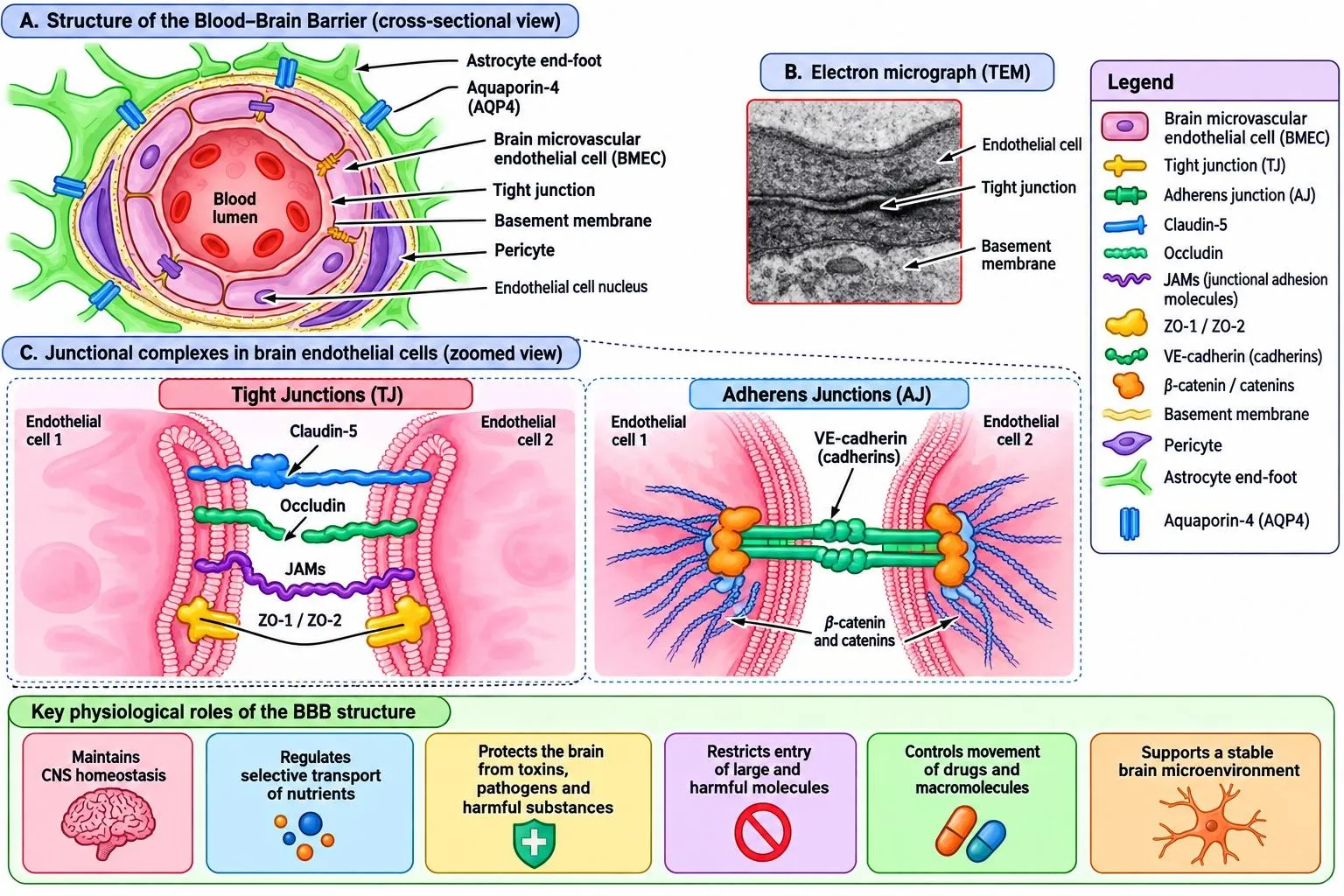
Figure 1: Structure and Physiological Functions of the Blood–Brain Barrier (BBB).
• Claudine
Claudins are approximately 22 kDa tetraspanning phosphoproteins and are the principal structural components of tight junction strands [8,9]. Claudin-5, alone with occludin and zonula occludens proteins, helps establish and preserve BBB integrity by sealing the paracellular space between endothelial cells [8,9].
• Occluding
Occludin is a larger (approximately 65 kDa) phosphoprotein with four transmembrane domains; its extracellular loops contribute to the paracellular barrier, whereas its cytoplasmic domain associates with ZO proteins [8,9].
2.Pericytes
Pericytes are mural cells located within the vascular basement membrane that communicate with brain microvascular endothelial cells through peg-and-socket contacts [4,8,9]. They support endothelial survival, basement membrane formation, capillary blood flow regulation, and BBB integrity [8,9]. Animal models lacking pericytes show increased BBB permeability, greater transcytosis, and abnormal tight junction protein expression, highlighting their importance in barrier maintenance [8,9].
3. Astrocytes
Astrocytes form the outermost component of the BBB through end-feet that cover more than 99% of the cerebral microvasculature [4,8,9]. Astrocytic end-feet are enriched in aquaporin-4 and Kir4.1 potassium channels, which contribute to water balance, potassium regulation, and waste clearance through the glymphatic system [8,9]. Astrocytes also release factors such as sonic hedgehog, angiopoietin-1, and glial-derived neurotrophic factor that support BBB properties [8,9]. Disruption of polarized AQP4 distribution can reduce interstitial solute clearance and promote the accumulation of protein aggregates in neurodegenerative disease [8,9].
4 Basement membrane
The basement membrane is a specialized extracellular matrix composed largely of collagen IV, laminin, nidogen, and heparin sulfate proteoglycans including again and perlecan [4,8,9]. It provides structural support and facilitates signaling among endothelial cells, pericytes, and astrocytes [8,9]. These interactions support cellular attachment, BBB integrity, and regulation of cell survival and function [8,9].
Physiologically, the BBB protects the brain by restricting the entry of potentially harmful substances while maintaining CNS homeostasis [4,8,9]. It regulates the movement of ions, nutrients, water, hormones, and other molecules between the blood and brain [8,9]. Essential polar molecules such as glucose, amino acids, and nucleosides cross BBB mainly through carrier-mediated influx, which may be passive or secondary active [8,9,16]. GLUT1 is widely expressed at the BBB and in astrocytes and choroid plexus, although GLUT4 also contributes to glucose transport at the barrier [8,9].
The BBB restricts the entry of many therapeutic drugs because of tight endothelial junctions, limited vesicular transport, and absence of fenestrations [4,8,11]. Small lipophilic molecules may passively diffuse across the BBB, whereas large, hydrophilic, or highly polar compounds generally show low permeability [8,11,13]. Some drugs and nutrients require specific transport proteins to cross the barrier, making effective CNS delivery difficult [8,11,16].
1.4 Nanoparticle-based brain drug delivery
Nanoparticles are nanoscale carriers that offer promising approaches for brain drug delivery [11,13,14]. Their tunable size, surface chemistry, and physicochemical properties can improve drug solubility, stability, controlled release, and bioavailability [11,13,14]. Surface functionalization with targeting ligands can further improve transport across the BBB and accumulation in diseased brain regions [11,14,16]. Nanoparticle systems are therefore being investigated for brain tumors, Parkinson’s disease, Alzheimer’s disease, and other neurological disorders, although their efficacy and safety require further study [11,14,15].
2. Mechanisms of nanoparticle transport across the BBB
2.1 Passive diffusion
Passive diffusion is a nonspecific, concentration-dependent, energy-independent process that generally favours small lipophilic molecules [8,11,13]. It occurs through transcellular or paracellular routes, although tight junctions greatly restrict the latter [8,11]. Small lipophilic compounds with molecular weight below approximately 400–500 Da and fewer than 8–10 hydrogen bonds may cross by lipid-mediated free diffusion [11,13]. Small gaseous molecules such as oxygen and carbon dioxide also move readily between blood and brain parenchyma [8,11].
2.2 Adsorptive-mediated transcytosis
Adsorptive-mediated transcytosis is driven by electrostatic interactions between positively charged cationic molecules and negatively charged luminal membrane domains of brain endothelial cells [8,11,16]. This interaction promotes membrane invagination and vesicle formation, primarily through clathrin-coated pits and caveolae [8,11]. The endothelial glycocalyx contains heparin sulfate proteoglycans, sialoglycolipids, and sialoglycoproteins, which contribute to the strongly negative luminal surface charge of the BBB [8,11]. Cationic nanoparticles, peptides, and proteins may therefore use this route to reach the brain parenchyma [8,11,16].
2.3 Receptor-mediated transcytosis
Receptor-mediated transcytosis is the principal pathway for transport of large molecules across the BBB [8,11,16]. Receptors for iron, insulin, leptin, and transferrin are expressed on the luminal surface of brain endothelial cells and normally mediate homeostatic transport [8,16]. Ligand binding to these receptors induces membrane invagination, endocytosis, intracellular vesicular trafficking, and release on the abluminal side [8,11,16]. Both clathrin-mediated and caveolae-associated mechanisms can participate in this process [8,11,16].
2.4 Carrier-mediated transport
Carrier-mediated transport is one of the most common mechanisms for the movement of glucose, amino acids, and nucleosides across the BBB [8,9,16]. It includes facilitated diffusion and secondary active transport [8,9]. Facilitated transport follows concentration or electrochemical gradients and does not directly require energy, whereas secondary active transport couples solute movement to another electrochemical gradient [8,9]. The nutrient first binds to a specific luminal transporter, which then undergoes conformational changes to transfer it into the brain parenchyma [8,9,16].
2.5 Cell-mediated delivery
In cell-mediated delivery, nanoparticles are loaded into or attached to carrier cells such as monocytes, macrophages, or stem cells [12,15]. These cells can circulate in the blood, interact with the BBB, and migrate toward inflamed or diseased brain regions, thereby facilitating payload delivery [12,15]. After the nanoparticles are released near the target site, the therapeutic agent exert its effect [12,15]. This strategy may improve the delivery of drugs with low BBB permeability, however cell survival, loading efficiency, controlled release, and immunological responses must be carefully managed [12,15].
2.6 BBB disruption techniques
BBB disruption techniques temporarily and reversibly increase barrier permeability to facilitate entry of drugs or nanoparticles into brain tissue [11,12]. Approaches include osmotic disruption, focused ultrasound with microbubbles, and other physical or biochemical methods [11,12]. These strategies may enhance delivery to brain tumors and other CNS diseases, but they require careful control to avoid oedema, hemorrhage, inflammation, or neuronal injury [11,12].
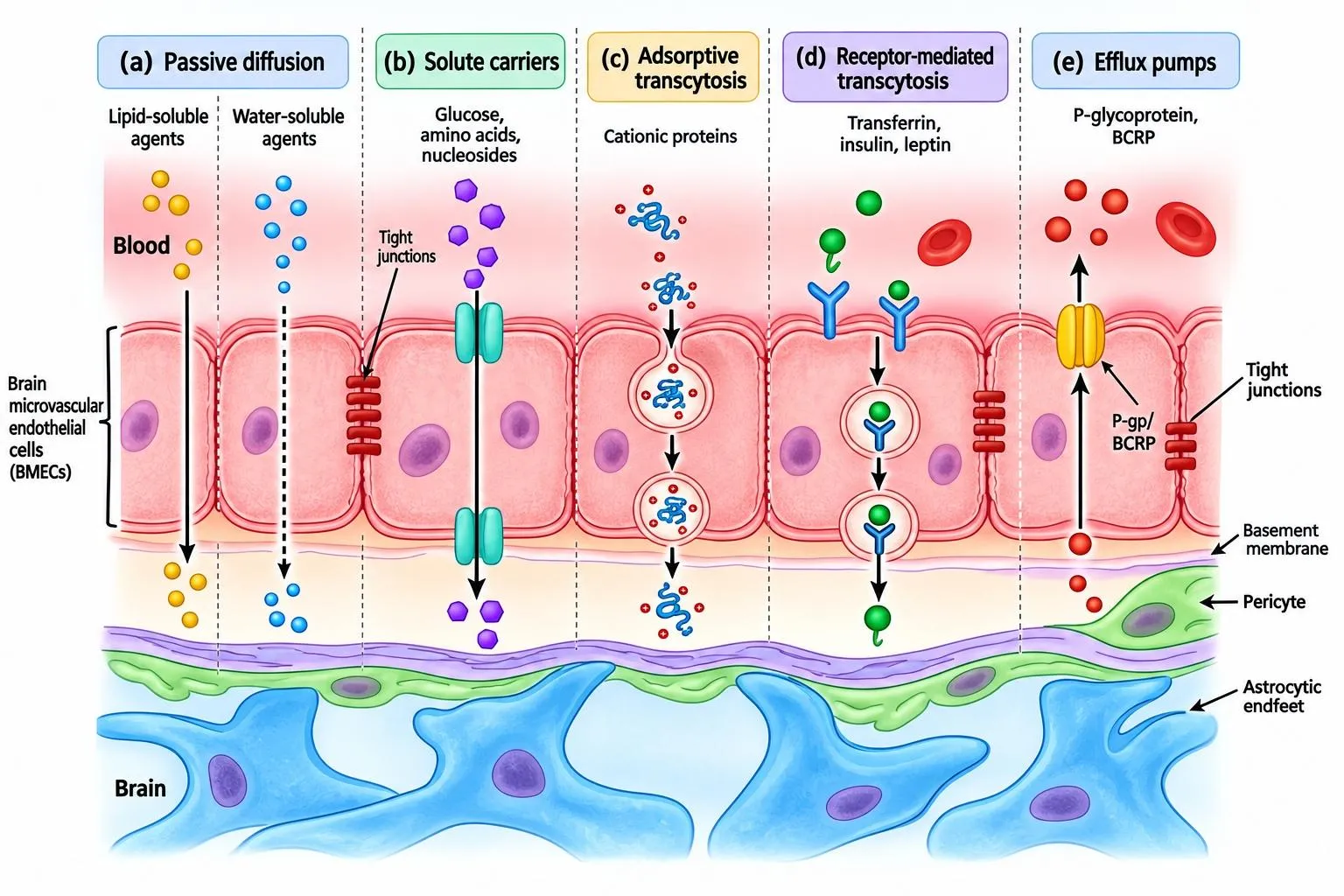
Figure 2: Mechanisms of Drug Transport Across the Blood–Brain Barrier
3. Types of nanoparticles used for brain drug delivery
3.1 Liposomes
Liposomes are self-assembled lipid bilayer vesicles that have been extensively studied as drug delivery vehicles because of their structural similarity to biological membranes [10,11,14]. They are biodegradable, biocompatible, and generally non-toxic, and can reduce drug degradation and immunological reactions [10,11,14]. Liposomes consist of an aqueous core surrounded by a hydrophobic lipid bilayer, enabling encapsulation of hydrophilic, hydrophobic, and amphiphilic substances including small molecules, proteins, peptides, and nucleic acids [10,11,14]. Surface modification with PEG, antibodies, peptides, or ligands can further improve circulation time and brain targeting [10,11,14].
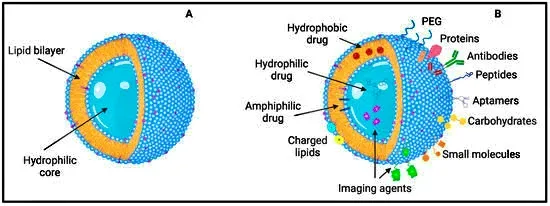
Figure 3: Structure of Liposomes and Drug Encapsulation
3.2 Polymeric nanoparticles
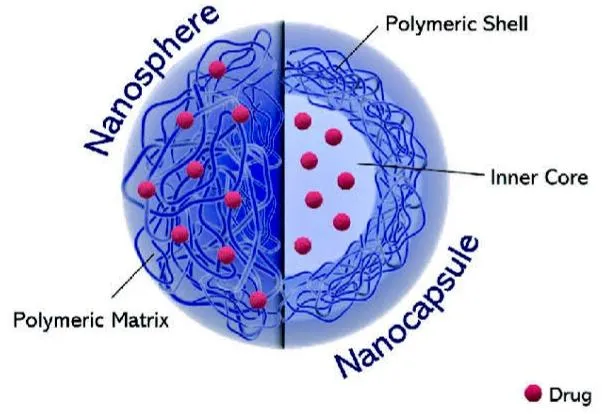
Figure 4: Structure of Polymeric Nanoparticles (Nano-sphere and Nano-capsules)
Polymeric nanoparticles consist of a polymer matrix in which drugs may be encapsulated, adsorbed, or covalently attached, commonly with particle sizes of approximately 60–200 nm [11,13,14]. Biodegradable polymers such as polylactide, polyglycolide, polycaprolactone, polycyanoacrylates, and poly (lactide-co-glycolide) are widely used [11,13,14]. Natural polymers such as chitosan can also be used for nanoparticle formulation [11,14]. PLGA nanoparticles carrying anti-tuberculosis drugs have sustained high brain drug concentrations and reduced bacterial burden in infected mouse meninges compared with free drugs [13,14]. Polybutylcyanoacrylate nanoparticles have also been used to deliver functional proteins into neurons and neuronal cell lines [11,13].
3.3 Solid lipid nanoparticles
Solid lipid nanoparticles are lipid-based nanocarriers with a solid hydrophobic lipid core that can dissolve or disperse drugs [10,11,14]. They are commonly produced from biocompatible lipids such as triglycerides, fatty acids, and waxes, and typically range from approximately 40 to 200 nm [10,11,14]. Their nanoscale size, lipid composition, and surface modification can help them avoid rapid reticuloendothelial clearance and interact with BBB transport pathways [10,11,14]. High-pressure homogenization or microemulsification is commonly used during production [10,11,14].
3.4 Nanostructured lipid carriers
Nanostructured lipid carriers are colloidal lipid-based systems usually ranging from approximately 50 to 500 nm [10,11,14]. Unlike solid lipid nanoparticles, they contain a mixture of solid and liquid lipids that forms a less ordered lipid matrix [10,11,14]. Structural imperfections created by liquid lipids provide additional space for drug loading, particularly for lipophilic drugs [10,11,14]. NLCs can also reduce long-term storage problems of SLNs, such as drug expulsion and crystallization [10,11,14].
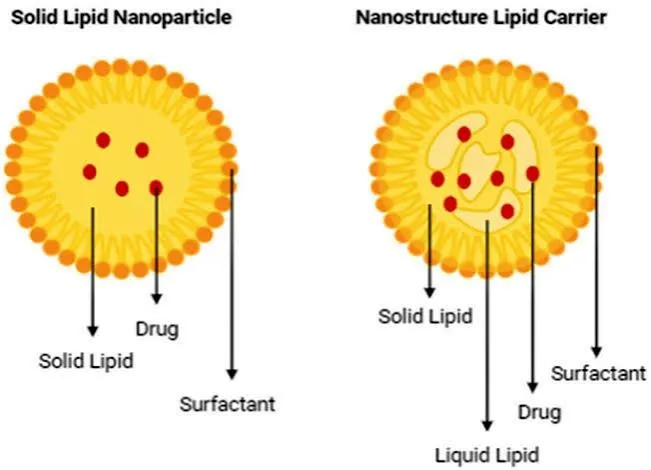
Figure 5: Comparison of Solid Lipid Nanoparticles (SLNs)
and Nanostructured Lipid Carriers (NLCs).
3.5 Dendrimers
Dendrimers are highly branched, tree-like polymeric nanostructures with a central core, repeating branching units, internal cavities, and multiple surface functional groups [11,14,15]. Drugs can be encapsulated within internal cavities or attached to surface groups, which can be modified to improve cellular uptake and targeting [11,14,15].Poly (amidoamine) dendrimers are among the most studied systems and are available in different generations [11,14,15]. Functionalized PAMAM dendrimers have shown potential for CNS drug delivery because they can penetrate neuronal cells and diffuse through CNS tissue [11,14,15].
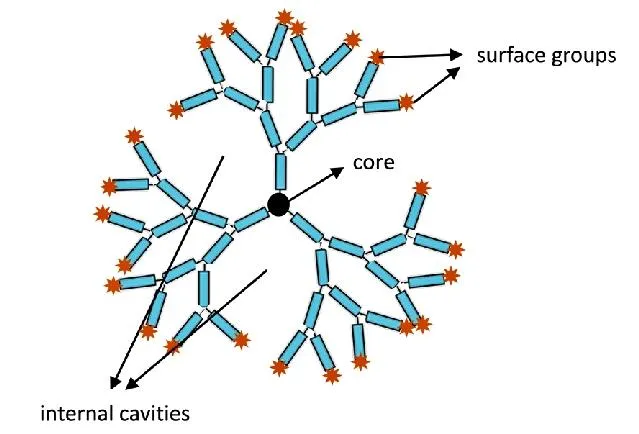
Figure 6: Structure of Dendrimer Showing Core, Internal Cavities, and Surface Functional Groups.
3.6 Gold nanoparticles
Gold nanoparticles and related colloidal nanostructures have attracted interest for biomedical and brain drug delivery applications because of their optical properties and relative biocompatibility [7,11,14]. Smaller gold nanoparticles may accumulate more in brain tissue than larger particles after systemic administration, indicating that size influences brain uptake [7,11,14]. AuNPs can also serve as carriers for nucleic acids such As siRNA, supporting gene delivery and gene silencing in brain tissue [7,11,15]. Particle size, surface characteristics, and route of administration influence biodistribution and brain accumulation [7,11,14].
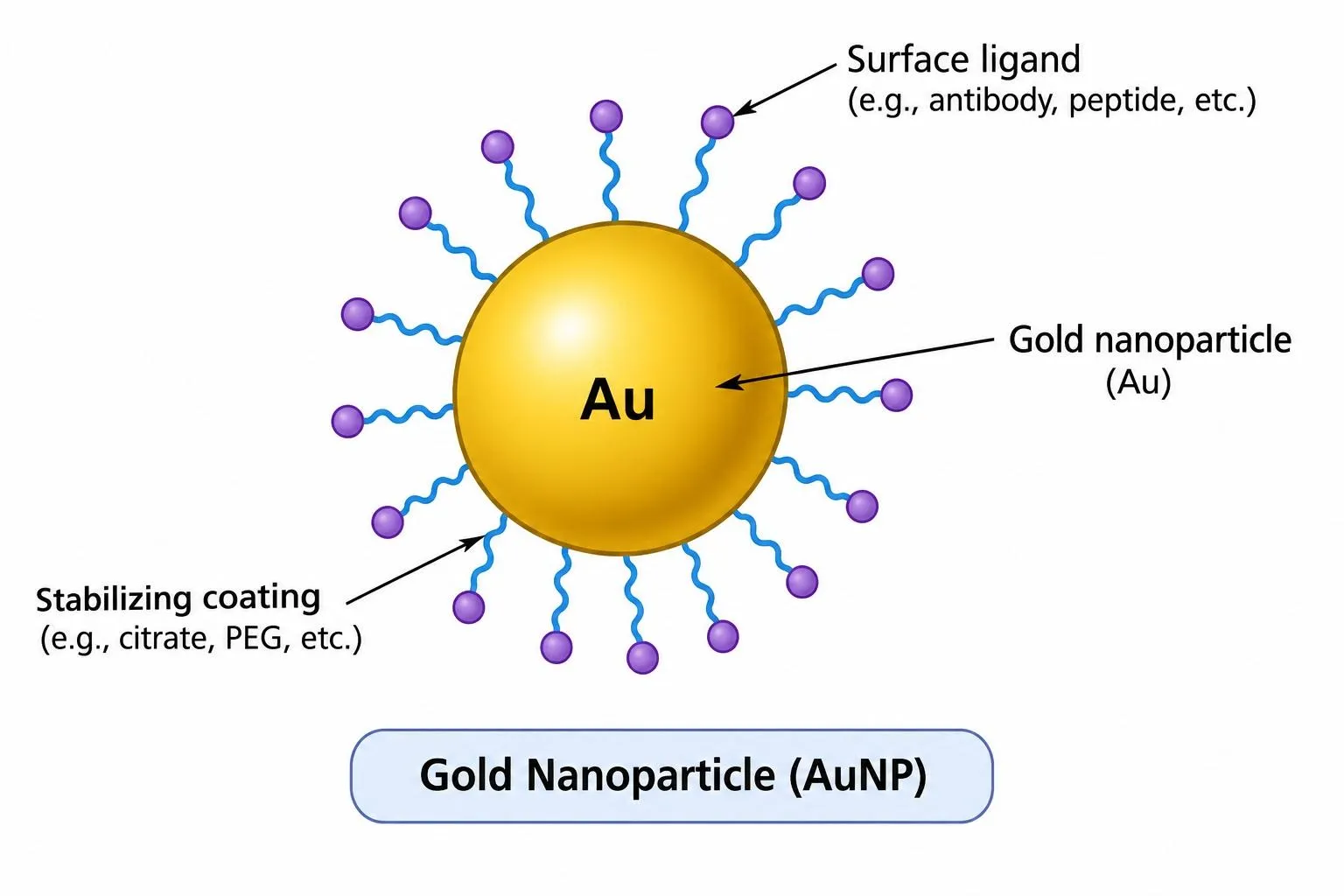
Figure 7: Structure of a Gold Nanoparticle (AuNP) and Its Surface Functionalization.
4. Drug delivery techniques for the brain using nanoparticles
4.1 Definition and characteristics
Nanoparticles are ultrafine particles typically ranging from 1 to 100 nm in at least one dimension [11,13,14]. They possess a high surface-area-to-volume ratio, adjustable size and surface properties, and the capacity to encapsulate therapeutic agents [11,13,14]. These characteristics improve drug solubility, stability, and controlled release, making nanoparticles attractive vehicles for brain delivery [11,13,14]. Surface modification with targeted ligands may further facilitate transport across the BBB [11,14,16].
Key advantages include the ability to cross protective brain barriers using specialized transport mechanisms, enhanced bioavailability, protection from enzymatic degradation, and controlled or sustained drug release [11,13,14]. Controlled release can reduce dosing frequency and improve patient compliance [11,13,14]. Targeted nanoparticles may also reduce peripheral exposure and systemic toxicity [11,14,15].
5. Targeting strategies for brain delivery
5.1 Passive targeting
Passive targeting depends on the physicochemical properties of nanoparticles and disease-associated changes in vascular permeability rather than specific ligand–receptor interactions [11,14,16]. Increased vascular permeability in brain tumours, stroke, and neuroinflammation may promote nanoparticle accumulation in affected tissue [11,12,14]. Particle size, charge, shape, and hydrophobicity are major determinants of passive targeting behaviour [11,14,16].
5.2 Active targeting
Active targeting uses specific ligands on nanoparticle surfaces to bind BBB receptors or transporters and promote receptor-mediated transcytosis [11,14,16]. Common targets include the transferrin receptor, low-density lipoprotein receptor-related protein 1, and the insulin receptor [11,14,16]. This approach can improve selective uptake and transport of nanocarriers into the brain [11,14,16].
5.3 Ligand-functionalized nanoparticles
Ligand-functionalized nanoparticles use surface ligands such as transferrin, lactoferrin, peptides, antibodies, aptamers, and glucose to improve BBB recognition and uptake [11,14,16]. These ligands exploit endogenous receptor or transporter systems to enhance transcytosis [11,14,16]. Ligand density, affinity, and nanoparticle surface properties strongly affect targeting efficiency [11,14,16].
5.4 Antibody-mediated targeting
Antibodies and antibody fragments can target BBB receptors such as the transferrin receptor to improve nanoparticle uptake and brain delivery [11,14,16]. Antibody affinity and surface density must be optimized because excessive binding may cause receptor-mediated endocytosis without productive transcytosis [11,14,16]. Antibody-mediated targeting remains a major strategy for brain-targeted nanomedicine [11,14,16].
| Sr. No. | Targeting strategy | Main principle and examples |
|---|---|---|
| 1 | Passive targeting | Depends on nanoparticle physicochemical properties and disease-associated vascular changes; examples include size, charge, shape, and hydrophobicity. |
| 2 | Active targeting | Uses specific ligand–receptor interactions; examples include TfR, LRP1, and insulin receptor. |
| 3 | Ligand-functionalized nanoparticles | Surface ligands facilitate BBB recognition; examples include transferrin and lactoferrin. |
| 4 | Antibody-mediated targeting | Antibodies bind BBB receptors; examples include anti-TfR antibodies or fragments. |
6. Factors affecting BBB permeability
BBB permeability is influenced by tight junction integrity, transporter activity, brain microvascular endothelial cells, and the surrounding neurovascular unit [4,8,9]. Drug physicochemical properties, inflammatory mediators, disease state, and nanoparticle characteristics also affect barrier permeability [4,8,11]. Important nanoparticle-related factors include size, surface charge, shape, hydrophobicity, and surface modification [8,11,14,16]. Understanding these variables is essential for designing nanocarriers with improved brain penetration [8,11,16].
Table 3.5: Factors Affecting BBB Permeability and Nanoparticle Delivery
| Factor | Possible influence | Evaluation consideration |
|---|---|---|
| Particle size and PDI | Changes circulation, uptake, and tissue distribution | Measure size distribution and batch consistency |
| Surface charge | Influences protein adsorption and membrane interaction | Assess in relevant biological media, not only water |
| Ligand density | May affect receptor binding and internalisation | Optimise density and assess transcytosis, not binding alone |
| Efflux transporters | Can reduce intracellular and brain drug level | Consider substrate status and transporter interactions |
| Disease state | May alter permeability and receptor expression | Use disease-relevant models and appropriate controls |
7. Challenges in brain drug delivery
7.1 Poor BBB permeability
Many therapeutic drugs cannot enter the brain because of the BBB’s tight junctions and low permeability [4,8,11]. Insufficient brain drug concentrations may reduce therapeutic efficacy [8,11,13]. Nanoparticles can help overcome this limitation by protecting drugs and using endogenous transport pathways [11,13,14].
7.2 Efflux transporters
Efflux transporters such as P-glycoprotein and breast cancer resistance protein actively transport many drugs from brain endothelial cells back into circulation [8,11,16]. This efflux activity reduces brain drug accumulation and therapeutic effectiveness [8,11,16]. Nanoparticle design may help reduce recognition by efflux transporters or improve intracellular drug delivery [11,14,16].
7.3 Enzymatic degradation
Enzymes in blood, the BBB, and brain tissue can degrade drugs, especially peptides and proteins, reducing stability and efficacy [8,11,15]. Nanocarriers can protect therapeutic agents from enzymatic degradation and improve delivery to the brain [11,14,15]. This is particularly important for biologics and nucleic-acid therapeutics [11,15,16].
7.4 Physicochemical limitations of drugs
High molecular weight, hydrophilicity, high polarity, and poor lipid solubility limit BBB penetration and reduce brain drug concentration [8,11,13]. Nanoparticles can improve drug solubility and stability while facilitating transport across the BBB [11,13,14]. Careful selection of nanocarrier material and surface chemistry is therefore essential [11,14,16].
7.5 Systemic toxicity
Increasing drug dose to overcome limited BBB penetration can increase systemic exposure and off-target toxicity [8,11,14]. Systemically administered drugs may distribute to non-target tissues and cause adverse effects [8,11,14]. Targeted nanoparticles may improve brain delivery while reducing peripheral drug exposure [11,14,15].
8. Therapeutic applications
8.1 Alzheimer’s disease
Alzheimer’s disease is characterized by dementia, memory loss, cognitive decline, amyloid plaques, hyperphosphorylated tau, neurofibrillary tangles, neuronal death, and brain atrophy [1,4,14]. Reduced acetylcholine, neuroinflammation, oxidative stress, and cerebrovascular dysfunction contribute to disease pathogenesis [1,4,14]. Current treatment mainly uses cholinesterase inhibitors, which have limited efficacy and adverse effects [1,14]. Nanoparticle-based systems are being explored to deliver drugs more effectively to affected brain regions [11,14,15].
8.2 Parkinson’s disease
Parkinson’s disease is characterized by loss of dopaminergic neurons in the substantia nigra pars compacta and Lewy bodies composed mainly of insoluble alpha-synuclein [1,4,14]. The ageing brain shows reduced capillary density, reduced blood flow, and diminished barrier integrity [4,8,9]. Late-stage Parkinson’s disease is associated with decreased vessel density, whereas moderate-stage disease may show angiogenesis [4,8,9]. Activated microglia are often located near blood vessels, and disease-associated astrocytes may alter inflammatory and vascular responses [4,8,9]. Nanoparticles are being investigated to improve delivery of dopaminergic, anti-inflammatory, and neuroprotective agents [11,14,15].
8.3 Stroke
Stroke is a major cerebrovascular disease with ischaemic and haemorrhagic forms; ischaemic stroke accounts for approximately 80–87% of cases [1,4,12]. It results from vascular occlusion or haemorrhage, leading to interrupted blood supply, penumbra formation, and cell death [1,4,12]. Treatment depends on stroke type, severity, and time of presentation, and may include thrombolysis, mechanical thrombectomy, rehabilitation, or surgery [1,12]. Nanoparticles are being studied for neuroprotection, thrombolysis, anti-inflammatory therapy, and targeted delivery across the disrupted BBB [11,12,14].
8.4 Huntington’s disease
Huntington’s disease is an autosomal dominant neurodegenerative disorder caused by pathogenic expansion in the HTT gene [1,4,14]. The mutant huntingtin protein causes neuronal dysfunction and death, leading to chorea, behavioural and psychiatric disturbances, and dementia [1,4,14]. Rapidly progressive adult disease can lead to death within a few years [1,4]. Nanoparticle-mediated delivery of gene-silencing agents, neuroprotective drugs, and anti-inflammatory therapies is being explored [11,14,15].
9. Recent advances and emerging technologies
9.1 Stimuli-responsive nanoparticles
Stimuli-responsive or “smart” nanoparticles release drugs in response to specific internal or external stimuli [11,14,16]. Internal stimuli include pH changes, reactive oxygen species, and enzymes, while external stimuli include temperature, light, and magnetic fields [11,14,16]. These systems provide more precise control over drug release, potentially improving efficacy and reducing adverse effects [11,14,16].
9.2 Biomimetic nanoparticles
Biomimetic nanoparticles are nanocarriers designed to mimic natural biological structures or functions to improve brain drug delivery [11,14,15]. They are often coated with membranes derived from red blood cells, leukocytes, platelets, stem cells, or cancer cells [11,14,15]. Such coatings can improve circulation time, biocompatibility, immune evasion, BBB penetration, and accumulation in brain lesions [11,14,15].
9.3 Exosome-mediated delivery
Exosomes are naturally occurring extracellular vesicles increasingly investigated as brain drug delivery systems because of their biocompatibility and ability to interact with biological barriers [11,14,15]. Engineering approaches include surface modification and loading of drugs, proteins, or nucleic acids [11,14,15]. Exosome-based systems may improve CNS delivery, although standardization, scalable production, and safety remain challenges [11,14,15].
9.4 RNA therapeutics
RNA therapeutics use siRNA, miRNA, mRNA, and antisense oligonucleotides to regulate disease-associated genes [11,15,16]. Nanoparticles can protect RNA from degradation and promote its transport across the BBB [11,15,16]. Challenges include RNA instability, inefficient BBB crossing, off-target effects, and potential toxicity [11,15,16].
10. Clinical translation and regulatory perspectives
10.1 Clinical trials
Clinical trials evaluate the safety and efficacy of new treatments or new uses of existing treatments [11,14,15]. Before clinical testing, nanoparticle-based systems require preclinical in vitro and animal studies to assess preliminary efficacy, toxicity, pharmacokinetics, biodistribution, and dosing [11,14,15]. Well-designed clinical studies are essential to establish therapeutic value and translational feasibility [11,14,15].
10.2 Manufacturing challenges
Large-scale nanoparticle synthesis requires careful control of particle size, surface charge, shape, drug loading, and stability [11,13,14]. Reproducible production, batch-to-batch consistency, sterilization, storage stability, and quality control are essential for successful clinical translation [11,13,14]. Manufacturing variability can substantially affect nanoparticle performance and safety [11,13,14].
10.3 Regulatory requirements
Regulatory evaluation of nanoparticles requires assessment of physicochemical properties, safety, pharmacokinetics, biodistribution, biodegradation, immunogenicity, and toxicity [11,14,15]. Standardized characterization, quality control, and risk-based evaluation are necessary for approval [11,14,15]. Regulatory frameworks must address the unique complexity of nanomedicines [11,14,15].
10.4 Quality by design
Quality by design is a systematic approach that identifies critical process parameters and quality attributes of nanoparticle formulations [11,13,14]. It improves product quality, consistency, robustness, and scalability [11,13,14]. QbD also supports regulatory approval by providing a structured framework for development and control [11,13,14].
10.5 Scale-up and commercialization
Scale-up and commercialization require consistent particle properties, drug loading, stability, and quality during large-scale production [11,13,14]. Optimized manufacturing processes should provide sterility, scalability, cost-effectiveness, reproducibility, and regulatory compliance [11,13,14]. These requirements remain major barriers to clinical translation of brain-targeted nanomedicines [11,13,14,15].
11. Safety, toxicity, and limitations
11.1 Neurotoxicity
Nanoparticles may cause neurotoxicity through oxidative stress, mitochondrial dysfunction, neuroinflammation, DNA damage, and neuronal injury [7,11,14]. Toxicity is influenced by particle size, composition, surface charge, and concentration [7,11,14]. Comprehensive safety evaluation is therefore essential before clinical use [7,11,14,15].
11.2 Immunogenicity
Nanoparticles can interact with plasma proteins and activate complement and immune responses, leading to inflammation or rapid macrophage clearance [11,14,15]. Surface characteristics and targeting ligands can influence these immune reactions [11,14,15]. Immunogenicity must therefore be considered during design of brain-targeted nanoparticles [11,14,15].
11.3 Biodistribution
After systemic administration, nanoparticles may accumulate in the liver and spleen because of reticuloendothelial system uptake, limiting brain access [11,13,14]. Biodistribution is influenced by size, surface charge, composition, and surface modification [11,13,14,16]. Strategies such as PEGylation and biomimetic coating may reduce nonspecific clearance [11,14,15].
11.4 Long-term safety
Long-term safety is a major concern for brain drug delivery because repeated treatment may cause inflammation, oxidative stress, neurotoxicity, or nanoparticle accumulation [11,14,15]. Long-term studies are needed to assess biocompatibility, biodistribution, biodegradation, and adverse effects [11,14,15]. Such studies are essential before widespread clinical use [11,14,15].
12. Future perspectives
12.1 Next-generation smart nanoparticles
Future nanoparticles are expected to be multifunctional and stimuli-responsive, enabling controlled release in response to pH, temperature, light, enzymes, redox conditions, or magnetic fields [11,14,16]. These systems may improve spatial and temporal control of drug administration while reducing systemic toxicity [11,14,16]. Integration of diagnostic and therapeutic functions may further enhance precision [11,14,16].
12.2 Precision medicine
Precision nanomedicine involves designing nanoparticles according to disease type, affected brain region, and target cell [11,14,16]. Surface functionalization with peptides, antibodies, transferrin, glucose, or aptamers may improve selective BBB transport and cellular targeting [11,14,16]. This approach may improve therapeutic index and reduce off-target effects [11,14,16].
12.3 Combination treatments
Nanoparticles can co-deliver drugs, proteins, nucleic acids, or imaging agents [11,12,14]. This enables simultaneous targeting of multiple disease pathways and theranostic applications combining therapy with monitoring or diagnosis [11,12,14]. Combination strategies may be particularly useful in complex diseases such as glioblastoma and neurodegenerative disorders [11,12,14].
12.4 Prospects for future research
Future research should focus on safe, biocompatible, and precisely targeted nanoparticles with improved BBB penetration and controlled release [11,14,15,16]. Greater attention is needed for long-term toxicity, biodistribution, human-relevant BBB models, personalized nanomedicine, artificial-intelligence-assisted design, and scalable manufacturing [11,14,15,16]. These advances could help bridge the gap between preclinical research and clinical application [11,14,15].
CONCLUSION
Nanoparticle-based drug delivery systems are promising for improving therapeutic delivery to the brain by addressing limitations imposed by the BBB . The selective BBB, efflux transporters, enzymatic degradation, and unfavorable drug physicochemical properties restrict effective CNS delivery. Nanoparticles offer improved solubility, stability, bioavailability, controlled release, and targeted delivery.
Liposomes, polymeric nanoparticles, SLNs, NLCs, dendrimers, and gold nanoparticles have all been investigated for brain drug delivery. Transport mechanisms including receptor-mediated transcytosis, adsorptive-mediated transcytosis, carrier-mediated transport, and cell-mediated delivery may facilitate BBB crossing. Ligand-functionalized and actively targeted nanoparticles offer opportunities to improve drug accumulation in specific brain regions. These approaches have potential in Alzheimer’s disease, Parkinson’s disease, stroke, and brain tumors.
Recent advances in stimuli-responsive nanoparticles, biomimetic nanocarriers, exosome-mediated delivery, and RNA therapeutics have expanded possibilities for more precise brain treatment. However, neurotoxicity, immunogenicity, undesirable biodistribution, long-term safety concerns, manufacturing complexity, and regulatory requirements remain major challenges. Preclinical findings must be carefully evaluated before translation into clinical practice. Future research should develop biocompatible, biodegradable, disease-specific nanoparticles with improved BBB penetration, controlled release, and reduced off-target effects.
REFERENCES

Prachi Chaudhari, Rohan Kherud, Monika Valvi, Ashwini Bornare, Aditi Dhepe, Akanksha Dare, Maithili Deshmukh, Nanoparticles for Brain Drug Delivery: Overcoming the Blood–Brain Barrier, Int. J. of Pharm. Sci., 2026, Vol 4, Issue 11, 4387-4400. https://doi.org/10.5281/zenodo.24491362
 10.5281/zenodo.24491362