

We use cookies to ensure our website works properly and to personalise your experience. Cookies policy
Prasanna College of Pharmacy, Laila, Belthangady, Dakshina Kannada, Karnataka, India-574214.
Artificial Intelligence (AI) and Machine Learning (ML) are emerging technologies that are transforming pharmaceutical sciences and healthcare by improving the efficiency, accuracy, and speed of research and development. Conventional pharmaceutical development often involves time-consuming experiments, repeated trials, and substantial financial resources. AI and ML offer promising approaches to overcome these limitations through data analysis, predictive modelling, and process optimization. This review discusses the major AI approaches, including ML, Deep Learning (DL), Generative AI, and Explainable AI, along with their applications in pharmaceutical research and healthcare. Key applications include drug target identification, molecular design, synthesis route prediction, virtual screening, lead optimization, formulation development, advanced drug delivery systems, continuous manufacturing, digital twin technology, predictive maintenance, and supply chain management. AI also supports medical imaging, disease diagnosis, personalized medicine, and healthcare data management. Despite these advances, challenges related to data quality, model validation, regulatory compliance, implementation costs, data privacy, and the availability of skilled professionals remain. Future developments may strengthen the integration of AI into pharmaceutical research, manufacturing, and clinical practice. Overall, AI and ML have considerable potential to support more efficient pharmaceutical development, improve product quality, and contribute to better patient outcomes.
The pharmaceutical industry is continuously advancing to develop medicines that are safer, more effective, and convenient for patients. Conventional pharmaceutical formulation development relies heavily on laboratory experiments, repeated trials, and considerable financial resources. These approaches are often time-consuming and resource-intensive, potentially delaying the development of new pharmaceutical products. In this context, Artificial Intelligence (AI) has gained significant attention as an emerging technology with the potential to transform pharmaceutical research and development.
Artificial Intelligence (AI) is transforming pharmaceutical sciences by enabling the analysis of complex datasets, predicting formulation properties, identifying suitable drug–excipient combinations, and optimizing formulation development. It also supports the design of advanced drug delivery systems, including nanoparticles, liposomes, hydrogels, and transdermal patches, to improve drug delivery efficiency, therapeutic outcomes, and patient adherence while minimizing adverse effects.1,2
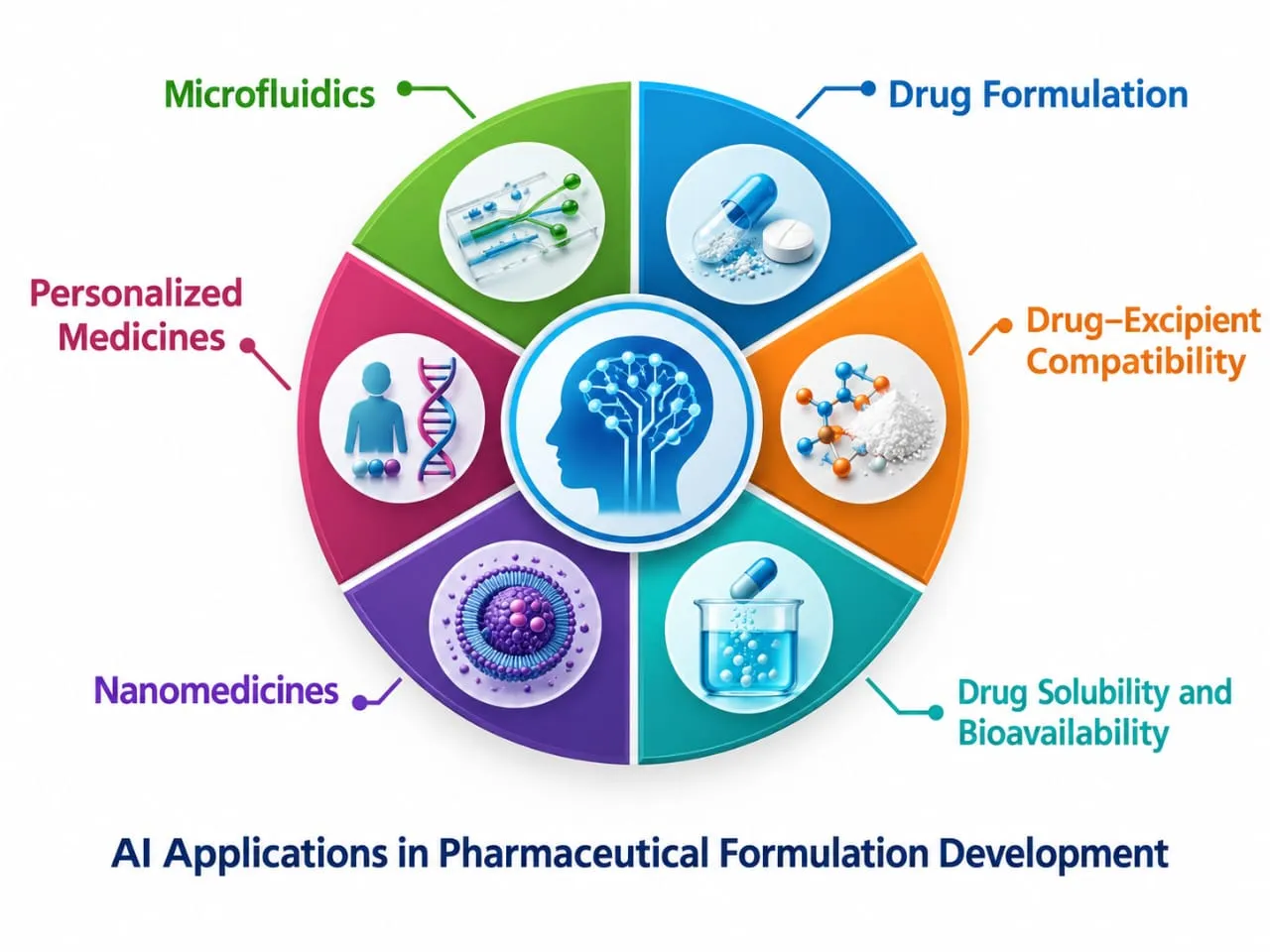
Figure 1: Role of Artificial Intelligence Across the Pharmaceutical Lifecycle
Artificial Intelligence and Machine Learning
Artificial Intelligence (AI) refers to computational technologies designed to perform tasks associated with human intelligence, including learning, reasoning, pattern recognition, prediction, and decision-making. In pharmaceutical sciences, AI supports drug discovery, formulation development, manufacturing process optimization, and quality assurance by analysing large datasets, identifying complex relationships, and generating predictive insights. Various approaches, including Machine Learning (ML), Deep Learning (DL), Artificial Neural Networks (ANNs), and data analytics, are increasingly being applied to improve pharmaceutical research and development.3,4
AI facilitates the prediction of formulation characteristics, identification of suitable drug–excipient combinations, and optimization of formulation variables. In drug delivery research, it supports the design and development of advanced delivery systems, including nanoparticles, liposomes, hydrogels, transdermal patches, and targeted drug delivery platforms. These applications aim to improve drug delivery efficiency, enhance therapeutic outcomes, reduce adverse effects, and promote patient adherence. Furthermore, AI can support personalized medicine by facilitating the development of treatments based on individual patient characteristics, including genetic variations, metabolic profiles, and disease-specific requirements. Its integration with Quality by Design (QbD) approaches also helps optimize pharmaceutical processes and improve product quality and manufacturing efficiency.5
AI-enabled smart manufacturing systems integrate sensor data, Manufacturing Execution Systems (MES), and quality management platforms to predict critical quality attributes, such as tablet hardness, dissolution behaviour, and content uniformity. Computer vision techniques can automate the inspection of tablets, capsules, and vials to identify visible defects. In continuous manufacturing, AI algorithms analyse real-time process data, account for material residence time, and predict the quality of downstream products. These capabilities support timely process adjustments, real-time quality monitoring, and improved manufacturing control.6
Types of AI Approaches:
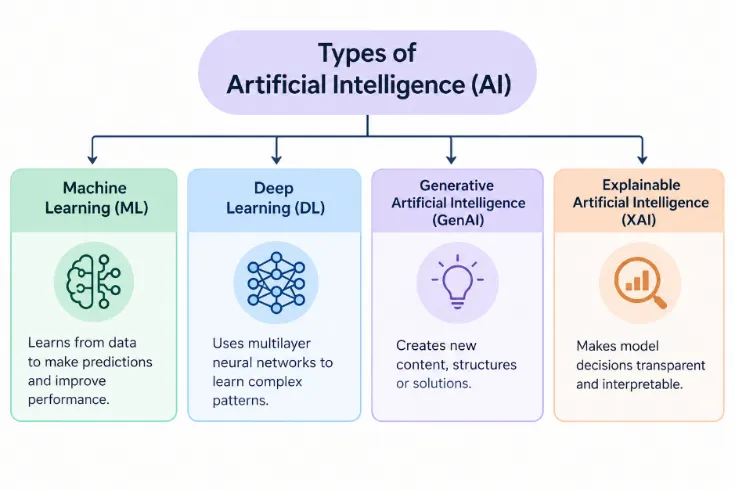
Figure 2: Types of Artificial Intelligence Approaches
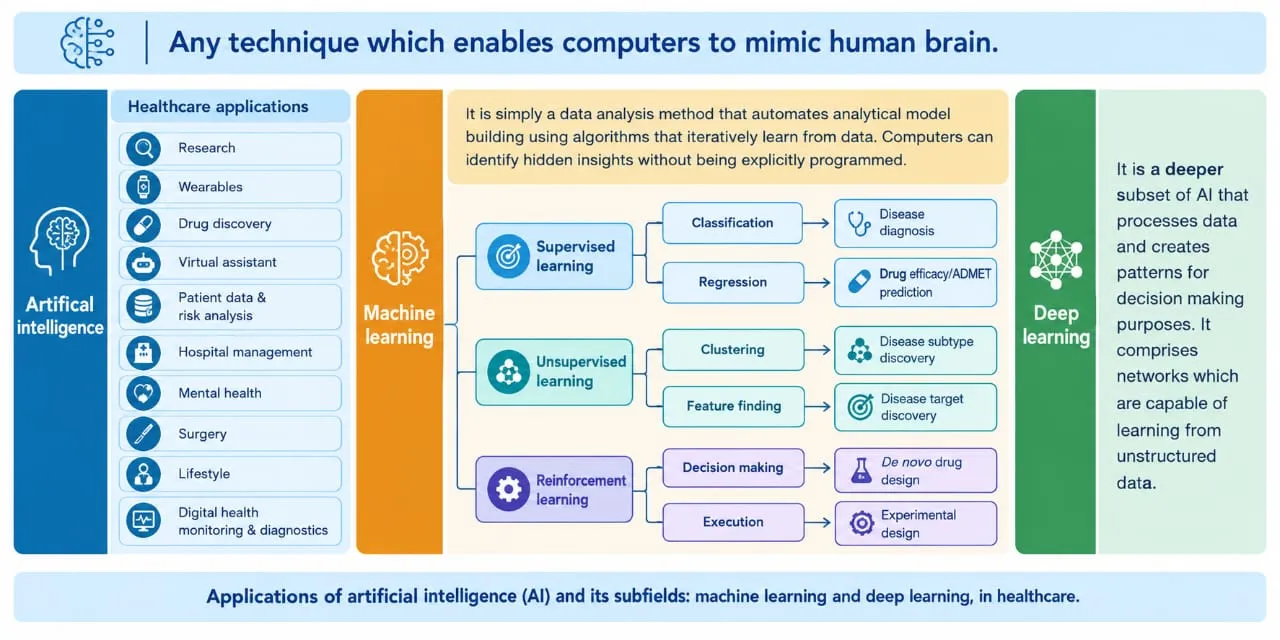
Figure 3: Application of Artificial Intelligence and Its Subfields: Machine Learning and Deep Learning in Healthcare
Machine Learning (ML) allows computational models to identify patterns and relationships in experimental data and predict important pharmaceutical properties, including solubility, dissolution behavior, stability, particle characteristics, and drug–excipient compatibility. Supervised, unsupervised, and reinforcement learning techniques are used for predictive modelling, data categorization, pattern recognition, and optimization of pharmaceutical processes.
AI contains a subfield called machine learning (ML), which uses statistical methods with the ability to learn with or without being explicitly programmed. ML is categorized into supervised, unsupervised and reinforcement learning. Supervised learning comprises classification and regression methods where the predictive model is developed based upon the data from input and output sources. Output from supervised ML entails disease diagnosis under the subgroup classification; and drug efficacy and ADMET prediction under the subgroup regression. Unsupervised learning comprises clustering and feature-finding methods by grouping and interpreting data based solely on input data. Through unsupervised ML, outputs such as disease subtype discovery from clustering and disease target discovery from feature-finding methods can be attained. Reinforcement learning is largely driven by decision making in a given environment and its execution to maximize its performance.7
Deep Learning (DL) employs multilayered neural networks to process complex datasets and capture nonlinear relationships. Different architectures, such as convolutional neural networks, recurrent neural networks, and transformers, are utilized in pharmaceutical imaging, sequential process data analysis, molecular modelling, and the extraction of scientific information.8
Generative Artificial Intelligence (Generative AI) facilitates the creation of new molecular structures, potential formulation designs, and scientific content through approaches such as large language models, diffusion models, and generative neural networks.9,10
Explainable Artificial Intelligence (XAI) enhances the interpretability of AI models by identifying the factors influencing their predictions. Techniques such as SHAP, LIME, and feature importance analysis help clarify model outputs, strengthen confidence in computational predictions, and support potential regulatory evaluation.11
Benefits of AI in pharmaceutical development:
Application of AI in pharmaceutical industry
Artificial intelligence (AI) improves manufacturing efficiency in the pharmaceutical industry while supporting regulatory compliance and product quality. Its integration with advanced technologies, including the Internet of Things (IoT), cloud computing, and digital twins, promotes the development of smart manufacturing facilities. These technologies help minimize human errors, reduce material wastage, optimize energy usage, and enable real-time monitoring of manufacturing operations, thereby enhancing overall productivity and process reliability.
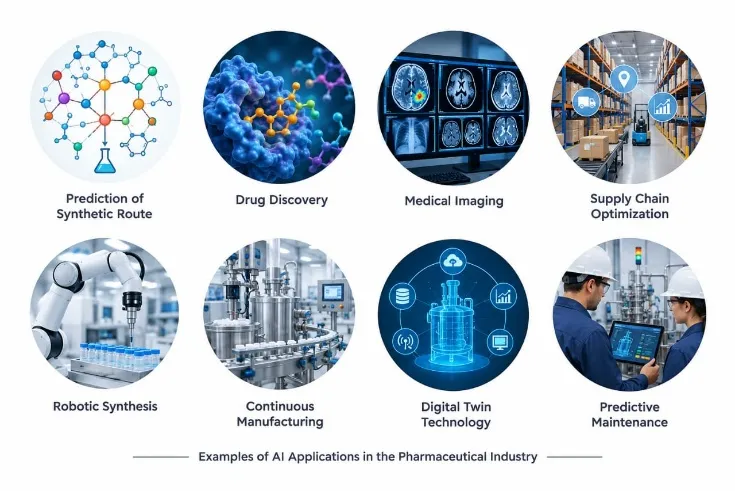
Figure 4: Example of Artificial Intelligence in the Pharmaceutical Industry
Target Identification
Identifying suitable drug targets is an essential initial stage in pharmaceutical research, and Artificial Intelligence (AI) can help accelerate this process. AstraZeneca’s Centre for Genomics Research planned to analyse up to two million genome sequences by 2026 to identify genetic variants, genes, and biological pathways associated with diseases, enabling researchers to better understand disease progression and treatment responses. AI algorithms can support the identification of promising drug targets and contribute to the advancement of CRISPR-based gene-editing research. By investigating the biological functions of genes, researchers can determine how specific gene deletions influence sensitivity or resistance to anticancer drugs. Furthermore, Machine Learning and Deep Learning techniques can analyse image-based data from CRISPR screening experiments, helping researchers extract meaningful insights and improve the efficiency of drug target identification.
Drug Design
Following the identification of a suitable drug target, Artificial Intelligence (AI) can support drug design by predicting the molecular structures and properties of potential drug candidates. Machine Learning models analyse large biological datasets to identify promising targets and design molecules with the desired pharmacological characteristics. For example, Insilico Medicine developed a potential drug candidate for idiopathic pulmonary fibrosis within approximately 18 months using its proprietary AI platform to screen billions of molecules and identify a candidate for preclinical evaluation.14
Synthesis Route Prediction
Predicting synthetic routes for pharmaceutical compounds is often a time-consuming process that requires extensive optimization. IBM’s AI-based tool, RXN for Chemistry, uses deep learning and molecular transformer models trained on millions of chemical reactions to predict reaction outcomes and retrosynthetic pathways. However, retrosynthesis prediction faces challenges in identifying suitable reaction sites, generating chemically valid reactants and reagents, and ensuring reaction feasibility. Developing complete multistep synthetic routes is particularly complex due to the large number of possible pathways, variations in cost and stability requirements, and limited availability of public datasets. Despite these challenges, AI-driven retrosynthesis offers potential to accelerate synthetic route design and improve the efficiency of pharmaceutical research.15
Robotic Synthesis
Following the prediction and optimization of synthetic routes, AI-integrated robotic systems can automate chemical synthesis, enabling high-throughput experimentation and accelerating drug discovery. These systems perform chemical reactions, monitor processes in real time, and adjust reaction parameters to improve efficiency. For example, the University of Glasgow developed the Chemputer platform, which automates chemical synthesis using programmable robotic systems, supporting the faster and more reproducible preparation of small-molecule compounds.16,17
Continuous Manufacturing
Unlike batch manufacturing, continuous manufacturing involves the uninterrupted flow of raw materials through processing equipment, with finished products continuously collected, minimizing downtime between production stages. Artificial Intelligence (AI) can optimize various manufacturing activities, from raw material procurement to final product packaging, improving operational efficiency, cost-effectiveness, and product quality. In continuous pharmaceutical manufacturing, AI systems can analyse real-time data from in-line analytical instruments, such as Raman and near-infrared (NIR) spectroscopy, to monitor critical process parameters and adjust operating conditions, ensuring consistent product quality and enhancing manufacturing efficiency.18,19
Digital Twin Technology
Artificial Intelligence (AI)-enabled Digital Twin technology facilitates the replication of pharmaceutical manufacturing processes across different production sites. It involves creating a virtual representation of a physical manufacturing system that mirrors its real-time performance, allowing manufacturers to simulate, monitor, and optimize operations without interrupting actual production. For example, Johnson & Johnson has explored digital twin technology to accelerate product development and compare manufacturing processes across facilities, supporting process integration and improved operational efficiency.20
Predictive Maintenance
AI-driven predictive maintenance uses data collected from equipment sensors to identify potential failures and predict maintenance requirements before breakdowns occur. This approach enables timely maintenance scheduling, reducing unexpected equipment failures, production downtime, and maintenance costs. Pharmaceutical companies, including Pfizer, have explored AI-based technologies to improve equipment reliability and manufacturing efficiency.21
Supply chain Optimization
Artificial Intelligence (AI) improves pharmaceutical supply chain management by forecasting demand, optimizing inventory, and enhancing logistics. Machine learning algorithms analyse market trends and operational data to support efficient supply chain decisions. For example, Novartis developed the Buying Engine, an algorithm-based platform designed to centralize procurement and improve purchasing efficiency. Initially focused on indirect materials such as laboratory supplies, personal protective equipment (PPE), and spare parts, the platform aims to increase purchasing transparency and recommend suitable procurement options in near real time using knowledge representation, recommender systems, optimization techniques, and machine learning. These applications can help reduce operational costs and improve the reliability of material and product supply.
Medical Imaging
Bayer has been using artificial intelligence (AI), particularly natural language processing (NLP), for several years to improve medical coding and data analysis. Medical coding involves converting information recorded by physicians in case reports into standardized medical terms and categories for systematic analysis and review. Traditionally, this process requires considerable time and manual effort. Bayer has developed a large language model capable of processing extensive medical information with a reported accuracy of 96%. Since 2017, this technology has processed millions of medical terms.
Furthermore, Bayer has adopted AI-driven technology in radiology through its collaboration with Blackford Analysis, an AI-powered medical imaging platform. This collaboration led to the launch of Calantic Digital Solutions, designed to assist radiologists by automating time-consuming tasks, improving workflow efficiency, and supporting the detection of abnormalities in medical images. By reducing manual workload and accelerating image analysis, AI-based solutions can support faster clinical decision-making and improve the efficiency of patient care.22
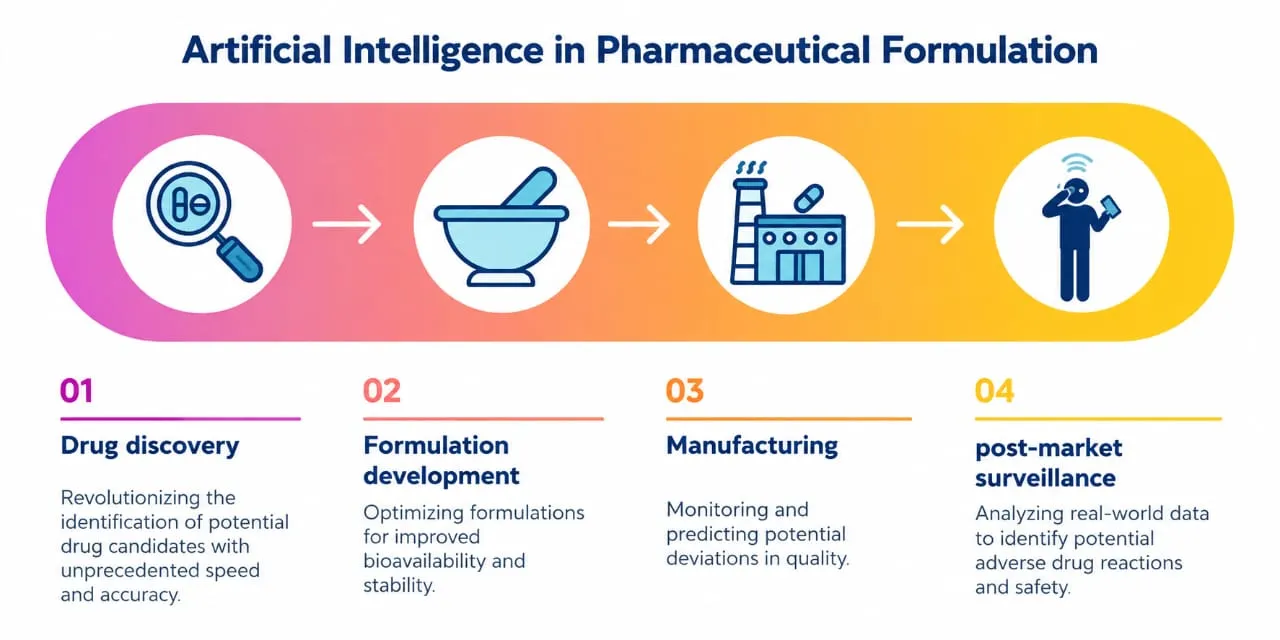
Figure 5: Application of Artificial Intelligence in Enhancing the Drug Development and Distribution Life Cycle
Application of Machine learning in drug discovery
Machine learning (ML) has become an important tool in drug discovery, providing advanced approaches for virtual screening, identification of therapeutic targets, and optimization of lead compounds. By analyzing large datasets containing chemical structures, biological targets, and molecular interaction information, ML algorithms can identify complex patterns and relationships. These capabilities enable the prediction and selection of potential drug candidates with improved speed, accuracy, and efficiency, thereby supporting the advancement of drug discovery and development.23
Virtual Screening
Virtual screening is a computational technique used to evaluate large libraries of chemical compounds to identify potential drug candidates, making it an essential step in the early stages of drug discovery. Conventional virtual screening approaches primarily relied on molecular docking and pharmacophore modelling, often using simplified molecular representations and relatively rigid structures. These limitations could reduce their ability to accurately predict ligand–target interactions. In contrast, machine learning (ML) techniques provide more flexible and data-driven approaches by evaluating diverse chemical features and predicting ligand–target binding interactions with improved precision.
A major advantage of ML-based virtual screening is its ability to identify complex patterns and relationships within extensive datasets of chemical compounds and biological targets. Models are trained using annotated datasets containing previously characterized ligand–target interactions, enabling them to recognize structural features and physicochemical properties associated with binding affinity. This knowledge can then be applied to predict the interactions of previously untested compounds. Furthermore, integrating multiple data sources, including protein structural information, gene expression profiles, drug physicochemical properties, and drug-induced phenotypic responses, can enhance the predictive performance of virtual screening models. Commonly employed ML techniques in virtual screening include support vector machines (SVMs), random forests, and deep learning models.24,25
Target Identification
Target identification is a crucial stage in drug discovery that involves identifying biological molecules or pathways that can be targeted to produce therapeutic effects. Machine learning (ML) algorithms support this process by analyzing genomic, proteomic, and clinical datasets to identify disease-associated targets and prioritize them for further investigation. Techniques such as principal component analysis (PCA) and t-distributed stochastic neighbor embedding (t-SNE) help uncover hidden patterns in complex biological data, including gene expression profiles, protein–protein interactions, and disease phenotypes.
Furthermore, ML models can integrate multiple data sources to evaluate potential drug targets based on their druggability, safety, and therapeutic relevance. The Drug–Gene Interaction Database (DGIdb) facilitates the identification of potential targets by compiling known drug–gene interactions from diverse sources. Similarly, the Connectivity Map (CMap) analyzes gene expression changes induced by drugs and genetic perturbations to reveal functional relationships between compounds, genes, and biological pathways. These insights can support target identification and help predict potential off-target effects during drug development.26,27
Lead Optimization
Lead optimization is the process of refining identified drug candidates to enhance their potency, selectivity, and pharmacokinetic properties through repeated structural modifications. Conventional approaches often require extensive experimental testing, making the process time-consuming and expensive. Machine learning (ML) provides a data-driven alternative by predicting the biological activity and drug-like properties of modified compounds. By analyzing chemical structures and biological activity datasets, ML models can establish structure–activity relationships (SARs) and identify molecular features associated with desired therapeutic effects, thereby guiding compound design and reducing experimental requirements.28
Applications of Artificial Intelligence in Healthcare and the Pharmaceutical Industry
[Figure - see the formatted PDF]
Figure 6: Machine Learning Application in Medicine and Pharmaceutical Science
Challenges of AI in pharmaceutical field
Despite its numerous benefits, the application of artificial intelligence (AI) in the pharmaceutical industry faces several challenges and limitations.
Future Prospects of Artificial Intelligence
Artificial intelligence (AI) is expected to play an increasingly important role in the pharmaceutical industry, particularly in genomics, proteomics, vaccine development, and gene therapy. Following the COVID-19 pandemic, research efforts have focused on understanding viral mutations and improving vaccine efficacy. AI can accelerate these developments by analyzing extensive scientific literature, patent databases, conference proceedings, and clinical data to identify new research opportunities and potential therapeutic approaches. It also facilitates the discovery of novel peptide-based drugs for cancer and the development of gene therapies for genetic disorders.
Furthermore, companies specializing in AI-based technologies are collaborating with pharmaceutical organizations to improve drug discovery, development, and product lifecycle management. Pharmaceutical companies are also exploring mergers and acquisitions to expand their research capabilities, strengthen intellectual property portfolios, and enhance their market position. The integration of generative AI, data science, and business analytics is expected to improve research productivity, operational efficiency, and commercial performance. Consequently, continuous education and professional training in emerging technologies, including machine learning, AI, cloud computing, software engineering, cybersecurity, and business analytics, will be essential for researchers and pharmaceutical professionals to adapt to the evolving demands of the industry.32,33
CONCLUSION
Artificial Intelligence and Machine Learning are increasingly influencing pharmaceutical sciences and healthcare by providing innovative approaches to drug discovery, formulation development, manufacturing, and patient care. These technologies facilitate the identification of potential drug targets, prediction of molecular properties, optimization of formulations, automation of manufacturing processes, and improvement of quality control. Their applications in virtual screening, lead optimization, personalized medicine, medical imaging, and supply chain management demonstrate their broad potential to enhance research efficiency and healthcare delivery.
However, successful implementation requires reliable datasets, rigorous model validation, regulatory compliance, appropriate data protection, and collaboration among pharmaceutical scientists, healthcare professionals, and technology specialists. The limitations of current AI systems must also be addressed to ensure the reliability, transparency, and practical applicability of their predictions. Future advancements in Generative AI, Explainable AI, digital twins, and intelligent manufacturing systems may further expand the role of these technologies in pharmaceutical research and development. In conclusion, AI and ML should be considered complementary tools that support, rather than replace, scientific expertise and experimental validation. Their responsible integration may accelerate pharmaceutical innovation, improve product quality, and contribute to safer and more effective patient care.
REFERENCES


Jalajakshi, Vidyashree S. P., Dr. M. Mallikarjuna Gowda, Artificial Intelligence and Machine Learning Across the Pharmaceutical Lifecycle: Applications, Translational Challenges, and Future Directions, Int. J. of Pharm. Sci., 2026, Vol 4, Issue 11, 400-410. https://doi.org/10.5281/zenodo.23923496
 10.5281/zenodo.23923496