

We use cookies to ensure our website works properly and to personalise your experience. Cookies policy
1Department of Pharmaceutical Chemistry, University of Jos, Nigeria.
2,3Department of Pharmacy, Jos University Teaching Hospital, Lamingo, Jos, Nigeria.
Introduction: The role of hypertension in many cardiovascular disease outcomes is very important, hence, the assessment of hypertension treatment patterns becomes really essential Objectives: This study set to determine the prevalence and assessed the treatment pattern of Hypertension in a Teaching Hospital in North Central, Nigeria. Methods: A cross-sectional retrospective survey was employed. A total of 186 patient’s Case notes were reviewed in Jos University Teaching Hospital from January to December, 2011. The data obtained was analysed using a student paired t-test in SPSS version 20. P<0.05 was considered statistically significant. Results: Majority of the patients were females (59%). The age group 40-49 years accounted for the highest ratio of the patients (27%). The prevalence of in-patient hypertension in JUTH within the study period was 2.29%. The common class of antihypertensive used were Diuretics (D) (38.9%), Angiotensin Converting Enzyme Inhibitors (ACEIs) (20.20%), Calcium Channel Blockers (CCB) (14.9%). One-quarter (25.7%) received monotherapy while the remainder received more than two drugs combination. Frequently prescribed antihypertensive combinations were ACEI+D (24.3%); ACEI+CCB+D (17.9%) while another 14.3% received CCB+D There was a statistically significant difference (p=0.01) between the blood pressure prior to initiation of antihypertensive therapy and after initiation of therapy. Conclusion: The pattern of antihypertensive use in JUTH is in agreement with prescribed guidelines. Although a statistically significant difference existed between blood pressure before and after pharmacological interventions, the blood pressure controlled was not clinically significant.
BACKGROUND
Hypertension is a major public health problem affecting over a million people worldwide (Stephanie, 2004). It is the most common risk factor for cardiovascular diseases or disorders in patients over the age of 50 years. Hypertension is the leading cause of cardiovascular diseases worldwide. A prevalence of 11% in the world, 12.4% in Africa and 11.2% in Nigeria have been reported (Okechukwu et al., 2012). More still, the incidence rates range between 3-18% worldwide depending on age, gender, ethnicity and body size of the population. An estimated 7.1 million premature death as well as 4.5% of disease burdens worldwide were due to hypertension. Hypertension presents a global problem of endemic proportion with treatment cost running into billions of dollars annually. Hypertension is estimated to account for about 6% of deaths worldwide ((JNC7, 2006).
High blood pressure on its own is not a disease condition but an important risk factor for the development of other cardiovascular complications. The risk of target organ damage and premature death is directly related to the degree of blood pressure elevation. Hence, a reduction in blood pressure amounts to significant clinical benefits and, of course, offers a good measure of treatment outcome.
Psaty and colleagues (2003) demonstrated that effective treatment of hypertension has the potential to reduce the risk of stroke, coronary heart disease, congestive cardiac failure, and overall mortality. Assessing treatment pattern of hypertension therefore deserve great concern especially when we consider the burden of the disease in Africa and its role in the development of cardiovascular diseases. It is pertinent to stress that the selection of antihypertensives agents should be based on their comparative ability to prevent complications, reduce morbidity and the safety of the drug to the individual patients. Despite the availability of guidelines for the management of hypertension, a number of factors can inform the choice of drug considering presence of comorbidity, tolerability and contraindications.
In the United States, it has been reported that the indirect expenses attributable to inadequate BP control amount to about 1.4 billion US dollars per year. Studies have shown that Hypertension-related diseases accounted for between 20.5% and 69.6% of the total admitted medical cases in various studies across Nigeria, with a high case fatality rate of up to 42.9% (Bruce et al., 2003). These statistics is particularly worrisome especially when the irrational use of medicines in many settings in Nigeria is considered. There is a dearth of evidence with respect to the management of hypertension in Jos University Teaching Hospital. This study therefore sort to assess the management of hypertension in the study site.
METHODS
Study setting: this study was conducted in the Medical Outpatient Department of the Jos University Teaching Hospital, Jos, Plateau State, Nigeria. The institution is a tertiary healthcare facility and the most resource-endowed referral centre in North-Central Nigeria.
Sample size: With an estimated 1445 patients accessing care for hypertension in the study site, A sample size of 186 was used calculated using the Kish Leslie equation (Kish, 1965).
Study design/Data extraction: This was a cross-sectional retrospective survey of hypertensive patients accessing care in the medical unit of the Jos University Teaching Hospital. The case notes of the patients were retrieved from the medical record unit between January to December, 2011. Only female patients with hypertension in pregnancy were excluded from the study. Of the 186 case notes that met the inclusion criteria, the following information were retrieved: age, gender, occupation, BP reading (systolic blood pressure; SBP and diastolic blood pressure; DBP) at diagnosis and last clinic attendance. Also, the pattern of prescribed drugs for hypertension and the different combinations were evaluated. In evaluating the prescribed drugs, much emphasis was laid on monotherapy or multitherapy. It was operationalized multitherapy as receiving two or more drug combinations from different antihypertensive drug classes. Antihypertensive classes in the study included Diuretics (D), betablockers (BB), calcium channel blockers (CCB), angiotensin converting enzyme inhibitors (ACEIs), angiotensin receptor blockers (ARBs), Vasodilators (V), centrally acting agents.
Data analysis: Paired student t-test was used to compare blood pressure before and after initiation of antihypertensive therapy. Other results were presented as frequencies and percent. All statistical analyses were carried out using the Statistical Package for the Social Science (SPSS) version 16. P<0.05 was considered statistically significance.
Ethical statement:
The protocol to this research was approved by the Health Research and Ethics Committee of the Jos University Teaching Hospital.
RESULTS
A total of 186 case notes were included in the analysis. More females (59%) were examined than males (41%). The age group 40-49 years accounted for the highest proportion of patients evaluated. Of the 186 patients examined, majority of the patients had a pre-treatment systolic blood pressure of 140-159mmHg and a diastolic blood pressure of 90-109mmHg corresponding to the class 1 classification based on JNC-7 guideline. Only 2.8% had a pre-treatment blood pressure of >210/>160mmHg. However, after institution of pharmacotherapy, 48.8% had class 1 BP classification. This was statistically significant at p<0.01. Among the 25.70% of patients who received monotherapy, 38.9% received diuretics whereas 20.20% received ACEIs. More so, as high as 49.7% of the patients received two drug combinations of whom majority (24.30%) received diuretics and ACEIs while another 14.30% received diuretics and CCBs.
Furthermore, of the 186 case notes, 120 (60%) patients had comorbidities which include congestive heart failure 55 (27.5%), diabetes mellitus 22 (41.33%), 17.3% had peptic ulcer disease while the only 2.2% had hyperlipidemia, hypertensive heart disease, obesity and stroke.
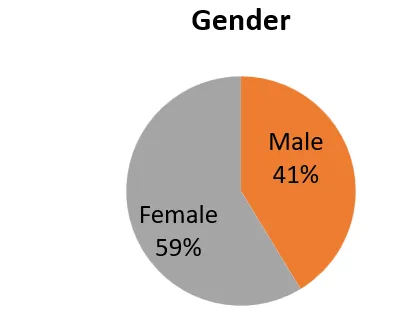
Figure 1: Gender Distribution
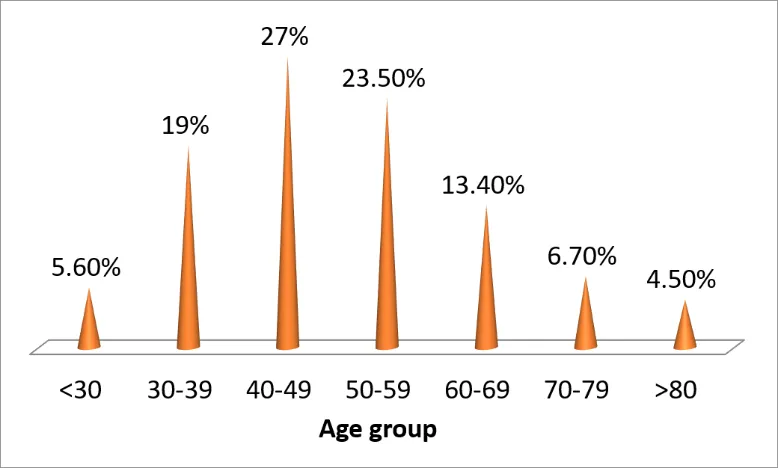
Figure 2: Age Groups Amongst Patients Who Were Given Antihypertensives
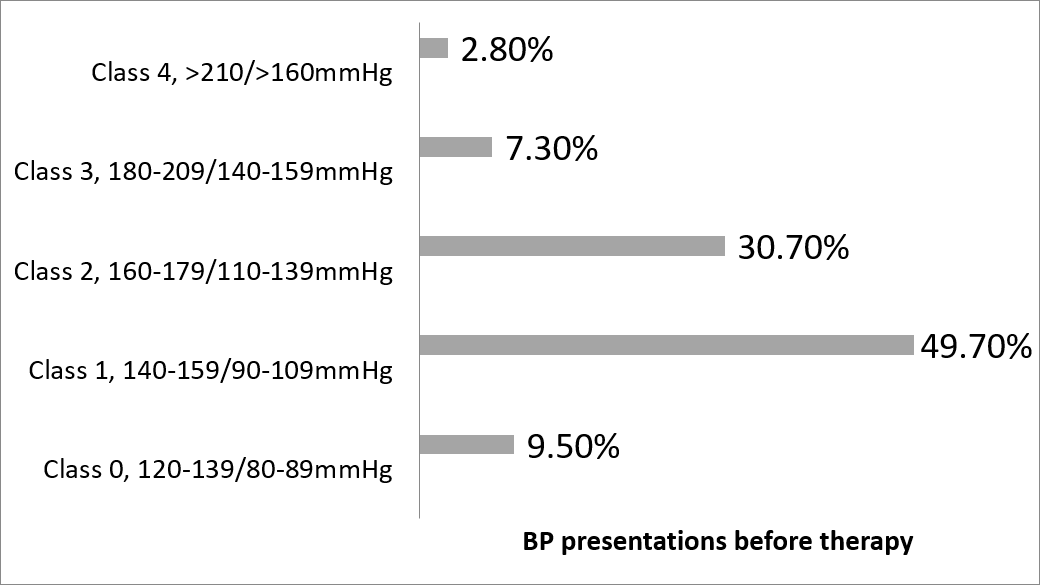
Figure 3: BP Presentations Before Initiation of First Therapy (N=186)
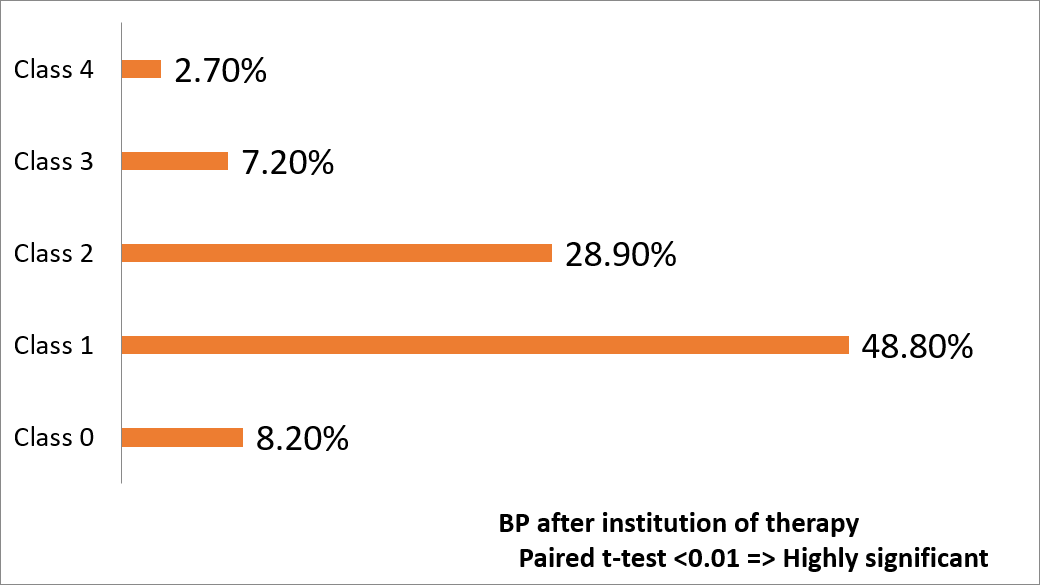
Figure 4: BP Presentations After Institution of First Therapy (N=186)
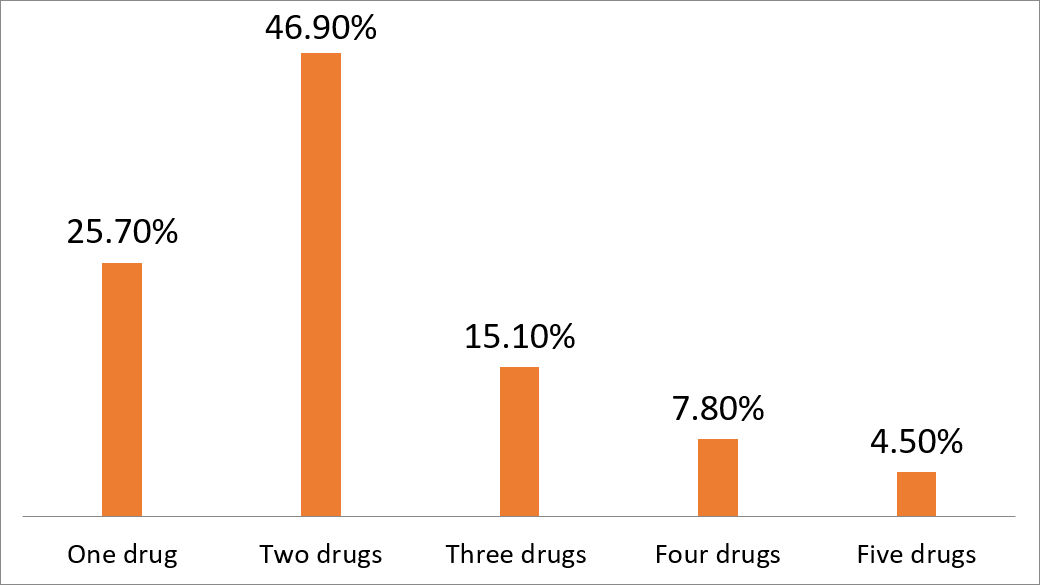
Figure 5: Percentage Showing Number of Drugs Used by Patients to Control Their BP (N=186).
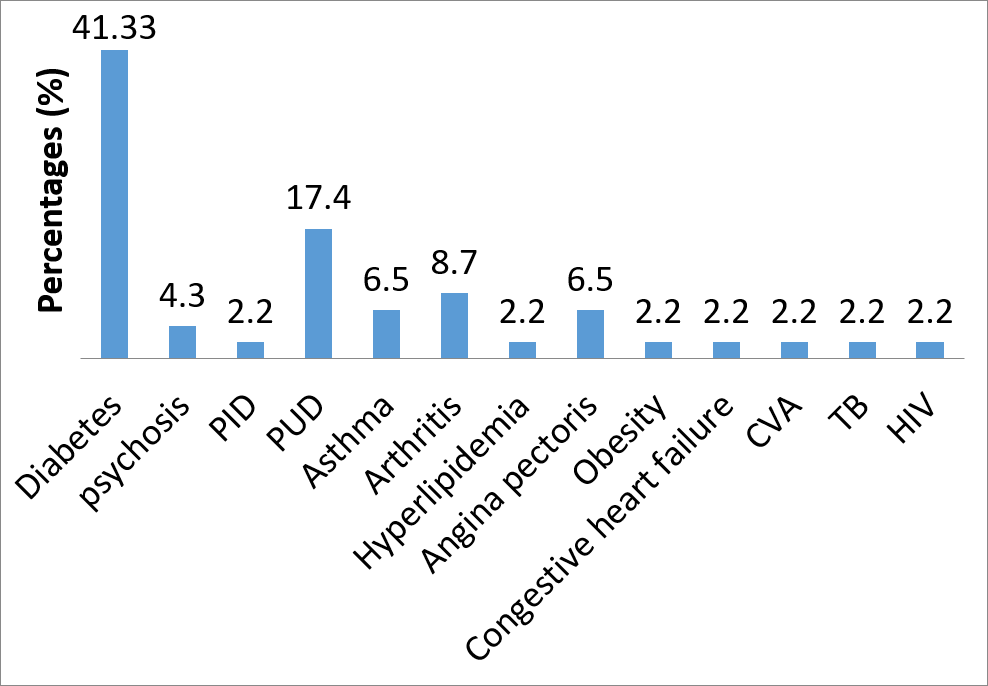
Figure 6: Percentage of Patients with Comorbidity (N=186)
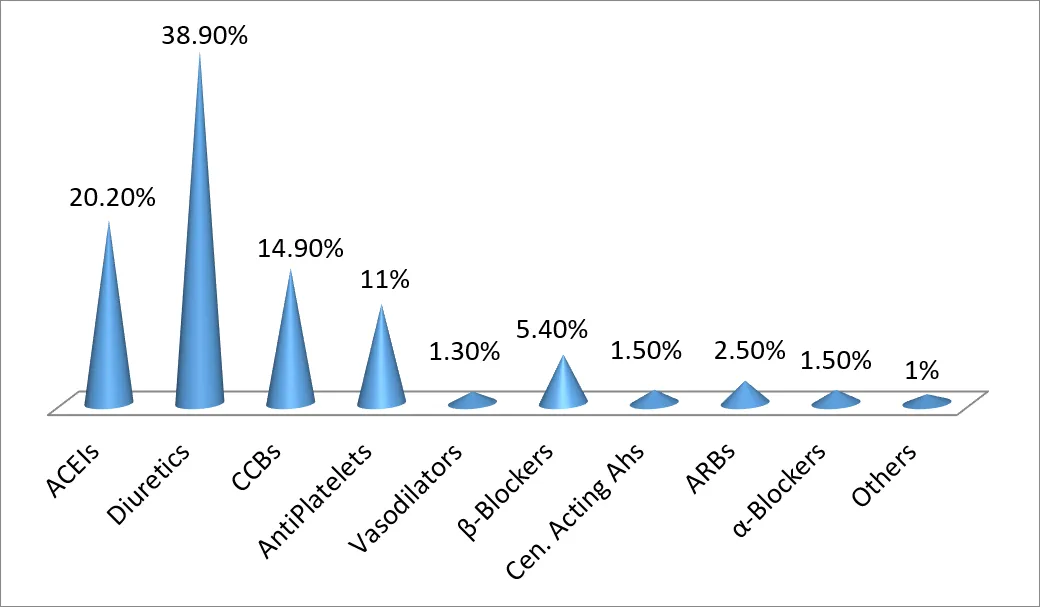
Figure 7: Percentage of Patients Placed on Pharmacologically Useful Antihypertensives (N=186)
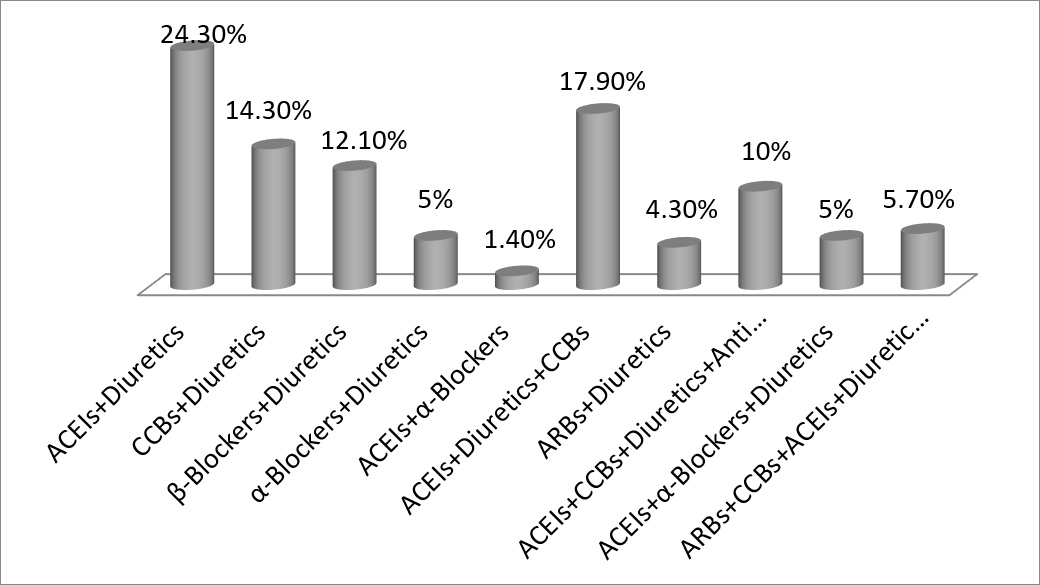
Figure 8: Percentage of Patients Whose BP Were Stabilised on the Various Combinations of Antihypertensives (N=186)
DISCUSSION
This study assessed the pattern of drug use in the management of hypertension in Jos University Teaching Hospital. The pattern of drug use covers the extent, profile and trends of drug use overtime. It also covers the type of drug as well as its rational or irrational use (Cholbanian et al., 2003). Overall, 182 patients’ records were examined. The higher proportion of females (59%) in this study is in agreement with the reports of previous studies in Nigeria (Bruce et al., 2003). This study demonstrates that majority of the patients examined were within the age group 40-49 years (27.0%). This is in line with a study conducted in a teaching hospital in Lagos, Nigeria (Busari et al., 2010) which revealed that hypertension is a disease of the middle-age adults; yet inconsistent with the findings of other studies which revealed that hypertension is more prevalent in older individuals. This high prevalence among the older adults cannot be unconnected with an increased arterial and arteriolar wall stiffness, decreased baroreceptor sensitivity, increased sympathetic nervous stimuli and altered renal and sodium metabolism (Okechukwu et al., 2012).
In this study, diuretics (38.9%) was identified as the frequently prescribed antihypertensive alone or in combination with other agents similar to the findings of researches conducted in tertiary hospitals in Nigeria (Busari et al., 2010). Contrary to the findings of this study, Odili et al. (2017) revealed that calcium channel blockers were the frequently prescribed antihypertensives in a tertiary hospital in Benin, Nigeria. It is important to stress that the predominant use of diuretics in this study is in compliant with recommendations from JNC-7 guidelines and also reflects the effectiveness of the drug in this environment and the quality of training of the physicians for adhering to the guidelines. Busari et al. (2010) stated that in uncomplicated hypertension, diuretics either alone or combined with other classes, should be used for the pharmacologic treatment of most cases. Diuretics are relatively cheap and a randomized-controlled clinical trials have demonstrated an improve in cardiovascular outcomes with diuretics with good safety and efficacious profiles. They may be particularly beneficial for patients aged 55 years or older with hypertension or cardiovascular risk factors and for patients aged 60 years or older with isolated systolic hypertension (Whelton et al., 2012).
In about 49.7% of the study population, the pretreatment BP classifications were in grade 1 based on the JNC-7 guideline. This do not agree with the findings of a study conducted in University of Benin Teaching Hospital (Odili et al., 2008) and another study carried out in Ilorin, Nigeria (Oghabon and Okesina, 2007) which demonstrates that the pretreatment BP were in the grade 2 classification. Furthermore, the BP after institution of pharmacological treatment was statistically significantly lower than the pretreatment BP. Hypertension is treated with both lifestyle modification and pharmacotherapy. Although the choice of pharmacotherapeutic agent varies with sex, race and presence of comorbidity, their ability to effectively lower and control the blood pressure in line with recommended guidelines should be a point of emphasis. Moreover, majority of the patients received a combination of diuretics and angiotensin converting enzymes inhibitors. This corroborates the findings of Whelton et al. (2012) which revealed that diuretics, ACE inhibitors or ARBs were the frequent combination in Benin City, Nigeria. Studies have shown that more than 50% of patients with hypertension will require more than one drug, either as two separate prescriptions or as a fixed dose combination for optimum blood pressure control (Chobanian et al., 2003). Besides, a number of conditions may justify the need for more than one drug including the stage of hypertension, presence of comorbidity, end organ damage etc. This study revealed a comorbidity pattern similar to the reports of other studies in Nigeria (Odili et al., 2008).
CONCLUSION
The pattern of drug use among hypertensive patients in Jos University Teaching Hospital is in concert with JNC-7 recommendations. Diuretics singly or in combination with other antihypertensive drugs enjoys higher recognition.
REFERENCES

Bot K. J., Barde R., Kim K., Assessment of the Drug Management of Hypertension in a Tertiary Hospital in North Central Nigeria, Int. J. of Pharm. Sci., 2026, Vol 4, Issue 10, 2115-2121. https://doi.org/10.5281/zenodo.23360603
 10.5281/zenodo.23360603