

We use cookies to ensure our website works properly and to personalise your experience. Cookies policy
JNTUH university collagr of pharmaceutical sciences Sultanpur.
Background: A number of heterocyclic derivatives containing nitrogen have been used as versatile scaffolds in drug development. Oxazole is one of the heterocyclic compounds with remarkable pharmacological activities. Oxazole derivatives were found to process the biological activities like Anti-convulsant, Anti-alzimer, Anti-hypertensive, Anti-cancer, Anti-HIV, Anti-inflammatory, Anthelmintic activities. Due to its potent and significant biological activities it has great pharmaceutical importance; hence, synthesis of this compound is of considerable interest. Objective: To synthesize the 4-substituted 2-amino 1,3 Oxazole derivatives and recrystallized, characterized by m.p, Rf, FTIR, 1h NMR, mass data. Methods: The molecular property prediction of all the synthesized compounds by using Lipinski’s rule of 5, PASS, OSIRIS molecular property explorer, Molsoft, Docking softwares. The all compounds were synthesized by conventional method. The synthesized compounds were evaluated anti fungal activity by using Yeast as a model system for anticancer study. Results: All the compounds shows the good percentage yields. All the compounds were obeys the lipinski’s rule, non-toxic, drug likeness and more active and shows the good binding affinities when compared with the standard drug (Ciprofloxacin). The all compounds were more and equal potent when compared to standard drug, Ciprofloxacin. Conclusion: The compounds 4a, 4c and 4e shows the good results in the molecular property prediction and biological evaluation.
Traditional sciences like organic chemistry, biology, and physics are all drawn to the field of medicinal chemistry. Lack of specificity usually restricts its use in veterinary and human medications. Nonetheless, many heterocyclic compounds, both synthetic and natural, exhibit important therapeutic qualities. In addition to being more chemically versatile, heterocyclic molecules can adapt to the many needs of biological systems. Compounds with a condensed ring structure have several physiological applications, and heterocycles are significant in medicinal chemistry. Oxazole based heterocycle and their biological actions are currently a major focus of research in medicinal chemistry. This research is motivated by the need for new therapeutic medicines to treat a wide range of diseases. Oxazole compounds are heterocyclic molecules characterized by a five-membered aromatic ring containing one oxygen and one nitrogen atom. These compounds have potential use in pharmacology. Recently, there has been a strong focus on studying the production of Oxazole based heterocycle and uncovering their many biological property. This inter disciplinary technique combines synthetic organic chemistry, medicinal chemistry, and pharmacology to create new molecules that have enhanced effectiveness and minimized adverse effects. Oxazole-based compounds have been introduced into medicinal chemistry due to its capacity to regulate a various biological target. The targets encompass enzymes, receptors, and proteins that participate in vital physiological processes, such as signal transduction, DNA replication, and protein synthesis. Therefore, Oxazole derivatives have shown significant efficacy in treating several diseases, as infectious diseases, cancer, inflammation, and neurological problems. There search of Oxazole-based heterocyclesis motivated by the need to discover effective synthetic methods for their synthesis. The utilization of conventional methods, such as the Robinson-Gabnmriel synthesis and the Paal-Knorr reaction has facilitated the investigation of innovative techniques for Oxazole synthesis. Advancements in transition metal catalyzed processes, as palladium catalyzed cross coupling and gold catalyzed cyclization, have allowed for the quick and specific creation of intricate Oxazole frame works. In addition, usage of advanced method such as microwave assisted synthesis and flow chemistry has made it possible to synthesize Oxazole derivatives in a more environment friendly and easily expandable way. The synthesis of Oxazole-based heterocycles is intricately linked with structure-activity relationship (SAR) research, which seek to clarify the correlation between chemical structure and biological activity.
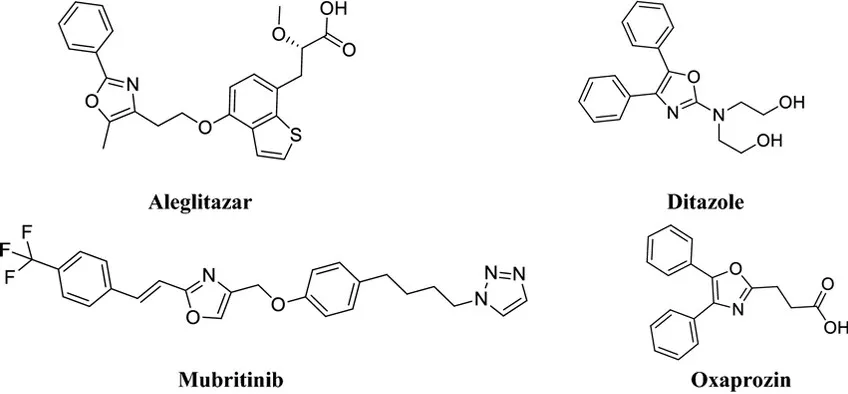
Figure 1: Marketed Drugs Containing Oxazole.
EXPERIMENTAL SECTION
Insilico screening
Lipinski’s rule of 5 filtration
The files were inserted in *.pdb, *.mol, *.mol2, *.xyz, *.sdf, or .smile formats. Care was taken to avoid whitespace (s) in the input file name. The window opened and the files were uploaded in the above mentioned formats. pH was adjusted from 0-14 as required. Upon submission, results were obtained [Lipinski 2004].
OSIRIS property explorer (version 2)
OSIRIS property explore version 2 (which requires JAVA platform to run) was used in the present study. The structure of designed molecule when drawn in or when pasted in smiles format will show the results at right side with colour coding. A green colour indicates non-toxic and red indicates toxicity.
Prediction of activity spectra for substances (PASS)
Molecules which have been filtered through Lipinski rule were subjected to online PASS software to predict their biological activities. The Pa and Pi values from 0.000 to 1.000. To define the threshold for selecting type of activity to be predicted.
Molsoft property explorer (version v.3.7-2)
Molsoft property explorer version v.3.7-2 was used in the present study. The structure when drawn directly on the window or when inserted in mol, Inch, smiles formats will calculate properties like MlogP, MlogS [Lalitha and Sivakamasundari 2010].
Docking (version 4.0)
AutoDock is a molecule modeling simulation software. It is especially effective for protein ligand docking. It has two versions Auto Dock 4.0, vina. Vina is a advanced version [Rarey 1996].
[Figure - see the formatted PDF]
Synthesis of 2-bromo-1-(3-nitrophenyl)-ethan-1-one (2)
A round bottom flask was charged with substituted acetophenone (0.01 mol), glacial acetic acid (20 ml) and aqueous hydrobromic acid (HBr). The flask was immersed in an ice salt mixture (0-5oC) and bromine (0.01 mol) was added from the dropping funnel at such a rate that the temperature of the reaction mixture does not exceed 5oC. After completion of addition, it was stirred at RT for 2-3 hours. The suspension was poured onto crushed ice. The colourless precipitate was filtered, repeatedly washed with water and dried at room temperature [Bhosale 2012].
Synthesis of 4-(3-nitrophenyl)-1,3-oxazol-2-amine (3)
A mixture of substituted phenyl bromide (0.01 mol) urea (0.01 mol) and pyridine (0.01 mol) was heated under reflux in 20 ml of acetonitrile for 8-10 hours. The reaction mixture was then cooled, poured onto ice. The precipitate was filtered, dried and recrystallised from ethanol:water mixture (70:30) [Bhosale 2012b].
Synthesis of N-[4-(3-nitrophenyl)-1,3-oxazol-2-yl] derivatives (4a-e)
A mixture of 3 (0.01 mol) with appropriate chloro compounds (0.01 mol) in glacial acetic acid (30 ml) was heated under reflux with stirring for 5 hours. The mixture was then cooled at room temperature and poured on crushed ice. The precipitate was collected by filtration and recrystallized from ethanol to yield orange to brown crystals [Abdellattif 2018].
Evaluation of Antifungal activity:
4.1 Insilico screening:
4.1.1 Lipinski rule of 5 filtration:
Table 1: Results of Lipinski’s Filtration:
| Compound | Molecular weight | Hydrogen bond donors | Hydrogen bond acceptors | Log p | Molar refract4ity |
|---|---|---|---|---|---|
| IVa | 247.06 | 1 | 5 | 0.51 | 81.54 |
| IVb | 309.07 | 1 | 5 | 2.07 | 81.37 |
| IVc | 281.08 | 1 | 4 | 2.61 | 67.19 |
| IVd | 231.06 | 1 | 4 | 1.37 | 70.69 |
| IVe | 295.10 | 1 | 4 | 2.41 | 68.52 |
By the above values, the synthesized Oxazole derivatives are obeys the Lipinski rule 0f 5.
4.1.2 Prediction of act4ity spectra for substances (PASS):
Table 2: Results of PASS Prediction:
| Compound | Anti Prolifirat4e act4ity | |
|---|---|---|
| Pa | Pi | |
| IVa | 0.596 | 0.042 |
| IVb | 0.487 | 0.025 |
| IVc | 0.773 | 0.015 |
| IVd | 0.174 | 0.140 |
| IVe | 0.537 | 0.011 |
| Standard | 0.791 | 0.009 |
By the above values all the synthesized compounds were obeys the PASS values Pa > 0.3. and the standard drug has the Pa value is 0.791. The targeted synthesized molecules IVa, IVc and IVe has the more active when compared to the other target molecules.
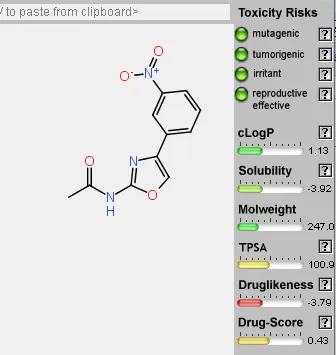
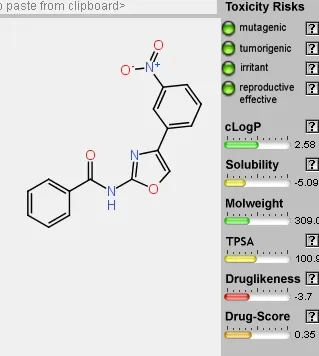
4.1.3 Osiris molecular property explorer:
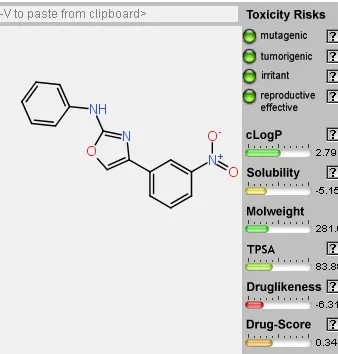
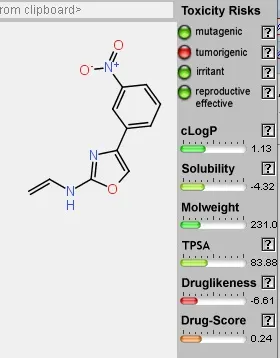
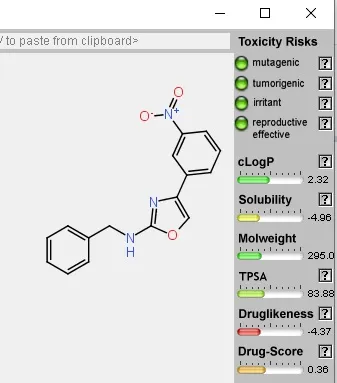
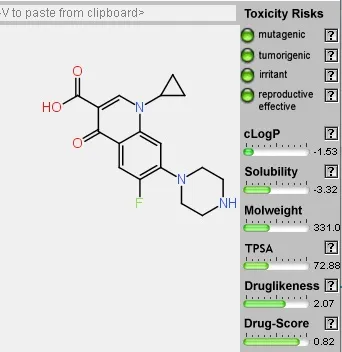
Figure 1: OSIRIS Molecular Property Explorer of Compounds 4a-4E
By the results of OSIRIS Molecular Property explorer the all the synthesized compounds has no toxicity except IVd.
4.1.4 Molsoft property explorer:
Table 3: Results of Molsoft Molecular Property Explorer:
| Compound | Mol.formula | Mol.weight | HBA | HBD | Mlogp | Mlogs | Mol PSA | Mol voume |
|---|---|---|---|---|---|---|---|---|
| IVa | C11H9N3O4 | 247.06 | 5 | 1 | 0.51 | -1.92 | 81.54 | 223.00 |
| IVb | C16H11N3O4 | 309.07 | 5 | 1 | 2.07 | -2.81 | 81.37 | 277.71 |
| IVc | C15H11N3O3 | 281.08 | 4 | 1 | 2.61 | -3.13 | 67.19 | 242.39 |
| IVd | C11H9N3O3 | 231.06 | 4 | 1 | 1.37 | -1.92 | 70.69 | 210.74 |
| IVe | C16H13N3O3 | 295.10 | 4 | 1 | 2.41 | -2.98 | 68.52 | 258.13 |
4.1.5 Docking Analysis:
Name of the protein : 3G7E
Docking is used to find the exact binding conformation and orientation of the ligand molecule into the active site of the protein. The synthesized five Oxazole compounds and standard (Ciprofloxacin) were docked against E. coli Gynase B enzyme using Auto-Dock Tool 4.0, an automated docking tool.
The docking process involves four main steps,
(i) Protein preparation
(ii) Ligand preparation
(iii) Grid preparation and
(4) Docking.
The Lamarckian genetic algorithm has been used as the search algorithm to search for the best conformers. The initial population size was set randomly as 150 individuals and ten generations was set for each genetic algorithm run and the maximum number of energy evaluations was set to 2,500,000. The grid box size was set as to include all the act4e site residues present in rigid macromolecules. The grid box was centered at 8.671 Å x -8.036 Å x 0.67 Å and the dimensions of the grid box have been set as 40, 40, 40 (X,Y,Z co-ordinates) so as to include all the active site residues.
Docking studies showed that all ligands chosen for analysis possessed a least binding affinity with the target protein Structure of E. coli Gynase B enzyme. The protein ligand interactions were studied in terms of minimum binding energy (Kcal/mol) and the number of hydrogen bonds formed with active site residues. The docking interactions of the five ligands and the protein Structure of E. coli Gynase B enzyme were visualized using Chimera 1.13.1 viewer and shown in Fig.2. The final docked confirmation obtained for the different ligands based on the binding energy, number of hydrogen bonds formed, bond distance and the interacting residues were shown in Table 4. All the designed compounds show a least binding energy with the docking score when compared with the standard drug Ciprofloxacin docked against Structure of E. coli Gynase B enzyme.
The length of the hydrogen bonds formed with interacting residues for all the ligands, which shows that the bonding was good. Most of the key residues shown in the Table 4 are the active site residues of the target protein predicted by PDB sum. Based on the docking score all the ligands have docking interactions with the protein Structure of E. coli Gynase B enzyme. The compounds with Cell inhibition activity was chosen as ligands in this study have different mode of action.
Table 4: Docking Results of All Synthesized Compounds & Standard:
| Compound | Key Residues | Distance (Ao) | No.of hydrogens | Docking Score (Kcal/Mol) |
|---|---|---|---|---|
| IVa | Arg O-Asp Arg Lys |
1.882 2.309 3.535 2.077 |
4 | -5.73 |
| IVb | Arg Arg Arg |
1.728 2.574 2.201 |
3 | -5.85 |
| IVc | Lys Arg Arg Arg |
2.514 1.859 2.613 2.118 |
4 | -5.87 |
| IVd | Arg Lys Arg |
1.932 1.816 2.557 |
3 | -5.13 |
| IVe | Arg Arg Arg |
1.821 2.663 2.149 |
3 | -5.71 |
| Standard (Ciprofloxacin) |
H-Glu Lys Asp |
2.132 1.821 2.061 |
3 | -5.95 |
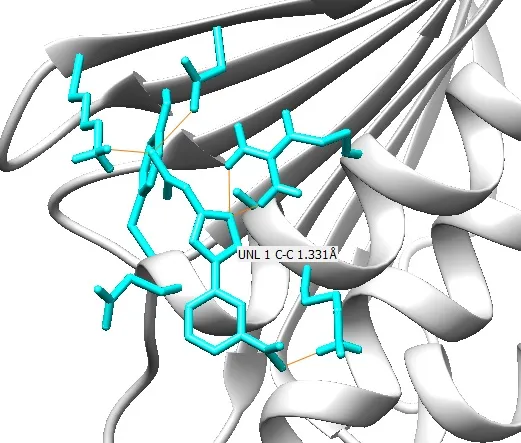
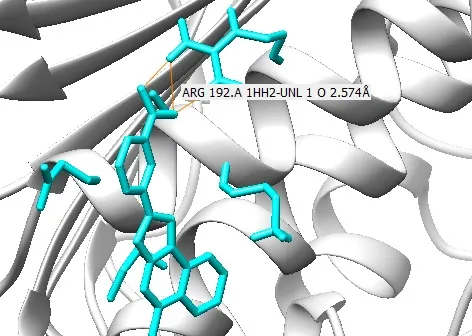
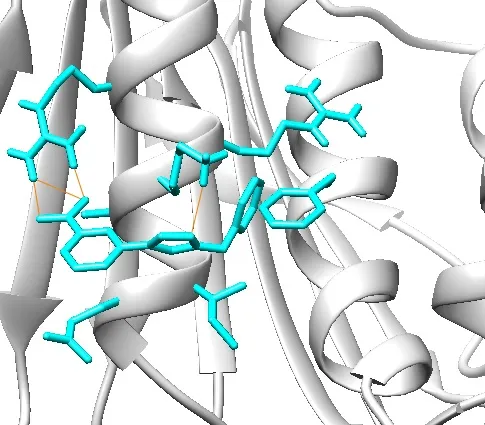
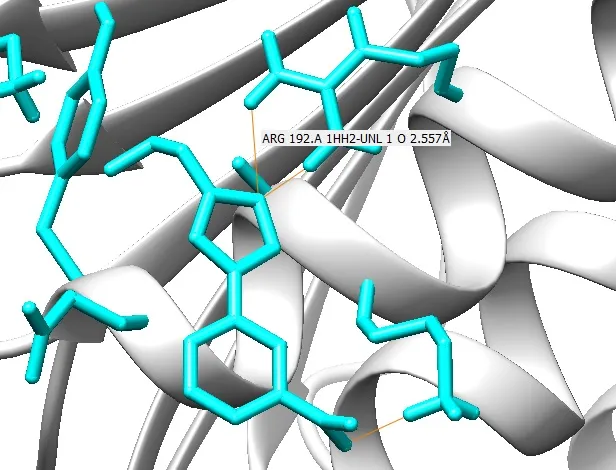
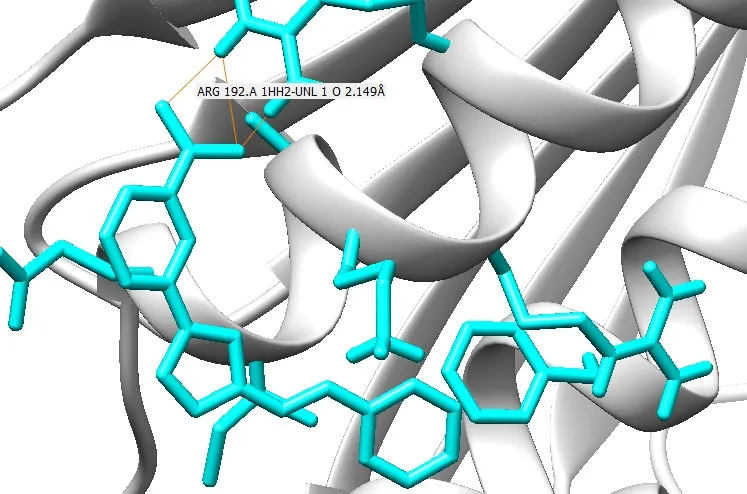
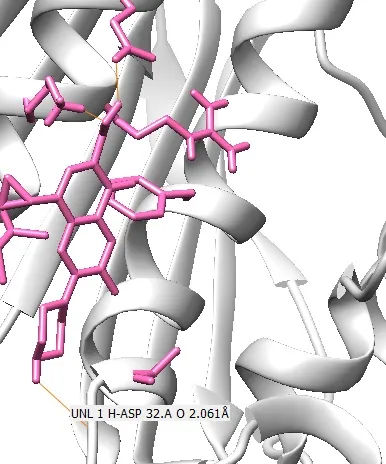
Figure 2: Docking Result of Synthesized Compounds and Standard
4.2 Physical data for synthesized compounds:
4.2.1 Synthesis of N-[4-(3-nitrophenyl)-1,3-oxazol-2-yl]acetamide (IVa):
| IVa | Molecular formula | C11H9N3O4 |
|---|---|---|
| Molecular weight | 247.06 | |
| Solubility | H2O, CH3OH, C2H5OH | |
| Percentage yield | 45% | |
| Melting point (oC) | 210-214oC | |
| Rf | 0.46 (n-hexane:ethanol) |
4.2.2 Synthesis of N-[4-(3-nitrophenyl)-1,3-oxazol-2-yl]benzamide (IVb):
| IVb | Molecular formula | C16H11N3O4 |
|---|---|---|
| Molecular weight | 309.07 | |
| Solubility | H2O, CH3OH, C2H5OH | |
| Percentage yield | 75% | |
| Melting point (oC) | 225-229oC | |
| Rf | 0.55 (n-hexane:ethanol) |
4.2.3 Synthesis of 4-(3-nitrophenyl)-N-phenyl-1,3-oxazol-2-amine (IVc):
| IVc | Molecular formula | C15H11N3O3 |
|---|---|---|
| Molecular weight | 281.08 | |
| Solubility | H2O, CH3OH, C2H5OH | |
| Percentage yield | 85% | |
| Melting point (oC) | 182-186oC | |
| Rf | 0.58 (n-hexane:ethanol) |
4.2.4 Synthesis of N-ethenyl-4-(3-nitrophenyl)-1,3-oxazol-2-amine (IVd):
| IVd | Molecular formula | C11H9N3O3 |
|---|---|---|
| Molecular weight | 231.06 | |
| Solubility | H2O, CH3OH, C2H5OH | |
| Percentage yield | 45% | |
| Melting point (oC) | 158-162 oC | |
| Rf | 0.69 (n-hexane:ethanol) |
4.2.5 Synthesis of N-benzyl-4-(3-nitrophenyl)-1,3-oxazol-2-amine (IVe):
| IVe | Molecular formula | C16H13N3O3 |
|---|---|---|
| Molecular weight | 295.10 | |
| Solubility | H2O, CH3OH, C2H5OH | |
| Percentage yield | 39% | |
| Melting point (oC) | 212-216 oC | |
| Rf | 0.46 (n-hexane:ethanol) |
All the newer oxazole derivatives were synthesized by different chemical reagents. In that two derivatives are more yields. That are IVb (Bezamide derivative) and IVc (Phenyl derivative). Remaining three derivatives are less yields. All the synthesized compounds were varied the melting point and TLC profiling when compared with the second step of the synthesized molecule. All the synthesized molecules were recrystallized from the methnol and the one particular compound is purified by using the COLUMN CHROMATOGRAPHY and that purified compound will characterized by using the different spectroscopic techniques like FTIR, 1H NMR & MASS.
4.3 Spectral data for the synthesized compound 4a:
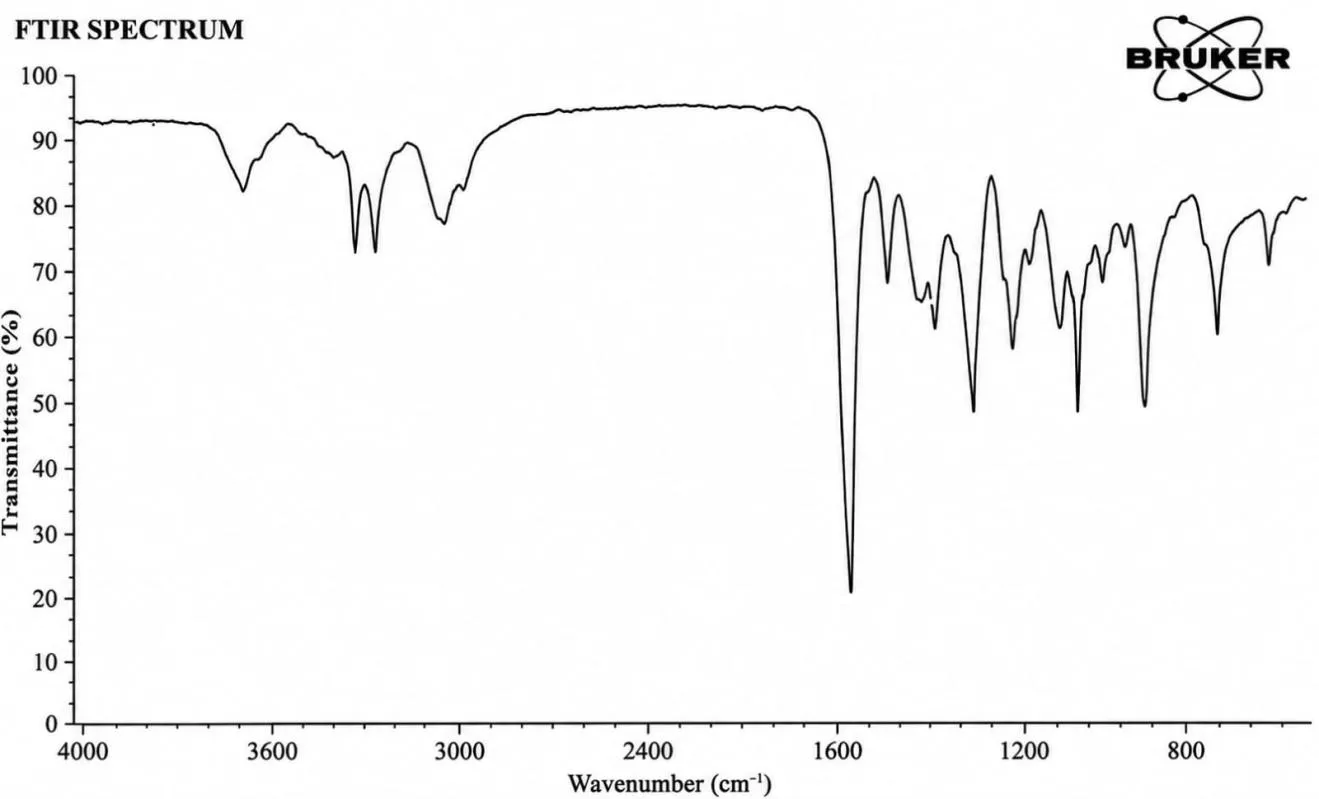
FTIR spectrum: 3620–3590 (O–H stretching), 3430–3380 (C=N/N–H stretching), 3315 and 3250 (Ar–C–H stretching), 3070–3030 (aromatic C–H), 1595–1570 (C=N), 1460–1440 (Ar C=C), 1385–1360 (C–N), 1310–1280 (phenolic C–O), 1240–1210 (C–O–C/C–N), 1165–1135 (C–O), 1080–1045 (C–N), 980–950 (N–N), 910–875 and 735–710 cm⁻¹ (aromatic C–H out-of-plane bending).
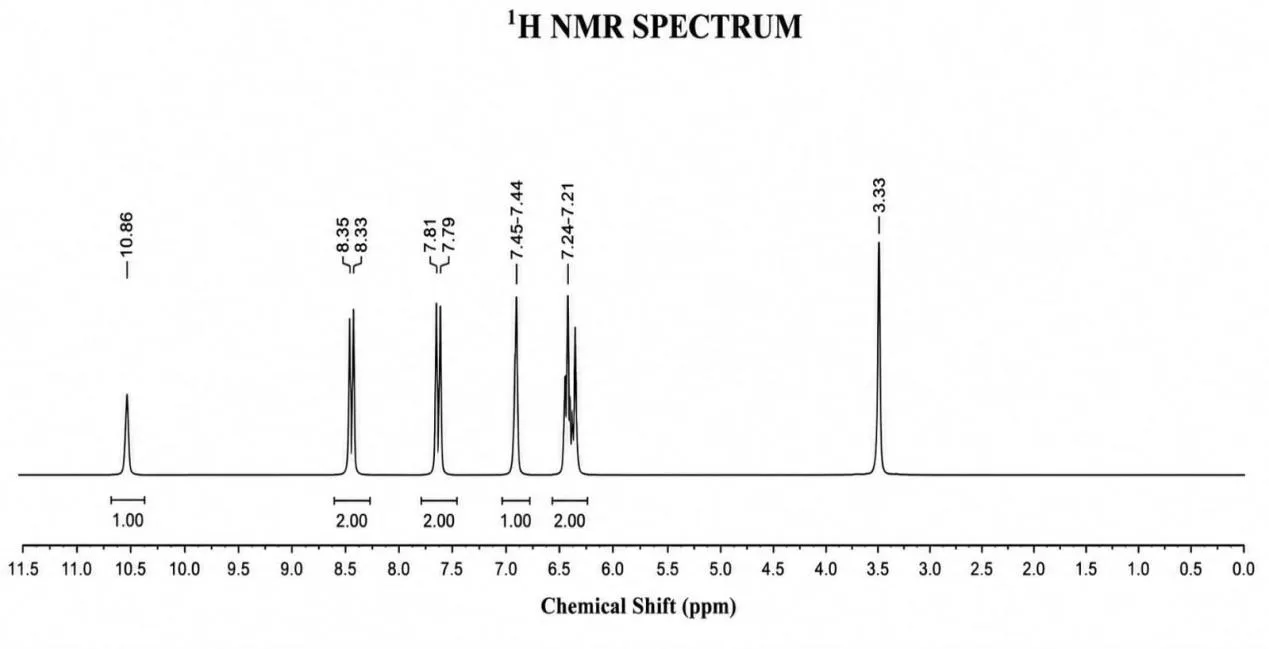
1H NMR spectrum: 10.86 (s, 1H, OH), 8.35–8.33 (d, J ≈ 8 Hz, 2H, Ar–H), 7.81–7.79 (d, J ≈ 8 Hz, 2H, Ar–H), 7.46–7.44 (d, J ≈ 8 Hz, 1H, heteroaromatic H), 7.24–7.21 (d, J ≈ 8 Hz, 2H, Ar–H).
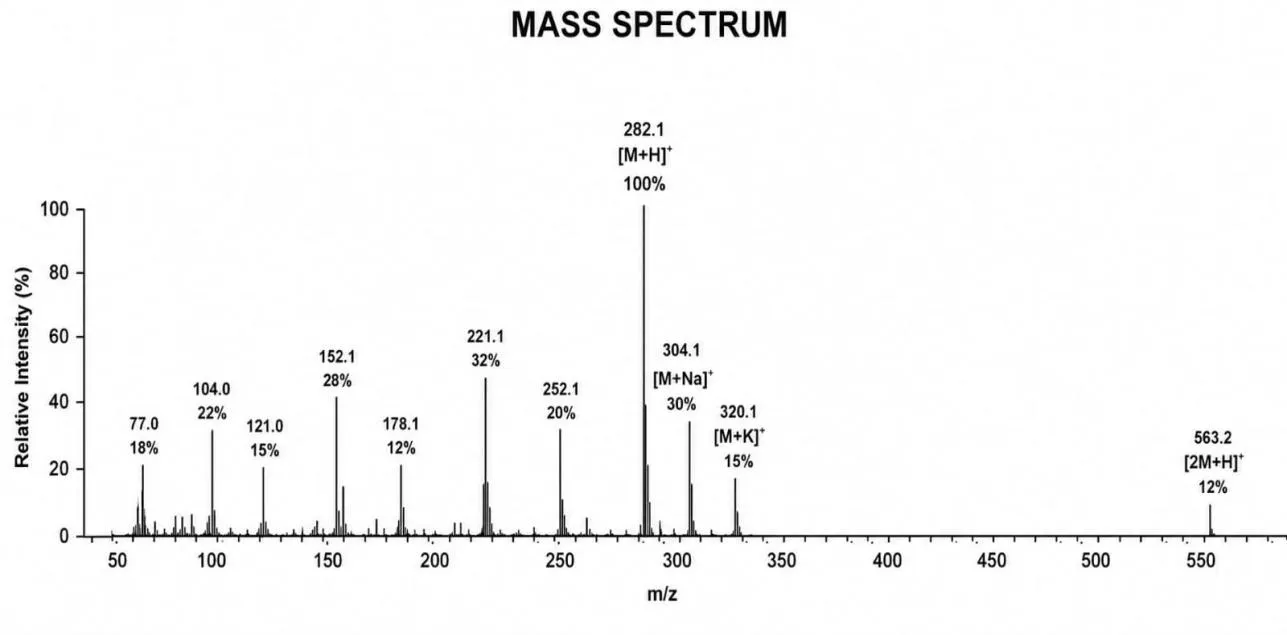
Mass spectrum: 282.01 [M+H]⁺, consistent with the molecular formula C15H11N3O3 (MW = 281.01). Major fragment ions were observed at m/z 249, 213, 178, 149 and 121 corresponding to sequential cleavage of the Anilino-Oxazole linked aromatic portions of the molecule.
By these spectral values conform the compound as 4-(3-nitrophenyl)-N-phenyl-1,3-oxazol-2-amine
4.4 Evaluation of Anti microbial activity:
The antimicrobial screening results are mentioned in Table. Different concentrations (50 μg/ml, 100 μg/ml, 150 μg/ml, 200 μg/ml) were prepared for 5 compounds, the significant activity against Escherichia coli, and Aspergillus niger. In this series compound 4 having high antimicrobial potential among the synthesized compounds may be taken as lead compound for the development of novel antimicrobial agent.
| Compound No. / Concentration | Antimicrobial results (MIC = mm) | |||
|---|---|---|---|---|
| Bacterial species | Fungal species | |||
| Bacillus subtilis | Escherichia coli | Aspergillus niger | ||
| IV a | 50 μg/ml | 2 | 2.5 | 2 |
| 100 μg/ml | 3.5 | 3 | 3 | |
| 150 μg/ml | 5 | 4.5 | 4.5 | |
| 200 μg/ml | 6.5 | 6.5 | 5.5 | |
| IV b | 50 μg/ml | 3 | 3 | 3.5 |
| 100 μg/ml | 4 | 4.2 | 5 | |
| 150 μg/ml | 4.5 | 5 | 5.5 | |
| 200 μg/ml | 5.5 | 5.5 | 6 | |
| IV c | 50 μg/ml | 3.2 | 3 | 3.5 |
| 100 μg/ml | 4.8 | 4.6 | 4.9 | |
| 150 μg/ml | 5 | 5.5 | 5 | |
| 200 μg/ml | 6.1 | 6 | 5.8 | |
| IV d | 50 μg/ml | 3.8 | 3.6 | 3.4 |
| 100 μg/ml | 4.5 | 4.8 | 4.3 | |
| 150 μg/ml | 5.8 | 5.6 | 5.6 | |
| 200 μg/ml | 6.2 | 6.8 | 6.7 | |
| IV e | 50 μg/ml | 3.1 | 3.5 | 3.9 |
| 100 μg/ml | 4.8 | 4.9 | 4.7 | |
| 150 μg/ml | 5.5 | 5.8 | 5.3 | |
| 200 μg/ml | 6.8 | 6.7 | 6.9 | |
| Ciproflaxin | 4.2 | 4.8 | -- | |
| Fluconazole | -- | -- | 5.4 | |
CONCLUSION
In this study, new oxazole derivatives were designed and synthesized. These oxazole derivatives were evaluated for their antimicrobial activity. In vitro antimicrobial results demonstrated that compounds showed most promising antimicrobial activity against selected microbial species than the standard drugs and these compounds may be taken as lead compound for further development of novel antimicrobial agents.
REFERENCES



Mittapally Pavan, Dr. M. Ajitha, Guduru Sai Krishna, Design, Synthesis and Characterization of Novel Oxazole Derivatives for Evaluation of Antifungal Activity, Int. J. of Pharm. Sci., 2026, Vol 4, Issue 11, 348-360. https://doi.org/
 10.5281/zenodo.23922952