

We use cookies to ensure our website works properly and to personalise your experience. Cookies policy
Dayanand Institute of Pharmacy, Latur.
Pharmaceutical packaging must preserve the quality, safety and performance of medicinal products throughout manufacturing, transport and storage. Moisture and oxygen resistance can be especially important for dosage forms containing moisture-sensitive or oxidation-sensitive ingredients. Conventional polymeric and multilayer packaging systems provide useful mechanical and barrier functions, but their environmental pollution/damage and end-of-life management have encouraged research into renewable and biodegradable materials. This critical narrative review examines natural biopolymers and multilayer design strategies relevant to pharmaceutical packaging, with emphasis on starch, chitosan, cellulose-based reinforcement, glycerol plasticization and hydrophobic lipid coatings such as beeswax. Literature on chitosan–starch blends, cellulose/chitosan nanocomposites, chitosan–beeswax films and starch–beeswax structures suggests that composition and architecture can influence mechanical properties, water uptake and gas transmission. However, findings from food-packaging films cannot automatically be translated to pharmaceutical primary packaging because drug compatibility, extractables and leachables, microbial quality, stability, seal integrity and regulatory qualification require separate evaluation. A key distinction is made between water absorption, water-vapour transmission rate (WVTR), water-vapour permeability (WVP) and oxygen transmission rate (OTR); these parameters are related but not interchangeable. The review proposes a staged research framework for a chitosan–starch–MCC film with a beeswax-based coating, including formulation screening, structural and mechanical characterization, direct barrier testing, model-product protection studies and environmental assessment.
Packaging is part of the pharmaceutical product system rather than a passive container. It can provide containment, protection from environmental exposure, identification, information, tamper evidence and, where needed, protection against light, microbial contamination or accidental access. Packaging performance may influence product stability and usability over the intended shelf life. A material that is renewable or biodegradable is not acceptable for medicinal use solely because of its environmental profile: it must also protect the product and meet relevant quality and safety requirements. Conventional packaging uses glass, metals, paperboard and a range of synthetic polymers, often in combinations selected for barrier performance, processability, sealability and cost. Flexible laminates may combine polymer films with aluminium foil or other functional layers. These structures can be difficult to separate for recycling, while mixed-material waste streams and persistent plastics raise broader environmental concerns. Nonetheless, replacing conventional pharmaceutical packaging is more complex than replacing a generic consumer wrapper. Medicinal products have specific stability requirements and the package may be integral to the validated container-closure system.
Biopolymers obtained from renewable biological resources are being studied as films, coatings, fibres, fillers and multilayer components. Starch is abundant and inexpensive; chitosan offers film-forming capability and a cationic polysaccharide structure; cellulose and its derivatives can provide stiffness and reinforcement; and lipids such as beeswax can reduce surface wetting and water-vapour transfer when used appropriately. These materials are not universally superior to conventional polymers. Hydrophilic polysaccharides can absorb water, swell, become less mechanically stable at high relative humidity and show variable barrier performance. Plasticizers improve flexibility but can also increase mobility and water affinity. Natural feedstock variability and processing differences further complicate comparison.
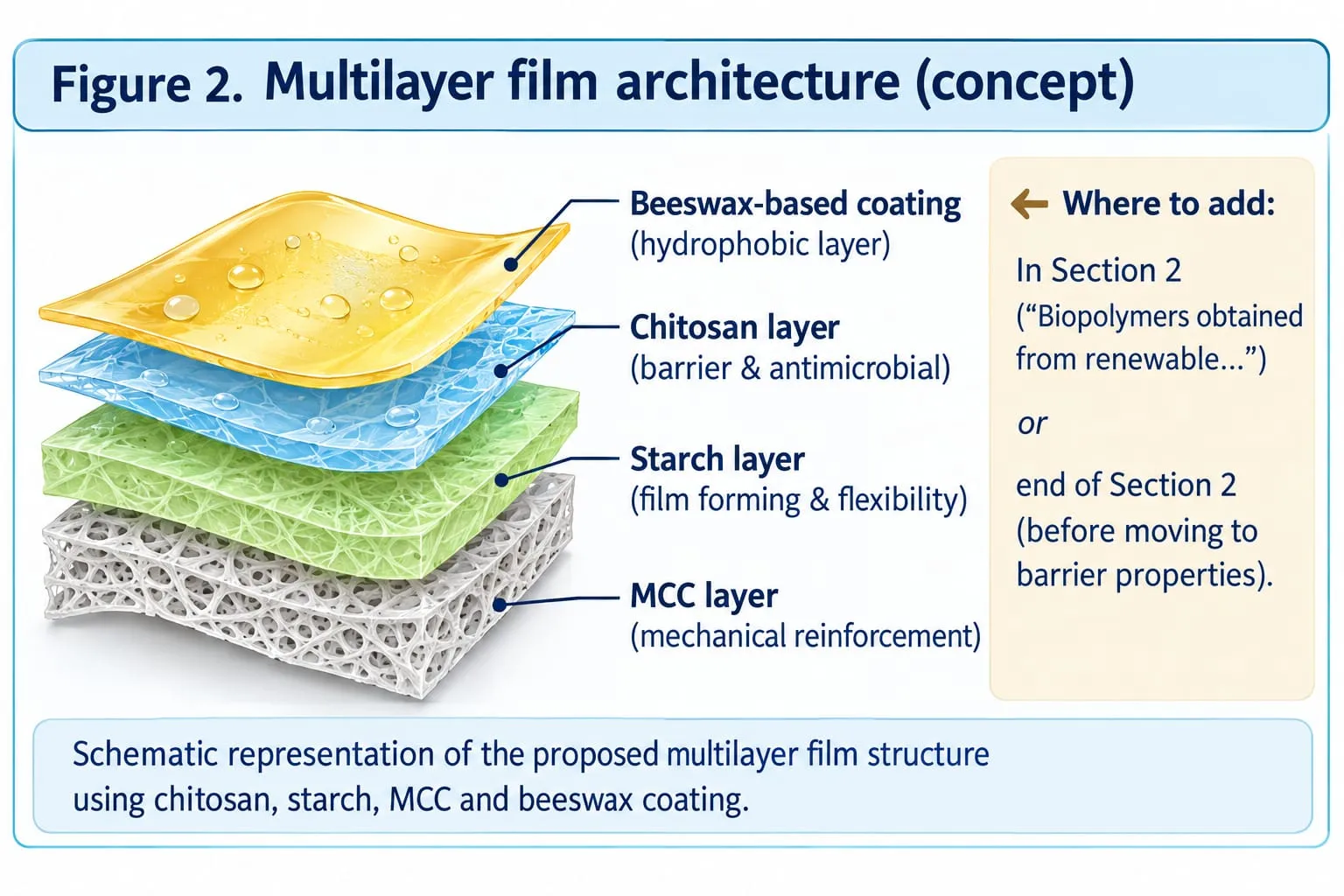
Figure 1: Schematic Representation of the Proposed Multilayer Film Structure Using Chitosan, Starch, MCC and Beeswax Coating
Multilayer design is a rational strategy because one material rarely provides all required functions. A hydrophilic structural layer can provide film formation and mechanical continuity; a reinforcing phase can modify strength and dimensional stability; and a hydrophobic surface layer can reduce liquid-water affinity or moisture transfer. Layer-by-layer assembly of chitosan and cellulose nanocrystals has been investigated for oxygen-barrier applications, while chitosan–beeswax and starch–beeswax systems have been explored to improve moisture resistance. Such results are promising but formulation-specific. A wax coating that reduces water uptake does not necessarily reduce oxygen transmission, and performance depends on defects, thickness, humidity, interfacial adhesion and the underlying substrate.
This review focuses on the design logic and evidence needed for natural biopolymer films intended for pharmaceutical packaging. It also links published material science to a feasible student-level research direction using chitosan, starch, MCC, glycerol and beeswax. The goal is not to claim a finished solution, but to define what current evidence supports, what remains uncertain and how to test the material rigorously.
2. Pharmaceutical packaging requirements and sustainability.
2.1 Functional requirements.
A pharmaceutical packaging system must be appropriate for the dosage form, route of administration, storage conditions and intended shelf life. Relevant functions may include containment, protection against water vapour, oxygen, light and contamination, mechanical protection, tamper evidence, child resistance, patient convenience and reliable labelling. Not every package requires the same barrier profile. A moisture-sensitive tablet, an oxygen-sensitive powder and a sterile injectable product have different risk profiles and cannot be treated as interchangeable use cases.
Material performance must be assessed as a system. Film permeability alone does not account for package seams, closures, pinholes, folds, seal defects or the geometry of the final pack. The container-closure system may also interact with the drug product during manufacturing, transport, storage and use. USP chapters addressing plastic materials and packaging systems and the FDA’s container-closure guidance provide examples of the type of qualification and compatibility issues that must be considered. Regulatory expectations vary by jurisdiction and product; a new biopolymer film should not be described as approved or suitable for direct pharmaceutical contact without supporting evidence.
2.2 Sustainability is a life-cycle question.
Renewable origin, biodegradability, compostability, recyclability and low environmental impact are different attributes. A material can be bio-based but not readily biodegradable; a biodegradable film may require specific industrial composting conditions; and a multilayer package can be difficult to recycle if its layers cannot be separated. The end-of-life route depends on polymer chemistry, additives, coating, thickness, local waste infrastructure and the environment in which degradation occurs.
Life-cycle assessment (LCA) can compare feedstock sourcing, water and energy use, manufacturing emissions, transport, package mass, product losses and end-of-life pathways. In pharmaceutical packaging, the analysis should also consider the consequence of inadequate protection: if a lower-barrier package increases product degradation or wastage, the environmental benefit of the package may be reduced. Therefore, “green” should be supported by defined environmental criteria rather than used as a synonym for natural.
2.3 Why a multilayer structure may help.
A multilayer film separates functions that may otherwise conflict. The structural layer can provide cohesion and handling; reinforcement can improve stiffness or tensile behaviour; and a hydrophobic coating can reduce direct contact with water. In an ideal structure, each layer is continuous, adheres to neighbouring layers and has a defined contribution to performance. The design may fail if the coating cracks during folding, if the layers delaminate, if the hydrophobic phase forms droplets rather than a continuous barrier, or if humidity changes the substrate’s dimensions.
The term “multilayer” should be reserved for a structure in which distinct layers are deliberately formed, coated, laminated or assembled. If all ingredients are mixed into one casting solution and dried together, the product is more accurately described as a blend or composite film. This distinction matters because the preparation method determines morphology and interpretation of the results.
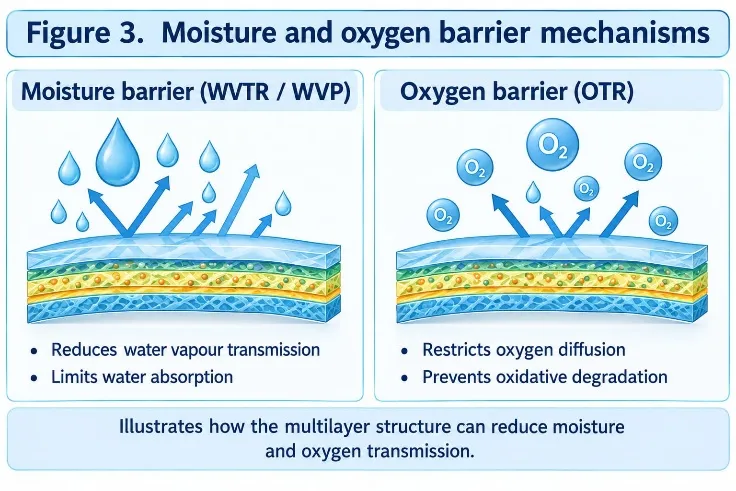
Figure 2: Moisture and Oxygen Barrier Mechanism
3. Natural biopolymers relevant to the proposed film.
3.1 Starch.
Starch is a plant-derived polysaccharide composed mainly of amylose and amylopectin. It is attractive because it is widely available, relatively low-cost and capable of forming films after gelatinization and drying. Starch films can be produced by solution casting and other processes, but their properties depend on starch source, amylose-to-amylopectin ratio, solids concentration, gelatinization, drying conditions and plasticizer content.
The major limitation is sensitivity to moisture. Hydroxyl groups support hydrogen bonding with water, so the film can absorb moisture, swell and lose mechanical integrity under humid conditions. Starch films can also become brittle during storage because polymer chains rearrange or retrograde. Glycerol and other plasticizers improve flexibility by increasing chain mobility, but may also raise water affinity and change permeability. Thus, the best plasticizer concentration is a compromise rather than a universal optimum.
Blending starch with chitosan or cellulose-derived materials can change strength, film continuity and transport properties. However, a favourable result in one formulation should not be generalized to every starch source or ratio. The final material should be evaluated at controlled relative humidity and temperature, and the method should report thickness and conditioning history.
3.2 Chitosan.
Chitosan is obtained by partial deacetylation of chitin and contains amino and hydroxyl groups. It can form films and coatings, and its protonated amino groups in acidic conditions influence solubility and interactions with other polymers. Chitosan-based films have been widely investigated in packaging research, including composite, coating, layer-by-layer and active-film approaches.
Pure chitosan films can have useful gas-barrier performance under relatively dry conditions because of dense polymer-chain packing and intermolecular interactions. Their performance may decline when water plasticize the matrix. Chitosan solubility, molecular weight and degree of deacetylation, as well as acid type and concentration, influence the final structure. In a chitosan–starch blend, compatibility and hydrogen bonding may improve film formation or mechanical performance, but the effect depends on composition and preparation.
Antimicrobial activity reported for chitosan in food systems should not be treated as evidence that a chitosan pharmaceutical package is antimicrobial in a validated sense. The activity depends on molecular properties, pH, concentration and test organism. If an antimicrobial claim is relevant, it needs a defined test method and should not replace microbiological quality controls for medicinal products.
3.3 Cellulose and microcrystalline cellulose.
Cellulose is a structural polysaccharide with extensive hydrogen bonding and a relatively rigid chain structure. Cellulose derivatives and cellulose nanomaterials have been used to reinforce polymer films and modify their barrier properties. Nanocellulose can create a tortuous path for diffusing molecules and can improve mechanical properties at suitable loadings and dispersion quality. The performance depends on crystallinity, aspect ratio, surface chemistry, particle dispersion and moisture content.
Microcrystalline cellulose (MCC) is not equivalent to cellulose nanocrystals or nanofibrillated cellulose. MCC is a particulate cellulose material commonly used as a pharmaceutical excipient, while nanocellulose has nanoscale dimensions and often a high aspect ratio. Evidence that cellulose nanocrystals improve oxygen barrier in a nanolayer cannot be directly transferred to a formulation containing ordinary MCC. MCC may reinforce a film if well dispersed, but poorly dispersed particles can create aggregates, voids or stress-concentration points. It may also alter water uptake and permeability in ways that depend on the matrix.
For a student-level project, commercially available MCC is more practical than preparing nanocellulose. The article should explicitly identify the grade and particle-size specifications used and avoid calling MCC “nanocellulose” unless the material is actually nanoscale.
3.4 Glycerol and plasticization.
Glycerol is a low-molecular-weight plasticizer used to reduce brittleness in starch-rich and other hydrophilic films. It modifies intermolecular interactions and increases polymer-chain mobility. In general, greater plasticizer content can increase elongation and flexibility but may reduce tensile strength and increase water affinity. The direction and magnitude of changes depend on the polymer system, relative humidity and drying conditions.
Plasticizer concentration should be expressed clearly, preferably relative to polymer dry mass as well as in the preparation recipe. In comparisons across studies, a percentage without a defined basis can be misleading. The project should hold glycerol constant during the first screening stage if beeswax coating is the primary variable.
3.5 Beeswax and hydrophobic coatings.
Beeswax is a lipid-rich, hydrophobic material that can be applied as a coating or dispersed in a polymer matrix. A hydrophobic surface can reduce wetting and, in some structures, lower water-vapour transmission. Velickova et al. investigated chitosan films with beeswax coatings and emulsion-based formulations, reporting improved water-vapour barrier behaviour for selected structures. Continuous casting research on starch/beeswax films also indicates that wax content and phase morphology influence surface wettability and WVP.
Wax coating is not a guaranteed solution. Poor dispersion, discontinuous coverage, pinholes, brittle wax domains and weak adhesion can reduce performance. A thicker coating may reduce water transfer but may also affect flexibility, surface feel, sealing, appearance and manufacturability. Emulsifiers may be needed to create a stable coating dispersion, but their identity and amount must be documented because they can influence moisture uptake and film morphology.
Most importantly, hydrophobicity does not equal oxygen impermeability. Water contact angle, water absorption, WVTR/WVP and OTR measures different properties. A wax coating may be useful for moisture control, but oxygen protection must be evaluated by a suitable OTR method under defined conditions.
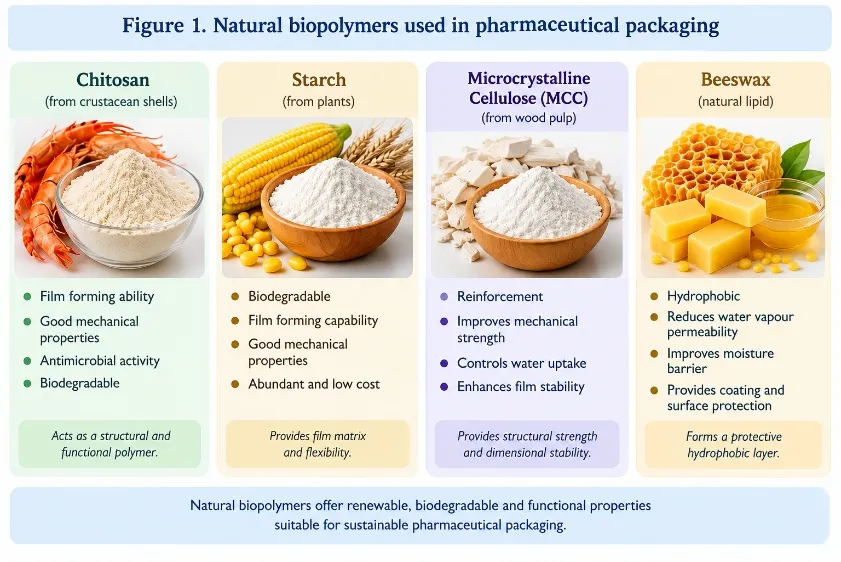
Figure 3: Natural Biopolymers Used in Pharmaceutical Packaging.
4. Film architecture: blend, composite, coating and multilayer.
Four common structures should be distinguished. A blend film contains two or more polymers mixed before casting. A composite film includes a polymer matrix plus a dispersed reinforcement or functional phase. A coated film is formed when a surface layer is applied to a pre-existing substrate. A multilayer film contains two or more deliberately differentiated layers, typically formed sequentially or laminated. The terminology should reflect the actual manufacturing process rather than the intended design.
A possible concept for the proposed system is a chitosan–starch matrix with dispersed MCC, plasticized using glycerol, and then coated with a beeswax-based layer. If MCC is mixed into the structural casting solution, it functions as a filler/reinforcement within that layer; it is not a separate layer. If the beeswax is applied after the base film has dried, the result may be described as a coated or bilayer structure, provided a distinct coating is confirmed. If the wax is mixed throughout the casting solution, the material is a composite or emulsified film rather than a multilayer film.
Layer order may matter. A wax-rich outer surface could limit direct wetting, while the polysaccharide layer provides cohesion and handling. In other designs, the hydrophobic layer may be placed on the product-facing side, the external side, or both sides. Selection should be based on product compatibility, coating stability, sealing requirements and the direction of moisture transfer. For a pharmaceutical package, the product-contact layer must be assessed for migration, extractables and leachables and must not adversely affect the product.
Layer interfaces are critical. Differences in swelling between hydrophilic and hydrophobic layers can cause cracks or delamination under humidity cycling. Adhesion testing, microscopy and flexing after conditioning can help identify failure modes. If advanced imaging is unavailable, careful surface inspection and a standardized tape/peel screening may provide preliminary evidence, but should not be presented as a validated adhesion test.
5. Moisture and oxygen barrier: definitions and measurement.
5.1 Water absorption, solubility, WVTR and WVP.
Water absorption is the mass gained by a specimen during a defined exposure to water or humid air. Water solubility or water resistance describes the extent to which a specimen dissolves, disintegrates or loses mass under a specified test. WVTR is the mass of water vapour passing through a unit area of material per unit time under specified conditions. WVP is a normalized material property calculated by accounting for thickness and vapour-pressure difference, subject to the assumptions of the selected method. These measurements are related but not interchangeable.
A film can show low water absorption in a short immersion test but still have a relatively high WVTR under a vapour-pressure gradient. Conversely, a surface coating can reduce wetting without completely preventing vapour transmission. Comparisons require defined temperature, relative humidity on both side, exposed area, thickness, conditioning, test duration and calculation method. ASTM E96/E96M is a commonly used method for water-vapour transmission of materials; the applicable version and exact procedure should be checked before use.
5.2 Oxygen transmission rate and oxygen permeability.
OTR measures the amount of oxygen transmitted through a defined area over time under specified test conditions. Oxygen permeability is a material property derived from transmission data with appropriate normalization, depending on the method and assumptions. Oxygen transport is influenced by polymer free volume, chain mobility, crystallinity, humidity, temperature, thickness and structural defects. For hydrophilic films, moisture can plasticize the matrix and substantially alter gas-barrier performance.
An oxygen barrier claim requires direct measurement using an appropriate instrument or a collaborating laboratory. If the college does not have an OTR analyser, the manuscript or project report should say that OTR was not measured. It is not scientifically acceptable to infer an improved oxygen barrier solely from lower water uptake, a higher water contact angle or a wax coating. Published chitosan/cellulose nanocrystal layer-by-layer systems and cellulose acetate/chitosan composites provide proof that certain structures can reduce oxygen transmission, but they differ from the proposed starch/MCC/beeswax formulation.
5.3 Mechanical and physical properties.
Thickness, tensile strength, elongation at break, Young’s modulus, puncture resistance, folding endurance and surface defects influence whether a film can be handled and whether its barrier performance survives use. Film thickness should be measured at multiple points and reported as mean with variability. Mechanical results should include the specimen dimensions, conditioning conditions, test speed, sample count and instrument where available. A simple folding-endurance test can support early screening, but is not equivalent to a tensile test.
Optical properties may matter when product visibility, printing or light protection is required. Thermal behaviour and chemical structure may be characterized using DSC, TGA, FTIR, XRD or microscopy if instruments are available. These advanced methods are useful but not mandatory for every initial feasibility project. A transparent account of available equipment and limitations is preferable to claiming characterization that was not performed.
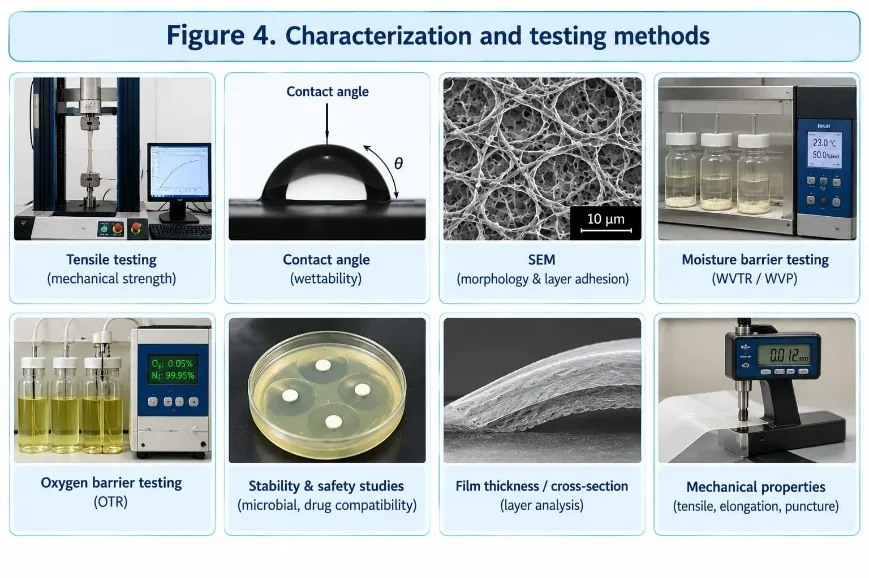
Figure 4: Characterization and Testing Methods
6. Evidence from published film studies.
Published studies demonstrate that biopolymer film properties are strongly formulation-dependent. Akter et al. reported that chitosan-reinforced starch films exhibited changes in thermomechanical and barrier properties as chitosan content changed. Xu et al. studied chitosan–starch composite films and evaluated tensile properties and water-vapour transmission, supporting the value of blend formulation as a design variable. These studies are relevant to the proposed matrix, but neither alone validates the exact combination of starch, chitosan, MCC, glycerol and beeswax.3 Nov 2026
Layer-by-layer assembly of chitosan and cellulose nanocrystals has been investigated as a way to tune oxygen-barrier performance on a substrate. The study is particularly useful for illustrating that nanoscale architecture and number of bilayers can influence barrier behaviour. It should not be cited as direct proof that ordinary MCC in a bulk-cast film improves oxygen barrier to the same degree. Similarly, Khan et al. investigated nanocrystalline cellulose-reinforced chitosan films, reporting changes in mechanical and barrier properties.
Velickova et al. examined chitosan–beeswax multilayer and emulsion-based films, showing that wax architecture can affect water-vapour resistance and mechanical properties. Research on starch/beeswax continuous casting has also explored how wax fraction and morphology influence the wettability and WVP. These results support the rationale for studying hydrophobic coating level, but they also highlight the need to control dispersion and layer continuity.
Cellulose-based film reviews describe cellulose derivatives as versatile film materials, while noting that humidity, processing and surface chemistry strongly affect the final properties. Research on cellulose acetate/chitosan composites further indicates that oxygen and water resistance can be engineered through specific composition and surface modification. Again, these outcomes arise from defined structures and should not be transferred directly to a different film formulation.
Recent reviews of biopolymer-based functional films summarize composite, emulsified and multilayer strategies, including the use of polysaccharides, proteins and lipids to balance mechanical, optical, moisture and gas-barrier functions. Much of this evidence comes from food packaging. It is valuable for material design, but pharmaceutical applications add requirements for product-specific compatibility, migration, stability and quality-system control.
The four supplied documents contribute complementary context. Jackman et al. map sustainable pharmaceutical packaging innovations and identify implementation barriers. Popović et al. discuss the promise and constraints of biopolymer materials in the pharmaceutical industry. More et al. provide a broad overview of biodegradable plastics, including starch and cellulose, but their article should be used as background rather than as the sole technical evidence for detailed barrier claims. The project-plan document provides a practical starting formulation and screening plan, not published validation data.
7. Proposed development framework for a chitosan–starch–MCC/beeswax film.
7.1 Research question and hypothesis.
A suitable research question is: “How does a controlled beeswax-based surface-coating level affect the physical integrity and moisture-barrier performance of a chitosan–starch–MCC film under defined laboratory conditions?” This question is narrower and easier to test than claiming improvement in both moisture and oxygen barrier properties at the outset.
The working hypothesis is that a continuous hydrophobic coating may reduce surface wetting and water-vapour transfer compared with an uncoated base film, while coating level may influence flexibility, adhesion and visible defects. This hypothesis must be tested experimentally. Oxygen-barrier performance should be treated as a separate endpoint and only included as a primary objective if OTR measurement can be arranged.
| Code | Base polymer system | Beeswax level | Purpose |
|---|---|---|---|
| F0 | Chitosan + starch + MCC + glycerol | 0 (uncoated control) | Baseline film performance |
| F1 | Same base composition | Low coating level | Initial coating response |
| F2 | Same base composition | Medium coating level | Compare barrier and flexibility |
| F3 | Same base composition | Higher coating level | Identify excess-coating defects or trade-offs |
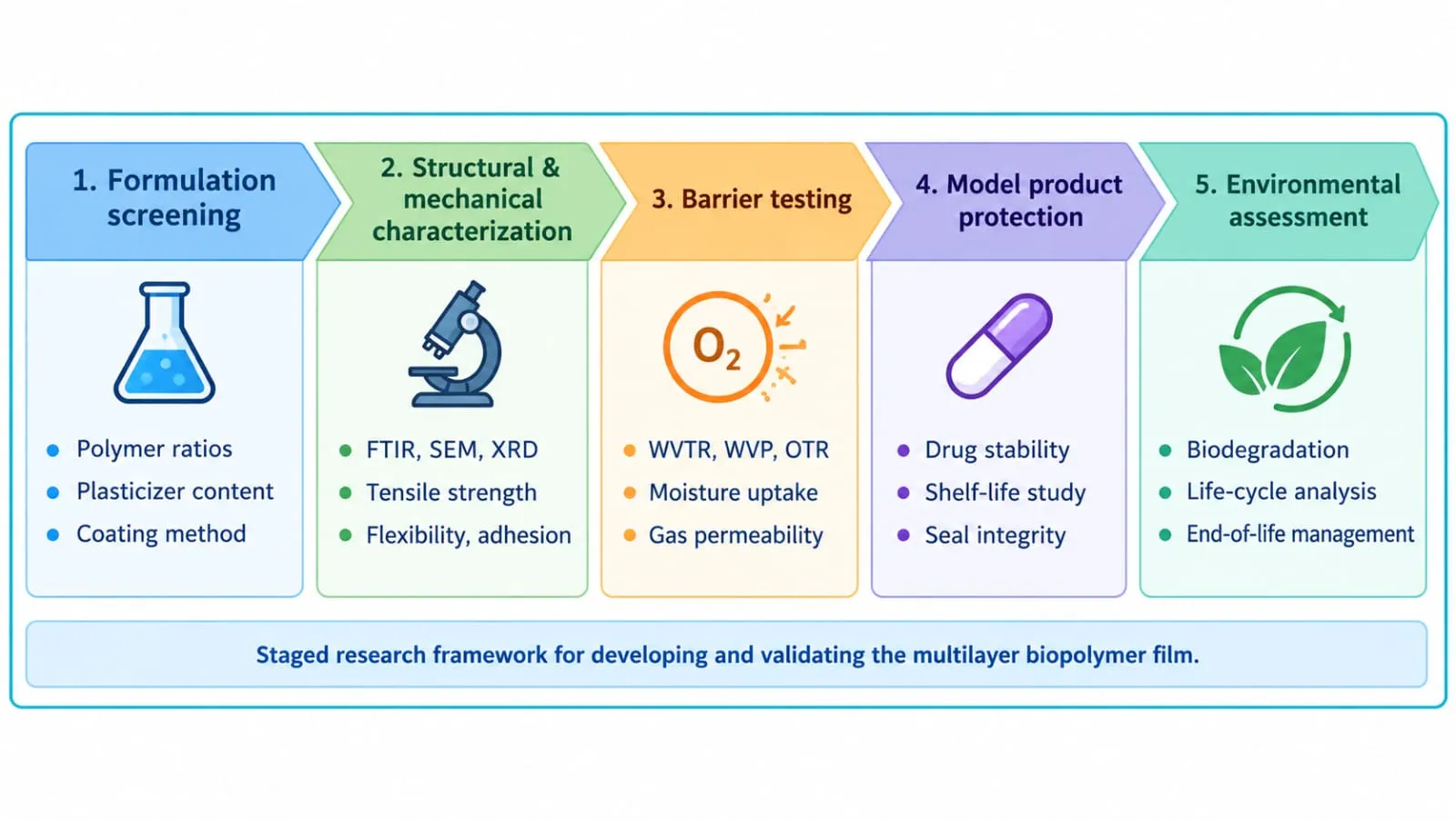
Figure 5: Development Framework of Film
7.2 Starting formulation and controls.
The supplied project plan proposes a preliminary formulation containing chitosan, starch, MCC and glycerol, with beeswax varied across control and test batches. The suggested amounts are a starting point for feasibility trials only, not an optimized or validated recipe. Before experimentation, the supervisor should review material grades, solution volumes, acid concentration, casting area, drying temperature and time, coating preparation, safety and waste disposal.
The exact coating levels should be selected after preliminary trials and reported as mass of wax per unit area or another reproducible measure. Simply reporting wax mass added to a batch may not reveal the coating thickness or amount actually deposited. If an emulsifier is used, its identity and concentration should be held constant across the coated groups.
7.3 Manufacturing variables to standardize.
The process should record the source and grade of each raw material; solution concentration; pH or acid concentration; mixing order, speed and duration; temperature during gelatinization and blending; degassing procedure; casting volume and area; drying conditions; coating method; coating mass per unit area; conditioning time; and film storage conditions before testing. The independent variable should be changed deliberately while other parameters are held constant.
If a distinct beeswax layer is intended, the base film should first be formed and dried before coating. If the wax is emulsified into the polymer mixture, the final product should be described as an emulsified composite film unless structural characterization supports a separate layer. The term multilayer should be supported by process description and, where possible, cross-sectional evidence.
7.4 Evaluation plan.
| Test | Purpose | Minimum reporting | Key limitation |
|---|---|---|---|
| Appearance and coating uniformity | Detect cracks, bubbles, pinholes, uneven wax or delamination | Standardized photographs; qualitative score | Visual inspection does not quantify barrier performance |
| Thickness | Control a major determinant of transmission and mechanics | Multiple positions; mean ± SD | Thickness variation can confound comparisons |
| Water absorption | Screen response to defined water exposure | Initial/final mass, time, temperature and method | Not equivalent to WVTR or WVP |
| Water solubility/ resistance | Assess swelling, disintegration or mass loss | Exposure conditions and drying method | Method-specific; avoid overgeneralization |
| WVTR/WVP | Quantify water-vapour transport | Standard/method, RH, temperature, area, thickness, units | Requires controlled conditions and correct calculations |
| Mechanical properties | Assess handling strength and flexibility | Tensile strength/elongation or defined folding method | Folding endurance is a screening test only |
| OTR | Directly test oxygen transmission | Instrument/method, RH, temperature, thickness and units | Cannot be inferred from hydrophobicity |
| Model-product protection | Compare package-associated product changes | Controls, storage conditions, time points, mass/appearance data | Not a substitute for formal stability studies |
| Soil-burial or biodegradation screen | Explore mass change in a defined environment | Soil conditions, replicates, duration and mass change | Does not establish certified compostability |
7.5 Replication and data analysis.
Where feasible, prepare at least three independently produced specimens or batches per formulation. Multiple measurements from one film are technical replicates and should not be confused with independent batches. Report the number of independent samples, mean and standard deviation, and the statistical test used. Use an appropriate comparison after checking the design and assumptions. Avoid reporting statistical significance from a very small or non-independent sample set. Provide raw data or supplementary tables if the target journal expects them.
7.6 Model-product moisture protection.
A model-product study may compare a supervisor-approved moisture-sensitive model solid dosage form stored in conventional packaging, an uncoated biopolymer film and a coated film under the same controlled conditions. Potential observations include product appearance, mass change, visible damage and an appropriate dosage-form quality parameter. The study should use safe, suitable materials and identical initial conditions. A short model experiment can show feasibility only; it cannot establish shelf life, regulatory suitability or commercial protection.
A meaningful comparison requires a realistic package configuration. Wrapping a product loosely in a film may not reproduce a sealed pouch or blister. If the film cannot be sealed reliably, the result may reflect package leakage rather than the intrinsic permeability of the material. The manuscript should state this limitation clearly.
7.7 Oxygen protection.
OTR should be measured by a suitable instrument using a recognized method, or through a collaborating laboratory. If this is not possible, oxygen barrier should be described as an untested research question. It is acceptable to say that published work on related chitosan/cellulose systems supports further investigation of oxygen-barrier design. It is not acceptable to report an assumed percentage improvement or to claim the proposed formulation is oxygen-resistant without direct evidence.
8. Critical discussion: likely benefits and trade-offs.
The principal potential benefit of a natural biopolymer film is the opportunity to use renewable feedstocks and design a package with a defined end-of-life pathway. A multilayer architecture may allow each layer to be optimized for a particular function. Solution casting can be accessible for laboratory feasibility work, and the proposed ingredients are familiar materials in polymer and pharmaceutical-excipient research. These benefits remain conditional on material sourcing, reproducibility, safety and actual environmental performance.
The most important technical trade-off is between barrier performance and mechanical integrity. A more hydrophobic surface may reduce water interaction but could crack during bending or adhere poorly. Greater plasticizer content can increase flexibility but may increase water affinity. Higher filler content may improve stiffness or strength but create agglomerates and defects. Increased thickness may lower transmission per unit area but increase material use and affect drying or flexibility. A useful formulation is therefore one that balances multiple measured attributes rather than maximizing a single metric.
Humidity is a major confounding variable. Hydrophilic matrices may behave differently when tested at low and high relative humidity. A film that performs well under dry conditions may not retain the same properties during tropical storage. For a product intended for use in India or other humid climates, conditioning and testing should reflect plausible storage conditions, while the eventual packaging specification must be based on the product’s stability requirements.
Scale-up introduces further challenges. Laboratory casting produces a small film under relatively static conditions; industrial coating or extrusion involves different shear, drying gradients, line speeds, thickness control and defect rates. A wax emulsion that appears uniform in a Petri dish may separate or coat unevenly in continuous processing. Process economics should include raw material cost, coating energy, drying time, throughput, quality-control requirements and rejected film.
The pharmaceutical context requires caution in the use of “biocompatible” and “non-toxic.” A natural origin does not establish that a material is safe for every route or product. Extractables and leachables, residual acids, emulsifiers, degradation products, microbial growth, allergen concerns and interactions with active pharmaceutical ingredients may be relevant. Contact materials must be assessed according to the specific application and regulatory pathway.
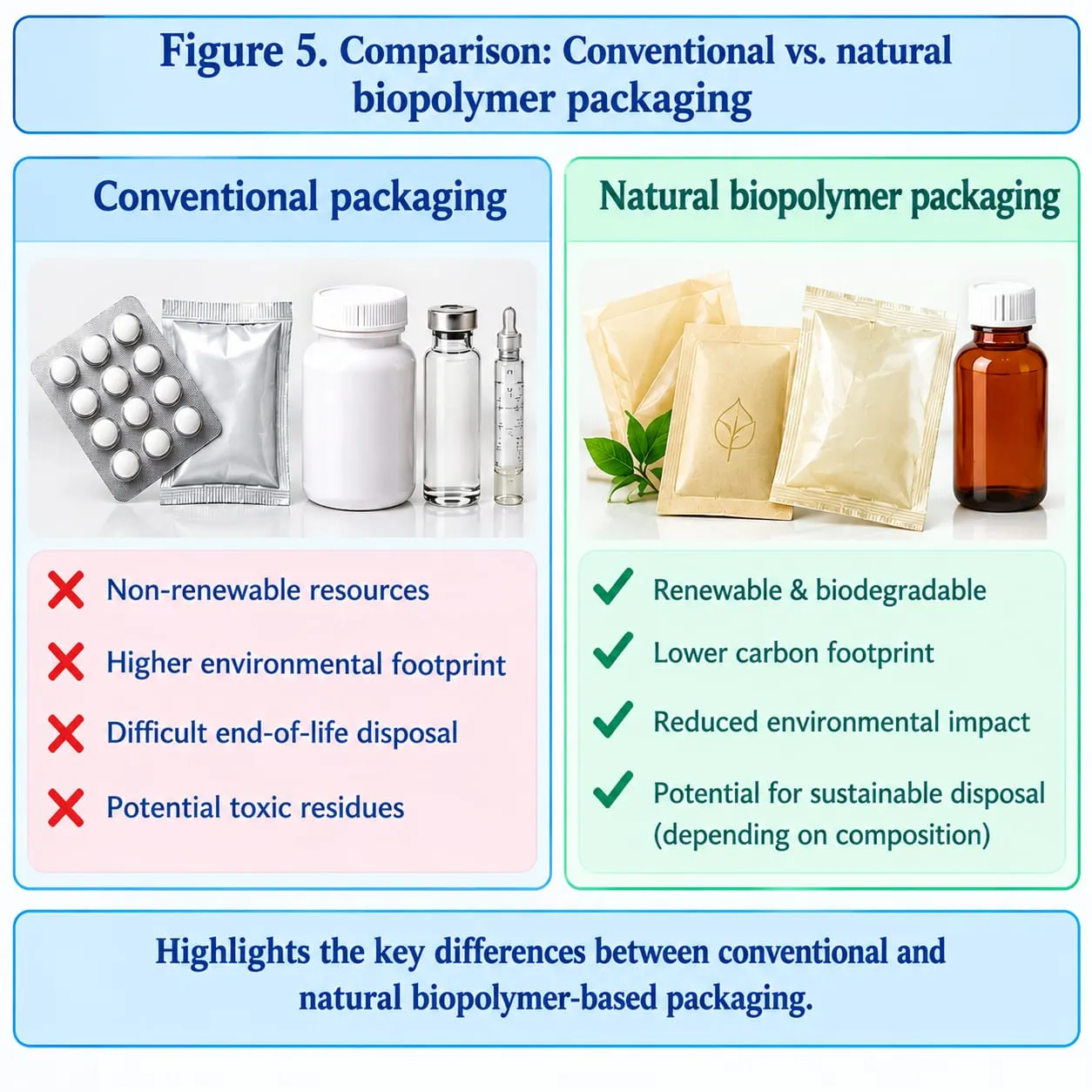
Figure 6: Comparison of Conventional vs Natural Biopolymer Packaging.
9. Regulatory, quality and compatibility considerations.
The package should be evaluated as part of the product’s container-closure system. The FDA guidance on container-closure systems describes general principles for assessing packaging materials for human drugs and biologics. USP chapters provide requirements and evaluation frameworks for plastic materials and packaging systems, including the possibility of interactions between the package and drug product. These sources are examples of relevant frameworks; the author should check the current requirements in the target market and the specific dosage-form regulations.
A development programme may need to address identity and composition of raw materials; extractables and leachables; migration of additives; drug–package compatibility; moisture and oxygen protection; light protection where required; microbial quality; sealing and integrity; transport stresses; ageing; and stability over the intended shelf life. The precise testing package depends on the product and packaging configuration. A laboratory prototype should be described as a candidate material for further evaluation, not as a replacement for approved packaging.
If the material is intended for direct contact with a medicinal product, the product-contact layer and all potential migrants need particular attention. If the biopolymer is used only as a secondary or tertiary package, direct-contact concerns may be different, but the package still needs to perform its assigned function. This distinction may provide a more realistic early application pathway than immediate substitution for a primary package.
Claims about biodegradability also require appropriate methods and conditions. Soil-burial mass loss can indicate preliminary degradation but is influenced by fragmentation, water uptake, soil moisture, temperature and handling. It does not by itself establish complete biodegradation, ecotoxicological safety or certification for industrial composting. Environmental claims should identify the exact test conditions and limitations.
10. Research gaps and future directions.
First, there is a need for more quantitative, directly comparable data on multilayer natural biopolymer films under controlled humidity and temperature. Studies should report composition, layer thickness, coating mass, conditioning and barrier-test methods in sufficient detail to allow replication. Second, studies need to distinguish bulk blends from genuinely layered architectures. Without that distinction, the role of interfaces and coatings cannot be isolated.
Third, more research is needed on ordinary MCC-containing films rather than assuming that nanocellulose results are applicable. Particle size, aspect ratio and dispersion should be documented. Fourth, oxygen barrier should be evaluated directly when it is central to the intended application. Fifth, pharmaceutical product compatibility and packaging-system performance must be evaluated separately from food-packaging performance. Sixth, realistic end-of-life testing and LCA are required to substantiate sustainability claims.
For the proposed formulation, an efficient next step is a staged experiment. Stage 1 should establish film formation and reproducibility. Stage 2 should compare coating levels using thickness, appearance, flexibility, water absorption and water-vapour transmission. Stage 3 should investigate oxygen transmission only if instrument access is available. Stage 4 should examine a suitable model product under controlled conditions. Stage 5 should consider compatibility, scale-up and environmental assessment. This sequence prevents costly claims from being made before the core material behaviour is known.
Future work could compare beeswax with other food/pharmaceutical-compatible hydrophobic coatings, explore different coating sides, optimize the starch-to-chitosan ratio, investigate cellulose derivatives or nanocellulose where facilities permit, and assess coating adhesion after humidity cycling. More complex additives should be introduced only when there is a clear research question and suitable analytical methods to characterize them.
11. Limitations.
Despite their potential as sustainable alternatives to conventional packaging materials, natural biopolymer-based multilayer films have several limitations. Hydrophilic polymers such as starch and chitosan may absorb moisture, swell and exhibit reduced mechanical stability under high-humidity conditions. Their barrier properties are influenced by polymer composition, film thickness, coating uniformity, interlayer adhesion and environmental conditions. Furthermore, the use of plasticizers may improve flexibility but can also increase water affinity. Variability in natural raw materials and processing conditions may affect batch-to-batch reproducibility. For pharmaceutical applications, additional studies are required to evaluate drug–packaging compatibility, extractables and leachables, microbial quality, stability and package-seal integrity. The biodegradability and environmental advantages of multilayer structures also depend on their composition and end-of-life conditions. Therefore, the proposed chitosan–starch–microcrystalline cellulose film with a beeswax-based coating requires systematic experimental evaluation, direct moisture and oxygen barrier testing, scalability assessment and regulatory qualification before it can be considered a suitable alternative to conventional pharmaceutical packaging.
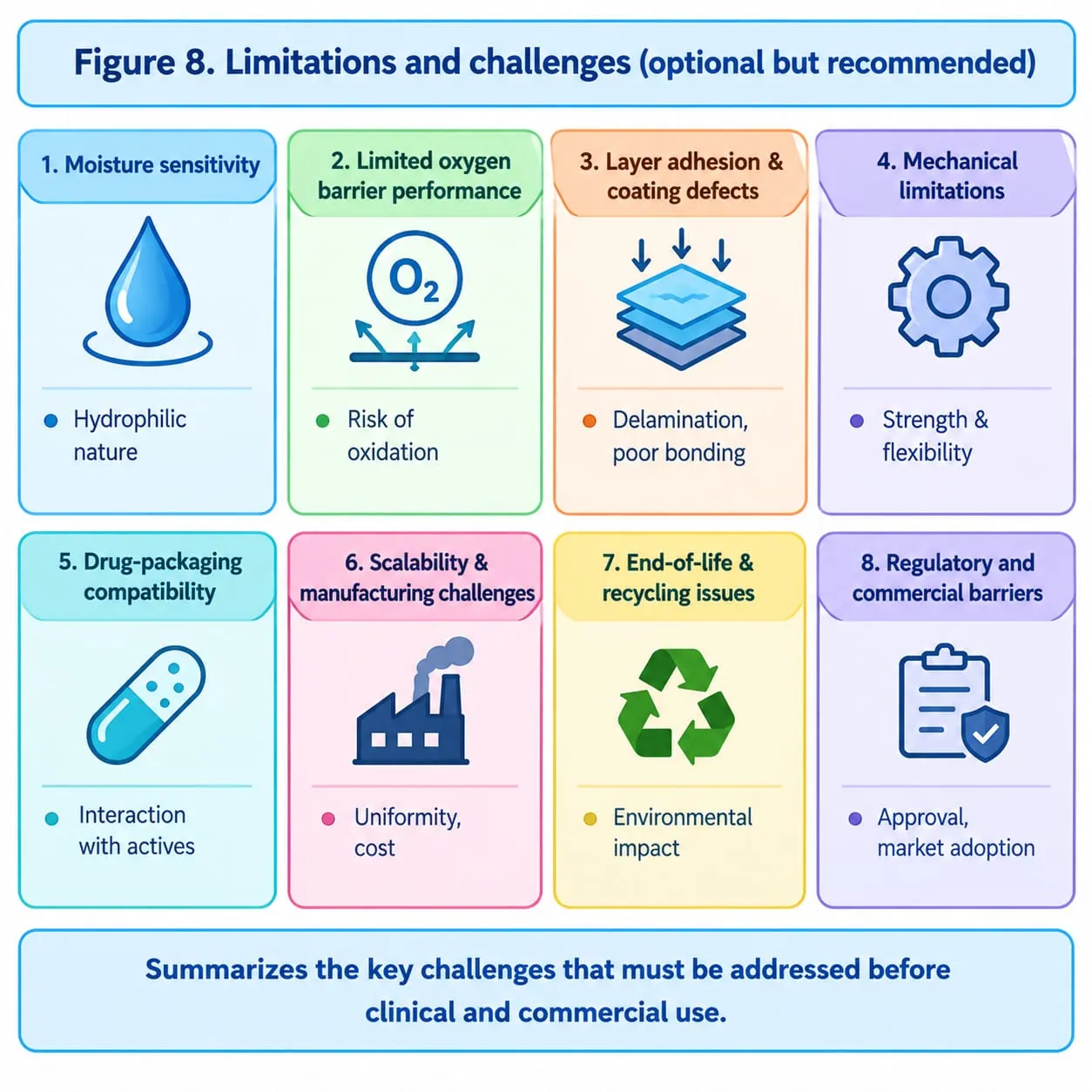
Figure 7: Limitations and Challenges.
CONCLUSION.
Natural biopolymers offer a useful platform for investigating more sustainable packaging materials, but pharmaceutical use demands a balance of barrier performance, mechanical integrity, product compatibility, reproducible manufacture and regulatory compliance. Starch can form films at relatively low cost, chitosan can contribute film formation and useful interactions, cellulose-based materials can reinforce selected structures, glycerol can improve flexibility, and beeswax can be explored as a hydrophobic coating. Published studies support the principle that composition and architecture can change moisture and oxygen transport; they do not prove that the exact chitosan–starch–MCC/glycerol/beeswax formulation has enhanced oxygen barrier or is ready for pharmaceutical use.
The proposed material should therefore be framed as a research candidate. Its moisture barrier must be demonstrated using defined and reproducible WVTR/WVP testing, while oxygen barrier must be measured directly by OTR testing. A controlled comparison against uncoated and conventional packaging, followed by product-specific compatibility and stability evaluation, is necessary before making stronger claims. Sustainable pharmaceutical packaging will require not only renewable ingredients but also evidence that the material protects medicines reliably and has a defensible end-of-life profile.
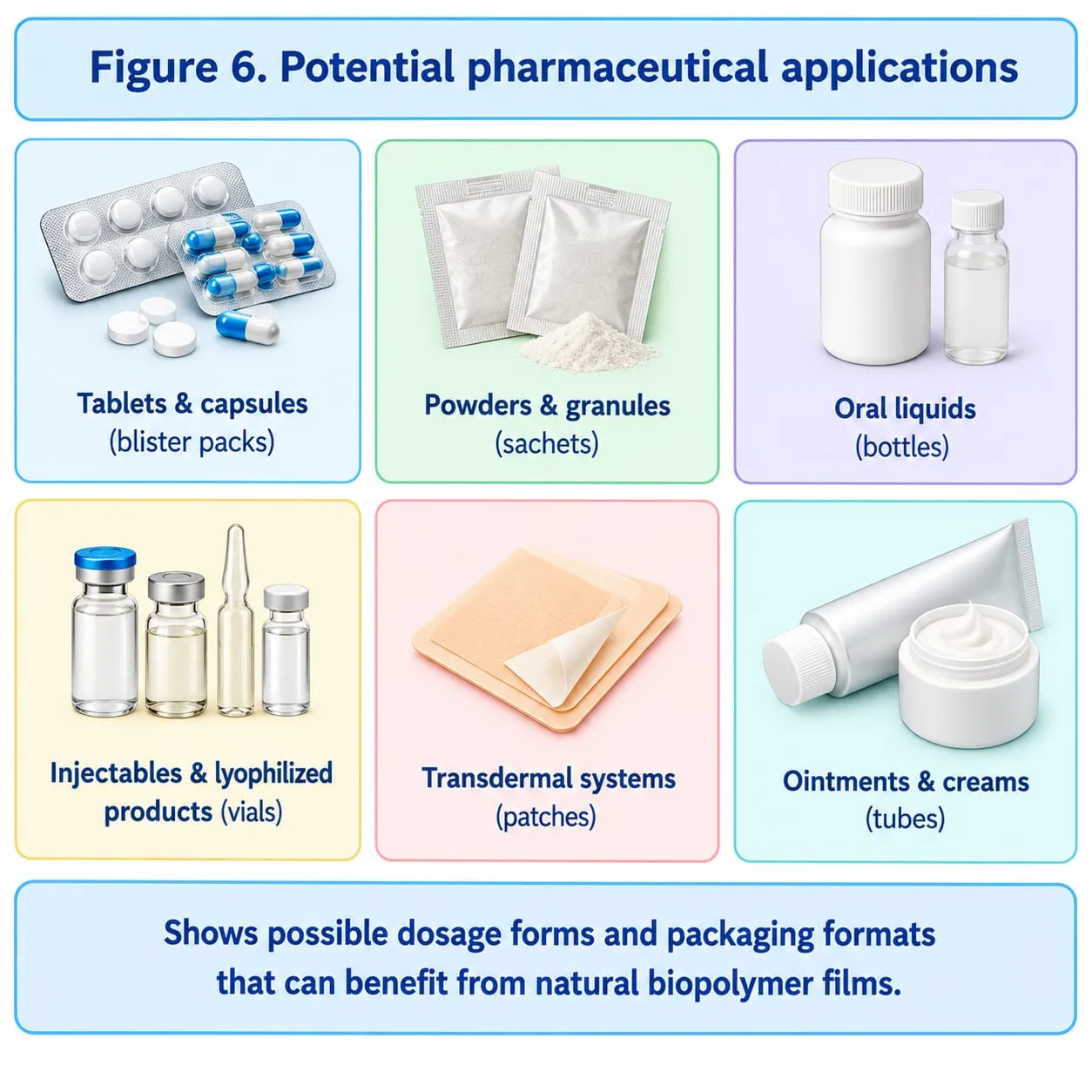
Figure 8: Potential Pharmaceutical Applications.
REFERENCES



Todkar Ganesh, Kale Nikita, Marlapalle Dnyaneshwari, Bhoge Amarja, Katte Anvirappa, Khandare Ramprasad, Shetkar Shredatta, Development of a Multilayer Natural Biopolymer Film with Enhanced Moisture and Oxygen Barrier Properties for Pharmaceutical Packaging: A Critical Review., Int. J. of Pharm. Sci., 2026, Vol 4, Issue 11, 494-507. https://doi.org/10.5281/zenodo.23924251
 10.5281/zenodo.23924251