

We use cookies to ensure our website works properly and to personalise your experience. Cookies policy
Department of Quality Assurance, Vidya Niketan College of Pharmacy, Lakhewadi, Taluka Indapur, District Pune, Maharashtra – 413103, India. Affiliated to Dr. Babasaheb Ambedkar Technological University (DBATU), Lonere, Raigad, Maharashtra, India.
Forced degradation studies are essential in pharmaceutical development and research to determine the intrinsic stability of the active pharmaceutical ingredient (API) and the finished pharmaceutical products in various stress conditions. They include acid and base hydrolysis, oxidation, elevated temperature, humidity, and photolytic radiation to identify expected degradation products, and their elucidation of their degradation pathway of particular importance are chromatographic and other modern analytical techniques focused on separation, identification, and quantification of degradation products (e.g., LC-MS, HPLC, UPLC, and other hyphenated techniques). Furthermore, important stability testing and analytical method validation guidelines are discussed. The focus is on pharmaceutical applications, degradation pathways, impurity profiling, and analytical issues (sensitivity, technique repeatability, and impurity identification). Emerging techniques such as high-resolution mass spectrometry, artificial intelligence, quality by design analytical methods, and green chemistry analytical methods are expected to improve pharmaceutical stability evaluation. Taken together, forced degradation studies and stability-indicating approaches provide important scientific bases for pharmaceutical quality control and regulatory compliance, as well as for ensuring the safety, efficacy, and quality of medicines throughout the product shelf life.
'Forced degradation (stress testing) is an integral part of drug development and of stability testing of pharmaceuticals.' These studies involve exposing the active pharmaceutical ingredient and the finished drug to stress conditions such as oxidation, acidic/alkaline hydrolysis, heat, humidity, and photolytic radiation. Its purpose is to determine the chemical stability of drugs and the possible degradation products and pathways. Such studies are aimed at gaining insight into the behavior of the drug under different storage and environmental conditions [1-3]. Pharmaceutical stability is important for quality, safety, efficacy, and thus, the shelf life of drugs. Chemical degradation is carried out through different chemical reactions, including hydrolysis, oxidation, photolysis, isomerization, etc., which lead to drug chemical decomposition. These mechanisms may lead to drug inactivation, formation of impurities, changes in physicochemical properties, and, in some cases, toxic degradation products. Therefore, forced degradation studies are necessary to identify possible stability problems and lifespan of drugs [4-6].
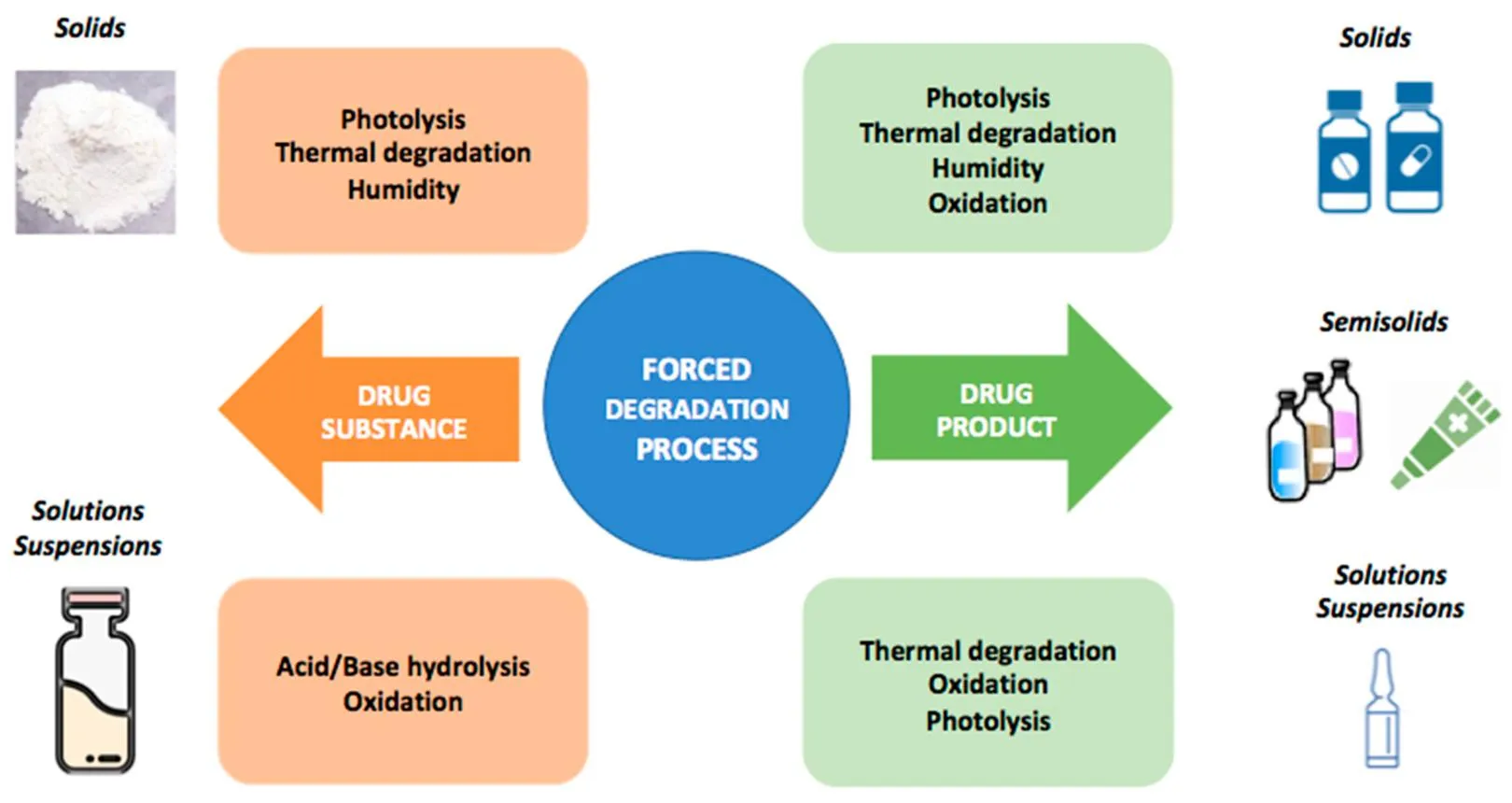
Figure 1: Major types of forced degradation studies.
Forced degradation studies have diverse applications in the development of SIM (s) (stability-indicating analytical methods). They can evaluate impurities in drugs, degradation products, and excipients, as well as processing impurities. The acceptable chromatography techniques are LC-MS, UPLC, and HPLC techniques for separation, identification, and quantification of degradation products [7-10]. These guidelines are very important to forced degradation and stability studies. ICH Q1A (R2) Stability Testing, ICH Q1B Photostability Testing, ICH Q2 (R2) Validation of Analytical Procedures, and ICH Q3A (R2) Degradation Products Testing. Recommendations for pharmaceutical quality maintenance are the basis for good scientific analytical methods [1-5]. They also assist pharmaceutical researchers in defining formulation compositions, packaging, and storage and protection through forced degradation studies. They also play a role in preparing degradation profiles, determining degradation pathways, and validating analytical methods for drug development and quality control [11-15]. Advances in analytical science have allowed the studies to achieve selectivity and sensitivity, as well as higher efficiency. For example, hyphenated techniques (LC-MS/MS and high-resolution mass spectrometry) are helpful in identifying unknown degradation products and in obtaining useful information about chemical structures and the mode of formation of products. [16,17].
2. FUNDAMENTALS OF FORCED DEGRADATION STUDIES:
Forced degradation studies are studies in which the chemical stabilities of the pharmaceutical active ingredients and products are investigated under forced stress conditions. They provide a profile of the degradation of the active pharmaceutical ingredients (APIs), potential degradation paths, and impurity profiles. They are important in pharmaceutical development because they help in developing reliable stability-indicating analytical methods, in identifying stability problems, and in establishing proper storage conditions [17-19].
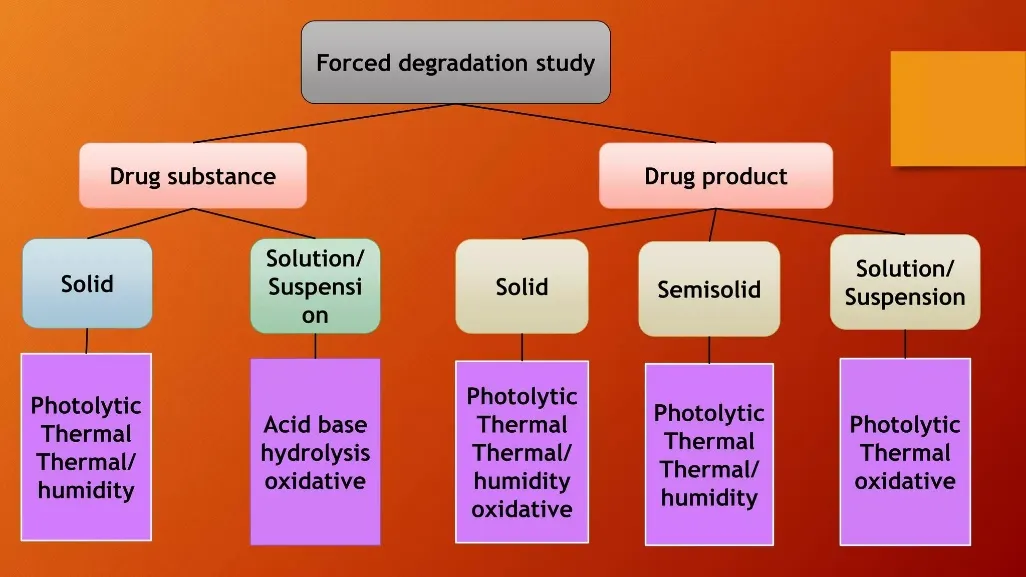
Figure 2: Forced degradation study workflow.
2.1. Importance:
Stress tests (forced degradation studies) are chemical/environmental conditions that exceed normal pharmaceutical storage. Acidic and alkaline hydrolysis, oxidation, temperature, humidity, and light are common stress conditions. Such conditions play a key role in evaluating the intrinsic stability of a drug molecule and aiding degradation pathway analysis [20,21]. These studies show how a drug responds to stress during manufacture, storage, handling, and transport to different stressors and the possible changes in the chemical structure of the drugs during production, storage, handling, and transportation. It studies the yields, the structures of degradation products, and the possible effects on the quality of the product [22, 23].
1. Stability assessment: Determine the susceptibility of drug substances to different degradation conditions.
2. Degradation-product identification: Detect and characterize impurities formed during chemical degradation.
3. Analytical method development: Support the development of stability-indicating methods capable of separating the drug from its degradation products.
4. Formulation development: Assist in selecting suitable excipients and formulation compositions.
5. Storage-condition selection: Provide scientific information for selecting appropriate storage and packaging conditions.
6. Regulatory compliance: Generate supporting data for pharmaceutical stability evaluation and regulatory submissions [20-22].
2.2. Objectives of Forced Degradation Studies:
The purpose of forced degradation studies is to determine the intrinsic stability of the chemical structure of the drug substance and the possible degradation pathways. These studies are necessary in the development of good, safe, and efficient medicines [20,23].
1. To assess APIs' chemical stability under various stress scenarios.
2. To recognize and describe possible Contaminants and degradation products.
3. To understand degradation mechanisms and pathways of drugs.
4. To determine the selectivity and specificity of analytical techniques that indicate stability.
5. To assess how oxidation, pH, light, humidity, and temperature affect medication stability.
6. To assist in choosing appropriate formulation components and packaging materials.
7. To provide scientific information for figuring out suitable shelf life and storage conditions.
8. To assist with legal obligations pertaining to impurity profiling and pharmaceutical stability.
9. 'To identify toxicologically relevant degradation products. Use one term (degradation products/degradants) consistently.
10. To enhance the effectiveness, safety, and quality of pharmaceutical products during their whole life [24-26].
3. TYPES OF FORCED DEGRADATION STUDIES:
Drug substances and drug products are subjected to various stress conditions in forced degradation experiments in order to assess their chemical stability and discover possible degradation products. Hydrolysis, oxidation, temperature exposure, photolysis, and humidity are the main stressors. The drug molecule's predicted degradation behavior, physicochemical characteristics, and chemical structure all influence the choice of stress settings [27-30].
3.1. Acid and Base Hydrolysis:
The main forced degradation techniques include acidic and basic hydrolysis to evaluate the susceptibility of drugs to the process of hydrolysis. These studies include exposure of pharmaceutical compounds to either acidic or alkaline solutions (usually HCl and NaOH) under a defined time and temperature. Hydrolysis is the breaking of chemical bonds in the presence of water. Functional groups, such as esters, amides, lactams, and carbamates, are susceptible to hydrolytic cleavage depending on the chemical structure and reaction conditions. It is proton-catalyzed in acidic hydrolysis and usually hydroxyl ion mediated in basic hydrolysis [31, 34]. At appropriate time points, samples are withdrawn, neutralized (if applicable), and analyzed chromatographically (high-performance liquid chromatography (HPLC), liquid chromatography/mass spectrometry (LC-MS)). These studies help in identifying the hydrolytic degradation products and optimum pH to be used for the formulation of drugs (e.g. 0.1-1 M HCl/NaOH, room temp to 60-80°C, hours to days), neutral hydrolysis, and the commonly used 5-20% target degradation (avoid over-/under-stress).[29-33].
3.2. Oxidative Degradation:
Oxidative decomposition of drug ingredients, e.g., 'Oxidative degradation arises from reaction with oxidising agents or reactive oxygen species.' In forced degradation studies, they generally use hydrogen peroxide (H₂O₂) as an oxidizing system. Other oxidizing systems are the metal-catalyzed oxidation systems, free radicals, and oxygen [33, 36]. The oxidizable functional groups include amines, alcohols, phenols, aldehydes, and sulfur-containing compounds. The most common oxidation reactions are hydroxylation, dealkylation, N-oxidation, S-oxidation (sulfoxide/sulfone formation)', and oxidative cleavage. They affect the chemical structure of drugs and pharmacological effects [27-31]. Oxidative stress studies are a good tool to investigate a drug's susceptibility to oxidation and to explore the protective effect of antioxidants, appropriate excipients, and additional packaging materials. Identification and characterisation of oxidative degradation products are done by sophisticated analytical techniques such as HPLC, LC-MS, etc. [35, 37].
3.3. Thermal Degradation:
Studies on thermal degradation assess how high temperatures affect the chemical stability of medicinal ingredients and formulations. Ovens, stability chambers, or other appropriate heating devices are used to subject drug samples to regulated temperature settings. Chemical processes such as hydrolysis, oxidation, dehydration, decarboxylation, and molecular rearrangement may be accelerated at higher temperatures. The drug's chemical makeup, the length of exposure, the temperature, and the surrounding environment all affect how much degradation occurs [32, 38]. Thermal degradation studies assist in determining appropriate production, shipping, and storage settings as well as offer information regarding the temperature sensitivity of pharmaceutical goods. To ascertain variations in drug concentration and the production of degradation products, the resultant samples are examined using validated stability-indicating methods ('approved' is a regulatory term) [38, 39].
3.4. Photolytic Degradation:
Photodegradation depends on the molecular structure, light absorption, wavelength, and exposure time. The energy of light will facilitate chemical reactions that lead to chemical degradation products (oxidation, isomerization, cleavage, rearrangement) [32, 40]. The structure of the molecule, in fact, does correlate with photodegradation, absorption of light, wavelength, and time of exposure. Compounds with an aromatic ring, a conjugated double bond, and photosensitive functional groups are photosensitive [40,41]. ICH Q1B exposure: not less than 1.2 million lux-hours visible and 200 W-h/m² near-UV, Option 1/2 light sources, and a dark control. These studies are performed to determine if special storage instructions or protective packaging, or light-resistant containers should be included in the pharmaceutical's stability and good quality [41, 42].
3.5. Humidity-Induced Degradation:
Studies on humidity-induced deterioration look into how moisture affects medicinal ingredients and completed dosage forms. Pharmaceutical goods may experience moisture absorption, hydrolysis, physical instability, crystallinity changes, and changes in their dissolving characteristics when exposed to high relative humidity [32,43]. Drugs that are susceptible to moisture, especially those with hydrolyzable functional groups, may chemically deteriorate in humid environments. Moisture absorption may also affect the hardness, friability, disintegration, and physical appearance of solid dosage forms such as tablets, capsules, and powders [43,44]. Chambers with regulated humidity are often used for these investigations. Their study aids in the selection of appropriate packaging materials, such as securely closed containers, aluminium foils, and moisture-resistant blister packs. For pharmaceutical items to remain stable and of high quality while being stored, humidity monitoring is crucial [44,45].
4. REGULATORY GUIDELINES:
Pharmaceutical stability testing, forced degradation studies, analytical method development, and quality testing are conducted in accordance with scientific standards. The efficacy, safety, and quality of pharmaceuticals are regulated by various national and international agencies, such as the United States Food and Drug Administration (FDA) and other international agencies in charge of regulation. The recommendations can help the pharmaceutical companies to determine the optimal conditions for shelf life and storage and to develop identification of degradation products, validation of analytical procedures, and appropriate stability protocols. Regulations are mandatory during pharmaceutical development and marketing authorization [31,46–48].
4.1. ICH Guidelines (Q1A, Q1B and Q2):
1) ICH Q1A (R2) Stability Testing of New Drug Substances and Products. ICH Q1A (R2) gives basic stability recommendations for new drug substances and drug products. It gives guidance for accelerated, intermediate, and long-term stability studies. It also discusses the assessment of temperature, humidity, storage conditions, and stability data in determining the retest period or shelf life [21,41].
2) ICH Q1B: Photostability Testing of New Drug Substances and Products: ICH Q1B refreshes the standards for evaluating the effect of light on pharmaceutical substances and products. It describes the photostability test parameters with controlled exposure to visible and UV light. The recommendation helps to decide if light-proof packaging and appropriate storage conditions are required [41].
3) ICH Q2 (R2): Validation of Analytical Procedures. ICH Q2 (R2) outlines the validation requirements for analytical procedures employed in pharmaceutical quality control. Specificity, accuracy, precision, the limit of detection, the limit of quantitation, linearity, and range, if appropriate, are important validation factors. These facilitate evaluation of the appropriateness and reliability of stability-indicating analytical techniques [3].
4.2. FDA and WHO Requirements:
The FDA and WHO publish requirements and guidance on drug quality and stability.
1. US Food and Drug Administration (FDA): 'The FDA requires scientific evidence demonstrating the quality, safety and stability of a product for approval the quality, safety, and stability of the products. This should include the identification of impurities, validation of analytical procedures, and storage conditions supporting the quality of pharmaceutical submissions in the regulatory field. Stability-indicating methods should resolve the active pharmaceutical ingredient from impurities and degradation products [50].
2. World Health Organization (WHO): The WHO provides stability-testing guidelines for use globally and drugs for different climates. These include long-term and accelerated shelf-life stability testing, temperature, relative humidity, and packaging. They are especially applicable for products marketed in tropical and subtropical regions [47].
4.3. Regulatory Expectations for Stability Studies:
Regulators require drug manufacturers to provide stability data, accurately supporting that therapeutic components and final pharmaceutical products are of acceptable quality during intended shelf life. Therefore, the design of stability tests should take into account the nature of the drug, the dosage form, the packaging method used, and the intended storage condition.
1. Stability study design: Conduct long-term, accelerated, and intermediate stability studies using appropriate batches and storage conditions.
2. Forced degradation assessment: Investigate the effects of acid, base, oxidation, heat, humidity, and light wherever scientifically appropriate.
3. Degradation-product profiling: Identify and evaluate relevant degradation products and impurities formed during stability testing.
4. Analytical method validation: Demonstrate that analytical procedures are suitable, specific, accurate, and reproducible.
5. Packaging evaluation: Assess the protective properties of container-closure systems against moisture, oxygen, and light.
6. Shelf-life determination: Establish the proposed shelf life or retest period using appropriate stability data.
7. Documentation: Maintain complete records of experimental conditions, analytical results, degradation profiles, and scientific justifications.
8. Regulatory compliance: Follow applicable ICH, FDA, WHO, and national regulatory requirements [46–50].
5. DEVELOPMENT OF STABILITY-INDICATING METHODS:
Stability-indicating methods (SIMs) are analytical methods that can determine and quantify therapeutic agents (compounds) in the presence of excipients, impurities, and degradation products; they are also important in pharmaceutical research for the study of drug stability and degradation, quality assurance of medicinal products, and design of a drug shelf life [51, 52, 53]. The development of these procedures is important for pharmaceutical research and is used to assess drug stability, monitor degradation, and ensure pharmaceutical product quality over the shelf life. The creation of such protocols requires knowledge of the physicochemical properties of the drug, forced degradation studies, selection of appropriate analytical techniques, optimization of experimental conditions, and validation of a new method. Although chromatographic techniques such as HPLC and UPLC are most commonly used, at a higher level, LC-MS and LC-MS/MS provide more insight into characterization and identification of degradation products. [52, 54]
5.1. Analytical Method Development: The development of analytical methods means the development of suitable procedures for separating, identifying and quantifying medicinal compounds and their degradation products. It must be specific, sensitive, accurate, precise, and reproducible for the intended use [51, 53].
1. Drug characterization: Evaluation of molecular structure, solubility, pKa, polarity, and UV absorption characteristics.
2. Selection of analytical technique: Selection of HPLC, UPLC, LC-MS, or other suitable analytical techniques.
3. Forced degradation testing: Exposure of the drug to acid, base, oxidation, heat, humidity, and light conditions.
4. Chromatographic optimization: Selection of suitable columns, mobile phases, flow rates, detection wavelengths, and gradient conditions.
5. Peak identification: Evaluation of retention times, peak purity, and separation of degradation products.
6. Method optimization: Improvement of resolution, sensitivity, selectivity, and analysis time.
7. Method validation: Evaluation of analytical performance according to applicable ICH guidelines [53–56].
5.2. HPLC and UPLC Techniques:
There are many techniques commonly used for the determination of stability-indicating assay methods, but one of the most popular separation techniques is high-performance liquid chromatography (HPLC). It is based on the separation of drug compounds based on their differential partitioning between a mobile and a stationary phase. Reversed-phase high-performance liquid chromatography (RP-HPLC) is very effective for the examination of many pharmaceutical substances and their degradation products [51, 54]. The HPLC system contains a solvent reservoir, pump, sample injector, chromatographic column, detector, and data-processing system. Detectors are usually UV-visible and photodiode array (PDA) detectors.
UPLC (particle size (<2 um) and pressure (up to ~15,000 psi) and mention PDA/CAD/ELSD detectors) is a type of high-pressure small-particle chromatography. Compared to conventional HPLC, UPLC can provide higher chromatographic resolution, faster analysis, and less solvent consumption under appropriate conditions [52, 55].
5.3. LC-MS and Other Advanced Techniques:
The sophisticated analytical method known as liquid chromatography–mass spectrometry (LC-MS) combines mass-based detection with chromatographic separation. It is very helpful for figuring out the molecular masses of unidentified degradation products. By using fragmentation analysis, LC-MS/MS offers additional structural information that aids in the understanding of degradation processes [57].
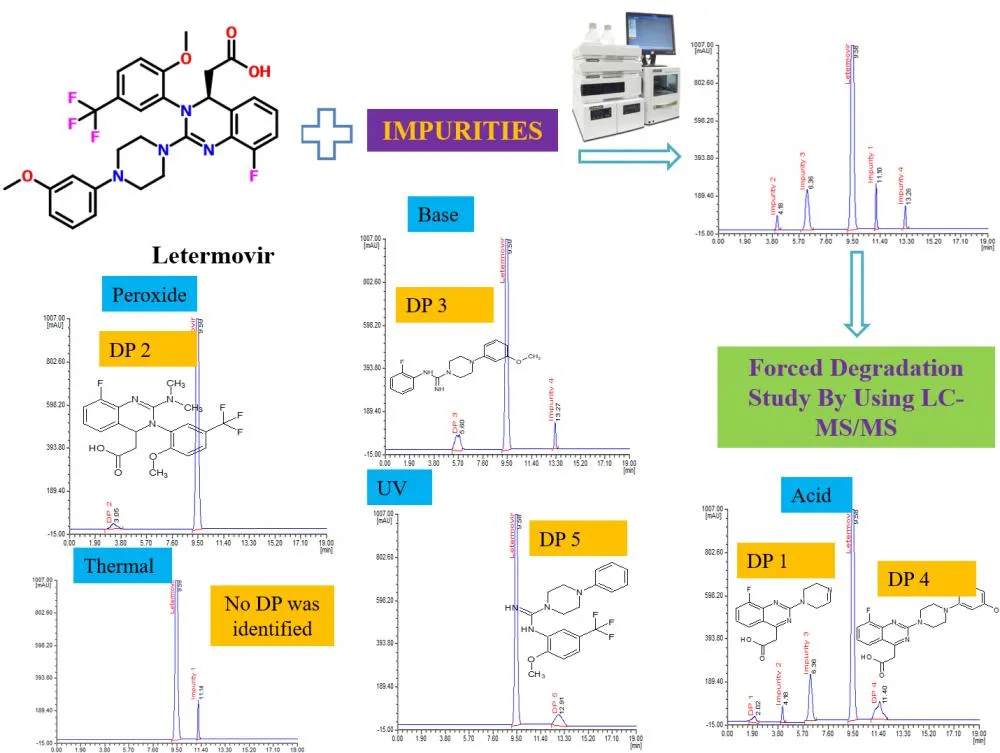
Figure 3: Degradation and impurity profiling using LC-MS/MS
1. LC-MS/MS: Used to characterize and identify degradation products with sensitivity. For structural clarification, liquid chromatography and nuclear magnetic resonance spectroscopy are combined in ‘LC-NMR’.
2. GC-MS: Good for analyzing degradation products that are both thermally stable and volatile.
3. HPLC-PDA: aids in the evaluation of UV spectra and peak purity. Capillary electrophoresis bullet, not HPLC-PDA.
4. Capillary electrophoresis: Separates charged molecules according to their electrophoretic mobility.
5. High-resolution mass spectrometry (HRMS): Provides accurate mass measurements to support molecular formula determination [52, 56].
5.4. Method Validation Parameters:
1) Specificity/Selectivity: Ability to measure the drug accurately in the presence of impurities, degradation products, and excipients.
2) Linearity: Ability of the analytical procedure to obtain results directly proportional to the concentration of the analyte within a specified range.
3) Accuracy: Closeness of the measured result to the accepted reference value.
4) Precision: Degree of agreement among repeated measurements under specified conditions.
5) Limit of Detection (LOD): Lowest amount of analyte that can be detected but not necessarily quantified.
6) Limit of Quantitation (LOQ): Lowest amount of analyte that can be quantified with acceptable accuracy and precision.
7) Range: Concentration interval over which the method demonstrates suitable analytical performance.
8) Robustness: Ability of the method to remain reliable following small, deliberate changes in analytical conditions [57,58].
6. IMPURITY CLASSES:
The chemical events that cause pharmaceutical compounds to alter structurally under various environmental and chemical stress conditions are referred to as degradation pathways. Identifying degradation products, assessing drug stability, and managing contaminants in pharmaceutical formulations all depend on an understanding of these processes [52, 59].
A number of degradation processes, such as hydrolysis, oxidation, photolysis, dehydration, isomerization, and decarboxylation, may occur in pharmaceutical substances. The drug's molecular structure, functional groups, environment, and physicochemical characteristics all influence the degradation pathway
1. Hydrolysis: Chemical breakdown through reaction with water, commonly affecting ester, amide, and related functional groups.
2. Oxidation: Reaction with oxygen or oxidizing agents, potentially producing hydroxylated, oxidized, or cleaved products.
3. Photolysis: Light-induced chemical changes involving bond cleavage, rearrangement, or oxidation.
4. Thermal degradation: Temperature-induced chemical transformations, including dehydration and molecular rearrangement.
5. Isomerization: Conversion of a molecule into another structural or stereochemical form.
6. Decarboxylation: Removal of carbon dioxide from suitable functional groups under favourable conditions.
7. APPLICATIONS:
1. Drug discovery and development: Evaluation of the inherent chemical stability of newly developed drug candidates.
2. Preformulation studies: Identification of degradation-sensitive functional groups and assessment of drug-excipient compatibility.
3. Formulation development: Selection of suitable excipients, solvents, antioxidants, and stabilizing agents.
4. Analytical method development: Development of specific and reliable methods for estimating APIs in the presence of degradation products.
5. Impurity control: Detection, identification, and monitoring of process-related and degradation-related impurities.
6. Packaging selection: Evaluation of the protective effects of containers against moisture, oxygen, and light.
7. Shelf-life determination: Generation of supporting analytical data for establishing suitable storage conditions and product shelf life.
8. Quality control: Routine monitoring of drug content, degradation products, and product stability during manufacturing and storage [53, 60–63].
8. CHALLENGES AND FUTURE PERSPECTIVES:
8.1 Challenges:
1) Complex degradation profiles: Formation of multiple degradation products may complicate chromatographic separation and interpretation.
2) Identification of unknown impurities: Structural characterization of low-concentration degradation products can be difficult.
3) Method sensitivity: Detection of impurities present at very low concentrations requires highly sensitive analytical techniques.
4) Method reproducibility: Variations in experimental conditions may affect analytical results.
5) Time and cost: Advanced analytical instruments and extensive stability studies require significant resources.
6) Regulatory requirements: Maintaining compliance with changing analytical and pharmaceutical quality guidelines can be challenging.
7) Environmental concerns: Conventional analytical procedures may consume large volumes of organic solvents and generate chemical waste [52, 57, 62].
8.2 Future perspectives: In-silico degradation prediction/QSAR, AI/ML, chemometrics, UHPLC, 2D-LC, HRMS, automation, PAT. Also add biologics/peptides and nitrosamine impurities. Application of high-resolution mass spectrometry, hyphenated analytical techniques, artificial intelligence (AI), machine learning (ML), and analytical quality by design (AQbD) may be useful for better prediction, identification, and monitoring of degradation products in pharmaceuticals. Such as reduced solvent consumption, analysis time, and greener mobile phases will contribute to further sustainable pharmaceutical analysis. Besides that, faster data-processing methodologies as well as in-line analysis in real time can be adopted to increase the efficiency and reliability of the stability testing of pharmaceuticals [63–65].
CONCLUSION:
Forced degradation studies are a key part of drug development and determine the intrinsic stability of active pharmaceutical ingredients and the drug product. They provide valuable information regarding degradation pathways, impurity generation, and the impact of chemical and environmental stress. 'Stability-indicating methods (HPLC, UPLC, and LC-MS) were developed to separate and quantify the drug and its degradation products. Regulatory guidelines (e.g., ICH Q1A (R2), Q1B& Q2 (R2) also discuss the development and validation of stability-indicating analytical methods. Coupled with impurity profiling and green analytical chemistry.
REFERENCES




Vinayak Kale, Sonali Wayase, Payal Zambare, Rutika Bhise, Development of Forced Degradation Studies, Regulatory Perspectives, and Stability-Indicating Methods., Int. J. of Pharm. Sci., 2026, Vol 4, Issue 11, 4936-4947. https://doi.org/10.5281/zenodo.24549044
 10.5281/zenodo.24549044