

We use cookies to ensure our website works properly and to personalise your experience. Cookies policy
1Associate Professor, Department of Pharmaceutical Chemistry and Analysis, Chemists College of Pharmaceutical Sciences and Research, Varikoli, Ernakulam, Keralam, India.
2,3,4,5,6Chemists College of Pharmaceutical Sciences and Research, Varikoli, Ernakulam, Keralam, India.
Green synthesis of nanoparticles using medicinal plant extracts has emerged as a promising alternative to conventional chemical and physical synthesis approaches. Plant-derived phytochemicals, including polyphenols, flavonoids, tannins, alkaloids, terpenoids and reducing sugars, act as natural reducing, stabilizing and capping agents during nanoparticle formation. Despite considerable progress in green nanotechnology, the transition from laboratory-scale synthesis to reproducible pharmaceutical nanomedicine remains challenging. Variations in plant species, geographical origin, harvesting conditions, extraction procedures and phytochemical composition can significantly influence nanoparticle characteristics and biological performance.This review examines the transformation of crude plant extracts into standardized, reproducible nanomedicinal systems, emphasizing phytochemical characterization, extract standardization, synthesis optimization and quality control. Particular attention is given to the application of Quality-by-Design (QbD), including identification of critical material attributes, critical process parameters and critical quality attributes. The relationship between phytochemical composition, nanoparticle physicochemical properties and functional performance is also discussed. Important characterization parameters such as particle size, polydispersity index, zeta potential, morphology, crystallinity, surface chemistry and stability are considered alongside biological evaluations, including antioxidant, antimicrobial, anti-inflammatory and cytotoxic activities.Furthermore, the
Nanotechnology has become an important area of pharmaceutical research because of its potential to improve drug delivery, therapeutic efficacy, biological availability and targeted treatment. Nanoparticles possess unique physicochemical characteristics arising from their small particle size, high surface-area-to-volume ratio and tunable surface properties. These characteristics have encouraged their investigation in drug delivery, antimicrobial therapy, cancer treatment, diagnostic imaging and tissue engineering.
Conventional nanoparticle synthesis generally involves physical and chemical methods. However, certain approaches require high energy consumption, expensive equipment and potentially hazardous chemicals. Residual reagents and toxic stabilizing agents may also create concerns regarding biological compatibility and environmental safety.
Green synthesis has emerged as an alternative approach that utilizes biological resources, particularly medicinal plant extracts, for nanoparticle production. Plants contain numerous secondary metabolites capable of reducing metal ions and stabilizing the resulting nanoparticles. These metabolites include flavonoids, phenolic acids, tannins, terpenoids, alkaloids and proteins.
Plant-mediated synthesis offers several potential advantages:
1. Utilization of renewable biological resources.
2. Reduction in the requirement for conventional chemical reducing agents.
3. Potential improvement in surface functionalization.
4. Relatively simple synthesis procedures.
5. Possibility of combining plant-derived bioactive compounds with nanoparticle-based delivery systems.
Despite these advantages, green synthesis faces an important scientific limitation: the chemical composition of crude plant extracts is not constant.
Two extracts prepared from the same plant may differ considerably because of geographical conditions, seasonal variations, plant maturity, drying procedures, extraction solvents and extraction temperatures. These variations may influence nanoparticle formation, particle size, stability and biological activity.
Consequently, obtaining nanoparticles with reproducible pharmaceutical properties requires more than demonstrating successful synthesis. It requires systematic standardization of the plant extract, controlled synthesis conditions, appropriate quality evaluation and reliable biological assessment.
This review therefore focuses on three interconnected requirements:
The integration of these approaches provides a pathway for transforming experimental green synthesis into reproducible nanomedicine.
2. Phytochemical Basis of Plant-Mediated Nanoparticle Synthesis
2.1 Role of plant secondary metabolites
Medicinal plants contain a complex mixture of primary and secondary metabolites. Several of these compounds participate directly or indirectly in nanoparticle formation.
The three major functions of plant phytochemicals during nanoparticle synthesis are:
The contribution of individual phytochemical classes is summarized below.
| Phytochemical class | Role in nanoparticle synthesis | Examples |
|---|---|---|
| Phenolic compounds | Electron donation and metal-ion reduction | Gallic acid, caffeic acid |
| Flavonoids | Reduction and surface stabilization | Quercetin, rutin |
| Tannins | Complex formation and capping | Tannic acid |
| Terpenoids | Surface interactions and stabilization | Limonene, ursolic acid |
| Alkaloids | Metal-ion interaction and surface modification | Berberine |
| Proteins and polysaccharides | Stabilization and surface coating | Plant-derived proteins, pectin |
The actual contribution of these compounds depends on their concentration, molecular structure, extraction conditions and interactions with metal precursors.
2.2 Mechanism of green nanoparticle synthesis
Plant-mediated nanoparticle synthesis generally involves a sequence of chemical and physical processes.
Step 1: Preparation of plant extract
Plant materials are washed, dried, powdered and extracted using suitable solvents such as water, ethanol or hydroalcoholic mixtures.
Step 2: Metal-ion interaction
The prepared extract is mixed with a metal precursor, such as silver nitrate, zinc acetate or chloroauric acid.
Step 3: Reduction and nucleation
Phytochemicals interact with metal ions and facilitate reduction, followed by the formation of initial nanoparticle nuclei.
Step 4: Particle growth
The nuclei undergo further growth through the addition of reduced metal species.
Step 5: Stabilization
Phytochemicals adsorb onto the nanoparticle surface and may prevent excessive aggregation.
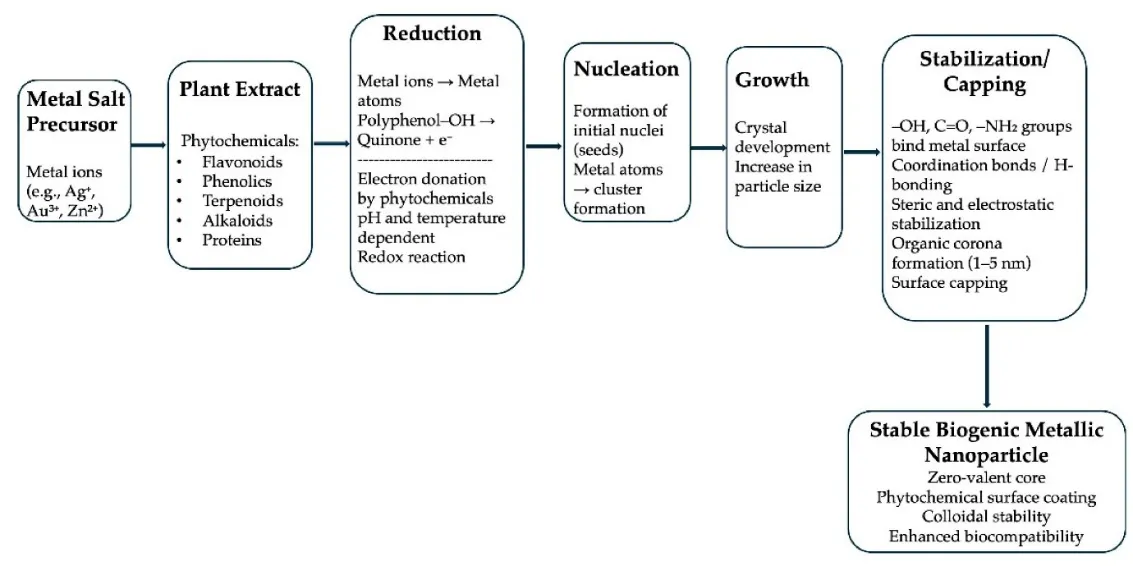
Figure 1: General mechanism of plant-mediated green nanoparticle synthesis.
2.3 Influence of extraction solvents on phytochemical composition
The extraction solvent plays a significant role in determining the phytochemical profile of the resulting extract.
| Solvent | Major compounds that may be extracted | Potential influence |
|---|---|---|
| Water | Polar phenolics, sugars, glycosides | Hydrophilic reducing and stabilizing components |
| Ethanol | Phenolics, flavonoids and some terpenoids | Broad phytochemical extraction |
| Methanol | Several polar and moderately polar metabolites | Useful for analytical profiling |
| Chloroform | Relatively nonpolar constituents | Lipophilic phytochemical fraction |
| Petroleum ether | Oils, waxes and nonpolar constituents | Nonpolar phytochemical fraction |
Solvent selection should be based on the intended phytochemical composition and the final pharmaceutical application. Residual solvent levels must also be considered during product development.
2.4 The relationship between phytochemical composition and nanoparticle properties
One of the most important aspects of green nanotechnology is the relationship between plant extract composition and nanoparticle characteristics.
Changes in the concentration of phenolic compounds, flavonoids and other metabolites may affect:
For example, differences in reducing capacity between two plant extract batches may produce nanoparticles with different particle-size distributions even when the same metal precursor and reaction temperature are used.
Therefore, phytochemical profiling should be considered an essential part of nanoparticle manufacturing rather than an optional preliminary investigation.
3. Phytochemical Standardization of Crude Plant Extracts
3.1 Importance of botanical authentication
The first step in extract standardization is accurate identification of the selected medicinal plant.
Misidentification, substitution and adulteration may result in differences in phytochemical composition and biological activity.
The following information should be documented:
1. Scientific name and botanical authority.
2. Family and common name.
3. Plant part used.
4. Geographical location of collection.
5. Collection season and date.
6. Authentication details and voucher specimen number.
7. Processing and storage conditions.
Authentication through a qualified botanist or recognized herbarium improves the reliability of the starting material.
3.2 Standardization of extraction procedures
The extraction procedure must be standardized to obtain comparable phytochemical profiles between different batches.
Important extraction parameters include:
Maceration, Soxhlet extraction, ultrasonic-assisted extraction and microwave-assisted extraction can produce different phytochemical profiles.
Consequently, the selected extraction method should be maintained consistently during subsequent nanoparticle synthesis.
3.3 Preliminary phytochemical screening
Qualitative phytochemical screening provides preliminary information about the presence of major secondary metabolite classes.
Common tests include:
| Phytochemical | Preliminary test |
|---|---|
| Alkaloids | Dragendorff's test |
| Flavonoids | Shinoda test |
| Tannins | Ferric chloride test |
| Phenols | Ferric chloride test |
| Saponins | Foam test |
| Terpenoids | Salkowski test |
| Glycosides | Appropriate class-specific chemical tests |
Although useful for preliminary identification, qualitative tests are insufficient for establishing batch-to-batch consistency. Quantitative and chromatographic methods are also required.
3.4 Quantitative phytochemical estimation
Quantitative estimation provides numerical information about the major phytochemical groups.
A. Total phenolic content (TPC)
The Folin–Ciocalteu method is commonly employed to estimate total phenolic content.
Results are generally expressed as milligrams of gallic acid equivalents per gram of dry extract (mg GAE/g).
B. Total flavonoid content (TFC)
The aluminium chloride colorimetric method is commonly used for flavonoid estimation.
Results are generally expressed as milligrams of quercetin equivalents per gram of dry extract (mg QE/g).
C. Total tannin content
Colorimetric methods can be employed to estimate tannins, depending on the extract and analytical requirements.
D. Antioxidant capacity
DPPH, ABTS and FRAP assays can provide information about the reducing and radical-scavenging potential of plant extracts.
These assays can be useful supporting measurements, but they should not be treated as direct substitutes for chemical fingerprinting.
3.5 Advanced phytochemical fingerprinting techniques
Advanced analytical techniques help establish the chemical identity and consistency of plant extracts.
| Analytical technique | Major application |
|---|---|
| TLC | Preliminary phytochemical profiling |
| HPTLC | Fingerprinting and batch comparison |
| HPLC | Separation and quantification of marker compounds |
| LC-MS/MS | Identification and quantification of metabolites |
| GC-MS | Analysis of volatile and suitable derivatized compounds |
| FTIR | Identification of characteristic functional groups |
| NMR | Structural characterization and metabolite profiling |
Chromatographic fingerprinting is particularly important because crude plant extracts contain multiple compounds that may participate in nanoparticle synthesis.
For example, HPLC or LC-MS can help identify marker compounds associated with metal-ion reduction, whereas FTIR can provide information about functional groups involved in nanoparticle surface interactions.
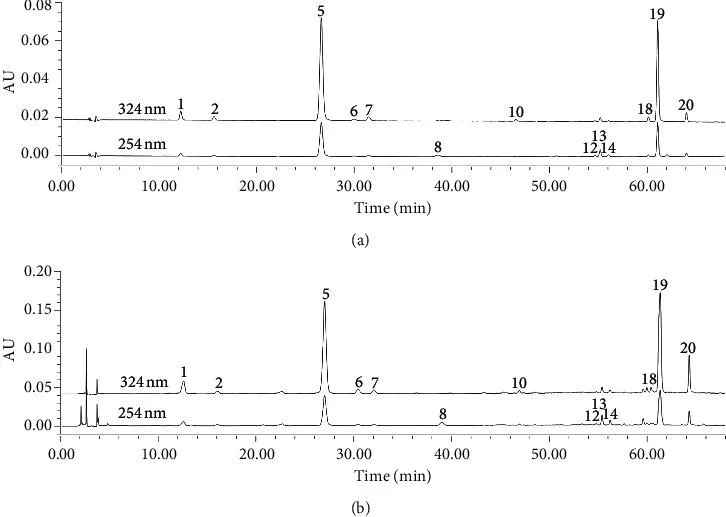
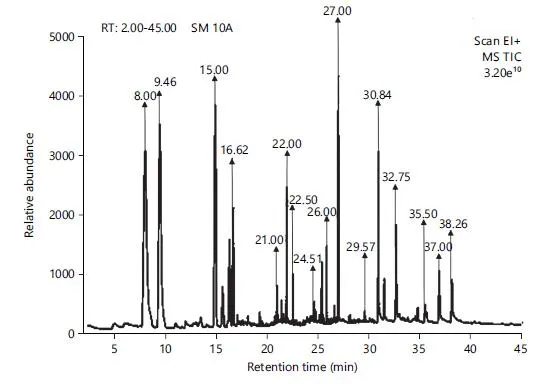
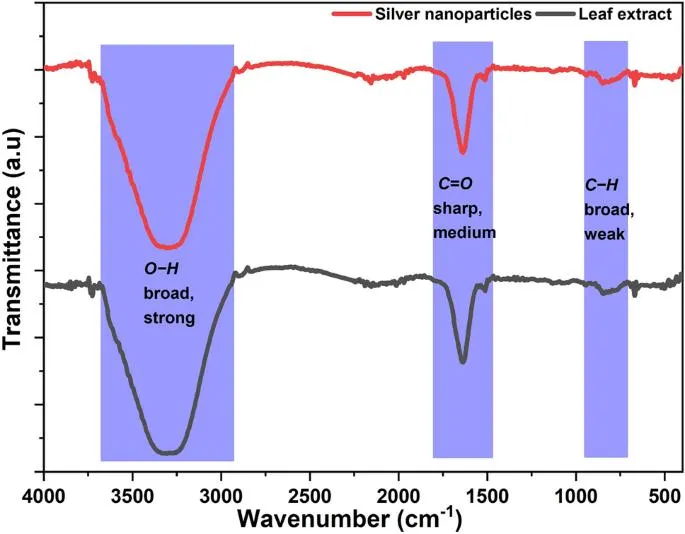
Figure 2: Examples of analytical approaches for phytochemical fingerprinting and nanoparticle characterization.
3.6 Establishing extract acceptance criteria
A major advancement in extract standardization is the establishment of acceptance criteria before nanoparticle synthesis.
For example, a research laboratory may establish internal specifications for:
These specifications should be developed using experimental data and validated analytical methods rather than selecting arbitrary universal limits.
The Consensus-based Reporting Guidelines for Phytochemical Characterisation of Medicinal Plant Extracts (ConPhyMP) provide an important framework for improving the reporting and reproducibility of medicinal plant extract research [1].
4. Quality-by-Design Approach in Green Nanoparticle Synthesis
4.1 Introduction to Quality-by-Design
Quality-by-Design (QbD) is a systematic pharmaceutical development approach in which product quality is incorporated into the development process rather than evaluated only at the final stage.
The approach involves understanding the relationship between raw materials, manufacturing parameters and final product quality.
In conventional green nanoparticle synthesis, researchers frequently modify individual experimental parameters until nanoparticles with desirable characteristics are obtained.
However, this trial-and-error approach may not adequately explain the interactions between phytochemical composition, synthesis conditions and nanoparticle properties.
QbD offers a structured alternative by establishing predefined quality objectives and identifying the factors that influence them.
4.2 Quality Target Product Profile (QTPP)
The Quality Target Product Profile describes the desired characteristics of the final nanoparticle formulation.
For green-synthesized pharmaceutical nanoparticles, the QTPP may include:
1. Intended pharmaceutical application.
2. Route of administration.
3. Desired particle-size range.
4. Acceptable particle-size distribution.
5. Colloidal stability.
6. Biocompatibility.
7. Biological performance.
8. Storage stability.
9. Appropriate formulation characteristics.
The QTPP should be defined according to the intended product. For example, nanoparticles intended for topical antimicrobial applications may have different quality requirements from nanoparticles developed for intravenous drug delivery.
4.3 Critical Quality Attributes (CQAs)
Critical Quality Attributes are measurable physicochemical or biological characteristics that must be maintained within appropriate limits to ensure product quality.
Important CQAs for green-synthesized nanoparticles include:
| Critical quality attribute | Pharmaceutical significance |
|---|---|
| Particle size | Influences distribution, interaction and cellular uptake |
| Polydispersity index | Indicates particle-size distribution |
| Zeta potential | Provides information about surface charge and colloidal stability |
| Morphology | Influences surface properties and particle interactions |
| Crystallinity | Provides information about material structure |
| Surface chemistry | Influences biological interactions |
| Nanoparticle yield | Indicates synthesis efficiency |
| Stability | Determines the suitability of storage and handling |
| Biological activity | Indicates functional performance |
| Residual impurities | Important for product safety |
Not every attribute has equal importance for every nanoparticle system. CQAs must be selected according to the intended application.
4.4 Critical Material Attributes (CMAs)
Critical Material Attributes are properties of the starting materials that may influence final nanoparticle quality.
In plant-mediated synthesis, the major CMAs include:
Among these, the phytochemical composition of the extract is particularly important because it determines the reducing and stabilizing capacity of the biological material.
4.5 Critical Process Parameters (CPPs)
Critical Process Parameters are manufacturing variables that can influence CQAs.
Important CPPs include:
1. Reaction temperature.
2. Reaction pH.
3. Reaction duration.
4. Metal precursor concentration.
5. Plant extract concentration.
6. Extract-to-metal precursor ratio.
7. Stirring speed.
8. Order of reagent addition.
9. Reaction volume.
10. Purification and drying conditions.
Changes in these parameters may affect nucleation, crystal growth, aggregation and nanoparticle stability.
4.6 Application of Design of Experiments (DoE)
Design of Experiments is an important statistical tool in QbD-based formulation development.
Instead of changing one factor at a time, DoE allows researchers to evaluate multiple variables simultaneously and identify interactions between them.
Common experimental designs include:
| DoE method | Application |
|---|---|
| Factorial design | Evaluation of main effects and interactions |
| Plackett–Burman design | Screening of important variables |
| Box–Behnken design | Optimization of selected process parameters |
| Central Composite Design | Development of response-surface models |
| Mixture design | Optimization of extract or solvent mixtures |
For example, the effects of reaction temperature, pH and extract concentration on nanoparticle size can be studied using a response-surface methodology.
The optimized conditions can then be verified experimentally.
4.7 Establishment of a design space
A design space represents the combination of input variables and process conditions that have been demonstrated to provide acceptable product quality.
In green nanoparticle synthesis, a design space may include:
Establishing a design space helps improve process understanding and supports reproducible manufacturing.
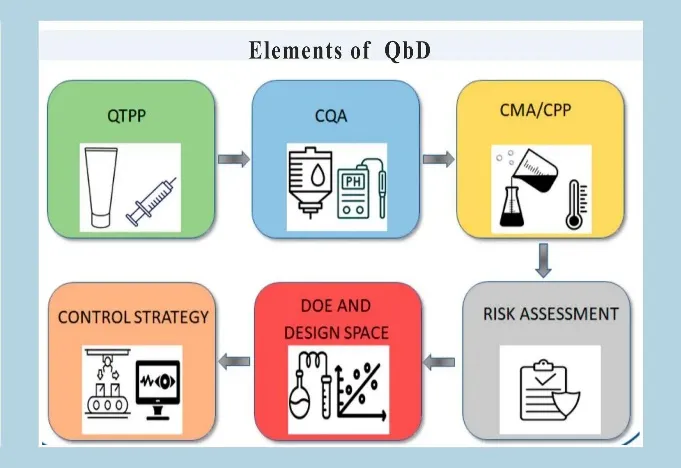
Figure 3: Proposed QbD framework for plant-mediated nanoparticle development
5. Physicochemical Characterization and Quality Control of Green-Synthesized Nanoparticles
Successful nanoparticle synthesis does not necessarily indicate that the resulting material is suitable for pharmaceutical applications. Comprehensive physicochemical characterization is required to establish nanoparticle identity, purity, uniformity and stability.
5.1 UV–Visible spectroscopy
UV–Visible spectroscopy is commonly used for preliminary confirmation and monitoring of nanoparticle formation.
Metal nanoparticles exhibit characteristic optical absorption associated with surface plasmon resonance (SPR). For example, silver nanoparticles commonly show an absorption band in the visible region.
The position and intensity of the absorption band may change according to particle size, morphology, aggregation and surrounding medium.
However, UV–Visible spectroscopy alone cannot confirm nanoparticle purity or provide definitive particle-size measurements.
5.2 Fourier Transform Infrared Spectroscopy (FTIR)
FTIR spectroscopy identifies functional groups present in plant extracts and nanoparticle samples.
It can help investigate the possible involvement of phytochemicals in nanoparticle reduction and surface stabilization.
Characteristic absorption regions may include:
Comparing the spectra of crude extract and synthesized nanoparticles can provide information about changes in functional-group environments.
5.3 Dynamic Light Scattering (DLS)
DLS is used to determine the hydrodynamic diameter and particle-size distribution of nanoparticles dispersed in a liquid medium.
It provides information about the apparent particle size, including the contribution of surface coatings and associated solvent layers.
The polydispersity index (PDI) indicates the breadth of the particle-size distribution.
A lower PDI generally indicates a narrower distribution, although its interpretation depends on the measurement method and nanoparticle system.
5.4 Zeta potential analysis
Zeta potential provides information about the electrokinetic potential near the slipping plane of dispersed nanoparticles.
It is useful for evaluating surface charge and predicting the tendency of particles to aggregate.
Both electrostatic and steric stabilization should be considered when interpreting nanoparticle stability. Therefore, zeta potential should not be used as the only stability indicator.
5.5 Scanning Electron Microscopy (SEM) and Transmission Electron Microscopy (TEM)
SEM and TEM are used to investigate nanoparticle morphology and structure.
These techniques are useful for determining whether the nanoparticles are spherical, rod-shaped, irregular or otherwise structured.
5.6 X-ray Diffraction (XRD)
XRD is used to determine the crystalline structure and phase composition of nanoparticles.
It can help identify crystalline phases, detect certain impurities and investigate crystallinity.
5.7 Stability studies
Stability is an essential requirement for pharmaceutical nanoparticle development.
Changes in storage conditions may cause aggregation, precipitation, oxidation or changes in surface chemistry.
Important stability parameters include:
Stability should be evaluated under defined storage conditions over appropriate time intervals.
Major characterization methods and their applications
| Technique | Main parameter evaluated | Importance |
|---|---|---|
| UV–Visible spectroscopy | Optical absorption | Preliminary formation monitoring |
| FTIR | Functional groups | Surface chemistry |
| DLS | Hydrodynamic diameter | Particle-size distribution |
| Zeta potential | Surface electrokinetic potential | Colloidal stability |
| SEM | Surface morphology | Structural examination |
| TEM | Particle morphology and dimensions | Nanoscale imaging |
| XRD | Crystal structure | Phase identification |
| EDX | Elemental composition | Elemental confirmation |
| TGA | Thermal behaviour | Thermal stability and organic coating assessment |
| ICP-MS or ICP-OES | Elemental concentration | Metal content and residual-ion analysis |
The selection of characterization methods should depend on the type of nanoparticle, intended application and available analytical facilities.
6. Functional Performance of Green-Synthesized Nanoparticles
The pharmaceutical significance of green-synthesized nanoparticles depends not only on their physicochemical properties but also on their biological and functional performance.
A nanoparticle system may possess desirable particle size and stability but still demonstrate inadequate biological activity or unacceptable toxicity.
Therefore, functional evaluation should be integrated into the quality assessment process.
6.1 Antioxidant activity
Plant-mediated nanoparticles may demonstrate antioxidant activity due to the presence of surface-associated phytochemicals and other material-specific properties.
Common antioxidant assays include:
DPPH radical-scavenging assay: Evaluates the ability of a sample to reduce the stable DPPH radical.
ABTS assay: Measures the ability of a sample to neutralize ABTS radical cations.
FRAP assay: Estimates the ferric-reducing capacity of a sample.
For meaningful comparison, nanoparticle samples should be evaluated alongside the crude extract, precursor controls and appropriate reference antioxidants.
The contribution of the plant-derived surface coating should be distinguished from the intrinsic properties of the nanoparticle material.
6.2 Antimicrobial activity
Green-synthesized nanoparticles have been investigated against several Gram-positive and Gram-negative bacteria and certain fungal organisms.
Common evaluation methods include:
Potential antimicrobial mechanisms include:
1. Interaction with microbial cell surfaces.
2. Disruption of membrane integrity.
3. Generation of reactive oxygen species.
4. Interference with cellular enzymes.
5. Release of biologically active metal ions.
The relative contribution of these mechanisms depends on the nanoparticle composition, surface chemistry and test organism.
6.3 Anti-inflammatory activity
Plant-mediated nanoparticles may demonstrate anti-inflammatory potential through interactions with inflammatory signalling pathways and oxidative stress mechanisms.
Common in vitro evaluation methods include:
More advanced studies may investigate inflammatory mediators such as TNF-α, IL-6 and COX-related pathways.
These preliminary assays should not be considered sufficient evidence of therapeutic anti-inflammatory efficacy.
6.4 Anticancer activity
Metal and metal oxide nanoparticles synthesized using medicinal plants have been investigated for potential anticancer effects.
Possible mechanisms include:
MTT, resazurin and other validated cell-viability assays may be used for preliminary evaluation.
However, the presence of cytotoxic activity does not automatically indicate selective anticancer activity. Comparisons with suitable non-cancerous cells are essential to establish selectivity.
6.5 Drug delivery applications
One of the important pharmaceutical applications of nanotechnology is the development of nanocarriers for drug delivery.
Green-synthesized nanoparticles may be investigated as:
Potential advantages include modification of surface properties and opportunities for combining natural phytochemicals with therapeutic agents.
Nevertheless, plant-mediated metal nanoparticles should not automatically be regarded as drug-delivery carriers. Their suitability depends on loading capacity, drug compatibility, release characteristics, biocompatibility and safety.
7. Relationship Between Phytochemical Composition, Nanoparticle Quality and Biological Performance
An important aspect of this review is the integration of three major parameters:
1. Phytochemical composition of the starting extract.
2. Physicochemical properties of the resulting nanoparticles.
3. Biological performance of the final nanoparticle system.
These parameters are interdependent.
For instance, a plant extract containing a higher concentration of certain reducing compounds may produce different nucleation and growth behaviour compared with an extract containing lower concentrations of those compounds.
Changes in nucleation and growth can influence particle size and morphology. These physicochemical changes may subsequently influence biological interactions.
The following table summarizes the proposed relationships.
Relationship between phytochemical attributes, nanoparticle characteristics and functional performance
| Phytochemical attribute | Possible nanoparticle effect | Potential functional consequence |
|---|---|---|
| Total phenolic content | Influences reduction and surface interactions | Changes in antioxidant-associated activity |
| Flavonoid concentration | Influences reduction and surface coating | Changes in surface chemistry and biological interactions |
| Tannin concentration | Influences complexation and capping | Changes in aggregation and stability |
| Terpenoid composition | Influences surface interactions | Possible changes in biological compatibility |
| Protein content | May contribute to surface coating | Changes in colloidal behaviour |
| Polysaccharide content | May provide steric stabilization | Changes in dispersion stability |
These relationships are mechanistic hypotheses that should be established experimentally for each plant–nanoparticle system.
7.1 Proposed integrated analytical approach
A systematic approach can be developed to investigate the relationships between extract composition and nanoparticle performance.
The workflow may include:
1. Preparation of multiple independently sourced plant extract batches.
2. Quantitative phytochemical estimation.
3. HPLC, GC-MS or LC-MS fingerprinting.
4. Standardized nanoparticle synthesis.
5. Physicochemical characterization.
6. Biological activity evaluation.
7. Statistical correlation analysis.
8. Multivariate data analysis.
Statistical methods such as principal component analysis (PCA), hierarchical clustering and partial least squares regression may help identify relationships between phytochemical profiles and nanoparticle characteristics.
Such an approach can help identify which extract characteristics are most strongly associated with desirable nanoparticle properties.
8. Batch-to-Batch Reproducibility and Standardization Challenges
Reproducibility is one of the major obstacles preventing the pharmaceutical translation of plant-mediated nanoparticle synthesis.
Unlike purified chemical reducing agents, crude plant extracts contain numerous compounds with variable concentrations.
These differences may result from:
Even when synthesis conditions are maintained, differences in extract composition may produce variations in particle size, morphology, surface properties and biological performance.
8.1 Strategies to improve reproducibility
Several approaches may improve batch-to-batch consistency.
Botanical standardization: Use authenticated plant material and document collection conditions.
Extraction standardization: Maintain consistent solvent composition, plant-to-solvent ratio and extraction conditions.
Phytochemical fingerprinting: Establish chromatographic profiles and quantify selected marker compounds.
Process control: Monitor pH, temperature, reaction time and precursor concentration.
Analytical validation: Use validated or appropriately qualified analytical methods.
Batch comparison: Compare independent nanoparticle batches using predefined acceptance criteria.
Stability monitoring: Evaluate changes in physicochemical properties during storage.
8.2 Role of reference materials and marker compounds
One promising approach is the use of selected marker compounds to normalize plant extracts.
For example, extracts may be standardized according to their gallic acid, quercetin or other suitable marker-compound concentrations.
Alternatively, reducing capacity or total phenolic content may be used as supporting indicators.
However, a single marker may not adequately represent the entire phytochemical composition. Combining marker quantification with chromatographic fingerprinting provides a more comprehensive approach.
9. Scale-Up and Pharmaceutical Manufacturing Considerations
Although plant-mediated nanoparticle synthesis is frequently demonstrated at laboratory scale, translating the process into large-scale pharmaceutical manufacturing presents several challenges.
9.1 Challenges during scale-up
1. Raw material availability
Large-scale production requires a consistent supply of authenticated plant material. Seasonal availability and geographical differences may affect raw-material quality.
2. Reaction uniformity
Maintaining uniform mixing, temperature and pH becomes more difficult when reaction volumes increase.
3. Particle-size control
Changes in heat transfer, mass transfer and mixing conditions may influence nucleation and particle growth.
4. Purification
Unreacted metal ions, residual phytochemicals and other impurities must be adequately removed or controlled.
5. Storage and transportation
Nanoparticles may undergo aggregation, oxidation or other physical and chemical changes during storage.
9.2 Process analytical technology (PAT)
Process Analytical Technology can support real-time monitoring and control of nanoparticle manufacturing.
Potential monitoring approaches include:
Integrating process monitoring with QbD can improve manufacturing consistency.
9.3 Good Manufacturing Practice considerations
For pharmaceutical development, green-synthesized nanoparticles must undergo appropriate quality assessment and manufacturing controls.
Important considerations include:
Importantly, the use of plant extracts does not automatically establish the safety or regulatory acceptability of a nanoparticle product.
10. Safety and Toxicological Evaluation
Biological synthesis is often described as environmentally friendly, but this does not necessarily mean that the resulting nanoparticles are safe for human use.
The toxicity of nanoparticles depends on several factors, including chemical composition, particle size, surface chemistry, aggregation behaviour, dissolution and exposure route.
10.1 In vitro cytotoxicity
Cell-based assays can provide preliminary information about the cytotoxic potential of nanoparticles.
Common methods include:
Appropriate controls are important because nanoparticles may interfere with the optical signals or reagents used in certain assays.
10.2 Hemocompatibility
For nanoparticle systems intended for blood-contacting or systemic applications, evaluation may include:
10.3 Genotoxicity
Genotoxicity testing may be required depending on the material, intended exposure and regulatory development pathway.
Potential evaluation methods include the comet assay and micronucleus assay.
10.4 In vivo toxicity
Where justified, animal studies may investigate:
Safety evaluation should be appropriate to the proposed route of administration and intended clinical use.
11. Regulatory Perspectives and Quality Frameworks
The pharmaceutical development of green-synthesized nanoparticles requires the integration of material characterization, manufacturing controls and biological safety assessment.
Several regulatory and scientific frameworks provide useful guidance.
11.1 ICH Q8 (R2): Pharmaceutical Development
ICH Q8 (R2) introduces the principles of pharmaceutical development and supports a systematic understanding of product and process variables.
Its concepts are applicable to the development of green nanoparticle formulations through:
11.2 ICH Q9 (R1): Quality Risk Management
ICH Q9 (R1) provides a framework for identifying, evaluating and controlling quality risks.
For green nanoparticle synthesis, risk assessment may include:
11.3 ICH Q10: Pharmaceutical Quality System
ICH Q10 provides a pharmaceutical quality-system framework covering the product lifecycle.
Its principles may support continuous improvement, process monitoring, deviation management and change control during nanoparticle development.
11.4 Nanomedicine-specific characterization
The characterization of nanomedicines requires particular attention because their behaviour may depend on particle size, surface characteristics, aggregation and interactions with biological systems.
Consequently, conventional pharmaceutical quality tests may need to be supplemented with nanoparticle-specific analytical procedures.
Regulatory development should also consider the intended product category and applicable national requirements. A green-synthesized nanoparticle intended as an active medicinal product may face different requirements from a nanoparticle used as an excipient or drug carrier.
12. Emerging Trends and Future Research Perspectives
The future of green nanomedicine will depend on the development of more predictable, standardized and scientifically validated synthesis approaches.
Several emerging strategies may contribute to this transition.
12.1 Metabolomics-assisted nanoparticle synthesis
Metabolomics can provide comprehensive information about the metabolites present in plant extracts.
LC-MS-based metabolomics may help identify compounds associated with nanoparticle formation and biological performance.
Combining metabolomic information with nanoparticle characterization could improve understanding of the relationships between extract composition and product quality.
12.2 Artificial intelligence and machine learning
Artificial intelligence and machine learning may help predict nanoparticle characteristics from extract composition and synthesis parameters.
Potential applications include:
However, reliable predictive models require sufficiently large, standardized and experimentally validated datasets.
12.3 AI-integrated Quality-by-Design
Combining AI with QbD may provide an advanced framework for controlling variability in plant-mediated synthesis.
A recent 2026 review specifically explores AI-QbD strategies for addressing natural-extract variability and improving the reproducibility of green nanomaterial production [3].
ScienceDirect+1
12.4 Use of purified phytochemicals
An alternative to crude extracts is the use of purified plant-derived compounds.
Examples include:
Purified compounds may offer better control over reducing and stabilizing activities. However, they may not reproduce the complex surface chemistry obtained using crude plant extracts.
A comparative approach involving crude extracts, standardized extracts and purified marker compounds could help establish the most suitable synthesis strategy.
12.5 Green synthesis using agricultural waste
Agricultural residues and food-processing waste may provide economical sources of phytochemicals.
Leaves, fruit peels, seed coats and other plant-derived residues may be investigated as reducing and stabilizing agents.
However, waste-derived extracts also require authentication of their composition, contaminant assessment and batch standardization.
12.6 Development of multifunctional nanomedicines
Future research may focus on multifunctional nanoparticles combining several properties, such as:
The development of multifunctional systems should be supported by separate evaluation of each claimed function and their combined effects.
13. Proposed Integrated Framework: From Crude Extract to Reproducible Nanomedicine
The central contribution of this review is the integration of phytochemical standardization, QbD and functional performance into a single pharmaceutical development framework.
Rather than treating plant extraction, nanoparticle synthesis and biological testing as separate activities, these processes should be considered interconnected stages of product development.
13.1 Stage I: Botanical and phytochemical standardization
13.2 Stage II: QbD-based synthesis development
13.3 Stage III: Nanoparticle characterization
13.4 Stage IV: Functional performance evaluation
13.5 Stage V: Reproducibility and stability assessment
This framework provides a practical route for improving the scientific reliability of green nanoparticle research and supporting its progression towards pharmaceutical development.
CONCLUSION
Green synthesis of nanoparticles using medicinal plant extracts represents a promising approach for the development of sustainable nanomaterials with potential pharmaceutical applications. However, the transition from laboratory-scale synthesis to reproducible nanomedicine requires a comprehensive understanding of the chemical composition of plant extracts and its influence on nanoparticle formation and biological performance.
Phytochemical standardization provides the foundation for controlling raw-material variability, while Quality-by-Design offers a systematic approach to identifying critical material attributes, critical process parameters and critical quality attributes. Advanced analytical characterization and functional evaluation further establish the quality, stability and biological relevance of the resulting nanoparticles.
Integrating phytochemical fingerprinting, QbD, design-of-experiments approaches, nanoparticle characterization and biological assessment may improve reproducibility and facilitate the development of more reliable green nanomedicinal systems.
Ultimately, the successful pharmaceutical translation of green-synthesized nanoparticles will depend not only on the sustainability of their preparation but also on their consistency, quality, safety and demonstrated therapeutic performance.
REFERENCES






Sonu Jacob, Nehala M. N., Fathimath Shahana, Aleena Paul, Devikrishna Vijayan, Vyshnavy Biju, From Crude Plant Extracts to Reproducible Nanomedicine: Phytochemical Standardization, Quality-by-Design and Functional Performance of Green-Synthesized Nanoparticles, Int. J. of Pharm. Sci., 2026, Vol 4, Issue 11, 4918-4935. https://doi.org/10.5281/zenodo.24548976
 10.5281/zenodo.24548976