

We use cookies to ensure our website works properly and to personalise your experience. Cookies policy
pharmacy, genba sopanrao moze college of pharmacy.
A new generation of genome editing tools, the clustered regularly interspaced short palindromic repeats (CRISPR)/Cas9 system is quickly displacing the transcription activator-like effector nucleases and zinc finger nucleases systems. Indeed, the CRISPR/Cas9-based genome editing technology is emerging as a potent instrument in plant science research because of its benefits of ease of use and high efficiency. Because of its great effectiveness and accessibility of use, CRISPR-Cas gene editing technology has ushered in a new era of genome engineering and genome interrogation. A rapidly expanding genome editing technique, the CRISPR system has many uses in determining gene functions, enhancing crop breeding, and increasing agricultural productivity. This genome editing technique, CRISPR-Cas9, is a promising tool for targeted mutagenesis, gene knockouts, and gene transcription modulation in plants. Medicinal plants have acquired appeal in the medical field as herbal treatments due to the positive secondary metabolites composition. Techniques to increase the production of secondary metabolites are offered via genetic modification methods. By carefully targeting genes associated with disease resistance pathways, indeed editing can bolster the body's defense mechanisms. However, by altering the genes that are essential to the biosynthesis pathway and the generation of particular secondary metabolites in plants, this strategy has made manipulation possible. Using this approach, site-directed gene editing has been applied to a growing number of plant species. The goal is to provide as a resource for the use of this technique in synthetic biology and genome functional investigations. The technical aspects of the plant CRISPR/Cas9-based genome editing system are presented here, along with its uses in genetic improvement and functional genomics research on plants.
CRISPR/Cas genome editing has emerged as a breakthrough method for enhancing medicinal plants, allowing for accurate, efficient, and targeted alterations to genes involved in the manufacture of important phytochemicals. CRISPR/Cas systems are particularly well-suited for optimizing intricate metabolic processes in plants because they provide high precision, cost-effectiveness, and the capacity to edit several genes at once, in contrast to conventional breeding or previous genome editing techniques [1].
CRISPR-Cas genome editing (in two ß-1-3 glucanase genes) increased insect resistance in barley cultivars, which decreased the development of callus tissue and stops Rhopalosip humpadi, an aphid, from getting phloem sap, which affects growth and changes host preference [2]. Because of its ability to precisely control genomic alterations, CRISPR-Cas9 is a vital tool for metabolic engineering in therapeutic plants [3].
Recent developments have shown that CRISPR-based methods can be effectively used to increase the pharmacologically active chemicals that medicinal plants produce. For instance, in both transient and stable plant systems, the activation of several endogenous genes in Dendrobium species by CRISPR/Act3.0 dramatically raised dendrobine, a crucial therapeutic alkaloid, by more than 30% [4].
The utilization of technology has unparalleled prospects for research on secondary metabolism, functional genomics, and synthetic biology applications in medicinal plants, which will ultimately result in increased production of important phytochemicals [5].
1.CRISPR- CAS SYSTEM UTILIZATION
1.1 The functioning of the CRISPR/Cas system
Three phases make up the CRISPR-Cas system's operating mechanism: Interference, Expression, and Acquisition . All known CRISPR-Cas systems share the Cas1 and Cas2 protein complex, which largely carries out the first stage. Other Cas proteins may also be involved [6].
CRISPR/Cas, an adaptive mechanism for phage immunity in bacteria and archaea, is derived from prokaryotes. Programmable RNA-guided genomic modification is made possible by the CRISPR/Cas system, as it is reliant on the detection of DNA-RNA interactions and particular nucleic acid cleavage binding activity for a certain sequence [7].
The CRISPR/Cas system includes the single-guide RNA (sgRNA), which is derived from type II SpCas9 (the most widely used Cas9 protein from Streptococcus pyogenes) and is widely used in many species, including plants. It is made up of the fusion of a trans-activating RNA (tracrRNA) and a CRISPR RNA (crRNA) [8].
Cas12a is another well-known Cas enzyme. It is a class 2, type V, RNA-guided DNA endonuclease with a single nuclease domain that only a single, smaller gRNA molecule to process crRNA. It also produces staggered DNA ends and can identify T-rich PAM sites [9].
The basic idea behind the CRISPR/Cas tool is to create DSB at a specific genomic location and fix damaged DSB gaps by adding DNA changes either the incorrect NHEJ pathway or the donor-dependent HDR pathway [10].When the two ends of the DSB are reconnected, incorrect NHEJ causes small nucleotide insertions and deletions (indels) to be introduced into the targeted regions (including genes and promoters), resulting in frameshift changes that disrupt the original structure and function [11].
Moreover, the CRISPR/Cas system has the ability to modify gene expression by modifying transcriptional regulatory regions, such as terminators, enhancers, promoters, and other associated elements [12].
For fixing a DSB in the gene sequence, base editing and prime editing techniques do not rely on traditional CRISPR/Cas processes. Cytosine base editors (CBEs) and adenine base editors (ABEs) are the two categories into which base editing tools fall. These base editing tools comprise either a nicked Cas9 (nCas9) or catalytically inactivated Cas9 (dCas9) associated with a particular deaminase. Depending on their specific roles, the deaminases cause temporary changes in DNA by changing C•G to T•A or A •T to G •C [13].
Additionally, there were two primary components to the prime editing tools: prime editing guide RNA (pegRNA) and a fusion protein containing reverse transcriptase and Cas9 nickase (H840A). The non-target DNA strand is nicked by the Cas9 nickase variant (H840), which has a RuvC functional domain. After that, reverse transcriptase modifies the required DNA using a pegRNA template [14].
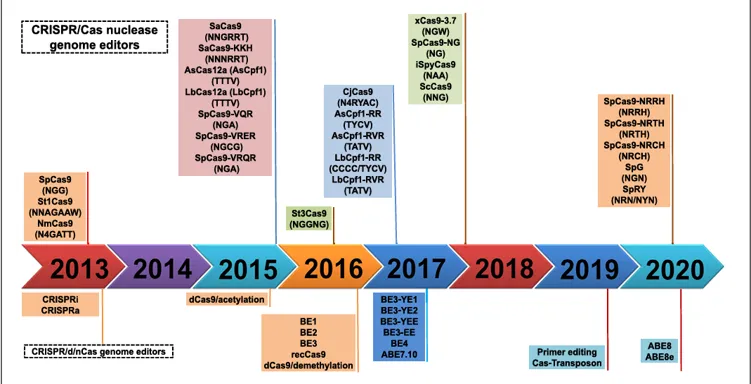
Figure 1: Overviewthe Brief History for Devloping the Main CRISPR/Cas Editor.[15]
These days, the CRISPR/Cas genome editing tools have undergone quick modifications to increase their potential applications (Fig.1) [15].
1.2 Structure of CRISPR-Cas
The Cas gene family proteins and the CRISPR array, which is made up of repeats, spacers, as well as the leader sequence. The CRISPR transcription is started by the leader sequence, which is situated upstream of the CRISPR array [16]. The upstream portion of the CRISPR array typically contains the Cas gene's coding sequence, which can encode a Cas protein, which is highly conserved and connected to nucleic acids [17], it can precisely break DNA sequences and possesses helicase, nickase, nuclease, and other functions [18].
1.3 CRISPR/Cas-Based New Editors
1.3.1. CRISPR-Cas12
With up to 11 distinct subtypes, the type V CRISPR/Cas12 system provides a complete defense mechanism. Similar to Cas9, Cas12a, also called Cpf1, is a type V-A CRISPR/Cas system [19].
CRISPR/Cas12a was initially employed in rice to successfully mutate the OsPDS and OsBEL genes. Since Cpf1 does not rely on distant DNA and keeps a safe distance from foreign DNA contamination, it has since been widely employed in plant genome editing. The Cas12b CRISPR system protein (C2c1) is a type V-B CRISPR/Cas system double-RNA-directed DNA endonuclease. Its amino acid composition ranges from 1100 to 1500, and it is smaller than the Cpf1 and Cas9 proteins [20].
1.3.2. CRISPR-Cas13
RNA cleavage has been accomplished using the type VI CRISPR/Cas system (CRISPR/Cas13), and Cas13a was the first RNA nuclease to be used [21]. Additionally, the non-specific RNA restriction enzyme activity linked to Cas13a activation is utilized for quick nucleic acid testing and is employed in character detection, agribusiness, problem monitoring, and differentiating between pathogens in agricultural production [22].
1.3.3. CRISPR-Cas14
Under the guidance of sgRNA, it primarily binds and cleaves the target ssDNA. The Cas14 protein doesn't need a PAM sequence because its amino acid length is only 400–700 aa. The CRISPR/Cas14a protein only binds to ssDNA targets, in contrast to the Cas12 protein. The best weapon for fighting plant ssDNA viruses is CRISPR/Cas14a [23].
1.3.4 . Base Editing (BE)
A double-stranded DNA break is avoided when the base editing method hits the intended genomic DNA (gDNA) spot. To achieve precise single-base substitution, deaminase is delivered to the target location. Nevertheless, this approach has drawbacks, including off-target impact, grouping foundation dependence, and PAM sequence constraint [24].
1.4 Present state of plant engineered metabolism in the era of CRISPR
The techniques used in the field of plant metabolic engineering can be divided into two main goals: (1) biofortification or enhancement of nutritional quality, and (2) plant synthetic biology [25]. Given the significant impact that nutrition has on human well-being, using the CRISPR/Cas tool in biotechnology shows promise for improving crop plants' nutritional profiles [26].
Globally, the incidence of nutritional deficiencies, such vitamin D deficiency, is a serious concern. Vitamin D deficiency is linked to decreased skeletal growth, neurocognitive impairment, and an increased risk of cancer. by successfully using CRISPR/Cas9 to raise the levels of 7-dehydrocholesterol (7-DHC), also known as provitamin D3, in tomatoes. Sl7-DR2 activity was interfered with in order to biofortify tomatoes to increase their provitamin D3 levels, which resulted in the accumulation of 7-DHC [27].
A special plant molecule called anthocyanin accumulation plays a major role in the formation of purple pigmentation in plant tissues. It is strongly associated with increased resistance to bacterial infections, fungal diseases, herbivory, and stresses caused by heavy metals. A class of water-soluble flavonoids known as anthocyanins is important for several physiological functions, including intestinal function, cardiovascular and neurological disorders, and gastrointestinal absorption [28].
It is feasible to produce natural rubber with a molecular weight (Mw) more than one million Daltons from lettuce laticifers that have undergone CPT transformation. It further mentioned that natural rubber (NR) with a molecular weight of roughly 0.1 million Daltons (Da) could be produced using native golden rods. This trait sheds important light on the process by which natural rubber is biosynthesised in plants [29].
2.MEDICINAL PLANT
Enabling the direct introduction of precise and predictable alterations in an elite background, genome editing can speed up plant breeding. The CRISPR/Cas9 technology is especially useful because it allows for the simultaneous modification of many phenotypes.
The most straightforward type of targeted modification is NHEJ-mediated gene knockouts, which can be used, for example, to remove genes that impair food quality, to increase susceptibility to infections, or to redirect metabolic flow away from end products that are valuable [30].
Within a metabolic route, the non-CRISPR/Cas genetic engineering methods that entail increasing the gene expression of a catalyzing enzyme, precursor, or product can be divided into two categories into three different approaches.
First, there may be a greater accumulation of specialized metabolites in the plant system if essential enzymes that control the rate of several complex reactions in a pathway, including methylation, condensation, isomerization,glycosylation, and acylation, are expressed endogenously [31].For example, RNA interference (RNAi) has been used to design Artemisia annua, Catharanthus roseus, Nicotiana tabacum, Panax ginseng, Panax quinquefolius, Papaver somniferum, and Withania somnifera to inhibit the expression of a gene responsible for the breakdown of a desired metabolite [32].
2.1 Integrating CRISPR/Cas genes in medicinal plants
Increased yields of the targeted chemicals are a direct result of this metabolic flow rerouting. Furthermore, the generation of metabolites can be accelerated by using CRISPR technology to activate or upregulate genes encoding enzymes that are rate-limiting in the intended metabolic pathway (fig.2) [33].
Medicinal plants that use CRISPR technology provide a targeted and effective way to increase the manufacture of specific metabolites, such alkaloids, which are essential for a number of pharmacological uses [34].
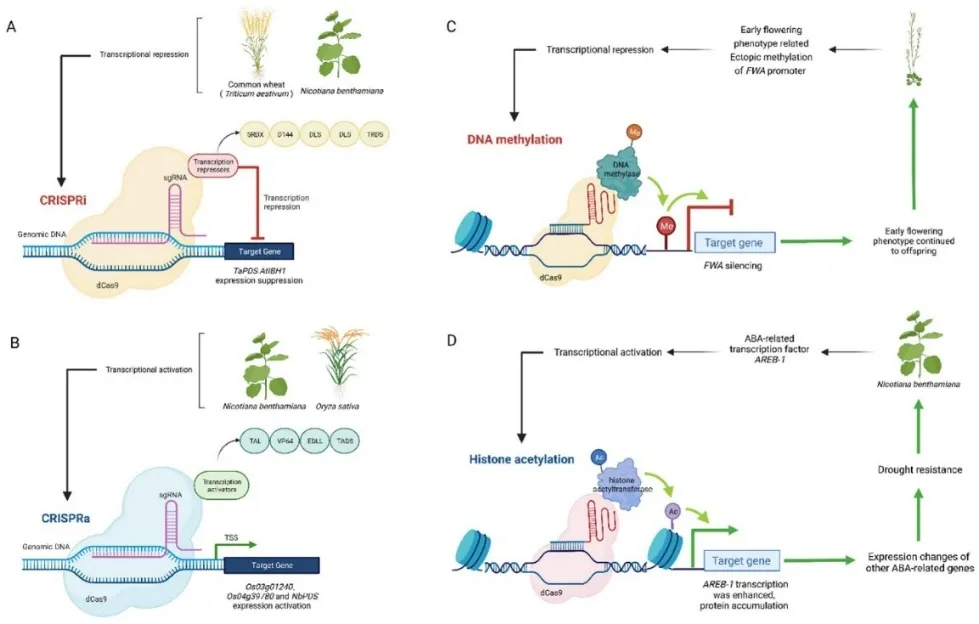
Figure 2: Application of CRISPR-a and CRISPRi in Medicinal Plants (a) the Mechanism of Action of the nCas9 Base Editor and Gene Editing. (B) Mechanism of Action of Cas12a in Gene Regulation. (C) Application of dCas9 in the Regulation of Gene Expression in Plants [33].
2.2 Employment of CRISPR-Cas system to medicinal plants
a. Application in Salvia miltiorrhiza
Its lipid-soluble tanshinones and water-soluble phenolic acids, such as rosmarinic acid, salvagiolic acid, and lithospermic acid, are primarily responsible for its pharmacological effect [35].S. miltio rrhiza has been a perfect material for medicinal plant genetics and epigenetics study because of its short life cycle, easy micropropagation techniques, and effective genetic transformation system. Since its genome was dissected, it has emerged as a promising model plant for research on therapeutic plants. [36]
Tanshinone I, Tanshinone IIA, and Cryptotanshinone were the primary tanshinones; homozygous mutants lacked all of them. This discovery opened the door for further research on the secondary metabolic synthesis pathway of tanshinone and large-scale functional genome editing in S. miltior rhiza by demonstrating that SmCPS1 is a crucial gene of the tanshinone synthesis pathway [37].
Phenolic acid levels, such as those of RA and salvianolic acid B (SAB), dramatically dropped, while those of the RA precursor 3,4-dihydroxyphe In the mutations, nyllactic acid was obviously elevated. This outcome confirmed SmRAS's functionality.
Using the CRISPR-Cas9 dual-locus editing technique, more than 20 laccase family genes were concurrently deleted in S. miltiorrhiza in 2021 [38].
The CRISPR lines showed a marked delay in the formation and development of hairy roots. These findings demonstrated the importance of SmLACs, which are essential for development and lignin formation in S. miltio rhiza roots, which are essential for the manufacture of phenolic acids [39].
b. Application in Cannabis sativa
Long used as a medicinal herb, Cannabis sativa is well-known for the pharmacological effects of its cannabinoids, namely D9-tetrahydrocannabinol (THC), and the medicinal potential of cannabidiol (CBD) in the treatment of various human diseases, including cancer and complicated neurological disorders, has sparked fresh interest in recent years. [40,41].
Due to its great target programmability and specificity, the CRISPR-Cas9 method has gained attention for cannabis genome editing. With the establishment of the Cannabis de novo assembly's superior reference genome . Thus, the adoption of genetically modified hemp strains depends heavily on new biotechnological technologies ,including phytochemicals in higher concentrations and quality [42].
A popular marker gene that can be used to evaluate genetic manipulation tools, the phytoene desaturase gene (CsPDS1), was edited by Zhang et al. in 2021 using the CRISPR-Cas9 technology, ultimately producing four transgenic cannabis plants with an albino phenotype [43].
2.3 New Techniques to Deliver CRISPR in Medicinal Plant Genetics
i. Transformation Mediated by Agrobacterium : The most popular application is for plants, particularly for the steady integration of CRISPR constructs in explants such as floral organs, calluses, and leaves.Very beneficial for a variety of woody and medicinal plants, however causes transgenic plants with integrated foreign DNA [44].
ii. Biolistics' Particle Bombardment uses high-velocity microprojectiles to deliver ribonucleoprotein (RNP) complexes or CRISPR DNA straight into plant cells.Beneficial for species that are less susceptible to Agrobacterium, although it may result in tissue damage and haphazard DNA integration [44].
iii. Nanoparticle-Based Transportation New non-viral technique that delivers CRISPR RNPs, mRNA, or plasmids utilizing substances like liposomes, carbon nanotubes, and gold nanoparticles. Minimizes regulatory problems by providing low cytotoxicity, a decreased immunological response, and the possibility of DNA-free editing [44].
SNP-CRISPR can be applied to non-reference genomes, model animals, and a variety of genetic backgrounds, especially SNP-containing alleles. Additionally, SNP CRISPR determines the efficiency and specificity ratings for sgRNA designs that target both the reference and the variations [45].
In particular, CRISPR/Cas systems can be strategically used in a number of ways to increase phytochemical production.Obstructing branches or competitive routes: CRISPR/Cas9 can reroute metabolic flow towards the target compounds by deleting genes implicated in metabolic pathways that shift precursors away from the intended phytochemical production.Repression or activation of transcription factors: Key enzyme expression can be altered by accurately controlling the activity of transcription factors that control genes involved in secondary metabolite production using customized CRISPR/dCas9 (dead Cas9) systems [46].
CRISPR/Cas has specific uses in biotechnology and plant breeding, such as: In order to fight bacterial diseases as banana Xanthomonas wilt or viral infections, disease resistance can be achieved by engineering resistance genes or deleting susceptibility genes [47].Enhancement of yield and quality: To boost output and nutritional value, genes pertaining to seed size, fruit growth, and general plant design can be changed [48]. Stress tolerance: Increasing a plant's resistance to different abiotic stimuli, like heat, cold, salinity, and drought, by modifying genes or pathways that respond to stress [49].
3. SECONDARY METABOLITES
Combining CRISPR/Cas9 with multi-omics technology is a comprehensive approach to enhancing the production of secondary metabolites in medicinal plants. The identification of functional genes and the clarification of particular biosynthetic pathways, these multi-omics investigations offer essential insights into the intricate regulatory networks controlling metabolite production.
This massive multi-omics data is then integrated using bioinformatics and systems biology methods to forecast the biosynthesis of natural products and identify new genes or pathways for focused manipulation[46].The variety of secondary metabolites is depicted in the above image, which also highlights their chemical makeup and potential medical uses (fig 3) [33].
This includes phenolics like eugenol (analgesic, antibacterial), naringin/naringenin (anti-cancer, anti-inflammatory), propofol (anesthetic), catechin (anti-cancer, anti-Alzheimer's), resveratrol (anti-cancer, anti-aging), and coumarin (anti-inflammatory); terpenoids like β- thujaplicin (antimicrobial) and geraniol (insect repellent); and carotenoids like β-carotene and lutein (antioxidants) as well as alkaloids like cocaine (anesthetic, vasoconstrictor, caffeine (pain-reliever), and quinine (anti-malarial) [46].
Several crucial phases are included in a typical process for improving secondary metabolites utilizing CRISPR/Cas9 in conjunction with multi-omics: i] Multi-omics Studies: In-depth examination of the biological landscape of plants using transcriptomics, metabolomics, and genomes. ii] Finding Functional Genes: Using multi-omics data, identify particular genes that are involved in the biosynthesis or control of the target secondary metabolites [46]. iii]sgRNA Design and Assembly: creating a plant-specific Cas9 expression vector by assembling particular single-guide RNAs (sgRNAs) that target the specified genes.
iv]Transformation Methods: Using well-established methods such polyethylene glycol (PEG) methods, biolistic guns, or Agrobacterium-mediated transformation, the Cas9 expression vector is introduced into plant cells [50].
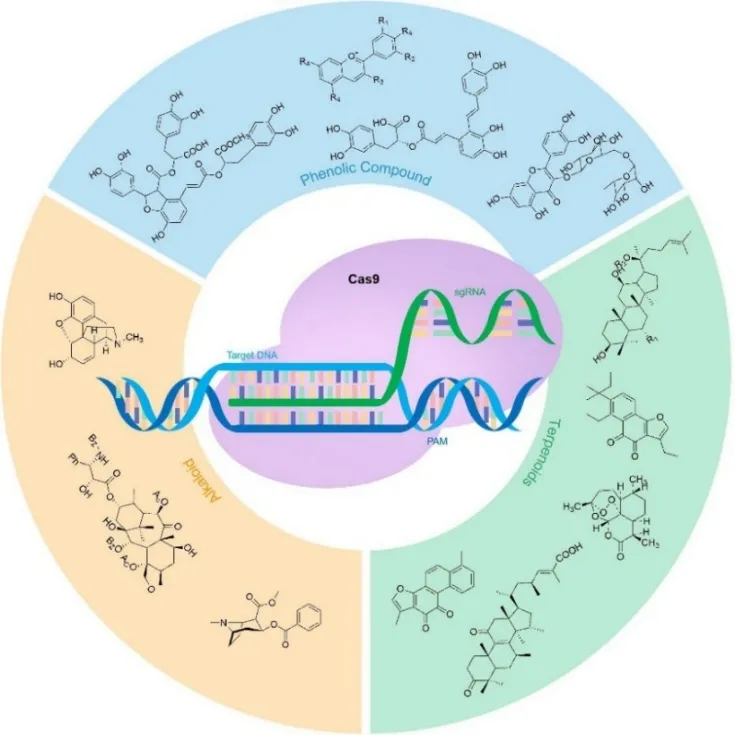
Figure 3: CRISPR/Cas9 System in Secondary Metabolically Active Substances[33]
3.1 Analysis of secondary alkaloid [Tropane Alkaloids] by CRISPR/Cas.
In alkaloid preparations of the leaves and roots of the wild type A. belladonna, peaks corresponding to hyoscyamine, anisodamine, and scopolamine were also found.
The total disruption of the conversion from hyoscyamine to anisodamine and scopolamine was demonstrated by the absence of anisodamine and scopolamine in AbH6H-disrupting plants.The results of the alkaloid analysis verify that transgenic lines with homozygous mutations, such as H9, H14, and H15, experienced a loss of function in the H6H as a result of the CRISPR/Cas9-mediated disruption of AbH6H [50].
3.2. Obstacles to using CRISPR/Cas to improve phytochemicals
Regulatory Issues: Strict regulatory obstacles may arise from worries about the transgenic nature of some CRISPR applications. PAM Sequence Restrictions: Cas9's possible target sites are limited by the need for a protospacer adjacent motif (PAM) sequence, which affects editing flexibility.
Efficiency of DNA Repair: Although non-homologous end-joining (NHEJ) mechanisms are helpful for knockouts, their efficiency varies, and research is constantly being done to improve their precision [46].
4. OFF-TARGET EVALUATION
Since the CRISPR/Cas9 system is a monomer, it is more likely to have off-target effects than TALENs and ZFNs. In contrast, the ZFN and TALEN assemblies are dimeric, which makes it easier to identify shorter target sequences.The Cas9 complex has been found to bind to unintended regions and initiate cleavage, known as off-target consequences [51].
Off-targets are gRNA regions with strong homology to the predicted on-target regions. Typically, there are up to six discrepancies between off-target and on-target areas. When there are fewer mismatches, off-targets tend to have greater noticeable cleavage and binding. To reduce mismatches, a number of algorithms are being developed to identify possible off-target regions for certain gRNA sequences [52].Both gRNA-dependent and gRNA-independent editing events can produce off-target results in base editing systems. Numerous tactics have been employed extensively to reduce gRNA-dependent off-target base editing [53].
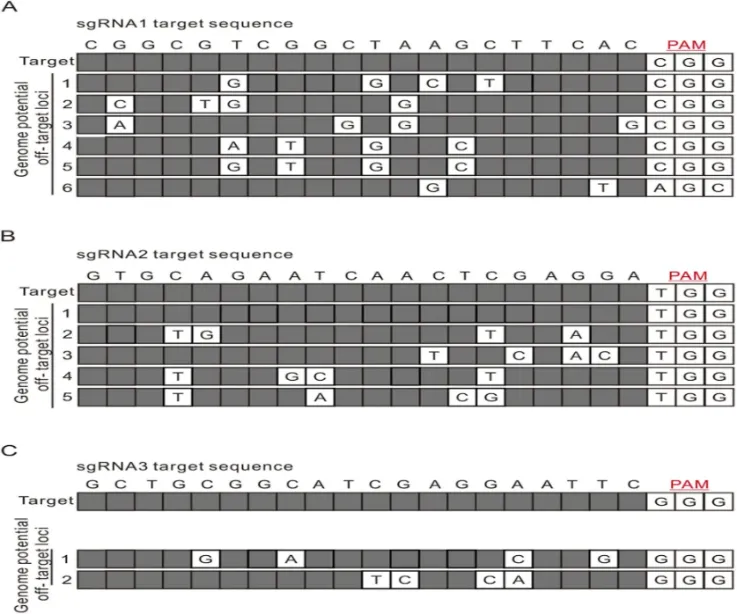
Given this, the unoptimized CRISPR vector for S. miltiorrhiza that we employed here28 may be the cause of the off-target activity of sgRNA1 transformation events. The unoptimized CRISPR vector may make off-target changes more likely if the identical sequence is discovered at other loci. There were only two comparable sequences with four nucleotide changes for sgRNA3. Even while sgRNA3 caused changes, its mutation rate was only 42.3% in (fig.4). [54]
4.1.Techniques for Identifying Off-Target Effects
i]Genome-Wide, Unbiased Identification of DSBs Enabled by Sequencing (GUIDE-seq):
By integrating double-stranded oligodeoxynucleotides (dsODNs) into DSB sites mediated by NHEJ, then amplifying and sequencing the tagged DNA fragments, GUIDE-seq finds DSBs brought on by nuclease activity [55].In order to evaluate nuclease cutting in a cellular setting, an exogenous DNA oligo must be integrated, which is ineffective in primordial cells and useless in vivo. Additionally, for ethical reasons, cotransfection of extra exogenous DNA is not currently employed in human therapy, and it may have an impact on the overall editing results [56].
Figure 4:Lists of potential off-target loci for gRNAs used in this study [54]
ii]Sequencing the Digested Genome (Digenome-seq) : Digenome-seq is an objective, reliable, economical, sensitive, and repeatable technique for profiling off-target effects of Cas9 and other programmable nucleases over the whole genome. Interestingly, putative off-target locations with an RNA/DNA bulge are captured by degenome-seq [57].
4.2. The Biosafety Issues with CRISPR Variants for Genetic Manipulation: Improving Specificity and Reducing Off-Target Effects
A major breakthrough in science, the CRISPR–Cas system has revolutionized genetic engineering by offering a targeted and effective tool for modifying gene sequences in many organisms. But because of its unmatched potential for off-target effects, biosafety experts are extremely concerned [58]. The CRISPR variation Cas12c, sometimes referred to as C2c3, is structurally identical to Cas12a. With great persistence and adaptability, Cas12c has been utilized to modify the genomes of bacteria and mammalian cells [59] .Therefore, selecting distinct target sequences within the genome can be a calculated strategy to lessen off-target effects [60]
Although Cas12c provides special benefits, its administration into cells must be done carefully to guarantee biosafety and handle any possible off-target consequences that could have long-term safety ramifications. Another CRISPR version with characteristics that enable its use in RNA editing and detection is Cas13.The potential of Cas13a to treat or prevent RNA virus-induced disorders like SARS-CoV-2 is being investigated [61].
Strict precautions must be taken when manipulating genetic material, particularly from a potentially dangerous virus like SARS-CoV-2, to avoid abuse or unintentional release. Viral genetic material must be handled in order to recognize and ligate viral RNA in the Cas13a-based assay [62].
4.3. Temperature Effects on On- and Off- Targets:
Temperature has been thought to have an impact on target mutagenesis in recent years. According to LeBlanc et al. (2018), in A. thaliana plants that have a sgRNA against the reporter gene, the growth chamber's temperature can increase on-target mutagenesis while decrease off-targets. Their findings showed that compared to plants subjected to ordinary temperature (22 ◦C), plants under heat stress (37 ◦C) exhibit more on-target mutations by CRISPR/Cas9.
Only 12% of plants exposed to heat stress were found to be GFP-positive, whereas 89% of plants acclimated to 22 °C showed this trait ..The increased activity of SpCas9 at 32 ◦C as opposed to its activity at 22 ◦C, which is closer to S. pyogenes' ideal growth temperature (40 ◦C), could be the cause of the variation in mutation rate [63].
5. GENOME EDITING
Through direct genome contact and/or editing, the CRISPR/Cas system offers therapeutic potential and a range of components with widely differing modes of action. Despite the Cas's complexity CRISPR RNA (crRNA) is necessary for determined target specificity in all systems in the family, but type II variants also need trans-activating RNA (tracrRNA), which creates a scaffolding structure [64].
Important Techniques for Editing Genomes: Gene knockout: Increasing the output of target metabolites by turning off genes that interfere with or compete with desired phytochemical processes. Gene knock-in/activation: introducing or increasing genes to increase the production of particular chemicals [65]. Multiplex editing: Is the process of simultaneously altering several genes to maximize whole metabolic pathways for the creation of more or different phytochemicals. Base and Prime Editing: More recent CRISPR variations enhance accuracy and lessen off-target effects by enabling single-nucleotide modifications without double-strand breaks [66].
5.1. Genome Editing Mechanism of CRISPR/Cas9 System:
The genome's healing process determines the mechanism of GE. Cas9 permits sgRNA to link with the target DNA sequence following the identification of the target site. Three to four bases upstream of the PAM site, the Cas9 endonuclease chops the target DNA strands.[67]. The CRISPR/Cas9-based GE toolset has been effectively used for targeted gene editing major medical plants . On one end of the array, a set of conserved genes coding for varieties of Cas proteins, called CRISPR-associated (cas) genes are present (fig.5) [68]
The selection of sgRNA promoters and the widespread expression of the Cas9 enzyme are critical factors in GE by CRISPR/Cas9. For Cas9 expression in plants, universal CaMV35S RNA polymerase II promoters have been widely employed. Likewise, U3 or U6RNApolIII promoters are used for sgRNA expression.
Cas9 proteins must bind with nucleus localization cues in order for the CRISPR/Cas9 machinery to successfully integrate in plant nuclei. [69]. Furthermore, only monocot or dicot plants can use U6 promoters, which were developed from monocotyledonous or dicotyledonous types and govern sgRNA expression [70].

Figure 5: A Glance at Genome Editing with CRISPR–Cas9 Technology [68]
5.2.GE in Plants Mediated by CRISPR/Cas9
Numerous elements have been revealed that the CRISPR/Cas9 system's editing capabilities include GCcontents, Cas9 codons, sgRNA structure, targeted DNA, and cas9 and sgRNA expression. For the CRISPR/Cas9 system to function more efficiently, all of these parameters need to be properly optimized [71].
System Cargo-Vectors for CRISPR/Cas9:
In CRISPR/Cas9-mediated GE, two types of vector systems—a single-vector system and a binary-vector system—are employed. For plant transformation, any particular vector that already has a Cas9 protein expression cassette built in and several gRNAs can be used.To create a distinct gRNA: Cas9 nuclease, different structural constructs of gRNAs can be used for a variety of Cas9 proteins. This makes experimental design more precise and straightforward. It is looking increasingly optimistic that a single vector can carry both the gRNA and Cas9 protein production cassettes [72].
Bioinformatics Tools for Designing the CRISPR/Cas9 Construct:
Designing an RNA structure for CRISPR/Cas9 is one of the most important steps for extremely precise GE. Many bioinformatics tools for sgRNA design have been created to date and are accessible online. Numerous easily available web resources that provide plant databases and enable the creation of sgRNA for the purpose of identifying novel target sites[73]
In a different method, Gao and Zhao used a ribozyme mechanism to create sgRNA by using RNA polymerase II to transcribe pre-RNA. Inducible or constitutive promoters can then be ligated to give sgRNA the required function [74]. Cas9 Expression Cassette Building, 4107 bp of coding sequence make up Cas9. The nuclear localization signal and the Cas9 coding sequence need to be fused for Cas9 nuclear localization in eukaryotes. Highly effective and efficient Cas9 expression cassettes for enhanced GE in plants have been designed using plant usage–bias codons [75].
5.3. Developments in Plant Genome Editing Using CRISPR/Cas DNA as a Vector for Cargo Delivery i] Stable expression The CRISPR/Cas DNA is delivered into plant cells using the previously described vector delivery techniques, including biolistic and Agrobacterium-mediated transformation, and by screening.The editing phenomenon is carried out by inserting the DNA into the target site in the plant genome of the mutants. There are several uses for this system in plant GE at the moment. Gao and associates added a fluorescent gene to the CRISPR/Cas9 expression cassette in 2016 [76].
ii]Temporary Expression The CRISPR transient expression system is an additional delivery method that can be used to produce transgene-free modified plants. With this method, mutations are screened using selective in order to regenerate the modified progeny without introducing foreign genes into the plant genome, markers (antibiotic/herbicide) are left out. Zhang and colleagues successfully used this technique to produce transgene-free wheat for the first time in 2016 [77]
5.4 Resolving Biosafety Issues in Gene-Edited Plants: From Novel Allergens to Toxins
Enhancing gene-edited plants has the potential to transform agriculture, boost crop yields, and increase meal production in a variety of ways. However, there are concerns about the biosafety of these plants, primarily related to their potential to have unintended consequences, such as the creation of new allergies or poisons that could harm both the environment and human health [78].
Third-generation gene editing technology, CRISPR-Cas, has been successfully used to change the genomes of medicinal plants like S. miltiorrhiza, D. officinale, C. sativa, and others. It has the advantages of being easy to use, having a short cycle, being very efficient, and having a broad range of applications (fig.6) [79].
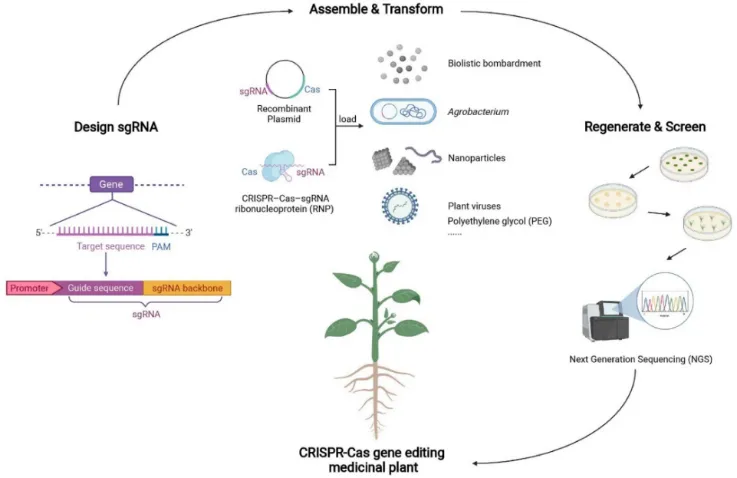
Figure 6: CRISPR-Cas Gene Editing Technology and Its Application Prospect in Medicinal Plants [79]
6. STRESS TOLERANCE
I]CRISPR/Cas in abiotic stress tolerance
Genome editing techniques offer potential strategies to increase plant tolerance to abiotic stresses by concentrating on stress-responsive genes, sensitive genes, or negatively regulating genes while activating positively regulated genes implicated in abiotic stress responses. By identifying known positive and negative regulators of specific traits, promising targets for crop development are offered. By focusing on gene modification or silencing and controlling physiological, morphological, and biochemical elements, the CRISPR/Cas9 technology greatly increases crop stress resilience [80].
Drought tolerance
Increased expression levels of a number of genes and transcription factors associated with drought signaling encourage the accumulation of metabolites and signaling molecules, which enhances drought resistance. Transcription factors (TFs) control the transcription of several genes, which influences crop development and metabolism to give drought stress resistance [81].
A plant's ability to withstand drought is largely dependent on the shape of its leaves. Mutations in the SRL1 and SRL2 genes caused the curled leaf characteristic via CRISPR/Cas9.Under drought stress, mutant plants exhibited higher levels of malondialdehyde (MDA) and abscisic acid (ABA) than wild-type plants, indicating that the changed plants were more drought tolerant [82].
Temperature tolerance
Globally, agricultural productivity is severely limited by temperature stress. Both high and low temperatures can interfere with photosynthesis, change the availability and cycling of nutrients, hinder synthesis of proteins, and interfere with the functions of various enzymes, phytohormones, and signaling molecules [83]. Extreme temperature tolerance is a natural ability of plants, albeit there are differences across species and even within the same species. One polygenic feature that is frequently assessed using complex characteristics is tolerance to temperature stress [84].
The term "heat stress" refers to circumstances where temperatures stay over a particular threshold for a prolonged amount of time, causing irreversible harm to plant growth and development. Aging and decreased mitochondrial activity can result from an initial spike in pollen respiration caused by high temperatures, which also depletes endogenous respiratory substrates. As a result, this can lead to decreased fruit set and pollen abortion [85].
Cold stress tolerance
One major abiotic stressor that impedes plant development and productivity is low temperature. The effectiveness of conventional breeding methods in increasing the cold tolerance of important crop plants linked to interspecific or hybridization between genera. Damaged seedlings, slowed growth, and a decreased germination rate are all consequences of cold stress [86]. OsMYB30 is a transcription factor that decreases tolerance to cold by binding to the b-amylase gene's promoter. Similarly, overexpression of the FvICE1 gene in strawberries led to physiological and phenotypic resistance to cold and drought. On the other hand, the CRISPR/Cas9-modified strawberry mutant exhibited reduced resistance to cold and drought. These findings showed that FvICE1 acted as a regulator of drought and cold [87].
Limitations of CRISPR/Cas genome editing for resistance to abiotic stress.
Genome-edited crops have genetic variations that resemble naturally occurring mutants, other from their high specificity and accuracy, which were made feasible by techniques like CRISPR, TALENs, and ZFNs. Because of its improved precision, durability, ability to alter the target sequence, and unlimited application to the largest number of crop plants, CRISPR-Cas based GE systems especially the CRISPR-Cas9 system—are the most popular GE approach [88].
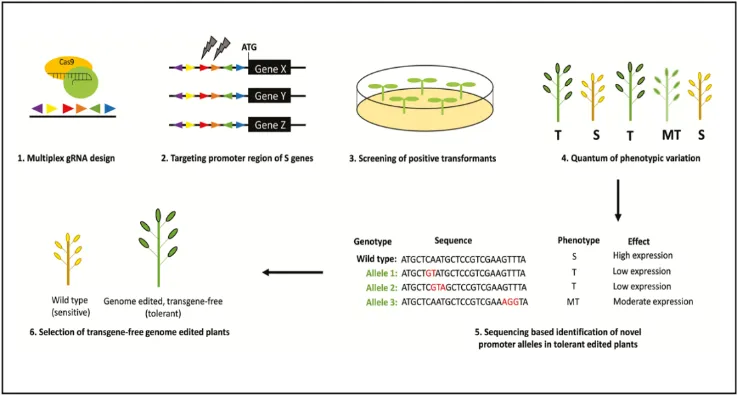
Figure 7: CRISPR-mediated Genome-Wide Targeting of Promoters Recreated Novel Alleles [89].
Notably, a range of genetic and phenotypic variation was produced by CRISPR/Cas9-driven mutagenesis of cis-sequences in the promoters of many genes, leading to the development of novel QTLs and increased tomato size and yield. This strategy could be effectively used to create new alleles and QTLs for complicated traits like abiotic stress tolerance (fig.7) [89]
II]CRISPR/Cas in biotic stress tolerance
A revolutionary method for improving biotic stress tolerance in medicinal plants is CRISPR/Cas technology, which can have a big impact on phytochemical production.
The biosynthesis and accumulation of pharmacologically active secondary metabolites can be significantly reduced by these biotic stressors, which can also directly impair plant health and growth. Stress tolerance and phytochemical production have a complex relationship. Chronic or severe biotic stress usually results in a net decrease in total biomass and a suboptimal synthesis of desirable phytochemicals,however some stresses might cause the development of specific secondary metabolites as defense molecules [90] .
CRISPR-Cas in plants for insect resistances
The potential for genome editing to introduce insect resistance genes is expanding. This entails altering crucial plant immunity genes, such as resistance genes (R-genes), susceptibility genes (S-genes), and those regulating the interaction between the insect-effector and the target, or concentrating on insect sites that are fatal. Additionally, it can help build host immunity to insect infestations [91]. Approach aims to monitor pest dynamics and generate de novo tolerance with chemical resistance or insect sterility. Insects choose suitable hosts for their eggs by using volatile plant combination. Infected plants generate the sesquiterpene hydrocarbon I-β- farnesene, which reduces host feeding and attracts the parasitic was Diaeretiella rapae, the predominant aphid species in transgenic plants [92].
CRISPR-CAS for fungal infection resistance
Researchers have successfully developed resistance to fungal infections that cause a variety of illnesses, such as rot, rust, and mildew, using CRISPR-Cas technology. The gene for MLO family is unique to plants and plays a role in how plants and diseases interact. It makes a number of plant species more vulnerable to powdery mildew, a common fungal disease. Plants exhibit a kind of resistance known as MLO resistance when these genes are rendered inactive by mutations or gene knockout techniques [93].
Specific mutations are introduced in all three homoeologs of the TaEDR1 gene using CRISPR-Cas9 or TALENs. By eliminating the TaEDR1 gene, the inhibition of the plant's defensive systems is lifted, and this simultaneous change guarantees that the gene is effectively silenced across all three genomes. As a result, the body's defenses against powdery mildew are strengthened and improved [94].
RESULT
The results show that CRISPR-Cas9 is a promising genome-editing technique for improving medicinal plants. It can successfully change the chemical makeup of medicinal plants and genes linked to the manufacture of secondary metabolites. However, editing efficacy differs by plant species, and further research is needed to prove persistent genetic modifications, safety, and large-scale applications.The CRISPR-Cas9 technique has the potential to significantly increase the pharmacological value of medicinal plants through targeted genetic editing.
CONCLUSION
In conclusion, CRISPR-Cas gene editing technology offers a ground-breaking method for improving phytochemical production in therapeutic plants by permitting precise, focused genome alterations. CRISPR increases the production of useful secondary metabolites by directly modifying biosynthetic pathways, enhancing agronomic features, and utilizing multi-omics insights.
Even though issues like off-target effects and delivery efficiency still exist, with proven accomplishments in certain species and compounds, CRISPR genome editing shows considerable promise for increasing the yield of important phytochemicals in medicinal plants. To reach its full potential for pharmaceutical and nutraceutical manufacturing, however, sociological, technical, and regulatory issues must be resolved.
Despite advancements, there are still unanswered questions about how to apply CRISPR to a larger variety of medicinal plants, optimize transformation procedures, conduct thorough biosafety evaluations, and analyze the pharmacological effects of modified phytochemicals. Future studies should concentrate on extending CRISPR applications to more therapeutic plants, refining transformation and regeneration procedures, and carrying out comprehensive pharmacological and biosafety analyses.
Despite the fact, CRISPR-edited medicinal plants present intriguing prospects for increased phytochemical output, more study is required to get over scientific, legal, and technical obstacles before these developments can be broadly adopted. Developing superior medical plant varieties with optimum phytochemical profiles is made possible by the capacity to precisely design desirable features without introducing foreign DNA, greatly advancing pharmaceutical development and world health.
REFERENCES





Dnyanesh Patil, Shekhar Murumkar, Sahil Nivate, Apeksha Thite, Dr. Tushar Shelke, Crispr-Edited Medicinal Plants for Enhanced Phytochemical Yield, Int. J. of Pharm. Sci., 2026, Vol 4, Issue 11, 4999-5017. https://doi.org/10.5281/zenodo.24549305
 10.5281/zenodo.24549305