

We use cookies to ensure our website works properly and to personalise your experience. Cookies policy
1Assistant Professor, Department of Pharmacy practice,Pachamuthu college of pharmacy.
2,3,4,5,6Bachelor of pharmacy, Department of Pharmacology, Pachamuthu College of Pharmacy, Dharmapuri. Affiliated to The Tamil Nadu Dr. M.G.R. Medical University, Chennai, Tamil Nadu, INDIA.
Morinda citrifolia L., commonly known as Noni, is a medicinal plant traditionally used for the management of various diseases. The present study investigated the potential anticancer properties of M. citrifolia fruit extract and explored the possible therapeutic significance of its bioactive constituents. Phytochemical components present in the fruit are reported to possess antioxidant, anti-inflammatory, and anticancer activities, which may contribute to the inhibition of cancer cell proliferation and progression. The findings of the present study suggest that M. citrifolia fruit extract exhibits promising anticancer potential, possibly through the combined effects of its naturally occurring bioactive compounds. These constituents may help suppress abnormal cell growth and support endogenous cellular defense mechanisms. Plant-derived compounds may also provide useful leads for developing safer and more effective anticancer agents. However, the therapeutic application of M. citrifolia requires further investigation through detailed pharmacological, toxicological, mechanistic, and clinical studies to establish its efficacy and safety. Overall, the findings indicate that M. citrifolia fruit extract represents a promising natural source of anticancer compounds and may contribute to future research and drug development in cancer therapy.
Medicinal plants
Plants have been a part of the therapeutic practice both in traditional and modern era. Herbs contain many phytoconstituents that contribute to their vast array of pharmacological activities leading to the production of beneficial effects. 80% of people throughout the world depend on herbal medicines for some fraction of their primary health care according to latest reports by World Health Organization. Herbal medicines have gained popularity over conventional medicines owing to their reduced risk of side effects, effectiveness with chronic conditions, lower cost and widespread availability.[1]
The parts of medicinal plants that may be used are different types of seeds, root, leaf, fruit, skin, flowers or even the whole plant. The active compounds in most parts of the medicinal plants have direct or indirect therapeutic effects and are used as medicinal agents. In the body of these plants, certain materials are produced and stored that are referred to as active compounds (substances), which have physiological effects on the living organisms. Humans are mainly dependent on raw plant materials in order to meet medical needs to maintain health and cure diseases.[2]
The main advantage of using medicinal plants does not produce side effects when compare with synthetic drugs, because medicinal plants contain high content of antioxidant compounds are present high content in plants. It has shown protective effects against diseases without reducing their therapeutic efficacy.[3]
History of medicinal plants
Medicinal plants are nature's hidden and unexplored treasures (nature's pharmacy) for humanity since times immemorial, and over 35,000 species have been used virtually in all human cultures around the world (over 75% population) as a source of safe and effective medicine. The widespread use of herbal remedies and healthcare preparations, as those described in ancient texts such as the Vedas, the Quran, the Bible and other religious books are obtained from commonly used traditional herbs and medicinal plants has been traced to the occurrence of natural products with medicinal properties. Ancient people used plants as purgatives, sedatives, for fever, insanity, antitussives and wide range of ailments. WHO further indicates that over 30% of world's plant species have at one time or another been used for medicinal purpose. Over 35,000 plants are used in various human cultures around the world.
The cultivation of medicinal plants for food, health care and cure dates back to the late Mesolithic to early Neolithic age roughly about 10,000 BC Assyrians recorded 250 medicinal plants and Sumerians 1000 plants.
Babylonians medical care was based on asipu (magical) and asu (empirical) principles.
The latter used stone and plants therapy. Civilizations of ancient, China, India, Egypt, Greece, Arabia, Europe, Africa, North America and Latin America recorded the use of medicinal plants in their traditional medicines. The Chinese were the pioneers in using plants as valuable source of home medicines. No wonder ethno-botanical medicine has been in use in China for over 5000 years. In 2735 BC, the Chinese Emperor Shen Nung studied medicinal plants and verified their pharmaceutical properties and over 11,000 herbal remedies were developed and used in China for thousands of years.[4]
Significance of medicinal plants to human beings
A total of 1000 medicinal plants, 60 minerals and metals; 60 substances of marine and animal origin; overall 95% drugs are derived from medicinal plants. There are 100,000 herbal formulations and traditional formularies of Ayurveda, Siddha, Unani and Gso-Rig-Pa.[4]
Characteristics and uses of medicinal plants
Medicinal plants represent a wide variety of plant groups ranging from algae, fungi, lichens, and flowering plants. Only the flowering plants will be considered in this discussion. These represents various life forms; herbs, shrubs, climbers and trees, [4] There are 7 billion people and about 250,000 plants co-existing in this planet. We should never forget that plants lived there for million years before humans, and the main difference between people and plants is that plants can live without people, but people cannot live without plants. People need plants for medicine, in addition to the need of oxygen, food and forage.[5]
The drug-yielding medicinal plants are generally classified on the basis of the morphology of the plant part from which the drug is extracted.
These are as follows:
Majority of the drug plants are found in the tropics, grow in wild and are mainly used by hakims and voids refer them as jaributis.
A knowledge of the active and other chemical constituents of plants are enable one to understand not only their structure but mode of action in human body. Vast information is available on the subject and an update is not possible. Naturally occurring bio-dynamic plant chemicals are many throughout the world with a tremendous range of action and degree of potency since 75% of medicines in use are of plant origin, therefore, Goldmine! Some important compounds present in plants are listed below.
According to an estimate about 80,000 species are medicinal, of which about 35,000 plants have been phytochemically studied and less than 5% plants have been evaluated as source of new medicines, although active research is being pursued for discovering new and useful bioactive lead compounds, there is never ending drive to discover new medicines for diseases not treatable.[4]
Future prospects of Medicinal Plants
There is a promising future of medicinal plants as there are about half million plants around the world, and most of them are not investigated yet for their medical activities and their hidden potential of medical activities could be decisive in the treatment of present and future studies. Medicinal plants are resources of new drugs and many of the modern medicines are produced indirectly from plants.
Medicinal plants in India
Traditional medicines are used by about 60 percent of world's population. These are not only used for primary health care not just in rural areas in developing countries, but also predominantly used. The traditional medicines are derived from medicinal plants, minerals and organic matters, the herbal drugs are prepared from medicinal plants only.
There are about 45000 plants species in India, with concentrated hotspots in the region of eastern Himalayas, western ghats and Andaman & Nicobar Island. The officially documented plants with medicinal potential are 3000 but traditional practitioners use more than 6000. India is the largest producer of medicinal herbs and is appropriately called the botanical garden of the world. [8]
Plants have been used in traditional medicine for several thousand years. Medicinal plants as a group comprise approximately 8000species and account for about 50% of all the higher flowering plant species in India,
India has a unique position in the world where a number of recognized Traditional system of medicine Ayurveda, Siddha, Unani, Homeopathy, Yoga and Naturopathy. Medicinal plants have been recognized as potential drug candidates because they possess drug like properties.
Indian medical heritage is based on 7000 plant species and about 8000 herbal remedies have been codified in the Ayurveda. Ayurveda is an ancient health care system which evolved in India dates back to about 5000 years ago. As per the ancient literatures on Ayurveda, it was practiced during Vedic period of INDIA. About 700 plants were described in CharakaSamhita and Sushruta Samhita during the 1st millennium BC. This medical system is widely practiced in other parts of the world as a form of complementary medicine.
Ayurvedic System of INDIA aims to preserve, promote and sustain good health and preventing diseases through healthy lifestyle practices. The literal meaning of Ayurveda is the "Science of life". It is estimated that about 7,500 plants are used in local health traditions in most rural and tribal villages in India. Herbal treatments are the most popular form of Traditional Medical System. [4]
Unani system is based on Greek Philosophy of Hippocrates (462-377 BC) theory of 4 bodily humors, blood, phlegm, yellow bile and black bile (Galen 131-210 AD, Rhazes (850-925 AD) and Avicenna (980-1037AD) author of 'Canon of Medicine influenced Unani foundation and formed its principles. The system is commonly practiced in China, Egypt, Iraq, Persia, Syria and Arabs introduced in India around 135AD, but now established in Indian System of medicine and employs drug's of plant origin.[4]
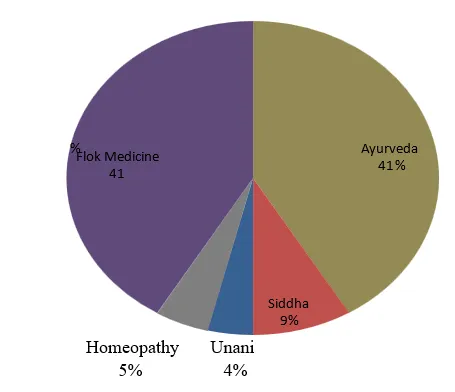
Figure 1: Percentage of Traditional Medical System
Distribution of medicinal plants in India
The distribution analysis of the medicinal plants shows that they are distributed across diverse habitats and landscape elements. Nearly about 70% of the medicinal plants in India are found in tropical forests in Eastern and western Ghats, Chota Nagpur plateau, Aravalis, Vindhyas and the Himalayas. Among the Himalayas, Kashmir, Himalayan region is nestled within the Northwestern folds of the recently designated global biodiversity hotspot of the Himalayas.[6]
Traditional medicinal uses
Pharmacological Uses
INTRODUCTION OF BRAIN CANCER
The introduction defines a brain as an abnormal mass or growth cells in or near the brain. It may also explain that this uncontrolled cell growth interferences with normal brain functions like muscle control, memory and sensation. Brain cancer involves abnormal cell that proliferate uncontrollably to form a mass that involves destroying health tissue.
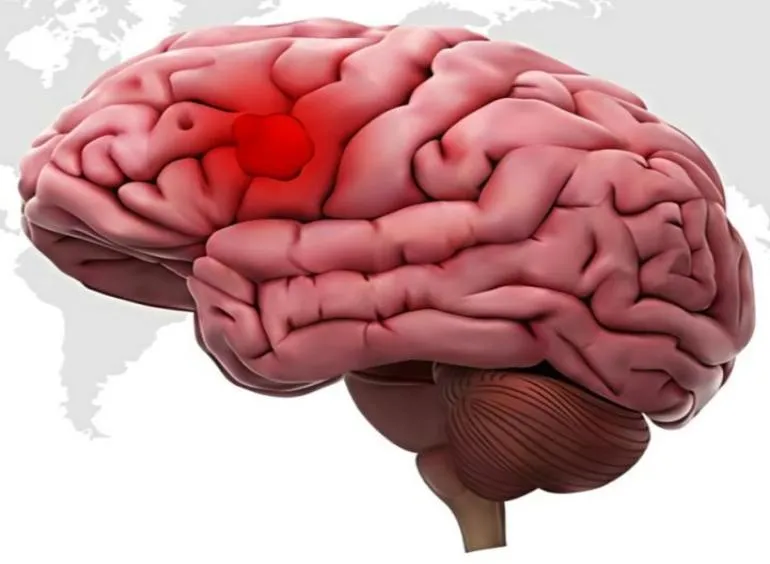
Figure 2: Brain Tumor
History of brain cancer
Brain cancer was first discovered by a Russian Scientist Gupta Longati in 1873. He was observing the brain of a deceased person who had supposedly died of the benign, but he discovered that it was in fact a malignant.
Types of brain tumor
Brain cancer is a that starts and states in the brain a brain is known as an intracranial tumor, is an abnormal mass of tissue in which cells grow and multiple uncontrollably, seemingly unchecked by the mechanism that control normal cells. More than 150 different brains have been documented, but two main groups are termed primary and metastatic.[9]

Primary brain tumor (benign) - Originates with in brain.
Secondary brain tumor (metastatic)- Spreads from other parts of the body.
List out of Brain Cancer
1. Brain stem glioma
2. Craniopharyngioma
3. Germ cells glioma
4. Glioblastoma
5. Glioma
6. Astrocytoma
7. Ependymoma
8. Oligodendroglioma
9. Mixed glioma
10. Medulloblastoma
11. Meningioma
Etiology of Brain Cancer
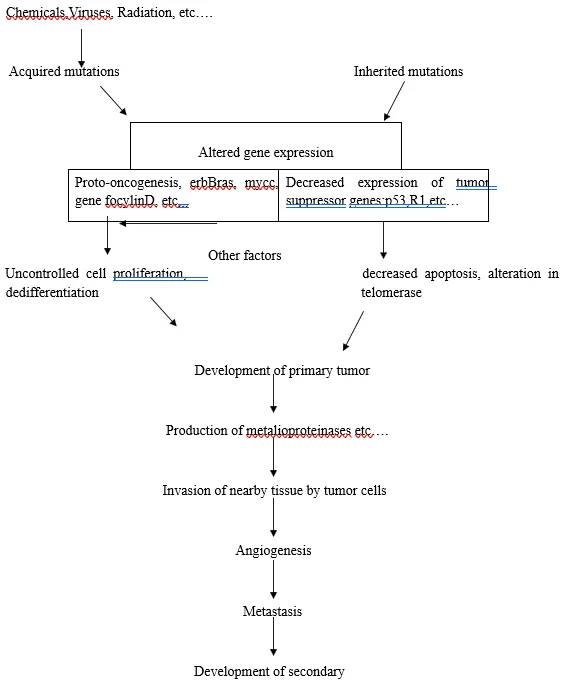
Figure 3: Etiology of Brain Tumor
SYMPTOMS

Figure 4: Symptoms of Brain Tumor
DIAGNOSIS
TREATMENT OPTIONS FOR BRAIN TUMOR
PLANT DESCRIPTION AND DISTRIBUTION
Distribution and Habitat
Morinda citrifolia L . commonly called ‘Noni’, the fruit has many names used in different culture around the worlds in Hawaii it is called Noni, Hai ba Ji in china, Luo ling in Taiwan, and India etc,,. The leaves, roots, bark, stems, and fruits of this tree all serve as medicinal components. It is native species of Asia and Oceania (Australia). It can be cultivated in full or partial sun-light with well drained and well aerated soil free from nematodes, dry plants and weeds. It can withstand/tolerate harsh conditions therefore it is also know as ‘starvation fruit’. It is cultivated in tropical-subtropical countries like: Bangladesh, Cambodia, Cocos Island, India, Assam, Maharashtra, Karnataka, Tamilnadu, Kerala,I ndonesia Java, Japan, Malasiya, Myanma, Philippines,Srilanka,Taiwan,Thailand,etc…., Widely adapted to the tropics, 1-800m (0-200 ft) depending on latitude, mean annual temperatures of 20-30oC (68-95oF), annual rainfall of 2504000mm (10-160in).[8]
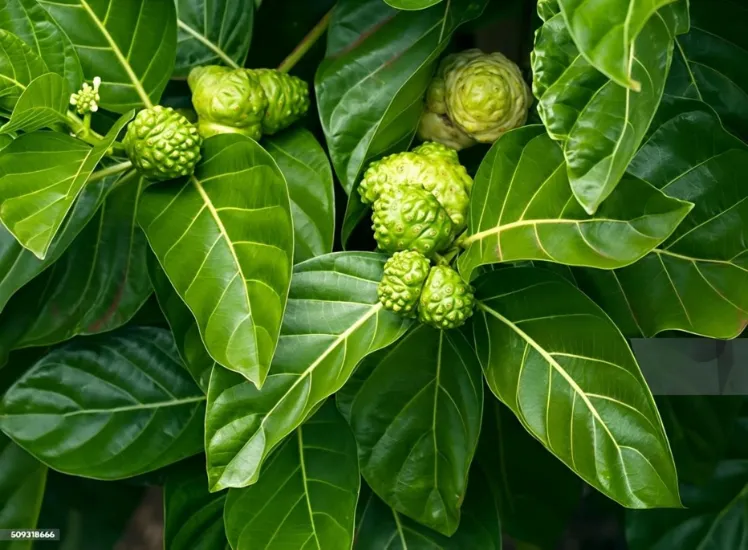
Figure 5: Morinda Citrifolia
Botanical Description
The fruit of Morinda citrifolia is a multiple fruit (syncarp) formed by the fusion of several flowers. The plant itself is a small evergreen tree that usually grows 3–9 meters in height and thrives in tropical climates with high rainfall and warm temperatures.
Morphological Characteristics of the Fruit
Shape: Oval or ellipsoid
Size: Approximately 5–10 cm long and 3–4 cm wide Surface: Rough and lumpy with small polygonal markings
Color changes during ripening:
Unripe: Green
Semi-ripe: Yellow
Fully ripe: Whitish or translucent
Seeds: Numerous reddish-brown seeds present inside the fruit
Odor: Strong pungent smell similar to fermented cheese when ripe
When the fruit ripens, the skin becomes soft and translucent and emits a characteristic unpleasant odor. Because of this smell, the fruit is often called cheese fruit or vomit fruit.
The plant bears flowers and fruits throughout the year, and fruits at different stages of development may appear simultaneously on the same branch.
Nutritional Composition
The fruit of Morinda citrifolia contains a variety of nutrients and bioactive compounds that contribute to its medicinal value.
Major Nutrients
These nutrients contribute to improved immune function, bone health, and proper metabolic activities.
Phytochemical Constituents
The fruit contains many biologically active compounds such as:
These compounds are responsible for the pharmacological activities of the fruit, including antioxidant, antimicrobial, and anti-inflammatory effects.
Medicinal and Pharmacological Uses
The fruit of Morinda citrifolia has been used for centuries in traditional medicine across Asia and the Pacific islands.
1. Antioxidant Activity
The fruit contains flavonoids and phenolic compounds that help neutralize free radicals and reduce oxidative stress.
2. Anti-inflammatory Properties
Noni fruit extracts have been reported to reduce inflammation and pain, making them useful in conditions such as arthritis. 3. Antimicrobial Activity
The fruit exhibits antibacterial, antiviral, and antifungal properties due to its bioactive compounds.
4. Immune System Support
Noni juice is commonly used as a tonic to enhance immunity and improve overall health.
5. Gastrointestinal Benefits
Traditionally, the fruit has been used to treat digestive disorders such as: Indigestion, Constipation, Nausea, Vomiting.
6. Cardiovascular Benefits
The presence of potassium and antioxidant compounds may help regulate blood pressure and improve heart health.
Traditional and Ethnomedicinal Uses
Commercial Applications
In recent years, the fruit of Morinda citrifolia has gained popularity in the health product industry.
Common commercial products include:
These products are marketed as natural health supplements due to the fruit’s antioxidant and therapeutic properties.
Safety and Toxicity
Although noni fruit has many medicinal benefits, excessive consumption may cause adverse effects. Some studies have reported possible liver toxicity associated with high intake of noni juice. Therefore, moderate consumption is recommended, and further clinical studies are needed to confirm its safety and therapeutic efficacy.
Vernacular Names
Tamil : Vellai Nona
English : Indian mulberry
Spanish : Mora De La India
French : Fromager, Murier Indien
Australia : Canary Wood
Northen Mariana Islands : Lada
Yap : Mangal’wag
Palau : Kesengel,Lel, Ngel
Solomon Islands : Kikiri
Fiji : Kura Kiribati : Non
Hawai : Noni
Cook Islands, Thahiti : Nono
Pohnpei : Weipwul
Marshall islands : Nen
Samoa : Nonu
Tonga : Gogu
Taxonomical Classification
Table 6: Taxonomical Classification
| Kingdom | Plantae-Plants |
|---|---|
| Sub-kingdom | Viridiplantae |
| Infra-kingdom | Streptophyta |
| Division | Embryophyta |
| Super-division | Spermatophytina |
| Class | Magnoliopsida |
| Super-order | Asteranae |
| Order | Gentaianales |
| Family | Rubiaceae |
| Genus | Morinda L. |
| Species | Morinda citrifolia L. |
| Common Name | Noni, india mulberry |
LITERATURE REVIEW
1.Yanine Chan-Blancoa,Fabrice Vaillantb et.al., (2005).
Morinda citrifolia L., the ‘‘noni’’, has been used in traditional Polynesian medicine for over 2000 years. Morinda citrifolia (Rubiaceae) is an evergreen shrub whose ripe fruit has a strong butyric acid smell and flavor. The leaves and especially the fruit are consumed in different forms by various communities (e.g., the Polynesians) throughout the world; the root is used as a dye. As a result of these uses and the market that is developing around ‘‘noni juice’’, it has become increasingly important to confirm the actual therapeutic properties of this plant. While recent studies have shown that this fruit has antibiotic and antioxidant properties in vitro, we still do not have scientific evidence supporting the nutritional and medicinal values of noni in humans. However, both the fruit and damnacanthal, an anthraquinone compound extracted from noni roots, are currently being studied in the context of anti-cancer research. If, in the future, the nutritional and medical values of the noni can be assessed, especially its anti-cancer activity, this fruit could play a noticeable economic role in producing countries.
2. Pornphimon Meesakul, Tyler Shea, et al., ((2023).
Hawaiian plant species generate compounds that affect chemical messengers such as hormones and neurotransmitters, essential for preserving human homeostasis. This assessment examines how these plants may alleviate pain and anxiety while enhancing mood and sleep. A review of literature from 2019 to 2023 across various databases uncovered pertinent research. Results demonstrate that species like M. citrifolia and P. methysticum have healing attributes associated with these outcomes. Extended practice in traditional Hawaiian customs highlights their possible advantages for health and wellness. This analysis offers a comprehensive assessment of the data concerning the effects of Hawaiian plants on sleep, anxiety, mood, and pain.
3. WANG Mian-Ying, Brett J WEST, et al., ((2023).
Morinda citrifolia L (Noni) has been utilized in traditional medicine by Polynesians for more than 2000 years and is said to possess a wide variety of therapeutic properties, such as antibacterial, antiviral, antifungal, antitumor, antihelminthic, analgesic, hypotensive, anti-inflammatory, and immune-boosting effects. To uncover the nutritional and therapeutic benefits of the Noni plant and to compile scientific evidence backing the Polynesian assertion, a literature review along with recent developments in Noni research is presented below
4. Rizna Triana Dewi, Gian Primahana, et al., ((2022).
The fruit of Morinda citrifolia (Noni) has been utilized as traditional medicine in various nations. Noni had numerous pharmacological effects including anticancer, antidiabetic, antihypertensive, antiarthritic, and antioxidant properties. This study assessed the pharmacognostic characteristics, identified active components using High-Performance Thin Layer Chromatography (HPTLC) and Liquid Chromatography-High Resolution Mass Spectrometry (LC-HRMS) for both quantitative and qualitative phytochemical analysis, and evaluated the angiotensin-converting enzyme (ACE) inhibitor activity of Noni from three distinct locations. The physicochemical characteristics of raw materials and extracts fulfilled the standards of the Indonesian Herbal Pharmacopeia. The total phenol content ranged from 2.16 to 3.08 mg GAE/g extract, while the total flavonoid content varied between 0.11 and 1.58 mg QE/g extract. HPTLC analysis showed that the scopoletin level in Noni was between 0.44-0.51%. The findings were likewise consistent with LC-HRMS fingerprint analysis. Moreover, the extract of Noni fruit from Bogor showed potential in inhibiting ACE, with an IC50 value of 206.26 µg/ml.
5. Pratiksha Patil, Heena Madkaikar et al., ((2022).
Herbalism has its origins in ancient traditions, with 70-80% of the world's population depending on herbal remedies, as reported by WHO. This review concentrates on Morinda citrifolia Linn., commonly known as Noni, a tropical plant that produces fruit and belongs to the Rubiaceae family. Phytochemical examination shows the presence of alkaloids, saponins, phenols, and others in its roots, leaves, and fruits. Employed for therapeutic purposes for 2000-3000 years, it shows anticancer, antidiabetic, and antioxidant effects. The foliage offers vital nutrients like calcium and potassium. Morinda citrifolia Linn. holds importance in the market for drinks, powders, and essential oils, highlighting its ethnobotanical and pharmacological significance in contemporary studies.
6. S. Mownika, E. K. Ramya et al., ((2019).
Morinda citrifolia (L.), commonly referred to as "Noni," is a therapeutic plant belonging to the Rubiaceae family, widespread in South India. This study sought to investigate the anatomical and histochemical features of secondary metabolites in Morinda citrifolia to aid in the standardization of herbal medicine. Early morphological assessments involved analyzing leaf shape, fruit, scent, and flower type with the aid of a microscope. The research outlined the anatomical features of the upper and lower epidermis of Noni leaves, the petiole, and the lamina. Furthermore, the histochemical mapping of primary and secondary metabolites in the stem was examined, enhancing quality control in herbal industries and assisting in the identification of plant species and evaluation of drug authenticity.
7.Edipo S. Almeida, Debora De Oliveira, et al., ((2019).
Morinda citrifolia, commonly known as noni, is a long-lived plant native to Southeast Asia, utilized for more than 2000 years. Its flexibility and diverse medicinal applications have captured the attention of researchers in pharmaceuticals and food sectors. Research indicates that noni contains more than 200 bioactive phytochemicals, such as acids, flavonoids, phenols, and sterols, offering significant nutritional benefits and potential therapeutic effects, including antimicrobial and antioxidant activities. Main products obtained from noni consist of drinks, powders, oils, and leaf powders. Although its biological and phytotherapeutic uses are promising, more thorough research is crucial. This review gathers data on noni's historical applications, biochemical characteristics, and progress in product development and standardization
8. Mylena Andrea Oliveira Torres, et al., ((2017).
Morinda citrifolia, commonly known as noni, is often used in Brazilian traditional medicine, making use of its roots, leaves, and seeds. This article examines 92 research studies on M. citrifolia's biological properties, highlighting its medicinal benefits and backing its traditional applications. The results showed many attributes, classified as immunostimulatory, antitumor, antidiabetic, anti-obesity, antibacterial, antifungal, antiviral, leishmanicidal, anti-inflammatory, antinociceptive, analgesic, antioxidant, neuroprotective, and additional categories. Although effective for a range of conditions, it is recommended that M. citrifolia be used carefully, requiring extensive research into its chemical constituents and modes of action via in vitro and in vivo experiments as well as clinical trials.
9 . Jai Sunder, Tamilvannan Sujatha et al., ((2016).
Morinda citrifolia L., commonly called Noni, is a small, evergreen tree belonging to the Rubiaceae family, located in coastal areas such as the Andaman and Nicobar Islands. It flourishes in different soil varieties, including saline. Noni contains more than 200 recognized nutraceutical compounds, demonstrating notable medicinal benefits such as antimicrobial, immunomodulatory, and antioxidant effects. Its parts are in great demand within alternative and herbal remedies. The plant's healing properties are essential for commercial use, with research validating its advantages for the health of livestock and poultry. Although there have been many reviews on Noni, a thorough scientific overview of its impact on growth, production, and pharmacological functions in animals is still absent
10. Mohammad Ali, Mruthunjaya Kenganora, et al., ((2016).
Morinda citrifolia (Noni) is known for its health benefits and antioxidant qualities, used worldwide in alternative and complementary therapies. It acts as a solution for multiple issues, including antibacterial, antitumor, and anti-inflammatory situations, aiding in gastritis, respiratory infections, menstrual issues, urinary tract ailments, and others. This analysis evaluates the phytochemical and mineral makeup of various Noni parts and establishes a pharmacological foundation for its health benefits. Studies show that Noni helps with more than 40 conditions, as its extracts include amino acids, anthraquinones, fatty acids, and various other advantageous substances. Fourteen clinical studies validate Noni's effectiveness against cancers, heart diseases, diabetes, arthritis, and high blood pressure, backed by both preclinical and clinical data.
11. Sharma Yashaswini, Venugopal C.K., et al., ((2014).
Noni (Morinda citrifolia L.) is a tropical bush belonging to the Rubiaceae family, usually measuring 3 to 6 meters in height. Its fruits are elongated, tender, and have more than 150 nutraceutical substances such as scopoletin, octanoic acid, vitamin C, terpenes, alkaloids, anthraquinones, beta-sitosterol, carotene, vitamin A, and amino acids. Xeronine, an essential therapeutic component derived from prexeronine, plays a vital role in the health advantages of noni. Noni acts as a crucial herbal dietary supplement in the global market, offered in the form of juice, powder, and capsules. This important medicinal herb could provide multiple health advantages, serving as a lasting dietary aid that meets different health requirements, underscoring its significance in ethnobotany and phytochemistry.
12. Mani Saminathan, Ram Bahal Rai et al., (2013).
Morinda citrifolia, known as Noni, is a medicinal plant from the Rubiaceae family, traditionally used by Polynesians for over 2000 years. It contains over 160 phytochemicals, contributing to its efficacy in treating various disorders, including cancer. Noni juice has gained popularity in Complementary and Alternative Medicine for its diverse health benefits, exhibiting antibacterial, antiviral, antifungal, anti-inflammatory, and anticancer properties, among others. Its cancer-fighting ability stems from its anti-inflammatory and antioxidant effects. While some concerns about hepatotoxicity arise, evidence suggests hepatoprotective effects as well. Despite numerous in vitro studies, clinical trials in humans are limited. Recently, Noni juice was recognized as a novel food element in the EU, and studies continue to explore its benefits for human and animal health, particularly in cancer prevention and treatment.
13. D.R Singh (2012).
Morinda citrifolia, often known as noni, has a longstanding tradition as a medicinal herb, and its application as a herbal dietary supplement has increased significantly in recent times. This has led to a simultaneous rise in studies concerning the phytochemical components and biological effects of noni. It has been noted for its antibacterial, antiviral, antifungal, antitumor, antihelminthic, pain-relieving, blood pressure-lowering, anti-inflammatory, and immune-boosting properties. This plant is also well-known for producing red, yellow, and purple dyes. To capture the health benefits and therapeutic properties of the noni fruit and to compile scientific proof that backs the traditional assertions, a literature review and recent developments in noni research have been outlined.
14. Sridevi Nagalingam, Changam Sheela Sasikumar et.al (2012).
The study was designed to investigate the phytochemical screening of three different extract of Morinda citrifolia Linn Rubiaceae. The crude extracts obtained from the fruit of Morinda citrifolia in different solvents ethanol, methanol and aqueous extract were subjected to phytochemical study. Phytochemical studies indicated that Morinda citrifolia contained a broad spectrum of secondary metabolites. Alkaloids, saponins and reducing sugar were predominantly found in all the three tested extracts followed by steroid, phenol, tannin and terpenoids. Likewise cardiac glycoside, carbohydrate and flavanoids were found in all the tested solvents and aqueous extract of the fruit. Protein is found in aqueous and ethanol extract and it is absent in methanol extract. Resin, anthraquinone, phylobatannin were not found in any of the extracts of Morinda citrifolia fruit. The present study clearly demonstrates the extraction and phytochemical screening of Morinda citrifolia fruit.
15. Brett J. West, Chen X. Su And C. Jarakae Jensen (2009).
Morinda citrifolia (noni) juice is considered a safe food in multiple nations, even though there have been reports of hepatitis among users with no direct connection to the juice identified. To evaluate its hepatotoxicity more comprehensively, in vitro experiments were performed on HepG2 human liver cells. Furthermore, a subchronic oral toxicity assessment was conducted on Sprague-Dawley rats. Findings indicated that freeze-dried noni fruit puree did not diminish HepG2 cell viability or cause lipid-related problems. No notable histopathological alterations or negative reactions in hematological and clinical assessments, including liver function tests, were detected. The no-observed-adverse-effect level (NOAEL) surpassed 6.86 g/kg body weight, suggesting safety in consuming noni juice.
16.Sathishkumarjayaraman, Muthu Saravanan Manoharan, et.al 2008).
Morinda citrifolia (noni) is a conventional herbal remedy found in tropical areas. Methanol, ethyl acetate, and hexane extracts from its fruit were evaluated for antibacterial, antifungal, and antitumor properties. The methanol extract demonstrated activity against all organisms, exhibiting differing antibacterial effects. Ethyl acetate proved to be effective against nearly all, with the exception of Pseudomonas aeruginosa and Klebsiella pneumoniae, whereas hexane showed no effectiveness. The greatest fungal inhibition occurred with Trichophyton mentagrophytes (79.3% using methanol). Around 50% inhibition was observed against Penicillium sp., Fusarium sp., and Rhizopus sp. The methanol extract displayed the highest cytotoxic effect on HEp2 cells. Findings indicate possible therapeutic applications of M. citrifolia extracts for infections and cancer
17.Olivier Potterat, Matthias Hamburger (2007).
Noni fruit (Morinda citrifolia) items have been sold in the USA since the 1990s and are now available worldwide. Many health advantages have been linked to Noni, and its juice was acknowledged as a Novel Food by the European Commission in 2003. This article evaluates the phytochemical profile, pharmacological properties, and safety of Noni and its derivatives. Recent research has improved knowledge of Noni's chemical makeup, revealing several possible advantages via in vitro and certain in vivo studies. Nevertheless, clinical proof is still limited. Although evaluations consider Noni juice safe, worries regarding its hepatotoxicity have led to a reconsideration in Europe. The European Food Safety Authority does not establish a direct connection to liver problems, but continuous monitoring is advised.
AIM
To evaluate the Anti-tumor activity of Morinda citrifolia Lin. Fruit by using Hydroalcoholic extract.
OBJECTIVES
1. Easy availability
2. Valuable therapeutic response
3. Degree of research work which is not done
4. Useful chemical constituents present
PLAN OF WORK
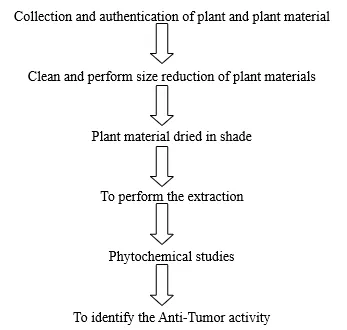
Figure 6: Plan of Work
The collected fruit are get identified and taken into size reduction process and after getting dried fruit powder was weighing accurately after to perform an extraction process the dried powdered of fruit material was kept in mixed with the solvent and observe a dried fruit extract and weighing accurately.
After doing the phytochemical studies to identify the phytochemical compounds such as alkaloid, flavonoids and phenolic compounds again, to take the dried fruit extract to study the antitumor activity.
METHODS AND MATERIALS
PREPARATION OF FRUIT POWDER
The extraction process was carried out in maceration method with powder of the fruit of Morinda citrifolia Linn.Using 70% ethanol and 30% distilled water. Ratio of the solvents Ethanol: distilled water (70:30) separate for 48hrs and filter. The extract was stored in air free sterile container and perform various chemical analysis.
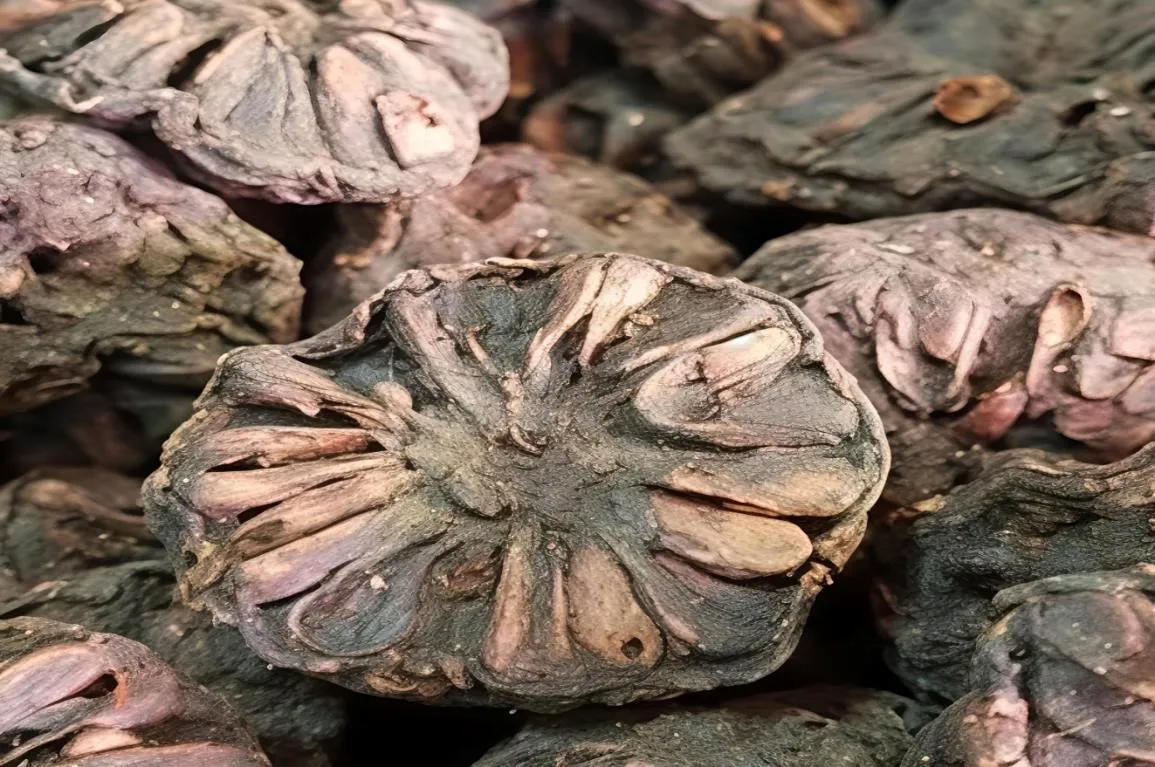
Figure 7: Dry Fruit of Morinda Citrifolia
PRELIMINARY PHYTOCHEMICAL SCREENING
Hydroalcoholic and aqueous extract of Morinda citrifolia Linn (Fruit)was various chemical tests were performed on hydroalcoholic extract for the identification of alkaloids, phenolic compounds, flavonoids, amino acids etc,…..
PHARMACOLOGICAL STUDIES
Anti fungal
The antifungal properties of Indian M. citrifolia fruit extract in three different solvents, methanol, ethyl acetate and hexane The maximum inhibition was in the methanol and ethyl acet- ate extract of 79.3% and 62.06%, respectively against Trichophytonmentagrophytes, while almost 50% inhibition was recorded in the methanol extract against Penicillium, Fusarium and Rhizopus species, and none of the extracts were active against either Candida albicans or Aspergillus species Despite the fact that in vitro results for anti-bacterial and anti-fungal studies are promising yet further in vivo and clinical research are highly recommended using different routes of administrations.
Analgesic activity (Younos et al., 1990).
Tahitian M. Citrifolia fruit juice was reported for its analgesic Effect in rats by using the hotplate assay. The rats tolerated More pain after feeding with 10% or 20% M. Citrifolia juice. In another study, the lyophilized aqueous African M. Citrifolia dry root extract had also demonstrated Analgesic properties at dose of 800 mg/kg given intraperitoneal Injections. The analgesic activity was observed using three Methods, the antagonistic action of naloxone, the writhing test, And the hotplate assay.
Anti-arthritic activity (Saraswathi et al., 2012).
An Indian brand of M. Citrifolia fruit juice was orally admin- Istered to arthritic rats at doses 1.8 ml/kg and 3.6 ml/kg, and Showed a dose dependent significant reduction in paw thick- Ness, arthritic index, secondary lesions, mononuclear infiltra- Tion and pannus formation. Similar changes were also Recorded by the administration of indomethacin except for The reduction of secondary lesions. The anti-arthritic activity Could be due to the presence of flavonoids and phenols. Precise investigations can add a Therapeutical value by specifying the chemicals owning such Activities and their effective and safe doses.
Anti-cancer activity (Lv et al., 2011).
M. Citrifolia natural components are mostly reported as a natural anticancer cure where sulphated polysaccharide stops Metastasis by destabilizing the interaction between gly- Cosaminoglycan and certain proteins while Damnacanthal inhibits the formation of tumors either by inter-Fering with the growth of ras gene activation ,or by increasing apoptosis in human colorectal cancer Cell lines Alizarin has an antiangio-Genic effect through blocking blood circulation to malignant Tumors. Limonene prevents mammary, liver, and lung cancers By stimulating thymus gland to secrete more T cells which Destroys the carcinoma cells. Last but not the least, ursolic acid Inhibits the growth of cancerous cells and induces apoptosis by Modulating the body immune process.
Immunity enhancing activity (Palu et al., 2008).
The immunity enhancement activity of both Tahitian and Commercial M. Citrifolia fruit juices was reported in an In vivo study on mice, suggesting that M. Citrifolia is modulating the immune system by activating the CB2 receptors, and Suppressing the interleukin-4, as well as increasing the production of interferon gamma cytokines. However, authors recommended further in vivo and clinical research to illustrate the Dosage and actual mode of action of M. Citrifolia on the Immune system.
Anti-viral activity (Kamata Et al., 2006).
M. Citrifolia fruit component damnacanthal showed to have an In vitro anti-viral activity via inhibiting one of the human Immunodeficiency viruses type 1 (HIV-1) accessory Proteins in a Hela cells through an unknown mechanism. Authors suggested further studies to elucidate the antiviral Mechanism of M. Citrifolia that could be useful in assessing the treatment of HIV-1 and other viral diseases.
Anti-tuberculosis activity (saludesjonel Et al., 2002).
The Filipino M. Citrifolia leaves ethanol extract and hexane Fractions at 100 lg/ml reported to have an anti-tubercular Activity in Mycobacterium tuberculosis cultures, with inhibition rates of 89% and 95% respectively. It is suggested that The activity may come from E-Phytol compounds, which is a Mixture of ketosteroids, and epidioxysterol. Future studies should select a proper positive control to assess this activity.
Gout and hyperuricemia healing activity (Palu et al., 2009).
The in vitro bioassay of xanthine oxidase (XO) inhibiting Effects revealed that the Tahitian noni juice (TNJ) is having A dose dependent natural anti-gout and anti-hyperuricemic Effects. The half maximal inhibitory concentration (IC50) of M. Citrifolia was 3.8 mg whereas IC50 of allopurinol was 2.4 lm. The concentrated methanol extract of this fruit juice At concentration of 0.1 mg/ml exhibited higher XO enzyme Inhibition rate (64%) compared to XO enzyme inhibition rate Of TNJ itself (11%) at concentration of 1 mg/ml. However, the authors recommended further studies to isolate the active compounds, and to conduct clinical trials in an aim of supporting this hypothesis.
Phytochemical Screening of Hydroalcoholic extract of Morinda Citrifolia Lin.
Fruit
The preliminary phytochemical screening of the hydroalcoholic fruit extract of Morinda citrifolia Lin. Fruit showed the presence of following various phytoconstituents.
The result showed in hydroalcoholic extract the presence of alkaloids, Table :2
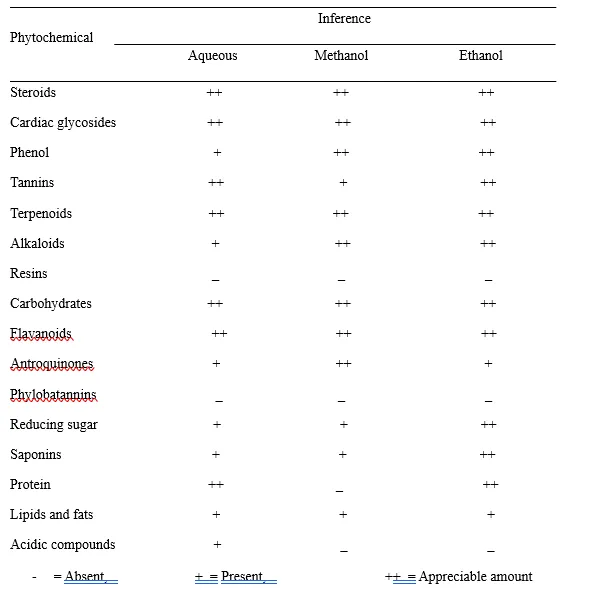
Figure 8: Phytochemical Screening
ANTITUMOR ACTIVITY OF FRUIT EXTRACT
Antitumor activity of hydroalcoholic fruit extract of Morinda citrifolia Linn.
Fruit
The antitumor activity of the prepared hydroalcoholic flower extract of Morinda citrifolia Linn.
Against
PRELIMINARY PHYTOCHEMICAL SCREENING
The aqueous, ethanol and methanol extracts of Morindacitrifolia were screened for the presence of secondary metabolite using the standard procedure. Three milliliter (ml) of each extract was measured into a test tube for each test. Tests were carried out for Steroid, Cardiac glycoside, Phenol, Tannin, Terpenoid, Alkaloids, Resins, Carbohydrate, Flavanoids, Anthraquinone, Phytobatannin, Reducing Sugar, Saponin, proteins, Lipids and fats, Acidic components according to standard methods.
Steroid (Liebermannburchard reaction):
300μl of extract was added with 1ml of chloroform and few drops of Concentrated Sulphuric acid along the sides of the test tubes, Reddish brown color precipitate was observed at the bottom of the test tubes indicates the presence of steroid.
Cardiac Glycoside (keller kiliani test):
300μl of extract was added with 1ml of Acetic acid followed by the addition of ͵300μl of 10% Ferric Chloride and few drops of Concentrated Sulphuric acid along the sides of the test tubes, Brownish ring and green blue precipitate at the bottom of the test tube indicates the presence of Cardiac glycoside.
Phenol and Tannin (Ferric Chloride Test):
Few drops of Ferric chloride 10% was added with 300μl of extract gives Blue or Green color precipitate due to the presence of Phenol and Tannin.
Terpenoids (Salkowski test):
To 300μl of extract 1ml of chloroform and few drops of Concentrated Sulphuric acid was carefully added along the sides of the test tubes, a reddish brown color precipitate indicates the presence of Terpenoid.
Alkaloids (Mayer’s Test):
300μl of Mayer’s reagent was added with 300μl of fruit extract. Pale precipitate indicates the presence of Alkaloids.
Resins:
To 300μl of extract 1ml of acetic anhydrite was added and dissolved by gentle heating. After cooling, few drops of concentrated sulphuric acid were added. Bright purple color indicates the presence of Resin.
Carbohydrate (Molisch’s Test):
Few drops of sulphuric acid and 300μl of Molisch’s reagent were added with 300μl of extract, reddish color at the bottom of the test tubes indicates the presence of Carbohydrates.
Flavanoids:
300μl of extract was first added with 1ml of 10% ammonia and 1ml of concentrated sulphuric acid. Disappearance of yellow color indicates the presence of Flavanoids.
Anthraquinones (Borntrager’s Test):
1ml of benzene and 1ml of 10% ammonia was added with 300μl of extract. Presence of anthraquinone was observed by the formation of pink, red or violet Color in the lower phase of ammonia.
Reducing sugar:
Few drops of Molisch’s reagent were added with dilute extracts and heated for 30 minutes and observed for the formation of brick red colored precipitate.
Saponins (froth test):
300μl of extract was added with 2ml of distilled water in a test tube. The solution was vigorously shaken and observed for the stable froth persistence.
Protein (Nin hydrin Test): 1ml of distilled water was added with 300μl of extract and 300μl of Nin hydrin. The solution was boiled for 5 to 10 minutes. Dark purple color indicates the presence of Amino acids.
Lipids and Fat:
A small quantity of powdered drug was rubbed on a clean and neat filter paper and observed for a permanent translucent strain.
Acidic compounds:
One pinch of sodium bicarbonate was added with 300μl of extract. Effervescence indicates the presence of acidic compounds.
Amino Acids (Ninhydrin Test):
To 1 mL of the sample solution, add 2-3 drops of 0.2% Ninhydrin reagent (dissolved in acetone or ethanol). Heat the mixture in a boiling water bath for 5 minutes. A deep blue or purple color (Ruhemann's purple) indicates the presence of amino acids.
Iridoids (TLC and Color Tests):
Perform Thin Layer Chromatography (TLC) using silica gel plates and a solvent system like chloroform: methanol or ethyl acetate: formic acid: water. Spray the plate with Vanillin-sulfuric acid reagent or Ehrlich's reagent, followed by heating. Development of blue, violet, or brown spots indicates the presence of iridoids.
Lignans (TLC and Color Tests):
Perform TLC on silica gel plates. Spray with a mixture of ferric chloride and potassium ferricyanide (for phenolic lignans) or anisaldehyde-sulfuric acid followed by heating. Lignans appear as colored spots (often blue or green) under visible or UV light.
Minerals (General Inorganic lons):
Prepare a sample solution (ash or liquid extract).
Chloride (CI): Add AgNO3 solution; a white precipitate (soluble in NH4OH) indicates chloride.
Iron (Fe3+): Add Potassium ferrocyanide; a prussian blue color indicates iron.
Calcium (Ca2+): Add Ammonium oxalate; a white precipitate indicates calcium.
Flame Test: A platinum or nichrome wire is dipped in concentrated hydrochloric acid , then into the sample, and placed into a non-luminous Bunsen burner flame. Potassium compounds produce a distinct lilac (light purple) flame, often best viewed through cobalt blue glass to mask interference from sodium.
Saccharides (Benedict's/Molisch Test):
Add 1 mL of sample to 2 mL of Benedict's reagent and boil for 2-5 minutes. A brick-red precipitate indicates reducing sugars.
Carotenoids (Solubility and Color Tests):
Extract the sample with petroleum ether or hexane. Treat the extract with 85% sulfuric acid or antimony trichloride in chloroform. A blue or green color indicates the presence of carotenoids.
Coumarins (Fluorescence Test):
Extract the plant material with hot water or ethanol. Add a few drops of 10% sodium hydroxide (NaOH) to the filtered extract. An intense yellow-orange fluorescence under UV light, or a color change in daylight, indicates the presence of coumarins.
Fatty Acids (Emulsion Test):
Shake a small amount of the sample with 2 mL of ethanol. Add this mixture to a test tube containing 5 mL of distilled water. A white, milky emulsion indicates the presence of fats and fatty acids.
Vitamin C (Ascorbic Acid DCPIP Test):
Add the sample dropwise to 2 mL of 0.1% 2,6-dichlorophenolindophenol (DCPIP) solution. The blue color of the DCPIP reagent is decolorized, indicating the presence of vitamin C.
Preliminary phytochemical surveys and the knowledge of the Chemical constituents of plants are desirable to understand herbal Drugs and their preparations. Therefore, the phytochemical Investigation of Morinda citrifolia fruit in the present study reveals. The presence of various potential phytochemical constituents which May be useful for pharmaceutical industries and could be used as an Effective nutraceutical. However, further studies are needed to Isolate and purify the bioactive compound of this useful traditional Plant Morinda citrifolia for industrial drug formulation.
Table 9: Amount of Compounds
| S.NO | NAME OF COMPOUND |
TEST PERFORMED | OBSERVATION | PERCENTAGEAmo unt (mg/100g) |
|---|---|---|---|---|
| 1 | Alkaloid | Mayer’s test | Pale precipitate | 19.84 |
| 2 | Amino acids | Ninhydrin test | Deep blue/purpule colour | 26.41 |
| 3 | Iridoids | TLC and colour test | Development of blue, violet, brown colour | 41.58 |
| 4 | Ligan | TLC and colour test | Development of blue or green | 36.75 |
| 5 | Minerals | Flame test | Light purple | 628.74 |
| 6 | Saccharides | Benedict’s test | Brick red precipitate | 2239.75 |
| 7 | Sterols | liebermannburcard | Brown precipitate bottom of test tube | 23.81 |
| 8 | Carotenoids | Solubility colour test | Blue or green colour | 112.63 |
| 9 | Coumarins | Fluorescence test | Intense yellow-orange colour | 8.9 |
| 10 | Fatty acids | Emulsion test | Milky white emulsion | 53.02 |
| 11 | Flavonoids | Alkaline reagent test | Disappearance of yellow colour | 444.54 |
| 12 | Anthraquinones | Borntrager’s Test | Presence of Pink, Red, Violet colour |
49.52 |
| 13 | Vitamin c | DCPIP test | Decolorized blue colour | 83 |
CONCLUSION
Morinda citrifolia, commonly known as Noni, is a well-known medicinal plant that has been traditionally used for the treatment of various diseases. In the present study, the fruit extract of Morinda citrifolia was investigated for its potential anticancer properties. The results indicate that the plant contains several bioactive compounds which may contribute to its therapeutic effects. These phytochemicals are believed to possess antioxidant, anti-inflammatory, and anticancer activities, which play an important role in inhibiting the growth and spread of cancer cells.
The findings of this project suggest that the fruit extract of Morinda citrifolia shows promising anticancer potential. The natural compounds present in the plant may help in suppressing the proliferation of cancer cells and may also support the body's defense mechanisms. Compared to many conventional anticancer drugs, plant-based treatments may produce fewer side effects and may be safer for long-term use. Therefore, the bioactive components present in Morinda citrifolia could help in overcoming or reducing some of the harmful chemical effects associated with regular anticancer drugs.
Furthermore, the study highlights the importance of medicinal plants as a valuable source for the discovery of new therapeutic agents. The use of natural plant extracts such as Morinda citrifolia may contribute to the development of alternative or complementary treatments for cancer. However, further detailed research, including pharmacological studies and clinical trials, is necessary to fully understand its mechanism of action, effectiveness, and safety in cancer therapy. Overall, Morinda citrifolia fruit extract shows significant potential as a natural anticancer agent and may play an important role in future drug development
REFERENCES



Ananthi Saravanan, Dinesh D., Uma Shankar M., Kesavan N., Yokesh P., Dhanush I., Enhancing Chemotherapy Response in Brain Cancer Through Combination of Morinda Citrifolia Plant Compounding with Procarbazine and Lomustine Chemotherapy Regimen, Int. J. of Pharm. Sci., 2026, Vol 4, Issue 10, 2356-2377. https://doi.org/10.5281/zenodo.23393015
 10.5281/zenodo.23393015