

We use cookies to ensure our website works properly and to personalise your experience. Cookies policy
Balwantrao Chavan college of pharmacy.
The need for efficient oral drug delivery methods is driven by the fact that diabetes mellitus is a metabolic condition that often necessitates long-term medication treatment. Pioglitazone and metformin hydrochloride were the primary pharmaceuticals tested in this investigation because of their possible usage in a floating drug delivery system that is able to retain drugs in the stomach. The function of floating systems in facilitating sustained drug release and extending stomach residence time was examined in the research. In order to assess the powder qualities and potential for future formulation development, the micromeritic properties of the two medications were investigated. Both pioglitazone and metformin hydrochloride demonstrated satisfactory bulk and tapped densities, angles of repose, Carr's index, and Hausner's ratio. Their analysis in 0.1 N HCl also required the development of UV spectrophotometric procedures. For both medications, standard calibration curves were developed across the chosen concentration ranges. As a whole, the results provide some good groundwork for future research into pioglitazone and metformin hydrochloride gastroretentive floating formulations.
In order to increase the bioavailability and therapeutic efficacy of antidiabetic medications, the authors of the study titled "Formulation Strategies and Evaluation of Gastroretentive Floating Tablets of Selected Antidiabetic Drugs" set out to create novel oral drug delivery systems that could control the release of the drugs over an extended period of time in the stomach. High blood glucose levels caused by insulin resistance, insufficient insulin production, or both characterize diabetes mellitus, a prevalent chronic metabolic disease. Antidiabetic drug treatment is typically most effective when started early and continued over an extended period of time. Unfortunately, there are a number of drawbacks to many of the most common oral dose forms. These include a lack of bioavailability, partial drug absorption, volatile plasma drug content, and a short gastric residence period.
One potential solution to these problems is the development of gastroretentive floating drug delivery systems, which keep the dosage form in the stomach for a long time. A low-density system, floating pills float on gastric fluids and do not interfere with regular gastric emptying. These systems enhance absorption and maintain therapeutic drug concentration for a longer duration by floating in the stomach, which prolongs gastric residence time and provides sustained release of pharmaceuticals. Formulating floating tablets with appropriate polymers, gas-generating agents, binders, and release-retarding ingredients is the main focus of the study. Controlling medication release and maintaining tablet buoyancy are prominent uses for hydrophilic polymers such xanthan gum, carbopol, sodium alginate, and hydroxypropyl methylcellulose (HPMC). When combined with stomach fluid, gas-generating substances like citric acid and sodium bicarbonate cause the tablet to float by reducing its density. Formulation techniques aim to optimize floating lag time, floating duration, controlled drug release, hardness, friability, and stability by adjusting various formulation characteristics. Depending on the qualities of the antidiabetic medications and excipients that are being used, several processes like wet granulation and direct compression may be used to prepare the tablets.
Anti-Diabetic Floating Tablets
The innovative gastroretentive drug delivery technology known as anti-diabetic floating tablets was developed with the specific goal of increasing the therapeutic effectiveness of anti-diabetic medications via an extended period of stomach retention. Cardiovascular disease, neuropathy, nephropathy, and retinopathy are consequences of this condition that need long-term treatment and ongoing therapy. Some of the problems with traditional oral anti-diabetic dose forms include fast stomach emptying, low bioavailability, short half-life, need for frequent dosing, and changes in plasma drug concentration. Potentially decreasing medication efficacy and patient compliance are these downsides. In response to these drawbacks, floating tablet technology has developed into a viable option for improving oral controlled medication delivery.
Sustained therapeutic effect is achieved by the gradual and continuous release of the medication at a predefined pace while floating. Once the medicine has released all of its contents, the dose form is passed from the stomach. The buoyancy concept is the basis of floating medication delivery devices. Floating tablets are designed to stay afloat in gastric juice by using swellable polymers and gas-generating chemicals. The pill becomes less dense and might float on top of the stomach contents as a result. The anti-diabetic medication may be released gradually over time due to the floating nature, which increases stomach retention duration. Drug absorption is enhanced and plasma drug concentration is maintained consistently for a long time due to this prolonged stomach stay.
Effervescent and non-effervescent systems are the main categories into which anti-diabetic floating pills are divided. Hydrophilic polymers create a gel structure that traps carbon dioxide gas, which these agents generate when they react with stomach acid. The dose form is rendered buoyant by the produced gas. In contrast, swellable polymers including Xanthan Gum, Chitosan, Polyethylene Oxide, Sodium Alginate, Carbopol, and Hydroxypropyl Methylcellulose (HPMC) are used by non-effervescent floating tablets. To keep the tablet afloat and regulate its medicine delivery, these polymers soak up stomach acid, expand, and create a thick gel coating around it.
It is important to carefully choose polymers, excipients, and production procedures for formulating anti-diabetic floating tablets. The matrix integrity, swelling capabilities, and prolonged medication release made possible by hydrophilic polymers make them very useful. Because of its great gel-forming and controlled release properties, HPMC is a widely utilized polymer. Sodium alginate improves gel formation at acidic pH, whereas carbopol offers high swelling and mucoadhesive characteristics. Sodium bicarbonate and other gas-generating chemicals facilitate quick floating. Lubricants like talc and magnesium stearate make it easier to compress tablets, while fillers like lactose and microcrystalline cellulose increase their mass. Due of its low processing step count and little drug degradation, direct compression is the most popular and easiest way. Sublimation methods produce porous structures that increase buoyancy, while wet granulation increases the compressibility and flowability of powder mixes.
GASTRORETENTIVE DRUG DELIVERY SYSTEMS
Modern oral medication delivery systems called gastroretentive drug delivery systems (GRDDS) work by keeping dose forms in the stomach for a long time. Because they aid in increasing the therapeutic efficacy, regulated release, and bioavailability of medications mostly absorbed in the stomach or upper small intestine, these systems have become extremely important in contemporary pharmaceutical research. Due to fast gastric emptying and limited residence duration in the gastrointestinal tract, conventional oral drug delivery methods frequently fail to provide optimal therapeutic effects. This results in decreased efficacy and increased dosage frequency because many medications are not absorbed entirely. By keeping the medication formulation in the stomach for an extended period of time, gastroretentive drug delivery devices circumvent these restrictions.
Medications that have little window of opportunity for absorption, those with a stomach-specific mechanism of action, those that are unstable in the intestinal environment, and those with poor solubility at alkaline pH are ideal candidates for the gastroretention concept. The GRDDS improves therapeutic performance by increasing medication absorption by extending stomach residence time. Minimizing side effects linked to repeat dosing and reducing changes in plasma drug concentration are additional benefits of these systems. A number of gastroretentive methods have been developed throughout the years. These include systems that float, systems that adhere, systems that swell, systems that are high-density, expandable, systems that produce rafts, and systems that use superporous hydrogel. Various methods, including buoyancy, adherence to the stomach mucosa, growth in size, and increased density, are employed by these technologies to produce prolonged gastric retention.
2. LITERATURE REVIEW
Dhama, Nidhi & Sharma, Raghvendra & Sharma, Pragya. (2014) The control release medication delivery system has played a pivotal role in the gradual but steady evolution of oral dosage forms. The pharmacokinetics of the medicine and the target therapeutic concentration dictate the pace of drug release from CRDDS. This aids in attaining the therapeutically effective, predictably high concentration of the medication in the plasma.
S.B., Tole. (2022) Both in ancient Indian civilization and in modern medicine, medicinal plants play an essential role in the treatment of illness. The current investigation focuses on alleviating diabetic symptoms by means of a variety of commercially available herbal remedies. Because of the fact that 16 million people in the US and 200 million people globally suffer from diabetes mellitus, making it the most prevalent and serious endocrine illness. Because antidiabetic herbal formulations are thought to be safer and more effective for the control of diabetes, we opted for herbal therapies instead of synthetic drugs because we are aware of the risks associated with synthetic drugs.
Bharath et al (2014) Protein tablets containing metaprolol tartarate were prepared by Bharath et al. using HPMC 5cps. Metaprolol tartarate floating system shows promise as an alternative to traditional dosage forms for sustained drug release and improved bioavailability, according to the study's findings.
Anamika Saxena et al (2014) Optimized multi-unit floating microspheres, according to Anamika Saxena et al., will provide doctors a new option for the safe, effective, and economically viable treatment of a wide range of diseases.
Chabria et al (2013) Floating matrix tablets of nicardipine HCl were created by Chabria et al. in order to assess the effect of HPMC-K15M and HPMC-K100M on the drug release. In sum, the results show that FDDS's viscosity significantly impacts its drug release and floating characteristics.
METHODOLOGY
Drug-Drug Interactions
There are a number of medications that pioglitazone may interact with. The following are examples of medication interactions:
Medical uses
Patients with type 2 diabetes manage their excessive blood sugar levels with the help of the anti-diabetic medication pioglitazone, which is part of a class of drugs called "glitazones" and thiazolidinediones. It reduces blood sugar by assisting the body in reestablishing an appropriate response to insulin. Reducing your risk of cardiovascular disease is another potential benefit of keeping diabetes under control. Pioglitazone may be used without additional anti-diabetic drugs or in conjunction with sulfonylureas like glyburide or metformin.
Analytical Methods
• Standard graph of Pioglitazone Hydrochloride
To dissolve the Pioglitazone Hydrochloride, a precisely measured quantity was added to a 100 ml volumetric flask containing 0.1N HCl. The volume was then filled up to the mark. Solutions with concentrations ranging from 0-35 µg/ml were prepared by diluting this stock solution as needed. Volumetric solution absorbances were measured at 269 nm.
• Standard graph of Metformin Hydrochloride
In the same way, a 100 ml volumetric flask was filled to the mark with 0.1N HCl after transferring a precisely weighed quantity of Metformin Hydrochloride to dissolve in the solutions. This stock solution was diluted as needed to provide solutions with concentrations ranging from 0 to 90 µg/ml. volumetric solutions were measured for their absorbances at 233 nm.
RESULTS & DISCUSSION
4.1 RESULTS OF MICROMERITIC PROPERTIES OF PIOGLITAZONE HYDROCHLORIDE
Table 1: Results of Micromeritic Properties of Pioglitazone Hydrochloride (Mean ± SD, N = 3)
| BULK DENSITY±SD | TAPPED DENSITY± SD | ANGLE OF REPOSE± SD | CONSOLIDATION INDEX± SD | HAUSNER'S RATIO± SD |
|---|---|---|---|---|
| 0.56±0.02 | 0.64±0.01 | 25.10±0.15 | 12.50±0.11 | 1.14±0.02 |
STANDARD GRAPH OF PIOGLITAZONE HYDROCHLORIDE
Table 2: Standard Graph of Pioglitazone Hydrochloride in 0.1N HCl
| Concentration (µg/ml) | Absorbance at 269 nm |
|---|---|
| 0 | 0 |
| 5 | 0.154 |
| 10 | 0.278 |
| 15 | 0.425 |
| 20 | 0.564 |
| 25 | 0.689 |
| 30 | 0.818 |
| 35 | 0.950 |
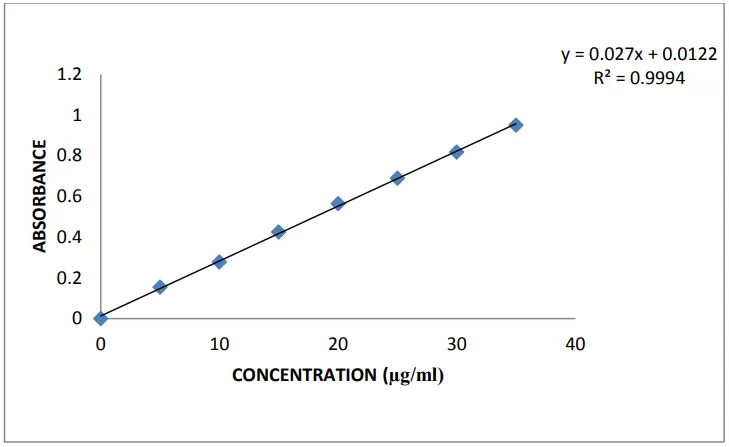
Figure 1: Standard Curve of Pioglitazone Hydrochloride in 0.1N HCl
4.2 RESULTS OF MICROMERITIC PROPERTIES OF METFORMIN HYDROCHLORIDE
Table 3: Results of Micromeritic Properties of Metformin Hydrochloride
| BULK DENSITY ±SD | TAPPED DENSITY ±SD | ANGLE OF REPOSE ±SD | CONSOLIDATION INDEX ±SD | HAUSNER'S RATIO ±SD |
|---|---|---|---|---|
| 0.56±0.20 | 0.64±0.44 | 26.45±0.15 | 12.5±0.55 | 1.14±0.48 |
(Mean ± SD, n = 3)
STANDARD GRAPH OF METFORMIN HYDROCHLORIDE IN 0.1N HCL
Table 4: Standard Graph of Metformin Hydrochloride in 0.1N HCl
| Concentration (µg/ml) | Absorbance at 233 nm |
|---|---|
| 0 | 0 |
| 10 | 0.137 |
| 20 | 0.248 |
| 30 | 0.34 |
| 40 | 0.452 |
| 50 | 0.549 |
| 60 | 0.673 |
| 70 | 0.774 |
| 80 | 0.894 |
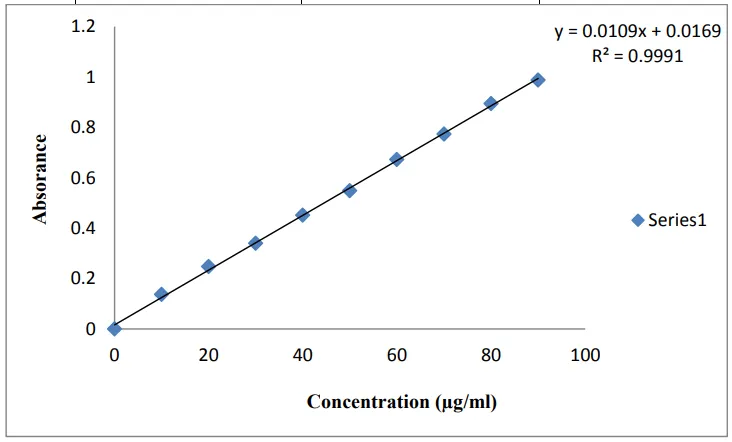
Figure 2: Standard Curve of Metformin Hydrochloride in 0.1N HCl
CONCLUSION
We can conclude that in this research may be useful in designing a gastroretentive floating medication delivery system for pioglitazone and metformin hydrochloride. Results showed acceptable powder qualities for future pharmacological inquiry after evaluating both medicines for their micromeritic capabilities. 0.1 N HCl was used to successfully produce UV spectrophotometric standard curves for the chosen wavelengths and concentration ranges. For the purpose of drug estimate in later formulation and dissolution investigations, these analytical studies might be helpful. Additionally, the study emphasizes the possible importance of gastroretentive mechanisms in antidiabetic medication administration and maintaining stomach residency for an extended period of time. To determine the actual performance of the suggested delivery method, more research is needed in the areas of buoyancy studies, tablet composition, drug-release assessment, and stability testing.
REFERENCES

Shaikh Nasima Maulasaab, Dr. Kshitija Deshmukh, Dr. Vishal Kshirsagar, Evaluation of Pioglitazone and Metformin Hydrochloride for Gastroretentive Floating Drug Delivery, Int. J. of Pharm. Sci., 2026, Vol 4, Issue 11, 4421-4427. https://doi.org/10.5281/zenodo.24524706
 10.5281/zenodo.24524706