

We use cookies to ensure our website works properly and to personalise your experience. Cookies policy
Department of Pharmacognosy, Al-Ameen College of Pharmacy, Hosur Road, Bengaluru-560027, Karnataka, India.
Herbal immunity-enhancing candies are functional confectionery products that combine traditional herbal ingredients with a palatable and easily administered dosage form, which is attractive for children who often refuse bitter herbal powders and syrups. The present study aimed to formulate and evaluate a jaggery-based herbal hard candy containing Amla (Phyllanthus emblica), Ginger (Zingiber officinale), Tulsi (Ocimum tenuiflorum) and Guduchi (Tinospora cordifolia) intended for pediatric immune support. The crude drugs were evaluated for organoleptic characters, powder microscopy and preliminary phytochemical screening, and were extracted by cold maceration with distilled water, giving yields of 8.30% (Amla), 6.28% (Ginger), 5.94% (Guduchi) and 5.74% (Tulsi). Candies were prepared by the melt and mould method with jaggery as the base, and honey, citric acid and sodium benzoate as excipients. Phytochemical screening indicated carbohydrates, flavonoids, phenolic compounds and sterols/triterpenoids in all four herbs, with alkaloids, saponins and volatile oil in some of them. The candies were dark brown, round, smooth and sweet, with an average weight of 3.12 g, moisture content of 3.2%, friability of 0.73% and hardness of 8.39 ± 0.18 kg/cm². Thin layer chromatography showed that bands of the individual extracts were also present in the formulation, indicating incorporation of the herbal constituents. The developed candy is a physically acceptable herbal dosage form. Quantification of markers, antioxidant and immunomodulatory activity, microbial and stability studies, and safety and efficacy evaluation in children are required before any claim of immune benefit can be made.
Herbal remedies are preparations made from plants and plant parts such as leaves, stems, roots, flowers, fruits and seeds, and are used for the prevention and treatment of disease. They form the basis of several traditional systems of medicine, including Ayurveda, Unani and traditional Chinese medicine.1,2 The World Health Organization (WHO) has estimated that about 80% of people worldwide rely on herbal medicines for some aspect of their primary health care.1 The therapeutic effects of herbal medicines are attributed to bioactive compounds such as alkaloids, flavonoids, glycosides, tannins and essential oils.
The immune system protects the body against infection and helps to maintain overall health. Poor nutrition, stress, inadequate sleep, environmental exposure and an unhealthy lifestyle can impair normal immune function, which is a particular concern in children. Amla, Tulsi, Ginger and Guduchi contain bioactive compounds with antioxidant and other health-supporting properties. However, conventional herbal preparations such as powders, decoctions and syrups often have an unpleasant taste or need frequent administration, which reduces acceptance and compliance, especially among children. Incorporating herbal materials into a candy base can improve palatability and ease of administration, and every unit can supply a uniform amount of the herbal ingredients.3-5
Candies and lozenges containing single herbs have been reported, including Amla candies,6 Ginger candies,9 Guduchi (giloy) juice-incorporated Amla pulp candy12 and herbal hard candies for sore throat.3,4 In the present work, the four herbs were combined in a single hard candy. Jaggery, a traditional non-centrifugal sugar, was chosen as a natural sweetening base because it has been used to prepare herbal and fortified products.13
Herbal candies also have limitations. The sugar or jaggery base makes them unsuitable for diabetic or obese patients and may promote dental caries; children may consume more than the intended dose because the candies are palatable; volatile constituents of Ginger and Amla may be partly lost on heating; candies are sensitive to moisture if packed poorly; Guduchi, Amla and Tulsi may interact with anticoagulant and antiplatelet drugs; and clinical evidence for herbal candies is still limited.
Profile of the Selected Herbs
Amla (Indian gooseberry) is the fruit of Phyllanthus emblica L. (family Phyllanthaceae). It is rich in vitamin C, polyphenols and tannins, and the reported vitamin C content of the fresh fruit varies widely between studies.16,17 Reported activities include antioxidant, immunomodulatory, anti-inflammatory, antimicrobial, hepatoprotective and hypolipidemic effects.16,17
Ginger is the rhizome of Zingiber officinale Roscoe (family Zingiberaceae). Its main bioactive constituents are phenolic and terpene compounds, chiefly the gingerols (6-, 8- and 10-gingerol), shogaols and paradols, which account for its antioxidant, anti-inflammatory, antimicrobial and antidiabetic activities; it is traditionally used for nausea and digestive complaints.18
Tulsi is obtained from the leaves and aerial parts of Ocimum tenuiflorum L. (family Lamiaceae). It contains volatile oils (eugenol, methyl eugenol, β-caryophyllene, β-elemene, linalool and camphor), phenolic compounds, flavonoids, tannins and triterpenoids, and the proportion of volatile constituents varies with variety, geographical location and chemotype.19,20 It is traditionally used for its immunomodulatory, antioxidant, antimicrobial, antipyretic and adaptogenic effects.20,21
Guduchi (giloy) is a perennial climbing shrub, Tinospora cordifolia (family Menispermaceae), whose stem is the main medicinal part. It contains alkaloids such as berberine, diterpenoid lactones, glycosides, steroids and phenolic compounds, and is widely used in Ayurveda for its immunomodulatory, anti-inflammatory, antipyretic and adaptogenic properties.22-24
The aim of the present study was to formulate and evaluate a herbal immunity-enhancement candy containing Tulsi, Ginger, Guduchi and Amla for pediatric application. The objectives were to collect and identify the crude drugs, carry out their pharmacognostical evaluation and preliminary phytochemical screening, formulate the candies, and evaluate them using suitable physical and chromatographic parameters.
MATERIALS AND METHODS
Collection of Samples
Powders of Phyllanthus emblica (Amla), Zingiber officinale (Ginger), Ocimum tenuiflorum (Tulsi) and Tinospora cordifolia (Guduchi) were collected from the Pharmacognosy laboratory of Al-Ameen College of Pharmacy, Bengaluru, Karnataka.
Chemicals, Excipients and Instruments
Molisch’s reagent, concentrated H₂SO₄, Fehling’s A and B solutions, dilute HCl, ferric chloride, lead acetate, acetic anhydride, and Mayer’s, Dragendorff’s, Hager’s and Wagner’s reagents were of analytical grade. Jaggery formed the candy base. Citric acid was used as acidulant,25 sodium benzoate as preservative26 and honey as sweetener.27,28 The instruments used were a digital weighing balance (INFRA DIGI IN201L), hot air oven (SURVEWELL), pH meter (LAB MAN LMPH-10), dissolution rate tester (Campbell Electronics), friabilator (ELECTROLAB EF-2) and hardness tester (MVTEX, Monsanto/Pfizer type).
Organoleptic Evaluation and Powder Microscopy of Crude Drugs
The colour, odour, taste and shape of each powdered drug were recorded. For powder microscopy, each powder was mounted separately on a clean glass slide with a few drops of chloroform and dilute HCl followed by glycerin, covered with a cover slip, and observed under a compound microscope.29
Preparation of Extracts
Each powdered drug (50 g) was macerated in distilled water (200 mL for Amla and Ginger; 250 mL for Guduchi and Tulsi) in a conical flask for 24 hours at room temperature with occasional shaking. The mixture was filtered through muslin cloth and then Whatman No. 1 filter paper, and the filtrate was concentrated and dried at 50–60 °C on a heating mantle. The dried extracts were stored in airtight containers. The extraction yield was calculated as the weight of dried extract divided by the weight of raw material × 100.
Preliminary Phytochemical Screening
The extracts were screened by standard qualitative tests:29,30 Molisch’s and Fehling’s tests for carbohydrates; Dragendorff’s, Mayer’s, Wagner’s and Hager’s tests for alkaloids; Keller-Killiani test for cardiac glycosides; ferric chloride test for tannins and phenolic compounds; Shinoda test for flavonoids; foam test for saponins; Liebermann-Burchard test for sterols and triterpenoids; and Sudan III test for volatile oil.
Formulation of Herbal Candies
A batch of ten candies was prepared by the melt and mould method according to the formula in Table 1. The ingredients were weighed. Jaggery was heated on a medium flame until completely melted, and the herbal materials were added during melting. Citric acid and sodium benzoate (and honey) were added with continuous stirring. The mixture was poured into pre-set moulds, allowed to harden at room temperature, and the candies were stored in airtight containers.
Table 1: Formulation of Ten Herbal Immunity-Enhancing Candies
| Ingredient | Quantity (g) | Function |
|---|---|---|
| Amla | 0.50 | Herbal ingredient |
| Ginger | 0.50 | Herbal ingredient |
| Tulsi | 0.50 | Herbal ingredient |
| Guduchi | 0.50 | Herbal ingredient |
| Jaggery | 25.98 | Candy base, sweetener |
| Honey | 2.00 | Sweetener |
| Citric acid | 0.15 | Acidulant |
| Sodium benzoate | 0.015 | Preservative |
Evaluation of Candies
Organoleptic evaluation. Colour, taste, texture and shape of the candies were assessed visually and by taste.
Weight variation. Five candies were randomly selected and weighed individually on a digital balance; the average weight was calculated. The batch passes if not more than two candies deviate from the average weight, with individual weights within 90–110% of the average.
Moisture content. Moisture was determined by the loss on drying method. About 5 g of crushed candies was accurately weighed in a pre-weighed dish, dried in a hot air oven at 105 °C to constant weight and cooled in a desiccator. Moisture content (%) = [(initial weight − final weight)/initial weight] × 100.
Friability. Ten candies were weighed and tumbled in a Roche friabilator at 25 rpm for 4 minutes, dusted, and reweighed. Friability (%) = [(initial weight − final weight)/initial weight] × 100. A value of not more than 1% was taken as acceptable.
Hardness. The force required to break each candy was measured on a Monsanto-type hardness tester using ten candies, and expressed as kg/cm² (mean ± standard deviation).
Thin layer chromatography (TLC). Individual herbal extracts and the final candy formulation were spotted with a capillary tube on a silica gel TLC plate. The plate was developed in a pre-saturated chamber with toluene : ethyl acetate : formic acid : methanol (3 : 3 : 0.8 : 0.2, v/v/v/v), air dried, and examined under UV light at 254 nm and 366 nm. Band patterns of the extracts were compared with those of the formulation.
RESULTS AND DISCUSSION
Organoleptic Characters of the Crude Drugs
The organoleptic characters of the four crude drugs are given in Table 2. Each drug showed its characteristic aroma and taste: sour and astringent for Amla, pungent for Ginger and Tulsi, and bitter for Guduchi.
Table 2: Organoleptic Characters of the Crude Drugs
| Character | Amla | Ginger | Tulsi | Guduchi |
|---|---|---|---|---|
| Colour | Green to yellowish green | Buff | Green to purplish green | Stem green to greyish green |
| Odour | Slightly aromatic | Aromatic | Strong, characteristic, aromatic | Slightly characteristic |
| Taste | Sour and astringent | Pungent | Pungent | Bitter |
Preliminary Phytochemical Screening
The results of the phytochemical tests are summarised in Table 3. Tannins/phenolic compounds, flavonoids and sterols/triterpenoids were detected in all four herbs. Ginger additionally showed carbohydrates, alkaloids and volatile oil, and was negative for cardiac glycosides. Tulsi showed carbohydrates, saponins, alkaloids and volatile oil, and Guduchi showed carbohydrates, saponins and alkaloids. Amla was negative for alkaloids. These findings agree with the constituents reported for these herbs in the literature.16,18,19,22
Table 3: Preliminary Phytochemical Screening of the Herbal Extracts
| Test (constituent) | Amla | Ginger | Tulsi | Guduchi |
|---|---|---|---|---|
| Molisch (carbohydrates) | + | + | + | + |
| Fehling (reducing sugars) | + | + | + | + |
| Dragendorff (alkaloids) | - | + | + | + |
| Mayer, Hager, Wagner (alkaloids) | + | + | + | + |
| Ferric chloride (tannins/phenolics) | + | + | + | + |
| Shinoda (flavonoids) | + | + | + | + |
| Liebermann-Burchard (sterols/triterpenoids) | + | + | + | + |
| Foam (saponins) | + | - | + | + |
| Keller-Killiani (cardiac glycosides) | - | - | - | - |
| Sudan III (volatile oil) | - | + | + | - |
+ = present; − = absent; NT = not tested.
Powder Microscopy
Powder microscopy of Amla showed stone cells (sclereids), fibres, calcium oxalate crystals, parenchymatous cells and thick-walled cells (Figure 1). Tulsi showed glandular and covering trichomes, diacytic stomata, epidermal cells and fragments of vascular tissue, with the glandular trichomes containing essential oil (Figure 2). Ginger showed abundant simple and compound starch grains, oleoresin-containing cells, parenchymatous cells, fibres, tracheids and reticulate vessels (Figure 3). Guduchi showed starch grains, cork cells, fibres, calcium oxalate crystals, stone cells, pitted vessels and scalariform vessels (Figure 4).
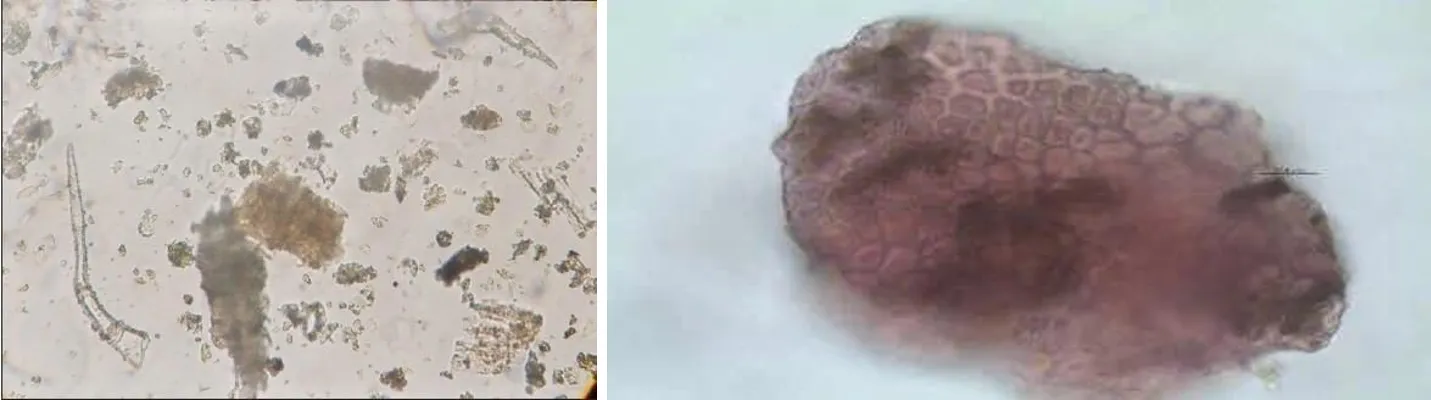
Figure 1: Powder Microscopy of Amla
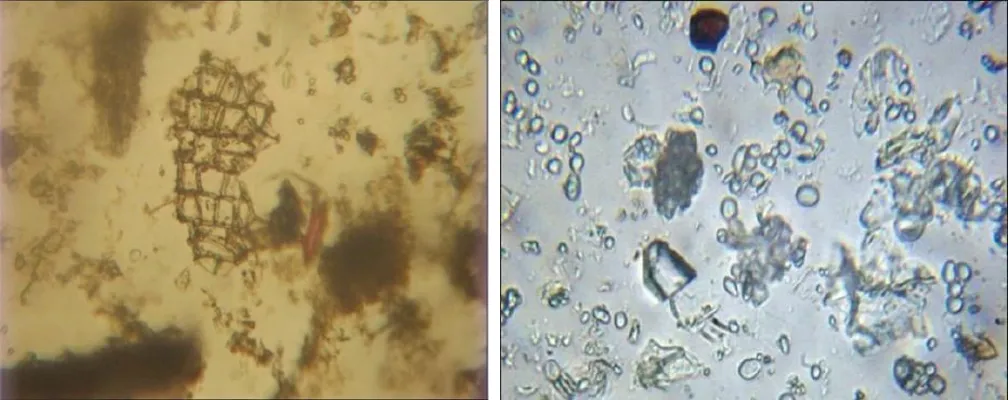
Figure 2: Powder Microscopy of Tulsi
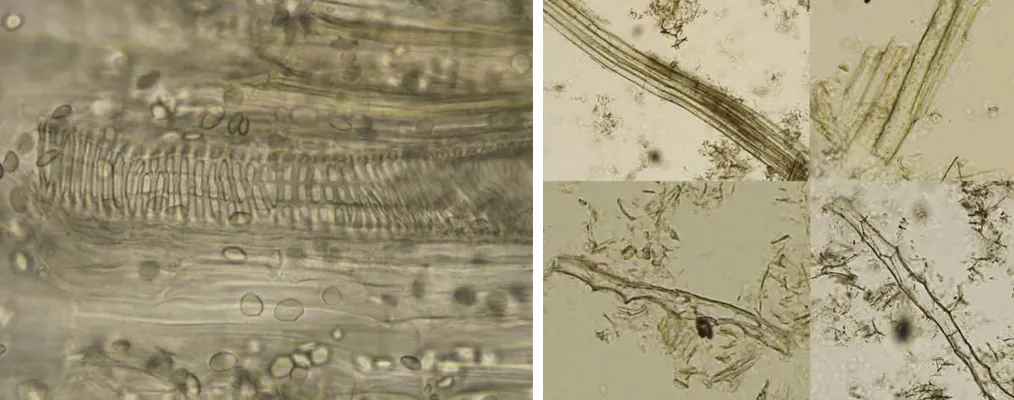
Figure 3: Powder Microscopy of Ginger
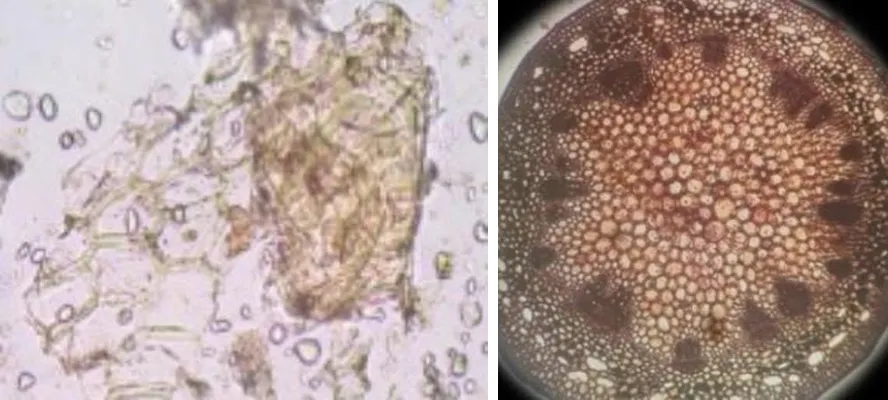
Figure 4: Powder Microscopy of Guduchi
Extraction Yield
Cold maceration with distilled water gave extractive yields of 8.30% for Amla, 6.28% for Ginger, 5.94% for Guduchi and 5.74% for Tulsi (Table 4, Figure 5). Amla gave the highest yield of water-soluble extractives.
Table 4: Extraction Yield of the Herbs by Cold Maceration
| Herb | Quantity taken (g) | Extract obtained (g) | Yield (%) |
|---|---|---|---|
| Amla | 50 | 4.15 | 8.30 |
| Ginger | 50 | 3.14 | 6.28 |
| Guduchi | 50 | 2.97 | 5.94 |
| Tulsi | 50 | 2.87 | 5.74 |
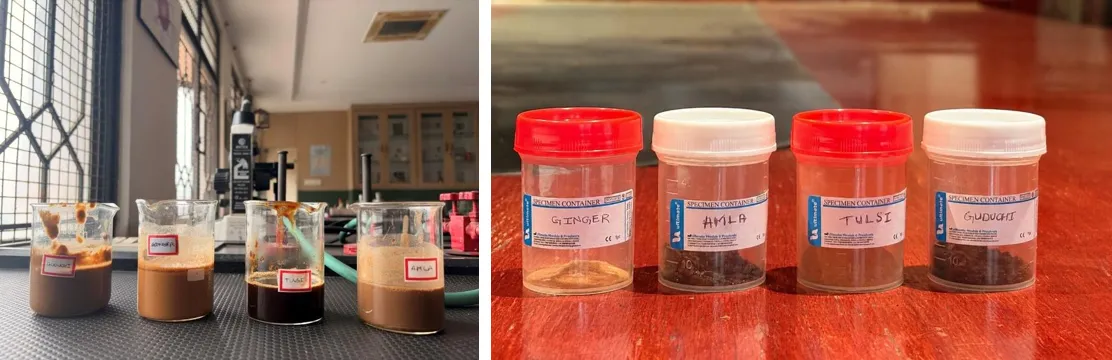
Figure 5: (A) Maceration of the Herbal Powders; (B) Dried Extracts of Ginger, Amla, Tulsi and Guduchi
Formulation and Evaluation of the Candies
The candies prepared by the melt and mould method were dark brown, round, smooth and sweet (Table 5, Figure 6). The dark colour is expected from the jaggery base and the herbal materials.
Table 5: Organoleptic Evaluation of the Candies
| Parameter | Observation |
|---|---|
| Colour | Dark brown |
| Taste | Sweet |
| Texture | Smooth |
| Shape | Round |
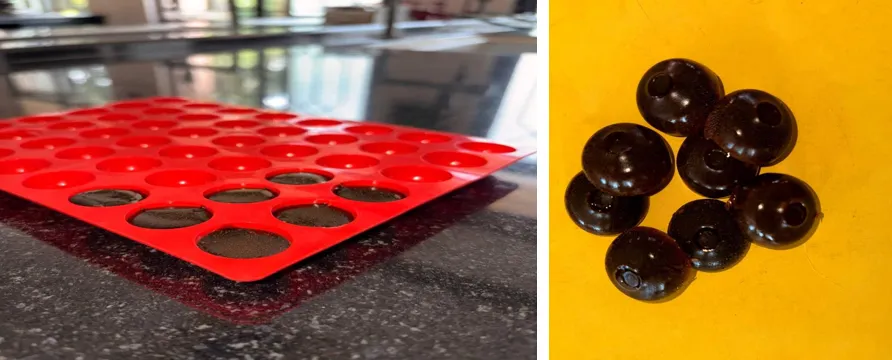
Figure 6: (A) Herbal Candies in the Mould; (B) Finished Herbal Immunity-Enhancement Candies
The physical evaluation results are given in Table 6. The average weight of the candies was 3.12 g. The moisture content was 3.2%, which is low and favourable for the stability of a hard candy, since low moisture limits microbial growth and stickiness; honey- and jaggery-based candies are nevertheless hygroscopic and need moisture-proof packaging.13,28 The friability was 0.73%, which is within the limit of 1% adopted in this study, and the mean hardness was 8.39 ± 0.18 kg/cm², with the small standard deviation indicating uniform candies. Together these results indicate that the candies have adequate mechanical strength to withstand handling, packing and transport.
Table 6: Physical Evaluation of the Candies
| Parameter | Result |
|---|---|
| Average weight (g) | 3.12 |
| Moisture content (%) | 3.2 |
| Friability (%) | 0.73 |
| Hardness (kg/cm²) | 8.39 ± 0.18 |
Thin Layer Chromatography
The TLC profiles of the four extracts and the candy formulation are shown in Figure 7. The bands obtained for the formulation corresponded to bands present in the individual extracts at both 254 nm and 366 nm, indicating that constituents of the herbal extracts are present in the final candy and survived the heating step. TLC is only qualitative, and the individual constituents responsible for the bands were not identified or quantified.
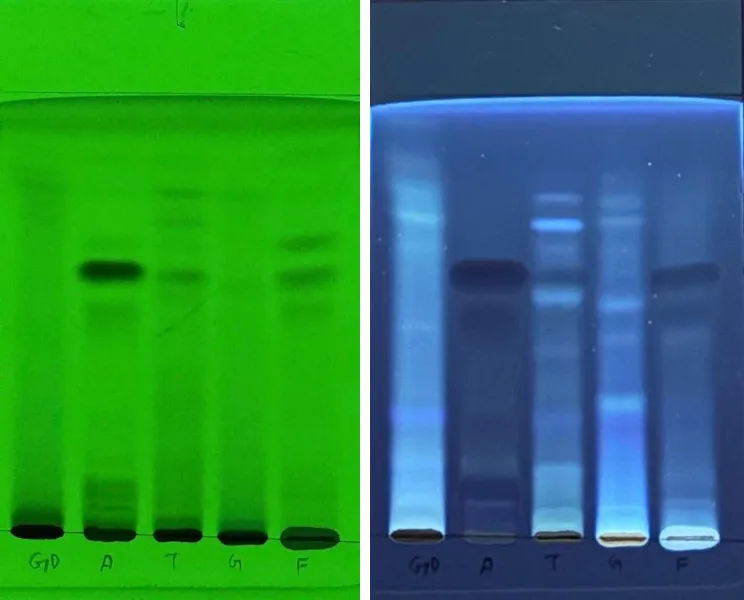
Figure 7: TLC Chromatogram of Guduchi (GD), Amla (a), Tulsi (T), Ginger (G) and the Formulation (F) Under UV 254 nm (Left) and 366 nm (Right)
Packaging and Storage
Hard candies are hygroscopic, so each candy should be wrapped individually in a moisture-impervious liner and stored in an airtight container in a cool, dry place (about 18–24 °C, relative humidity below 40%), away from direct sunlight and heat.
CONCLUSION
A jaggery-based herbal hard candy containing Amla, Ginger, Tulsi and Guduchi was successfully formulated. The crude drugs were characterised by their organoleptic, microscopic and phytochemical features, and the candies showed acceptable appearance, low moisture content (3.2%), friability below 1% (0.73%), good hardness (8.39 ± 0.18 kg/cm²), and TLC bands corresponding to the herbal extracts. The candy is a convenient and palatable way of delivering the selected herbs. Further work should include HPTLC quantification of markers, antioxidant and immunomodulatory assays, microbial and stability studies, development of sugar-free alternatives, and safety and efficacy evaluation in children.
ACKNOWLEDGEMENTS
The authors thank Dr. Md. Salahuddin, Principal, Dr. Krishnamurthy, Professor and Head of the Department of Pharmacognosy, Mrs. Netravathi, Assistant Professor, and the laboratory staff of Al-Ameen College of Pharmacy, Bengaluru, for providing the facilities and support to carry out this work.
REFERENCES



Shakeel Ahmed Z., Anilkumar, Vinutha Bhat, Formulation and Evaluation of a Herbal Immunity Enhancing Candy for Pediatric Immune Support, Int. J. of Pharm. Sci., 2026, Vol 4, Issue 11, 5778-5785. https://doi.org/10.5281/zenodo.24583505
 10.5281/zenodo.24583505