

We use cookies to ensure our website works properly and to personalise your experience. Cookies policy
JBIT College of Pharmacy.
Nanotechnology has emerged as an important area of pharmaceutical research because of its potential to improve the delivery of medicines within the body. Targeted drug delivery uses nanoscale carriers to transport therapeutic agents towards specific tissues, organs, or cells. Depending on their composition and design, these carriers can improve the solubility of poorly soluble drugs, protect medicines from premature degradation, and control the rate at which drugs are released. hey may also help reduce drug exposure to healthy tissues and minimise unwanted side effects, although the results depend on the formulation and type of treatment.Various nanocarriers, including liposomes, polymeric nanoparticles, solid lipid nanoparticles, micelles, and dendrimers, are being investigated for their role in modern medicine. Their potential applications include cancer treatment, gene delivery, infectious diseases, neurological disorders, and inflammatory conditions. Despite these developments, several challenges remain, particularly in relation to toxicity, immune responses, long-term stability, large-scale manufacturing, production costs, and regulatory approval. This review examines the major types of nanocarriers, the mechanisms involved in targeted drug delivery, their pharmaceutical applications, and their key advantages and limitations. It also discusses future prospects and the need for further research to establish the safety and effectiveness of these systems in clinical practice
Nanotechnology is an emerging field of science that focuses on the study and application of materials at the nanoscale, generally ranging from 1 to 100 nanometres.
At this scale, materials may exhibit physical, chemical, and biological properties that differ from those observed in their larger forms. These unique characteristics have created new opportunities in pharmaceutical research, particularly in the development of advanced drug delivery systems.
Targeted drug delivery is an approach designed to transport medicines towards a specific organ, tissue, cell, or site within the body. Its main objective is to improve the delivery of a drug to the area requiring treatment while limiting unnecessary exposure to other parts of the body.
This may help improve therapeutic outcomes and reduce certain unwanted side effects.
Conventional drug delivery methods often distribute medicines throughout the body, even when treatment is required only at a particular site.
As a result, some medicines may affect healthy tissues, while only a limited amount reaches the affected area. These problems can be especially challenging when drugs have poor solubility, limited stability, or significant side effects.
Nanotechnology offers potential solutions through the development of nanoscale carriers that can encapsulate or attach drugs, protect them during transport, and release them under suitable conditions. Examples include liposomes, polymeric nanoparticles, solid lipid nanoparticles, micelles, and dendrimers. Their size, surface characteristics, composition, and attached targeting molecules can be modified to influence how they interact with biological tissues and cells.
Although nanotechnology-based drug delivery has shown promising results, its effectiveness depends on the formulation, the drug being delivered, and the condition being treated. Further research is needed to understand its limitations and establish the safety and reliability of different systems. Therefore, studying these technologies is important for understanding their current role and future potential in pharmaceutical science.
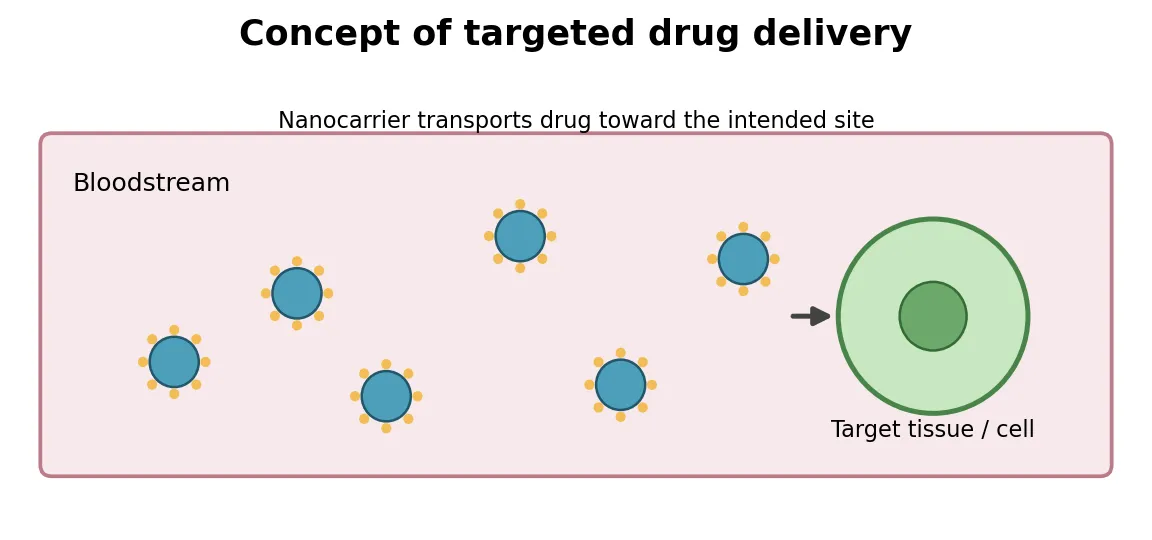
Figure 1: Conceptual overview of nanotechnology-based targeted drug delivery.
2.1 Research Question
How can nanotechnology-based drug delivery systems improve the delivery of medicines to specific sites in the body while enhancing treatment effectiveness and reducing unwanted side effects?
2.2 Significance of the Study
The study of nanotechnology-based targeted drug delivery is important because conventional drug delivery methods may not always provide sufficient drug concentrations at the required site or prevent unwanted effects on healthy tissues. Nanocarriers offer alternative approaches to addressing some of these limitations.
The major areas of significance include:
2.3 Objectives
The main objective of this review is to examine the role of nanotechnology in targeted drug delivery and understand its potential contribution to pharmaceutical development. The specific objectives are:
3. LITERATURE REVIEW
3.1 Overview of Previous Research
Over the years, researchers have investigated nanotechnology as a way to improve drug delivery, particularly in terms of drug stability, distribution, solubility, and controlled release. Different types of nanocarriers have been developed to overcome some of the limitations associated with conventional drug delivery methods. Among these, liposomes and polymeric nanoparticles have received considerable attention because of their ability to carry different therapeutic agents and their potential for surface modification.
The development of liposomal medicines demonstrates that nanotechnology-based formulations can progress from laboratory research to clinical use. Doxil, a liposomal formulation of doxorubicin, is one example used in the treatment of certain cancers. By encapsulating an established anticancer drug within a liposomal carrier, the formulation changes how the drug is distributed in the body and can influence its safety profile.
Recent research has also focused on advanced nanocarriers designed to respond to specific conditions within the body. These include systems that release drugs in response to changes in pH, temperature, or other biological signals. Researchers are further exploring surface-modified nanoparticles that can interact with selected cellular targets, hybrid carrier systems that combine different materials, and nanocarriers for delivering genetic material such as DNA and RNA. Despite these developments, further investigation is required to establish the effectiveness, safety, and practical suitability of many newer approaches.
3.2 Types of Nanocarriers Used in Targeted Drug Delivery
Nanocarriers are nanoscale systems designed to transport drugs and other therapeutic substances within the body. They differ in their composition, structure, drug-loading capacity, and release mechanisms. The selection of a suitable carrier depends on the properties of the drug, the intended treatment site, and the desired therapeutic effect.
3.2.1 Liposomes
Liposomes are small, generally spherical vesicles made of one or more phospholipid bilayers. Their structure includes a watery interior, which can accommodate water-soluble drugs, while lipid-soluble drugs can be incorporated into the lipid layers. This arrangement makes liposomes useful for carrying different types of therapeutic agents.
Advantages:
Applications: Liposomes are used in selected anticancer and antifungal formulations and are also being investigated for delivering biological therapeutic agents.
3.2.2 Polymeric Nanoparticles
Polymeric nanoparticles are small drug carriers made from natural or synthetic polymers. Depending on the formulation, the drug may be enclosed within the polymer matrix, trapped in its structure, or attached to the particle surface. Some polymers are biodegradable, allowing the carrier to break down under suitable biological conditions.
Advantages:
Applications: These nanoparticles are being studied for cancer treatment, vaccine delivery, and the controlled release of various therapeutic agents.
3.2.3 Solid Lipid Nanoparticles
Solid lipid nanoparticles are carriers in which the drug is incorporated into a lipid core that remains solid under suitable storage and physiological conditions. Surfactants are generally used to stabilise the particles and help maintain their dispersion. These systems have attracted interest as alternatives to certain conventional lipid-based drug carriers.
Advantages:
Applications: Solid lipid nanoparticles are being investigated for oral, topical, and selected injectable drug delivery formulations.
3.2.4 Polymeric Micelles
Polymeric micelles are nanoscale structures formed by certain amphiphilic polymers in a suitable liquid environment. They generally contain an inner region that can accommodate water-insoluble drugs and an outer layer that interacts with the surrounding aqueous medium. This structure makes them particularly relevant to research on drugs with poor water solubility.
Advantages:
Applications: Polymeric micelles are being investigated for delivering poorly water-soluble anticancer drugs and other hydrophobic therapeutic agents.
3.2.5 Dendrimers
Dendrimers are highly branched, tree-like molecules with a well-defined molecular structure. Their internal spaces and numerous surface functional groups provide opportunities to carry drugs or attach therapeutic and targeting molecules. Their properties can be modified by changing the chemical groups present on their surfaces.
Advantages:
Applications: Dendrimers are being investigated for the delivery of anticancer agents, genetic material, and diagnostic compounds. Their wider use depends on addressing concerns such as toxicity, formulation complexity, and biological compatibility.
3.2.6 Metallic and Magnetic Nanoparticles
Metallic and magnetic nanoparticles have attracted interest because of their potential uses in diagnosis, imaging, and treatment. Gold nanoparticles and certain other metallic materials are being studied for imaging and light-based therapies. Magnetic nanoparticles may respond to an external magnetic field under appropriate conditions, offering possible applications in imaging and experimental drug-targeting approaches.
Advantages:
Applications: These nanoparticles are being investigated for diagnostic imaging, experimental targeted drug delivery, and selected cancer-treatment approaches.
However, their use requires careful assessment of toxicity, tissue accumulation, clearance from the body, and long-term safety. Overall, the performance of a nanocarrier depends on its composition, particle size, surface characteristics, drug-loading capacity, release behaviour, and interactions with biological systems. No single carrier is suitable for every drug or disease, so the choice of formulation must be based on the intended application and its safety requirements.
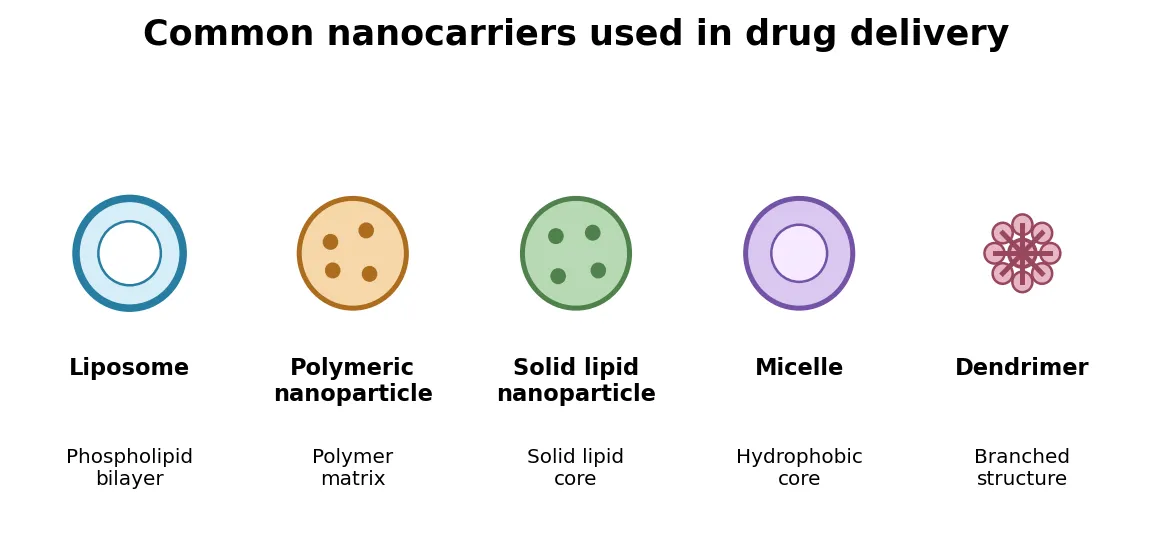
Figure 2: Common nanocarrier types used in pharmaceutical drug delivery.
DISCUSSION
4.1 Mechanisms of Targeted Drug Delivery
Targeted drug delivery uses different approaches to help medicines reach specific tissues or cells. The effectiveness of each approach depends on the nanocarrier, the drug, and the biological environment.
4.1.1 Passive Targeting
Passive targeting relies on natural differences between healthy and diseased tissues. For example, some tumours have more permeable blood vessels and reduced lymphatic drainage, which may allow certain nanoparticles to accumulate in tumour tissue. This phenomenon is known as the enhanced permeability and retention (EPR) effect. However, its effectiveness varies between tumour types and patients, so consistent targeting cannot always be achieved. [3,6]
4.1.2 Active Targeting
Active targeting involves attaching molecules such as antibodies, peptides, or other ligands to the surface of a nanocarrier. These molecules are designed to recognise specific receptors or features on target cells, potentially improving binding and cellular uptake. However, the success of this approach depends on receptor availability and the properties of the carrier.
4.1.3 Stimuli-Responsive Targeting
Stimuli-responsive nanocarriers are designed to release their drug contents in response to particular internal or external triggers. Common examples include:
These systems may improve control over the timing or location of drug release. However, their effectiveness depends on whether the trigger operates safely and reliably under the intended conditions.
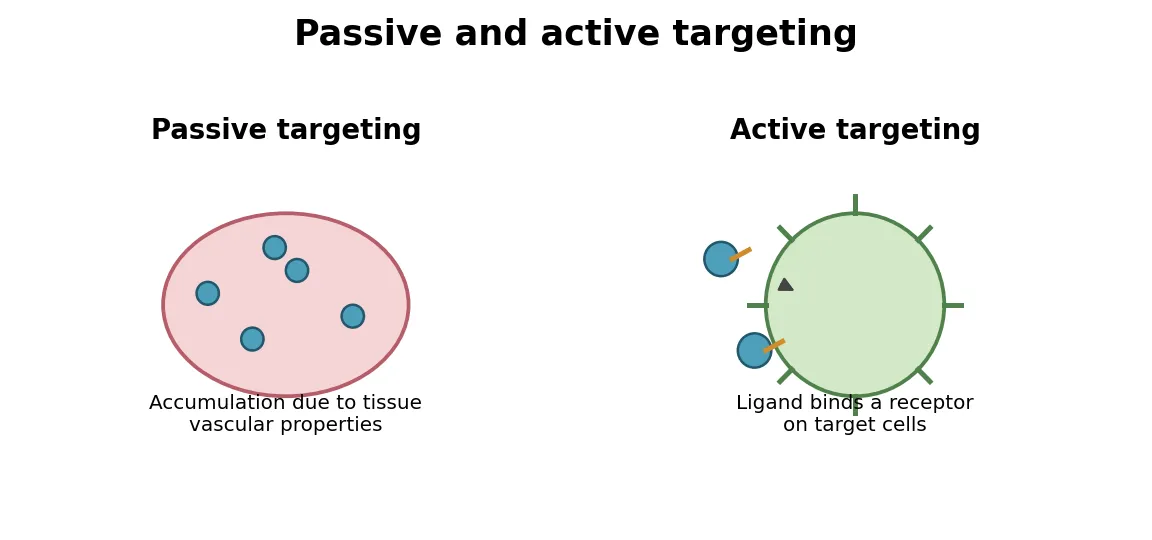
Figure 3: Comparison of passive and active targeting strategies.
4.2 Mechanism of Action
Nanotechnology-based drug delivery systems work through a series of steps that help transport a medicine to its intended site and release it in a controlled manner. The exact mechanism depends on the type of nanocarrier, the drug being used, the route of administration, and the target tissue. The main steps involved are described below.
Drug release may occur gradually or in response to particular conditions, such as changes in pH, temperature, or enzymatic activity. The rate and location of release depend on the formulation and its interaction with the biological environment.
Overall, nanotechnology-based drug delivery systems aim to improve the transport, stability, and release of medicines. However, their performance varies according to the formulation and the patient's biological conditions.
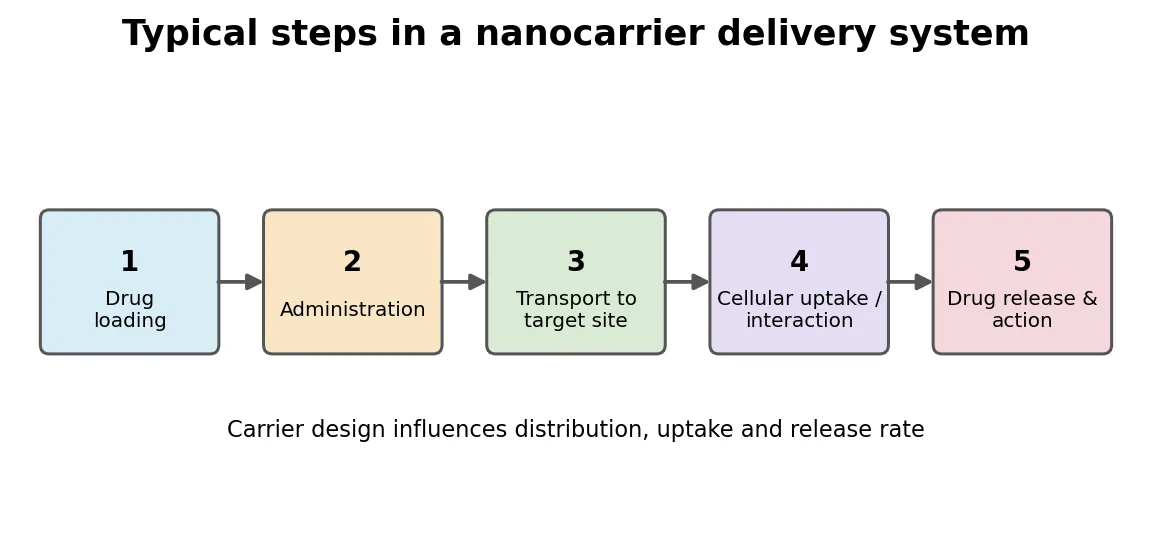
Figure 4: Main steps involved in nanocarrier-based drug delivery.
4.3 Pharmaceutical Applications
Nanotechnology-based drug delivery systems are being investigated for a wide range of medical conditions because they can influence how medicines are transported, distributed, and released within the body. Their potential applications include cancer treatment, neurological disorders, gene therapy, infectious diseases, and chronic inflammatory conditions. Although several nanotechnology-based medicines are already used in clinical practice, many newer approaches are still under research and require further evaluation.
4.3.1 Cancer Treatment
Cancer treatment is one of the major areas of research in nanotechnology-based drug delivery. Conventional anticancer medicines may affect both cancerous and healthy cells, which can lead to unwanted side effects. Nanocarriers can alter the distribution of these medicines and may help improve drug delivery to tumour tissues.
For example, liposomal doxorubicin (Doxil) is an established nanotechnology-based formulation used for certain cancers. Encapsulating doxorubicin in liposomes changes its distribution within the body and can influence its safety profile. However, the therapeutic benefits and potential risks depend on the specific formulation, type of cancer, and individual patient.
4.3.2 Brain Drug Delivery
Delivering medicines to the brain is challenging because the blood–brain barrier (BBB) restricts the entry of many substances from the bloodstream into the central nervous system. Although this barrier protects the brain from harmful agents, it also limits the effectiveness of several therapeutic drugs.
Researchers are therefore investigating nanoparticles and surface-modified carriers that may improve the delivery of selected medicines across this barrier. Potential applications include the treatment of brain tumours and neurological disorders such as Alzheimer's and Parkinson's diseases. Despite these possibilities, achieving safe, reliable, and effective drug delivery to the human brain remains a significant challenge.
4.3.3 Gene and Nucleic Acid Delivery
Nanotechnology also has an important role in the delivery of genetic material, including DNA and RNA. These molecules can be difficult to deliver because they may degrade rapidly in the body and have limited ability to enter cells on their own. Nanocarriers, particularly lipid-based nanoparticles, can help protect nucleic acids from degradation and facilitate their uptake by target cells. Such delivery systems are used in some vaccines and are also being investigated for gene therapy and other genetic treatments.
Their effectiveness depends on factors such as the stability of the carrier, successful cellular uptake, and the ability to deliver the genetic material to the appropriate location within the cell.
4.3.4 Infectious Diseases
Nanotechnology-based drug delivery systems are being studied for the treatment of bacterial and fungal infections. Nanocarriers may protect antimicrobial medicines from premature degradation, modify their distribution in the body, and provide controlled or sustained drug release. These properties may be useful when developing formulations intended to improve drug delivery to infected tissues. Researchers are also exploring whether certain nanomaterials can contribute directly to antimicrobial activity.
However, the use of nanocarriers does not automatically overcome antimicrobial resistance, and their effectiveness and safety must be established for each formulation and intended application.
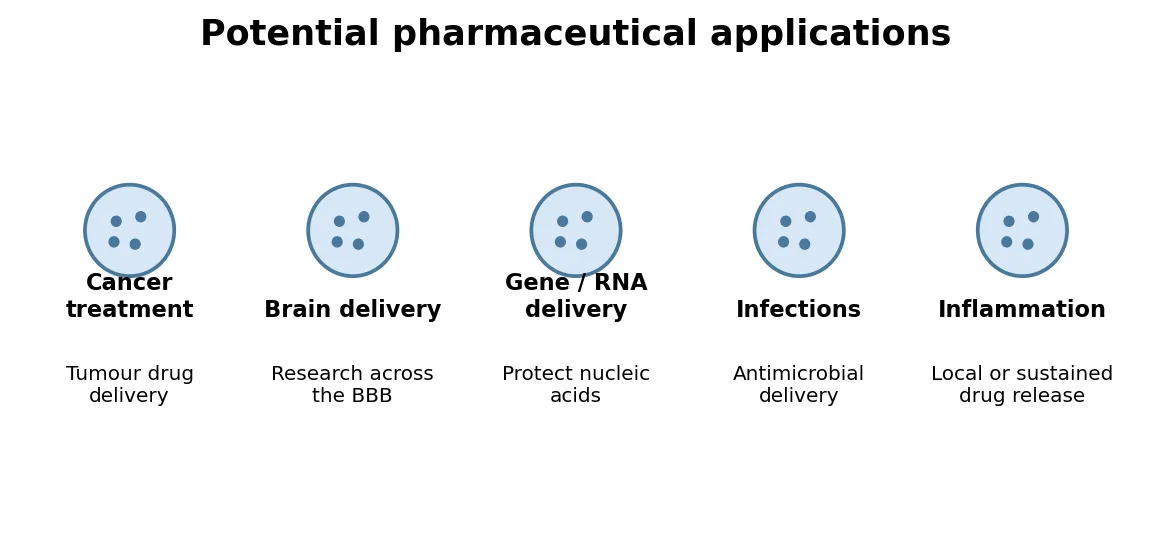
Figure 5: Potential pharmaceutical applications of nanotechnology-based delivery.
4.3.5 Inflammatory and Chronic Diseases
Nanocarriers are also being investigated for the management of chronic and inflammatory conditions, including rheumatoid arthritis, inflammatory bowel disease, and diabetes. In these conditions, prolonged treatment may be required, making controlled drug release and improved delivery important areas of research. Certain formulations are designed to increase drug availability at affected tissues or maintain therapeutic levels over a longer period. These approaches may help improve treatment effectiveness and reduce unwanted effects in selected cases. Nevertheless, their clinical value depends on the specific disease, the drug being delivered, and the ability of the formulation to achieve reliable results.
4.4 Advantages of Nanotechnology in Targeted Drug Delivery
Nanotechnology-based drug delivery systems offer several potential advantages over conventional drug formulations. These benefits depend on the type of nanocarrier, the properties of the drug, and the intended therapeutic application.
4.5 Limitations and Challenges
Despite their potential benefits, nanotechnology-based drug delivery systems face several scientific, technical, economic, and regulatory challenges. Addressing these limitations is essential for ensuring that nanomedicines are safe, effective, and suitable for widespread clinical use.
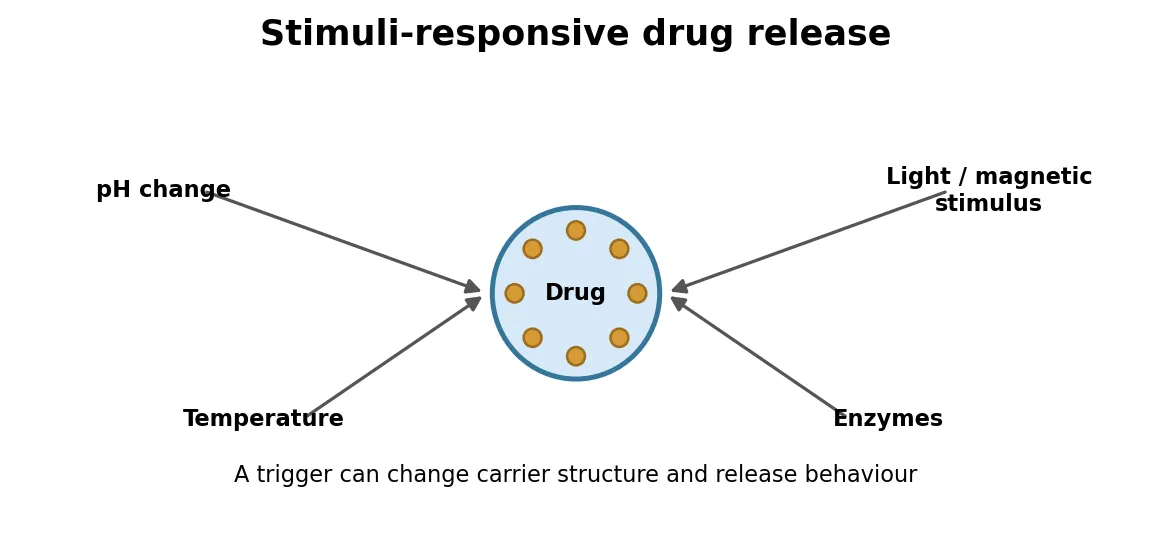
Figure 6: Examples of stimuli that can trigger drug release from responsive nanocarriers.
Overall, overcoming these challenges will require continued research, improved manufacturing techniques, appropriate safety testing, and cooperation between pharmaceutical scientists, clinicians, manufacturers, and regulatory authorities.
4.6 Future Prospects
The future of nanotechnology-based targeted drug delivery will likely depend on the development of safer, more effective, and more reliable formulations. Ongoing research is exploring biodegradable nanocarriers that can break down safely within the body, as well as targeting molecules designed to recognize particular receptors or biological features on target cells. These approaches may help improve drug delivery while limiting unnecessary exposure to healthy tissues.
Another promising area involves stimuli-responsive nanocarriers, which are designed to release their drug contents in response to specific conditions, such as changes in pH, temperature, or enzymatic activity. Hybrid nanocarriers that combine the properties of different materials may also provide new ways to improve drug stability, targeting, and controlled release. However, the effectiveness of these systems must be demonstrated through appropriate experimental and clinical studies.
Artificial intelligence (AI) and computer modelling may further support nanomedicine research by helping scientists analyse formulation characteristics, predict drug-release behaviour, and identify promising carrier designs. These tools could make the development process more efficient, although their predictions must be validated experimentally.
Personalized nanomedicine is another potential direction for future research. In this approach, drug delivery systems may eventually be adapted to individual patient characteristics, disease patterns, or treatment requirements. Such developments could support more tailored treatment strategies, but their practical implementation will require reliable diagnostic information and evidence of clinical benefit.
Despite these opportunities, several important steps remain before many emerging technologies can be used widely. Strong clinical evidence, long-term safety assessment, affordable production methods, consistent large-scale manufacturing, and clear regulatory pathways will be essential. With continued research and careful evaluation, nanotechnology may contribute to improved drug delivery and the development of more effective treatment options in the future.
CONCLUSION
Nanotechnology has emerged as a promising approach for improving the delivery of medicines within the body. Various nanocarriers, including liposomes, polymeric nanoparticles, solid lipid nanoparticles, micelles, and dendrimers, can influence drug solubility, stability, distribution, and release.
These systems are being explored for several pharmaceutical applications, such as cancer treatment, gene delivery, neurological disorders, infectious diseases, and inflammatory conditions. Their ability to modify drug delivery and release patterns offers opportunities to improve therapeutic outcomes in selected cases.
Despite these developments, several challenges remain before nanotechnology-based drug delivery can be adopted more widely. Although some nanomedicines are already used in clinical practice, many newer targeting approaches are still under investigation.
Potential toxicity, formulation stability, manufacturing difficulties, high production costs, and regulatory requirements must be carefully addressed to ensure the safety, quality, and effectiveness of these systems.
In conclusion, nanotechnology-based targeted drug delivery represents an important and evolving area of pharmaceutical research. Continued scientific investigation, improvements in formulation design, and thorough clinical evaluation will be necessary to establish its long-term benefits and limitations.
With further progress, these systems may contribute to safer and more effective treatments and support the development of medicines better suited to individual patient needs.
6. ACKNOWLEDGEMENT
I would like to express my sincere and heartfelt gratitude to my esteemed faculty members and the Department of Pharmacy for their valuable guidance, constant encouragement, and unwavering support throughout the preparation of this review article. Their insightful suggestions, constructive feedback, and academic assistance have played a significant role in deepening my understanding of the subject and in helping me organize, analyze, and present the information included in this work in a clear and meaningful manner. I am also sincerely thankful to all the researchers, authors, and scientists whose published studies, research findings, and scientific contributions have provided valuable insights into the role of nanotechnology in targeted drug delivery. The scientific databases, peer-reviewed research publications, textbooks, and regulatory resources consulted during the preparation of this review served as important and reliable sources of information, enabling me to develop a broader, more comprehensive, and well-informed understanding of the topic. Furthermore, I acknowledge that this review article has been prepared solely for academic purposes as a part of my Bachelor of Pharmacy (B.Pharm) coursework, and it reflects my sincere effort to study and summarize the relevant scientific literature on nanotechnology-based targeted drug delivery systems. Finally, I am deeply grateful to everyone whose guidance, encouragement, scholarly contributions, and support have directly or indirectly contributed to the successful completion of this article.REFERENCES
REFERENCES

Yash Saini, Ashish Kushwaha, Dr. Arun Kumar Maurya, Dr. Lalit Bisht, Nanotechnology in Target Drug Delivery System : A Comprehensive Review, Int. J. of Pharm. Sci., 2026, Vol 4, Issue 11, 5658-5669. https://doi.org/10.5281/zenodo.24582485
 10.5281/zenodo.24582485